Padre Francisco Garcés, a Franciscan missionary, camped at Castle Butte (what is now California City) during the Juan Bautista de Anza expedition of Alta California (1776).
In the late 19th century, the Twenty-Mule Team Trail, which carried loads of borax to the railhead in Mojave from Harmony Borax Works' mines to the east, ran through the California City area.
Read the full history
Military
The Mojave Gunnery Range "C" was used from August 1944 until January 1959, when it became California City land; this had included bombing ranges and strafing targets, such as a vehicle convoy. It was also used for pilotless aircraft just after World War II. Unexploded ordnance and toxic waste is associated with the site; the Army Corps of Engineers began surveying the site in 1999 and, by 2001, the range was described as encompassing 20,908 acres (8,461 ha) southwest of the California City center. Site surveys in 1999 found MK 23 3-pound practice bombs with unfired signal cartridges and 20 mm target practice projectiles, along with 2.25", 2.75" and 5" practice rockets, undetonated bombs and small arms ammunition (from .22 to .50 caliber). The largest fuzed and most dangerous bombs discovered were a pair of 100-pound general purpose bombs.
Town
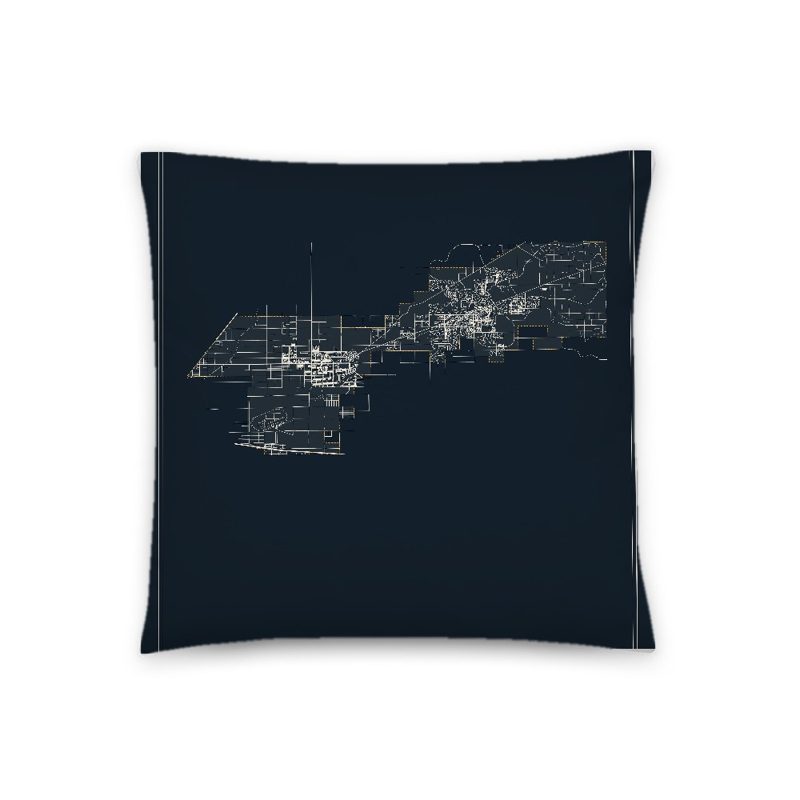
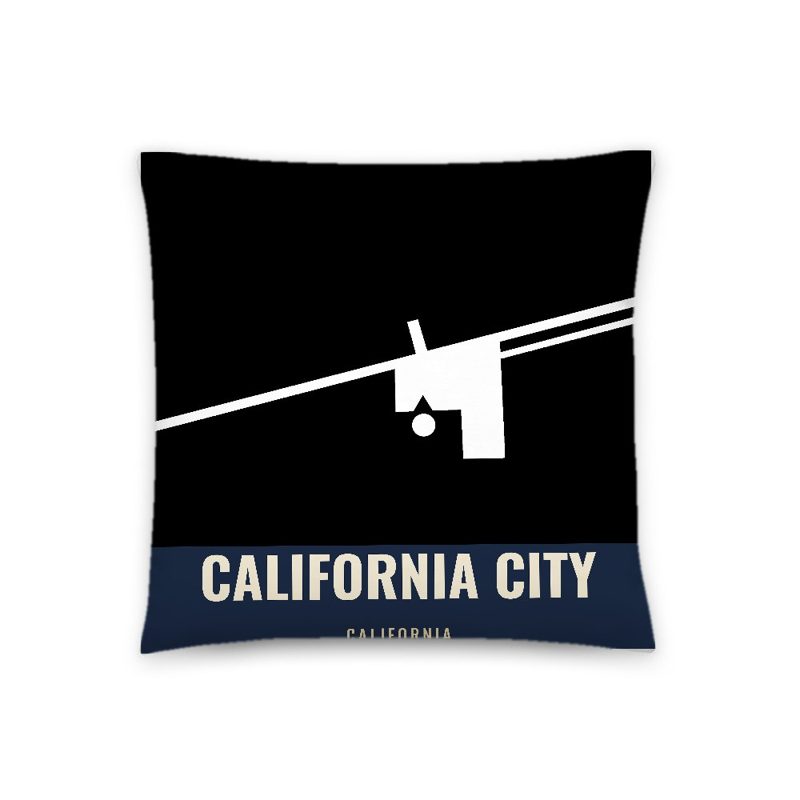
The city was formed in 1958, when developers purchased 82,000 acres (33,000 ha), 128 square miles or 332 square km of western Mojave Desert. The new city was aggressively marketed. Developers pitched the city as a northern alternative to Los Angeles, which the developers argued could not handle the post-war population-boom, and the region needed other communities to share the increase. Instead of being built piecemeal, the whole city would be developed simultaneously. The city was designed to be a planned community. The masterplan was prepared by Smith and Williams and architect Garrett Eckbo at the behest of real estate developer and sociology professor Nat Mendelsohn. The city included a central park with a 26-acre (11 ha) manmade lake, two golf courses, and a new Holiday Inn. Mendelsohn was then president of a corporation called the California City Development Company. There were conflicting reports that the city was built over a large aquifer. The city was originally designed to accommodate 400,000 people, with a downtown center capable of holding 80,000–100,000, and satellite suburbs housing the rest.
A post office opened in 1960, and the city incorporated in 1965, when it had 158 square miles (410 km2) of land, 5,900 landowners, 817 residents, and 232 homes.
By 1965, population growth was less than the developer's projection, leaving a grid of paved roads with thousands of landowners, but with little construction activity, and by 1969 only about 1,300 people lived in the city. The Federal Trade Commission began inspecting the development company in 1969, and Ralph Nader's 25-person California task force (part of "Nader's Raiders") published Power and Land in California in 1971. Part of the book focused on California City, calling it a fraud and "a particularly stark study of government failure." By the 1970s, over 50,000 lots had been sold and the market declined. The Federal Trade Commission filed a cease and desist against the home seller for misleading advertising about the city, and in 1977, over 14,000 landowners receiving partial refunds from a $4 million pool, the largest FTC settlement to date. The sales company was also required to invest $16 million in long-promised infrastructure in various cities.
In 2015, it was reported that California City's water usage had exceeded expectations, increasing by 28% in May of that year. The rapidly increasing water usage was blamed on aging pipes beneath undeveloped portions of the city, faulty pumps reporting exaggerated figures, and the large number of inmates and workers at California City Correctional Facility.
In June 2016, California City became the first city of Kern County, California, to allow commercial cannabis cultivation. The city anticipated an eventual profit of $10 million+ a year in tax revenue from the new policy; by the first quarter of 2023, the city had made around $98,000 in cannabis-related revenues.
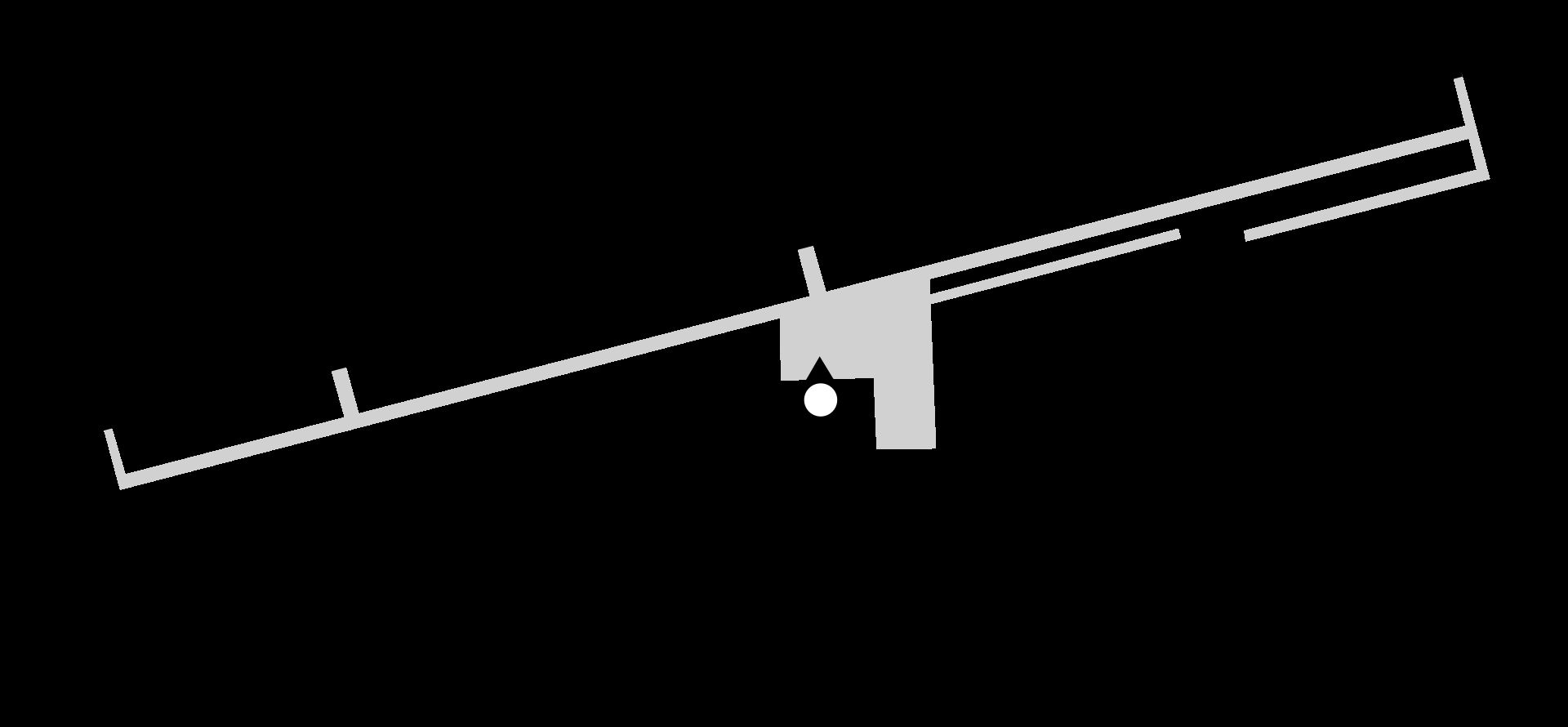
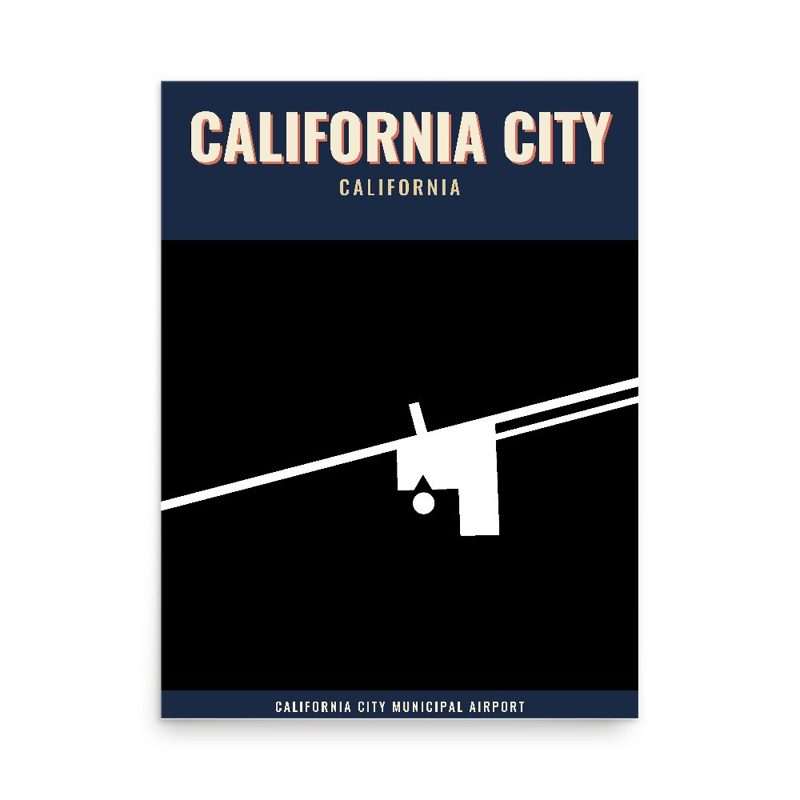
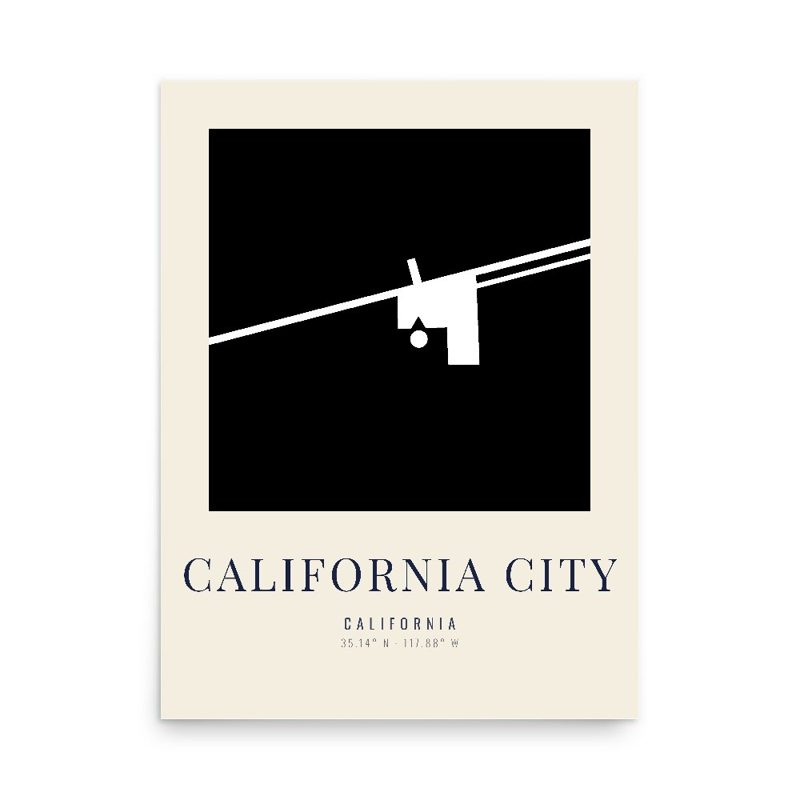
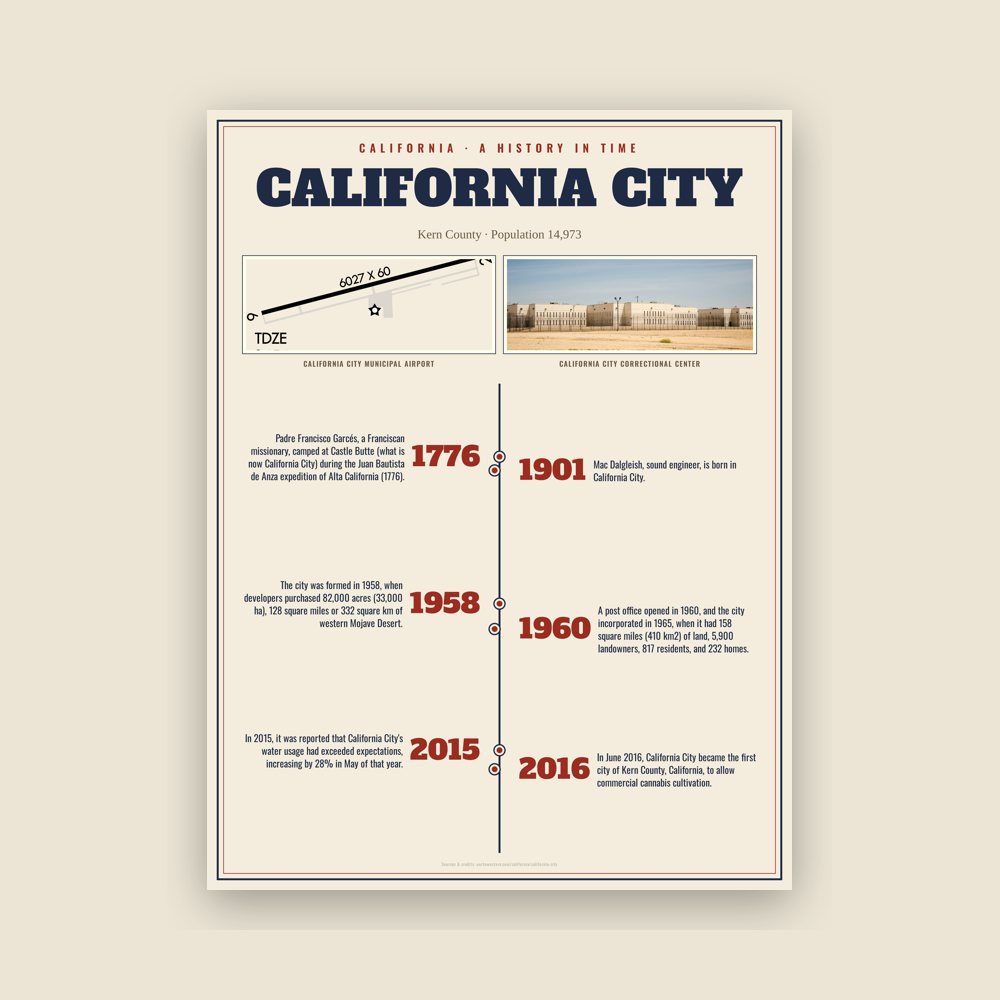
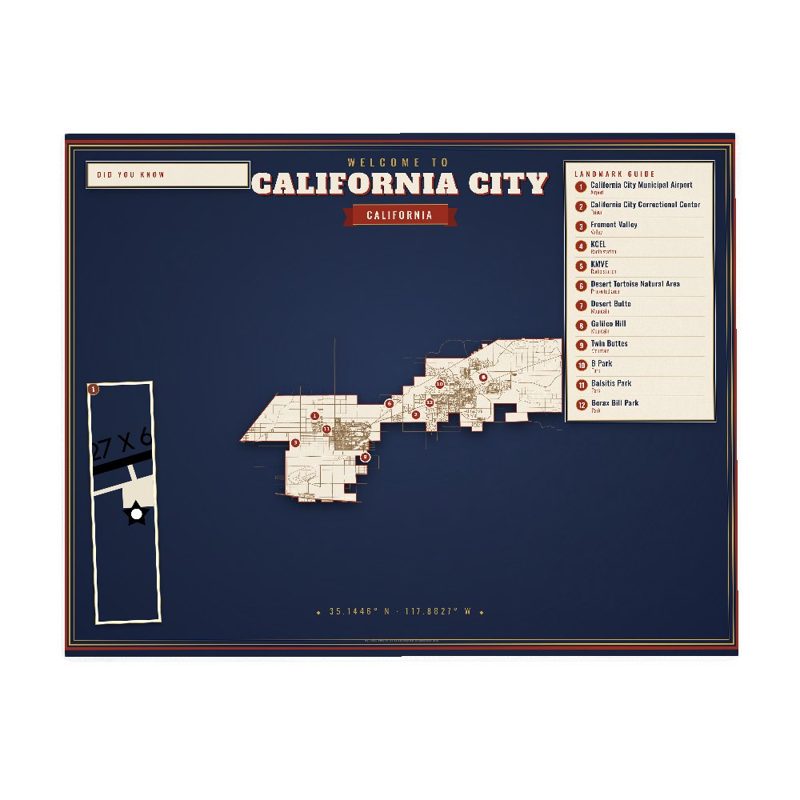
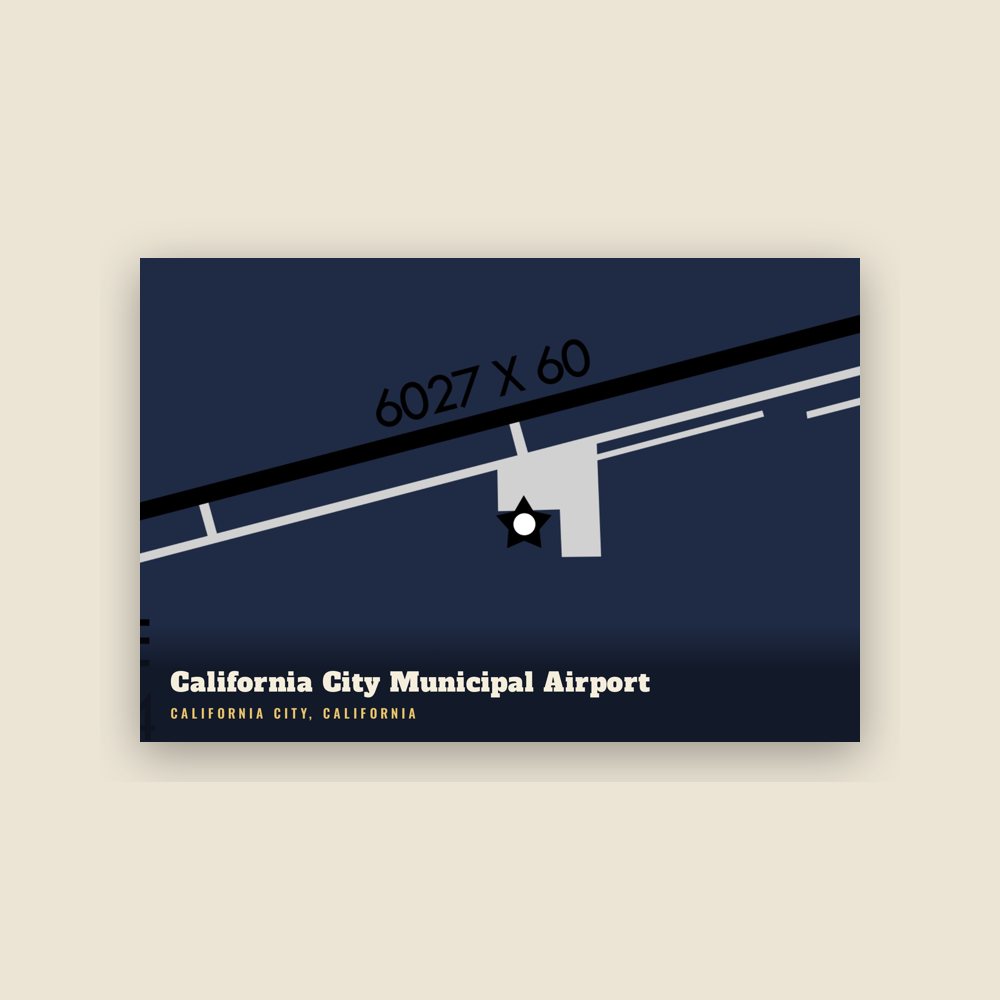
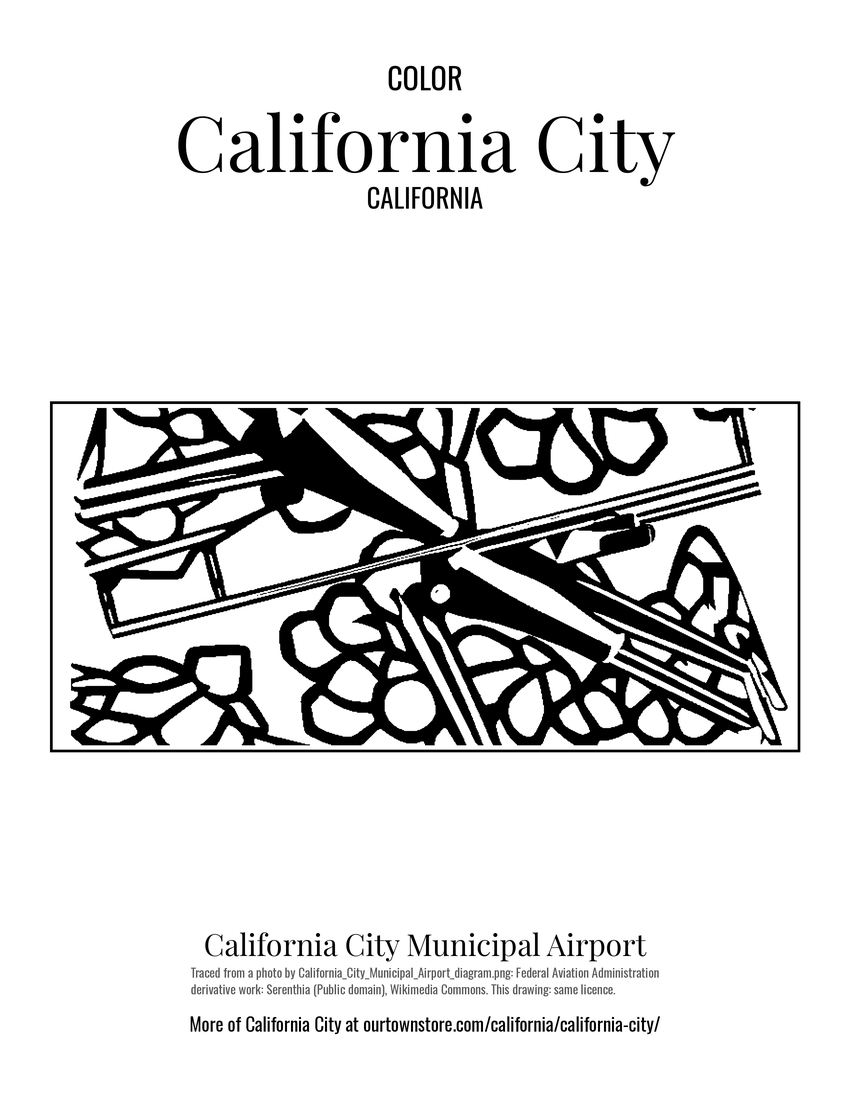 California City Municipal Airport
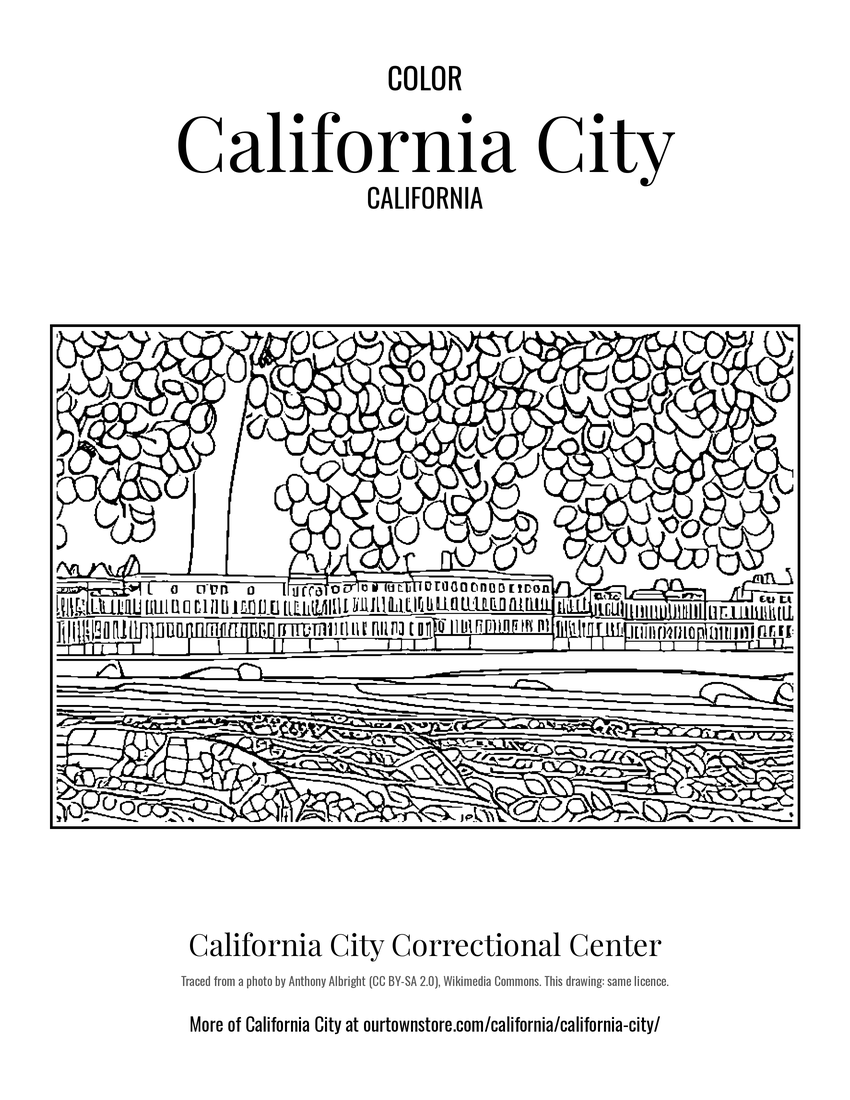 California City Correctional Center