A short history of Pico Rivera
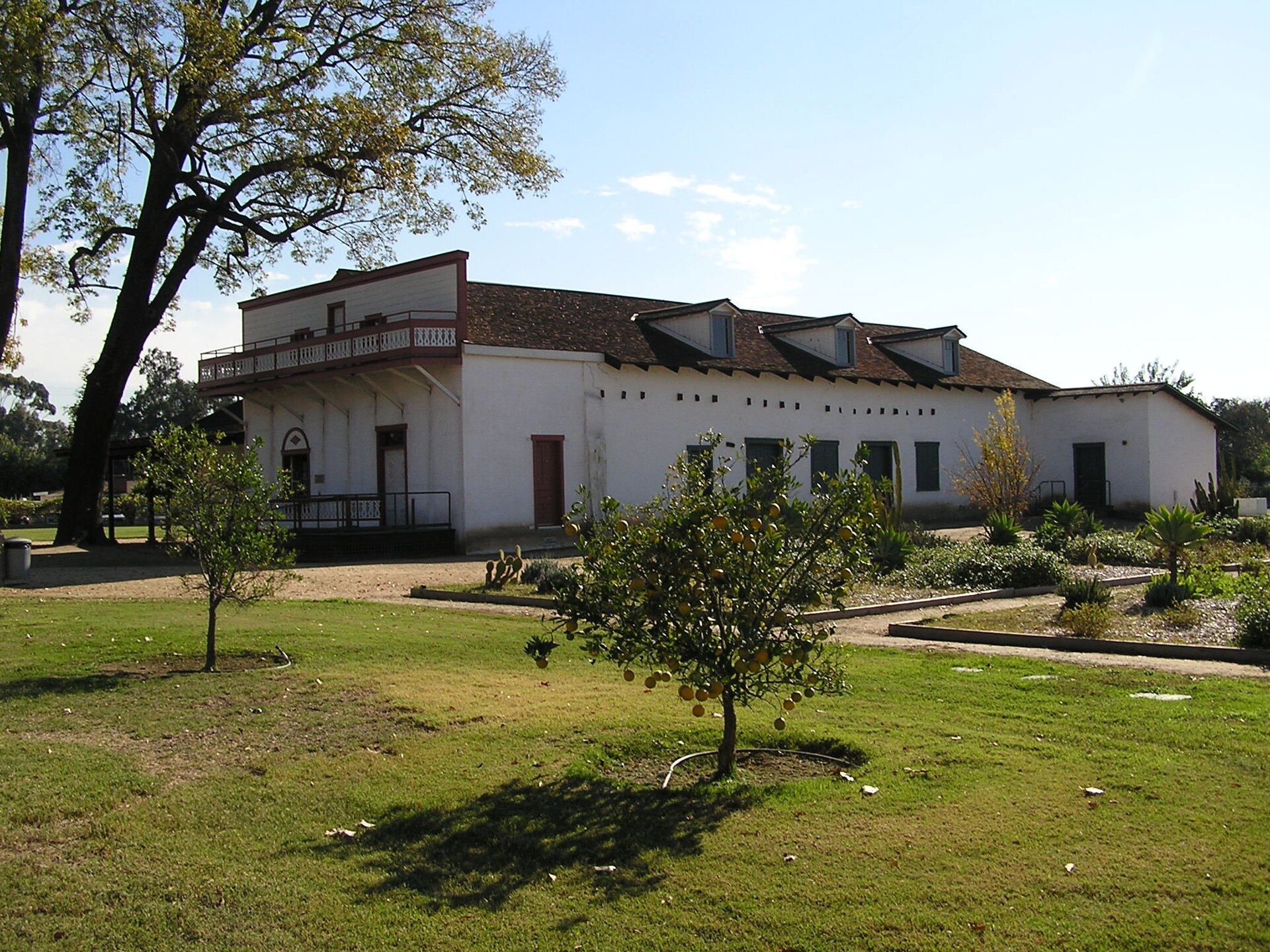
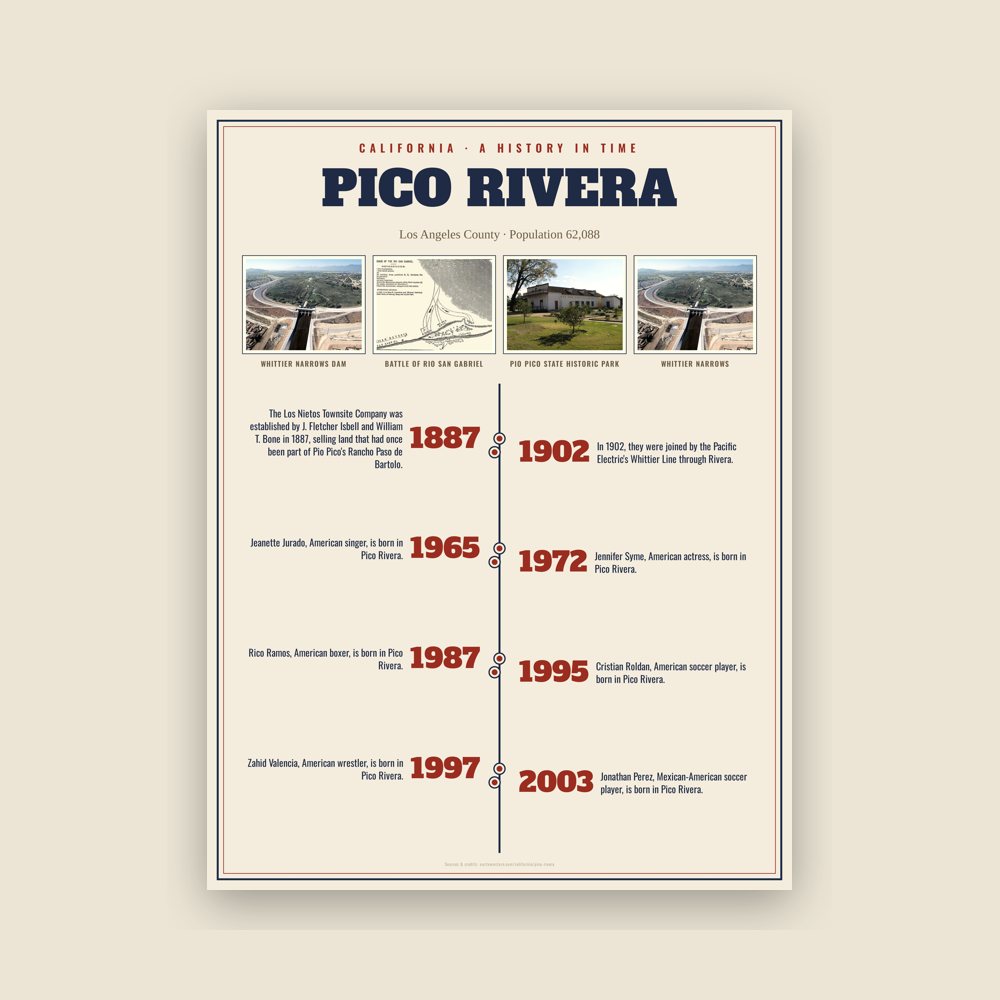
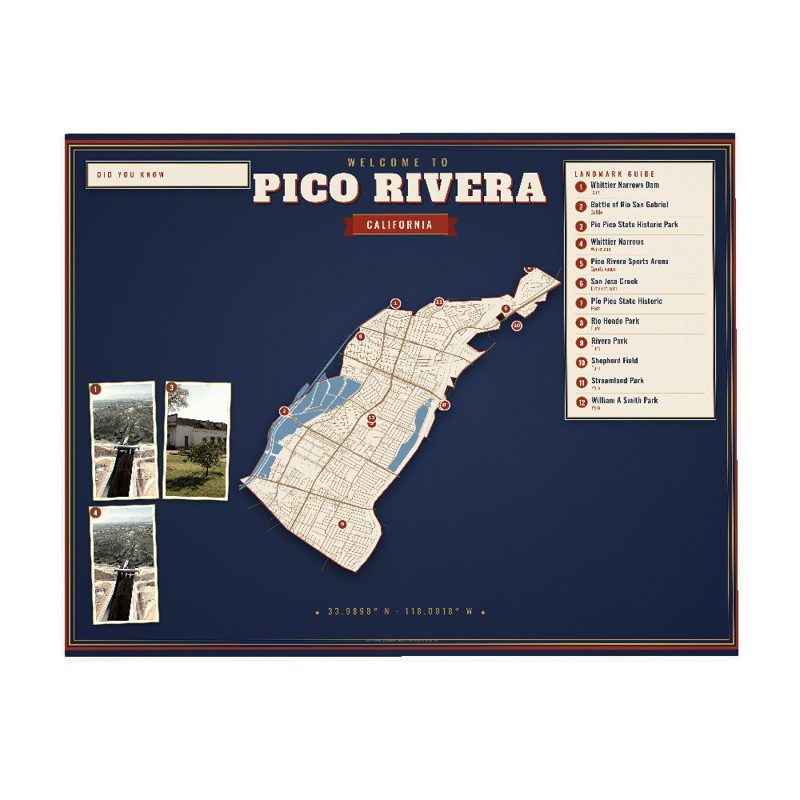
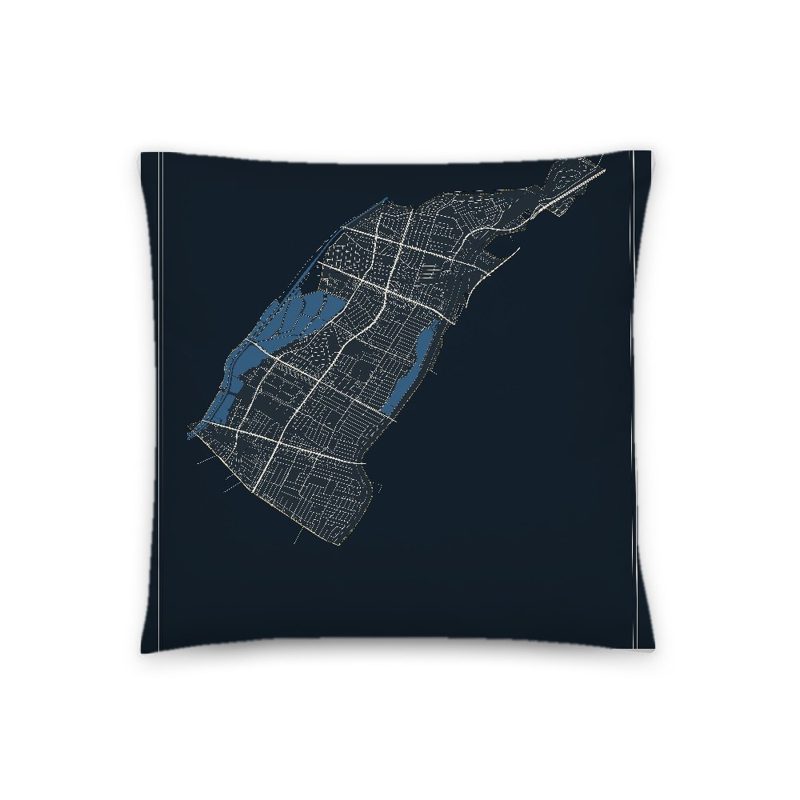
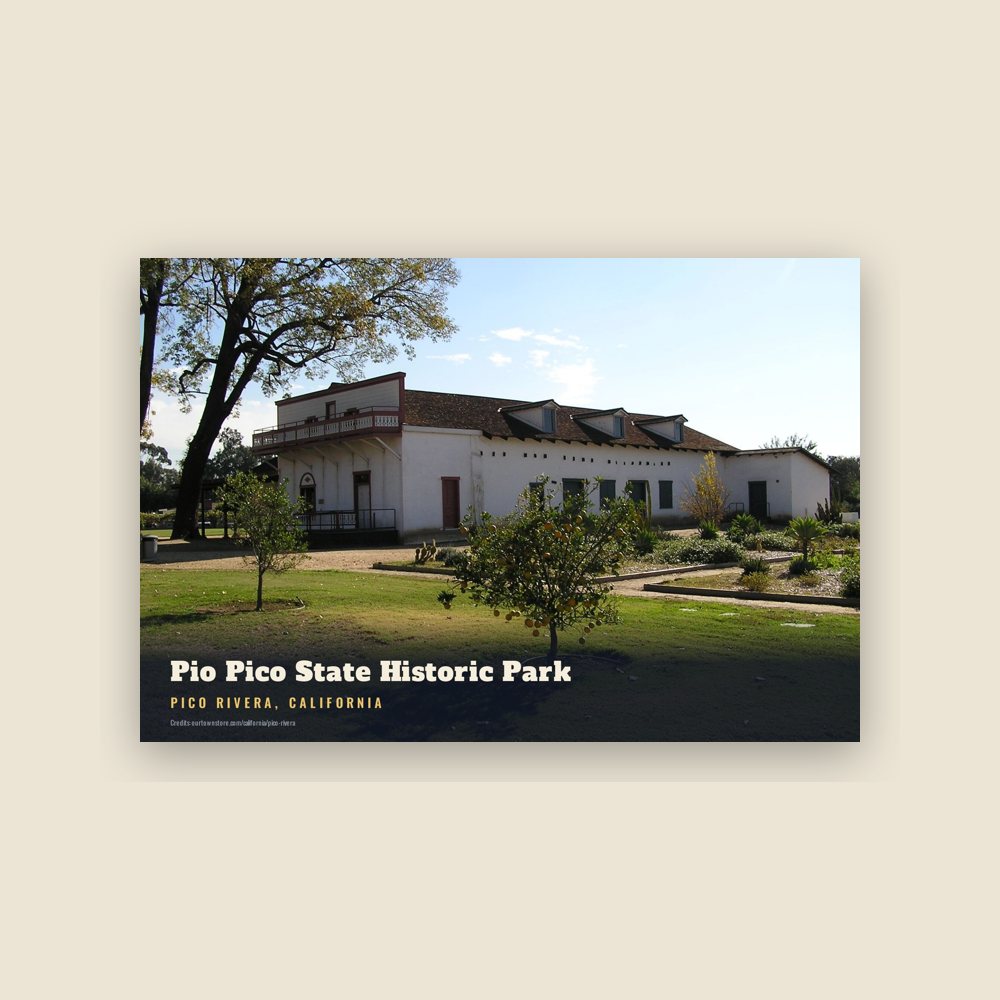
Situated on a rich alluvial plain between the Rio Hondo and the San Gabriel River, Pico Rivera was originally two unincorporated agricultural communities: Pico (named for Pío Pico, the last Mexican governor of California and located in the northern portion of what is now Pico Rivera) and Rivera (the Spanish word for "riverbank", located in the southern portion). By the end of the 19th century, the Atchison, Topeka and Santa Fe Railway had been built through Rivera, while the Los Angeles and Salt Lake Railroad (later the Union Pacific) had been built through Pico. In 1902, they were joined by the Pacific Electric's Whittier Line through Rivera. The Los Nietos Townsite Company was established by J. Fletcher Isbell and William T. Bone in 1887, selling land that had once been part of Pio Pico's Rancho Paso de Bartolo. One of their first sales was to Joseph Burke, whose family cultivated orchards and operated a winery near Rivera. The area was served by three schools: Ranchito (northern), Rivera (southern), and Pico (around Jimtown), all of which fed into Whittier Union High School.
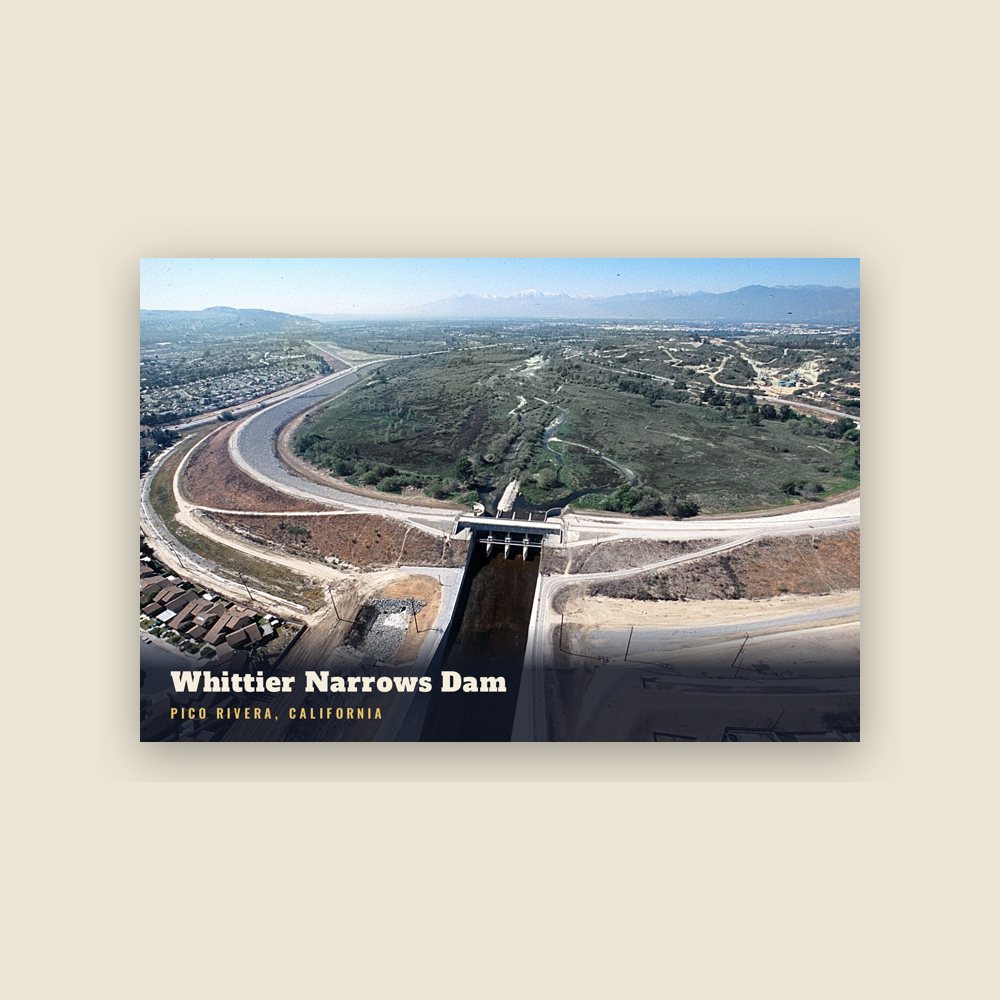
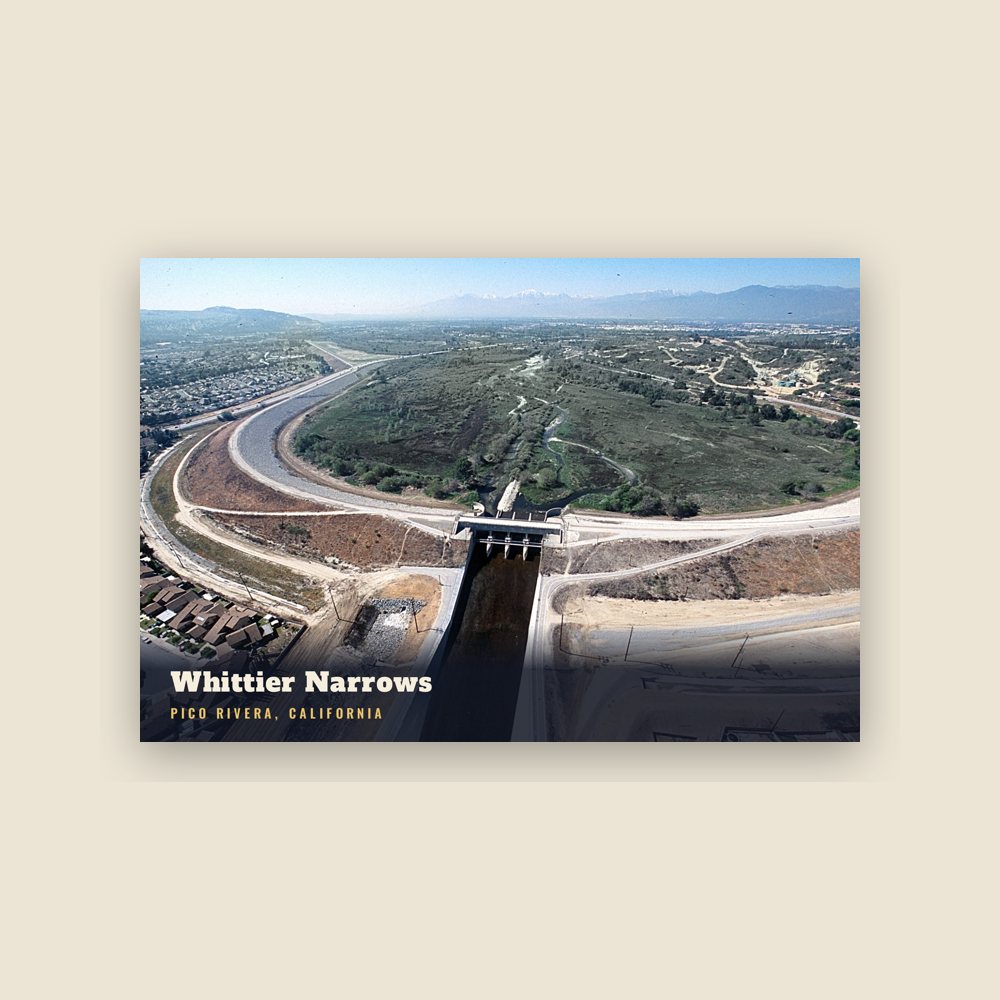
The area was once predominantly agricultural, but, at the end of WWII, the fast rising demand for homes lured builders to the attractive terrain. Since the 1950s, it has been both residential as well as industrial. It had a Ford Motor Company plant for many years: Los Angeles Assembly. Pico Rivera lies below the Whittier Narrows, making it one of the "Gateway Cities".
Adapted (trimmed) from the Wikipedia article Pico Rivera, California, revision 1378137898 by its contributors, licensed CC BY-SA 4.0.