Since 1983
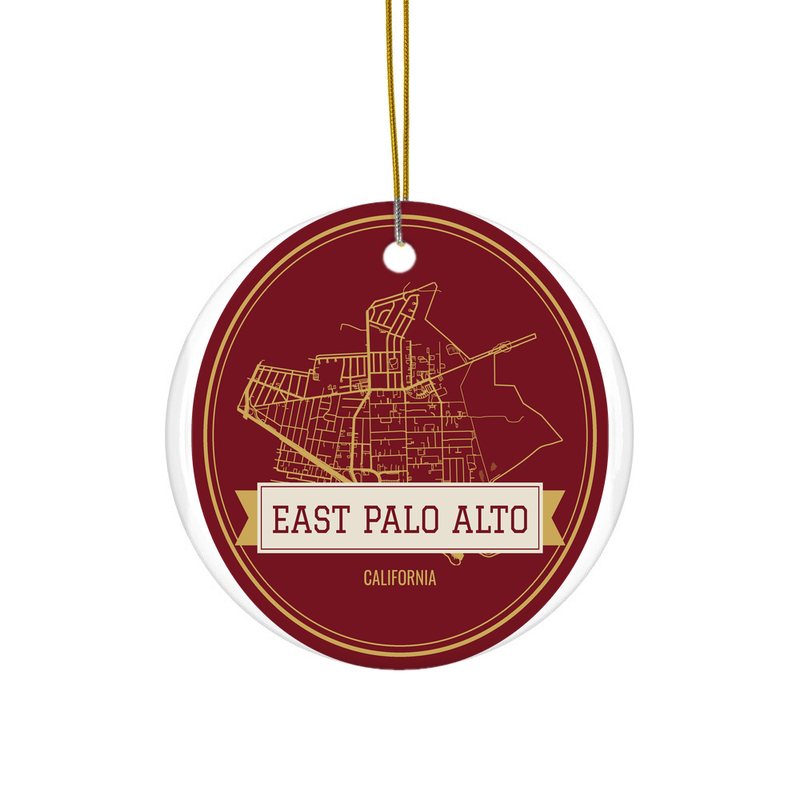
A short history of East Palo Alto
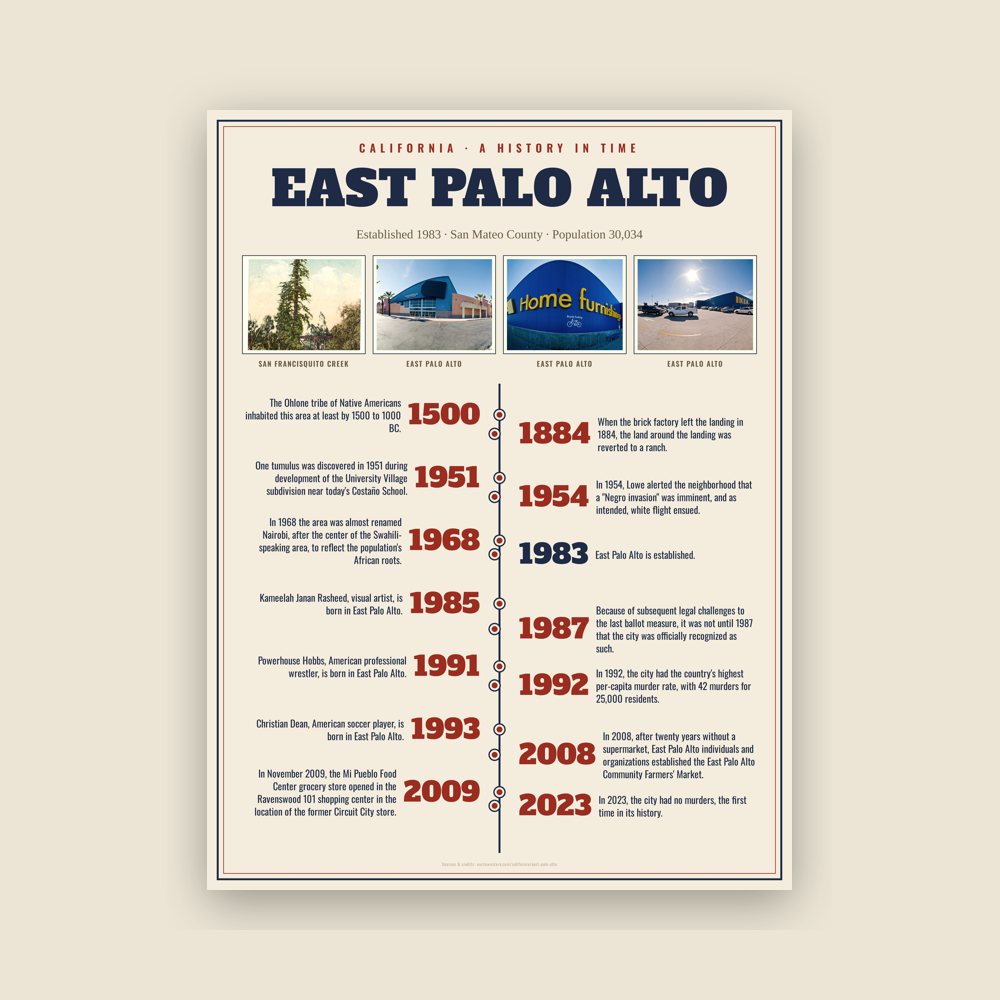
The Ohlone tribe of Native Americans inhabited this area at least by 1500 to 1000 BC. One tumulus was discovered in 1951 during development of the University Village subdivision near today's Costaño School. After a year-long excavation of 60 graves and 3,000 artifacts, researchers concluded Native Americans had utilized the area as a cemetery and camp, rather than as a permanent settlement. In later years another mound was found near Willow Road and the railroad right-of-way.
From the 1850s through the 1940s, the area which was to become East Palo Alto went through many changes. In 1849, Isaiah Churchill Woods (1825–1880) attempted to make the area around what is now Cooley Landing in the northeast of the current city a major shipping town and named the area Ravenswood. In 1868, after Woods' investments failed he sold the wharf to Lester Phillip Cooley (1837–1882), who leased the land to the brick factory Hunter and Schakleford. When the brick factory left the landing in 1884, the land around the landing was reverted to a ranch.
With the outbreak of World War I, the north side of East Palo Alto became a military training ground, of which only the Veterans Administration Hospital in Menlo Park still exists (now as part of the VA Sierra Pacific Network). In the 1940s, East Palo Alto was a farming community with many Japanese residents. During the war, the Japanese were forced out, many to relocation centers, and did not return after the war.
In the 1950s the farms were built over with cheap housing and many African-American families moved in, the result of redlining housing policies. In particular, in 1954 the then-president of the California Real Estate Association, Floyd Lowe, implemented a strategy that turned a neighborhood on the East side of Palo Alto from predominantly white to predominantly black in a very short amount of time. He did this by "blockbusting," which is a strategy that was employed all over the country to similar results. Blockbusting involves instilling panic in white neighborhoods by warning of a "Negro invasion" when a black family considers purchasing a house in an area, in order to produce white flight and an ensuing drop in property values, which can then be purchased at a heavy discount and sold or rented to African Americans for a profit. In 1954, Lowe alerted the neighborhood that a "Negro invasion" was imminent, and as intended, white flight ensued. Lowe profited due to the low prices at which the white families fleeing were willing to sell their homes, and within a few years, the demographics of the area had flipped. As white-owned businesses fled the area, it became poorer and overcrowded – a legacy that has persisted. This segregationist act was never questioned by the government, and it led to many of the demographic and socioeconomic differences that exist between Palo Alto and East Palo Alto today.
These differences in demographics and wealth perversely accelerated with the introduction of the Community Reinvestment Act of 1977, which banned redlining. Home prices doubled by 1979, and many of the more educated and upwardly mobile African Americans took advantage of their newfound freedom to move into wealthier communities with more amenities, leaving the remaining community even poorer and with less access to home ownership than had been the case before the Act.
During the civil rights movement of the 1960s there was a renewed interest in African history, one expression of which was a fad for Swahili. In 1968 the area was almost renamed Nairobi, after the center of the Swahili-speaking area, to reflect the population's African roots. Critics of the change pointed out that Nairobi was the capital of Kenya, in East Africa, and had little to do with the cultural roots of most black Americans. In the end, the change was not made.
Historically East Palo Alto had relatively little shopping and business compared to surrounding areas, and most of it constituted an unincorporated "island" (until 1983) within San Mateo County, depending on county government for services and on the San Mateo County Sheriff for police protection and ineligible for many revenue benefits requiring city status.
After several years of pro-incorporation campaigning by local community groups, a 1982 ballot measure that was stopped by a lawsuit, and a subsequent election the next year, East Palo Alto became a city on July 1, 1983. The final tally for incorporation was 1,777 for and 1,764 against, a margin of 13 votes and a majority of 50.2%. The main proponents of incorporation included Barbara A. Mouton, East Palo Alto's Senior Citizen Center president Ruth I. Myers, and the East Palo Alto Citizen’s Committee on Incorporation (EPACCI). The main opposition to incorporation was spearheaded by a group called Citizens Coalition Against Incorporation Now (CCAIN), along with three members of the pre-existing and powerless Municipal Council — Gertrude Wilks, Henry Anthony and Pat Johnson.
Barbara A. Mouton was East Palo Alto's first Mayor, with Omowale Satterwhite, Ruben Abrica, and James Blakey as initial council — all of whom were involved in efforts to incorporate the city.
Because of subsequent legal challenges to the last ballot measure, it was not until 1987 that the city was officially recognized as such. The legal challenges were led by former U.S. Congress member Pete McCloskey, who represented one of the real-estate brokers whose original blockbusting campaign had turned EPA into a mostly black town. The lawsuit alleged that voter fraud through absentee ballots contributed to the success of the vote for incorporation; However, the California Supreme Court unanimously denied this claim on August 22, 1986, and upheld the incorporation of the city.
In the 1980s, large numbers of Hispanics moved into East Palo Alto and by 1990, the city had lost its Black majority population which declined from 60 percent in 1980 to 41.5 percent in 1990 while the Hispanic population increased from 14 percent to 36 percent.
Significant gentrification occurred in East Palo Alto from around the founding of Facebook, with the construction of a large shopping center named Ravenswood 101 and several upscale housing communities intended for high-earning Silicon Valley workers. This development faced opposition from some residents, who charged that it priced locals out of one of the region's only affordable communities while providing only low-paying retail jobs and consuming disproportionate land area (2.2 square miles). Supporters pointed to an increased tax base.
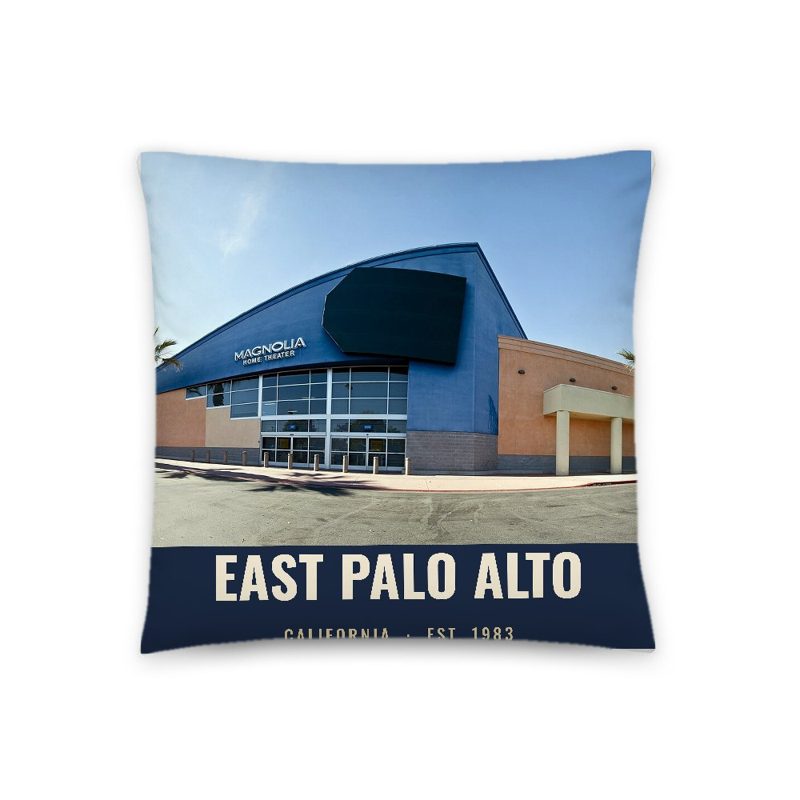
In 2008, after twenty years without a supermarket, East Palo Alto individuals and organizations established the East Palo Alto Community Farmers' Market. In November 2009, the Mi Pueblo Food Center grocery store opened in the Ravenswood 101 shopping center in the location of the former Circuit City store. Mi Pueblo was the city's first full-service supermarket in 23 years.
Starting in 2006, a large real estate investor, Page Mill Properties, purchased almost the entire west side of East Palo Alto and contested most of the city's rent control laws in what some claimed was a 'predatory equity scheme'. Page Mill left East Palo Alto in the fall of 2009 after defaulting on a $240-million bank loan.
In 1992, the city had the country's highest per-capita murder rate, with 42 murders for 25,000 residents. This led to East Palo Alto being dubbed the "Murder Capital" of the United States during this time in the 1990s. In 2023, the city had no murders, the first time in its history.
Adapted (trimmed) from the Wikipedia article East Palo Alto, California, revision 1378774254 by its contributors, licensed CC BY-SA 4.0.
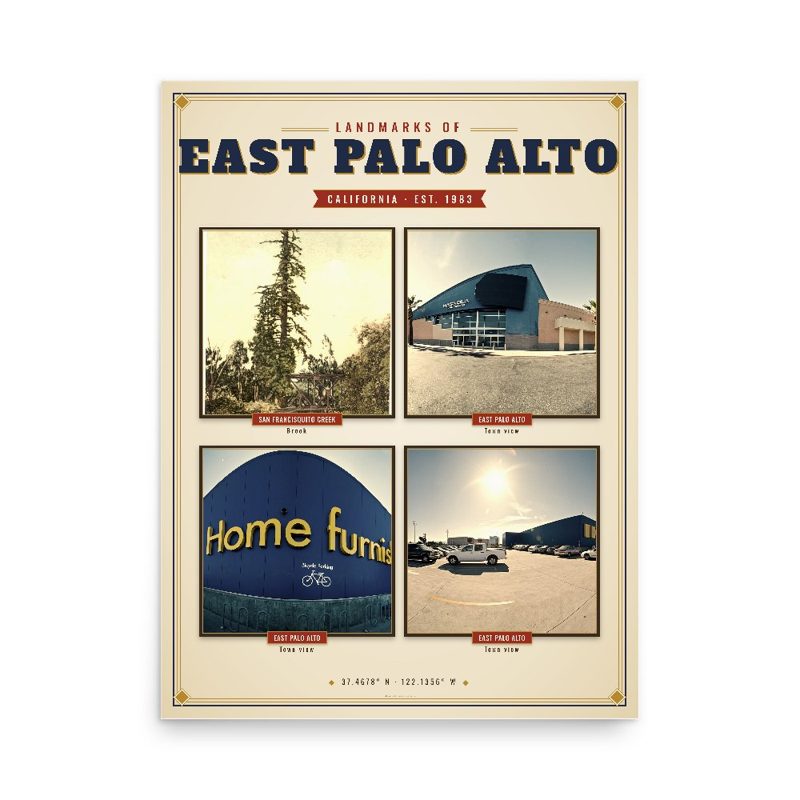
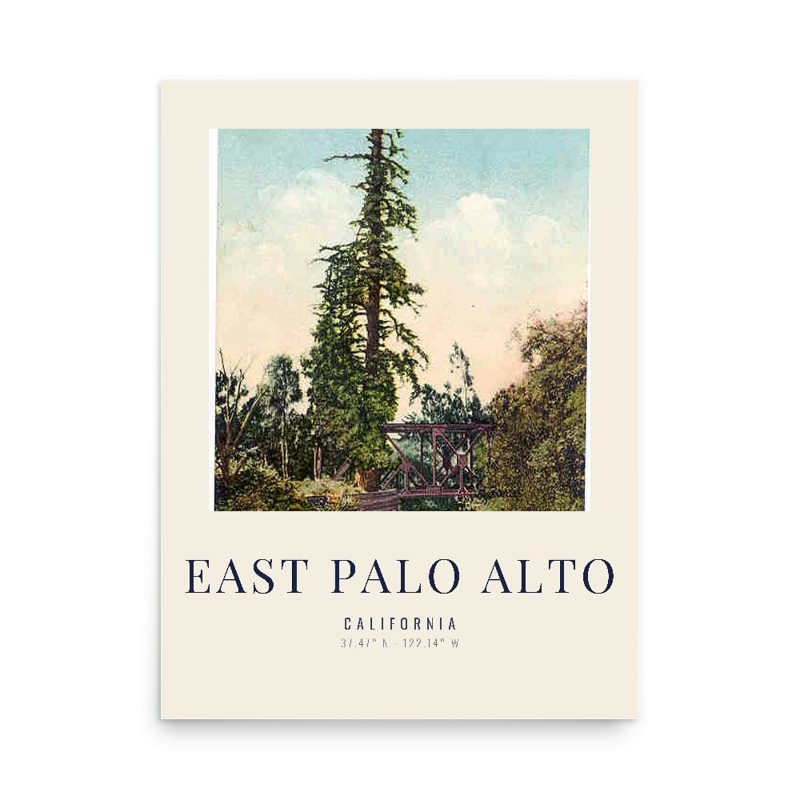
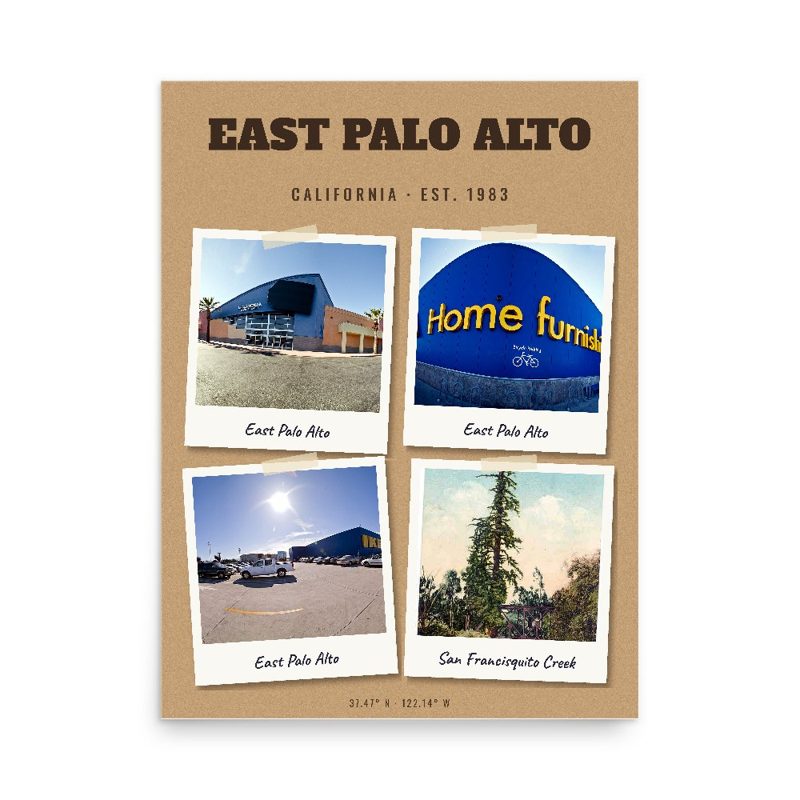


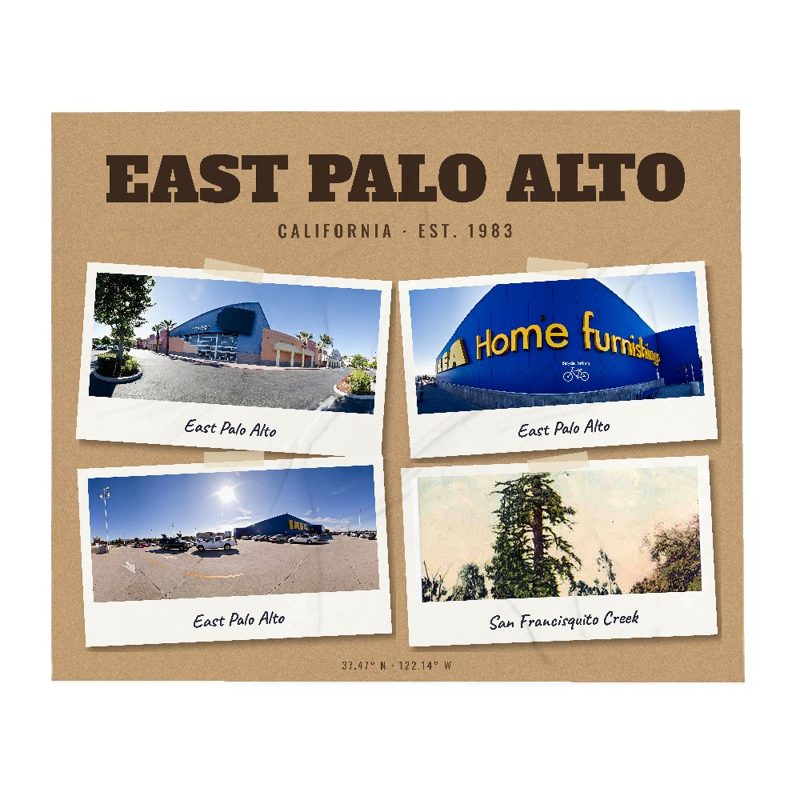
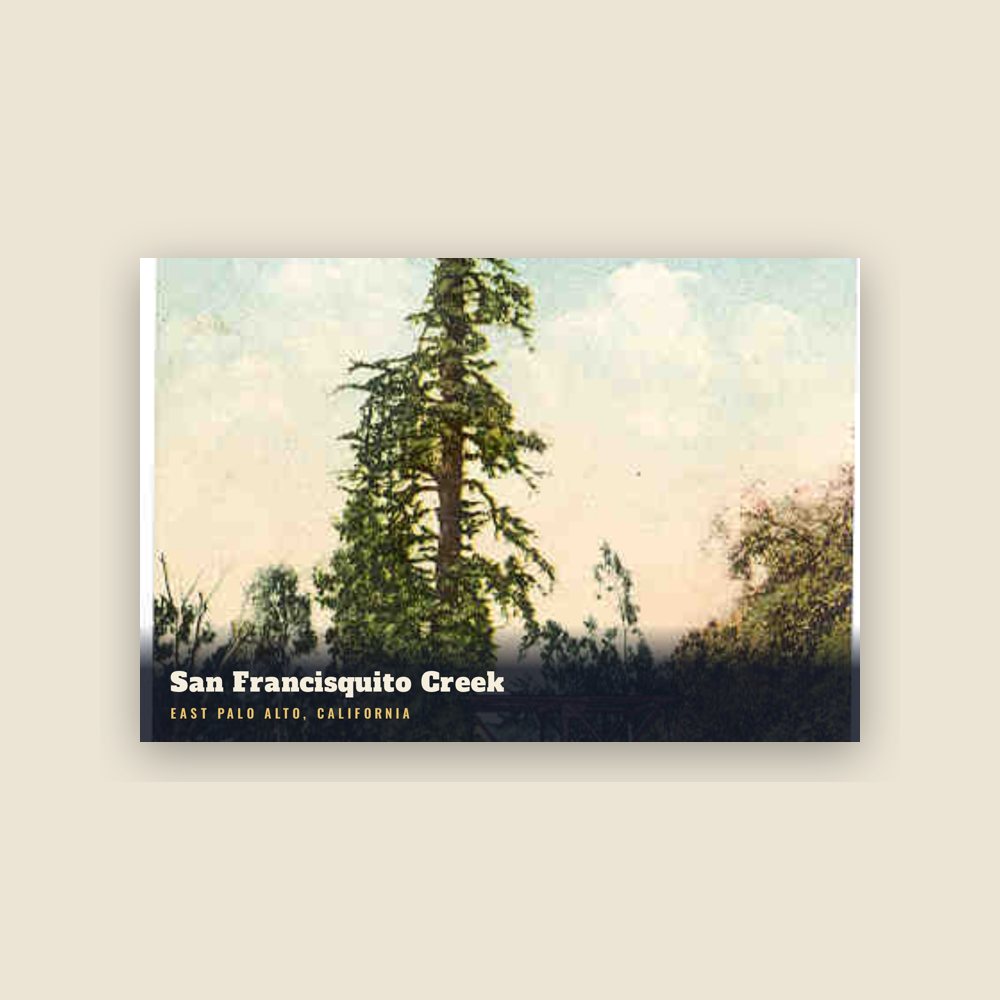
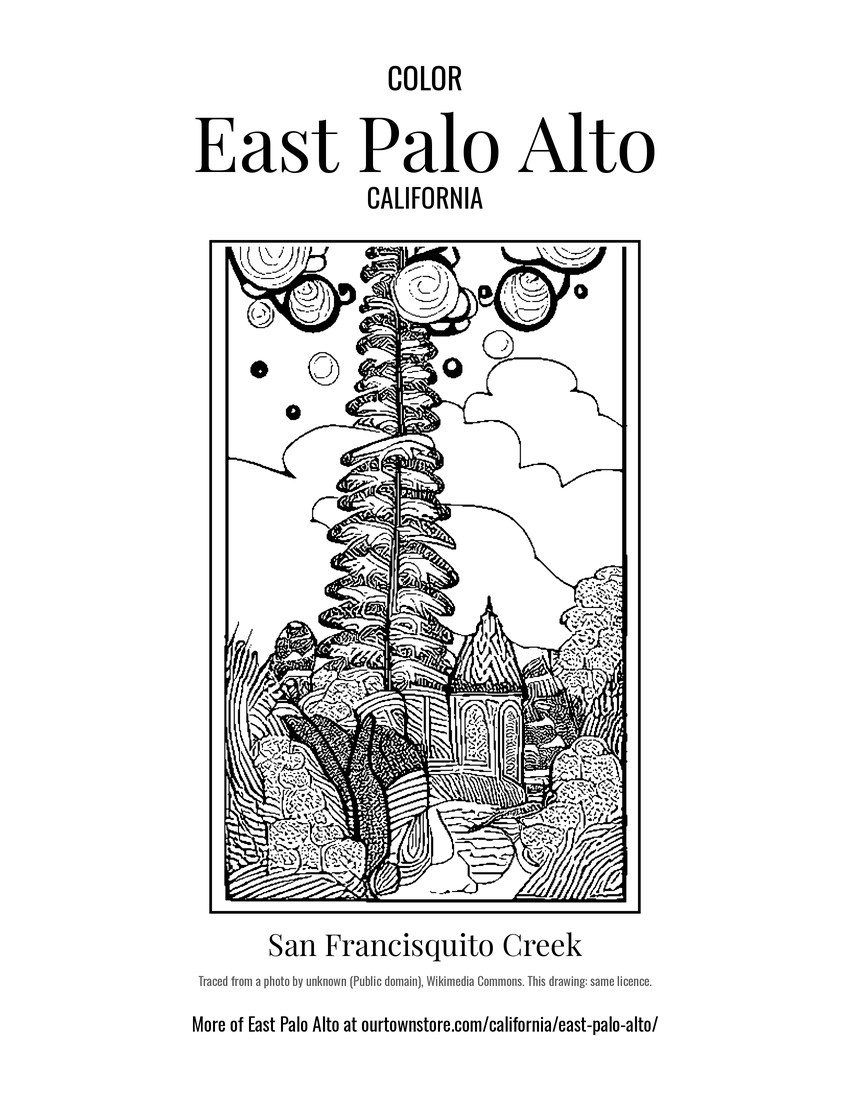 San Francisquito Creek
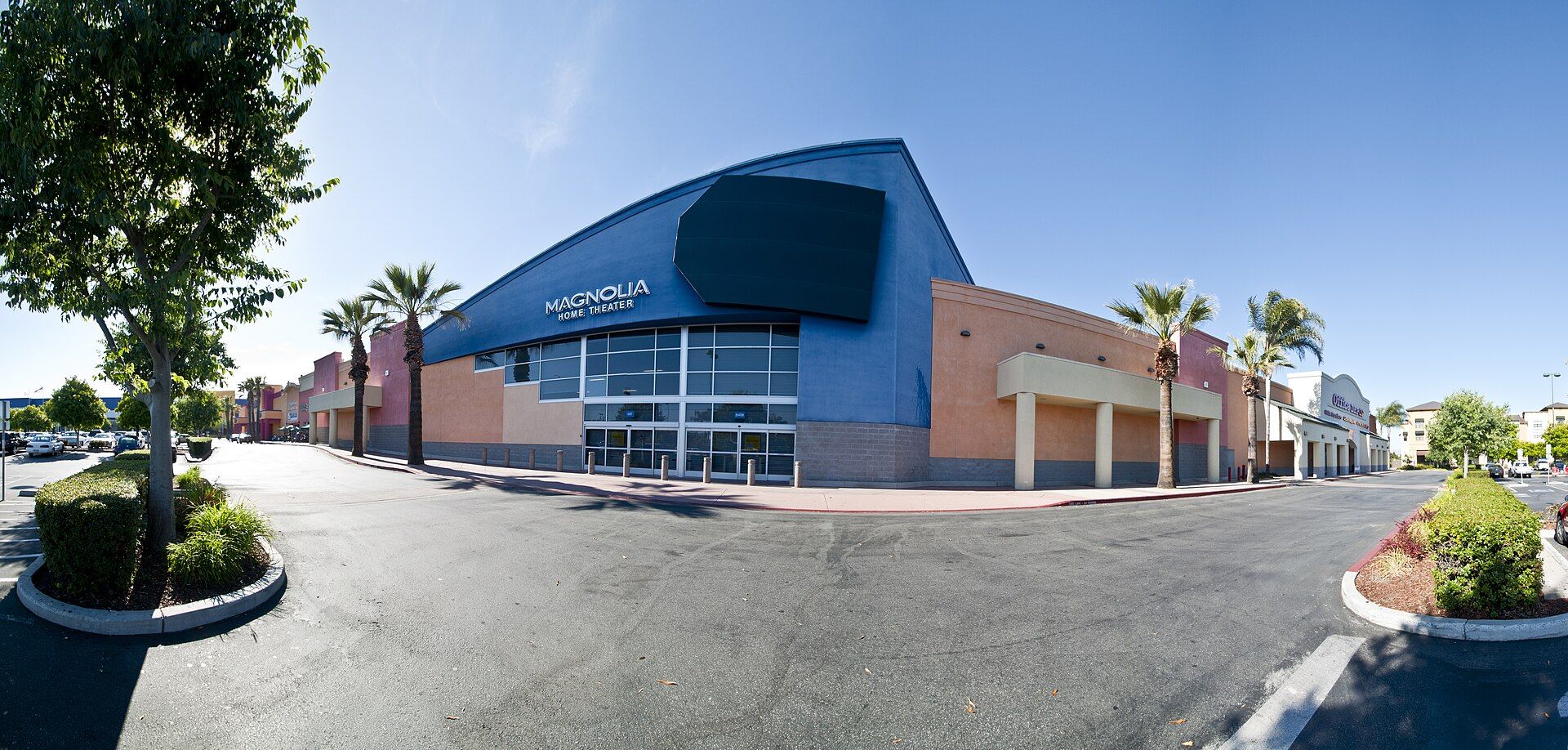
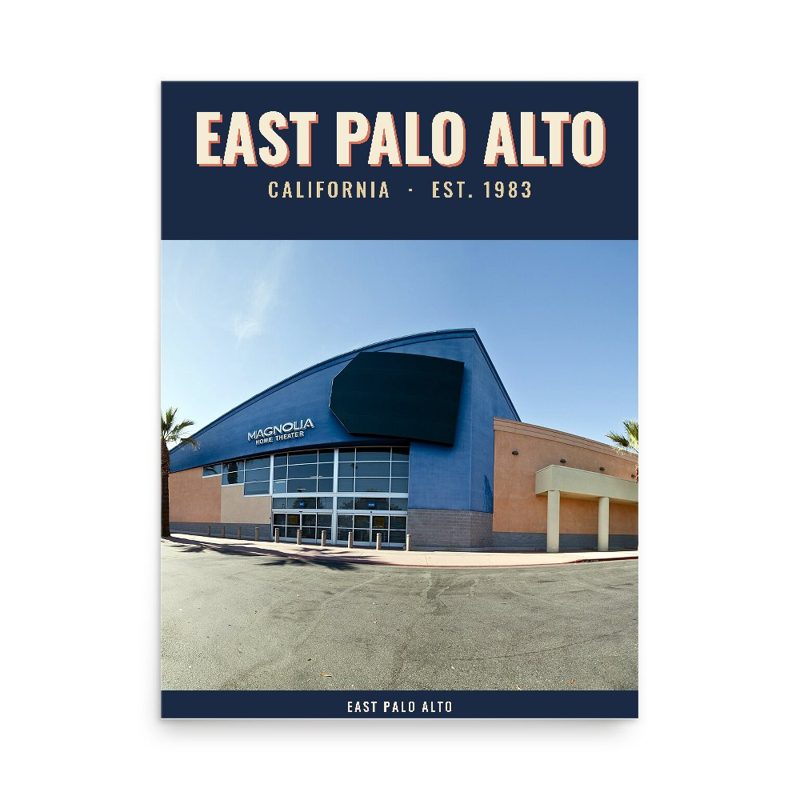
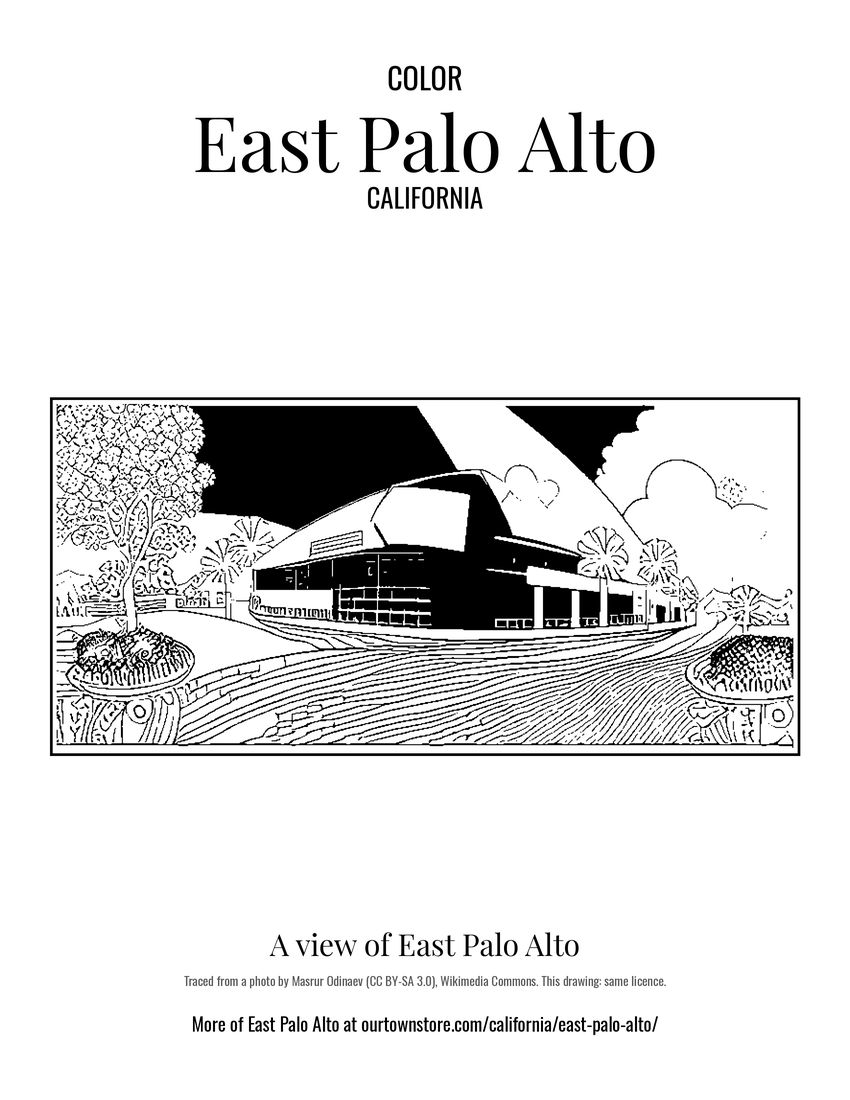 A view of East Palo Alto
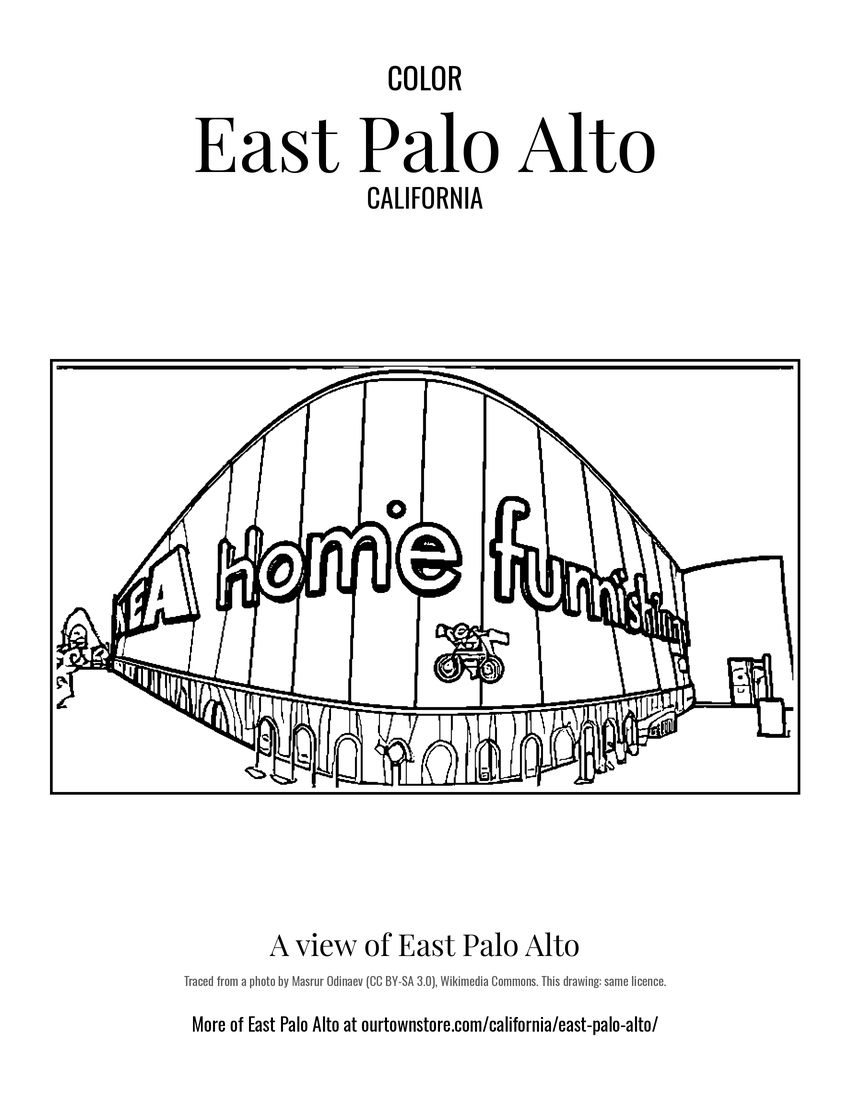 A view of East Palo Alto
 A view of East Palo Alto