San Luis Obispo County, California
Street maps, historic prints and keepsakes for 12 San Luis Obispo County towns.
The oldest is El Paso De Robles (Paso Robles), established 1889. The largest by population is San Luis Obispo (47,063).
| Town | Established | Population |
|---|---|---|
| Arroyo Grande | 1911 | 18,441 |
| Atascadero | – | 29,773 |
| Cambria | – | 5,678 |
| El Paso De Robles (Paso Robles) | 1889 | 31,490 |
| Grover Beach | – | 12,701 |
| Los Osos | – | 14,465 |
| Morro Bay | – | 10,757 |
| Nipomo | – | 18,176 |
| Oceano | – | 7,183 |
| Pismo Beach | – | 8,072 |
| San Luis Obispo | – | 47,063 |
| San Miguel | – | 3,172 |
About these towns
Arroyo Grande: Arroyo Grande lies in the traditional territory of the Northern Chumash, also known in historical sources as Obispeño Chumash. Chumash communities used coastal and inland resources and participated in regional trade.
Atascadero: Atascadero lies in an area associated with both Salinan and Northern Chumash histories. A cultural resources study prepared for the city's general plan describes historical Salinan occupation and the neighboring Obispeño Chumash to the south.
Cambria: The earliest human settlement of this area is known to be associated with prehistoric habitation by the Native American Chumash peoples, who harvested along the coastal area, with emphasis upon sites that were close to rivers.
El Paso De Robles (Paso Robles): The city lies along the Salinas River on California's Central Coast.
Grover Beach: Grover filed his plans at the San Luis Obispo County Court House and eventually founded what was to be known as City of Grover City.
Los Osos: Northern Chumash people, known in their language as yak titʸu titʸu yak tiłhini, are the first inhabitants of the Los Osos area, as well as much of San Luis Obispo County.
Morro Bay: The prehistory of Morro Bay relates to Chumash settlement, particularly near the mouth of Morro Creek. At least as early as the Millingstone Horizon thousands of years before present, an extensive settlement existed along the banks and terraces above Morro Creek.
Nipomo: The original settlers of Nipomo were the Chumash Indians, who have lived in the area for over 9,000 years. Rancho Nipomo (the Chumash word ne-po-mah meant "foot of the hill") was one of the first and largest of the Mexican land grants in San Luis Obispo County.
Oceano: The environs of Oceano were the home of "Halcyon," a utopian religious community established in 1903 by the theosophical Temple of the People, based in Syracuse, New York.
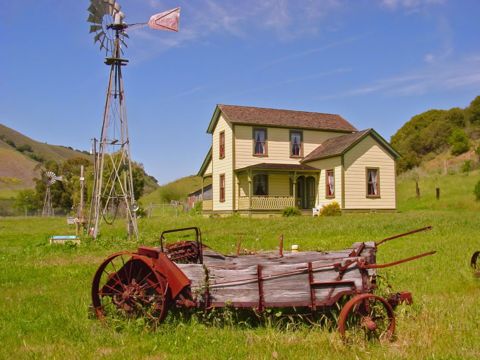
Pismo Beach: The name Pismo comes from the Chumash language word for tar, pismuʔ, which was gathered from tar springs in Price Canyon near Pismo Beach.
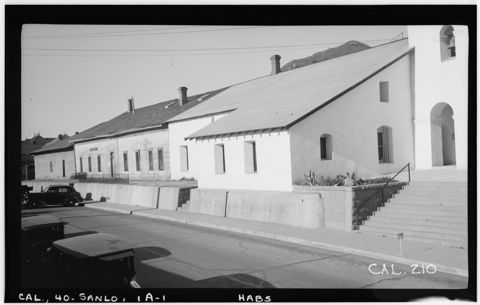
San Luis Obispo: The earliest human inhabitants of the local area were the Chumash people. One of the earliest villages lies south of San Luis Obispo and reflects the landscape of the early Holocene when estuaries came farther inland.
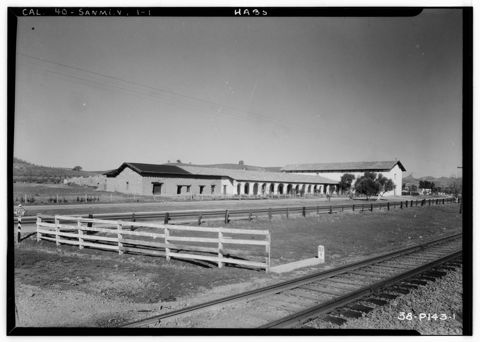
San Miguel: The Spanish founded the settlement at San Miguel on 25 July 1797, when Fermín de Lasuén established Mission San Miguel Arcángel, under the authority of the Franciscan Order.
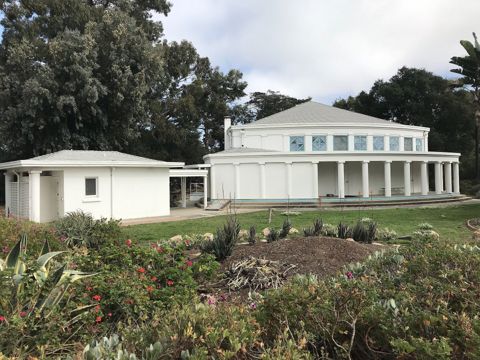 Arroyo GrandeCalifornia · Est. 1911
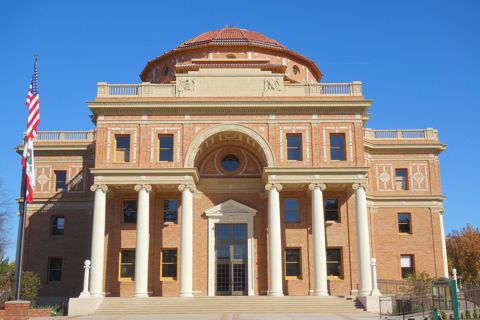 AtascaderoCalifornia
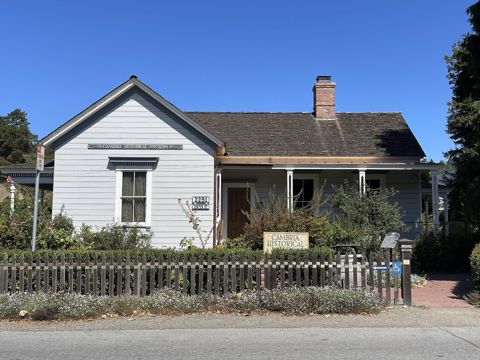 CambriaCalifornia
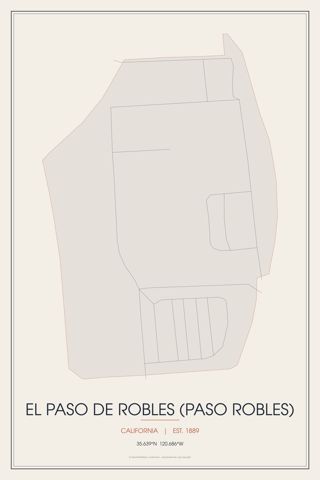 El Paso De Robles (Paso Robles)California · Est. 1889
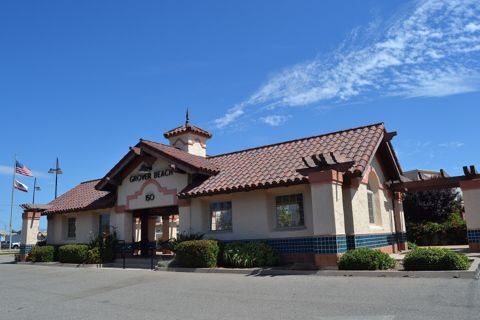 Grover BeachCalifornia
 Los OsosCalifornia
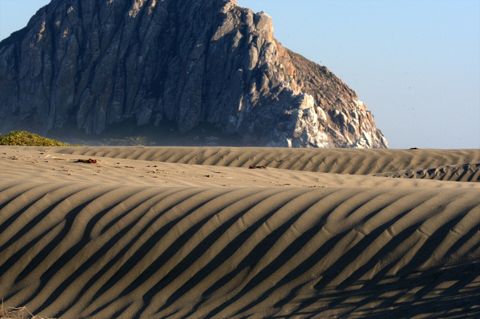 Morro BayCalifornia
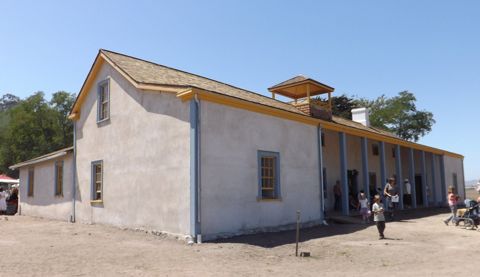 NipomoCalifornia
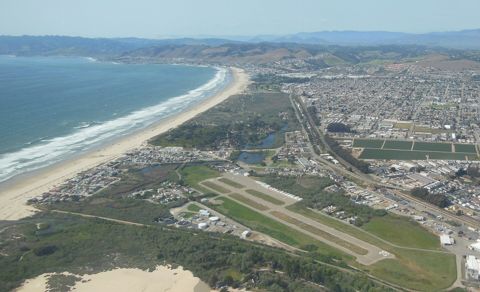 OceanoCalifornia
 Pismo BeachCalifornia
 San Luis ObispoCalifornia
 San MiguelCalifornia
Founding years, populations and town notes come from each town's Wikipedia and Wikidata entries. All California towns.