The earliest human settlement of this area is known to be associated with prehistoric habitation by the Native American Chumash peoples, who harvested along the coastal area, with emphasis upon sites that were close to rivers.
Although recorded history of the tribes in this region does not begin until the explorers and missionaries arrived, there is evidence of many tribal settlements in the area later known as Cambria. It is estimated that as many as 30,000 people inhabited the area in the time (some 1,000 years) before the Spanish arrived. Experts believe these tribes to have been migratory and used Cambria as a seasonal settlement; other scientists are convinced that they lived there permanently. Most agree that they fed themselves with shellfish and seafood, as well as obtaining food from travels inland to hunt and gather seeds.
A variety of artistically crafted implements have been discovered, including spear points and arrowheads made from obsidian; mortars and pestles made from basalt, sandstone, and granite; and soapstone kettles and stone hammers. These early inhabitants were skilled basket and net makers and fashioned jewelry from crab claws, abalone shells, and the teeth of sharks and whales. The presence of soapstone (steatite) provides evidence that they traded with the Catalina Island tribes, whereas the lack of metals and glass indicates that they did not trade with Europeans or Asians.
Read the full history
Early settlers and quicksilver
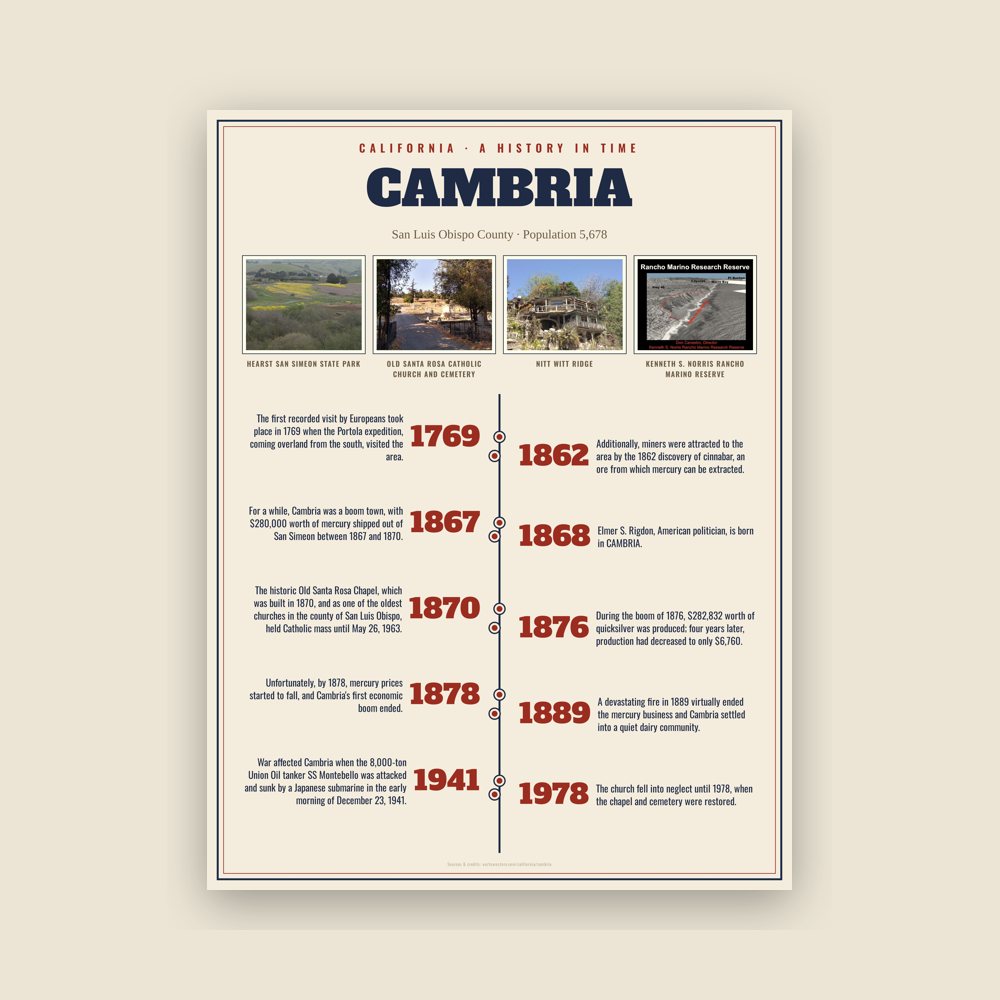
The first recorded visit by Europeans took place in 1769 when the Portola expedition, coming overland from the south, visited the area. The Spanish explorers camped near the present site of the Coast Union High School, on Santa Rosa Creek, on September 10, 1769, and again on December 24–25, spending the first Christmas in what later became known as Cambria. The Spanish soldiers named the site El Osito, because the local Chumash people offered them a young pet bear (which they politely refused). Gifts of food (pinole and fish) were particularly welcome on their return journey, because food supplies were running short.
Settlers were drawn to the area because of the fertile land, streams, and lumber. Additionally, miners were attracted to the area by the 1862 discovery of cinnabar, an ore from which mercury can be extracted. For a while, Cambria was a boom town, with $280,000 worth of mercury shipped out of San Simeon between 1867 and 1870.
During several years Cambria was a booming mine town, and prospectors flooded the area. More than 150 claims were filed in the early 1870s. The most successful of these claims, the Oceanic Quicksilver Mining Company, at one time employed 300 and was the largest mine in the area and the sixth largest in the world. Three furnaces were built, seven tunnels completed, and their stock price jumped to $30.00 per share. Hopes were high, and Cambria residents dreamed of imminent wealth. Unfortunately, by 1878, mercury prices started to fall, and Cambria's first economic boom ended. As mercury prices fluctuated, Cambria's mining thrived and dwindled. During the boom of 1876, $282,832 worth of quicksilver was produced; four years later, production had decreased to only $6,760. A devastating fire in 1889 virtually ended the mercury business and Cambria settled into a quiet dairy community.
Hearst Castle and SS Montebello
Cambria has benefited greatly from the construction of Hearst Castle. During the high unemployment years of the Great Depression, many Cambria citizens found welcome employment in construction. Additionally, Cambria provided supplies, services, and accommodations for many who came to build the Castle, creating prosperity in Cambria in an otherwise less prosperous decade.
War affected Cambria when the 8,000-ton Union Oil tanker SS Montebello was attacked and sunk by a Japanese submarine in the early morning of December 23, 1941. Cambria citizens rallied to the rescue and all six crewmen were saved. According to the captain, Olaf Eckstrom, these citizens of Cambria were real heroes: "God Bless 'em — they performed like American seamen, orderly, efficient, without hysteria."
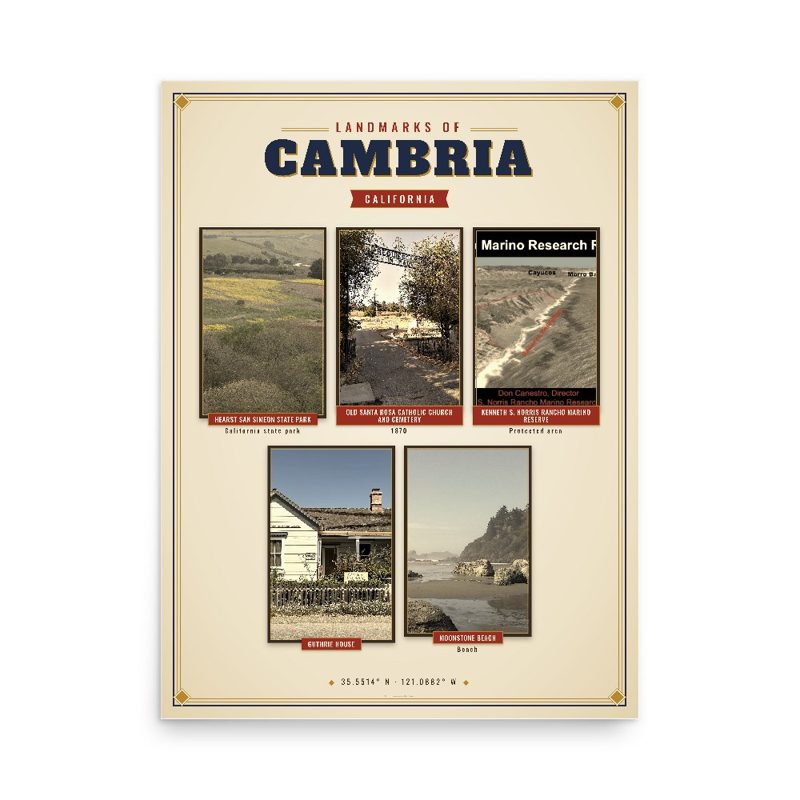
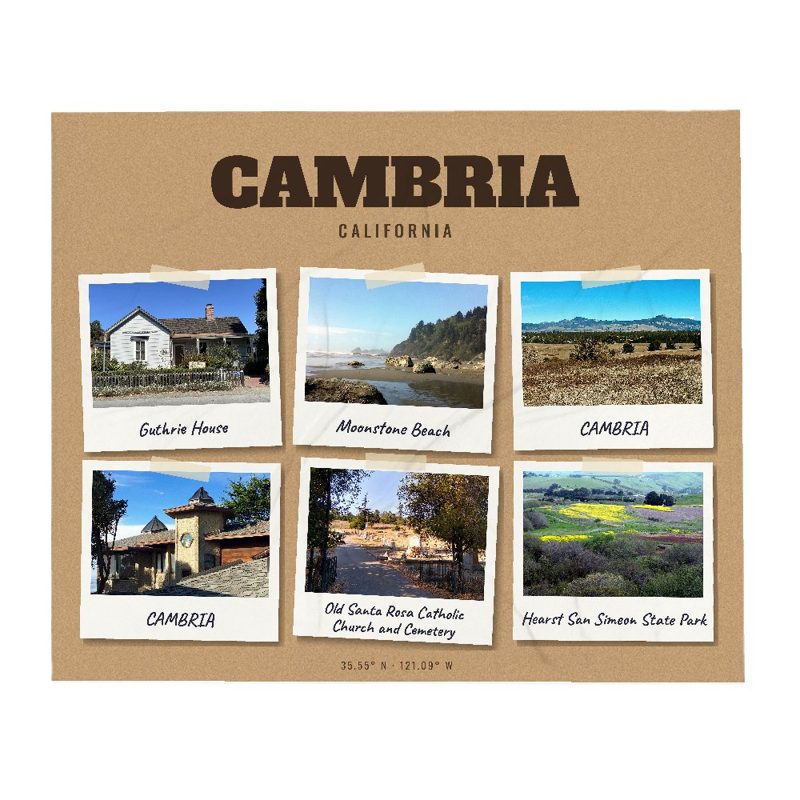
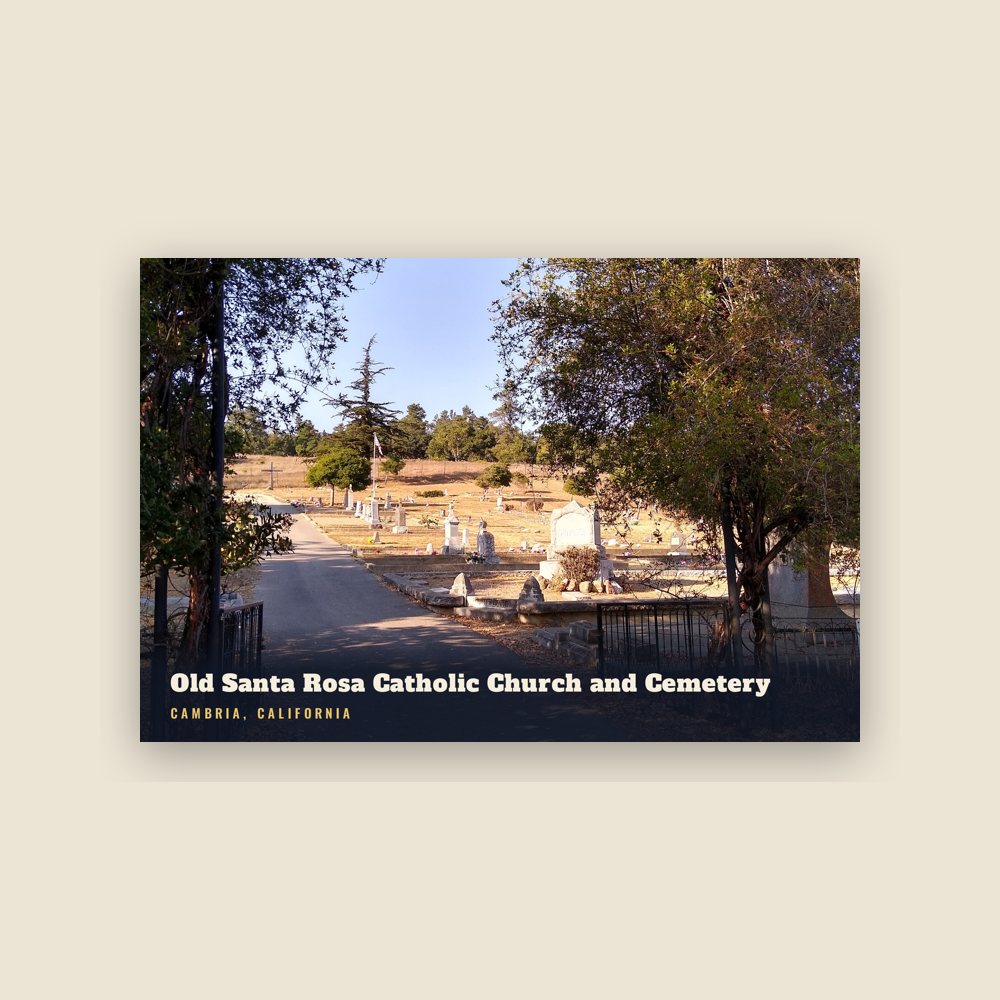
The historic Old Santa Rosa Chapel, which was built in 1870, and as one of the oldest churches in the county of San Luis Obispo, held Catholic mass until May 26, 1963. The church fell into neglect until 1978, when the chapel and cemetery were restored.

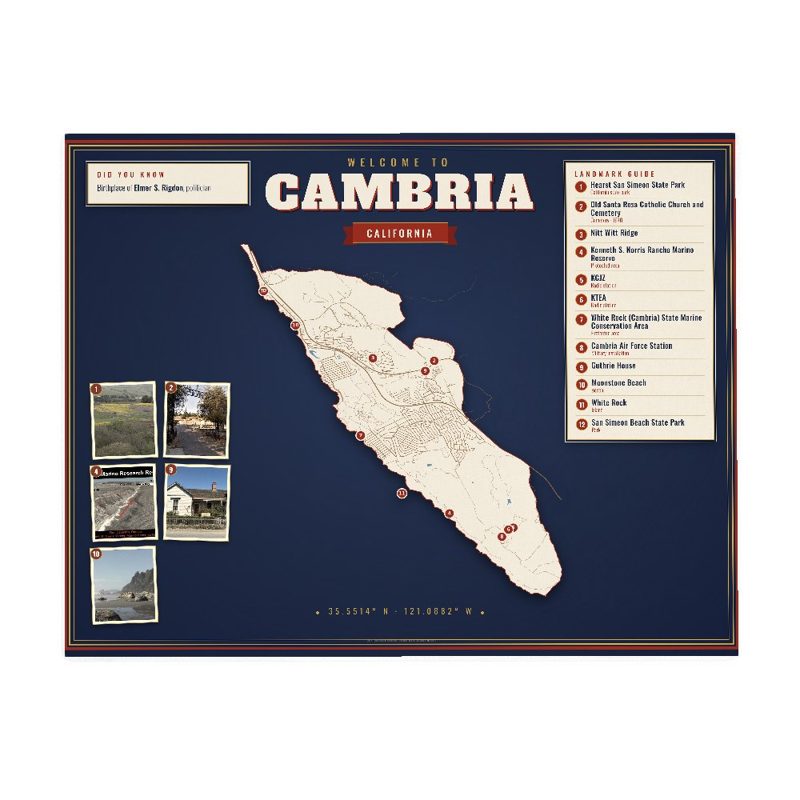













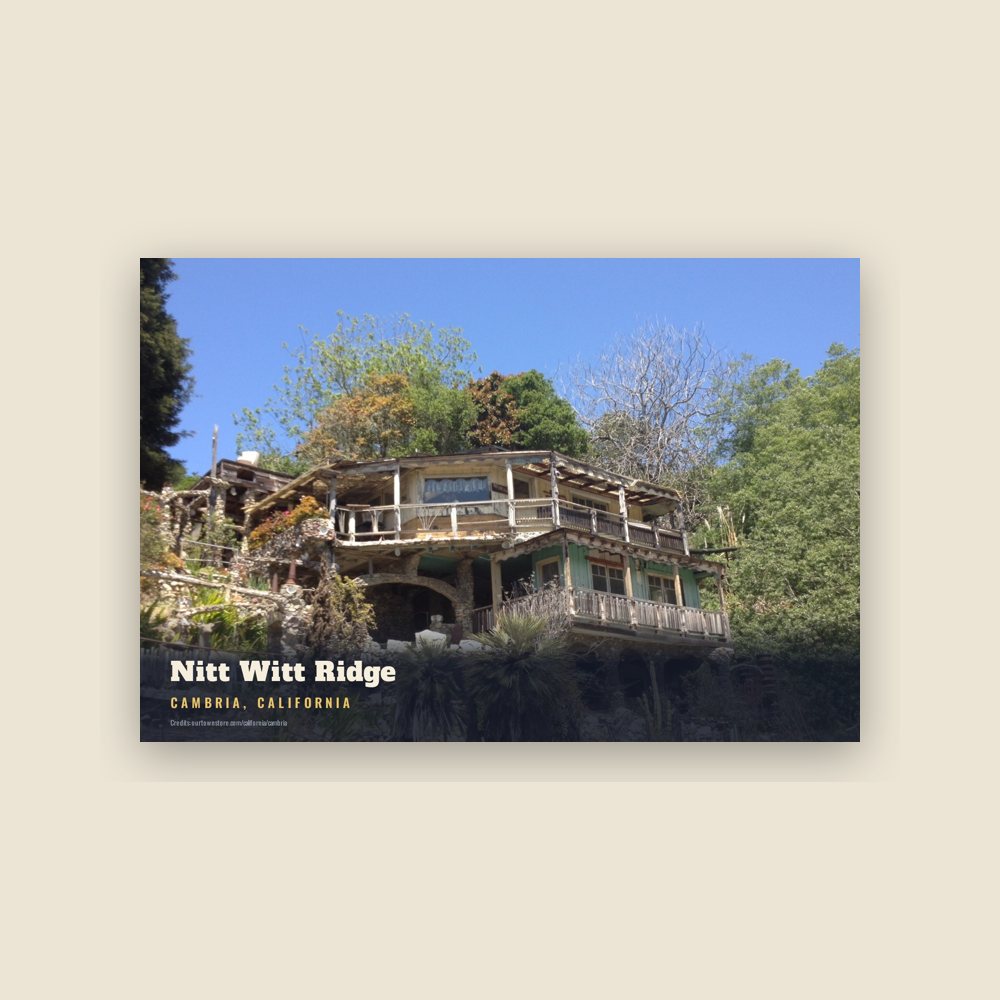
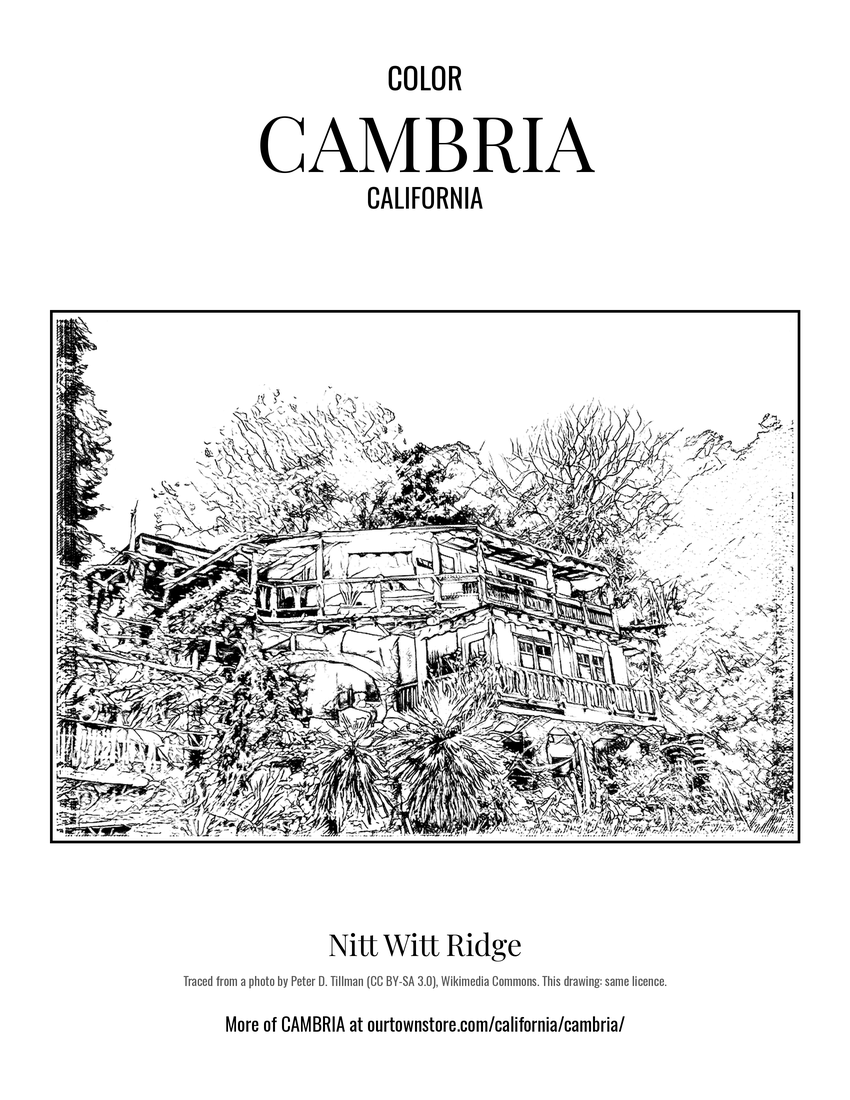 Nitt Witt Ridge
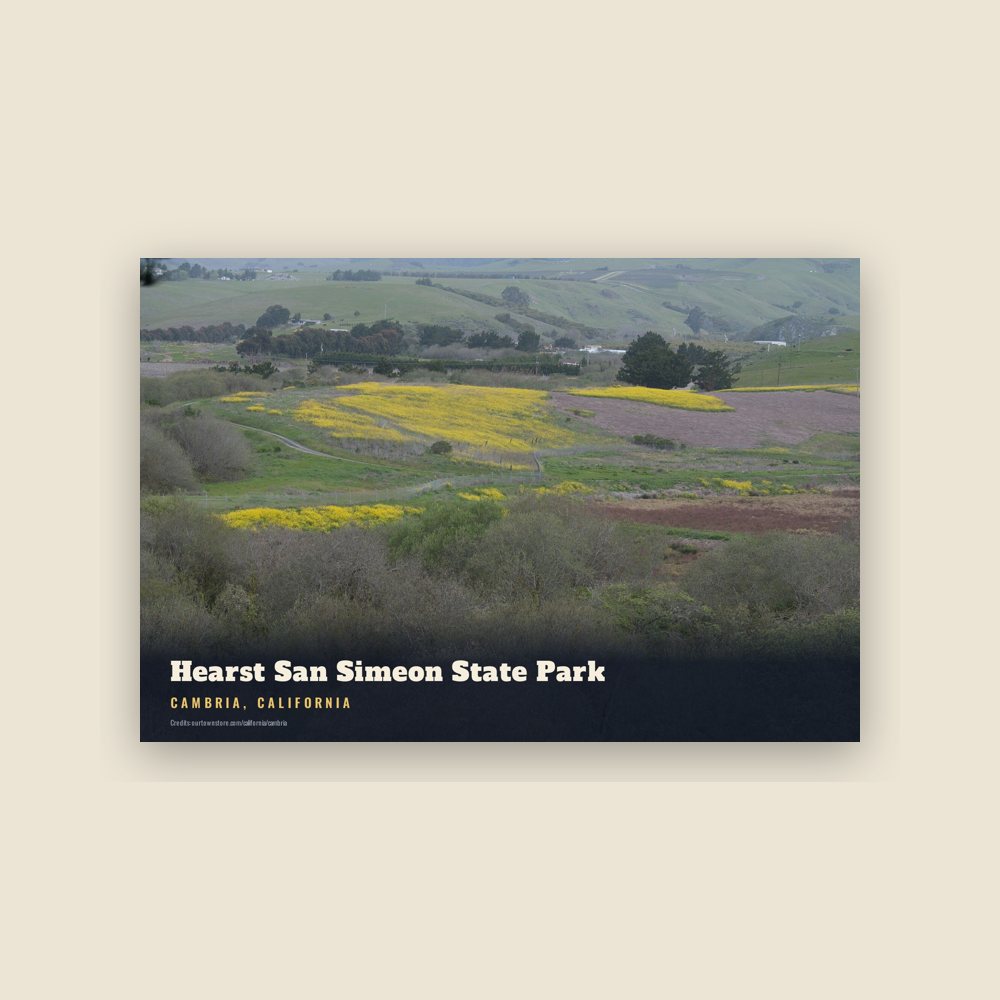
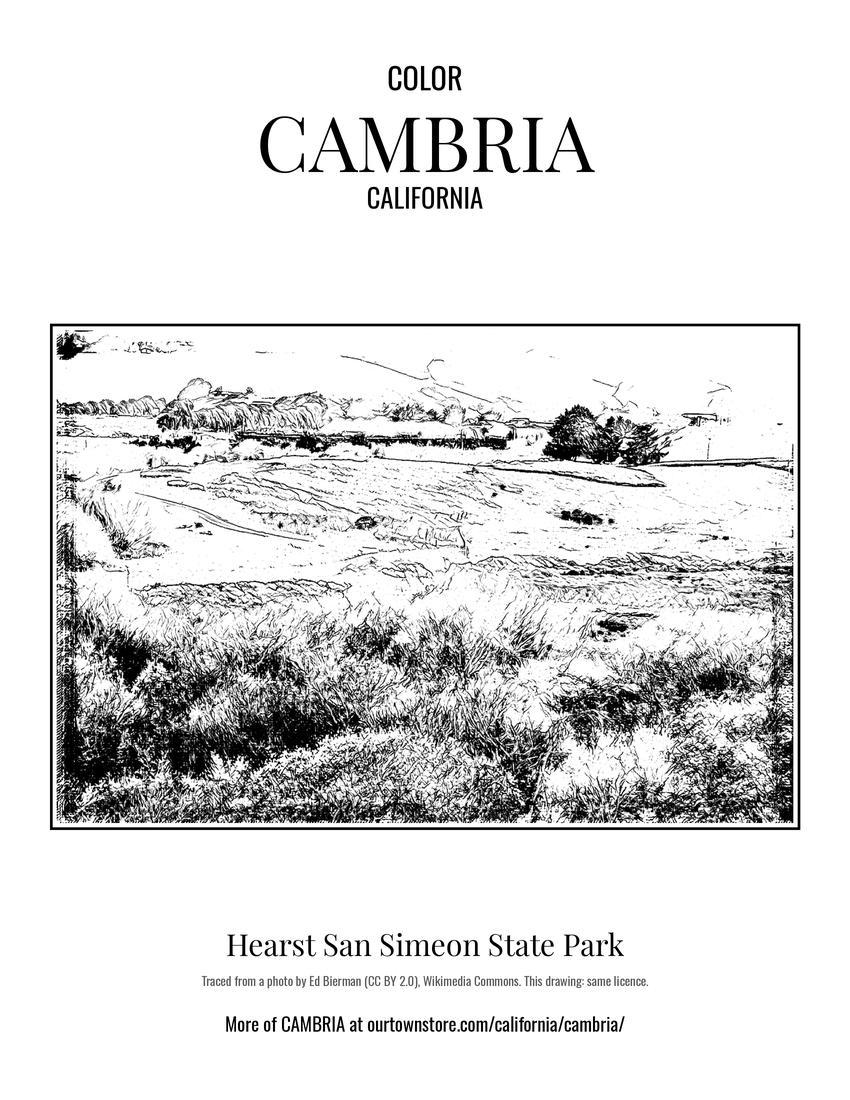 Hearst San Simeon State Park
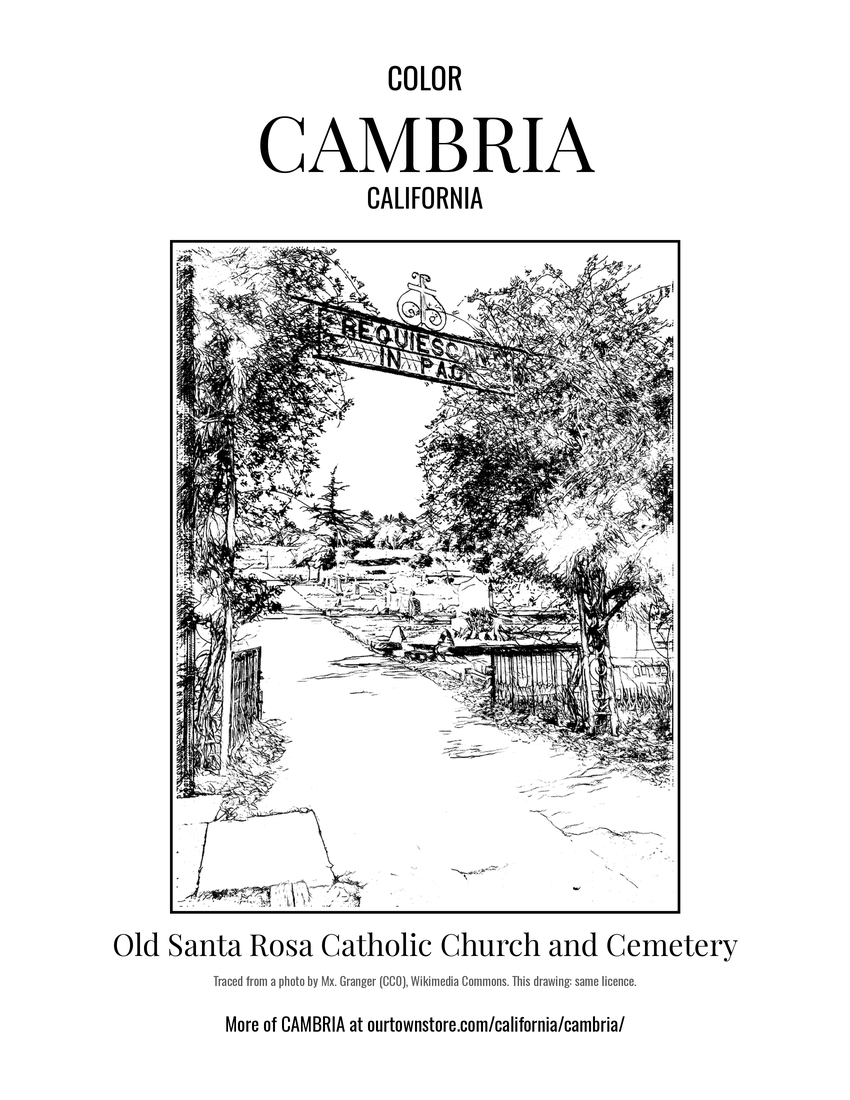 Old Santa Rosa Catholic Church and Cemetery
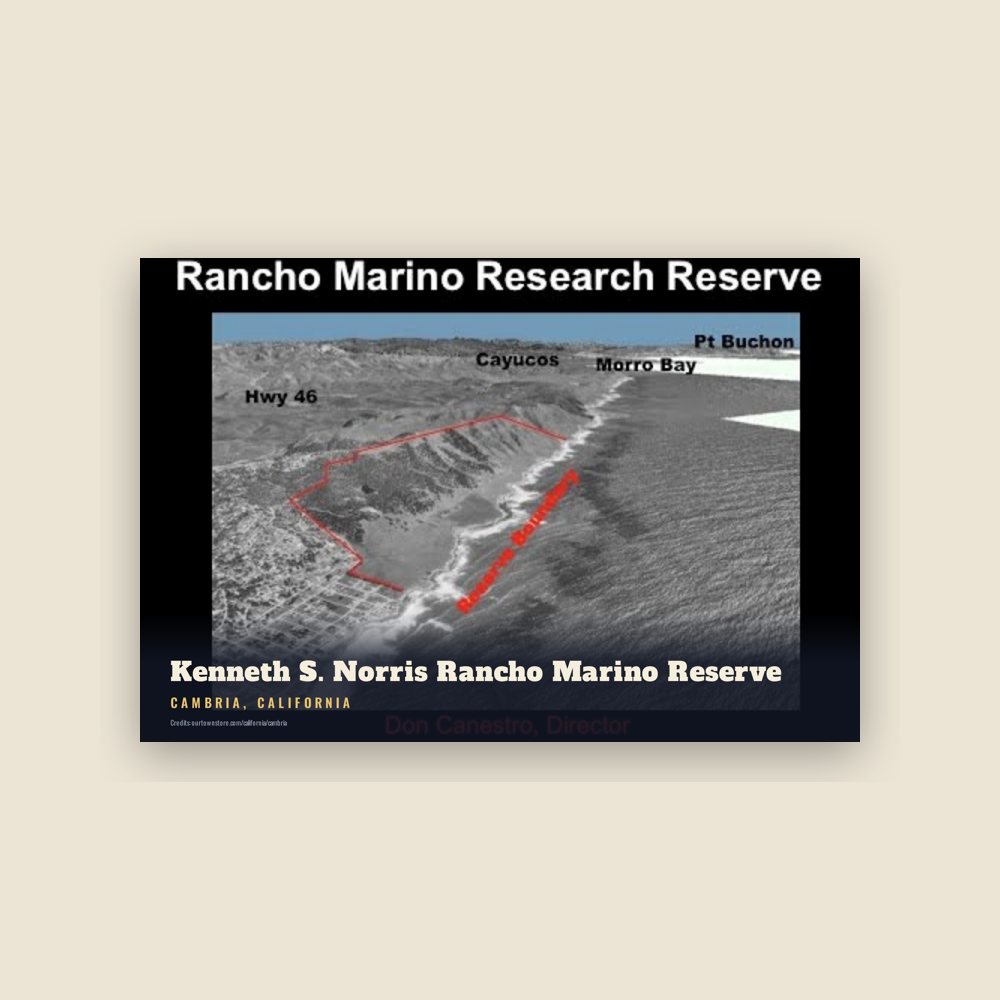
 Kenneth S. Norris Rancho Marino Reserve