A short history of Nipomo
The original settlers of Nipomo were the Chumash Indians, who have lived in the area for over 9,000 years. Rancho Nipomo (the Chumash word ne-po-mah meant "foot of the hill") was one of the first and largest of the Mexican land grants in San Luis Obispo County.
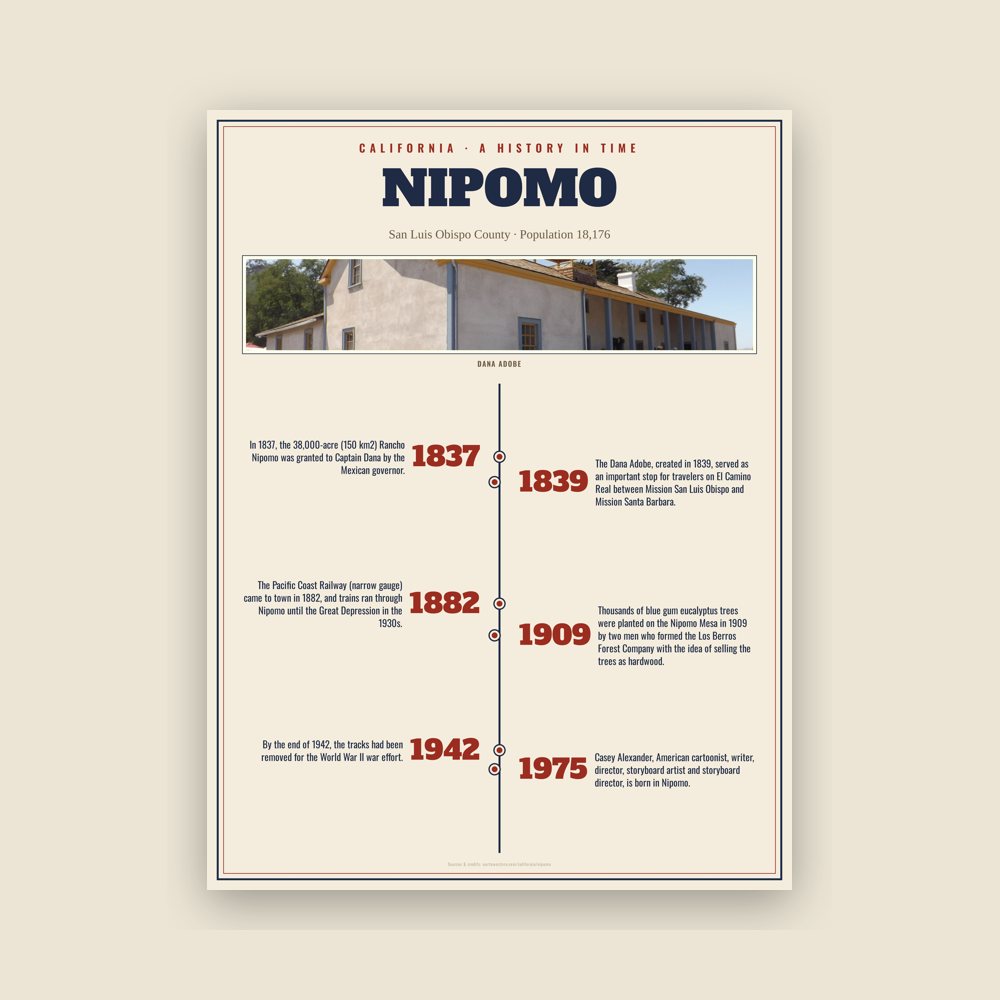
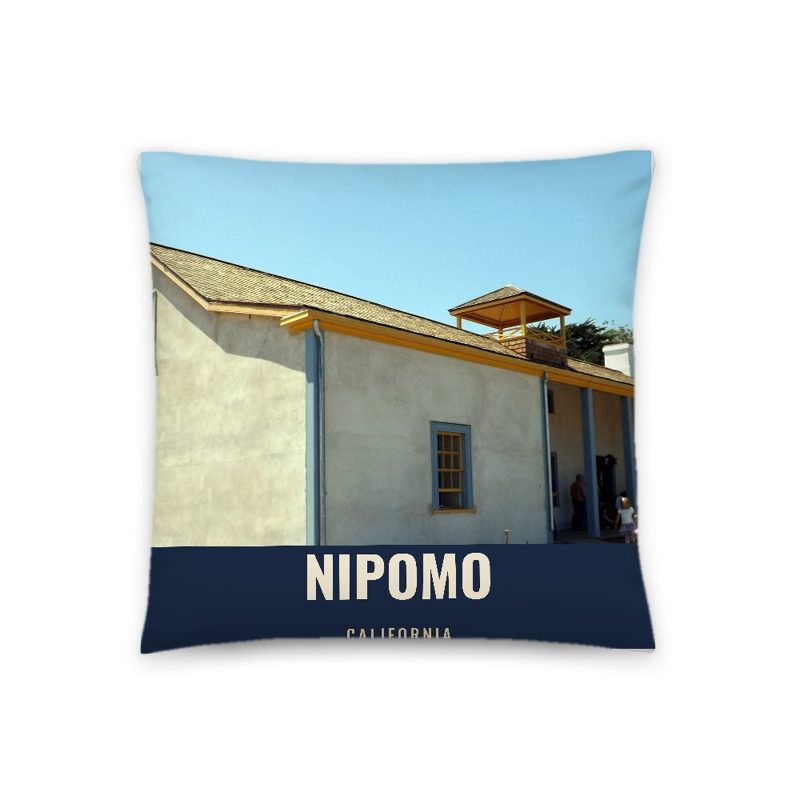
William G. Dana of Boston, a sea captain whose travels led him to California, married Maria Josefa Carrillo of Santa Barbara. In 1837, the 38,000-acre (150 km2) Rancho Nipomo was granted to Captain Dana by the Mexican governor. The Dana Adobe, created in 1839, served as an important stop for travelers on El Camino Real between Mission San Luis Obispo and Mission Santa Barbara. The adobe was a stage coach stop and became the exchange point for mail going between north and south in the first regular mail route in California. The Danas had several children, thirteen of whom reached adulthood. They learned both English and Spanish, as well as the language of the Chumash natives.
In 1846, U.S. Army Captain John C. Fremont and his soldiers stopped at the rancho on their way south to Santa Barbara and Los Angeles. Captain Dana hosted a barbecue and gave Fremont's men 30 fresh horses. By the 1880s, the Dana descendants had built homes on the rancho and formed a town. Streets were laid out and lots were sold to the general public. The Pacific Coast Railway (narrow gauge) came to town in 1882, and trains ran through Nipomo until the Great Depression in the 1930s. By the end of 1942, the tracks had been removed for the World War II war effort.
Thousands of blue gum eucalyptus trees were planted on the Nipomo Mesa in 1909 by two men who formed the Los Berros Forest Company with the idea of selling the trees as hardwood. Groves of these non-native trees still exist in rows as they were originally planted.
Nipomo Mesa is the location of one of the most famous photographs of the Great Depression, Migrant Mother, by Dorothea Lange.
Adapted (trimmed) from the Wikipedia article Nipomo, California, revision 1382602756 by its contributors, licensed CC BY-SA 4.0.
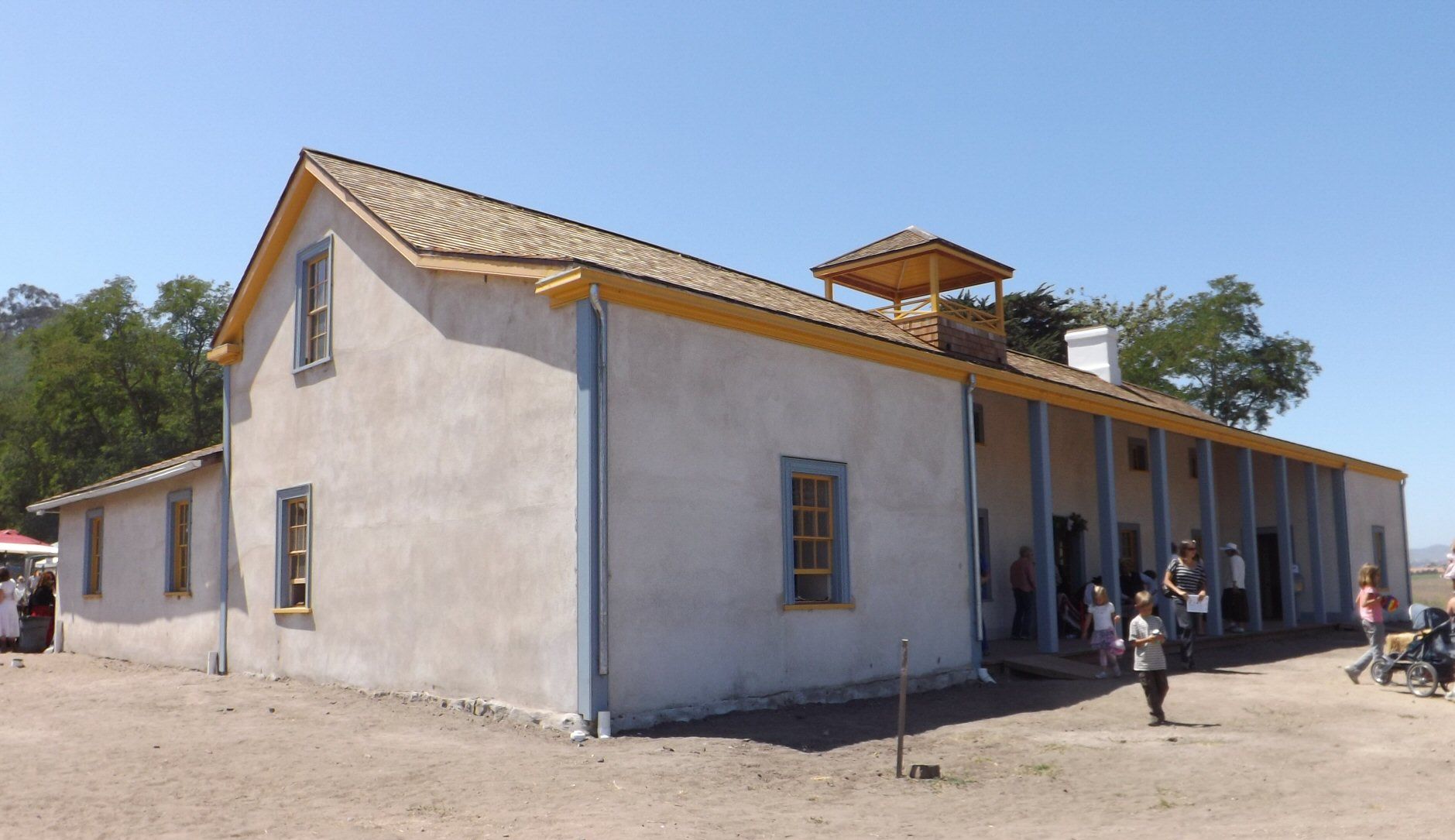
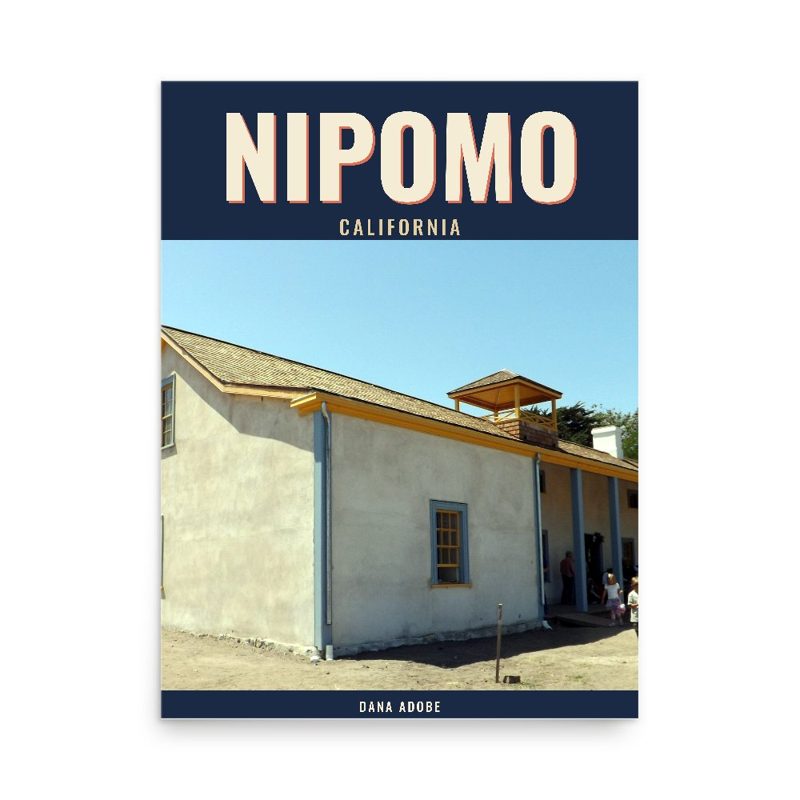
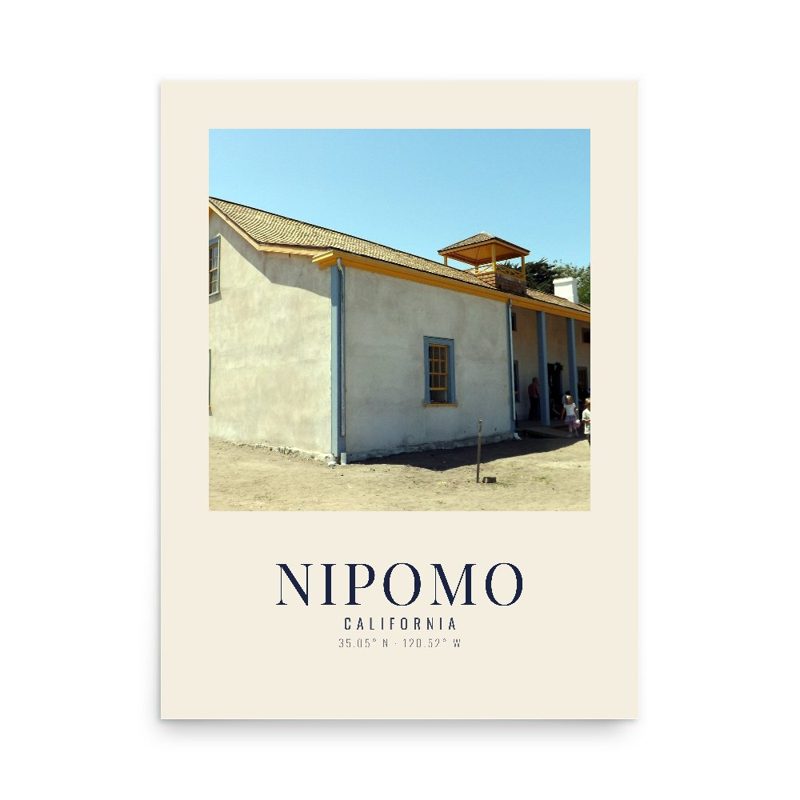


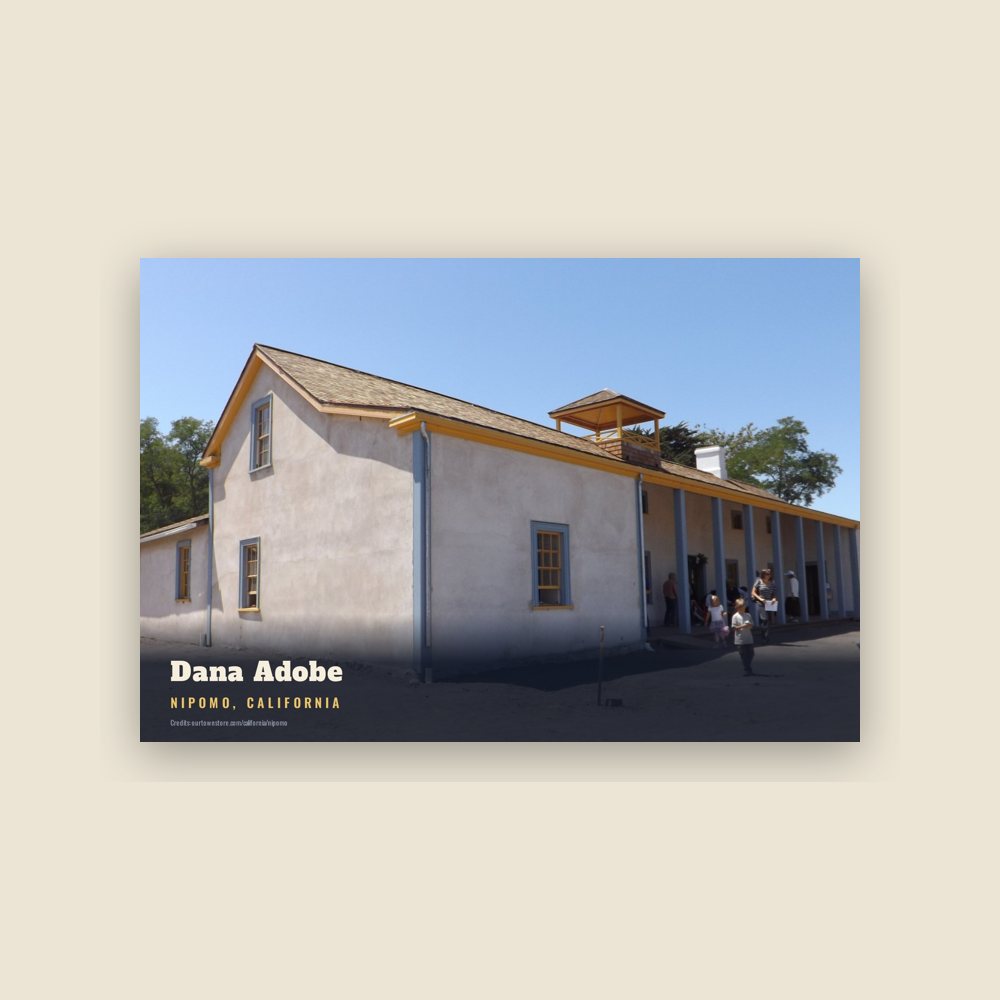
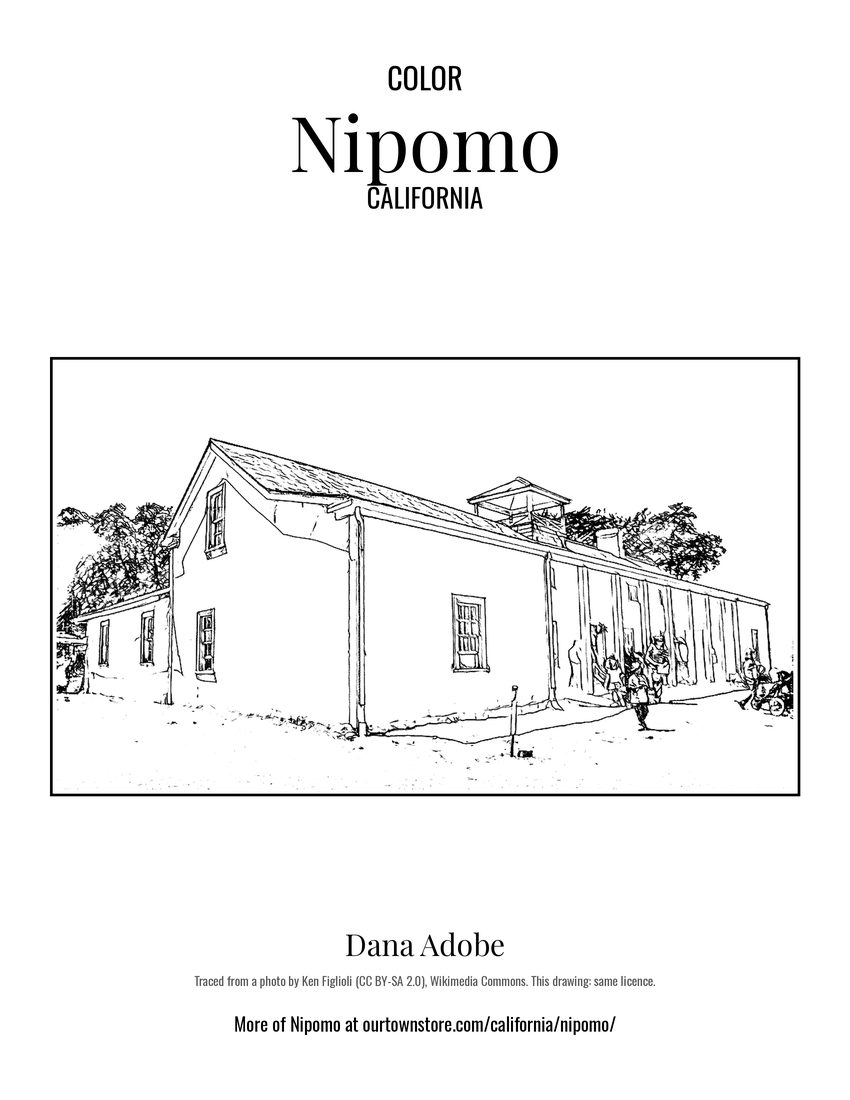 Dana Adobe
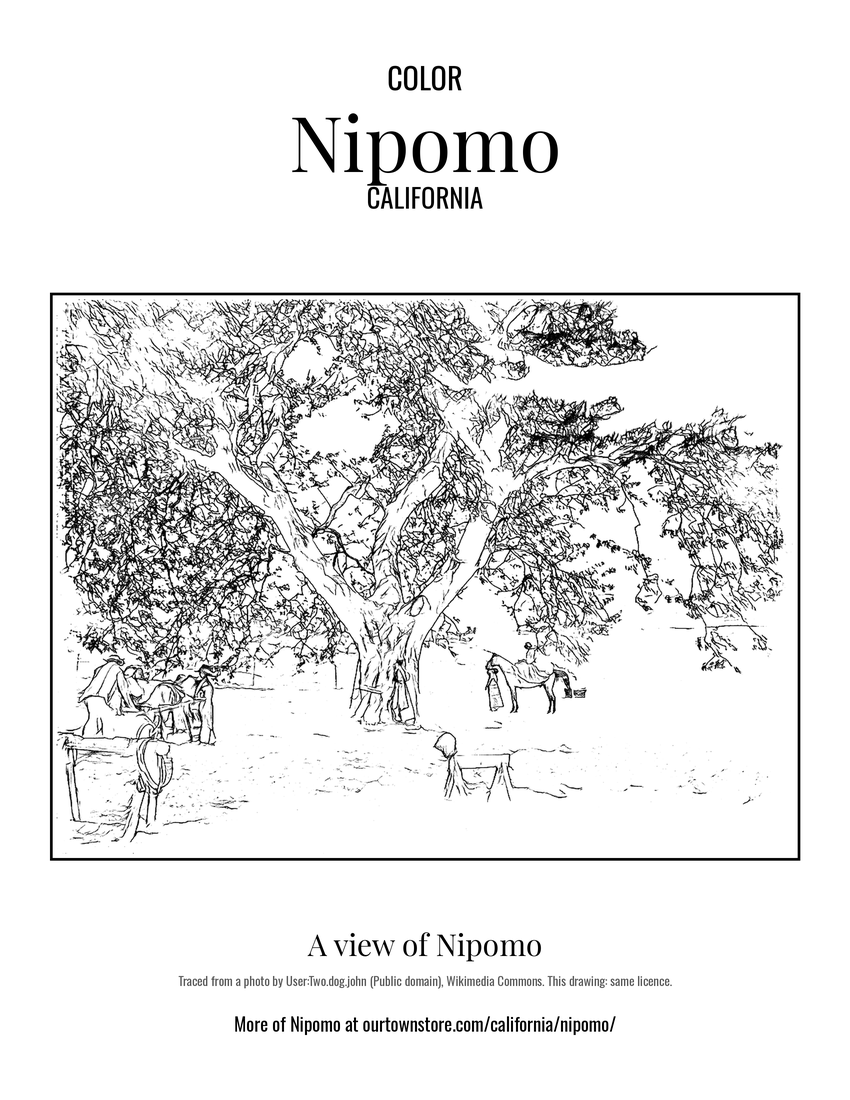 A view of Nipomo
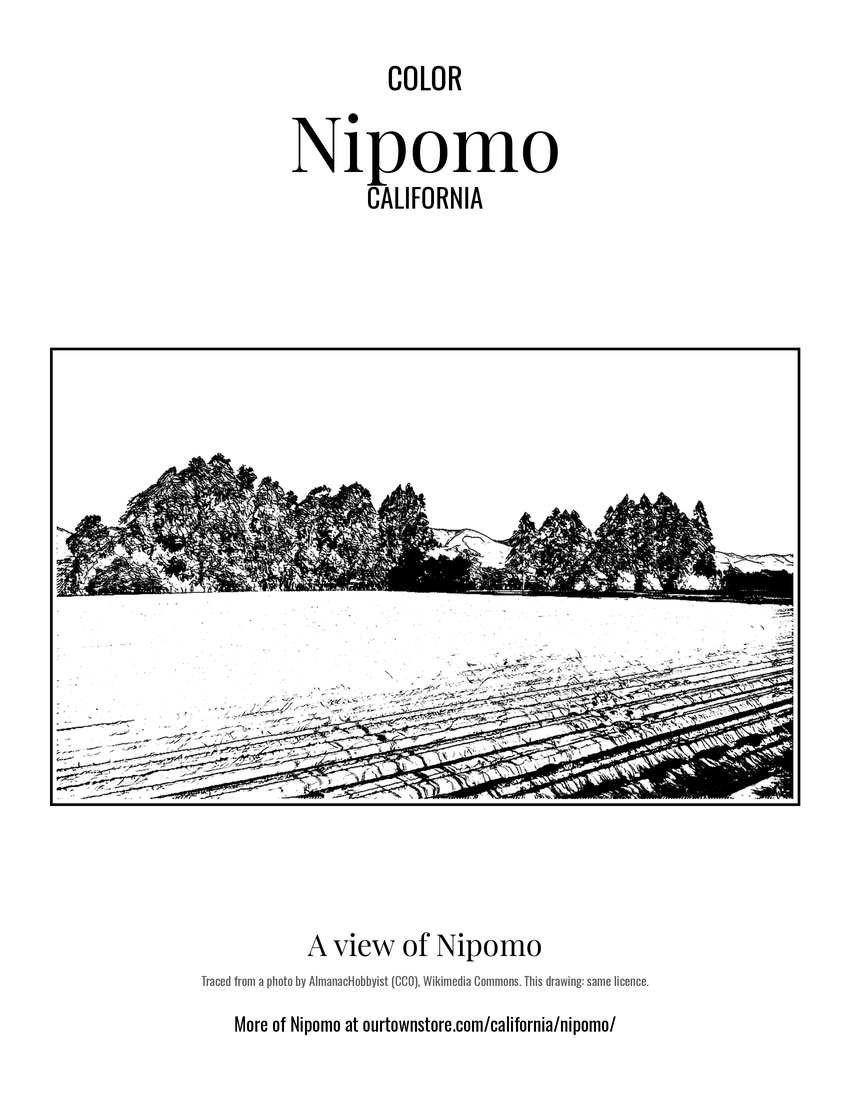 A view of Nipomo