It is the namesake and easternmost city of the Coachella Valley, in Southern California's Colorado Desert. Landmarks include Spotlight 29 Casino, Cabazon Band of Cahuilla Indians and KNWZ.
- CountyRiverside County
- Population41,941 (2020 U.S. Census)
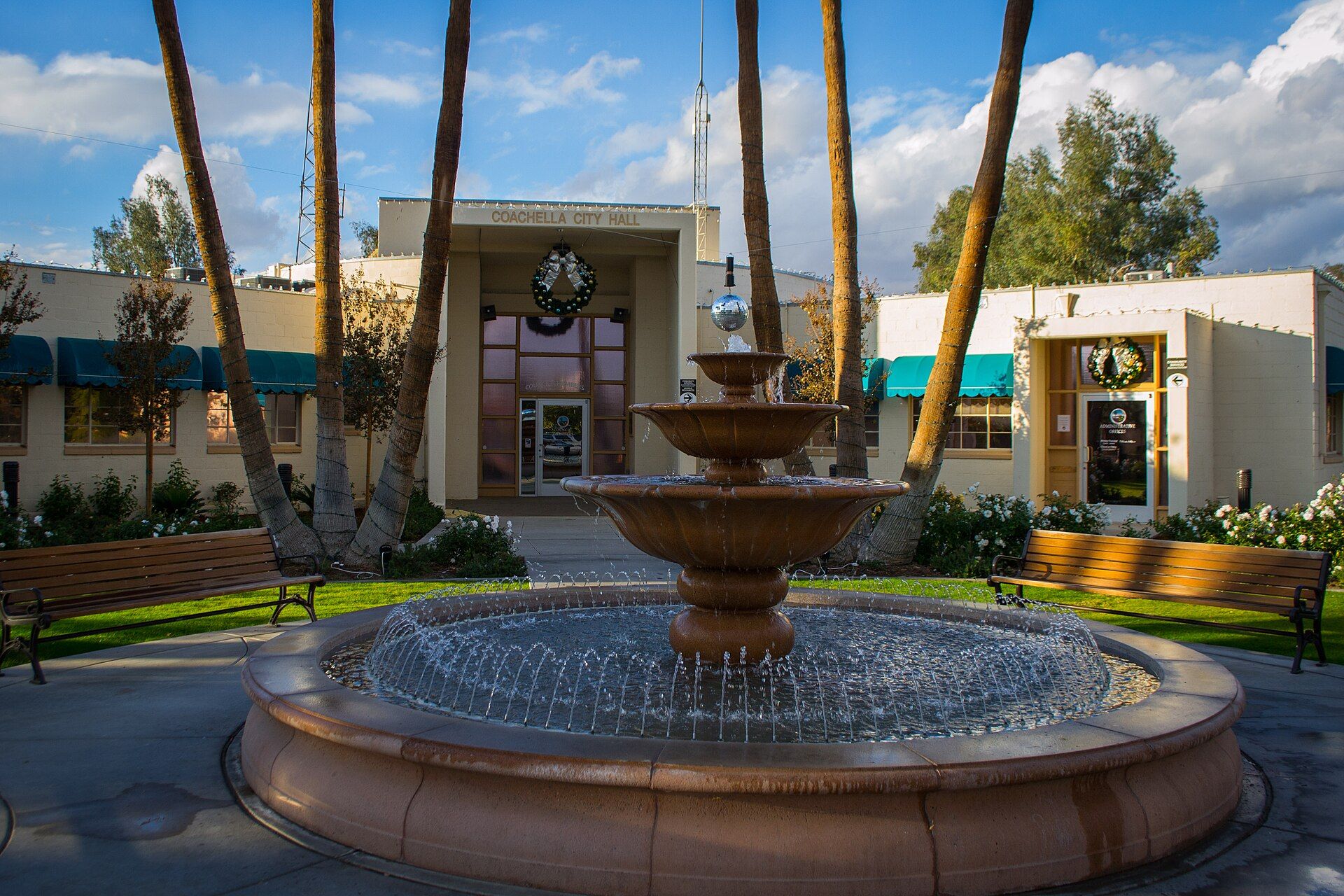
It is the namesake and easternmost city of the Coachella Valley, in Southern California's Colorado Desert. Landmarks include Spotlight 29 Casino, Cabazon Band of Cahuilla Indians and KNWZ.
Coachella, California gifts and souvenirs: 28 designs made from Coachella's own map, landmarks and history, from $10 to $99. Printed to order and shipped free in the USA.
| Popular | Price |
|---|---|
| Coachella Hometown Ornament | $23 |
| Coachella Vintage Travel Poster | from $40 |
| Coachella Varsity Crewneck | from $57 |
| Coachella Est. Tee | from $33 |
| Coachella Town Line Mug | from $26 |
| Coachella Market Tote | $37 |
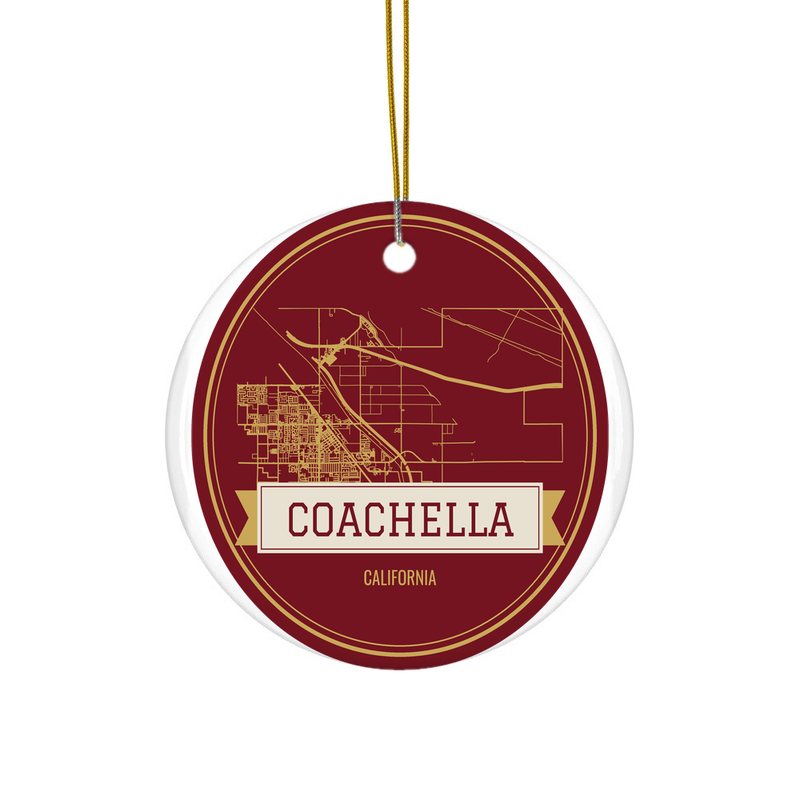
Ceramic keepsake, gold ribbon, in 3 styles
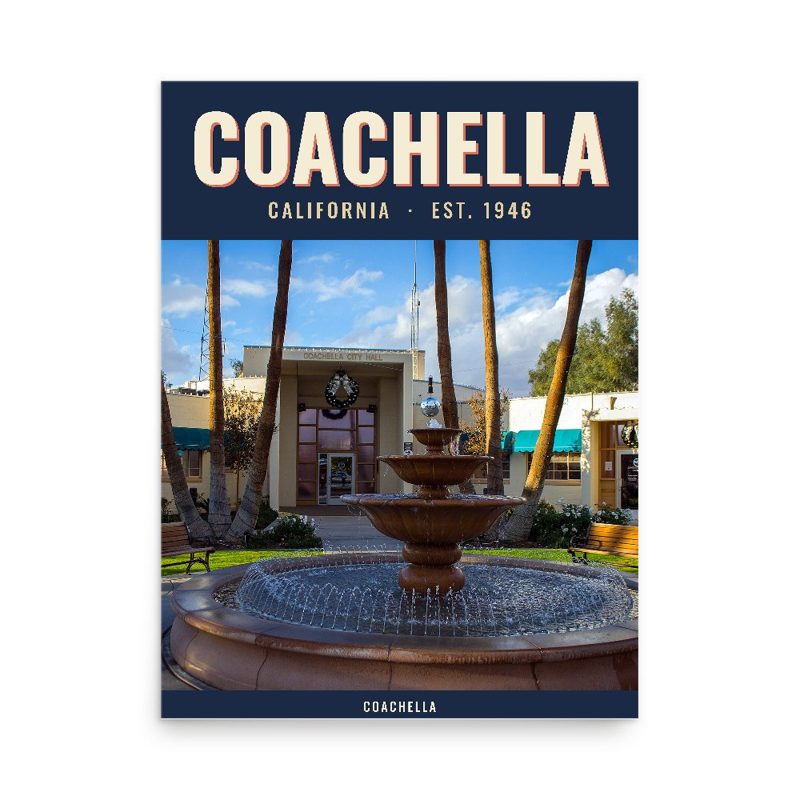
Its landmark photo in a classic travel-poster layout
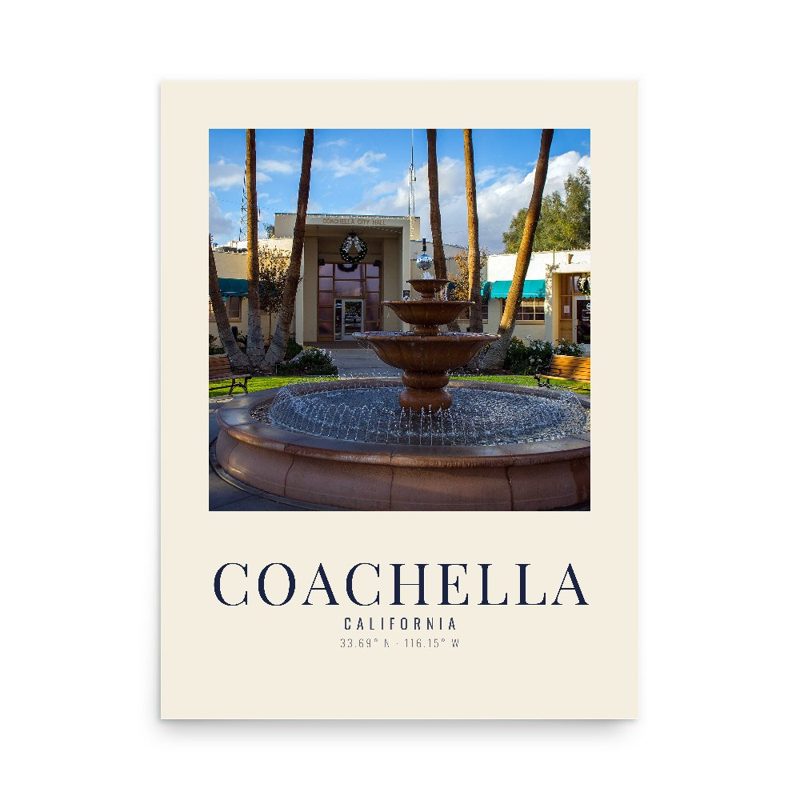
A local landmark photo as a gallery print
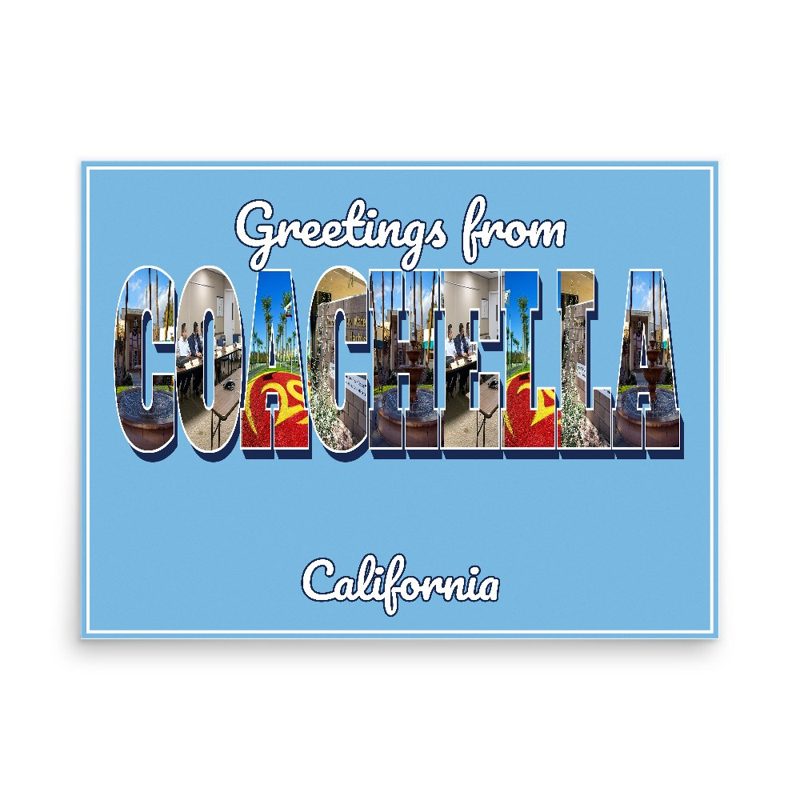
Classic large-letter postcard art, filled with local photos
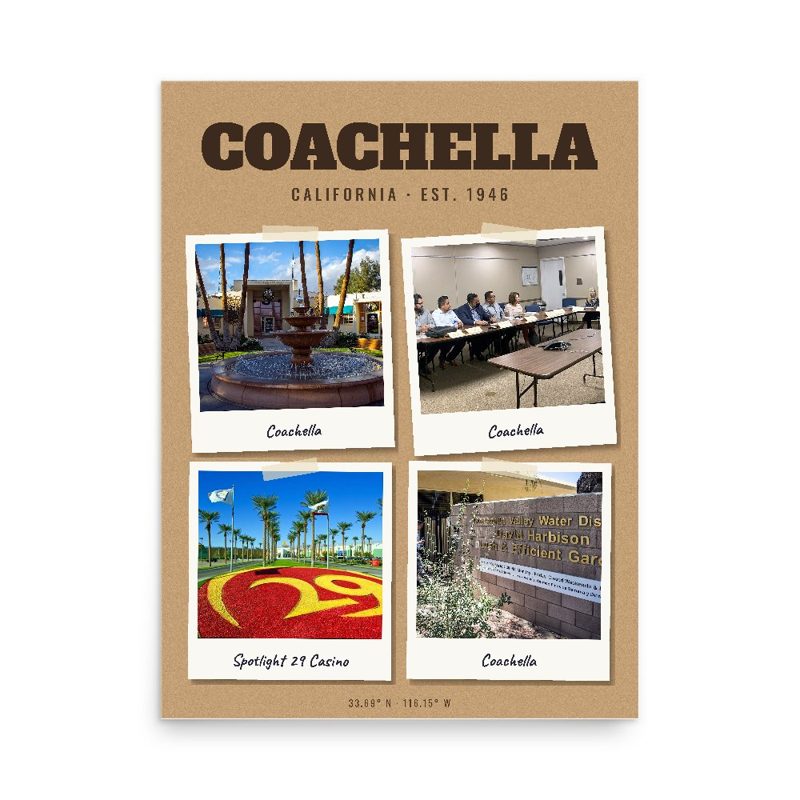
Six local landmarks as instant photos on kraft paper
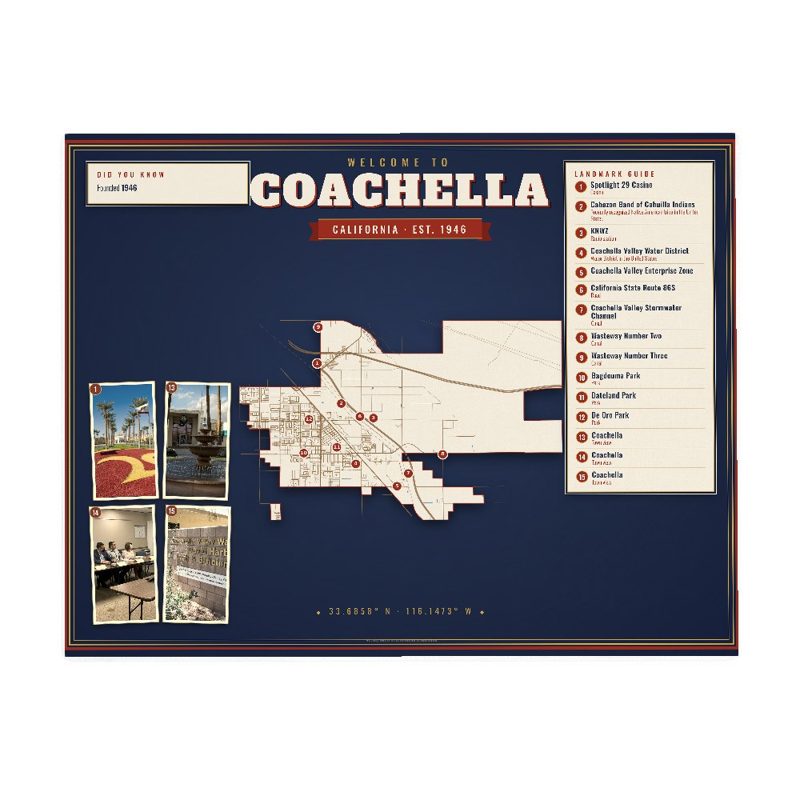
Map of local landmarks, washable fabric
Heavy-blend fleece, street map printed on the back
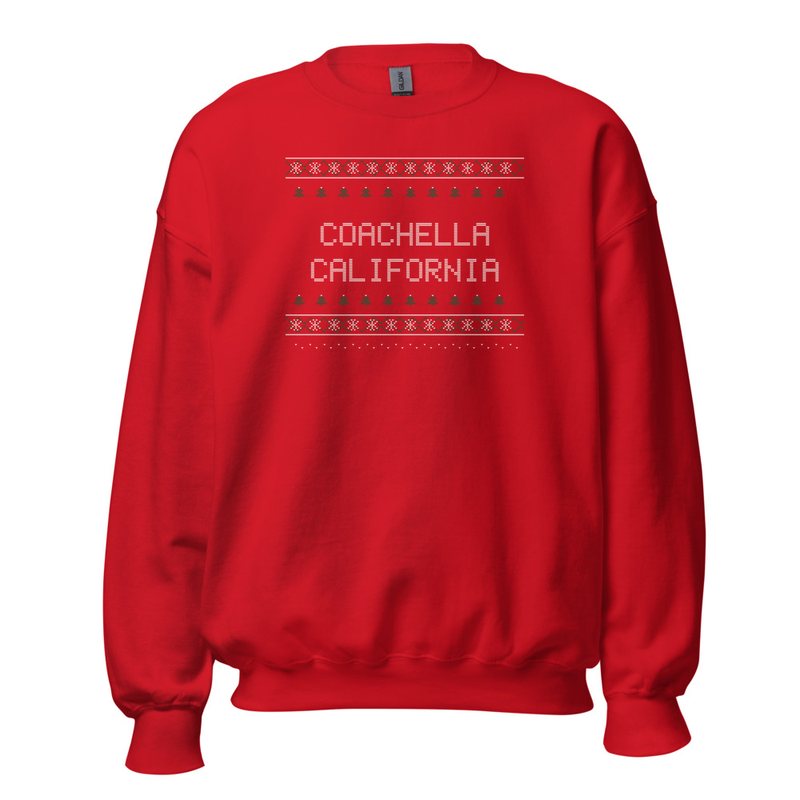
Red heavy-blend crewneck, knit-stitch town print
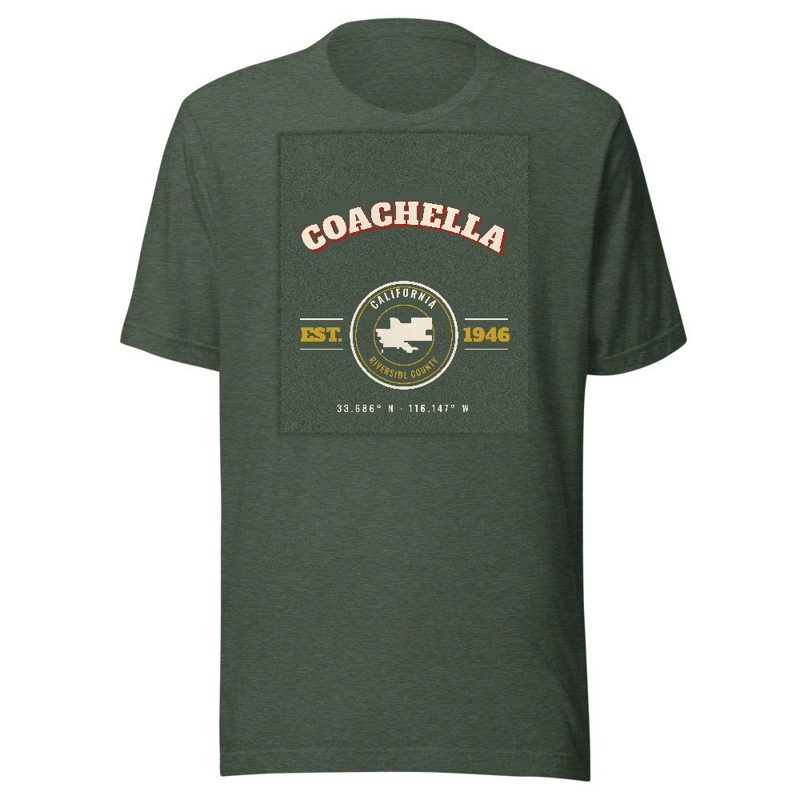
Soft Bella+Canvas jersey
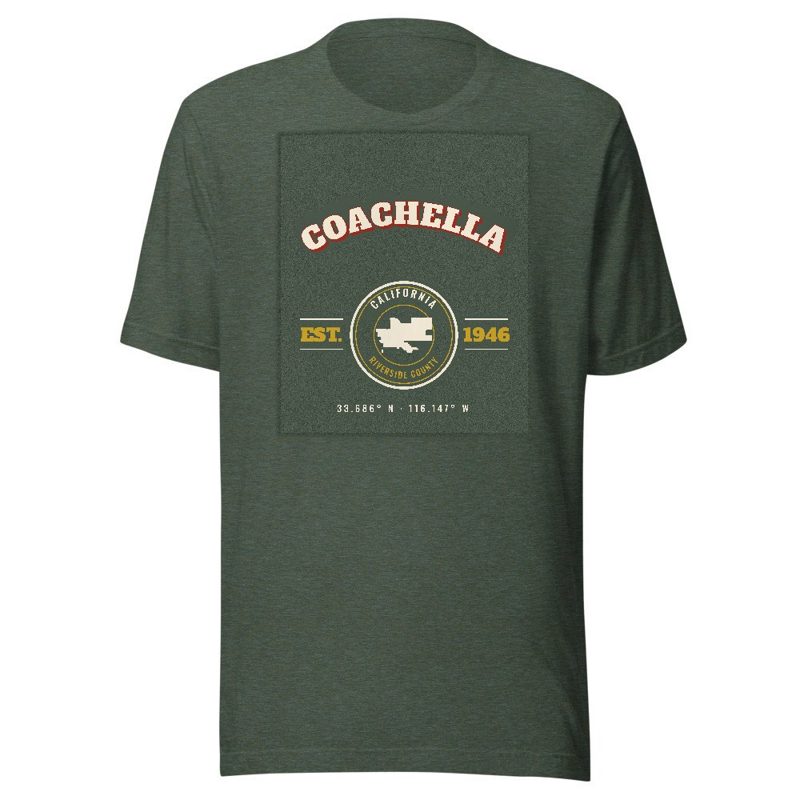
Kids' Bella+Canvas jersey, youth sizes
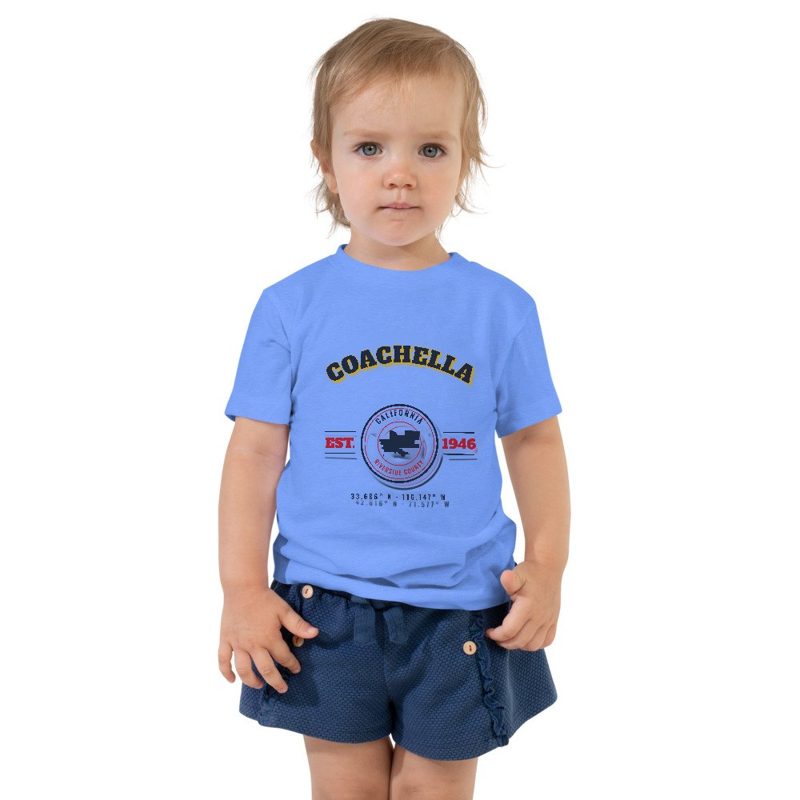
Bella+Canvas toddler jersey
Bella+Canvas baby bodysuit
Large-letter postcard art filled with local photos
Glossy ceramic, dishwasher safe
Large-letter postcard art filled with local photos, 11 oz ceramic
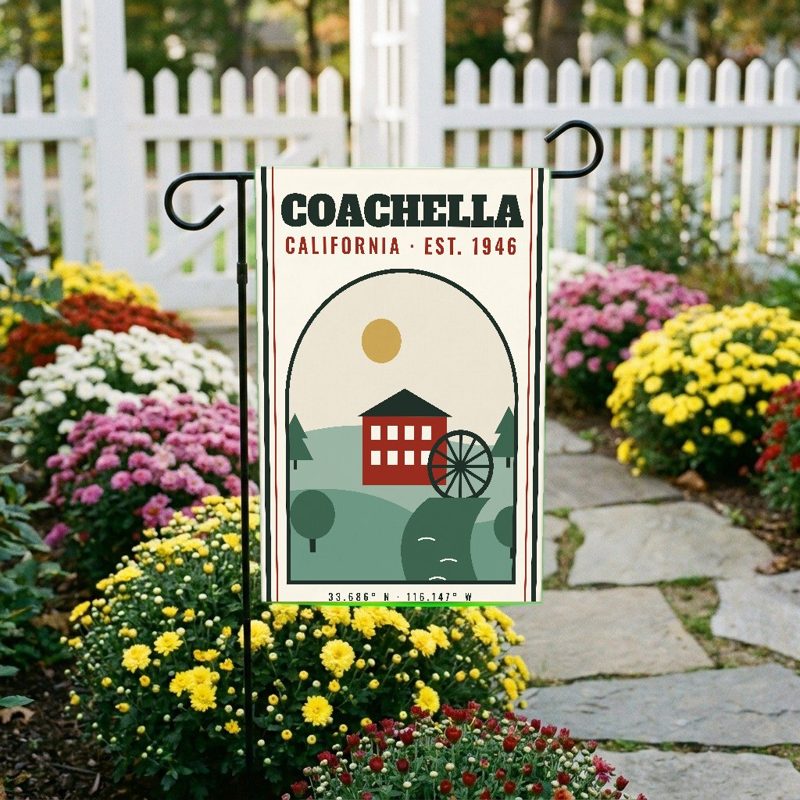
Weatherproof, for the front walk
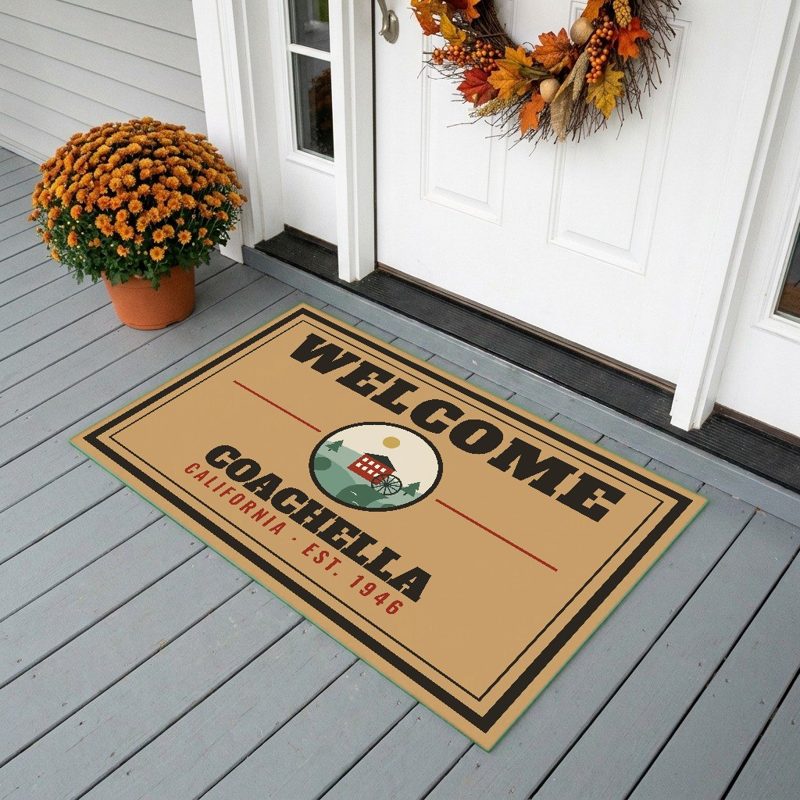
24″×16″, printed coir-look fibers, rubber back
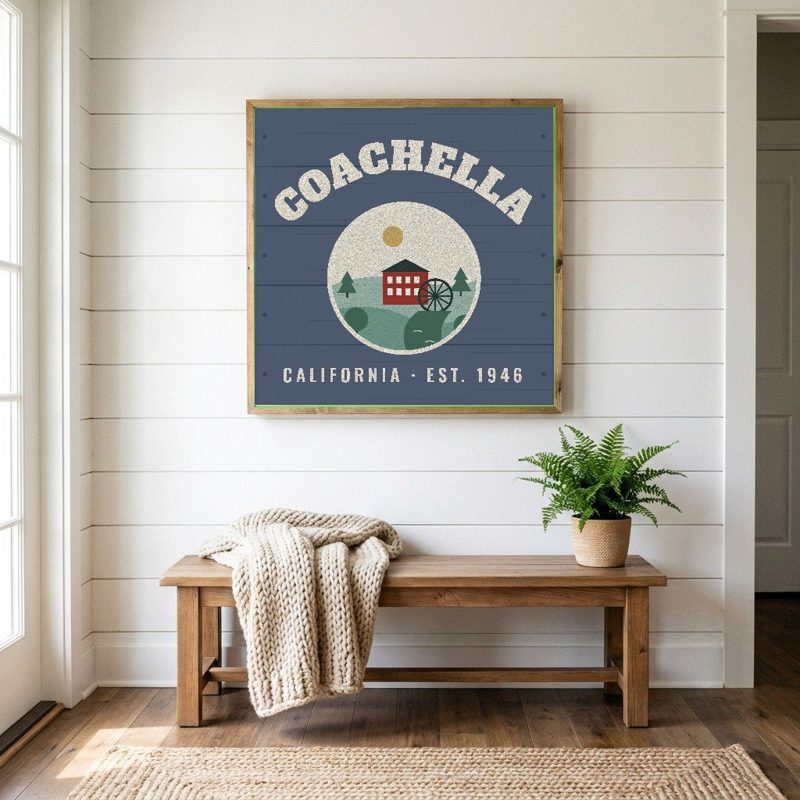
12″×12″ printed wood, ready to hang
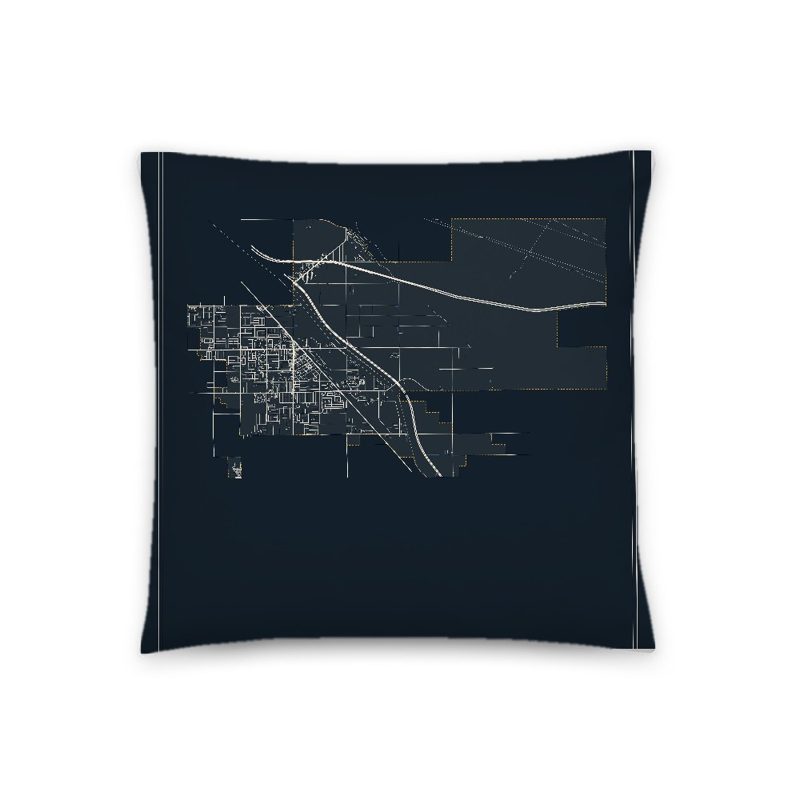
Soft-touch, zip cover
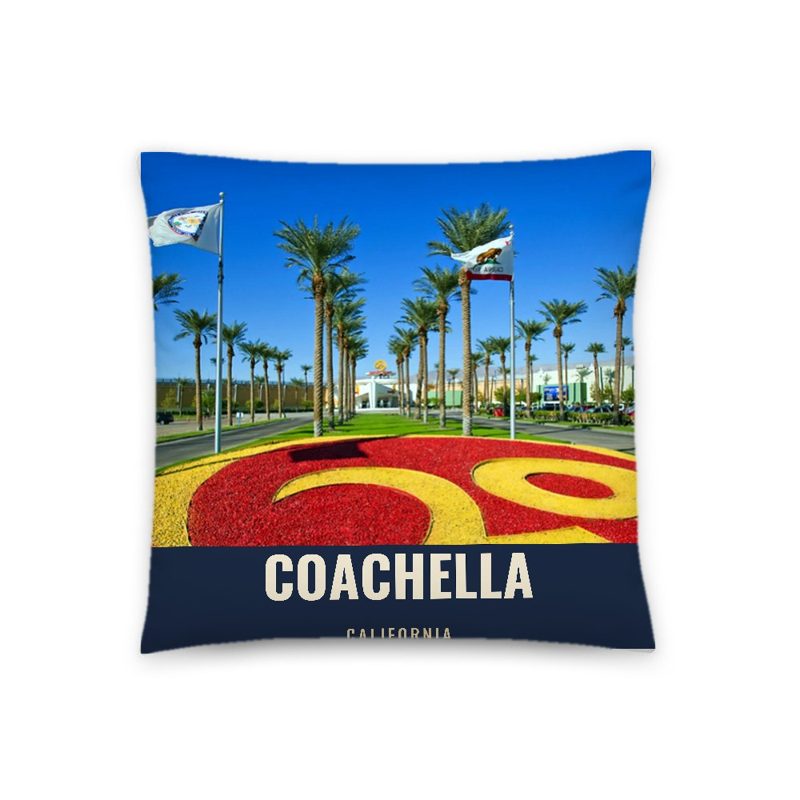
A local landmark photo with the town name, 18″×18″
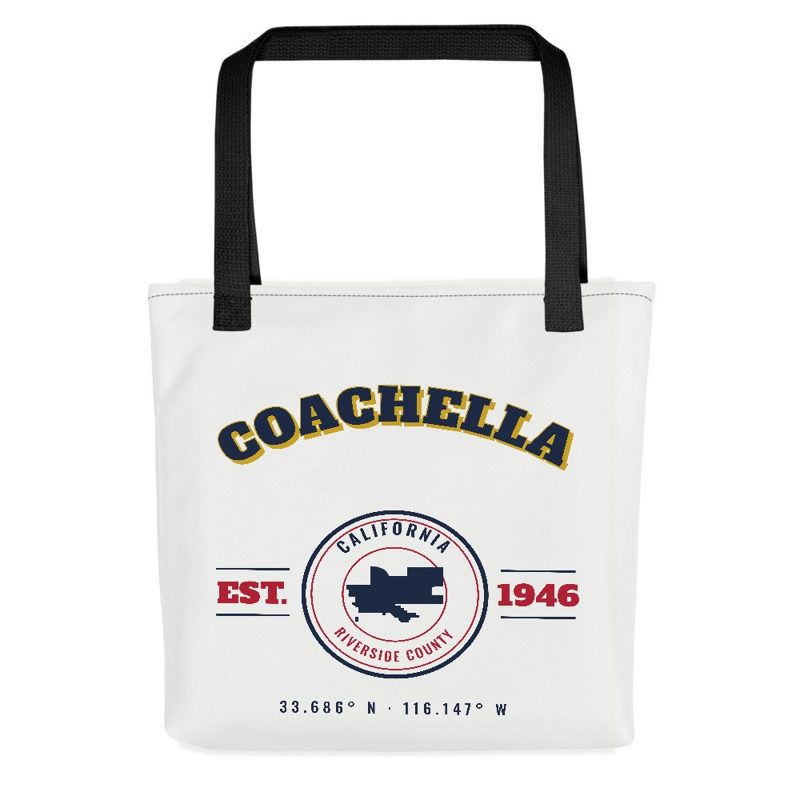
Sturdy all-over-print tote
Large-letter postcard art on a sturdy tote
Foam-front trucker, printed (not embroidered) with local photos
Glossy top, cork back
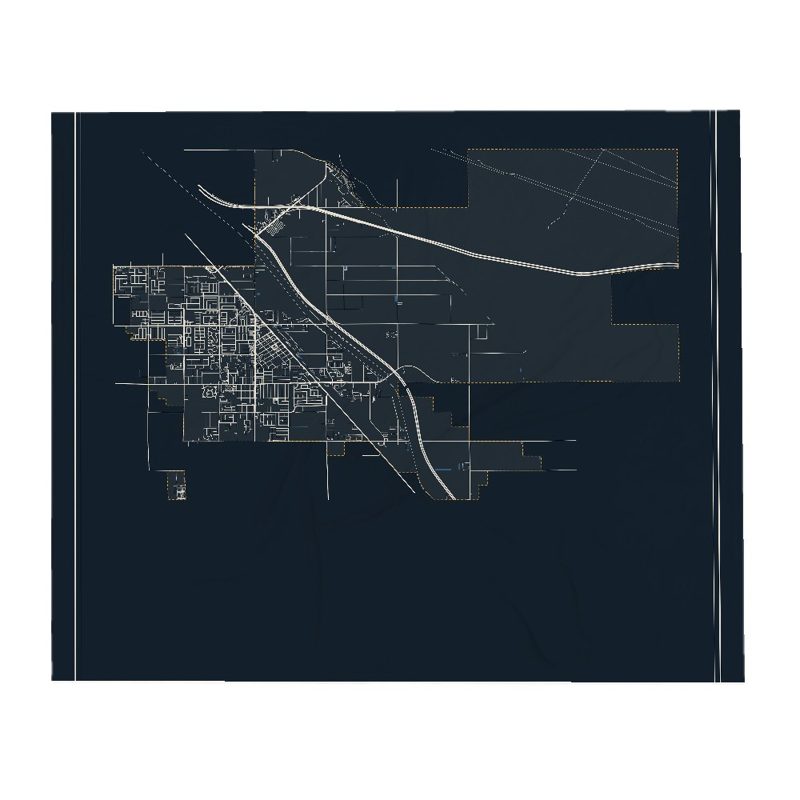
Soft fleece, 50″×60″
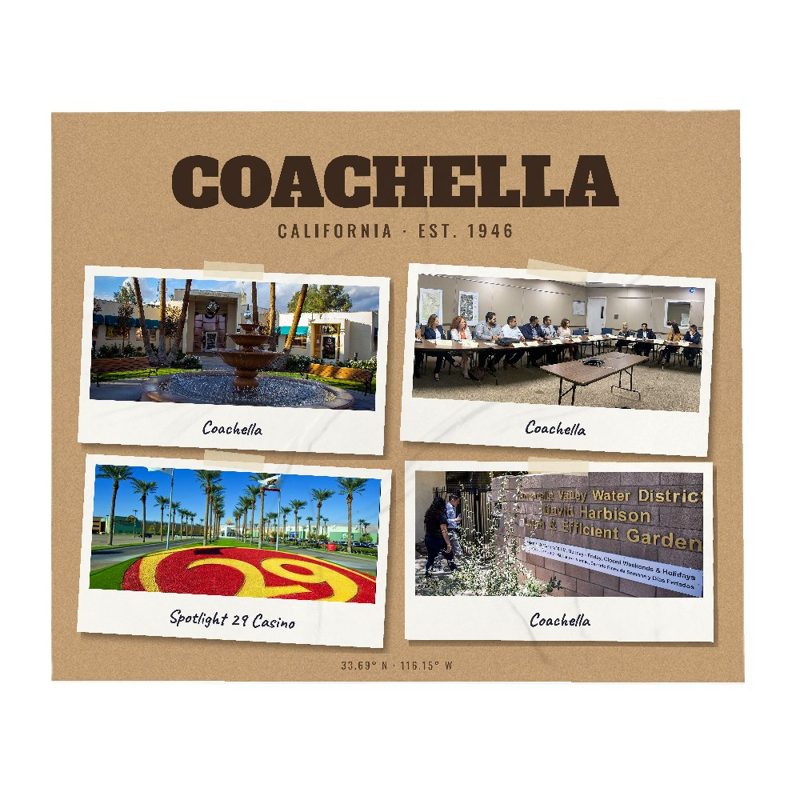
Six local landmarks as instant photos, soft fleece 50″×60″
20 oz, double-wall stainless
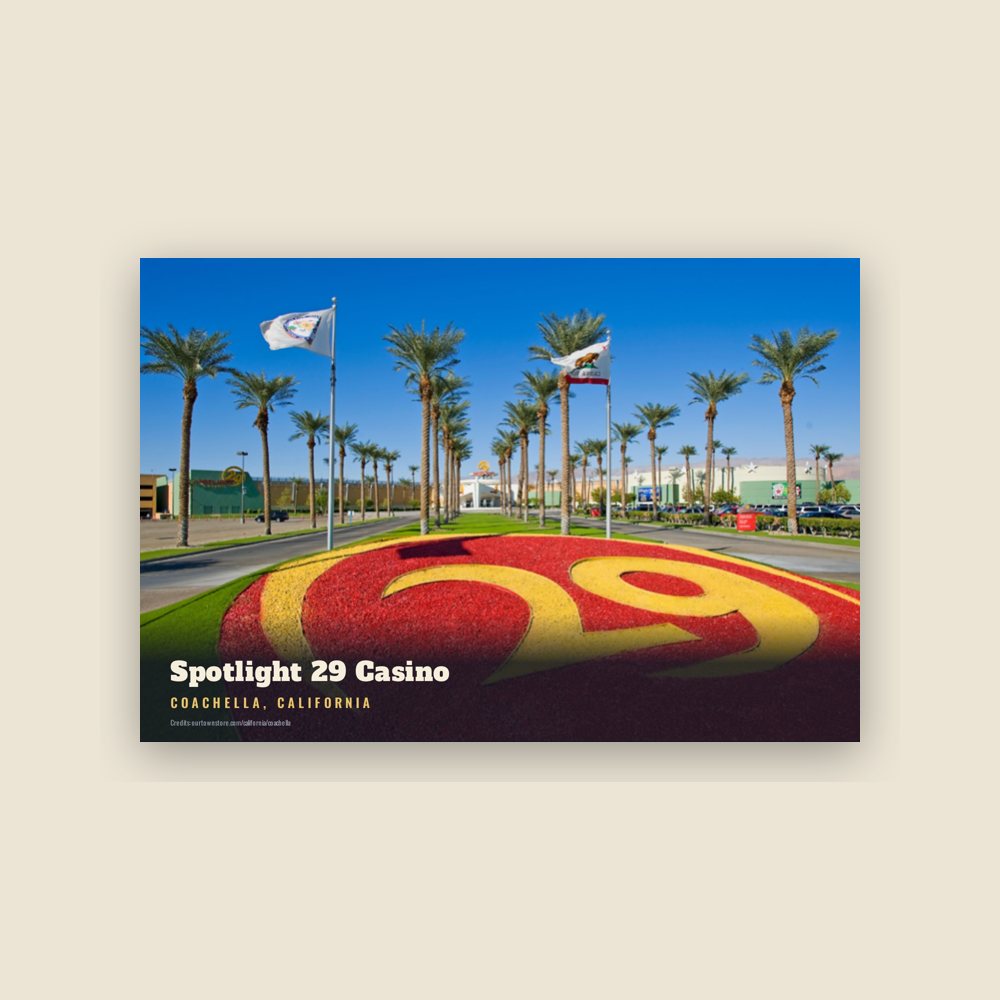
6″×4″ postcard, glossy front
The city was founded as Woodspur in 1876, when the Southern Pacific Railroad built a rail siding on the site to allow the harvesting of mesquite lumber for use by the railroad and later for shipment to the Los Angeles market. Jason L. Rector, an employee of Southern Pacific, was the first recorded non-Native American resident of Woodspur.
In the 1880s, in the decade after the federal government divided the land the indigenous Cahuilla tribe had historically occupied between the tribe and railroads on a checkerboard pattern, the tribe sold its land plots to the railroads for new lands east of the current town site. In the 1890s, a few hundred traqueros, including a number of immigrant Mexican railroad workers, settled along the tracks.
Coachella was transformed from a 2.5-square-mile (6.5 km2) territory gridded out on the mesquite-covered desert floor to a town in its own right after Rector and his brother dug the first artesian well in 1900, providing fresh water to support incoming settlers and irrigation for agriculture.
In 1901, the citizens of Woodspur voted on a new name for their community at a town hall meeting, settling on "Coachella". The name does not mean anything in Spanish or any of the indigenous languages of the region.
After their first test well proved successful the Rector brothers cleared 25 acres, which they planted in barley, wheat, cantaloupes, watermelons and sugar beets, later that year. As the Los Angeles Times reported at the time, "the land proved wonderfully fertile, and all of the crops did well, coming to maturity in a phenomenally short time."
The Coachella Valley was especially attractive because it was able to produce crops earlier than other regions in the Southwestern United States. By 1902 over 100 artesian wells had been drilled in the Valley as hundreds of farmers arrived there.
By 1902 Rector had organized the Coachella Valley Produce Association, which shipped the first boxcar of fruit ever raised in the valley. A packing house was later built in the town, followed shortly by an ice and pre-cooling plant.
These anglo growers initially relied on local Cahuilla Indians, whose traditional economy and way of life had been destroyed by smallpox, reservations and land allotments, to grow and pack their crops. When these farmers' need for labor outstripped that supply they recruited farmworkers from Japan.
Many of these Mexican immigrants were driven out, either by formal deportation proceedings or informal coercion, during the Great Depression. Later, during World War II, the United States government entered into agreement with the Mexican government to bring back thousands of Mexican farmworkers under the Bracero Program.
Japanese immigrants and their American-born families were also removed from the Coachella Valley when the United States government interned them during World War II. Many of these internees returned to the Coachella Valley, where they received a warmer reception than in other parts of California.
African-Americans also moved to the Coachella Valley during the Great Migration beginning in the 1910s. Smaller numbers of migrants came from places such as Turkey and Portugal.
Coachella became a city in 1946. During the incorporation voting process, the first city council was tentatively elected.
In the 1950s Coachella begin to expand its range, about 32 square miles (83 km2), an area which contained large year-round agricultural corporate farms and fruit groves, particularly of citrus (lemons, oranges, grapefruit) and date palms.
The Coachella Valley proved to be a key site in the United Farm Workers's efforts to organize farmworkers. The union reached its first collective bargaining agreement with a table grape grower in 1970, when David Freedman & Co. broke with other grape growers and signed with the UFW. The rest of the industry soon followed suit.
By the 1980 census, Coachella's population had reached at least 10,000 due to relatively slow population growth. Due to a high percentage of Hispanics in the city, Coachella was a scene of Chicano political activism.
In 1995, state and federal officials designated Coachella as part of the Coachella Valley Enterprise Zone to boost economic activity and entice businesses to relocate to this rural city which was once home to several fruit shipping plants.
In 2010, a Coca-Cola bottling facility (a LEED certified building) was added to the city's new light industry facilities, a boon in the rapid-growth community which has a currently troubled economy.
Adapted (trimmed) from the Wikipedia article Coachella, California, revision 1380601255 by its contributors, licensed CC BY-SA 4.0.
We share a part of every Coachella sale with local partners, and we'd love to print from your collection. Old photographs, maps and postcards make the best keepsakes.
Partner with usA favorite landmark, your street, a school or team, an anniversary gift, a different product. Tell us and we'll get back to you by email.
4 free coloring pages of Coachella, each traced from a photo of a local landmark. Print them at home, at school or for story hour.
Coachella's population was 41,941 in the 2020 U.S. Census, up from 40,704 in 2010.
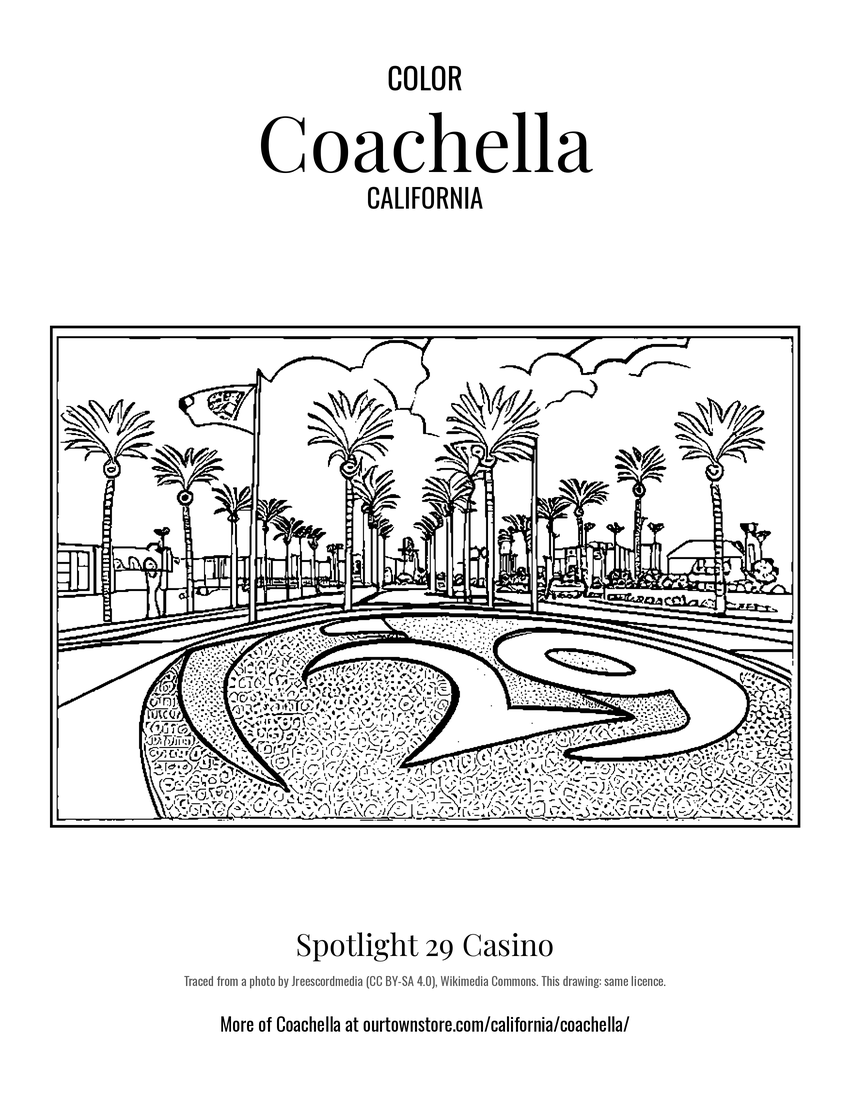 Spotlight 29 Casino
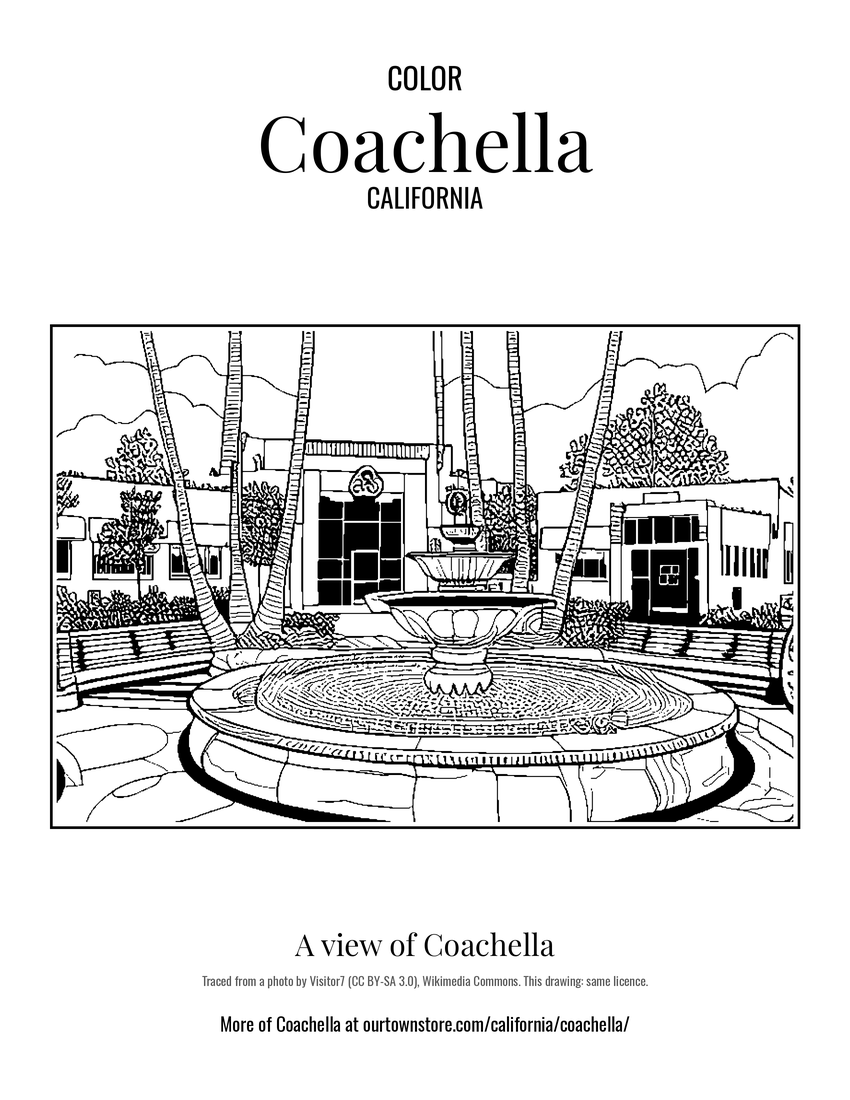 A view of Coachella
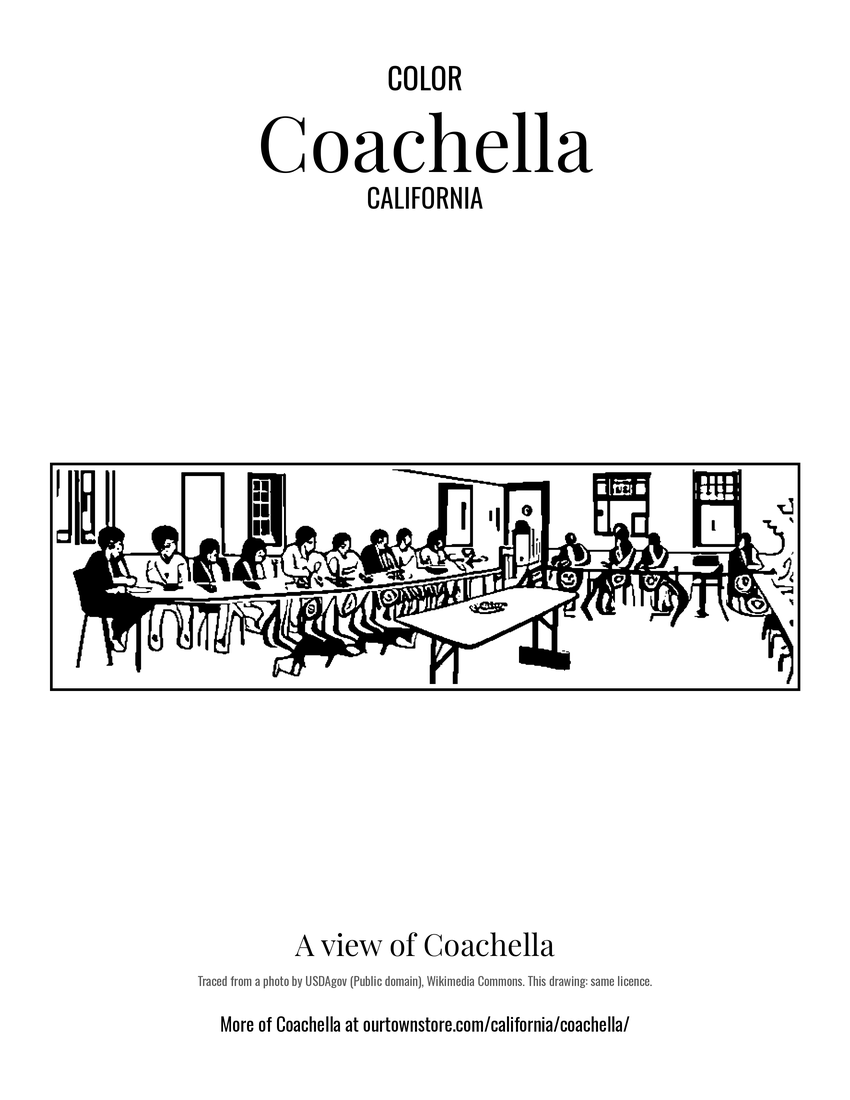 A view of Coachella
 A view of Coachella