Since 1956
A short history of Sierra Vista
As evidenced by several neolithic sites, which include the Murray Springs Clovis Site and known archeological sites like the Lehner Mammoth-Kill Site, Paleo-Indians, along with animals including mammoths, horses, tapirs, bison, and camels occupied the area more than 11,000 years ago. Both the Murray Springs Clovis Site and the Lehner Mammoth-Kill Site became National Historic Landmarks. This area was home to a large Sobaipuri Pueblo near Fairbank which had several smaller pueblos and settlements throughout the valley, a Spanish Fort, Presidio Santa Cruz de Terrenate between modern Huachuca City , Whetstone, and Tombstone, on the west bank of the San Pedro River. along with a few Spanish settlers supporting the route to Tucson's Mission San Xavier del Bac and Presidio San Agustín del Tucsón. Coronado National Memorial was established in the southern Huachuca Mountains to commemorate the expedition of the Spanish conquistador Francisco Vázquez de Coronado utilizing the nearby San Pedro River in his northward search of the Cities of Cíbola, which are often referred to as the mythical Seven Cities of Gold.
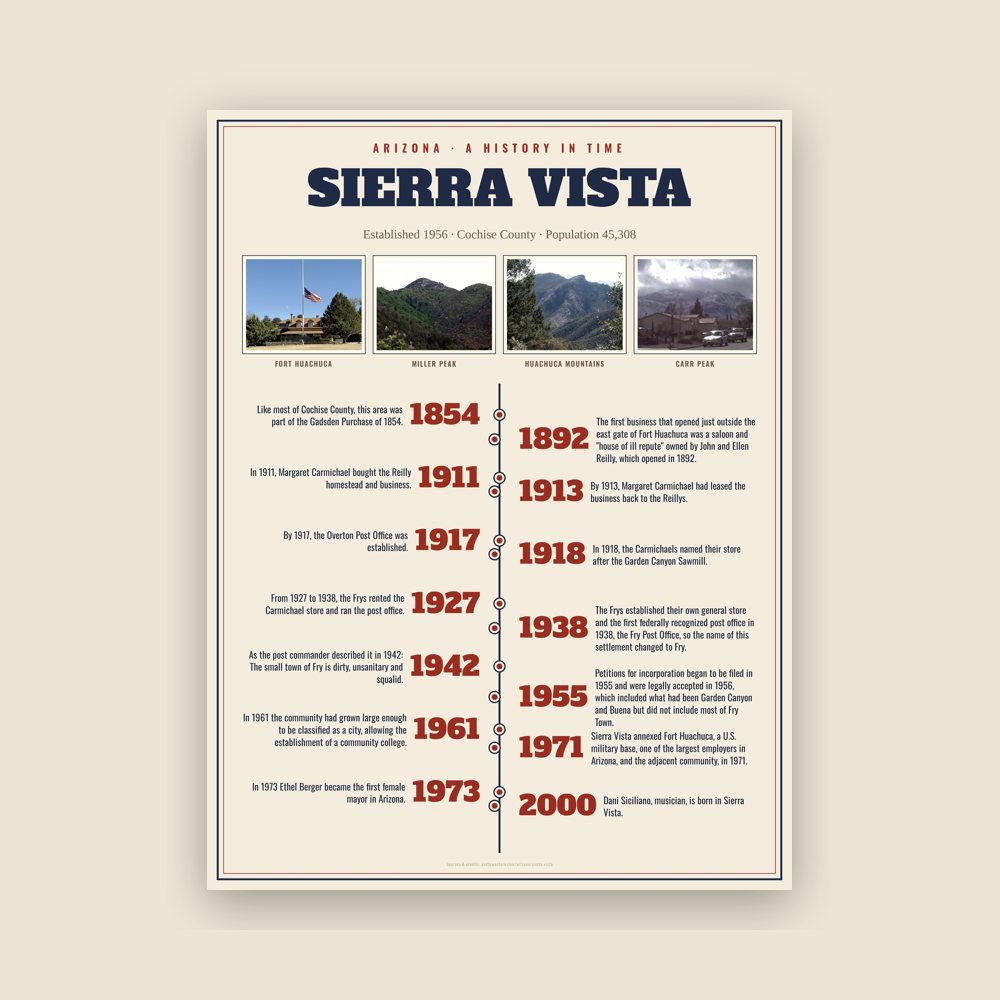
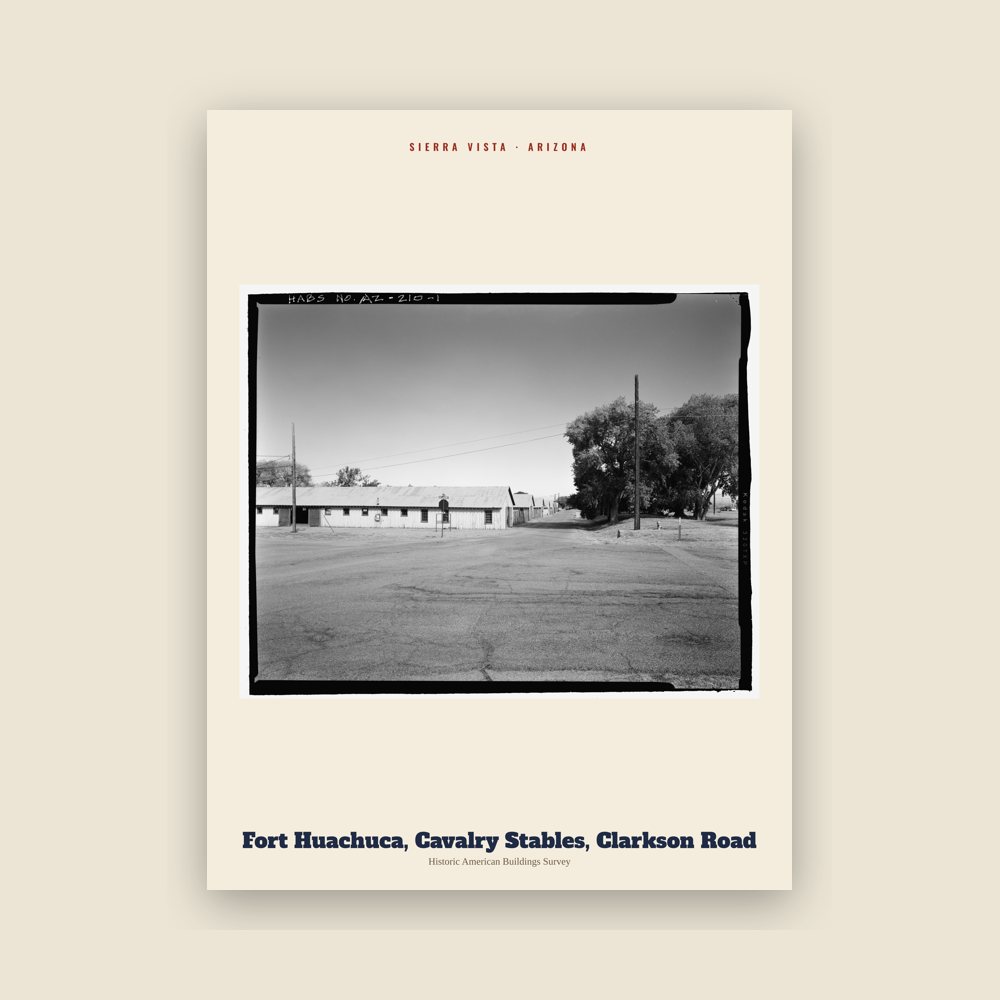
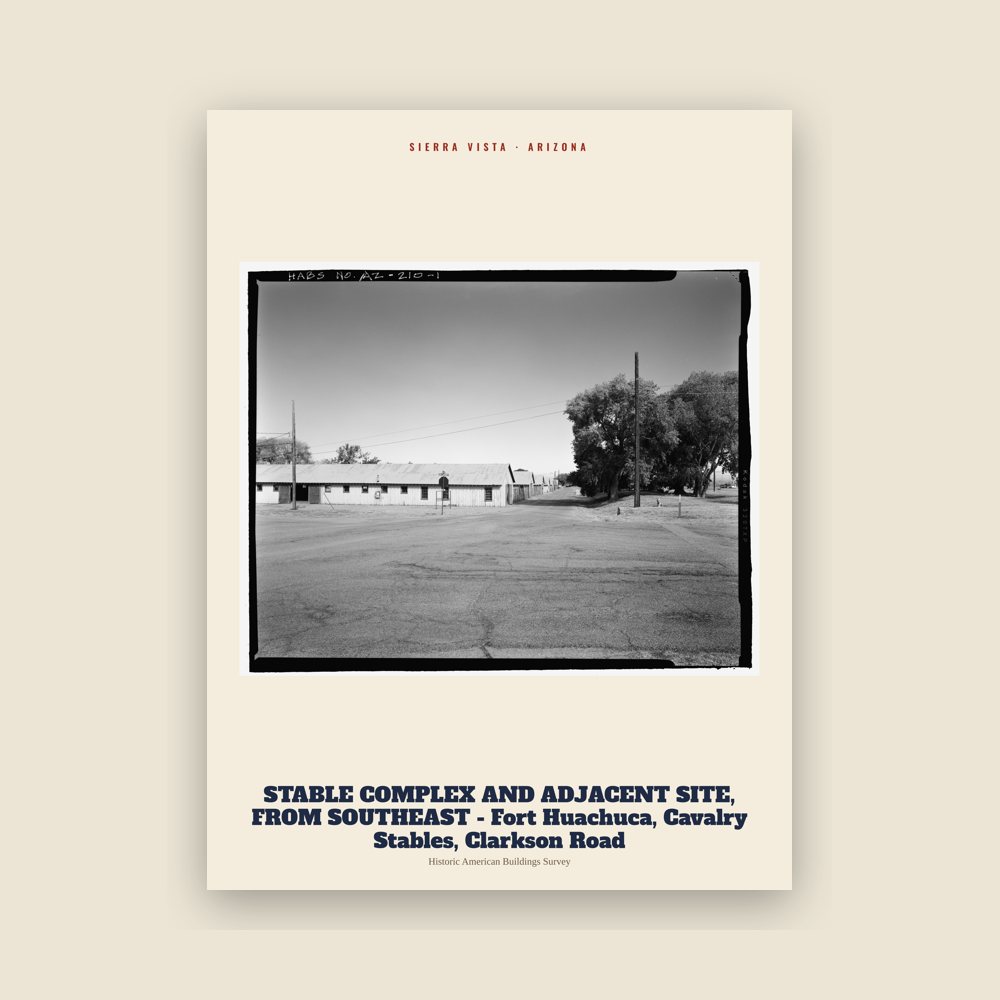
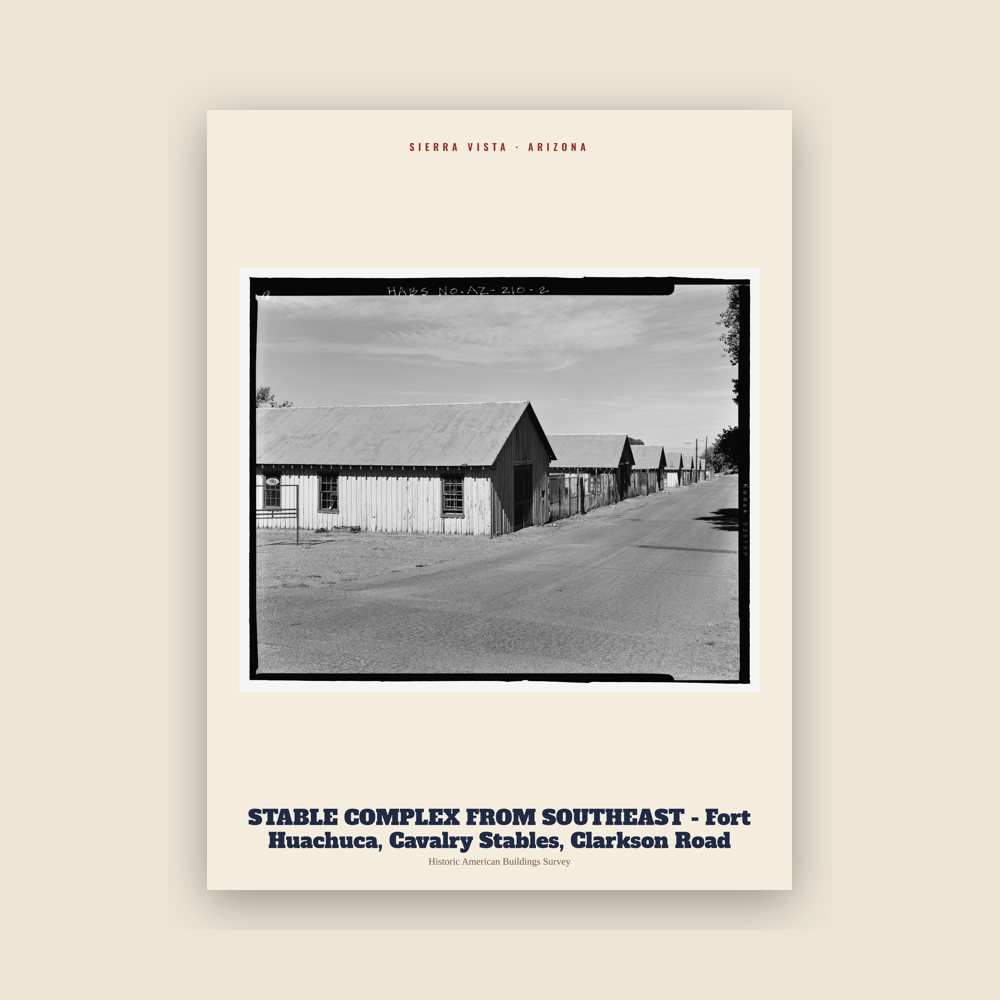
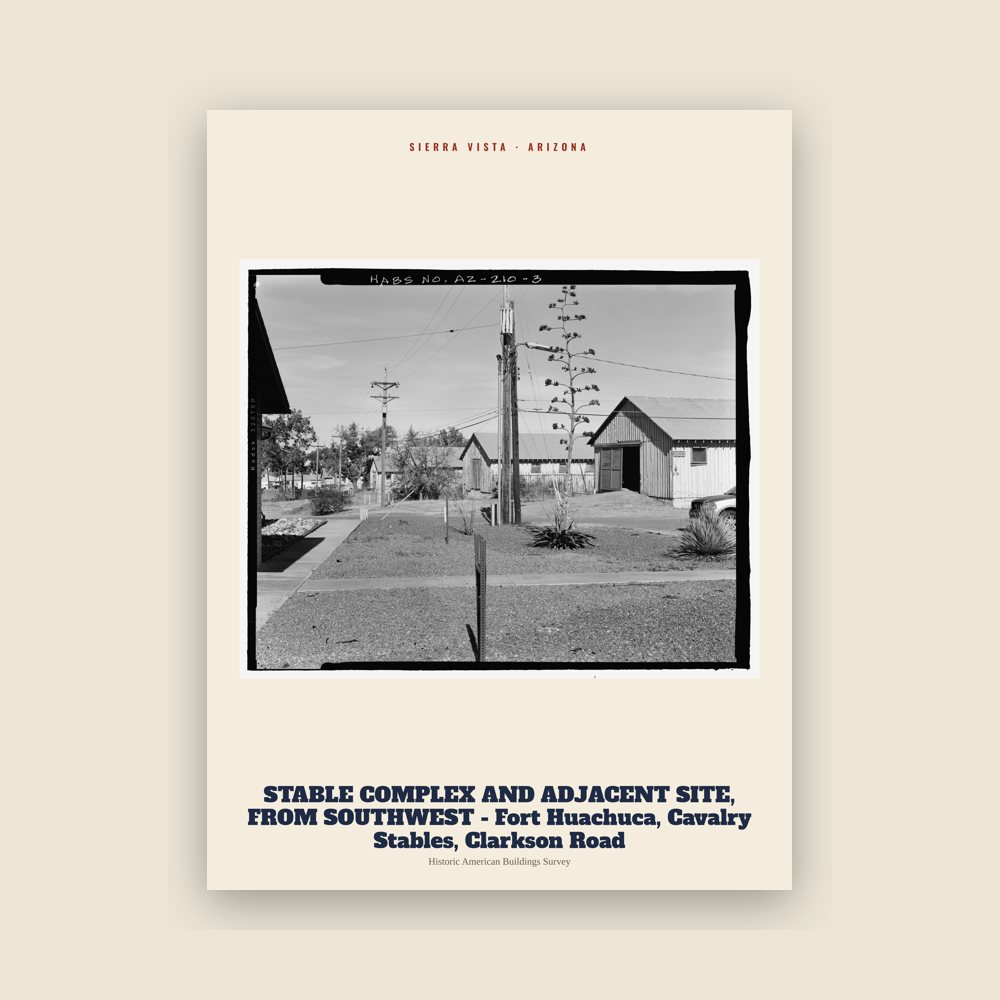
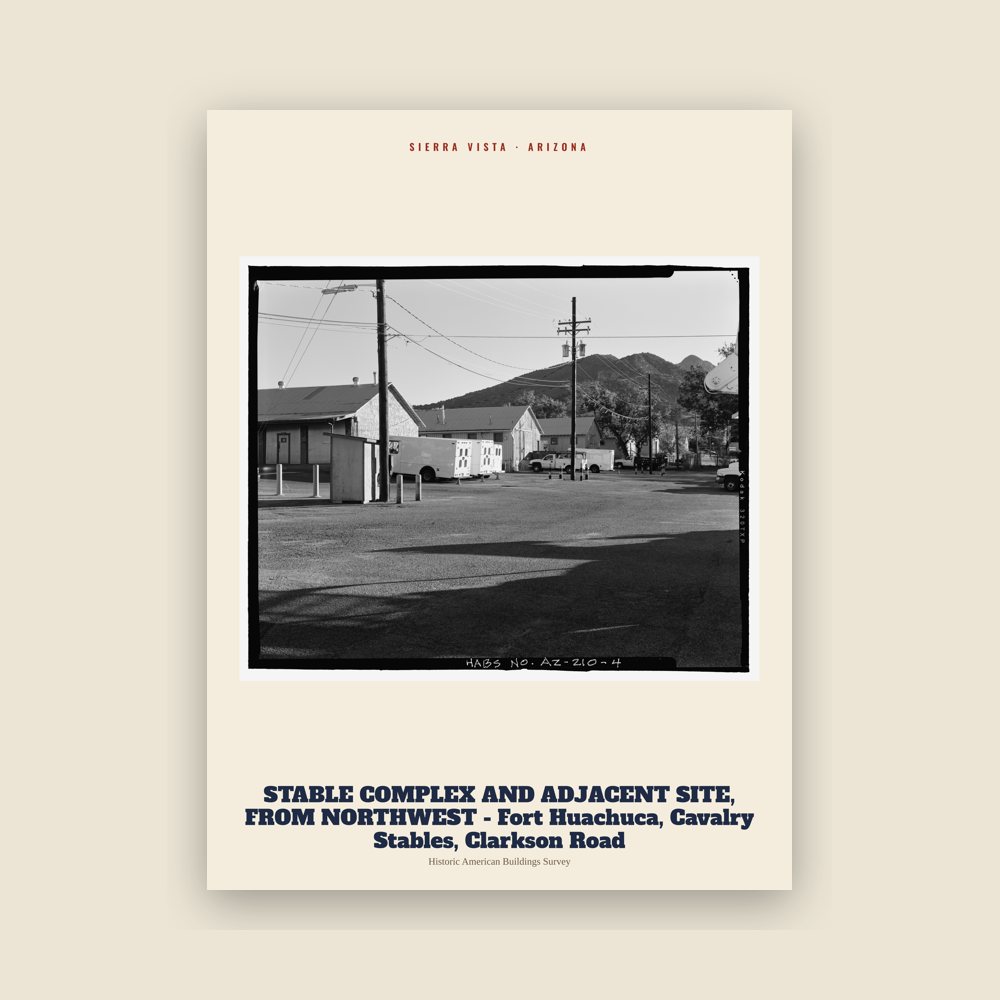
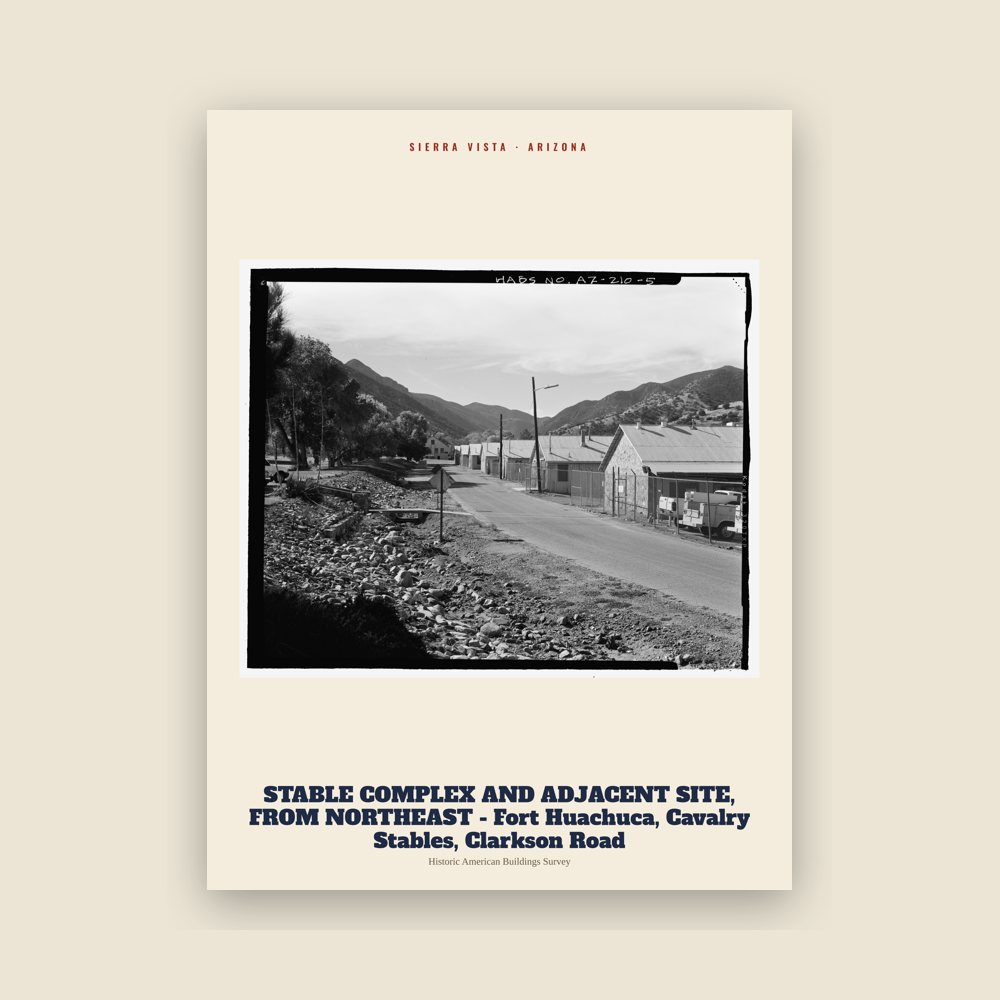
Like most of Cochise County, this area was part of the Gadsden Purchase of 1854. Camp Huachuca was established in 1877. At the end of the Apache Wars in 1886, with the protection of the fort and the completion of the Southern Pacific and El Paso & Southwestern railroads, the San Pedro Valley began to be populated by American settlers. The name of the settlement around that time was Papingo.
The first business that opened just outside the east gate of Fort Huachuca was a saloon and "house of ill repute" owned by John and Ellen Reilly, which opened in 1892. The area became known as the White City. In 1911, Margaret Carmichael bought the Reilly homestead and business. By 1913, Margaret Carmichael had leased the business back to the Reillys. Also in 1913, a group of dry land farmers settled in the local area and named their settlement Buena. Buena was east of Garden Canyon, between Lewis Springs and Fort Huachuca, east of the junction of present-day Hwy 90 and Hwy 92. At this site was a post office and a school house that served children in Buena, Garden Canyon, and outreaches of the local area. Oliver Fry and his two oldest sons traveled from Texas on the railroad and settled on 320 acres (1.3 km2) just east of Fort Huachuca in January 1913.
By 1917, the Overton Post Office was established. This name came from the Overton Mercantile and Investment Company, which took an option on the Carmichael property with plans to develop a townsite outside Fort Huachuca. It is believed that the company was unable to persuade anyone to move to the area, so when the option expired the Carmichaels took back the property with a general mercantile store and the post office.
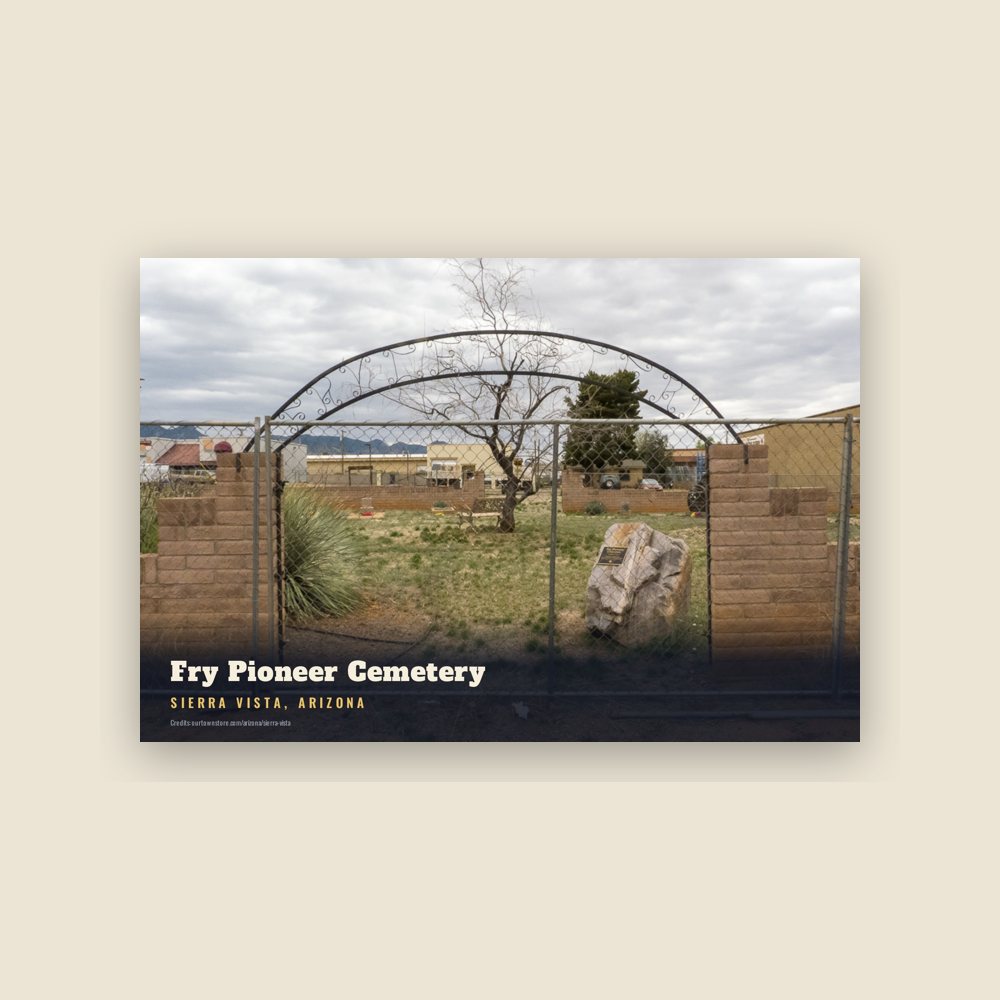
When the base was reactivated on February 1, 1954, base commander Brigadier General Emil Lenzner, pushed for incorporation as both a way to solve the on-base housing problems as well as to distance themselves from reputation of "The White City" and Fry Town Settlement, hoping to encourage people to want to live off base in a more family-friendly community, away from undesirables like the minorities allowed to live unsegregated in Fry Town. Petitions for incorporation began to be filed in 1955 and were legally accepted in 1956, which included what had been Garden Canyon and Buena but did not include most of Fry Town. This was in part to keep a Federal Housing Authority (FHA) housing project contacts for housing off post away from the Fry Town area, and was used as a rationale to incorporate and begin getting a share of tax revenues without having to pay the Fry family for the parts of Fry Town considered desirable and wholesome.
In 1955, the first attempt to incorporate and rename the area was rejected, as Fry opposed both incorporating and renaming the town that bore his family name. In 1956, the ballot issue failed 76 to 61. People who owned land outside of Fry's property in the area of Garden Canyon/Overton and Buena, as well as parts of Fry went forward with incorporation and renaming by petition on May 26, 1956, excluding the half-square-mile owned by Fry that included the local red light district called "the White City" as well as off base housing of the African-American "Buffalo" soldier officers' families, and other minorities and groups they considered undesirable in the 1950s. They were described as the "Fry People." When Sierra Vista was incorporated, it did not include the enclave of Fry, which remains an unincorporated area within the city of Sierra Vista.
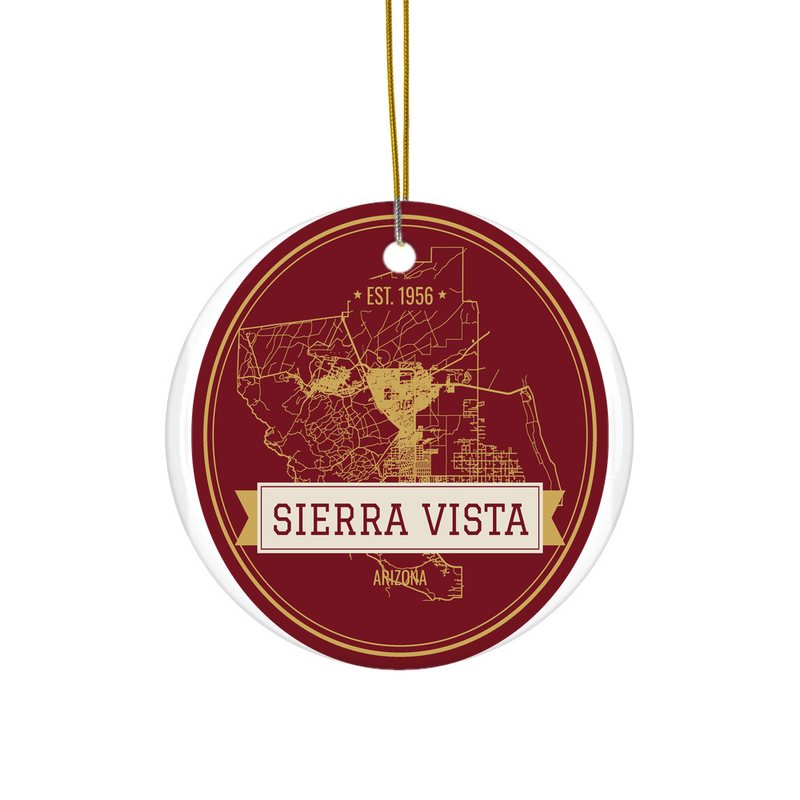
Sierra Vista was incorporated in 1956. The proposed town council held a radio contest asking for names of the proposed town. Marie Pfister, the city clerk, asked her friend Nola Walker to store the suggestions. When the town was approved, they called Nola for the contest winner, but without counting the votes she told them her personal entry of "Sierra Vista" was the winner. On July 13, 2006, at a special ceremony during the city's 50th anniversary, Nola was granted "clemency" for her misrepresentation of the vote.
In 1961 the community had grown large enough to be classified as a city, allowing the establishment of a community college. In 1973 Ethel Berger became the first female mayor in Arizona. In the 1970s the Art in the Park Festival was established by a committee of Army Wives, with it proceeds benefiting the Huachuca Arts Association, and college scholarships. Sierra Vista annexed Fort Huachuca, a U.S. military base, one of the largest employers in Arizona, and the adjacent community, in 1971.
Sierra Vista was the site of the first McDonald's drive thru, which opened in 1975. The owner, Dave Rich, drove the innovative approach to gain the business of the soldiers from nearby Fort Huachuca. At that time, soldiers were not allowed to wear their military fatigues off of the military base with the exception of driving or riding inside vehicles.
Adapted (trimmed) from the Wikipedia article Sierra Vista, Arizona, revision 1378565482 by its contributors, licensed CC BY-SA 4.0.
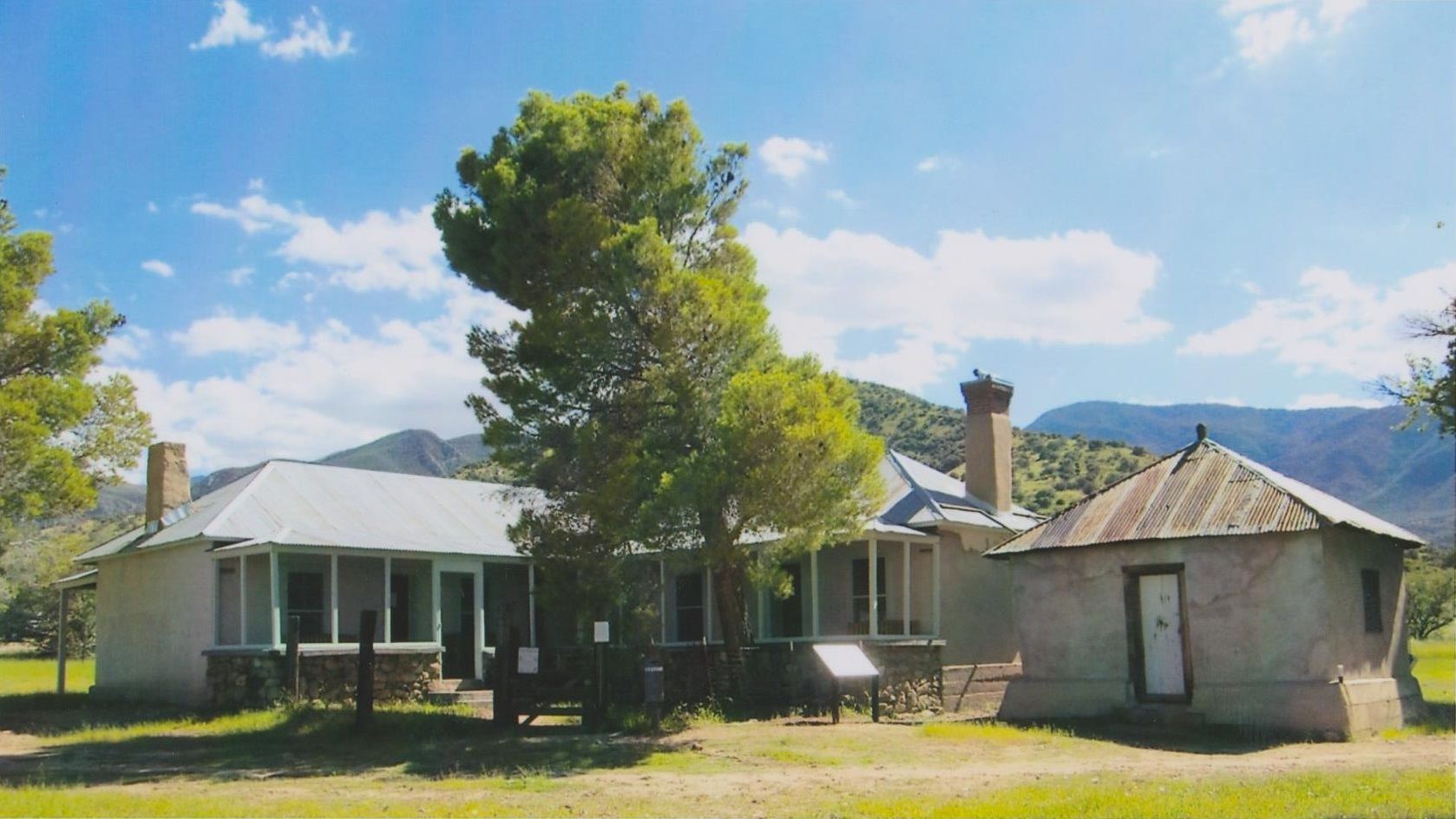
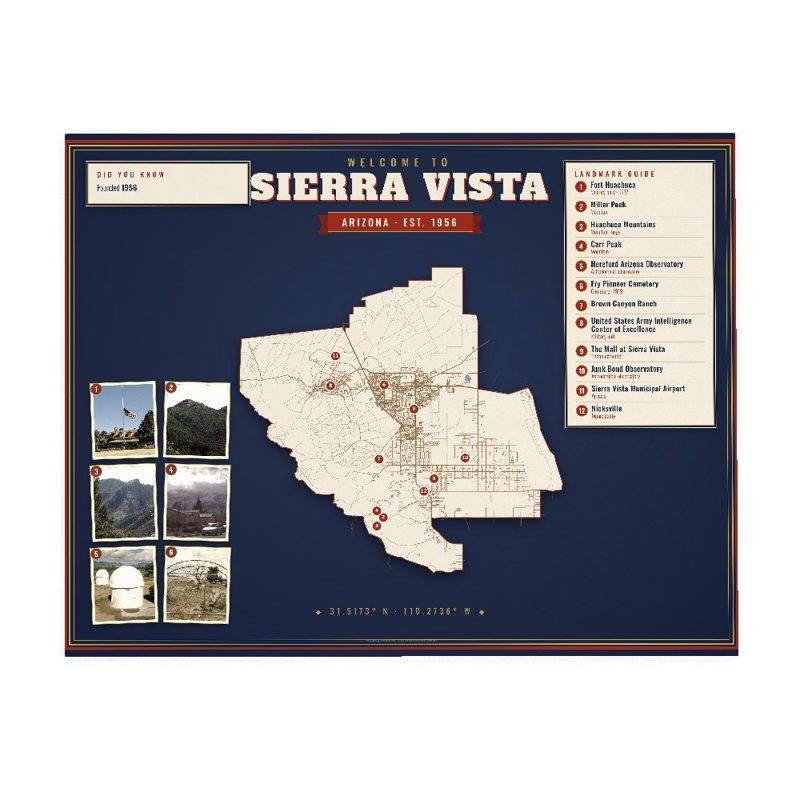
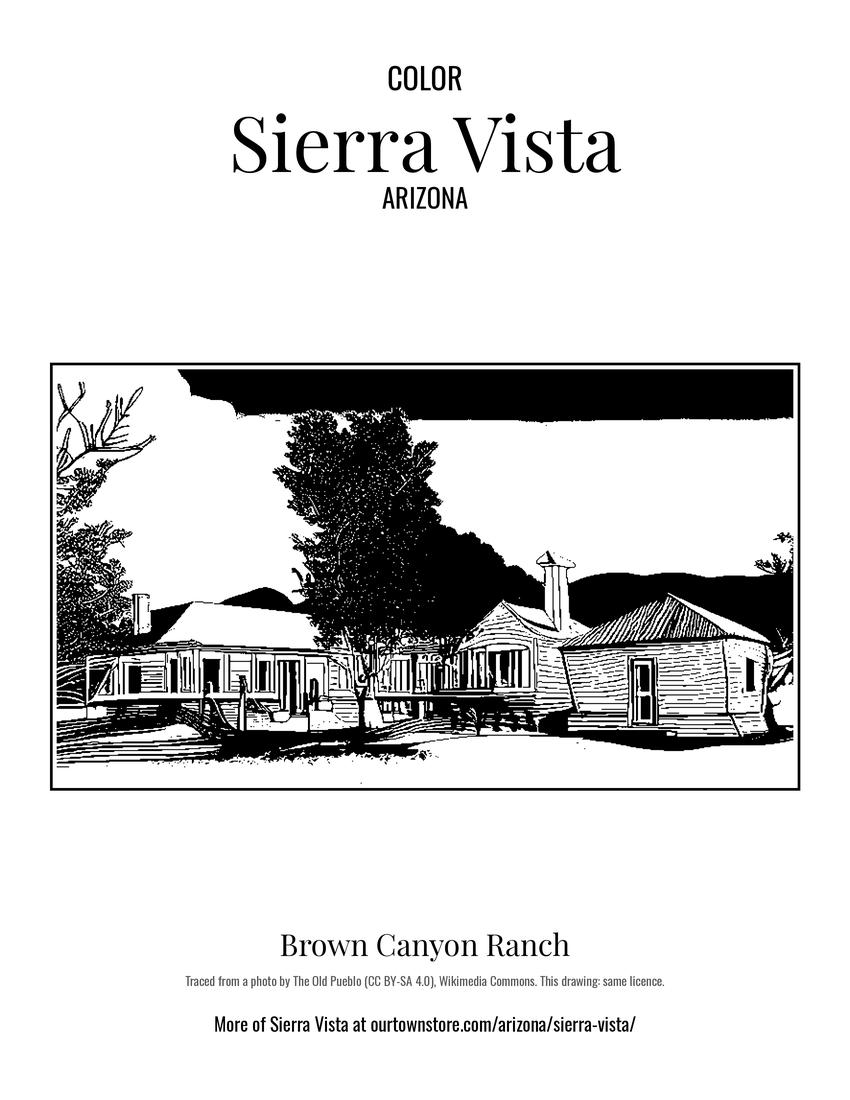 Brown Canyon Ranch
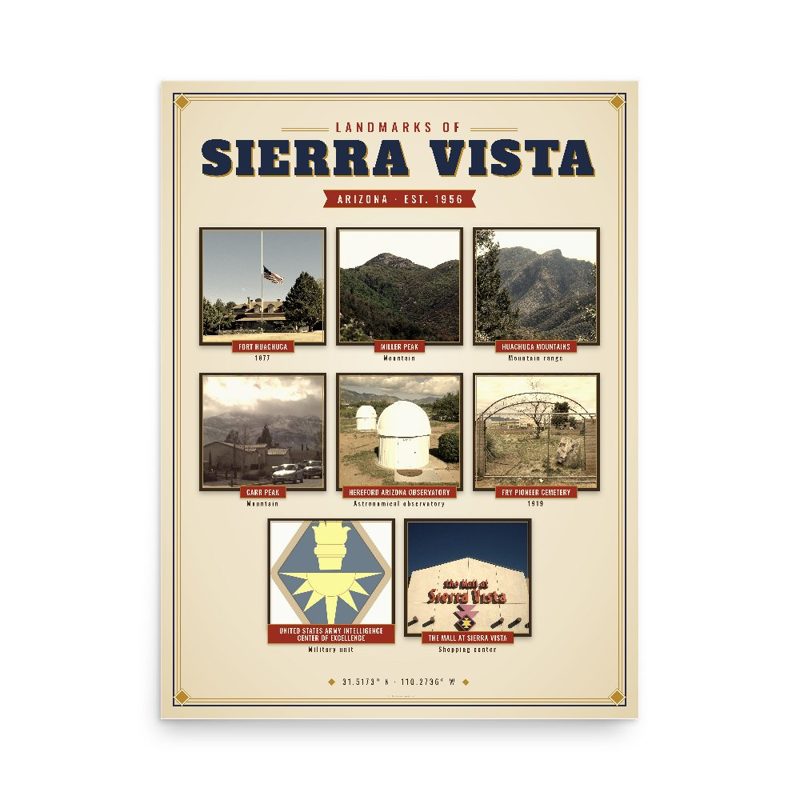
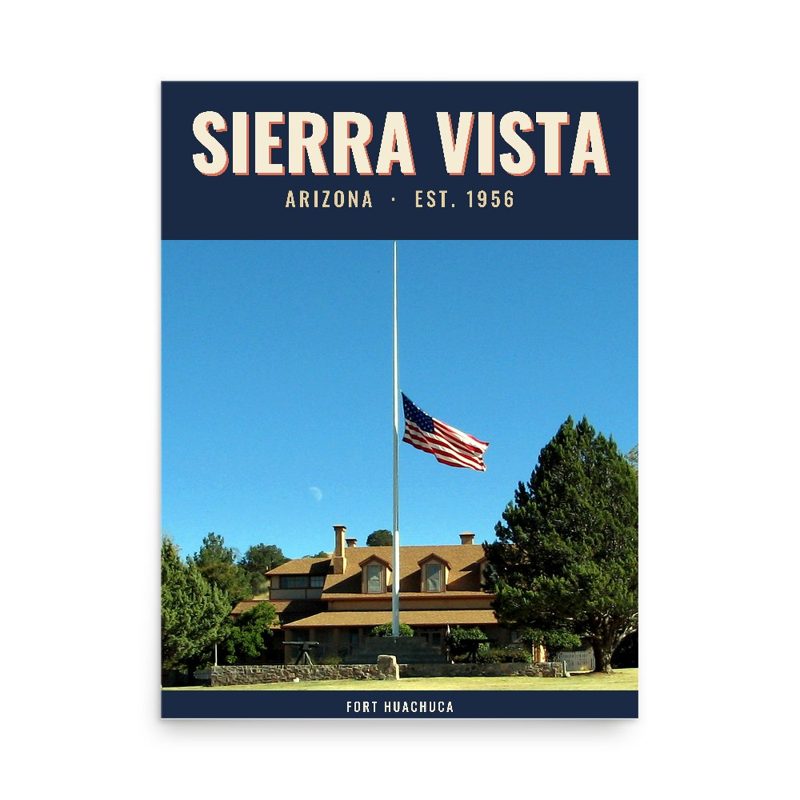
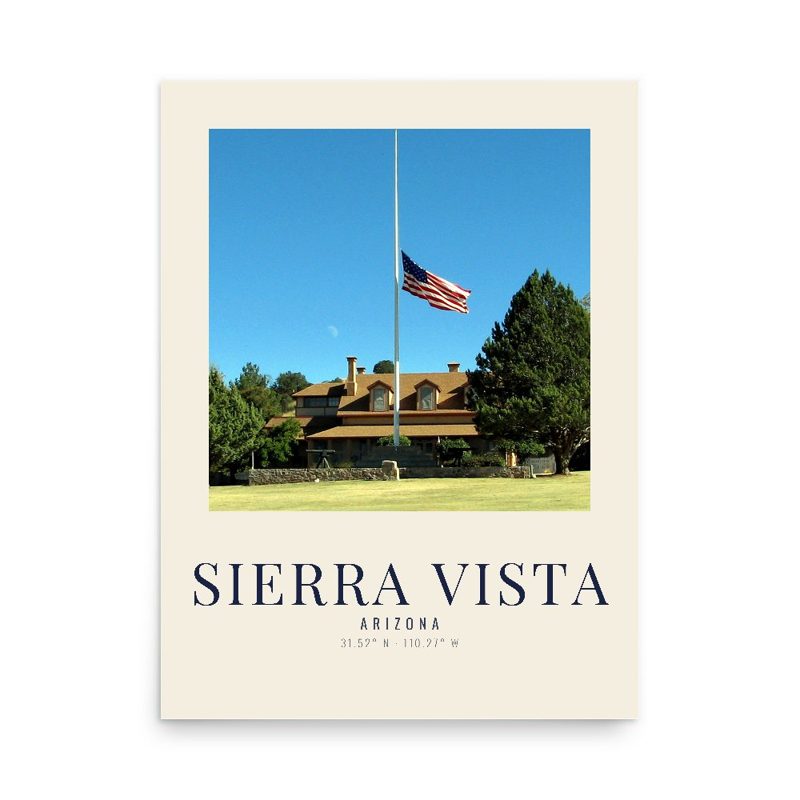
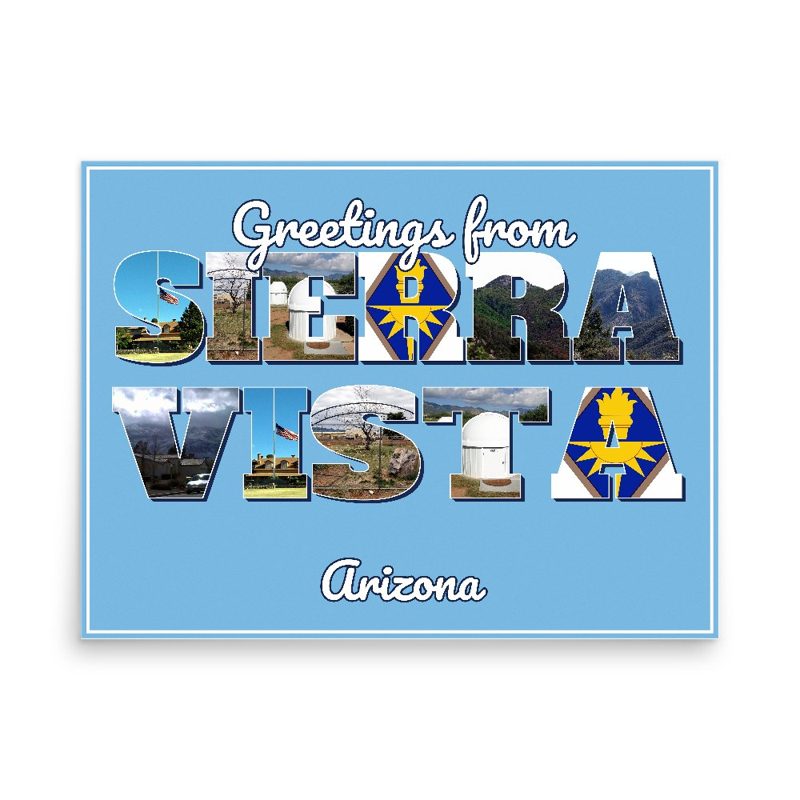
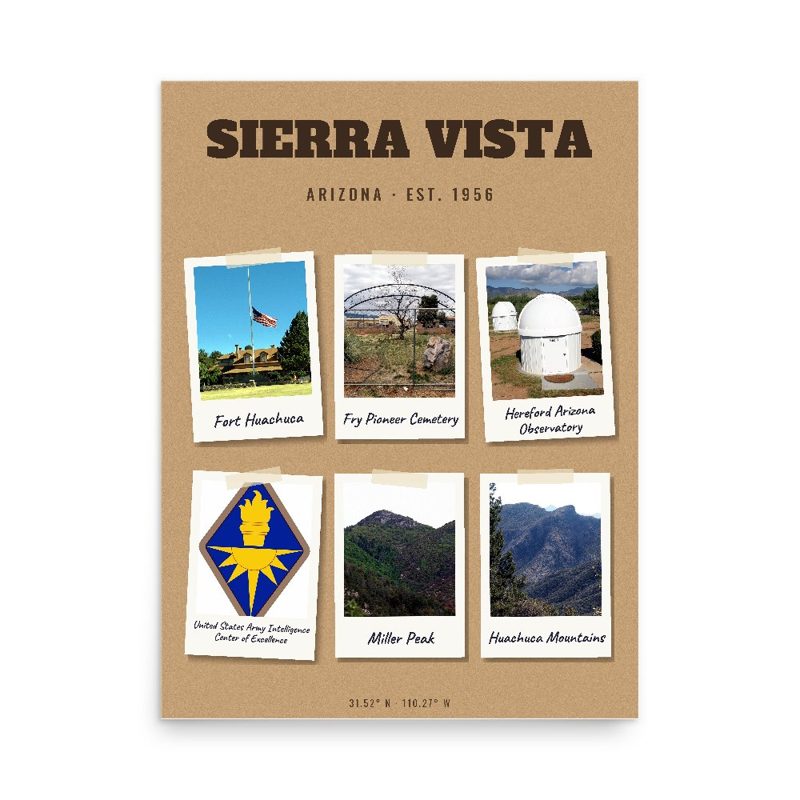
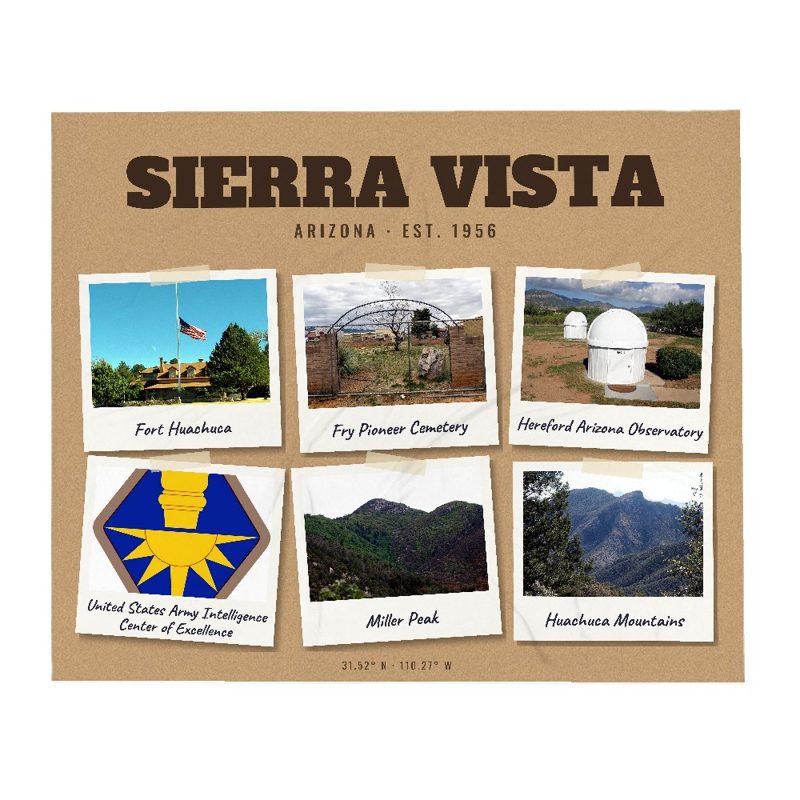
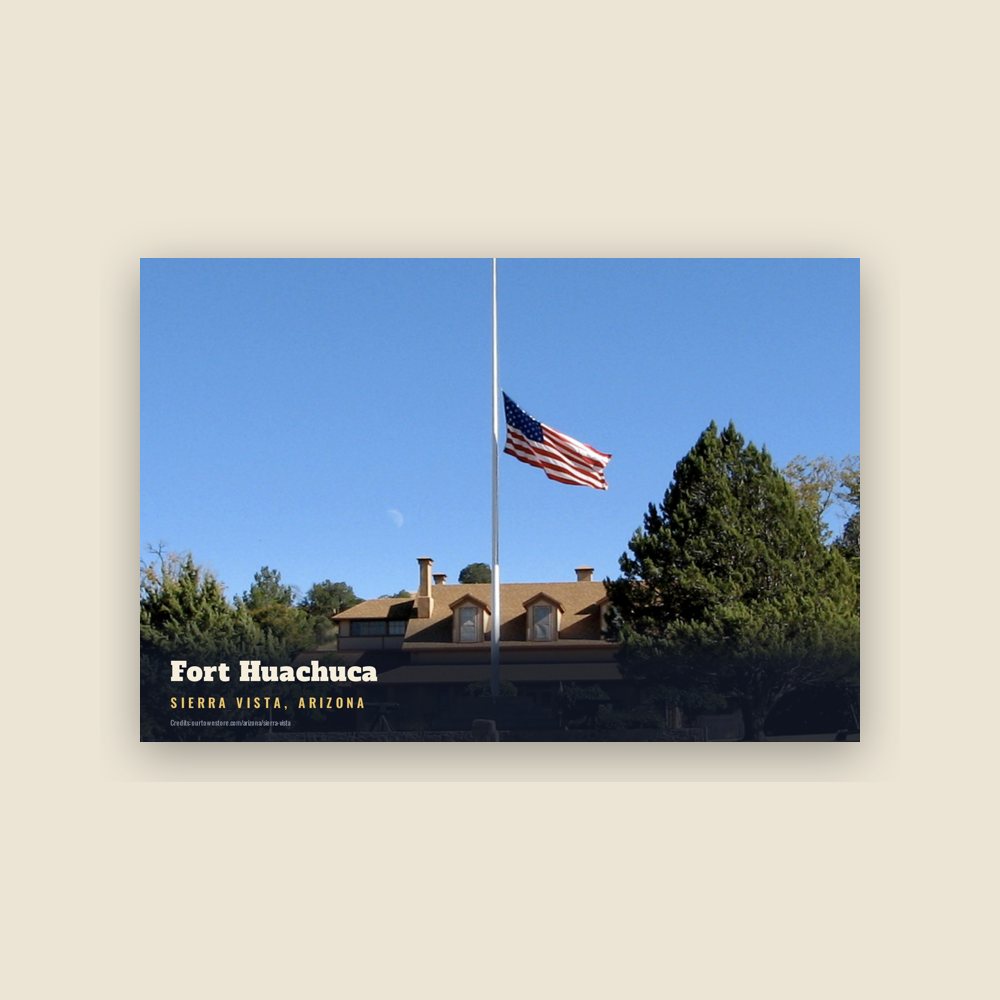
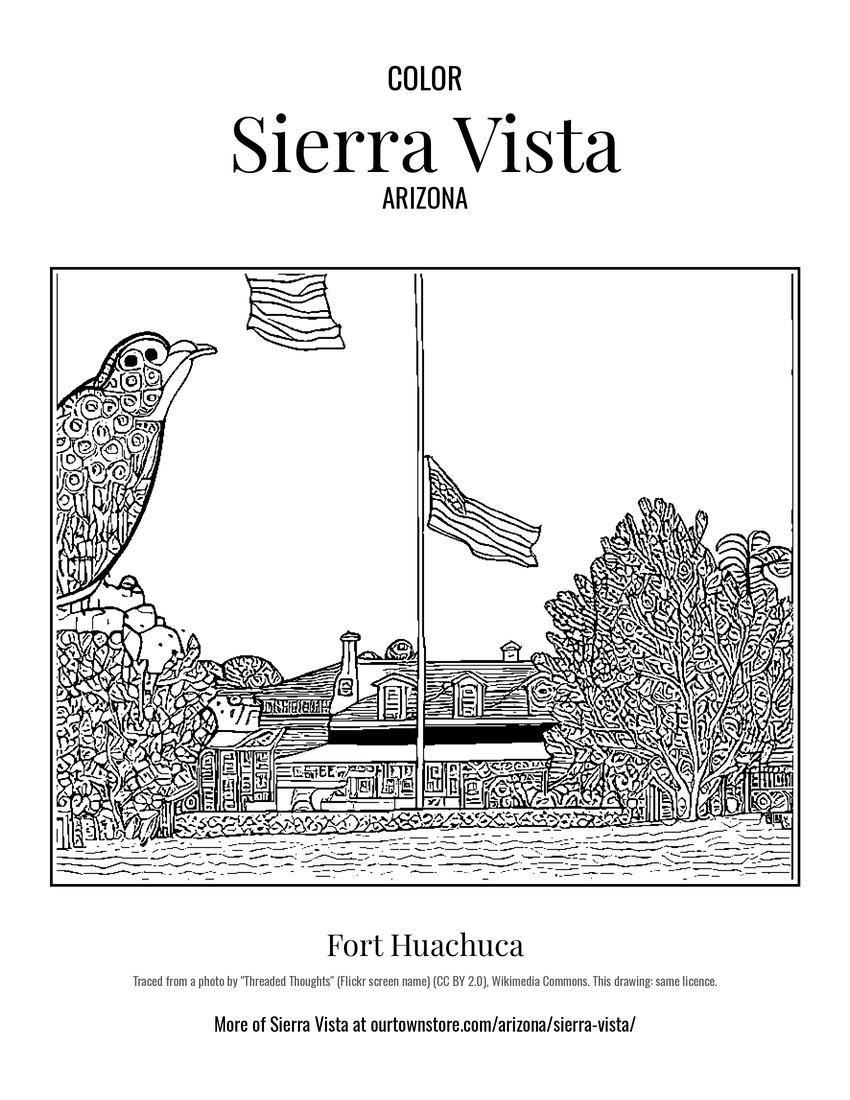 Fort Huachuca
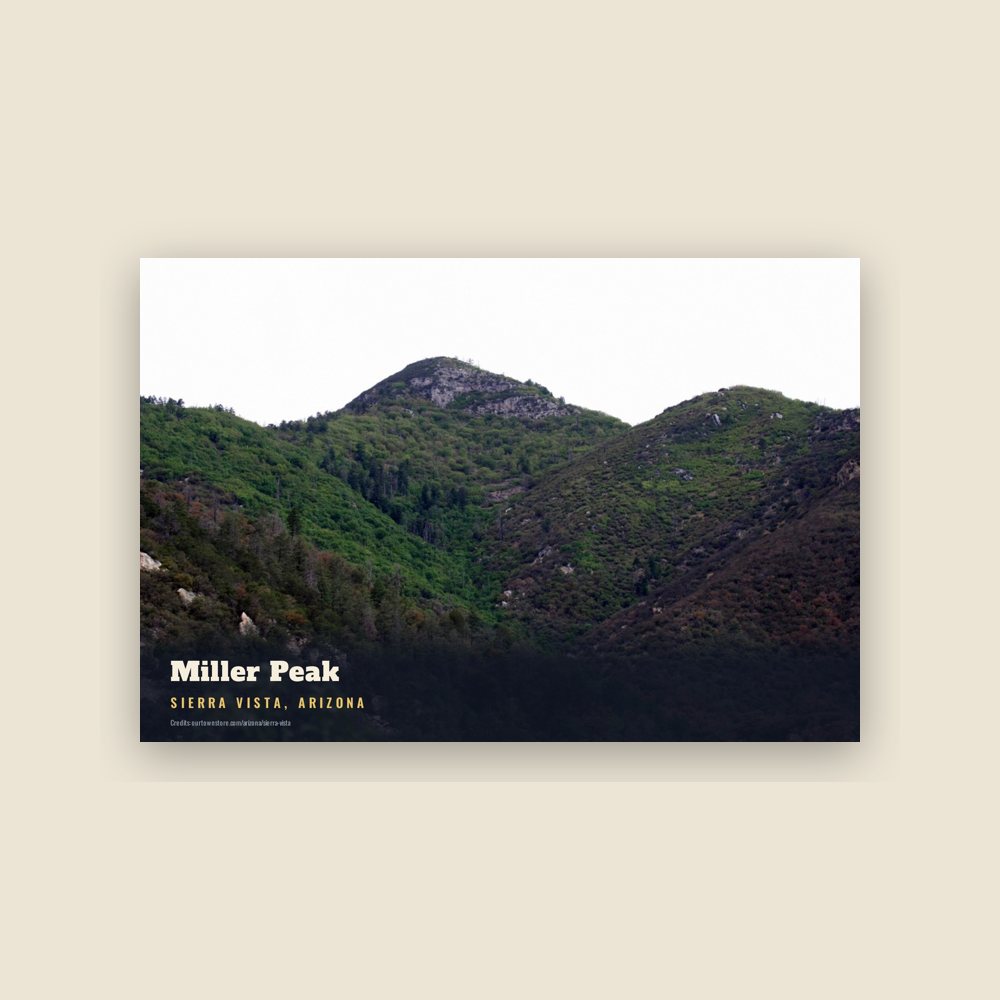
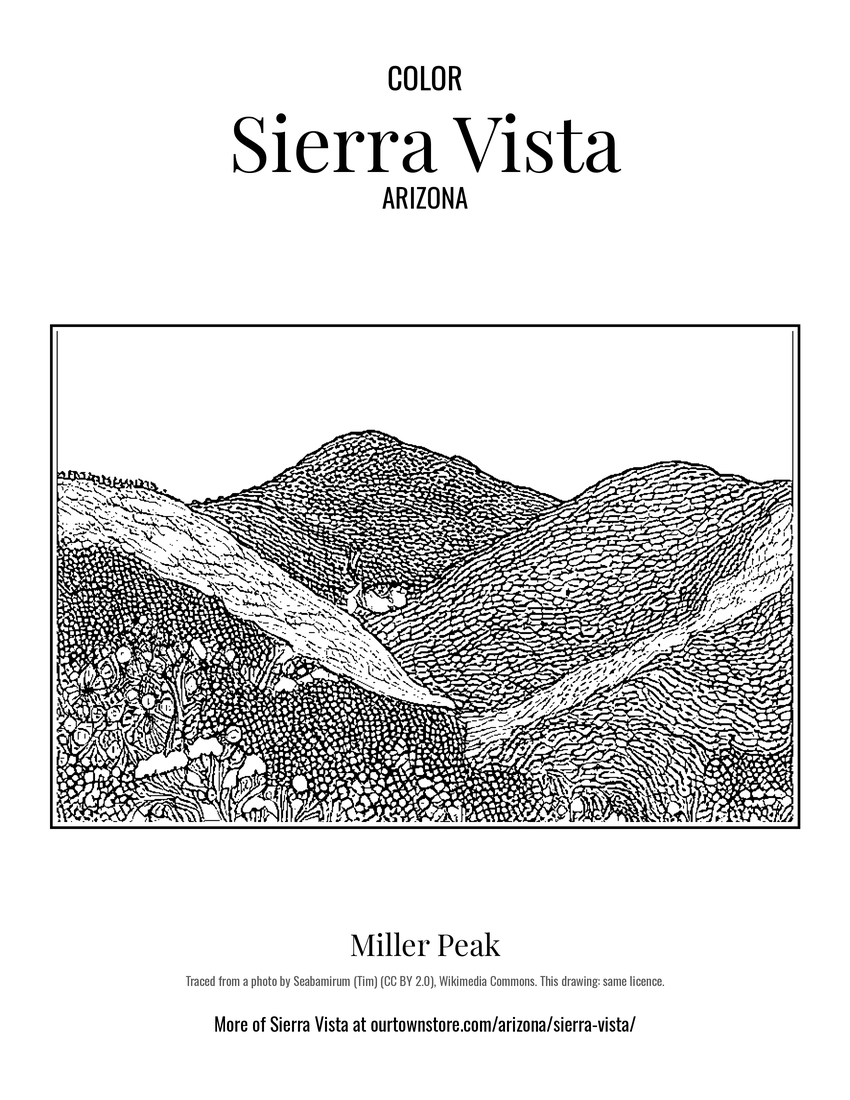 Miller Peak
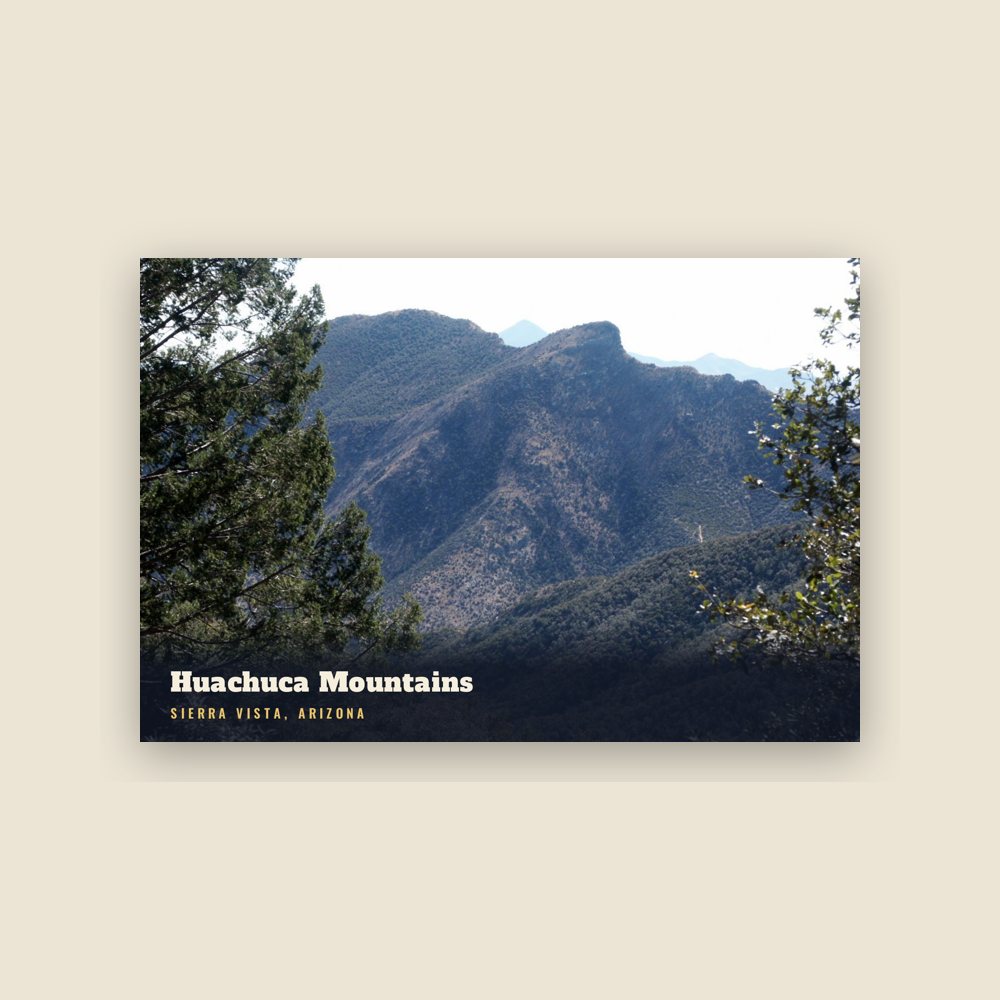
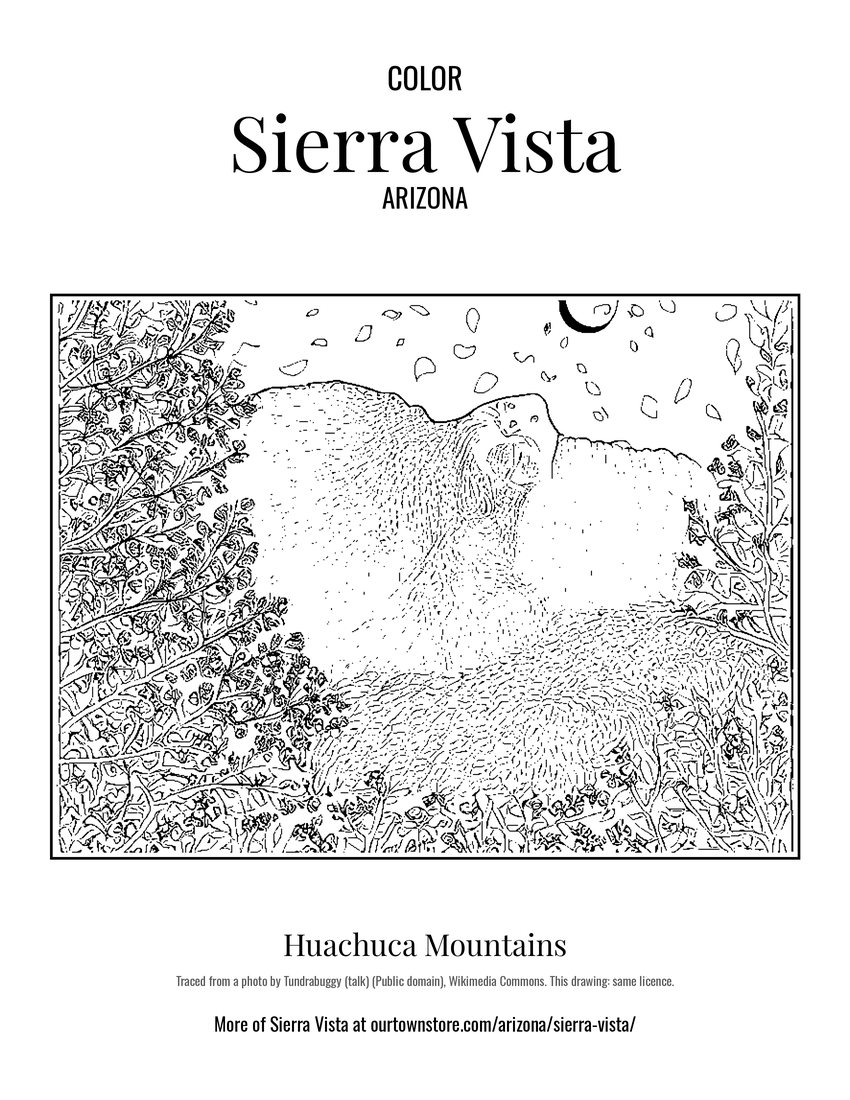 Huachuca Mountains