Since 1905
A short history of Douglas
The Douglas area was first settled by the Spanish in the 18th century. Presidio de San Bernardino was established in 1776 and abandoned in 1780. It was located a few miles east of present-day Douglas. The United States Army established Camp San Bernardino in the latter half of the 19th century near the presidio, and in 1910 Camp Douglas was built next to the town.
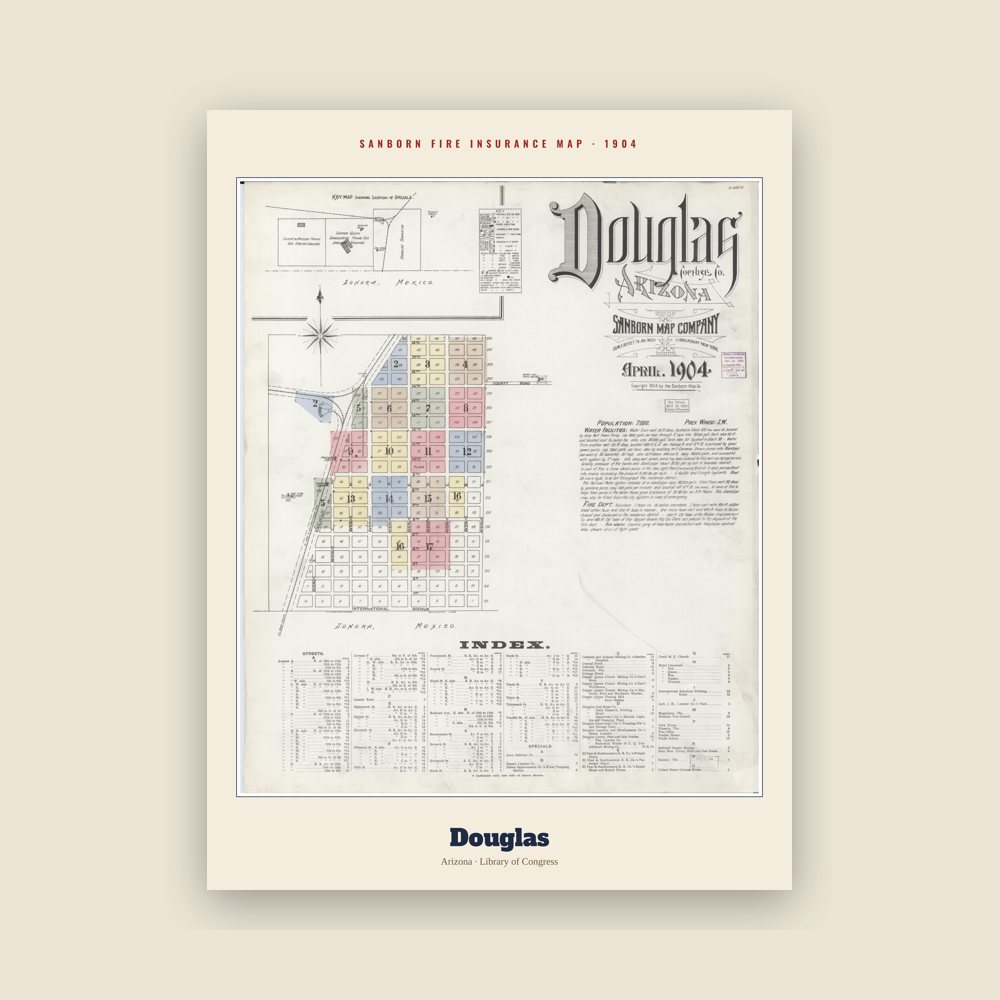
Douglas was founded as an American smelter town, to treat the copper ores of nearby Bisbee, Arizona. The town is named after mining pioneer Dr. James Douglas and was incorporated in 1905. Two copper smelters operated at the site. The Calumet and Arizona Company Smelter was built in 1902. The Copper Queen operated in Douglas from 1904 until 1931, when the Phelps Dodge Corporation purchased the Calumet and Arizona Company and took over their smelter. The Calumet and Arizona smelter then became the Douglas Reduction Works. Douglas was the site of the Phelps-Dodge Corporation Douglas Reduction Works until its closure in 1987. The smoke stacks of the smelter were not taken down until January 13, 1991. The town was the site of the Arizona Copper Mine Strike of 1983.
The "Cowboys Home Saloon" was the location of the fatal shooting of bar owner Lorenzo "Lon" Bass. The accused was Arizona Ranger William W. Webb. The date was February 8, 1903.
In 1916, the Mexican revolutionary leader Pancho Villa threatened to attack Douglas, believing Americans responsible for his defeat at the Second Battle of Agua Prieta.
On June 23, 1926, missing evangelist Aimee Semple McPherson was found collapsed near a road at the adjacent Mexican town of Agua Prieta. She was driven into Douglas and told a story of kidnap, torture and escape as she convalesced at Calumet Hospital. There, large crowds gathered, anxious to see the famous Canadian-American celebrity minister. She had earlier disappeared from a beach near Los Angeles and was believed drowned. For a period of several weeks, Douglas enjoyed a brisk tourist boom as police, reporters and others visited the town and the nearby desert to investigate her story. The Los Angeles Times wrote, "Mrs. McPherson put Douglas square on the map and the citizens here appear grateful that it was in Douglas she sought refuge."
In 1989, the Sinaloa Cartel dug a 300-foot (91-metre) tunnel between a house in Agua Prieta to a warehouse located in Douglas that it used to smuggle drugs across the international border. It was discovered in May 1990. Following its discovery, the Cartel refocused their smuggling operations towards Tijuana and Otay Mesa, San Diego where it acquired a warehouse in 1992. Other tunnels would also later be built in Arizona including sites at Naco and Nogales.
Adapted (trimmed) from the Wikipedia article Douglas, Arizona, revision 1378908983 by its contributors, licensed CC BY-SA 4.0.


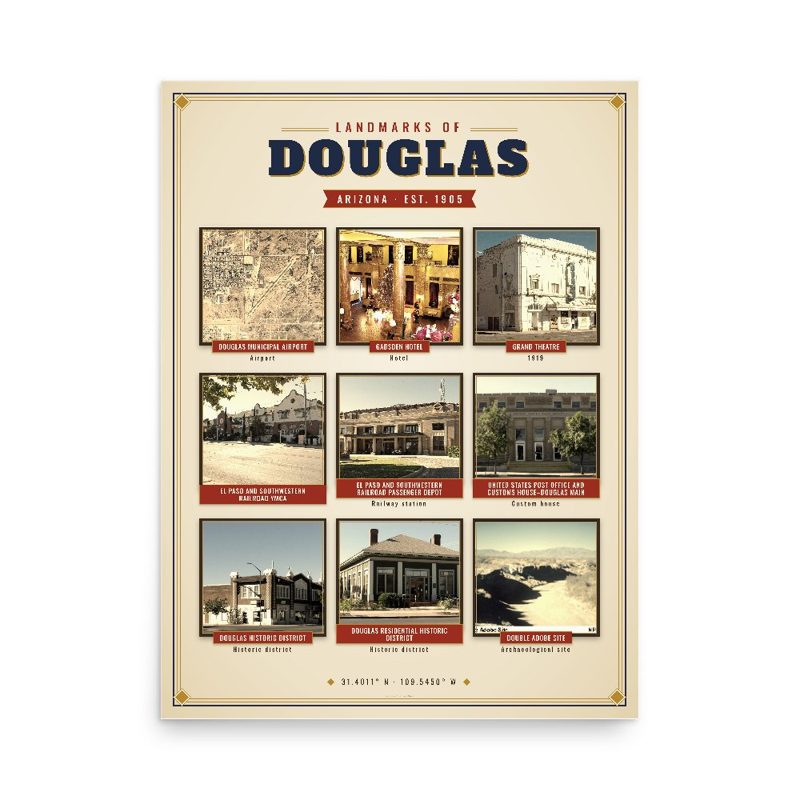


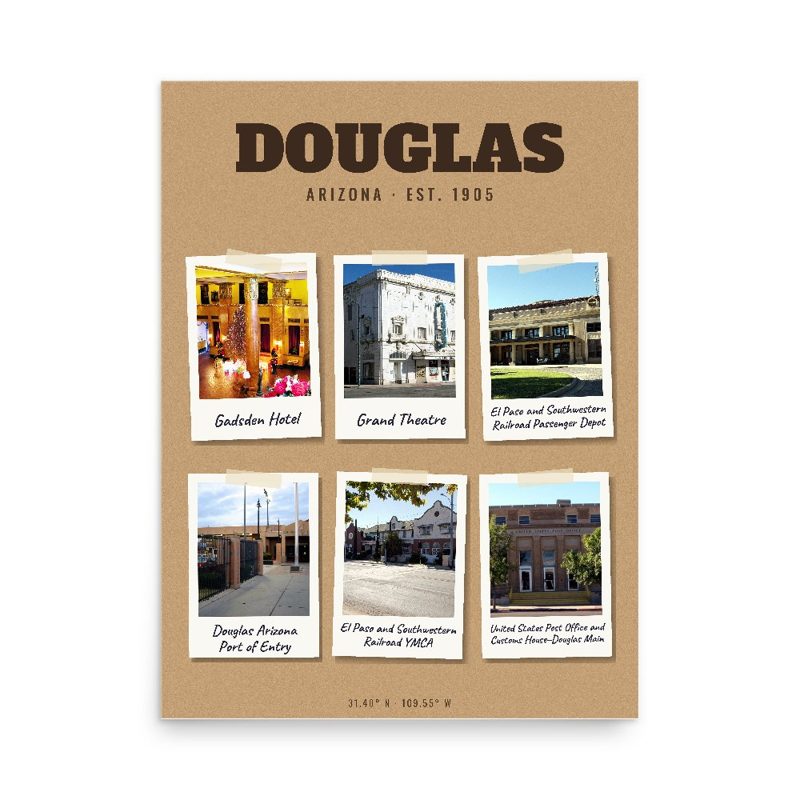
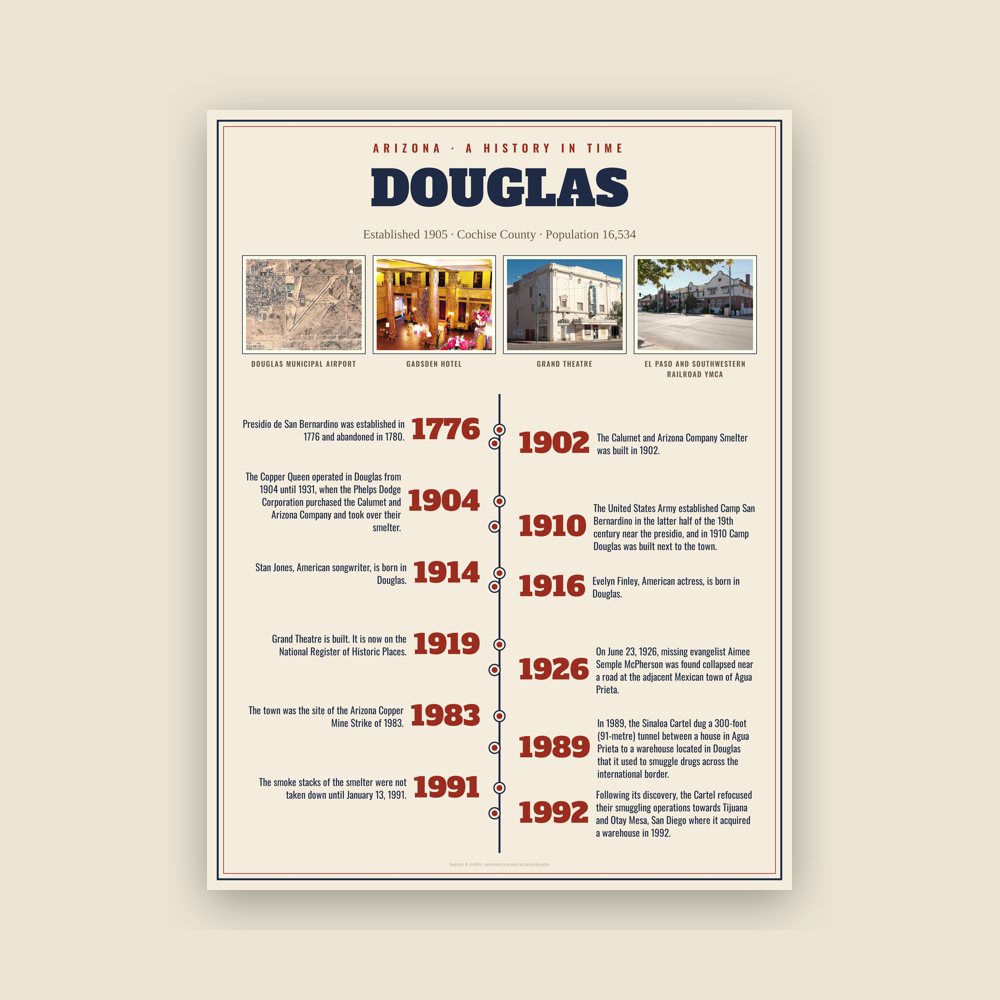
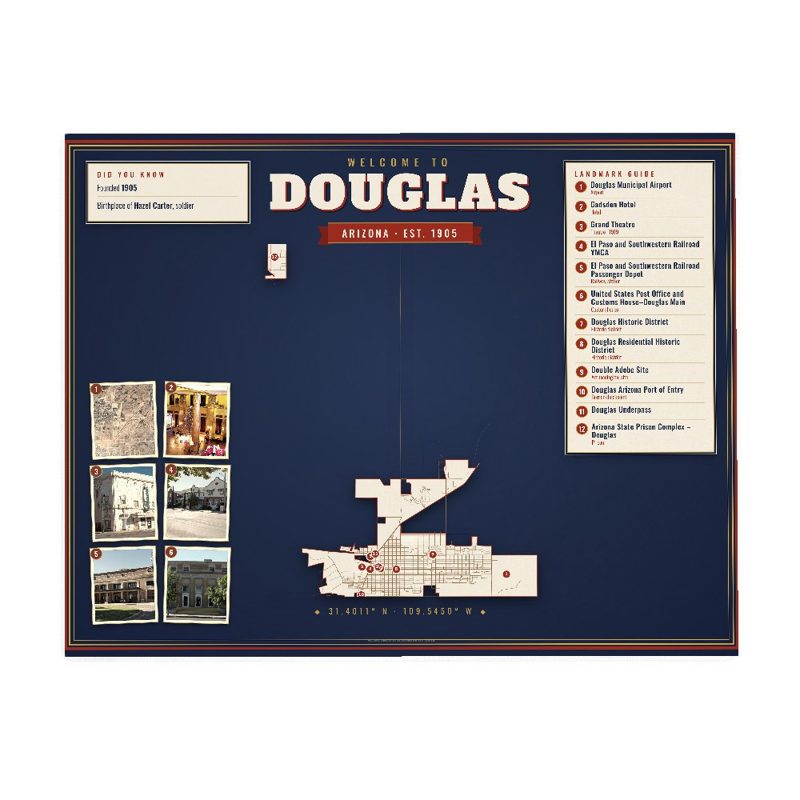








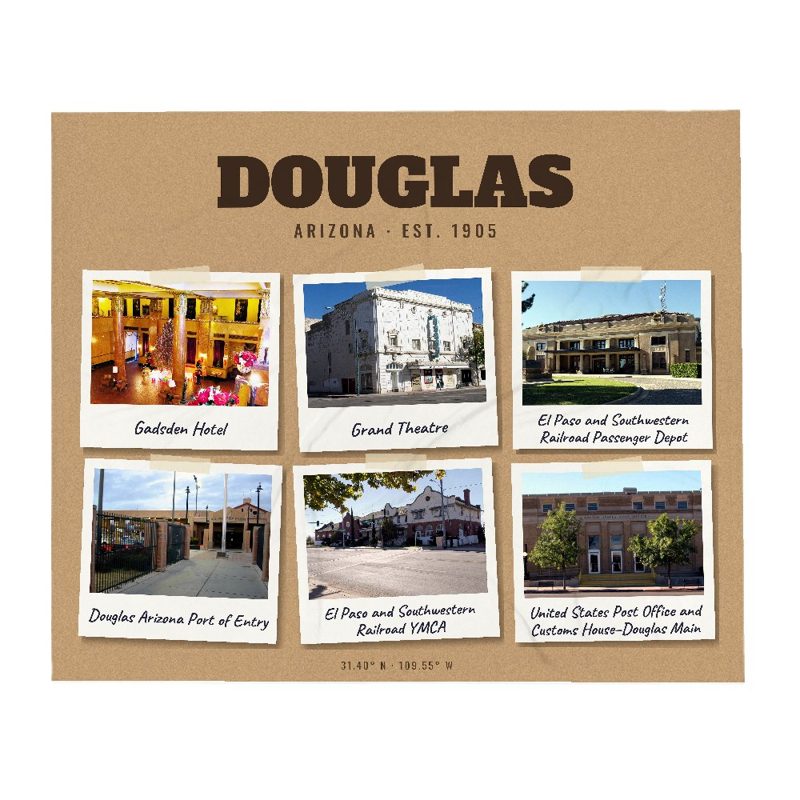
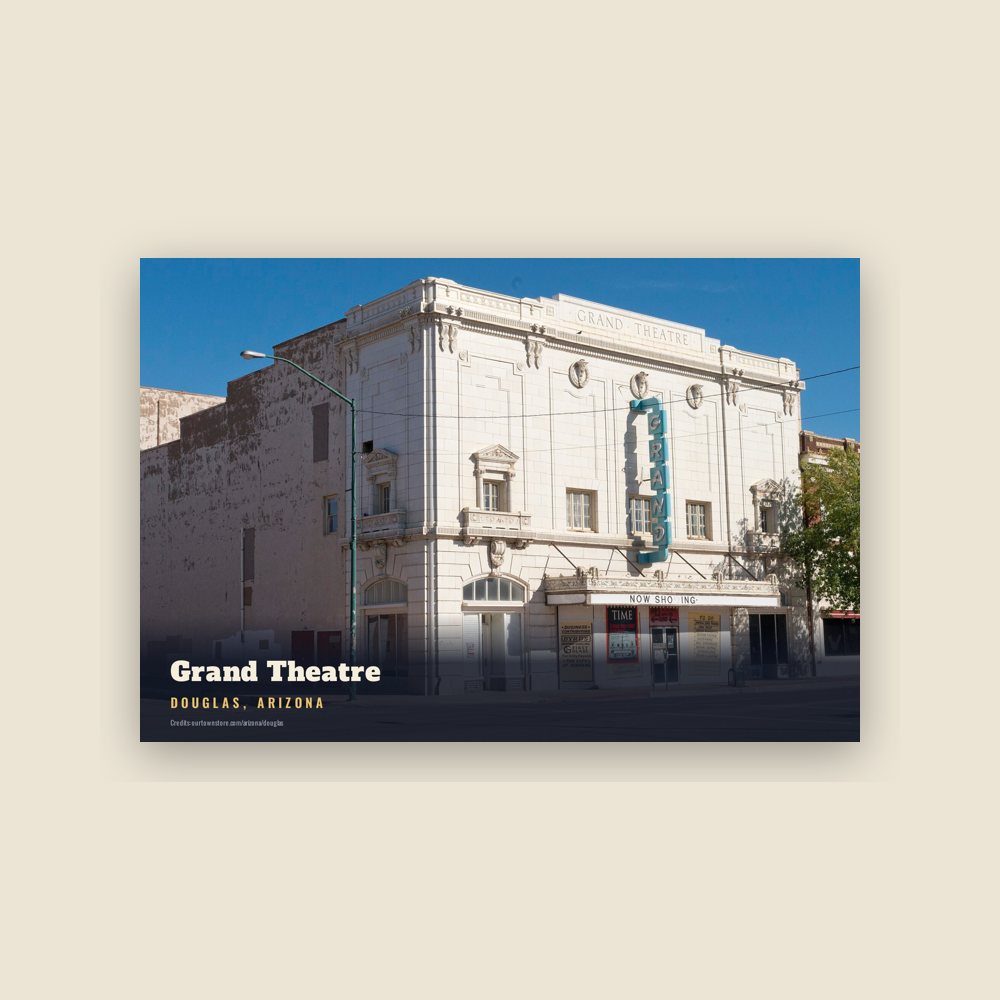
 Grand Theatre
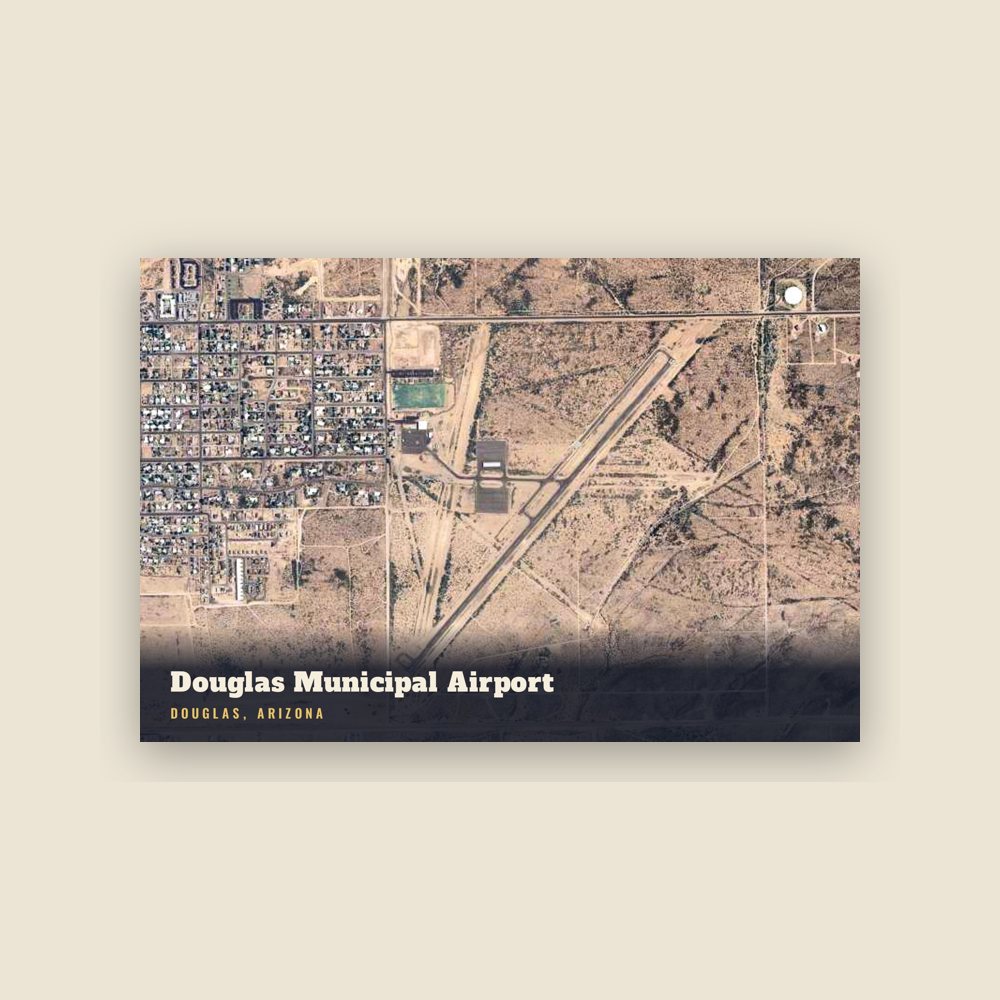
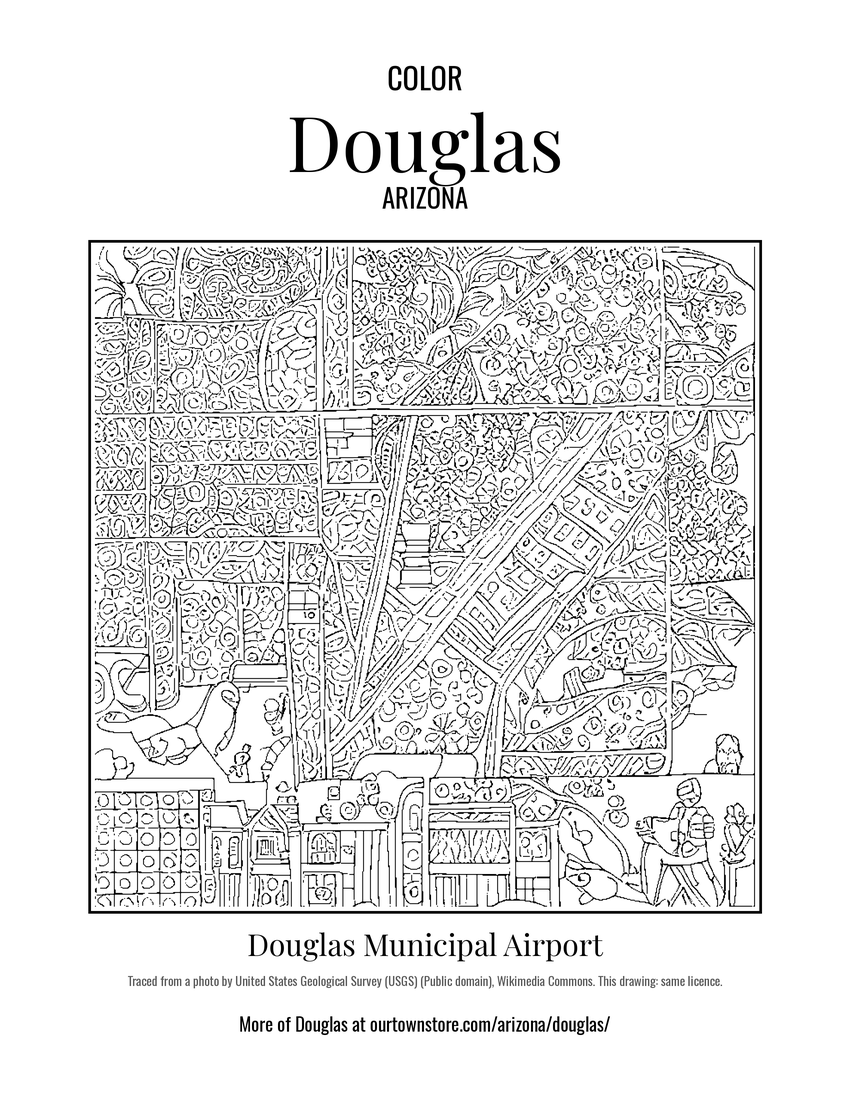 Douglas Municipal Airport
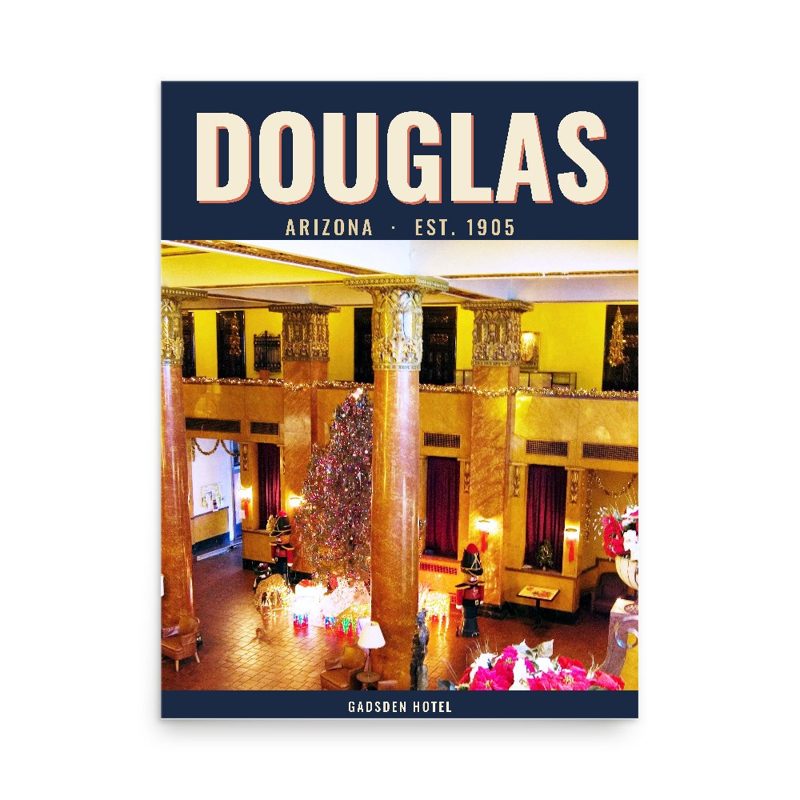
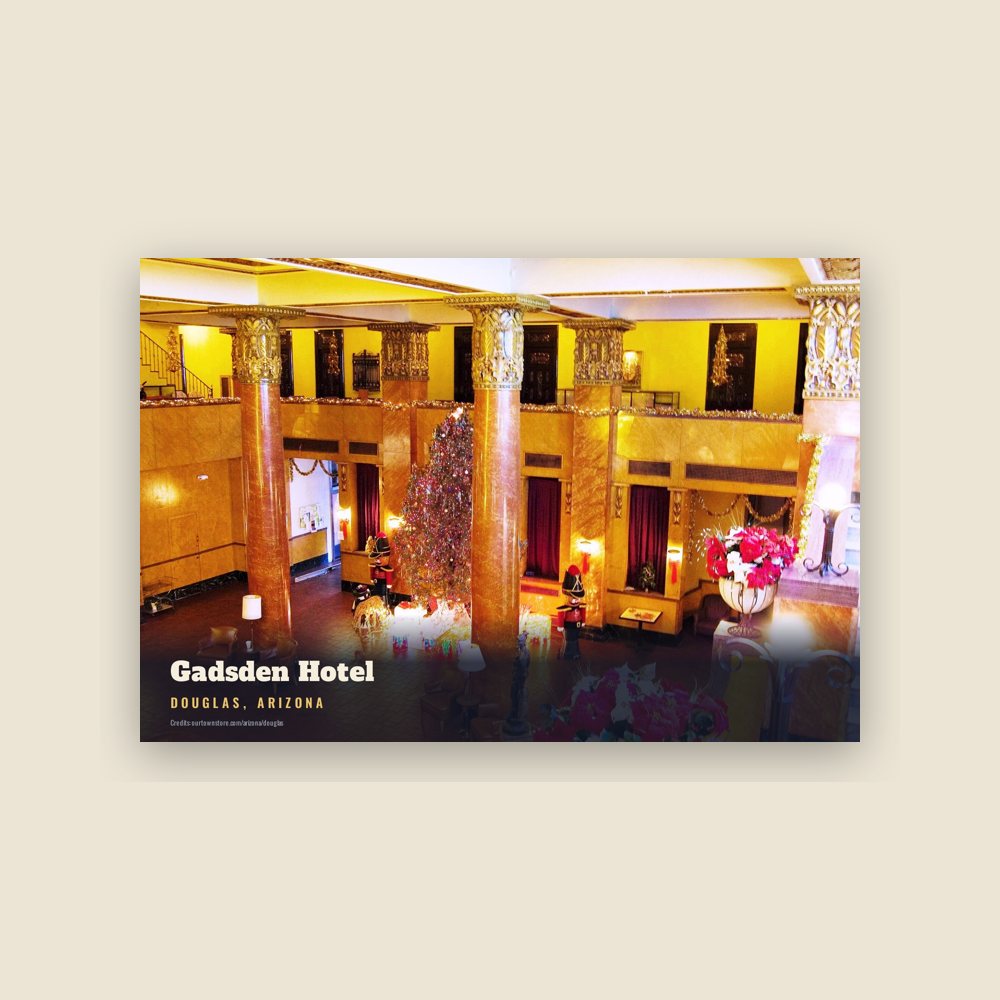
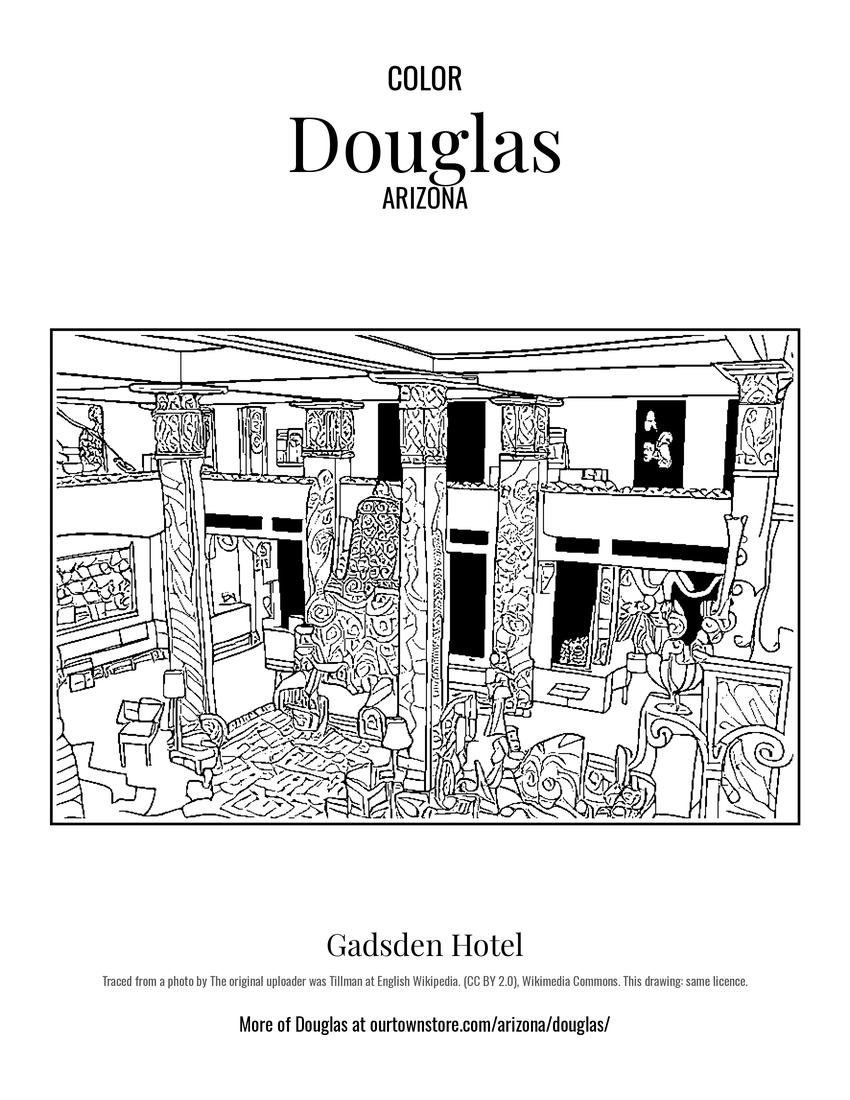 Gadsden Hotel
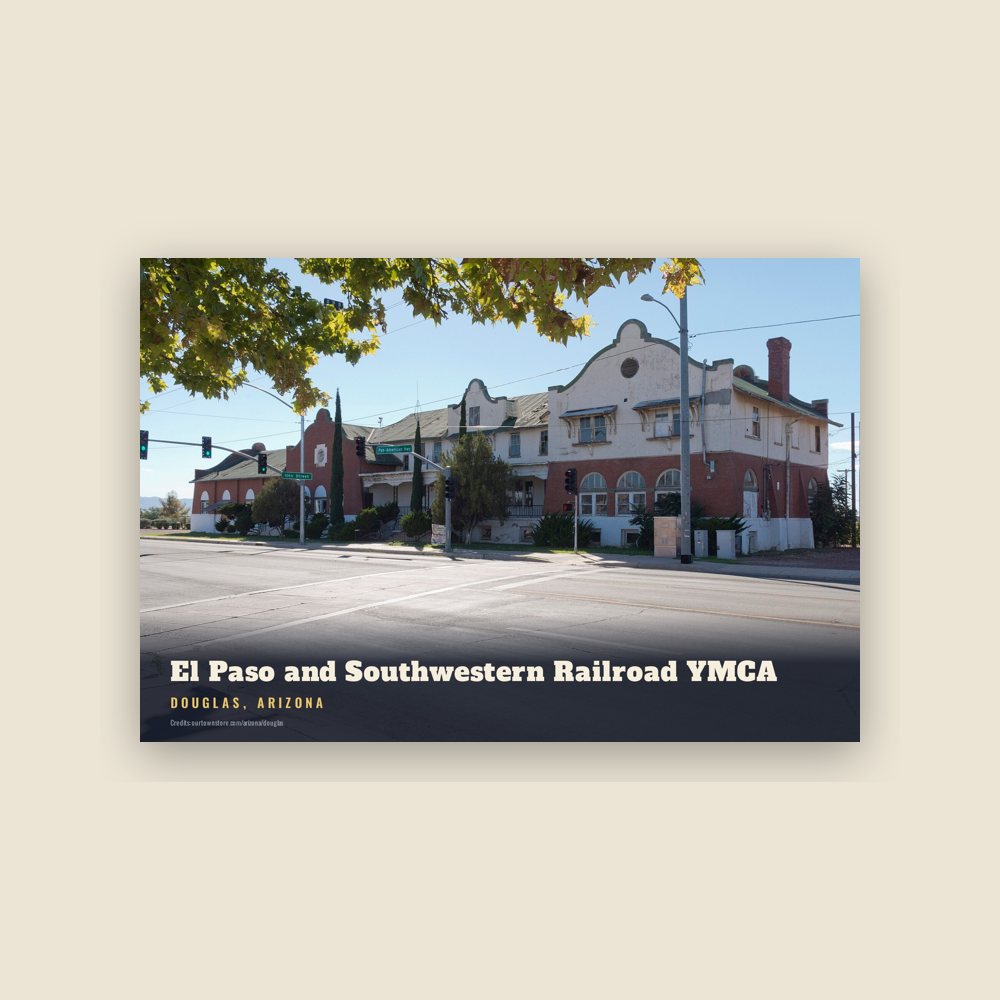
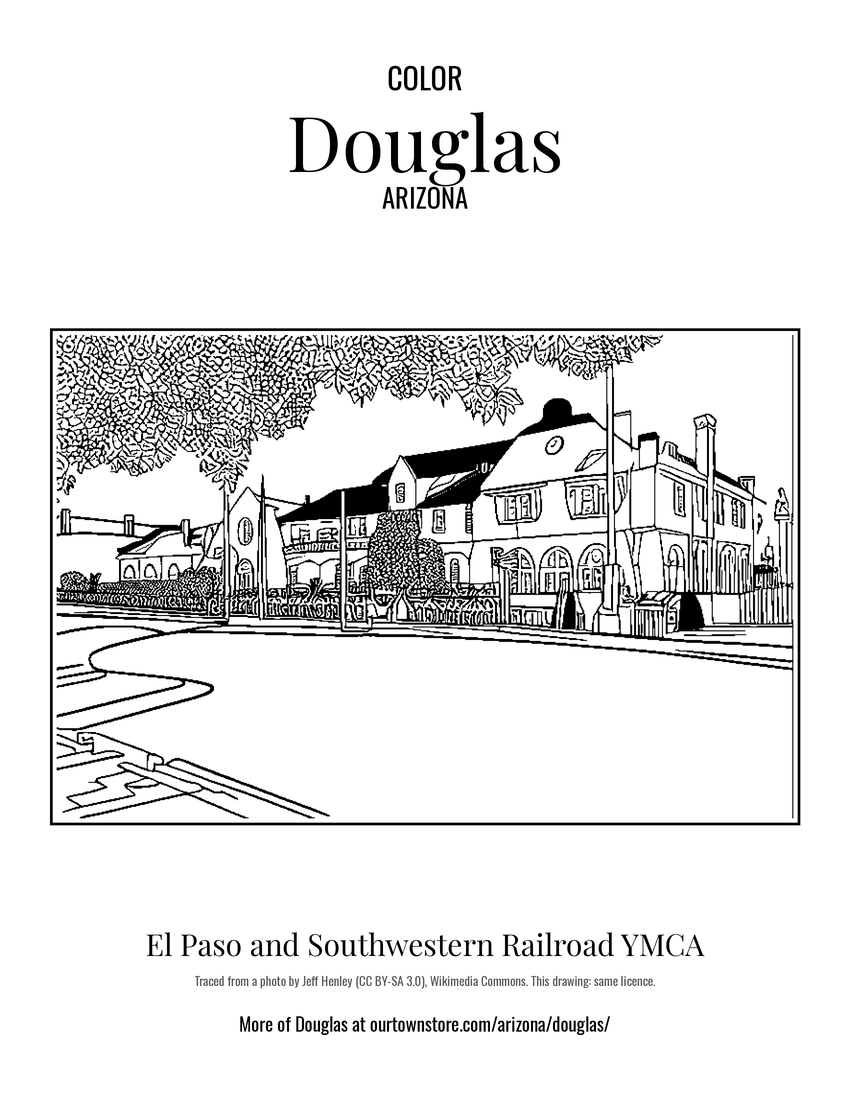 El Paso and Southwestern Railroad YMCA