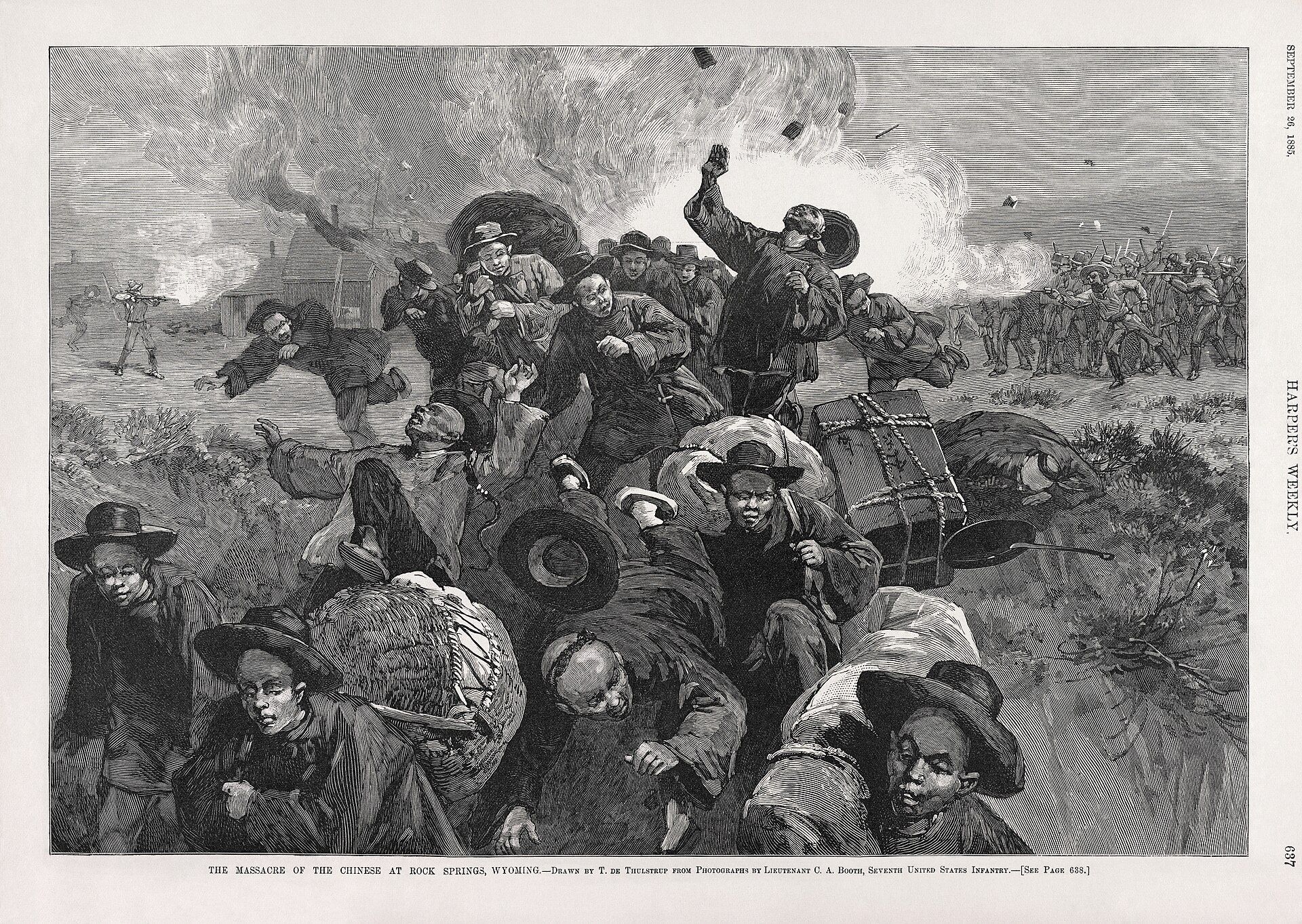
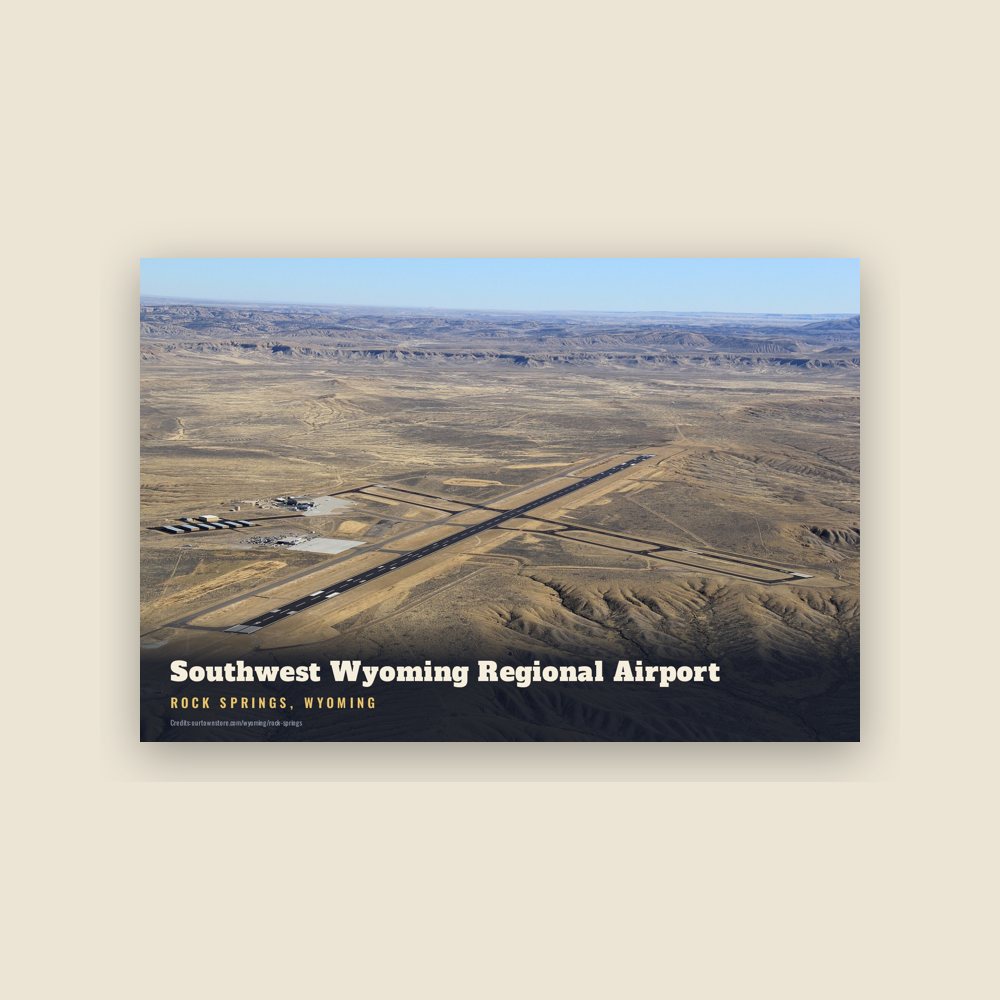
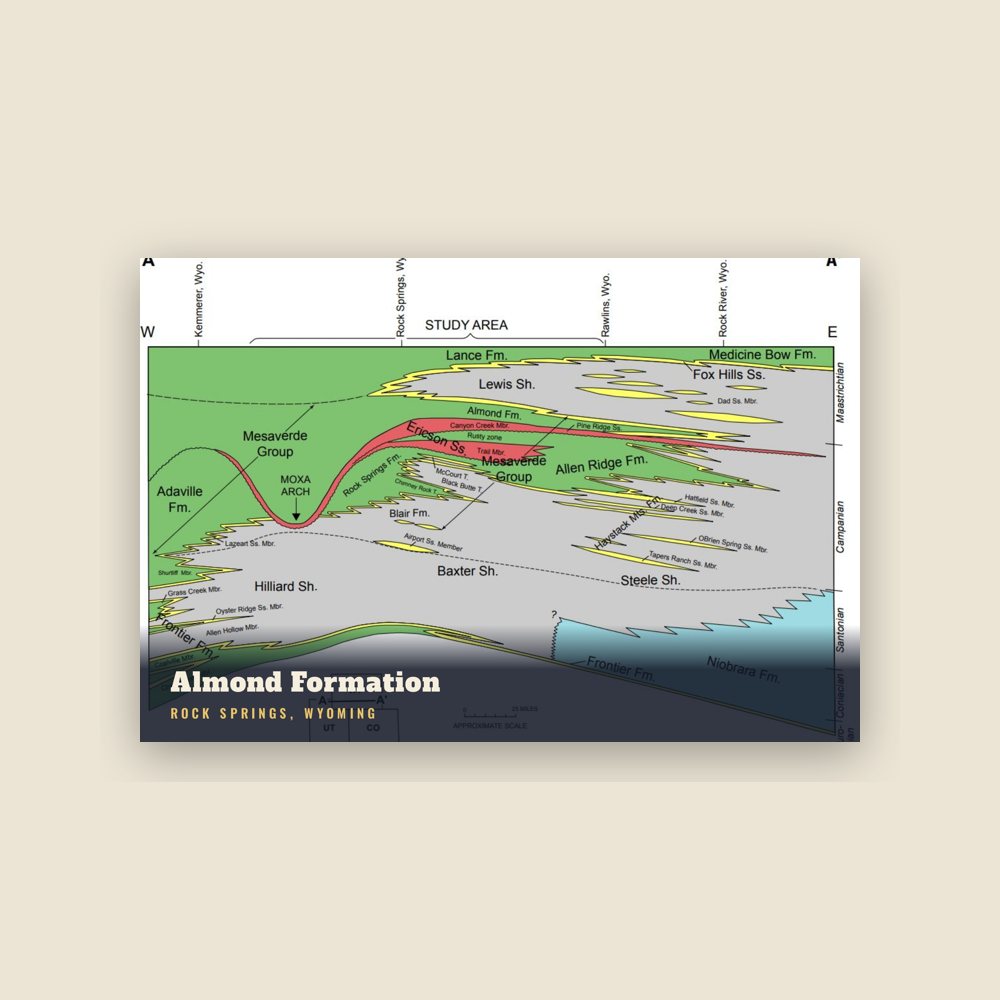
Rock Springs is the principal city of the Rock Springs micropolitan statistical area, which has a population of 37,975. Landmarks include Rock Springs massacre, Southwest Wyoming Regional Airport and Almond Formation. Rock Springs is the birthplace of Paul Gosar, politician.
Every piece is drawn from Rock Springs's own map data and historic archives, then printed and shipped from the USA when you order. No two towns look alike.
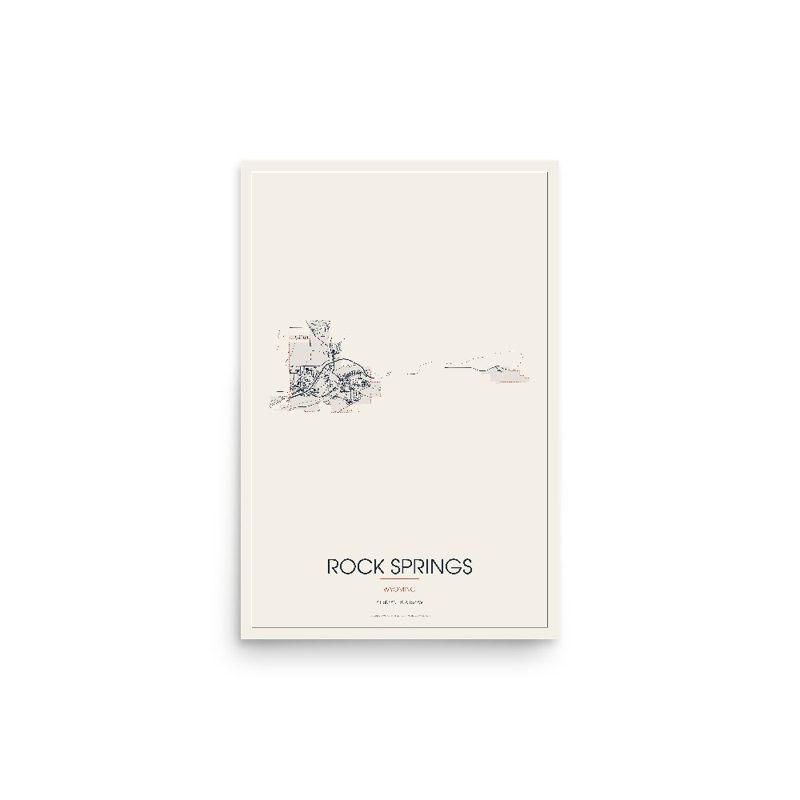
Every road in town, on archival matte paper
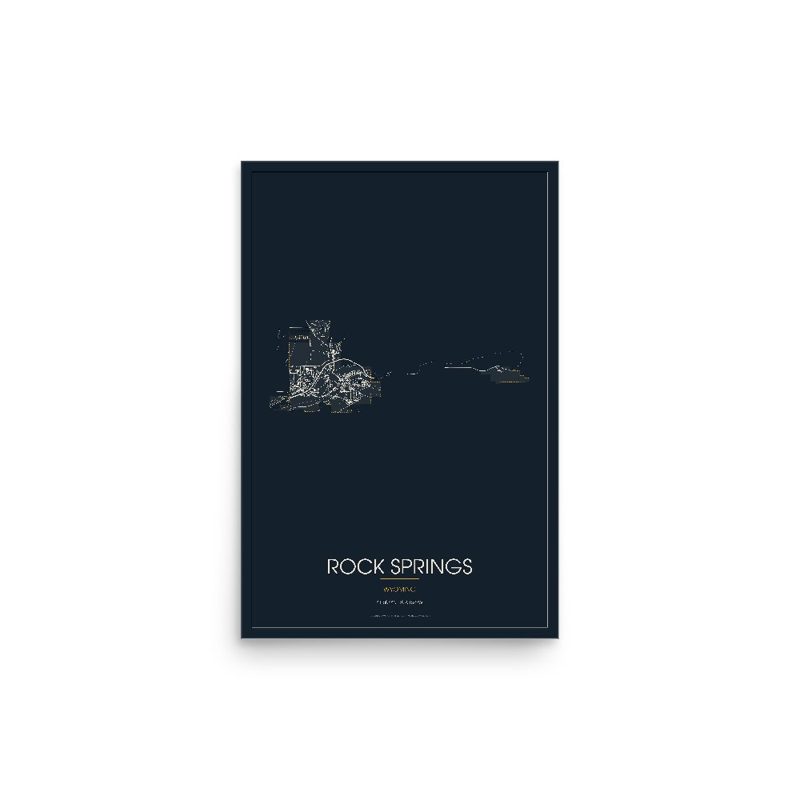
The same map, in navy and silver
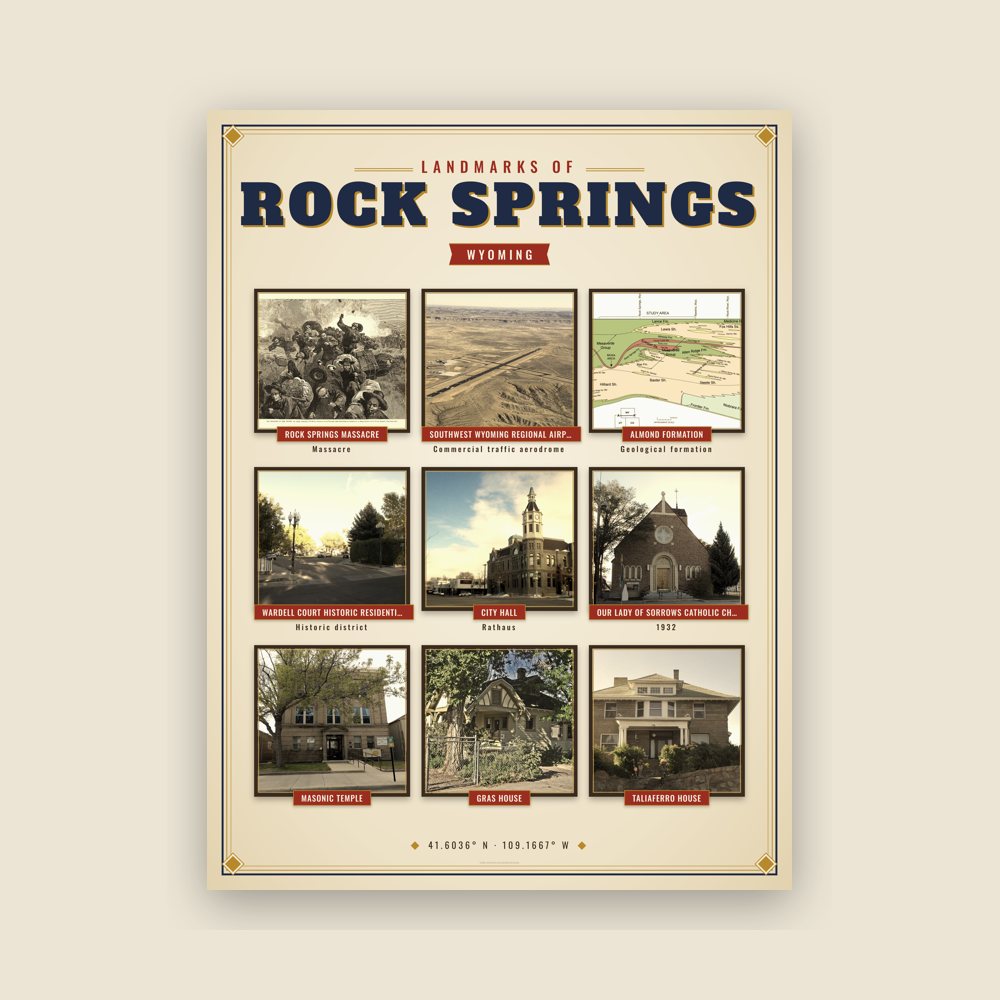
Nine local landmarks, archival matte
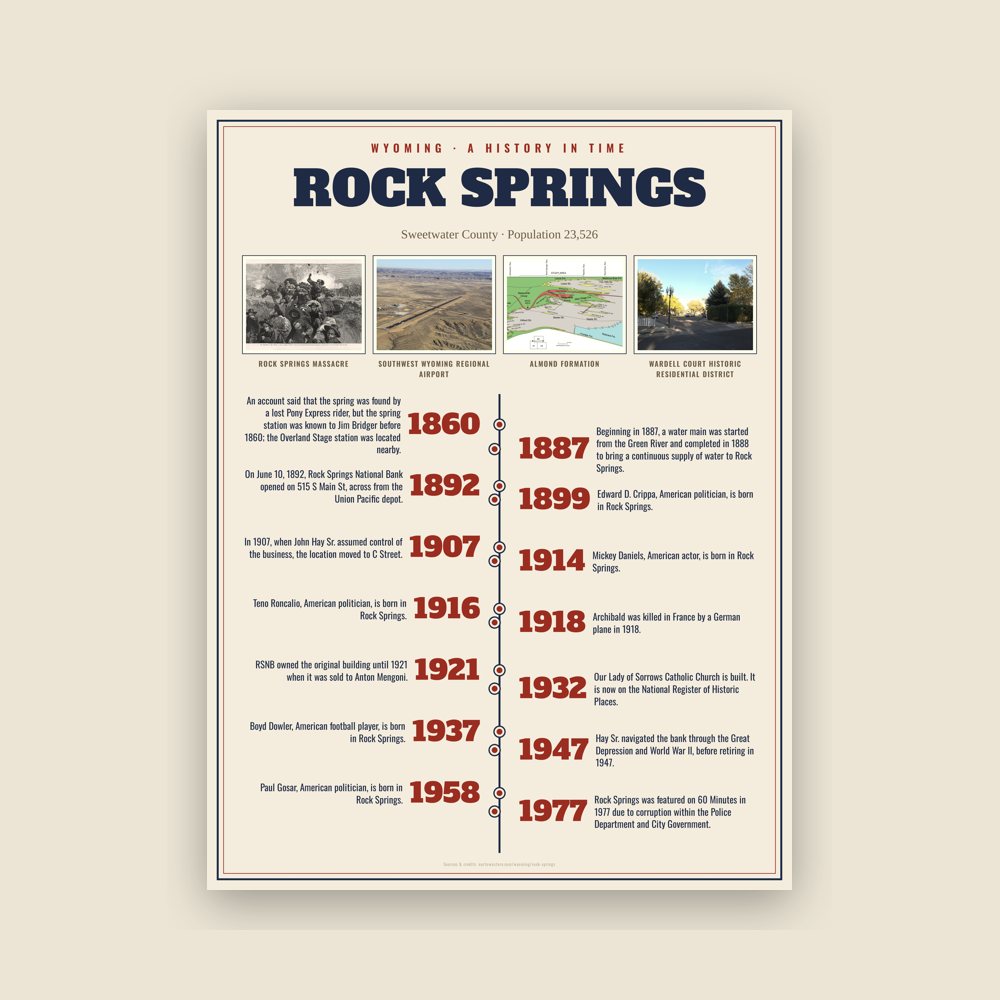
The town's story in dates, from its own records, for home or classroom
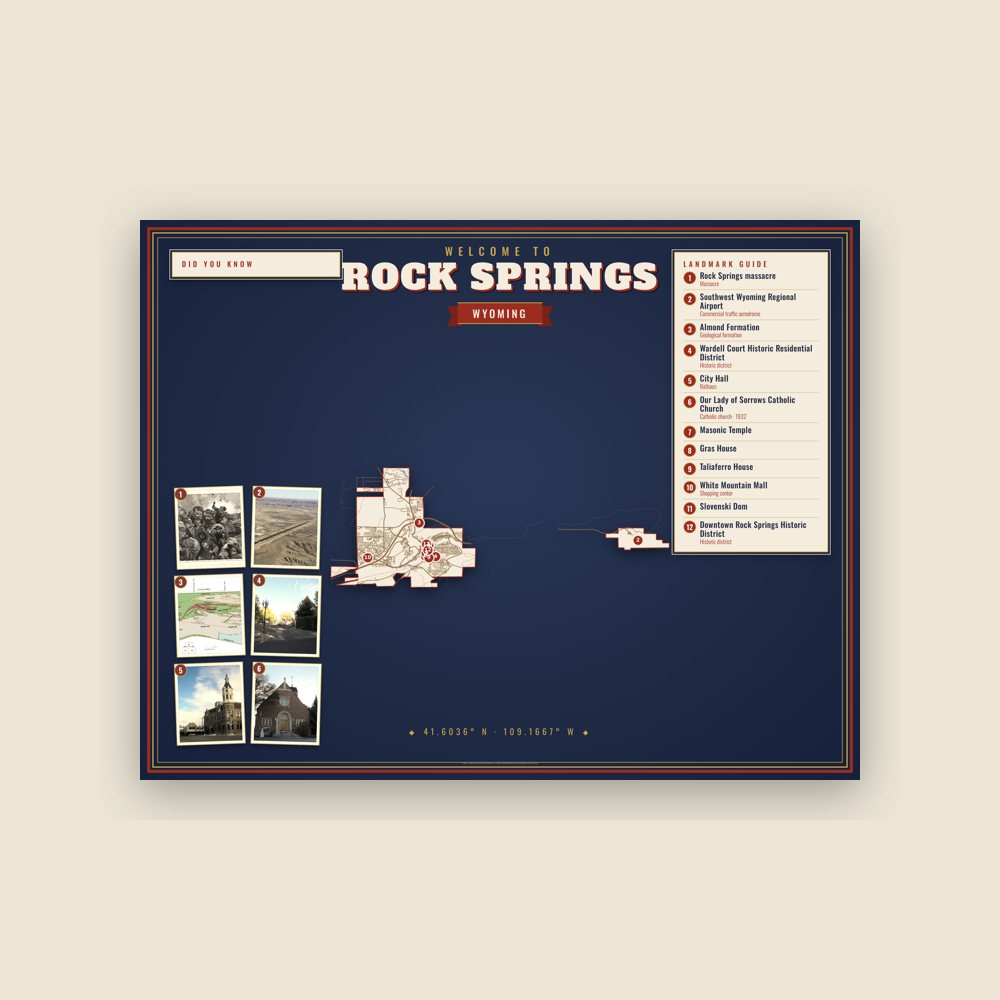
Map of local landmarks, washable fabric
Heavy-blend fleece, street map printed on the back
Soft Bella+Canvas jersey
Glossy ceramic, dishwasher safe
Ceramic keepsake, gold ribbon
Weatherproof, for the front walk
24″×16″, printed coir-look fibers, rubber back
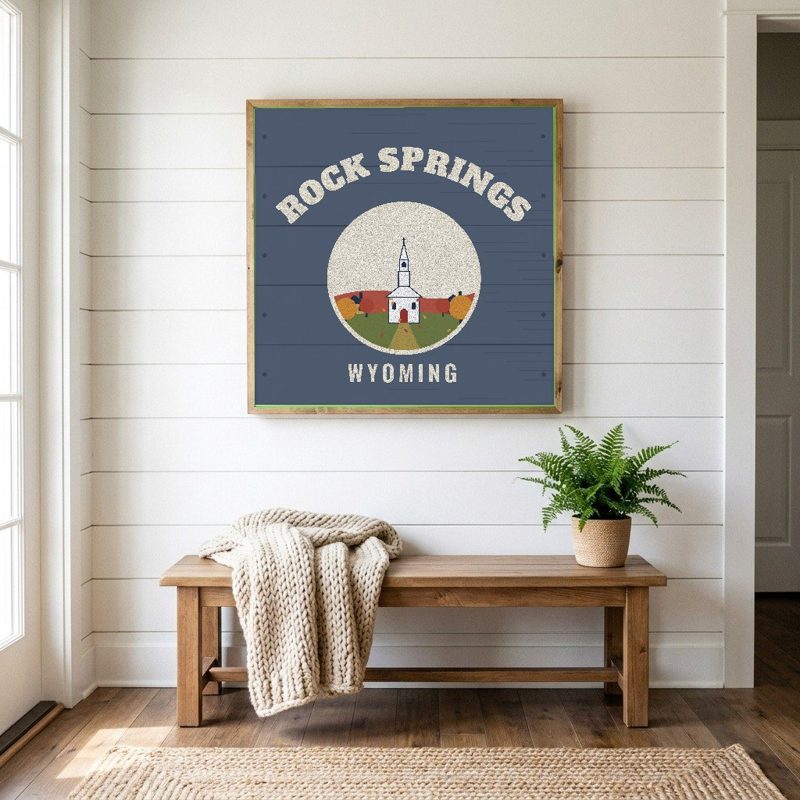
12″×12″ printed wood, ready to hang
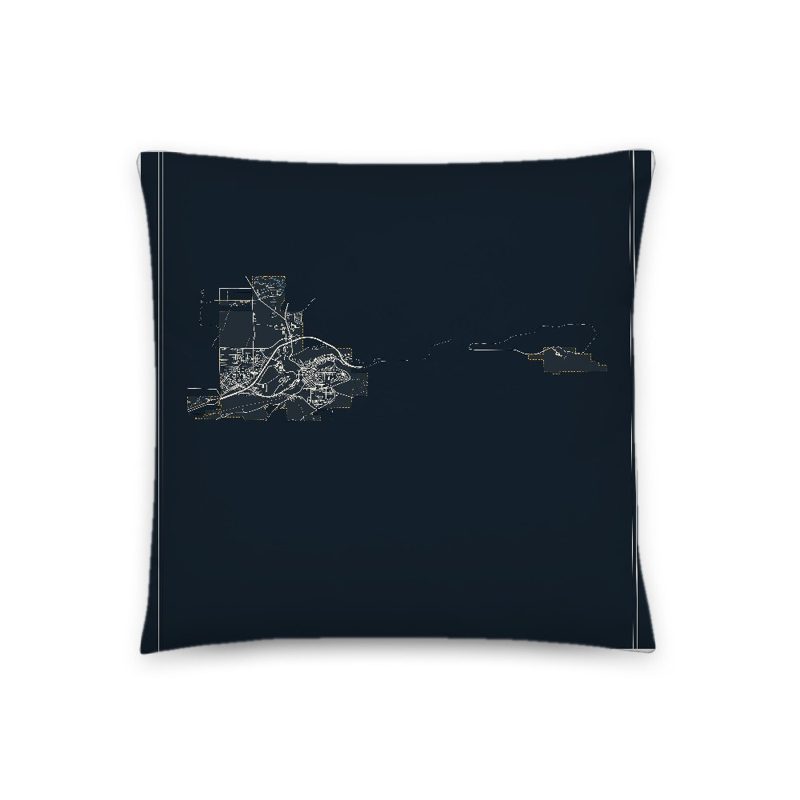
Soft-touch, zip cover
Sturdy all-over-print tote
Glossy top, cork back
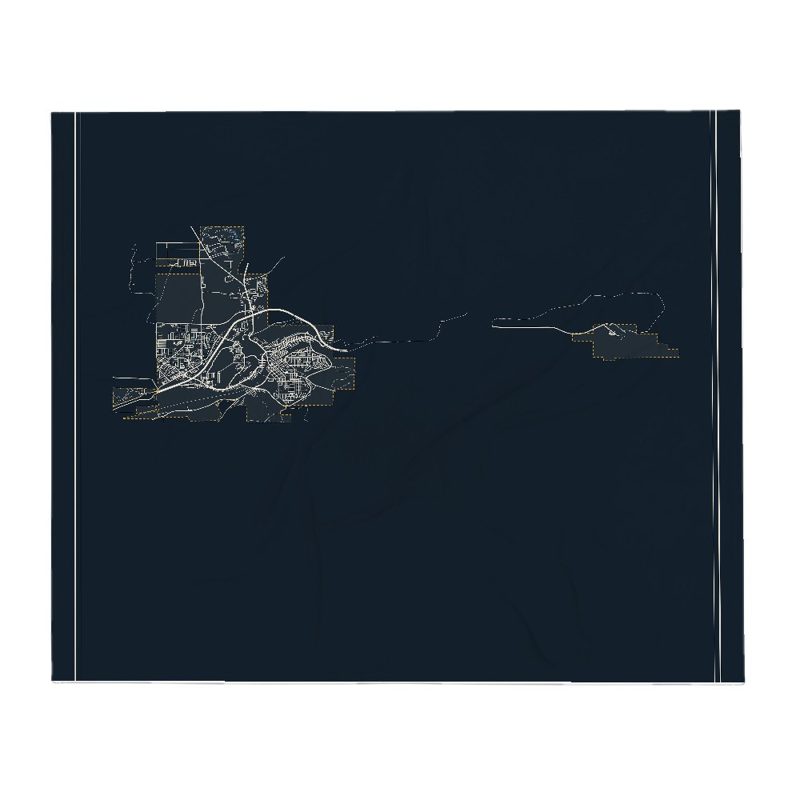
Soft fleece, 50″×60″
20 oz, double-wall stainless
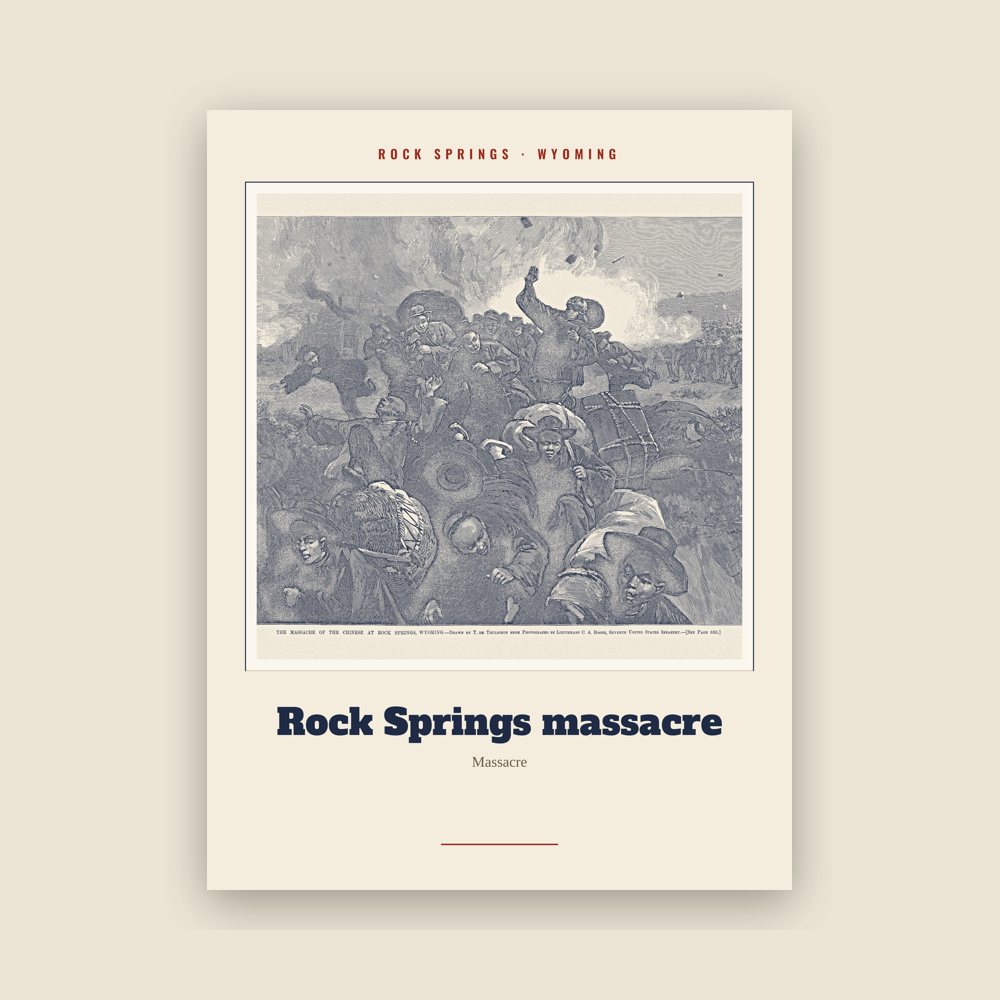
Archival matte print of a local landmark, credited to its photographer
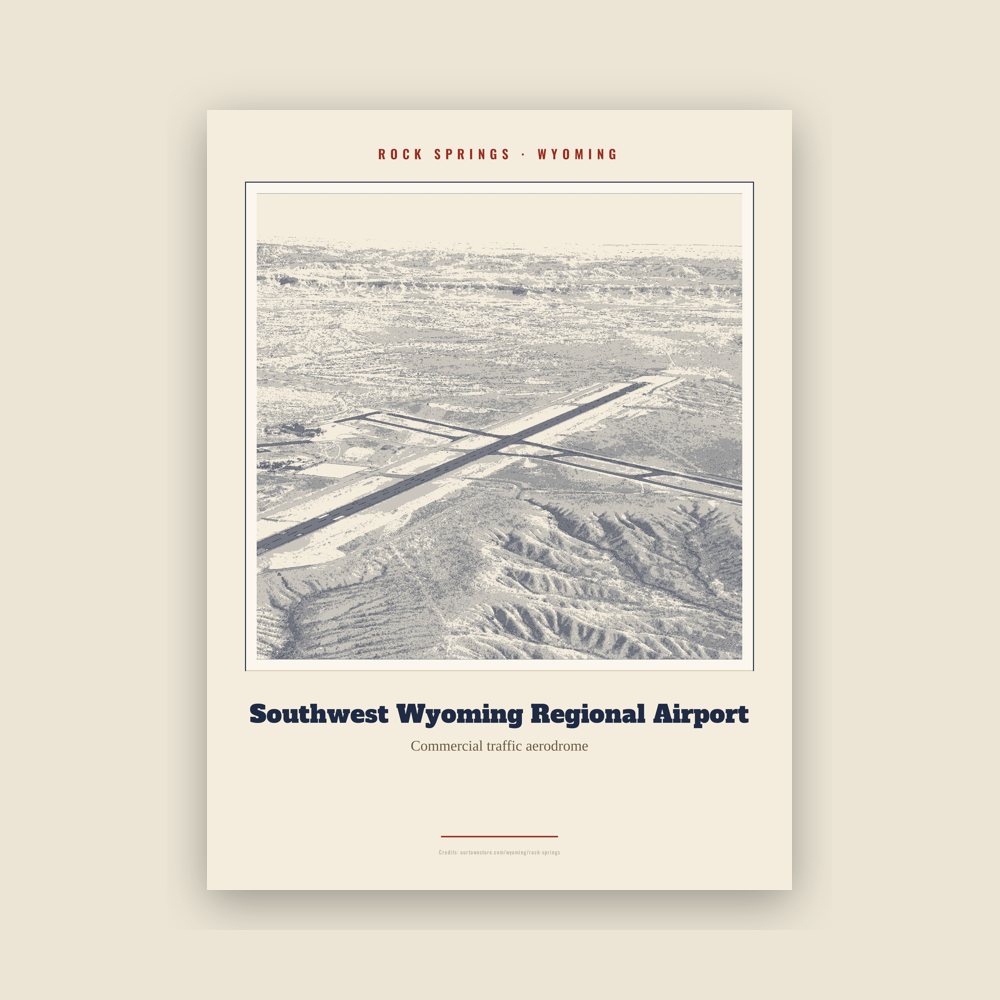
Archival matte print of a local landmark, credited to its photographer
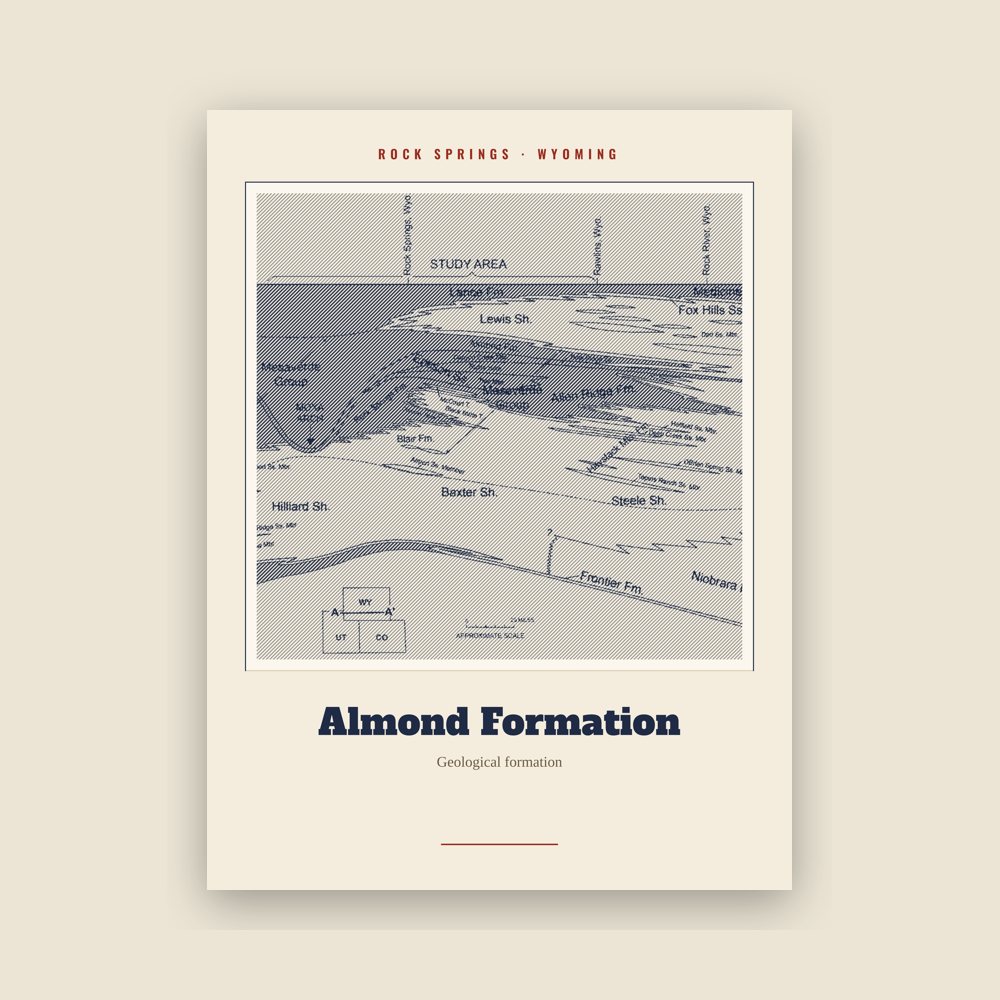
Archival matte print of a local landmark, credited to its photographer
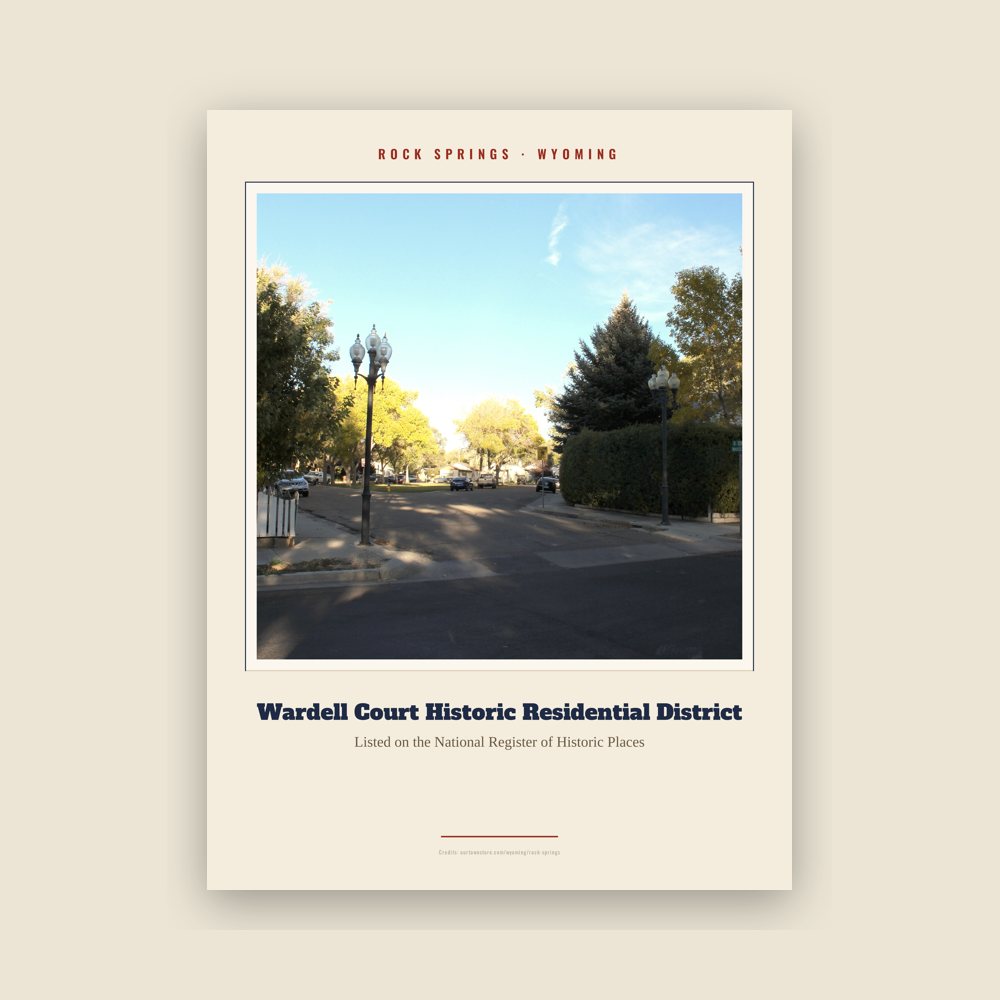
Archival matte print of a local landmark, credited to its photographer
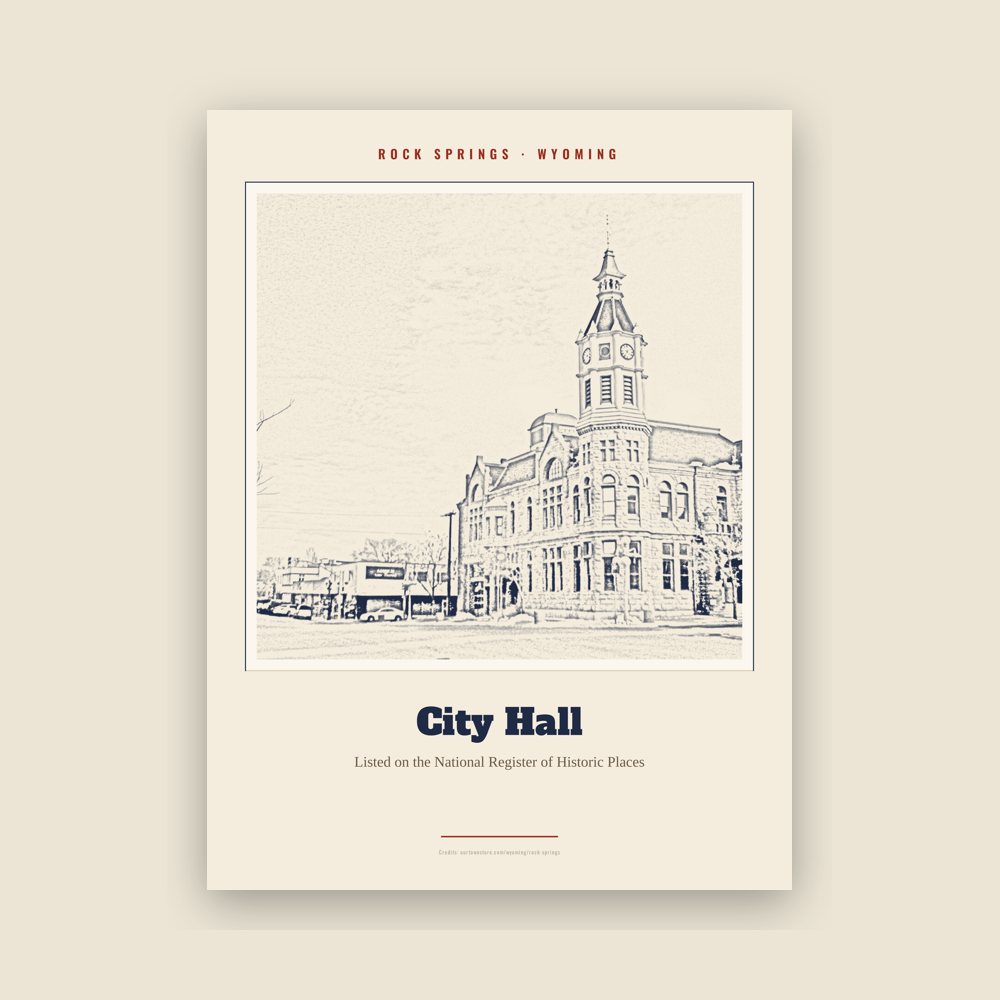
Archival matte print of a local landmark, credited to its photographer
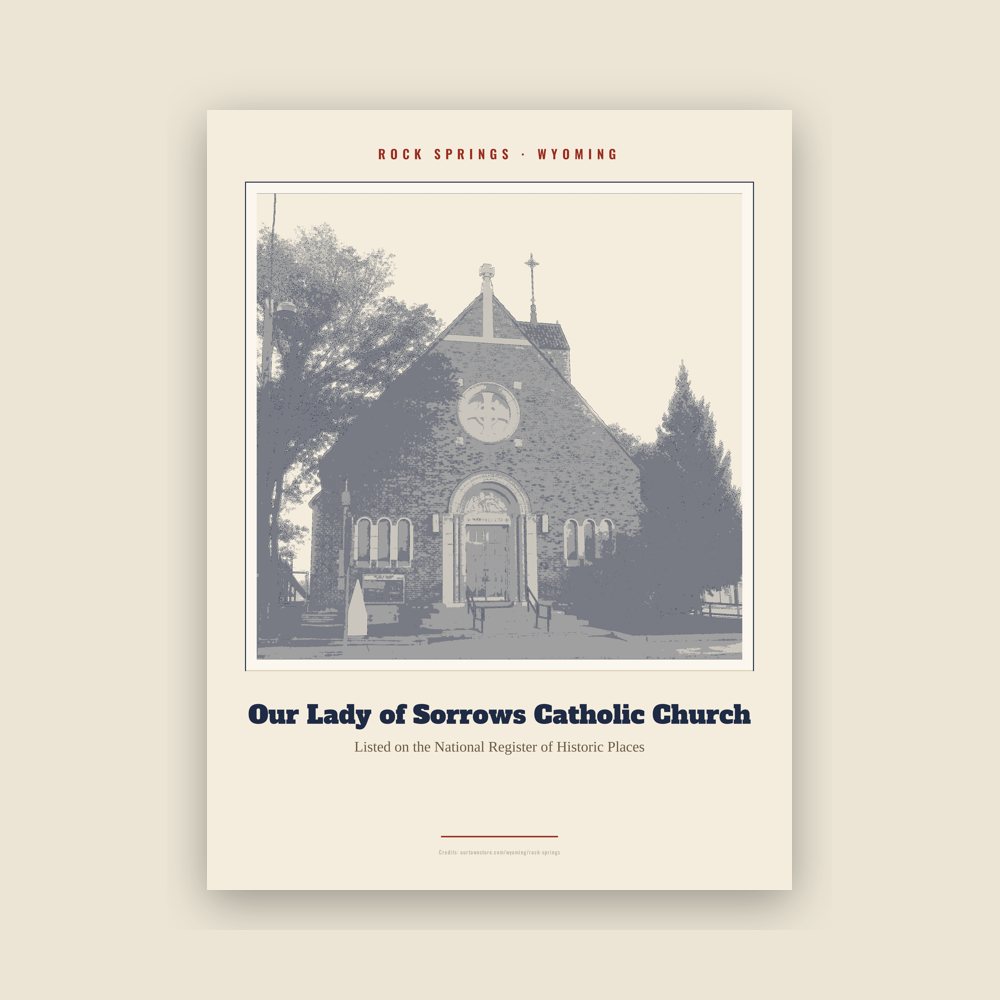
Archival matte print of a local landmark, credited to its photographer
6″×4″ postcard, glossy front
6″×4″ postcard, glossy front
6″×4″ postcard, glossy front
6″×4″ postcard, glossy front
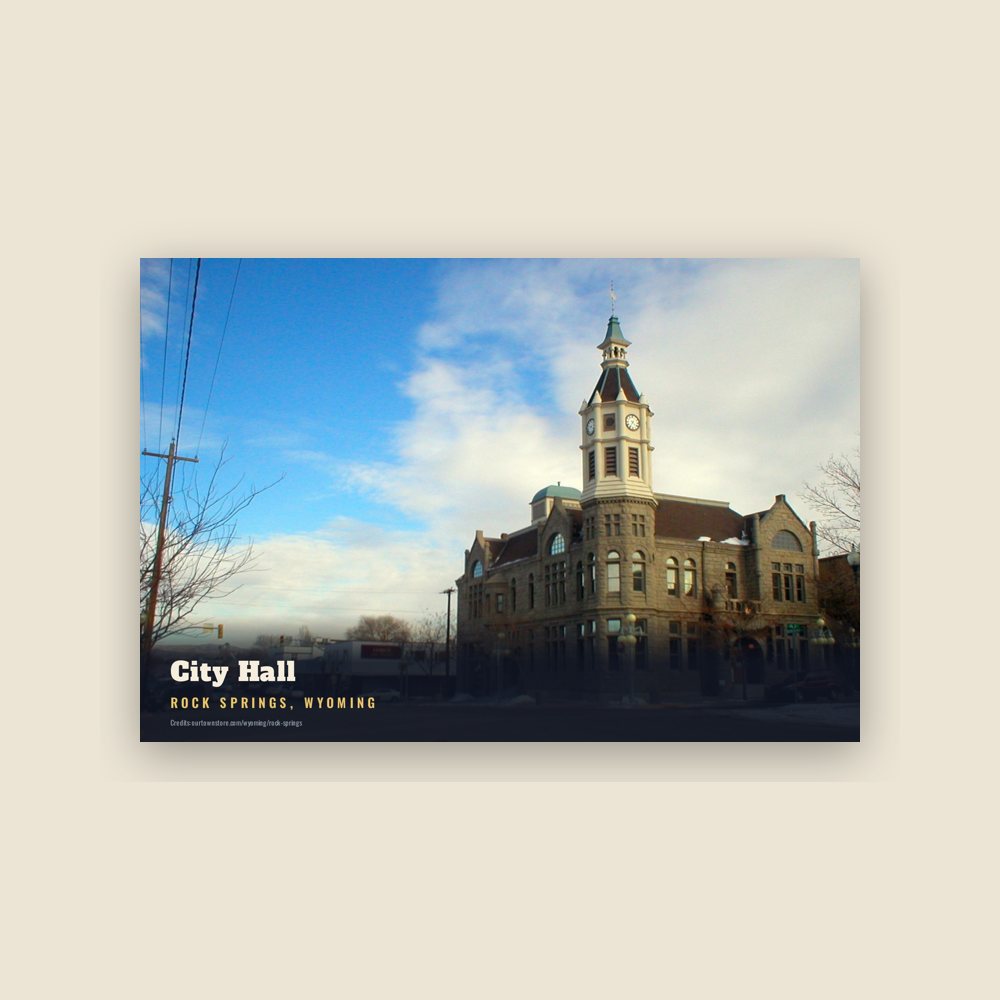
6″×4″ postcard, glossy front
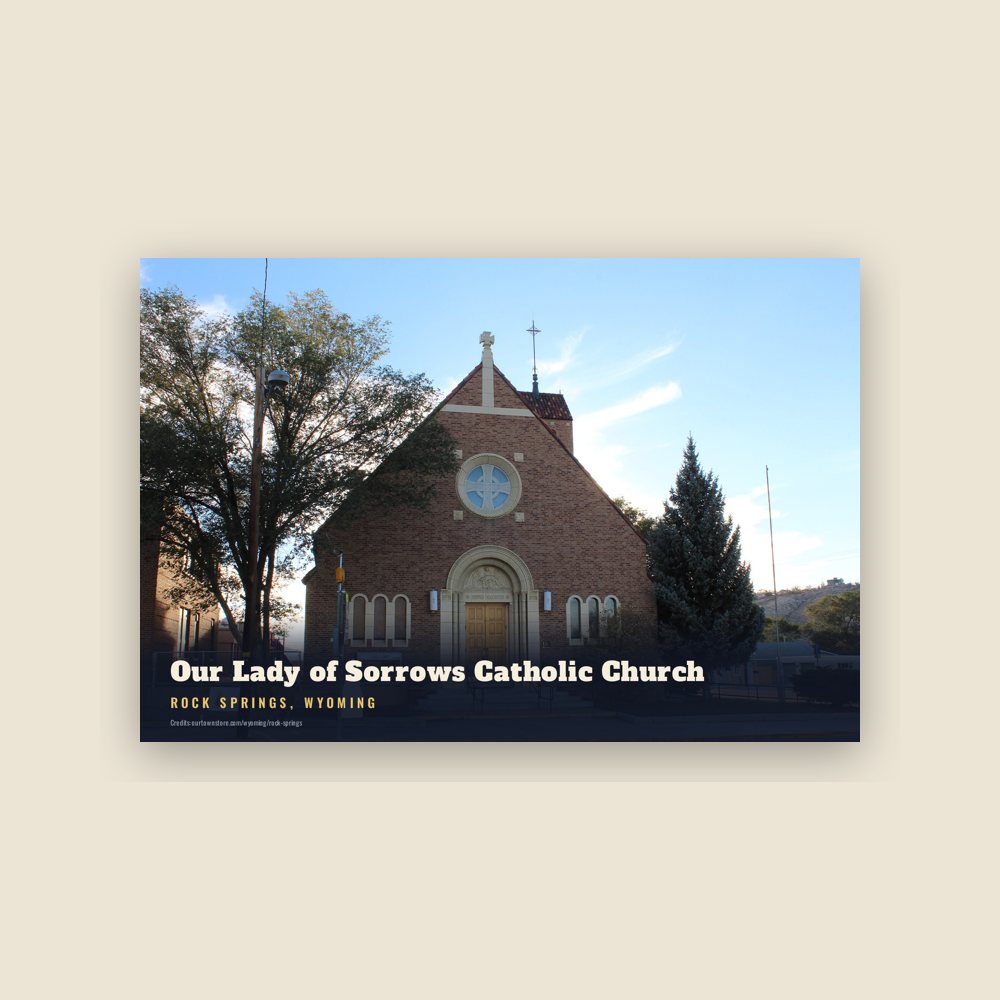
6″×4″ postcard, glossy front
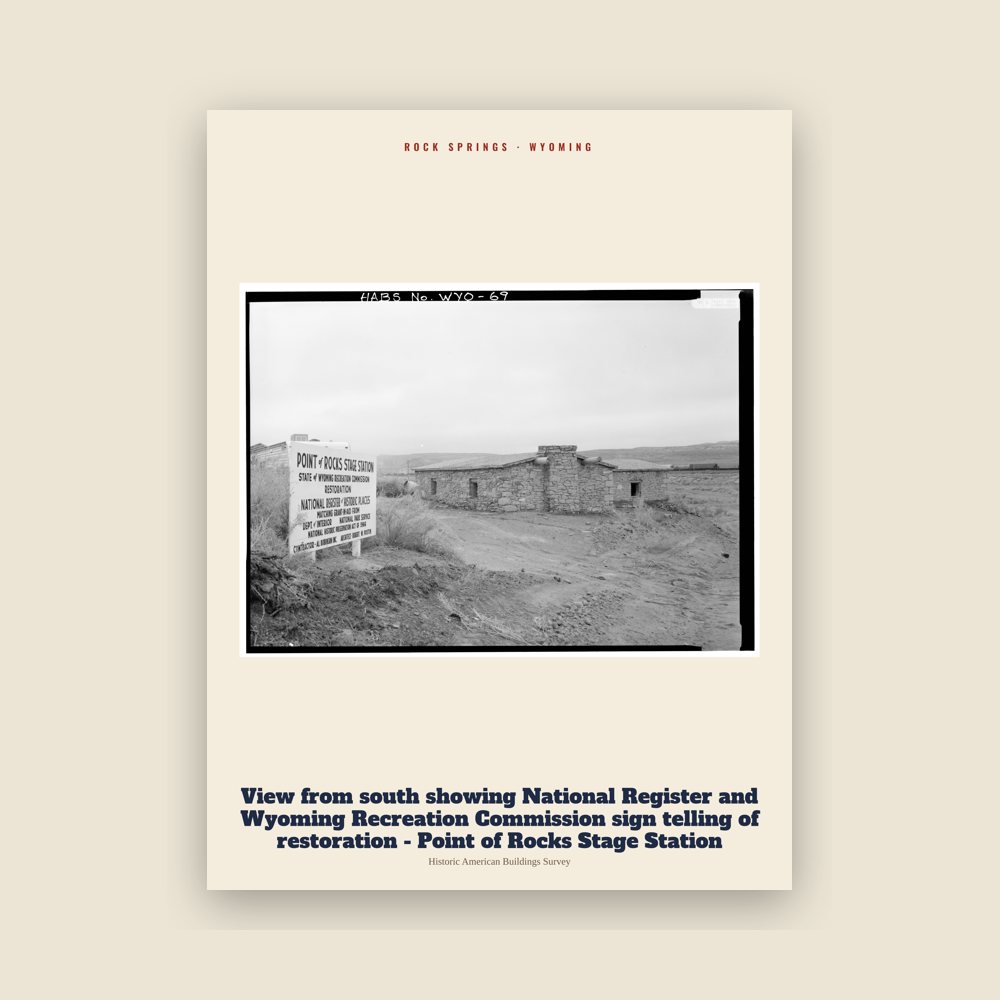
From the Library of Congress collections: a historic survey drawing or photograph of the town
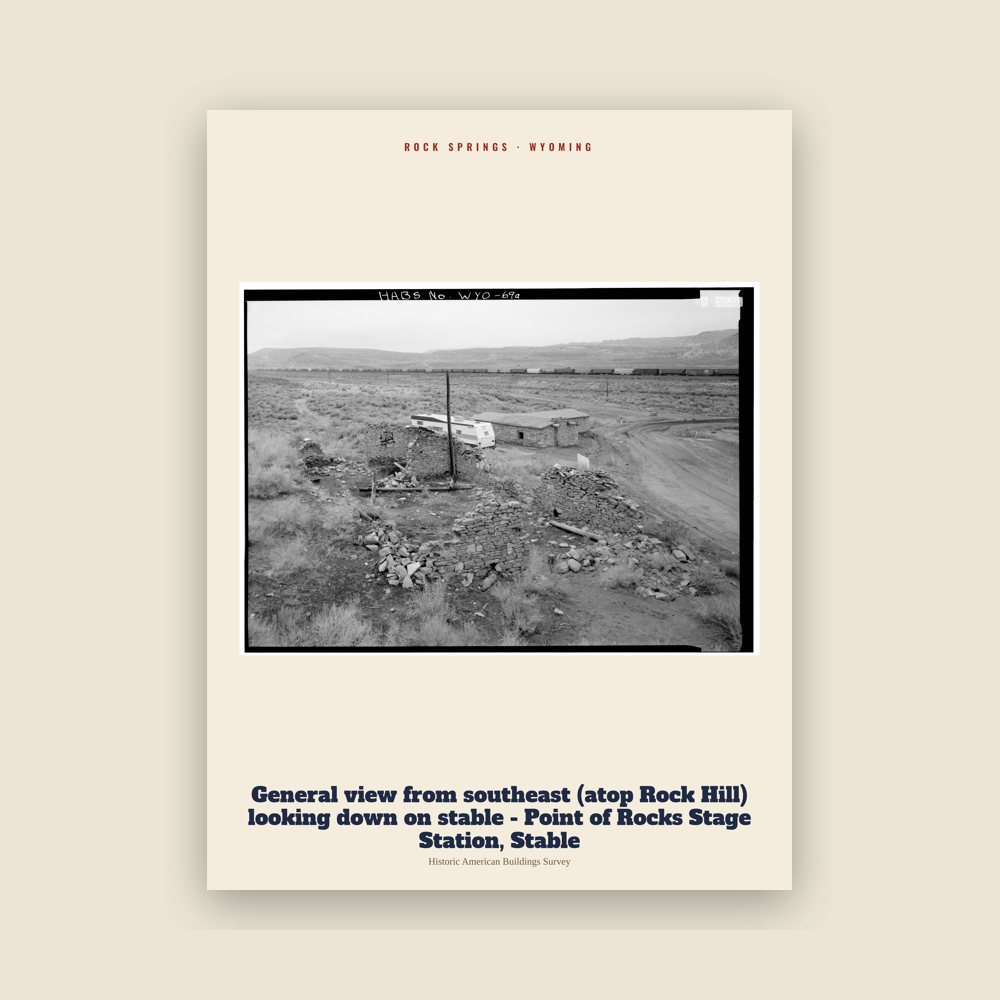
From the Library of Congress collections: a historic survey drawing or photograph of the town
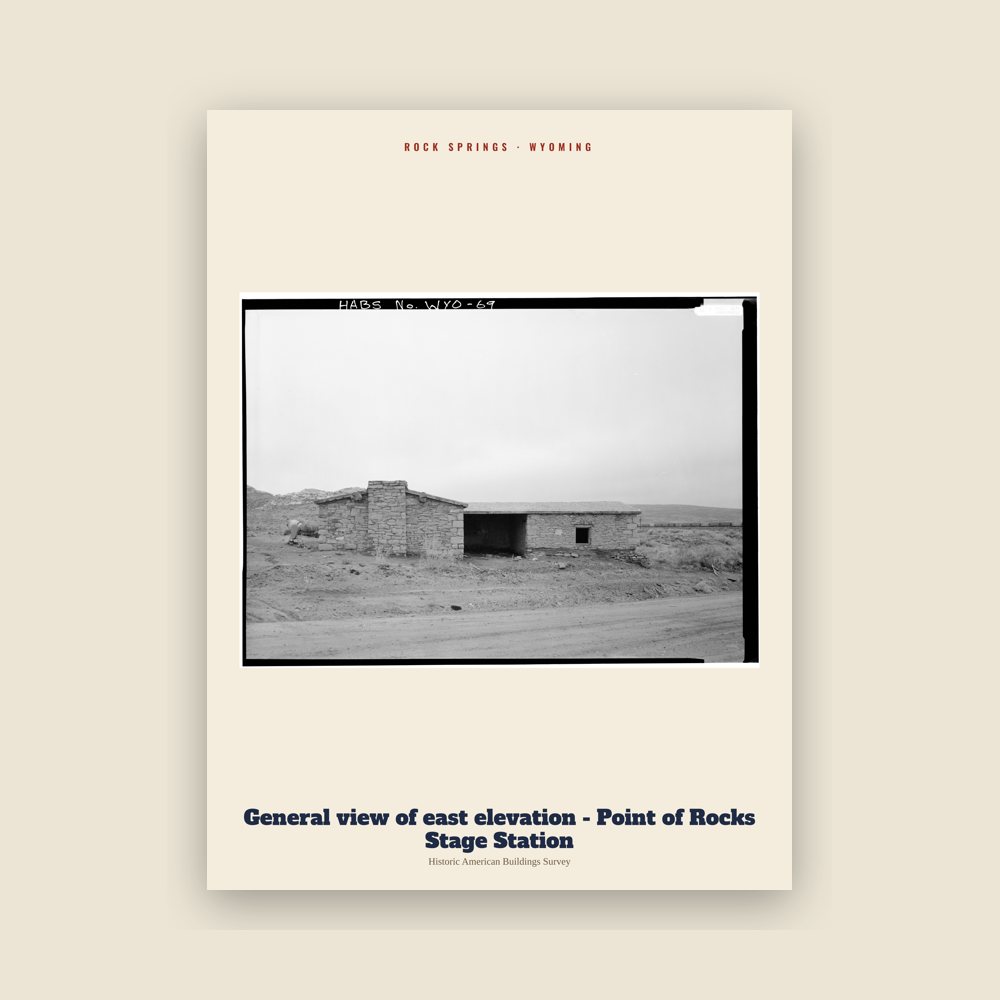
From the Library of Congress collections: a historic survey drawing or photograph of the town
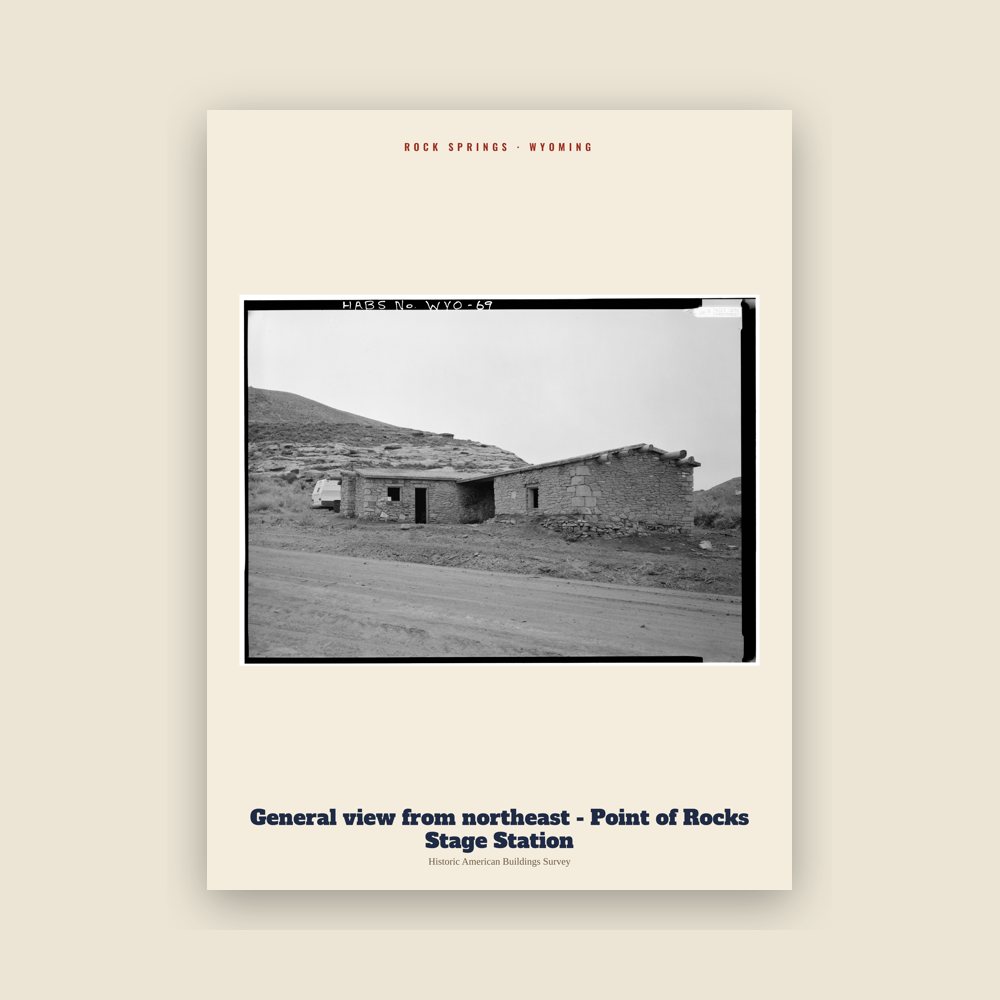
From the Library of Congress collections: a historic survey drawing or photograph of the town
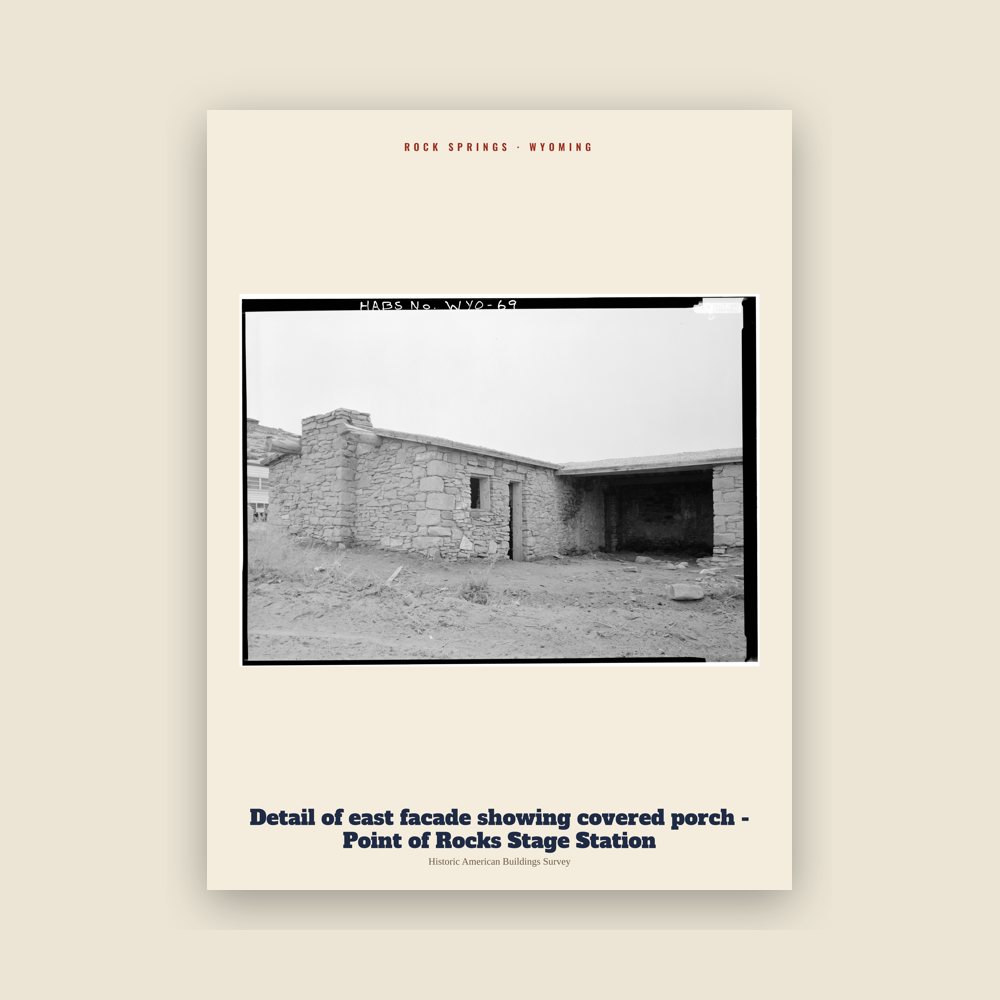
From the Library of Congress collections: a historic survey drawing or photograph of the town
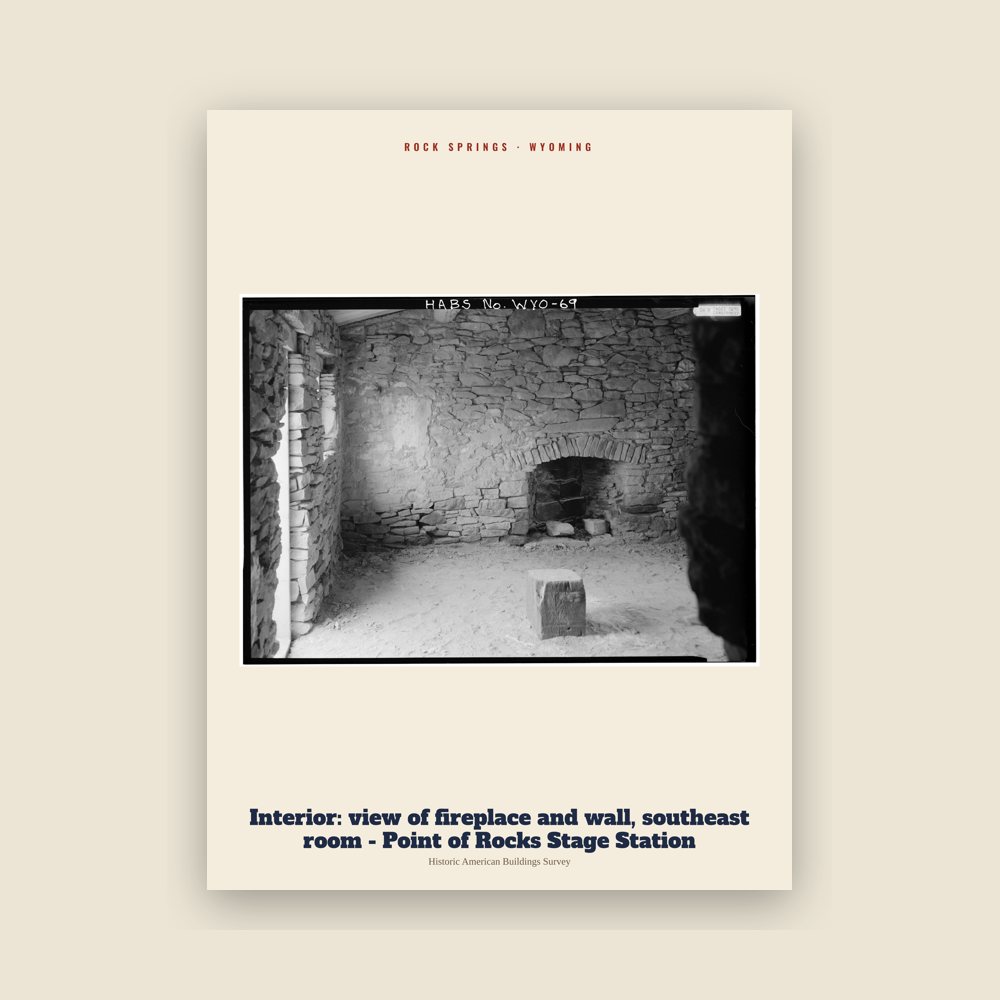
From the Library of Congress collections: a historic survey drawing or photograph of the town
Population 1870: 40 → 2010: 23,036 → 2020: 23,526
From Wikidata (CC0).
Rock Springs derives its name from a rock spring which flowed in the Number 6 district in the northern part of town. An account said that the spring was found by a lost Pony Express rider, but the spring station was known to Jim Bridger before 1860; the Overland Stage station was located nearby. The spring disappeared when the coal mine operations interrupted the underground flow.
In the early days, Ed Cleg hauled domestic water from the sulfur spring north of Rock Springs and charged $.25 a barrel. With the mining operations, the water flow was interrupted and water was hauled from Green River and Point of Rocks. Beginning in 1887, a water main was started from the Green River and completed in 1888 to bring a continuous supply of water to Rock Springs.
Rock Springs has a multi-ethnic heritage; locals called it the 57 Variety Town. The first immigrants were brought in by the railroad and coal mining companies. The Welsh and British people were initially most populous. Later, Irish, Black people, and refugees from the Southern part of the United States also came. The Scandinavian people were represented with a heavy Mormon recruitment.
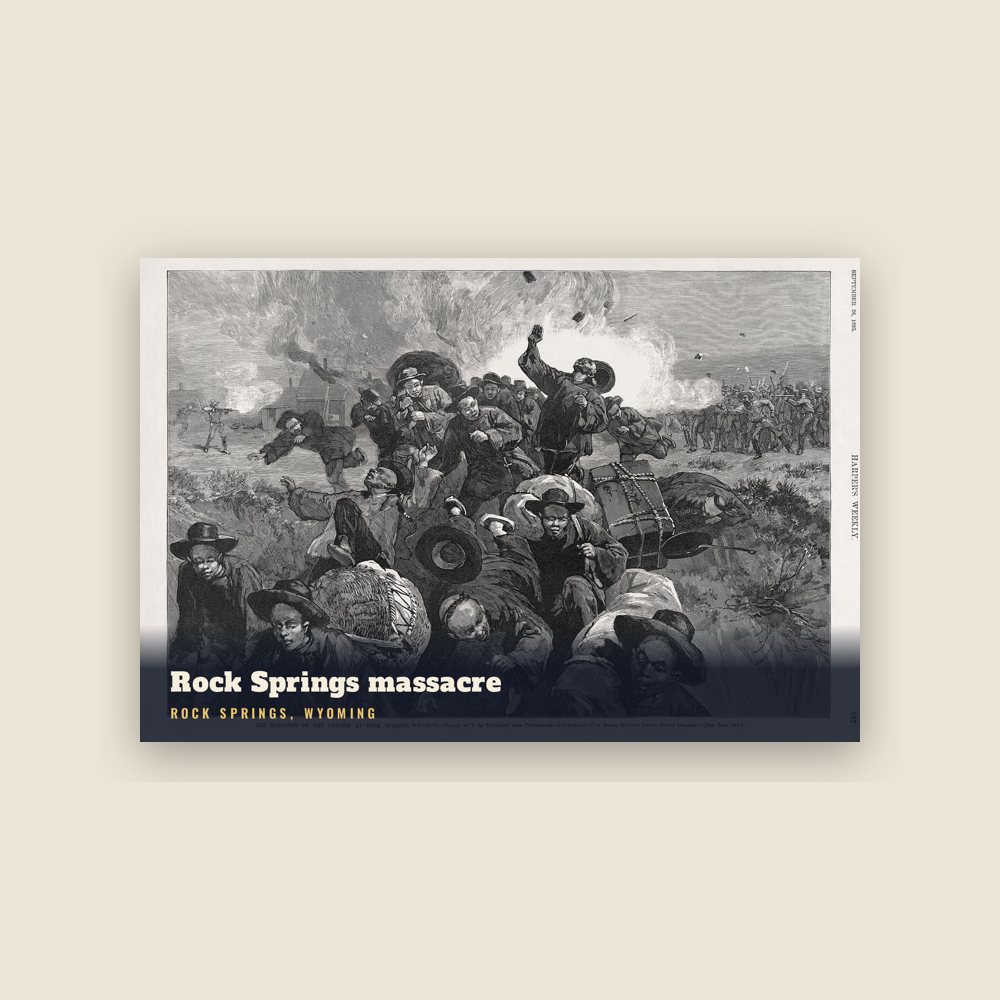
One of the worst incidents of anti-immigrant violence in American history, known as the Rock Springs massacre, occurred on September 2, 1885, when White miners slaughtered their Chinese counterparts due to anti-Chinese sentiment. There are still remains of the old coal mining towns outside of Rock Springs.
On June 10, 1892, Rock Springs National Bank opened on 515 S Main St, across from the Union Pacific depot. The original sandstone building was designed by Mayor H.H. Edgar who chose an Italianate style. In 1907, when John Hay Sr. assumed control of the business, the location moved to C Street. RSNB owned the original building until 1921 when it was sold to Anton Mengoni. Hay Sr. navigated the bank through the Great Depression and World War II, before retiring in 1947. John Hay Jr., his son, then took control of the bank, having to control wild growth during Wyoming's massive energy boom in the 1970s. Another of Hay Sr.'s sons was Archibald (Archie) Hay. Archibald was killed in France by a German plane in 1918. In his memory, Post 24 of the American Legion, chartered in 1919, was named Archie Hay Post.
Rock Springs was featured on 60 Minutes in 1977 due to corruption within the Police Department and City Government. A grand jury was called into session. The Sheriff of Sweetwater County, James Stark, testified and no wrongdoing was ever found. A follow-up was filmed 20 years later for the show City Confidential. The episode was named "Rock Springs: Deadly Draw in the Wild West".
Adapted (trimmed) from the Wikipedia article Rock Springs, Wyoming, revision 1377399734 by its contributors, licensed CC BY-SA 4.0.
We share a part of every Rock Springs sale with local partners, and we'd love to print from your collection. Old photographs, maps and postcards make the best keepsakes.
Partner with us