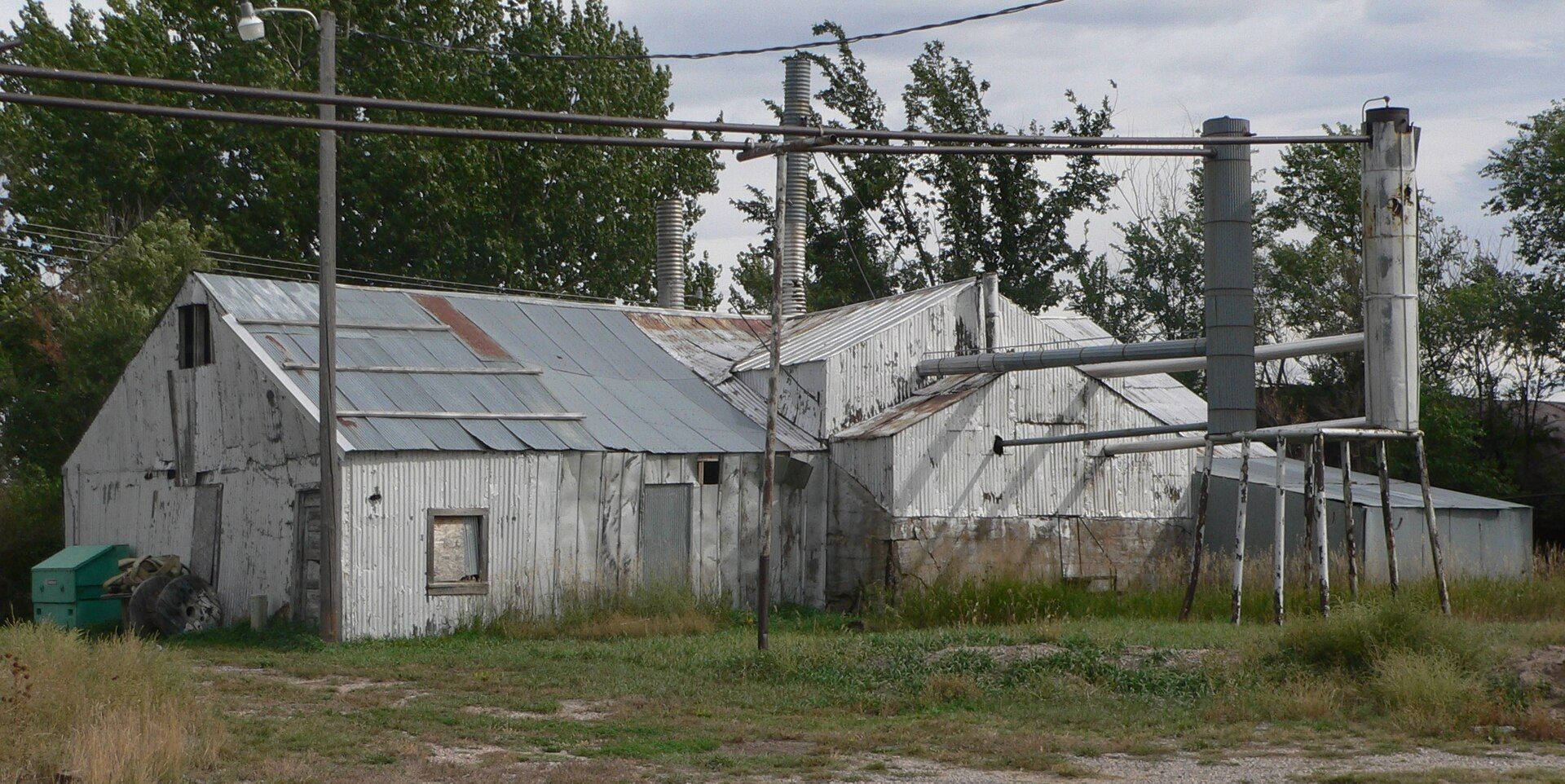
Lusk, a renowned Wyoming rancher, partner in the Western Live Stock Company, and stockholder in the Wyoming Central Railway. Landmarks include C and H Refinery Historic District. Lusk is the birthplace of Thomas Wilson Brown, actor.
Every piece is drawn from Lusk's own map data and historic archives, then printed and shipped from the USA when you order. No two towns look alike.
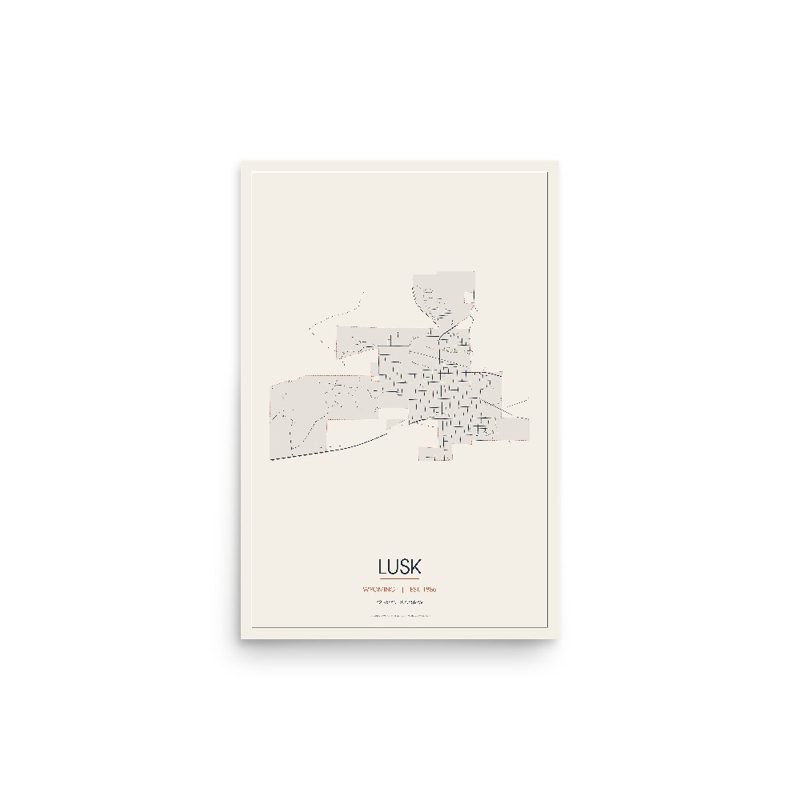
Every road in town, on archival matte paper
The same map, in navy and silver
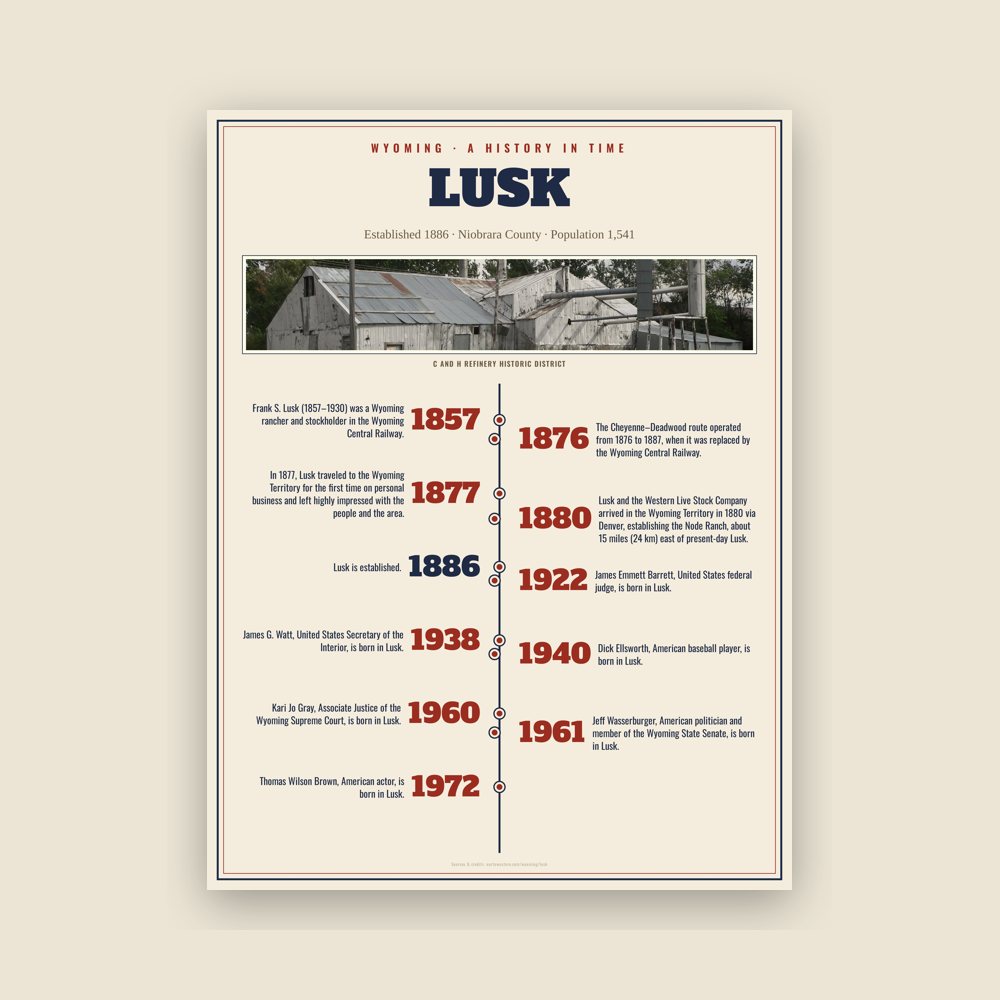
The town's story in dates, from its own records, for home or classroom
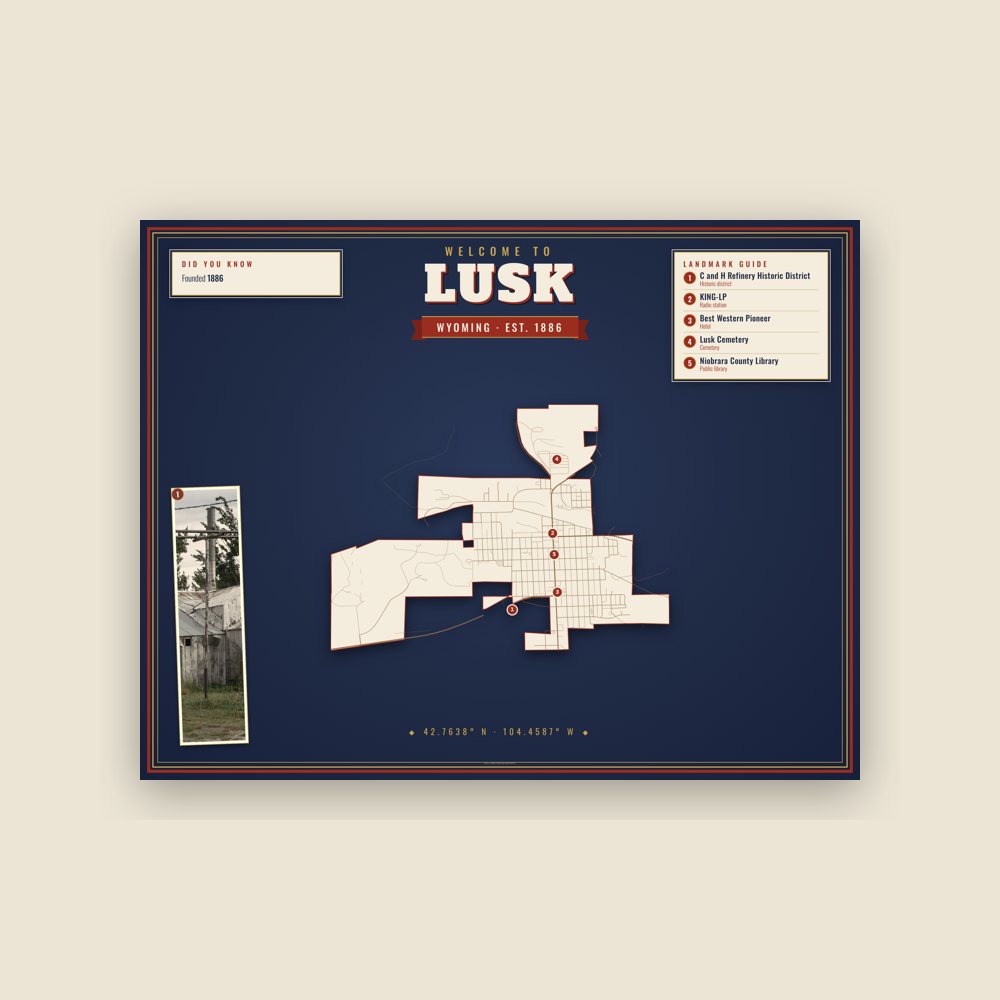
Map of local landmarks, washable fabric
Heavy-blend fleece, street map printed on the back
Soft Bella+Canvas jersey
Glossy ceramic, dishwasher safe
Ceramic keepsake, gold ribbon
Weatherproof, for the front walk
24″×16″, printed coir-look fibers, rubber back
12″×12″ printed wood, ready to hang
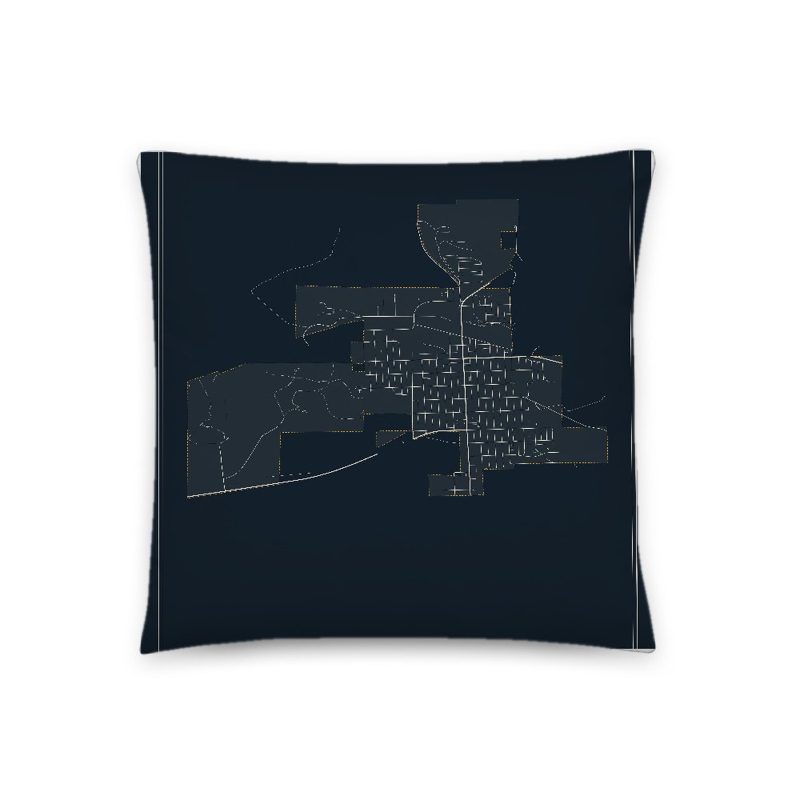
Soft-touch, zip cover
Sturdy all-over-print tote
Glossy top, cork back
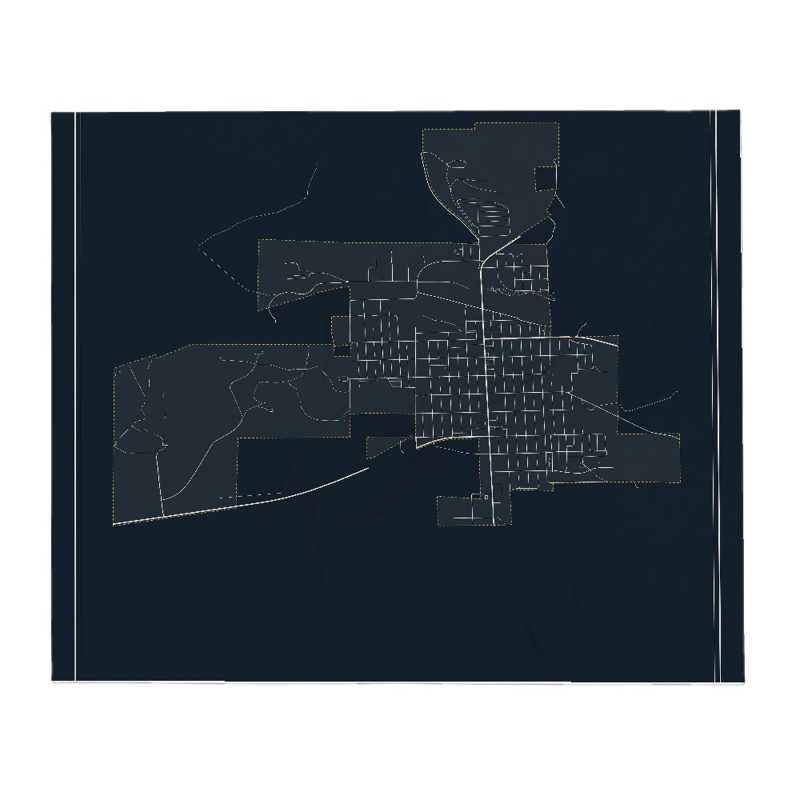
Soft fleece, 50″×60″
20 oz, double-wall stainless
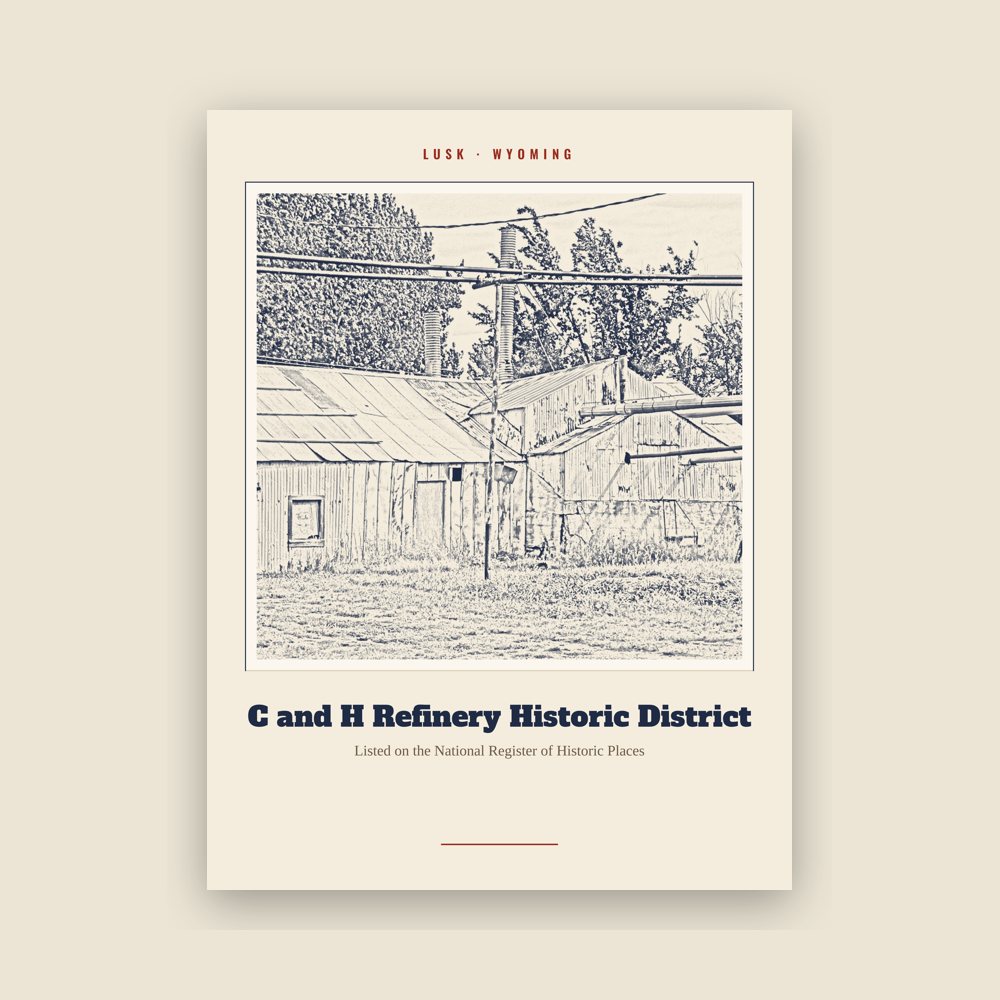
Archival matte print of a local landmark, credited to its photographer
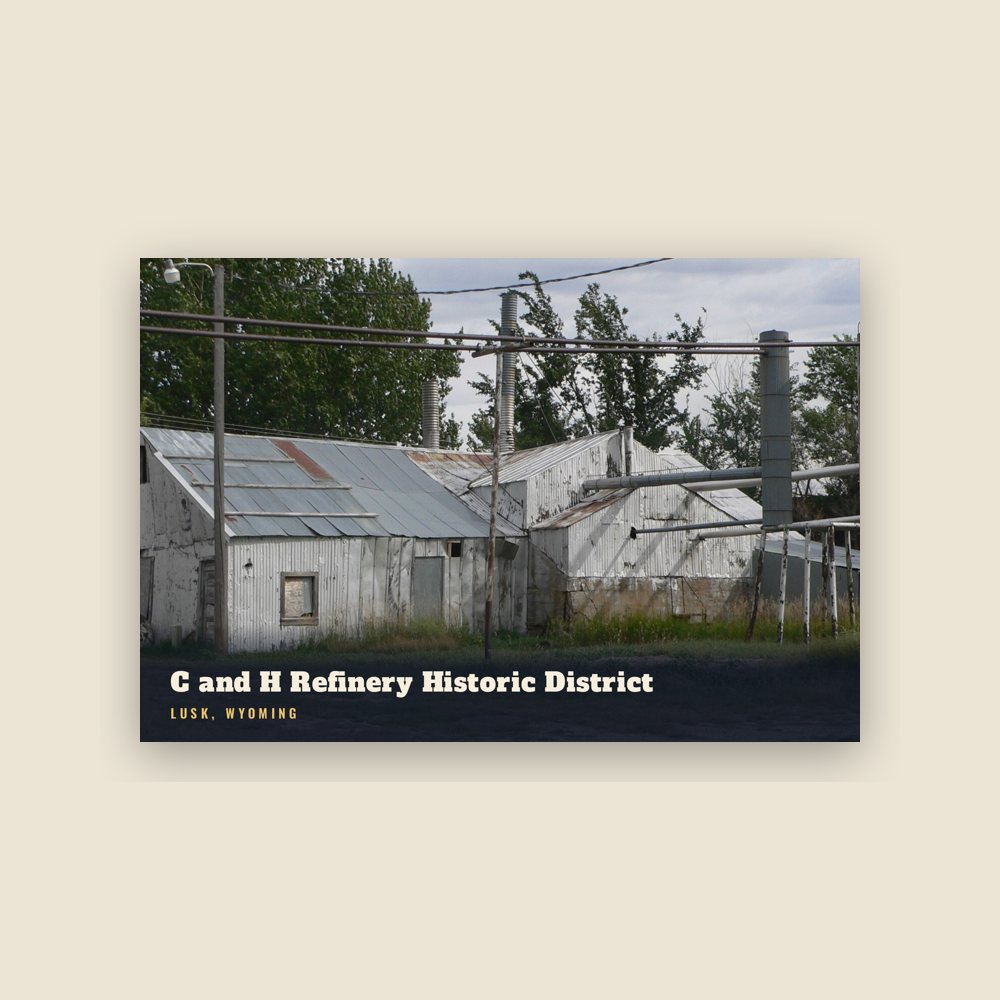
6″×4″ postcard, glossy front
Population 2010: 1,567 → 2020: 1,541
From Wikidata (CC0).
The Black Hills Gold Rush brought fortune seekers to the Wyoming Territory. Within two years, the stage coach route between Cheyenne, Wyoming, and Deadwood, South Dakota, delivered freight, including salt pork and whiskey. The boom also brought armored stage coaches and gold bricks, along with Indians and thieves. The Cheyenne–Deadwood route operated from 1876 to 1887, when it was replaced by the Wyoming Central Railway.
My partners were favorable to moving into eastern Colorado near the Nebraska state line but I remembered the people I had met earlier in Wyoming and those I had subsequently met were a fine class of people and I decided we would go to Wyoming.
Lusk and the Western Live Stock Company arrived in the Wyoming Territory in 1880 via Denver, establishing the Node Ranch, about 15 miles (24 km) east of present-day Lusk. A year later, he bought some land about 3 miles (5 km) outside of Lusk, which included the Running Water Stage Station. Buildings on the land included a stone barn and shelters that had been used by the Cheyenne–Deadwood stage route. Lusk established a hay ranch on the property. He organized his horse ranch at the site of what would later become the town of Lusk.
After establishing his three ranch properties, it became clear that the nearest post office was located in Rawhide Buttes, 15 miles (24 km) southeast of the hay ranch, actually Route 20. Collecting the mail required a ride of 40 miles (64 km) round trip. In response, one of the partners in the Gilmer and Salisbury Express Stage told Lusk that he should set up a post office at the ranch, which would provide for delivery of the mail, rather than requiring him to make the ride to Rawhide Buttes. When Lusk sent in the application to the Post Office Department, everything was complete, but he didn't indicate a name for the post office. When asked about it later, Lusk told the star route representative that he was "busy and told him to do whatever he thought would, without a doubt, establish a post office for us. He told me he had suggested that it be called 'Lusk' and in due course of time it was so established".
In 1886, the Fremont, Elkhorn and Missouri Valley Railroad wanted to extend their line west from Nebraska toward Casper, Wyoming, in order to transport coal. The territorial laws at that time required railroad companies to incorporate within the territory, before they were allowed to build or operate lines in the area. In order to meet the requirements allow construction and ownership, the Wyoming Central Railway was established as a dummy corporation. While Frank Lusk had been a successful cattleman, he was named as a director and only resident stockholder of the company. Letters of incorporation listed the base of operations as Lusk, Wyoming.
While Lusk was the only post office in Wyoming on the entire (proposed) line and was named as the place of business of the company in its incorporation papers, it wasn't officially established until July of that year, when railroad engineers laid the first plat for the town. That same year, the towns of Douglas and Casper were officially established in the same manner by Lusk on behalf of the Wyoming Central Railway.
After the turn of the century, there was another mining boom. Silver was discovered in the hills surrounding Lusk, which brought a steady stream of miners to the area. By the 1950s, growth in the area stabilized when cattle ranching usurped mining as the primary industry of the town.
In 1952, the Lusk Baptist Church sent letters to Representative William Henry Harrison III and Senators Joseph C. O'Mahoney and Lester C. Hunt protesting the creation of diplomatic relations with Vatican City through the appointment of Mark W. Clark.
Adapted (trimmed) from the Wikipedia article Lusk, Wyoming, revision 1379618886 by its contributors, licensed CC BY-SA 4.0.
We share a part of every Lusk sale with local partners, and we'd love to print from your collection. Old photographs, maps and postcards make the best keepsakes.
Partner with us