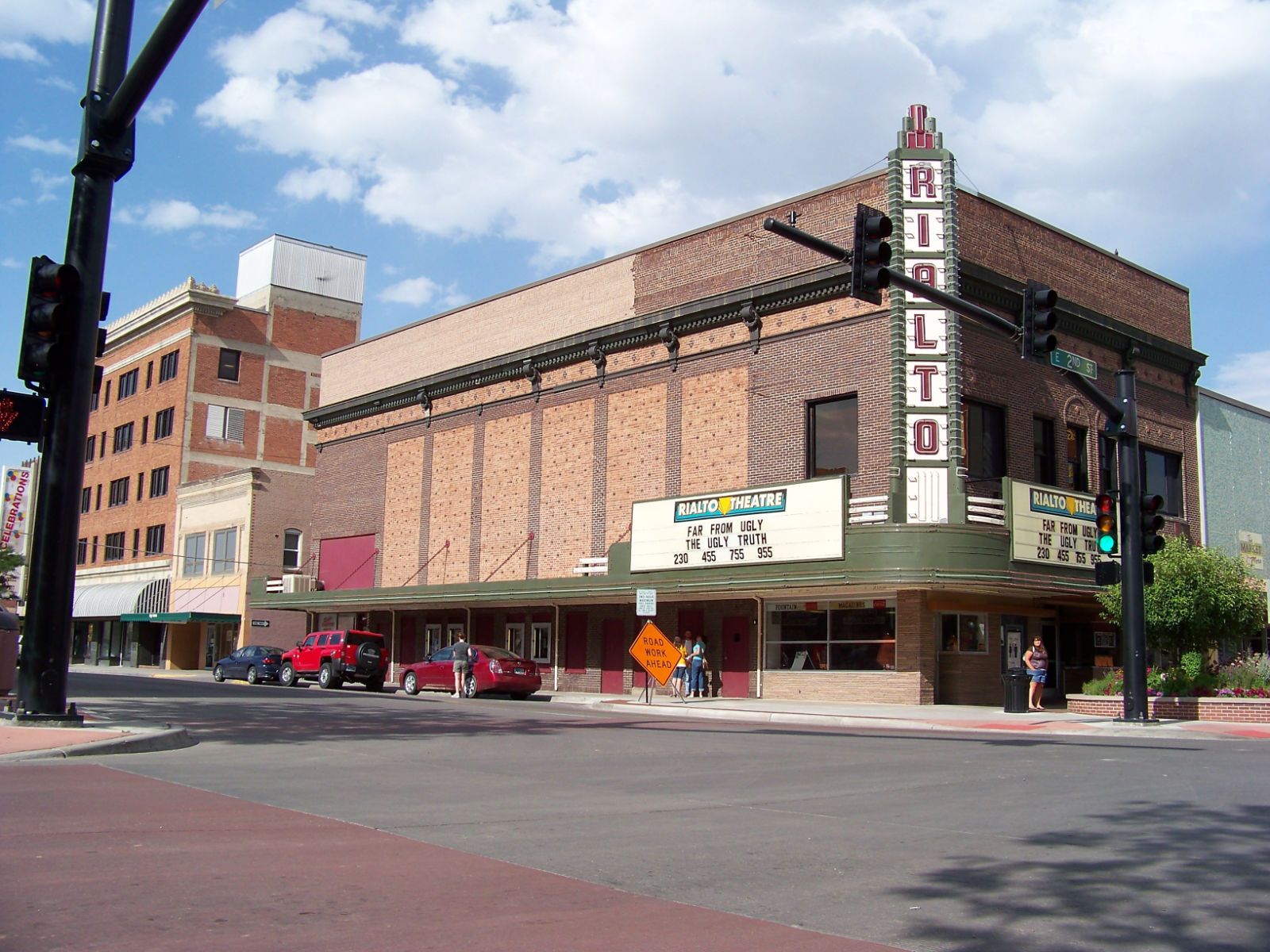
Casper is nicknamed "The Oil City" and has a long history of oil boomtown and cowboy culture, dating back to the development of the nearby Salt Creek Oil Field. Landmarks include Fort Caspar, North Casper Clubhouse and Rialto Theatre. Casper is the birthplace of Lynne Cheney, second Lady of the United States from 2001 to 2009.
Every piece is drawn from Casper's own map data and historic archives, then printed and shipped from the USA when you order. No two towns look alike.
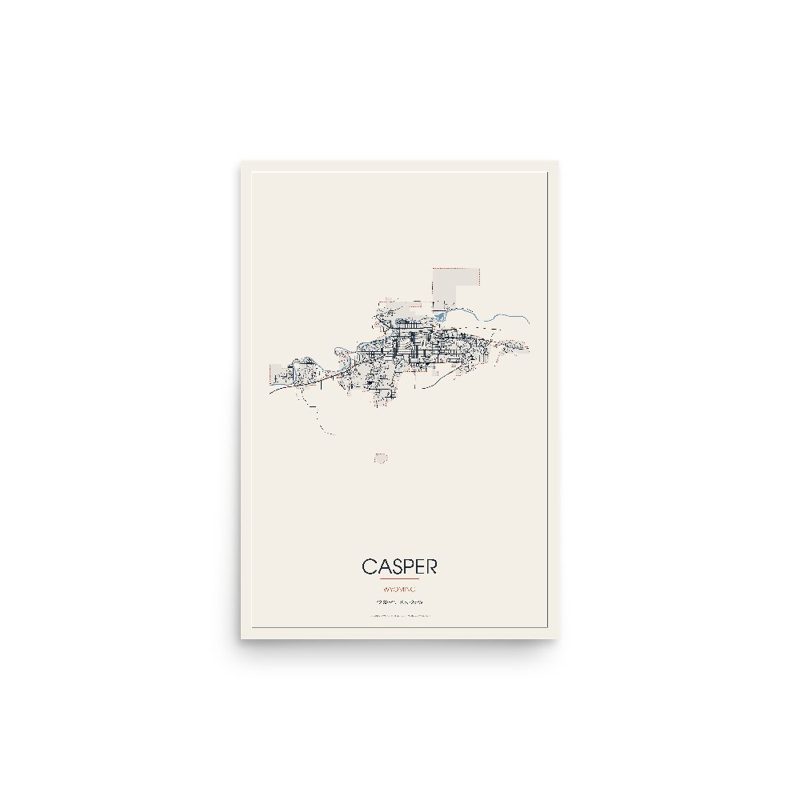
Every road in town, on archival matte paper
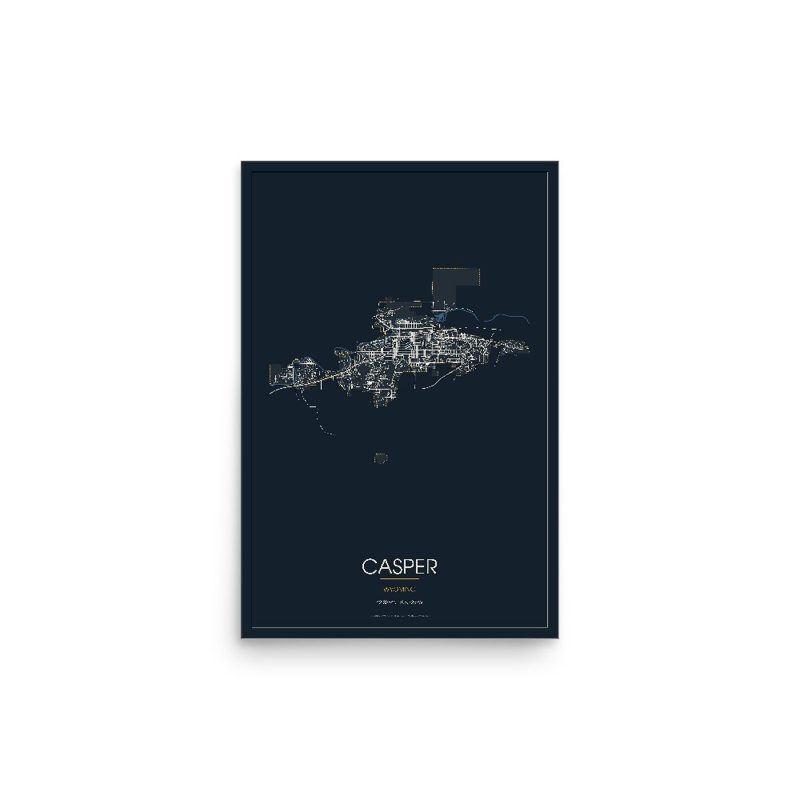
The same map, in navy and silver
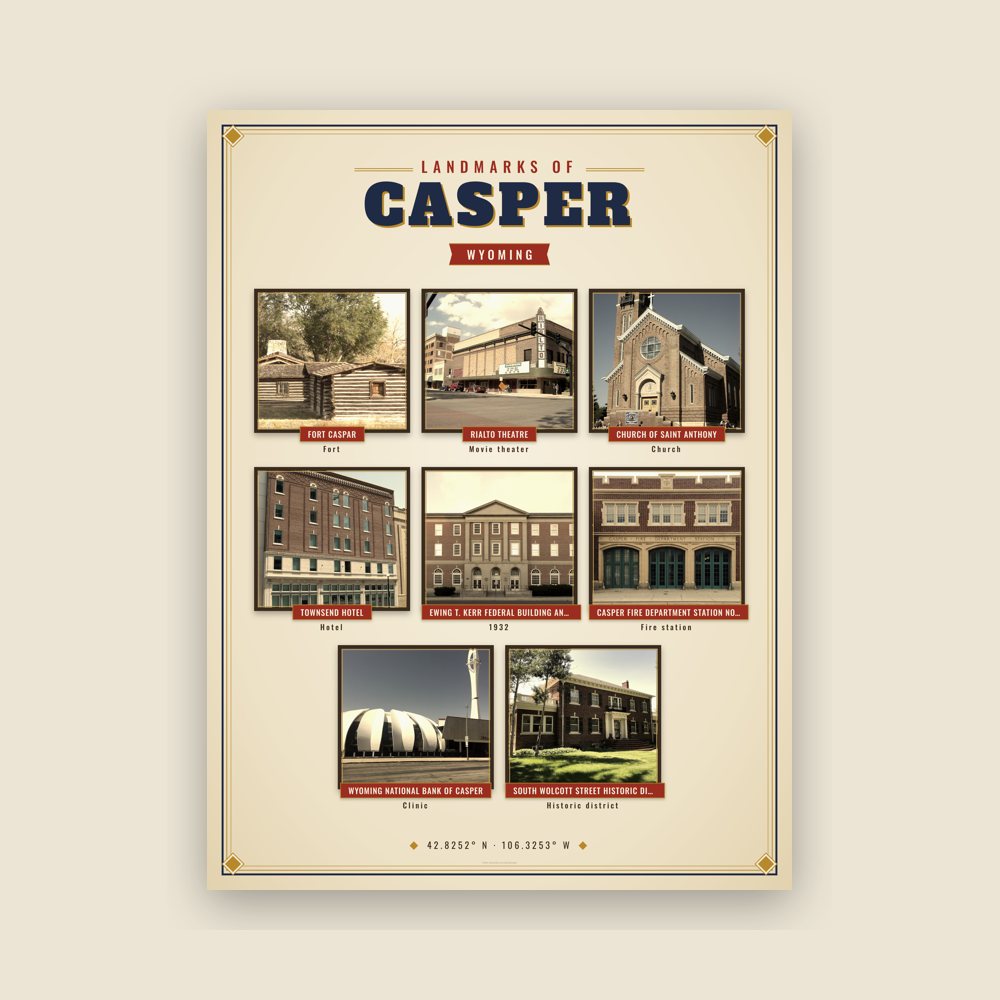
Nine local landmarks, archival matte
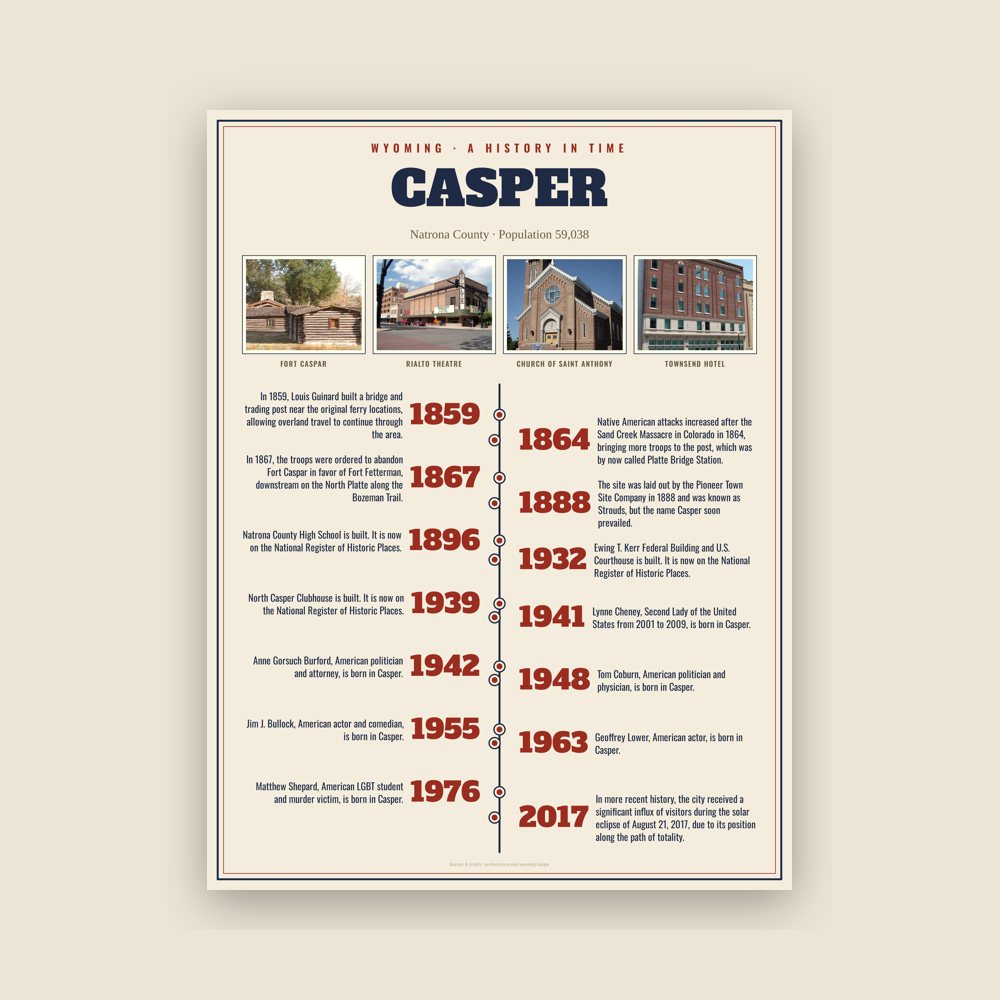
The town's story in dates, from its own records, for home or classroom
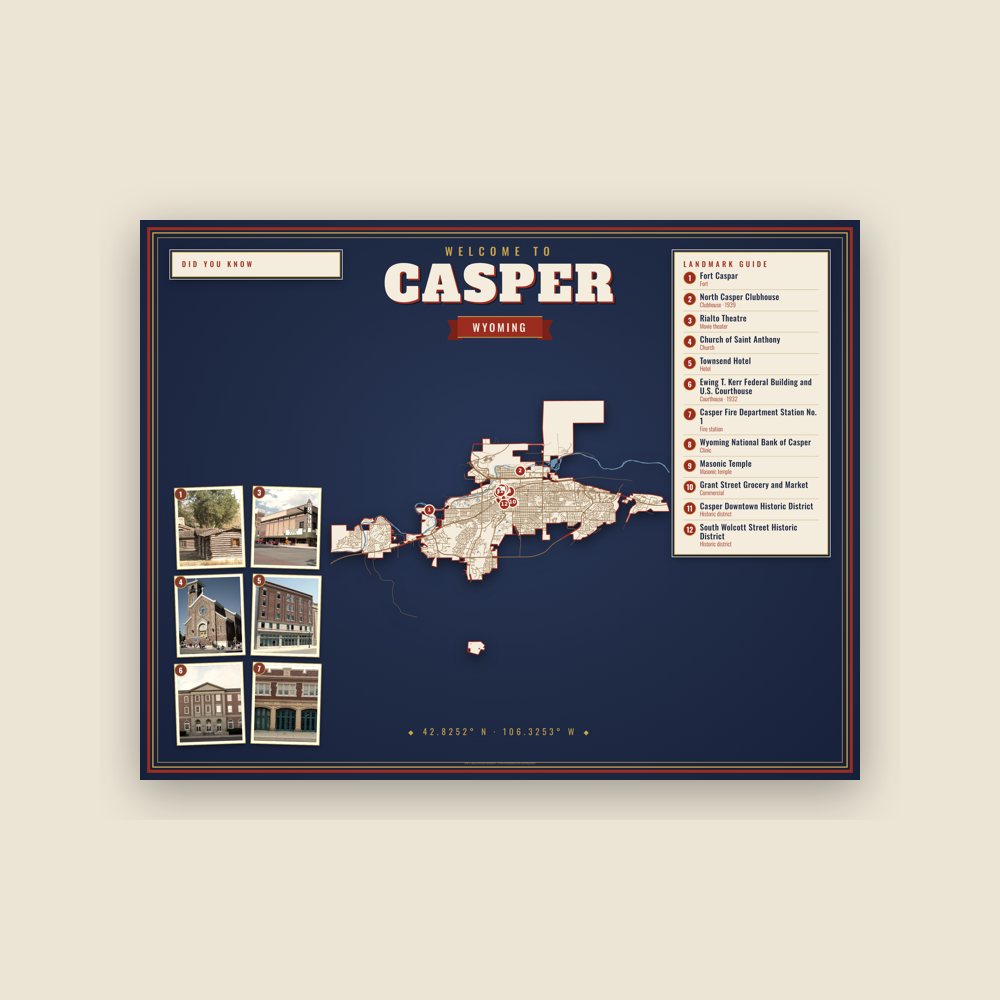
Map of local landmarks, washable fabric
Heavy-blend fleece, street map printed on the back
Soft Bella+Canvas jersey
Glossy ceramic, dishwasher safe
Ceramic keepsake, gold ribbon
Weatherproof, for the front walk
24″×16″, printed coir-look fibers, rubber back
12″×12″ printed wood, ready to hang
Soft-touch, zip cover

Sturdy all-over-print tote
Glossy top, cork back
Soft fleece, 50″×60″
20 oz, double-wall stainless
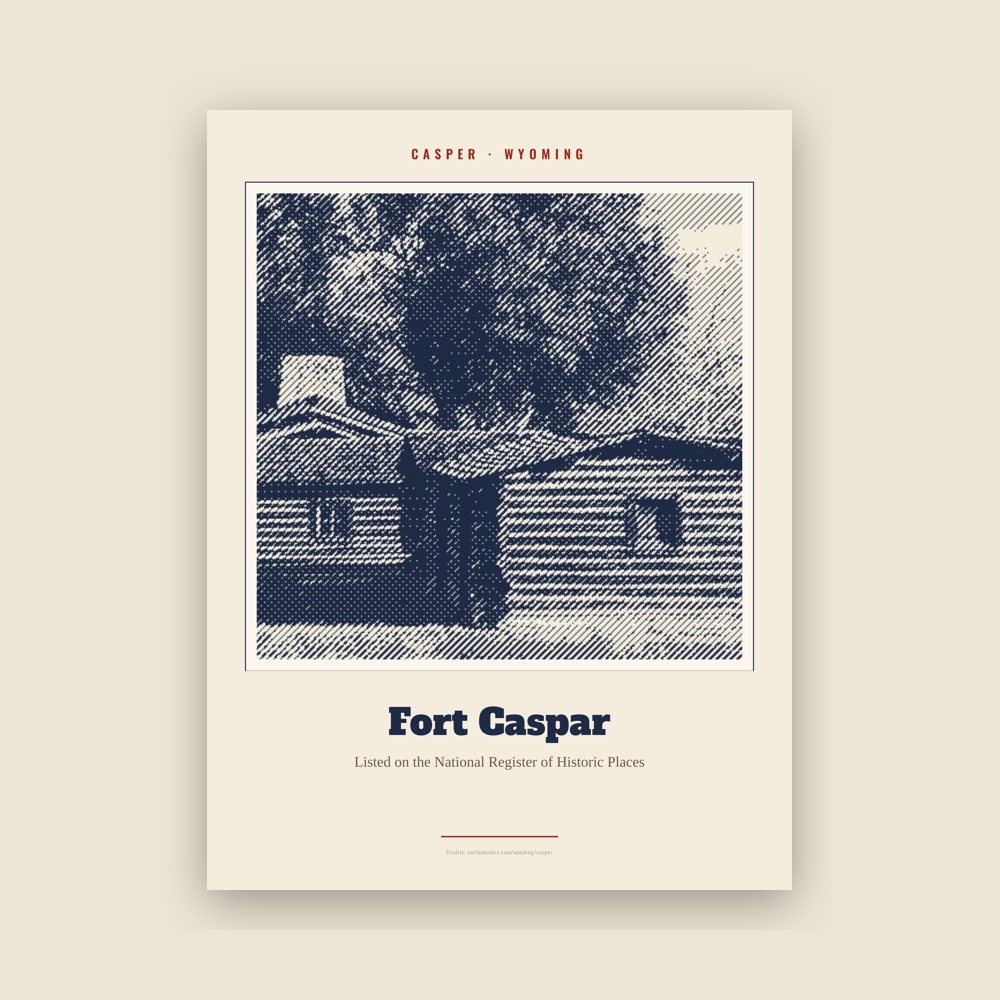
Archival matte print of a local landmark, credited to its photographer

Archival matte print of a local landmark, credited to its photographer
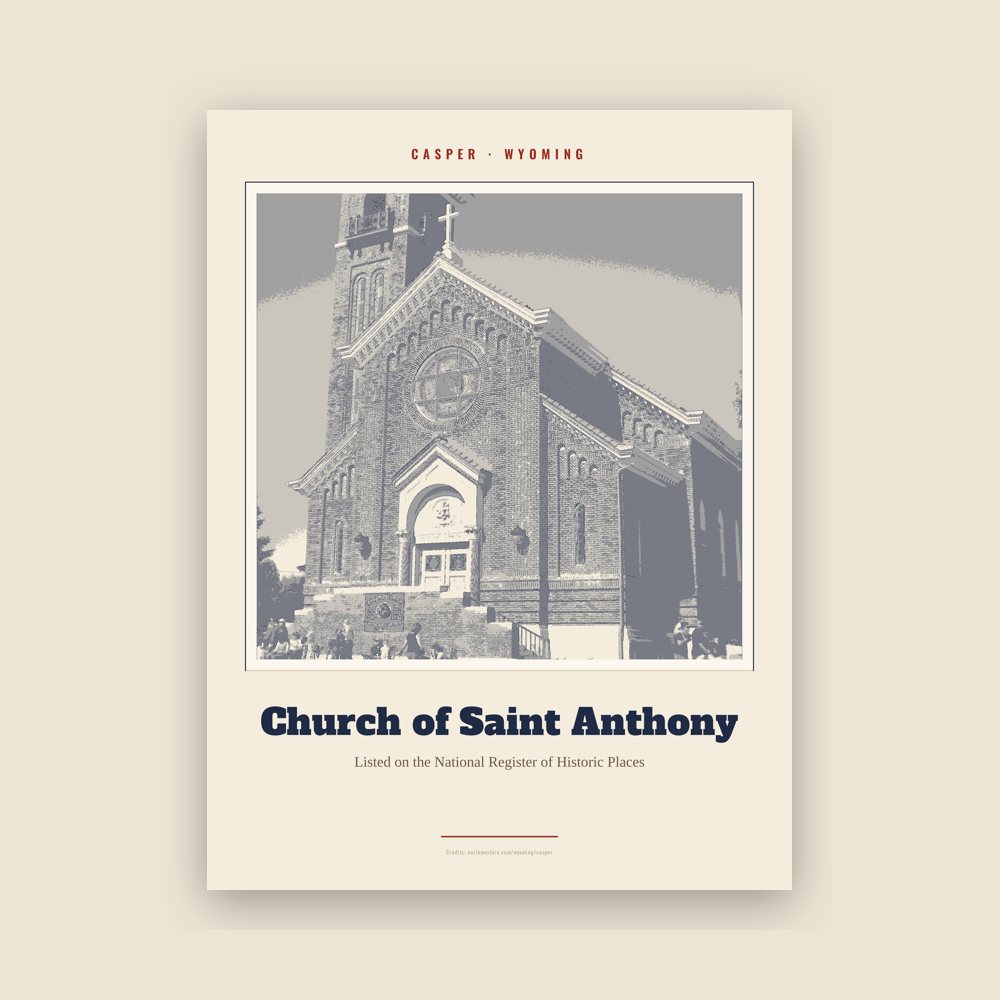
Archival matte print of a local landmark, credited to its photographer
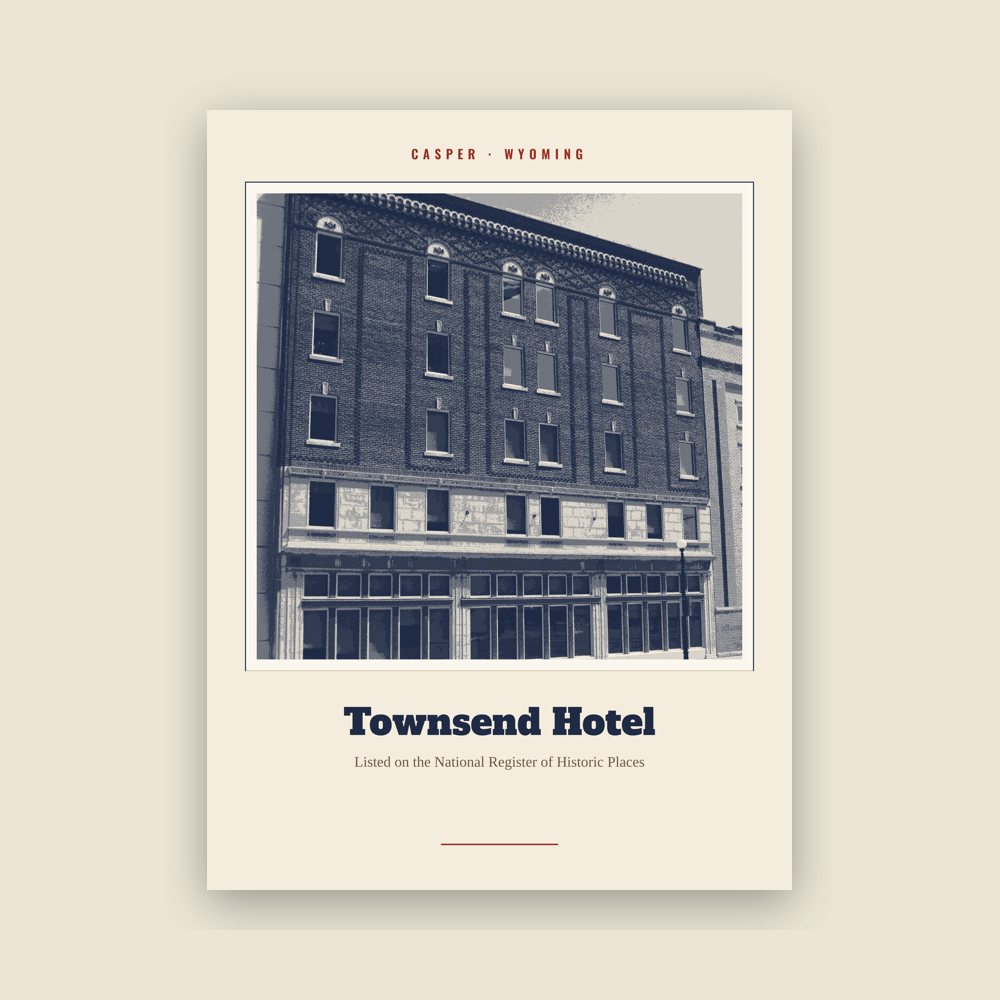
Archival matte print of a local landmark, credited to its photographer
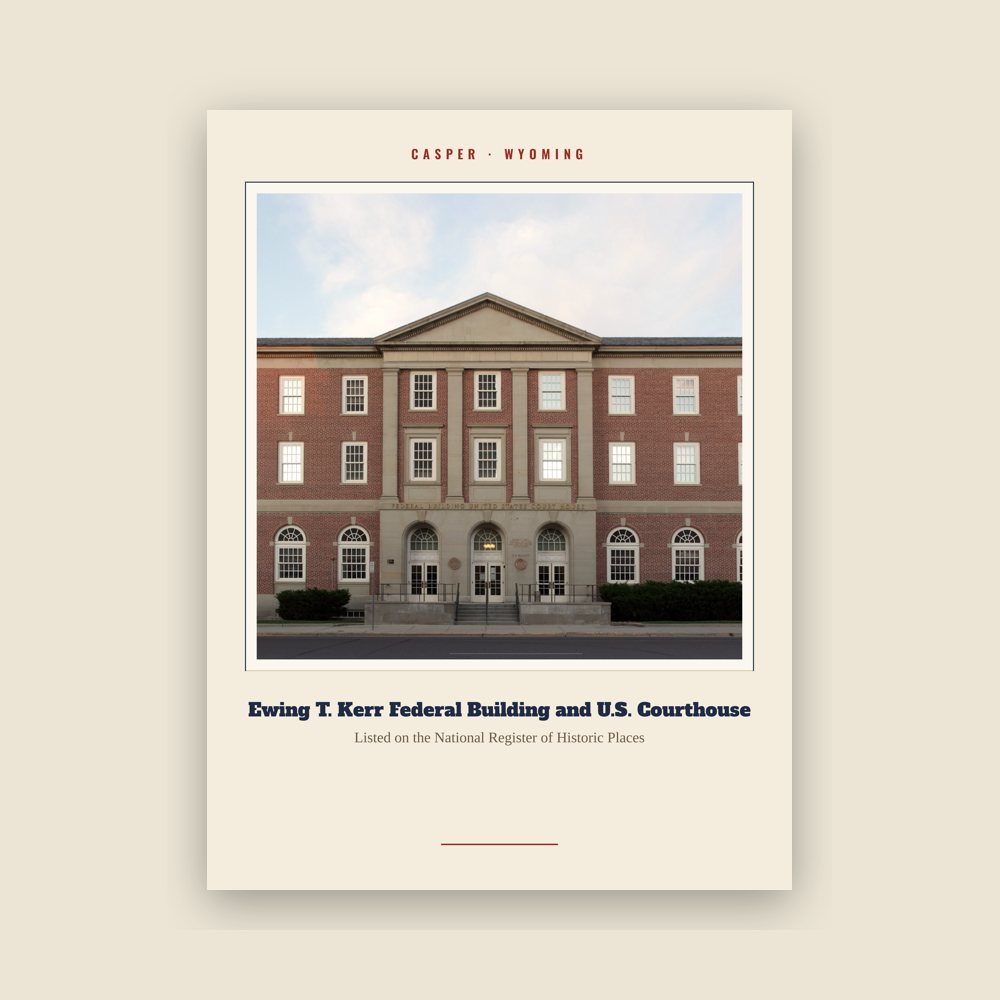
Archival matte print of a local landmark, credited to its photographer
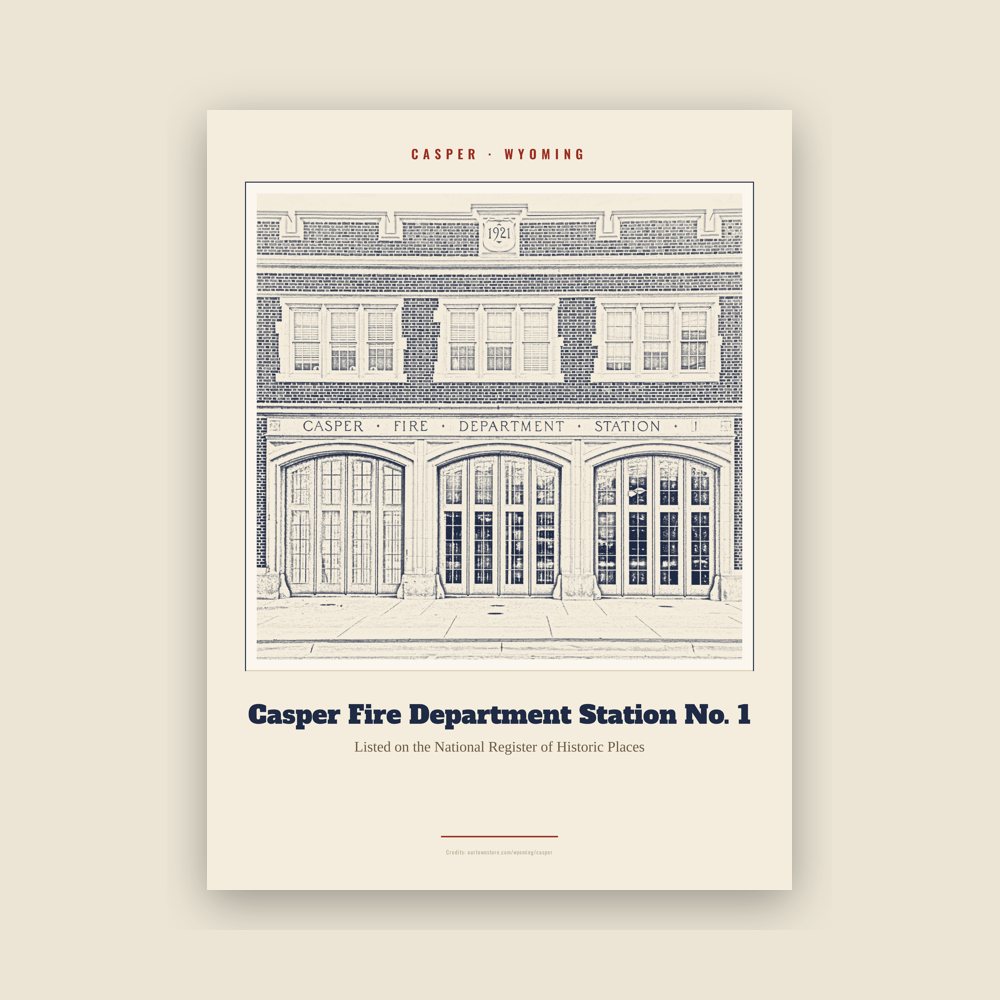
Archival matte print of a local landmark, credited to its photographer
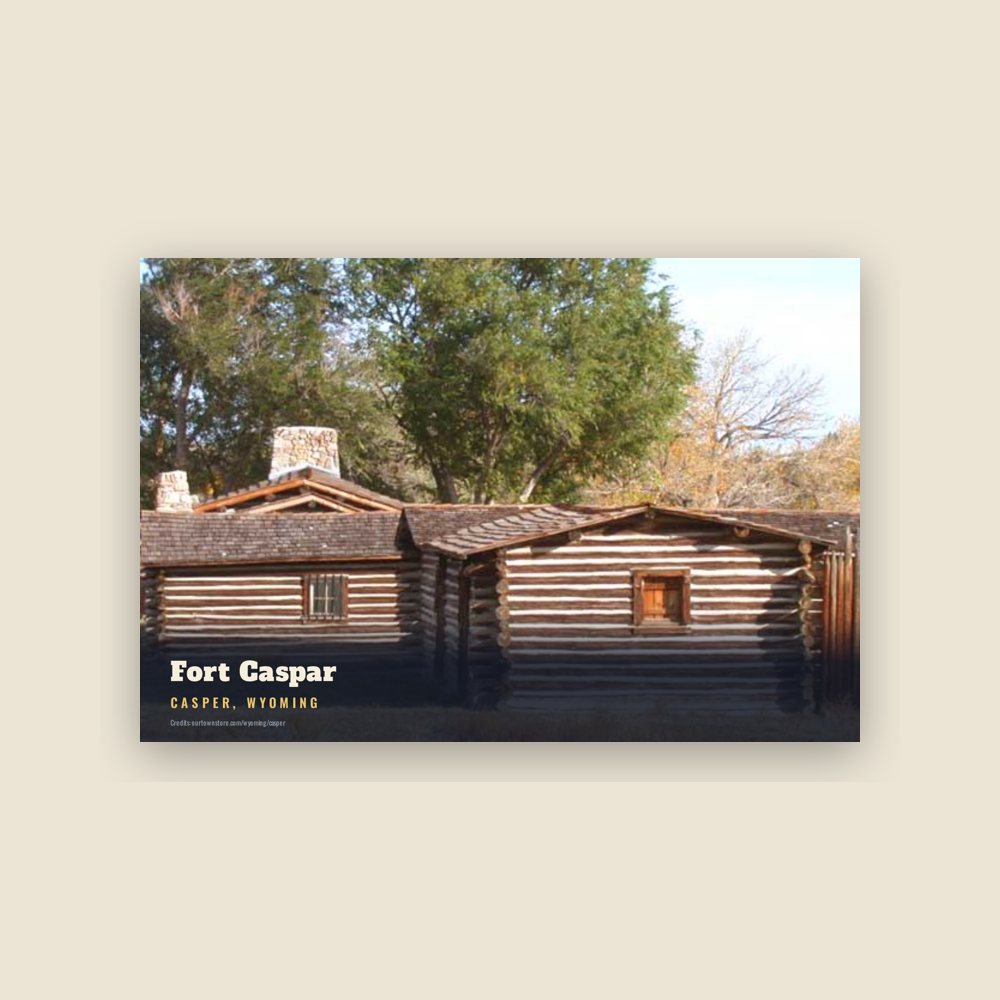
6″×4″ postcard, glossy front
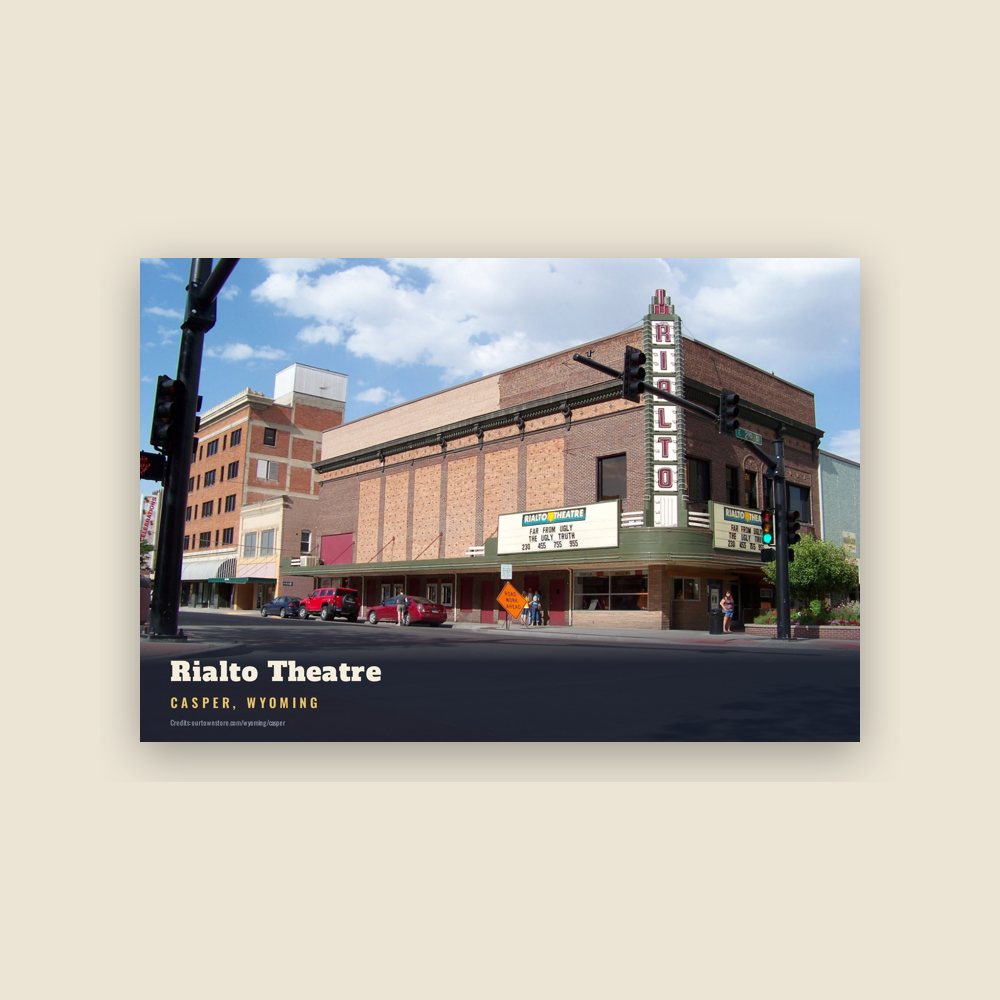
6″×4″ postcard, glossy front
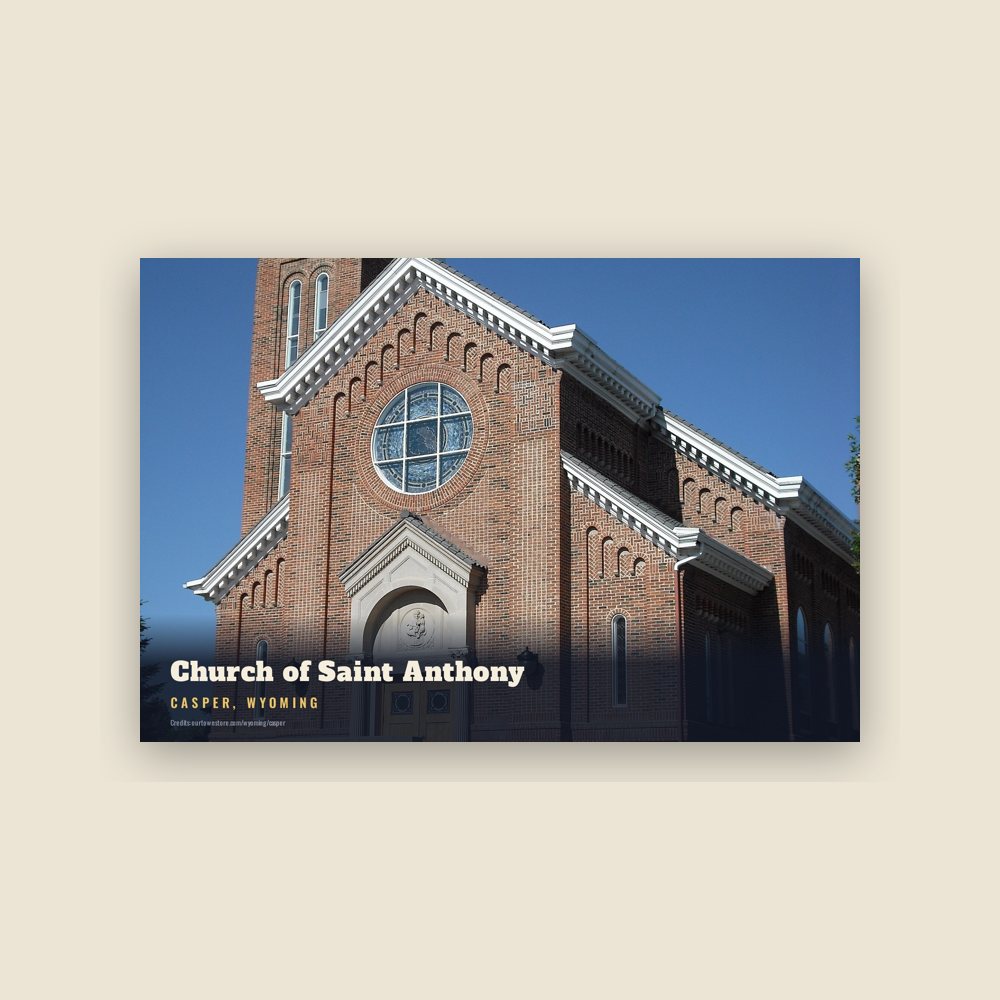
6″×4″ postcard, glossy front
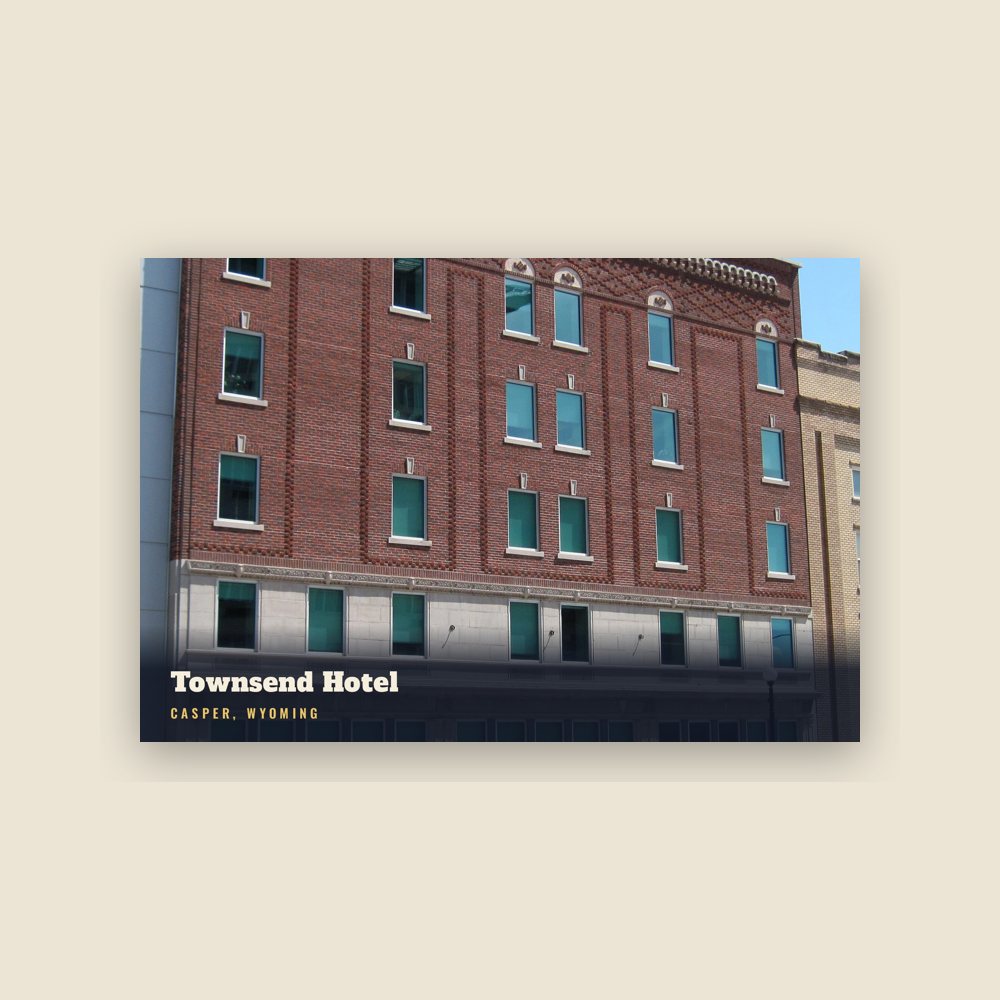
6″×4″ postcard, glossy front

6″×4″ postcard, glossy front
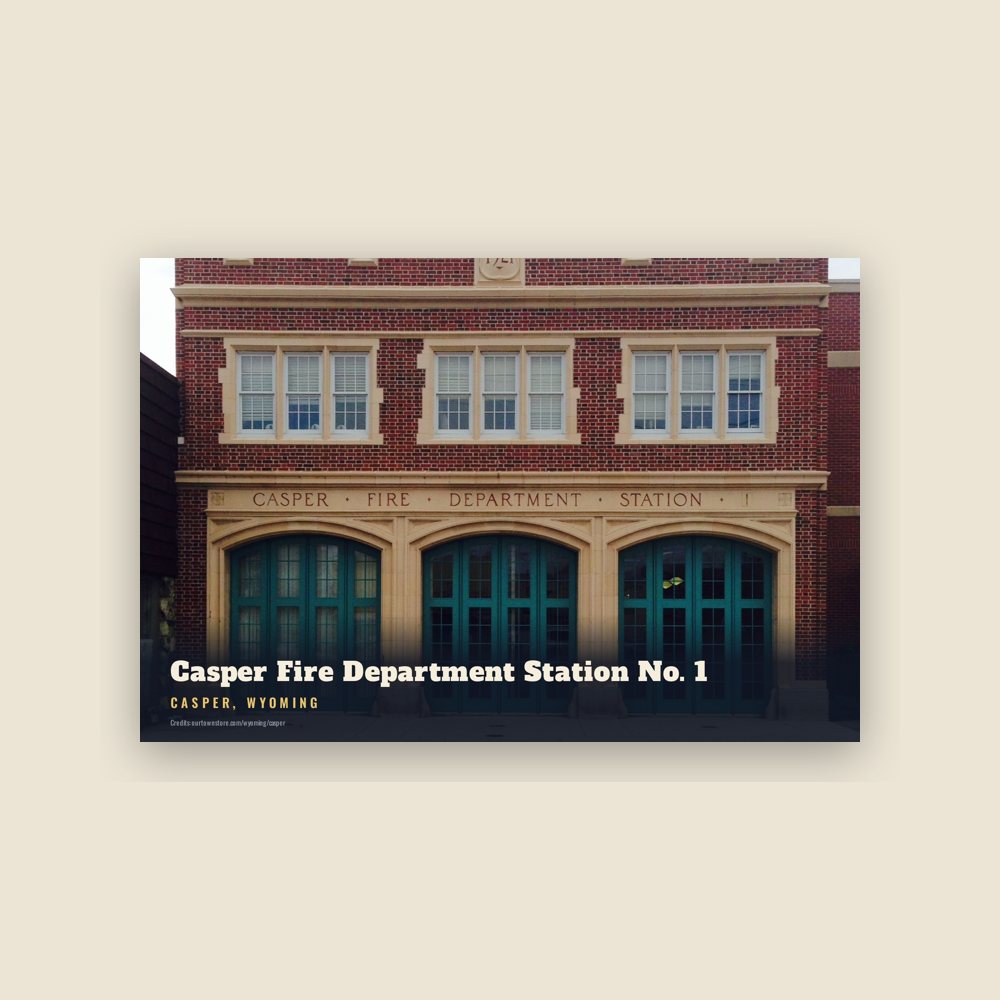
6″×4″ postcard, glossy front
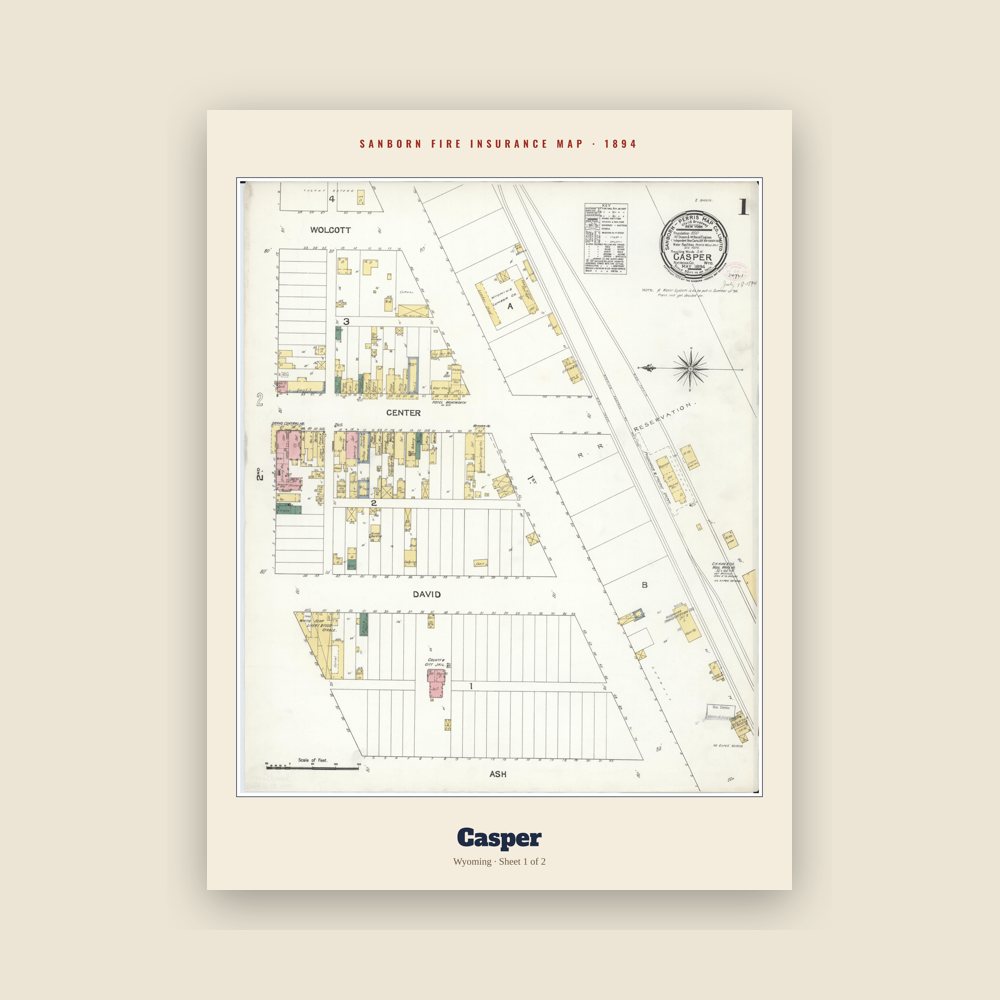
The town's earliest Sanborn fire-insurance map, drawn building by building and hand-coloured, from the Library of Congress
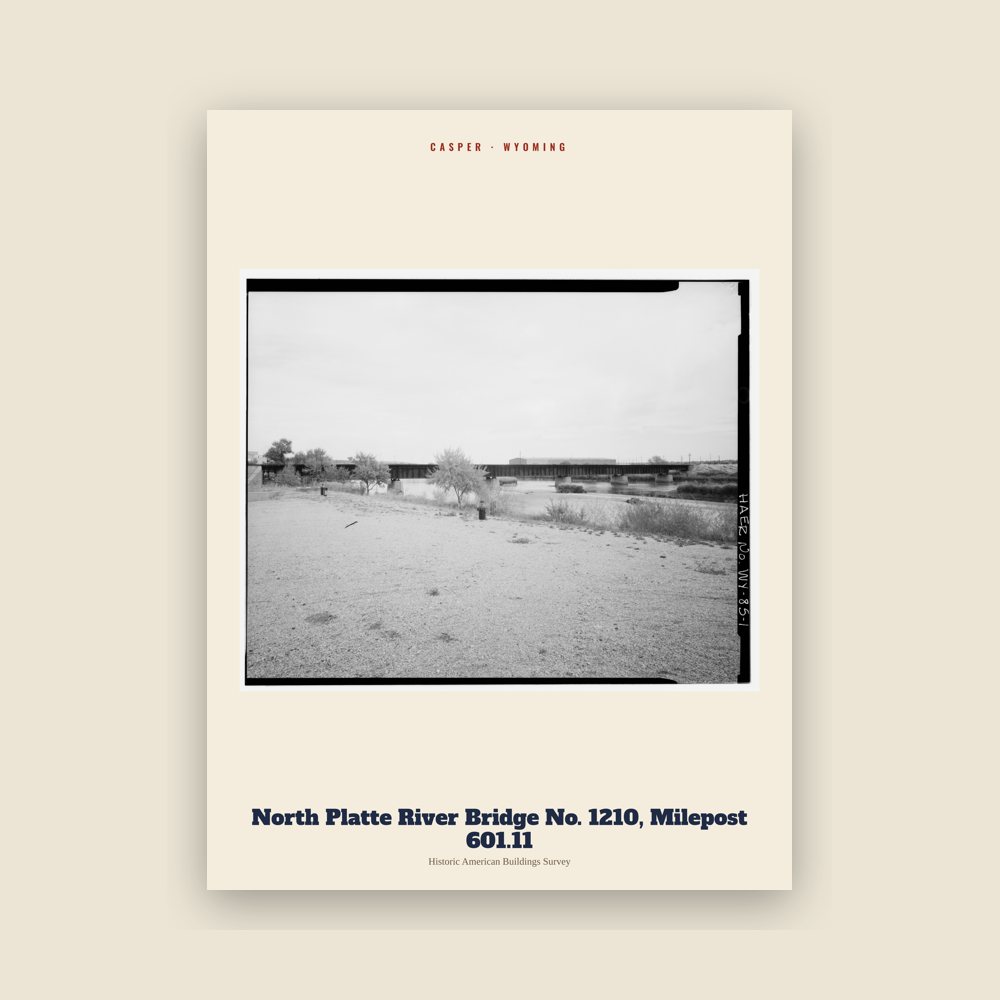
From the Library of Congress collections: a historic survey drawing or photograph of the town
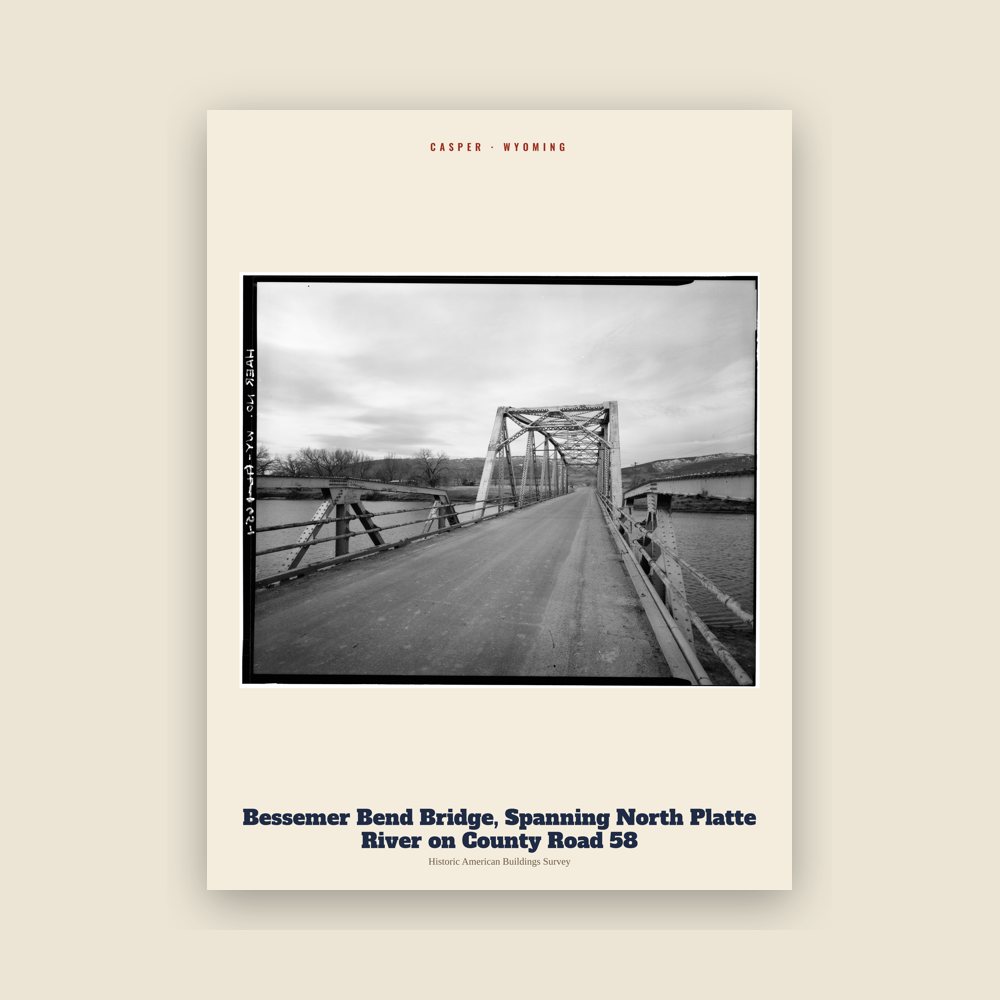
From the Library of Congress collections: a historic survey drawing or photograph of the town
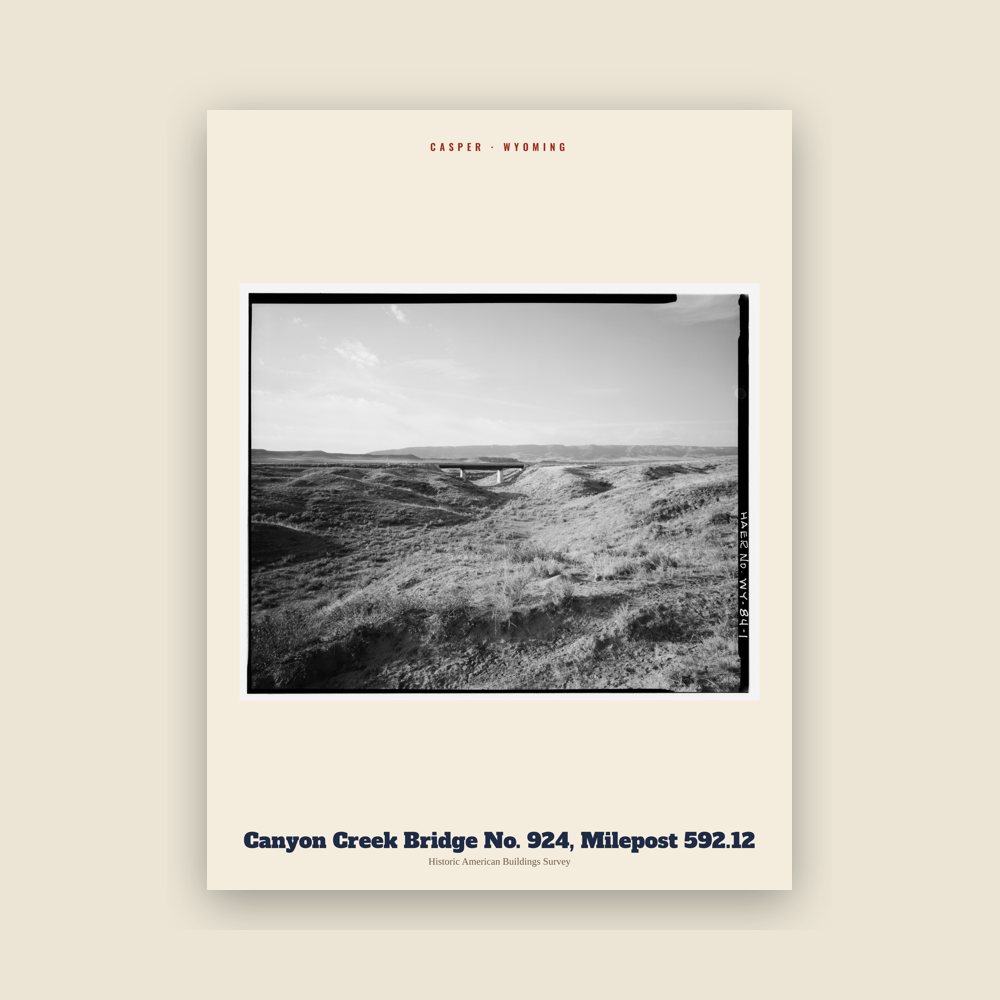
From the Library of Congress collections: a historic survey drawing or photograph of the town
Population 1900: 883 → 1910: 2,639 → 2010: 55,316 → 2020: 59,038
From Wikidata (CC0).
The city was established east of the former site of Fort Caspar, in an area that grew for European settlers during the mid-19th century mass migration of land seekers along the Oregon, California, and Mormon trails, where several nearby ferries offered passage across the North Platte River in the early 1840s. In 1859, Louis Guinard built a bridge and trading post near the original ferry locations, allowing overland travel to continue through the area.
The government also posted the military garrison to protect telegraph and mail service. It was under the command of Lieutenant Colonel William O. Collins. Native American attacks increased after the Sand Creek Massacre in Colorado in 1864, bringing more troops to the post, which was by now called Platte Bridge Station. In July 1865, Lt. Colonel William Collins' beloved son Lieutenant Caspar W. Collins was killed near the post by a group of Indian warriors, and three months later the garrison was renamed Fort Caspar in his son's honor.
In 1867, the troops were ordered to abandon Fort Caspar in favor of Fort Fetterman, downstream on the North Platte along the Bozeman Trail. However, the town itself was settled twenty years later in 1887, and incorporated a year later by developers as an anticipated stopping point during the expansion of the Wyoming Central Railway.
A site a few miles east was planned as the original site, where homesteader Joshua Stroud lived prior to the actual construction of the train station for the Chicago and North Western Railway. The site was laid out by the Pioneer Town Site Company in 1888 and was known as Strouds, but the name Casper soon prevailed. While the name is derived from Fort Caspar and Lt. Caspar Collins, it is officially named "Casper" due to a typo occurring during the official registration.
Casper was an early commercial rival to both Bessemer and Douglas, Wyoming. The absence of a railhead doomed Bessemer in favor of Casper, while Douglas, also a railhead, survives to the present day. This rail presence also made Casper the starting off point for the "invaders" in the Johnson County War, since the chartered train carrying the men from Texas stopped at Casper.
In more recent history, the city received a significant influx of visitors during the solar eclipse of August 21, 2017, due to its position along the path of totality.
Adapted (trimmed) from the Wikipedia article Casper, Wyoming, revision 1379943684 by its contributors, licensed CC BY-SA 4.0.
We share a part of every Casper sale with local partners, and we'd love to print from your collection. Old photographs, maps and postcards make the best keepsakes.
Partner with us