A short history of Wilkeson
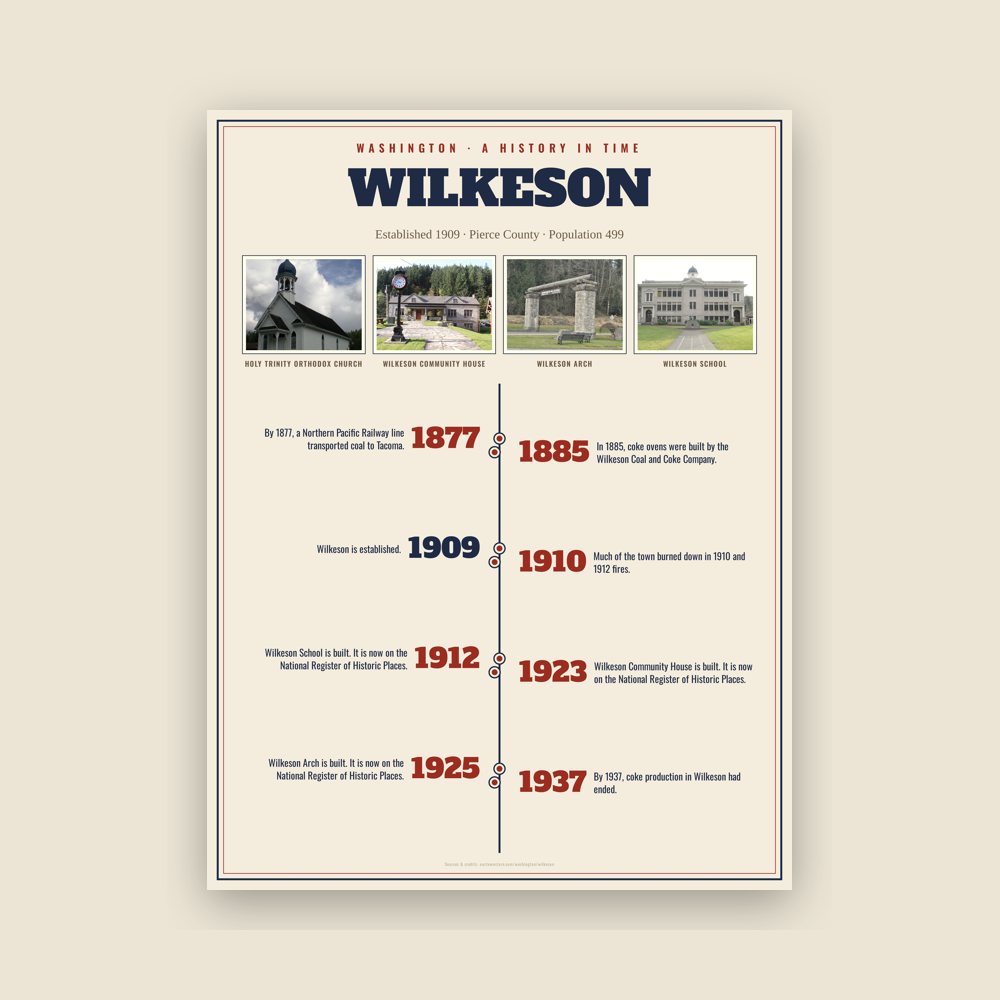
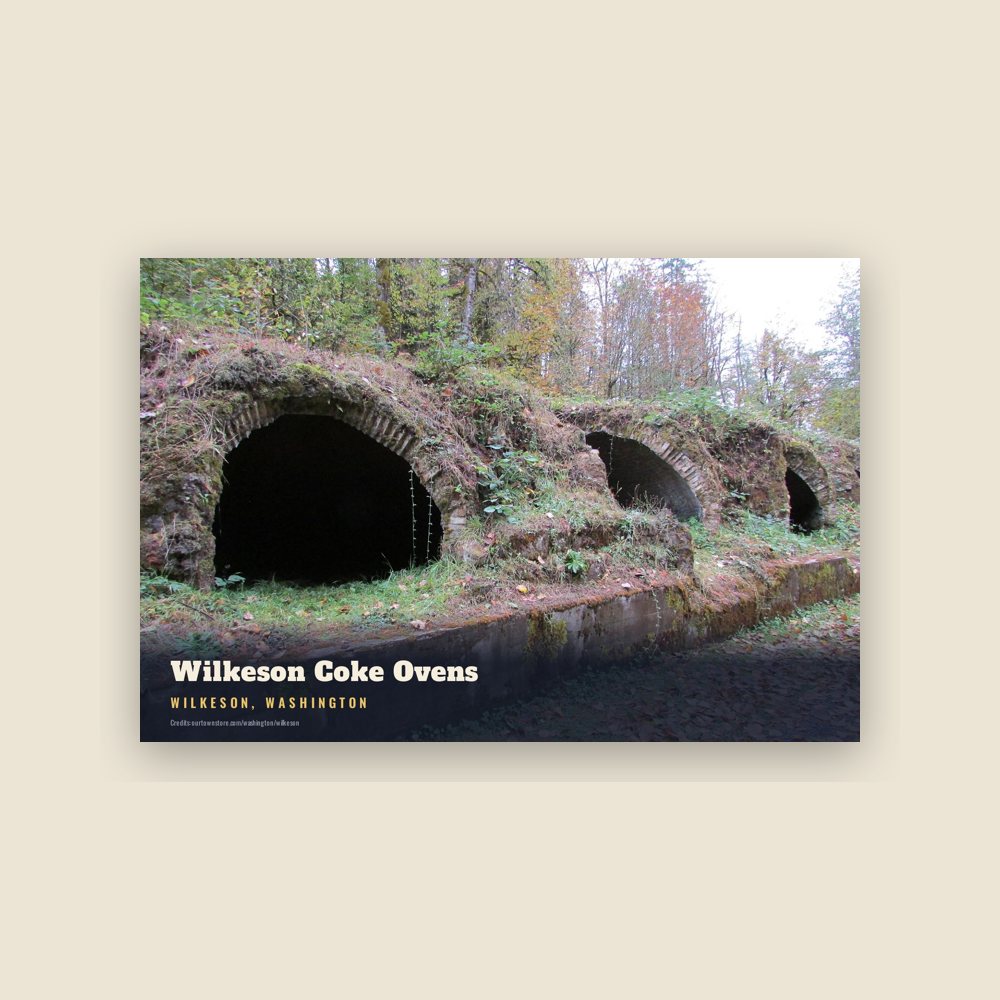
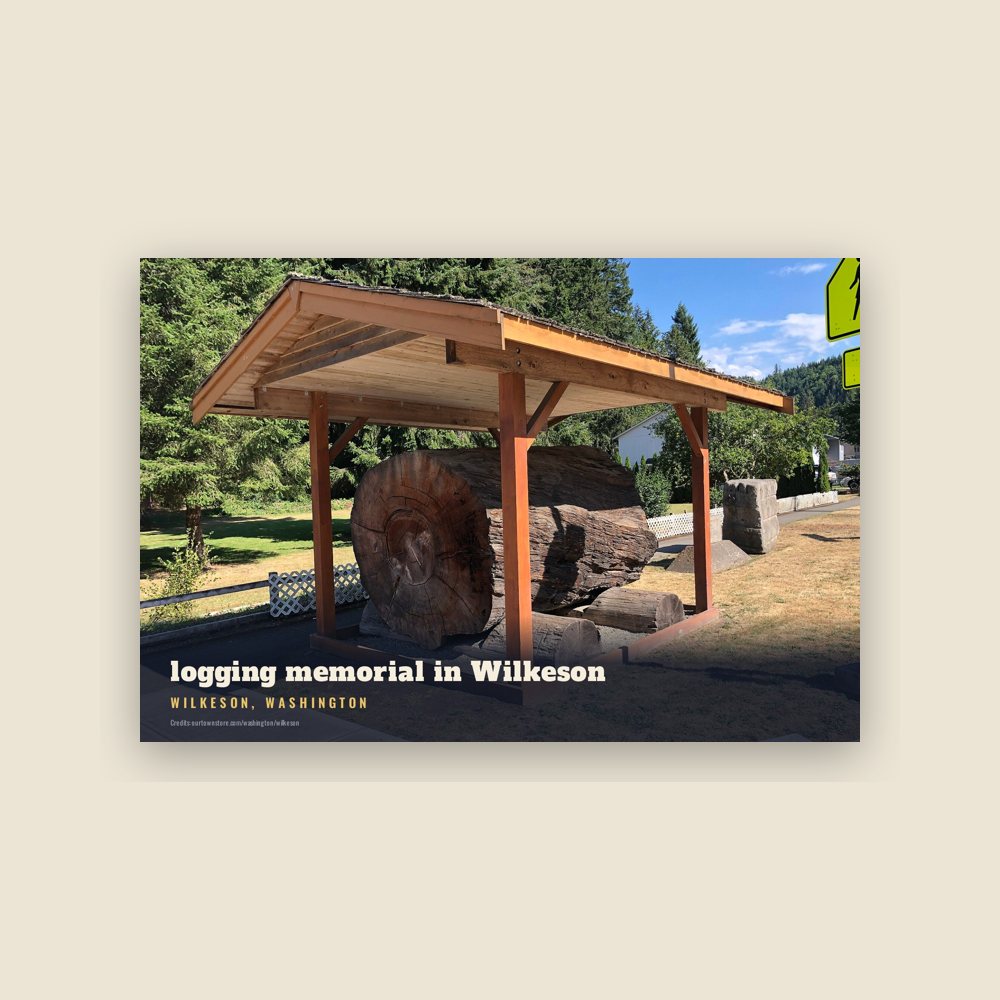
Settlers searching for coal arrived in the area that became Wilkeson in the 1870s. By 1877, a Northern Pacific Railway line transported coal to Tacoma. Northern Pacific Railway president Henry Villard hired geologist Bailey Willis to direct field explorations of the coal fields around Wilkeson. Much of the property of Wilkeson was purchased by Northern Pacific Railway, with the remaining part of town known as Hope. In 1885, coke ovens were built by the Wilkeson Coal and Coke Company. In addition to coal, Wilkeson shipped timber and sandstone across Washington.
Wilkeson was officially incorporated on July 18, 1909. The town is named for Samuel Wilkeson, father of journalist and pioneer settler Frank Wilkeson.
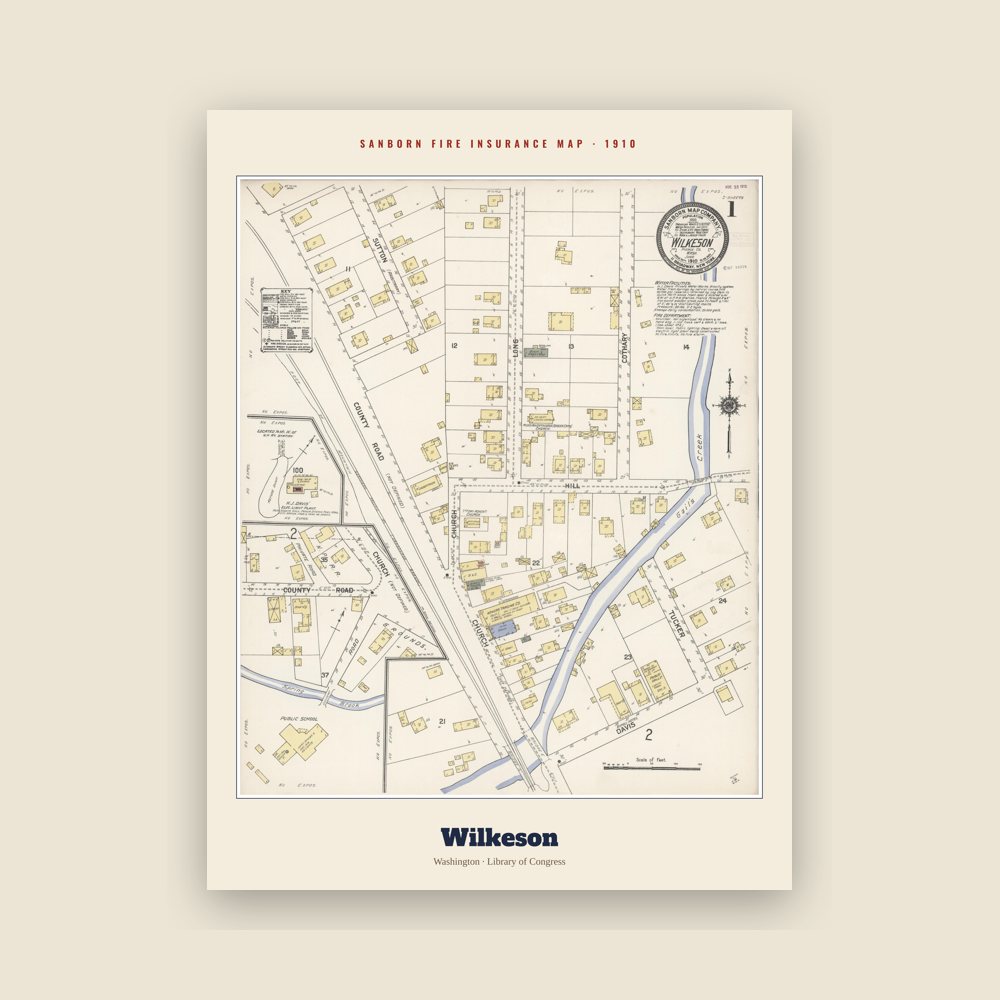
At its peak, Wilkeson had a newspaper, cigar factory, two electric plants, two theaters, two bakeries, and a bottling plant. Much of the town burned down in 1910 and 1912 fires. By 1937, coke production in Wilkeson had ended.
Although it was known as a ghost town for a time, people began moving to Wilkeson in the late 20th century, many who commute to Enumclaw, Bellevue, and Seattle for work. Town improvements are paid for by a 160-acre tree farm managed by the town. Its new sewage treatment plant includes 900 feet of sewer lines replaced by volunteers. During this time, town management and activities were marked by a tension between a preservationist faction and an environmentalist faction.
Adapted (trimmed) from the Wikipedia article Wilkeson, Washington, revision 1379976890 by its contributors, licensed CC BY-SA 4.0.
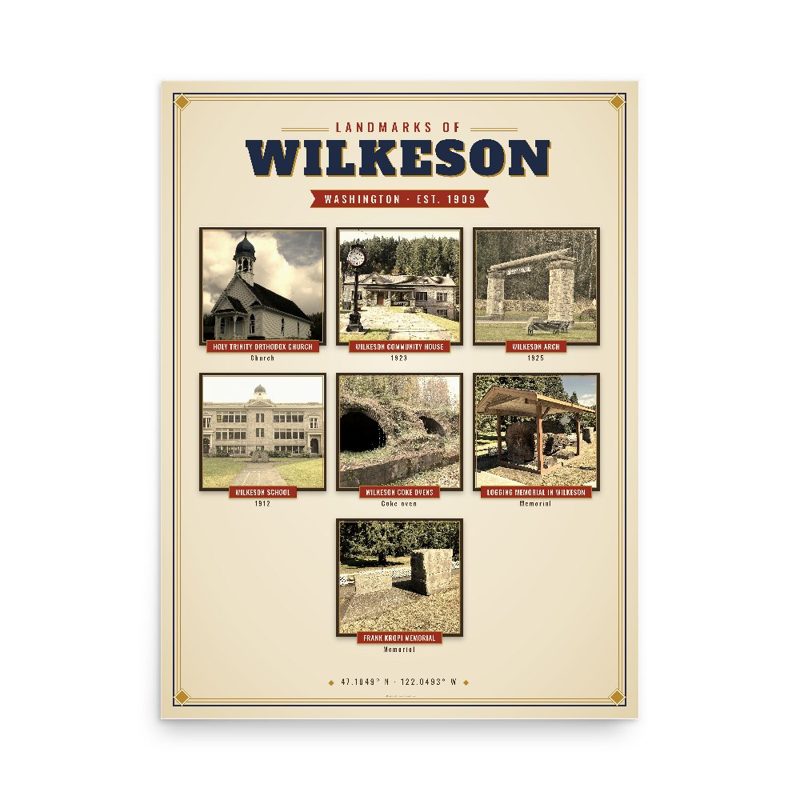
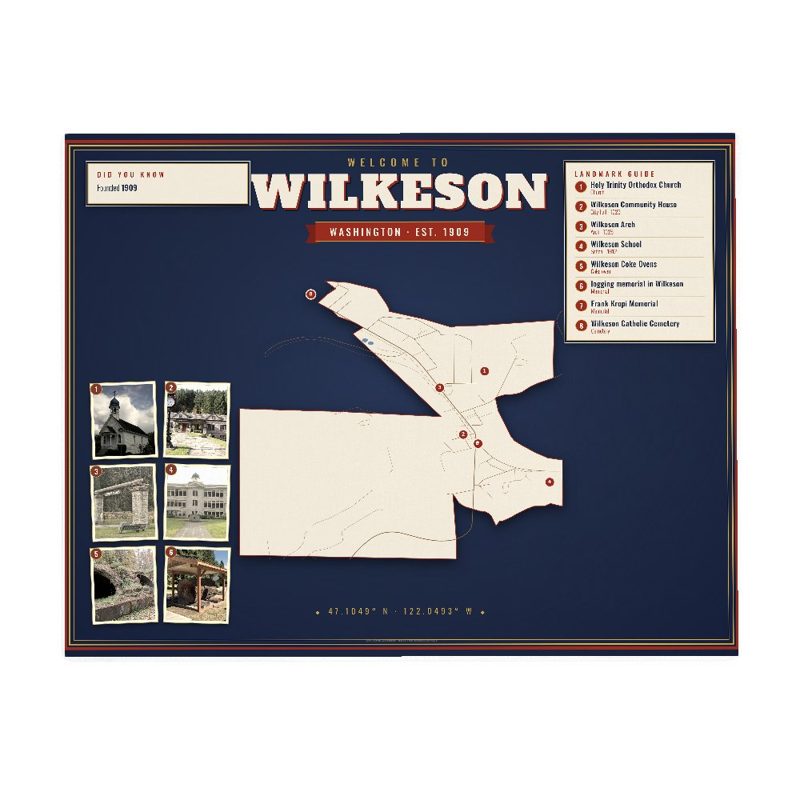






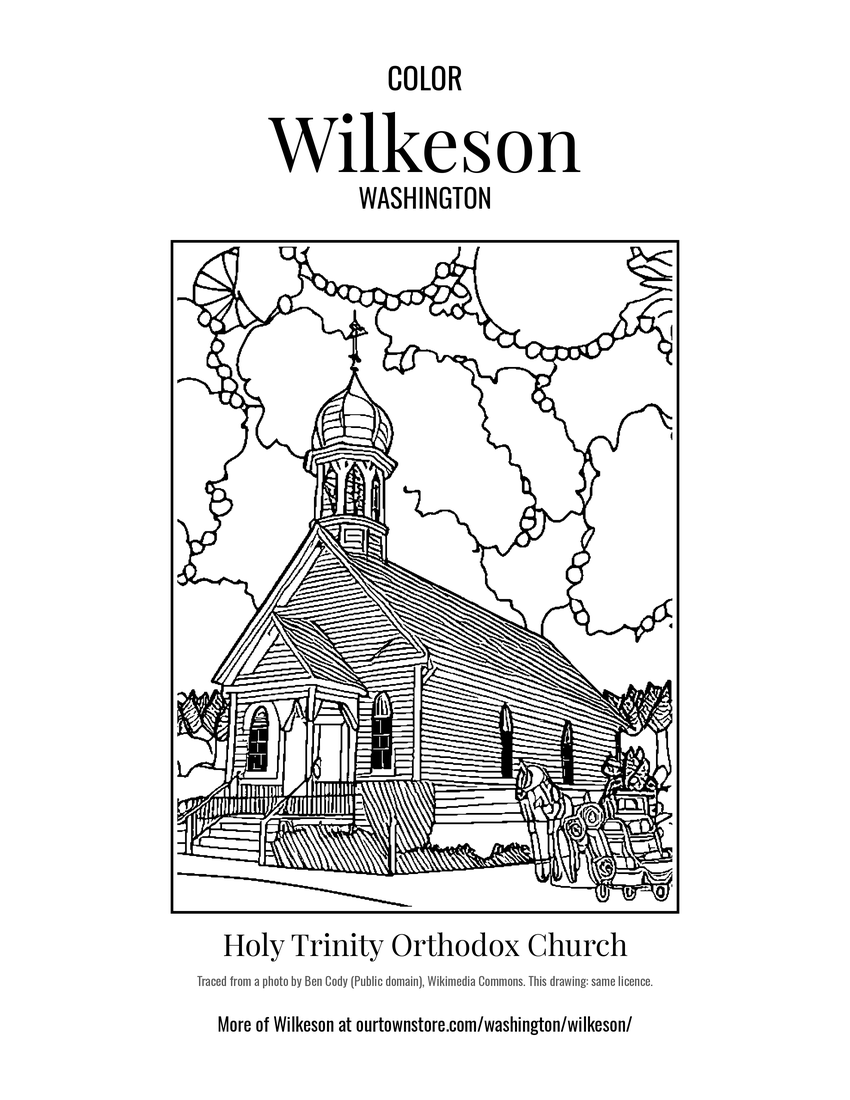 Holy Trinity Orthodox Church
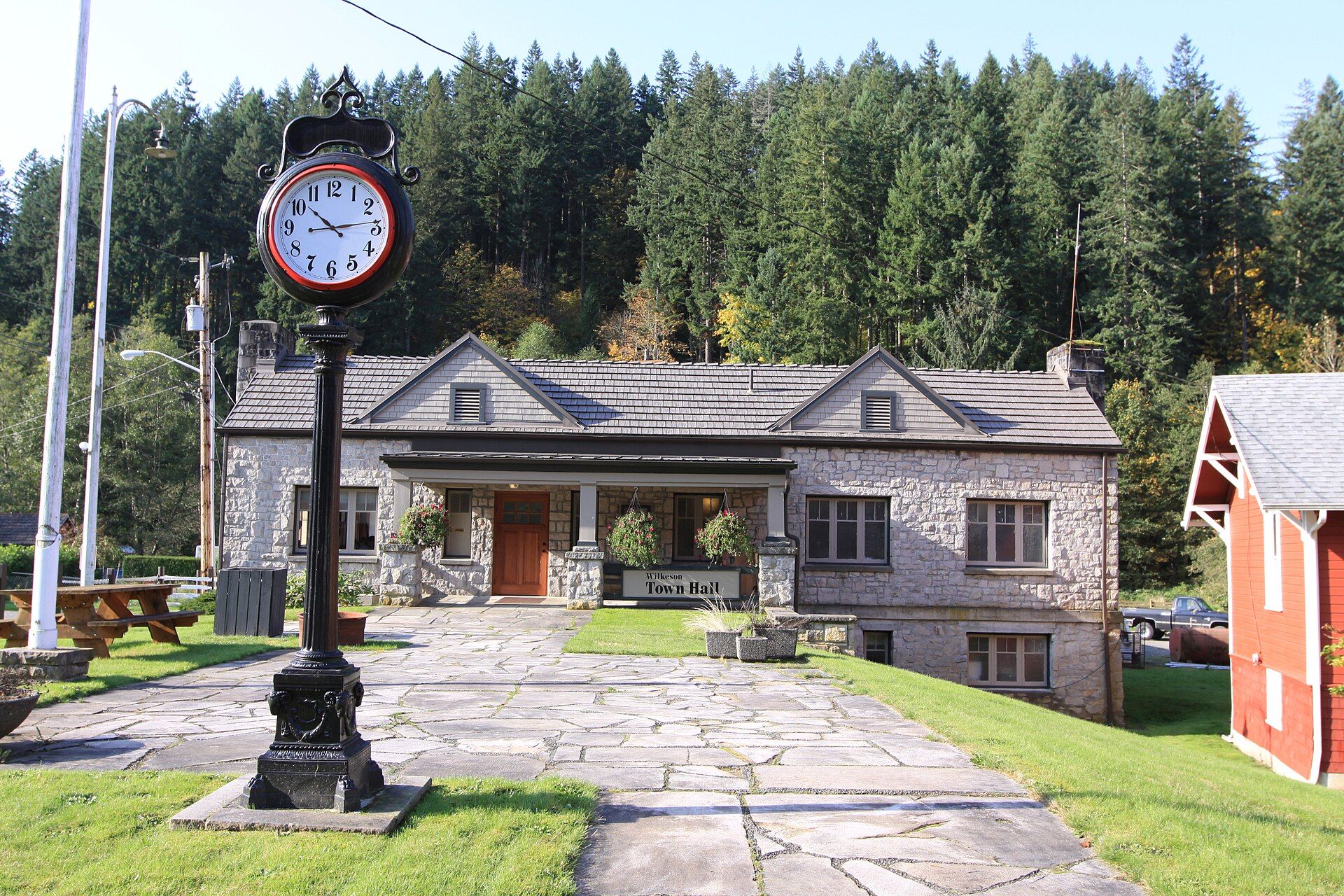
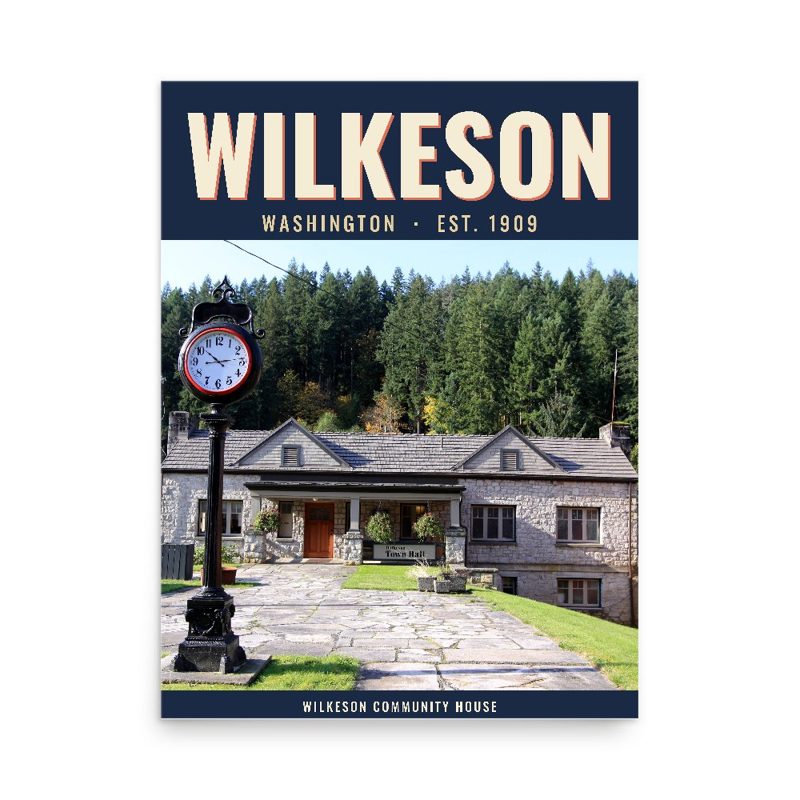
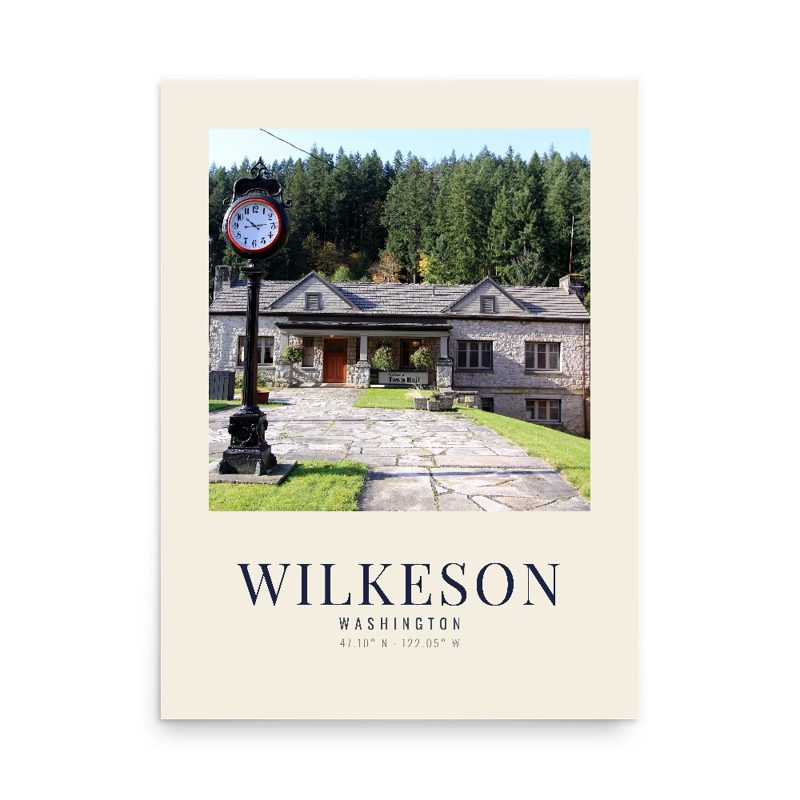
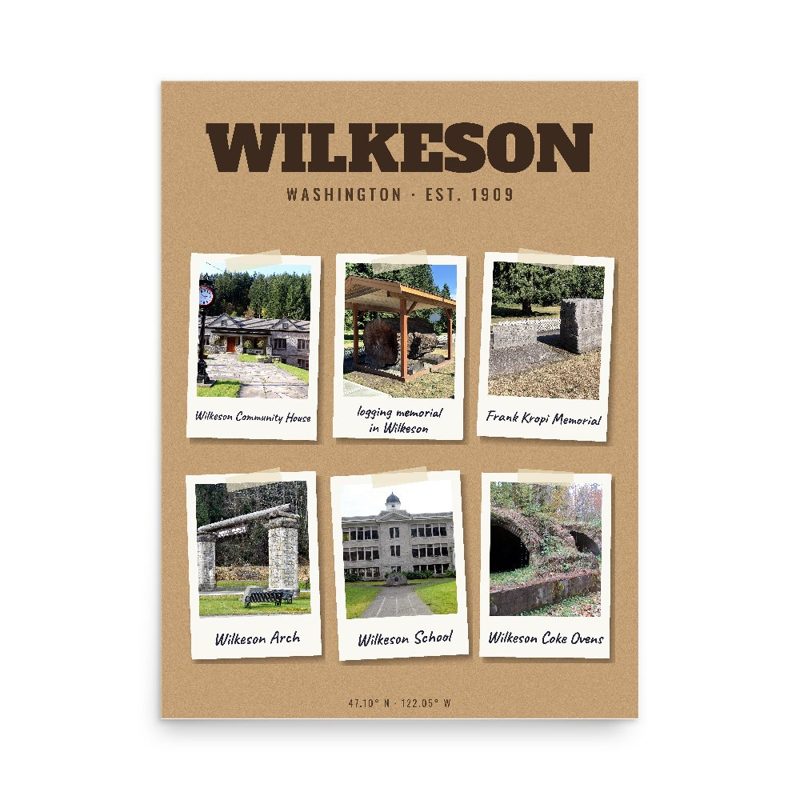
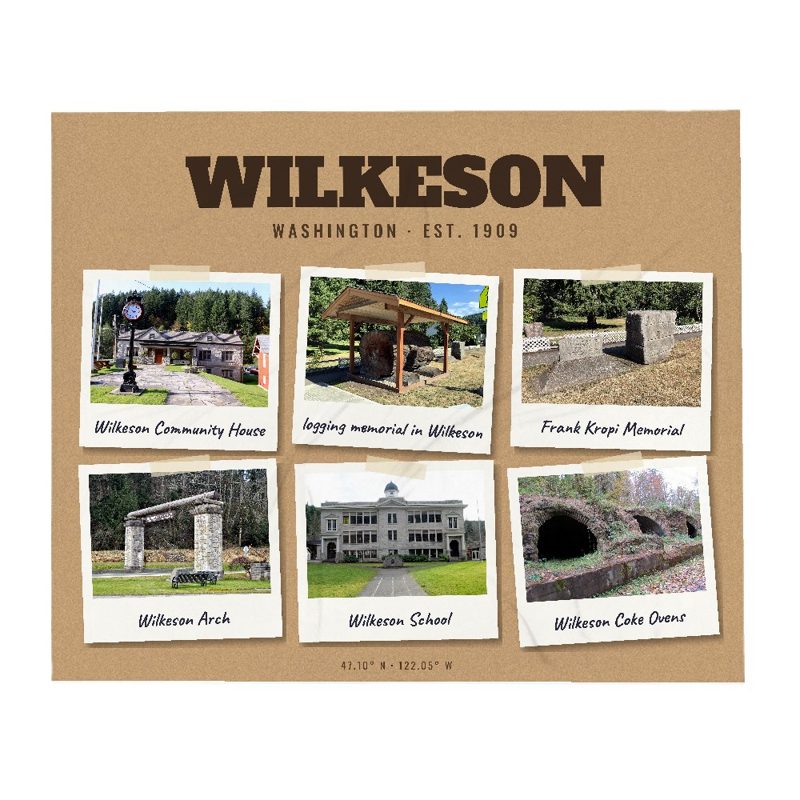
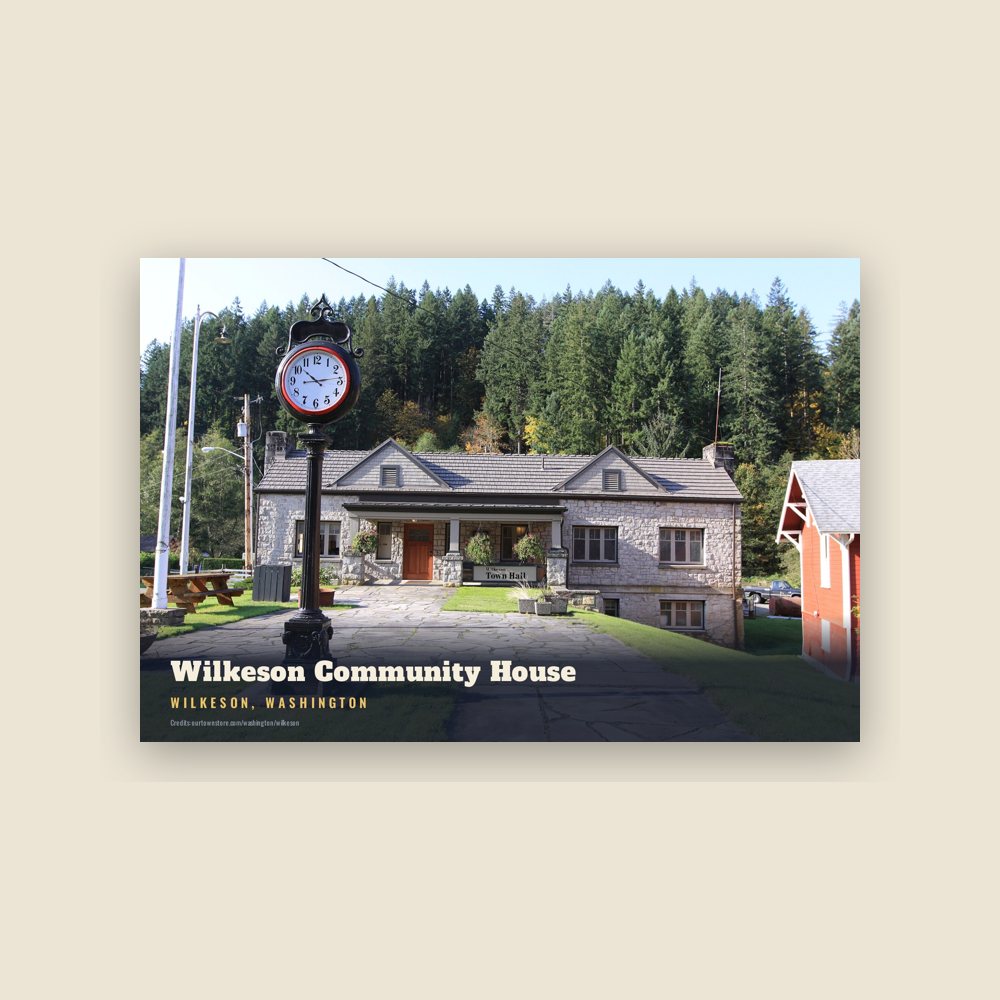
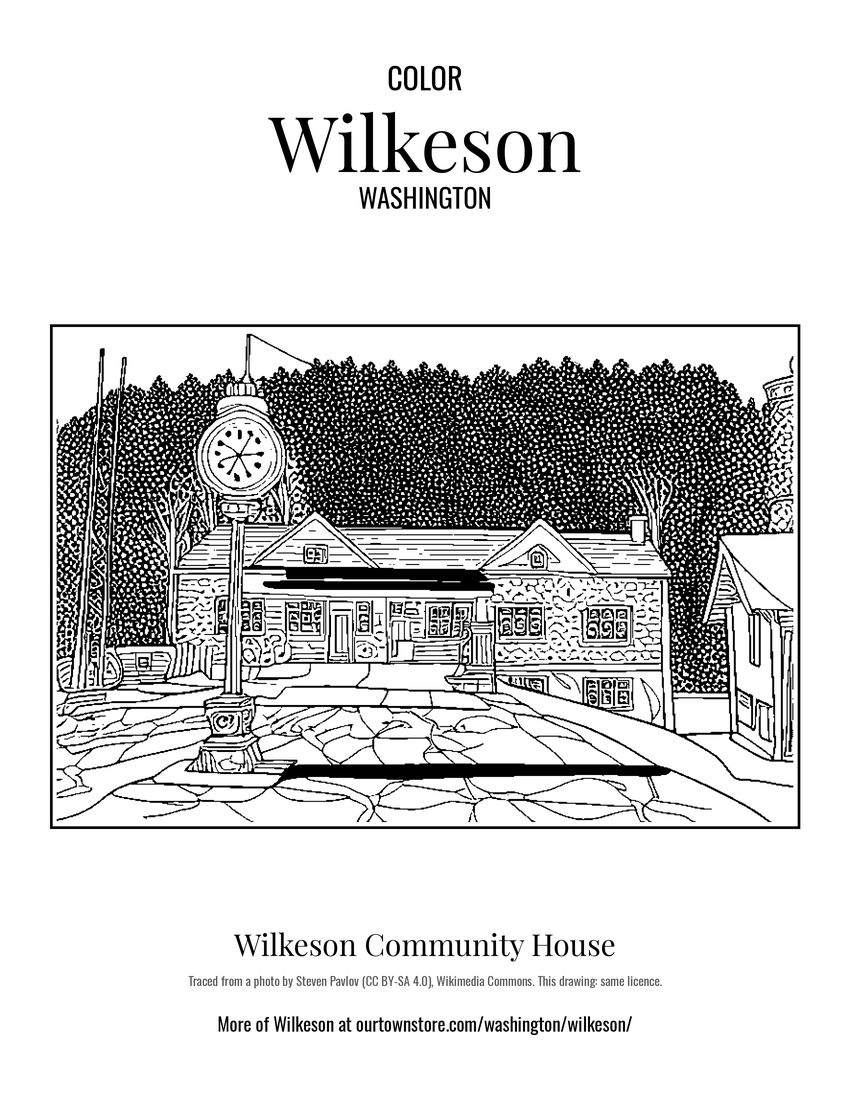 Wilkeson Community House
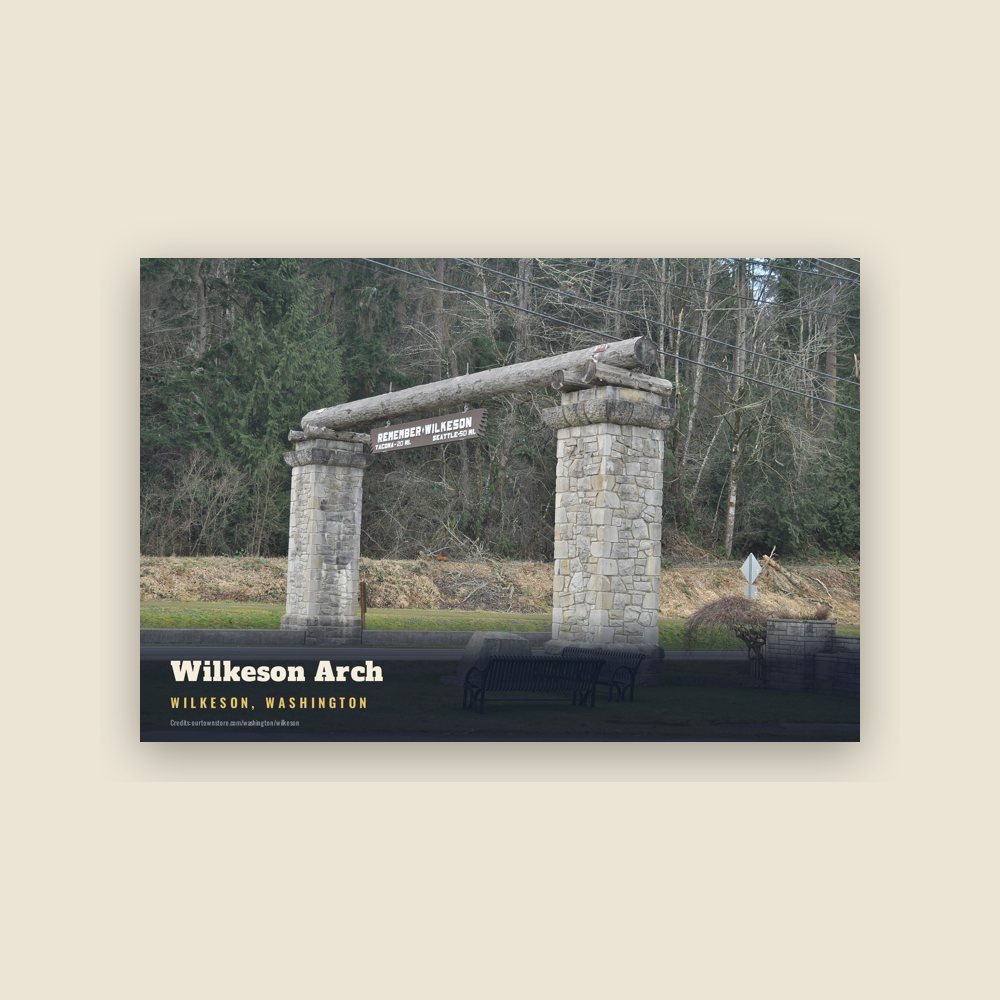
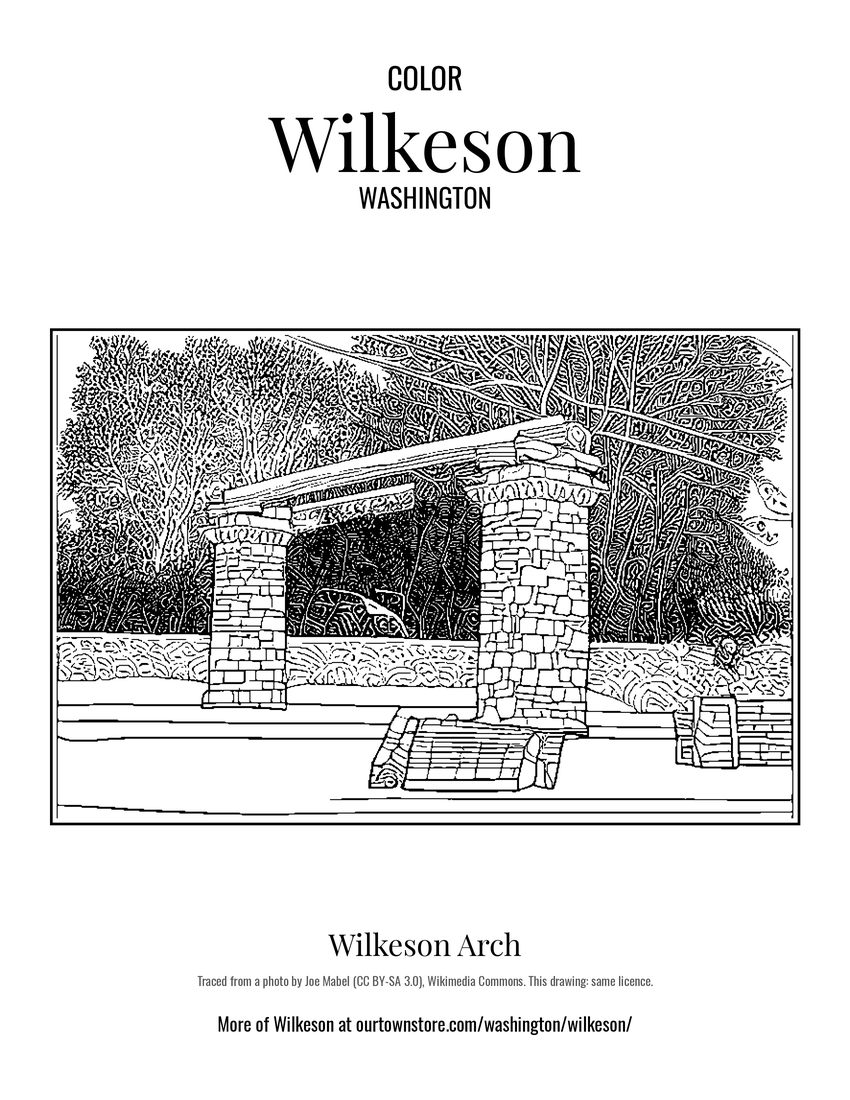 Wilkeson Arch
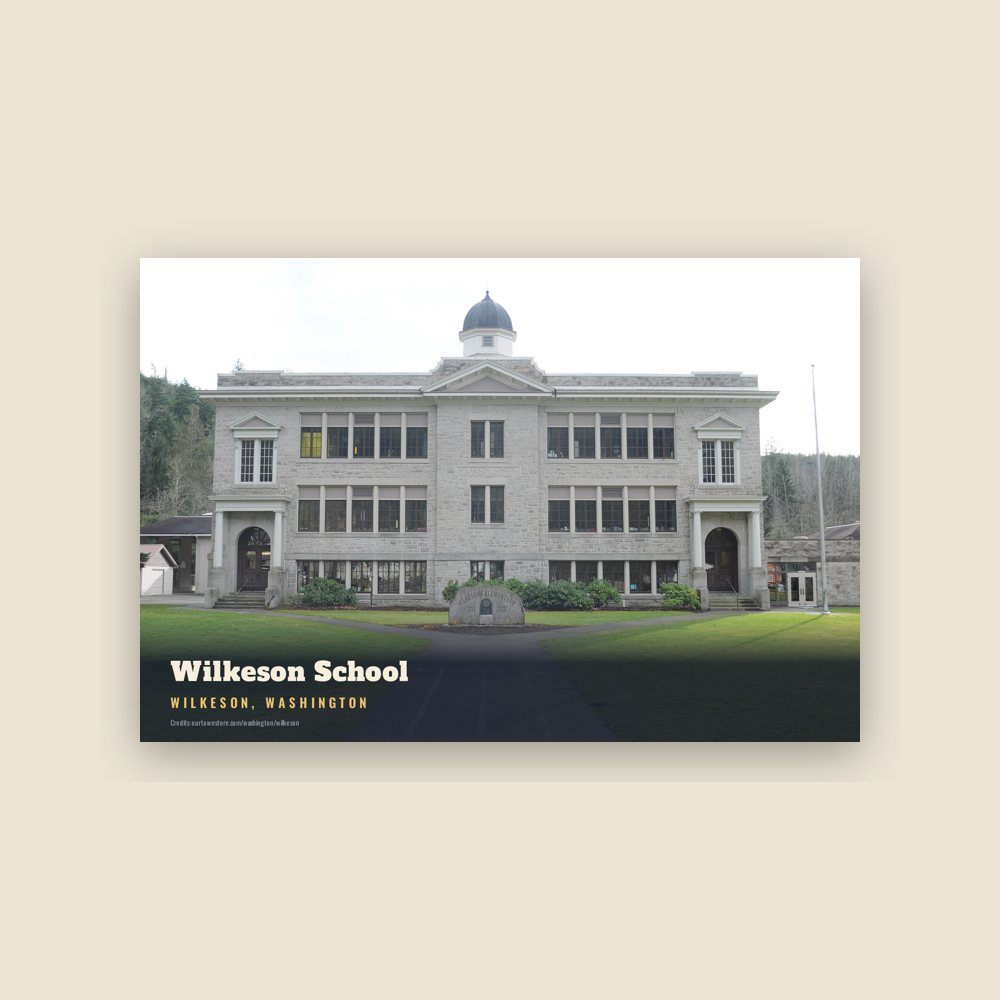
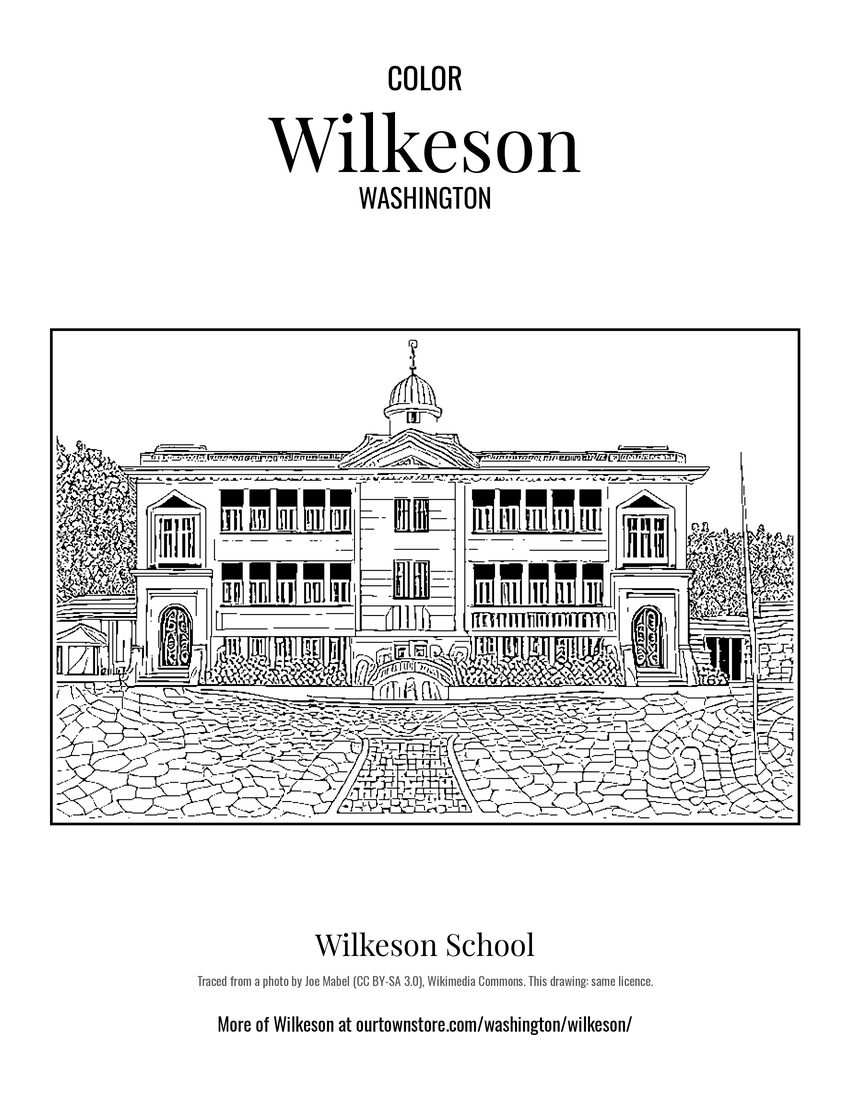 Wilkeson School