Cart 0
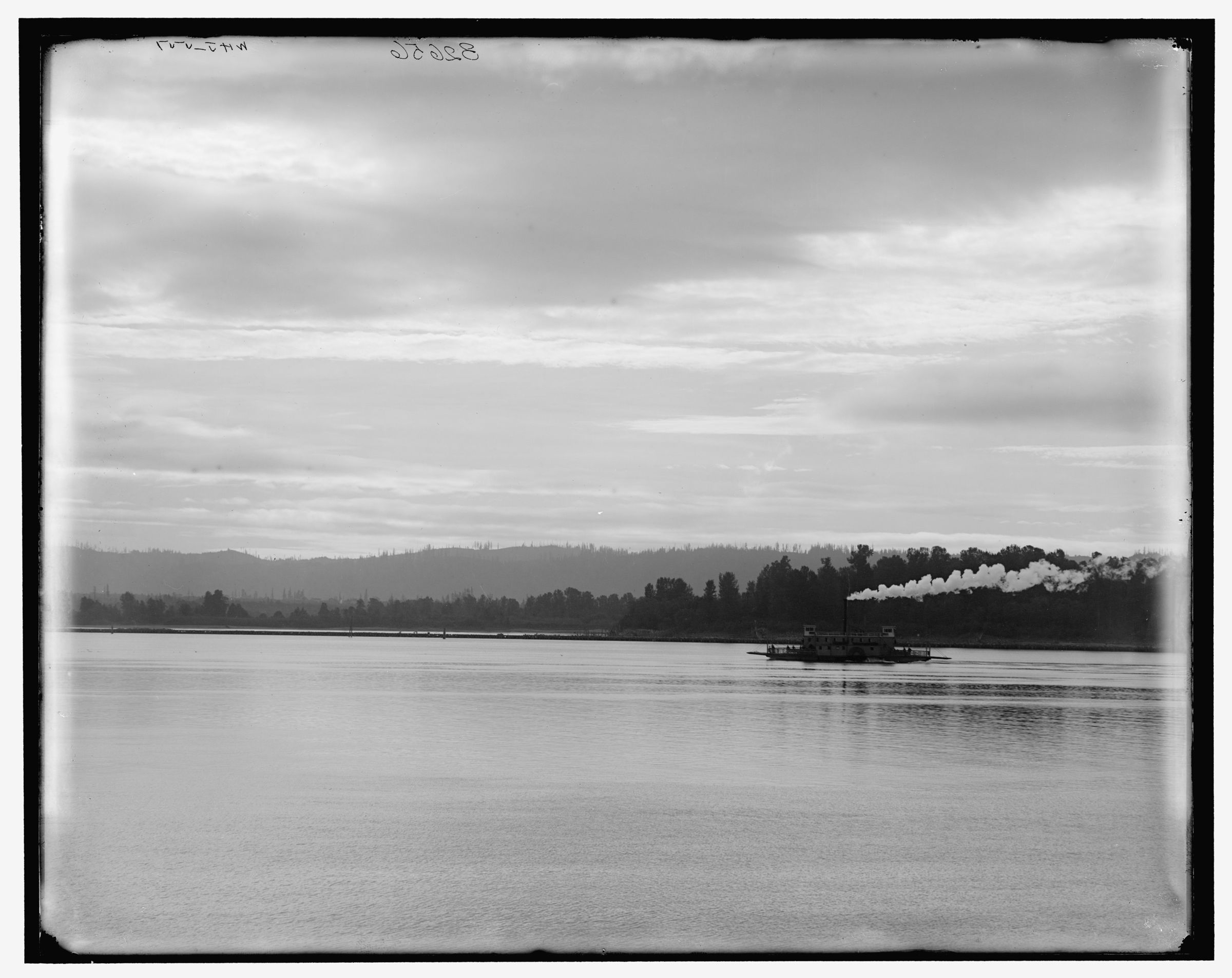
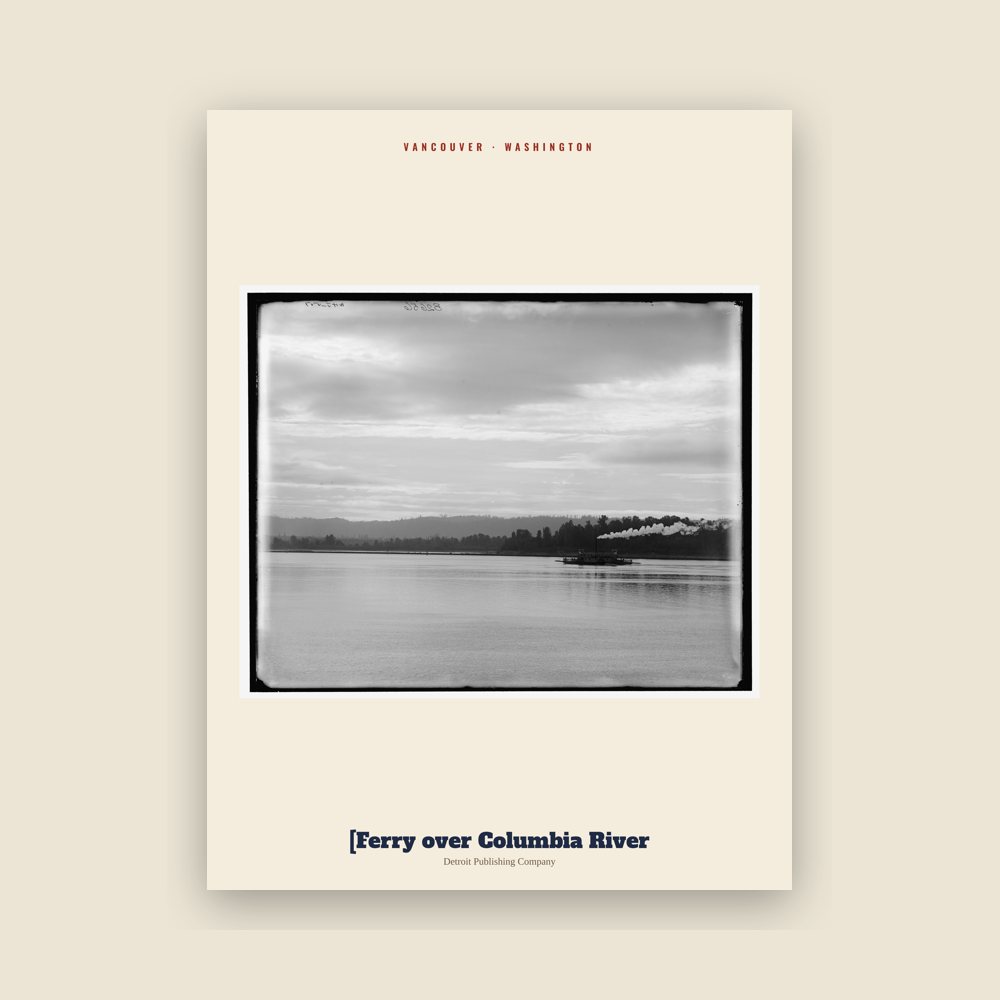
[Ferry over Columbia River, Vancouver, Washington, Historic American Buildings Survey photograph

VANCOUVER

Washington
Shop the collection

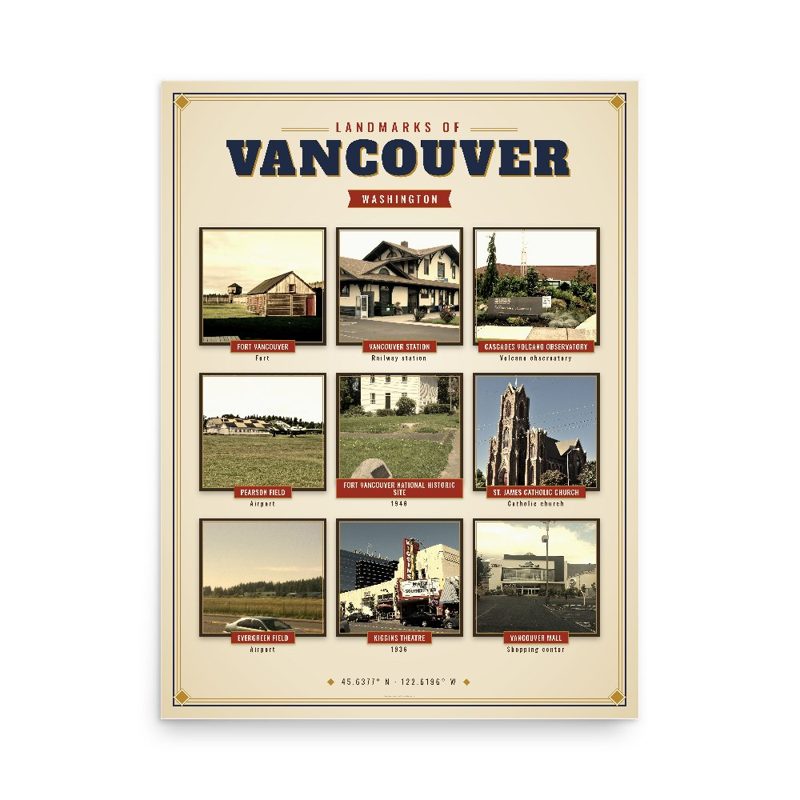
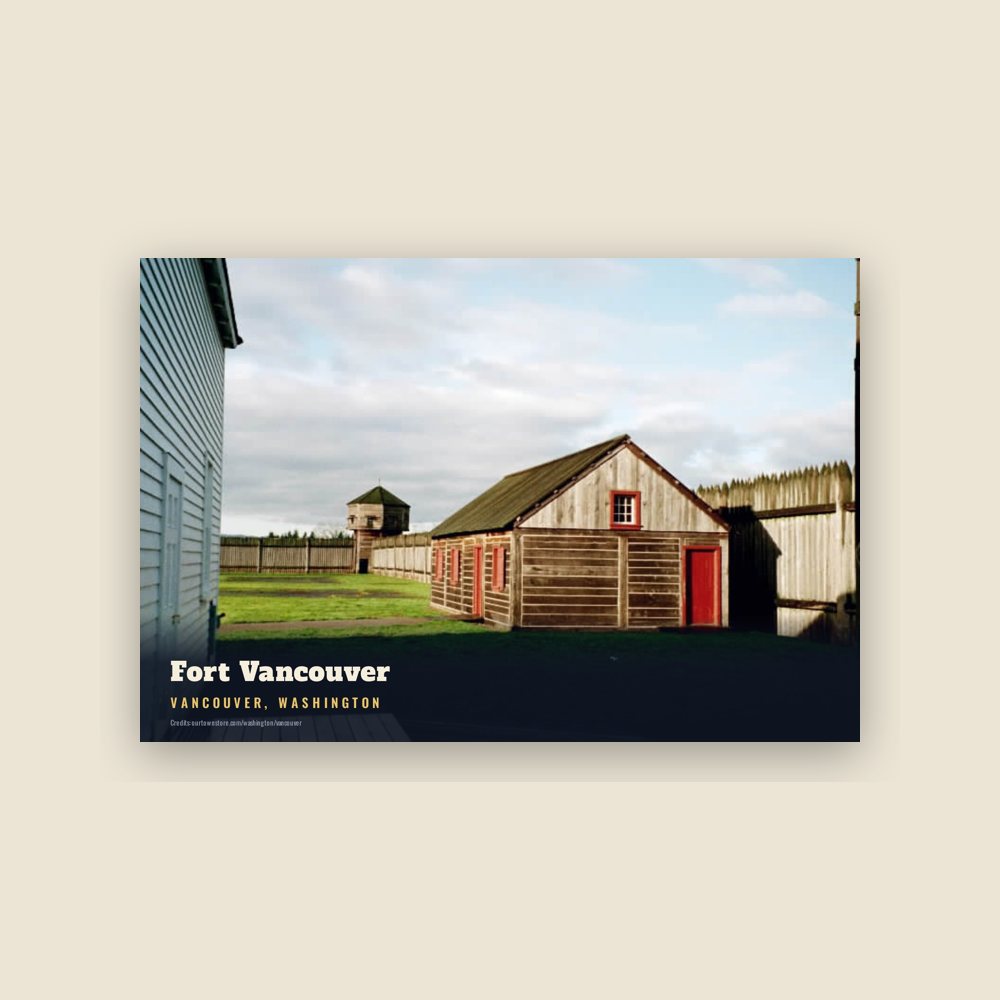
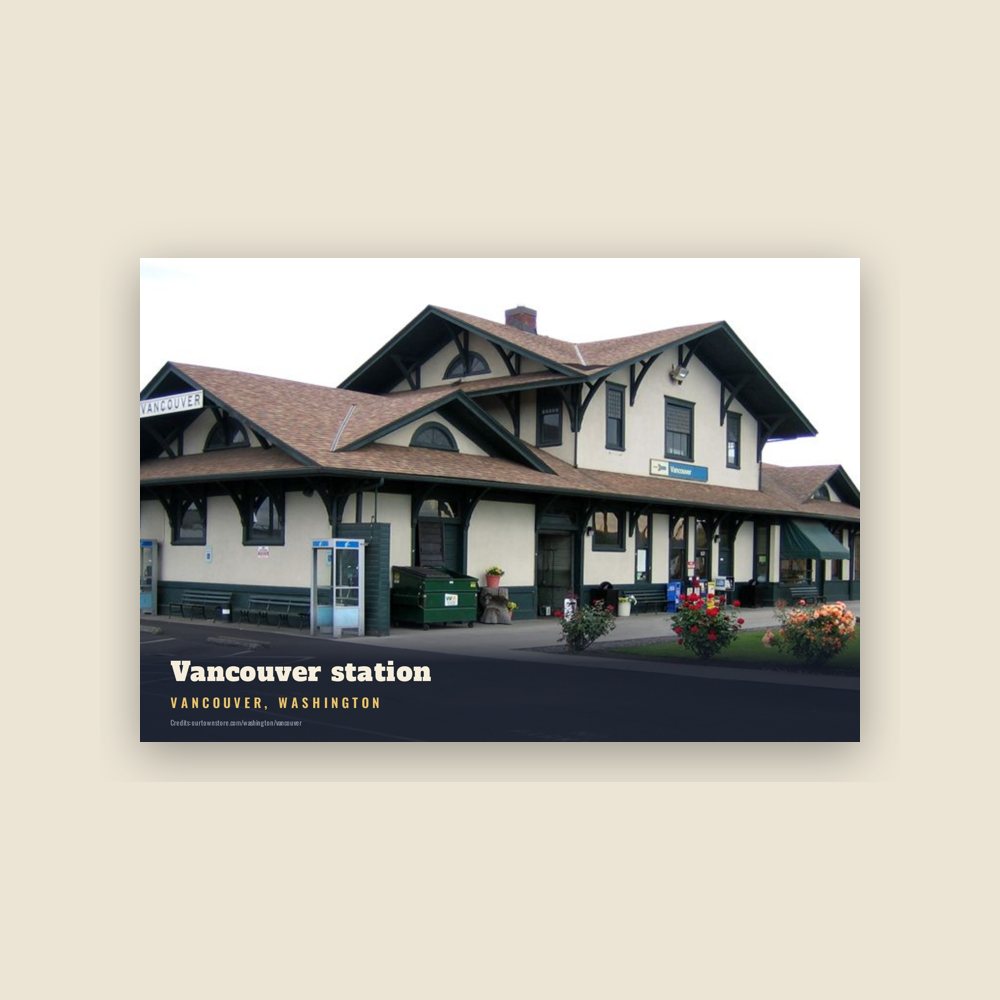
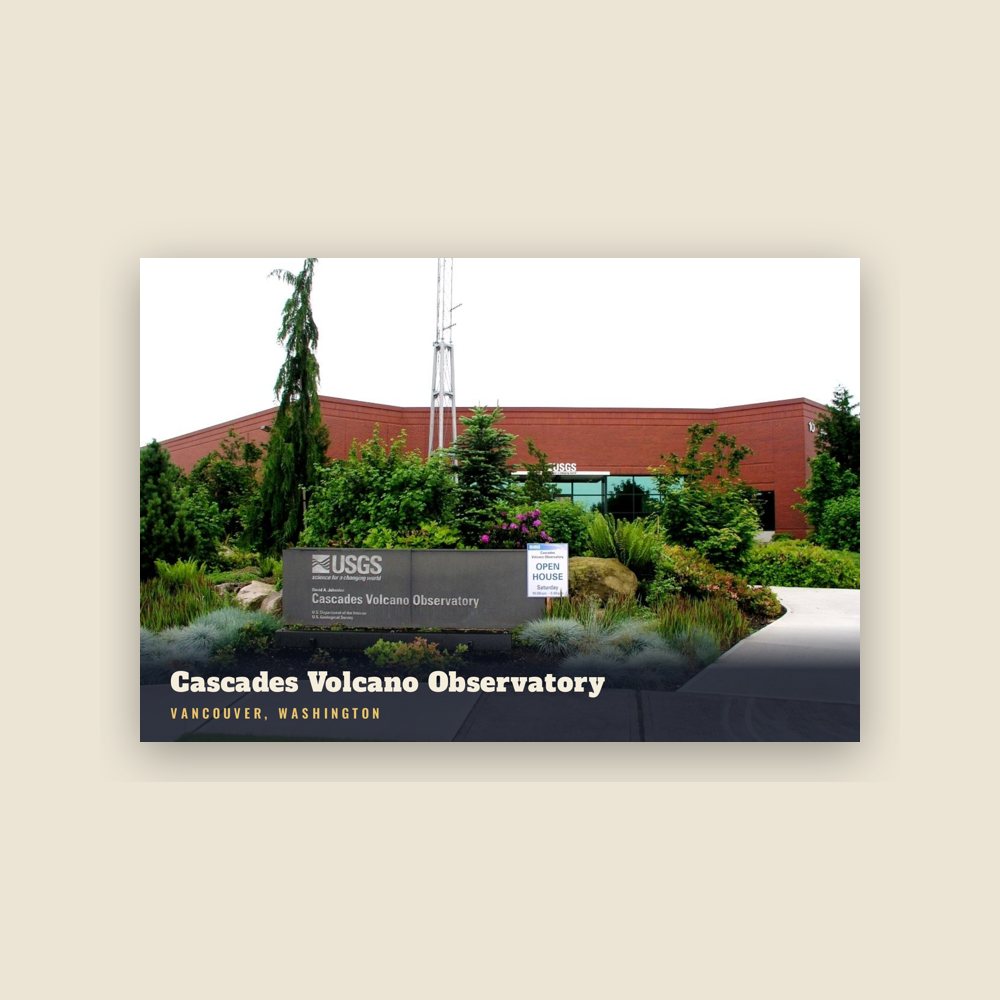
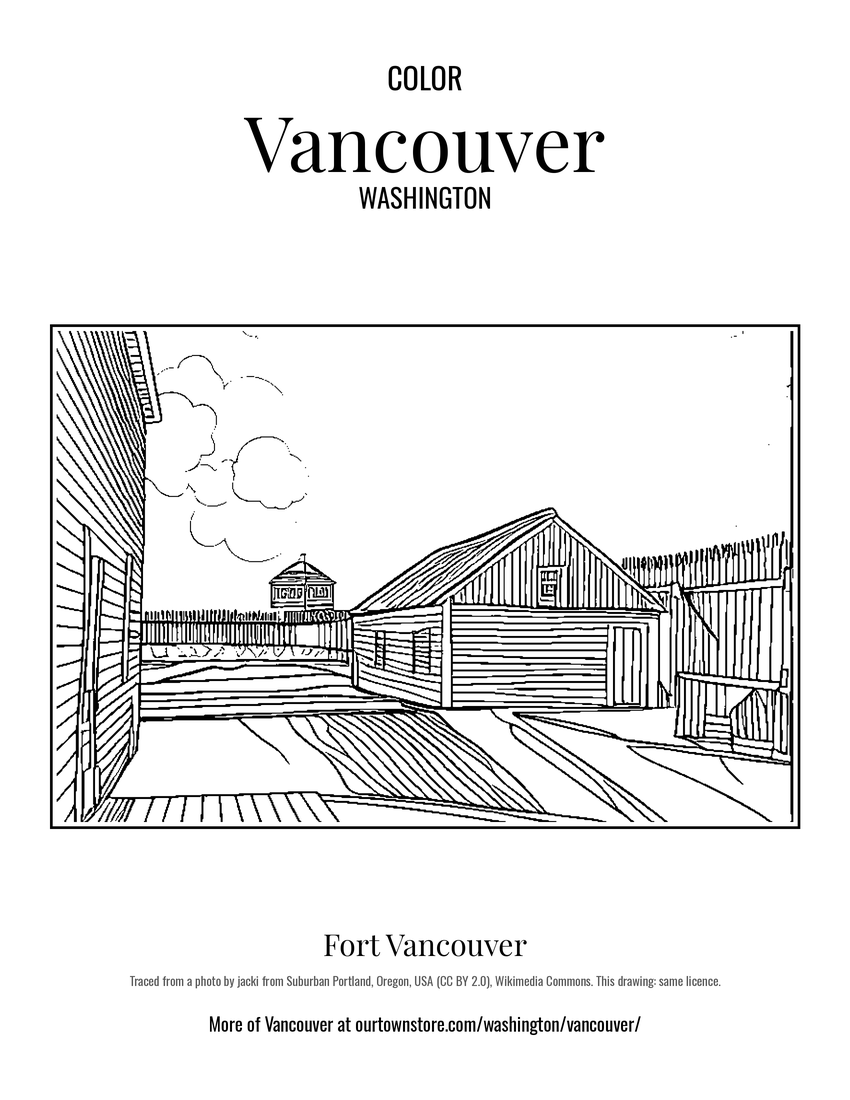
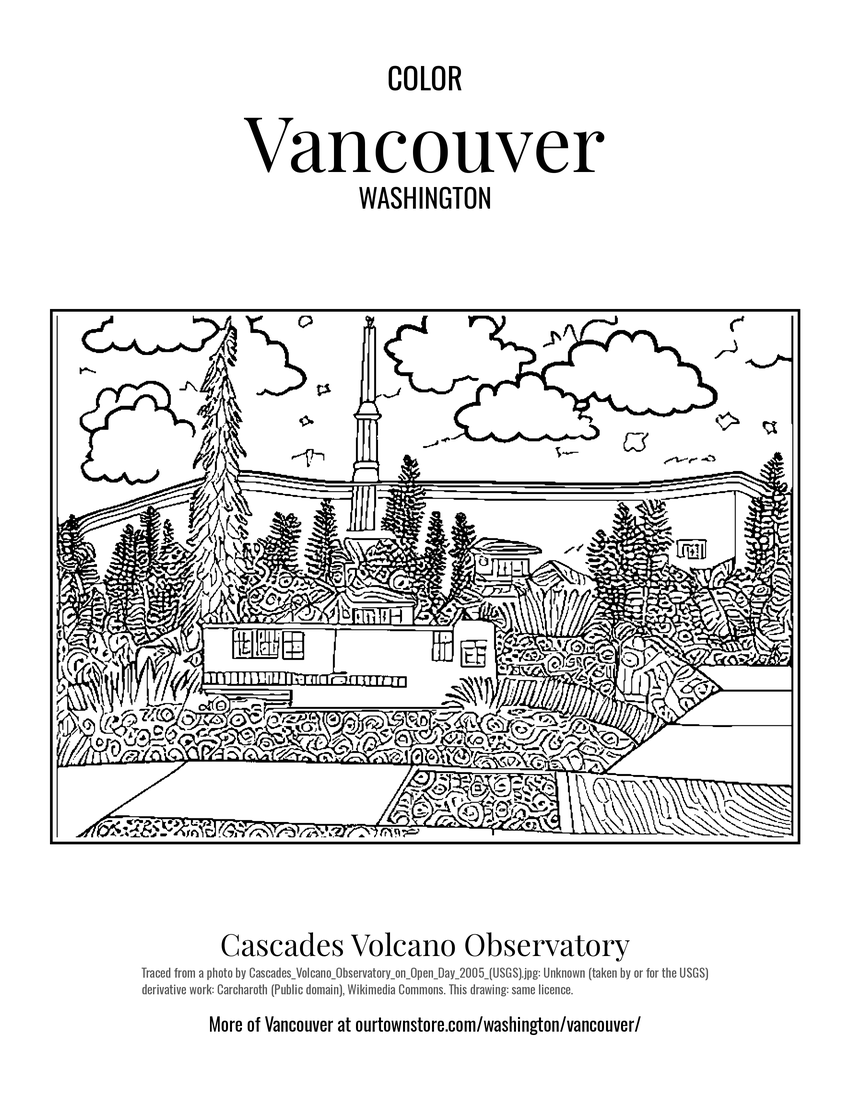
Founded in 1825 and incorporated in 1857, the city was originally established around Fort Vancouver, a fur trading outpost, and is situated directly north of Portland, Oregon, along the Washington–Oregon state line. Landmarks include Fort Vancouver, Vancouver station and Cascades Volcano Observatory. Vancouver is the birthplace of Michael Barratt, astronaut.

The Vancouver Collection

Made for Vancouver. Printed to order.

Vancouver, Washington gifts and souvenirs: 42 designs made from Vancouver's own map, landmarks and history, from $10 to $99. Printed to order and shipped free in the USA.

PopularPrice
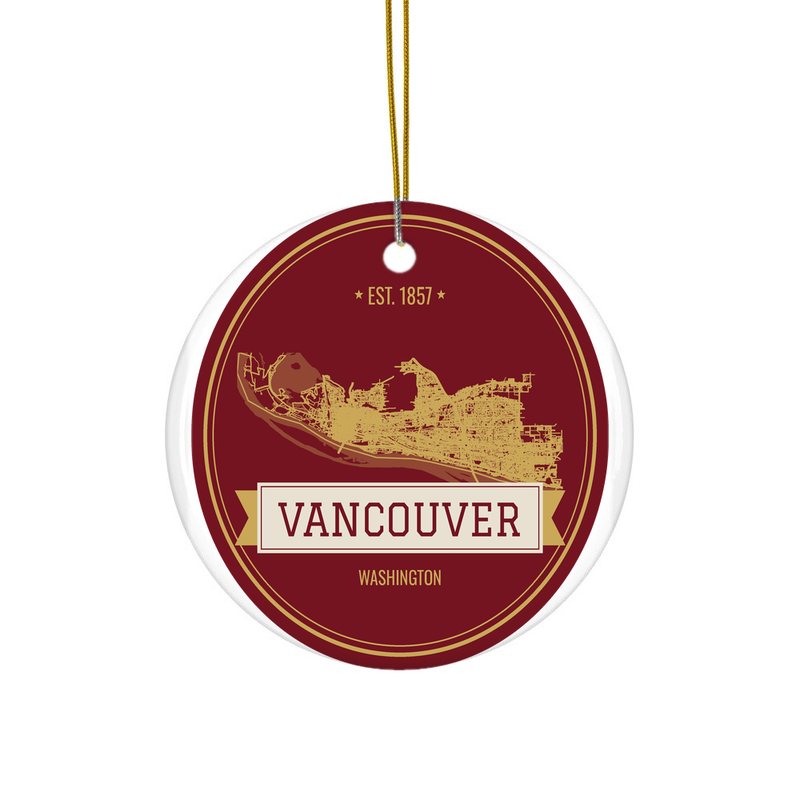
Vancouver Hometown Ornament$23
Vancouver Landmarks Photo Posterfrom $40
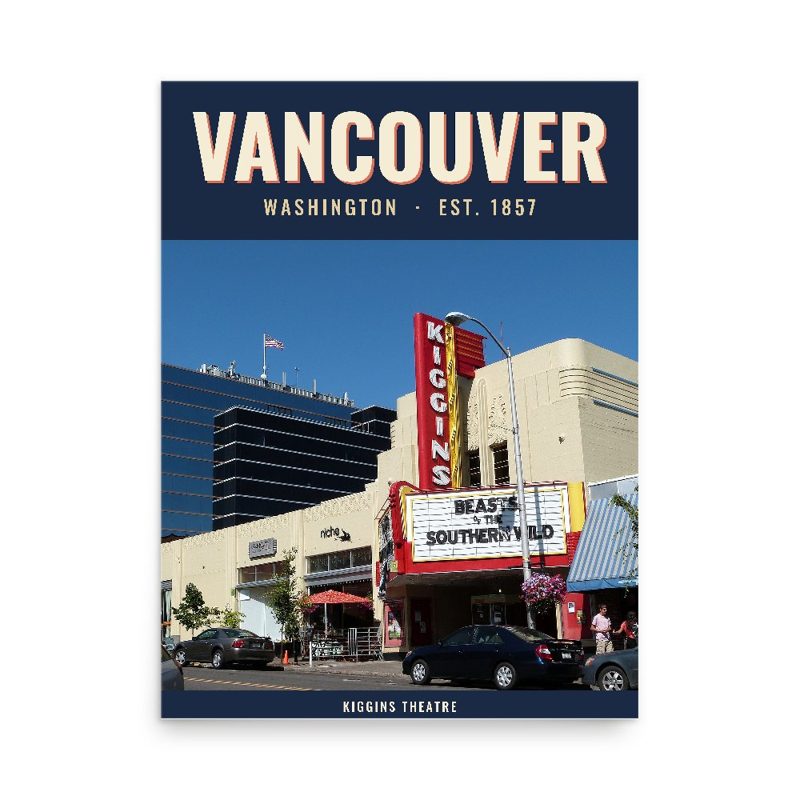
Vancouver Vintage Travel Posterfrom $40
Vancouver Varsity Crewneckfrom $57
Vancouver Est. Teefrom $33
Vancouver Town Line Mugfrom $26
Vancouver Hometown Ornament

Vancouver Hometown Ornament

Ceramic keepsake, gold ribbon

$23
Vancouver Landmarks Photo Poster

Vancouver Landmarks Photo Poster

Nine local landmarks, archival matte

from $40
Vancouver Vintage Travel Poster

Vancouver Vintage Travel Poster

Its landmark photo in a classic travel-poster layout

from $40
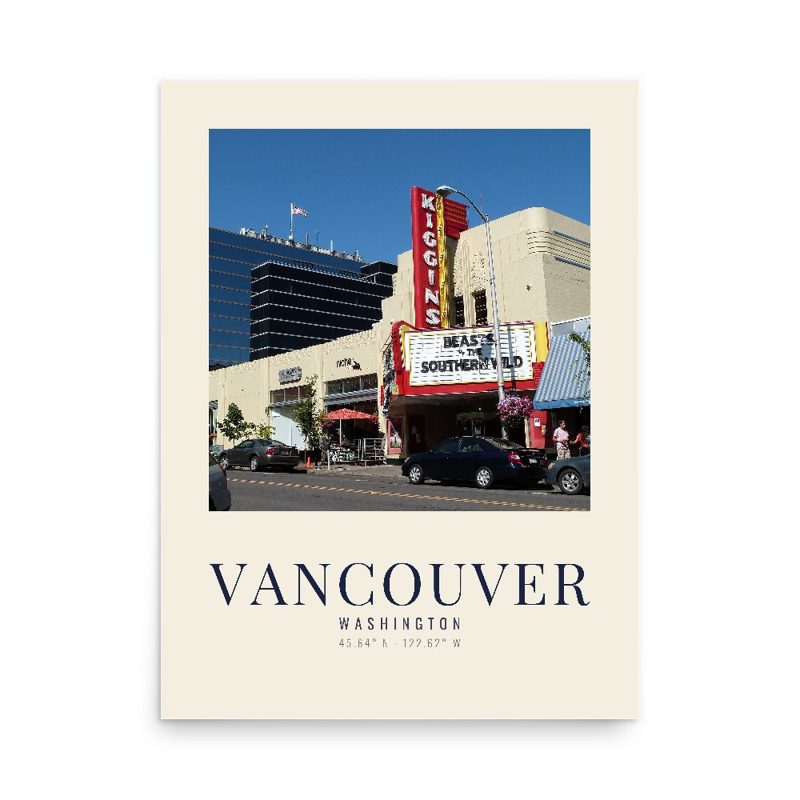
Vancouver Photo Art Print

Vancouver Photo Art Print

A local landmark photo as a gallery print

from $40
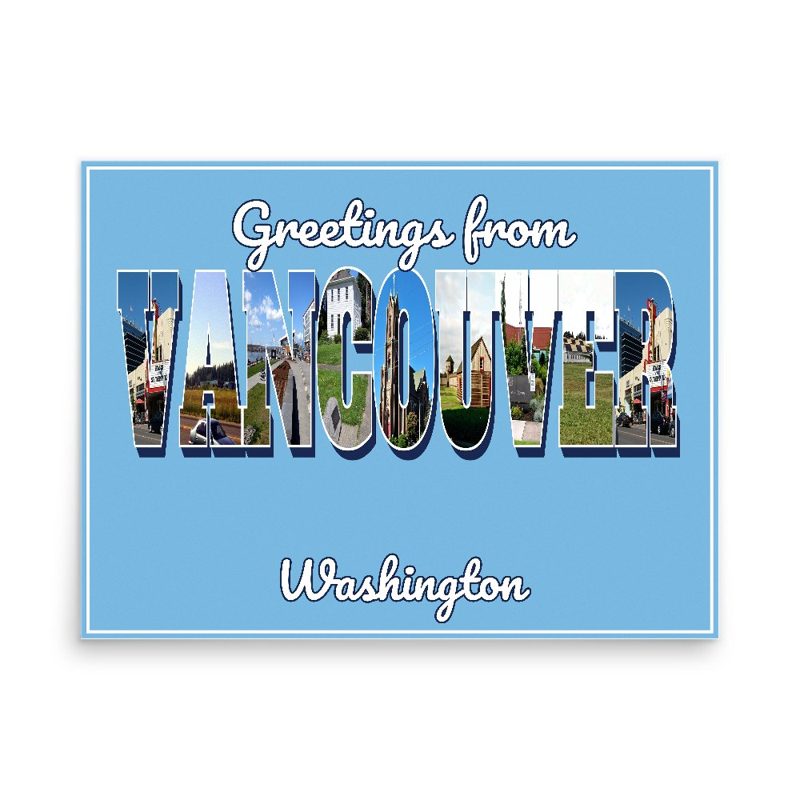
Vancouver “Greetings From” Poster

Vancouver “Greetings From” Poster

Classic large-letter postcard art, filled with local photos

from $40
Vancouver Snapshot Collage Poster

Vancouver Snapshot Collage Poster

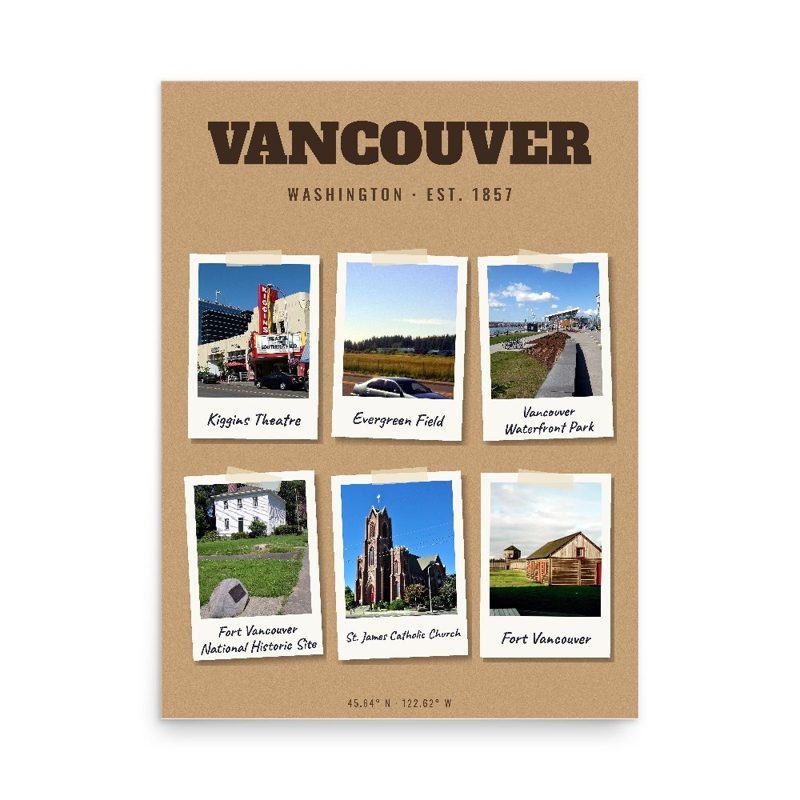
Six local landmarks as instant photos on kraft paper

from $40
Vancouver History Timeline Poster

Vancouver History Timeline Poster

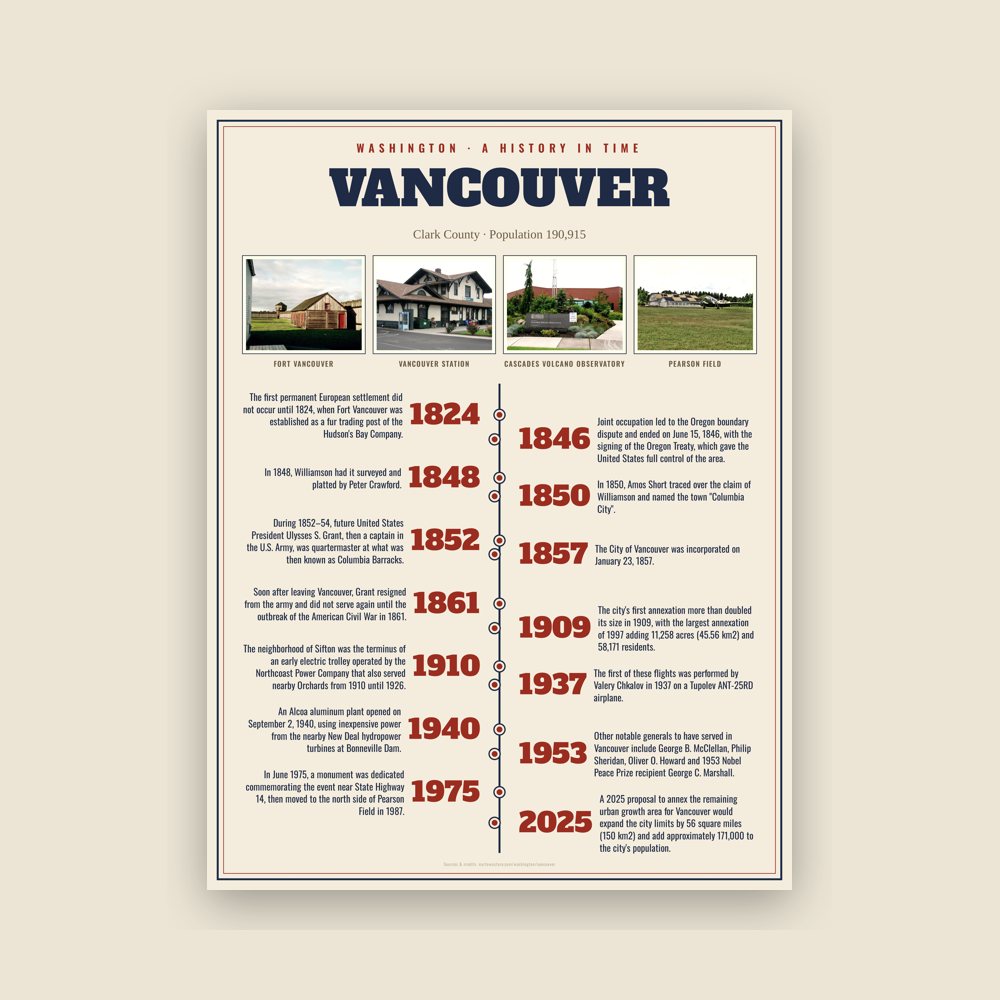
The town's story in dates, from its own records, for home or classroom

from $44
Vancouver Map Placemat

Vancouver Map Placemat

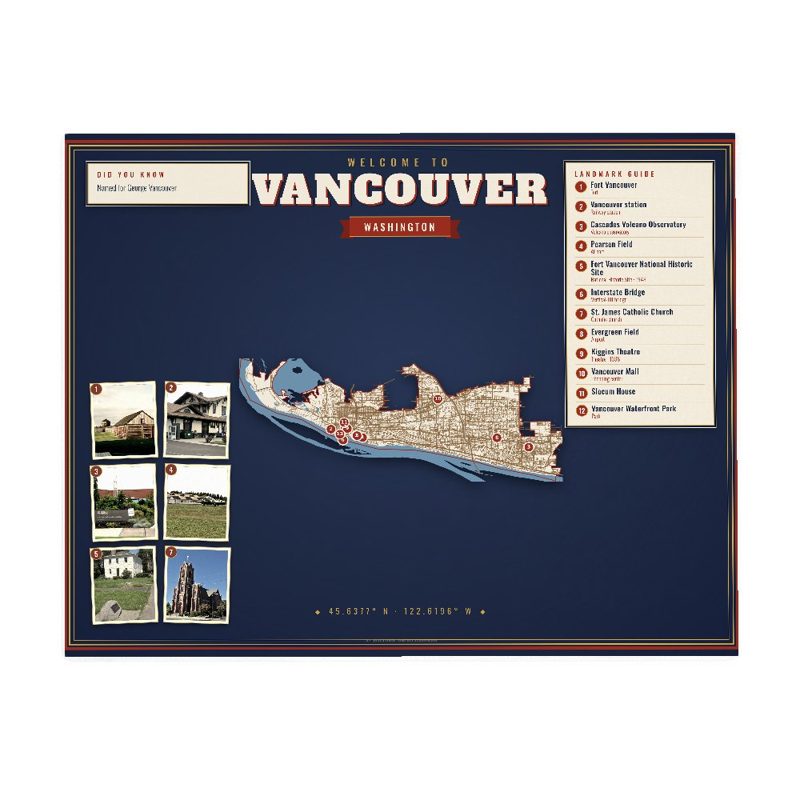
Map of local landmarks, washable fabric

$31
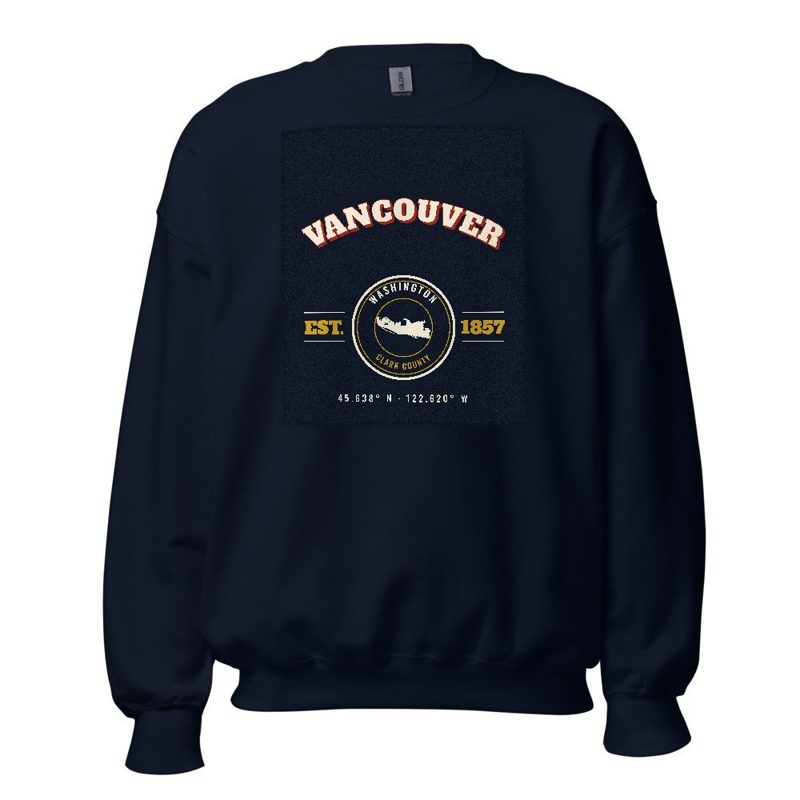
Vancouver Varsity Crewneck

Vancouver Varsity Crewneck

Heavy-blend fleece, street map printed on the back

from $57
Vancouver Hometown Knit Sweater

Vancouver Hometown Knit Sweater

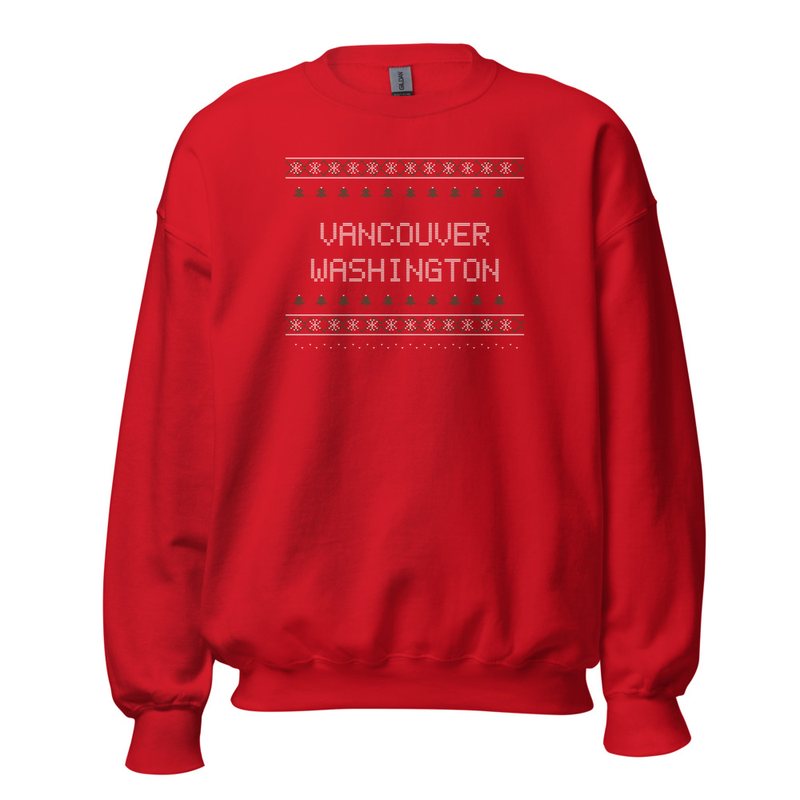
Red heavy-blend crewneck, knit-stitch town print

from $57
Vancouver Est. Tee

Vancouver Est. Tee

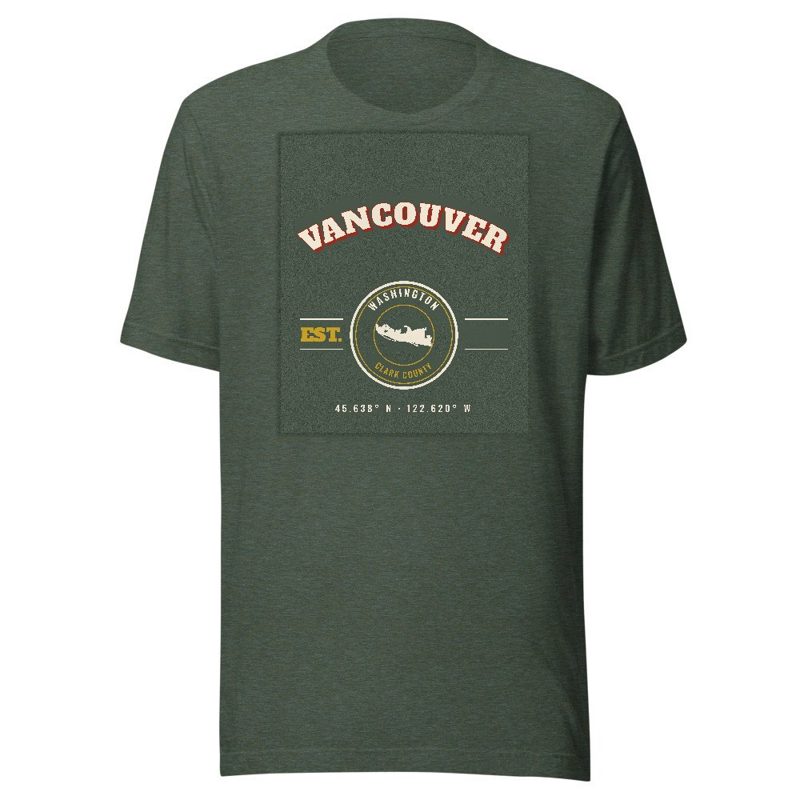
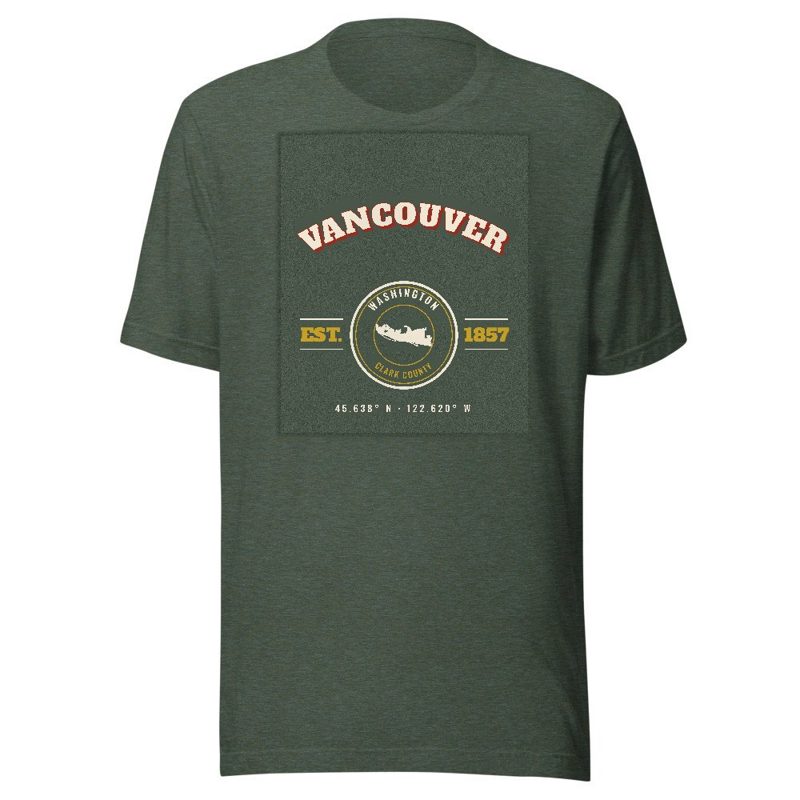
Soft Bella+Canvas jersey

from $33
Vancouver Est. Youth Tee

Vancouver Est. Youth Tee

Kids' Bella+Canvas jersey, youth sizes

$30
Vancouver Est. Toddler Tee

Vancouver Est. Toddler Tee

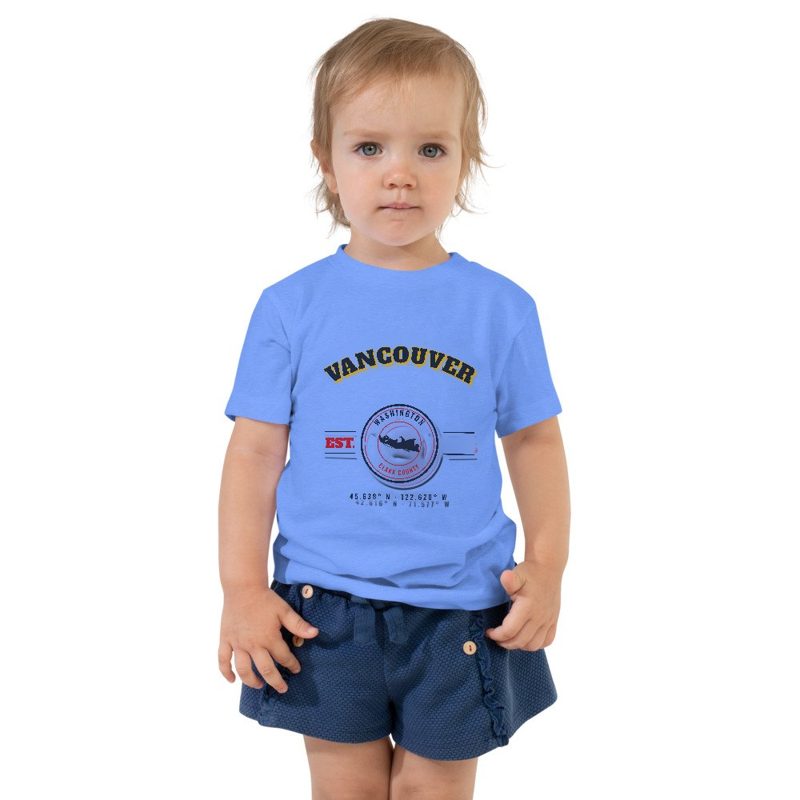
Bella+Canvas toddler jersey

$29
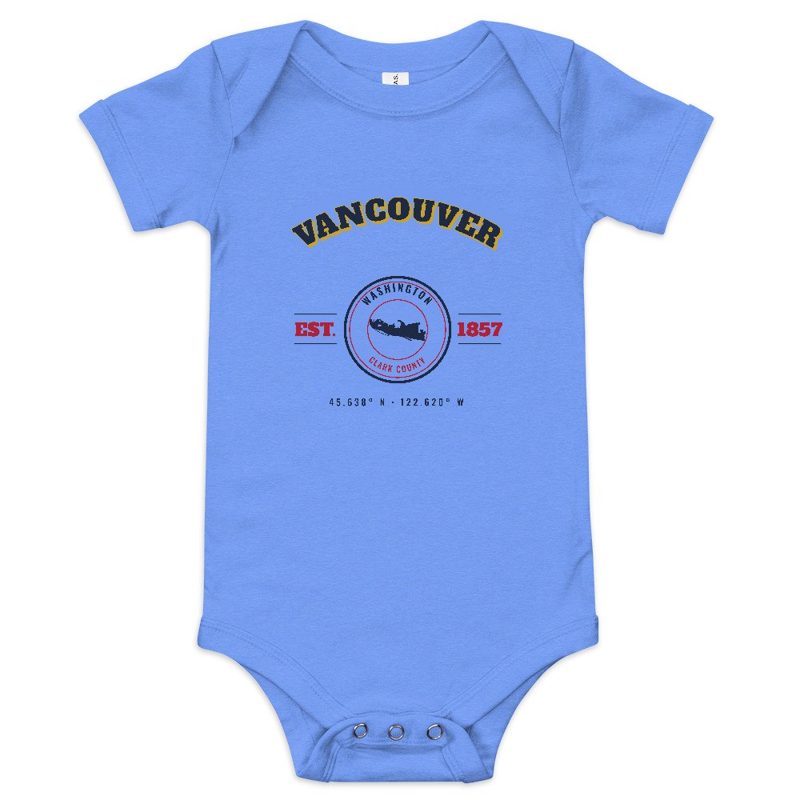
Vancouver Est. Baby One Piece

Vancouver Est. Baby One Piece

Bella+Canvas baby bodysuit

$30
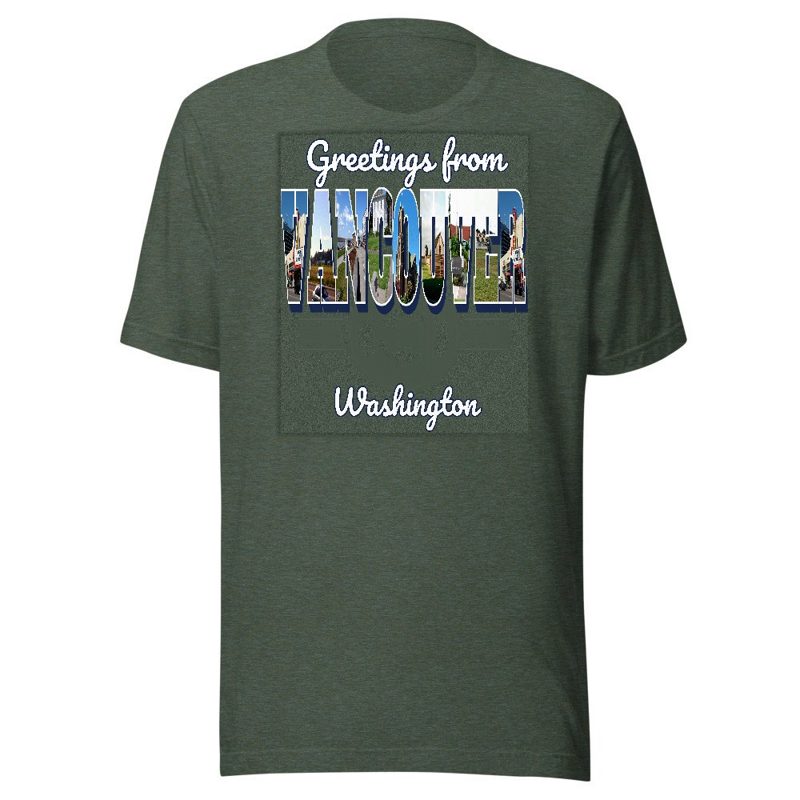
Vancouver “Greetings From” Tee

Vancouver “Greetings From” Tee

Large-letter postcard art filled with local photos

from $35
Vancouver Town Line Mug

Vancouver Town Line Mug

Glossy ceramic, dishwasher safe

from $26
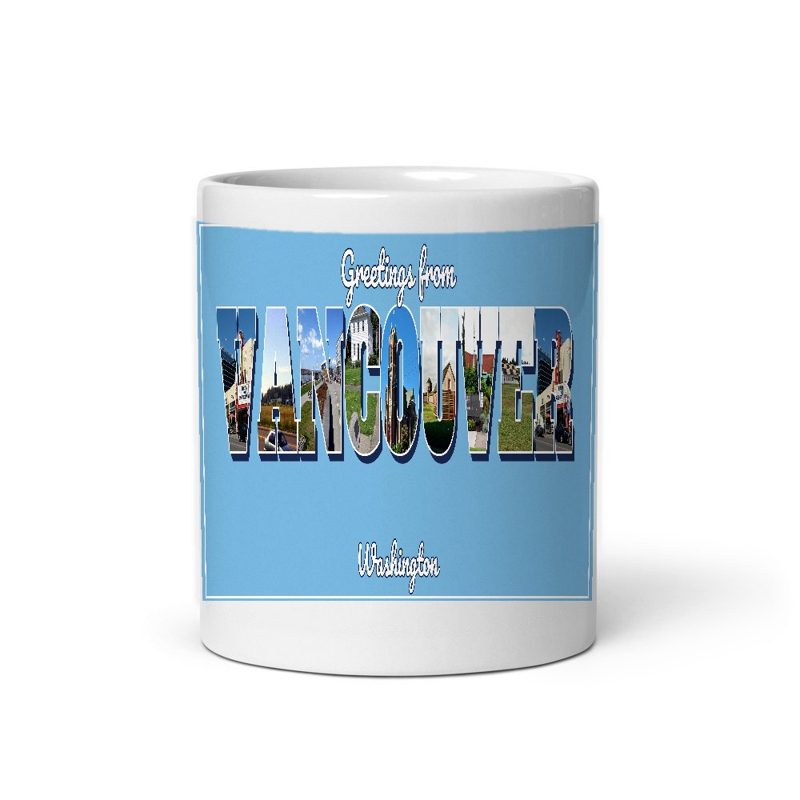
Vancouver “Greetings From” Mug

Vancouver “Greetings From” Mug

Large-letter postcard art filled with local photos, 11 oz ceramic

from $29
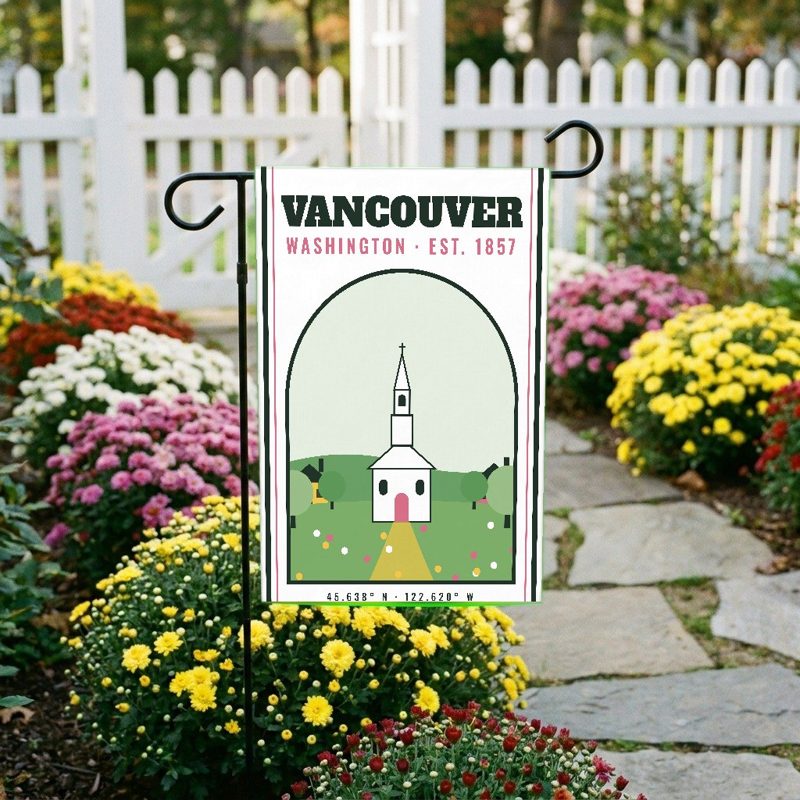
Vancouver Garden Flag

Vancouver Garden Flag

Weatherproof, for the front walk

$31
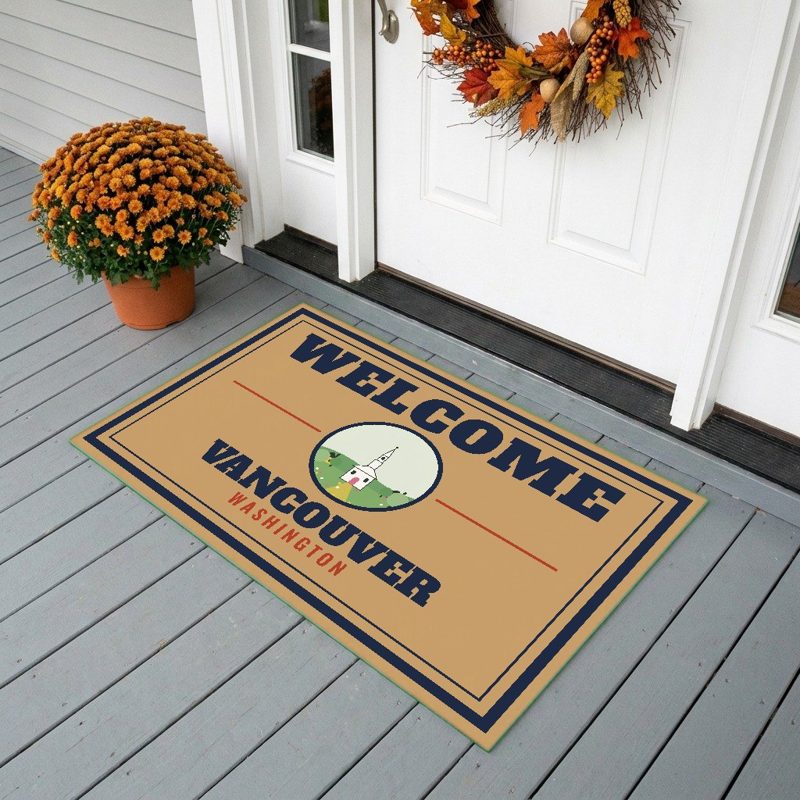
Vancouver Welcome Doormat

Vancouver Welcome Doormat

24″×16″, printed coir-look fibers, rubber back

$66
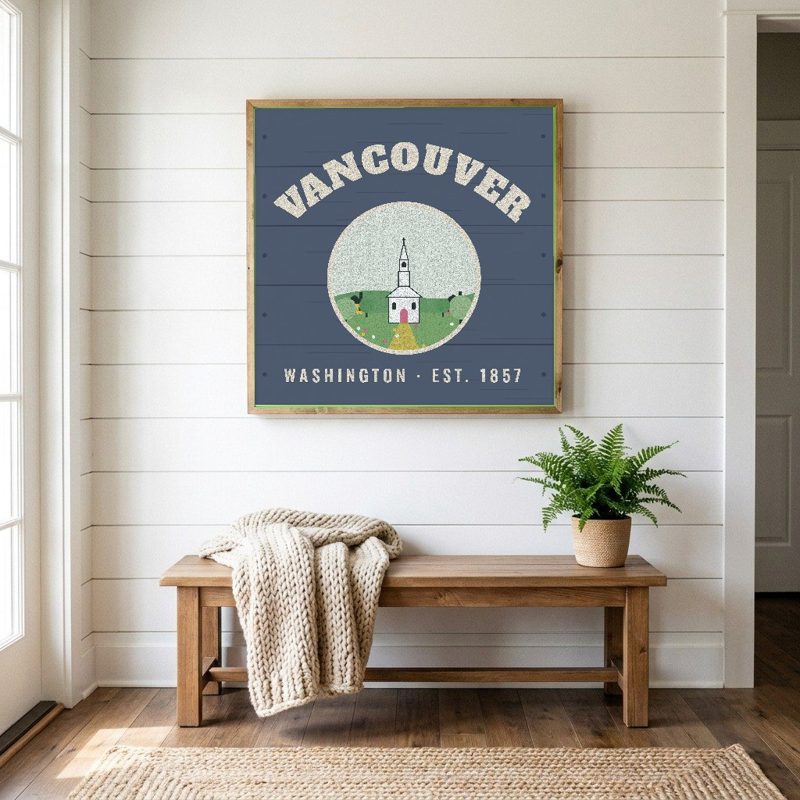
Vancouver Hometown Wood Sign

Vancouver Hometown Wood Sign

12″×12″ printed wood, ready to hang

$48
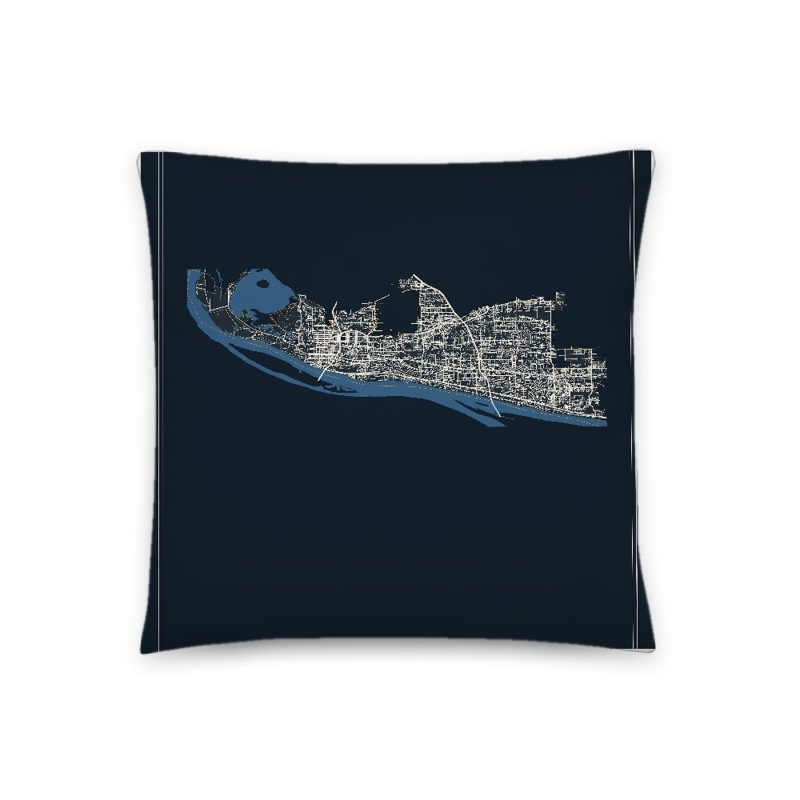
Vancouver Map Throw Pillow

Vancouver Map Throw Pillow

Soft-touch, zip cover

$47
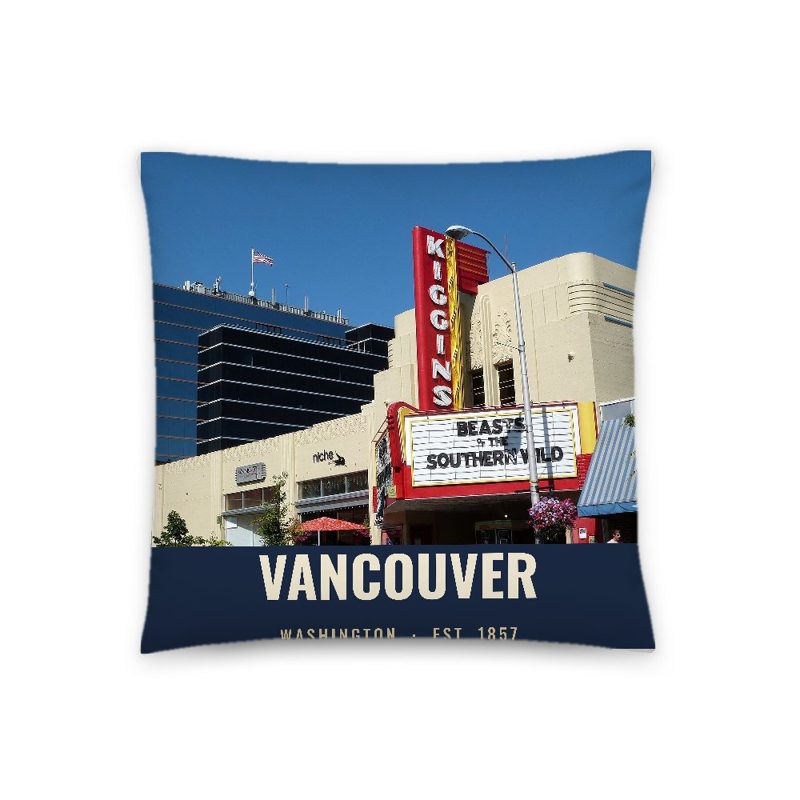
Vancouver Landmark Photo Pillow

Vancouver Landmark Photo Pillow

A local landmark photo with the town name, 18″×18″

$49
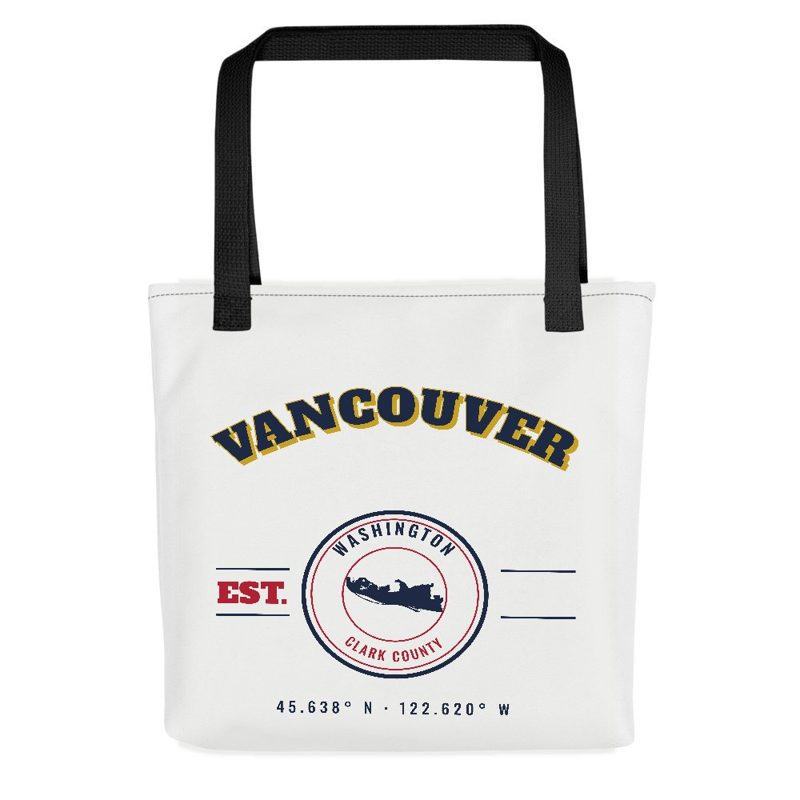
Vancouver Market Tote

Vancouver Market Tote

Sturdy all-over-print tote

$37
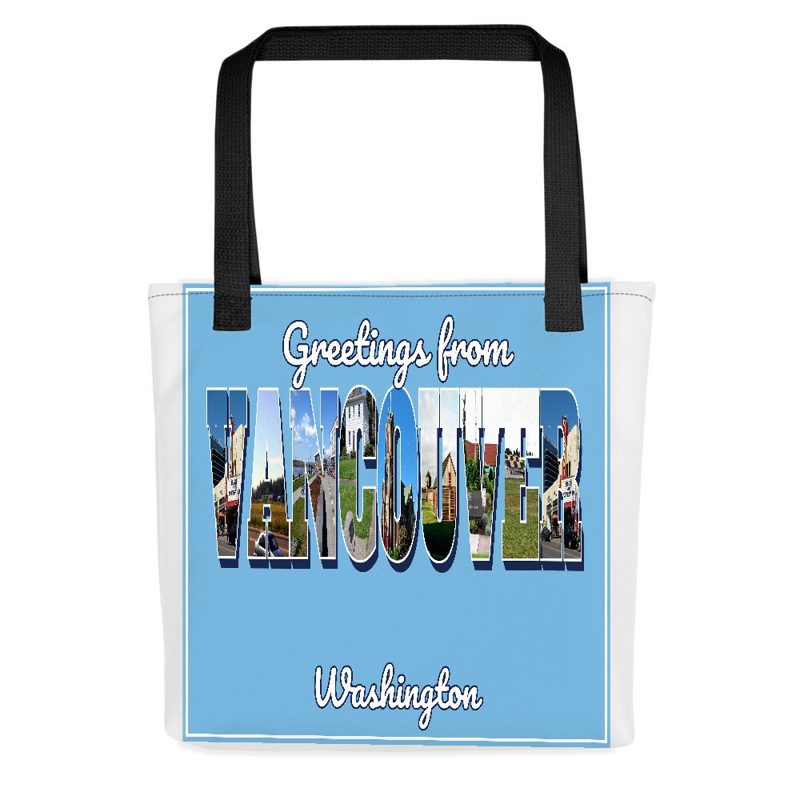
Vancouver “Greetings From” Tote

Vancouver “Greetings From” Tote

Large-letter postcard art on a sturdy tote

$37
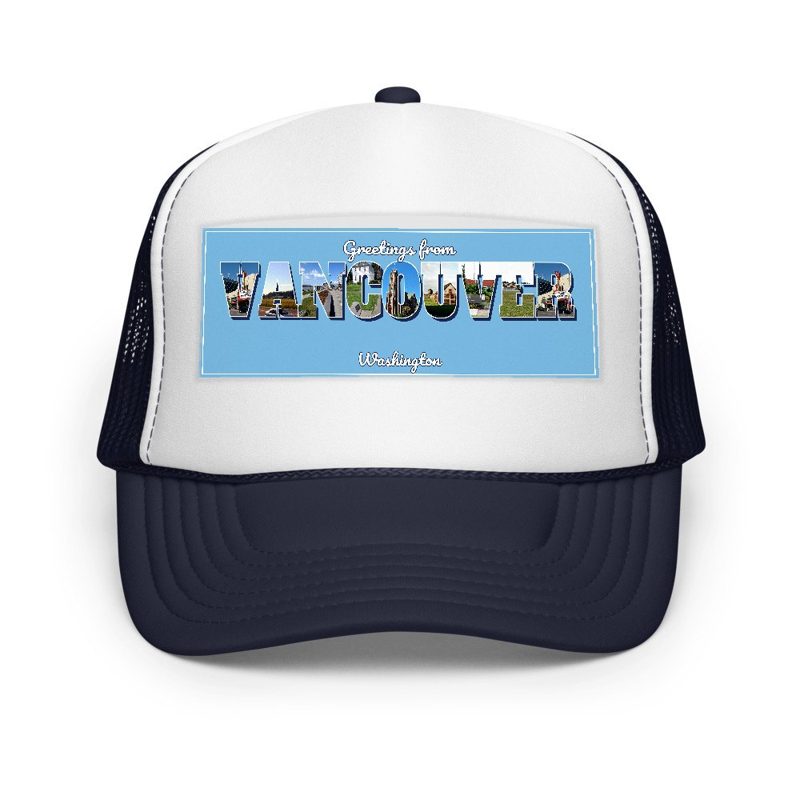
Vancouver “Greetings From” Trucker Cap

Vancouver “Greetings From” Trucker Cap

Foam-front trucker, printed (not embroidered) with local photos

$33
Vancouver Cork Coaster

Vancouver Cork Coaster

Glossy top, cork back

$16
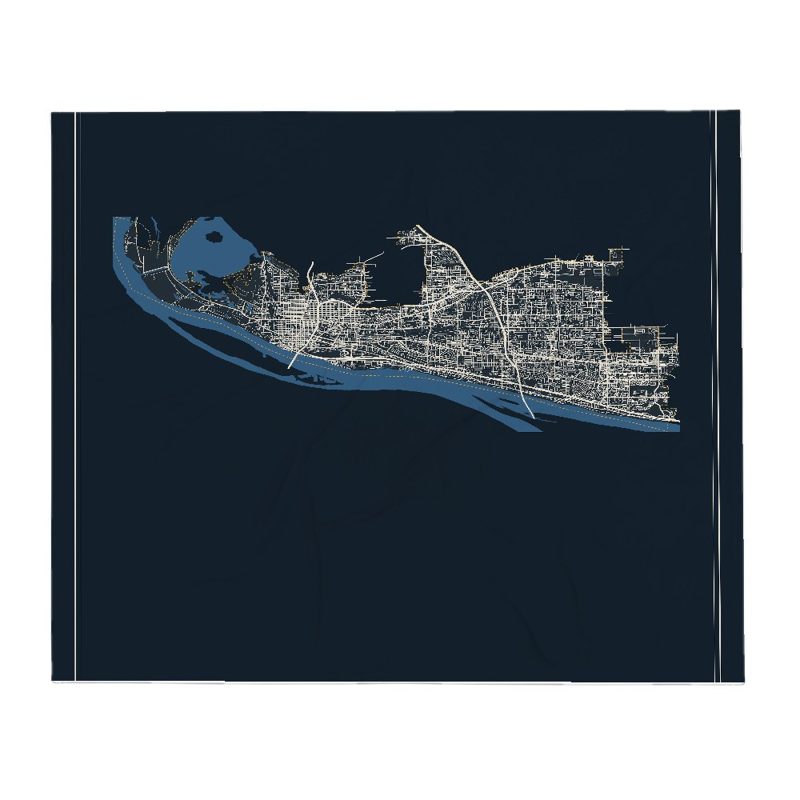
Vancouver Street Map Throw Blanket

Vancouver Street Map Throw Blanket

Soft fleece, 50″×60″

from $72
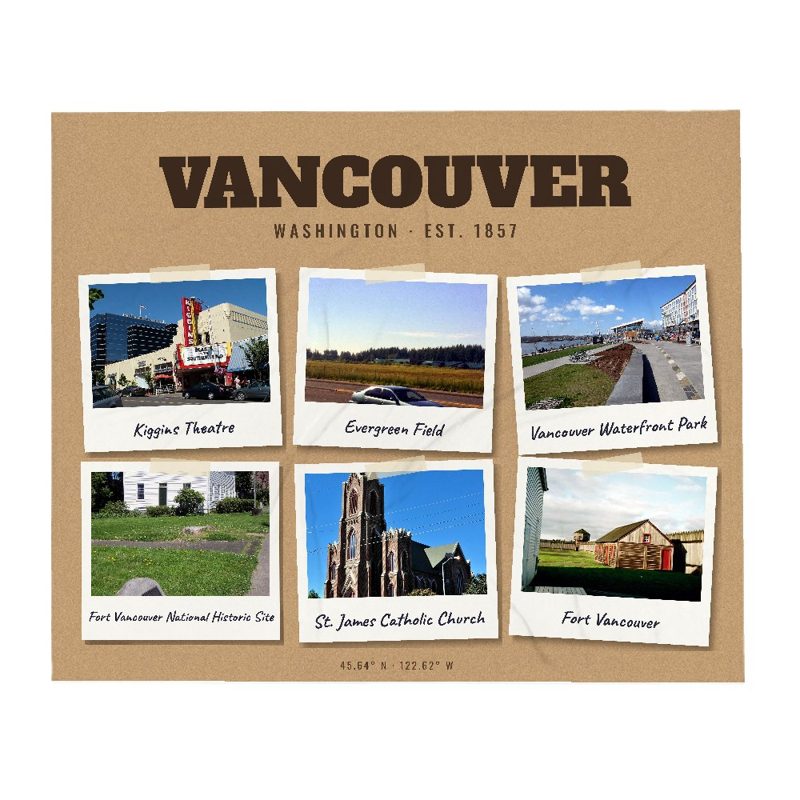
Vancouver Snapshot Collage Blanket

Vancouver Snapshot Collage Blanket

Six local landmarks as instant photos, soft fleece 50″×60″

from $76
Vancouver Est. Tumbler

Vancouver Est. Tumbler

20 oz, double-wall stainless

$51
Vancouver Fort Vancouver Postcard

Vancouver Fort Vancouver Postcard

6″×4″ postcard, glossy front

$10
Vancouver Vancouver station Postcard

Vancouver Vancouver station Postcard

6″×4″ postcard, glossy front

$10
Vancouver Cascades Volcano Observatory Postcard

Vancouver Cascades Volcano Observatory Postcard

6″×4″ postcard, glossy front

$10
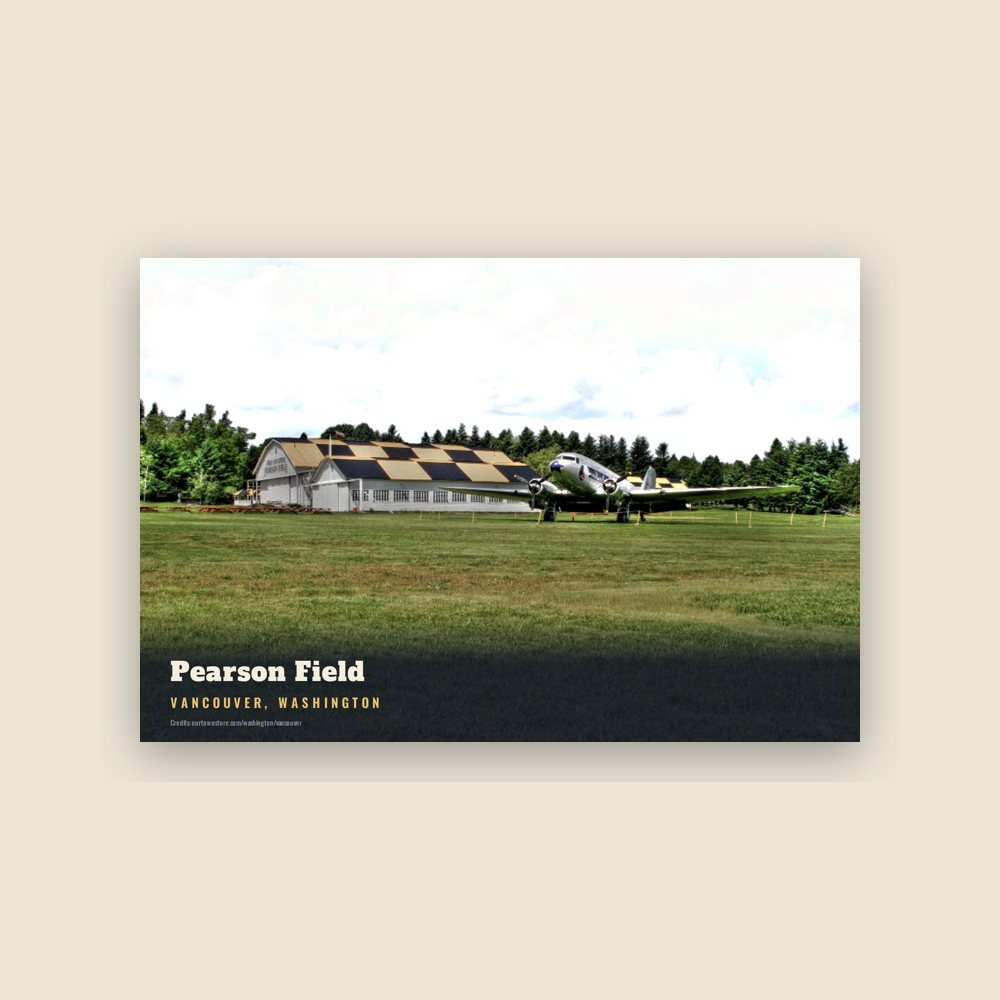
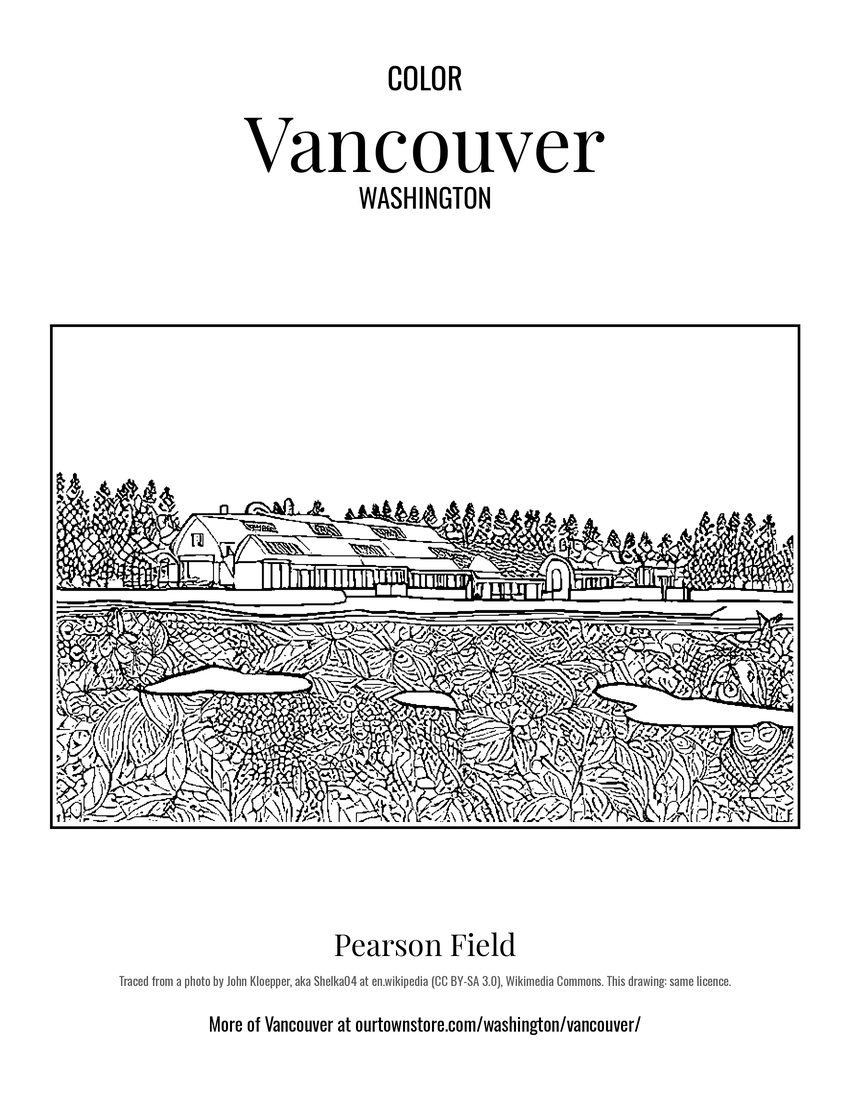
Vancouver Pearson Field Postcard

Vancouver Pearson Field Postcard

6″×4″ postcard, glossy front

$10
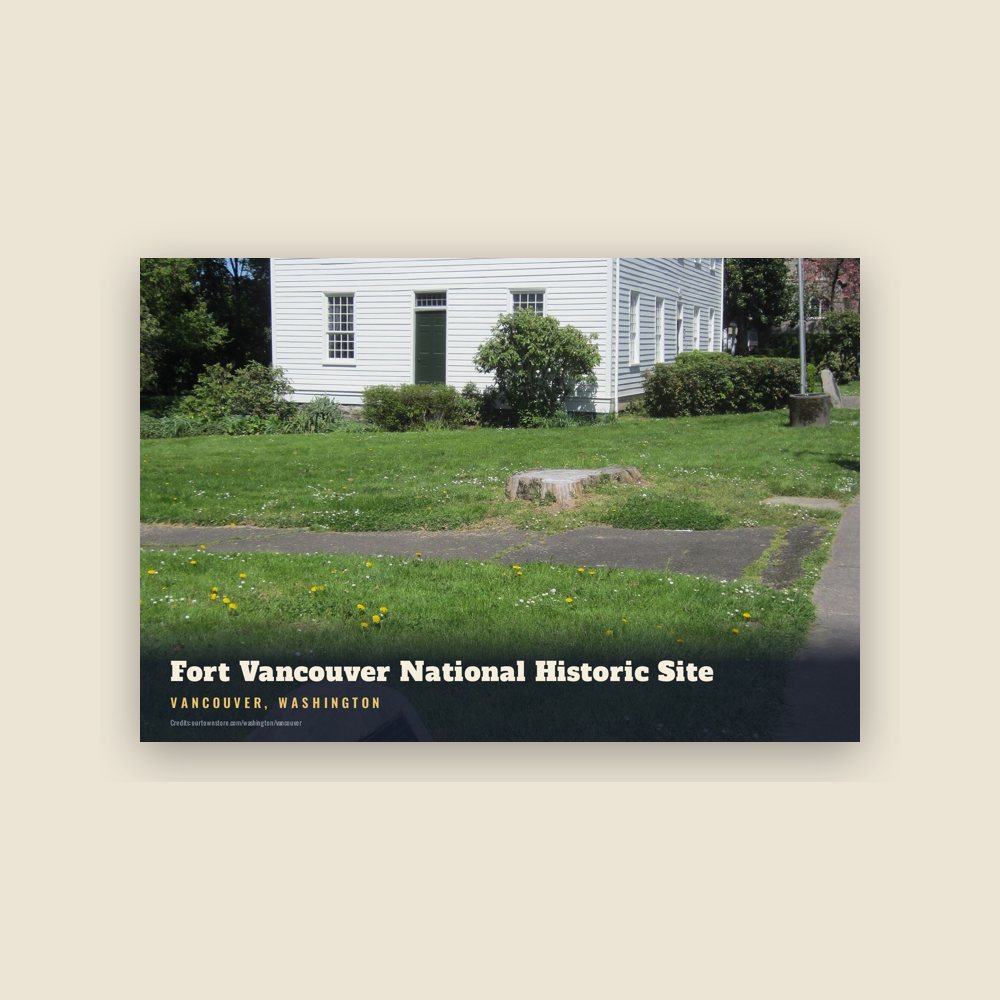
Vancouver Fort Vancouver National Historic Site Postcard

Vancouver Fort Vancouver National Historic Site Postcard

6″×4″ postcard, glossy front

$10
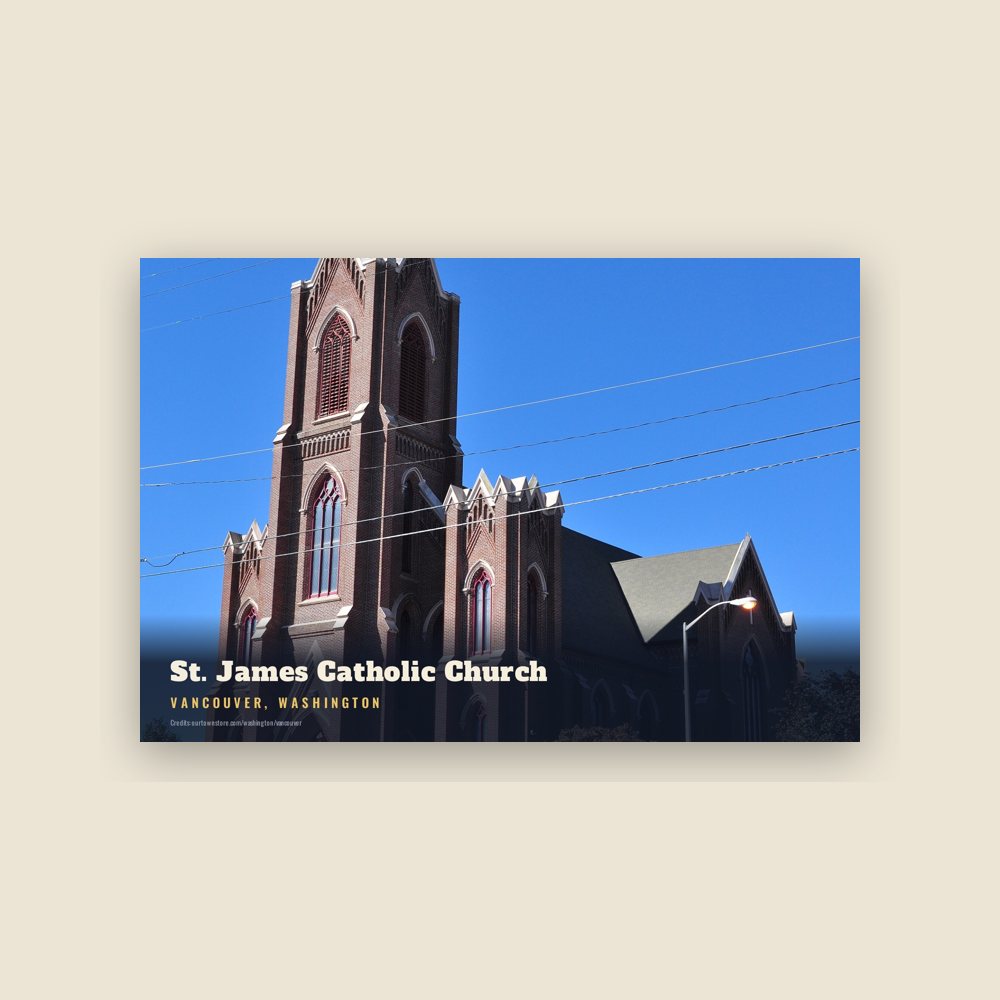
Vancouver St. James Catholic Church Postcard

Vancouver St. James Catholic Church Postcard

6″×4″ postcard, glossy front

$10
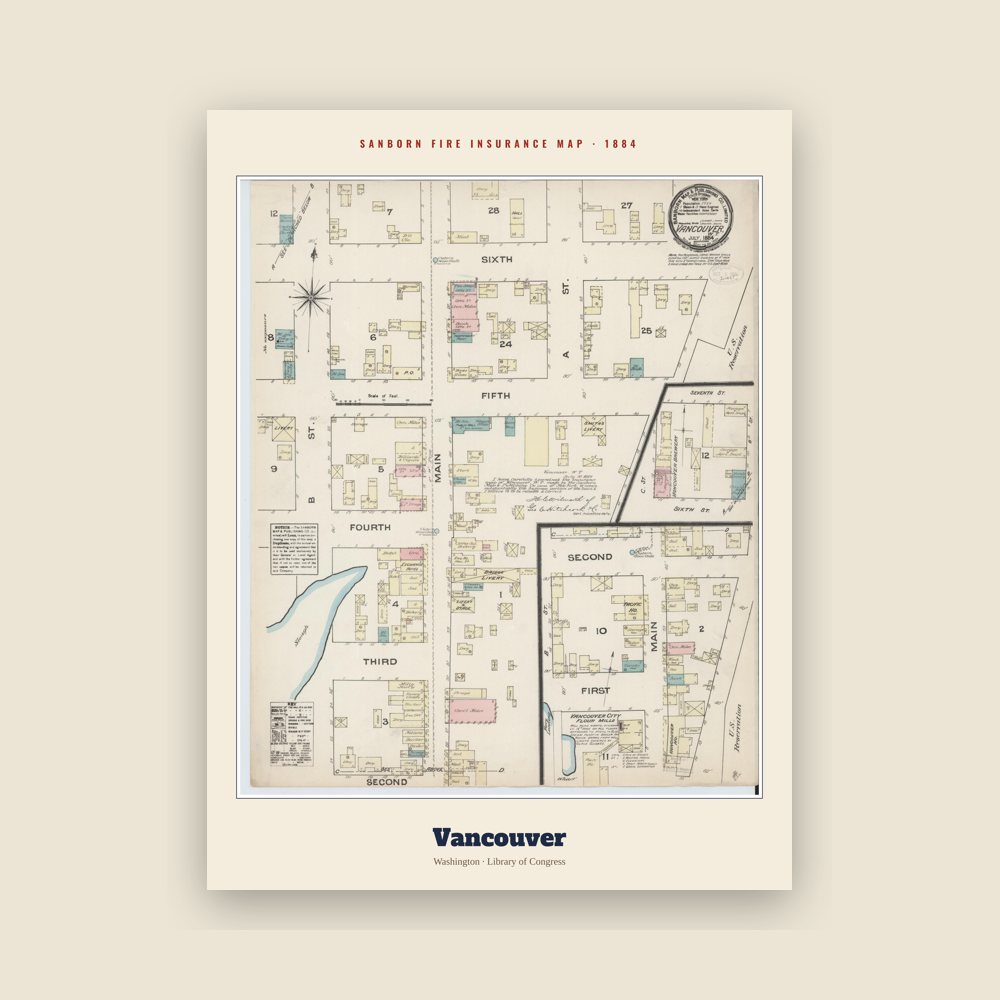
Vancouver Sanborn Map Print

Vancouver Sanborn Map Print

The town's earliest Sanborn fire-insurance map, drawn building by building and hand-coloured, from the Library of Congress

from $44
Vancouver [Ferry over Columbia River Archive Print

Vancouver [Ferry over Columbia River Archive Print

From the Library of Congress collections: a historic survey drawing or photograph of the town

from $44
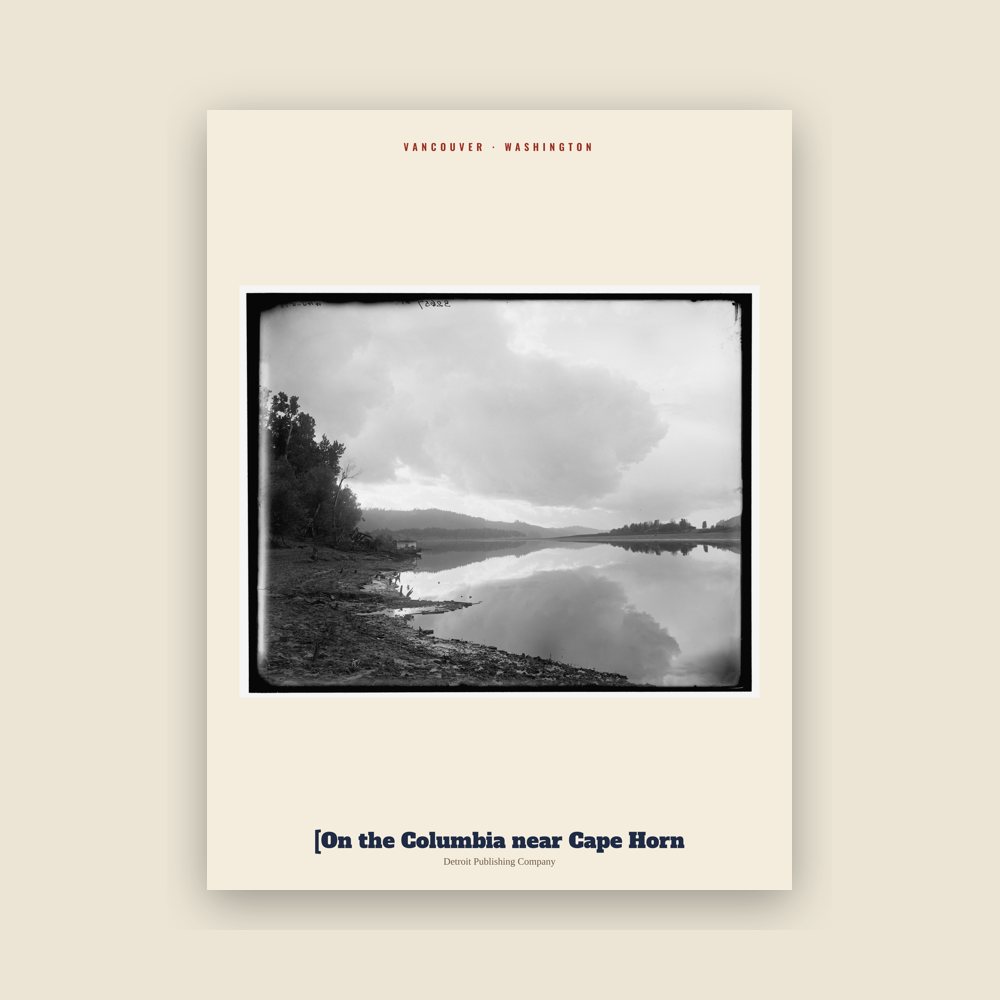
Vancouver [On the Columbia near Cape Horn Archive Print

Vancouver [On the Columbia near Cape Horn Archive Print

From the Library of Congress collections: a historic survey drawing or photograph of the town

from $44
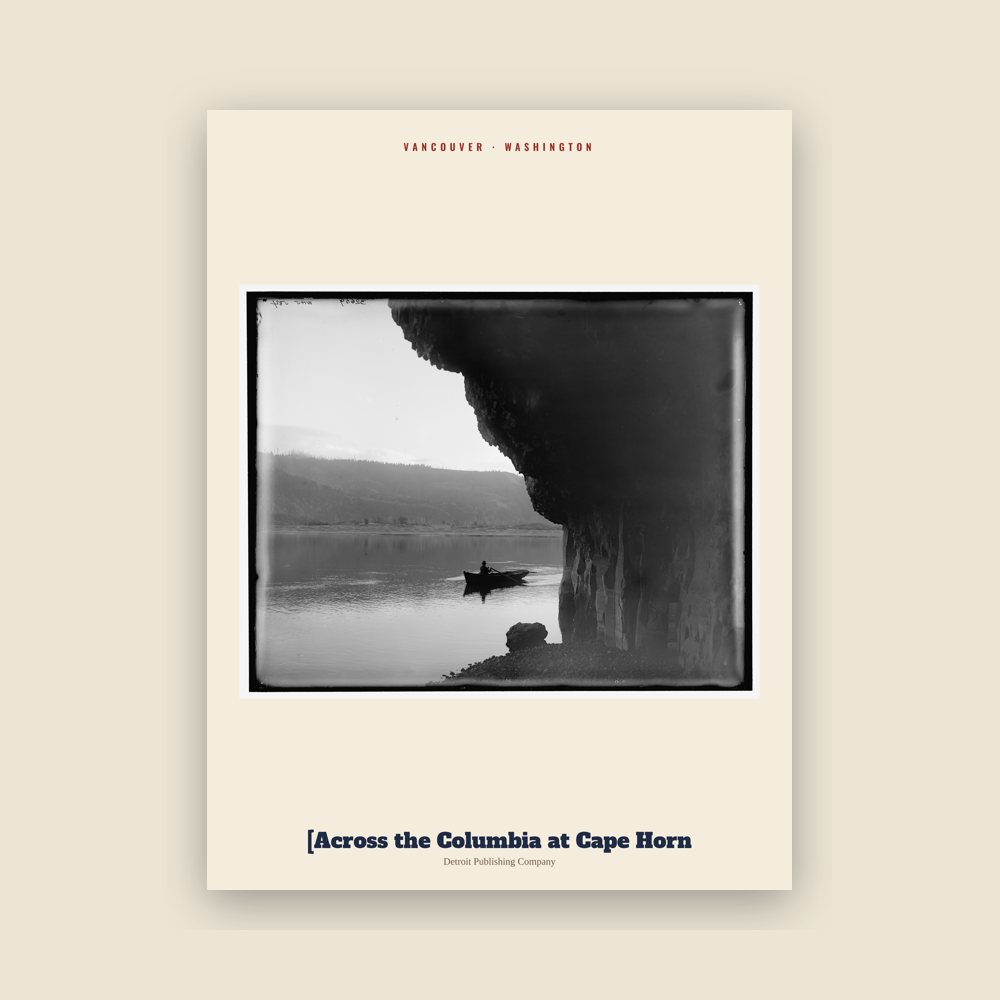
Vancouver [Across the Columbia at Cape Horn Archive Print

Vancouver [Across the Columbia at Cape Horn Archive Print

From the Library of Congress collections: a historic survey drawing or photograph of the town

from $44
Vancouver Vancouver Barracks, Paint Shop and Central Heating Plant, East Fifth Street southeast of McLoughlin Road Archive Print

Vancouver Vancouver Barracks, Paint Shop and Central Heating Plant, East Fifth Street southeast of McLoughlin Road Archive Print

From the Library of Congress collections: a historic survey drawing or photograph of the town

from $44
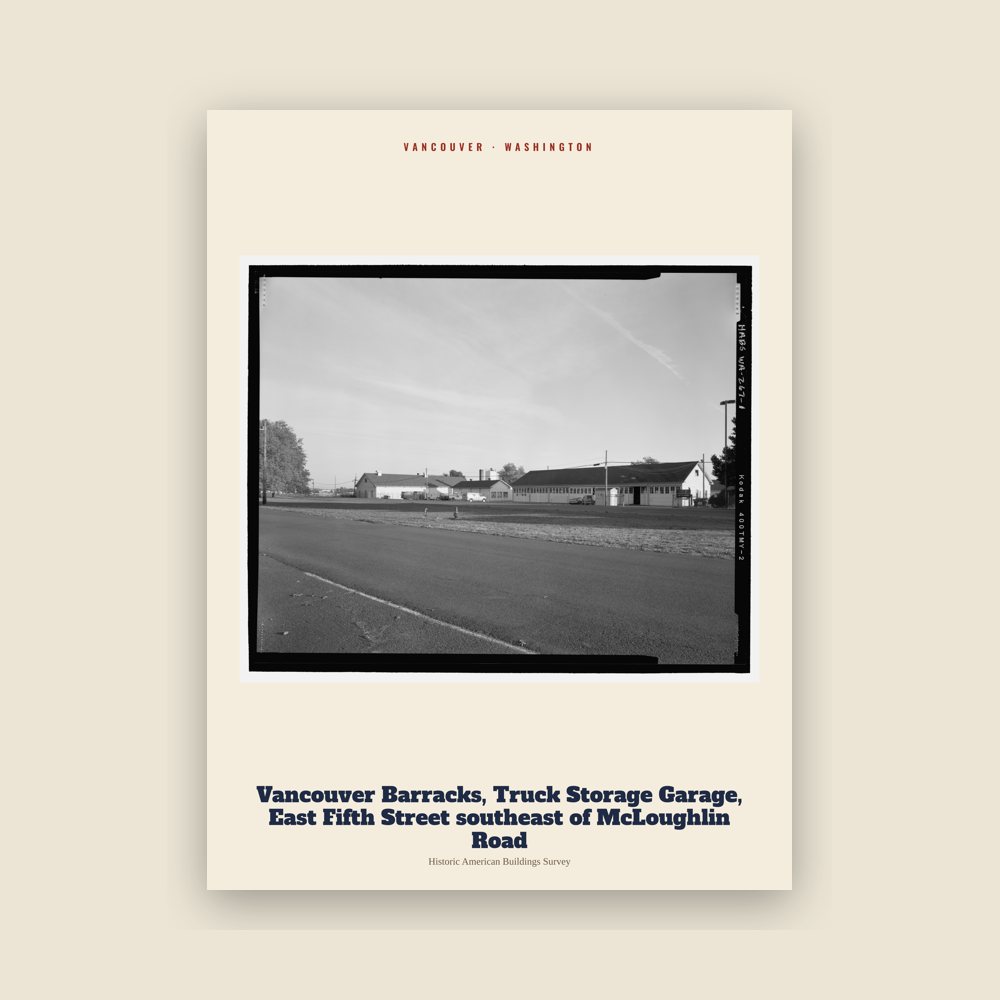
Vancouver Vancouver Barracks, Truck Storage Garage, East Fifth Street southeast of McLoughlin Road Archive Print

Vancouver Vancouver Barracks, Truck Storage Garage, East Fifth Street southeast of McLoughlin Road Archive Print

From the Library of Congress collections: a historic survey drawing or photograph of the town

from $44
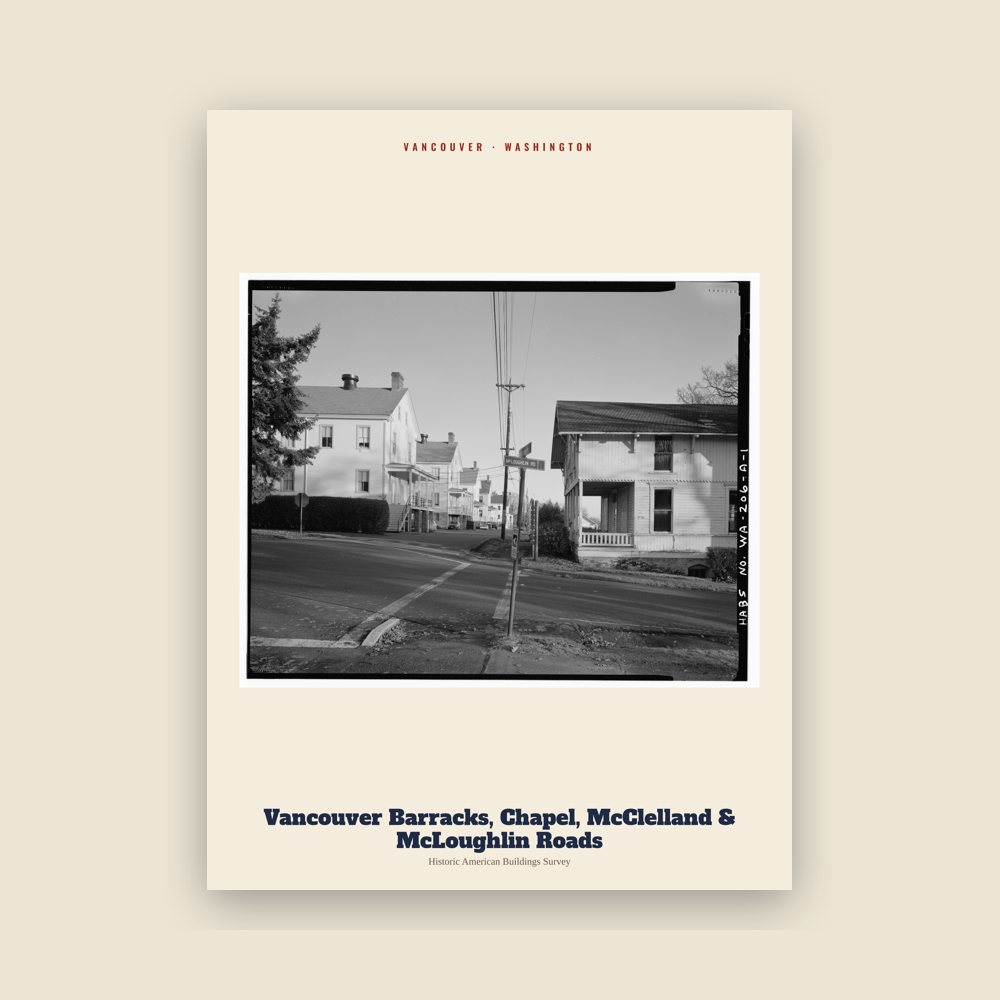
Vancouver Vancouver Barracks, Chapel, McClelland & McLoughlin Roads Archive Print

Vancouver Vancouver Barracks, Chapel, McClelland & McLoughlin Roads Archive Print

From the Library of Congress collections: a historic survey drawing or photograph of the town

from $44
Hometown roll

Born in Vancouver

Named for George Vancouver (English naval explorer (1757–1798)).

On the National Register

Historic places

Population 2010: 161,791 → 2020: 190,915

From Wikidata (CC0).

A short history of Vancouver

Early settlements and exploration

The Vancouver area was inhabited by several Native American tribes, most recently the Chinook and Klickitat nations, with permanent settlements of timber longhouses. The Chinookan and Klickitat names for the area were reportedly Skit-so-to-ho and Ala-si-kas, respectively, meaning 'land of the mud-turtles'. First known European contact was made by William Robert Broughton in 1792, with approximately half of the indigenous population killed by smallpox before the Lewis and Clark Expedition arrived in the area in 1806. Within another fifty years, other diseases such as measles, malaria and influenza had reduced the Chinookan population from an estimated 80,000 "to a few dozen refugees, landless, slaveless and swindled out of a treaty".

Read the full history

19th-century beginnings

Meriwether Lewis wrote that the Vancouver area was "the only desired situation for settlement west of the Rocky Mountains". The first permanent European settlement did not occur until 1824, when Fort Vancouver was established as a fur trading post of the Hudson's Bay Company. From that time on, the area was settled by both the US and Britain under a "joint occupation" agreement. Joint occupation led to the Oregon boundary dispute and ended on June 15, 1846, with the signing of the Oregon Treaty, which gave the United States full control of the area. Before 1845, American Henry Williamson laid out a large claim west of the Hudson's Bay Company (including part of the present-day Port of Vancouver), called "Vancouver City" and properly registered his claim at the U.S. courthouse in Oregon City, before leaving for California. In 1848, Williamson had it surveyed and platted by Peter Crawford. In 1850, Amos Short traced over the claim of Williamson and named the town "Columbia City". It changed to "Vancouver" in 1855. The City of Vancouver was incorporated on January 23, 1857.

Based on an act of the 1859–60 legislature, Vancouver was briefly the capital of Washington Territory, before capital status was returned to Olympia by a 2–1 ruling of the territorial supreme court, in accordance with Isaac Stevens' preference and concern that proximity to the border with Oregon might give some of the state's influence away to Oregon.

20th century

The neighborhood of Sifton was the terminus of an early electric trolley operated by the Northcoast Power Company that also served nearby Orchards from 1910 until 1926. The trolleys made ten stops and ran once per hour, charging 15 cents each way. A mural in the heart of Orchards depicts the trolley and the rural character of the area at the time it was operating. The community was named after Doctor Sifton, a promoter of the trolley service.

According to the archives of the Vancouver Columbian newspaper, the Orchards-Sifton route ran along Vancouver's Main Street to 26th Street (renamed Fourth Plain Blvd.), then from 26th to K Street and thence north to 33rd Street. From there, it ran on 33rd over Burnt Bridge Creek and past the city limits. At that point the trolley became more like a regular train as it followed a cut through the wilderness. Few houses were seen between Vancouver and Orchards. The public's growing preference for motor cars in the 1920s heralded the end of the trolley.

Separated from Oregon until 1917, when the new Interstate Bridge began to replace ferries, Vancouver had three shipyards just downstream which produced ships for World War I before World War II brought an enormous economic boom. An Alcoa aluminum plant opened on September 2, 1940, using inexpensive power from the nearby New Deal hydropower turbines at Bonneville Dam. After the bombing of Pearl Harbor, Henry Kaiser opened a shipyard next to the U.S. Army base, which by 1944 employed as many as 36,000 people in a twenty-four hours a day, seven days a week production of Liberty ships, landing ship tanks, and escort carriers. This influx of shipyard workers boosted the population from 18,000 to over 80,000 in just a few months, leading to the creation of the Vancouver Housing Authority and six new residential developments: Fruit Valley, Fourth Plain Village, Bagley Downs, Ogden Meadows, Burton Homes and McLoughlin Heights. Each of these was later incorporated into the city, and are well-known neighborhoods, while the neighboring "shipyard city" of Vanport, Oregon, would be destroyed by the Memorial Day flood of 1948.

Vancouver has experienced conflicts with other Clark County communities because of rapid growth in the area. The city's first annexation more than doubled its size in 1909, with the largest annexation of 1997 adding 11,258 acres (45.56 km2) and 58,171 residents. As a result of urban growth and the 1997 annexation, Vancouver is often thought of as split between two areas, East and West Vancouver, divided by NE Andresen Road. West Vancouver is home to downtown Vancouver and most of the more historical parts of the city, as well as recent high-density mixed-use development. East Vancouver includes the communities of Cascade Park East and West, which had populations of 6,996 and 6,956 in 1990, before annexation.

21st century

More than one-third of the Vancouver urban area's population lives in unincorporated urban areas north of the city limits, including the communities of Hazel Dell, Felida, Orchards and Salmon Creek. If county leaders had approved another major annexation plan in 2006, Vancouver would have surpassed Tacoma and Spokane to become the state's second-largest city. A 2025 proposal to annex the remaining urban growth area for Vancouver would expand the city limits by 56 square miles (150 km2) and add approximately 171,000 to the city's population. It is estimated to add up to $50 million to the city's budget deficit due to the cost of providing services to the new areas. The 2025 annexation proposal would, like the proposal nearly 2 decades earlier, make Vancouver the state's second-largest city.

Military presence

During 1852–54, future United States President Ulysses S. Grant, then a captain in the U.S. Army, was quartermaster at what was then known as Columbia Barracks. Soon after leaving Vancouver, Grant resigned from the army and did not serve again until the outbreak of the American Civil War in 1861. Other notable generals to have served in Vancouver include George B. McClellan, Philip Sheridan, Oliver O. Howard and 1953 Nobel Peace Prize recipient George C. Marshall.

Army presence in Vancouver was very strong, as the Department of the Columbia built and moved to Vancouver Barracks, the military reservation for which stretched from the river to what is currently Fourth Plain Boulevard and was the largest Army base in the region until surpassed by Fort Lewis, 120 miles (190 km) to the north. Built on the old company gardens and skirmish range, Pearson Army Field (later Pearson Field) was a key facility, and at one point the US Army Signal Corps operated the largest spruce cut-up plant in the world to provide much-needed wood for airplanes. Vancouver became the end point for two ultra-long flights from Moscow, USSR, over the North Pole. The first of these flights was performed by Valery Chkalov in 1937 on a Tupolev ANT-25RD airplane. Chkalov was originally scheduled to land at an airstrip on Swan Island in nearby Portland, Oregon, but was redirected at the last minute to Vancouver's Pearson Airfield. In June 1975, a monument was dedicated commemorating the event near State Highway 14, then moved to the north side of Pearson Field in 1987. Chkalov Drive, in east Vancouver, was named in his honor.
Adapted (trimmed) from the Wikipedia article Vancouver, Washington, revision 1376347596 by its contributors, licensed CC BY-SA 4.0.

For local organizations

Are you with a Vancouver historical society?

We share a part of every Vancouver sale with local partners, and we'd love to print from your collection. Old photographs, maps and postcards make the best keepsakes.

Partner with us
Custom orders

Want something Vancouver we don't make yet?

A favorite landmark, your street, a school or team, an anniversary gift, a different product. Tell us and we'll get back to you by email.

Free printables

Color Vancouver

11 free coloring pages of Vancouver, each traced from a photo of a local landmark. Print them at home, at school or for story hour.
Nearby

Neighboring towns

Sources

Vancouver's population was 190,915 in the 2020 U.S. Census, up from 161,791 in 2010.