Cart 0
Rainier, Rainier, Washington

RAINIER

Washington
Shop the collection

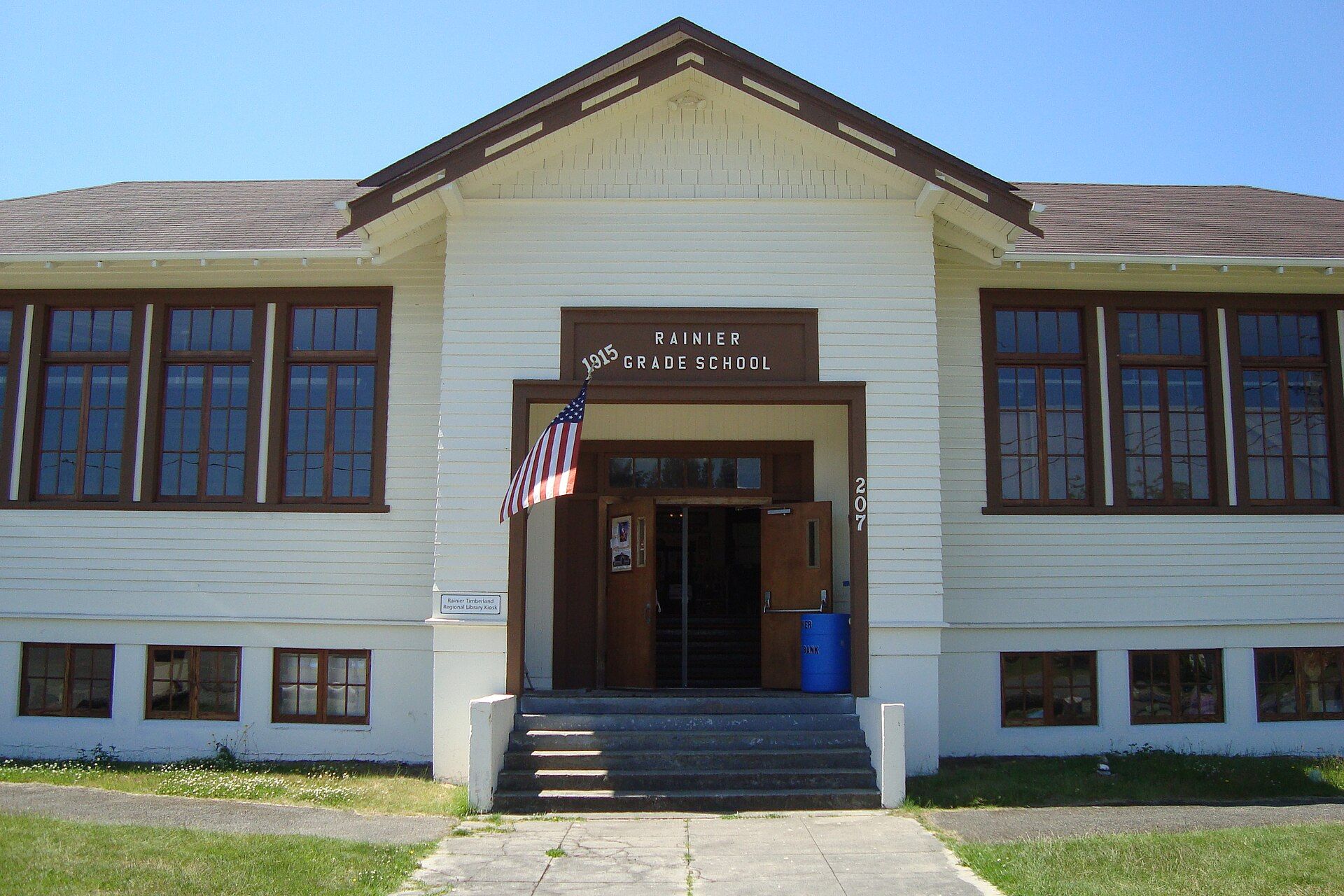
Beginning as a train stop in the 1870s, Rainier was first settled in 1890 and would become known as a logging town. Landmarks include Rainier School and Yelm–Tenino Trail. Rainier is the birthplace of Eloy Pérez, boxer.

The Rainier Collection

Made for Rainier. Printed to order.

Rainier, Washington gifts and souvenirs: 36 designs made from Rainier's own map, landmarks and history, from $10 to $99. Printed to order and shipped free in the USA.

PopularPrice
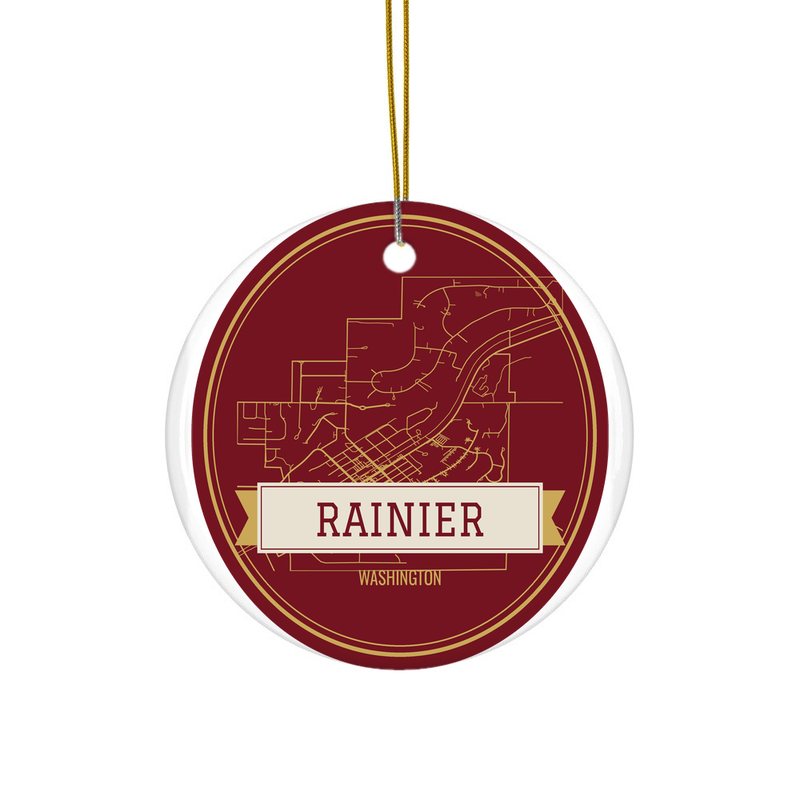
Rainier Hometown Ornament$23
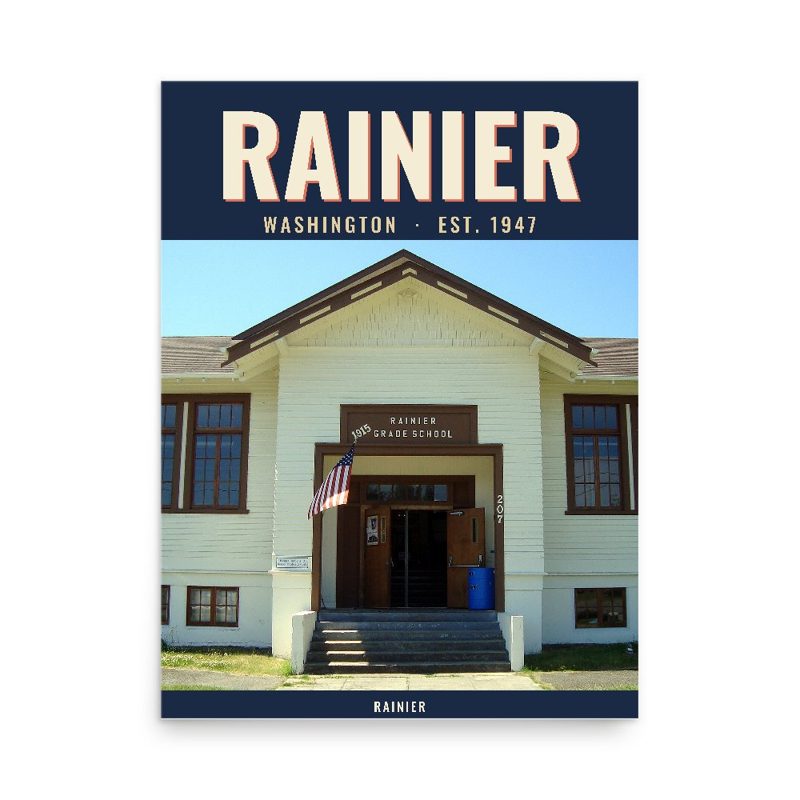
Rainier Vintage Travel Posterfrom $40
Rainier Varsity Crewneckfrom $57
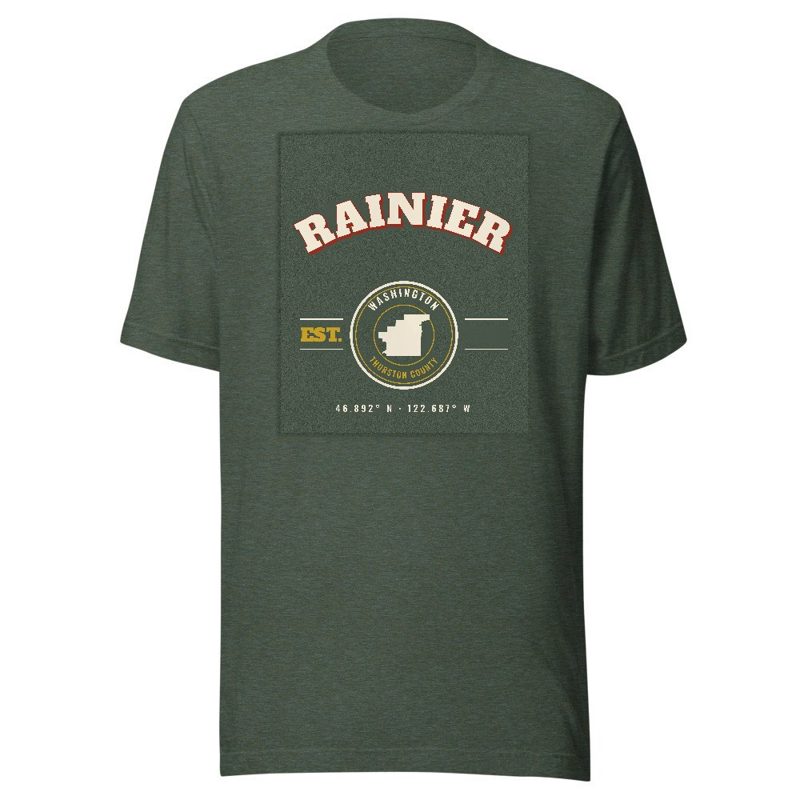
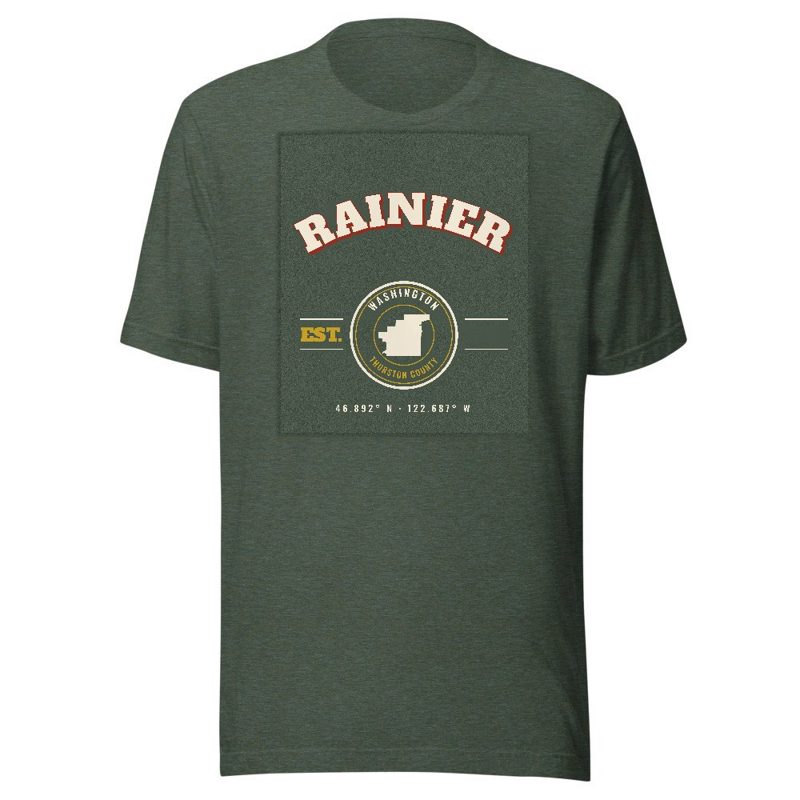
Rainier Est. Teefrom $33
Rainier Town Line Mugfrom $26
Rainier Market Tote$37
Rainier Hometown Ornament

Rainier Hometown Ornament

Ceramic keepsake, gold ribbon, in 3 styles

$23
Rainier Vintage Travel Poster

Rainier Vintage Travel Poster

Its landmark photo in a classic travel-poster layout

from $40
Rainier Photo Art Print

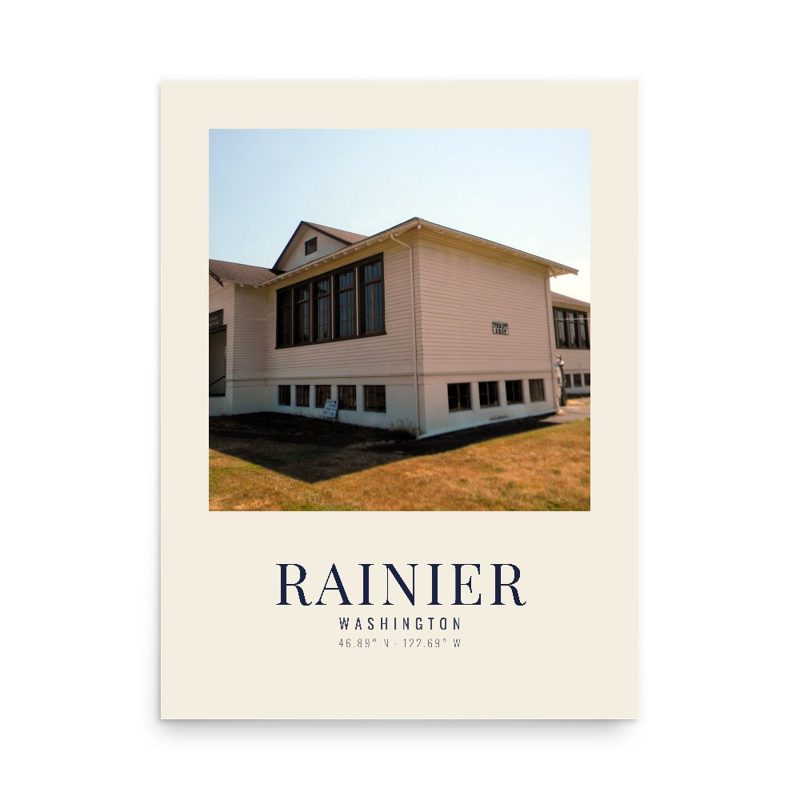
Rainier Photo Art Print

A local landmark photo as a gallery print

from $40
Rainier “Greetings From” Poster

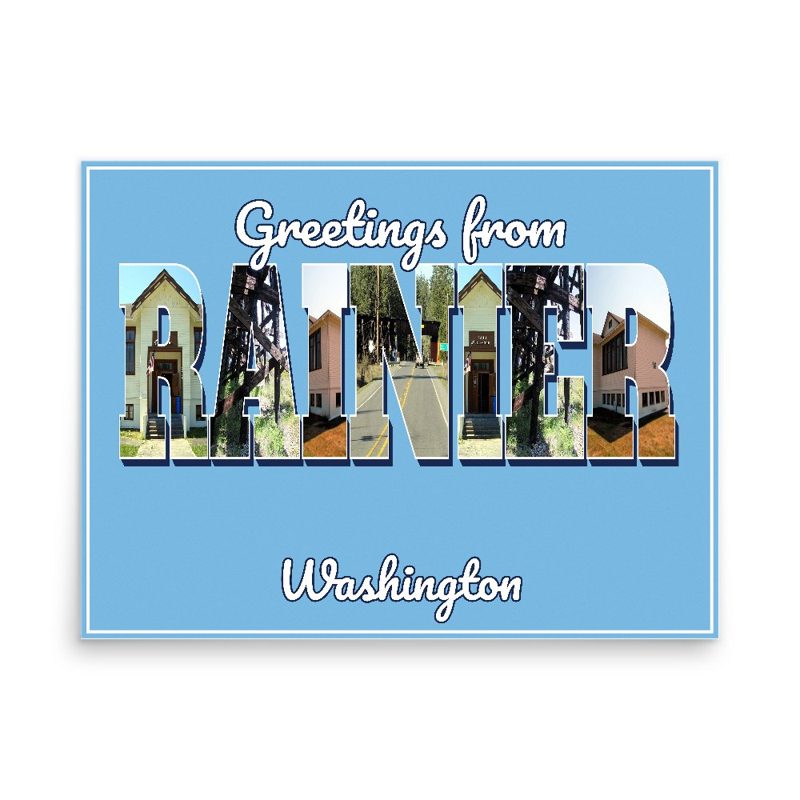
Rainier “Greetings From” Poster

Classic large-letter postcard art, filled with local photos

from $40
Rainier Snapshot Collage Poster

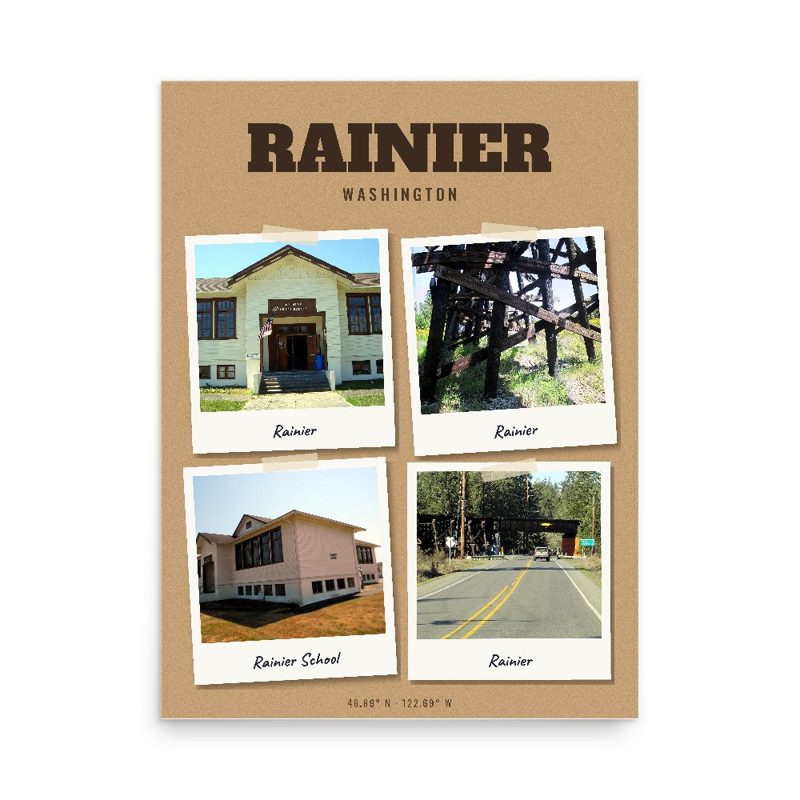
Rainier Snapshot Collage Poster

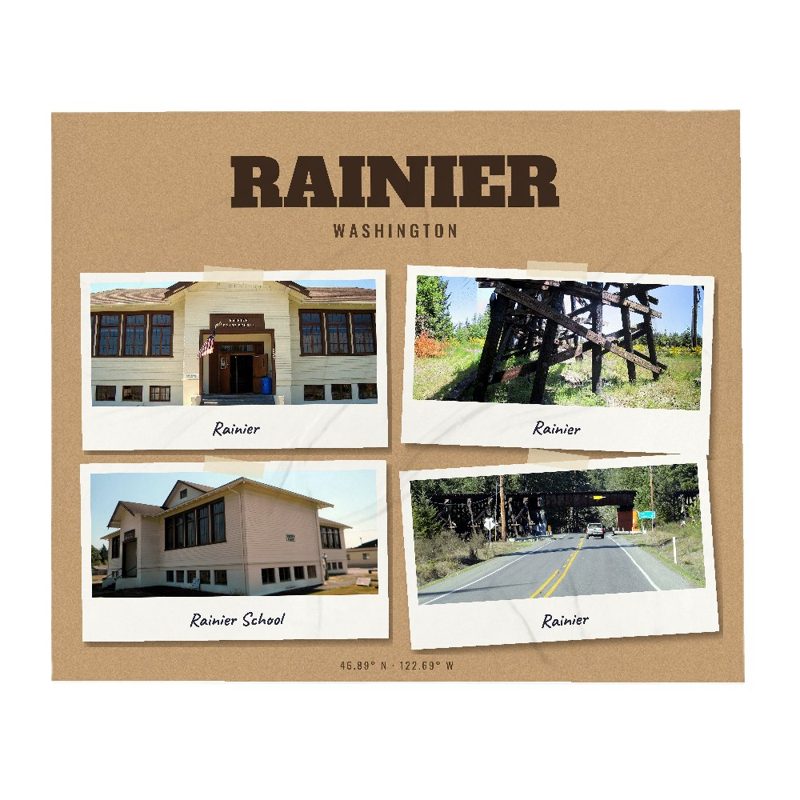
Six local landmarks as instant photos on kraft paper

from $40
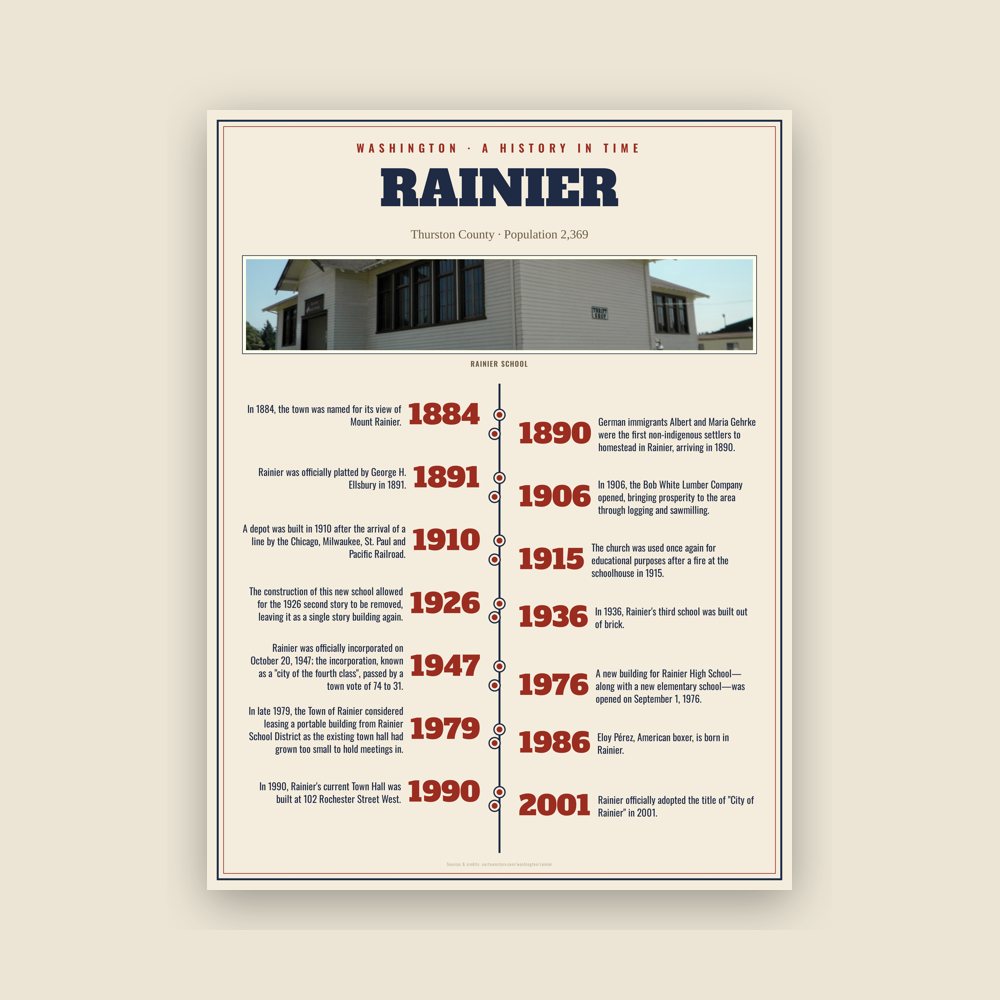
Rainier History Timeline Poster

Rainier History Timeline Poster

The town's story in dates, from its own records, for home or classroom

from $44
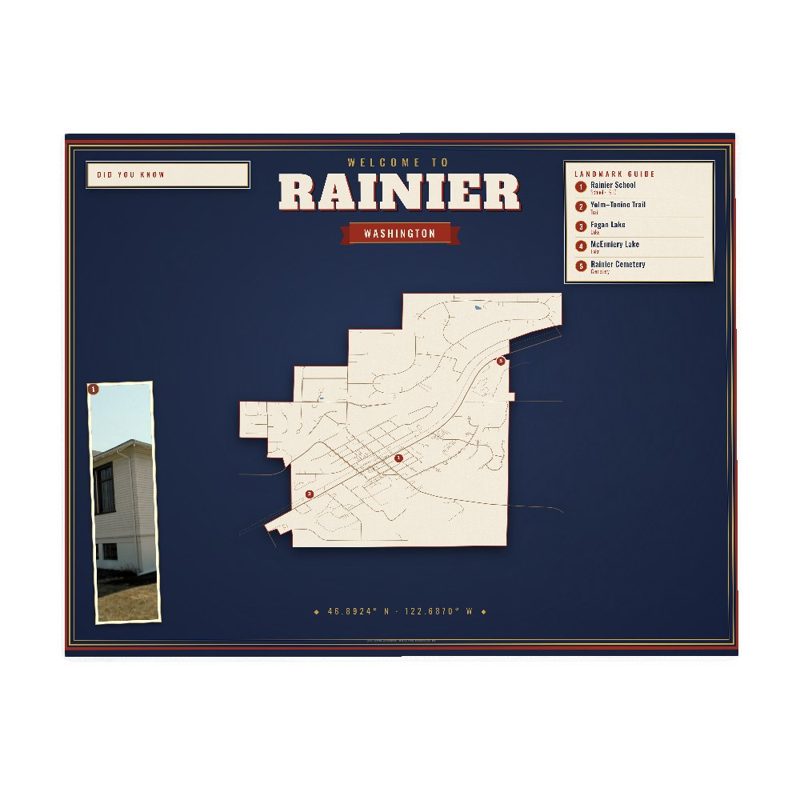
Rainier Map Placemat

Rainier Map Placemat

Map of local landmarks, washable fabric

$31
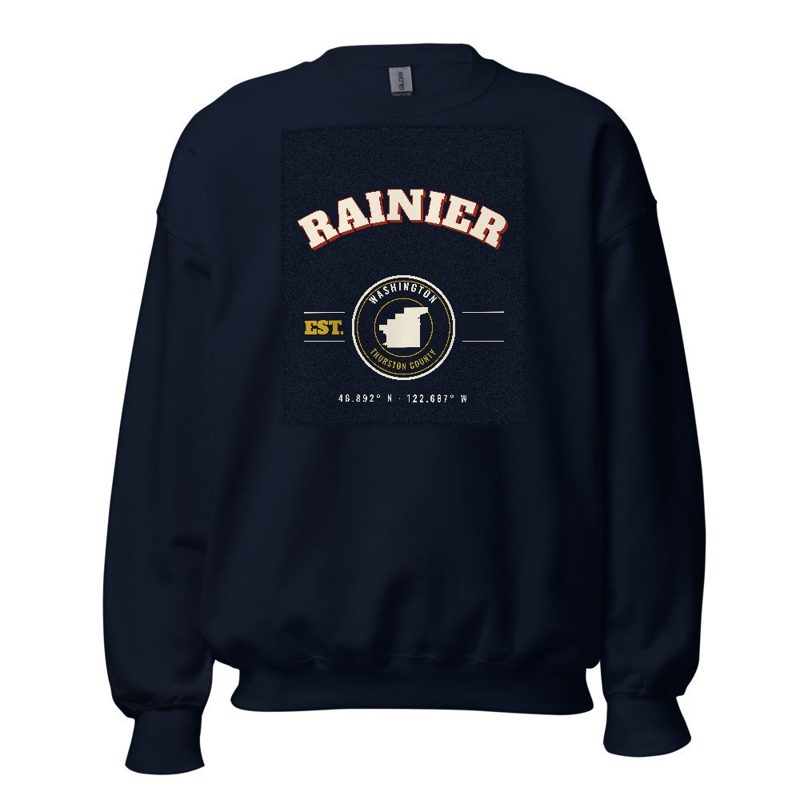
Rainier Varsity Crewneck

Rainier Varsity Crewneck

Heavy-blend fleece, street map printed on the back

from $57
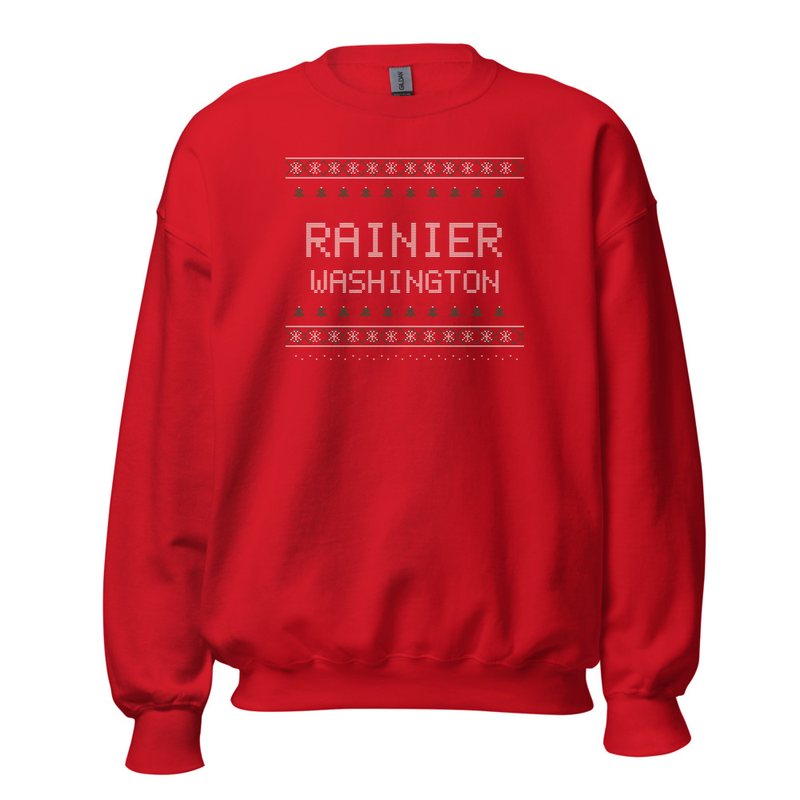
Rainier Hometown Knit Sweater

Rainier Hometown Knit Sweater

Red heavy-blend crewneck, knit-stitch town print

from $57
Rainier Est. Tee

Rainier Est. Tee

Soft Bella+Canvas jersey

from $33
Rainier Est. Youth Tee

Rainier Est. Youth Tee

Kids' Bella+Canvas jersey, youth sizes

$30
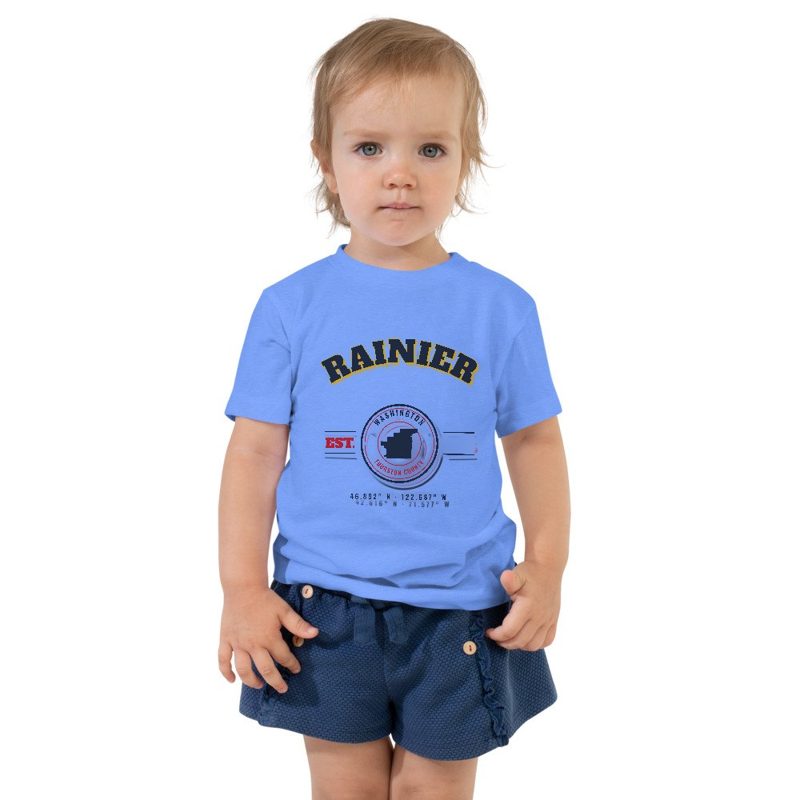
Rainier Est. Toddler Tee

Rainier Est. Toddler Tee

Bella+Canvas toddler jersey

$29
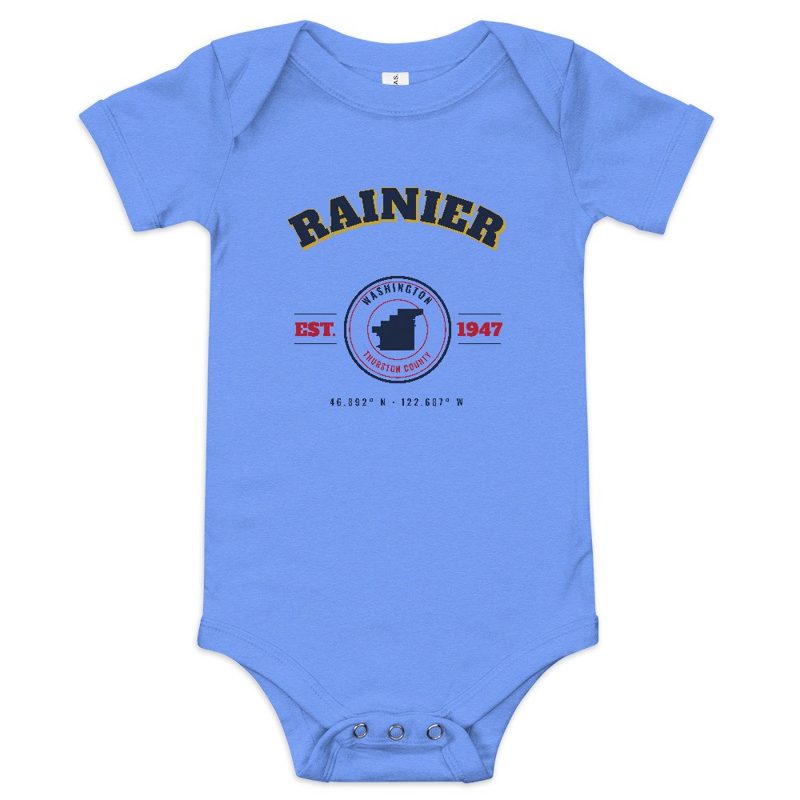
Rainier Est. Baby One Piece

Rainier Est. Baby One Piece

Bella+Canvas baby bodysuit

$30
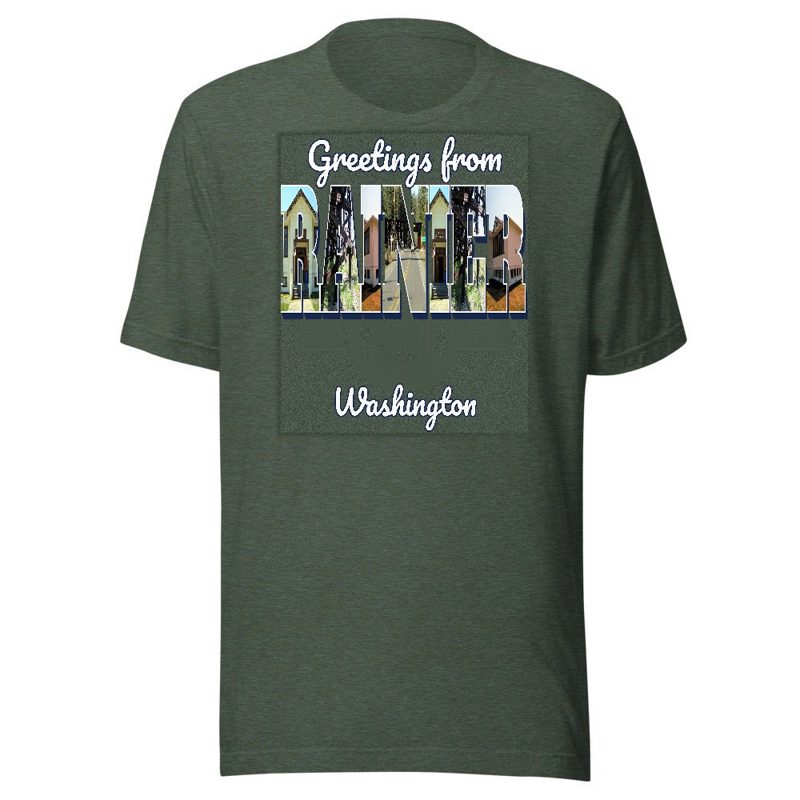
Rainier “Greetings From” Tee

Rainier “Greetings From” Tee

Large-letter postcard art filled with local photos

from $35
Rainier Town Line Mug

Rainier Town Line Mug

Glossy ceramic, dishwasher safe

from $26
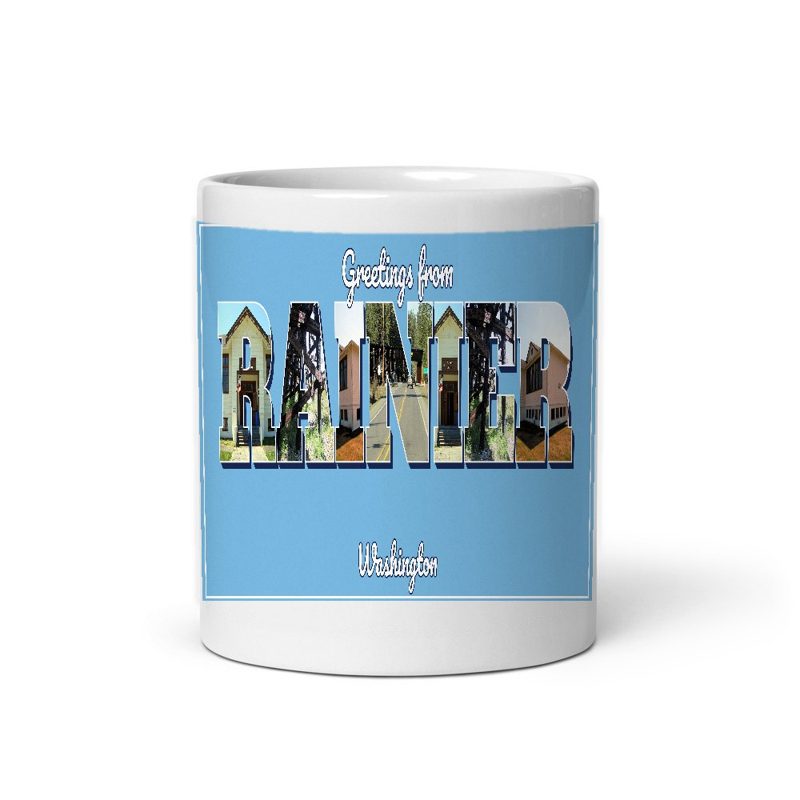
Rainier “Greetings From” Mug

Rainier “Greetings From” Mug

Large-letter postcard art filled with local photos, 11 oz ceramic

from $29
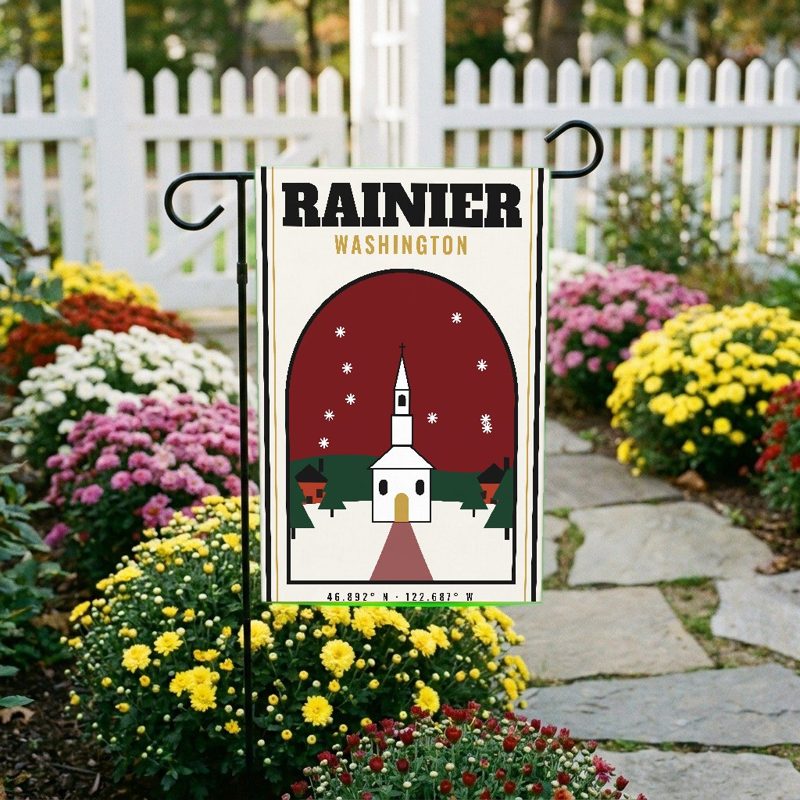
Rainier Garden Flag

Rainier Garden Flag

Weatherproof, for the front walk

$31
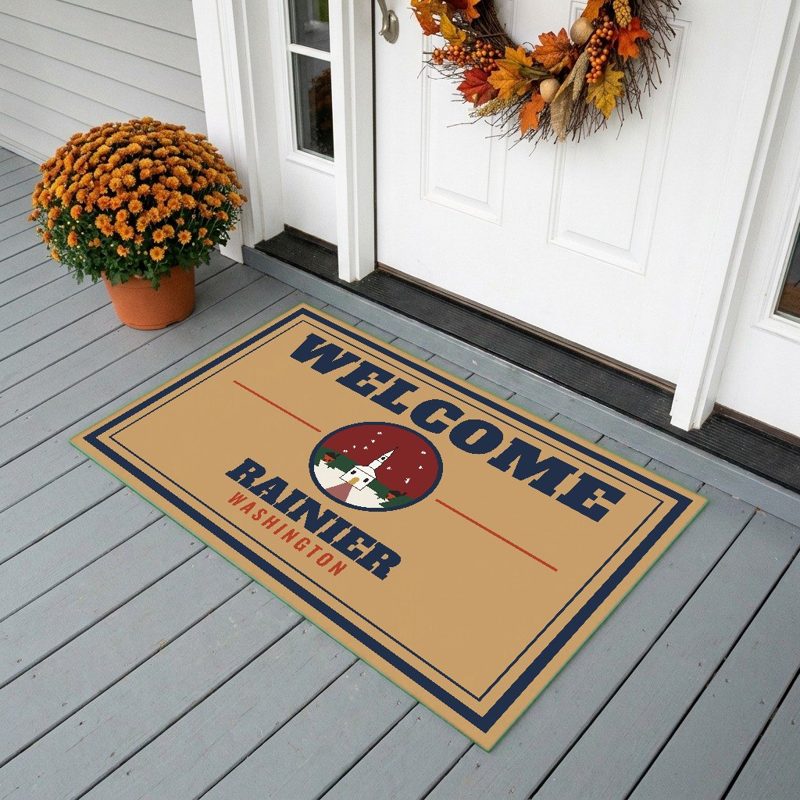
Rainier Welcome Doormat

Rainier Welcome Doormat

24″×16″, printed coir-look fibers, rubber back

$66
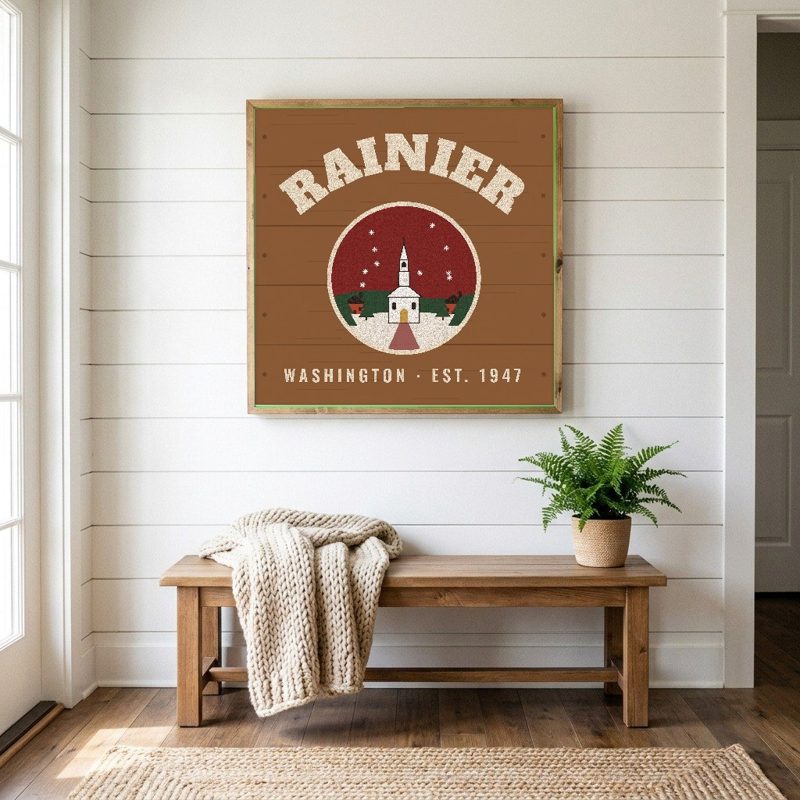
Rainier Hometown Wood Sign

Rainier Hometown Wood Sign

12″×12″ printed wood, ready to hang

$48
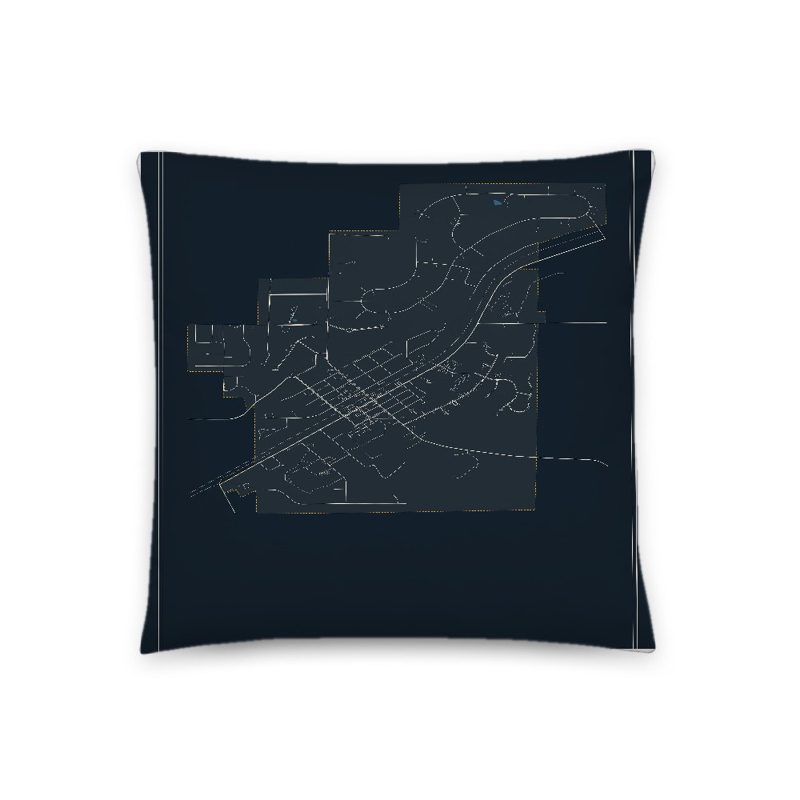
Rainier Map Throw Pillow

Rainier Map Throw Pillow

Soft-touch, zip cover

$47
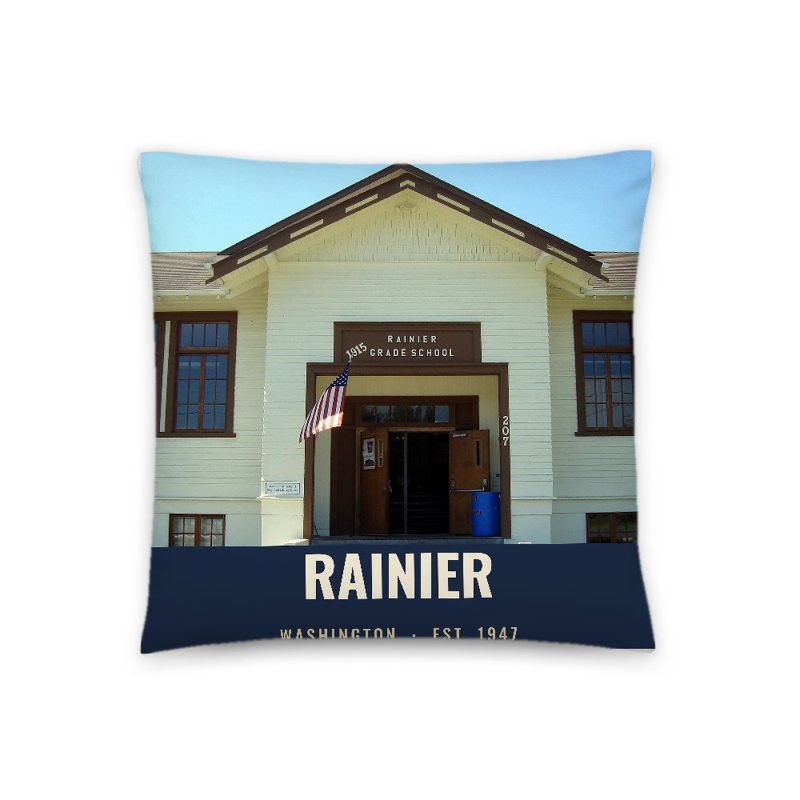
Rainier Landmark Photo Pillow

Rainier Landmark Photo Pillow

A local landmark photo with the town name, 18″×18″

$49
Rainier Market Tote

Rainier Market Tote

Sturdy all-over-print tote

$37
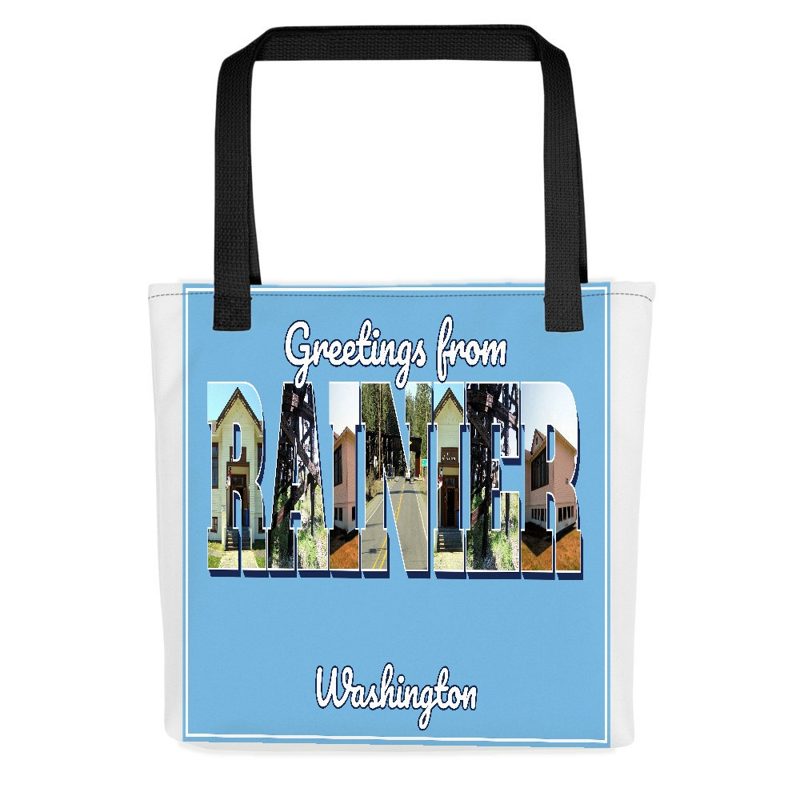
Rainier “Greetings From” Tote

Rainier “Greetings From” Tote

Large-letter postcard art on a sturdy tote

$37
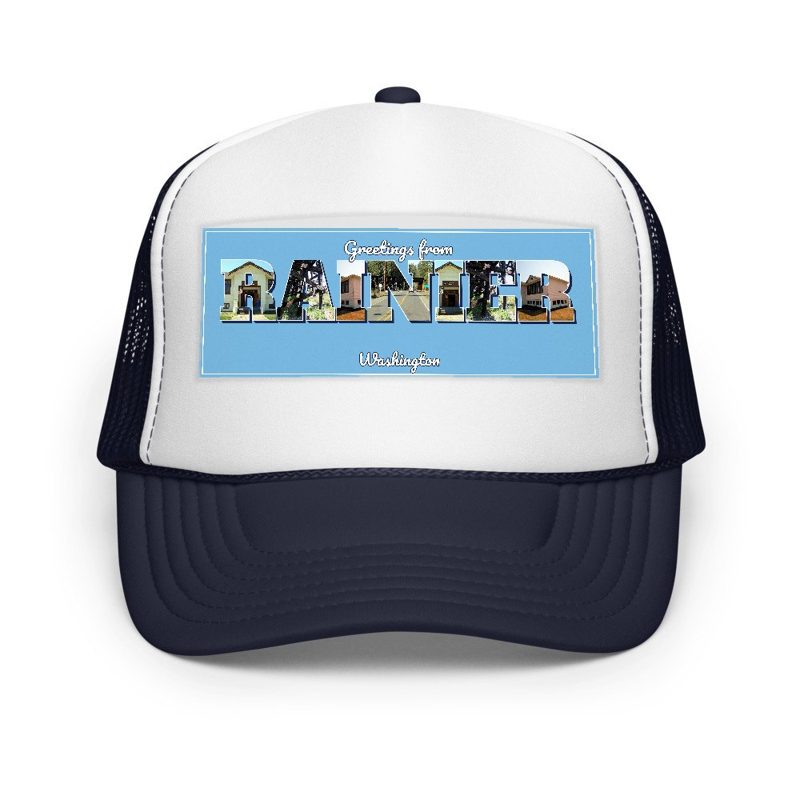
Rainier “Greetings From” Trucker Cap

Rainier “Greetings From” Trucker Cap

Foam-front trucker, printed (not embroidered) with local photos

$33
Rainier Cork Coaster

Rainier Cork Coaster

Glossy top, cork back

$16
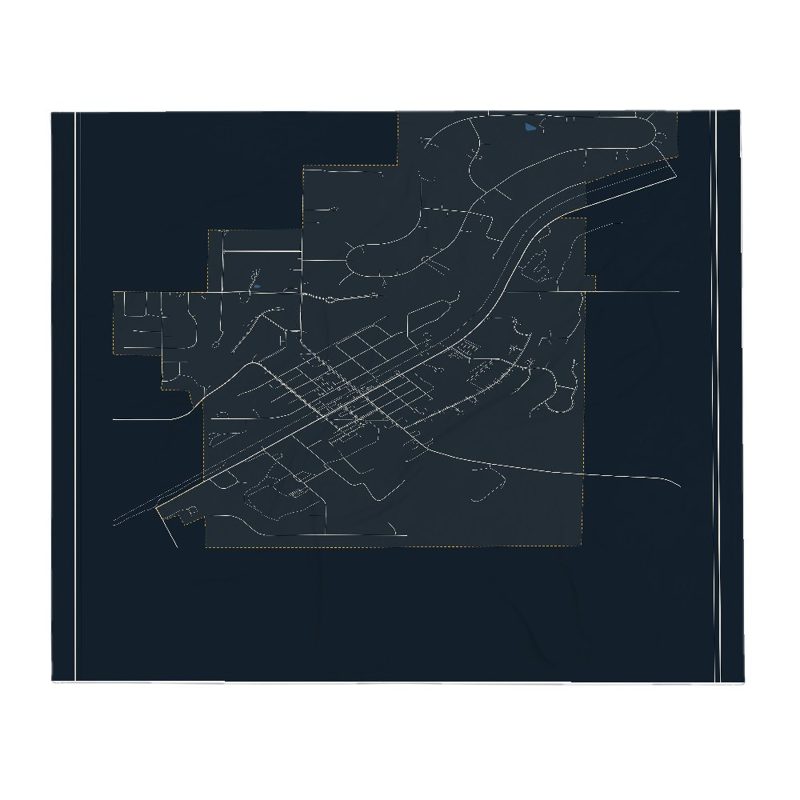
Rainier Street Map Throw Blanket

Rainier Street Map Throw Blanket

Soft fleece, 50″×60″

from $72
Rainier Snapshot Collage Blanket

Rainier Snapshot Collage Blanket

Six local landmarks as instant photos, soft fleece 50″×60″

from $76
Rainier Est. Tumbler

Rainier Est. Tumbler

20 oz, double-wall stainless

$51
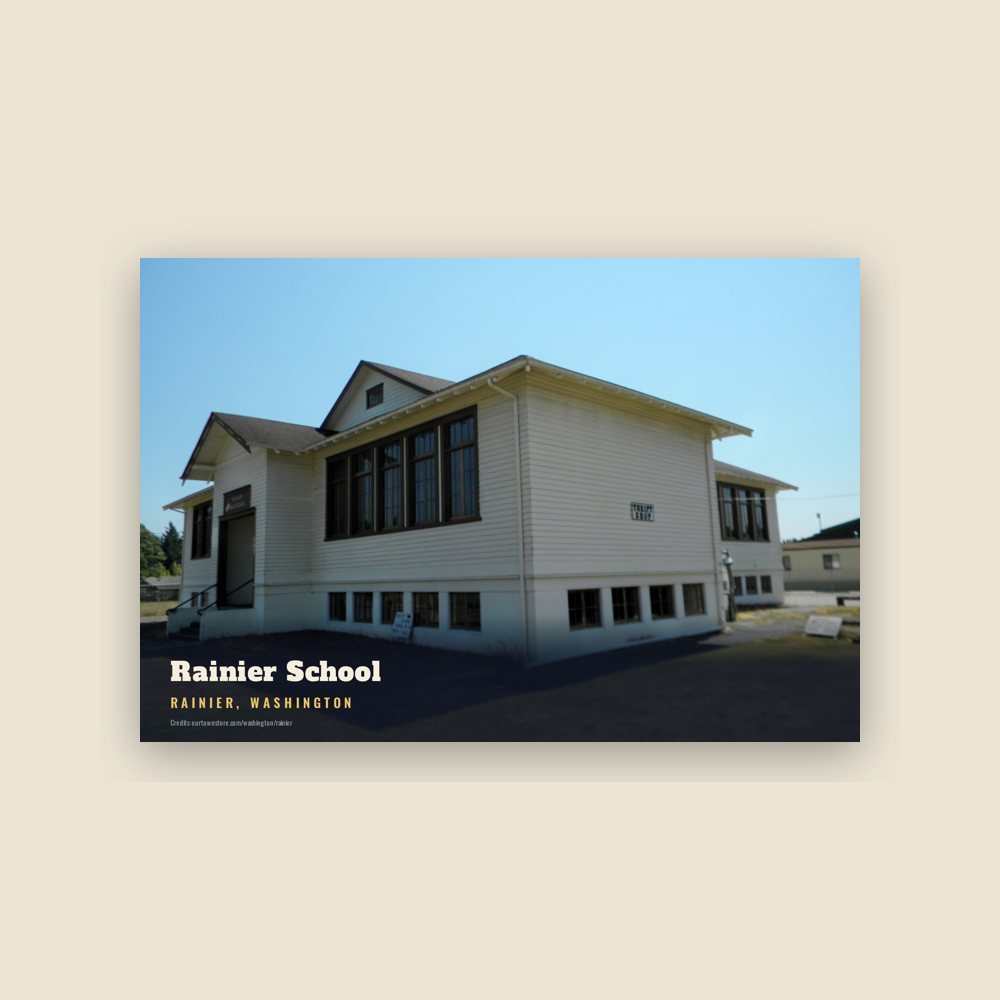
Rainier Rainier School Postcard

Rainier Rainier School Postcard

6″×4″ postcard, glossy front

$10
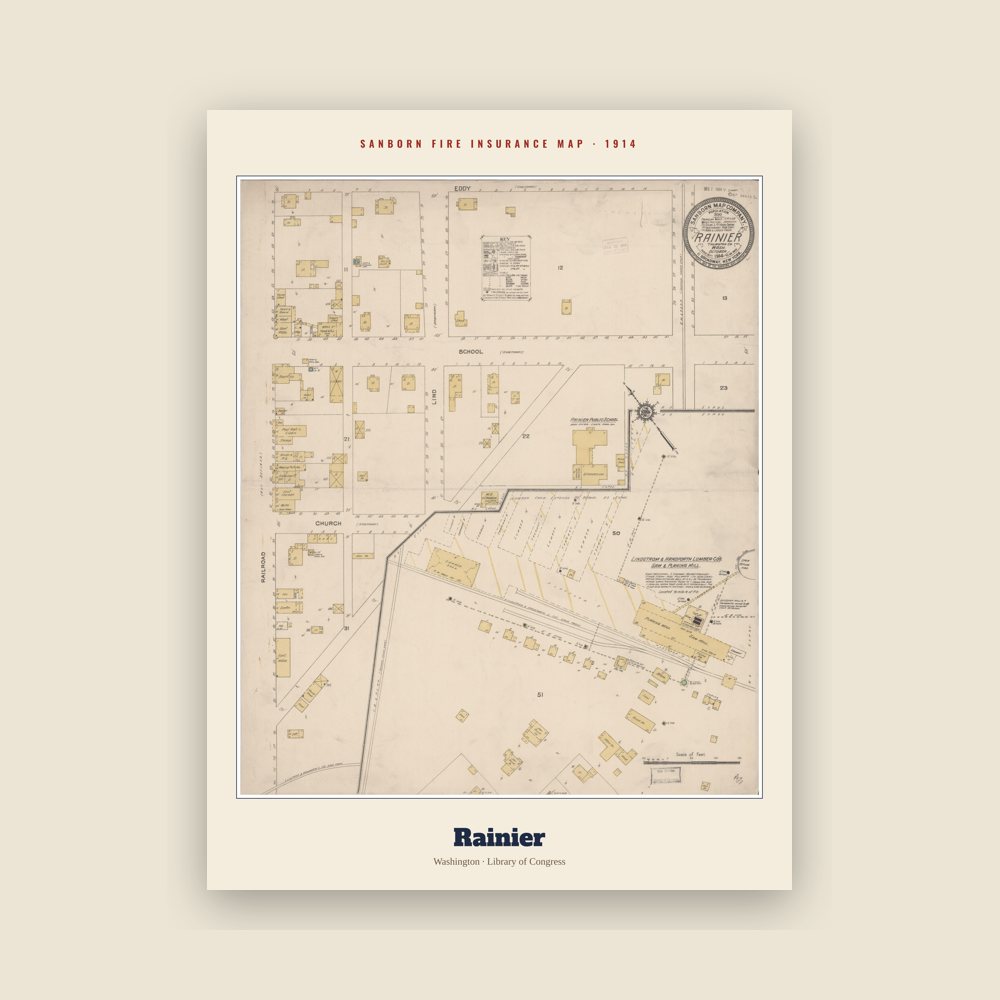
Rainier Sanborn Map Print

Rainier Sanborn Map Print

The town's earliest Sanborn fire-insurance map, drawn building by building and hand-coloured, from the Library of Congress

from $44
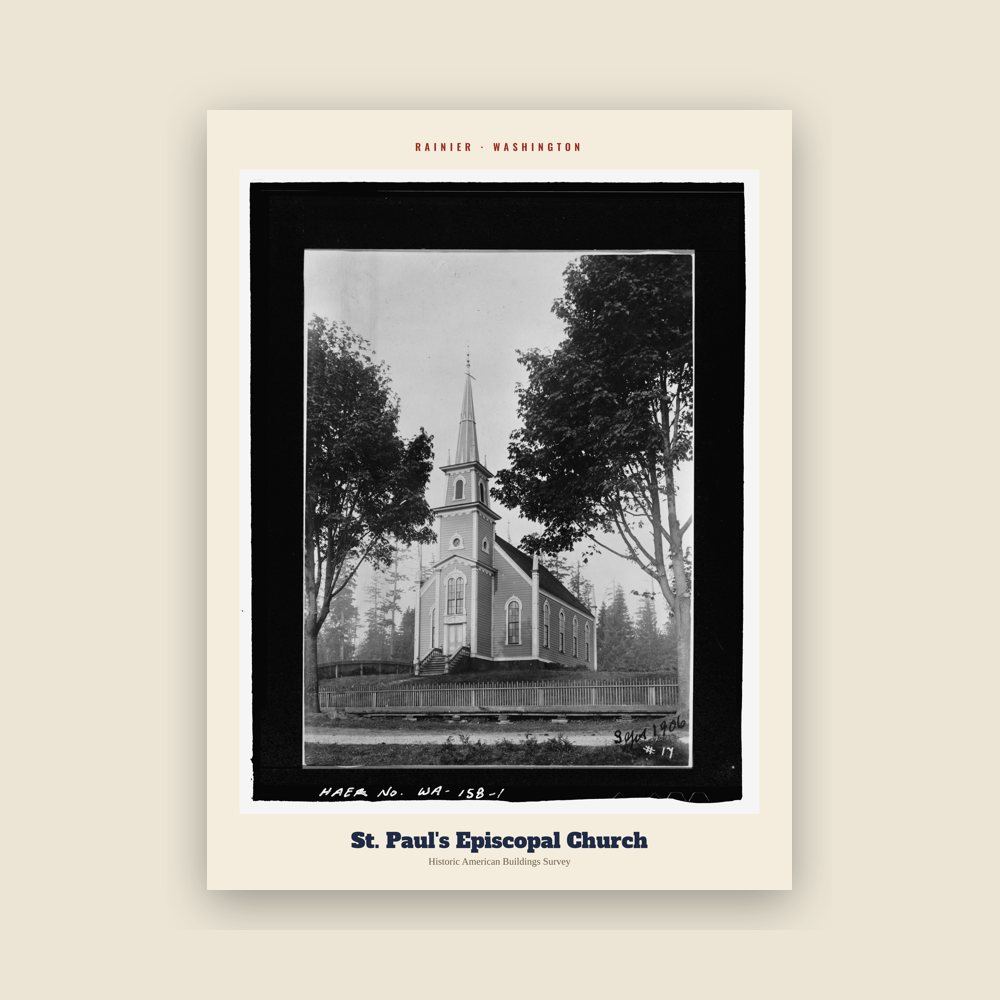
Rainier St. Paul's Episcopal Church Archive Print

Rainier St. Paul's Episcopal Church Archive Print

From the Library of Congress collections: a historic survey drawing or photograph of the town

from $44
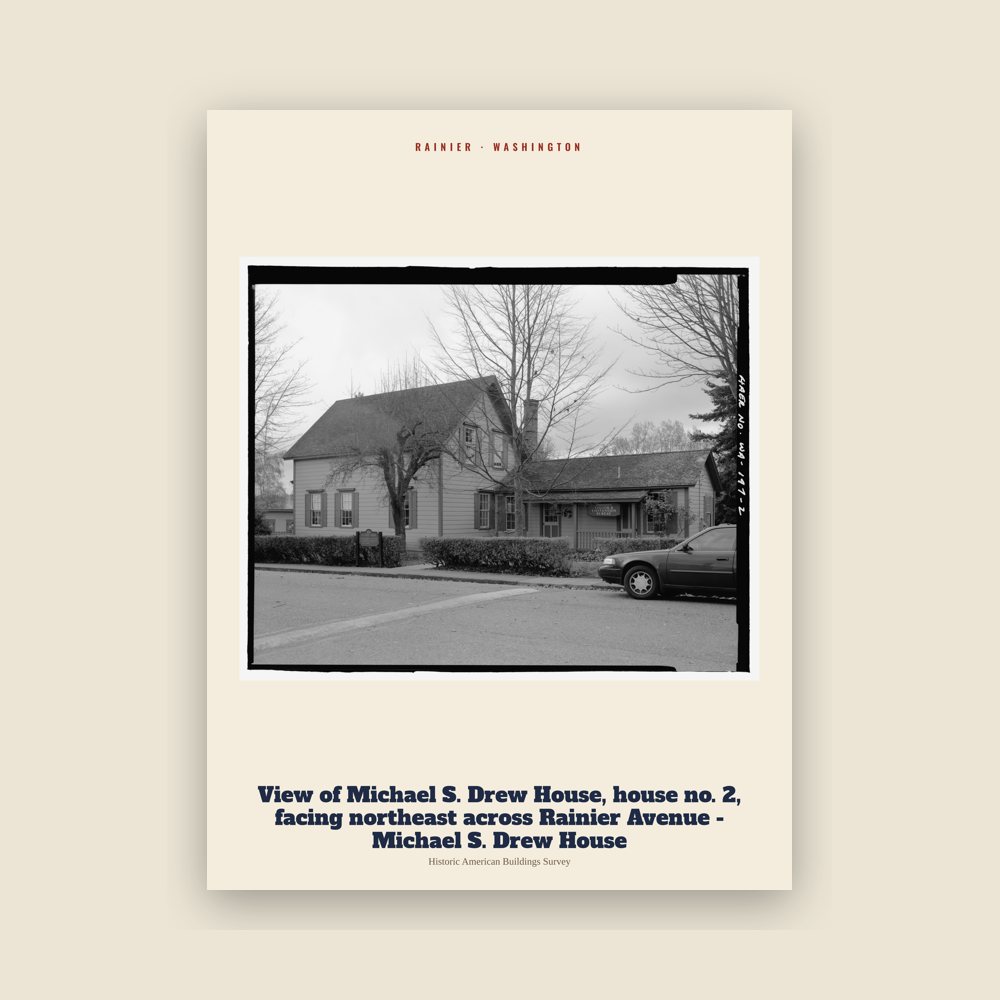
Rainier View of Michael S. Drew House, house no. 2, facing northeast across Rainier Avenue - Michael S. Drew House Archive Print

Rainier View of Michael S. Drew House, house no. 2, facing northeast across Rainier Avenue - Michael S. Drew House Archive Print

From the Library of Congress collections: a historic survey drawing or photograph of the town

from $44
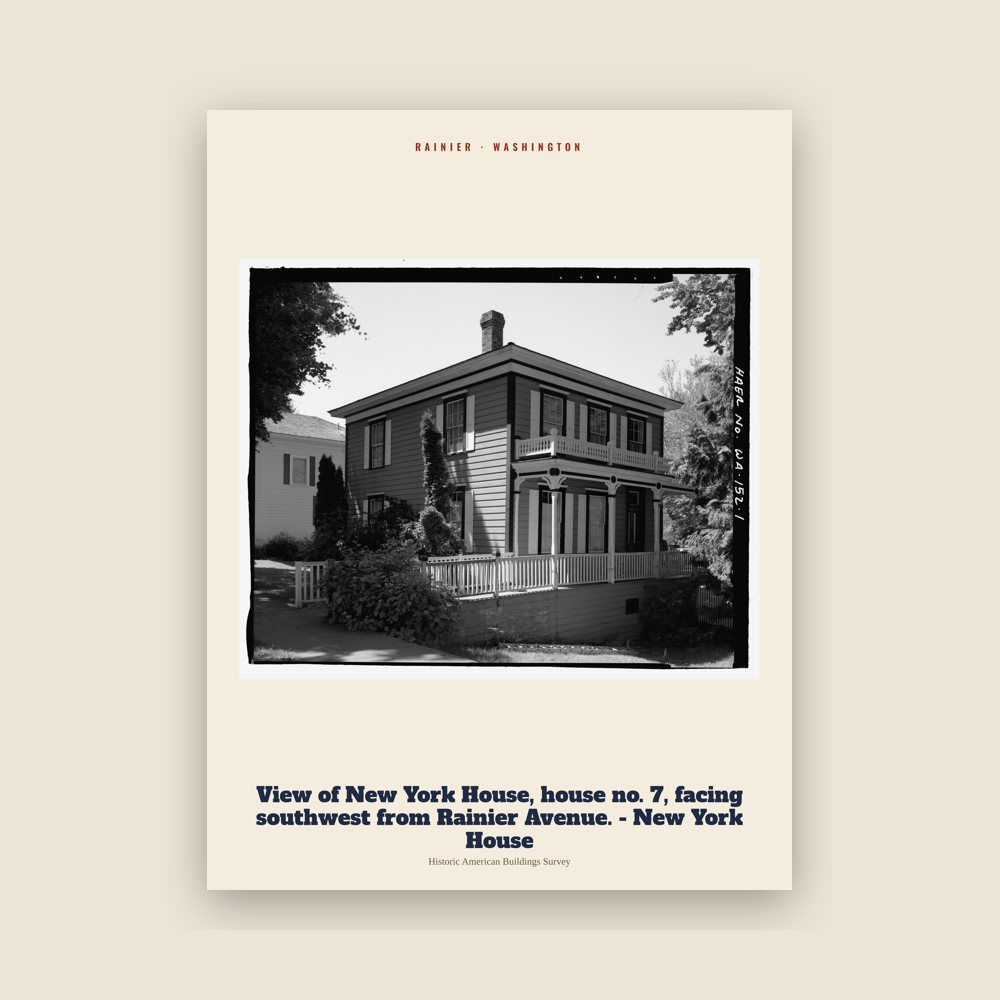
Rainier View of New York House, house no. 7, facing southwest from Rainier Avenue. - New York House Archive Print

Rainier View of New York House, house no. 7, facing southwest from Rainier Avenue. - New York House Archive Print

From the Library of Congress collections: a historic survey drawing or photograph of the town

from $44
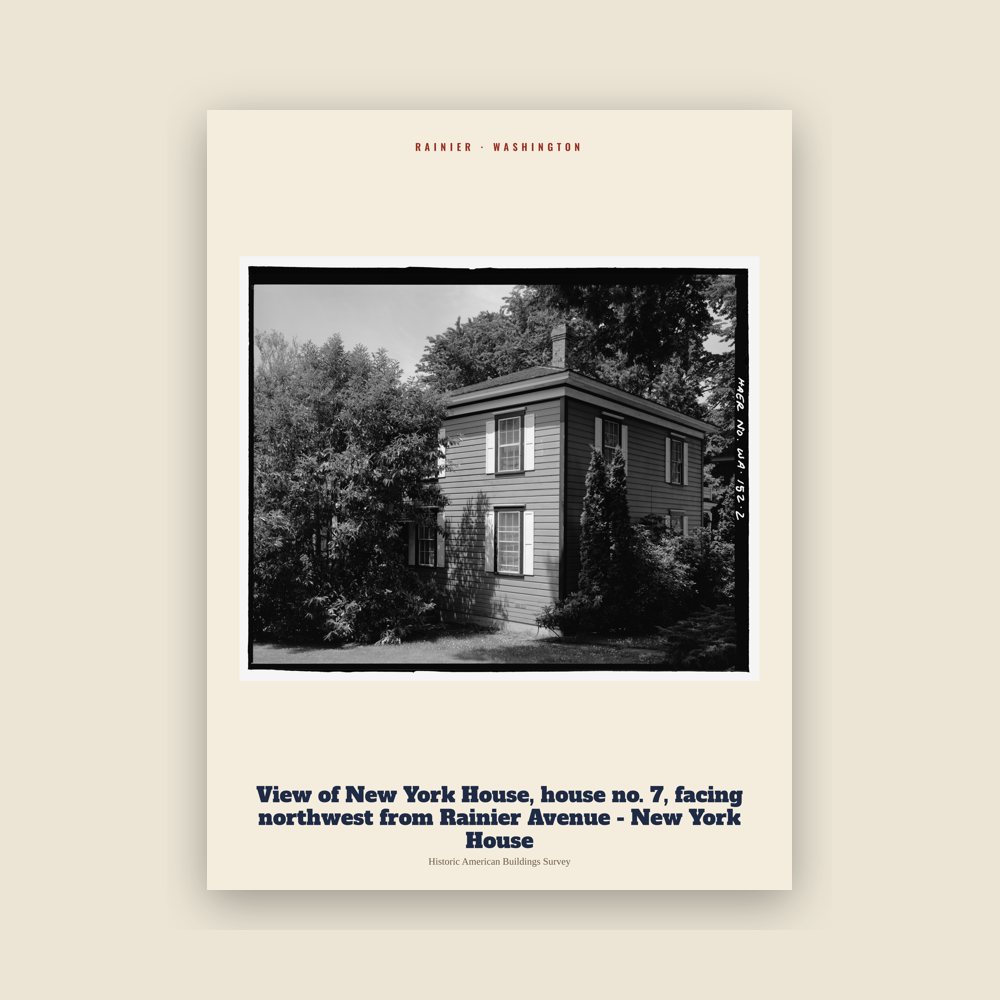
Rainier View of New York House, house no. 7, facing northwest from Rainier Avenue - New York House Archive Print

Rainier View of New York House, house no. 7, facing northwest from Rainier Avenue - New York House Archive Print

From the Library of Congress collections: a historic survey drawing or photograph of the town

from $44
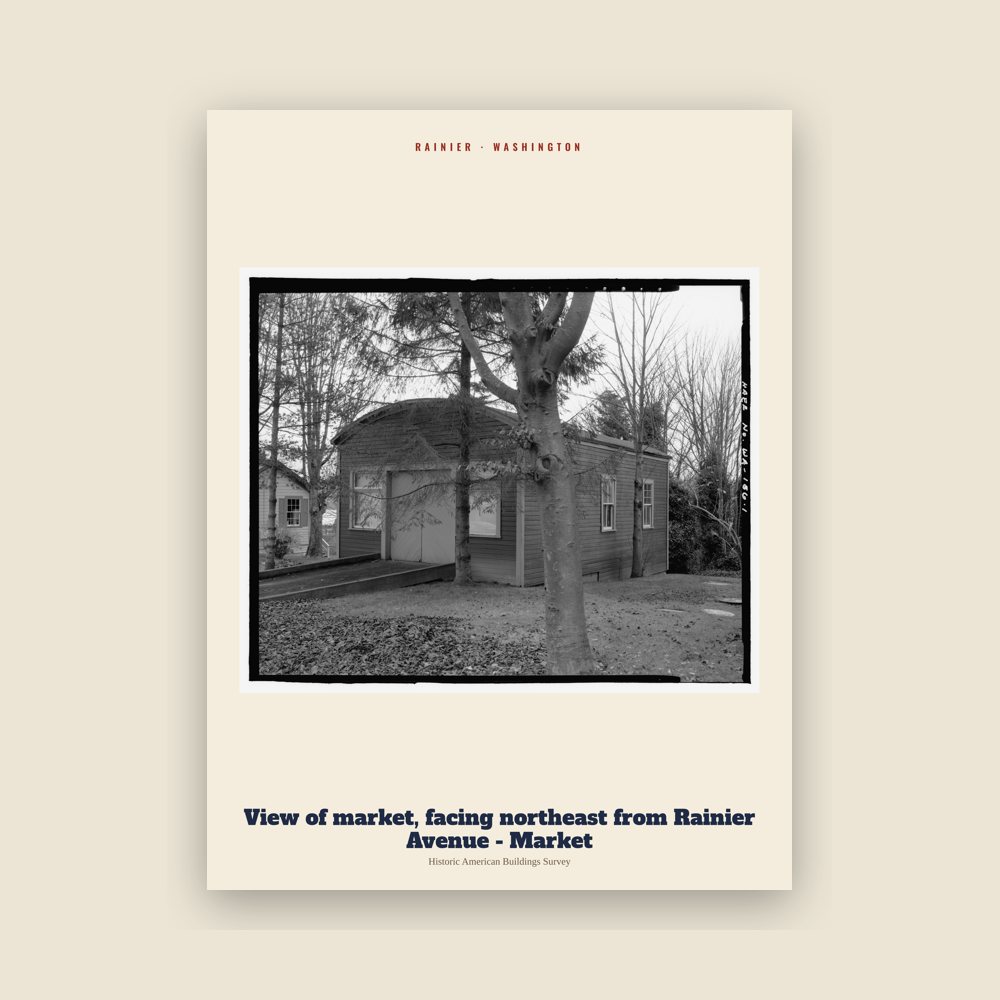
Rainier View of market, facing northeast from Rainier Avenue - Market Archive Print

Rainier View of market, facing northeast from Rainier Avenue - Market Archive Print

From the Library of Congress collections: a historic survey drawing or photograph of the town

from $44
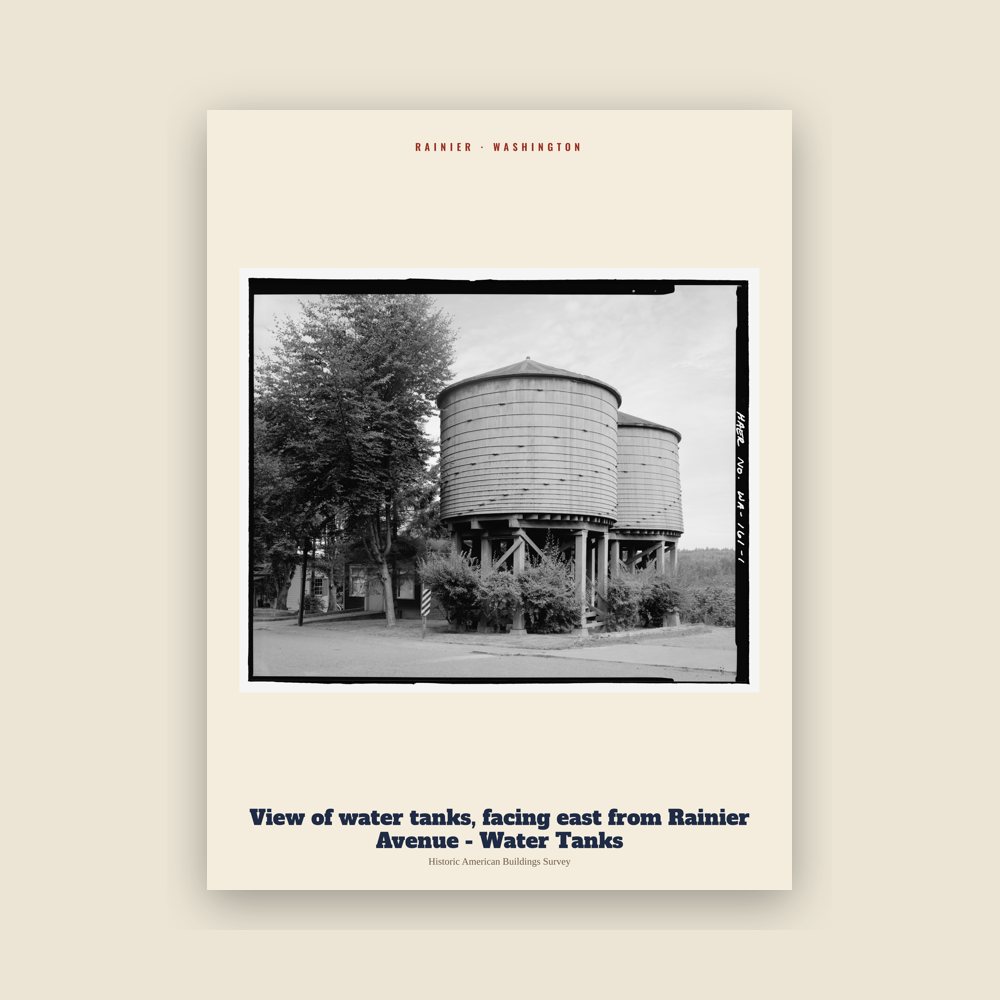
Rainier View of water tanks, facing east from Rainier Avenue - Water Tanks Archive Print

Rainier View of water tanks, facing east from Rainier Avenue - Water Tanks Archive Print

From the Library of Congress collections: a historic survey drawing or photograph of the town

from $44
On the National Register

Historic places

Population 2010: 1,794 → 2020: 2,369

From Wikidata (CC0).

A short history of Rainier

Indigenous history

Rainier is situated in an area known as the Tenalquot Prairie. Known also as "Te-nal-cut", "Ta-nal-cuth", or "Ten-al-quelth" to indigenous people in the area, the word most likely means "the best yet" or "happy land" in the Lushootseed language. Another possible meaning is that of a mink in search of home in a human settlement.

Read the full history

19th century and establishment

By the 1840s, the prairie was used for sheep farming station under the Puget Sound Agricultural Company. Rainier began in the 1870s as a "Prairie Line" stop on the Northern Pacific Railroad track between Kalama, Washington, Tenino and Tacoma. In 1884, the town was named for its view of Mount Rainier.

German immigrants Albert and Maria Gehrke were the first non-indigenous settlers to homestead in Rainier, arriving in 1890. Later that year a store and post office were established by Henry Harmer, who homesteaded with his wife Jessie and children on the Deschutes River near Rainier. Rainier was officially platted by George H. Ellsbury in 1891.

Ellsbury modeled the new town after a settlement he began in the Dakota Territory. The "Rainier Colony" initially began under Ellsbury's idea as a cooperative settlement though it remains uncertain how much of the development was completed or followed. By 1891, Rainier grew to include additional families, buildings, and a hotel. In 1896, the community's first full-time school as well as a Lutheran church were built by Albert Gehrke and his two brothers, Theodore and Paul; the buildings are state historic landmarks.

20th century

The original school was converted into the Zion Evangelical Lutheran Church after a new schoolhouse was built in the early 1900s; the church had been founded by German settlers the prior decade. The church was used once again for educational purposes after a fire at the schoolhouse in 1915.

In 1906, the Bob White Lumber Company opened, bringing prosperity to the area through logging and sawmilling. Other lumber companies, such as Deschutes, Gruber and Docherty, and Fir Tree, were soon attracted to the area as well, building mills or railroad spurs in the late 1900s into the mid-1910s. A depot was built in 1910 after the arrival of a line by the Chicago, Milwaukee, St. Paul and Pacific Railroad. In the late 1920s and early 1930s, several of these mill operations and many of the local buildings were destroyed by a series of fires, leading many residents to seek work at Weyerhaeuser Lumber at nearby Vail, a present-day ghost town.

A state forest camp, known as Camp Rainier, was built in the town during the 1930s by the Civilian Conservation Corps. In 1936, Rainier's third school was built out of brick. The construction of this new school allowed for the 1926 second story to be removed, leaving it as a single story building again.

Rainier's 1940 population was 500. In 1941, the WPA Guide to Washington described Rainier as "the social center for farmers and loggers of the vicinity, although its closed mills and vacant houses mark it as a ghost lumber town." The population was recorded to be approximately 315 during the 1947 vote for incorporation.

Rainier was officially incorporated on October 20, 1947; the incorporation, known as a "city of the fourth class", passed by a town vote of 74 to 31. A mayor-council form of government was approved; Glenn Lund served as the city's first mayor In 1948, Rainier opened its town hall at 102 Dakota Street South; it housed the Rainier town council, police department, and fire department.

On May 4, 1974, Rainier High School was destroyed by a fire caused by an electrical fault in an attic storage space; the state's fire marshal office had previously noted several fire hazards during inspections of the building. Classes were cancelled for the remainder of the school year; a set of 13 portable classrooms were constructed adjacent to the destroyed building by local residents and soldiers from nearby Fort Lewis. The portable buildings had been sold at cost by Seattle Public Schools after they were withdrawn from a surplus auction. A new building for Rainier High School—along with a new elementary school—was opened on September 1, 1976. In late 1979, the Town of Rainier considered leasing a portable building from Rainier School District as the existing town hall had grown too small to hold meetings in. While the school board was willing to lease the building, they were only willing to do so for a 1-year term, citing that increasing enrollment numbers could necessitate the use of the building.

In 1990, Rainier's current Town Hall was built at 102 Rochester Street West. It was assembled from several prefabricated pieces, forming the manufactured building that serves as the Town Hall.

21st century

Rainier officially adopted the title of "City of Rainier" in 2001. In the 21st century, Rainier is considered to be a rural, suburban community with a majority of the population commuting to Olympia or Tacoma.
Adapted (trimmed) from the Wikipedia article Rainier, Washington, revision 1379976326 by its contributors, licensed CC BY-SA 4.0.

For local organizations

Are you with a Rainier historical society?

We share a part of every Rainier sale with local partners, and we'd love to print from your collection. Old photographs, maps and postcards make the best keepsakes.

Partner with us
Custom orders

Want something Rainier we don't make yet?

A favorite landmark, your street, a school or team, an anniversary gift, a different product. Tell us and we'll get back to you by email.

Free printables

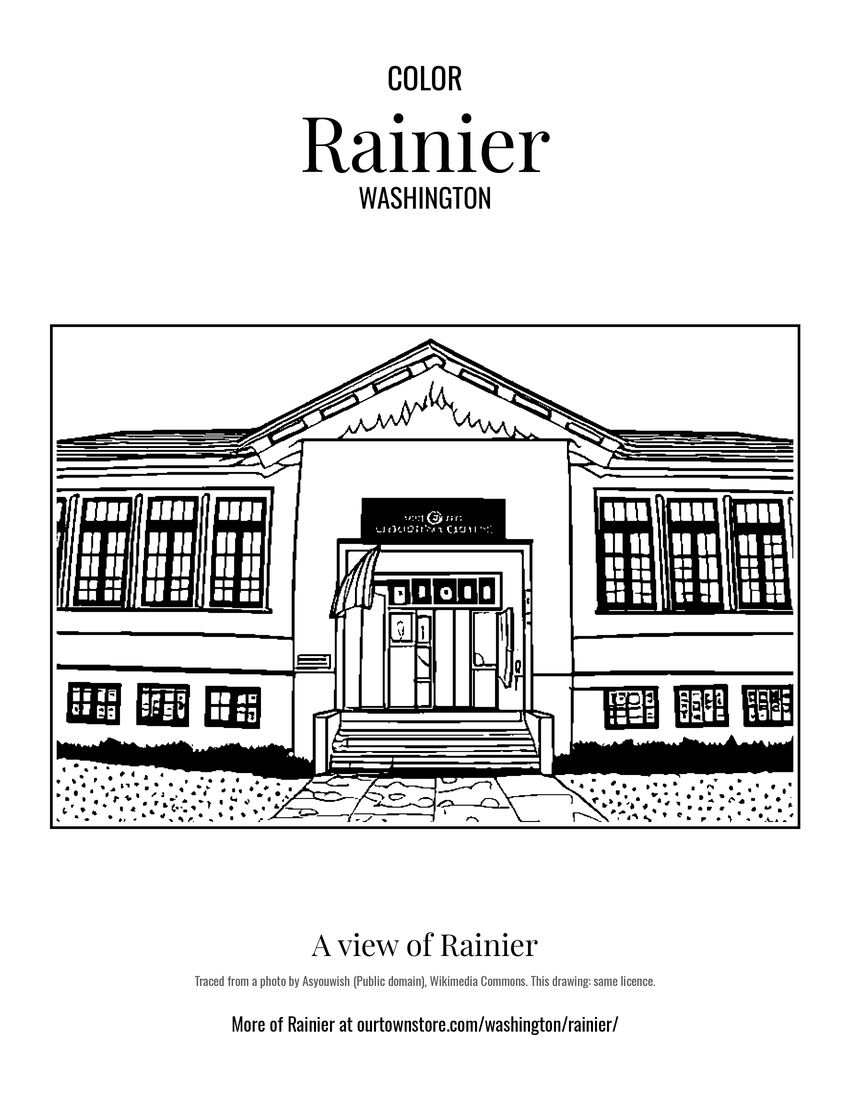
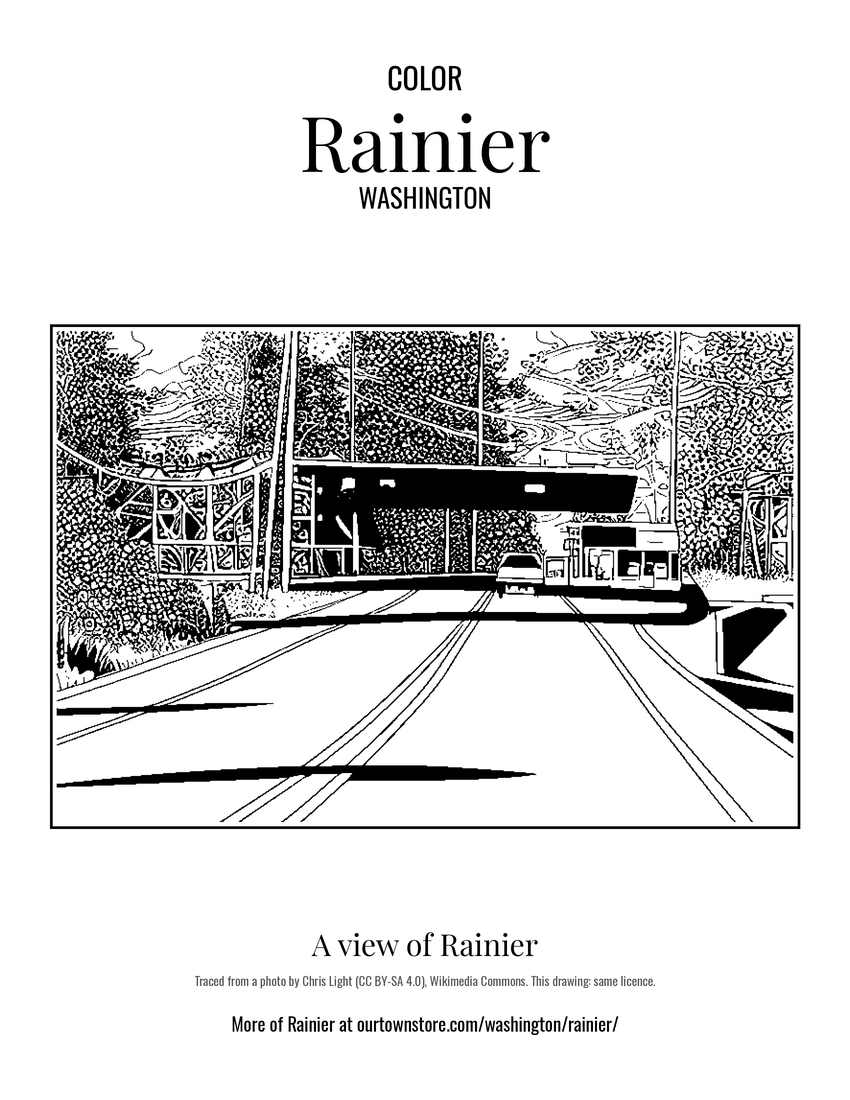
Color Rainier

4 free coloring pages of Rainier, each traced from a photo of a local landmark. Print them at home, at school or for story hour.

Nearby

Neighboring towns

Sources

Rainier's population was 2,369 in the 2020 U.S. Census, up from 1,794 in 2010.