Langley proper only covers 0.8 square miles, but its ZCTA extends for 26.20 square miles. Landmarks include Olympic Club and Clyde Theatre.
- CountyIsland County
- Population1,147 (2020 U.S. Census)
- Historic places1 on the National Register
Langley proper only covers 0.8 square miles, but its ZCTA extends for 26.20 square miles. Landmarks include Olympic Club and Clyde Theatre.
Langley, Washington gifts and souvenirs: 30 designs made from Langley's own map, landmarks and history, from $10 to $99. Printed to order and shipped free in the USA.
| Popular | Price |
|---|---|
| Langley Hometown Ornament | $23 |
| Langley Vintage Travel Poster | from $40 |
| Langley Varsity Crewneck | from $57 |
| Langley Est. Tee | from $33 |
| Langley Town Line Mug | from $26 |
| Langley Market Tote | $37 |
Ceramic keepsake, gold ribbon, in 4 styles
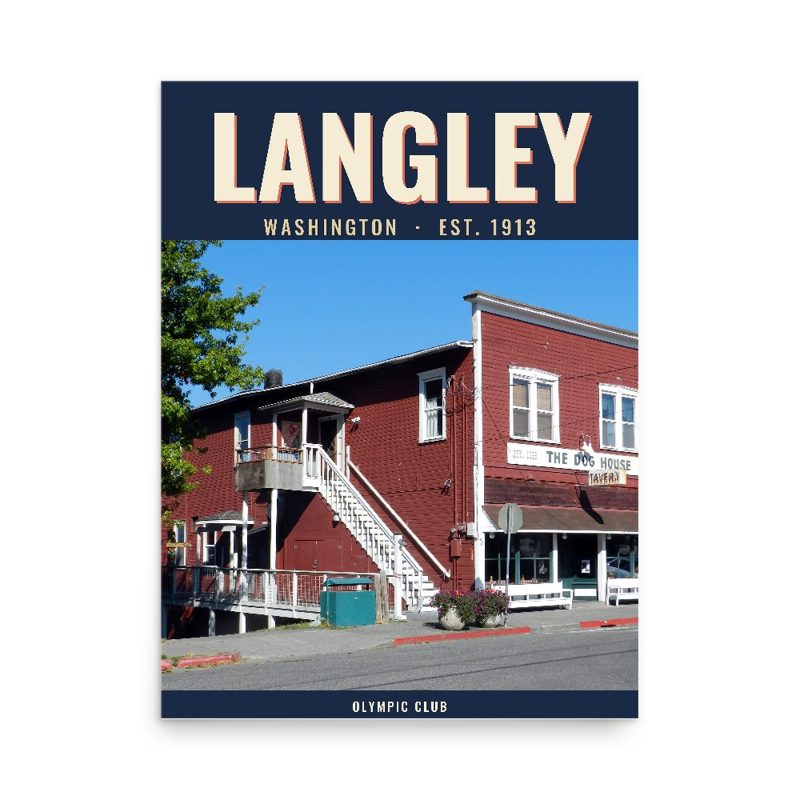
Its landmark photo in a classic travel-poster layout
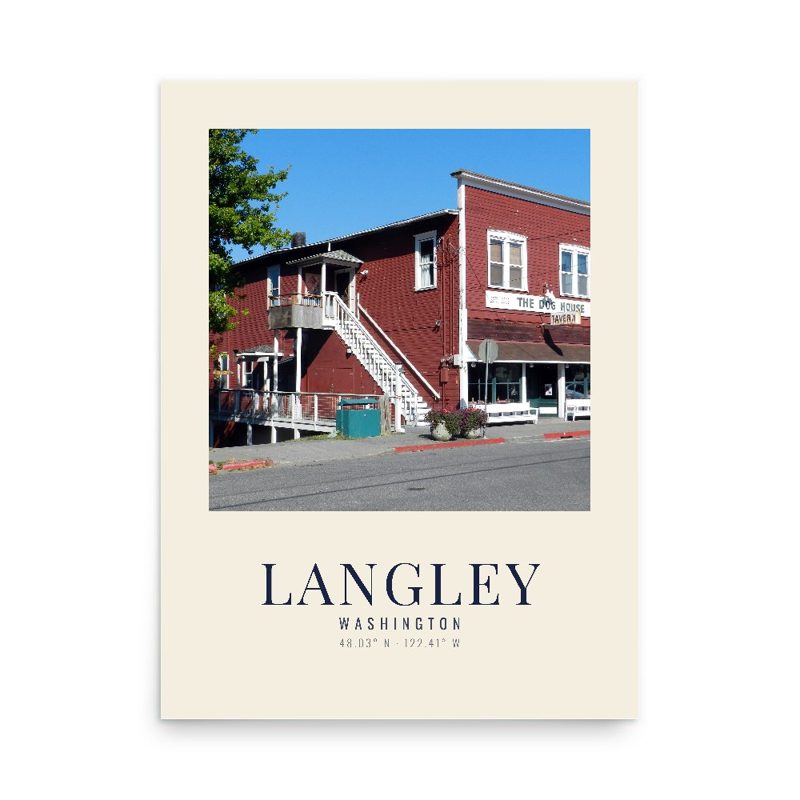
A local landmark photo as a gallery print
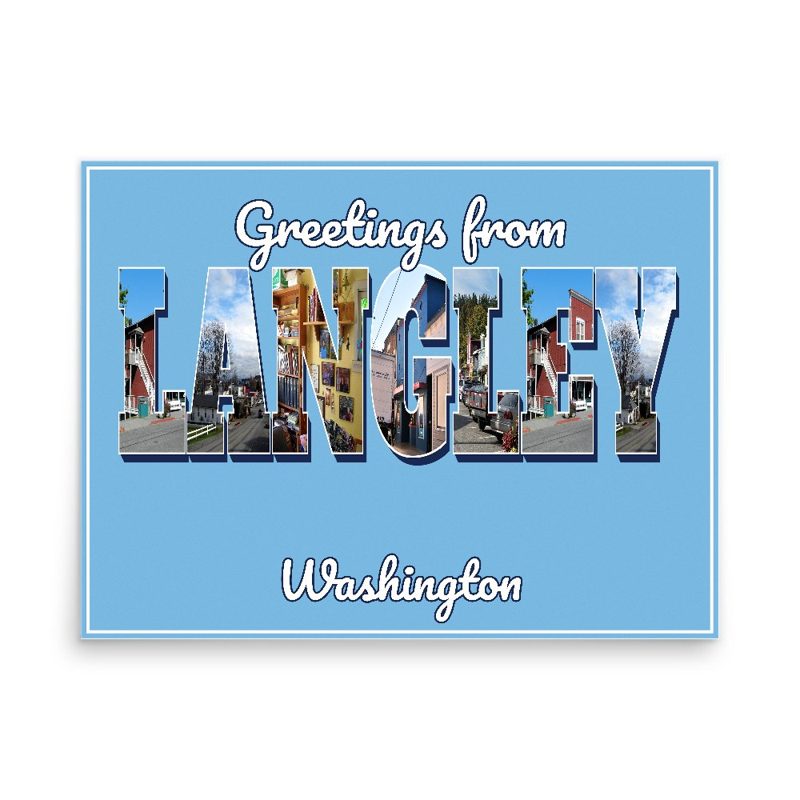
Classic large-letter postcard art, filled with local photos
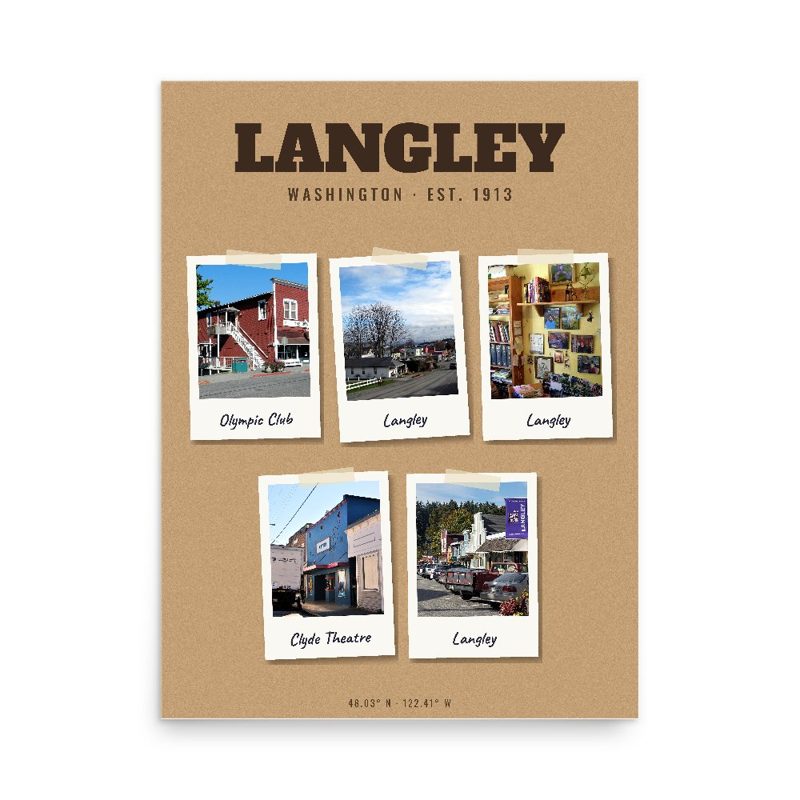
Six local landmarks as instant photos on kraft paper
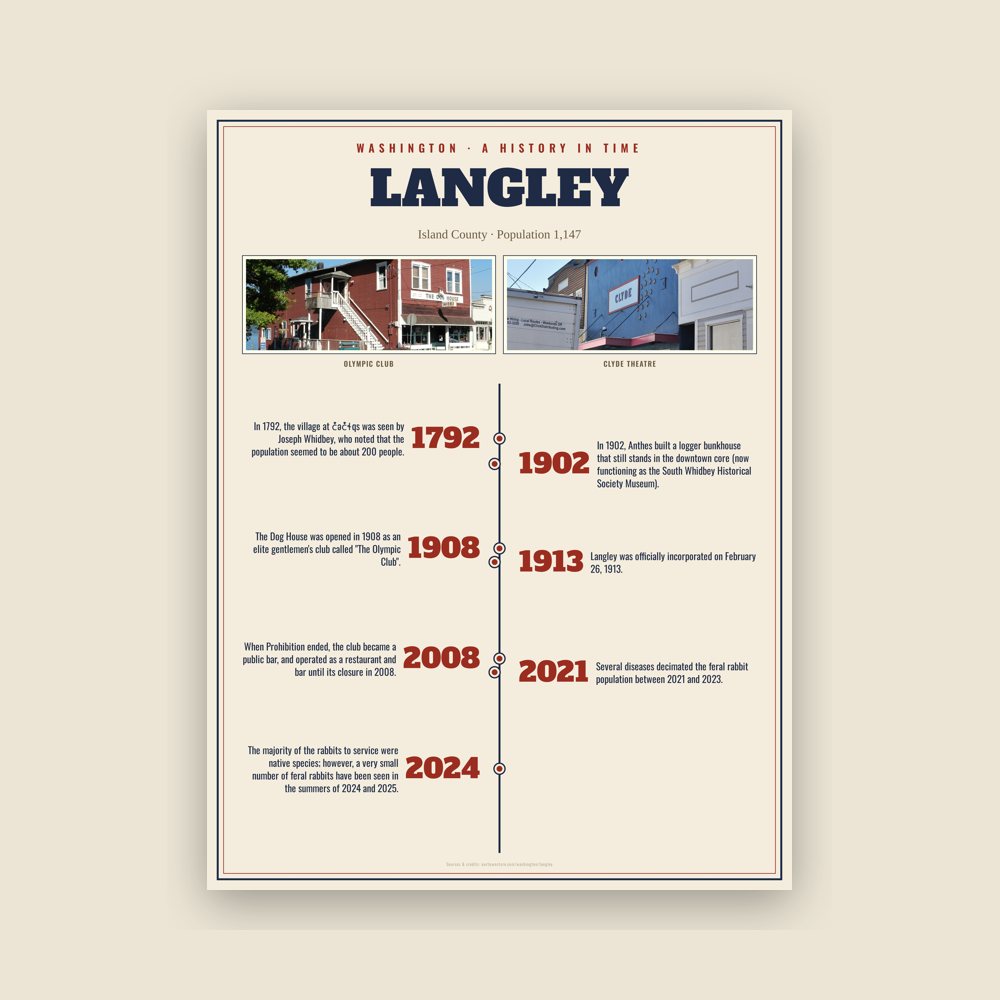
The town's story in dates, from its own records, for home or classroom
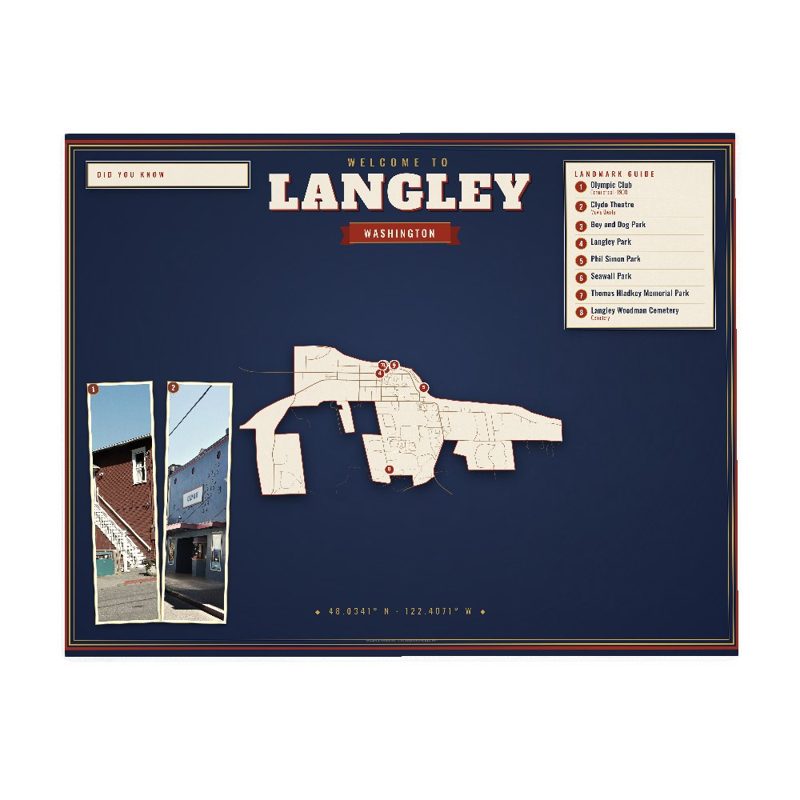
Map of local landmarks, washable fabric
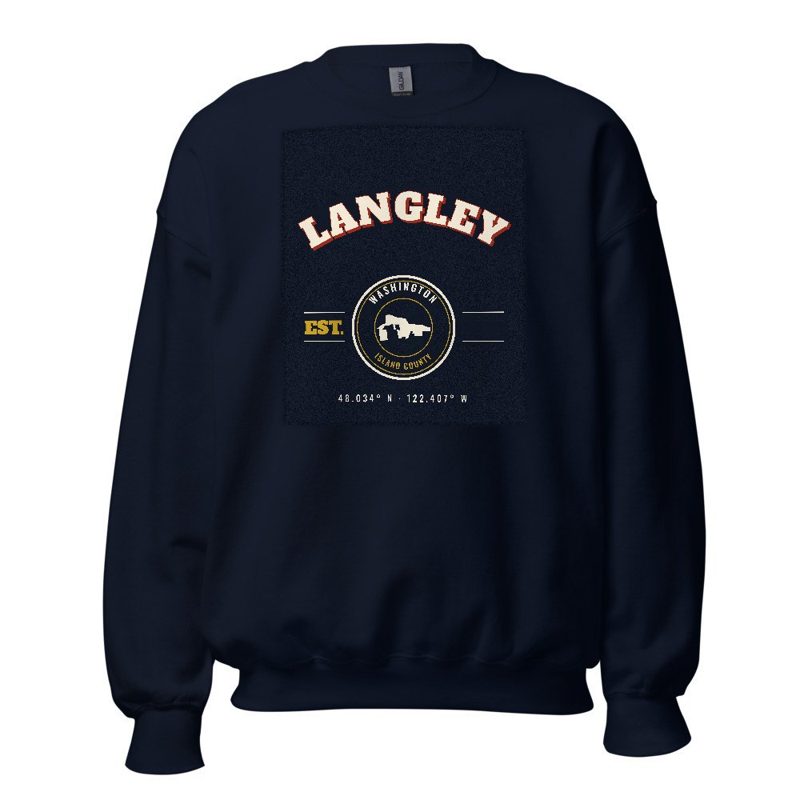
Heavy-blend fleece, street map printed on the back
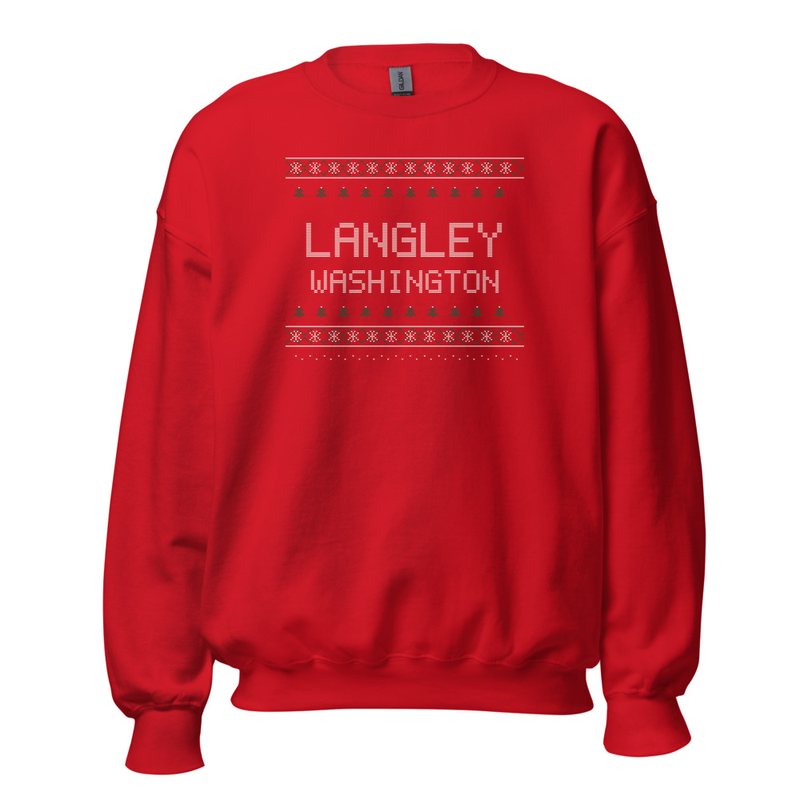
Red heavy-blend crewneck, knit-stitch town print
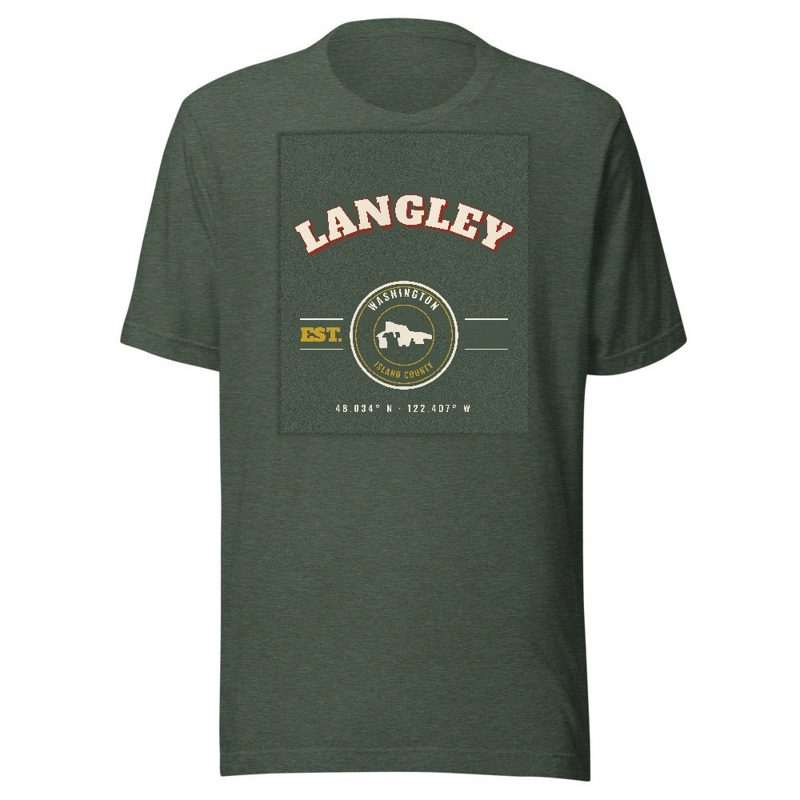
Soft Bella+Canvas jersey
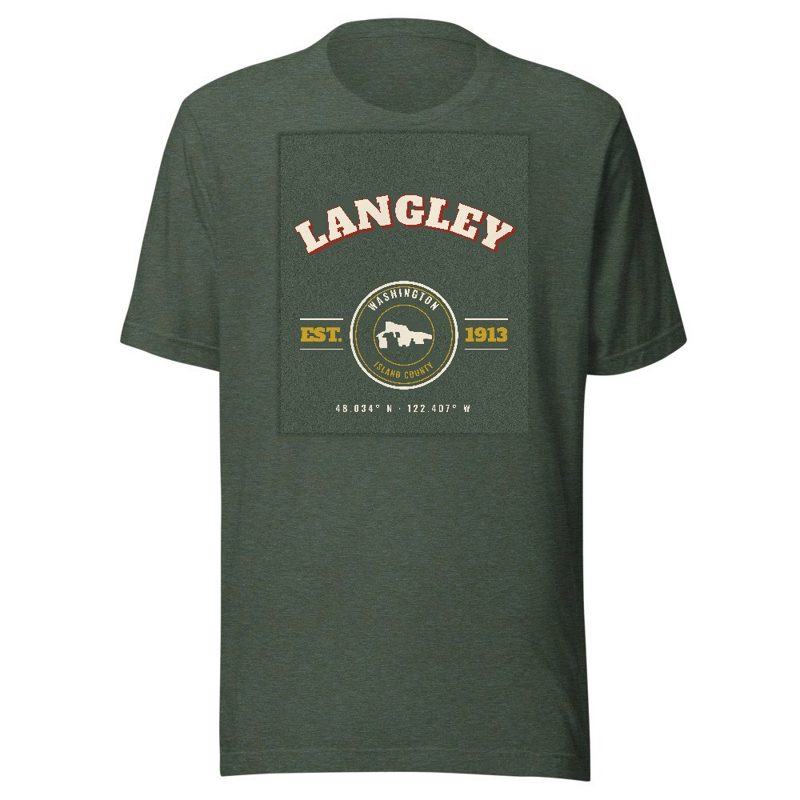
Kids' Bella+Canvas jersey, youth sizes
Bella+Canvas toddler jersey
Bella+Canvas baby bodysuit
Large-letter postcard art filled with local photos
Glossy ceramic, dishwasher safe
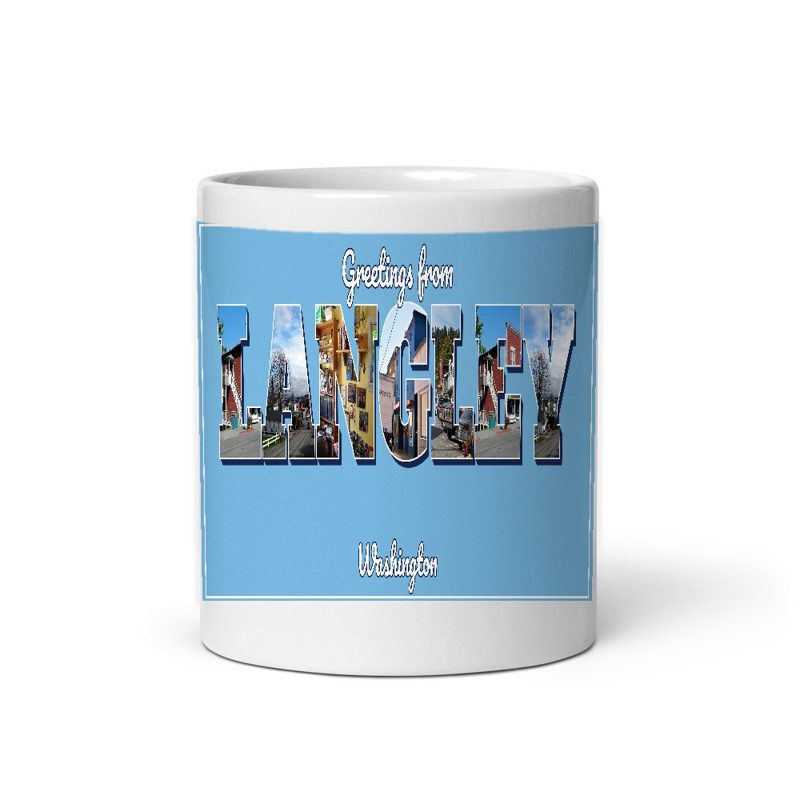
Large-letter postcard art filled with local photos, 11 oz ceramic
Weatherproof, for the front walk
24″×16″, printed coir-look fibers, rubber back
12″×12″ printed wood, ready to hang
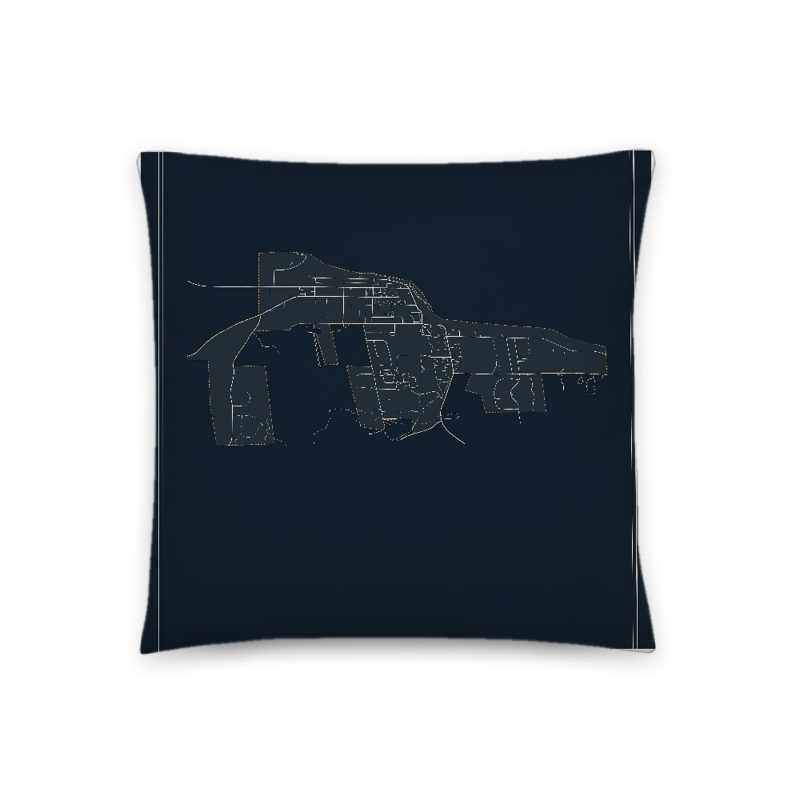
Soft-touch, zip cover
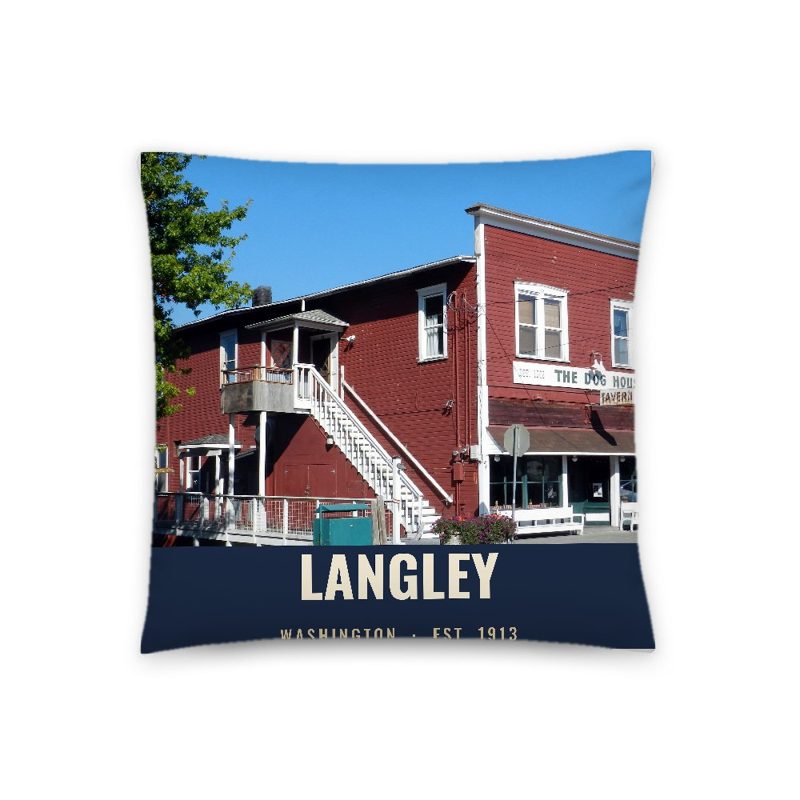
A local landmark photo with the town name, 18″×18″
Sturdy all-over-print tote
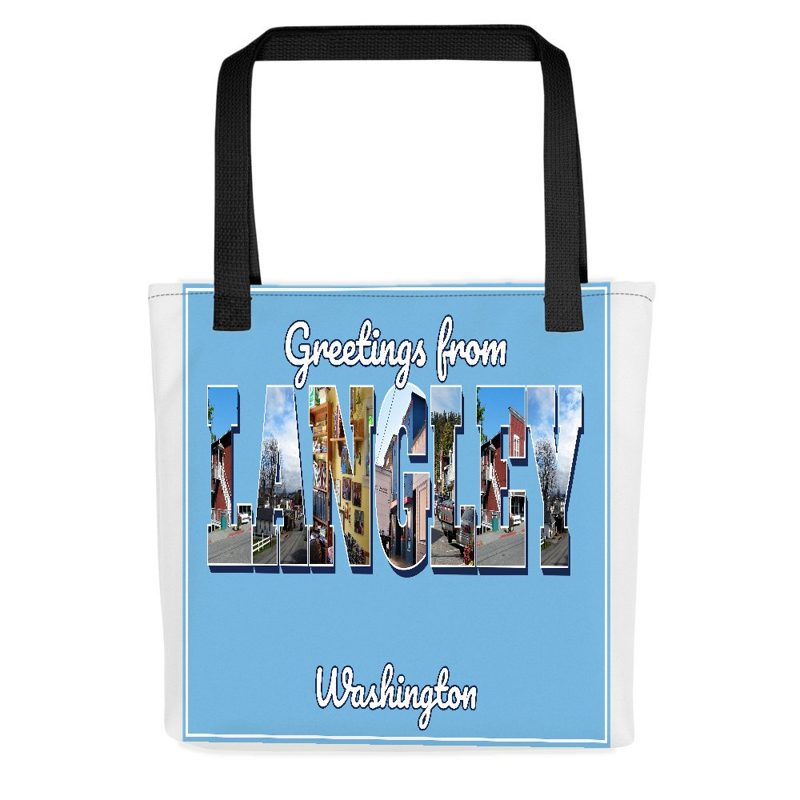
Large-letter postcard art on a sturdy tote
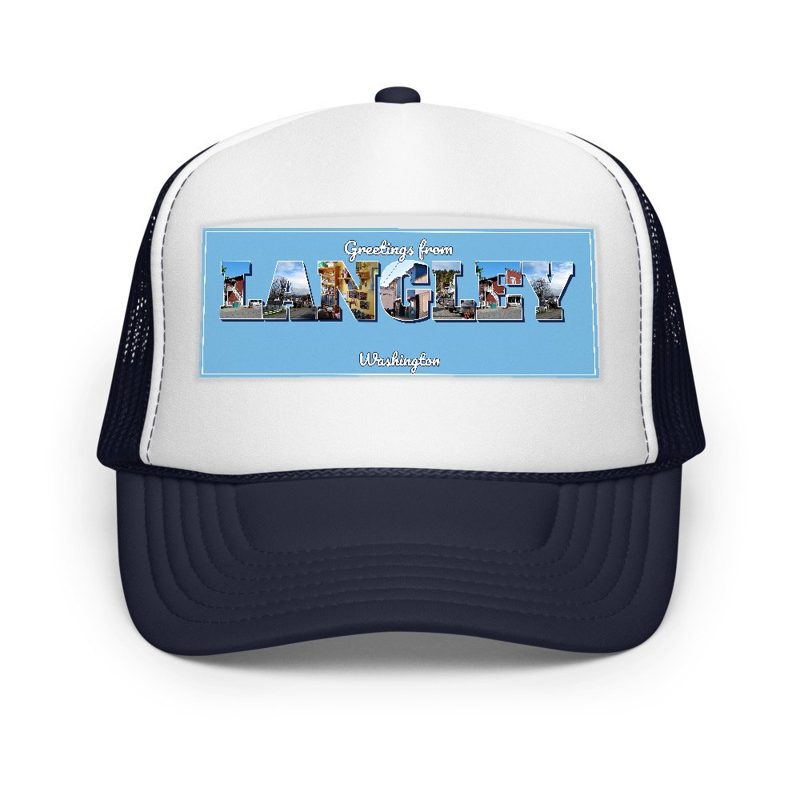
Foam-front trucker, printed (not embroidered) with local photos
Glossy top, cork back
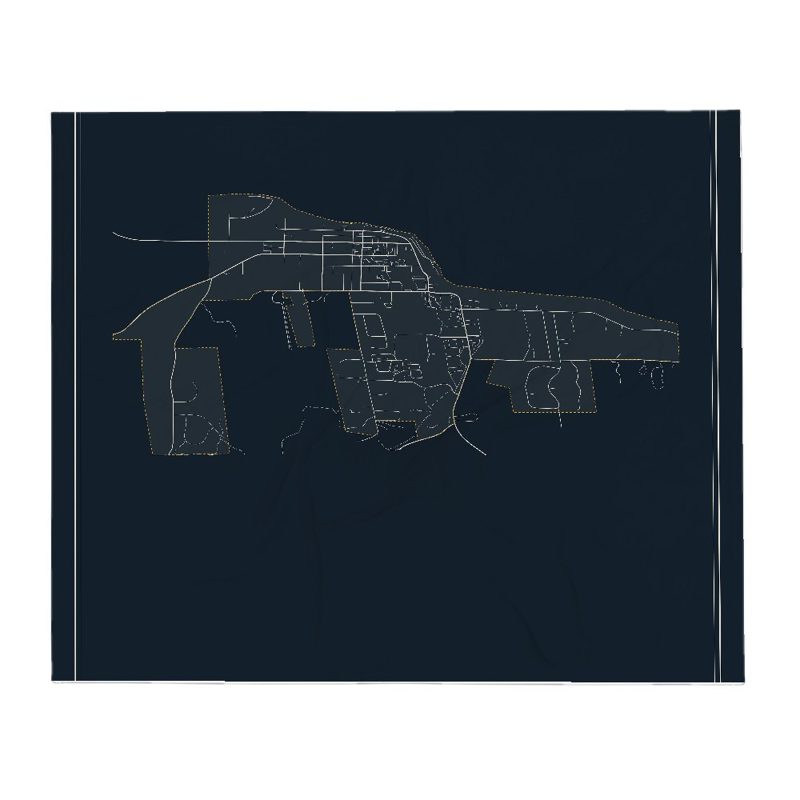
Soft fleece, 50″×60″
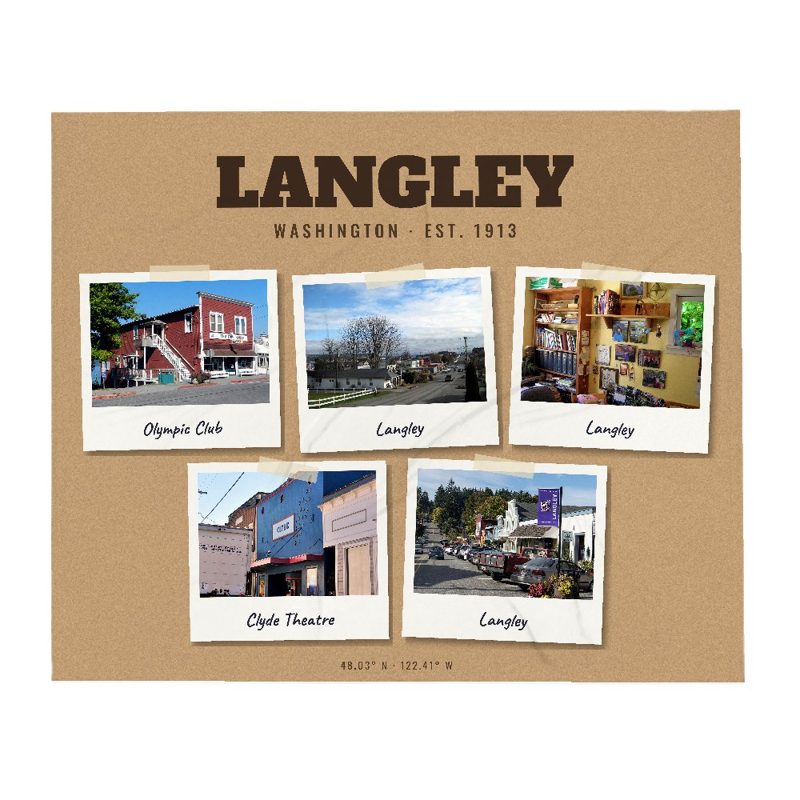
Six local landmarks as instant photos, soft fleece 50″×60″
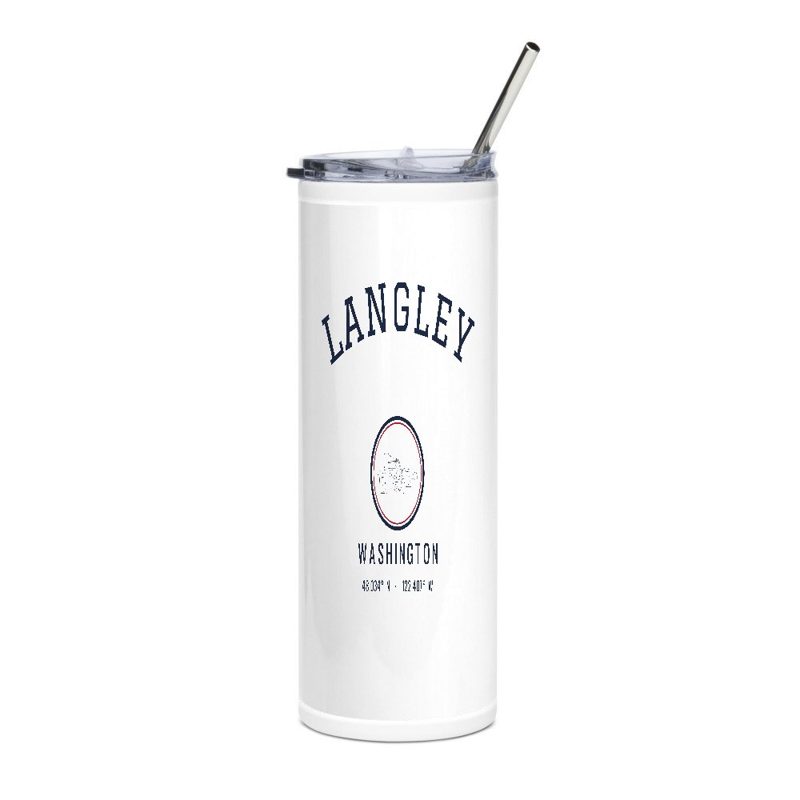
20 oz, double-wall stainless
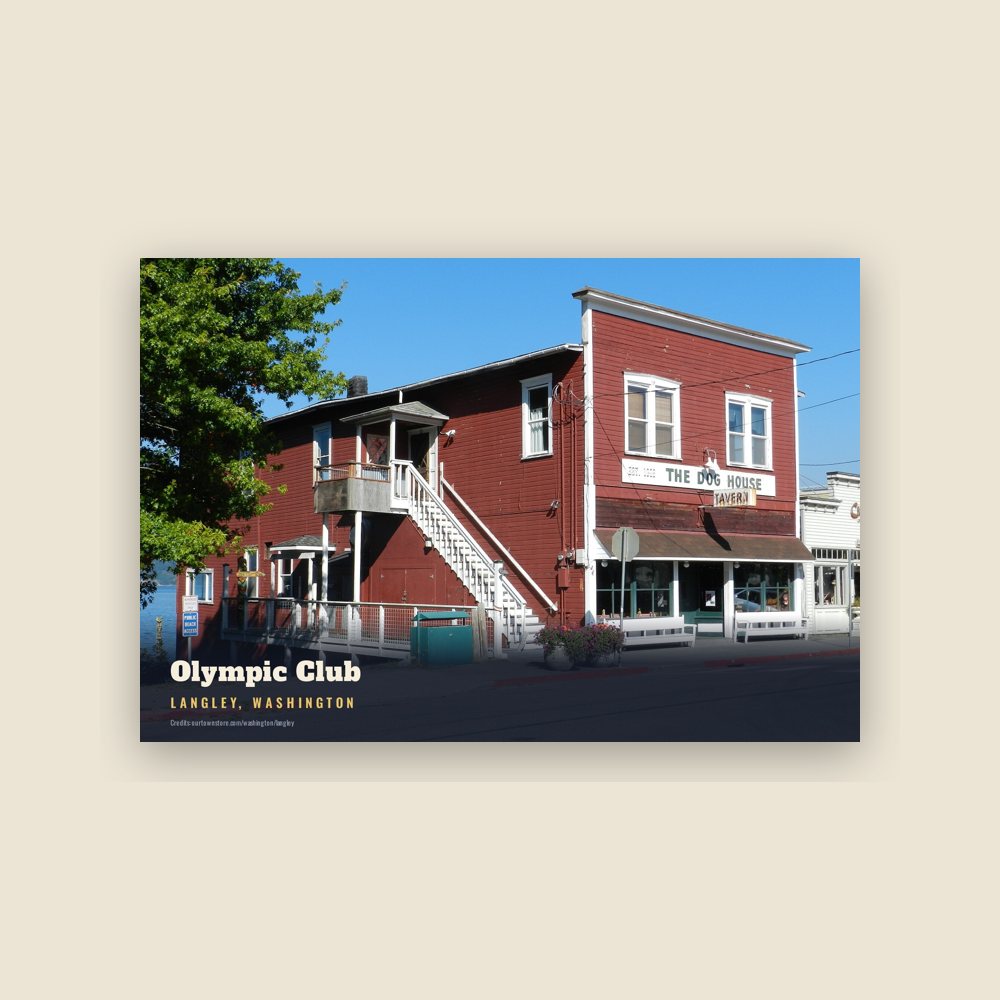
6″×4″ postcard, glossy front
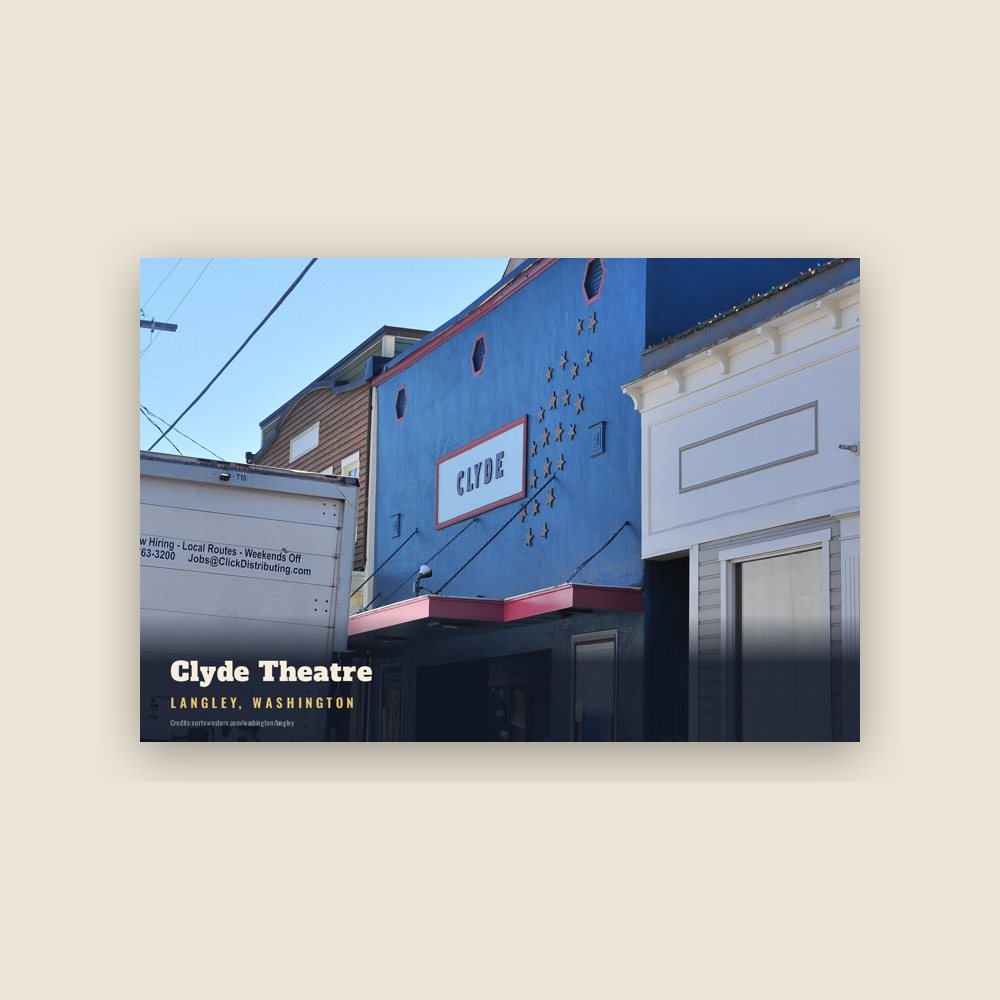
6″×4″ postcard, glossy front
Population 2010: 1,035 → 2020: 1,147
From Wikidata (CC0).
Snohomish people have inhabited south Whidbey Island for thousands of years. Langley is known in the Lushootseed language as sc̓q̓abac, meaning "gooseberry bush."
The site of Langley was a camping spot used during clam harvesting in the summer months. Nearby, there was a village of the dəgʷasx̌abš, a Snohomish band, approximately one mile east of Langley on Sandy Point (Lushootseed: č̓əč̓ɬqs). This village had a large potlatch house, which brought visitors, even as distant as the Samish, during festivities.
In the 18th and 19th centuries, smallpox epidemics rocked the Northwest Coast, killing 90 percent of the population. In 1792, the village at č̓əč̓ɬqs was seen by Joseph Whidbey, who noted that the population seemed to be about 200 people. Later, the village would be abandoned in the late 1800s after the removal of the Snohomish people to the Tulalip Reservation.
Langley was founded in the 1890s by Jacob Anthes, and was named for J.W. Langley of Seattle. In 1902, Anthes built a logger bunkhouse that still stands in the downtown core (now functioning as the South Whidbey Historical Society Museum). Langley was officially incorporated on February 26, 1913.
In the late 1900s, a number of 4H rabbits escaped their enclosures at the Island County Fair and went on to thrive as a large feral population initially residing around the county fairgrounds and later spreading throughout Langley and south Whidbey Island. In the 2010s the rabbits became a controversial issue in local politics, with citizens and groups advocating for public policy positions from removal and relocation to eradication. Some favored controlling the rabbit population using raptors, while others advocated for a more lenient position of community acceptance. Several diseases decimated the feral rabbit population between 2021 and 2023. The majority of the rabbits to service were native species; however, a very small number of feral rabbits have been seen in the summers of 2024 and 2025.
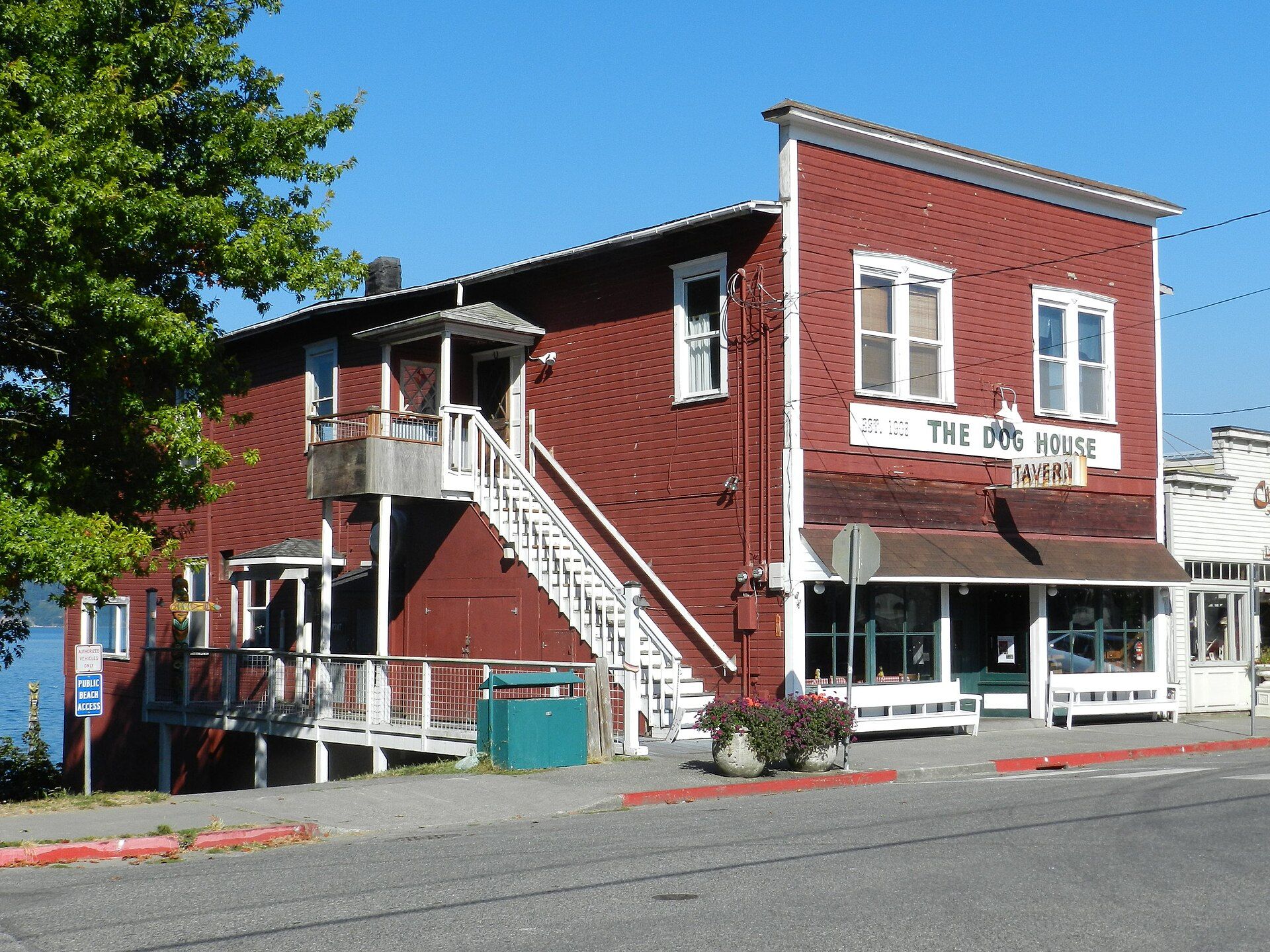
The Dog House was opened in 1908 as an elite gentlemen's club called "The Olympic Club". However, on opening night the founder realized that he didn't have enough money to pay the entertainers, so he left town with all the money. Over the years, the building has acted as host to many businesses.
During the Prohibition era, the building was host to underground boxing and wrestling matches which were illegal on the mainland.
When Prohibition ended, the club became a public bar, and operated as a restaurant and bar until its closure in 2008. The Clyde Theatre began in the top floor of this building.
The building has been undergoing massive renovations by the new owners since the early 2010s. They are hoping to be able to reopen the building to business by 2027.
Adapted (trimmed) from the Wikipedia article Langley, Washington, revision 1379975029 by its contributors, licensed CC BY-SA 4.0.
We share a part of every Langley sale with local partners, and we'd love to print from your collection. Old photographs, maps and postcards make the best keepsakes.
Partner with usA favorite landmark, your street, a school or team, an anniversary gift, a different product. Tell us and we'll get back to you by email.
5 free coloring pages of Langley, each traced from a photo of a local landmark. Print them at home, at school or for story hour.
Langley's population was 1,147 in the 2020 U.S. Census, up from 1,035 in 2010.
 Olympic Club
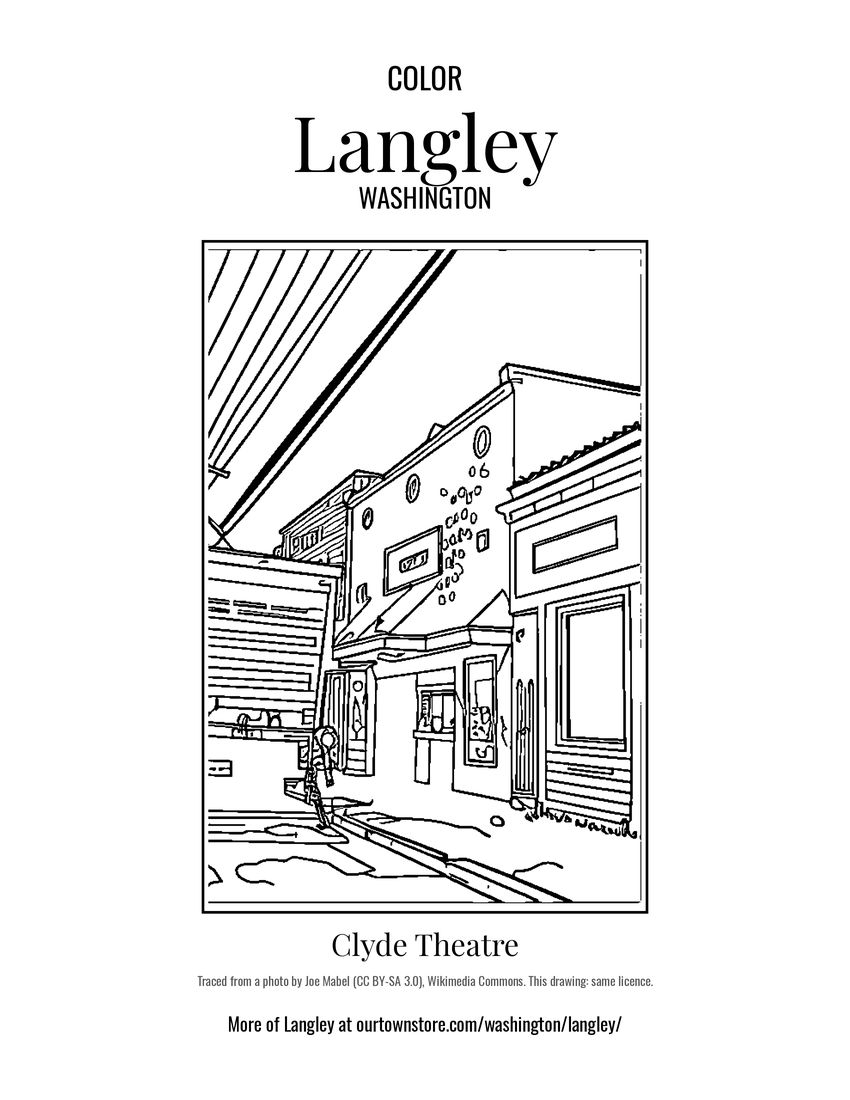 Clyde Theatre
 A view of Langley
 A view of Langley