The settlement which would grow into the town of Warrenton began as a crossroads at the junction of the Falmouth-Winchester and Alexandria-Culpeper roads, where a trading post called the Red Store was located. In the 1790s, a courthouse was built in the area, and the location was known as "Fauquier Courthouse".
Read the full history
19th century and the American Civil War
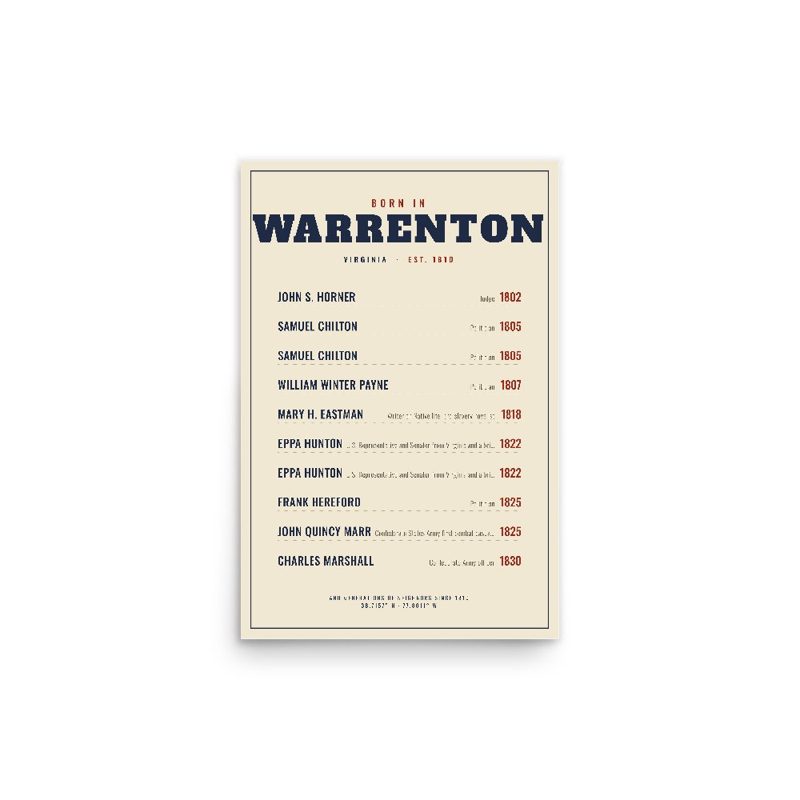
The Town of Warrenton was incorporated on January 5, 1810, and named for General Joseph Warren, a Revolutionary War hero. Richard Henry Lee donated the land for the county seat. John S. Horner, Secretary of Wisconsin Territory and Acting Governor of Michigan Territory, was born in Warrenton. John Marshall, the fourth Chief Justice of the U.S. Supreme Court, was from Germantown, modern-day Midland, 10 miles (16 km) south of Warrenton.
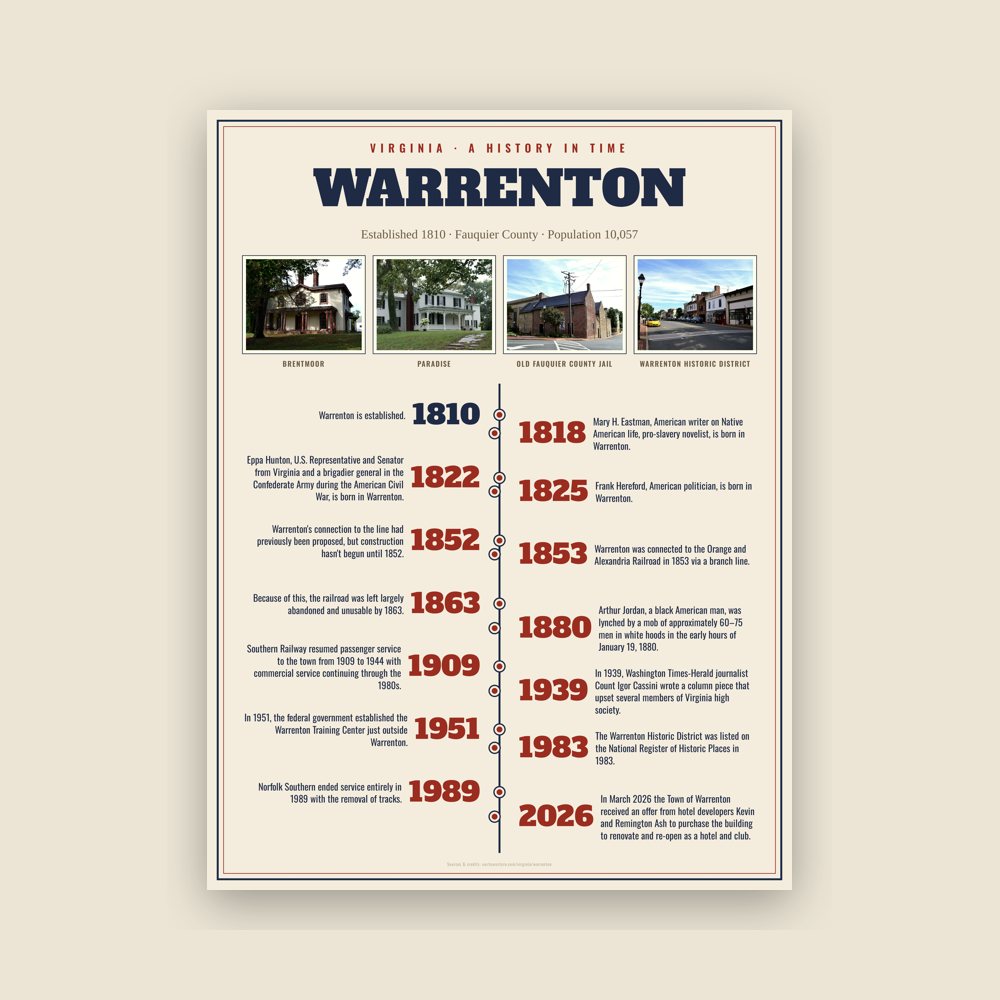
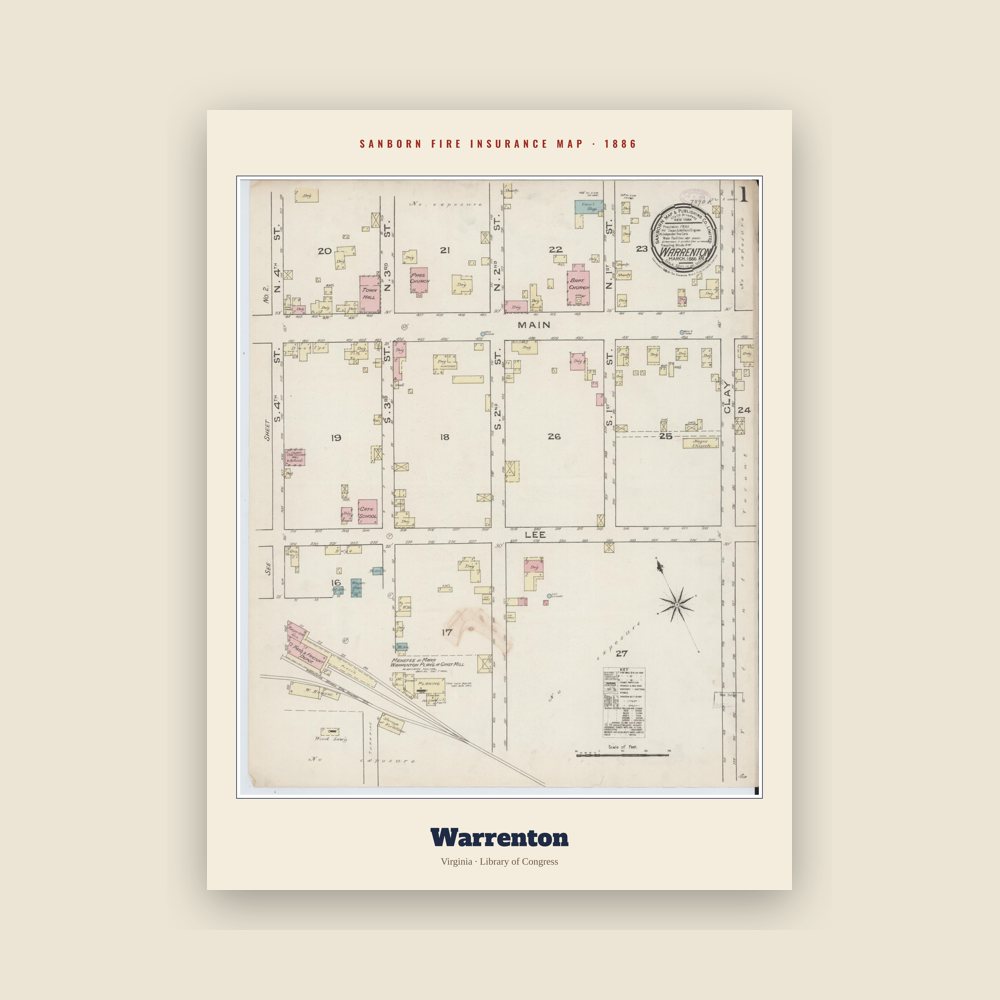
Warrenton was connected to the Orange and Alexandria Railroad in 1853 via a branch line. Warrenton's connection to the line had previously been proposed, but construction hasn't begun until 1852. Given the rail line's strategic usage during the American Civil War, the Warrenton Branch was a target for attack twice. Because of this, the railroad was left largely abandoned and unusable by 1863. Southern Railway resumed passenger service to the town from 1909 to 1944 with commercial service continuing through the 1980s. Norfolk Southern ended service entirely in 1989 with the removal of tracks.
Confederate Colonel John S. Mosby made raids in the town during the American Civil War and later made his home and practiced law in Warrenton. The Warren Green Hotel building hosted many famous people, including the Marquis de Lafayette, James Monroe, Andrew Jackson, Henry Clay, President Theodore Roosevelt, and divorcée Wallis Simpson. Union General George B. McClellan bade farewell to his officers November 11, 1862, from the steps of the hotel. It now hosts some offices of the Fauquier County government. In March 2026 the Town of Warrenton received an offer from hotel developers Kevin and Remington Ash to purchase the building to renovate and re-open as a hotel and club.
Arthur Jordan, a black American man, was lynched by a mob of approximately 60–75 men in white hoods in the early hours of January 19, 1880. Jordan had been accused of miscegenation and bigamy for eloping with Elvira (Lucille) Corder, the daughter of his white employer, Nathan Corder, a landowner and farmer in the upper part of the county along the Rappahannock River. A group of local men hunted the pair down near Williamsport, Maryland, captured Mr. Jordan and returned him to Fauquier, whereupon he was delivered to the town jail. Later that night, the masked lynch mob gained access to the jail and dragged Jordan to the nearby town cemetery, where he was hanged from a small locust tree. Ms. Corder remained in Maryland, estranged from her family, until her death a few years later. News of the lynching was reported in papers across the nation. Even some foreign newspapers, such as Australia's Sydney Morning Herald, reprinted accounts of the event.
20th century
In 1909, a fire destroyed almost half the structures in the town and was halted with the use of dynamite to create a firebreak to stop the flames from spreading.
In 1939, Washington Times-Herald journalist Count Igor Cassini wrote a column piece that upset several members of Virginia high society. While covering a horse show in Warrenton, Cassini was kidnapped and tarred and feathered by three disgruntled individuals related to one mentioned in his column piece. Cassini was treated for burns at the Fauquier County Hospital in the early morning, with the three individuals being arrested and placed on probation.
In 1951, the federal government established the Warrenton Training Center just outside Warrenton. The center is a secret Central Intelligence Agency communications facility, which also houses an underground relocation bunker containing communications infrastructure to support continuity of government in the event of a nuclear attack on Washington, DC.
A bypass route around the town was built in the early 1960s, which attracted restaurants, gas stations, and shopping centers, but also drew businesses away from the center of town.
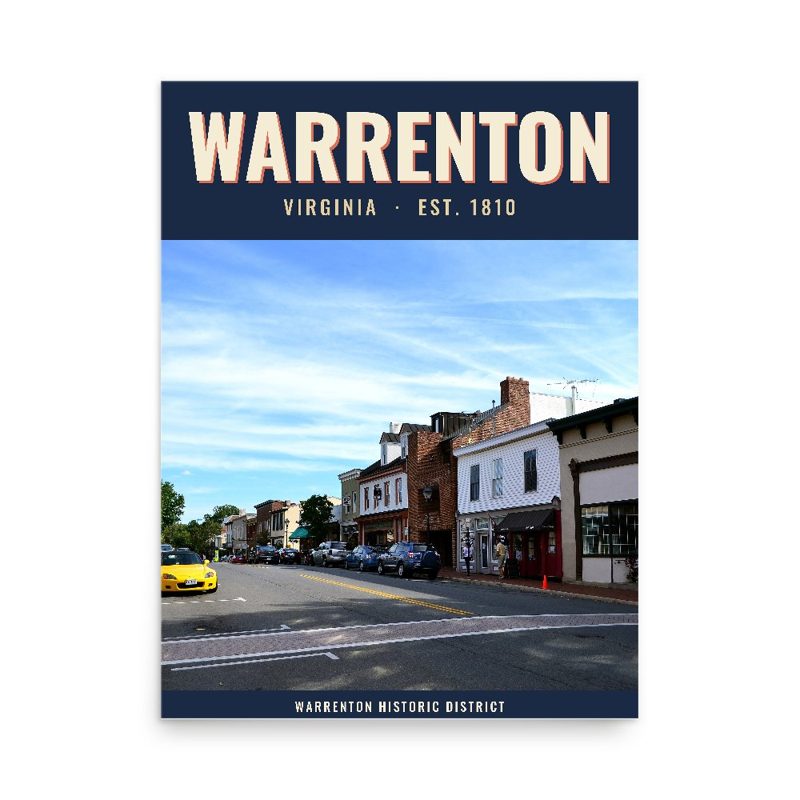
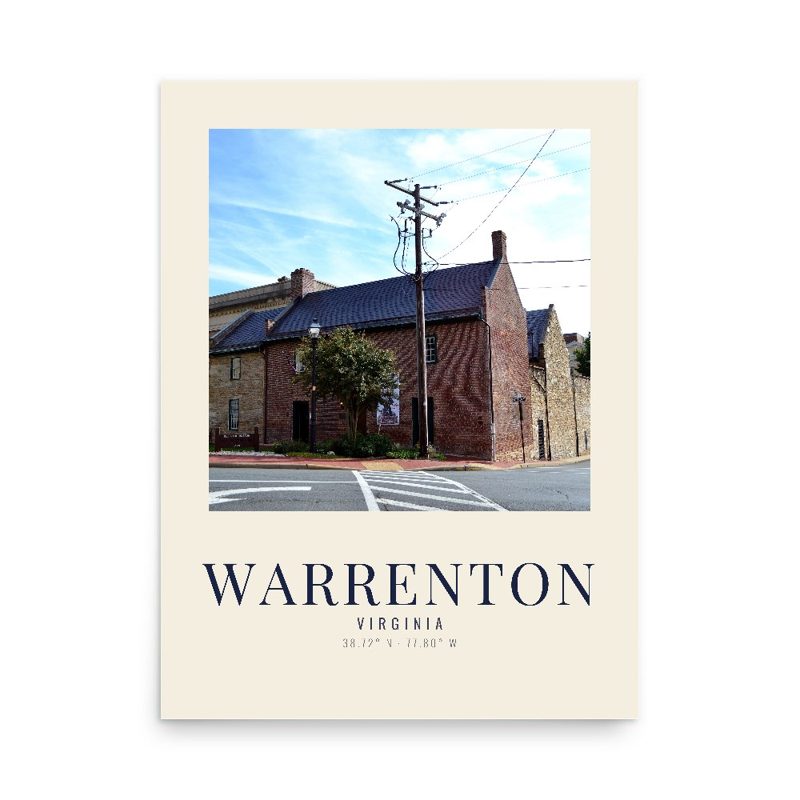
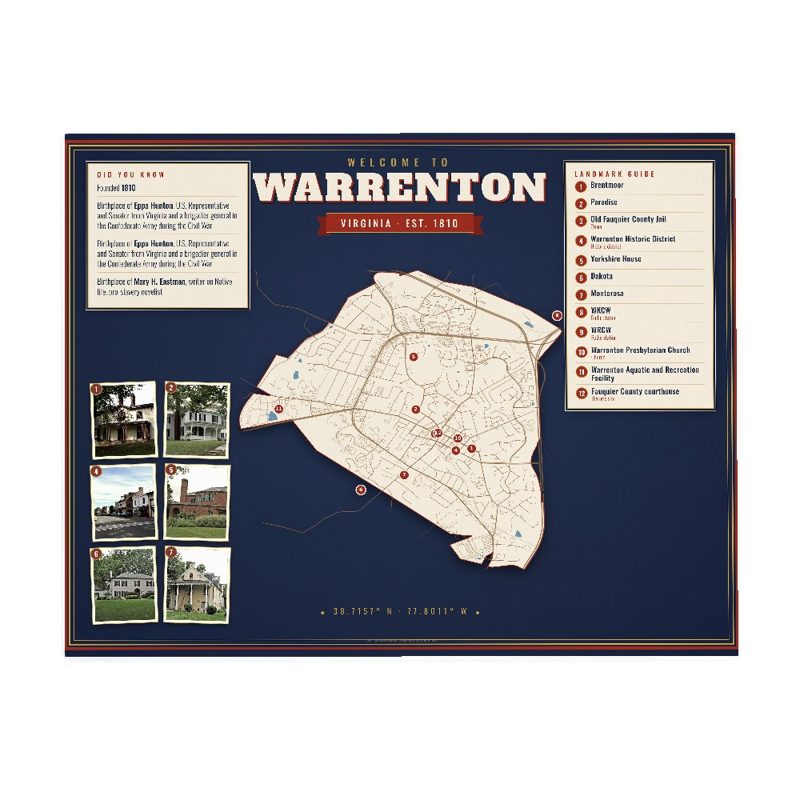
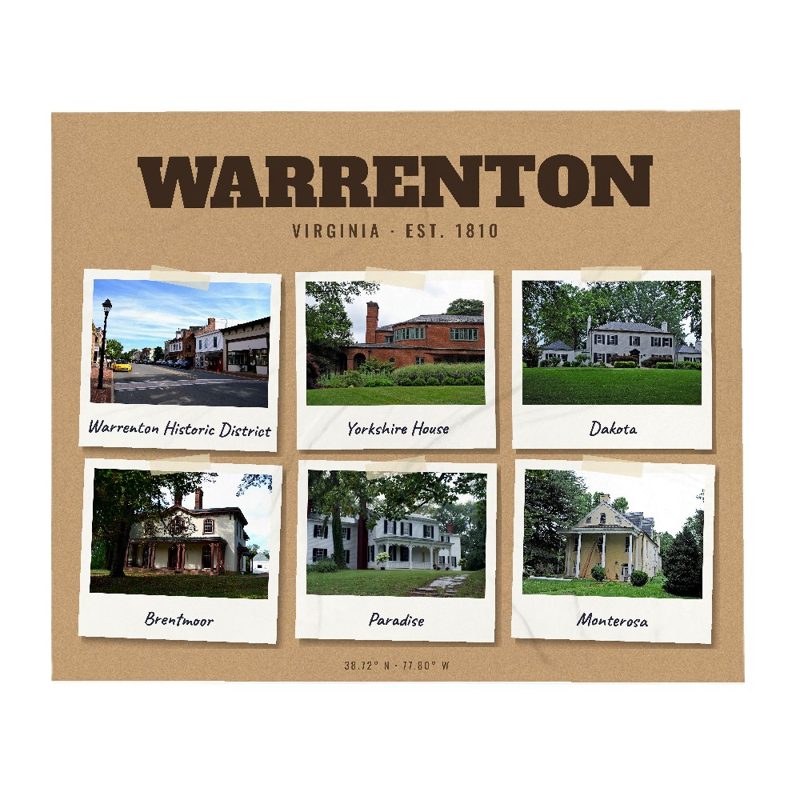
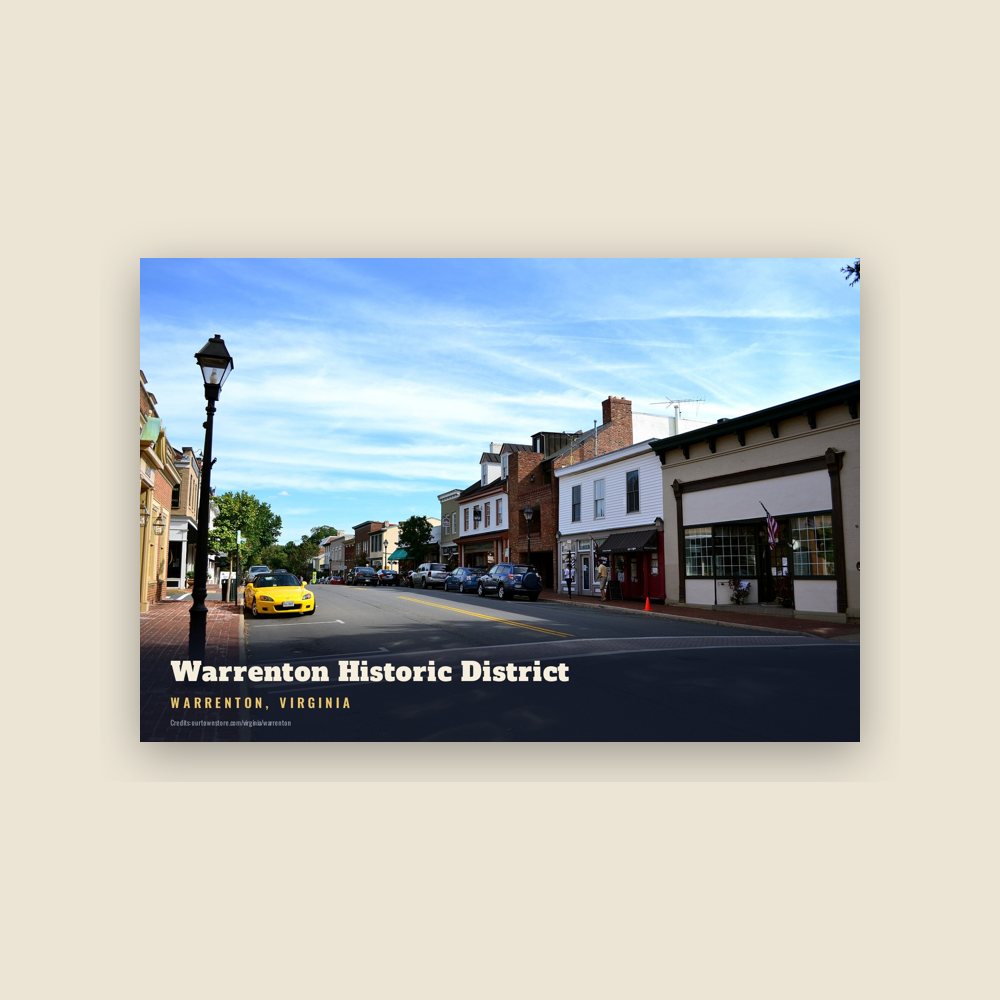
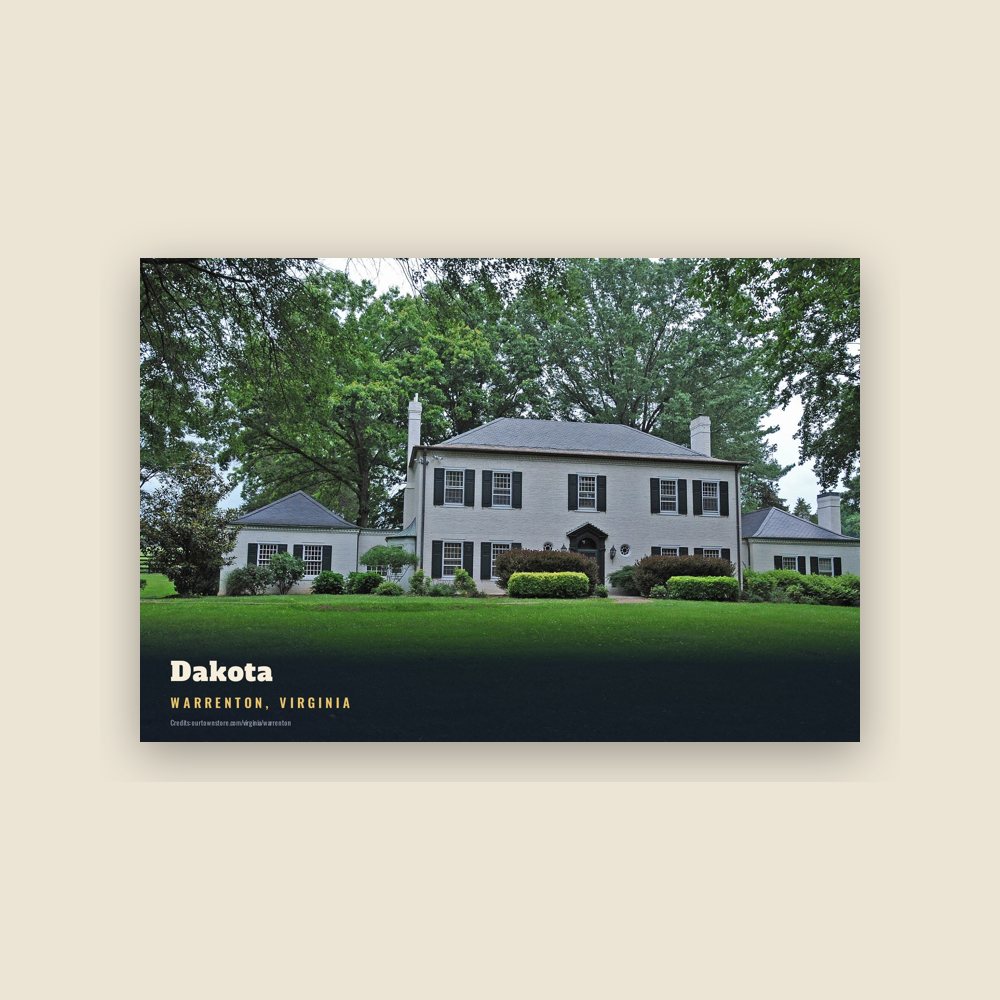
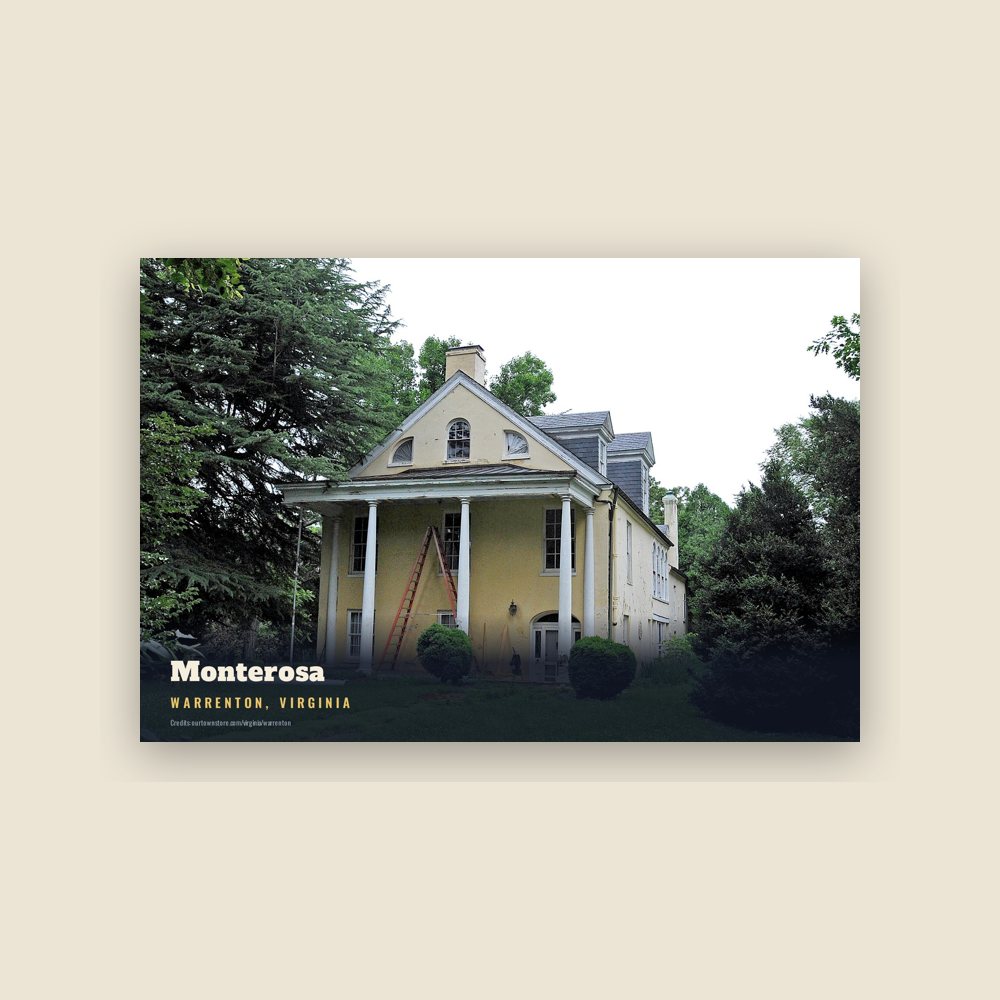
The Warrenton Historic District was listed on the National Register of Historic Places in 1983. Other listings in or near Warrenton include Brentmoor, Dakota, Hopefield, Loretta, Monterosa, North Wales, The Oaks, the Old Fauquier County Jail, and Yorkshire House.
In 1998, Warrenton's "Black Horse" chapter of the United Daughters of the Confederacy erected and dedicated a monument in the Warrenton Cemetery to 520 Confederate soldiers buried there, many of whom died during the First and Second Battles of Bull Run. This new monument altered a pre-existing Confederate obelisk built in 1877 by building a granite wall around the obelisk engraved with those 520 names. The then-mayor's wife spearheaded fundraising for the monument from private organizations and the United Daughters of the Confederacy itself, of which she was a member. This monument still remains.
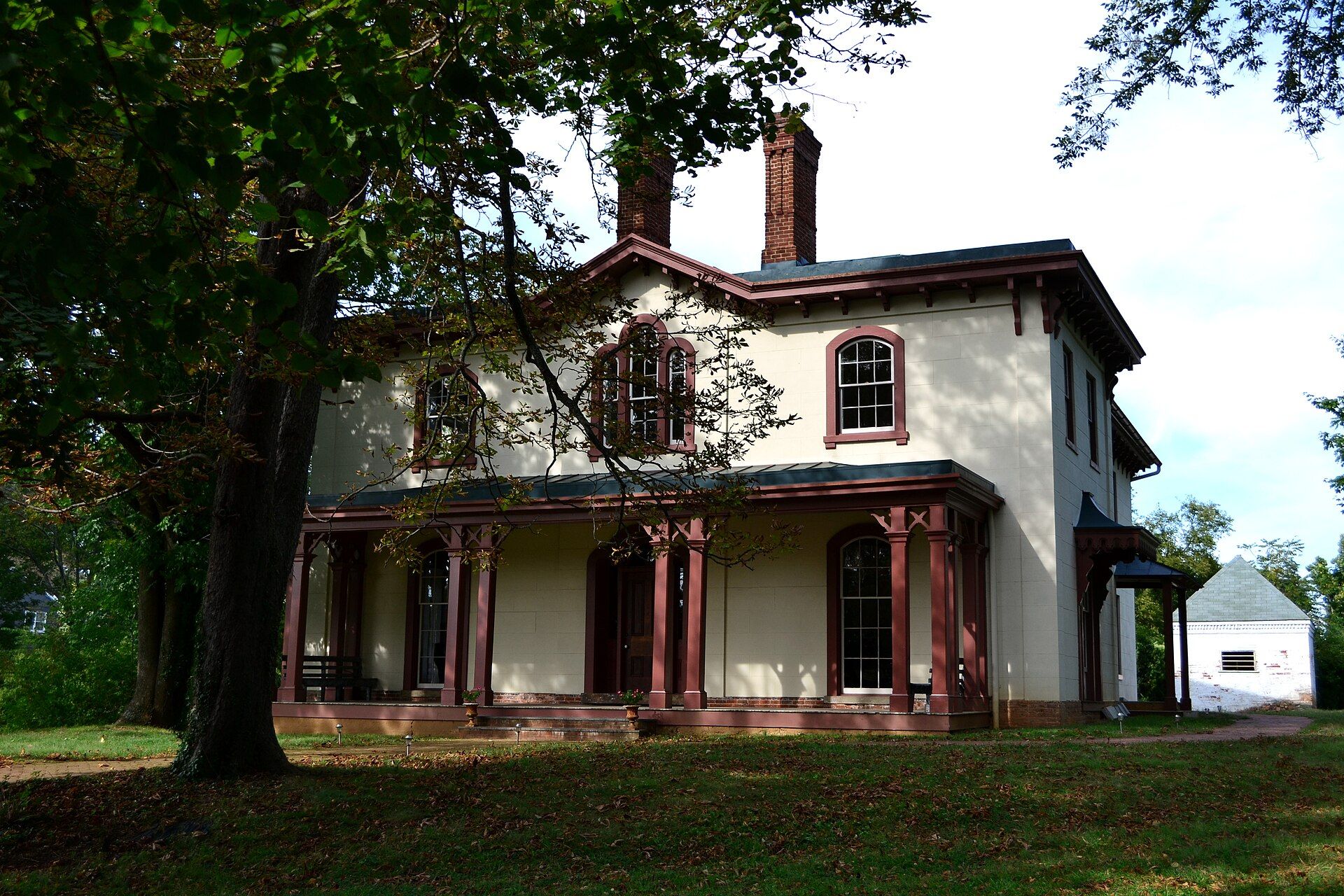
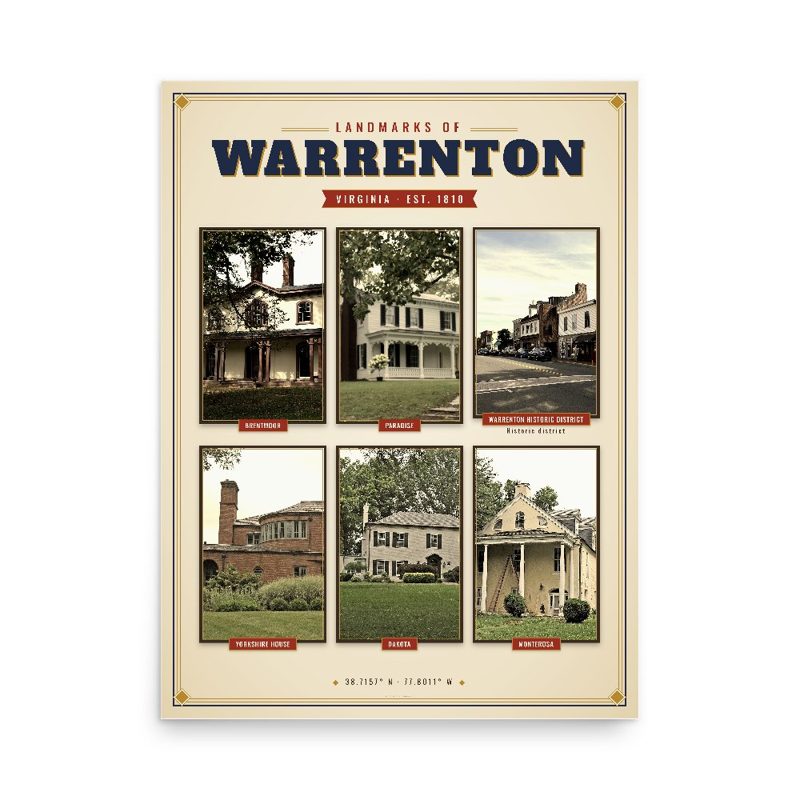
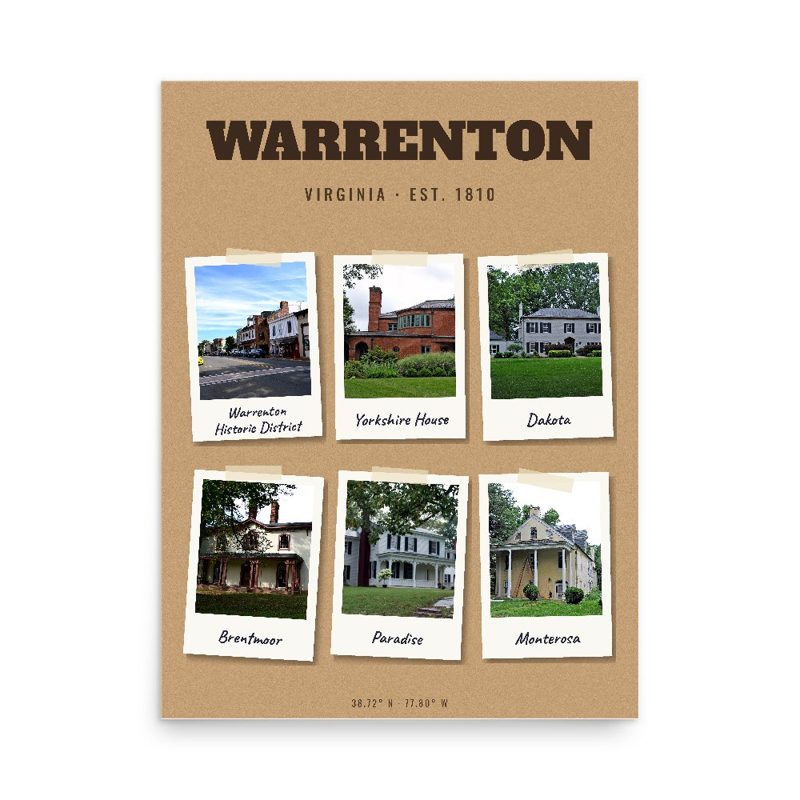





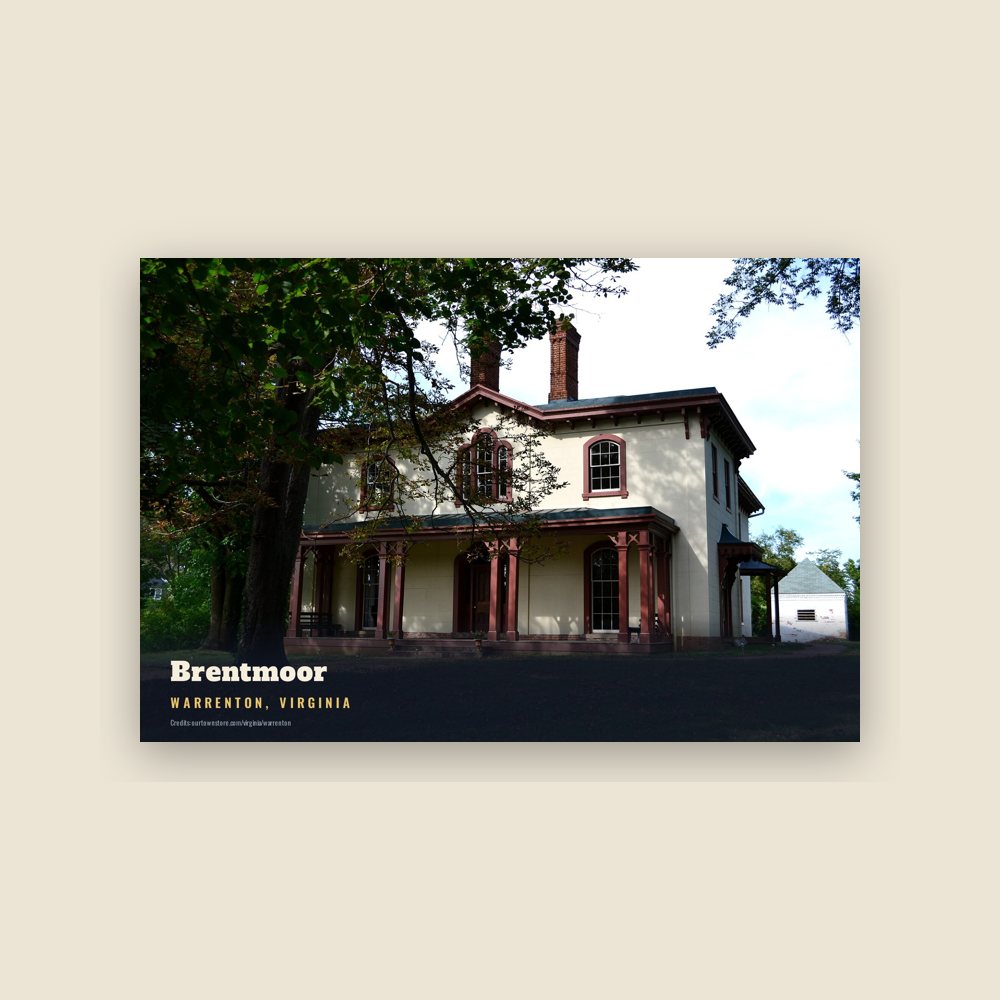

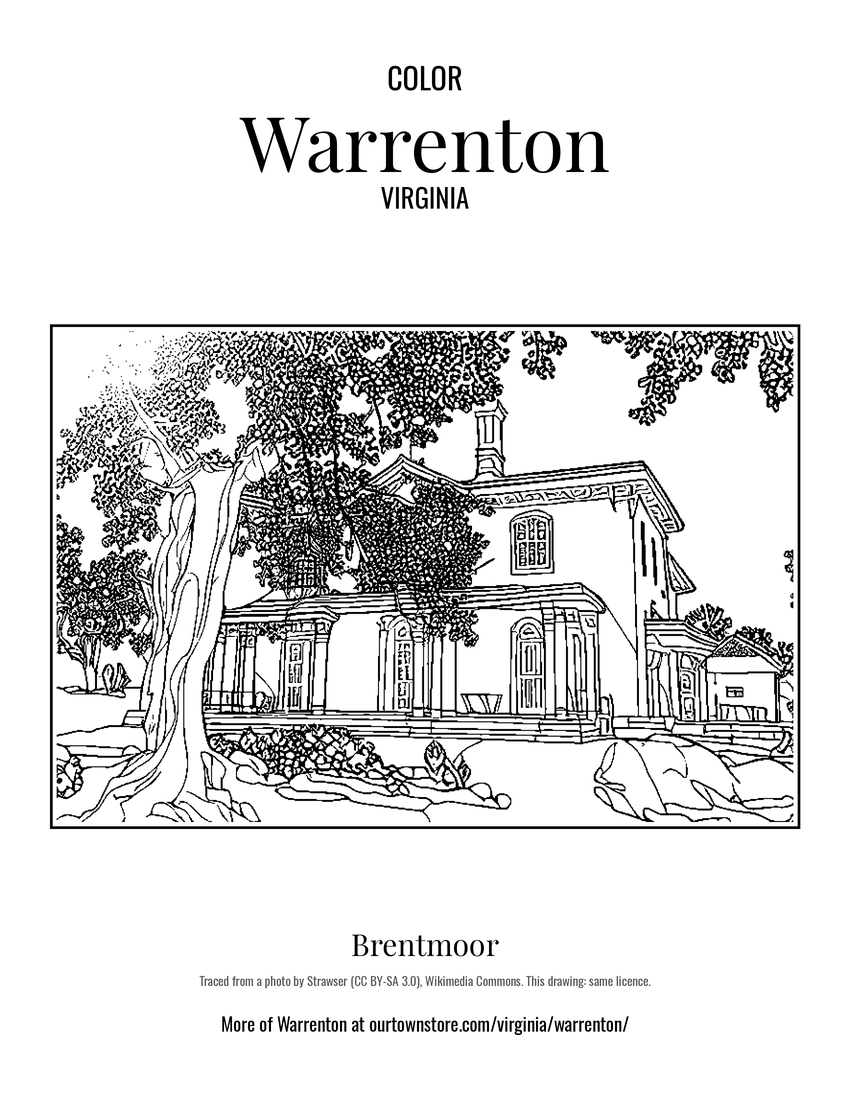 Brentmoor
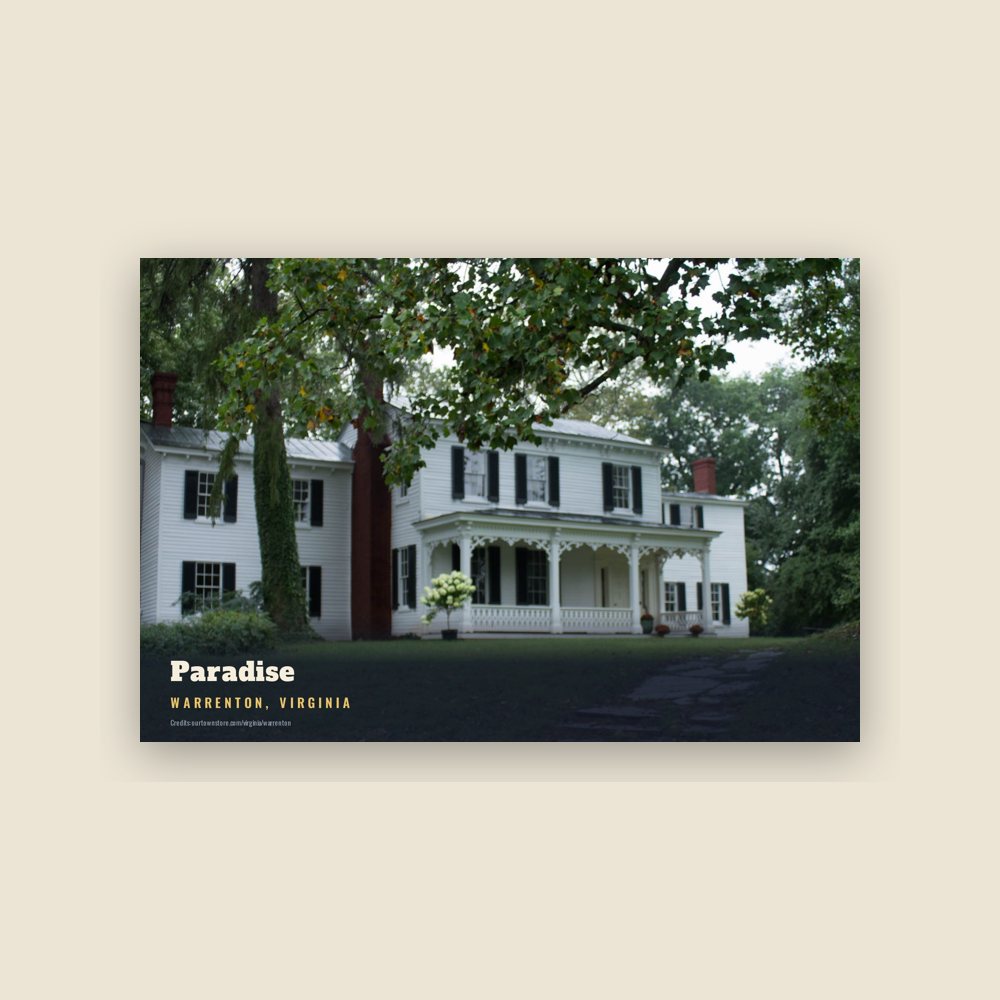
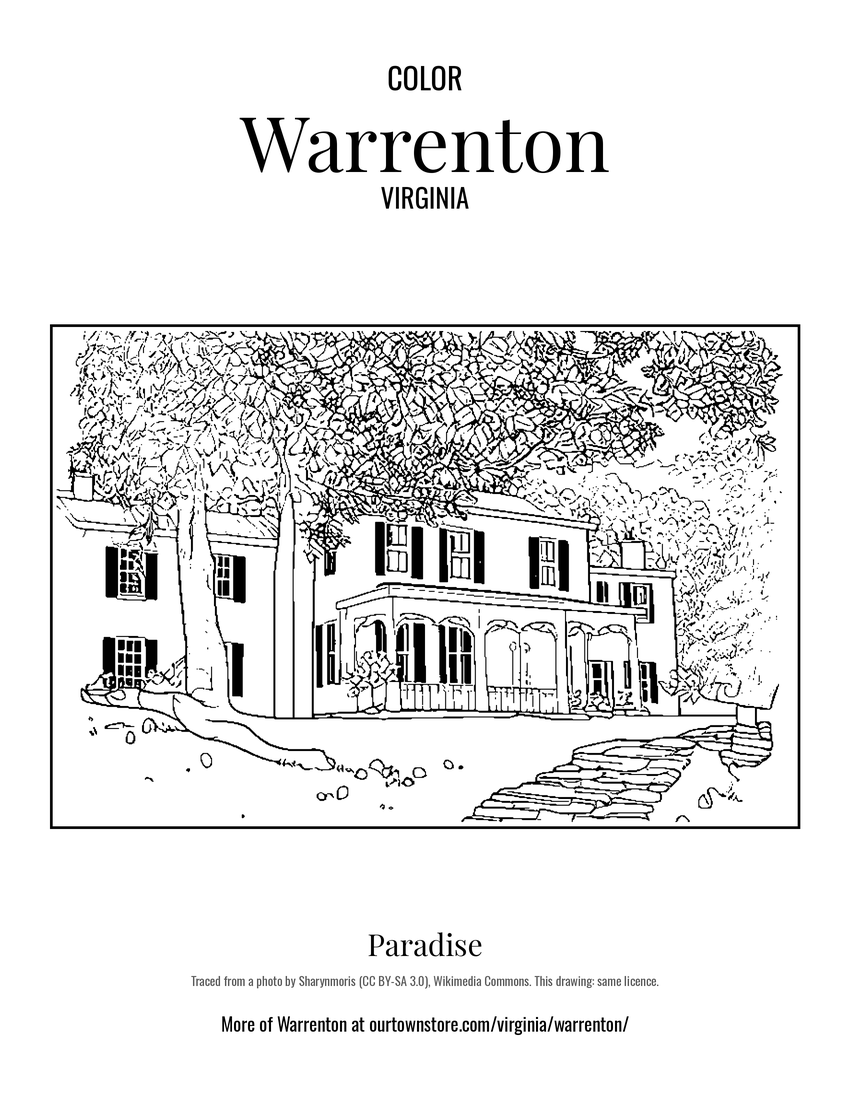 Paradise
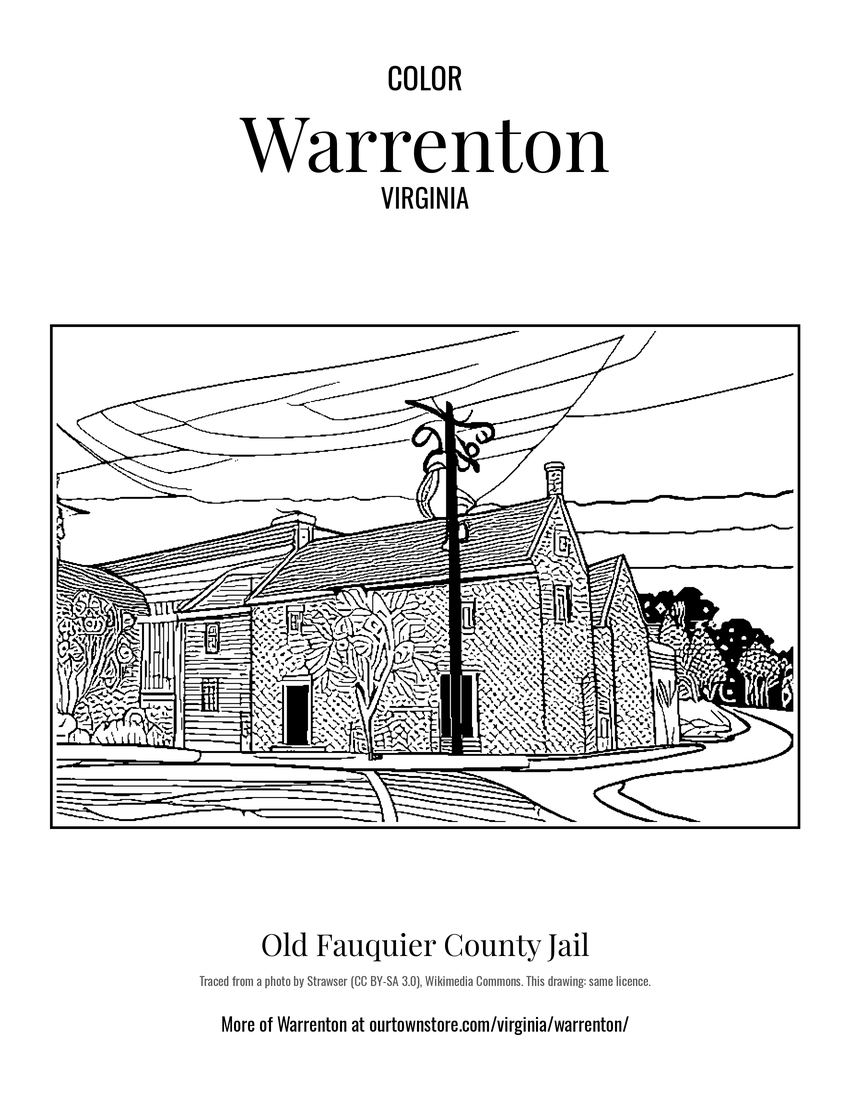 Old Fauquier County Jail
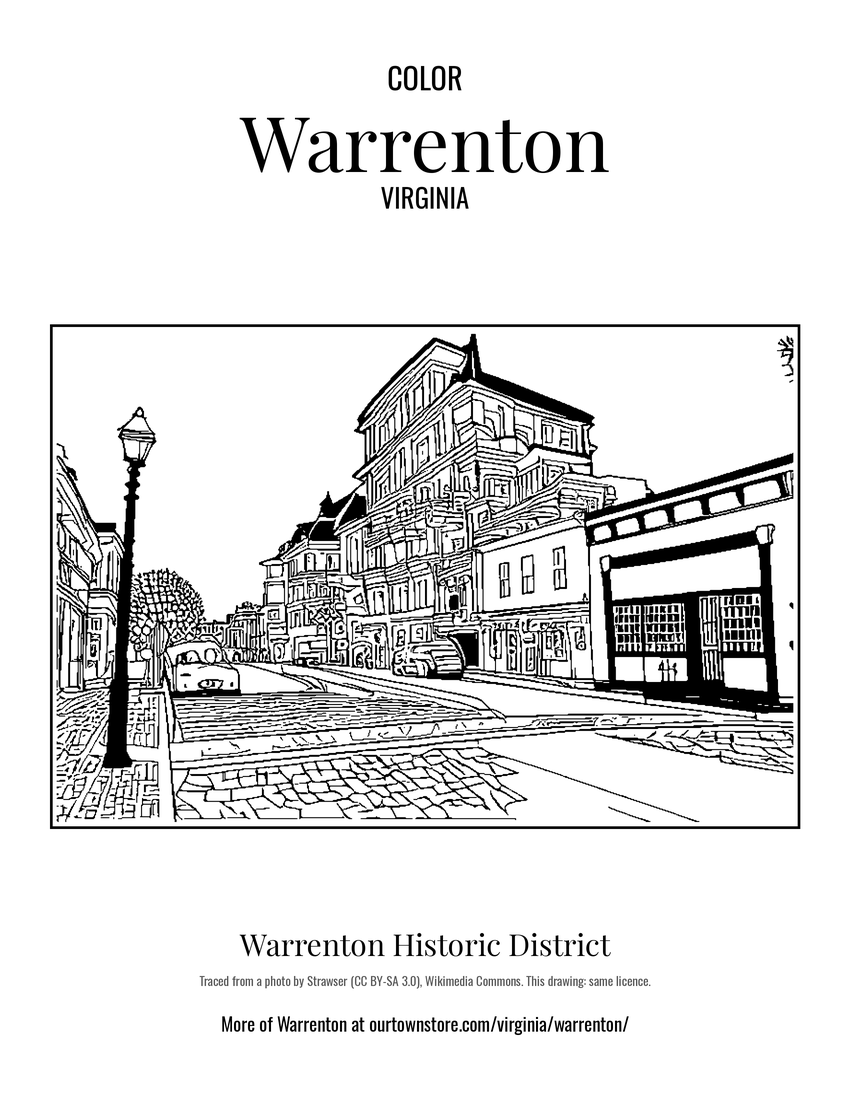 Warrenton Historic District