A short history of Windsor
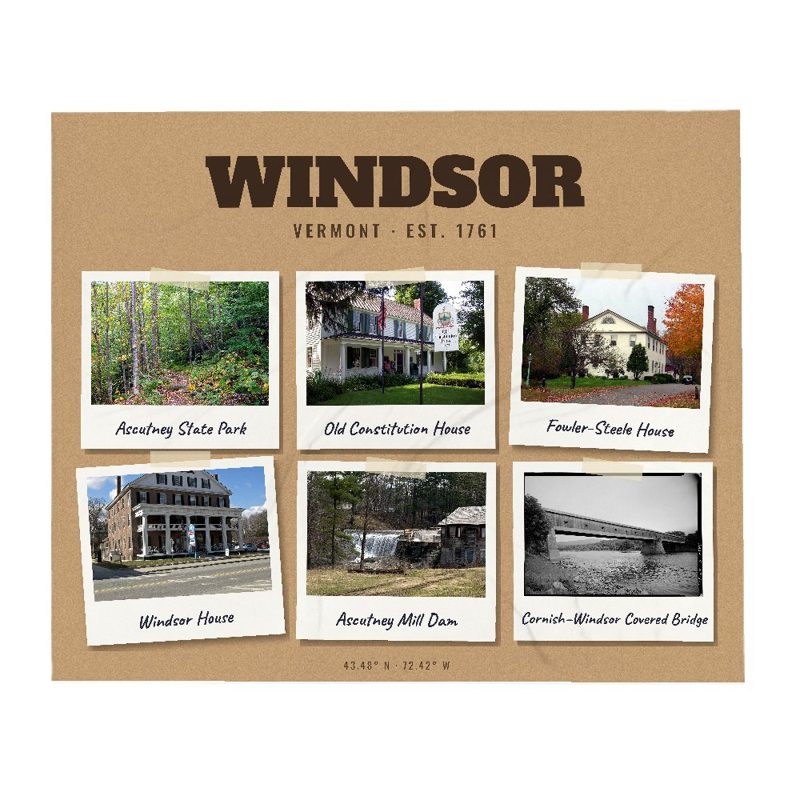
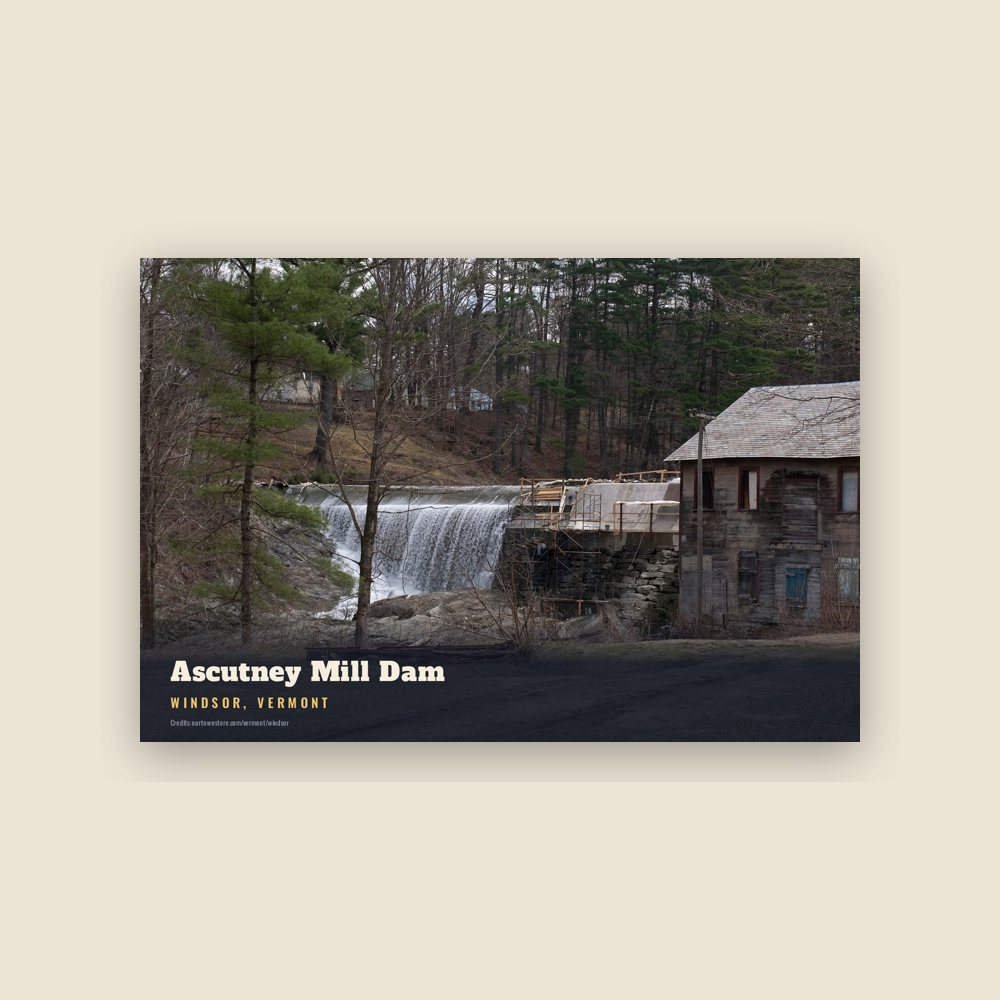
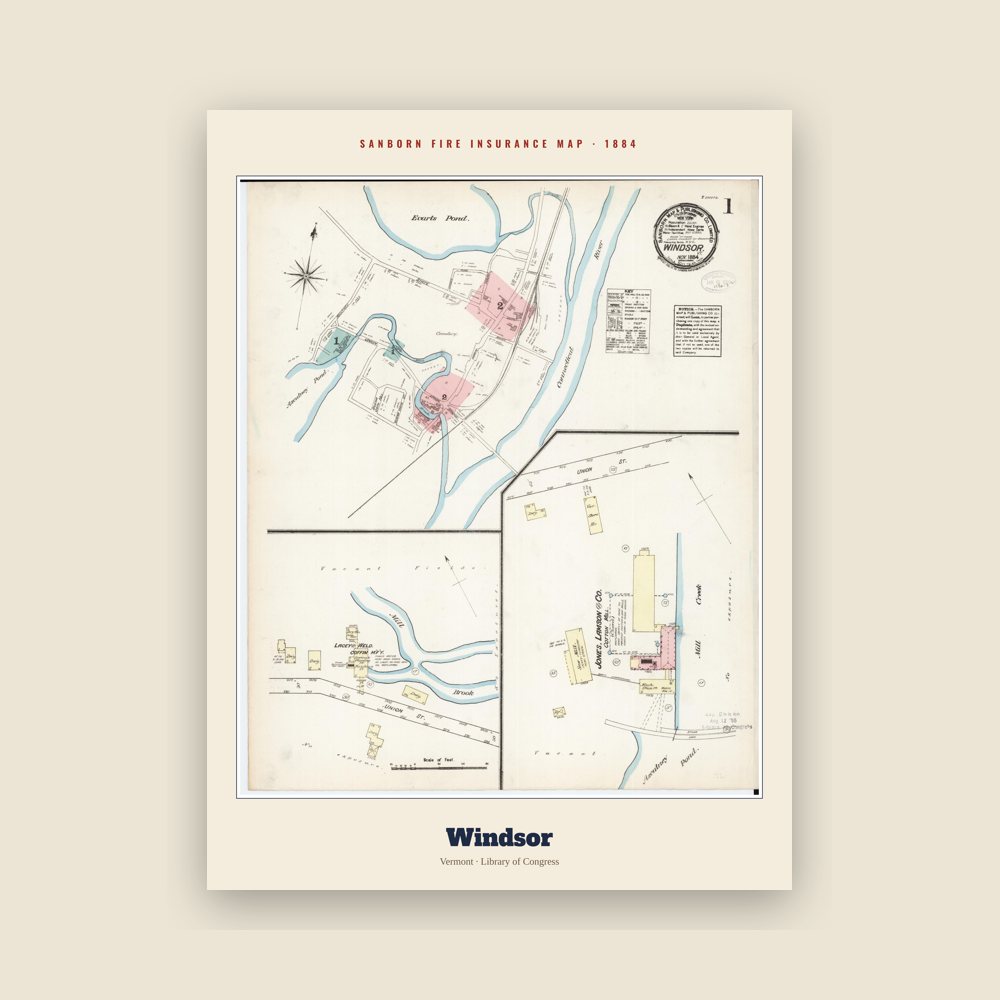
One of the New Hampshire grants, Windsor was chartered as a town on July 6, 1761, by colonial governor Benning Wentworth. It was first settled in August 1764 by Captain Steele Smith and his family from Farmington, Connecticut. In 1777, the signers of the Constitution of the Vermont Republic met at Old Constitution House, a tavern at the time, to declare independence from the Great Britain (the Vermont Republic would not become a state until 1791). In 1820, it was the state's largest town, a thriving center for trade and agriculture. In 1835, the first dam was built across Mill Brook to provide water power. Factories made guns, machinery, tinware, furniture and harnesses. The community is named for Windsor, Connecticut.
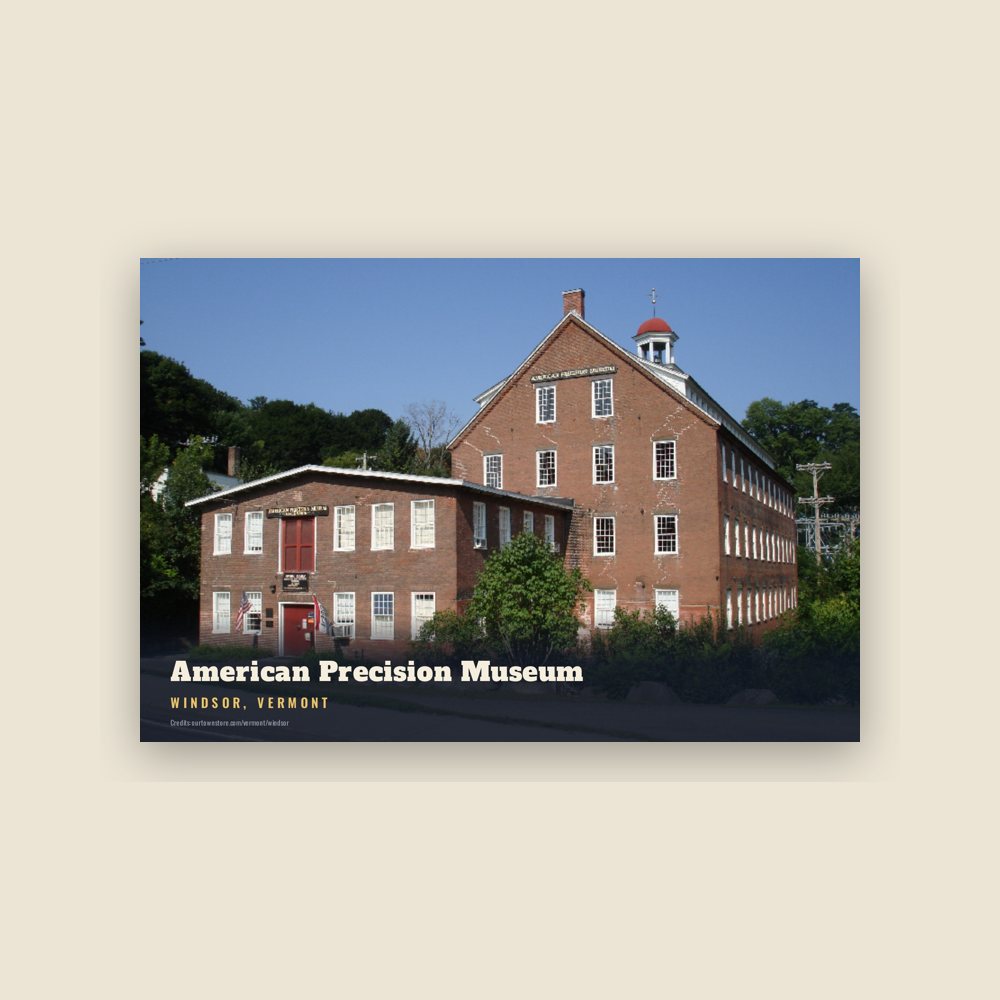
In 1846, Robbins and Lawrence received a government contract to manufacture firearms. Using advanced machine tools to produce interchangeable parts, they and their associates established factories in the Connecticut River valley and throughout New England. Two factories, now both closed, sustained the economy of Windsor: Cone Automatic Machine Company and a Goodyear Tire and Rubber Company plant.
Windsor village began development at the end of the 18th century and achieved importance in Vermont history as the location of the framing of the constitution of Vermont. It is known as the birthplace of Vermont, where the state constitution was signed, and acted as the first capital until 1805 when Montpelier became the official state capital.
Commerce prospered due to the village's location on the banks of the Connecticut River where several smaller streams run into it. The economy improved in the mid-19th century when Windsor became the first town in the state to break ground for the railroad with the construction of a rail depot. Windsor Station connected the town to out-of-state markets. It was after the railroad went through that the area was discovered by tourists.
Adapted (trimmed) from the Wikipedia article Windsor, Vermont, revision 1379648695 by its contributors, licensed CC BY-SA 4.0.

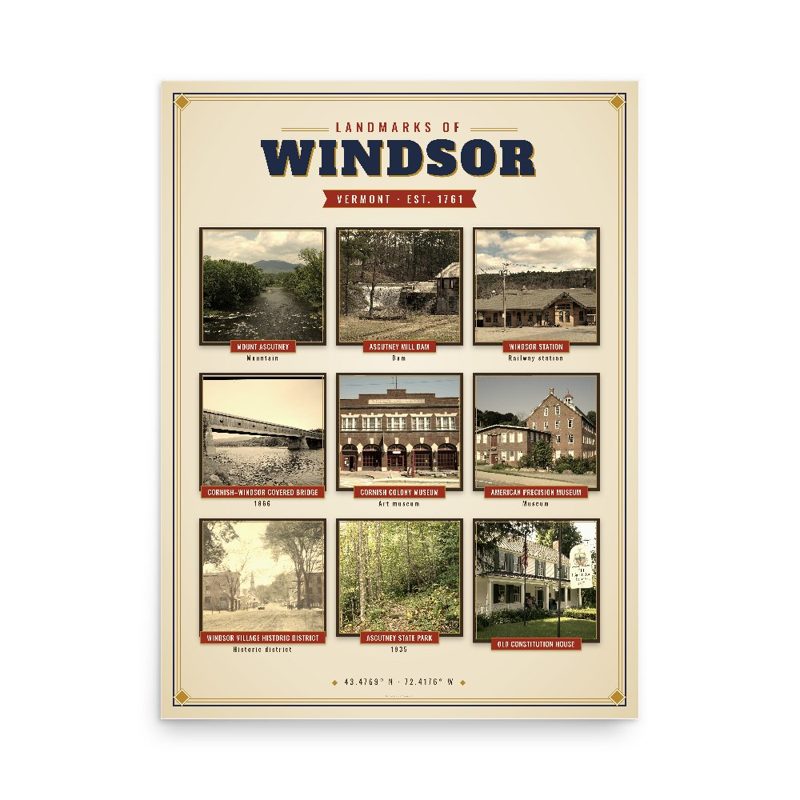
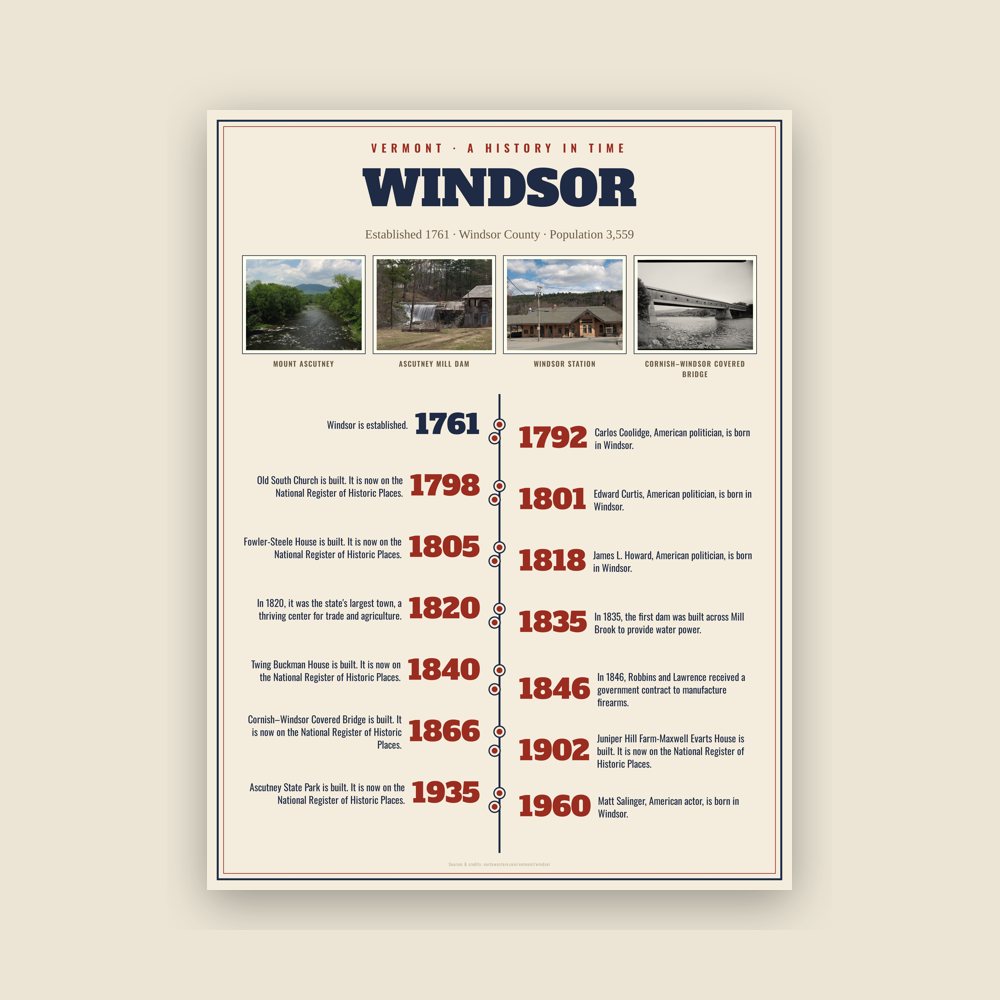
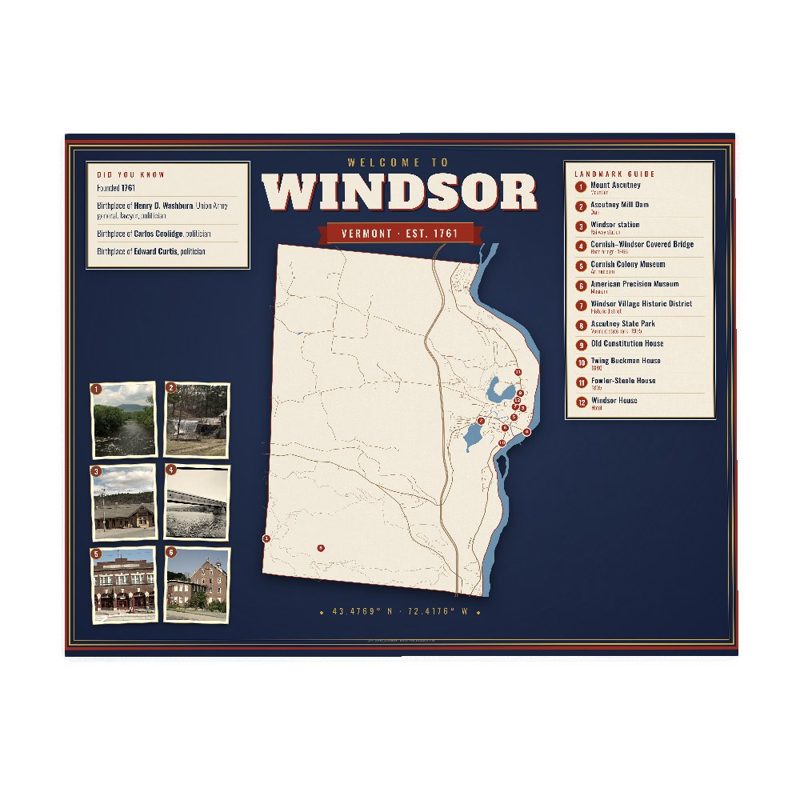
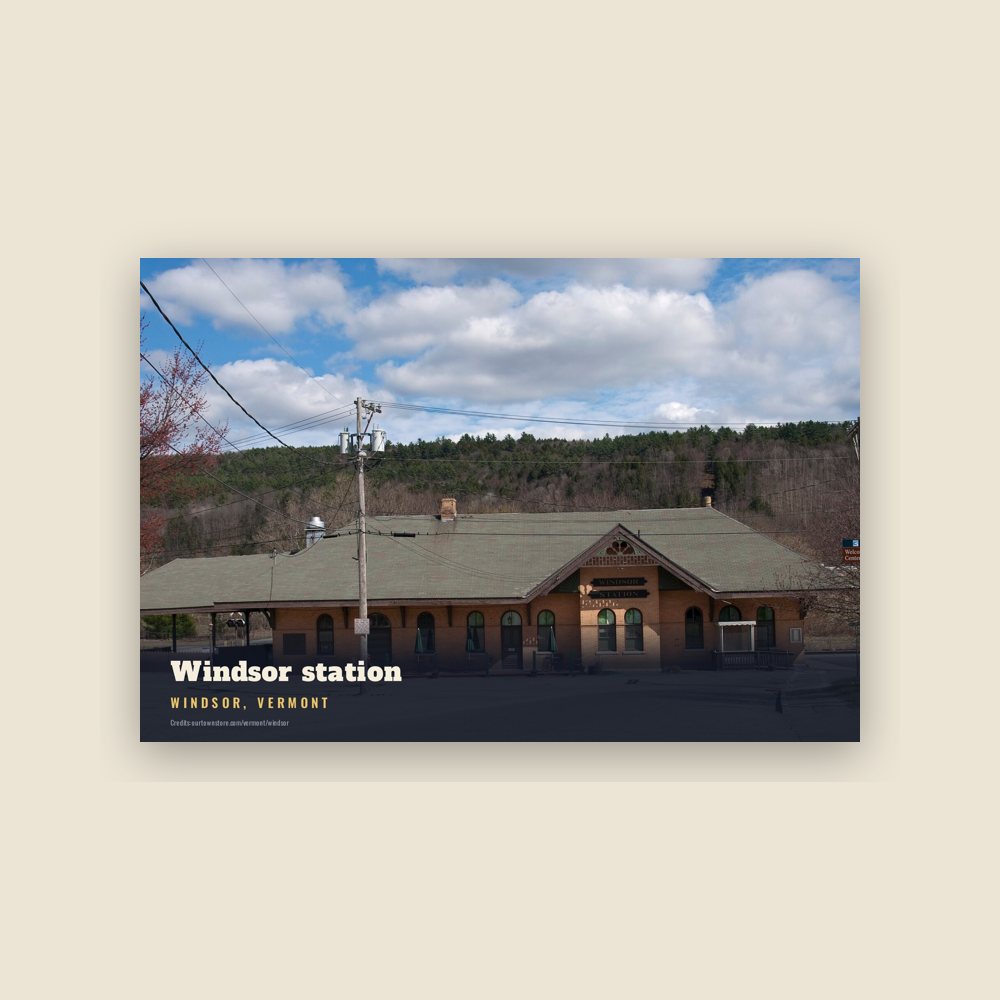
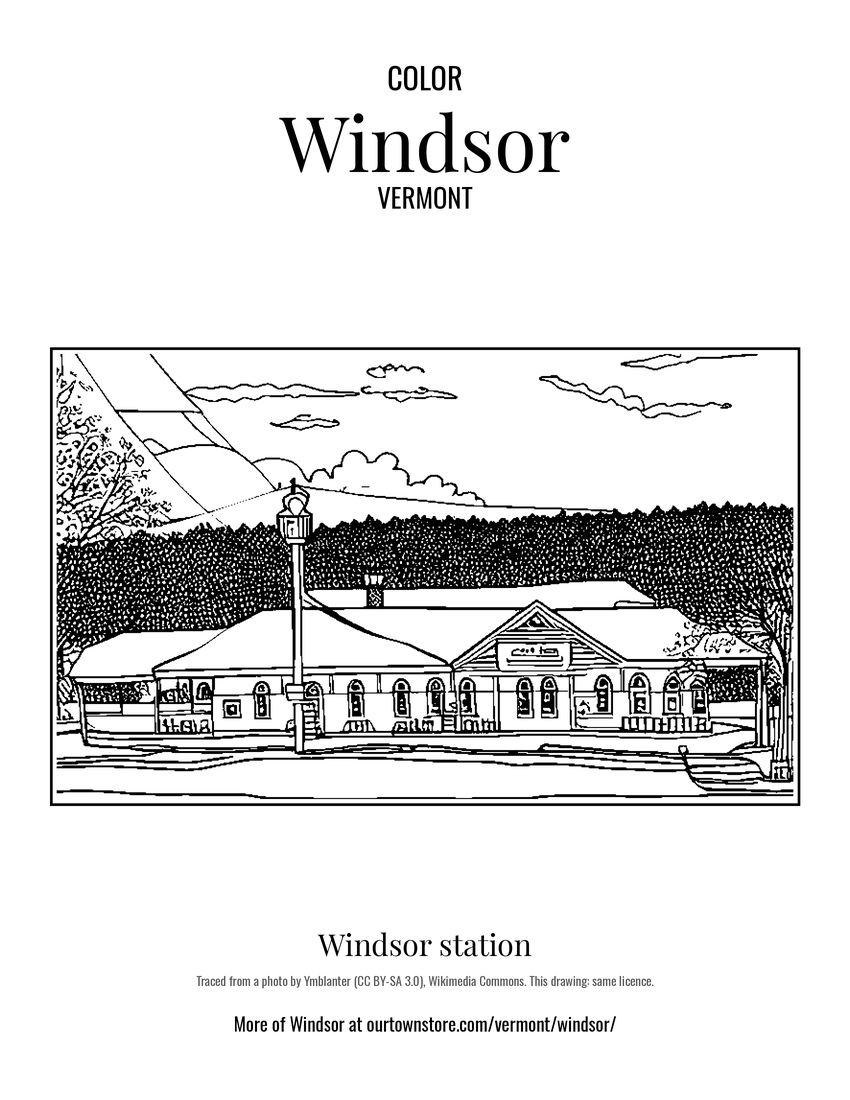 Windsor station
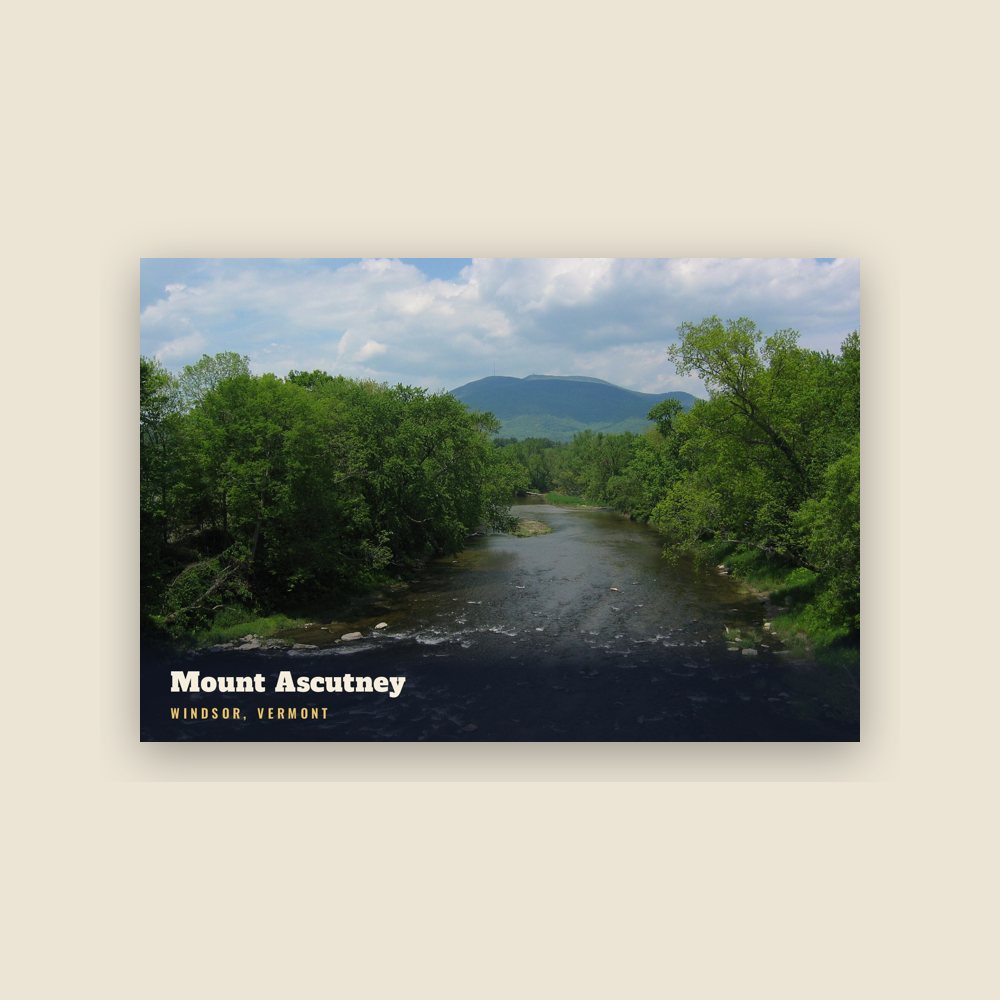
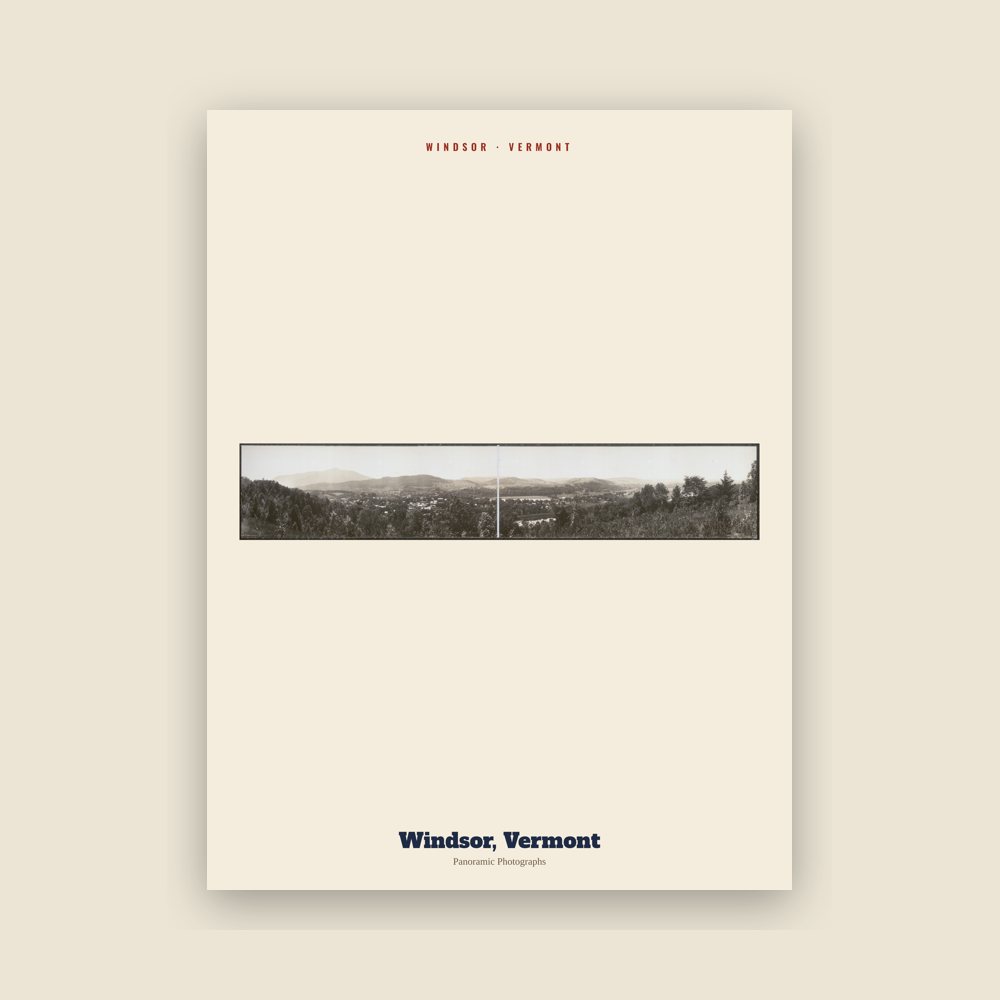
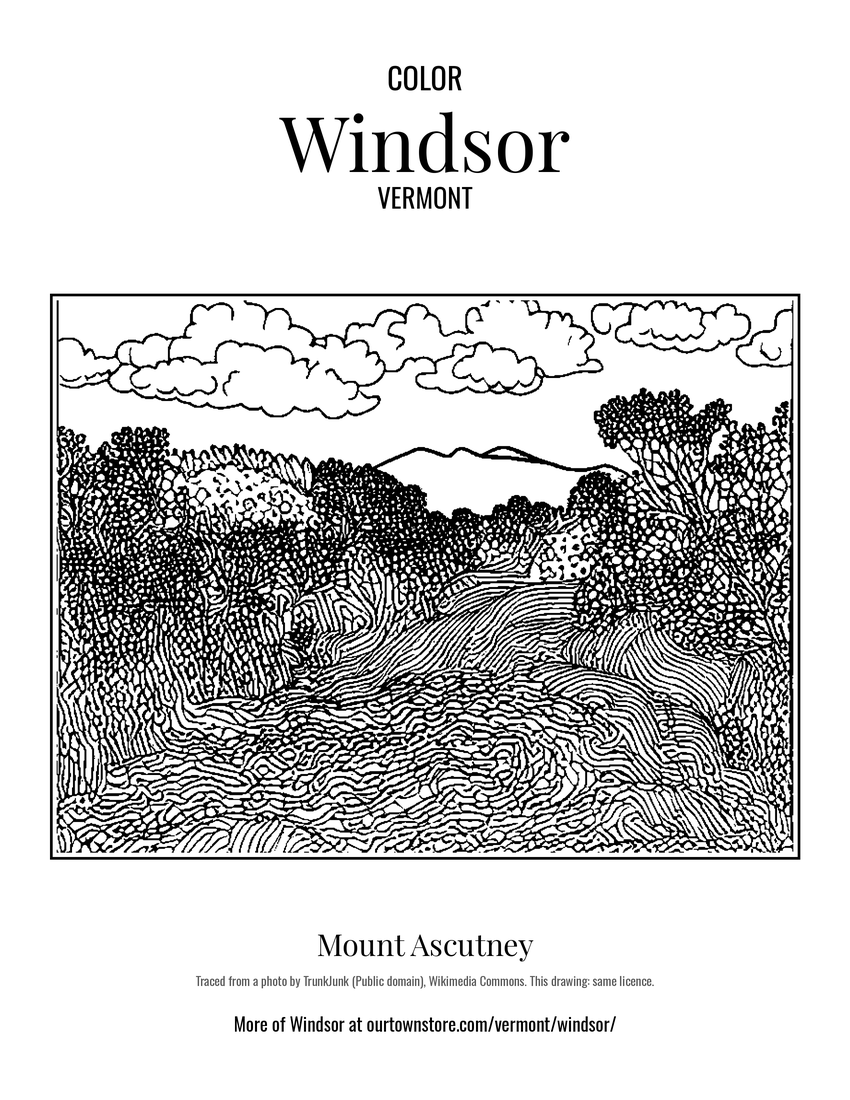 Mount Ascutney
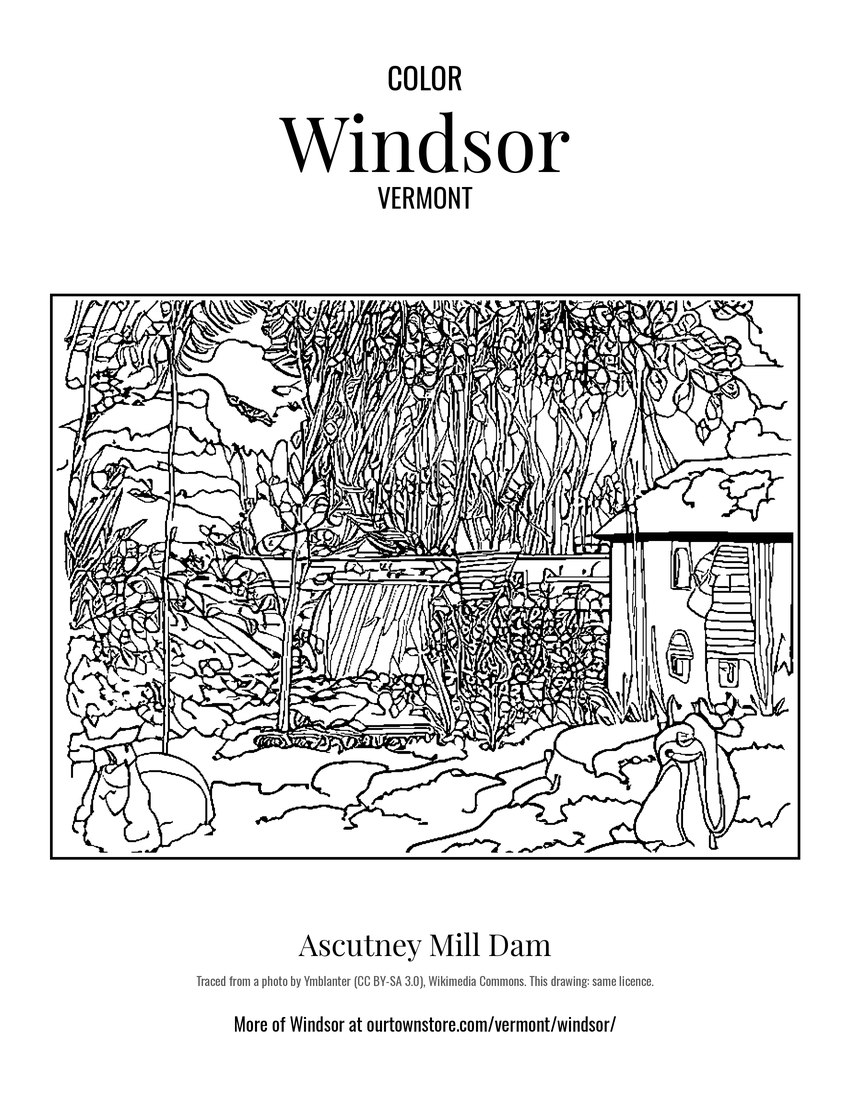 Ascutney Mill Dam
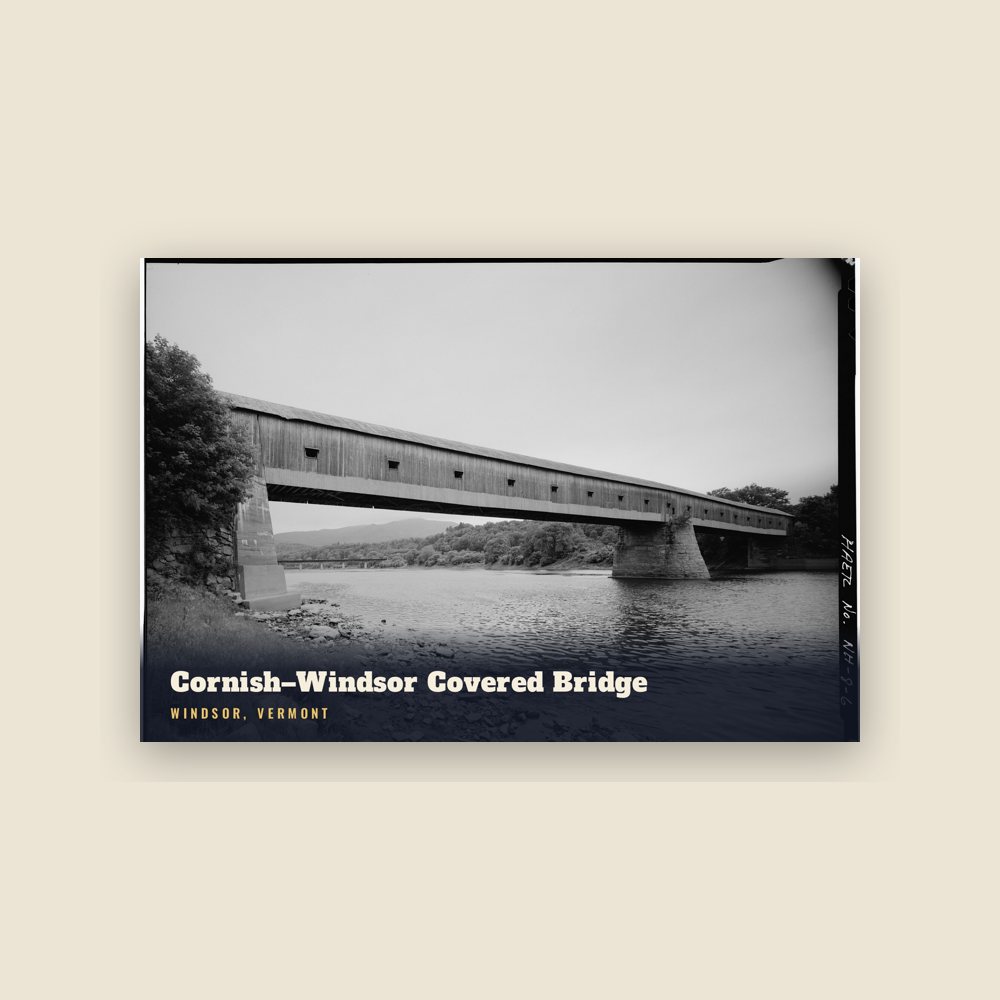
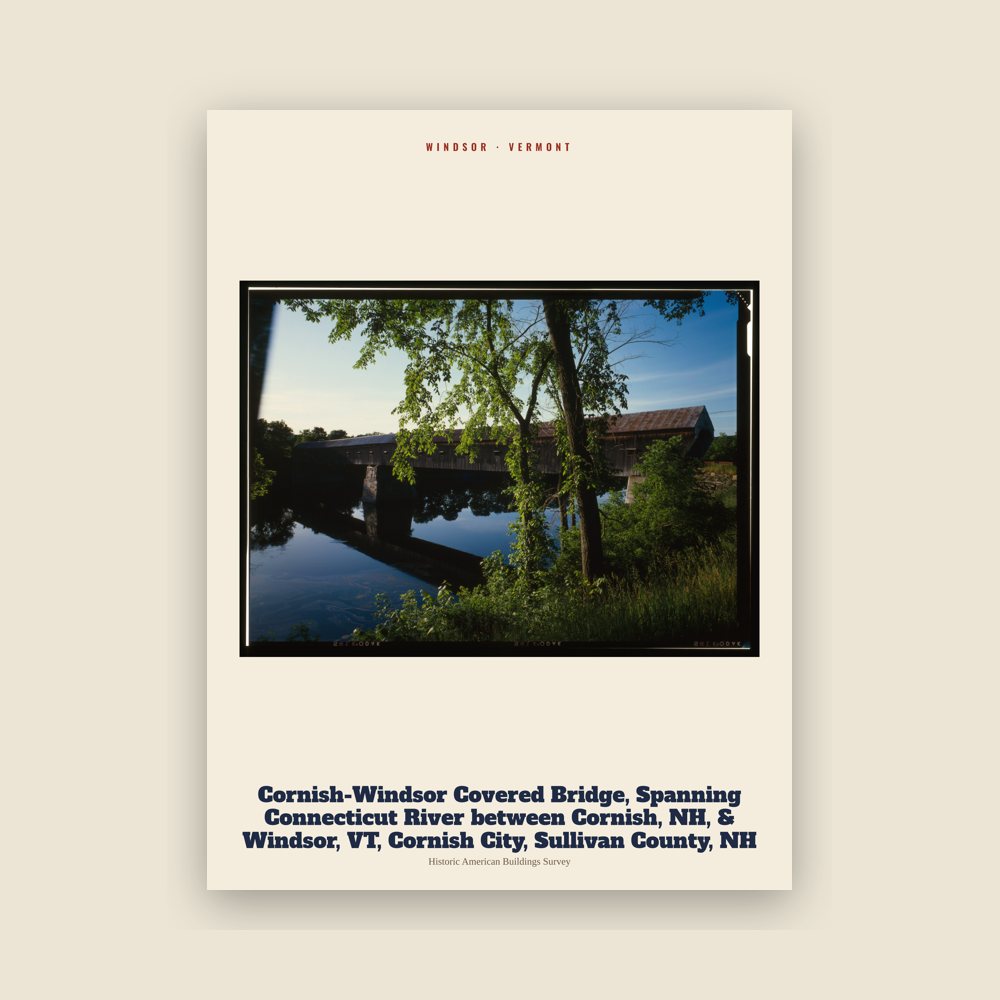
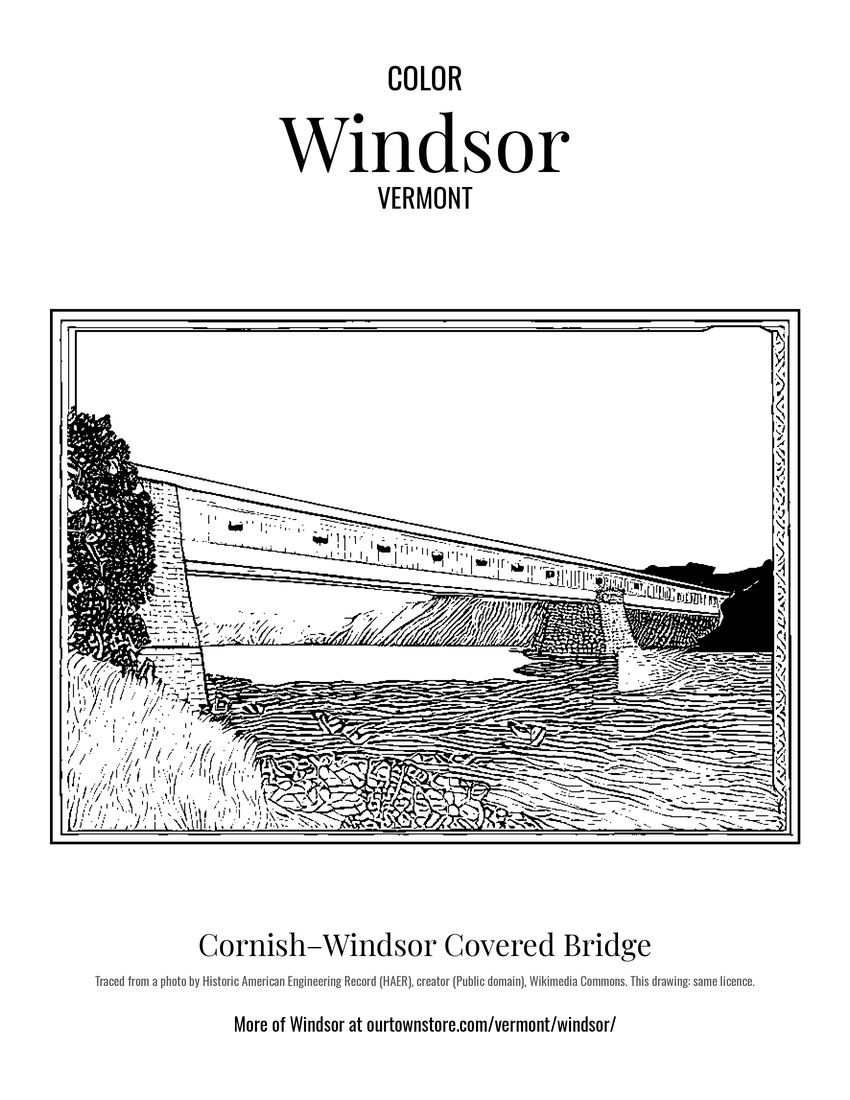 Cornish–Windsor Covered Bridge