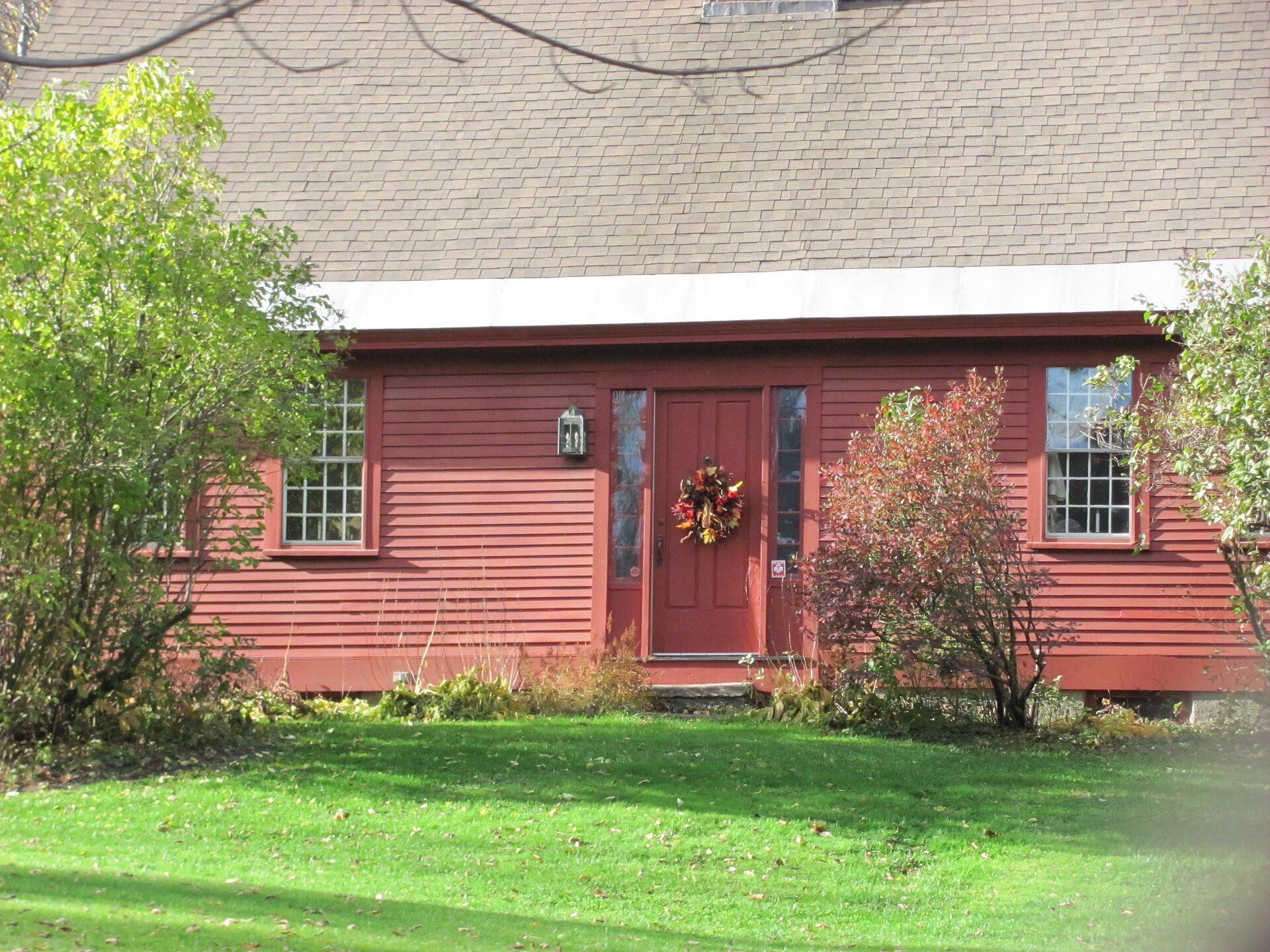
The town was likely named after William Cavendish, 4th Duke of Devonshire. Landmarks include Atherton Farmstead, Indian Stones and Pollard Block. Cavendish is the birthplace of Nettie Stevens, geneticist.
Every piece is drawn from Cavendish's own map data and historic archives, then printed and shipped from the USA when you order. No two towns look alike.
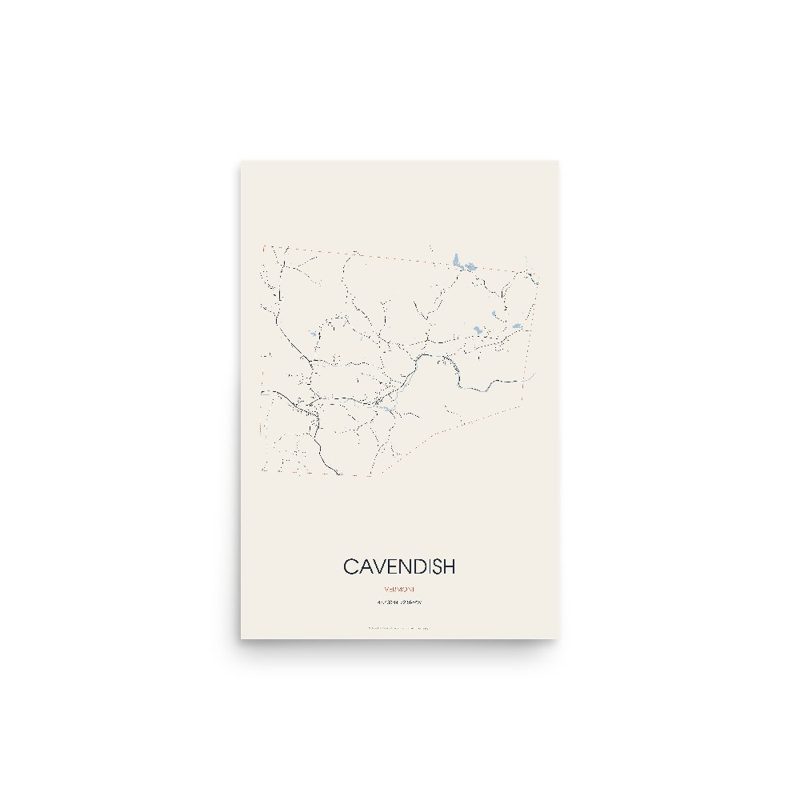
Every road in town, on archival matte paper
The same map, in navy and silver
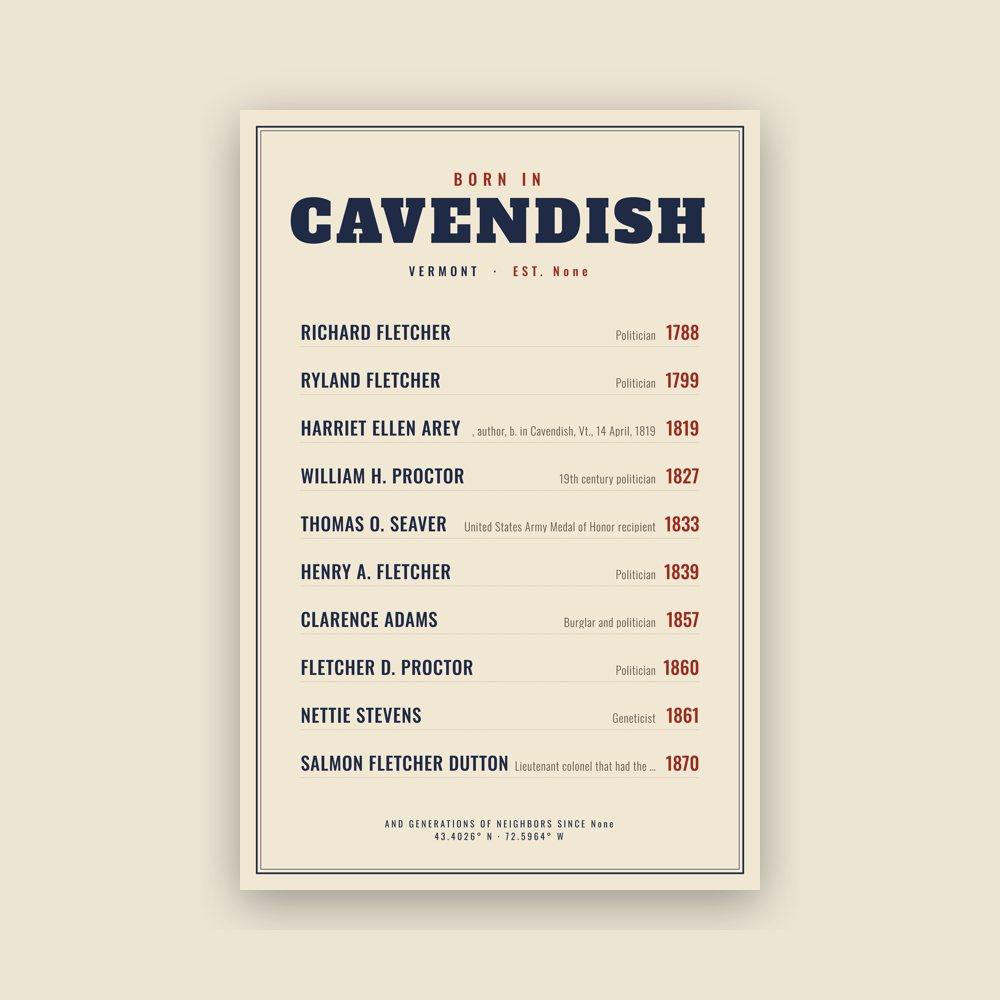
Famous natives, by birth year
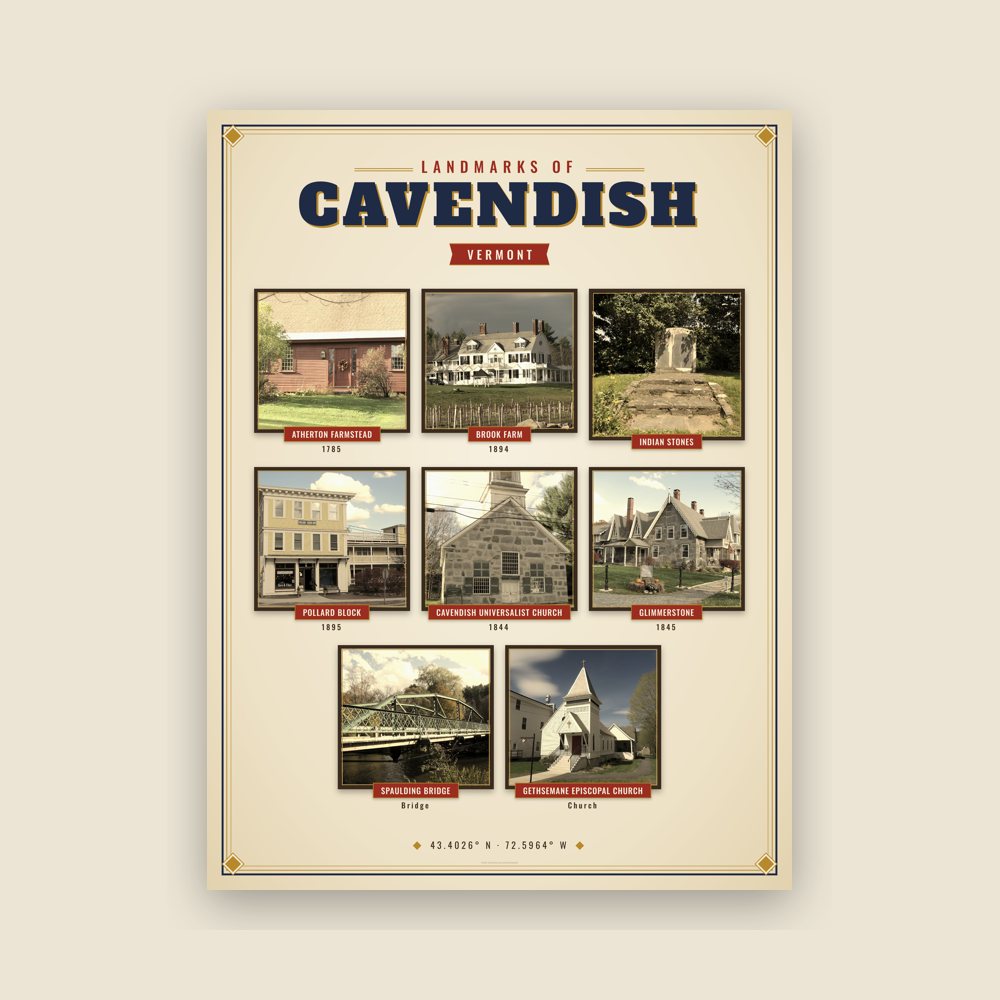
Nine local landmarks, archival matte
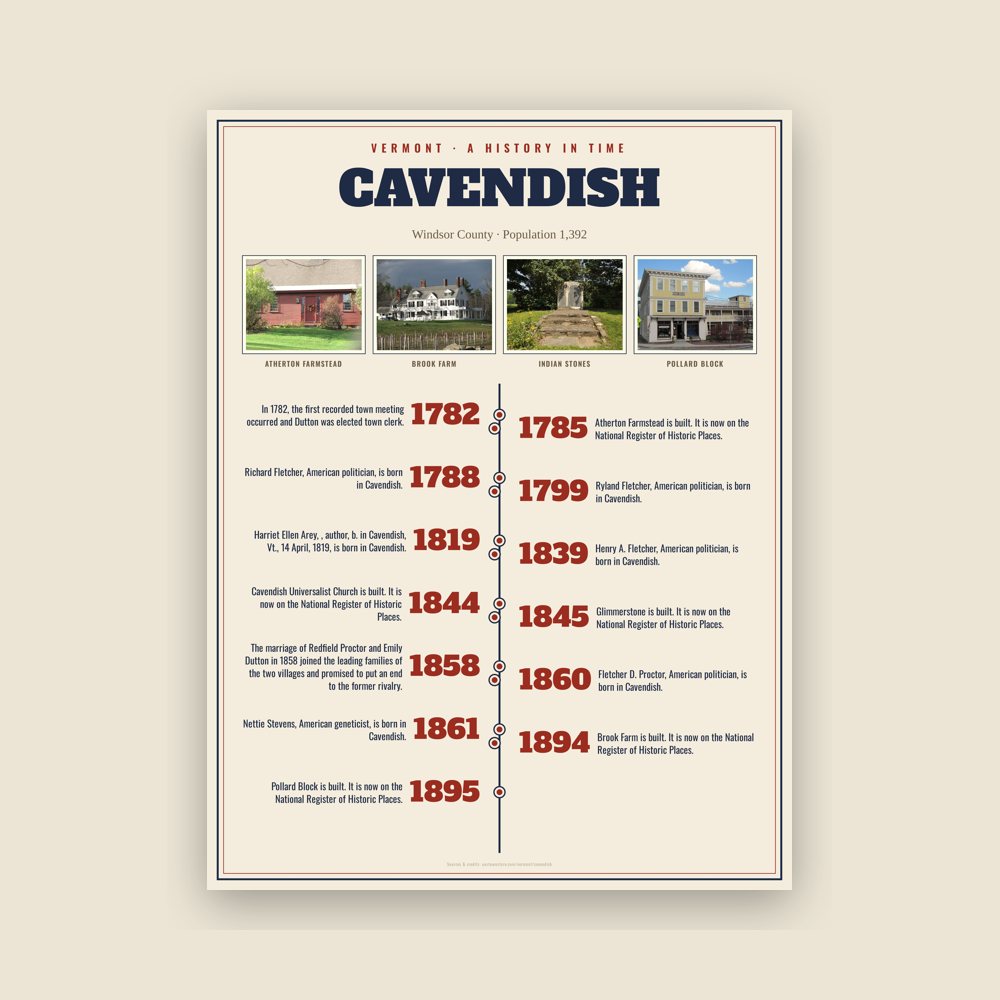
The town's story in dates, from its own records, for home or classroom
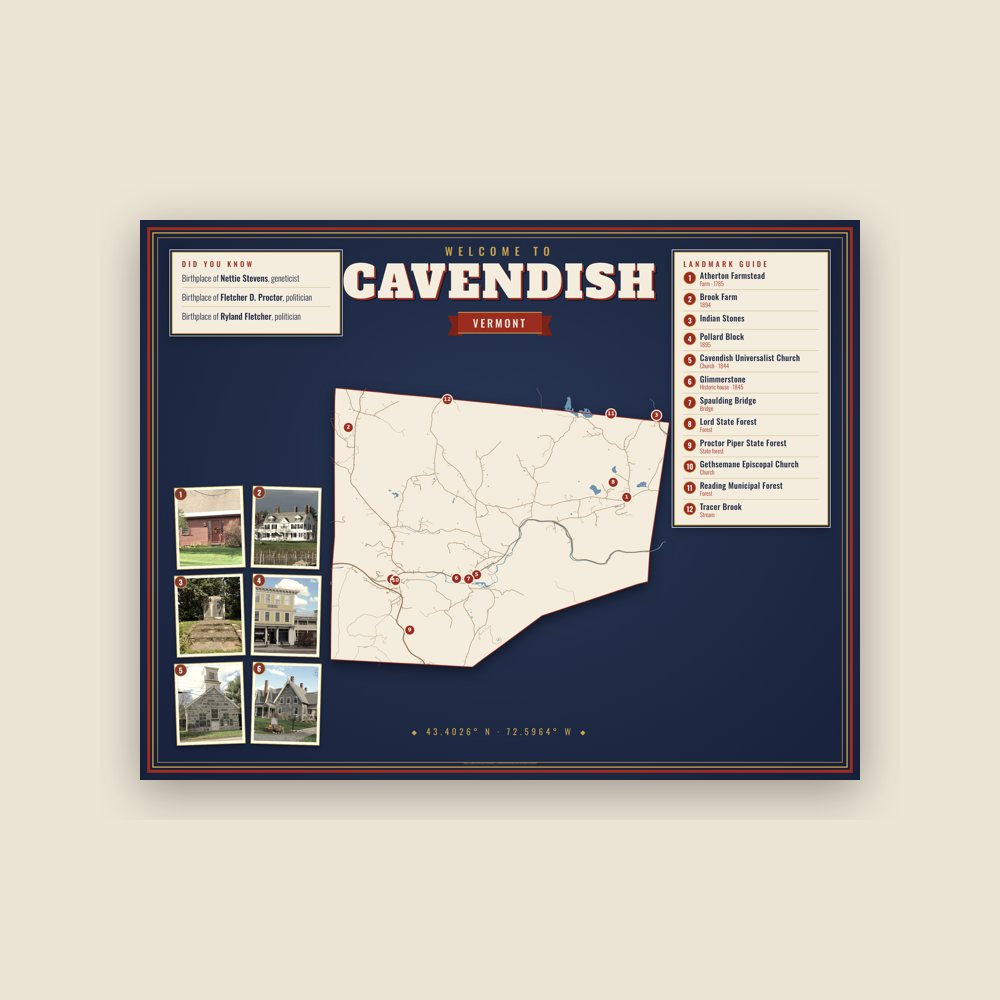
Map of local landmarks, washable fabric
Heavy-blend fleece, street map printed on the back
Soft Bella+Canvas jersey
Glossy ceramic, dishwasher safe
Ceramic keepsake, gold ribbon
Weatherproof, for the front walk
24″×16″, printed coir-look fibers, rubber back
12″×12″ printed wood, ready to hang
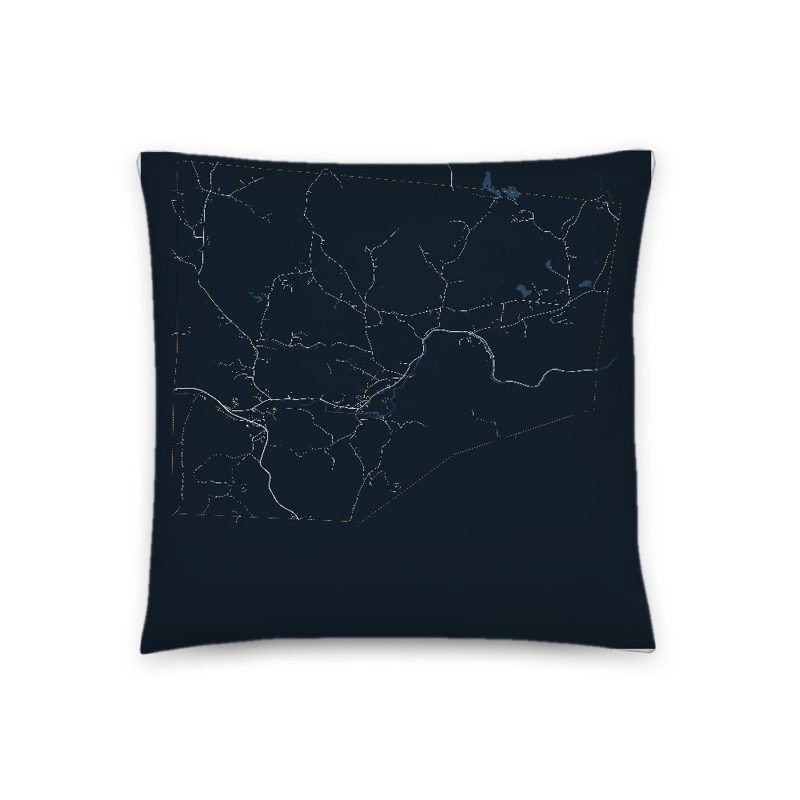
Soft-touch, zip cover
Sturdy all-over-print tote
Glossy top, cork back
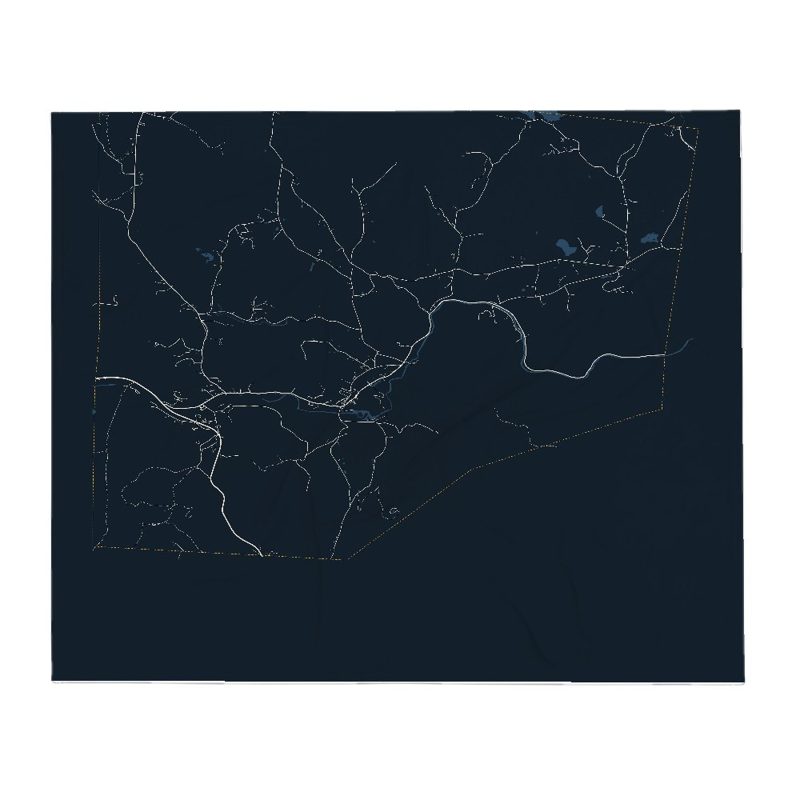
Soft fleece, 50″×60″
20 oz, double-wall stainless
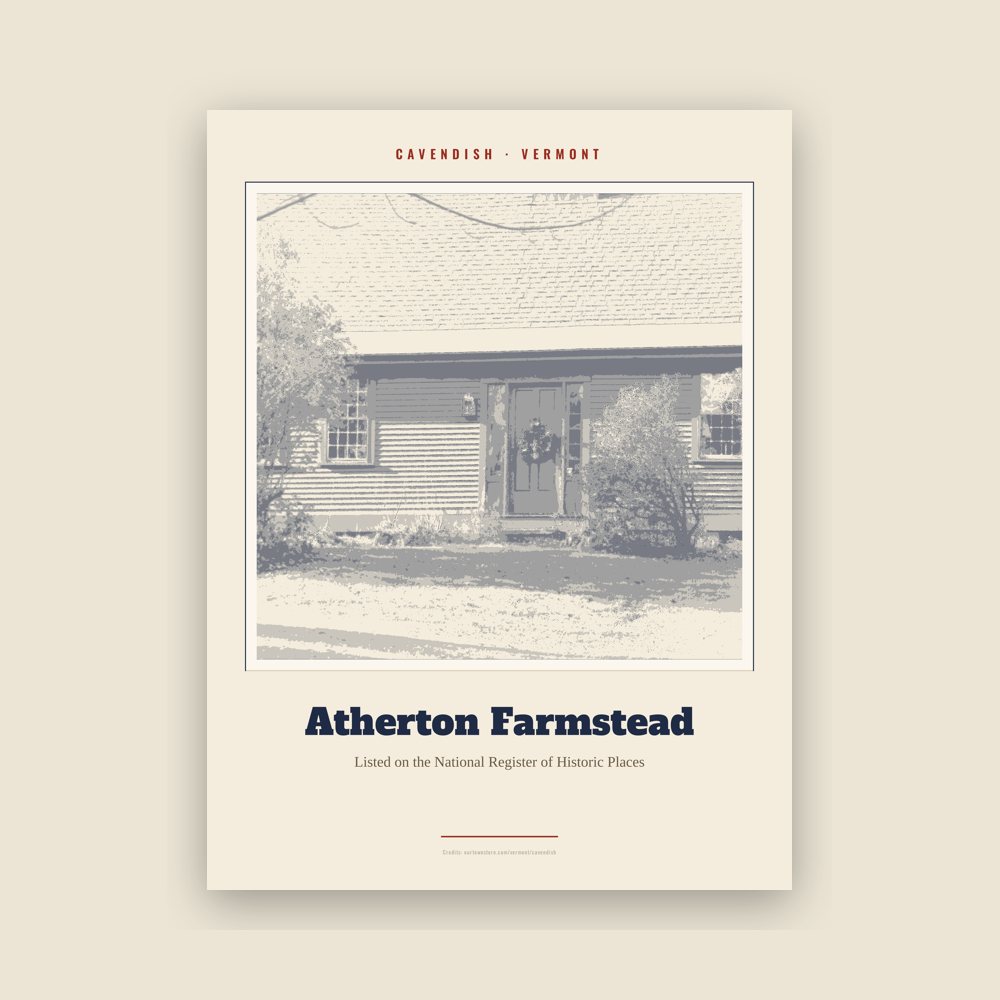
Archival matte print of a local landmark, credited to its photographer
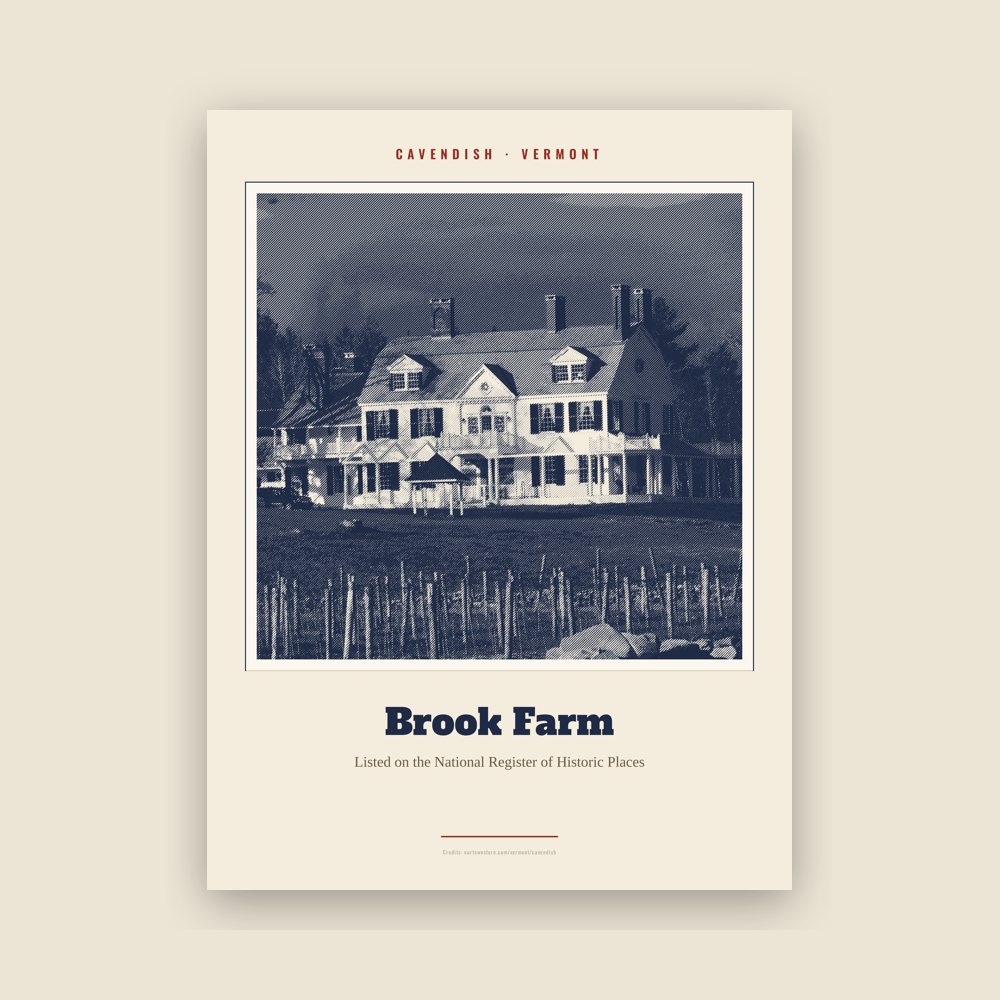
Archival matte print of a local landmark, credited to its photographer
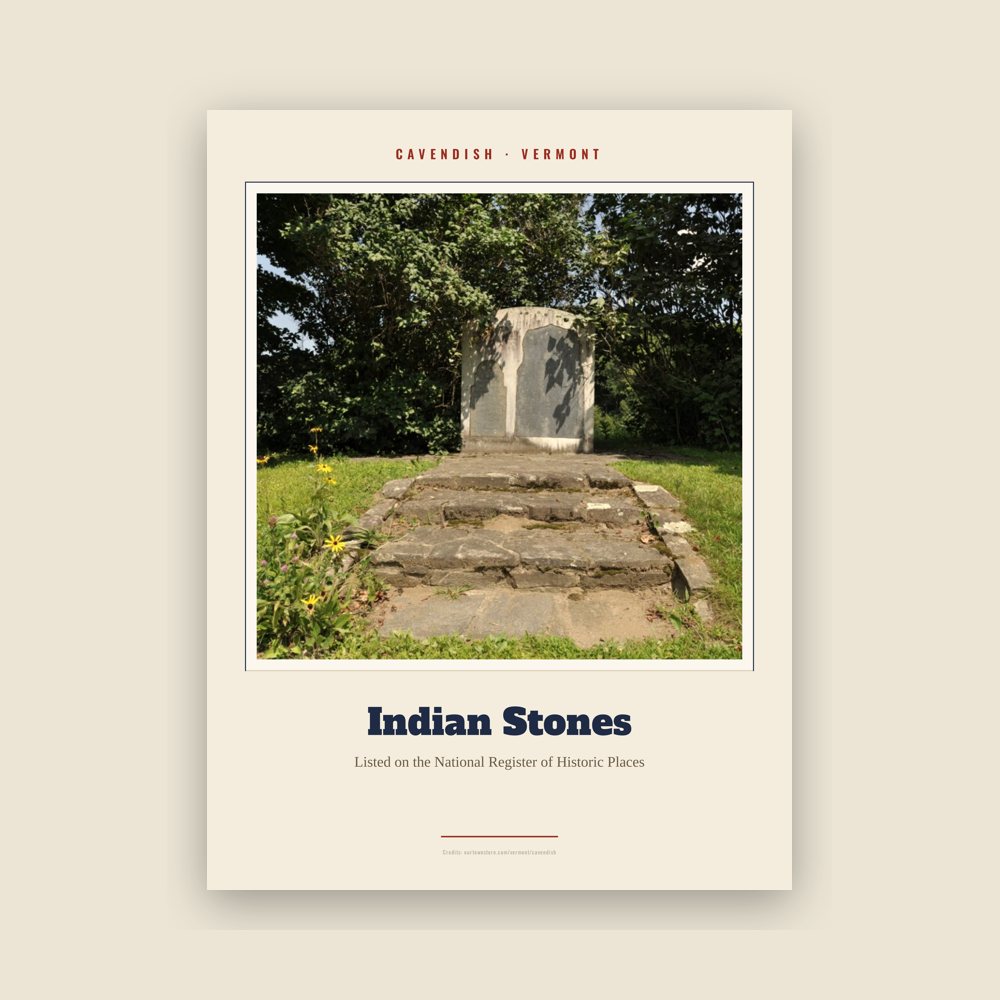
Archival matte print of a local landmark, credited to its photographer
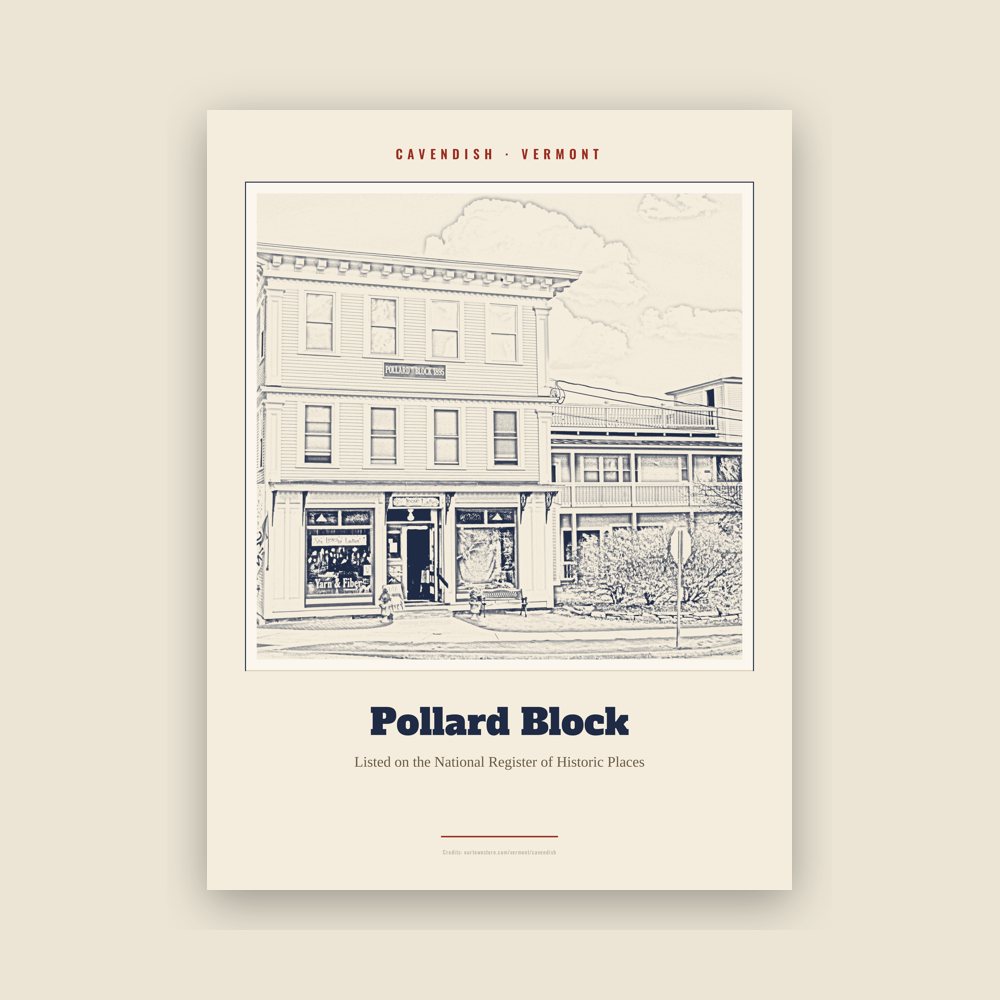
Archival matte print of a local landmark, credited to its photographer
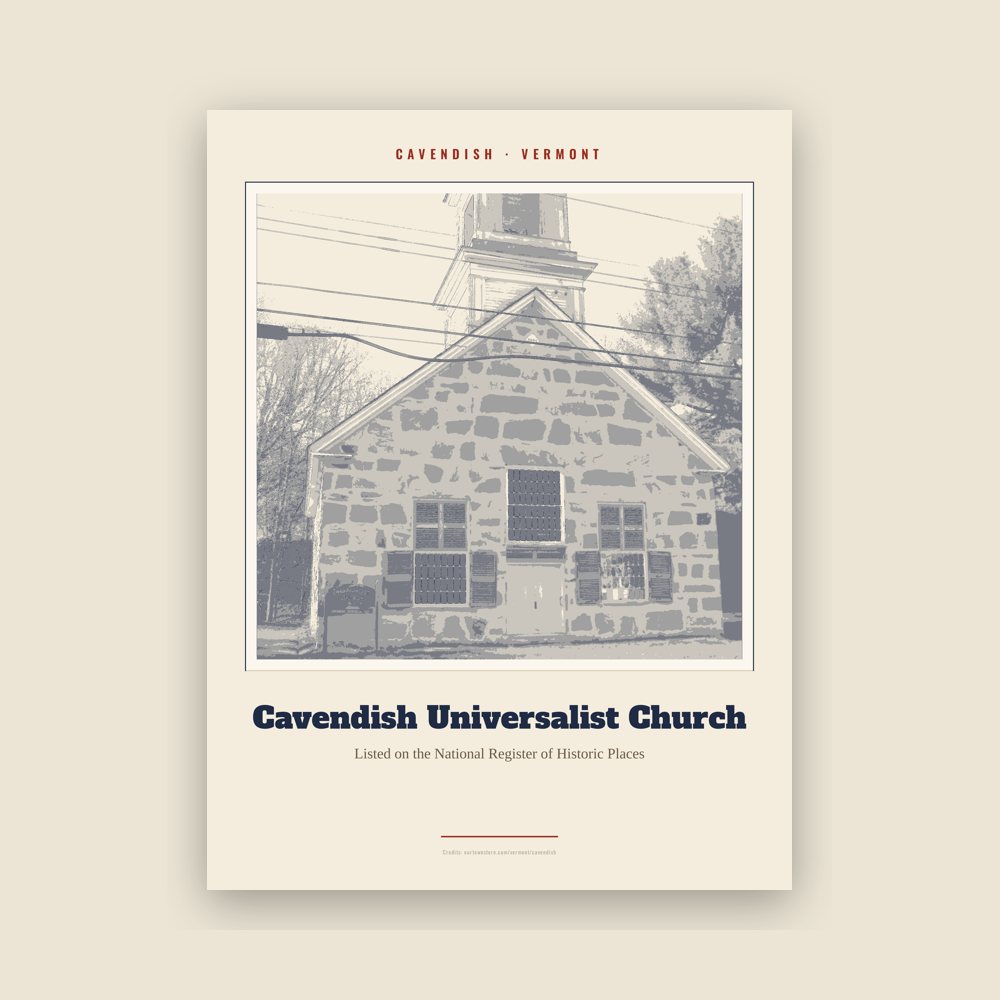
Archival matte print of a local landmark, credited to its photographer
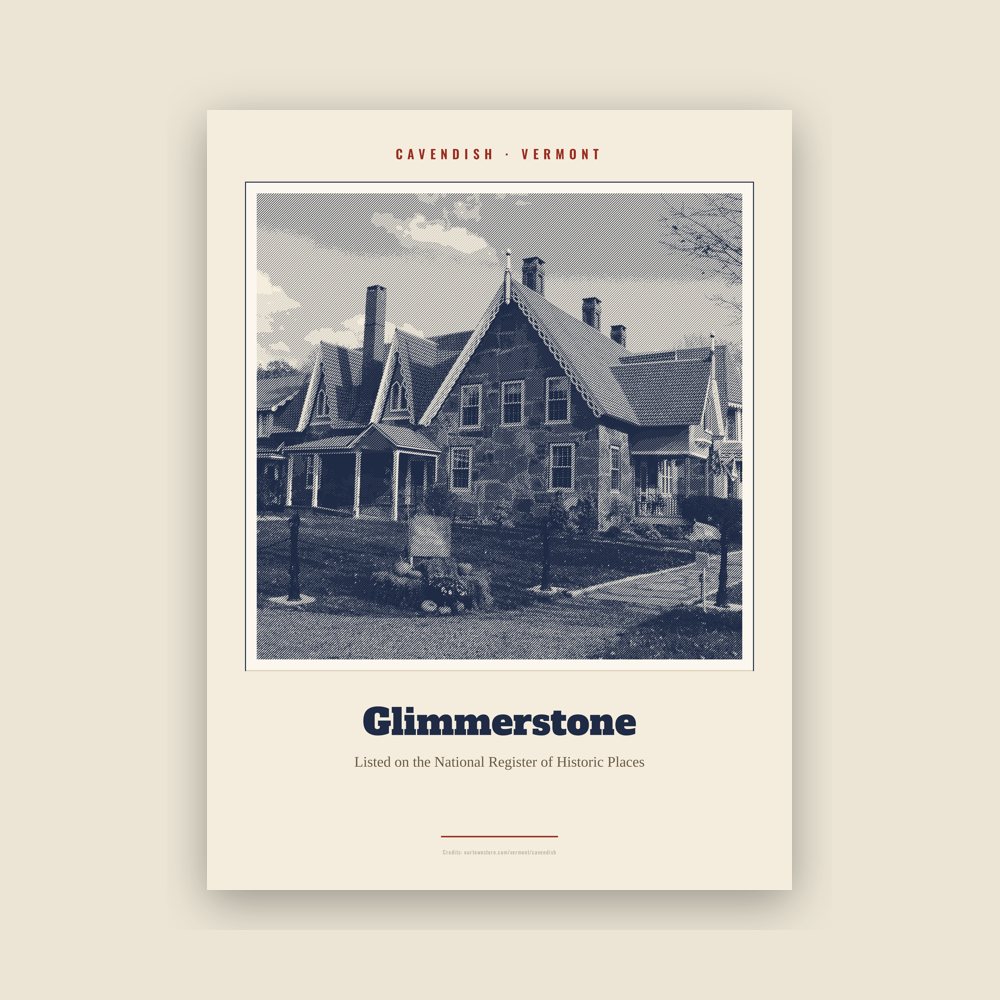
Archival matte print of a local landmark, credited to its photographer
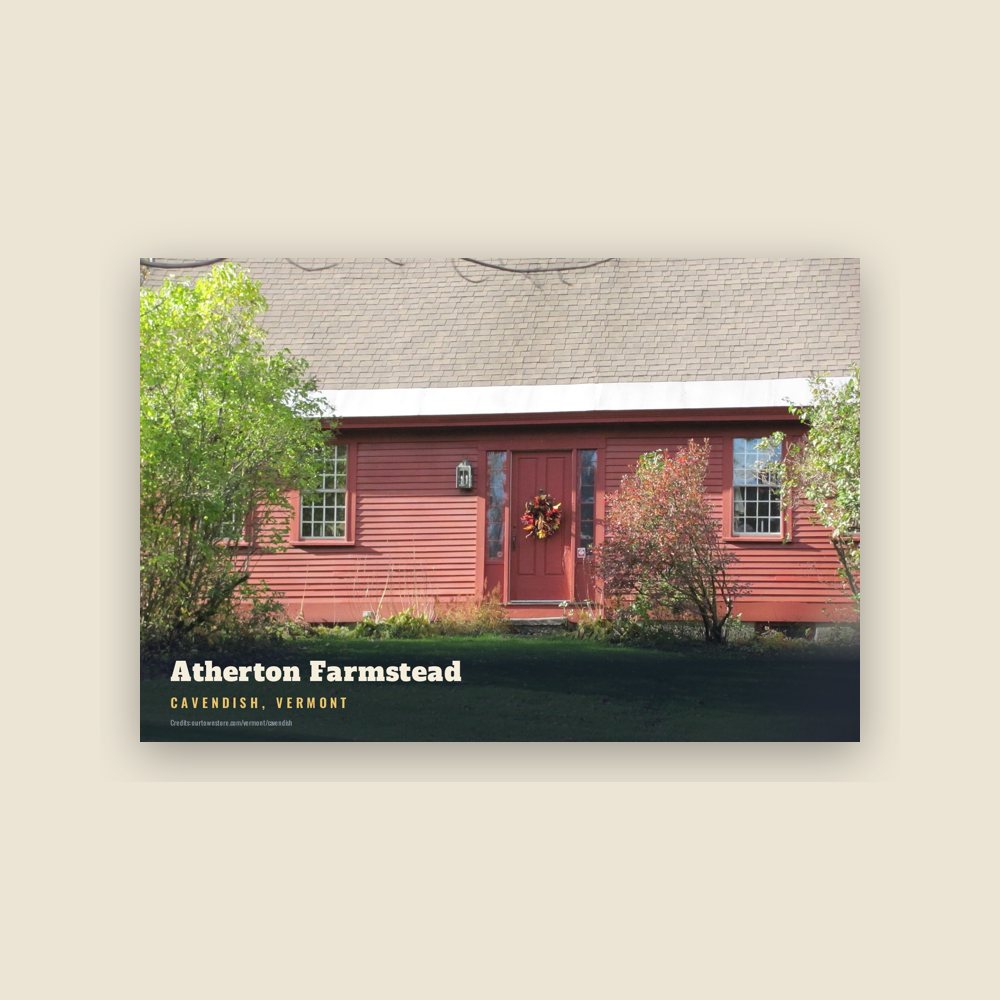
6″×4″ postcard, glossy front
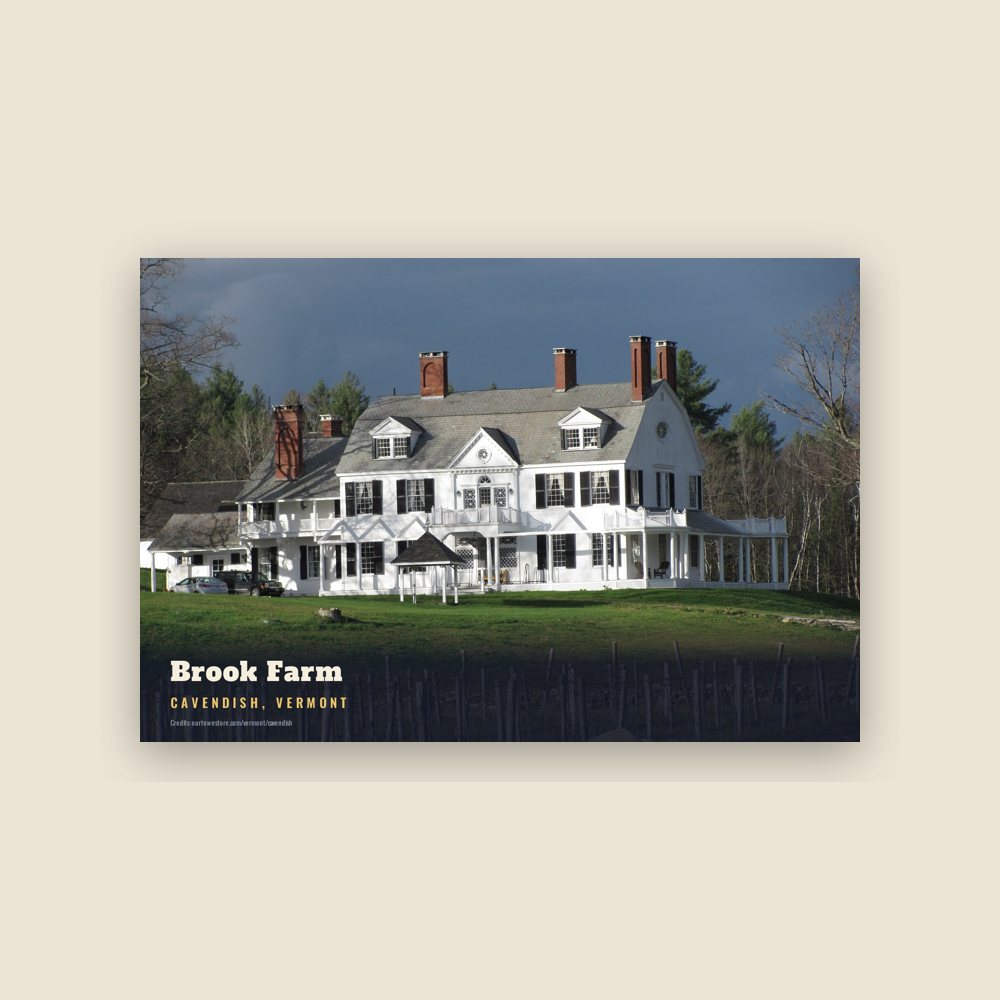
6″×4″ postcard, glossy front
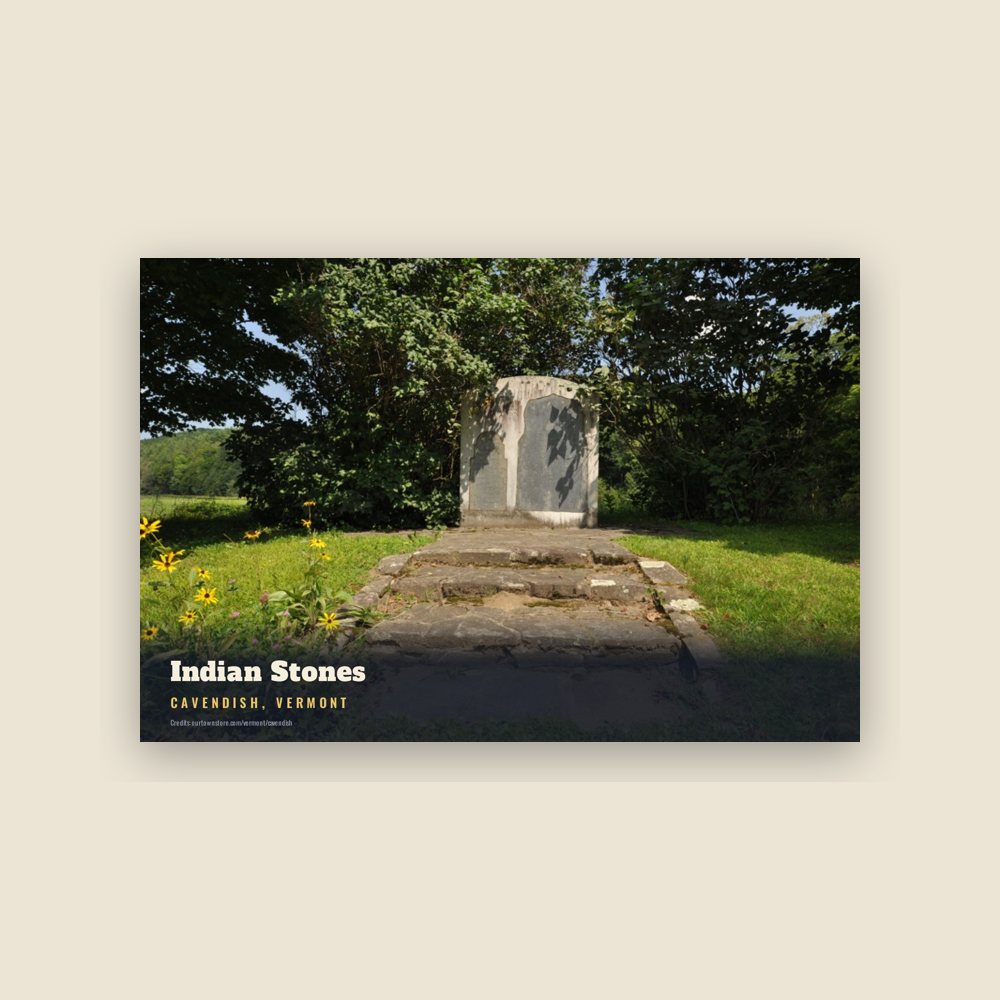
6″×4″ postcard, glossy front
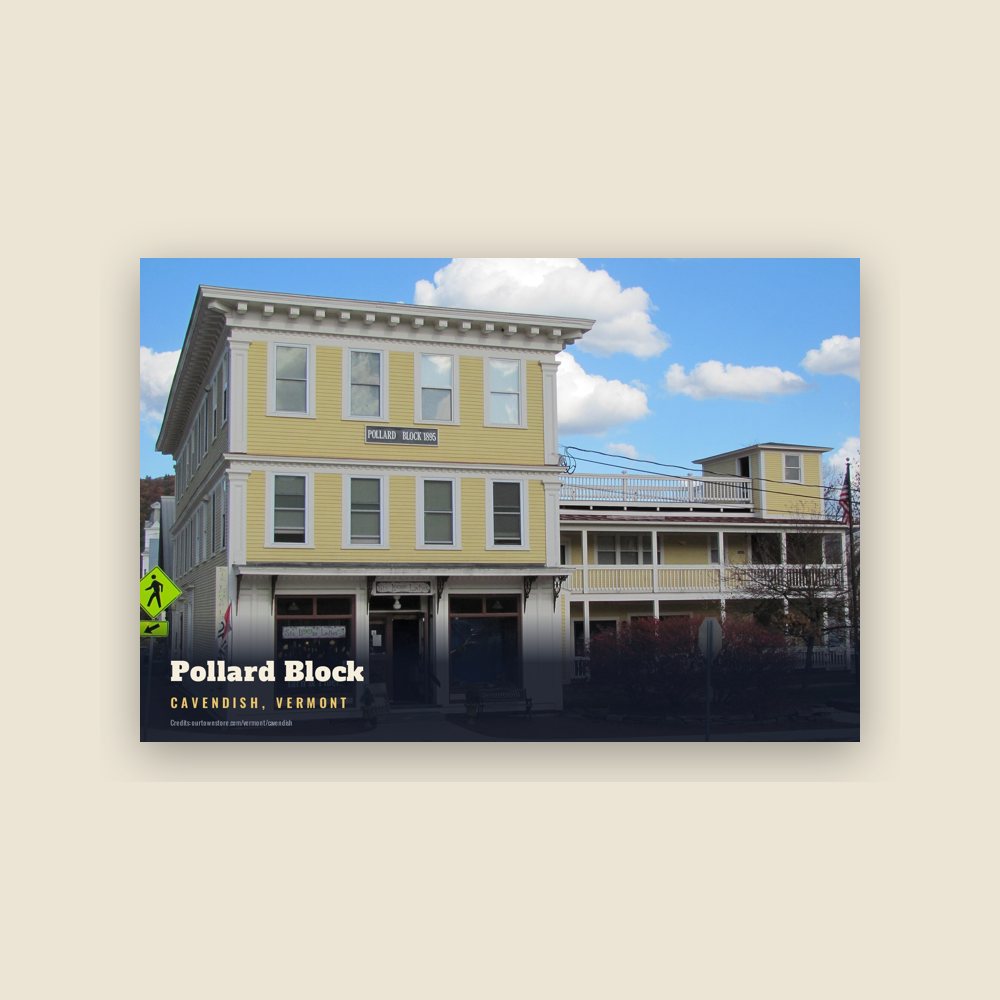
6″×4″ postcard, glossy front
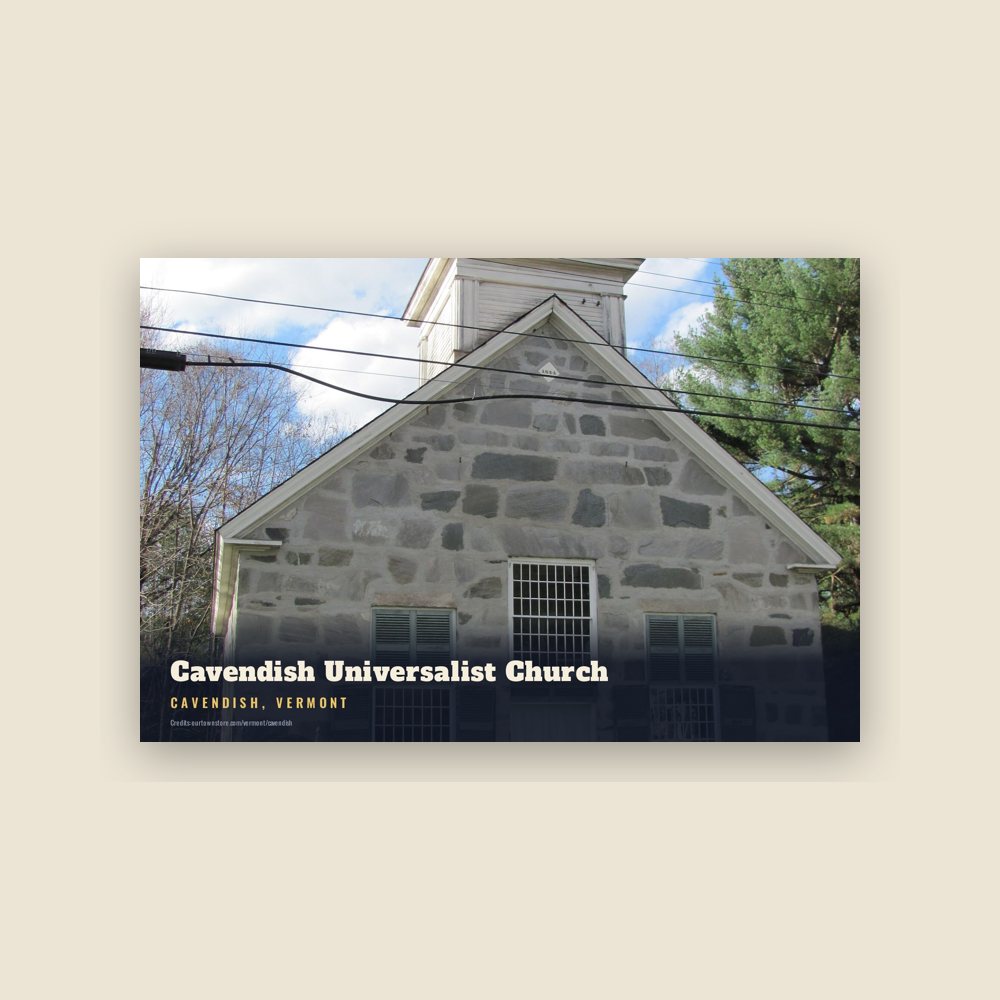
6″×4″ postcard, glossy front
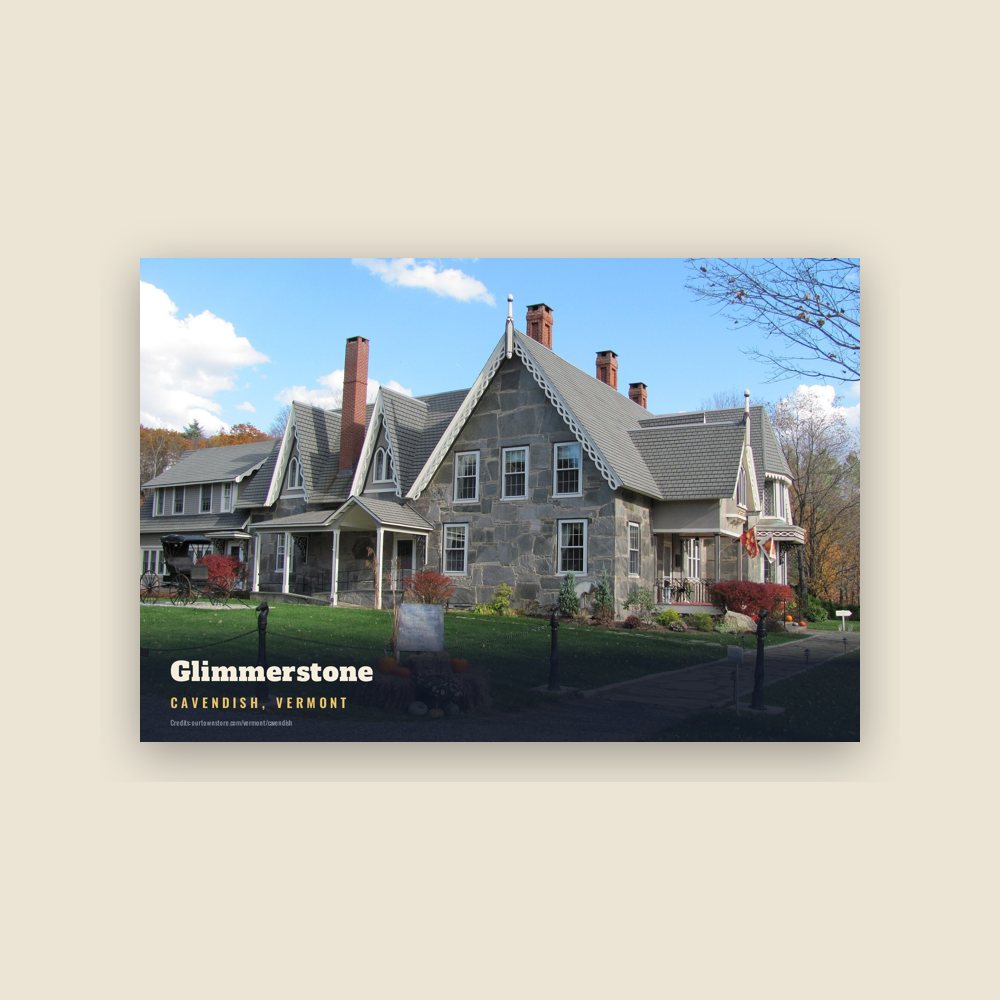
6″×4″ postcard, glossy front
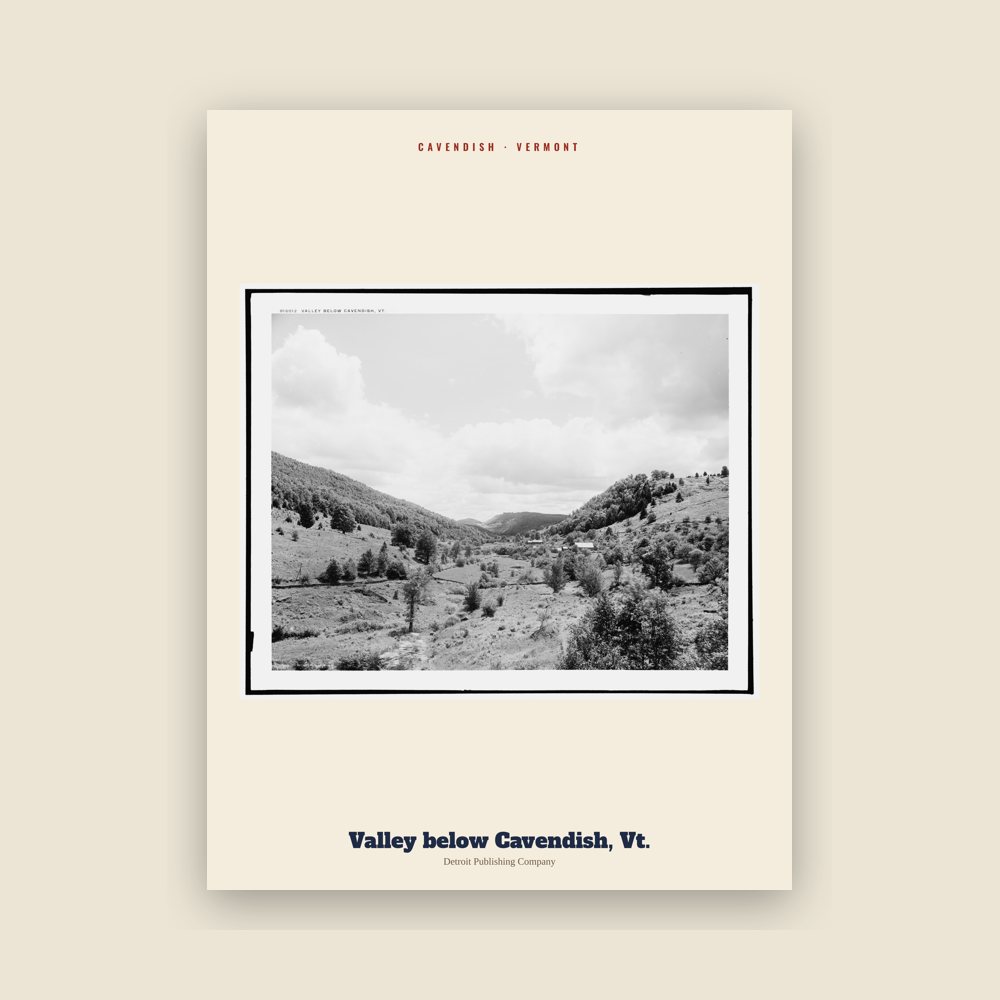
From the Library of Congress collections: a historic survey drawing or photograph of the town
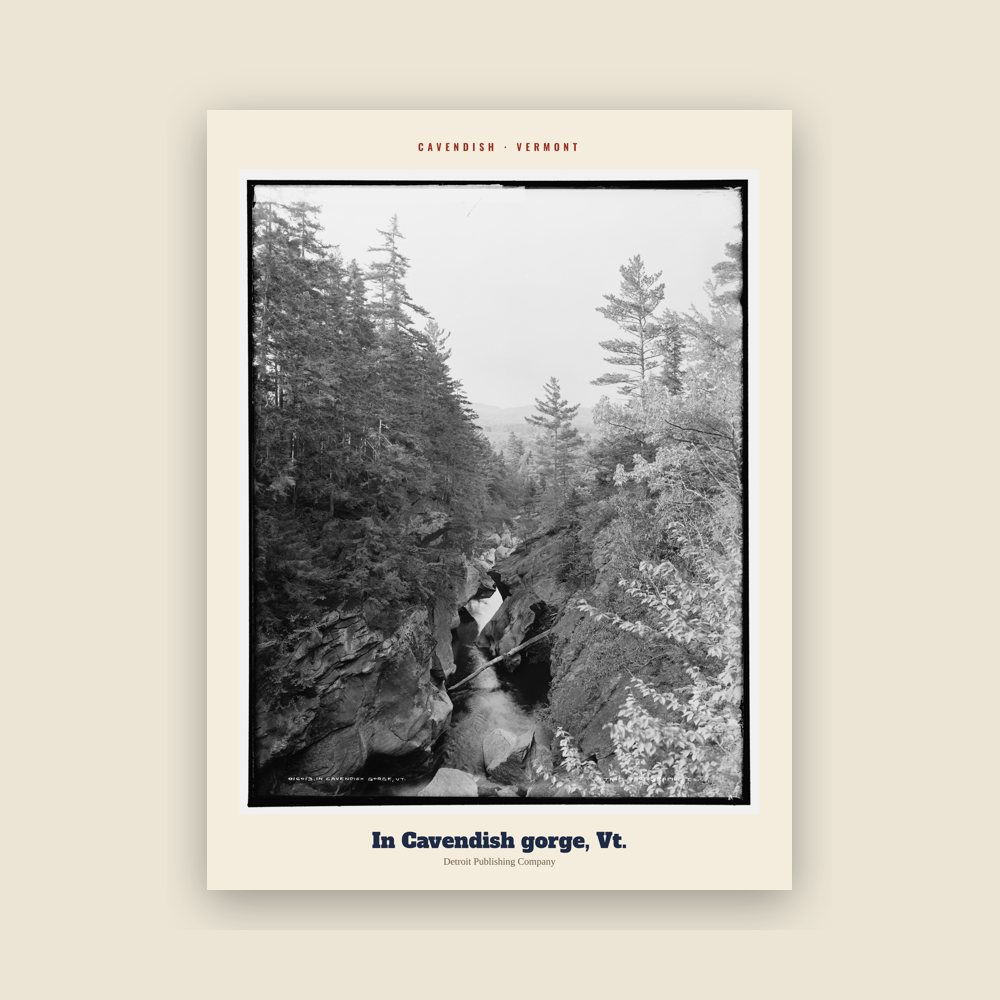
From the Library of Congress collections: a historic survey drawing or photograph of the town
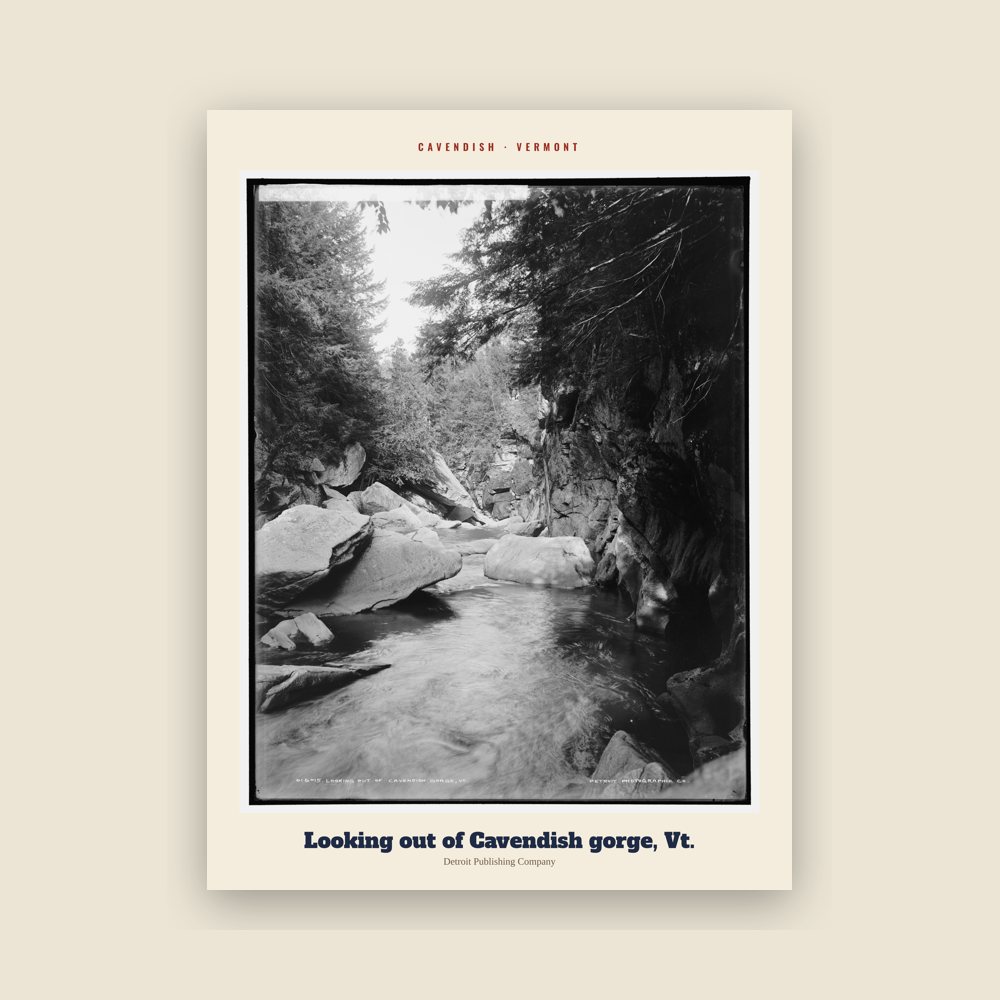
From the Library of Congress collections: a historic survey drawing or photograph of the town
Population 2010: 1,367 → 2020: 1,392
From Wikidata (CC0).
Captain John Coffeen, the town's first permanent settler, brought his family and possessions into the wilderness of Cavendish in June 1769. They built a dwelling in the northern part of town on what is now E. I. Heald's farm, on the lot still called the "Coffeen pasture". The Coffeens remained the only family in Cavendish for two years. In the early 1780s, Leonard Proctor and Salmon Dutton came from Massachusetts and gave their names to the two major settlements on the Black River, Proctorsville and Duttonsville. In 1782, the first recorded town meeting occurred and Dutton was elected town clerk. He is credited with having conducted a 1784 survey for the first road from Duttonsville along the Black River to Ludlow (now Vermont routes 103 and 131). In 1786 he became the town's first justice of the peace. He also served as moderator of the town meeting, as selectman, and as town treasurer. The marriage of Redfield Proctor and Emily Dutton in 1858 joined the leading families of the two villages and promised to put an end to the former rivalry.
Adapted (trimmed) from the Wikipedia article Cavendish, Vermont, revision 1380195196 by its contributors, licensed CC BY-SA 4.0.
We share a part of every Cavendish sale with local partners, and we'd love to print from your collection. Old photographs, maps and postcards make the best keepsakes.
Partner with us