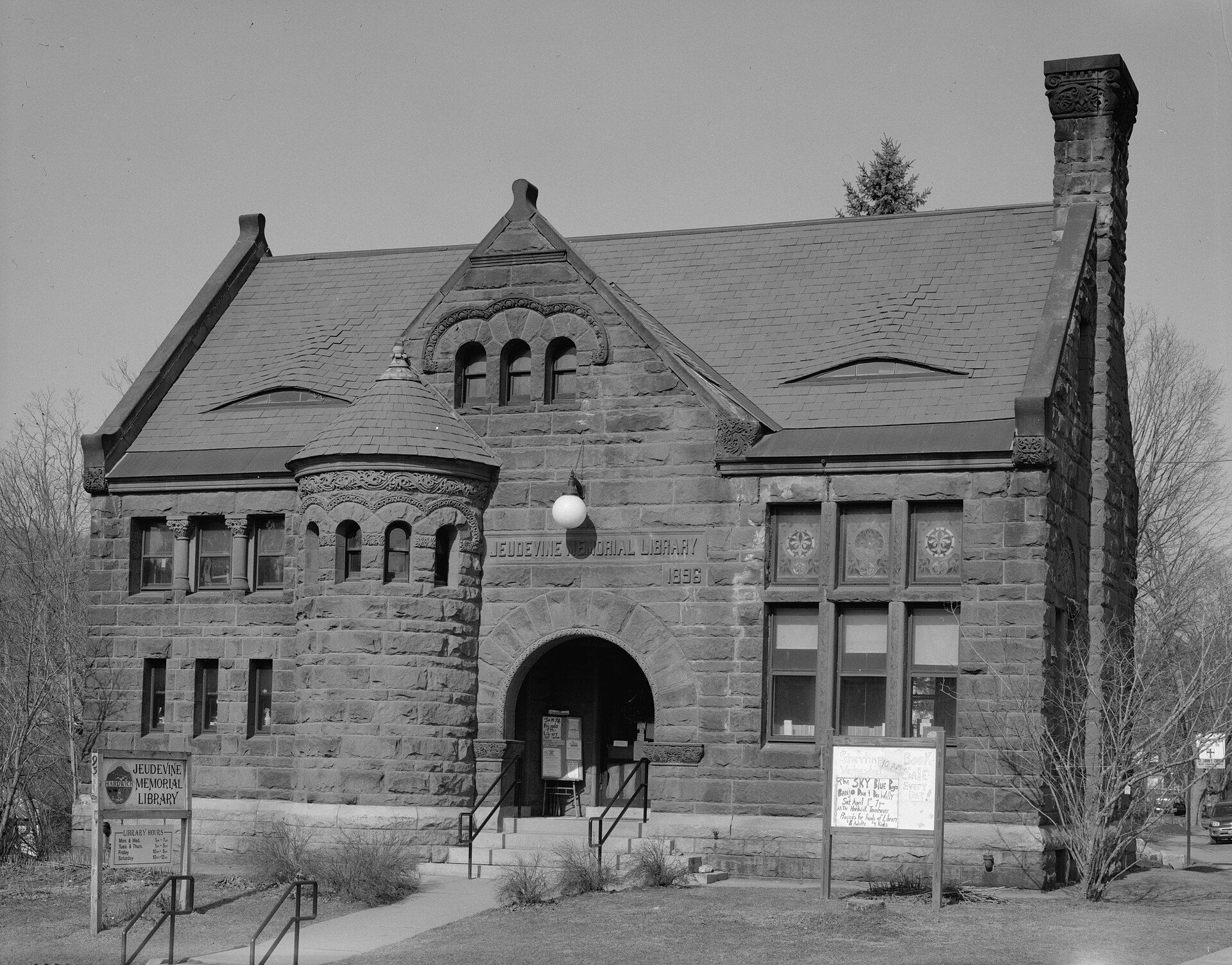
It contains the unincorporated villages of Hardwick, East Hardwick, and Mackville. Landmarks include Downtown Hardwick Village Historic District, Hardwick Street Historic District and Grass Roots Art and Community Effort. Hardwick is the birthplace of Lee E. Emerson, politician.
Every piece is drawn from Hardwick's own map data and historic archives, then printed and shipped from the USA when you order. No two towns look alike.
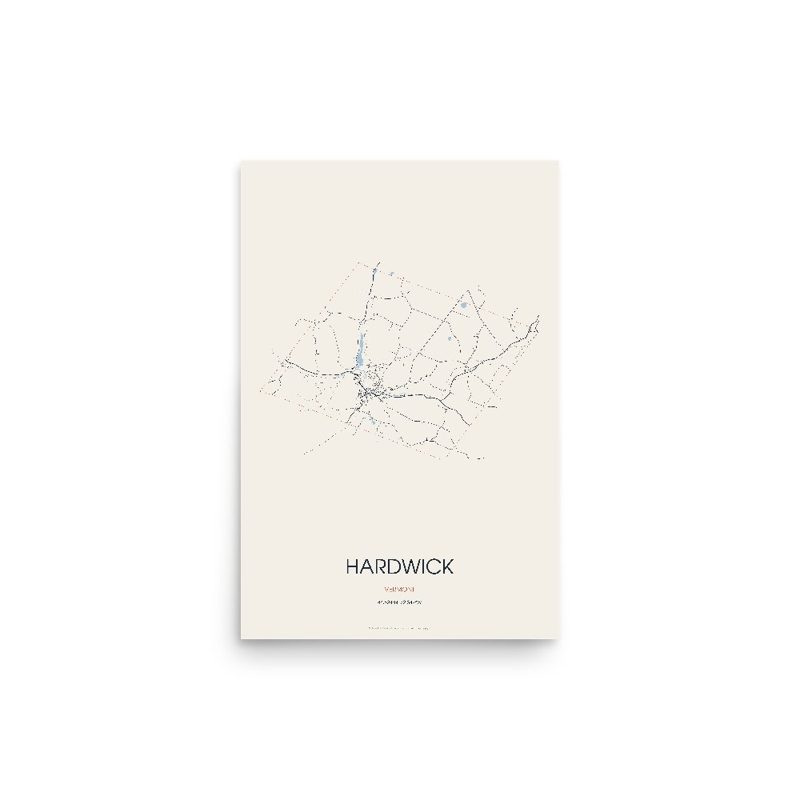
Every road in town, on archival matte paper
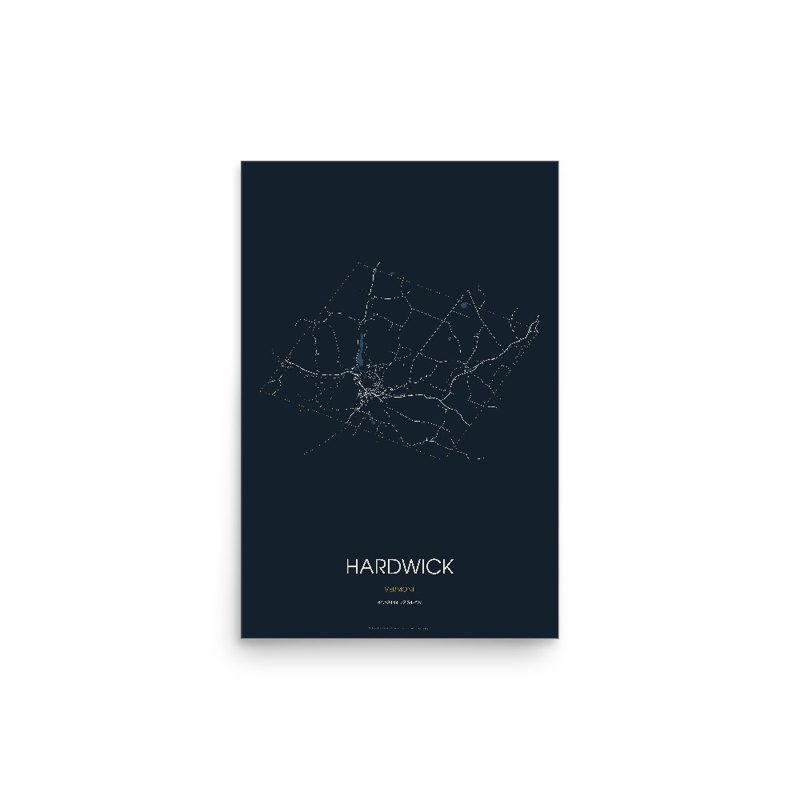
The same map, in navy and silver
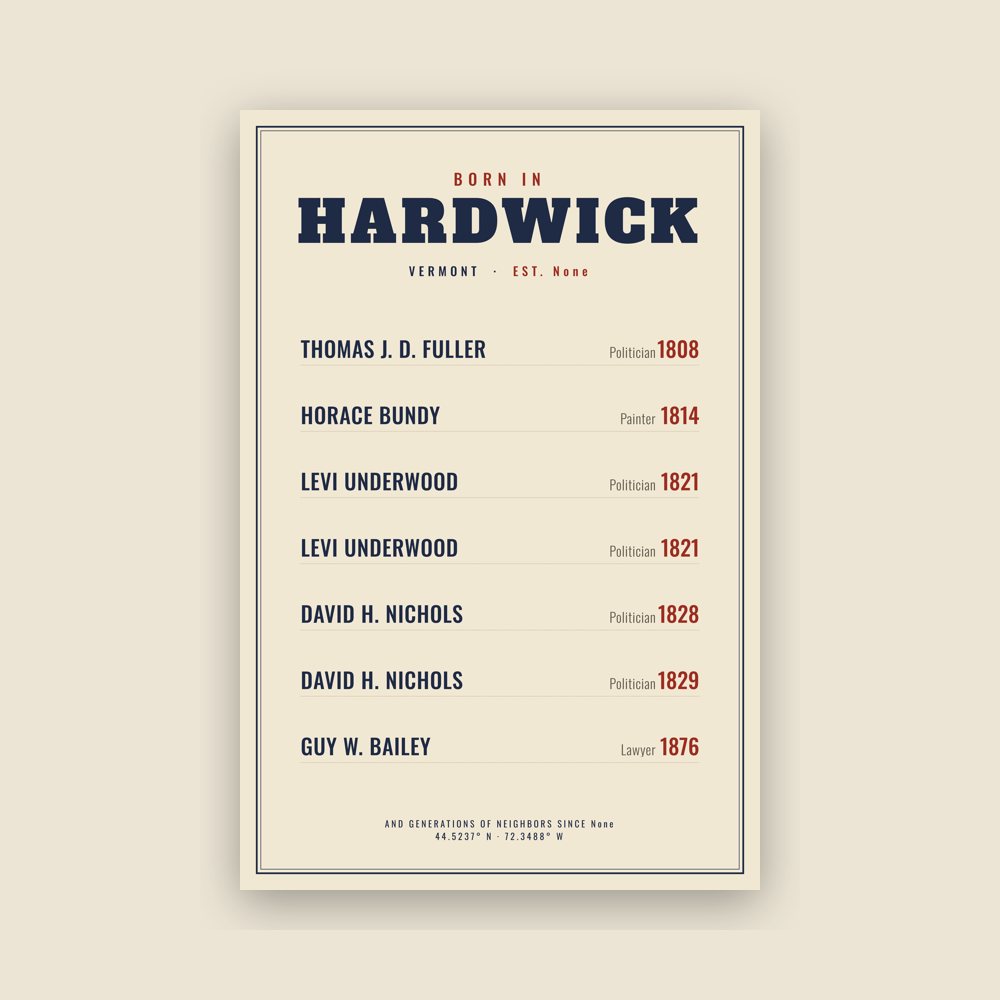
Famous natives, by birth year
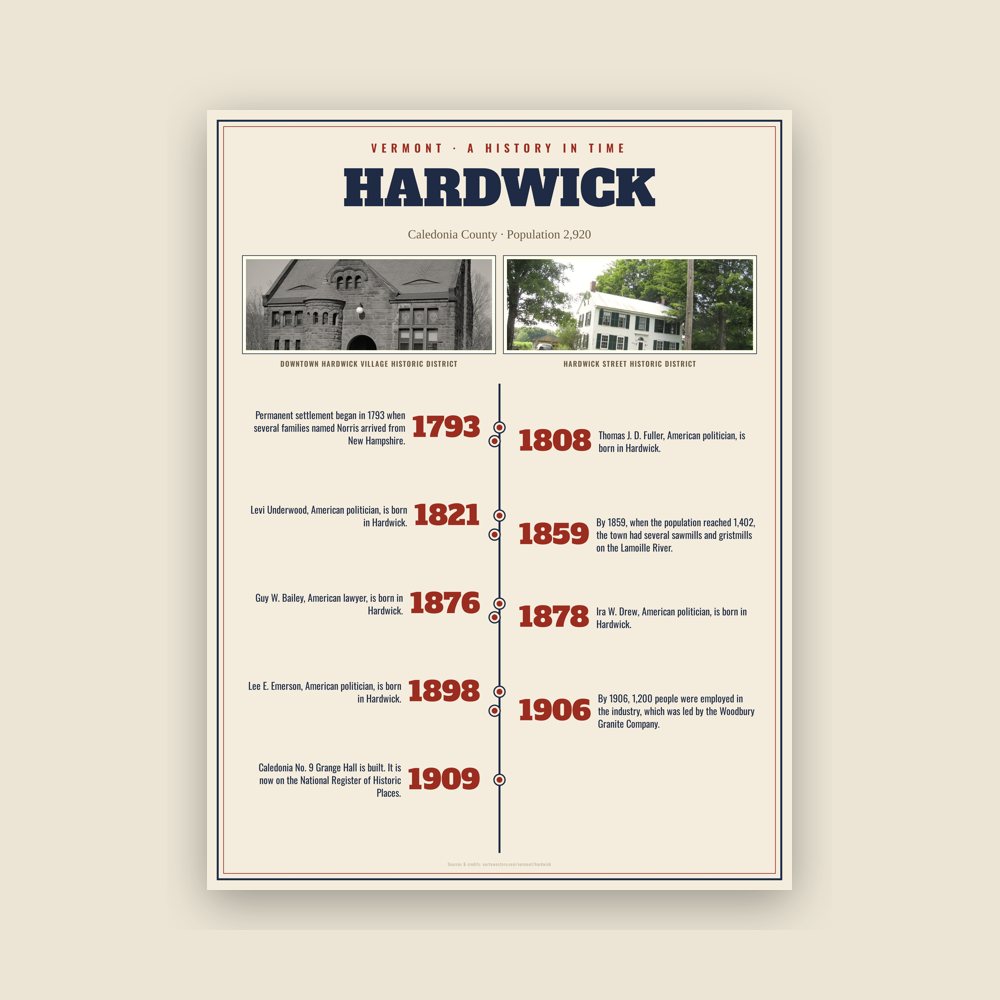
The town's story in dates, from its own records, for home or classroom
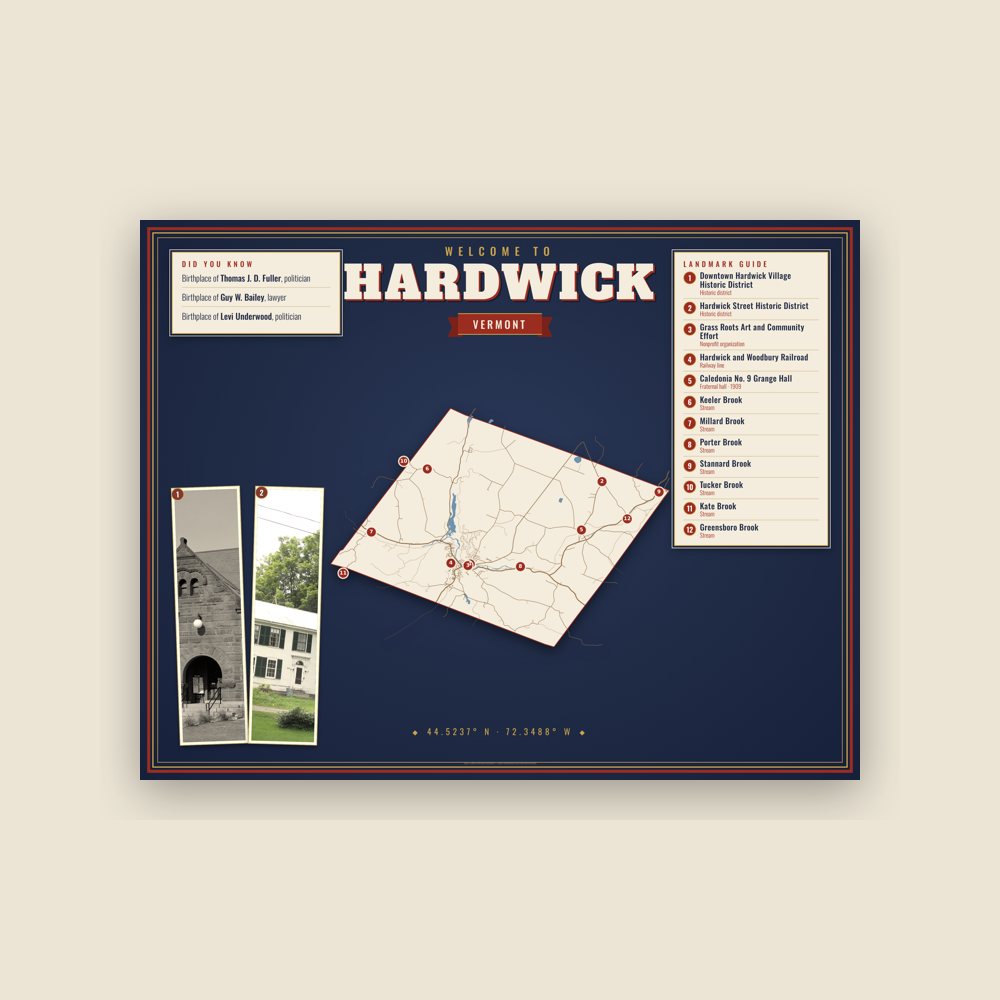
Map of local landmarks, washable fabric
Heavy-blend fleece, street map printed on the back
Soft Bella+Canvas jersey
Glossy ceramic, dishwasher safe
Ceramic keepsake, gold ribbon
Weatherproof, for the front walk
24″×16″, printed coir-look fibers, rubber back
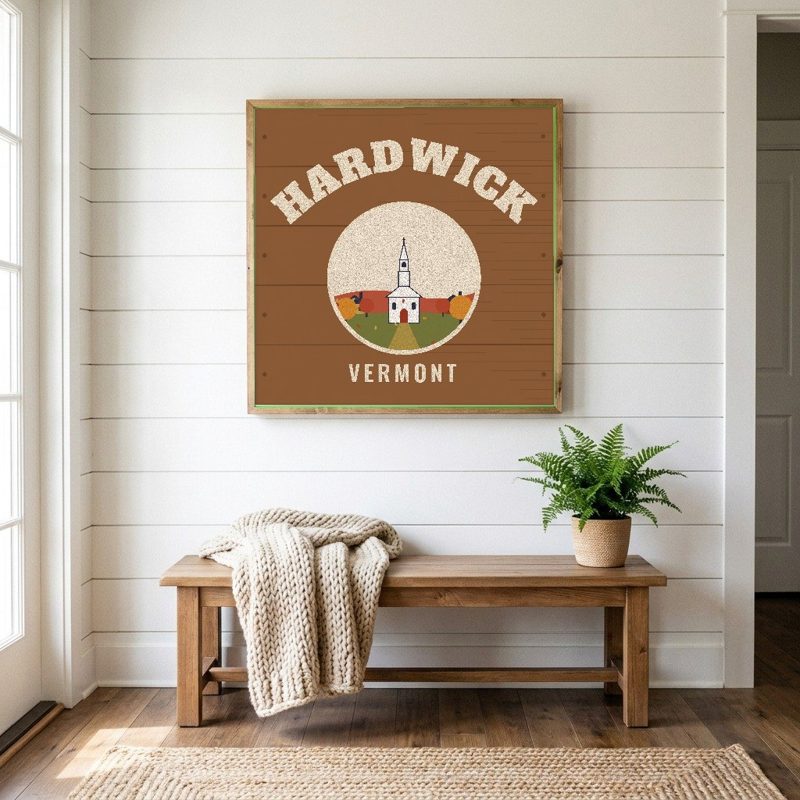
12″×12″ printed wood, ready to hang

Soft-touch, zip cover
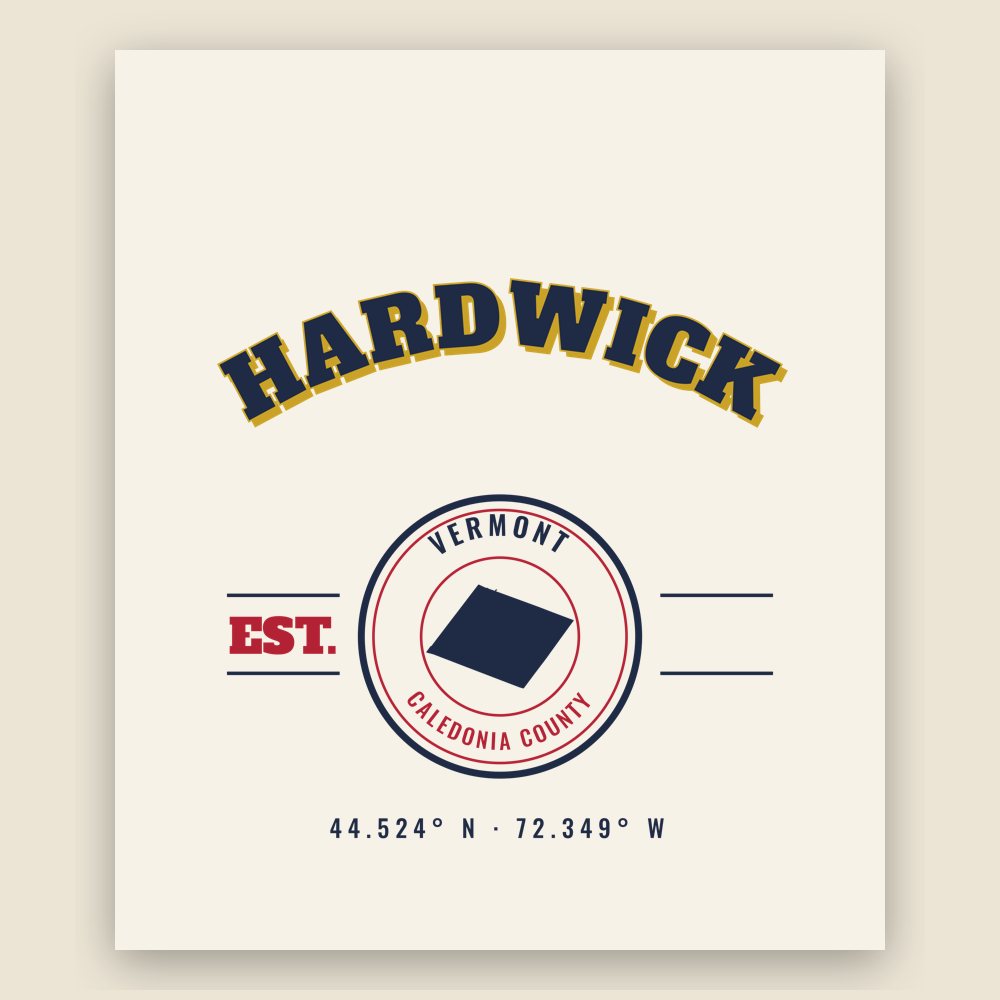
Sturdy all-over-print tote
Glossy top, cork back
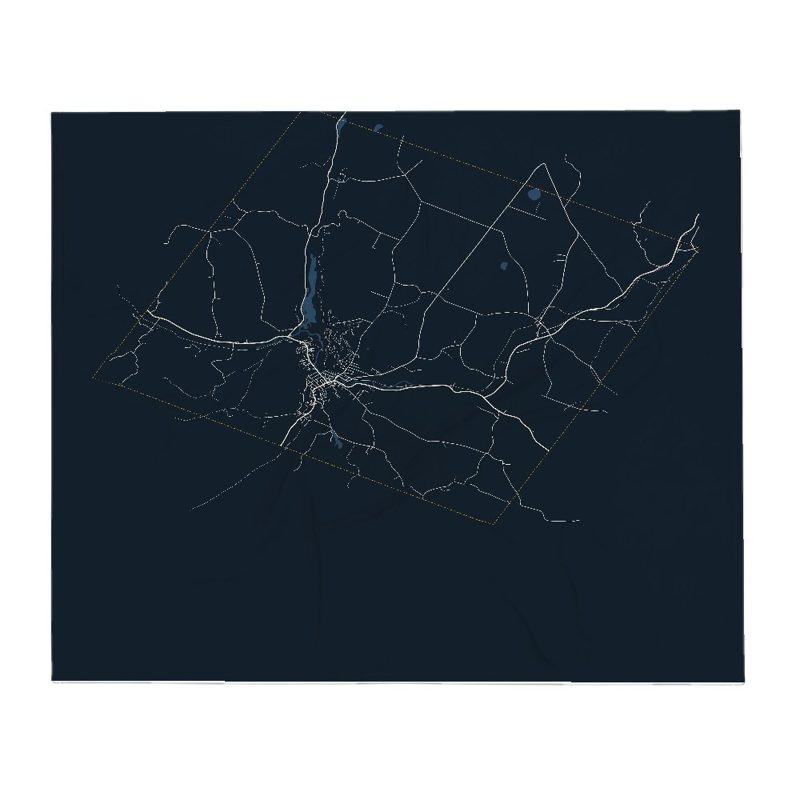
Soft fleece, 50″×60″
20 oz, double-wall stainless
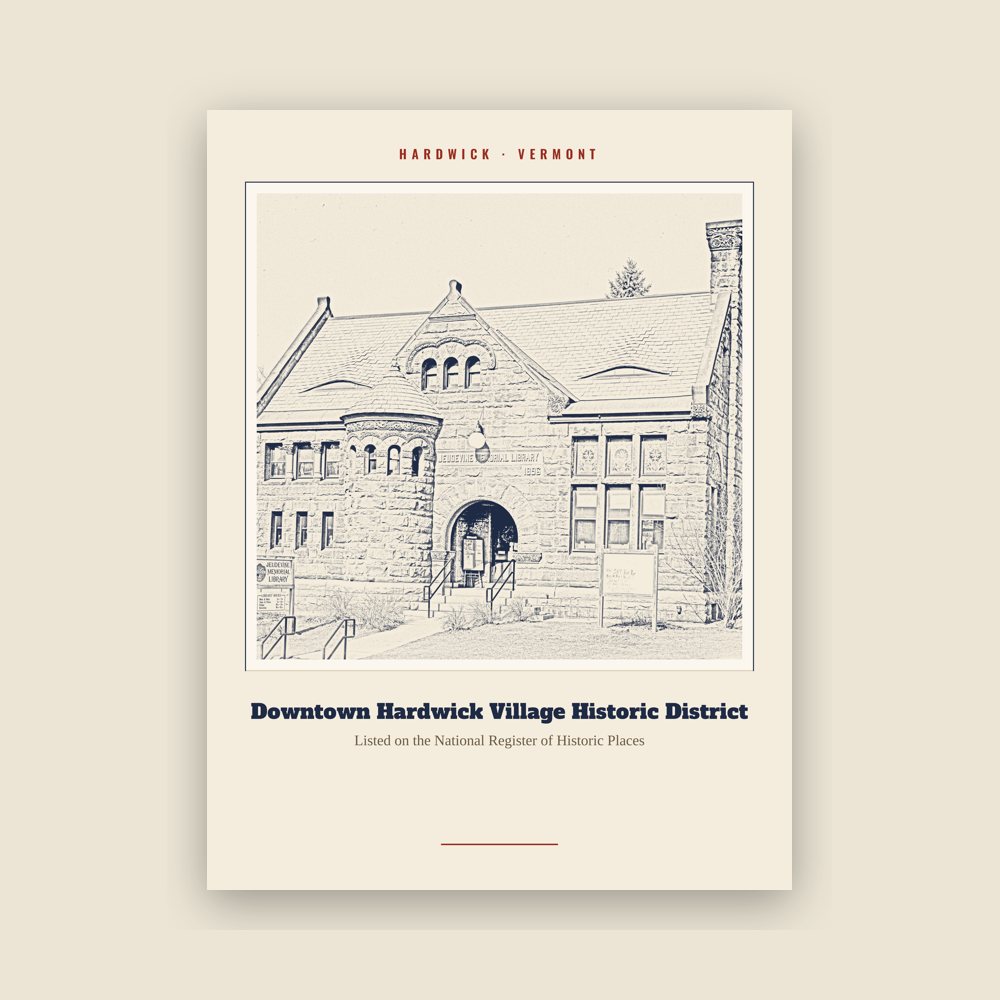
Archival matte print of a local landmark, credited to its photographer
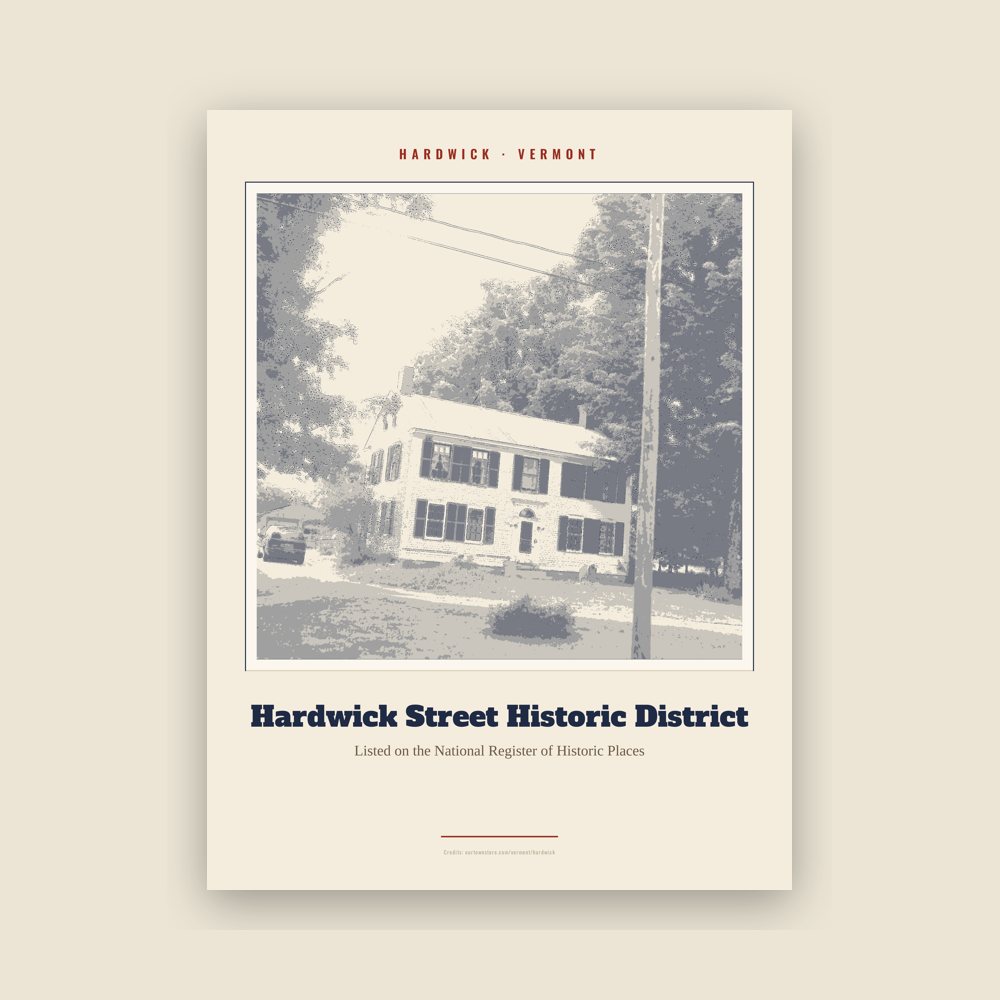
Archival matte print of a local landmark, credited to its photographer
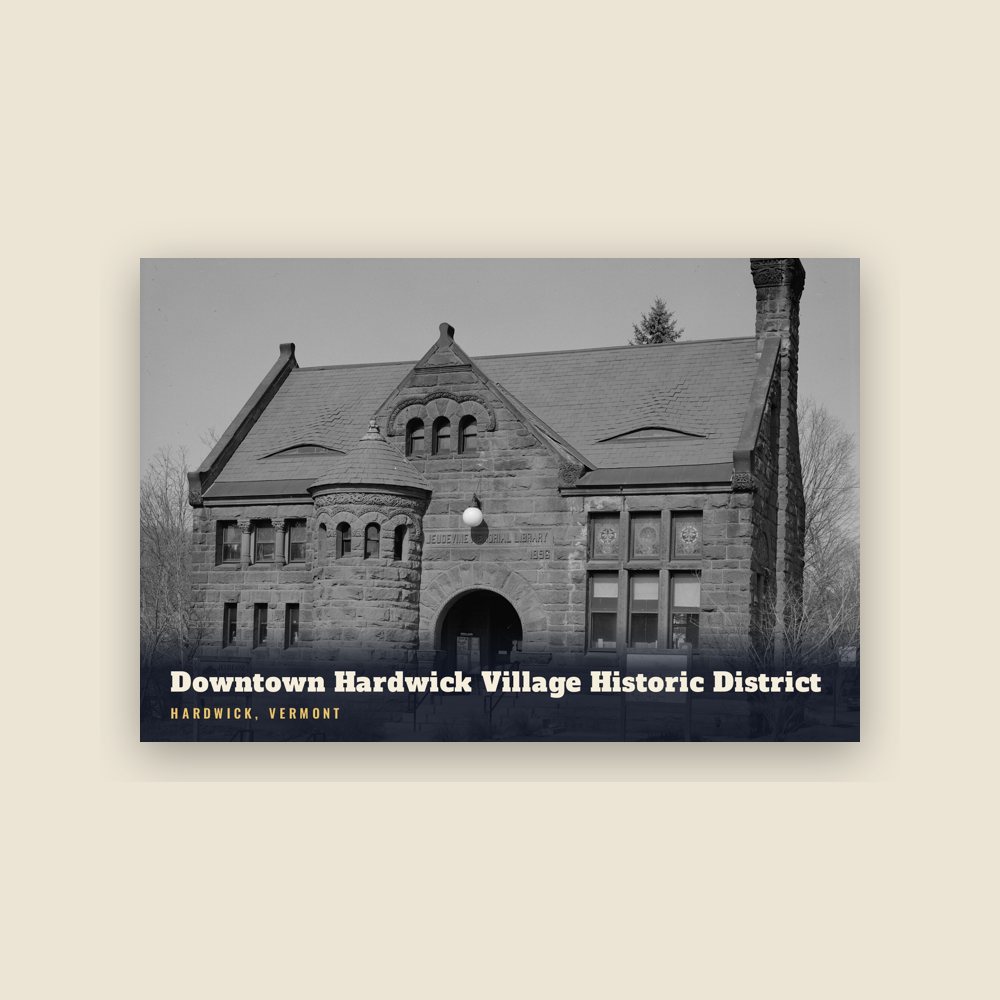
6″×4″ postcard, glossy front
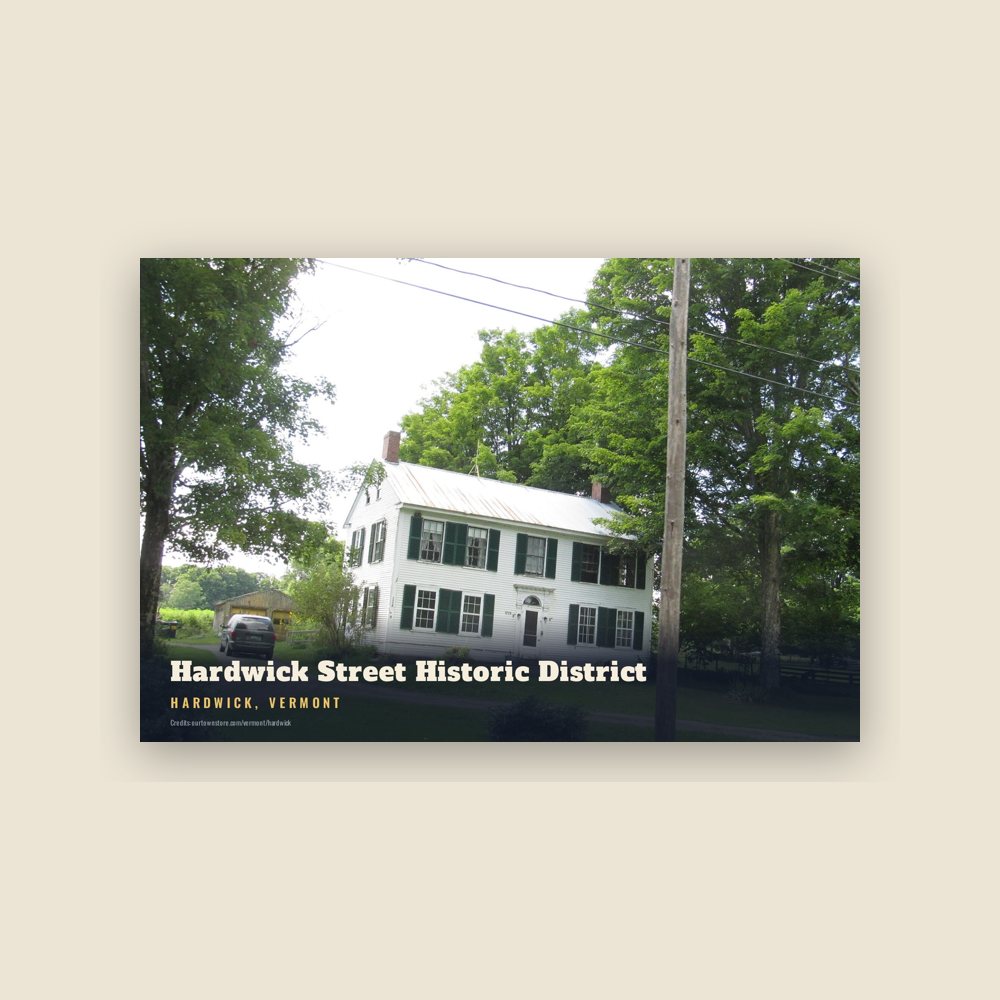
6″×4″ postcard, glossy front
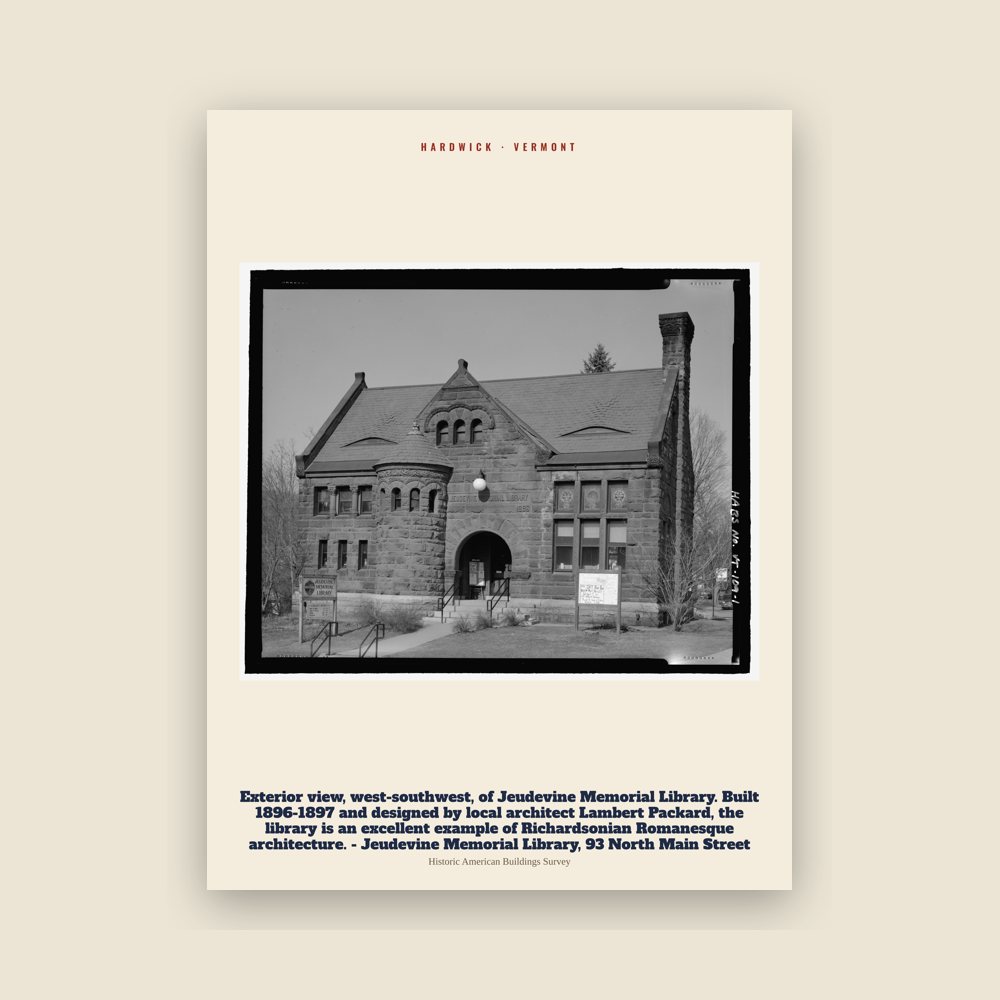
From the Library of Congress collections: a historic survey drawing or photograph of the town
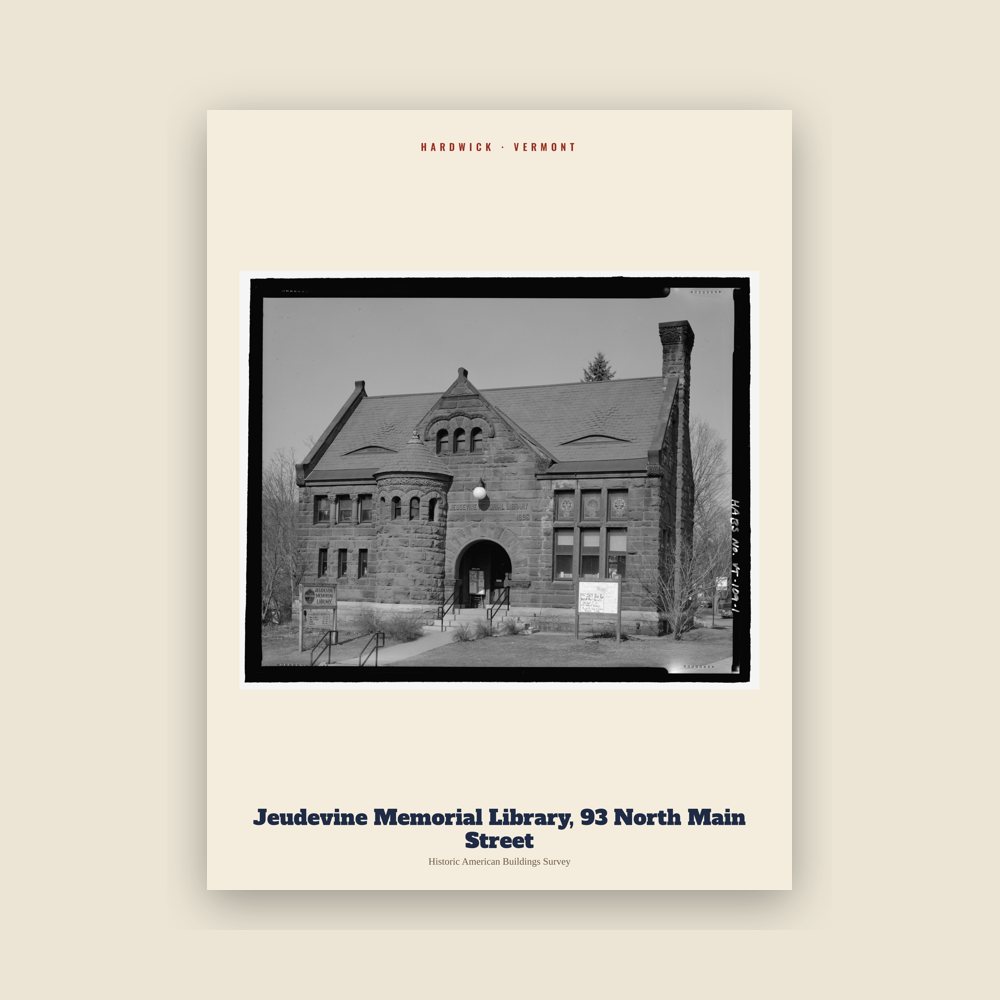
From the Library of Congress collections: a historic survey drawing or photograph of the town
Population 2010: 3,010 → 2020: 2,920
From Wikidata (CC0).
During the Revolutionary War, General George Washington ordered construction of the Bayley-Hazen Military Road to provide access into the interior of Vermont. It would prompt the development and settlement of Hardwick and East Hardwick.
The land that became the town was granted by the Vermont General Assembly on November 7, 1780, and the town was chartered on August 19, 1781, to Danforth Keyes and 66 others, some of whom were from Hardwick, Massachusetts. Permanent settlement began in 1793 when several families named Norris arrived from New Hampshire. By 1859, when the population reached 1,402, the town had several sawmills and gristmills on the Lamoille River. There were also two tanneries. Over the years, other industries would include a woolen mill, tinware shop, and carriage factory.
The predominant business following the Civil War was granite quarrying, especially after the Portland & Ogdensburg Railway opened service through the town and facilitated shipment of stone. While most of the granite was quarried in nearby Woodbury, the stone was dressed and finished in Hardwick, largely near "Granite Junction", where the rail lines met. The Hardwick and Woodbury Railroad was built to bring granite from the quarries to the finishing shops, and Hardwick became known as the "Building Granite Center of the World". By 1906, 1,200 people were employed in the industry, which was led by the Woodbury Granite Company. Buildings around the country made with Hardwick granite include the Pennsylvania State Capitol, Chicago City Hall, and the 1914 Post Office in Washington, D.C., as well as numerous city halls and custom houses. The decline of the "architectural granite" industry in the 1920s and 1930s left Hardwick in economic depression.
Adapted (trimmed) from the Wikipedia article Hardwick, Vermont, revision 1378974043 by its contributors, licensed CC BY-SA 4.0.
We share a part of every Hardwick sale with local partners, and we'd love to print from your collection. Old photographs, maps and postcards make the best keepsakes.
Partner with us