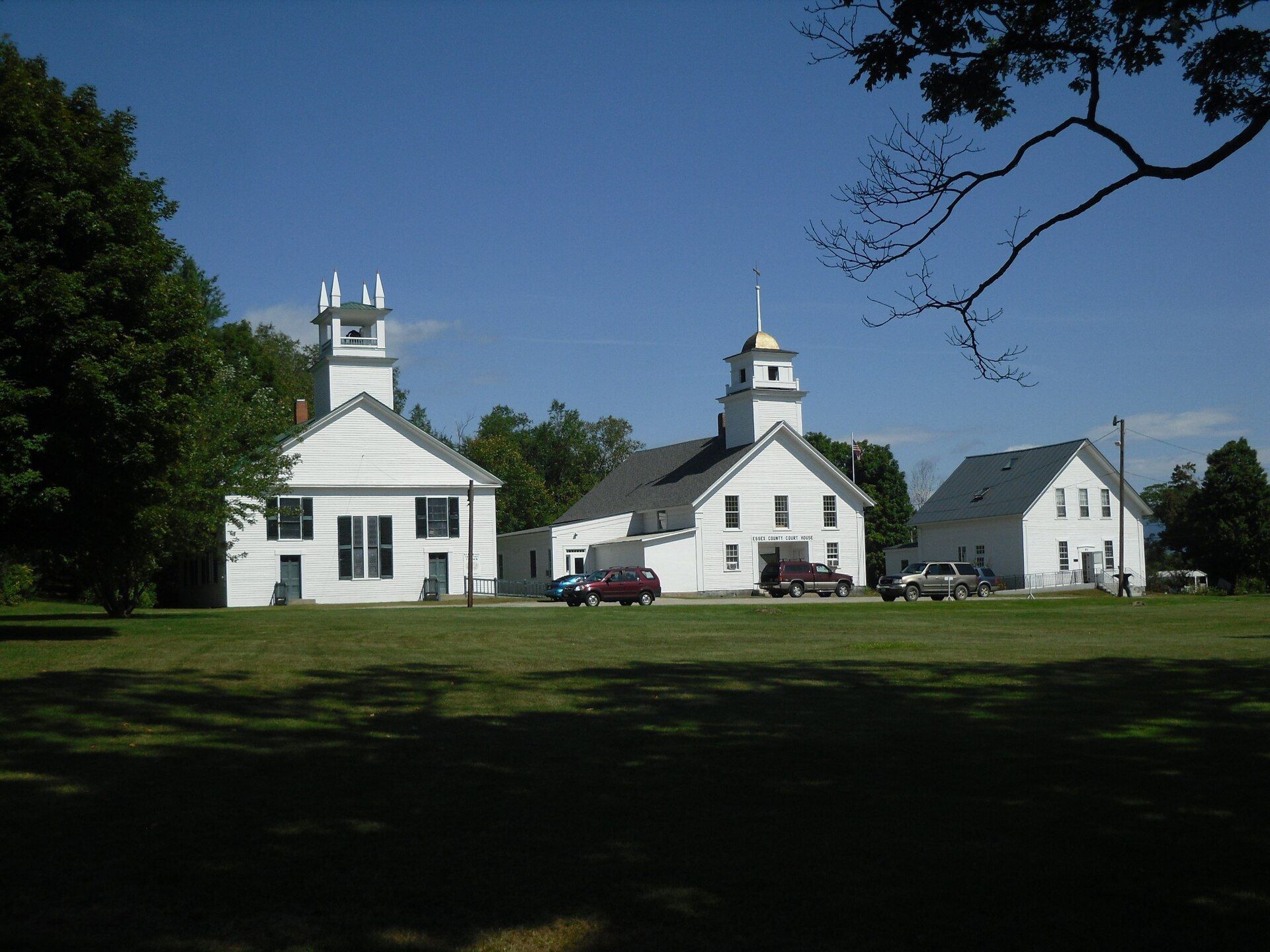
The name derives from a meeting house on the square called the Guildhall. Landmarks include Guildhall Village Historic District and Wilder-Holton House. Guildhall is the birthplace of Henry Willard Denison, diplomat.
Every piece is drawn from Guildhall's own map data and historic archives, then printed and shipped from the USA when you order. No two towns look alike.
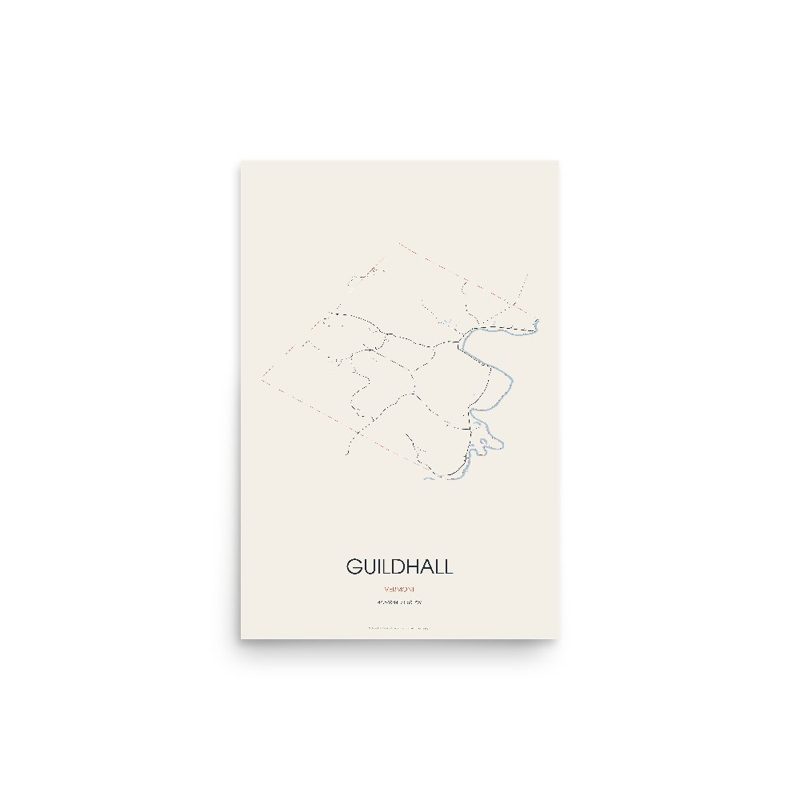
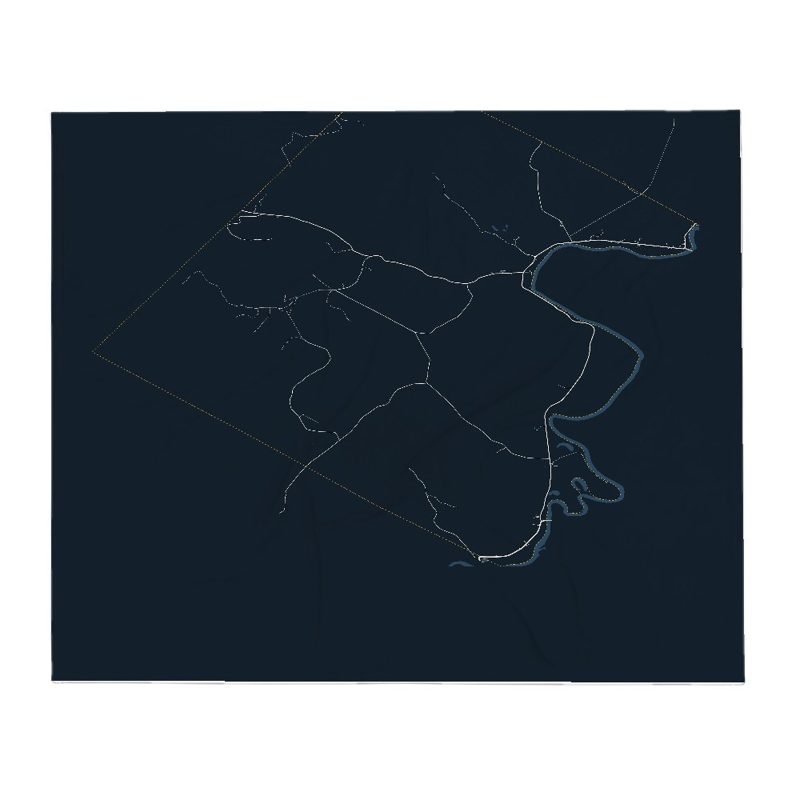
Every road in town, on archival matte paper
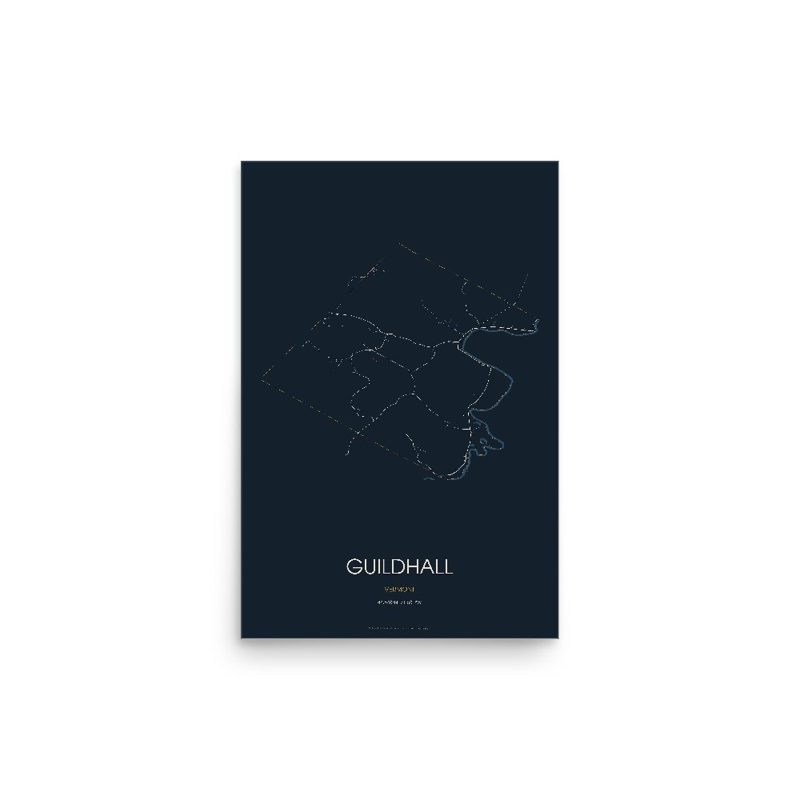
The same map, in navy and silver
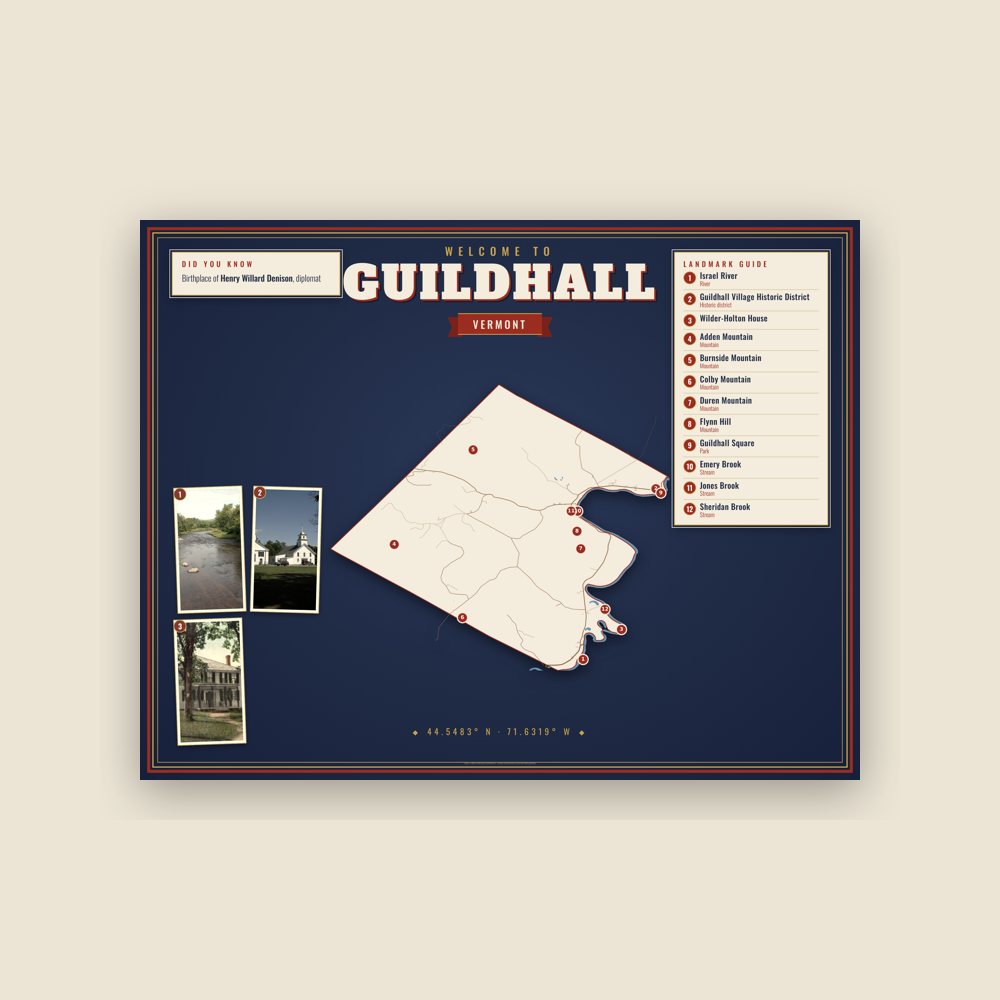
Map of local landmarks, washable fabric
Heavy-blend fleece, street map printed on the back
Soft Bella+Canvas jersey
Glossy ceramic, dishwasher safe
Ceramic keepsake, gold ribbon
Weatherproof, for the front walk
24″×16″, printed coir-look fibers, rubber back
12″×12″ printed wood, ready to hang
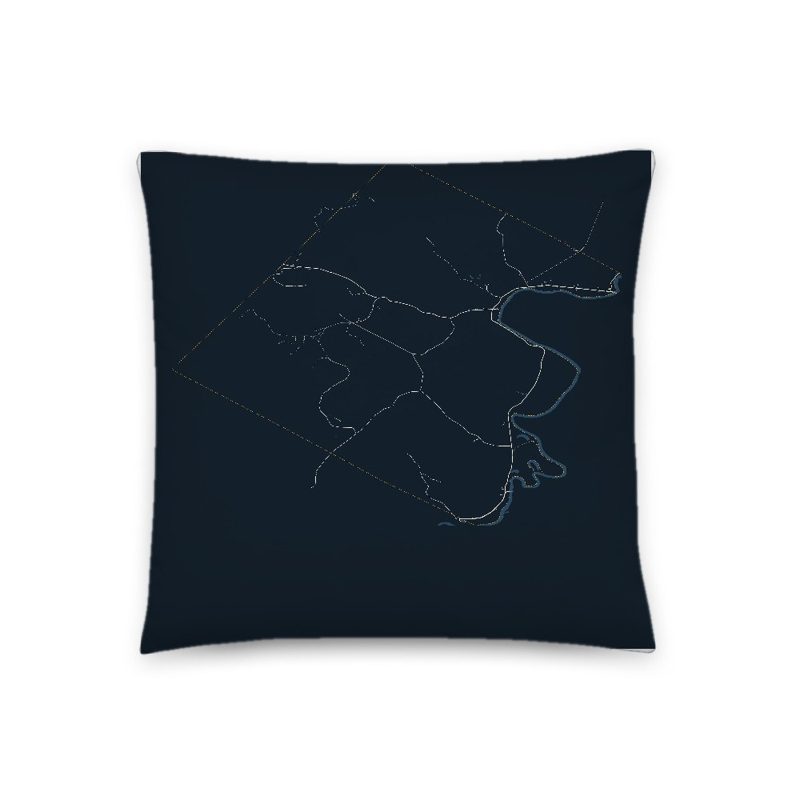
Soft-touch, zip cover
Sturdy all-over-print tote
Glossy top, cork back
Soft fleece, 50″×60″
20 oz, double-wall stainless
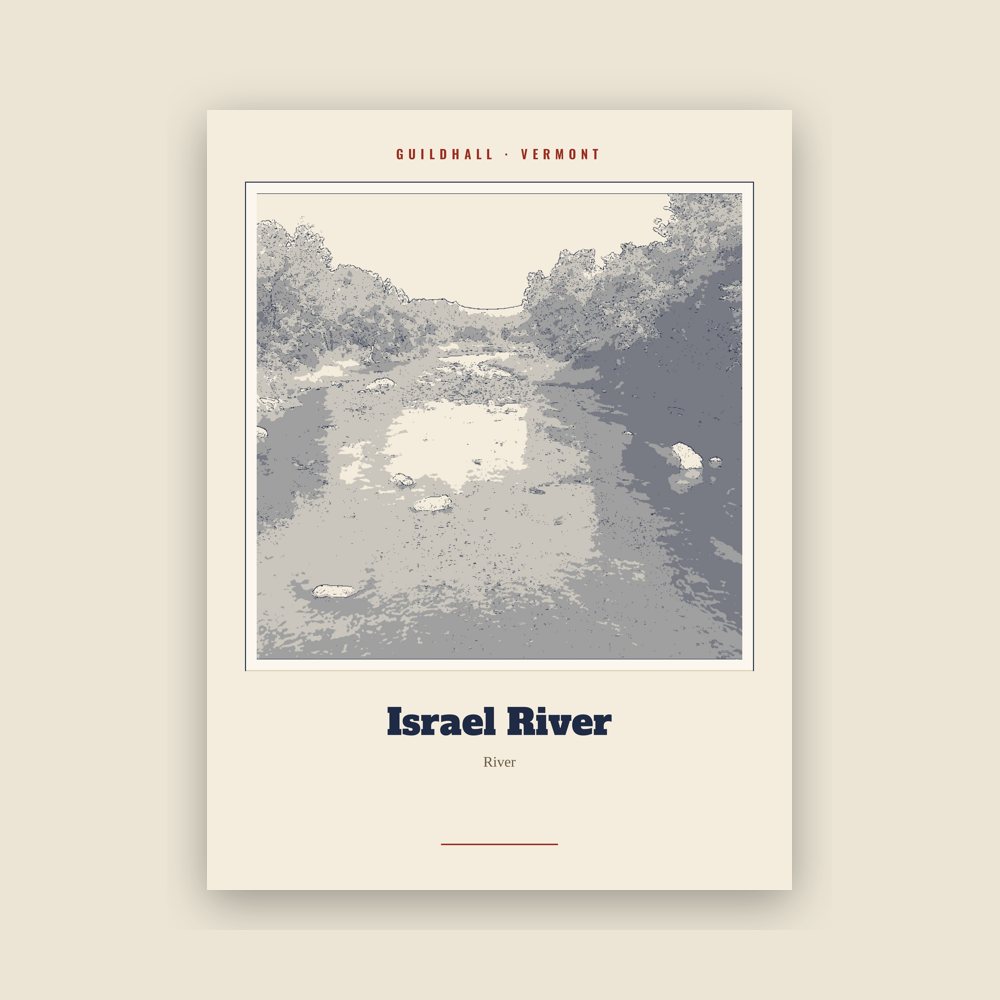
Archival matte print of a local landmark, credited to its photographer
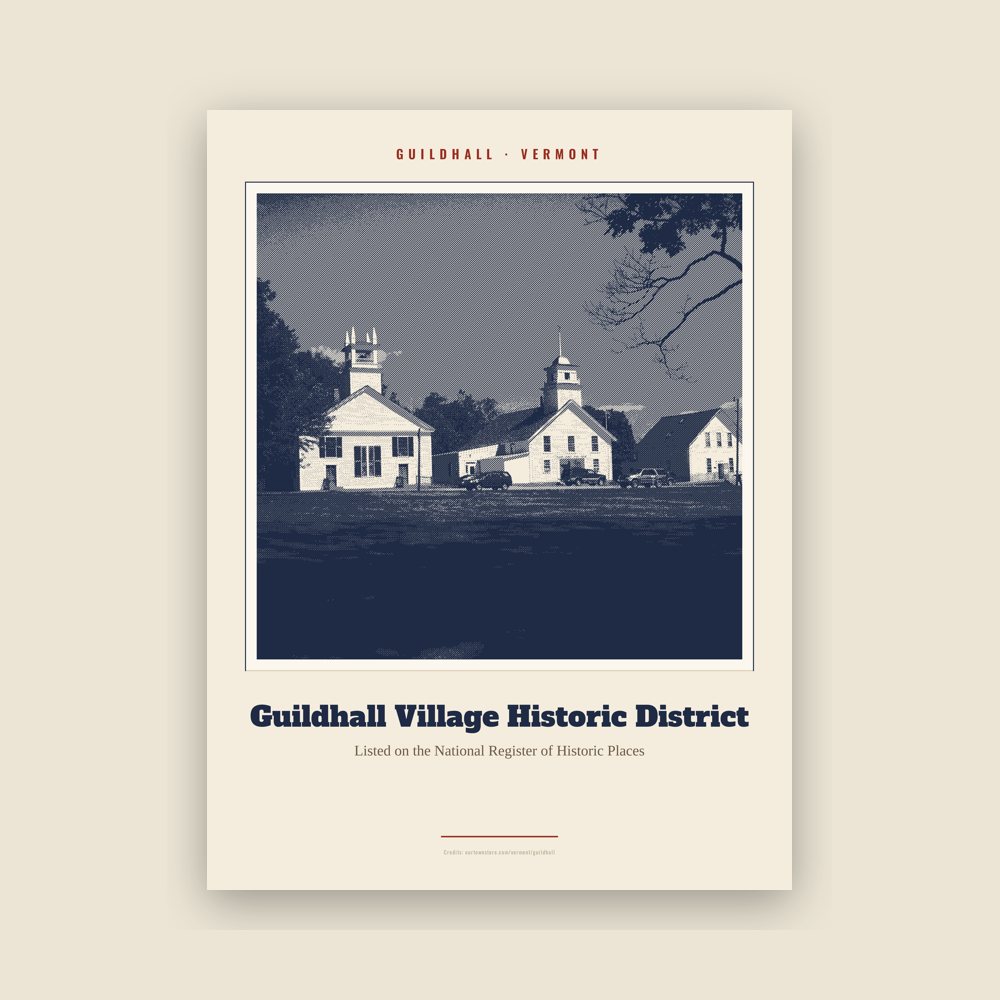
Archival matte print of a local landmark, credited to its photographer
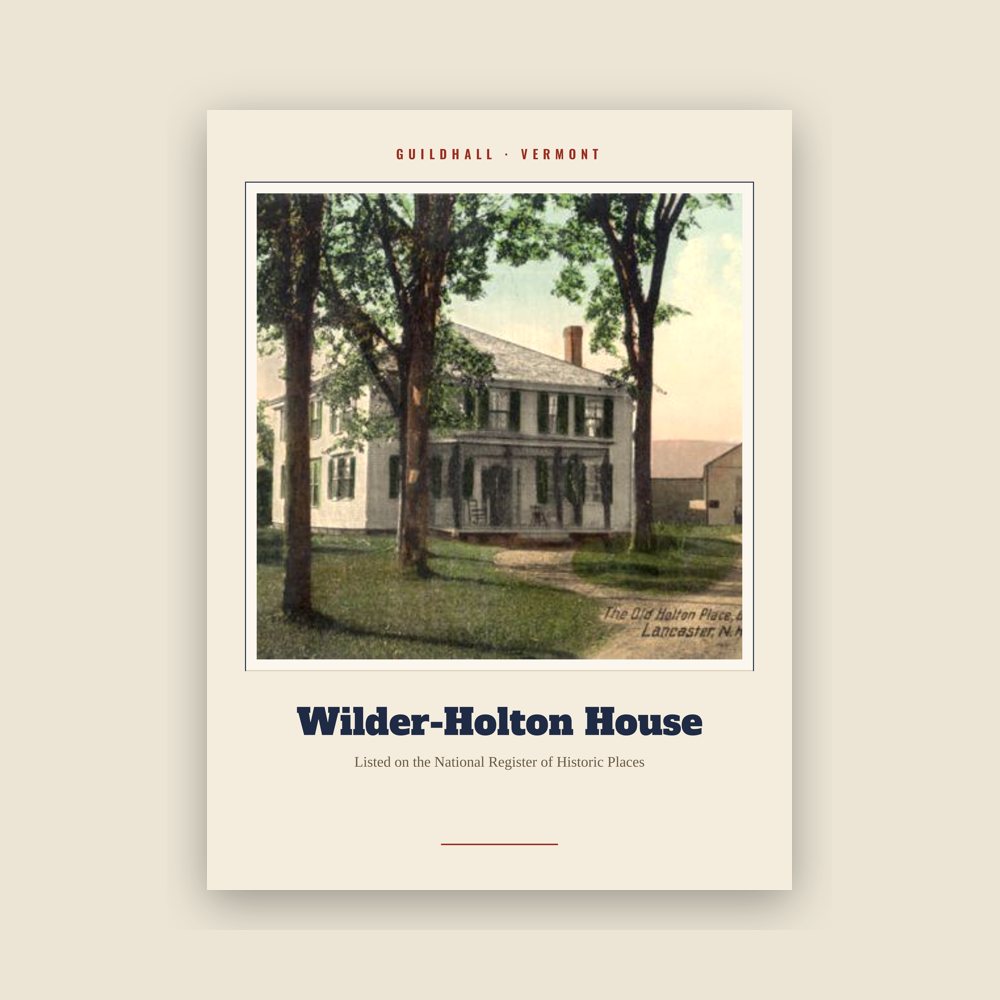
Archival matte print of a local landmark, credited to its photographer
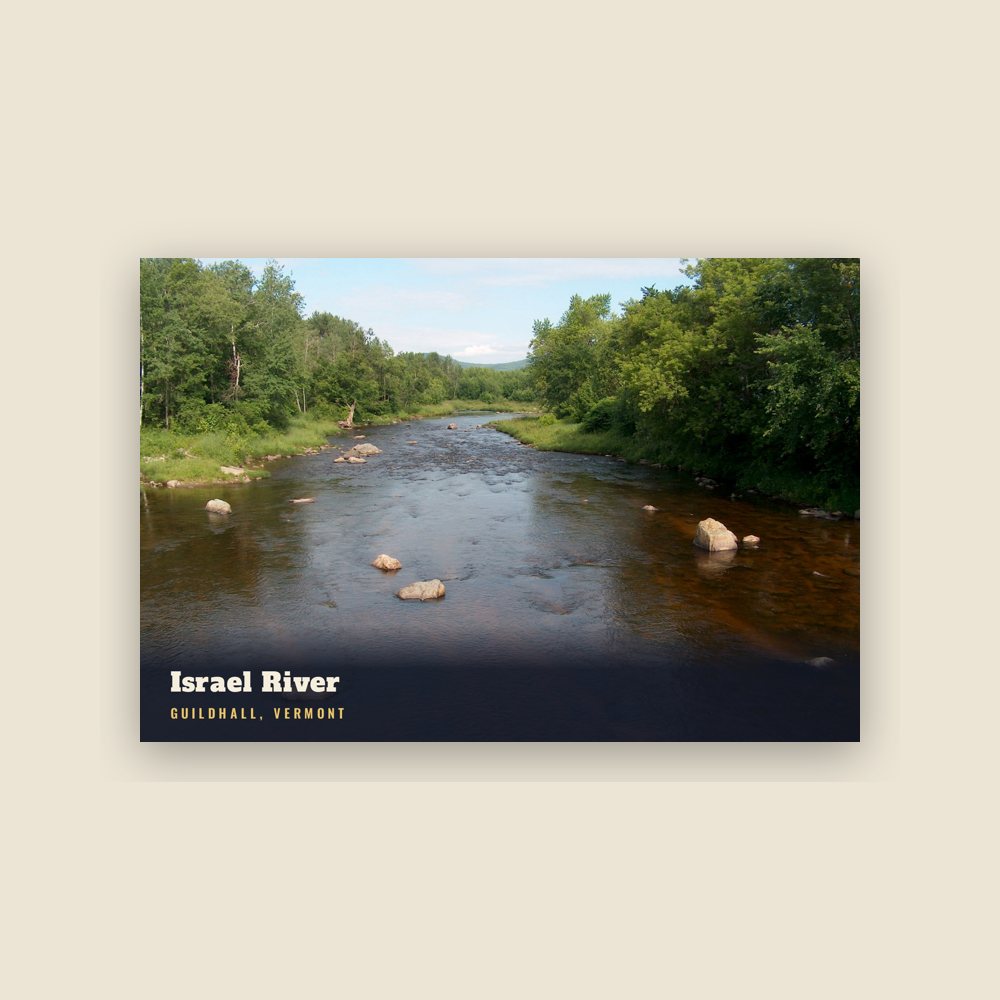
6″×4″ postcard, glossy front
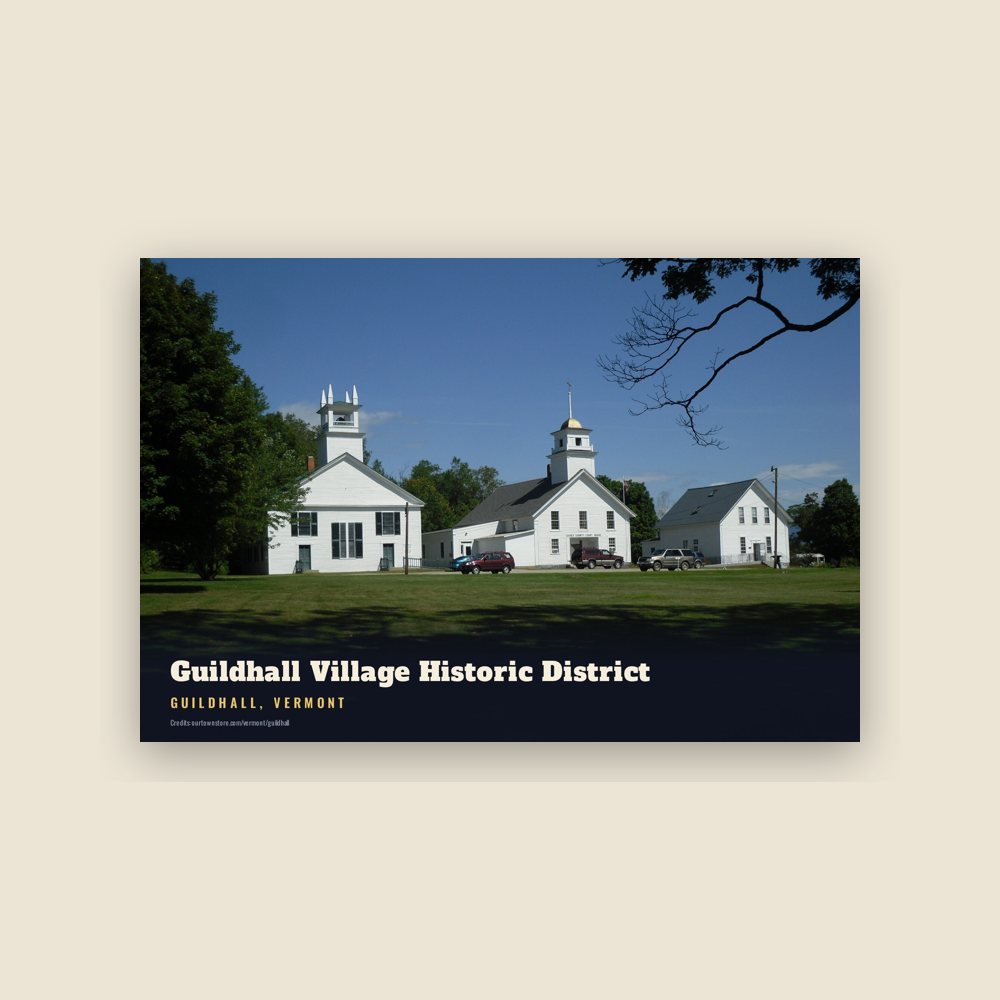
6″×4″ postcard, glossy front
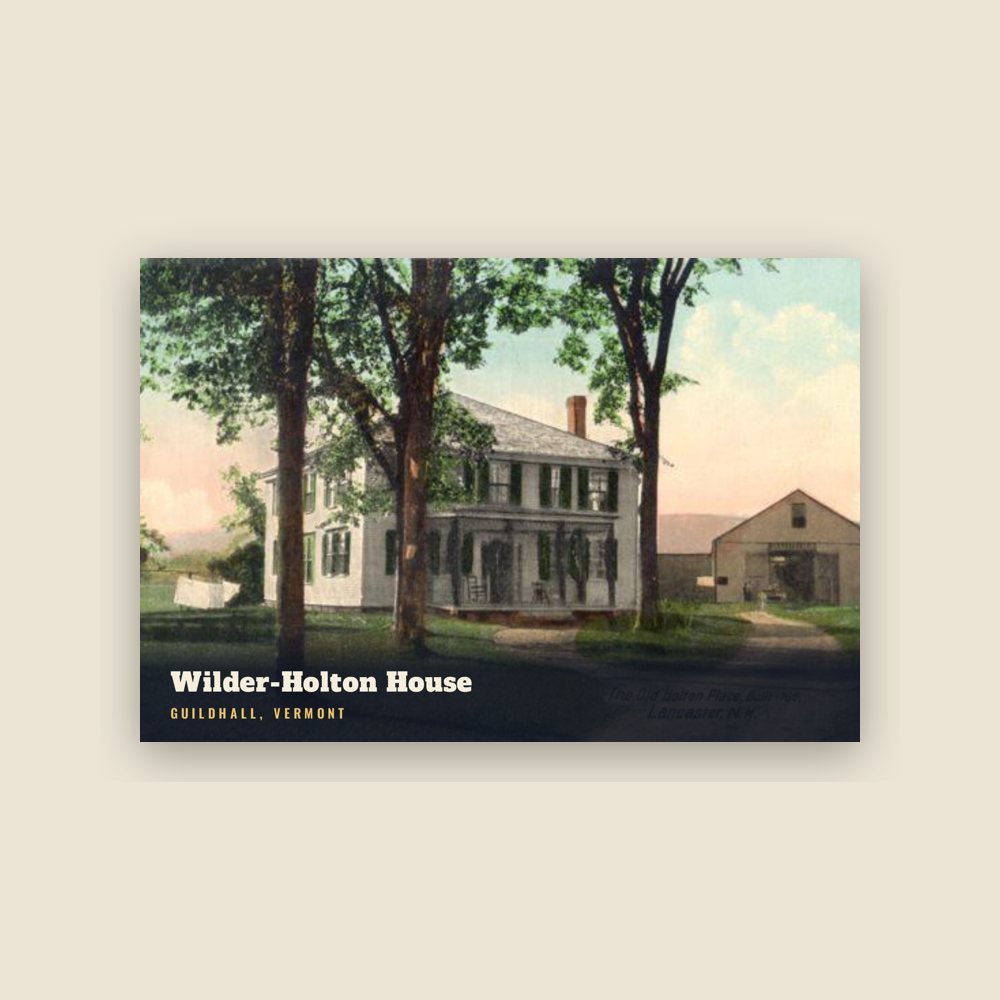
6″×4″ postcard, glossy front
Population 2010: 261 → 2020: 262
From Wikidata (CC0).
Guildhall was chartered by New Hampshire's colonial governor, Benning Wentworth, in 1761. Its grantees and original settlers were from Lancaster and Lunenburg, Massachusetts, and they named towns on opposite sides of the Connecticut River in New Hampshire and Vermont for their Massachusetts hometowns. The southern part of the original town of Lunenburg, Vermont was chartered as Lunenburg in 1763, while the northern portion was renamed Guildhall.
After Guildhall was chartered, a small group of settlers built temporary cabins and camps and began to clear the land. As the population began to grow, the first recorded town meeting took place in 1783. Guildhall is heavily wooded, as are several other towns in Essex County, and lumbering was once a major portion of the local economy. The Guildhall Village Historic District was listed on the National Register of Historic Places in 1980. The district includes Guildhall's village center and encompasses the central common and several nearby buildings.
Adapted (trimmed) from the Wikipedia article Guildhall, Vermont, revision 1374421046 by its contributors, licensed CC BY-SA 4.0.
We share a part of every Guildhall sale with local partners, and we'd love to print from your collection. Old photographs, maps and postcards make the best keepsakes.
Partner with us