Since 1868
A short history of Cedar City
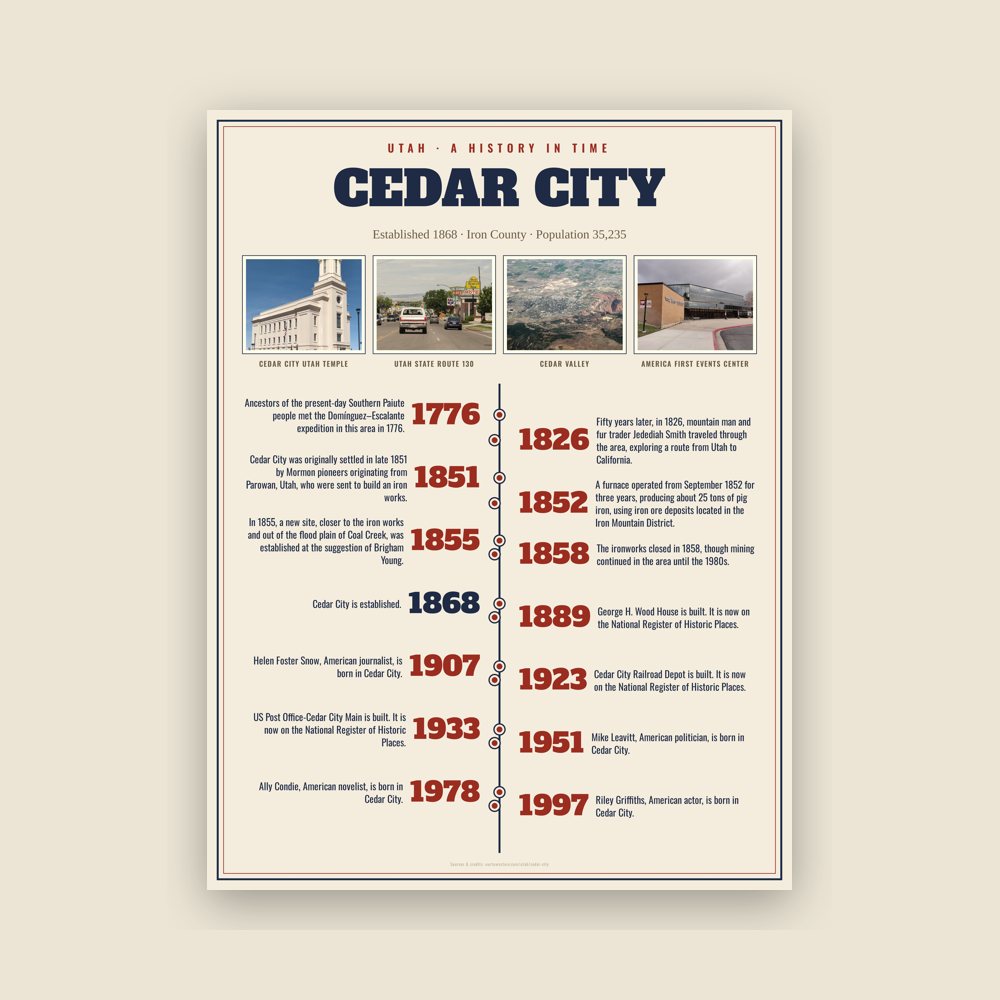
The presence of prehistoric people in the Cedar City area is revealed by rock art found in Parowan Gap to the north and Fremont sites dated to A.D. 1000 and 1300. Ancestors of the present-day Southern Paiute people met the Domínguez–Escalante expedition in this area in 1776. Fifty years later, in 1826, mountain man and fur trader Jedediah Smith traveled through the area, exploring a route from Utah to California.
Cedar City was originally settled in late 1851 by Mormon pioneers originating from Parowan, Utah, who were sent to build an iron works. The site, known as "Fort Cedar" or "Cedar City," was equidistant from vast iron deposits 10 miles (16 km) west and coal resources 10 miles (16 km) east up Cedar Canyon, but was named after the abundant local trees (which are not cedars but junipers). Two companies of men led by Henry Lunt reached the fort site in a blizzard on November 11, 1851, making that date the official founding. In 1855, a new site, closer to the iron works and out of the flood plain of Coal Creek, was established at the suggestion of Brigham Young. A furnace operated from September 1852 for three years, producing about 25 tons of pig iron, using iron ore deposits located in the Iron Mountain District.
The ironworks closed in 1858, though mining continued in the area until the 1980s. The completion of a railroad connection to Cedar City in 1923 established the area as a tourism gateway to nearby Bryce Canyon National Park, Zion National Park, Grand Canyon National Park, and Cedar Breaks National Monument. Cedar City continues to be a center of tourism, commercial development, education, and the arts in southwestern Utah.
Adapted (trimmed) from the Wikipedia article Cedar City, Utah, revision 1377143137 by its contributors, licensed CC BY-SA 4.0.
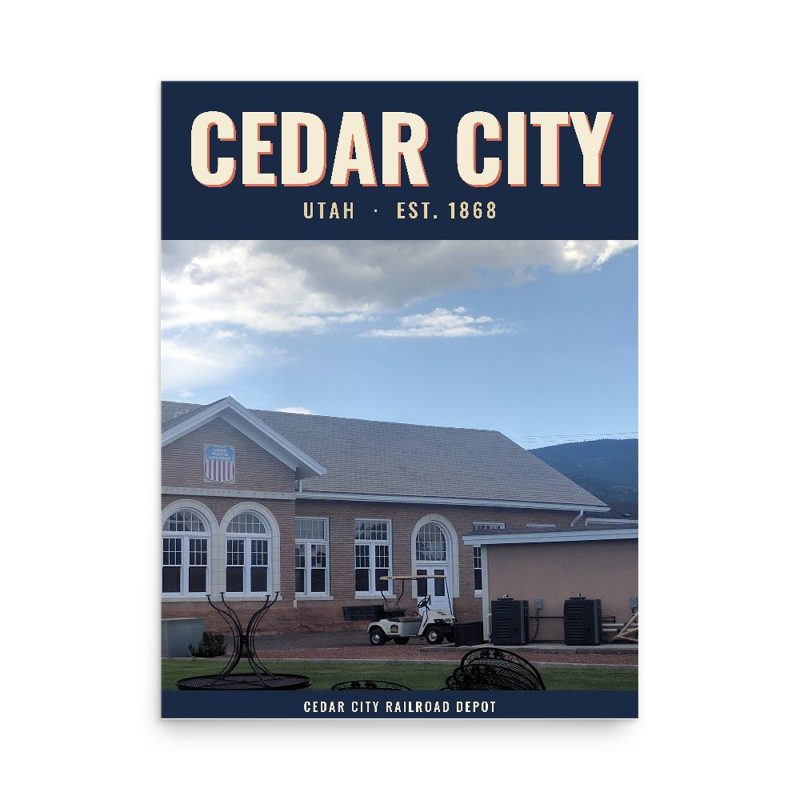


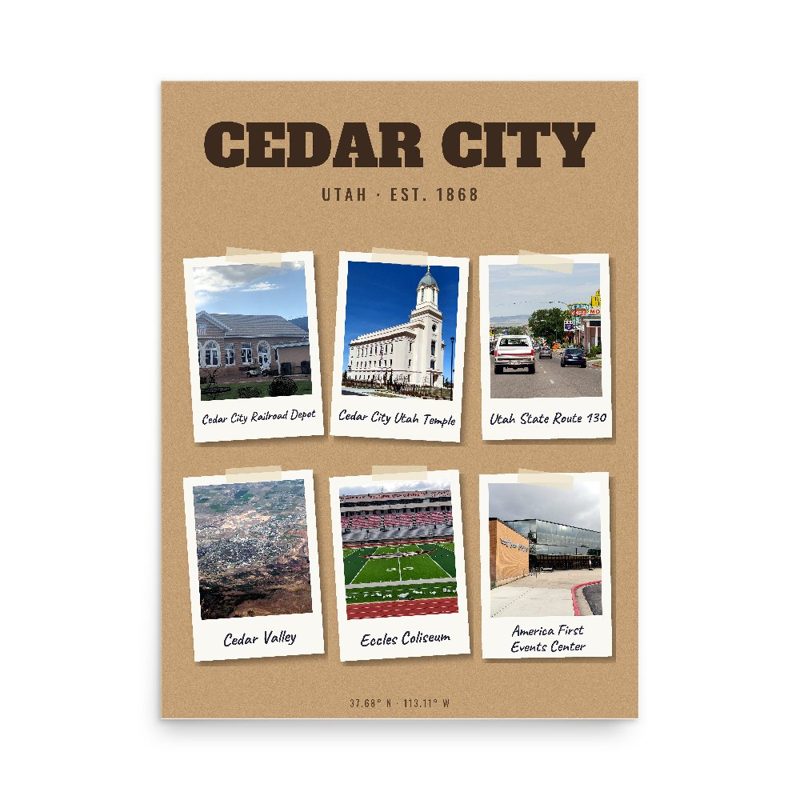




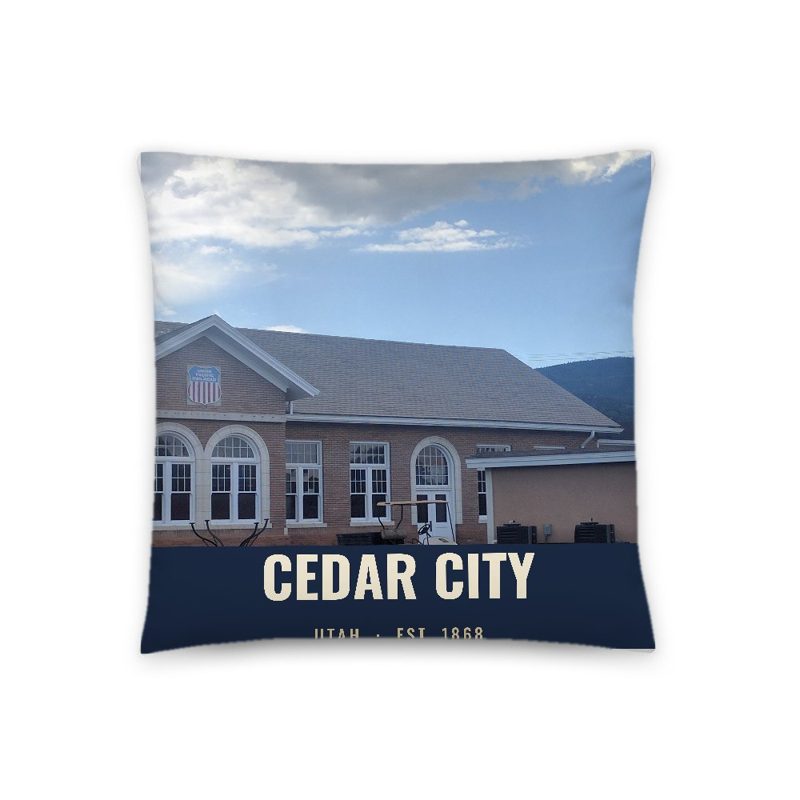


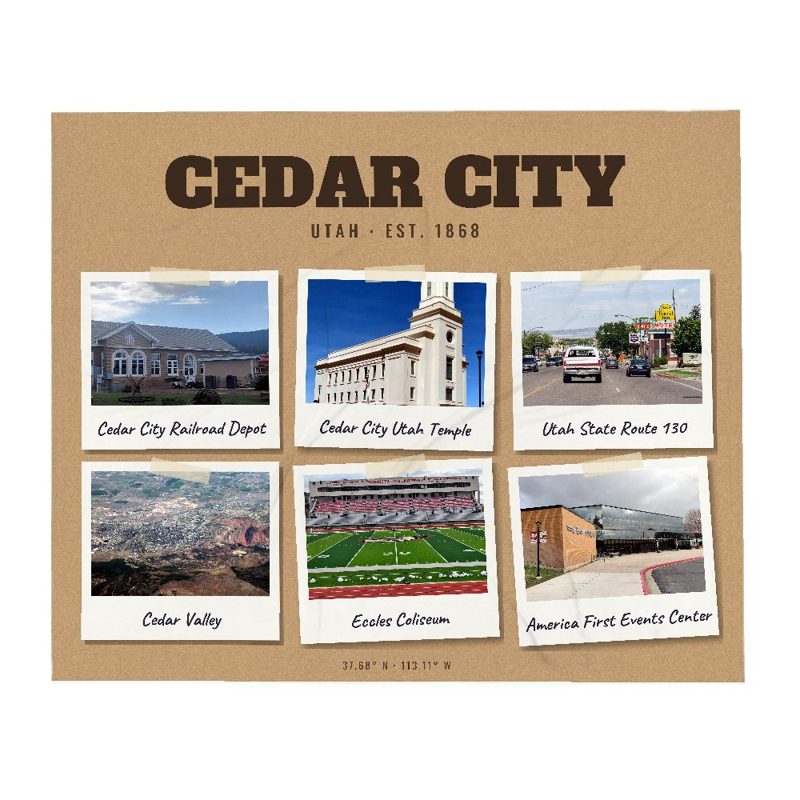
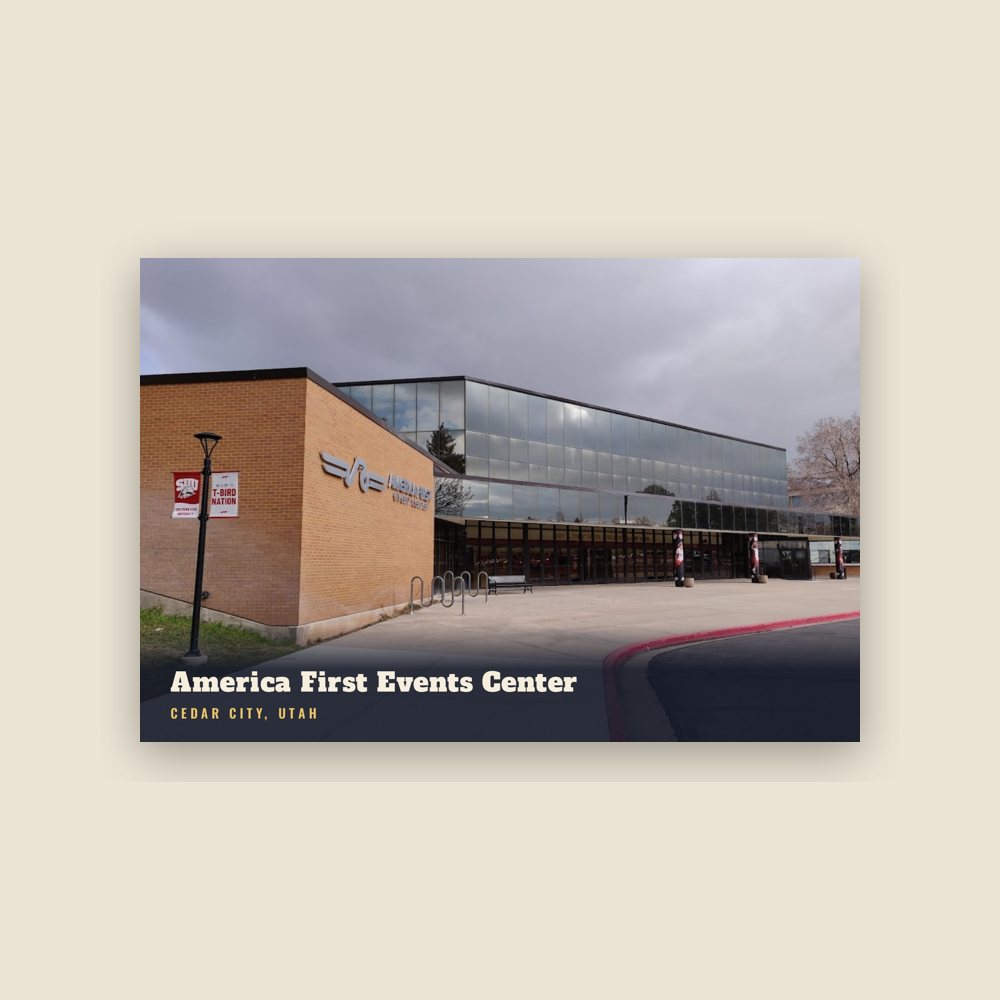
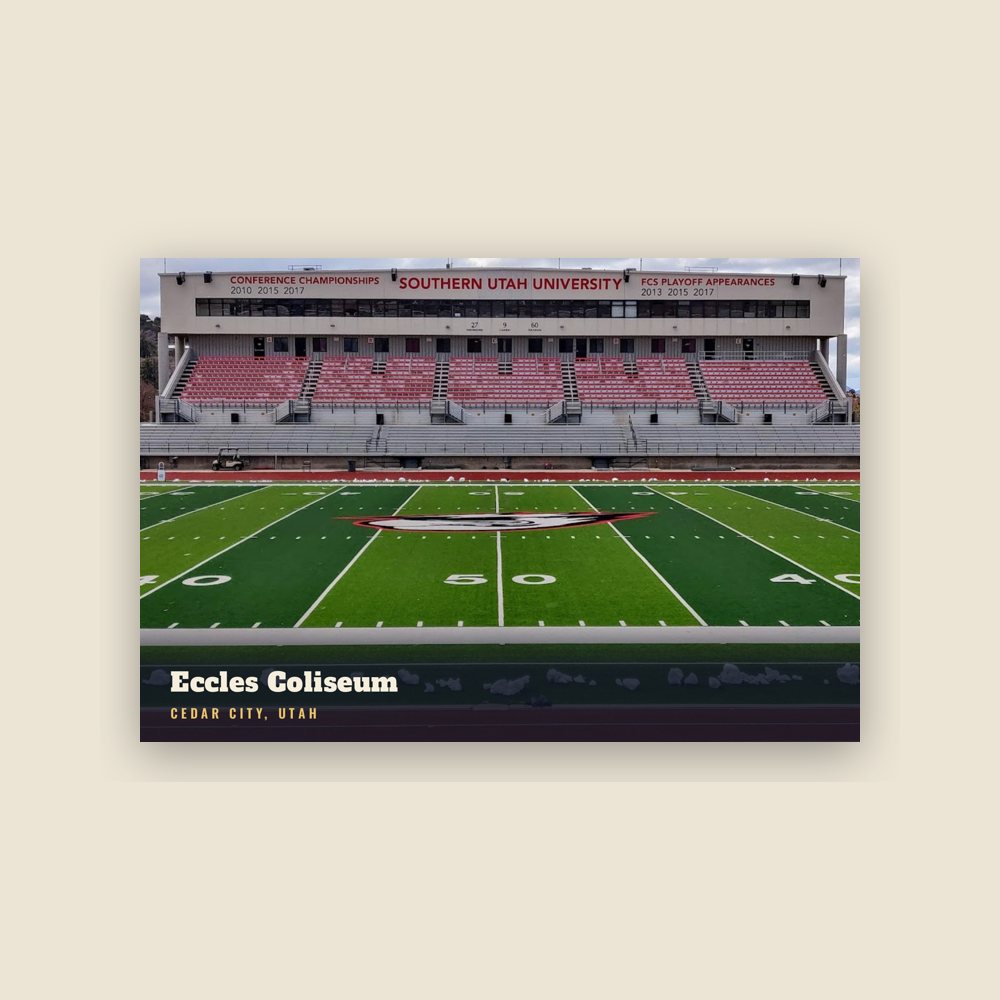
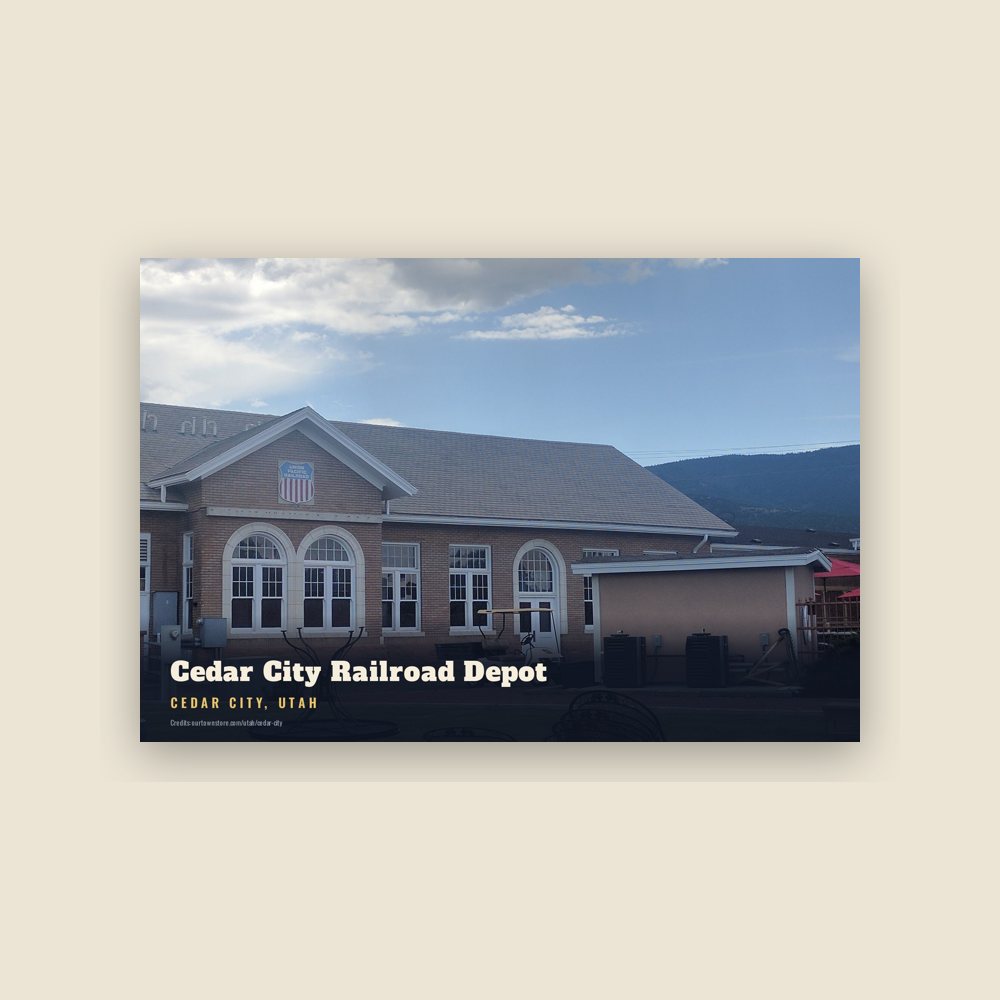
 Cedar City Railroad Depot
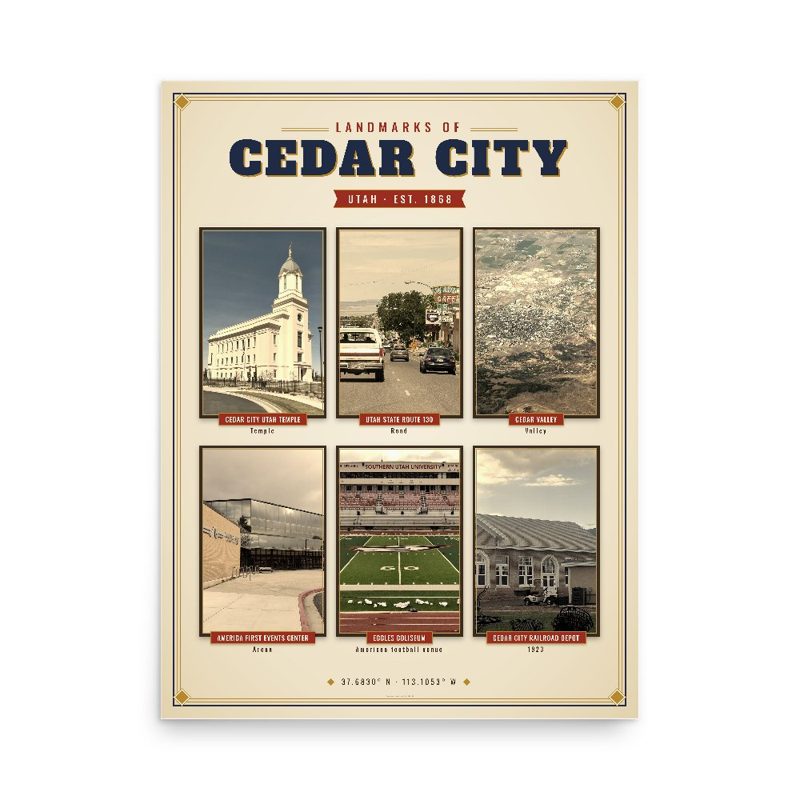
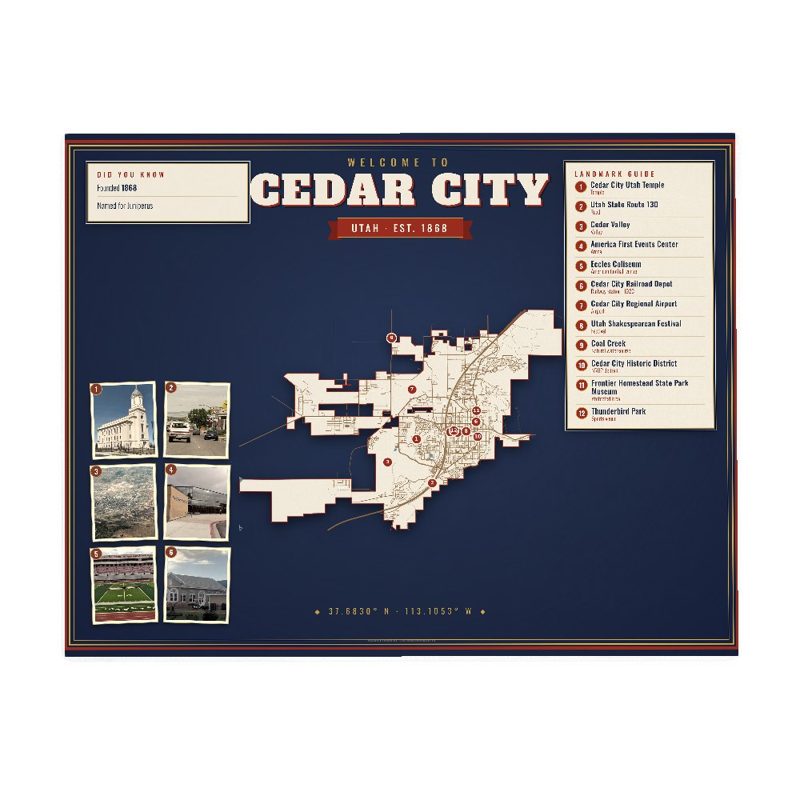
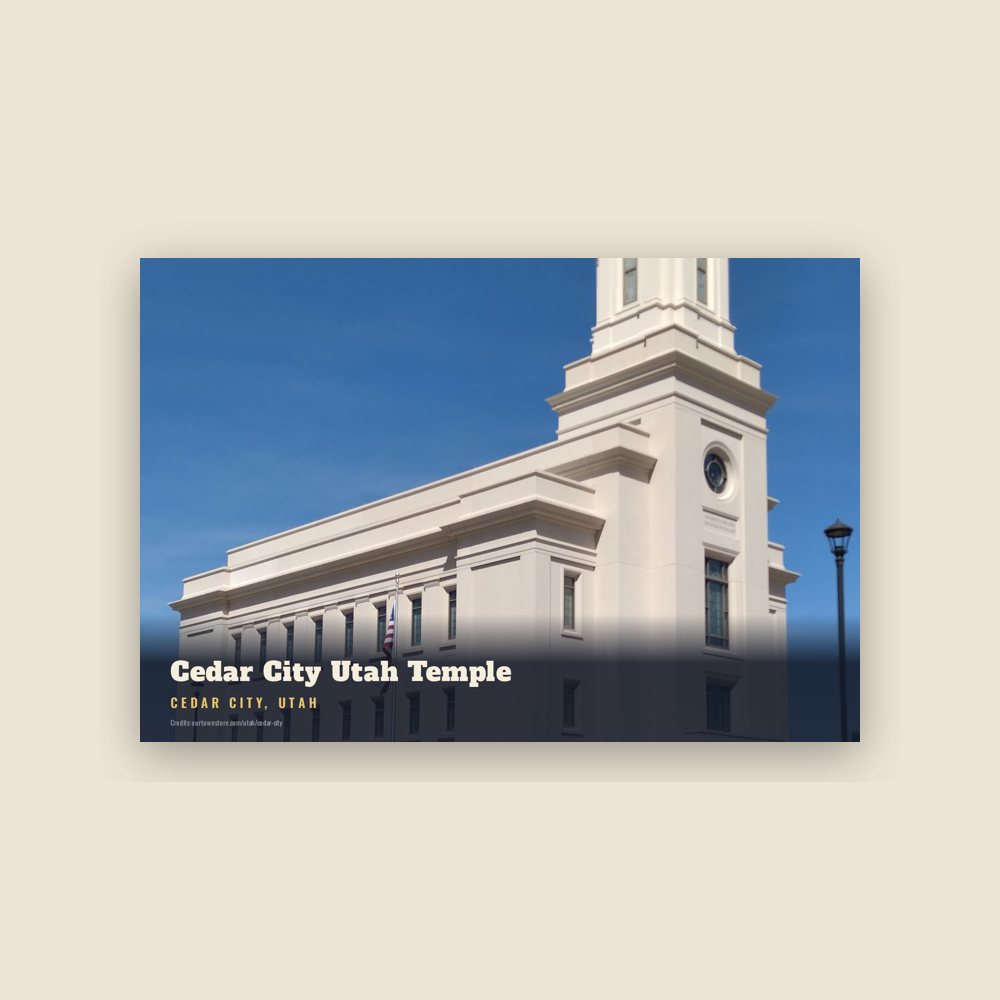
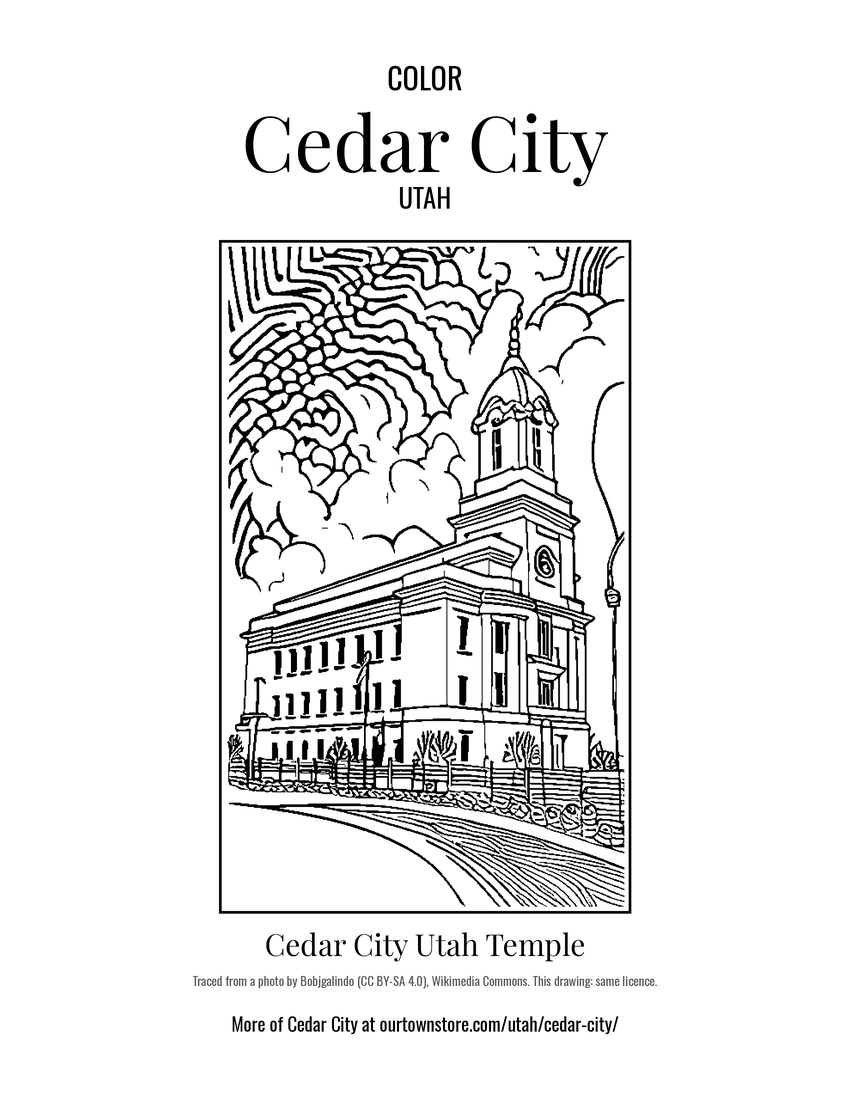 Cedar City Utah Temple
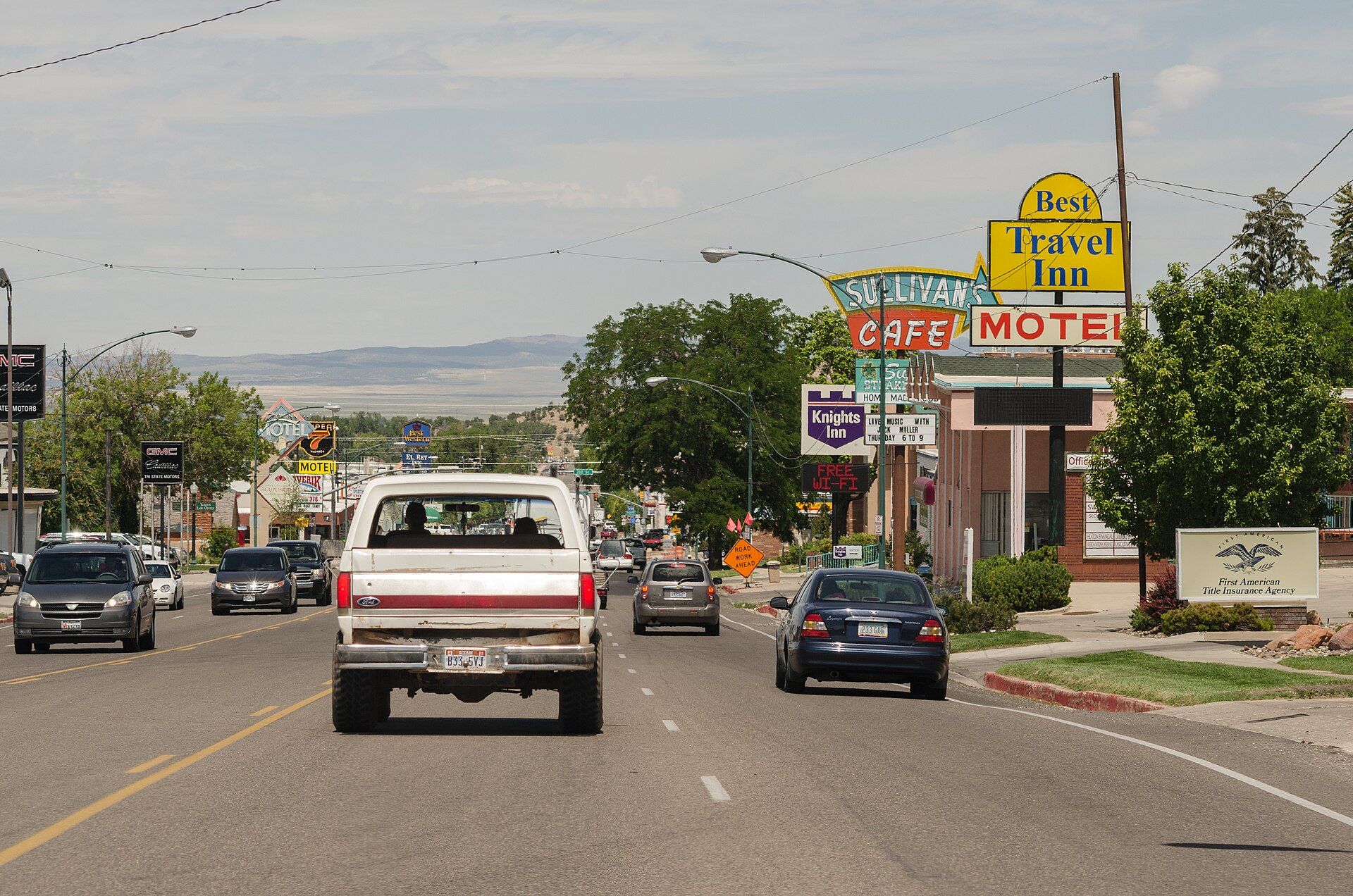
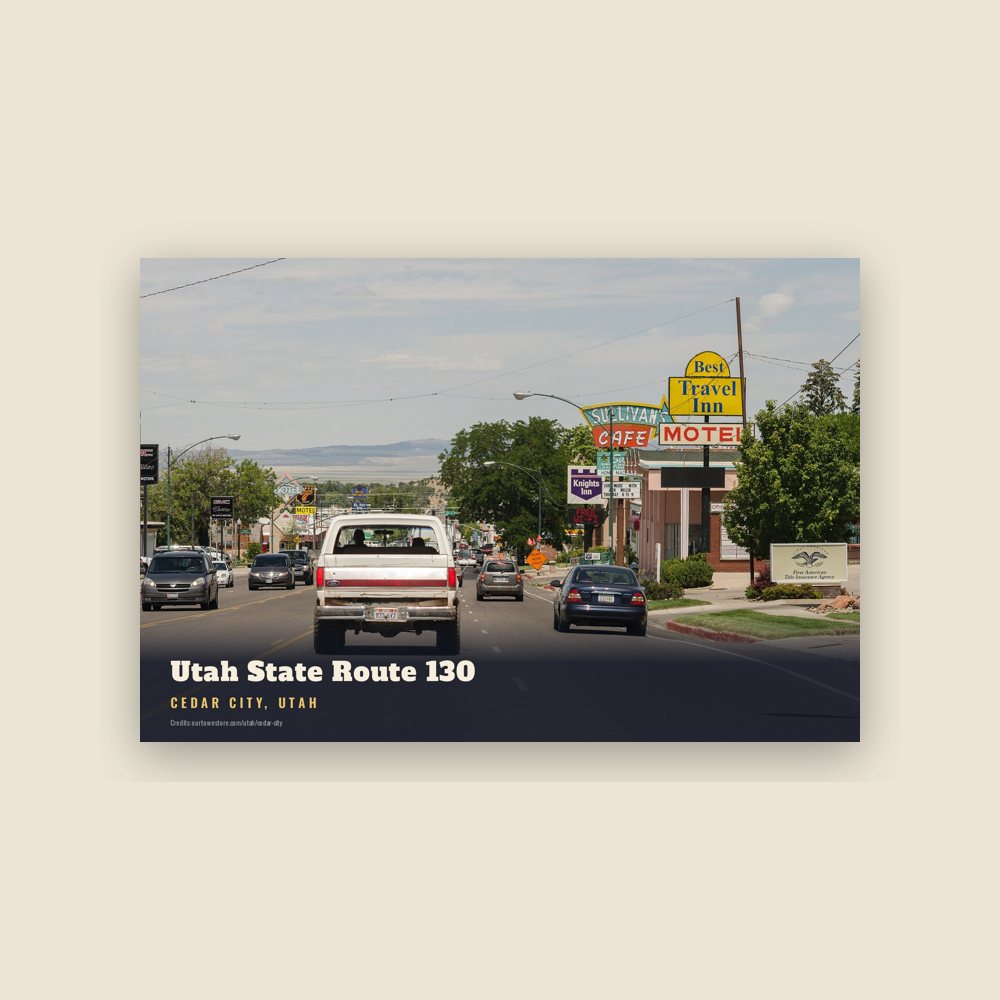
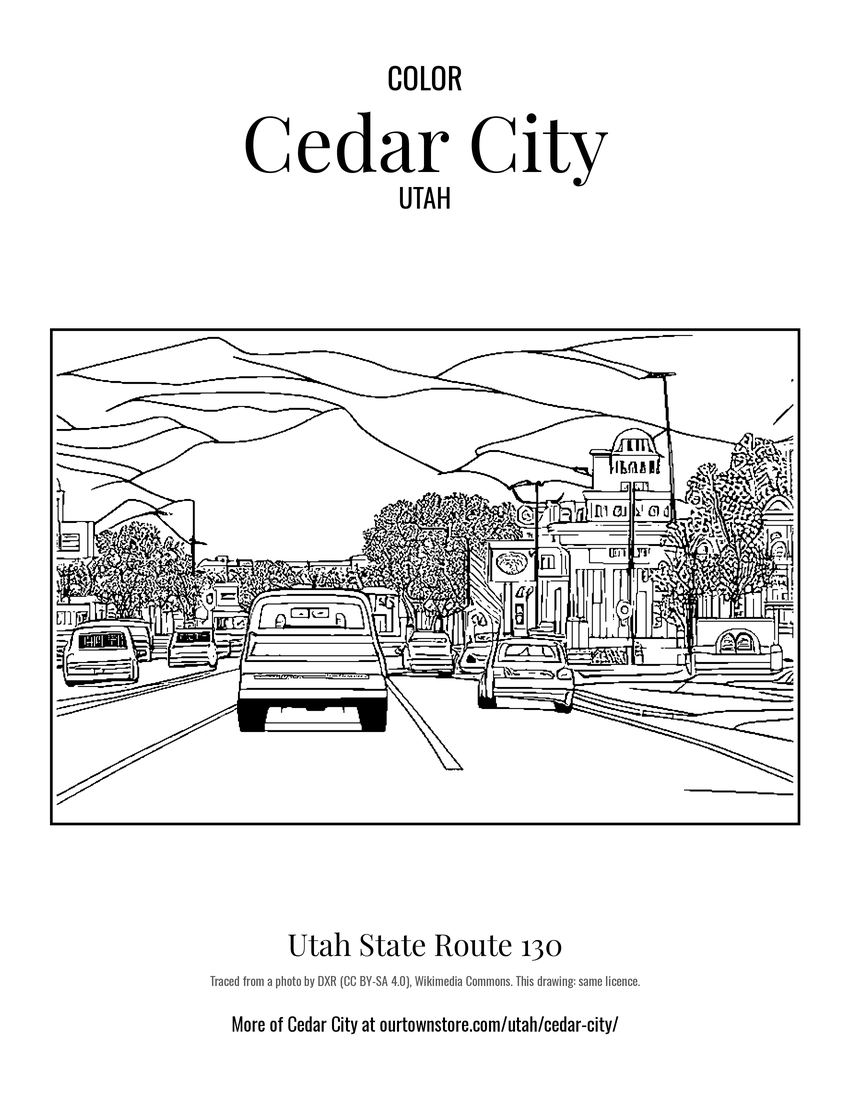 Utah State Route 130
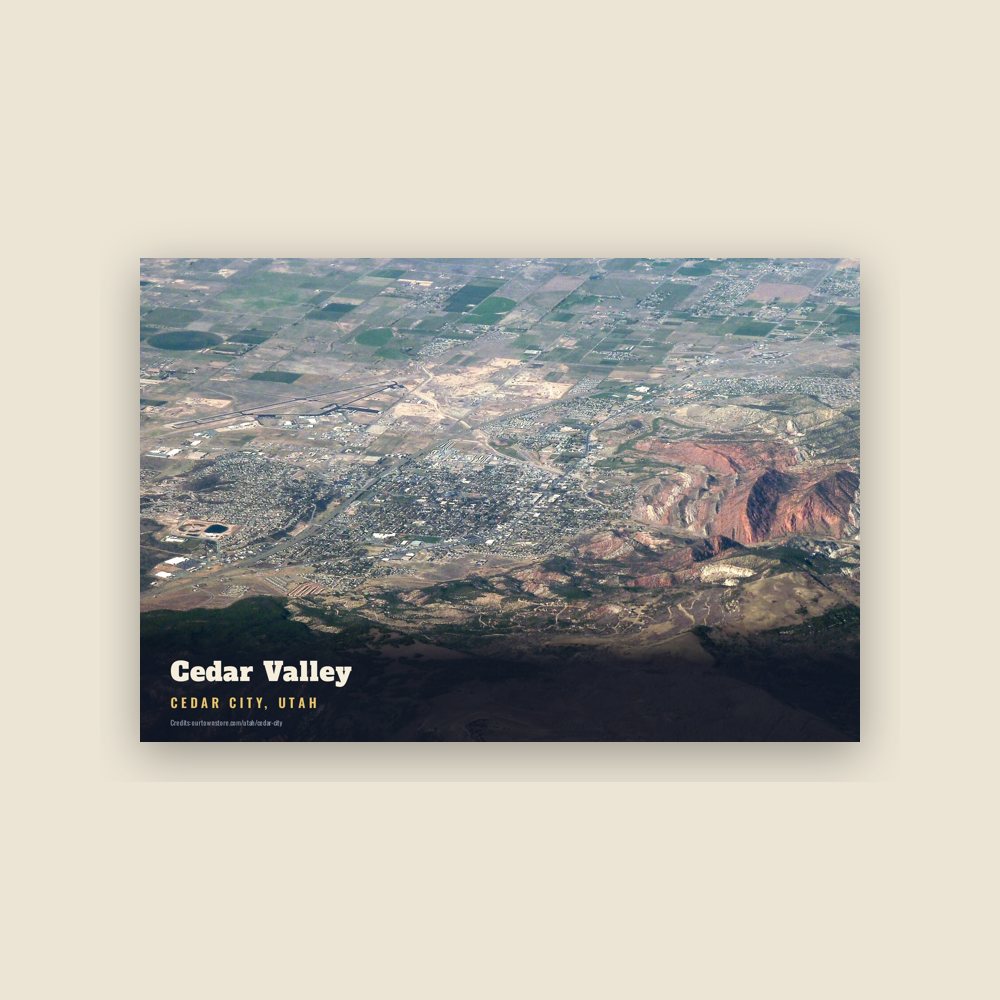
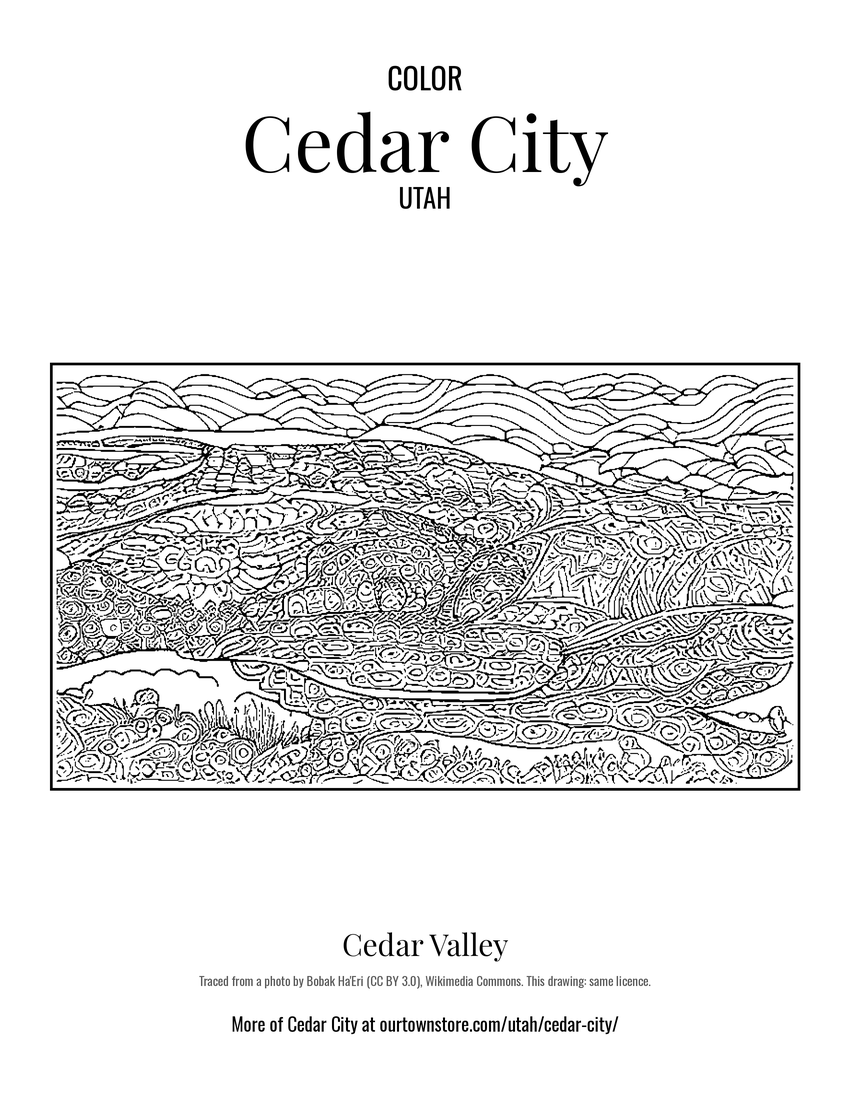 Cedar Valley