Since 1936
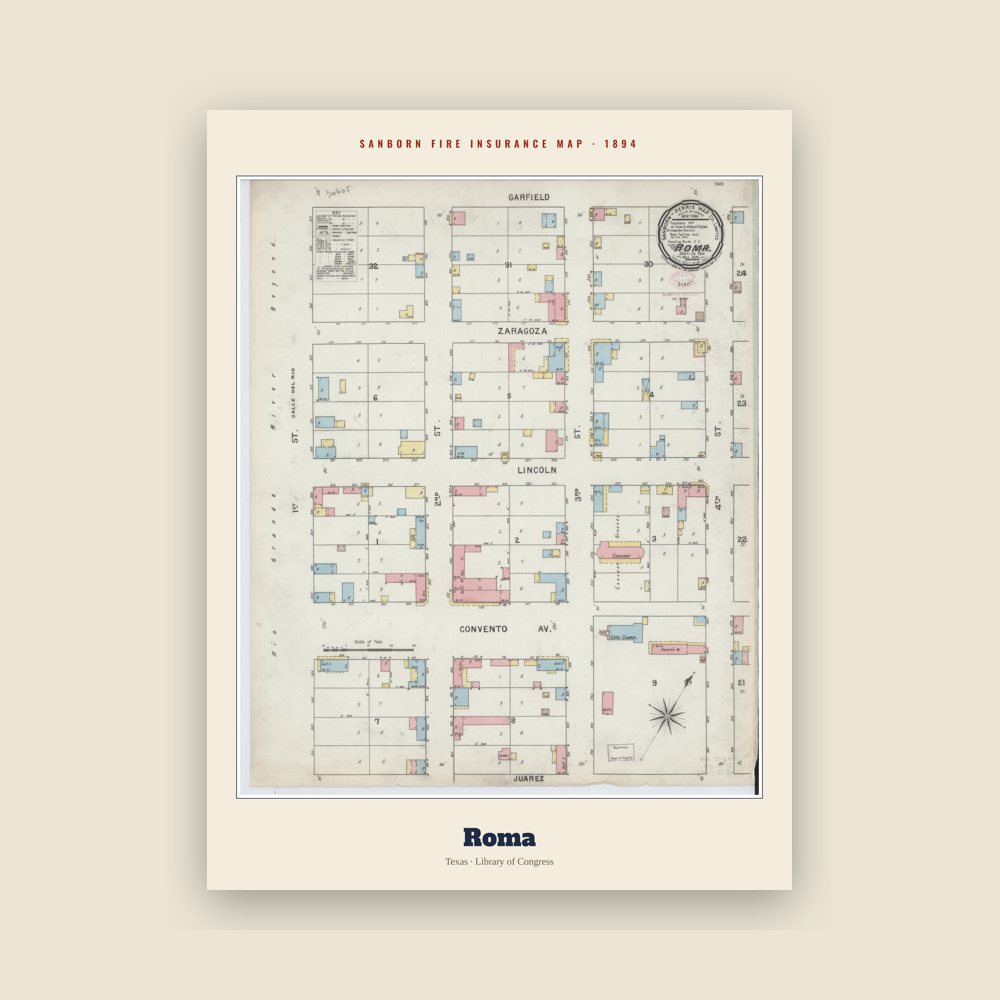
A short history of Roma
Prior to Texas's independence from Mexico in 1836, the town was listed as under the jurisdiction of the town of Mier, Tamaulipas, and prior to Mexican independence existed under Spanish rule.
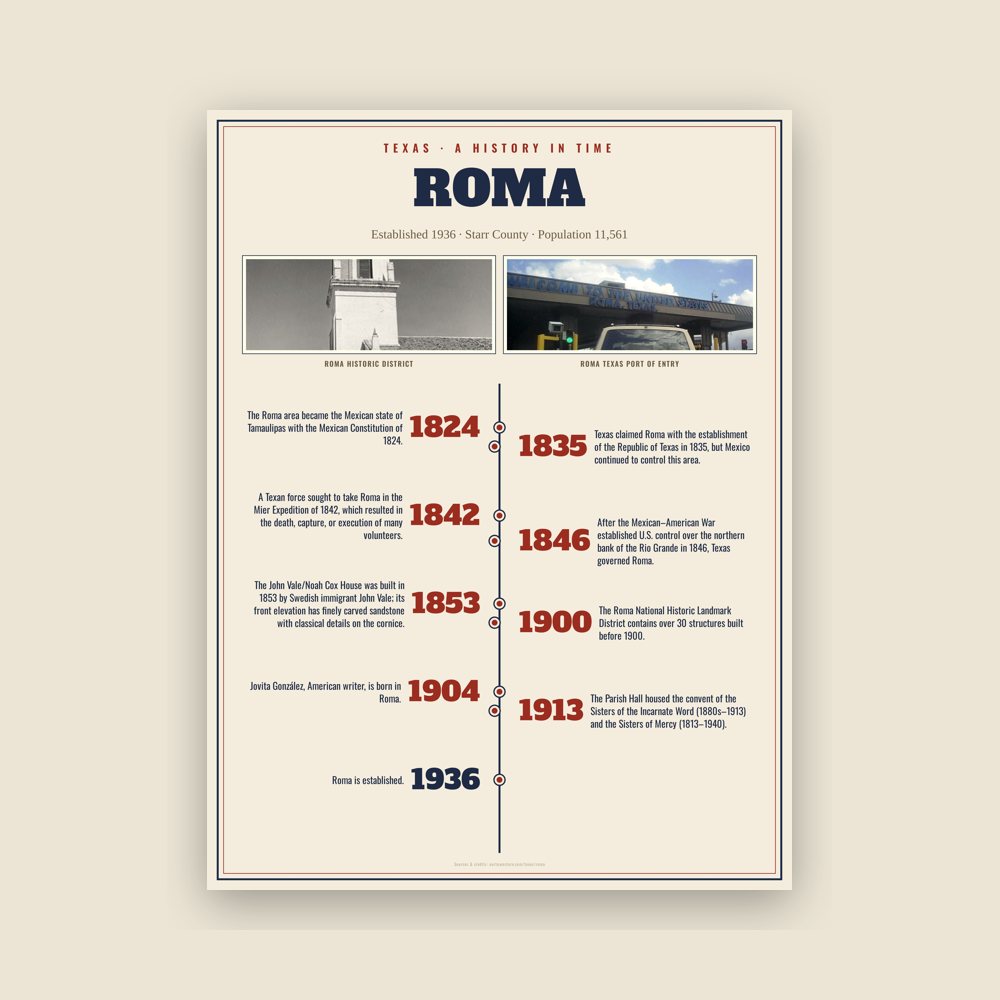
The site offered a convenient crossing on the Rio Grande, which became known as El Paso de la Mula (Pass of the Mule). The area was notable for a salt trade from the Roma area to Monterrey. The Roma area became the Mexican state of Tamaulipas with the Mexican Constitution of 1824. Texas claimed Roma with the establishment of the Republic of Texas in 1835, but Mexico continued to control this area. A Texan force sought to take Roma in the Mier Expedition of 1842, which resulted in the death, capture, or execution of many volunteers.
After the Mexican–American War established U.S. control over the northern bank of the Rio Grande in 1846, Texas governed Roma. During the American Civil War, the region became wealthy on the cotton trade, which was transshipped via Mexico to Europe. While steamboats were able to access Roma through the mid-19th century, lowering water levels as a result of development upstream ended river shipment by the 1880s. Bypassed by railroads, Roma stagnated and inadvertently preserved itself from development.
The Customs House (Casa de Aduanas, in Spanish) is where shippers and brokers came to pay customs fees for imported goods from Europe and Mexico on steamboats.
The John Vale/Noah Cox House was built in 1853 by Swedish immigrant John Vale; its front elevation has finely carved sandstone with classical details on the cornice.
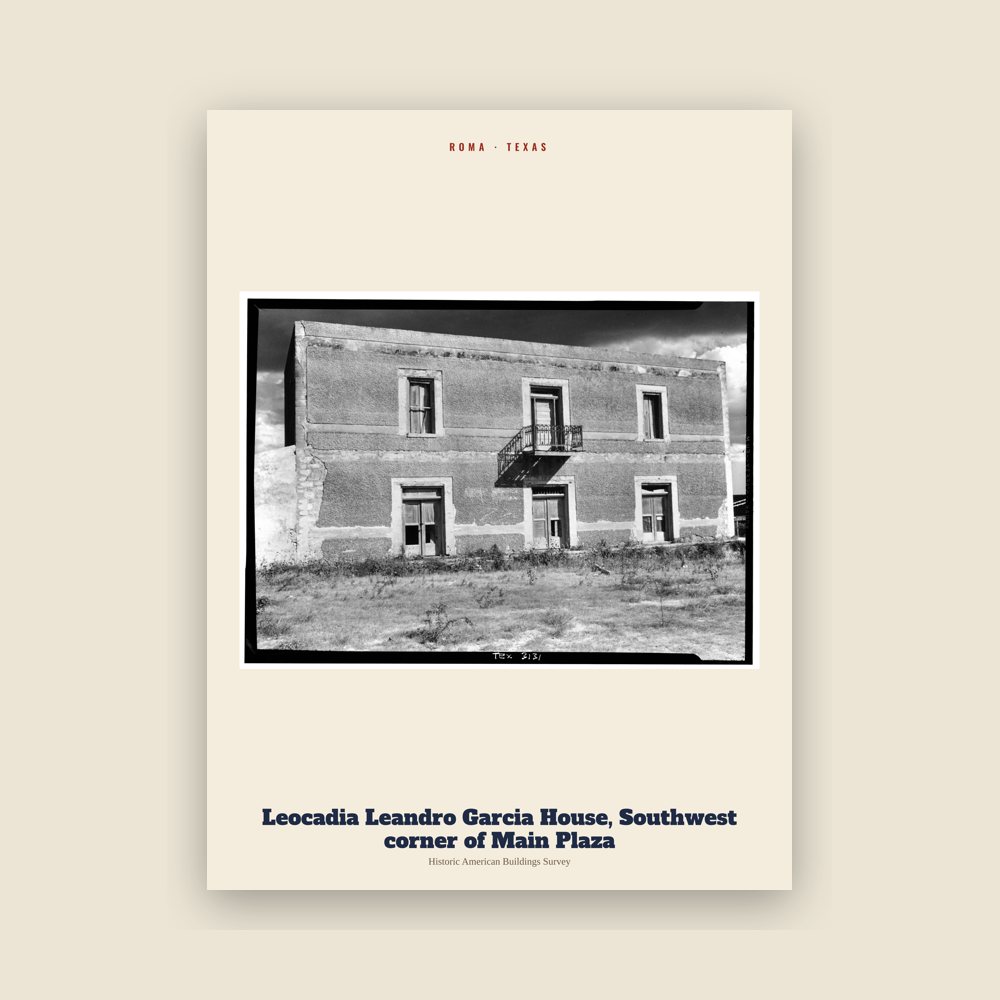
the Leocadia Garcia House, built in the 1840s, served first as a dwelling for José Maria Garcia, husband of Leocadia, and then as a store and dance hall.
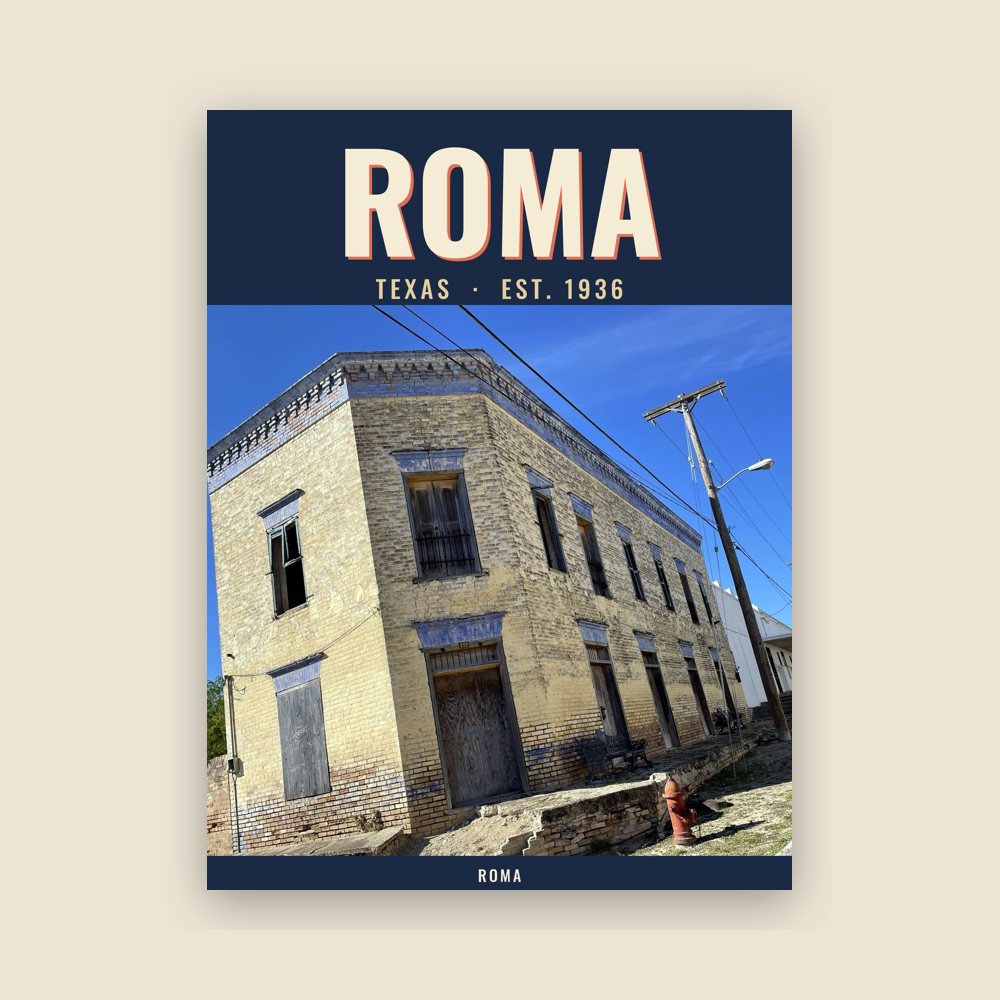
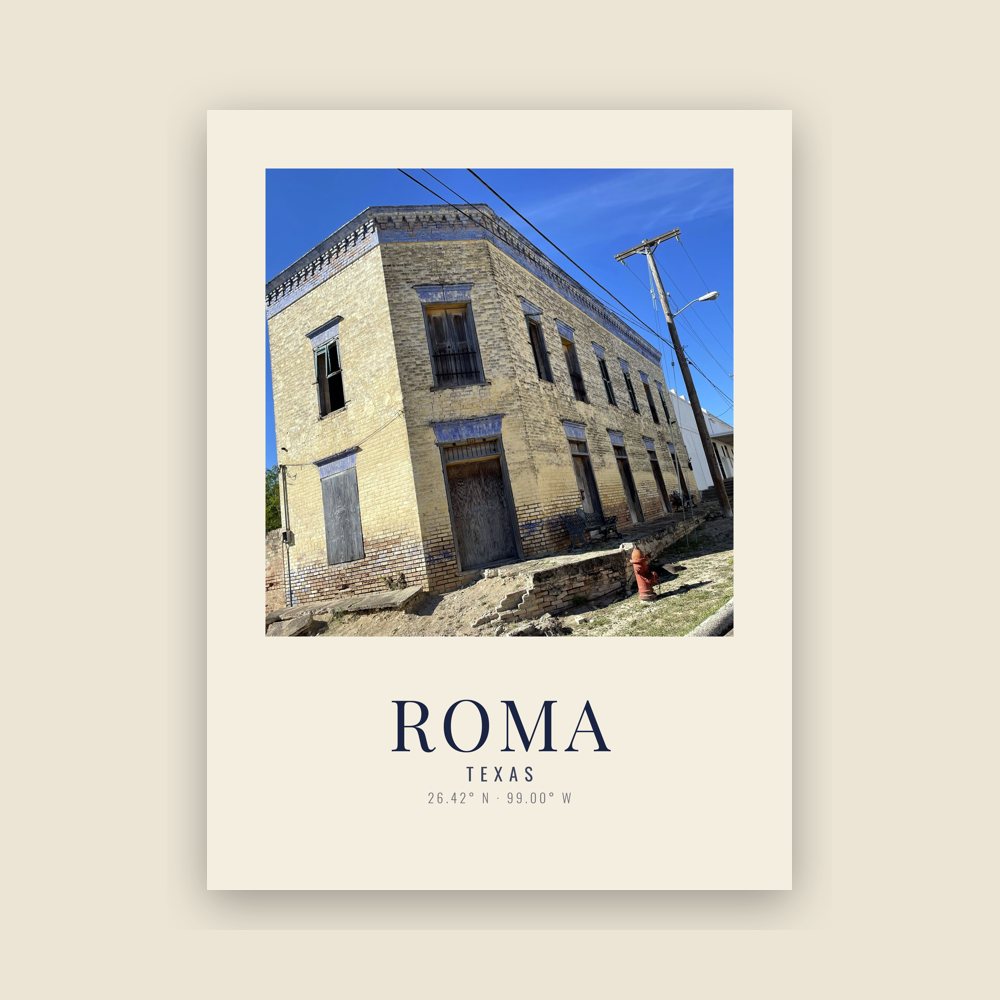
Ramirez Hall is the two-story home of Lino Ramirez and three generations of the Ramirez family. Built by architect Heinrich Portscheller, who personally laid brick around windows and doors, it was used as fictitious "Rosita's Cantina" in the 1950s film Viva Zapata.
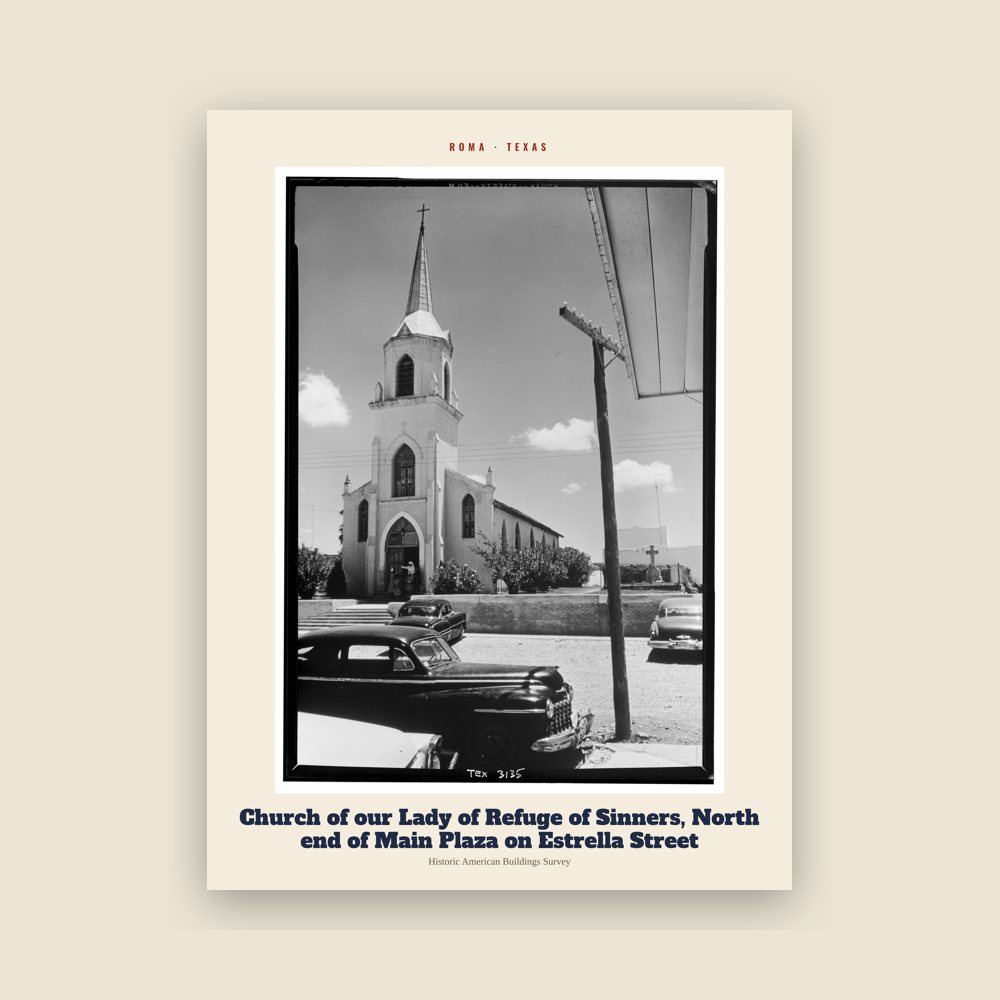
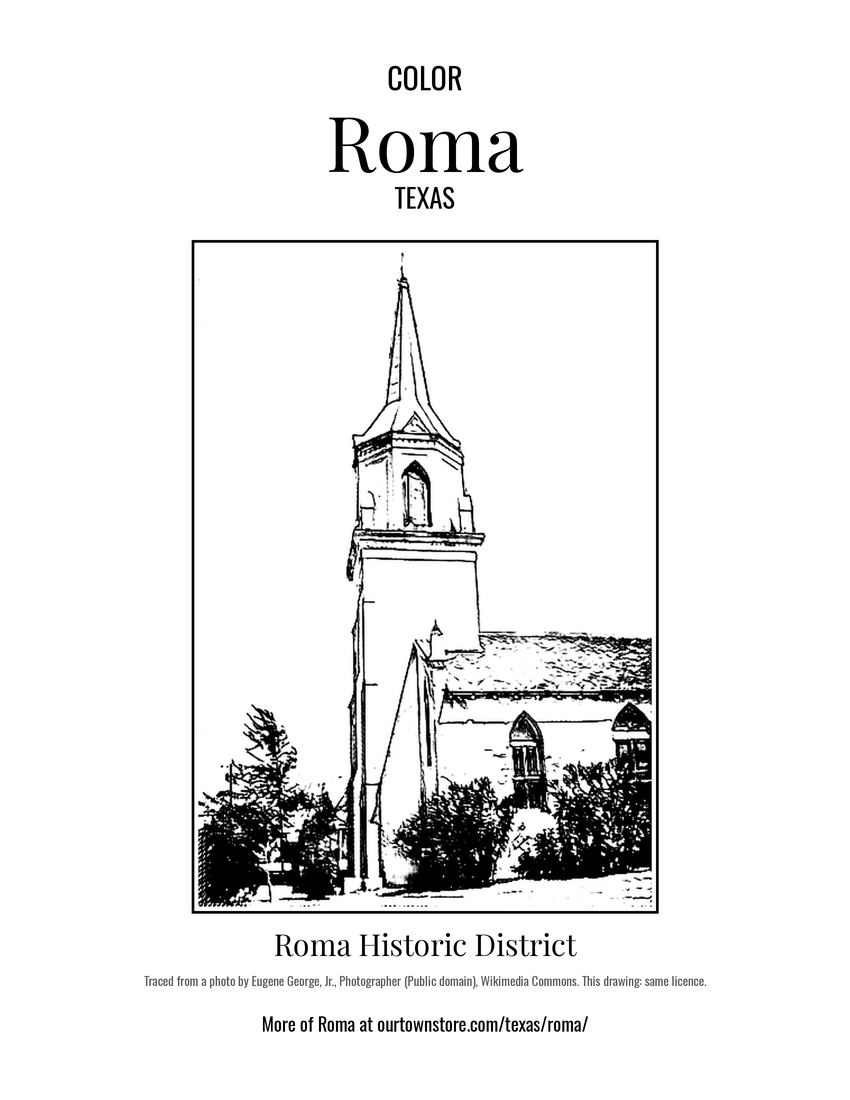
Our Lady of Refuge Church was built in 1853 by Father Pierre Yves Kéralum (1817–1872), a carpenter-turned-priest of the Oblates.
The Parish Hall housed the convent of the Sisters of the Incarnate Word (1880s–1913) and the Sisters of Mercy (1813–1940).
Adapted (trimmed) from the Wikipedia article Roma, Texas, revision 1378586241 by its contributors, licensed CC BY-SA 4.0.
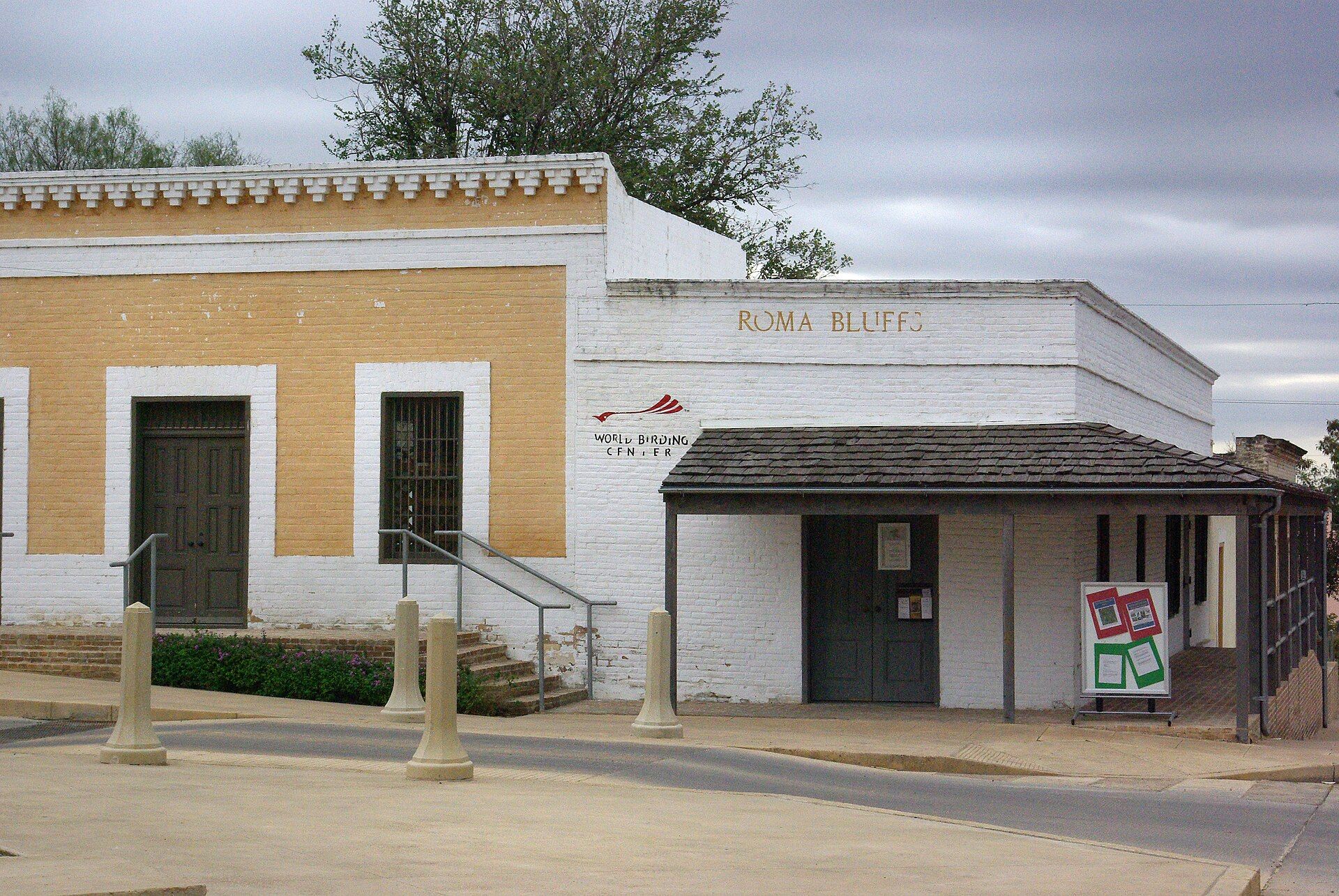


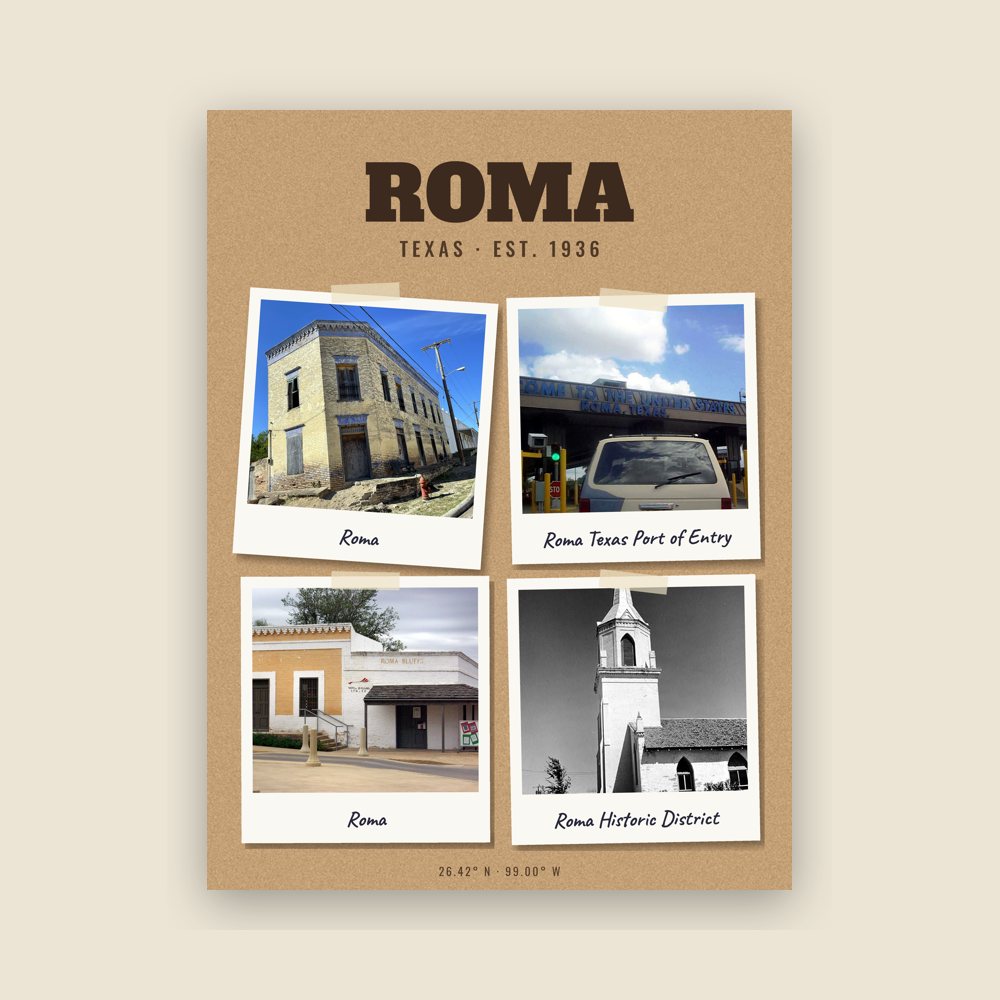
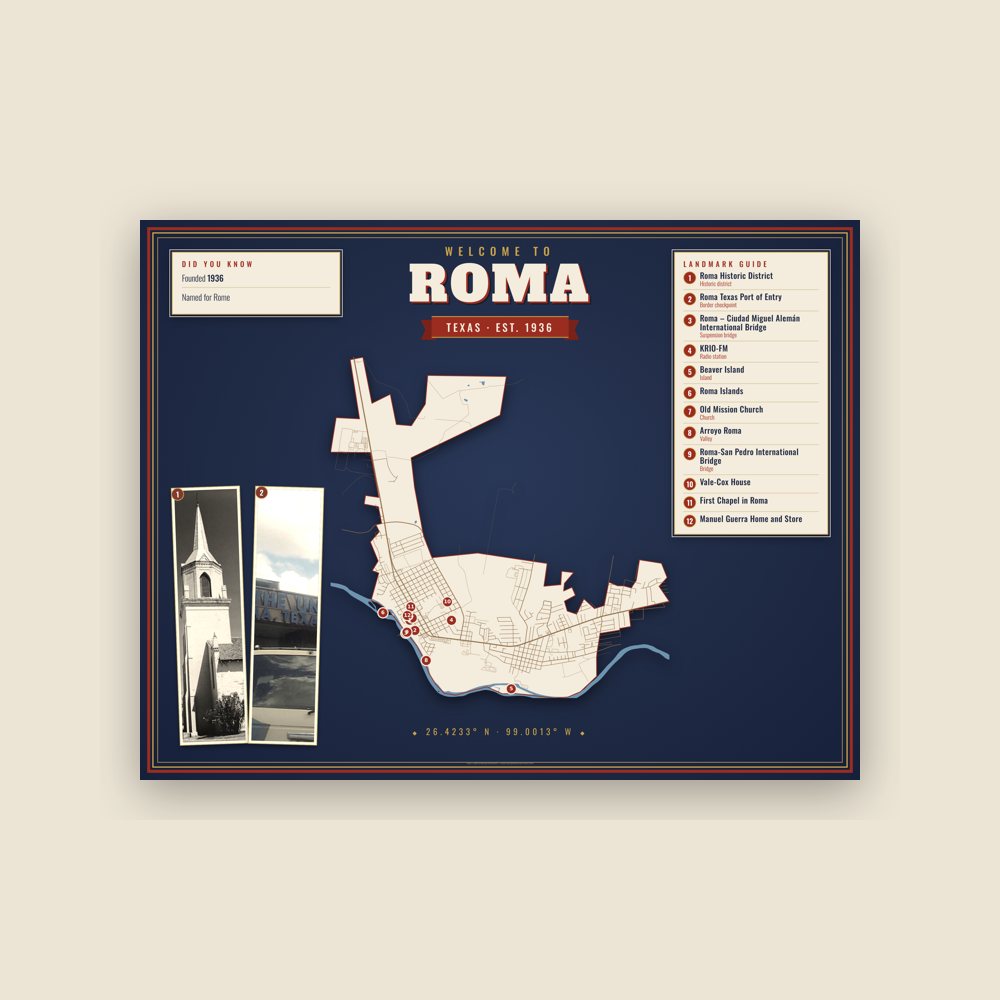








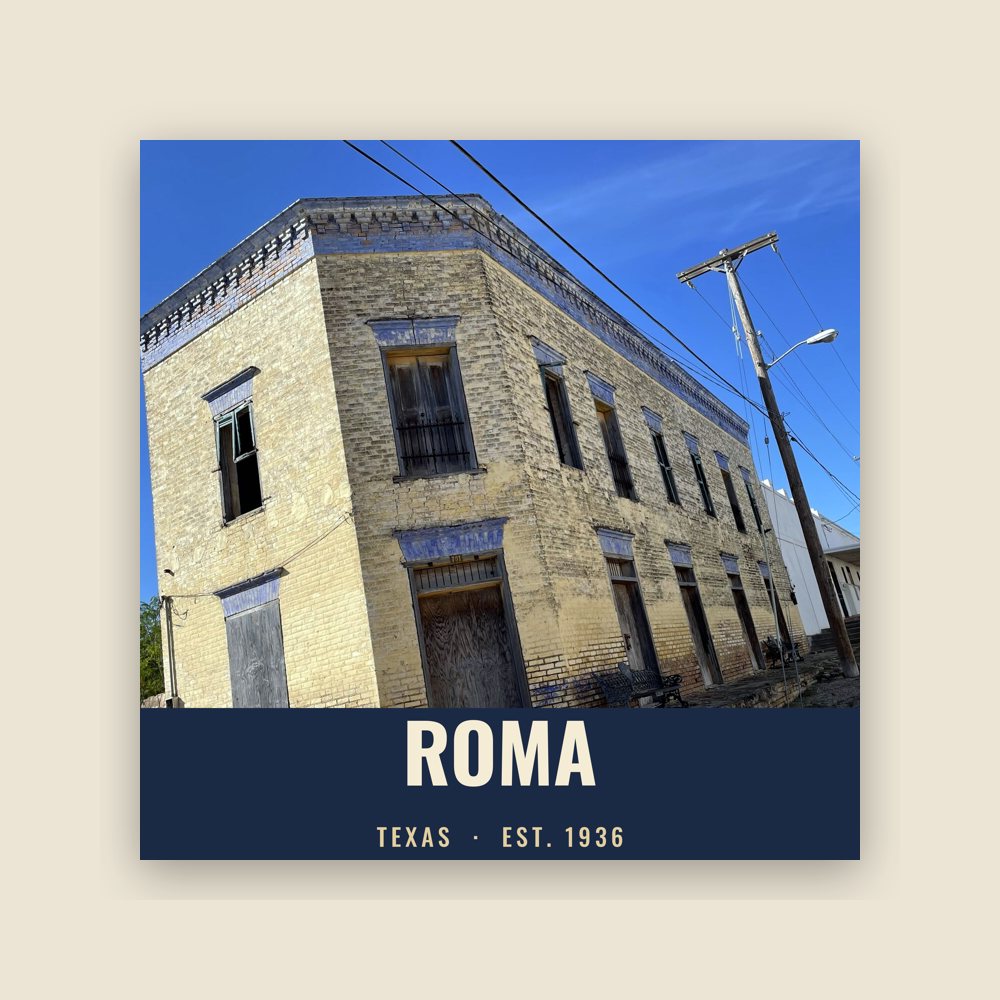


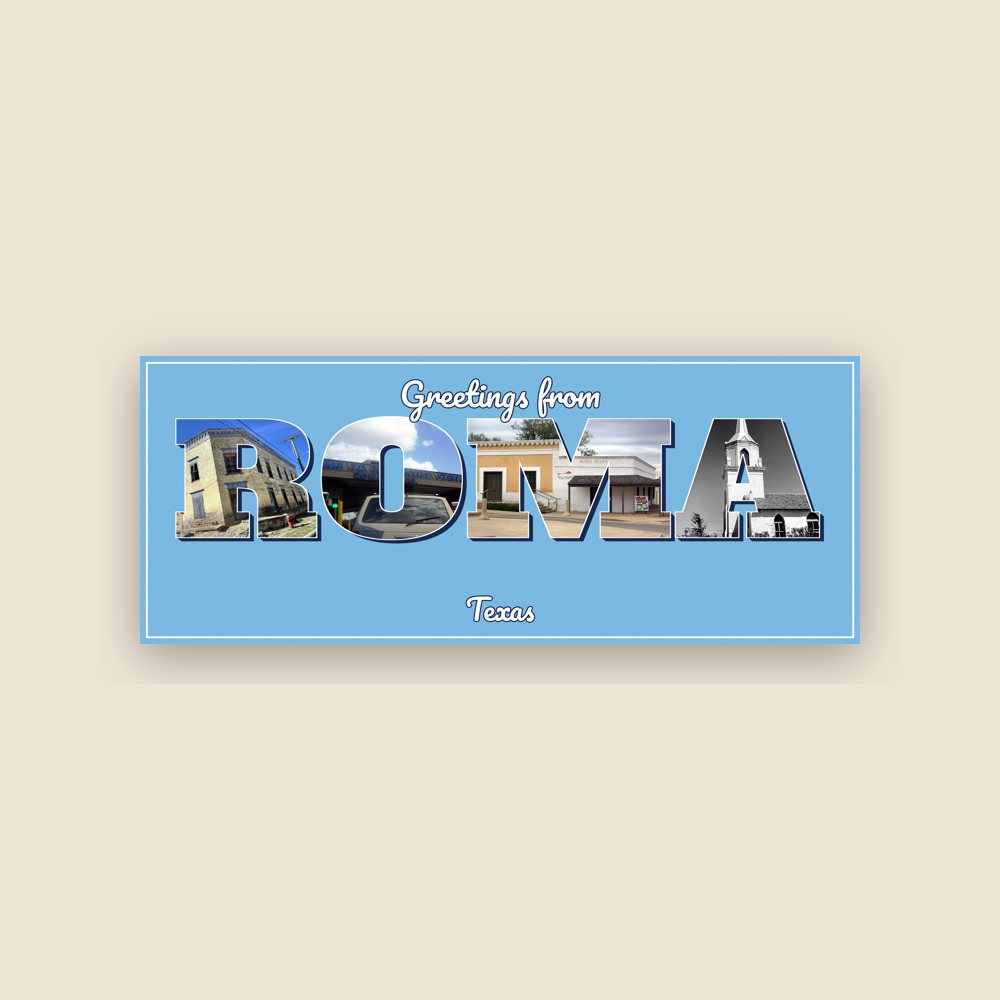
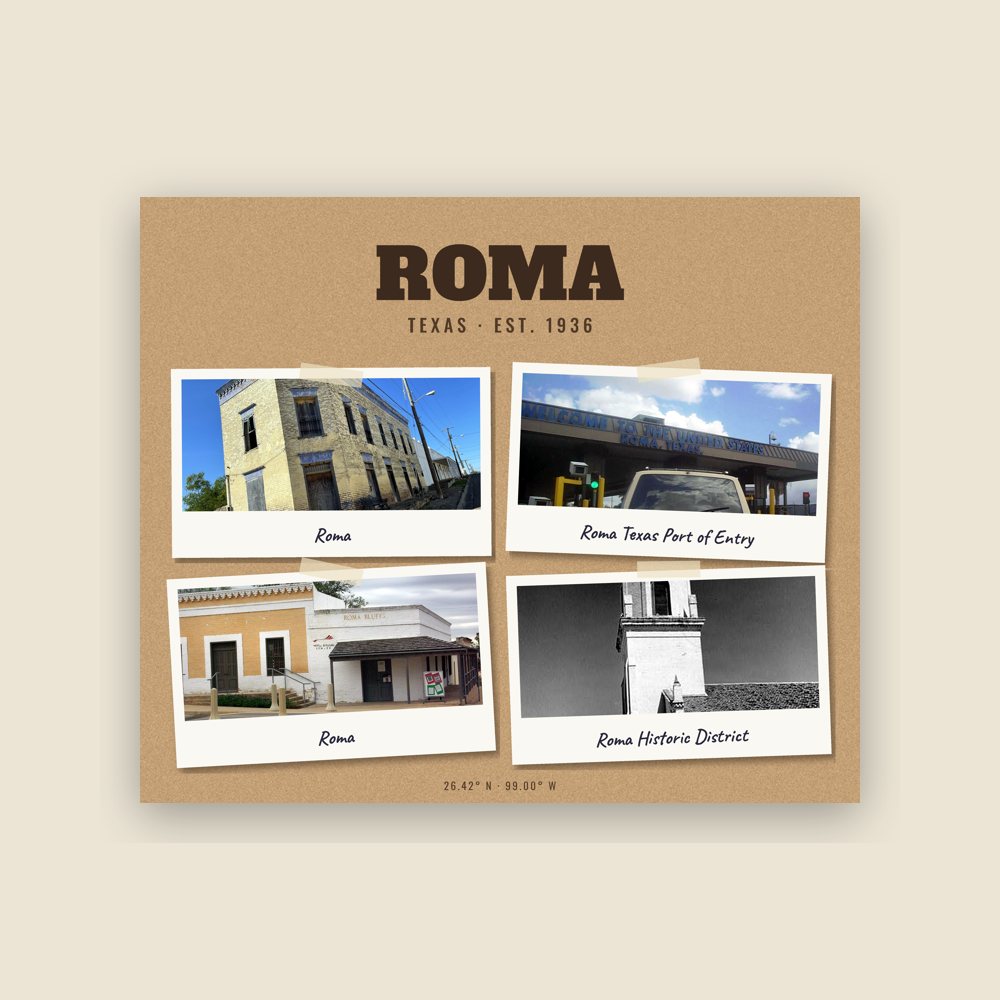

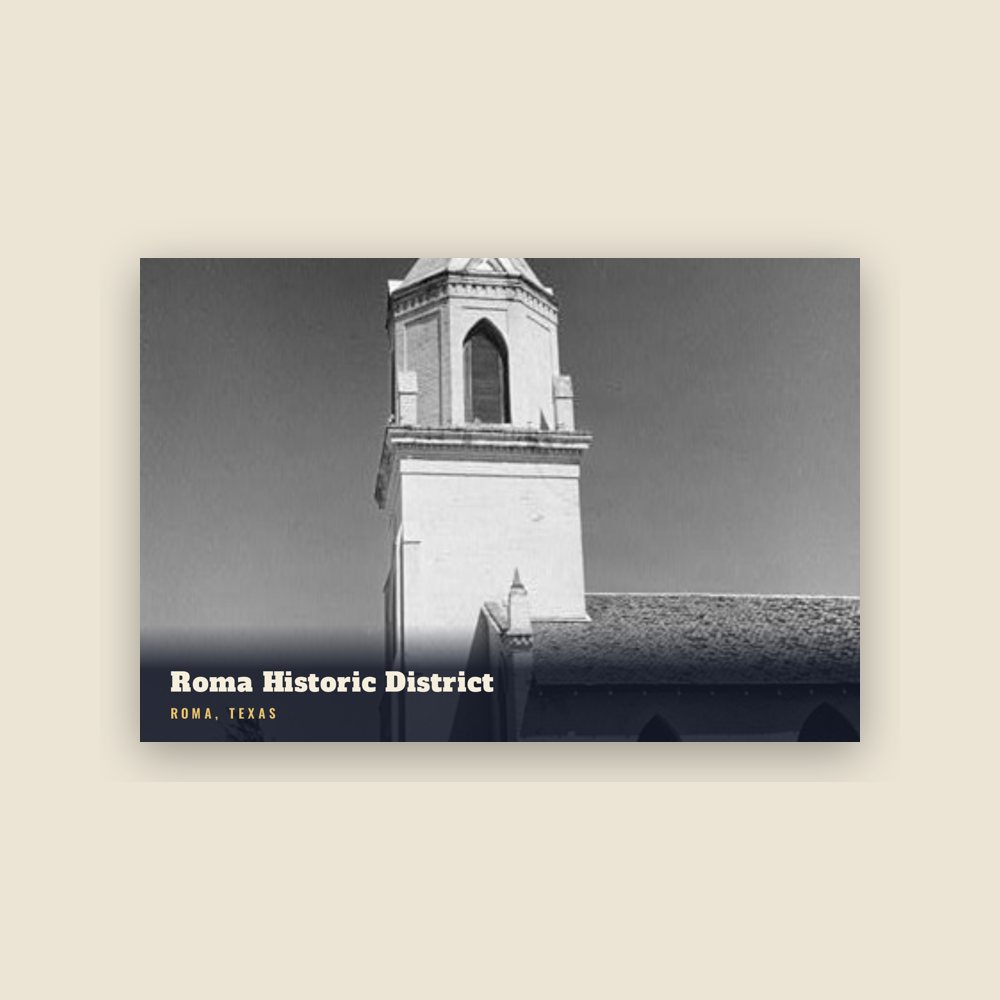
 Roma Historic District
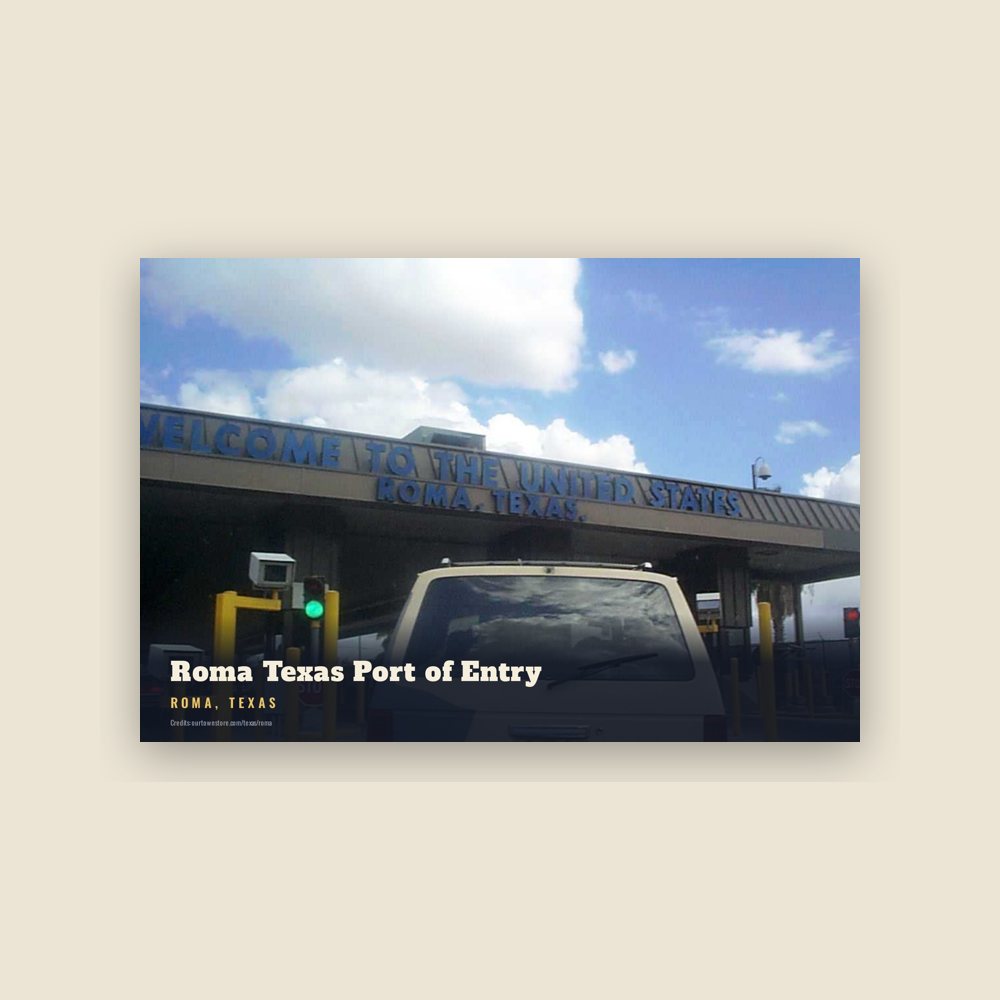
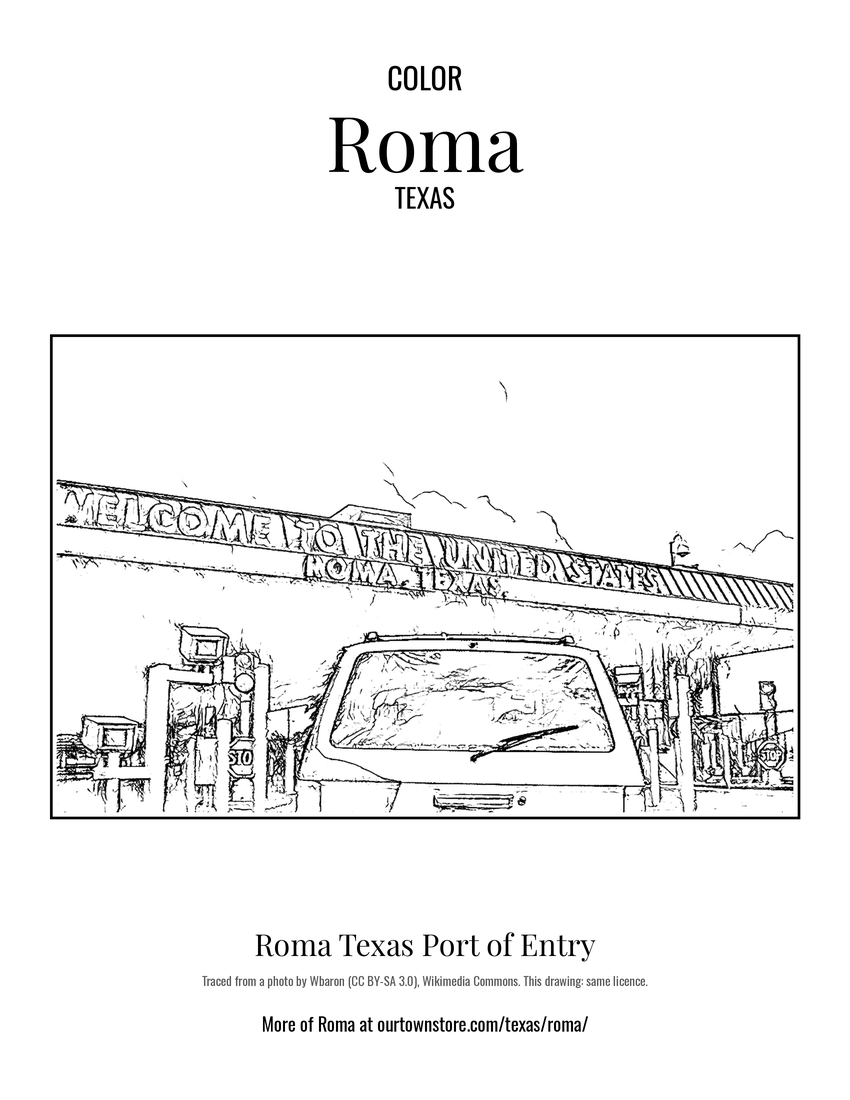 Roma Texas Port of Entry
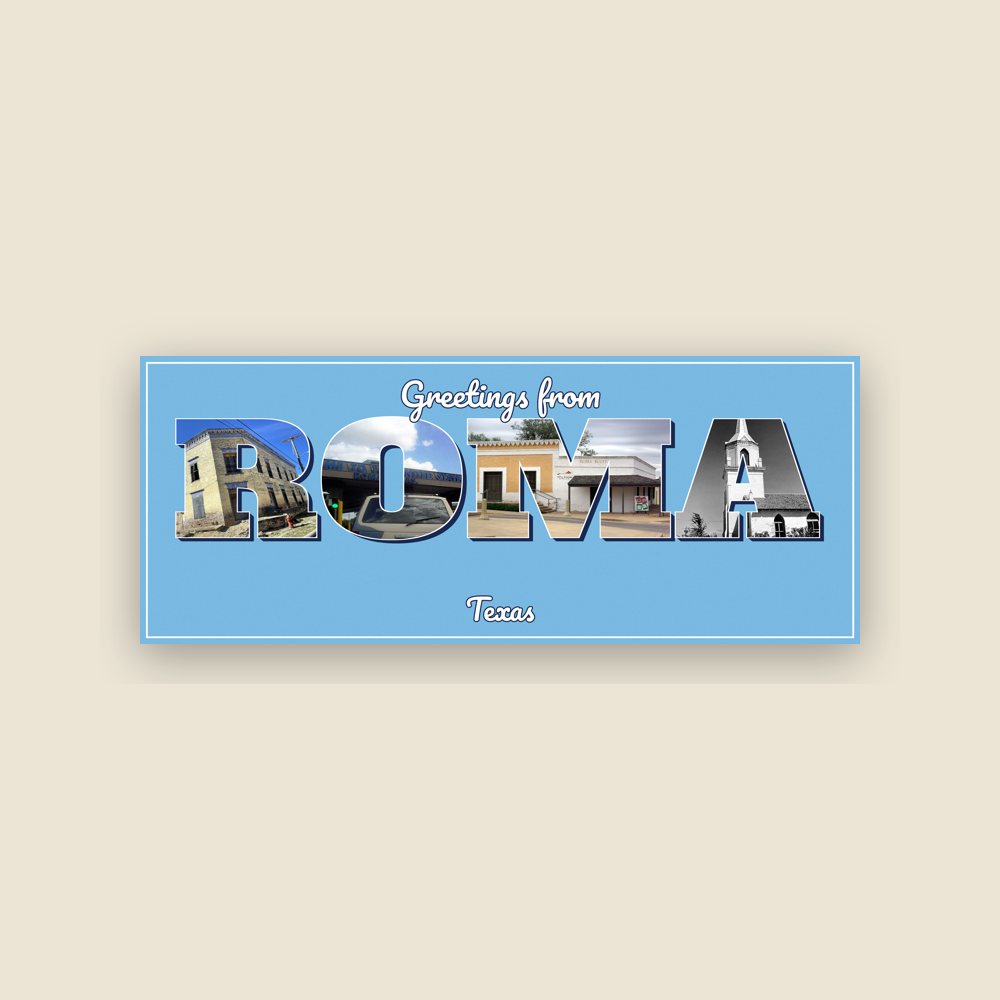
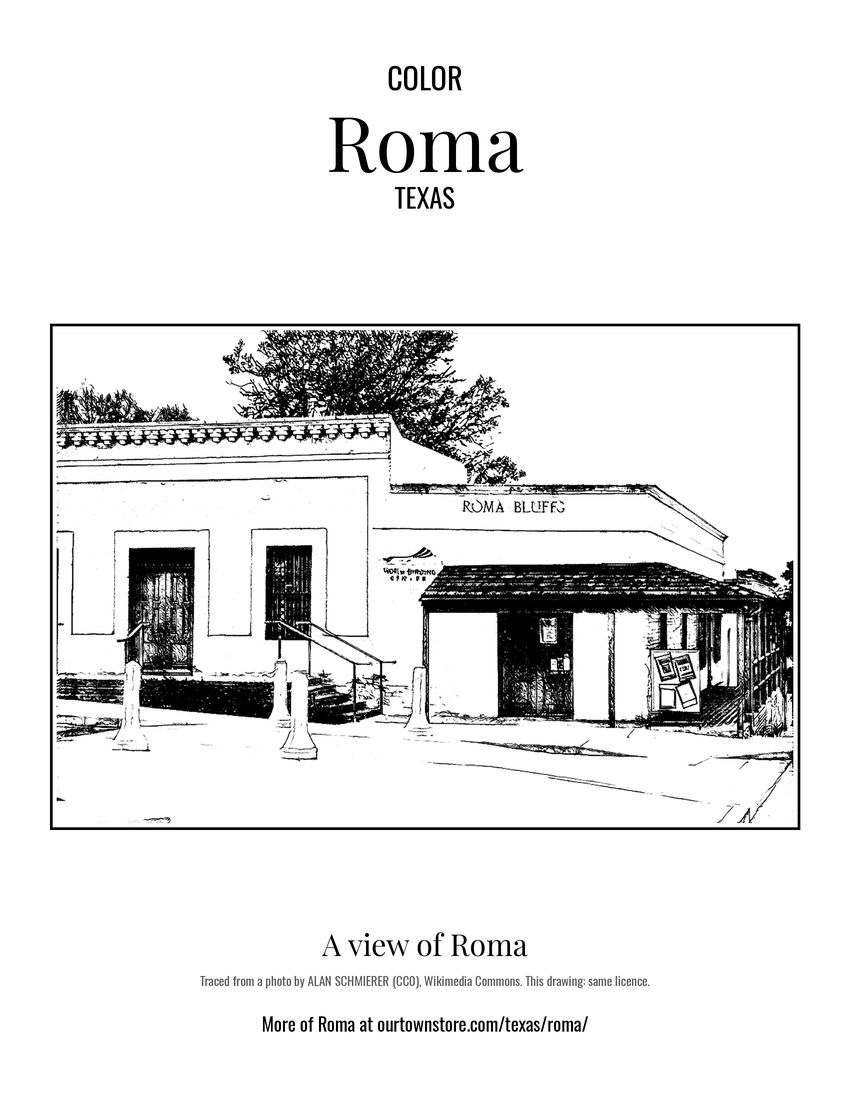 A view of Roma
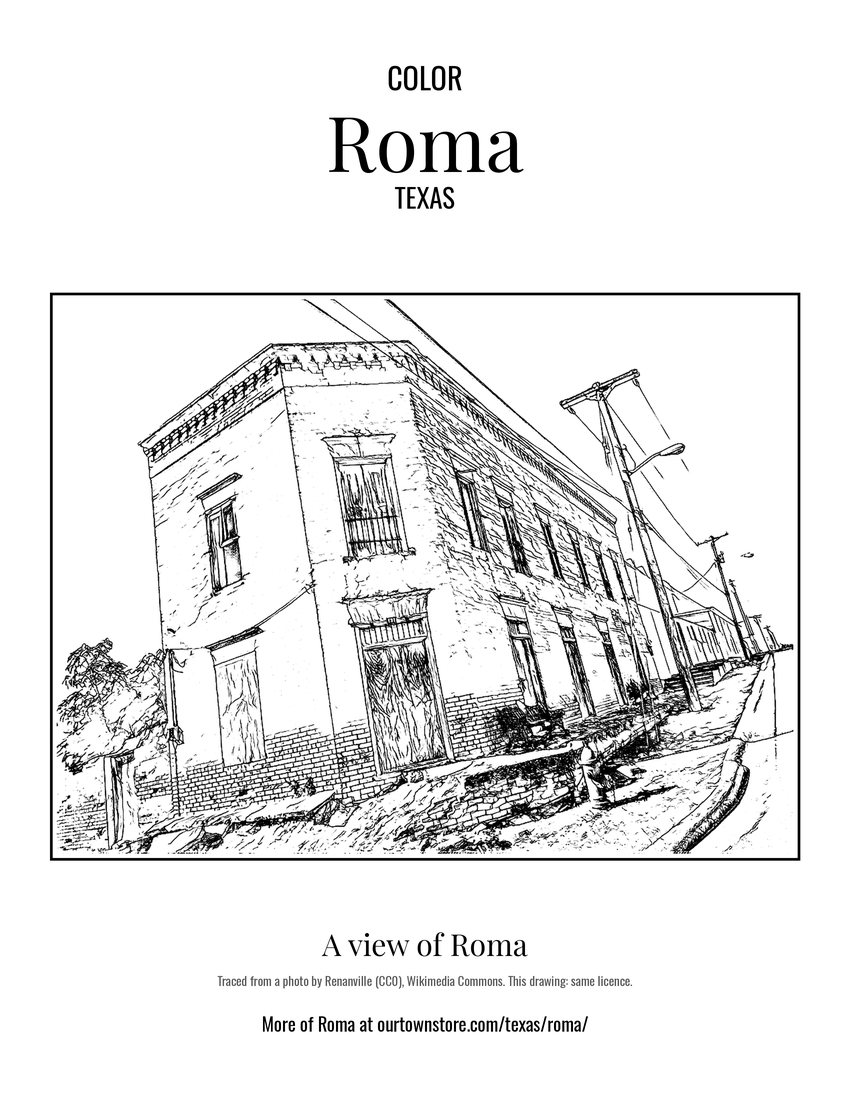 A view of Roma