A short history of Rockwall
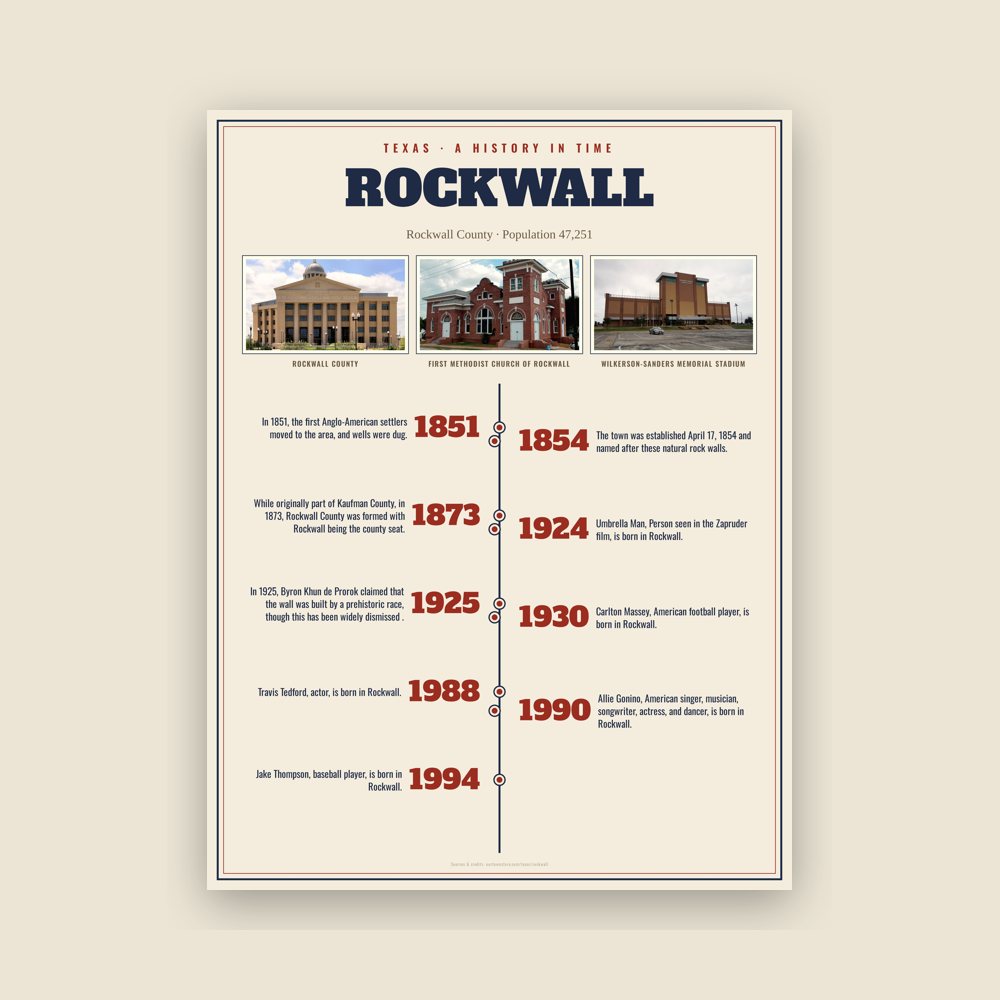
The association of Paleo-Indian artifacts with extinct Pleistocene mammal remains in various archaeological sites within the Texas Prairie-Savannah Region of eastern North Central Texas, including a site in Collin County, and Clovis points recovered from the Brushy Creek Clovis Site in Hunt County demonstrates that the Rockwall region was occupied by prehistoric Native American cultures at least as far back as 13,500 to 13,000 years ago. More recently, the Rockwall region was occupied by Caddo Indians. Creek Indians moved to the area in the early 19th century. In 1925, Byron Khun de Prorok claimed that the wall was built by a prehistoric race, though this has been widely dismissed .
In 1851, the first Anglo-American settlers moved to the area, and wells were dug. During the digging, they found large underground rock walls that were initially believed to be man-made. Later study of the wall-like features by geologists and archaeologists found them to be jointed, natural sandstone dikes that had intruded Cretaceous marl. The wall, when viewed from above, runs in long straight lines with angles that form a near perfect rectangle. The eastern wall has several deviations that run in straight lines with sharp angles, which would be unusual for a natural formation in an already unusual closed loop wall formation.
The town was established April 17, 1854 and named after these natural rock walls. While originally part of Kaufman County, in 1873, Rockwall County was formed with Rockwall being the county seat.
Adapted (trimmed) from the Wikipedia article Rockwall, Texas, revision 1384535696 by its contributors, licensed CC BY-SA 4.0.

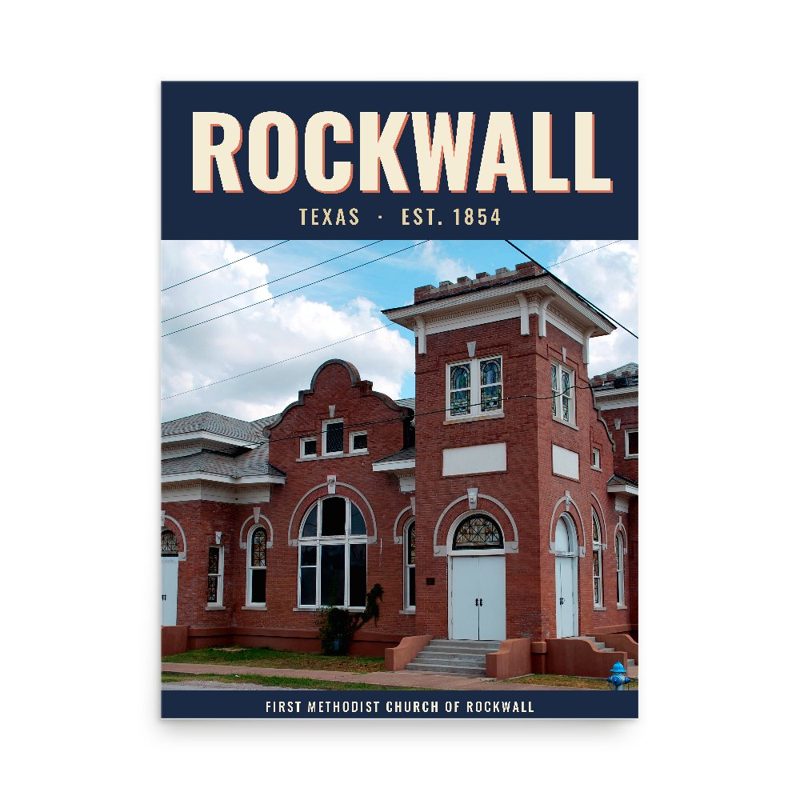
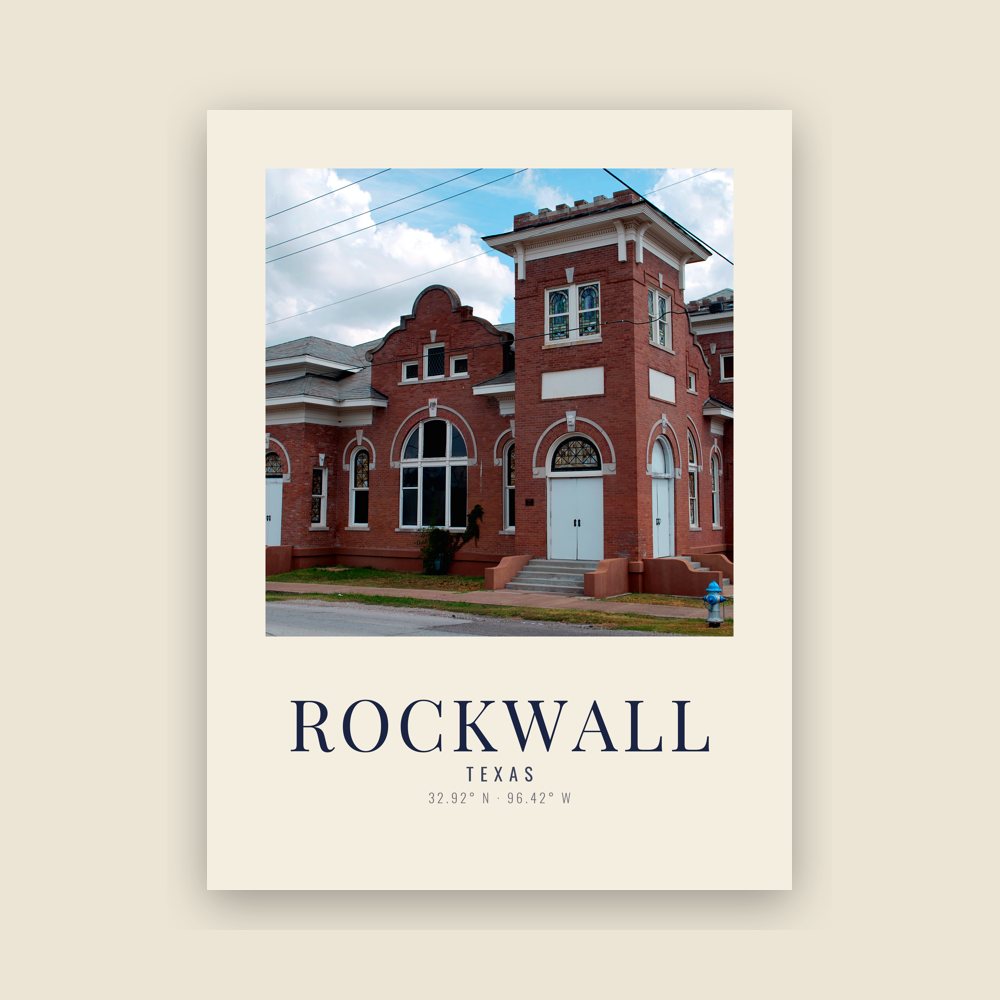
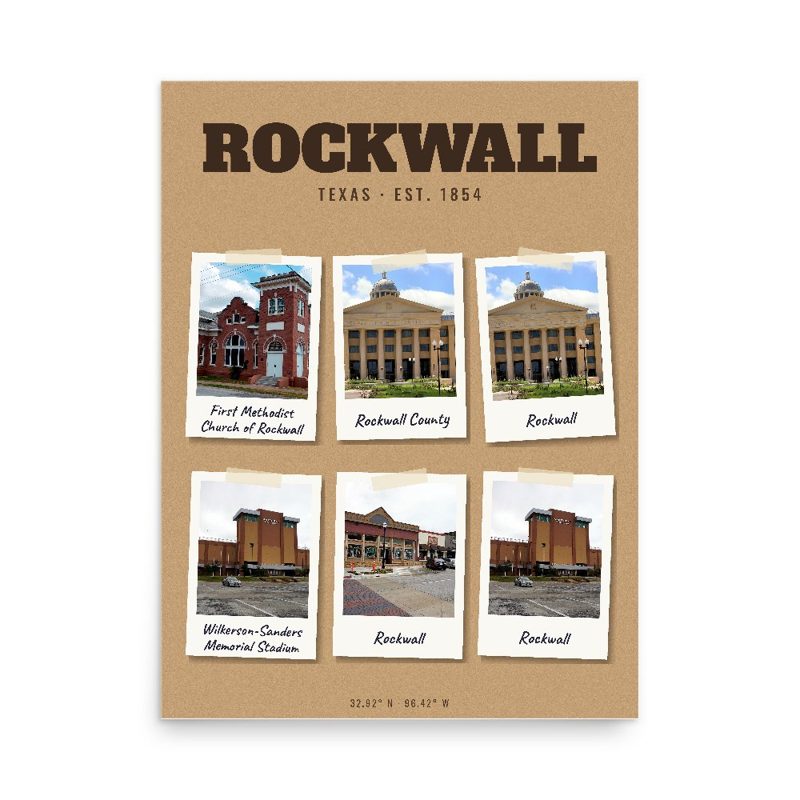
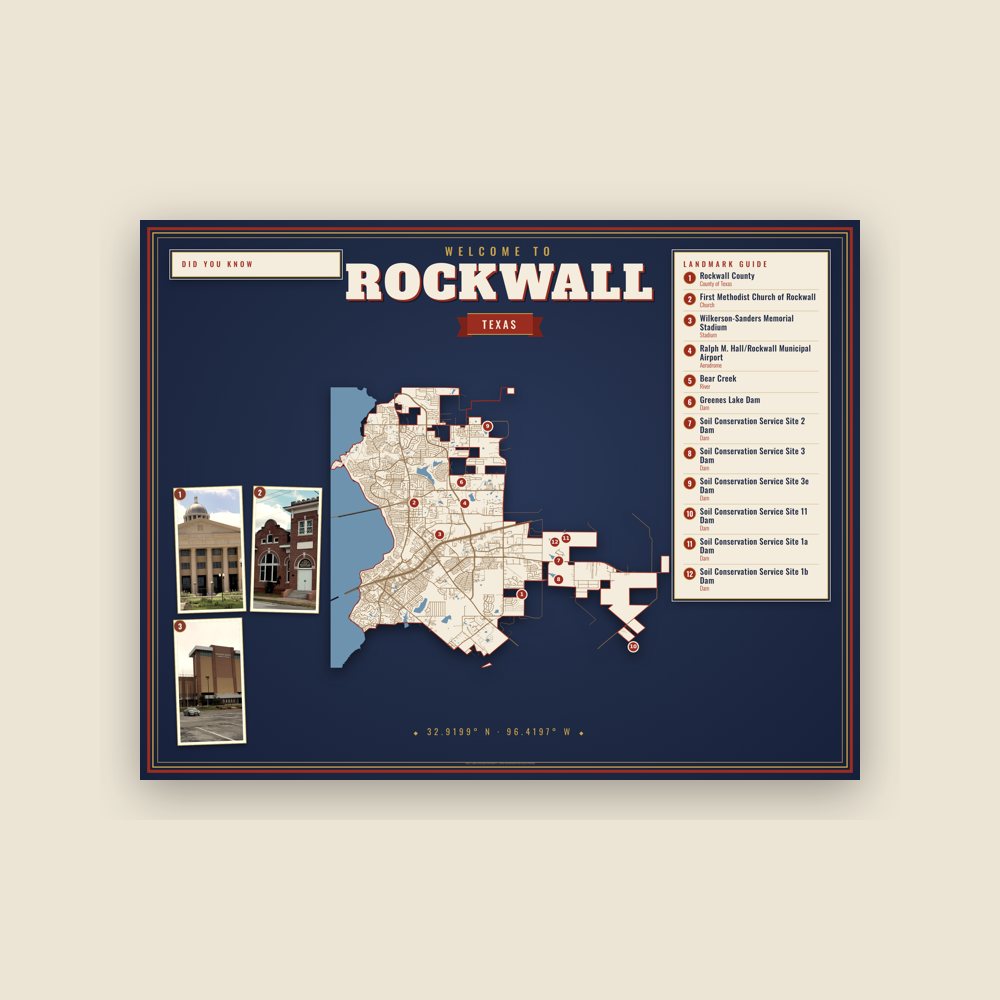





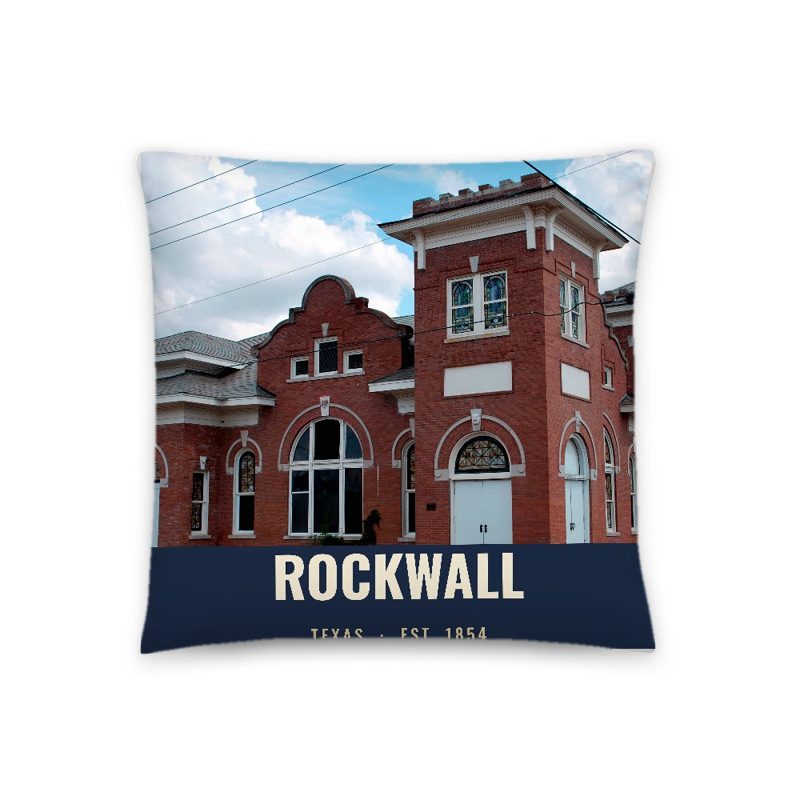

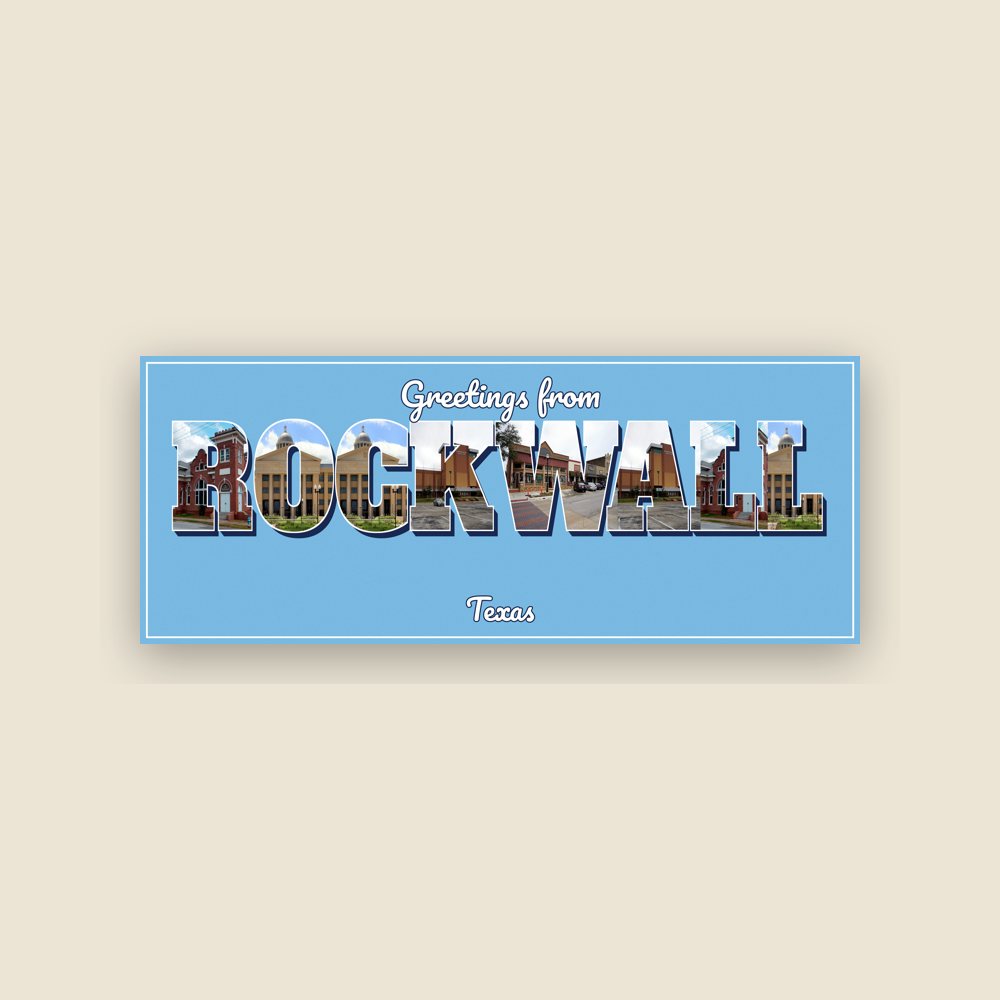

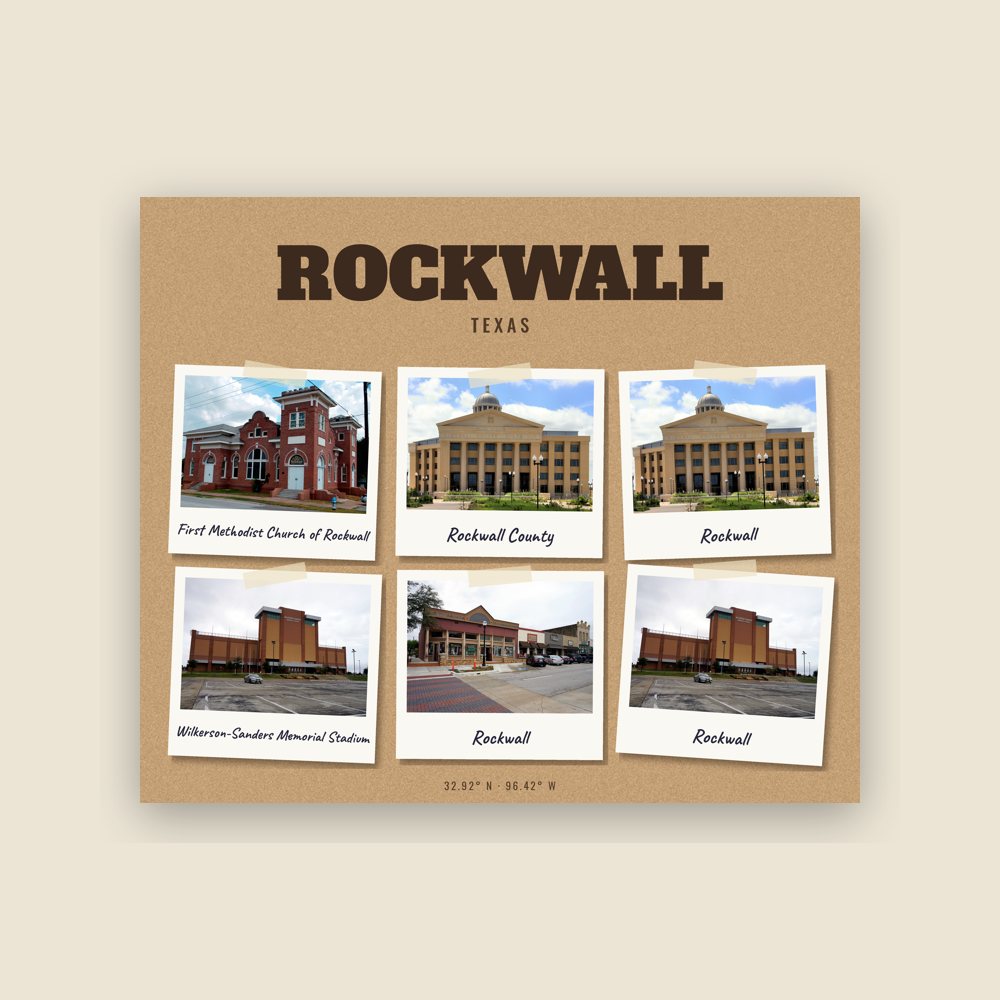

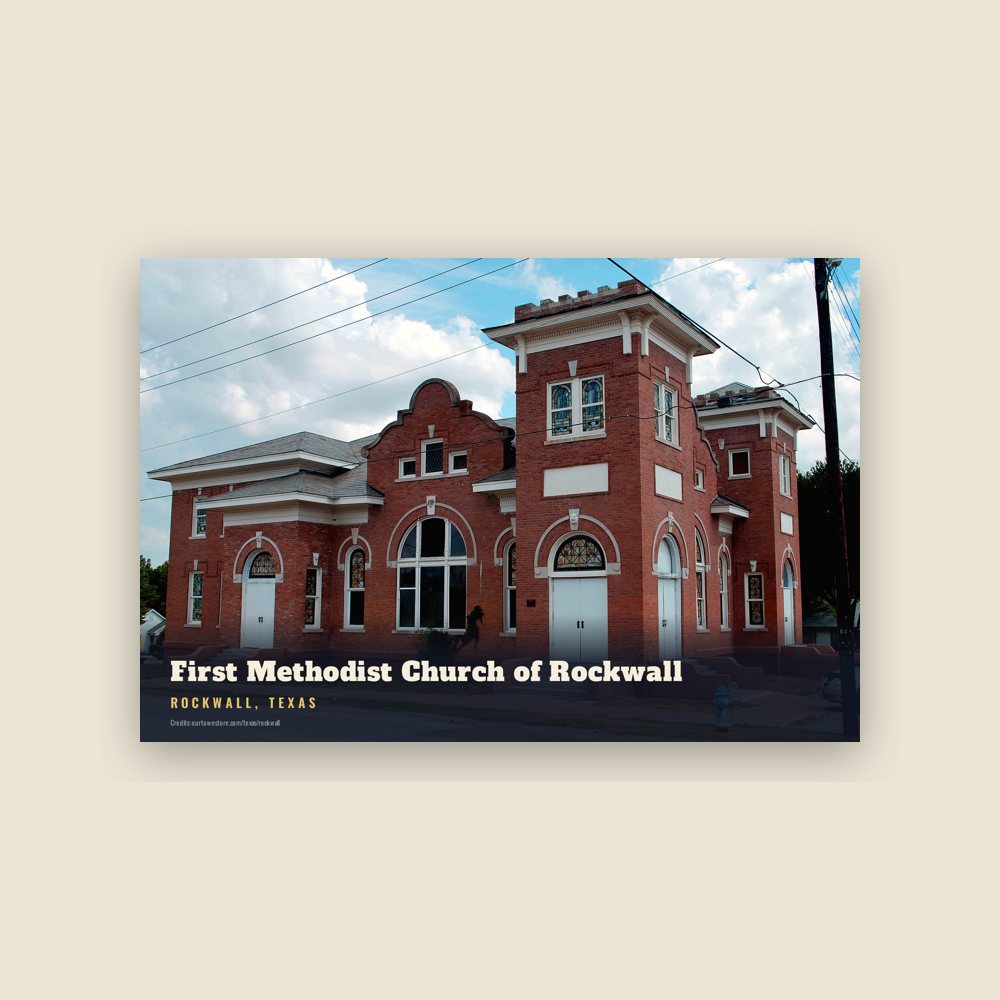
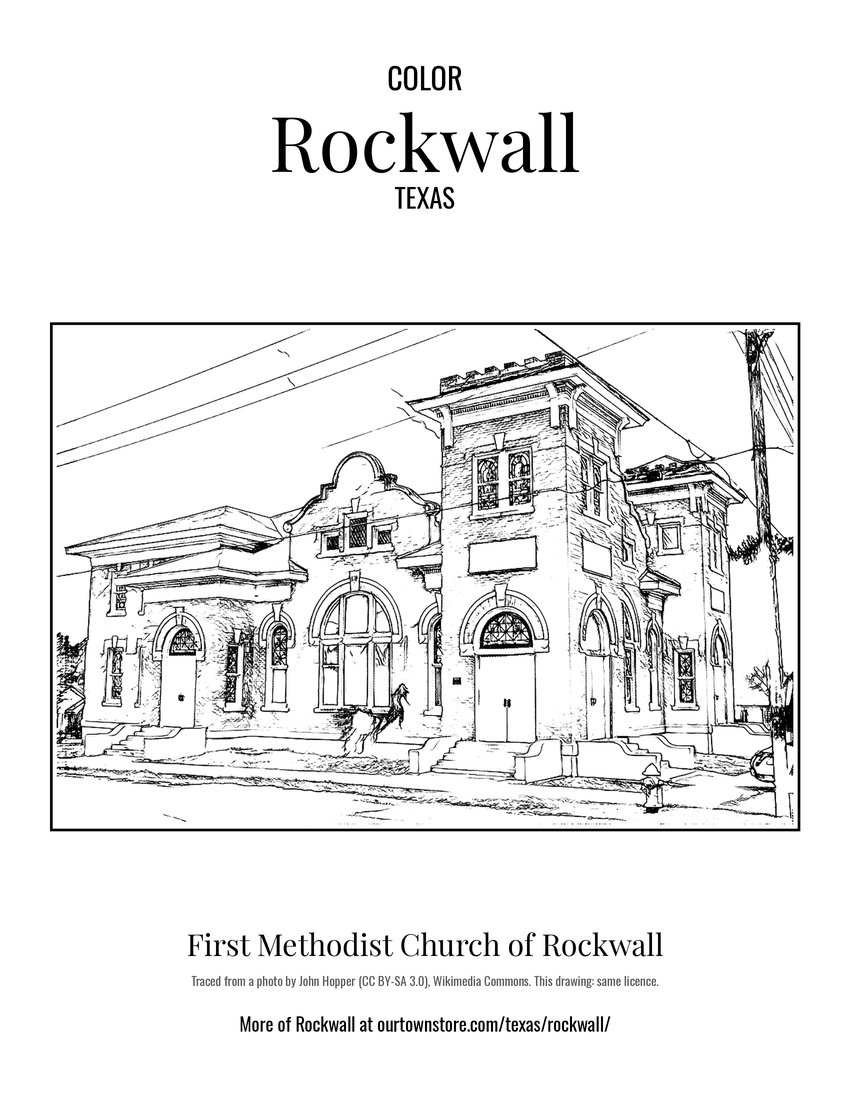 First Methodist Church of Rockwall
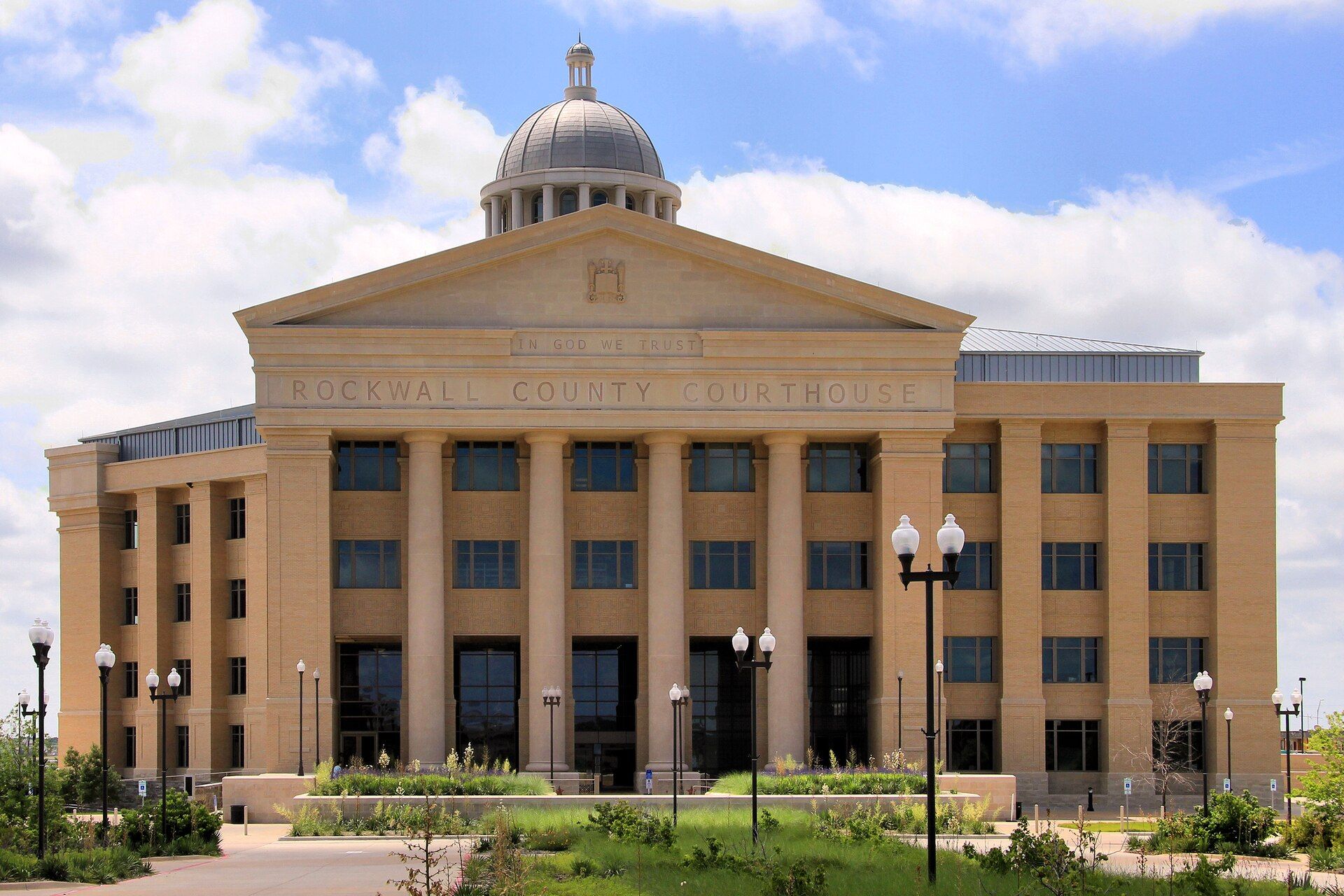
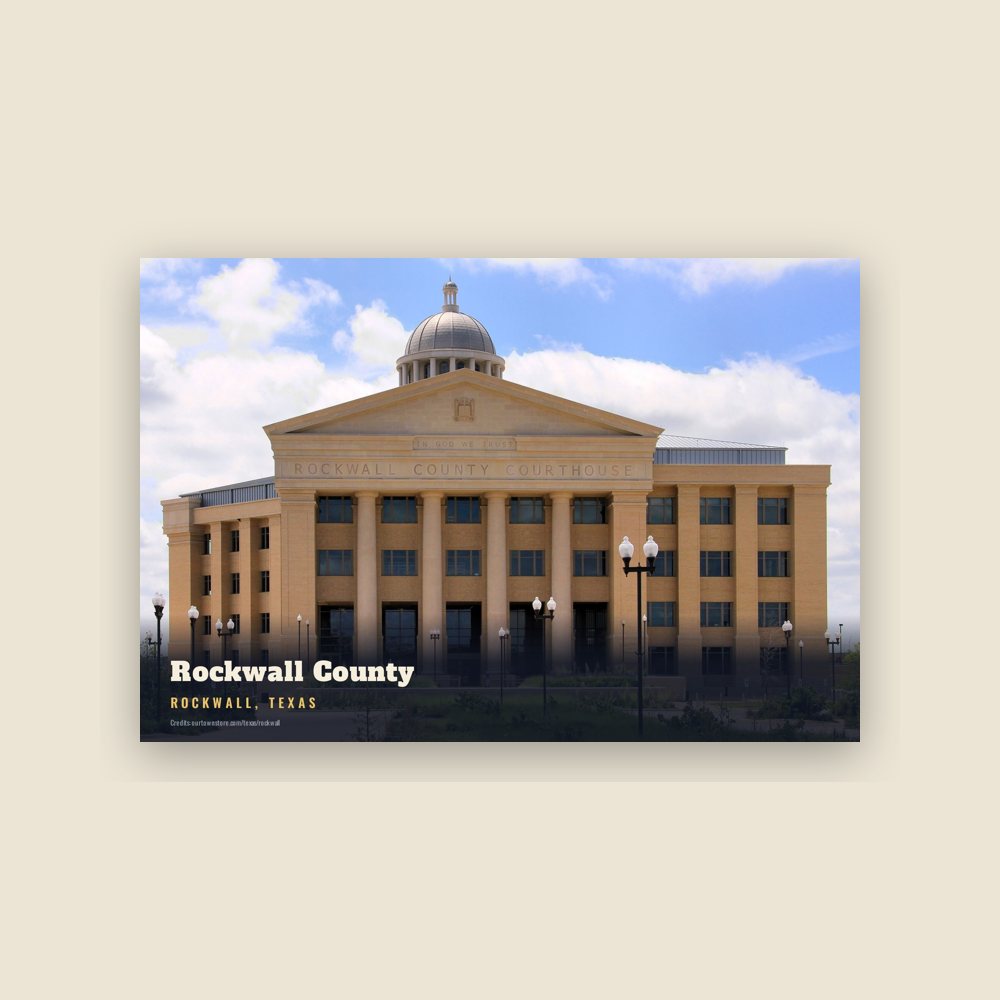
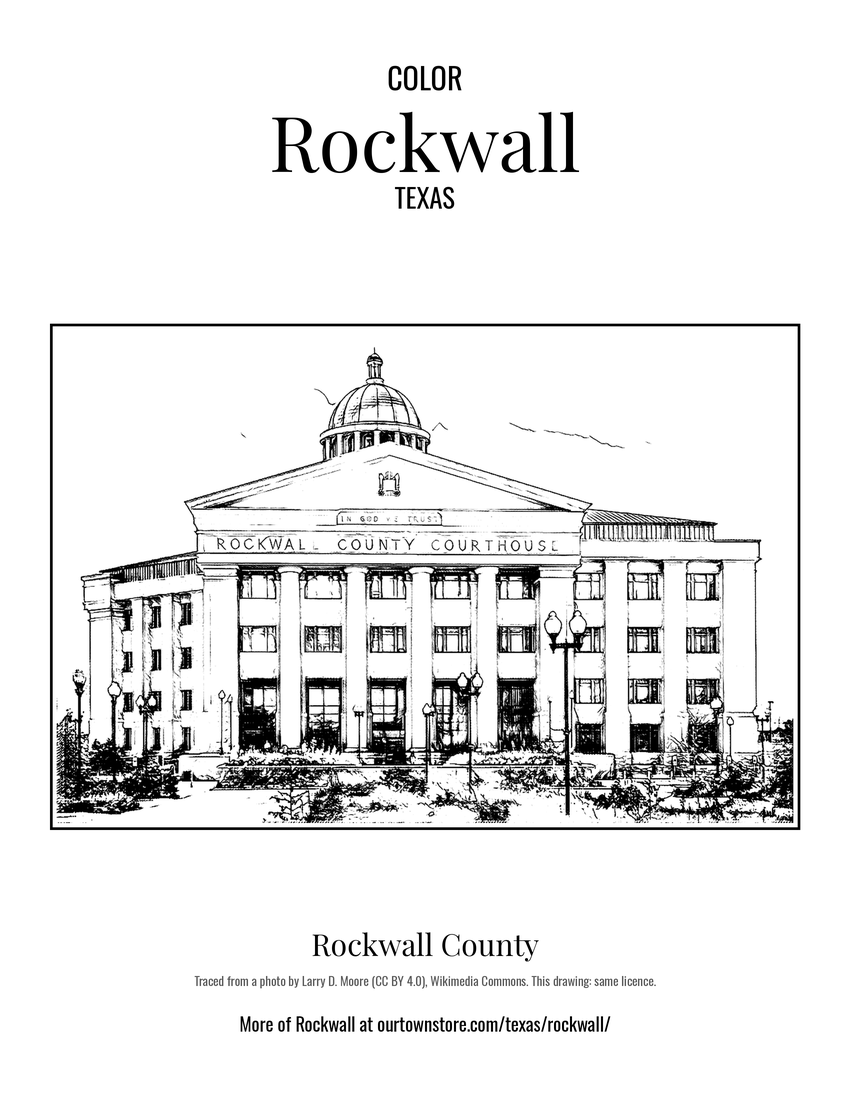 Rockwall County
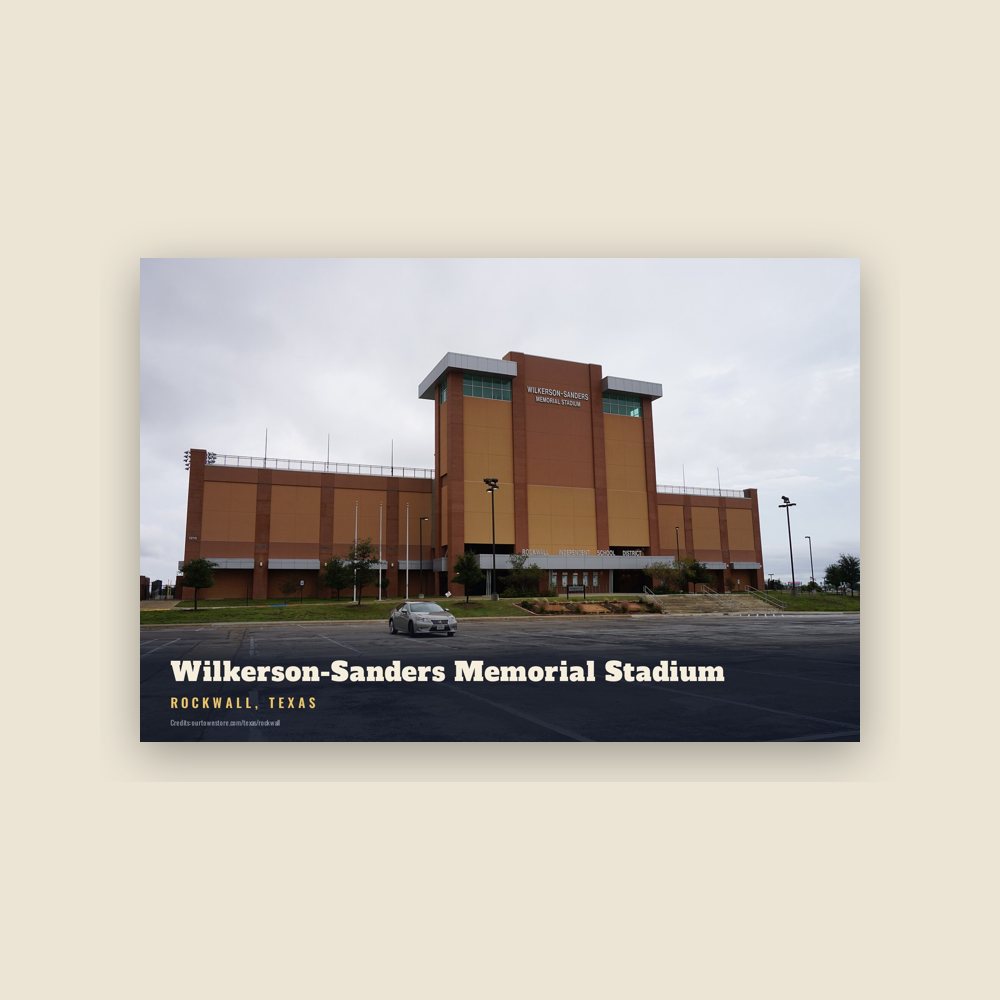
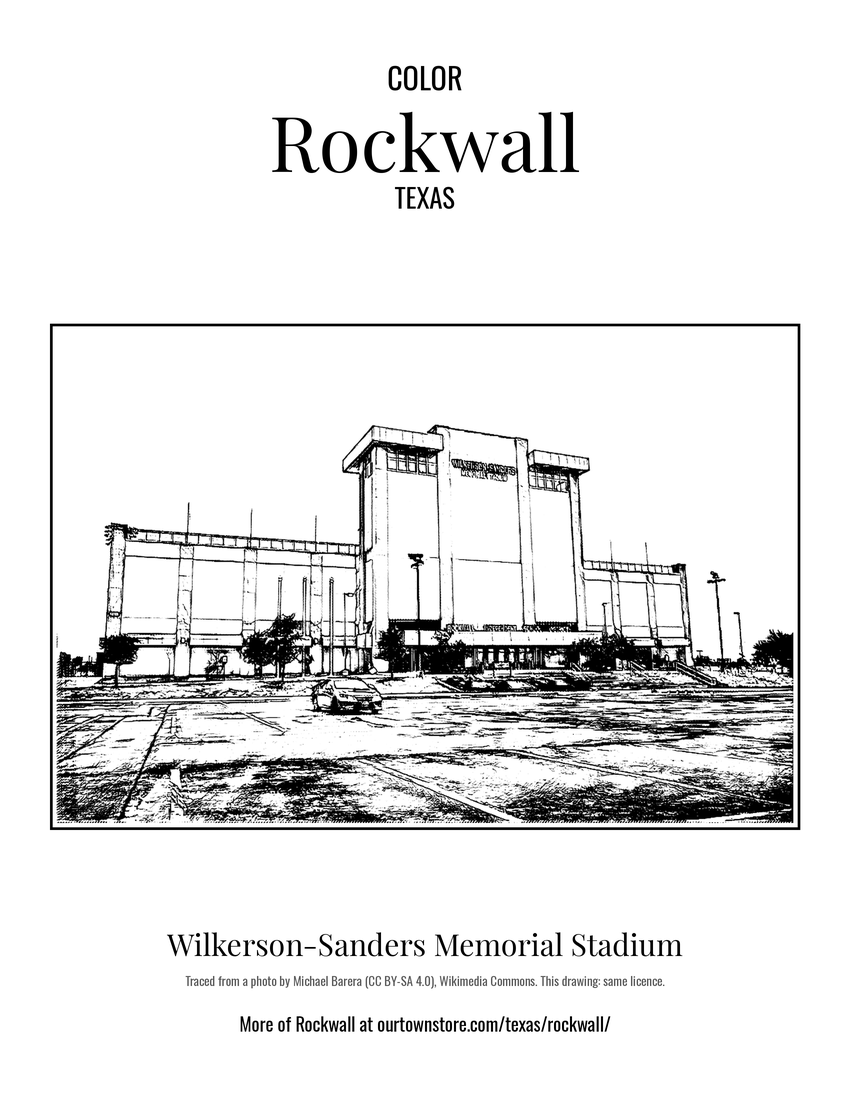 Wilkerson-Sanders Memorial Stadium
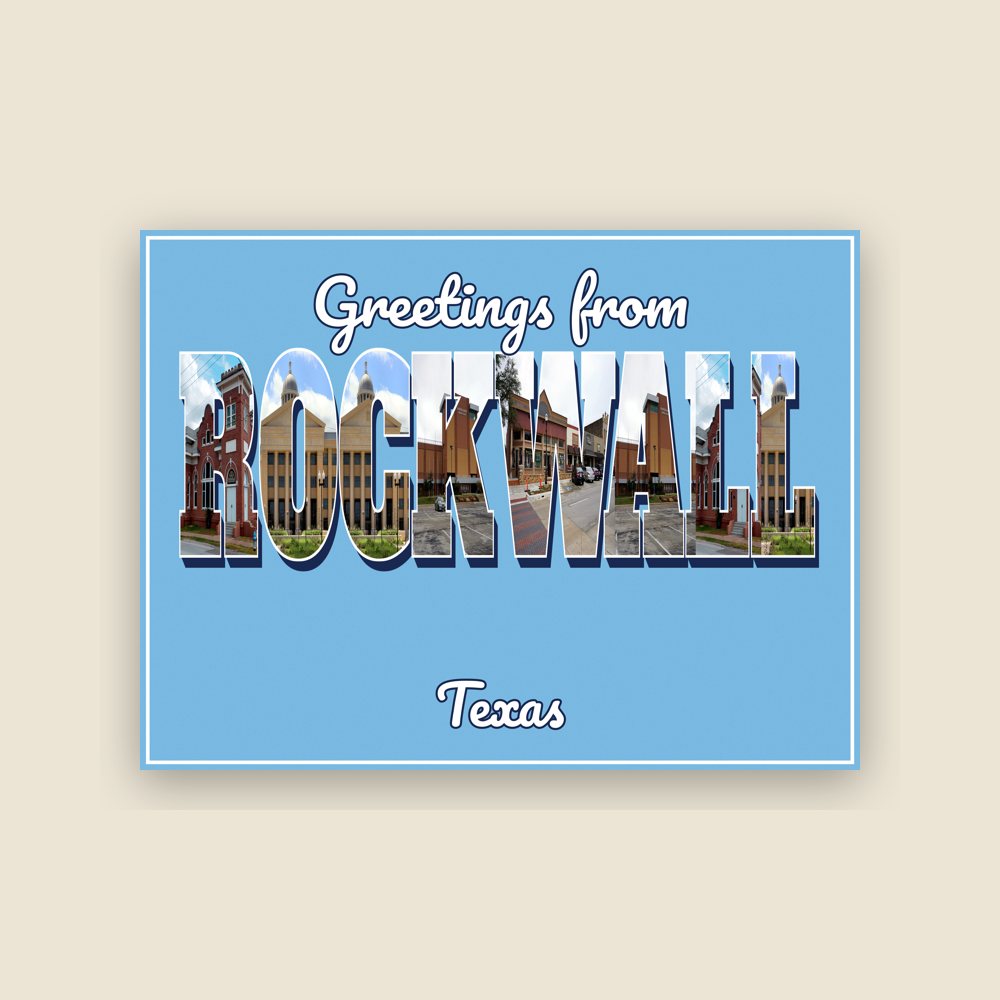
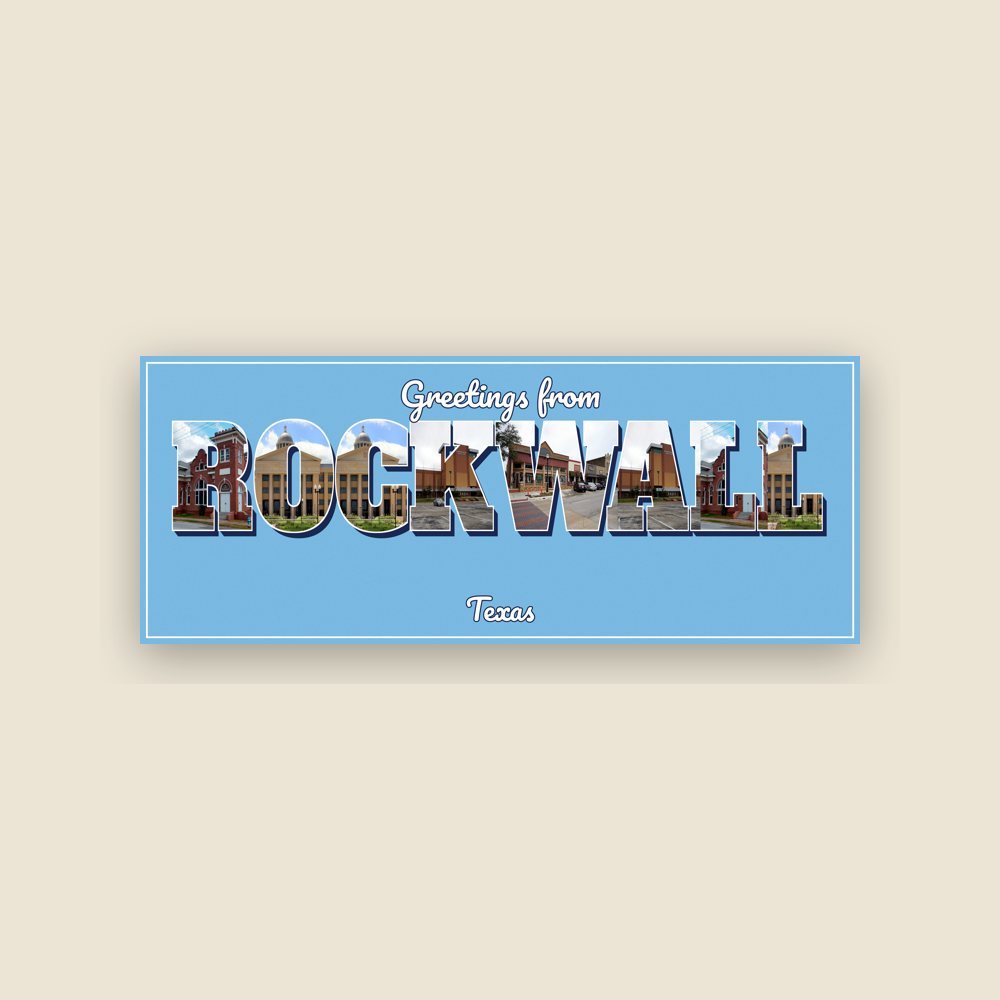
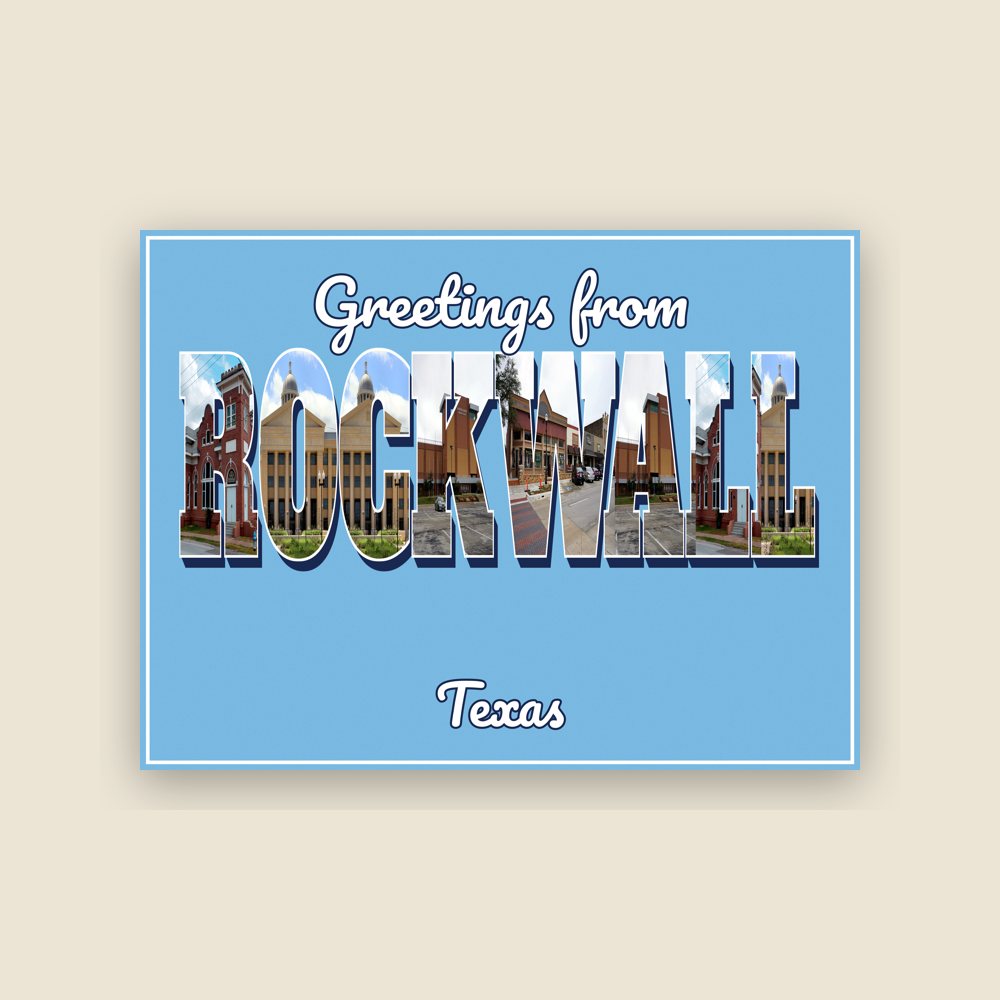
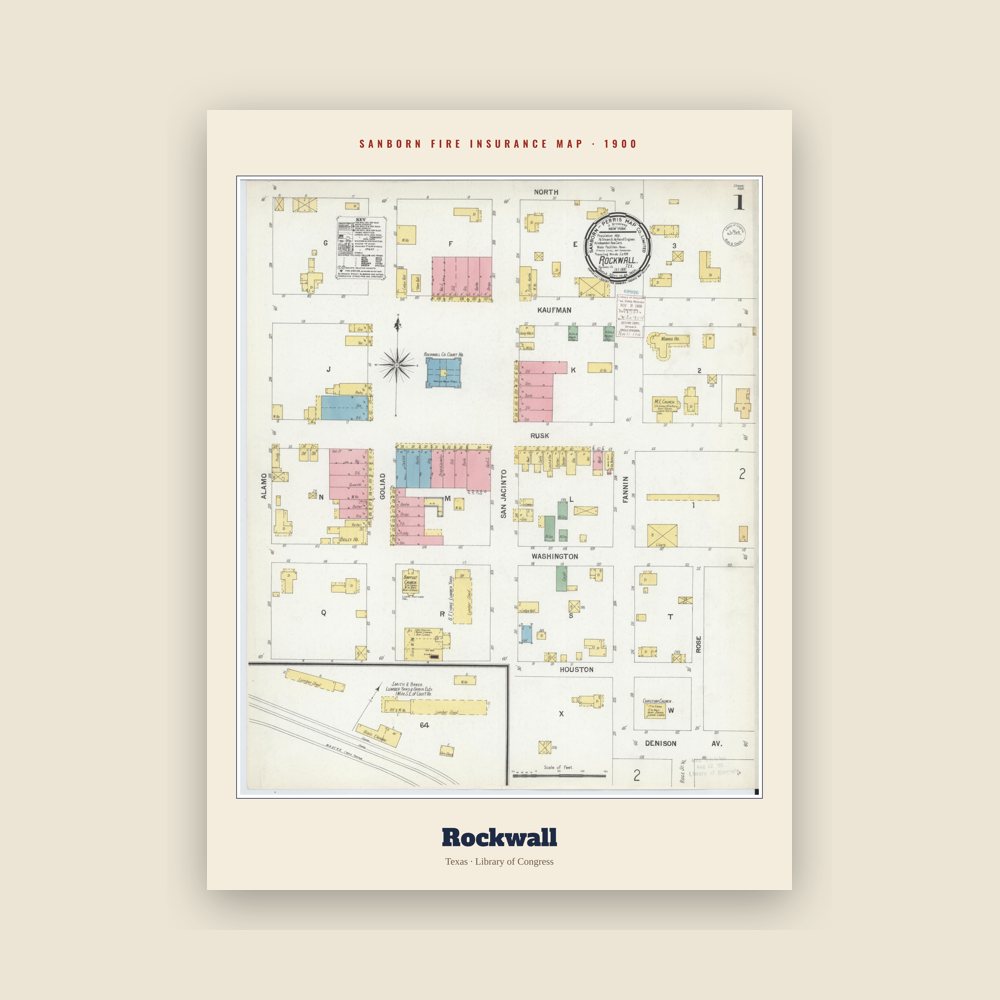
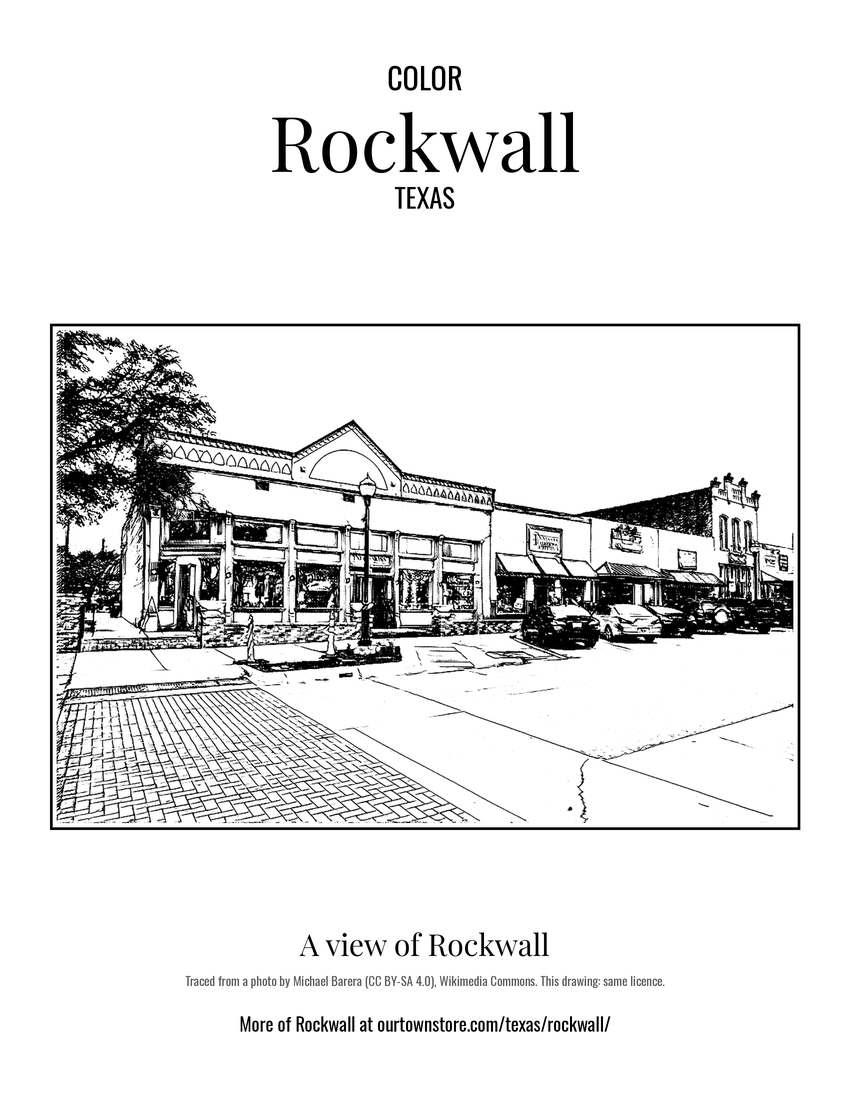 A view of Rockwall