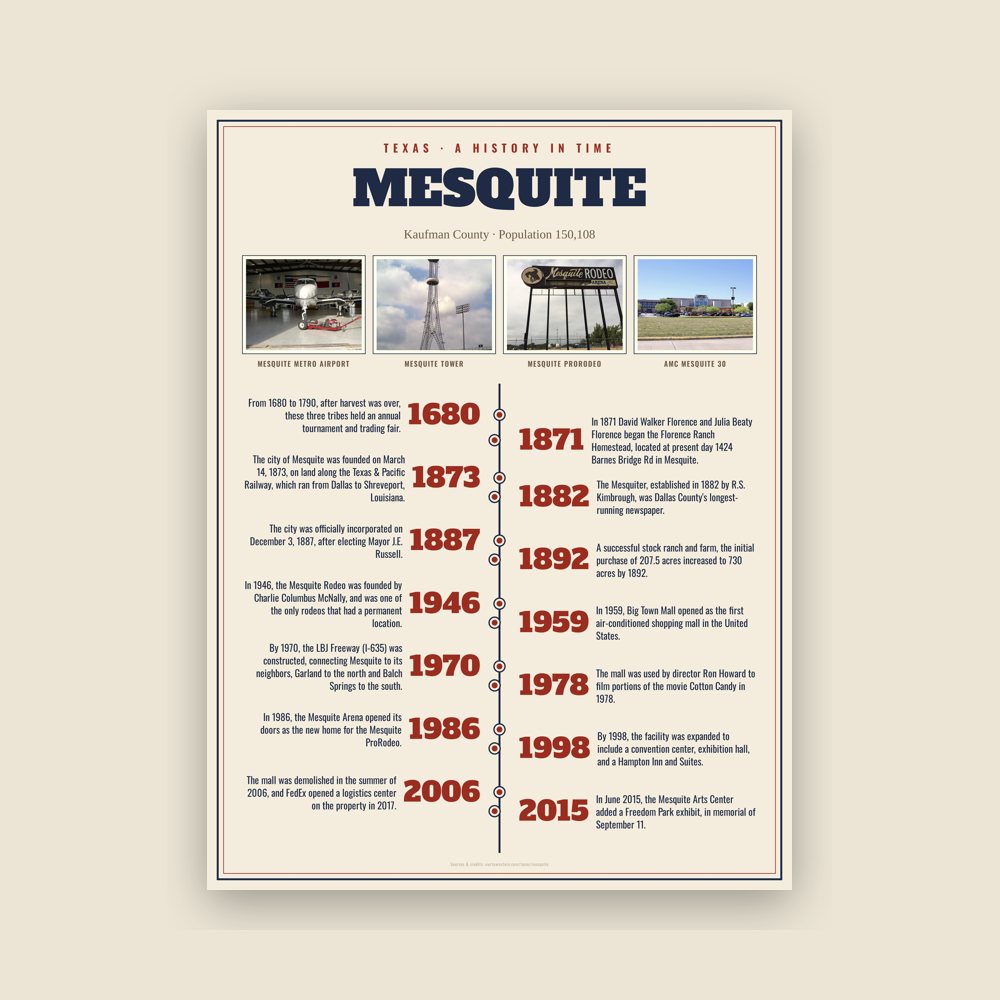
Centuries before American settlers moved into the area, Mesquite was an open prairie land and a key trading ground for indigenous peoples. The Ionies were a western tribe located close to present-day Fort Worth. The Tawakonies were in present-day Dallas. Finally, the Caddo were the native farmers of the Mesquite land. From 1680 to 1790, after harvest was over, these three tribes held an annual tournament and trading fair.
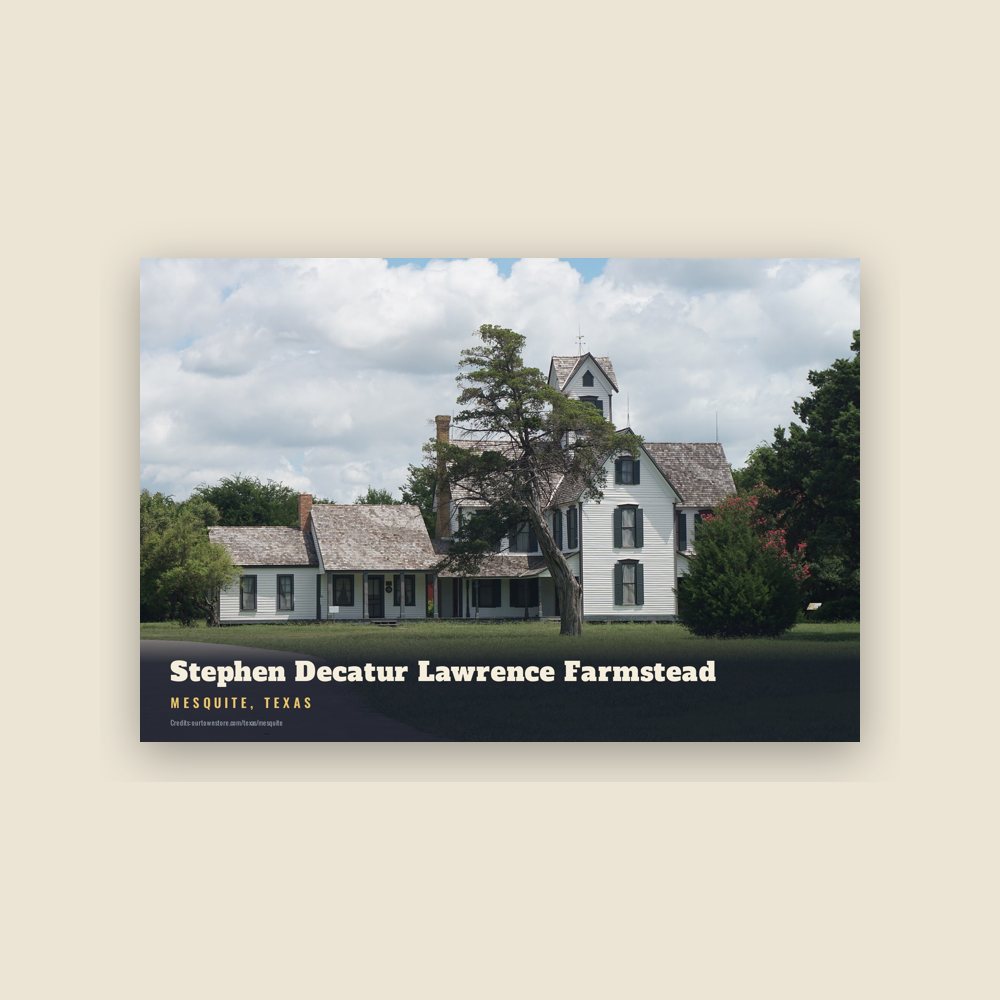
In 1871 David Walker Florence and Julia Beaty Florence began the Florence Ranch Homestead, located at present day 1424 Barnes Bridge Rd in Mesquite. A successful stock ranch and farm, the initial purchase of 207.5 acres increased to 730 acres by 1892. The original home is now a historic house museum located on 4 acres of park land.
Read the full history
Settlement
The city of Mesquite was founded on March 14, 1873, on land along the Texas & Pacific Railway, which ran from Dallas to Shreveport, Louisiana. The locals then named the town after Mesquite Creek. The city was officially incorporated on December 3, 1887, after electing Mayor J.E. Russell.
In the city's earliest years, it was known for many outlaws residing in the area. A prominent outlaw was Sam Bass, historically known for his train robberies in Texas. In 1878, he robbed a train in downtown Mesquite, escaping with only $152. Bass missed the $30,000 hidden by the express agent in the unused pot belly stove. The Mesquiter, established in 1882 by R.S. Kimbrough, was Dallas County's longest-running newspaper.
Development
Mesquite prospered through the late 19th and early 20th centuries as a farming community, growing cotton, hay, corn, and sugarbeets, and using the railroad to ship raw goods. The town remained predominantly agrarian until after World War II, when the suburban boom took root in Mesquite.
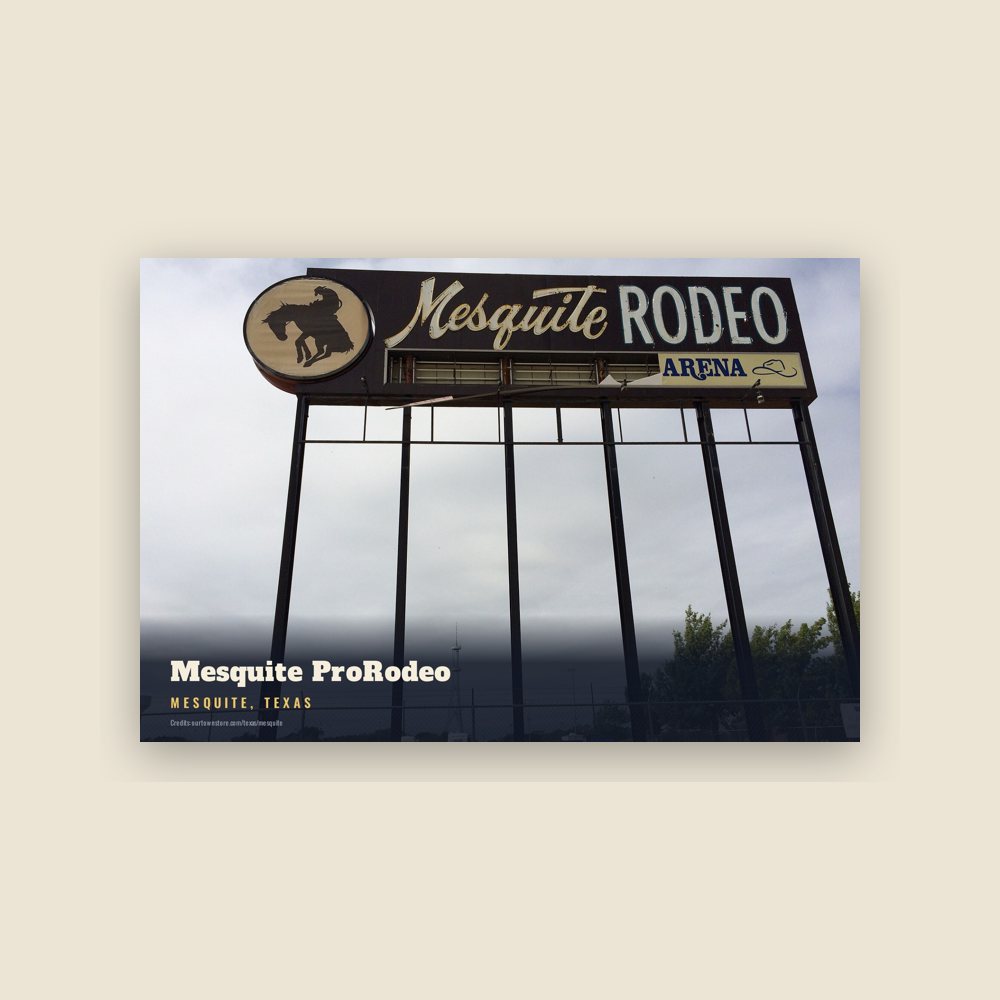
In 1946, the Mesquite Rodeo was founded by Charlie Columbus McNally, and was one of the only rodeos that had a permanent location. By the mid-1980s, the events were being broadcast by ESPN.
In 1959, Big Town Mall opened as the first air-conditioned shopping mall in the United States. Portions of the Talking Heads movie 'True Stories' were filmed at this mall. The mall was demolished in the summer of 2006, and FedEx opened a logistics center on the property in 2017.
By 1970, the LBJ Freeway (I-635) was constructed, connecting Mesquite to its neighbors, Garland to the north and Balch Springs to the south. Also, in 1971, Town East Mall was constructed. The mall was used by director Ron Howard to film portions of the movie Cotton Candy in 1978. It can also be seen in drive-by footage in the Talking Heads movie 'True Stories', by Talking Heads frontman David Byrne. The mall's associated traffic and shops would continue to grow the town.
In 1986, the Mesquite Arena opened its doors as the new home for the Mesquite ProRodeo. By 1998, the facility was expanded to include a convention center, exhibition hall, and a Hampton Inn and Suites.
In 2011, Mesquite passed a law allowing beer and wine sales in the city. The measure had been considered several times for many years, but was always blocked by strong protest against the proposed sales. It was one of the few cities without beer and wine sales in eastern Dallas County before the law came into effect.
In June 2015, the Mesquite Arts Center added a Freedom Park exhibit, in memorial of September 11. The park displays a 15-foot (4.6 m) beam that was recovered from the remains of Ground Zero. The Mesquite Fire Department received the beam in 2011.
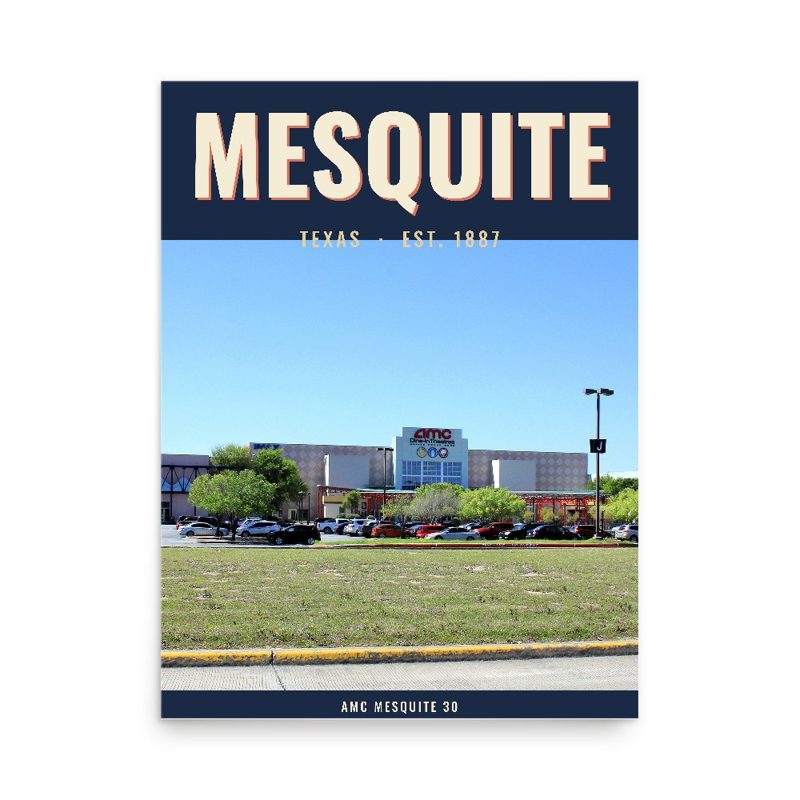
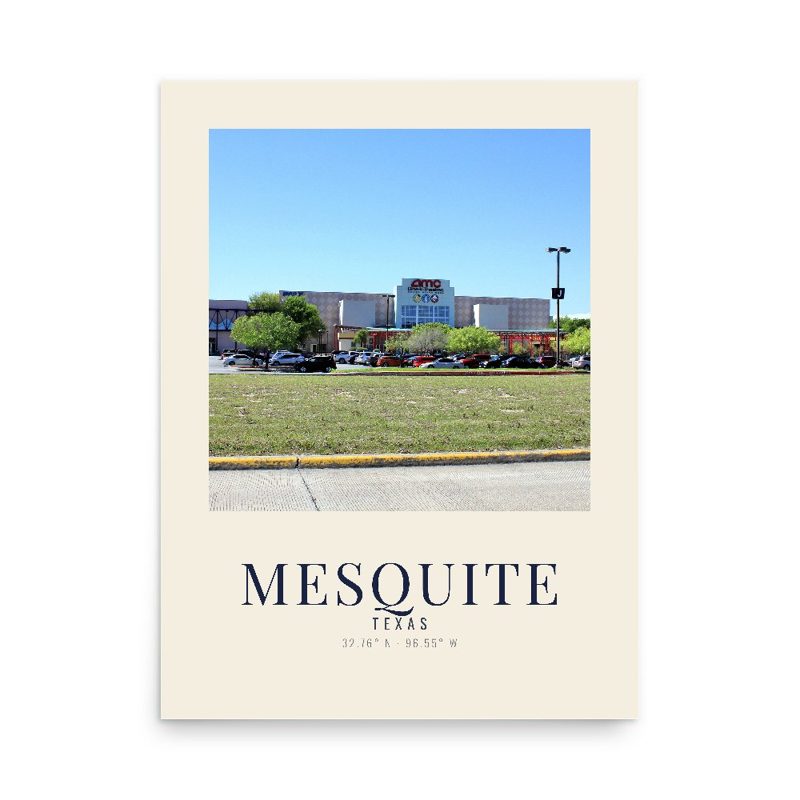
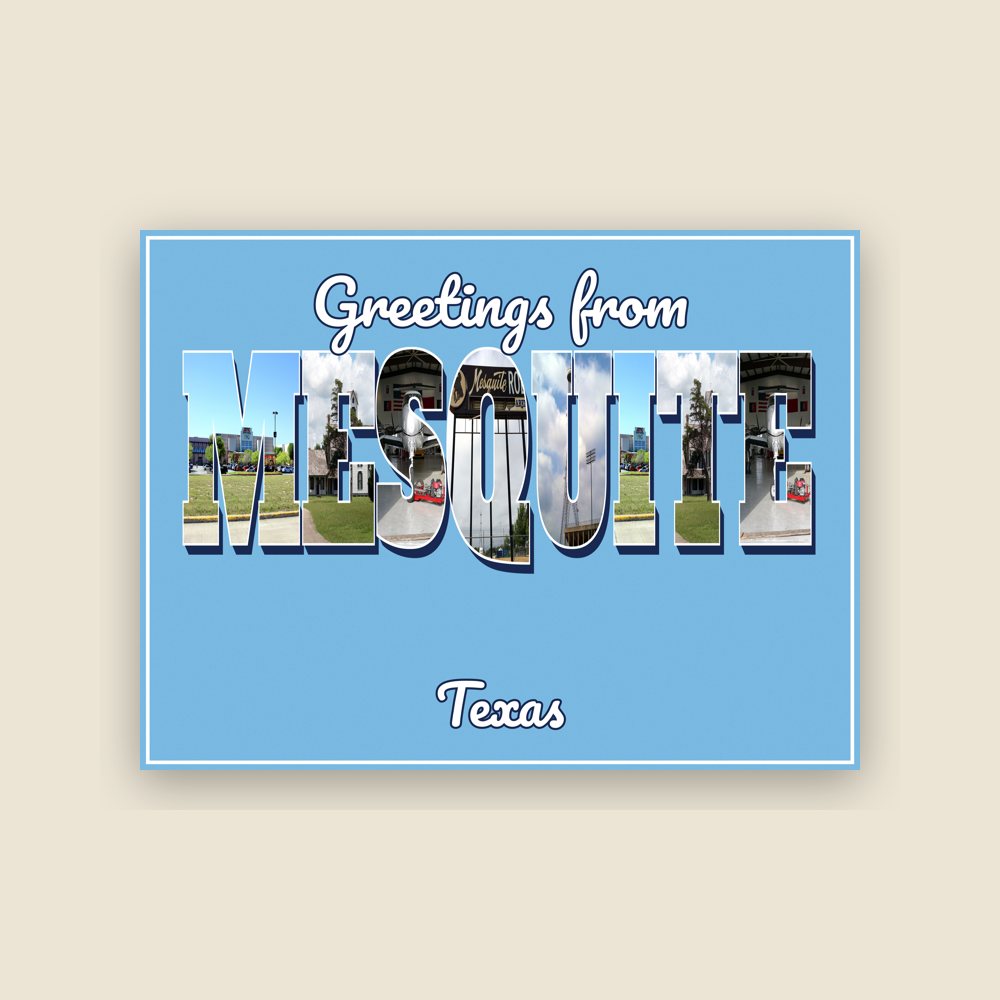
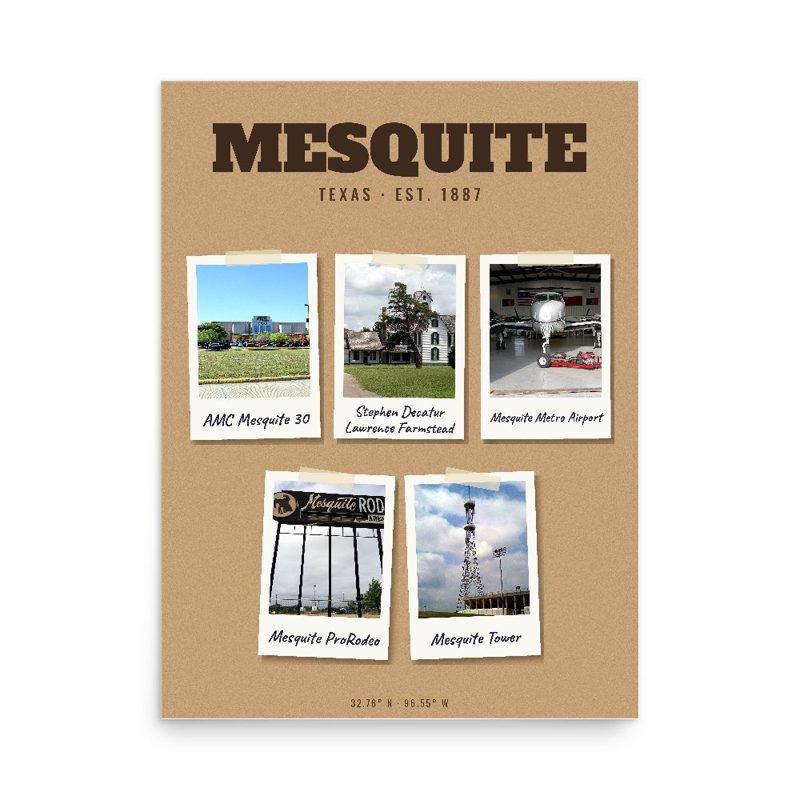
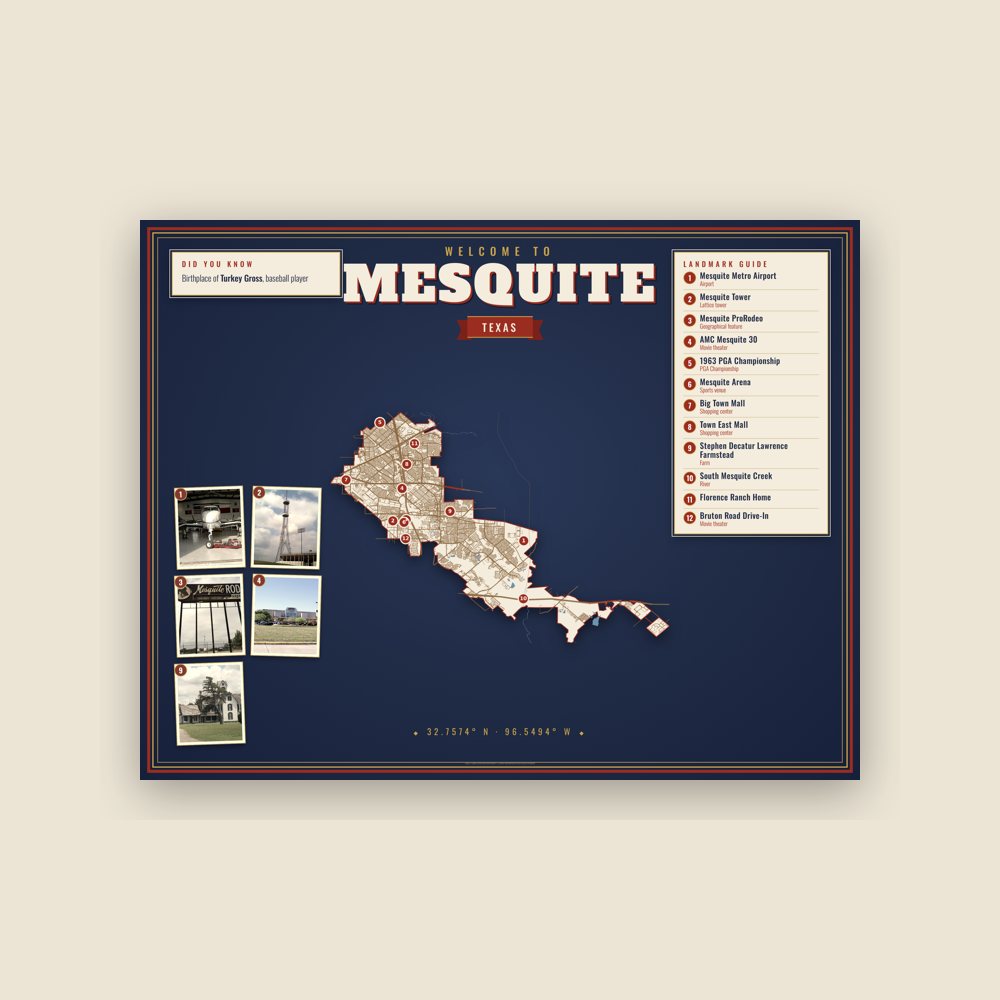
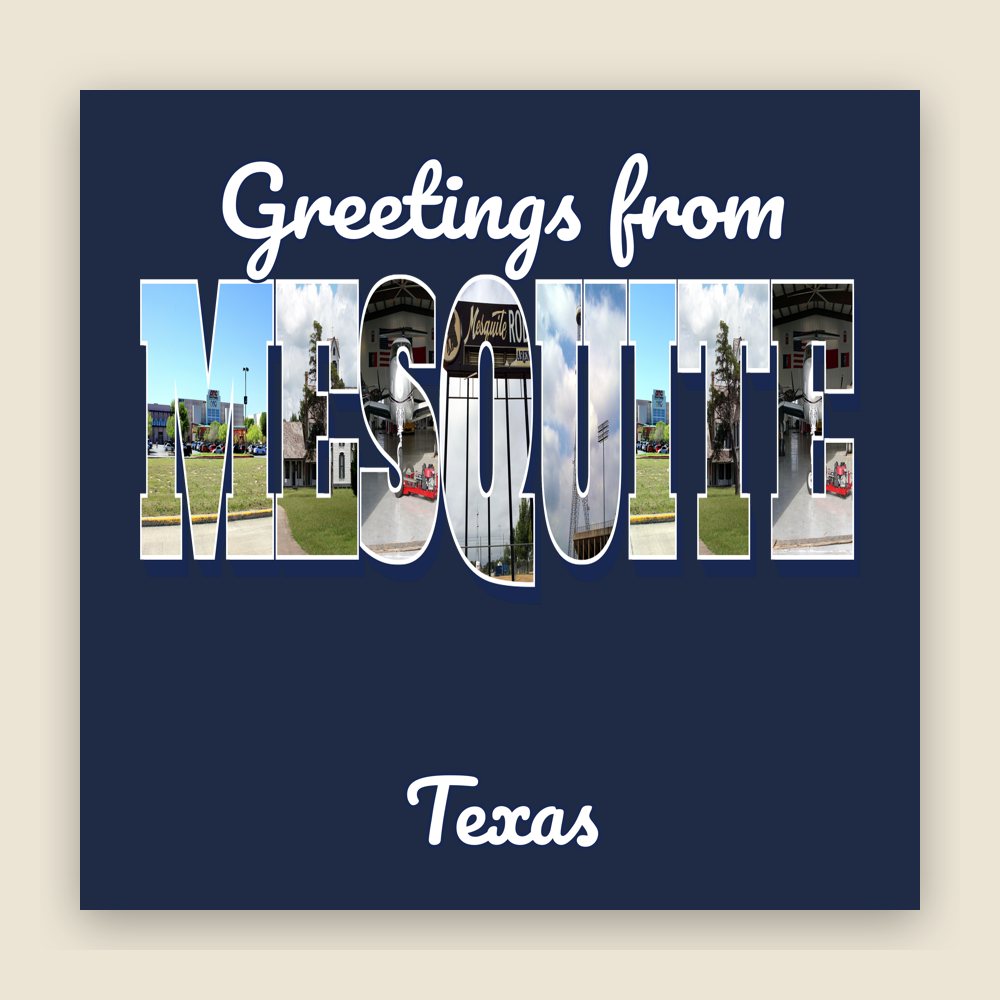

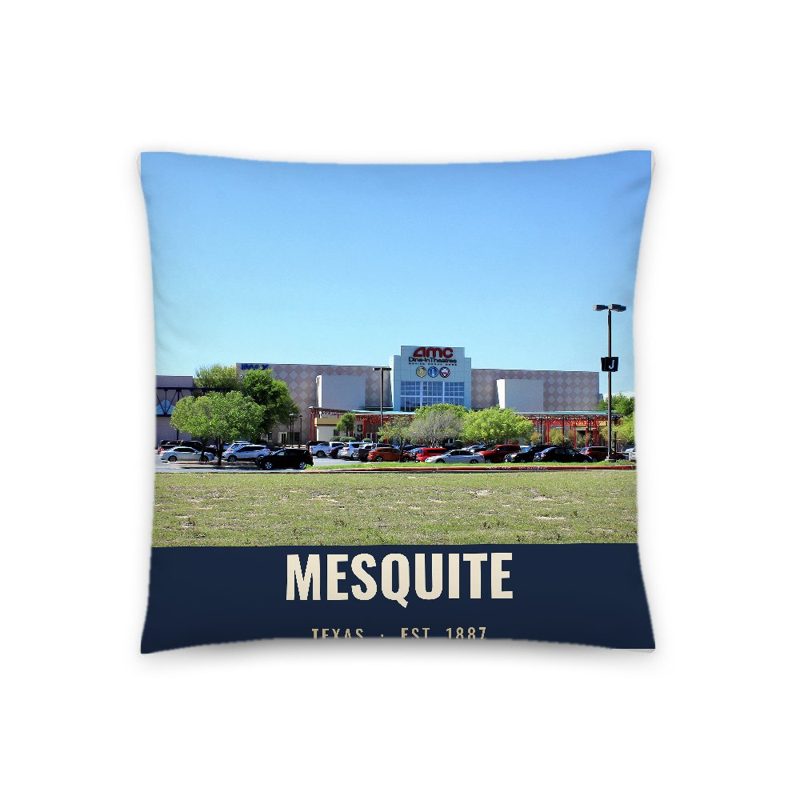
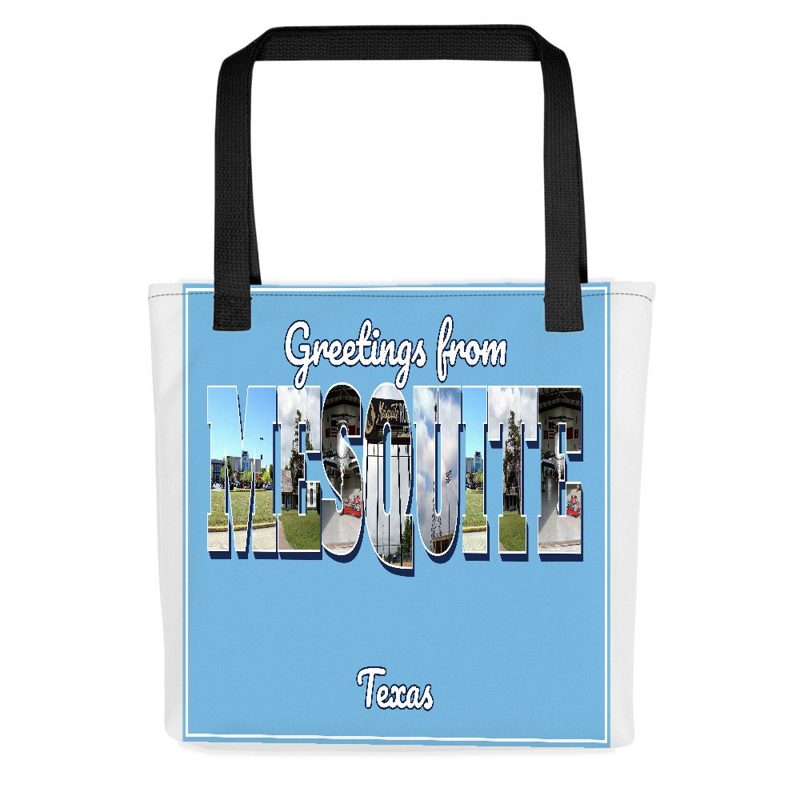
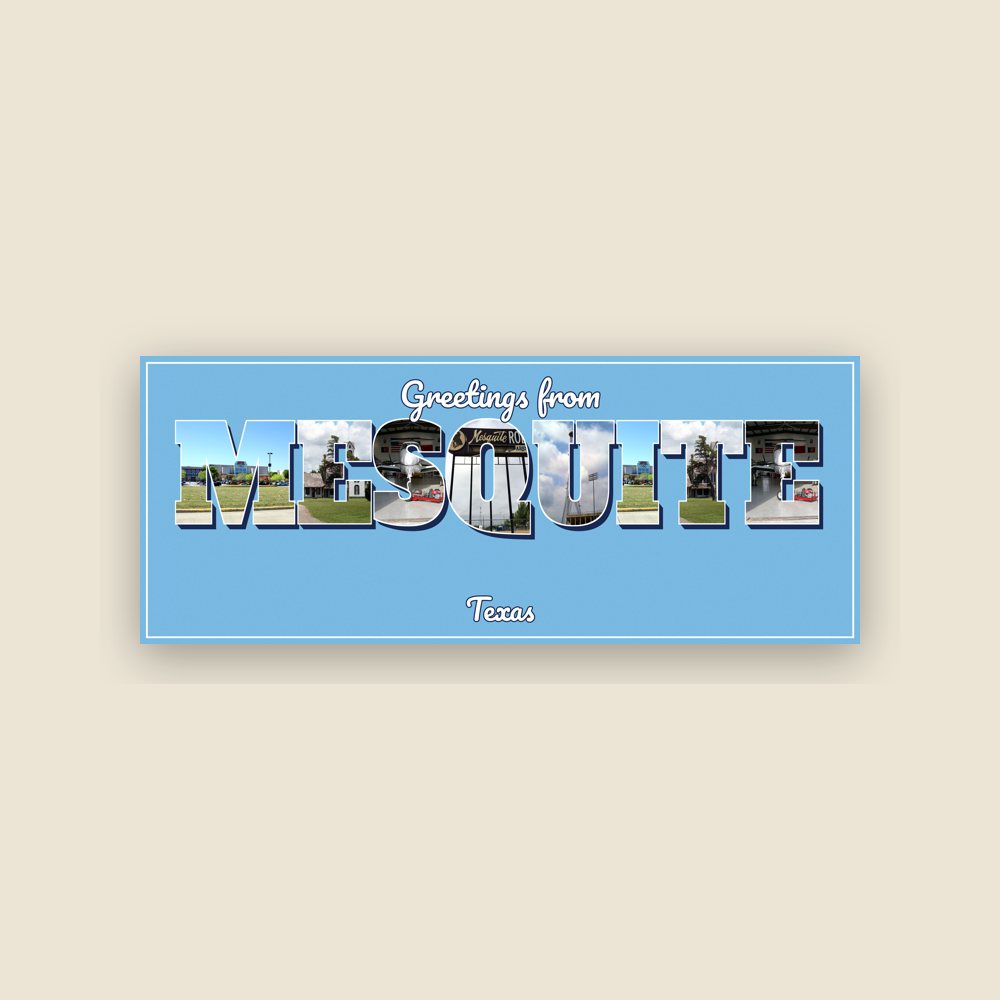
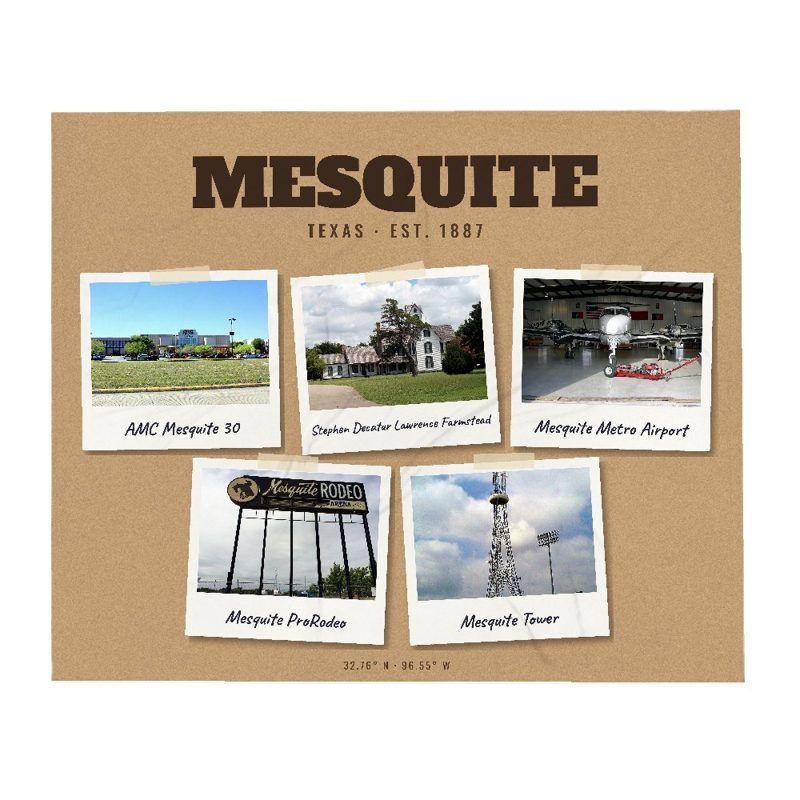
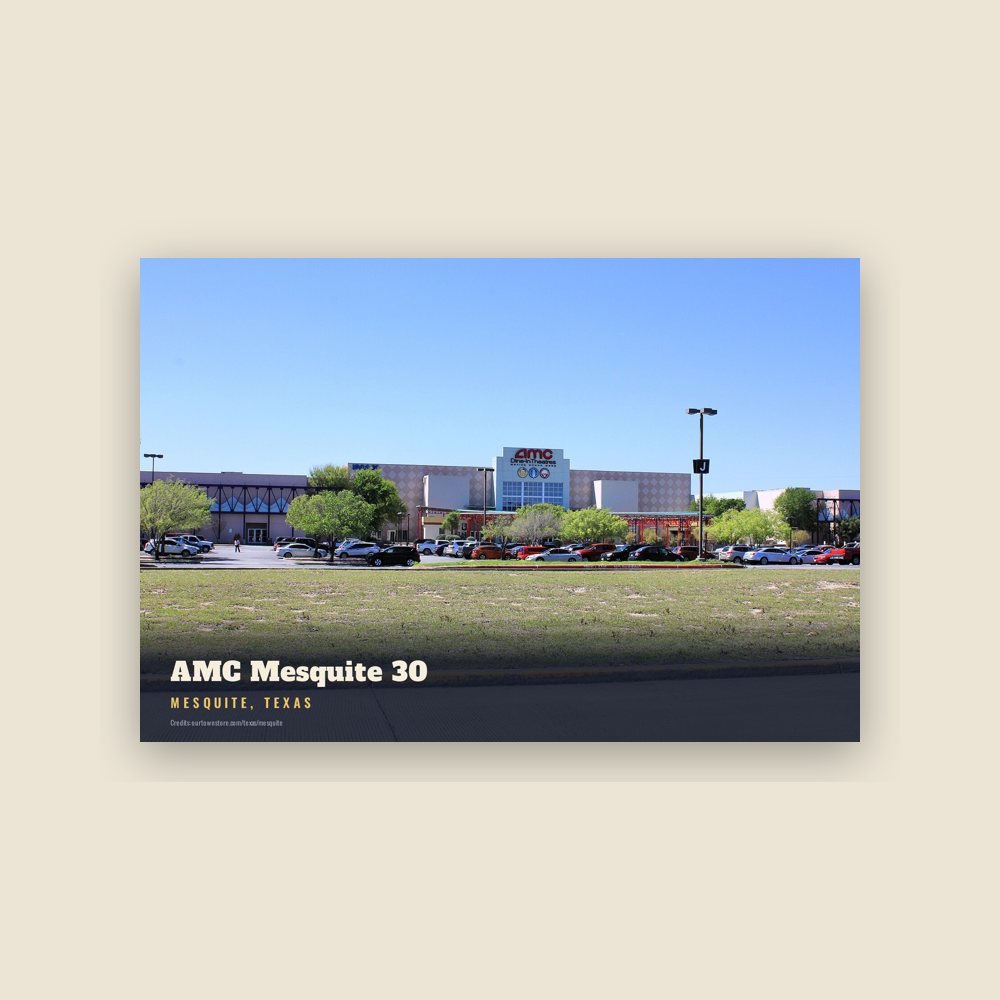
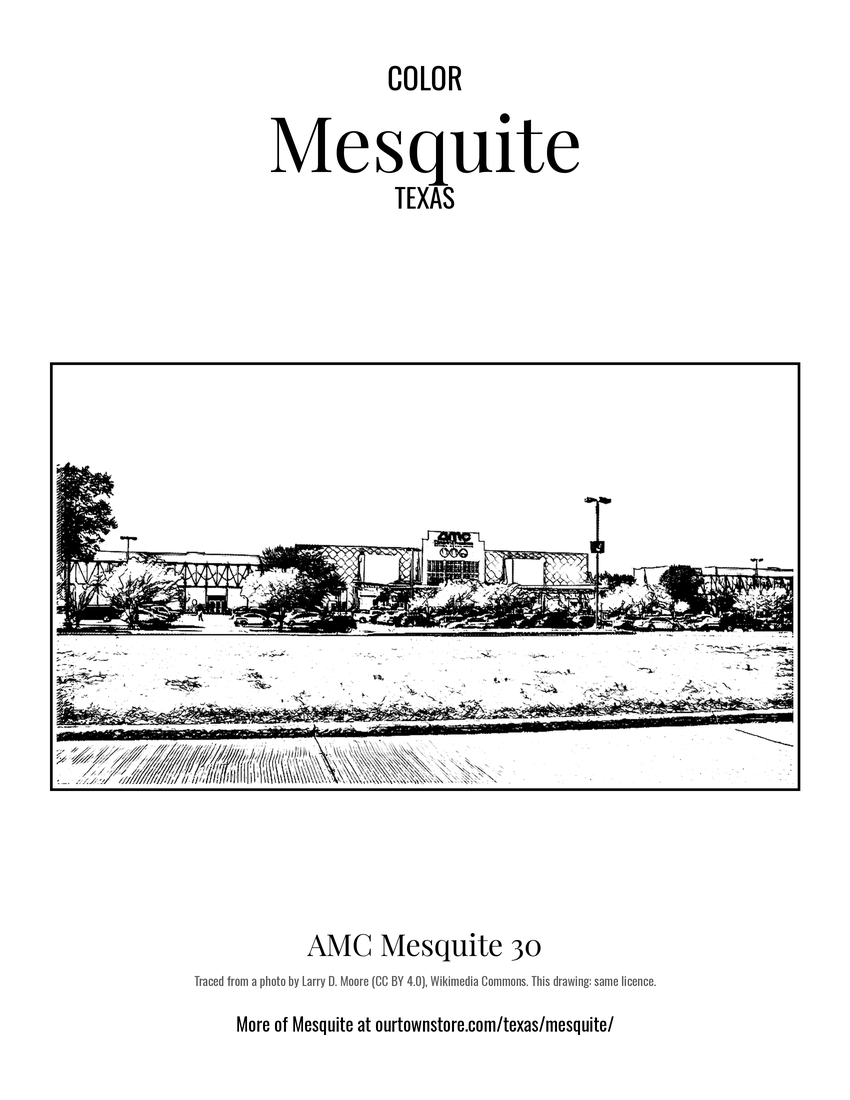 AMC Mesquite 30
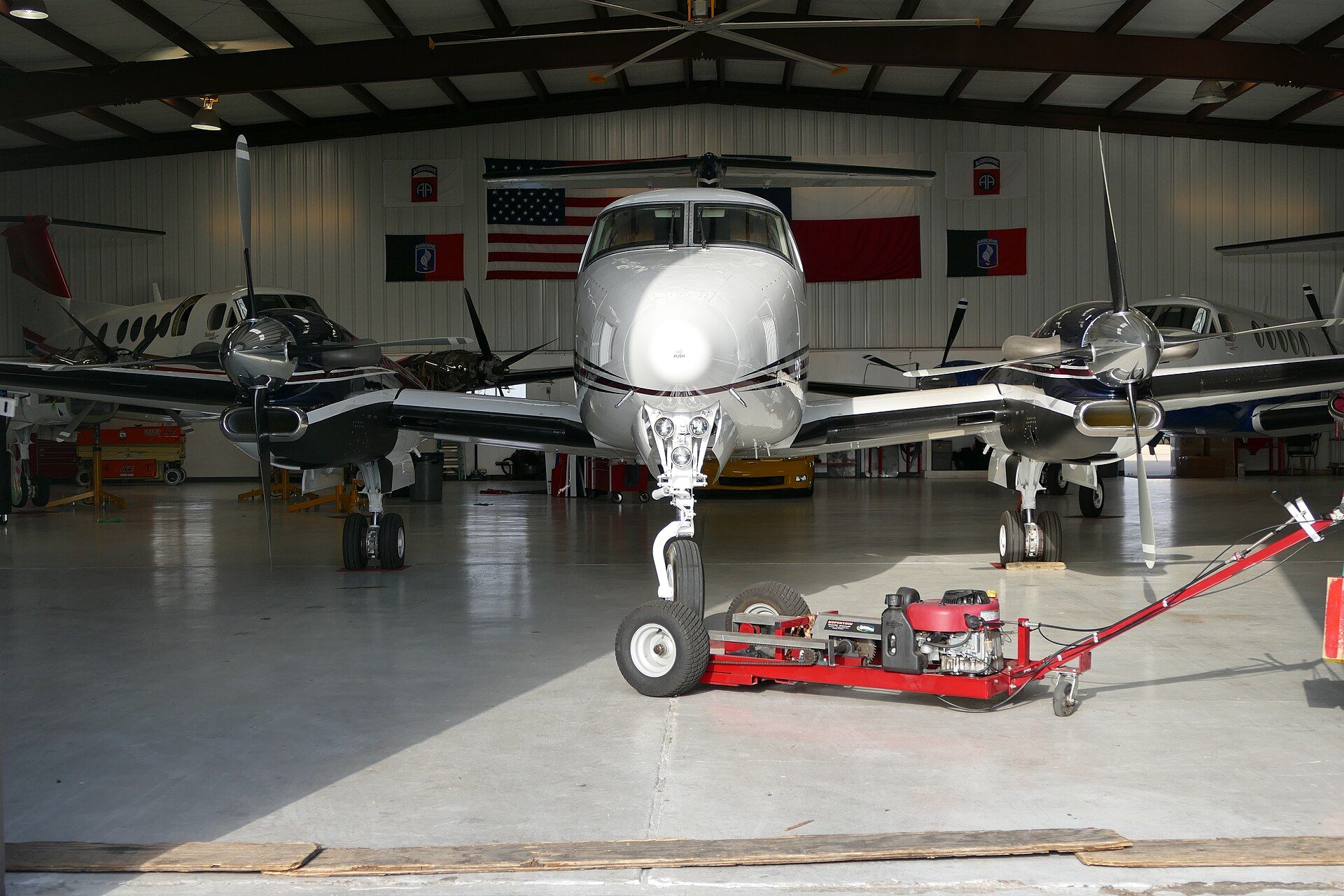
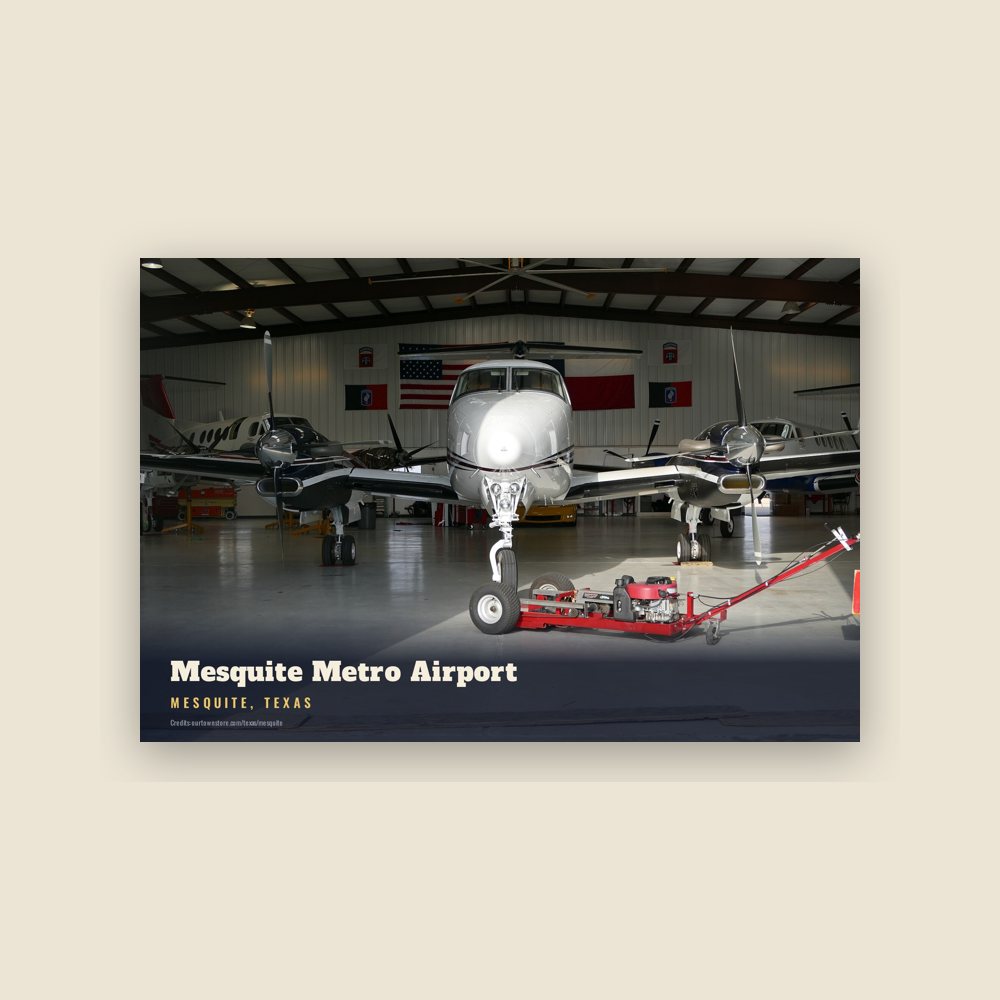
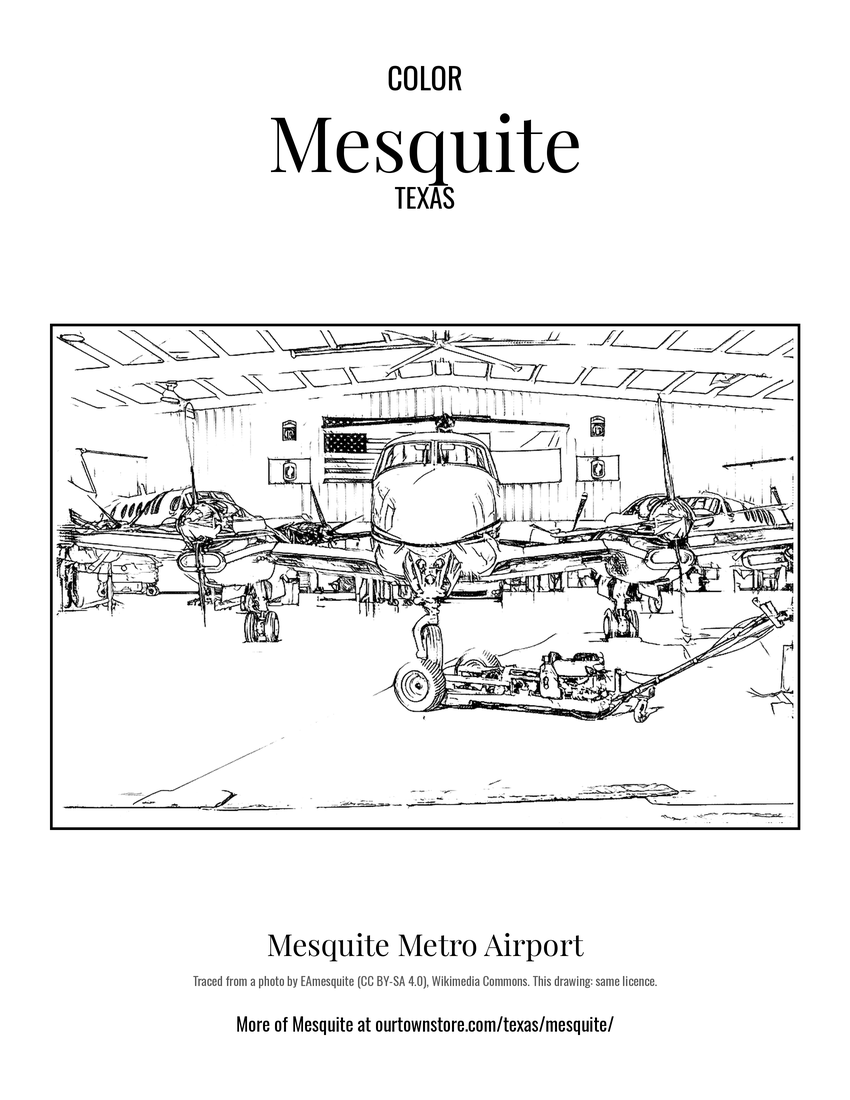 Mesquite Metro Airport
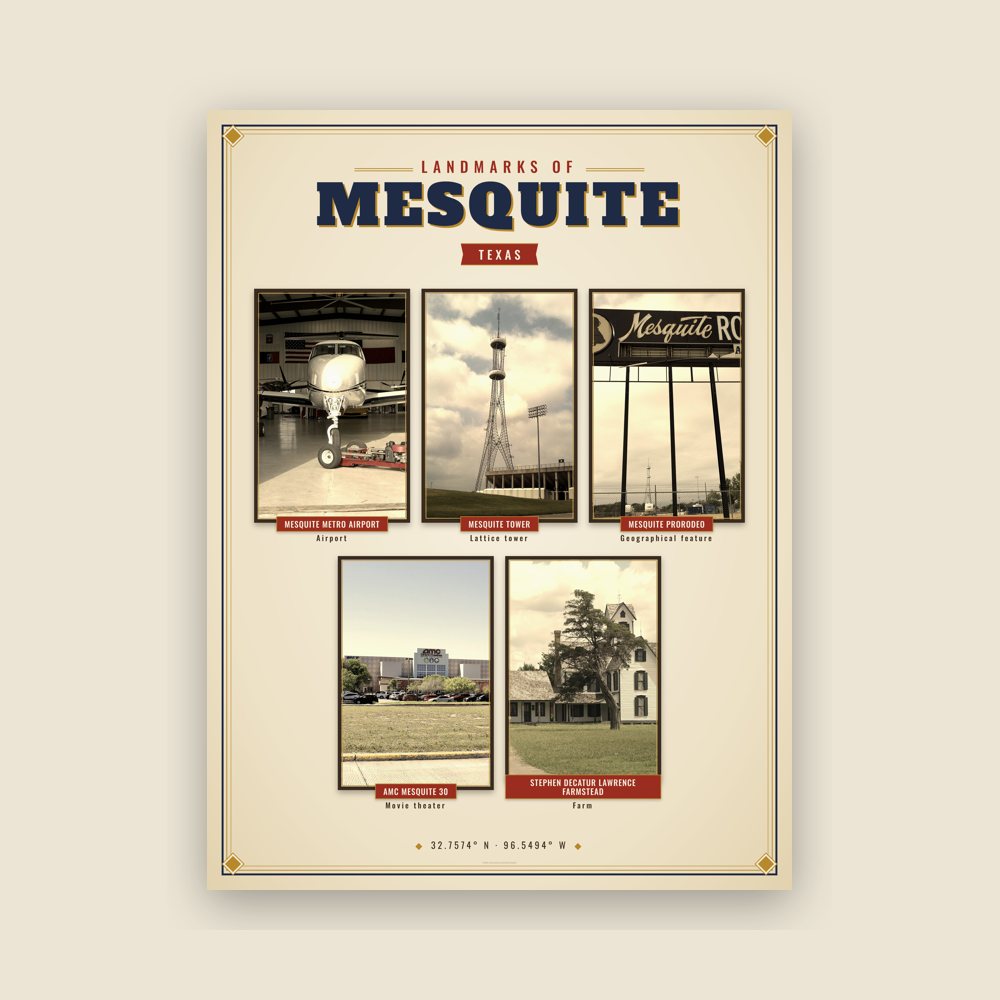
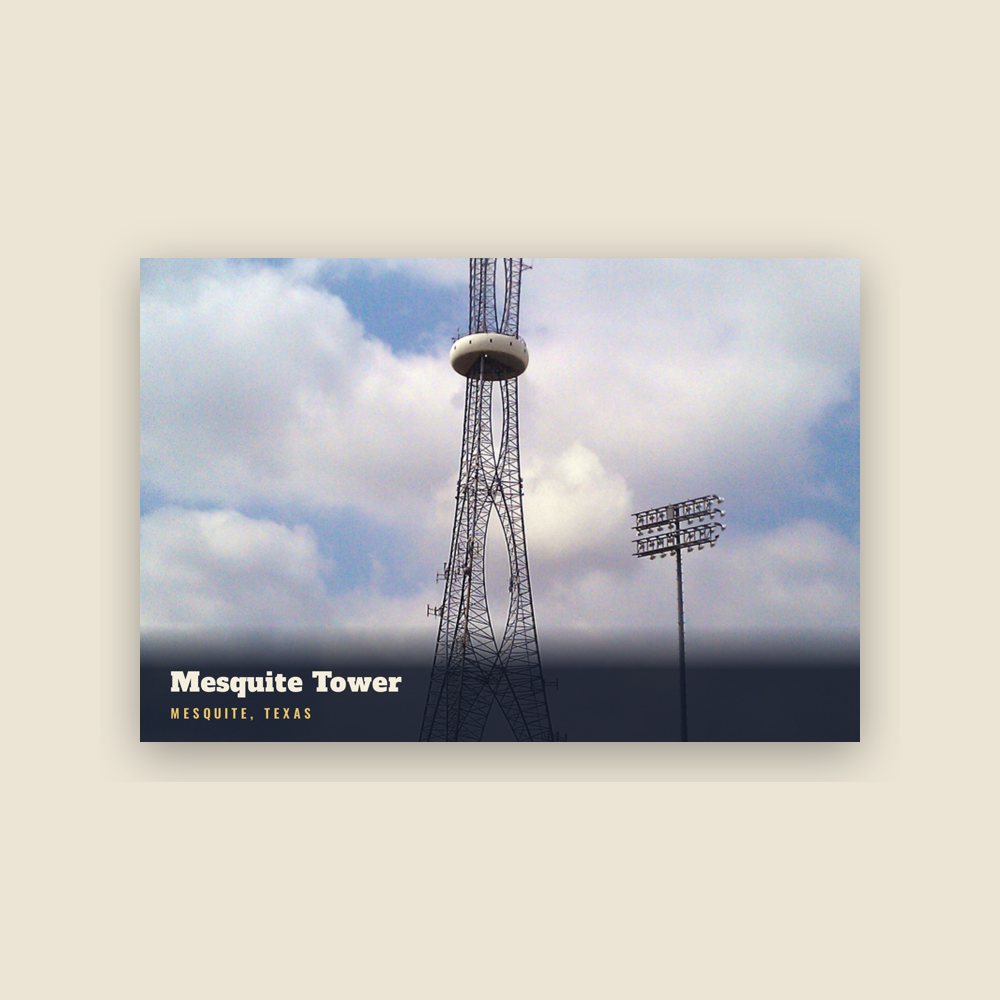
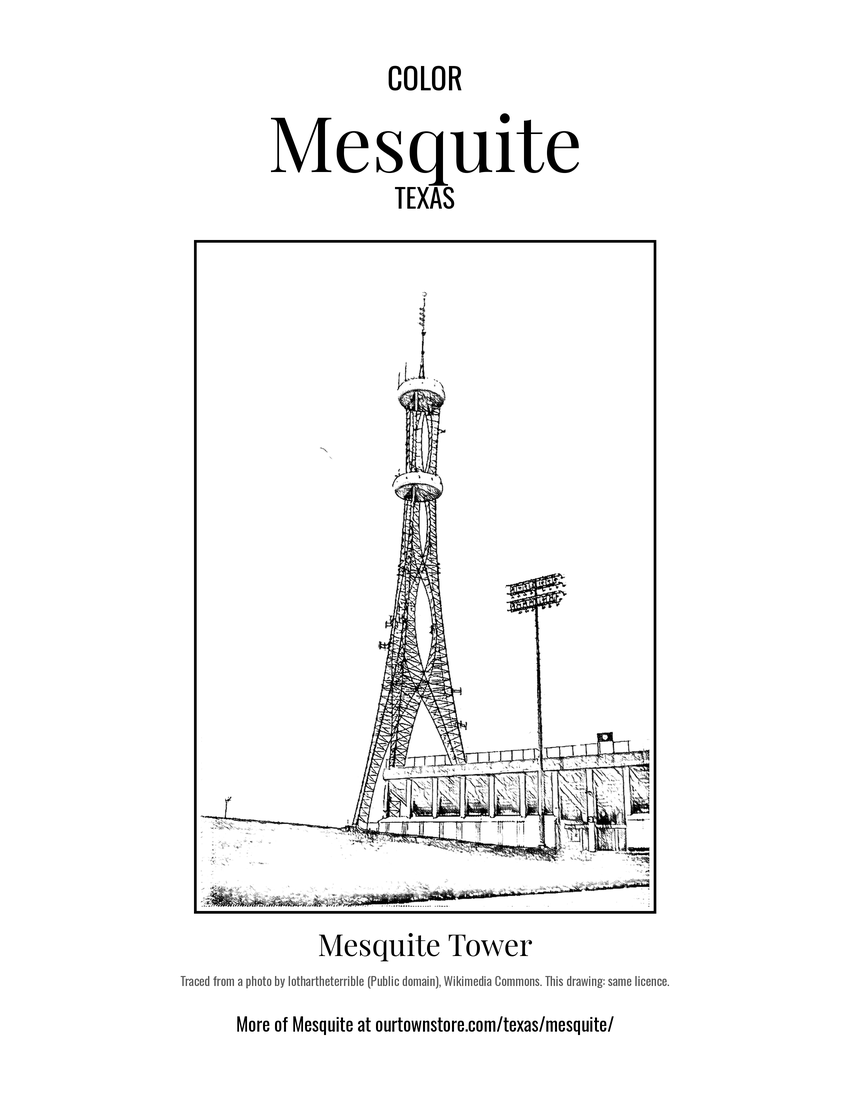 Mesquite Tower
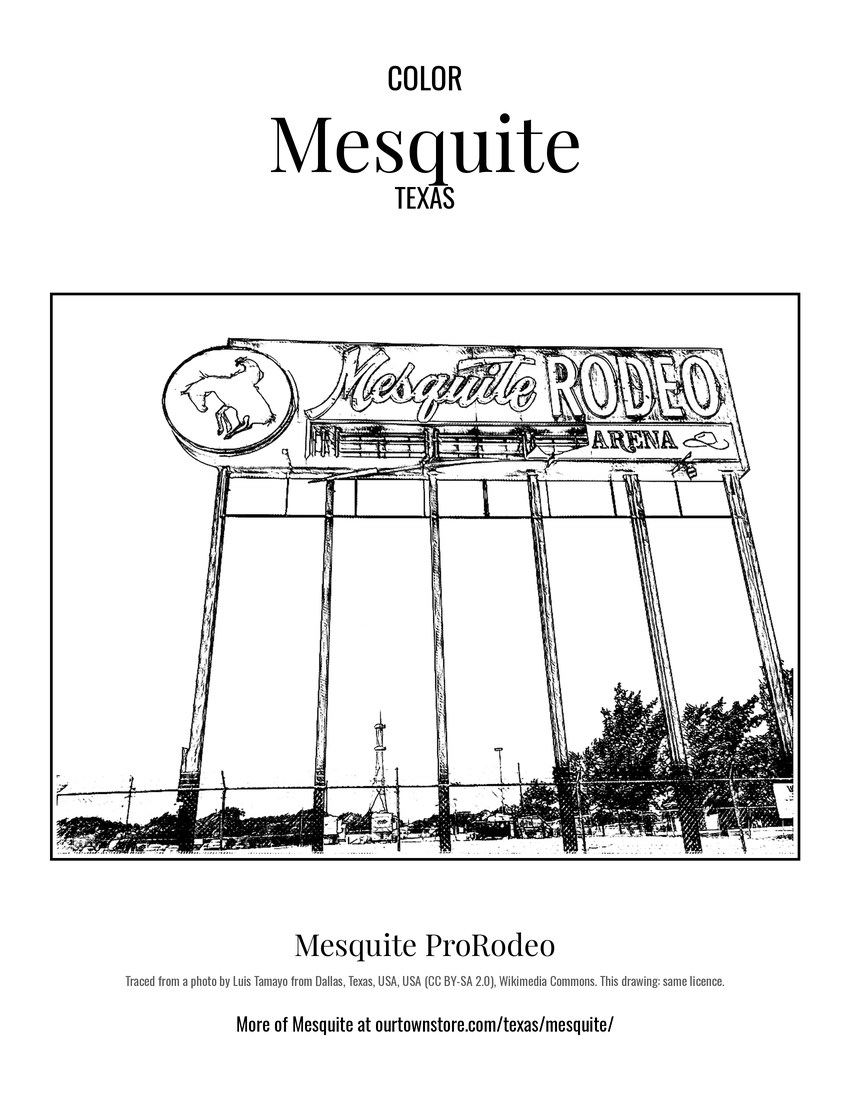 Mesquite ProRodeo