A short history of Robstown
The area that would become Robstown was likely in the range of several different, nearby Native American tribes that were active in the Texas Gulf Coast. This would have included Karankawa, the Lipan-Apache, Tonkawa, and Coahuiltecan peoples. It is not known if the exact area of Robstown was inhabited by Indigenous people.
Robstown was sparsely inhabited until the early 1800s, when rancheros had arrived with cattle. These ranchers soon petitioned the King of Spain for land grants in the Nueces area, and a grant was issued to Vincente Lopez de Herrera. The area included in this grant was occasionally named Barraco Blanco or El Rancho de Diesmos Herrera, which was then shortened to Diesmero. Land ownership changed hands several times and was used entirely for pasture. The construction of the Texas-Mexican Railway would aid in the land's development, as farmers and ranchers moved to the area. One of these ranchers was Robert Driscoll, a former Confederate colonel who would eventually give his land, much of which was the present area of Robstown, to his son Robert Driscoll, Jr. Historian Kalani Banks describes how this sale would give Robstown its name:On December 11, 1906, Robert Driscoll, Jr. was granted power-of-attorney for handling the sale of land at the intersection of the railroads at Robstown. [...] Local tradition is that someone asked Col. Driscoll what to call the land, and he said, "Call it Rob's town. He's in charge now."Primarily, the town's industry would remain focused around agriculture and railroad work. Simon Peña, a railroad worker, would be the first to establish a permanent residence in the newly formed Robstown. The need for agricultural labor brought many settlers of Mexican descent.
As Mexican-Americans enrolled in predominantly Anglo-American schools, non-white students began to face discrimination. A Texas law in the 1930s required compulsory school attendance for children ages 8-14, but this law was not enforced well for Mexican children. On April 5, 1972, a walkout was organized by 150-350 students, who felt that the schools were perpetuating discriminatory practices. Student leaders met with Robstown High School principal Hoyt Chapman. Student demands included an end to verbal and physical abuse, for the library to be open after school, new textbooks, an end to grade deductions for students who had not received vaccinations, and for the introduction of a Chicano studies program. A refusal from the principal to meet demands led to a second walkout on April 11, 1972.
Adapted (trimmed) from the Wikipedia article Robstown, Texas, revision 1380236861 by its contributors, licensed CC BY-SA 4.0.
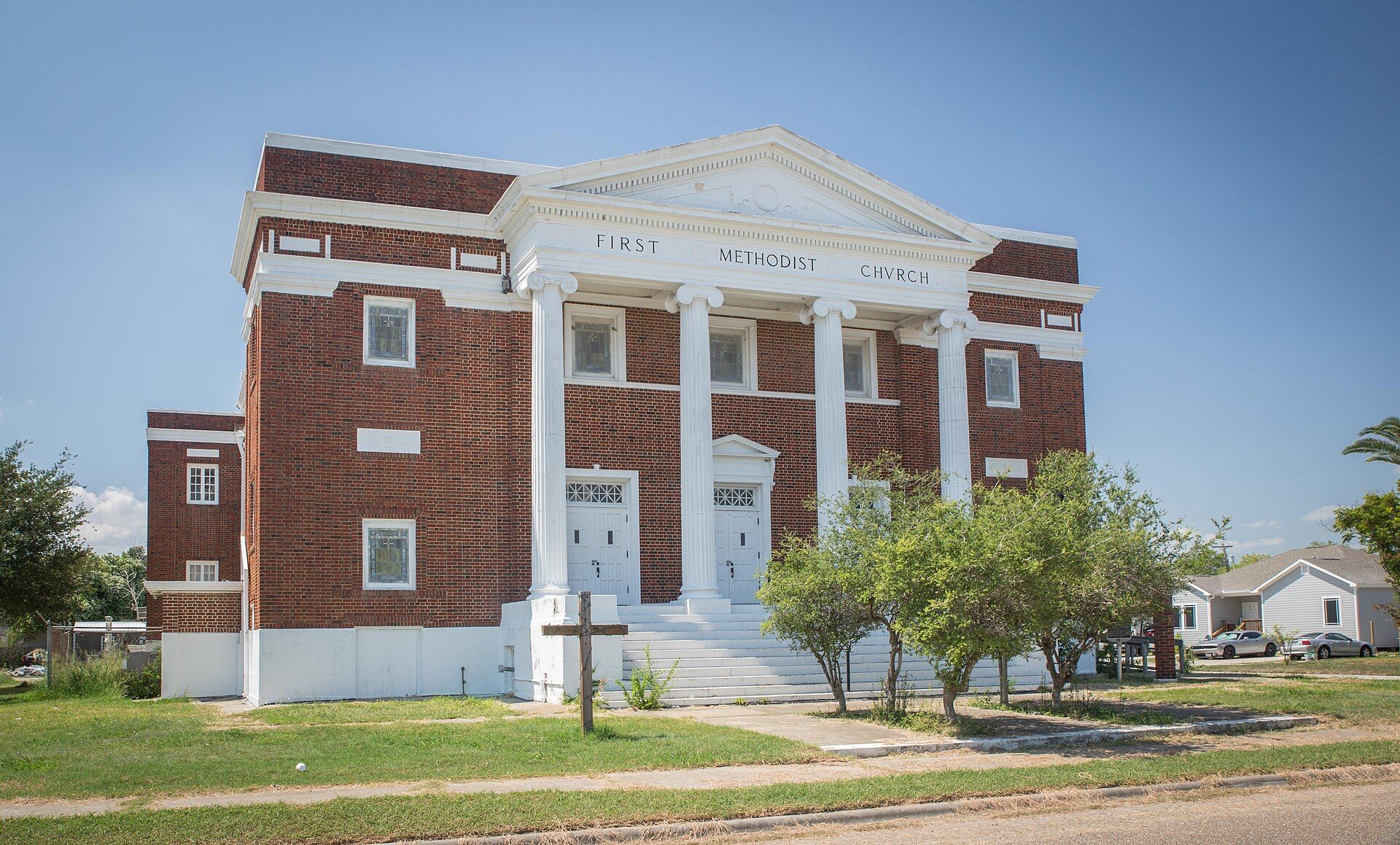
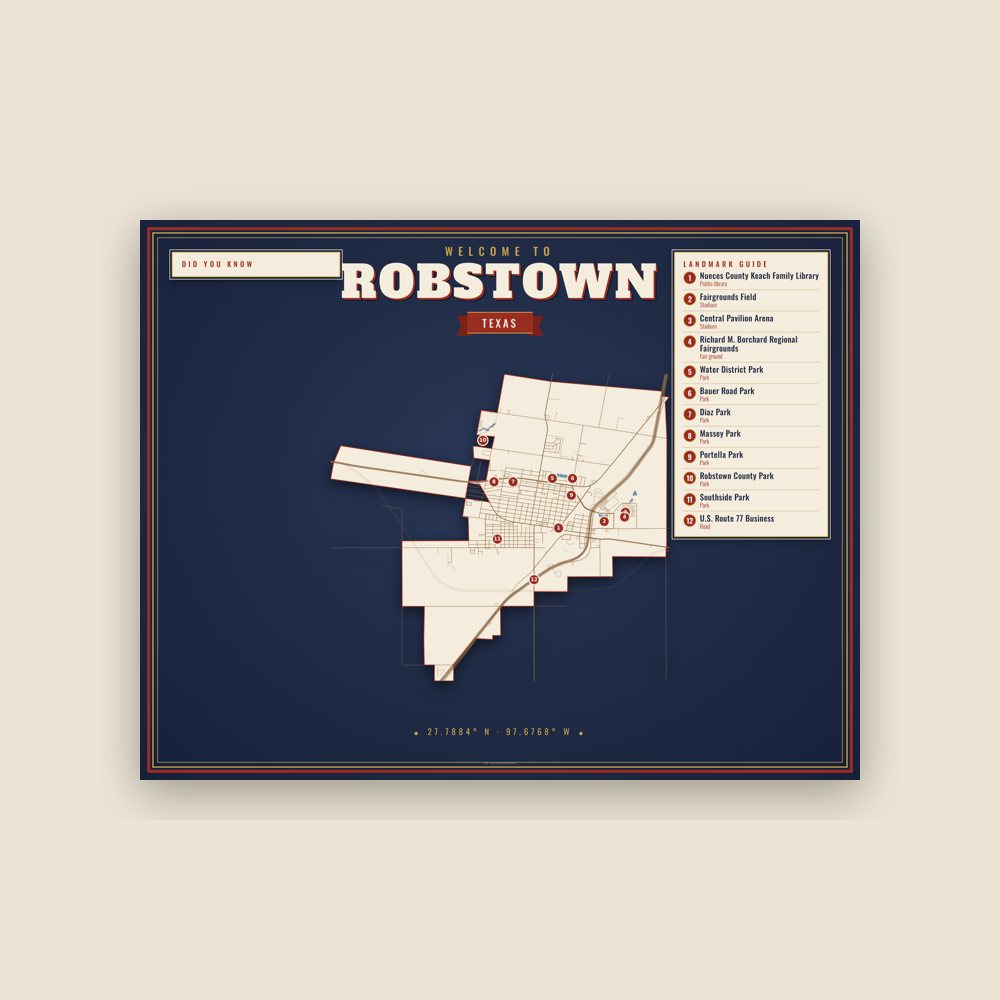
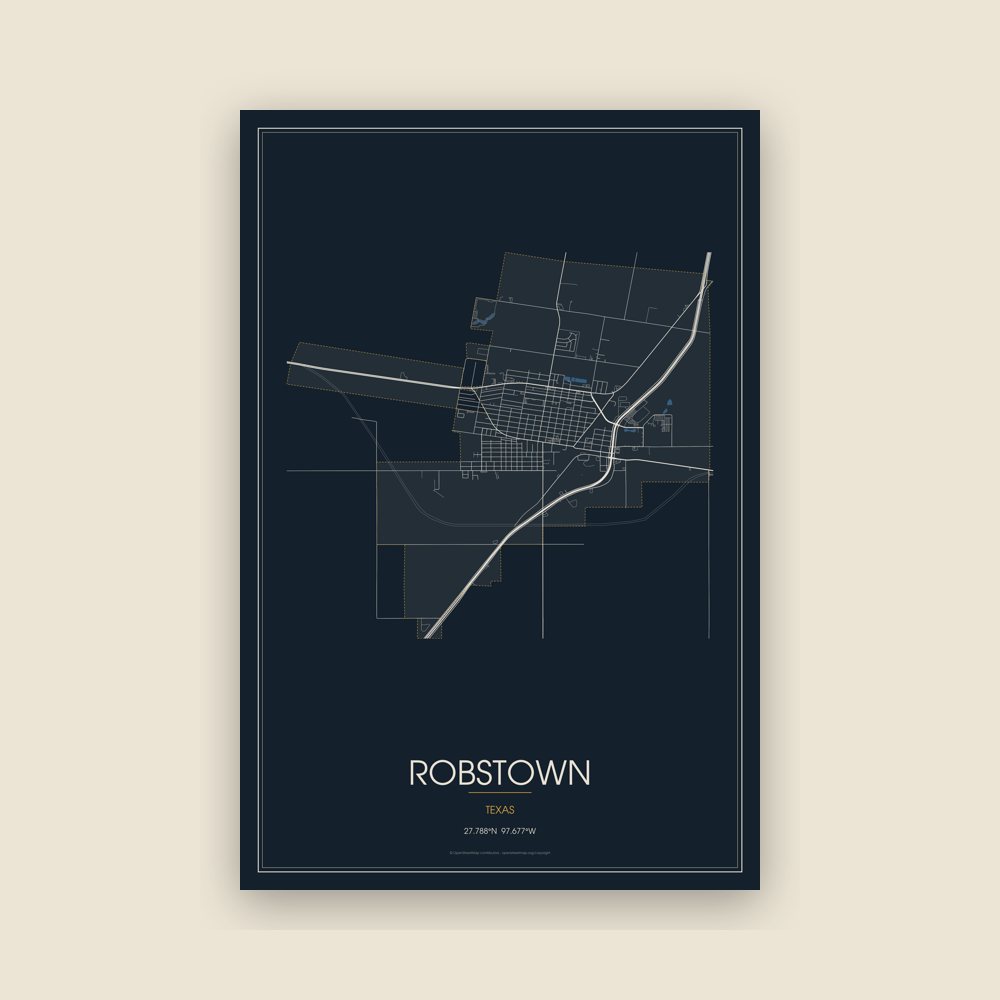
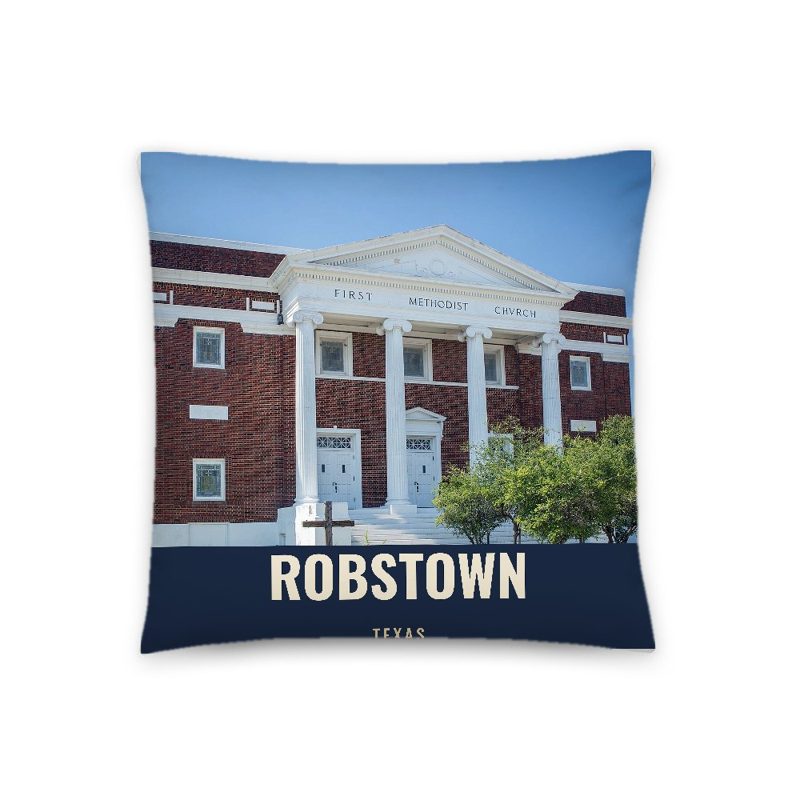
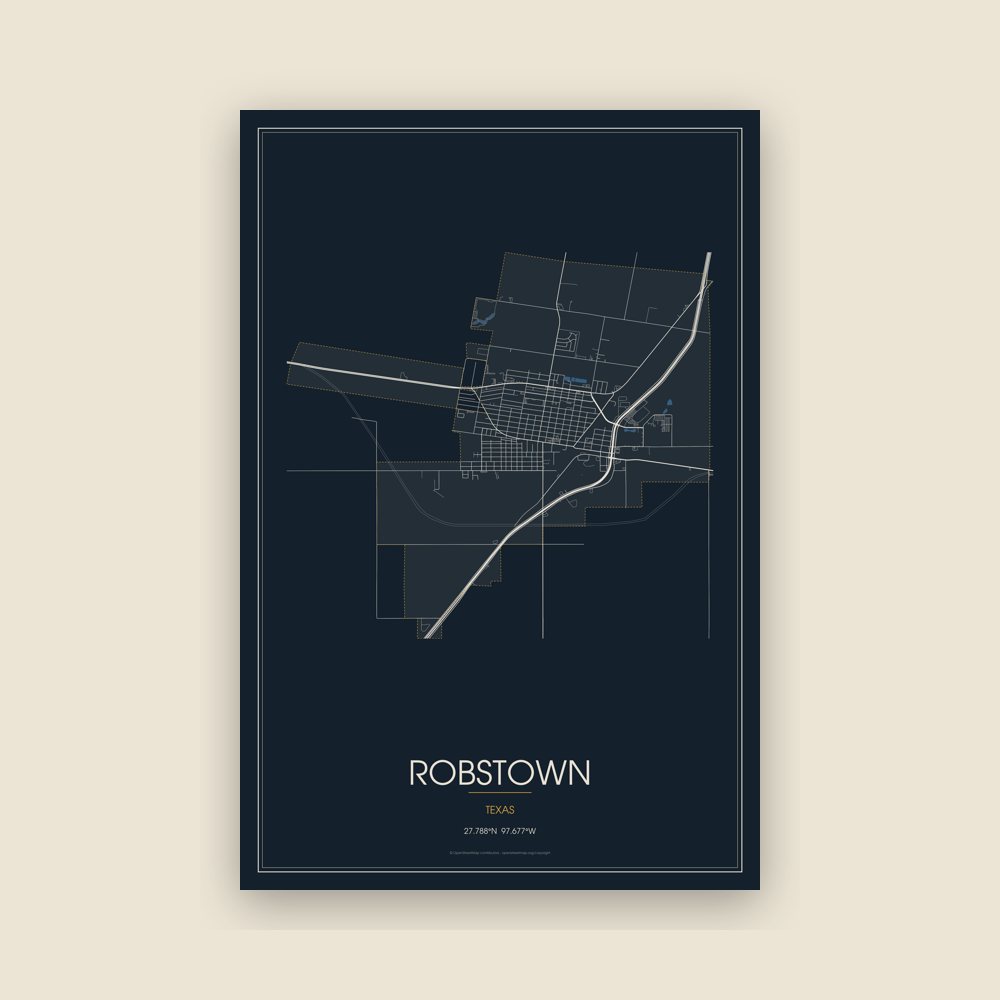
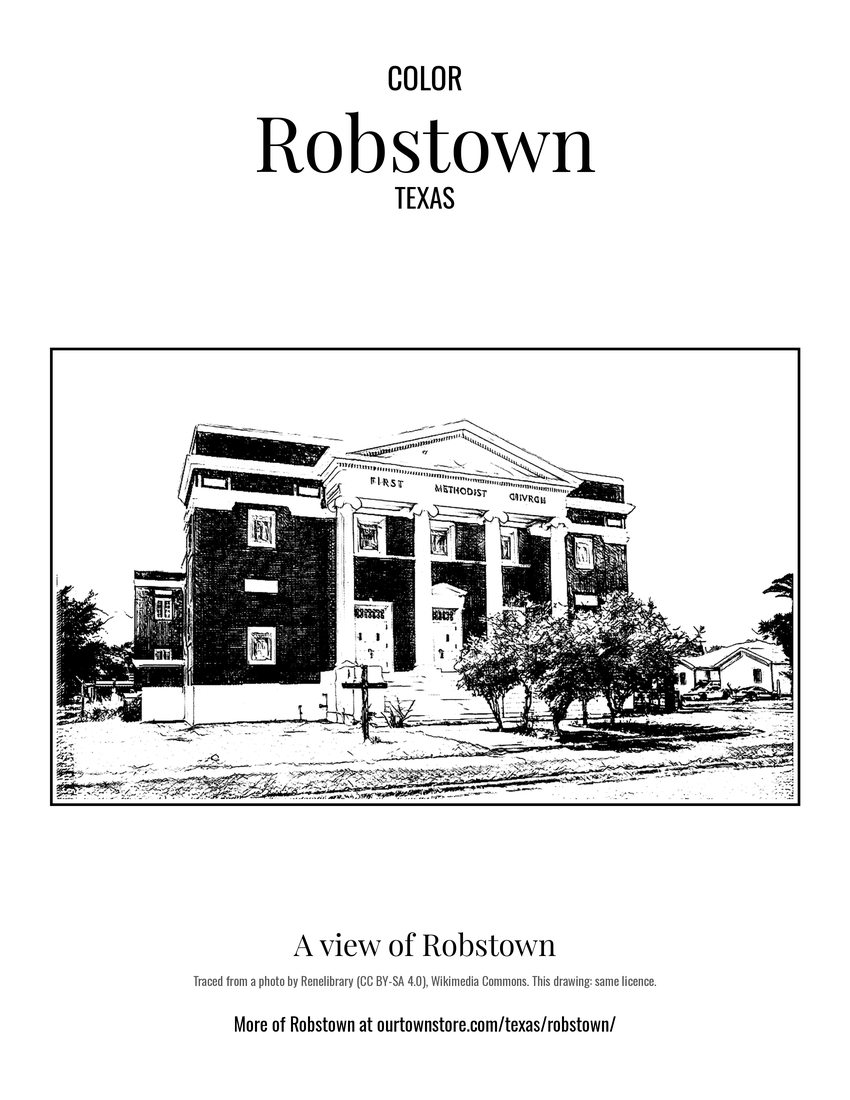 A view of Robstown
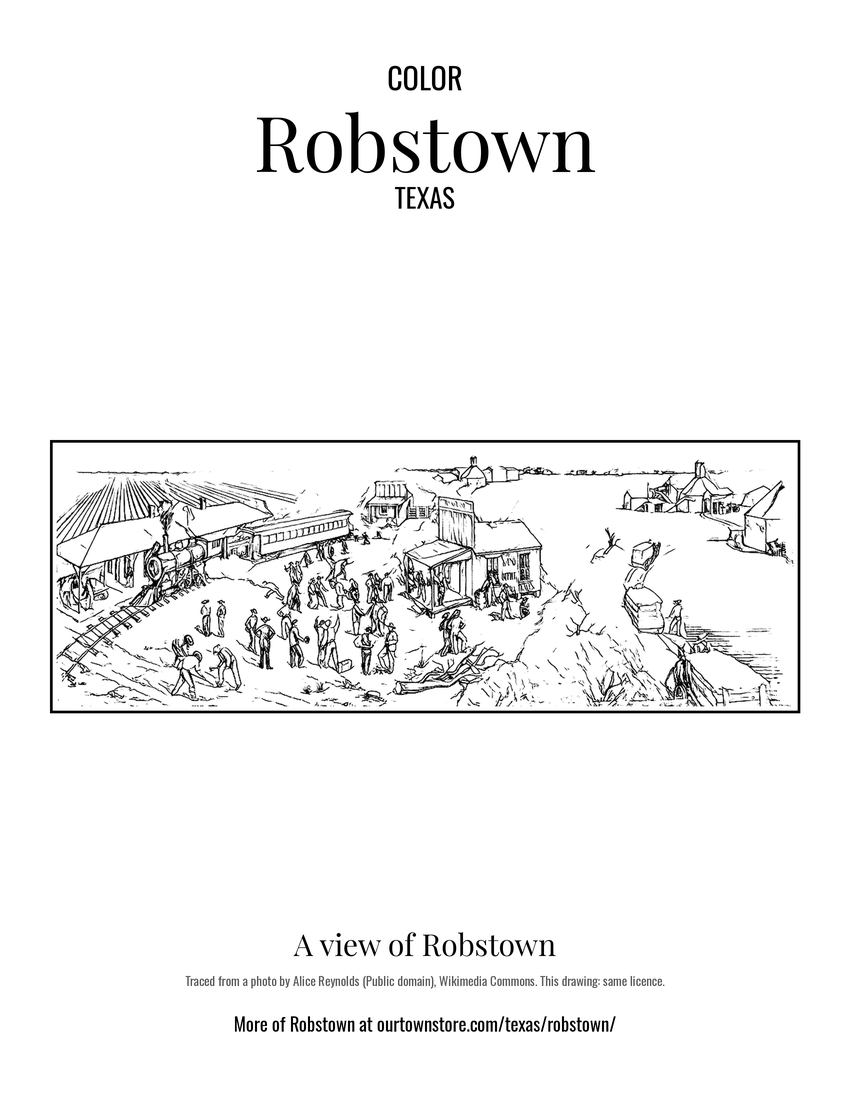 A view of Robstown
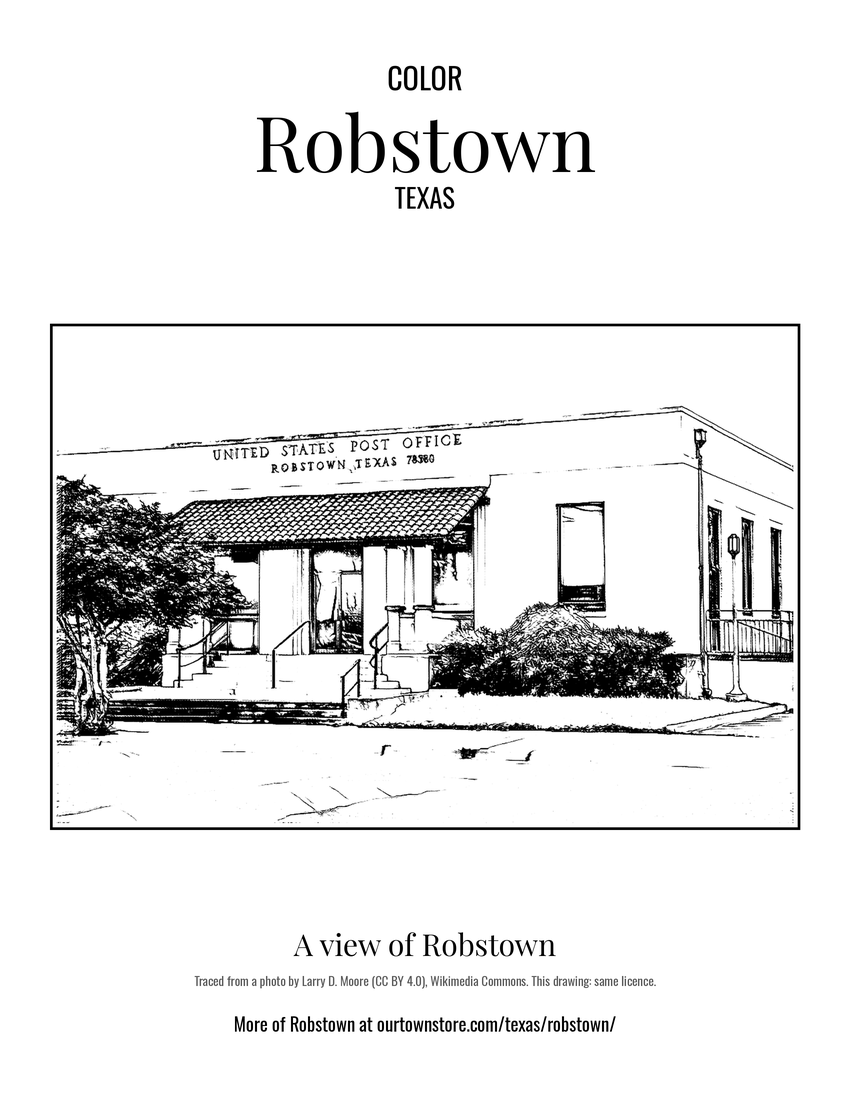 A view of Robstown