Since 1993
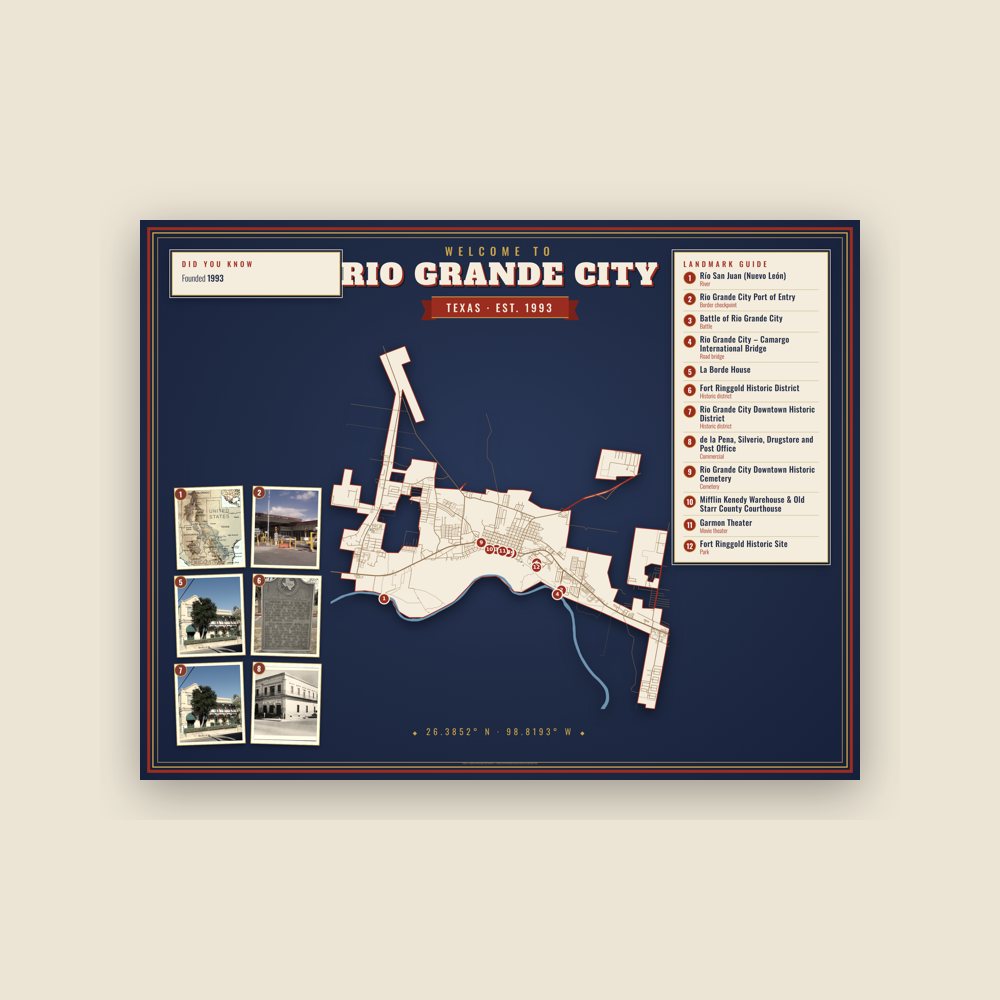
A short history of Rio Grande City
The area around Rio Grande City was first settled by Spanish colonists on the southern bank of the river as Camargo. The northern bank became more densely settled after the Mexican-American War and United States' annexation of the territory.
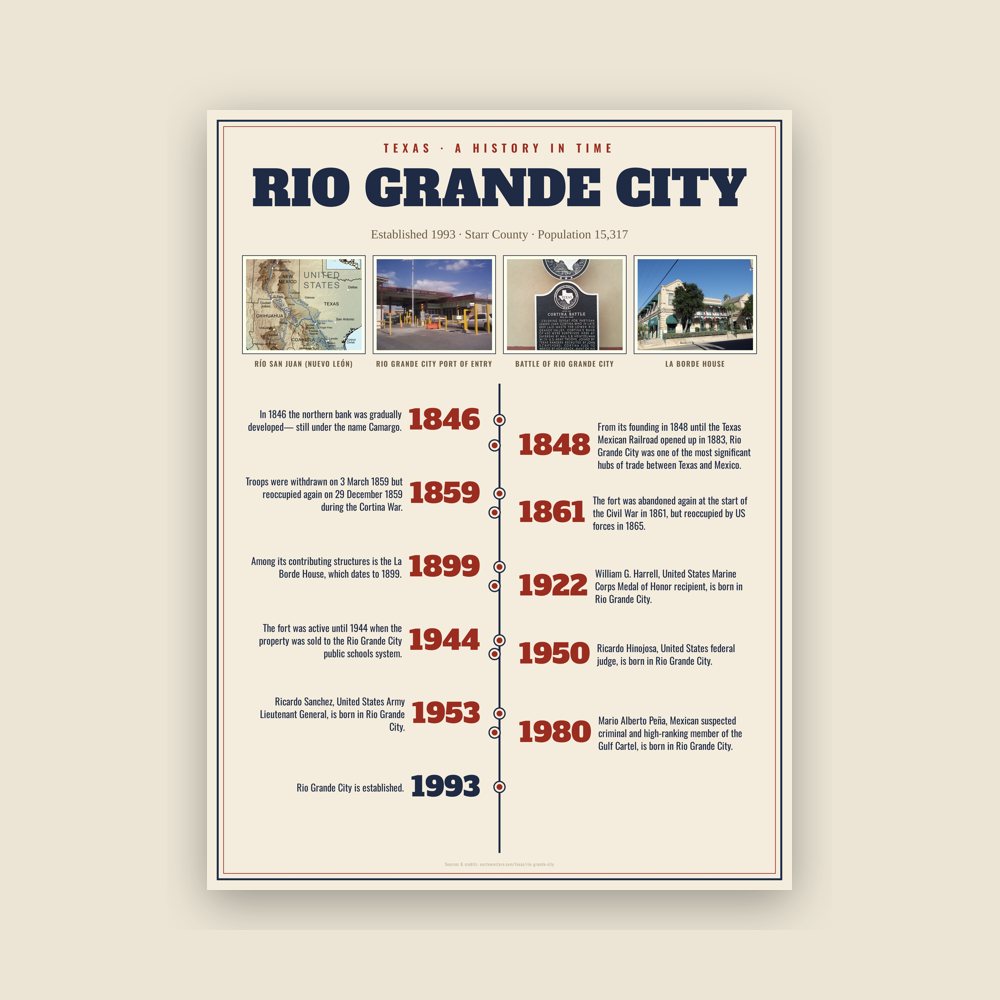
In 1846 the northern bank was gradually developed— still under the name Camargo. It was used by the US Army as a supply depot for its invading Mexico as part of the Mexican–American War. The area was strategic as the furthest point up the Rio Grande that was navigable and regularly accessible to the era's steamboats.
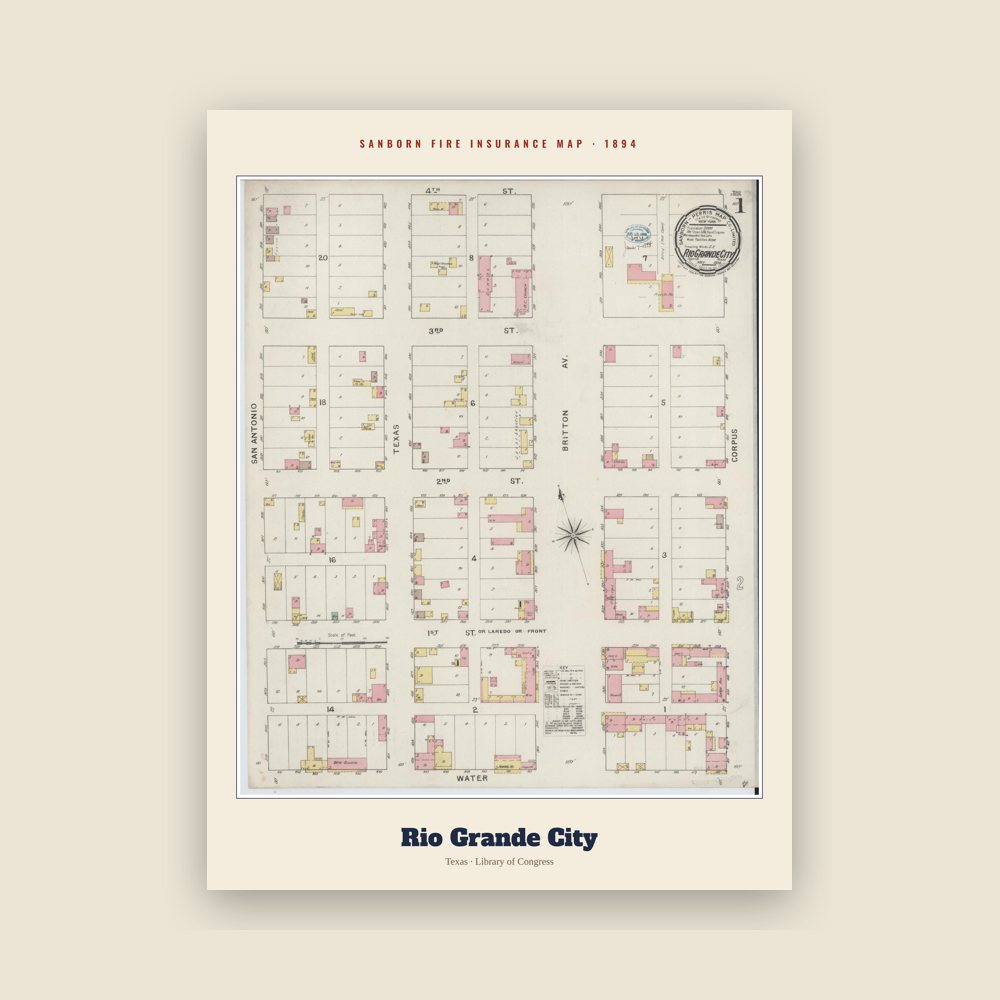
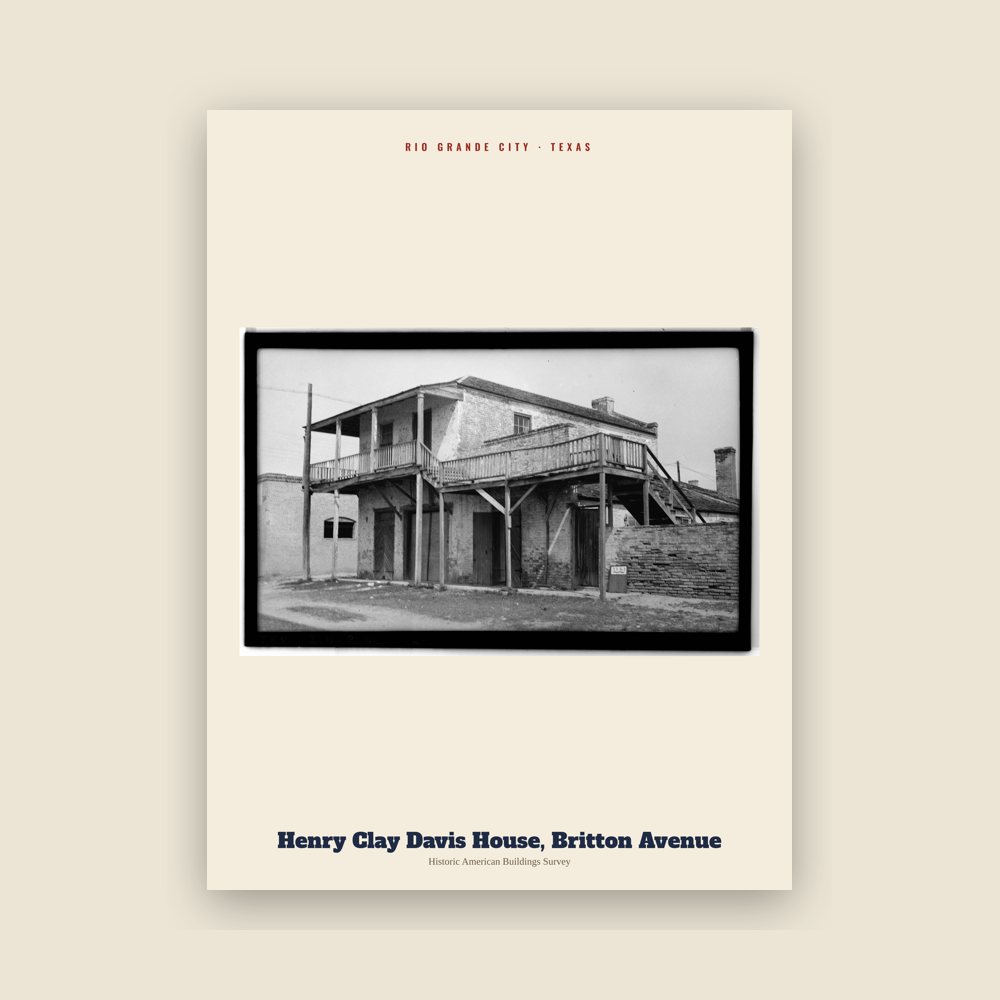
During the early stages of the war, US soldier Henry Clay Davis married Hilaria de la Garza Falcon, a resident of Camargo south of the river. She was heiress to the land on the north side of the river that was developed as Rio Grande City. At the end of the war, Davis set out to organize this area into a formal city; he divided the land into plots to be sold.
At first, the area was referred to as Rancho Davis. He and other developers changed the name to Rio Grande City to attract Anglo-American investors and settlers. From its founding in 1848 until the Texas Mexican Railroad opened up in 1883, Rio Grande City was one of the most significant hubs of trade between Texas and Mexico. In addition, because of its prominence and exploits by local residents, it was part of the romanticized concept in the United States of the "Wild West".
Famous early residents include Joshua H. Bean, brother of Judge Roy Bean, and the first mayor of San Diego, California; Orlando C. Phelps, one of the few surviving members of the Mier Expedition; Edwin R. Rainwater, hero of the Texas Revolution; Edward R. Hord, an influential early South Texas statesman; and John L. Haynes, a native Virginian politician and writer who was a strong proponent of Mexican-American (Tejano) rights and outspoken anti-secessionist before the Civil War.
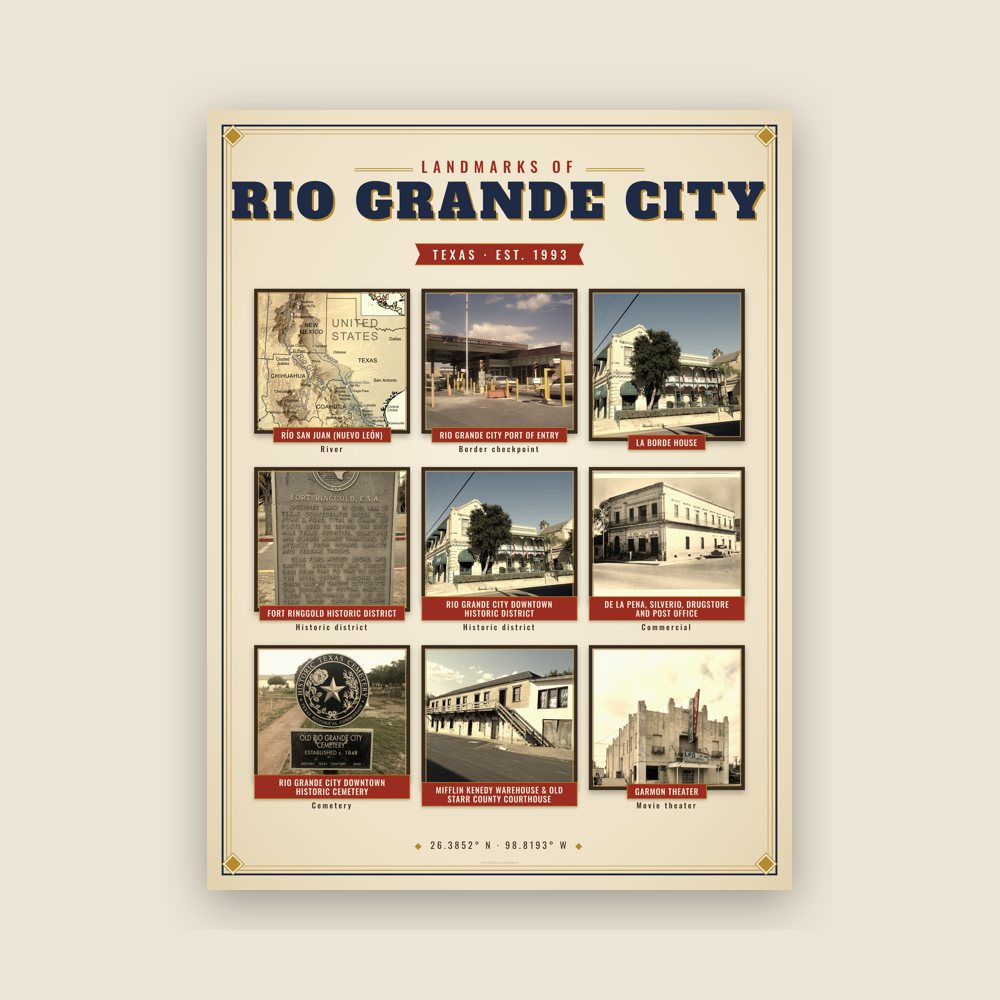
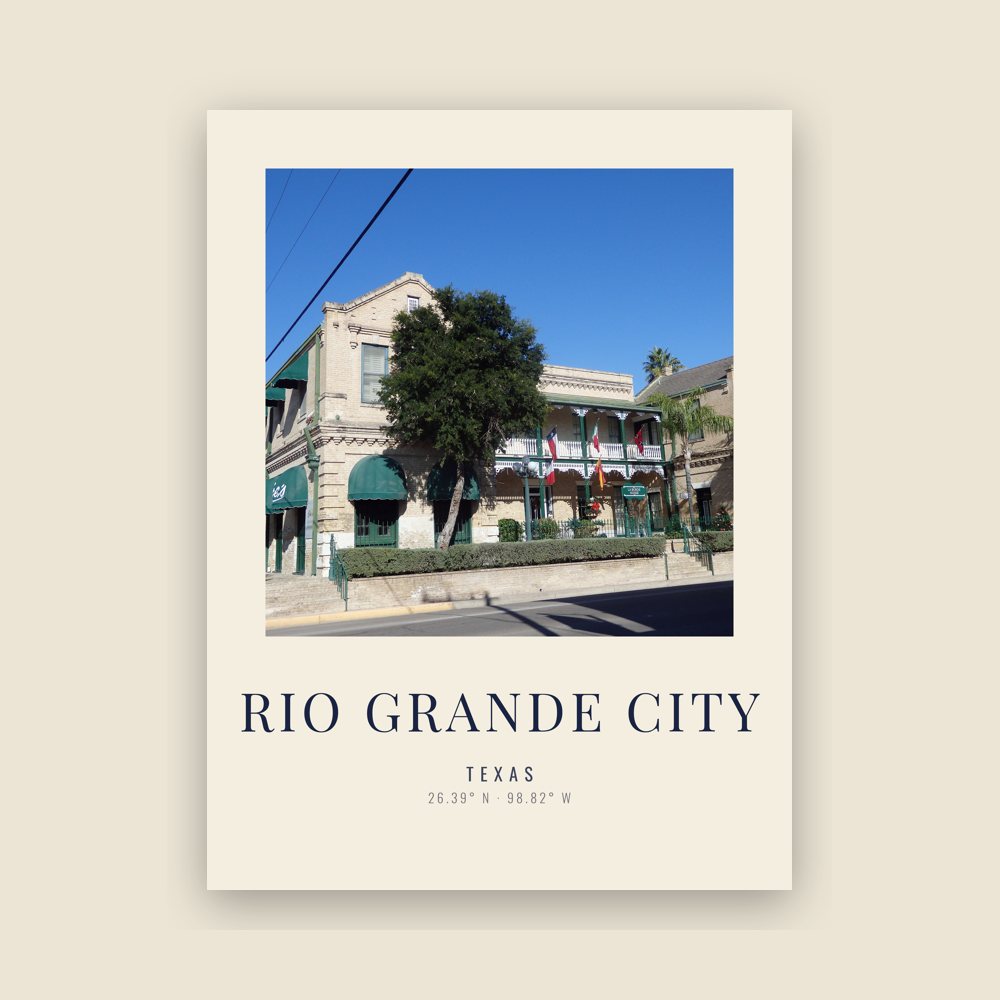
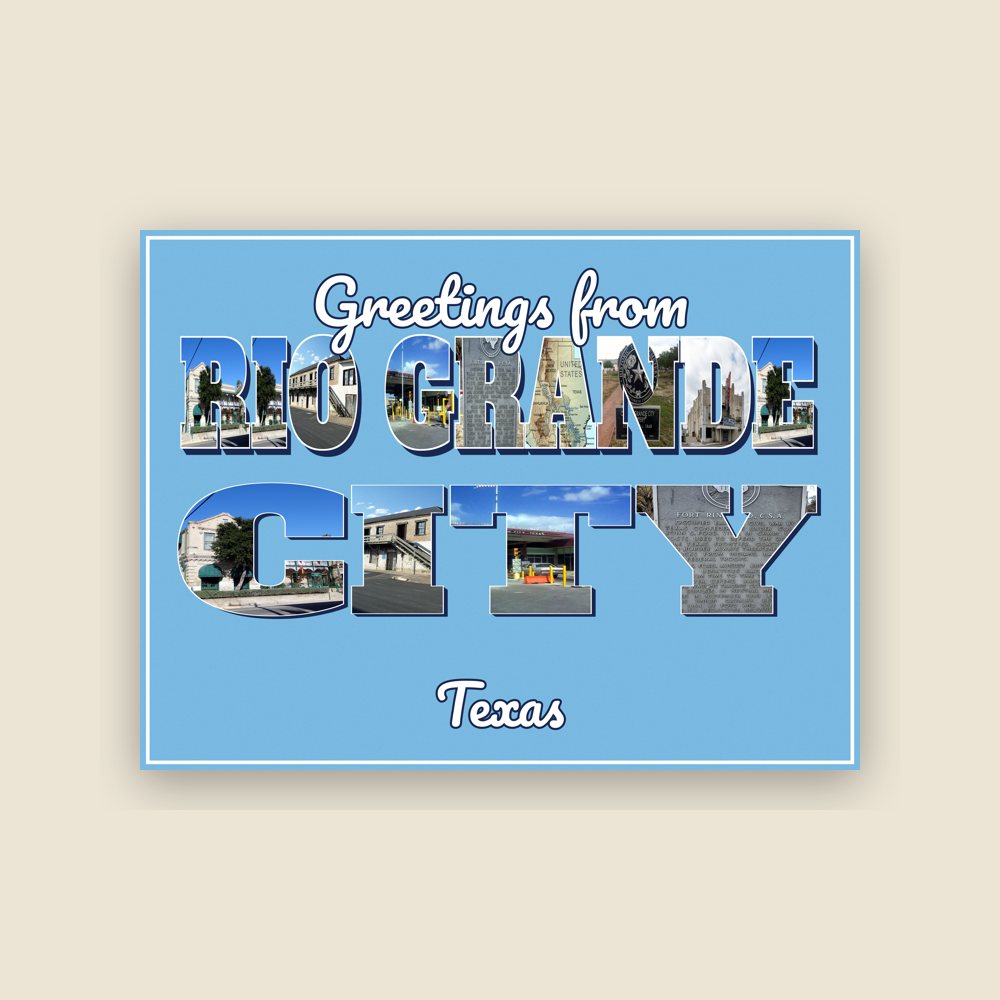
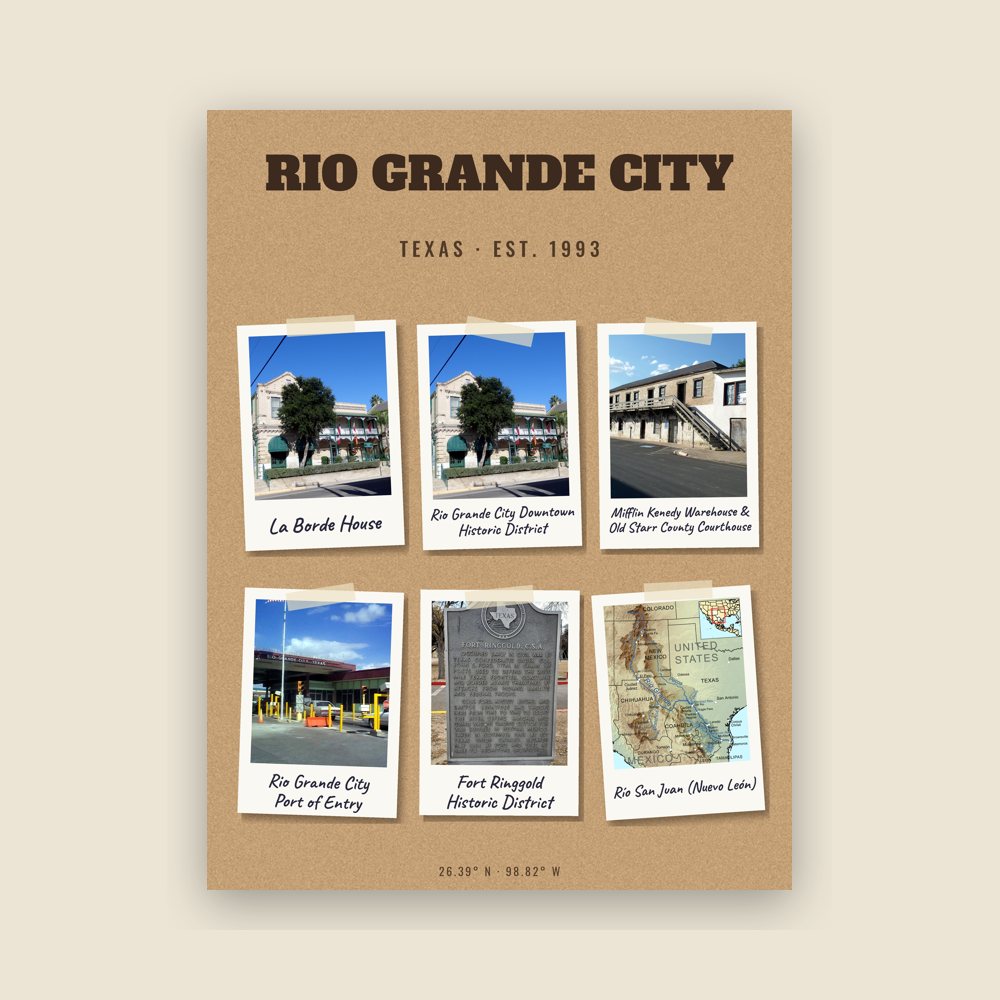
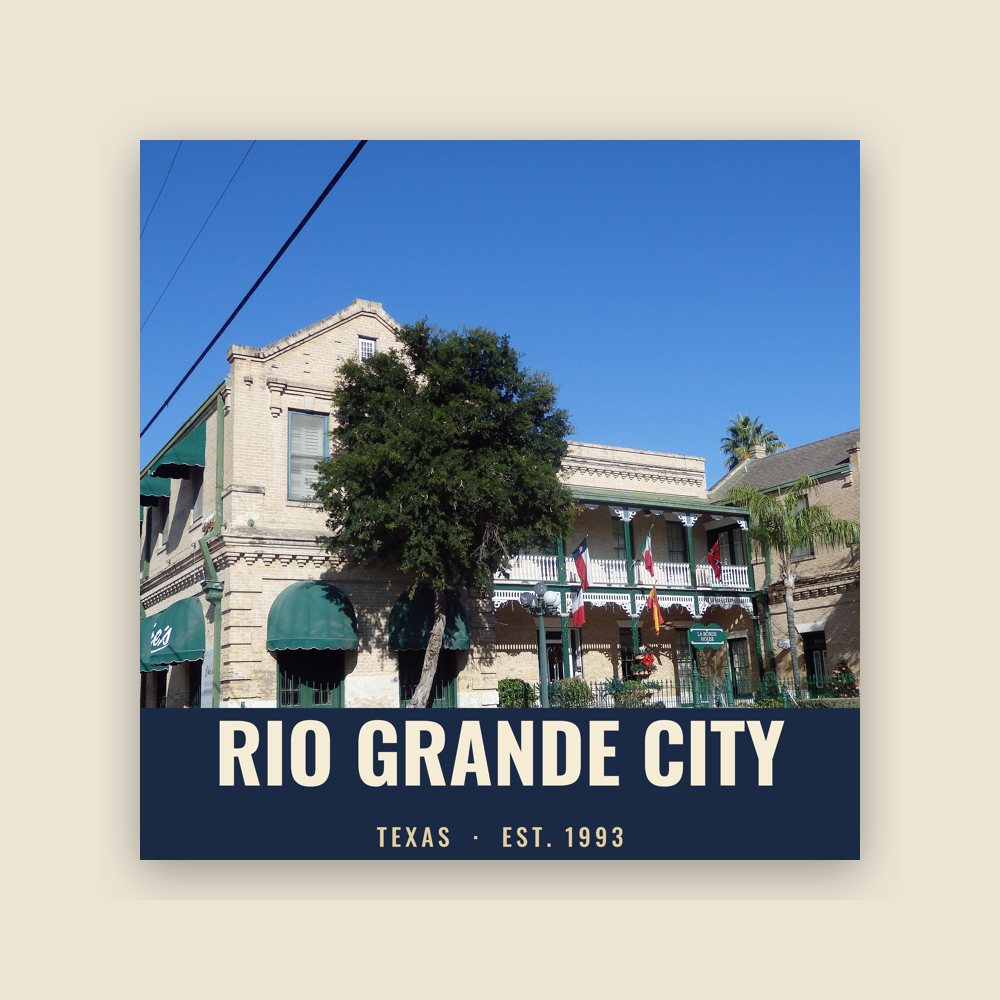
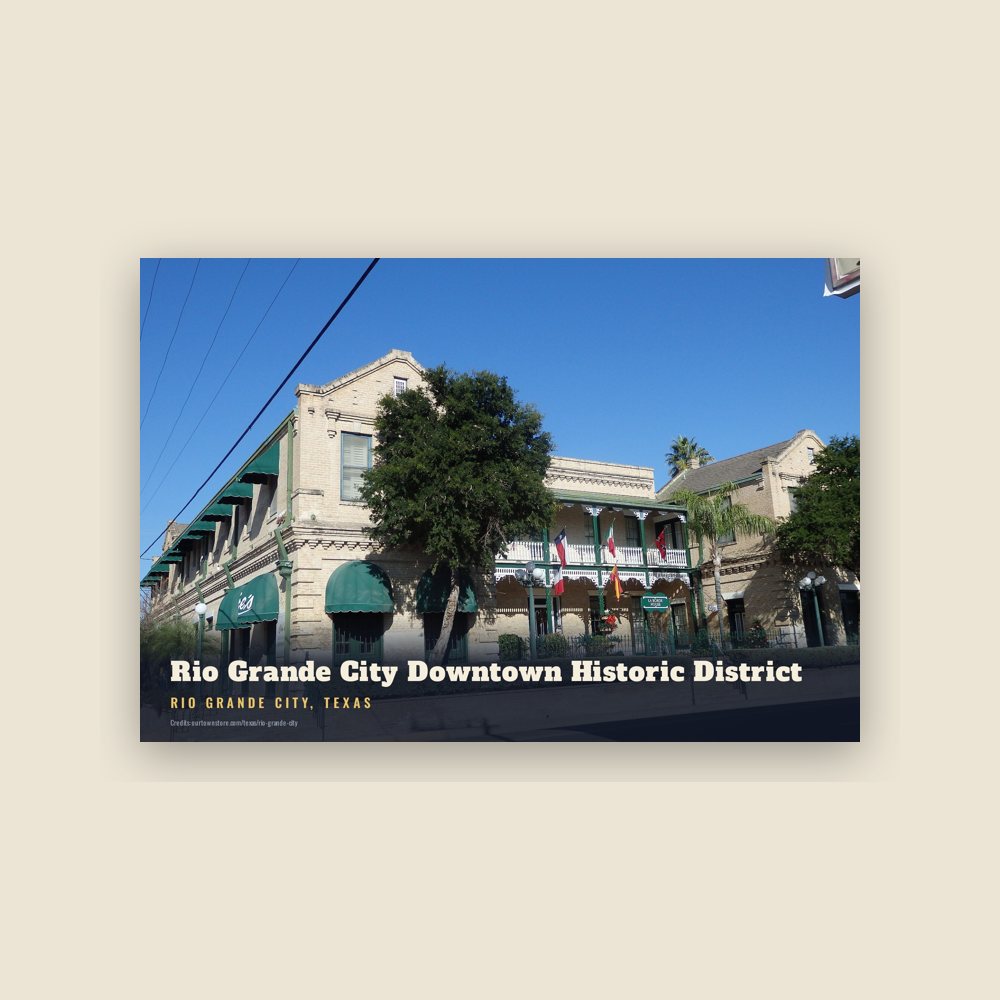
Among its contributing structures is the La Borde House, which dates to 1899. La Borde was a French riverboat trader and merchant who commissioned the mansion's design in Paris. He had this refined by architects in San Antonio, Texas, and oversaw construction of the building along Main Street.
The large house was renovated around the early 1980s, nearly 100 years later. It is now operated as a hotel, complete with a parlor, patio, parlor, shaded verandas, and restaurant.
In the 1970s and into the 1980s, federal law enforcement officials concentrated their anti-drug smuggling efforts on Starr County.
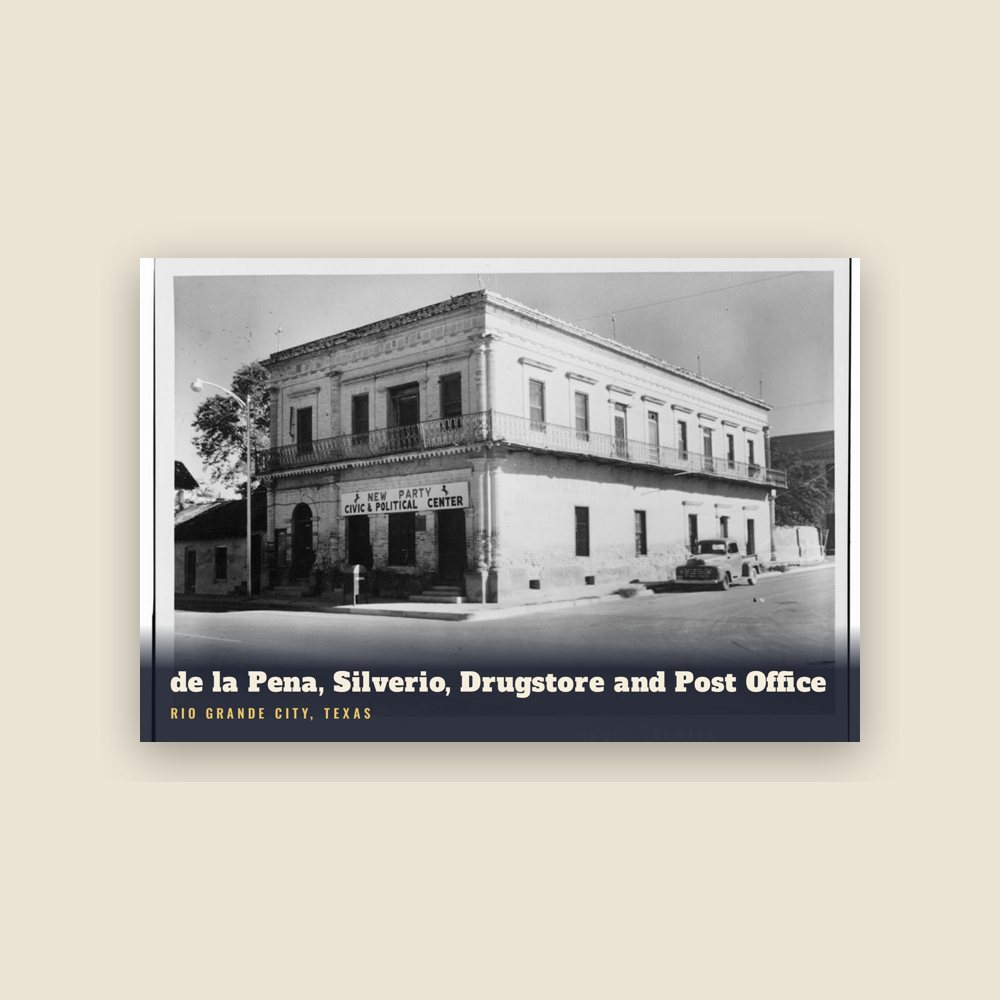
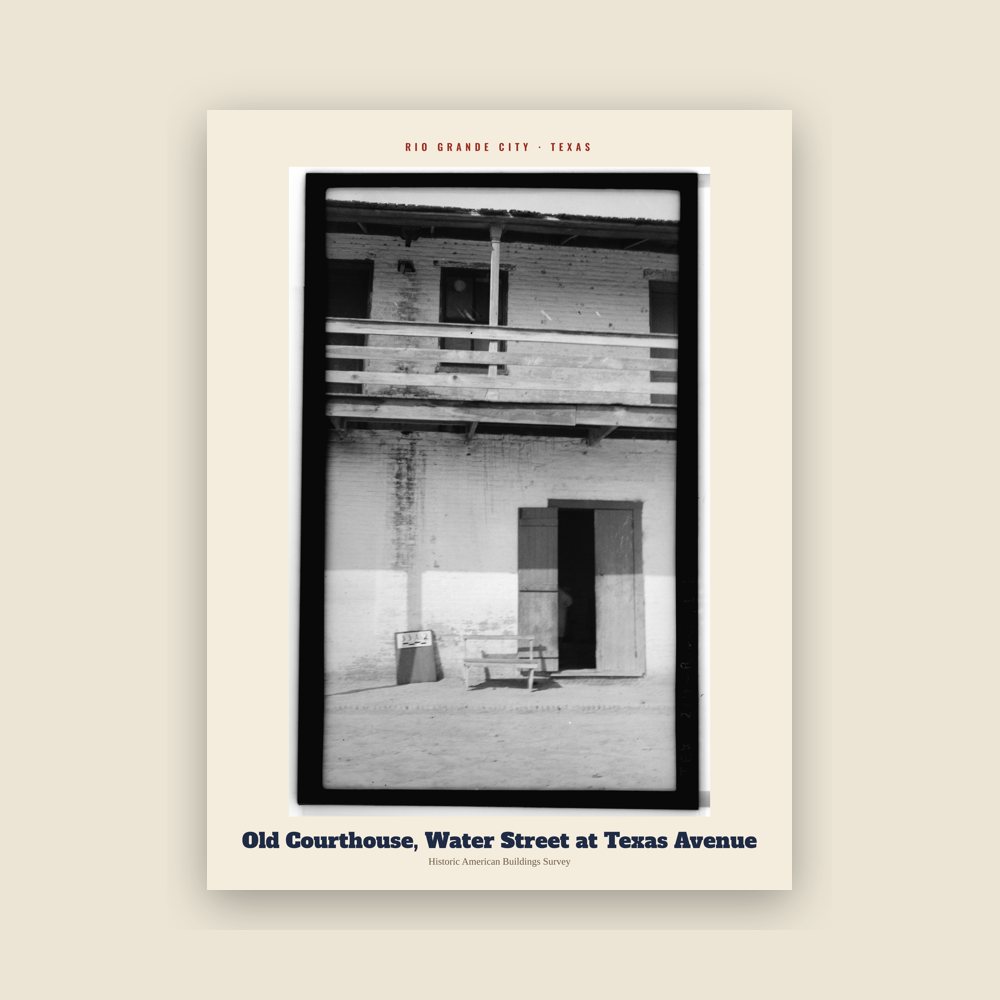
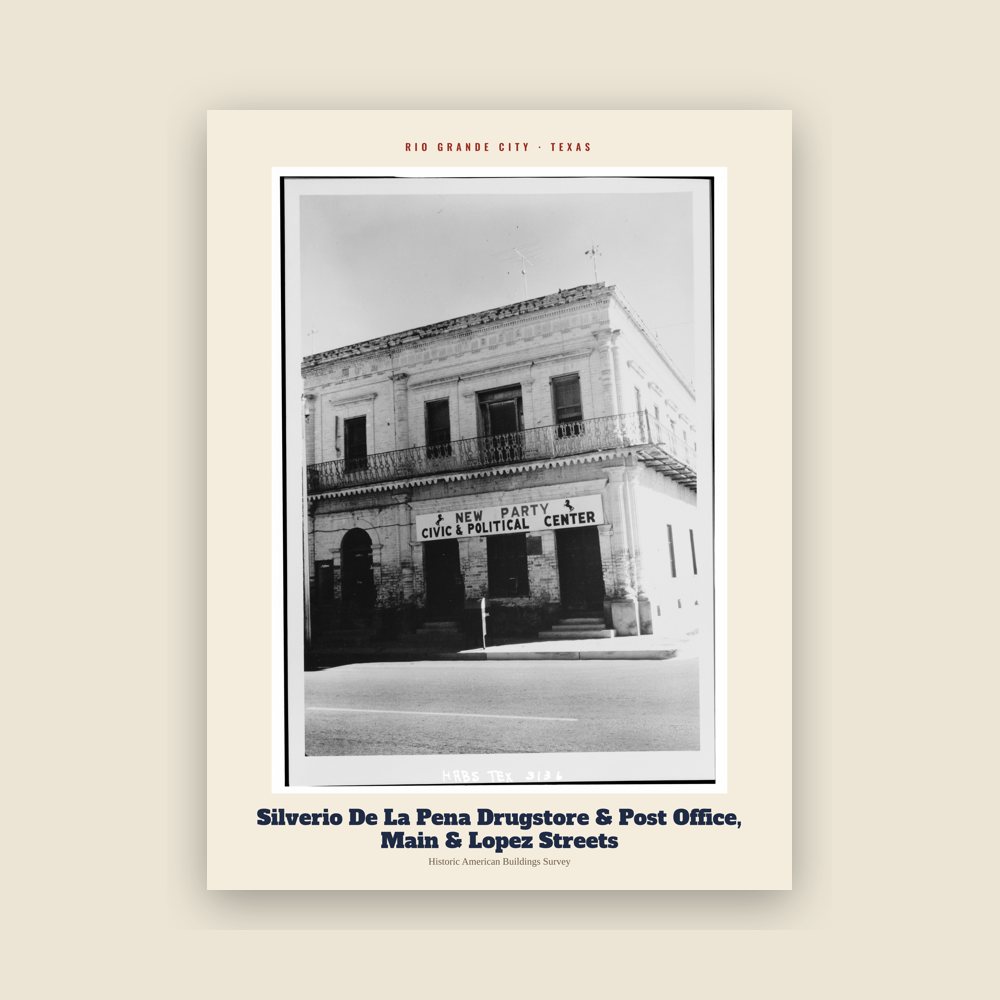
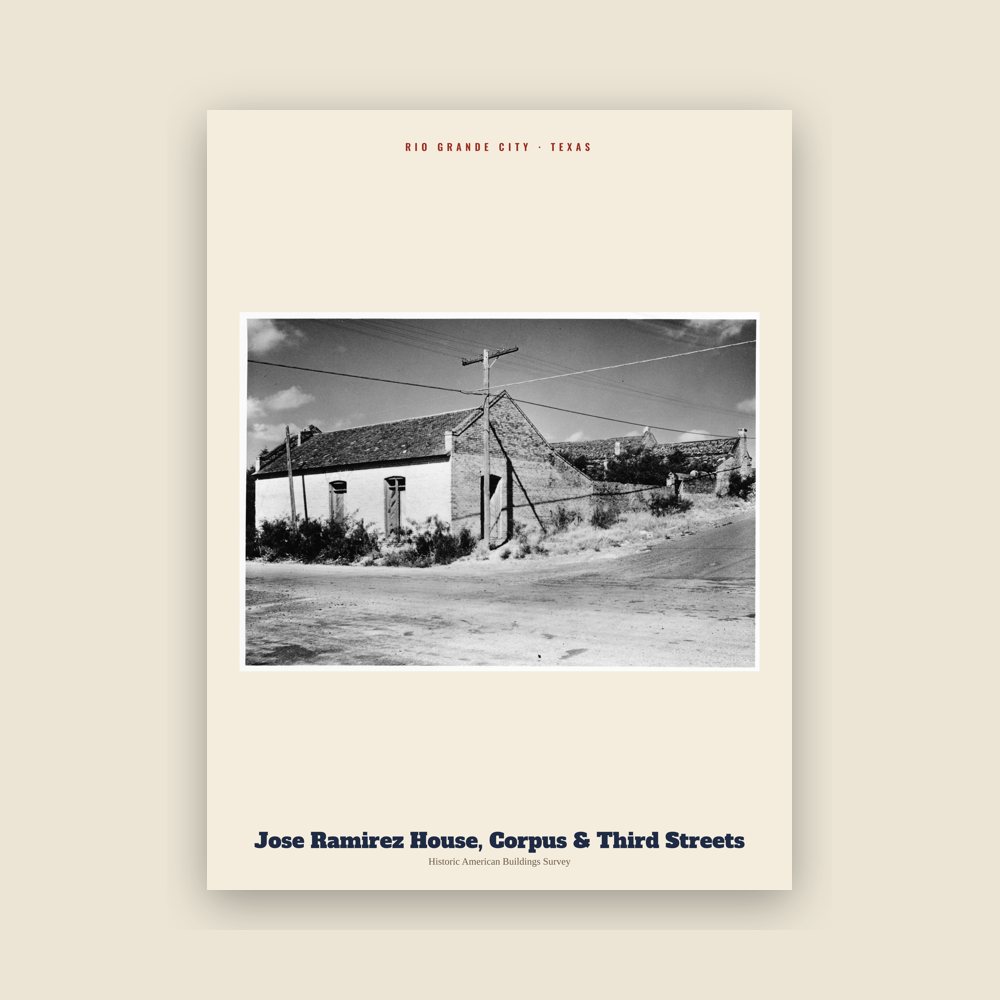
In spite of Rio Grande City's rich architectural heritage, many buildings in the old downtown district are abandoned, dilapidated, or crumbling. While there are a good number of small shops and businesses operating in the district, most new development and commerce takes place in new shopping centers outside of the old downtown neighborhood.
Read the full history
Fort Ringgold
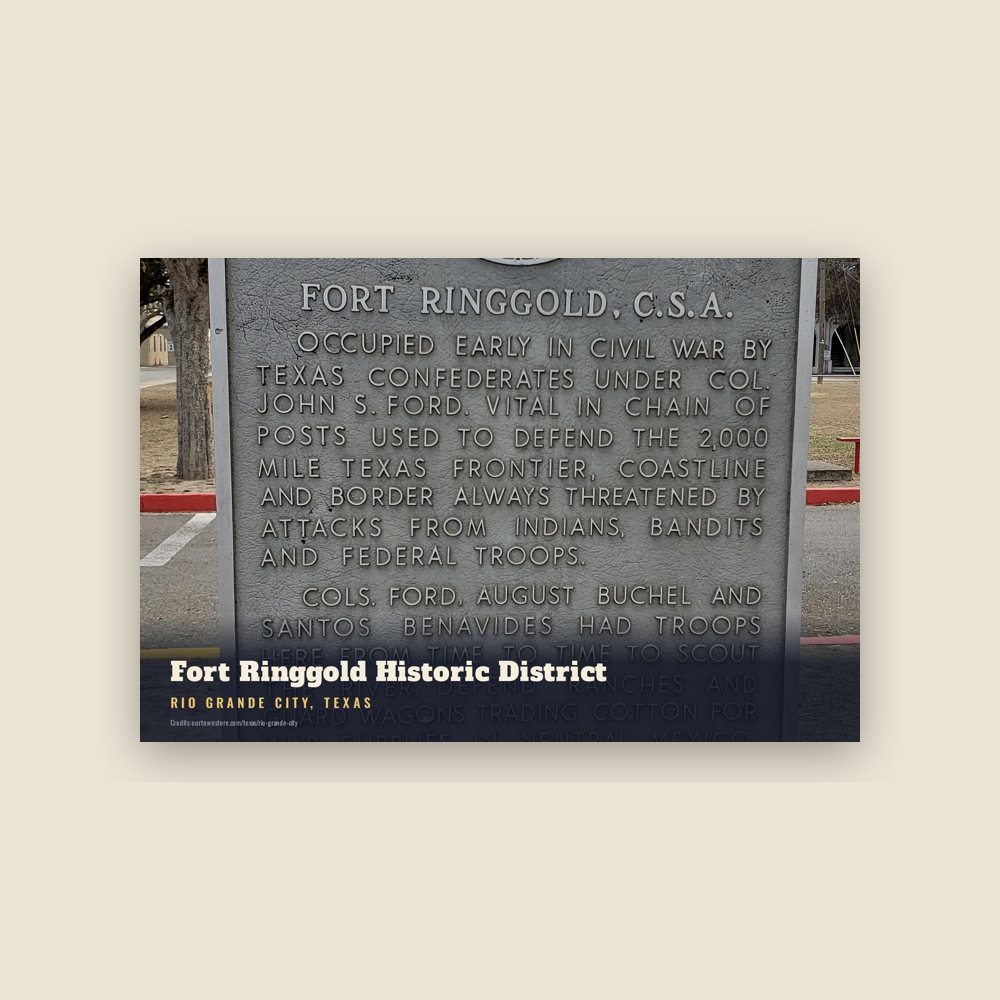
Ringgold Barracks were established at Davis Landing on 26 October 1848 by the 1st US Infantry under the command of Captain J.H. La Motte, in honor of Major Ringgold, who was mortally wounded at the Battle of Palo Alto. Troops were withdrawn on 3 March 1859 but reoccupied again on 29 December 1859 during the Cortina War.
The fort was abandoned again at the start of the Civil War in 1861, but reoccupied by US forces in 1865. The fort was active until 1944 when the property was sold to the Rio Grande City public schools system. Units stationed here included the 1st Infantry (Mounted Dragoons), 7th and 28th Infantry Regiments, 3rd Texas Volunteers, the 9th, 10th and 12th Cavalry Regiments, the 9th and 10th being composed of Buffalo Soldiers.
The original parade ground is maintained, and several post buildings survive to be used as school facilities. These include the sentry and guard houses, barracks, officers quarters, bakery, hospital and post headquarters, situated along Ringgold Avenue, Lee Circle, 12th Cavalry and F Troop streets. The Rio Grande City United States Army Reserve Center is the only remaining military presence at the Fort Ringgold area.
Adapted (trimmed) from the Wikipedia article Rio Grande City, Texas, revision 1381636539 by its contributors, licensed CC BY-SA 4.0.
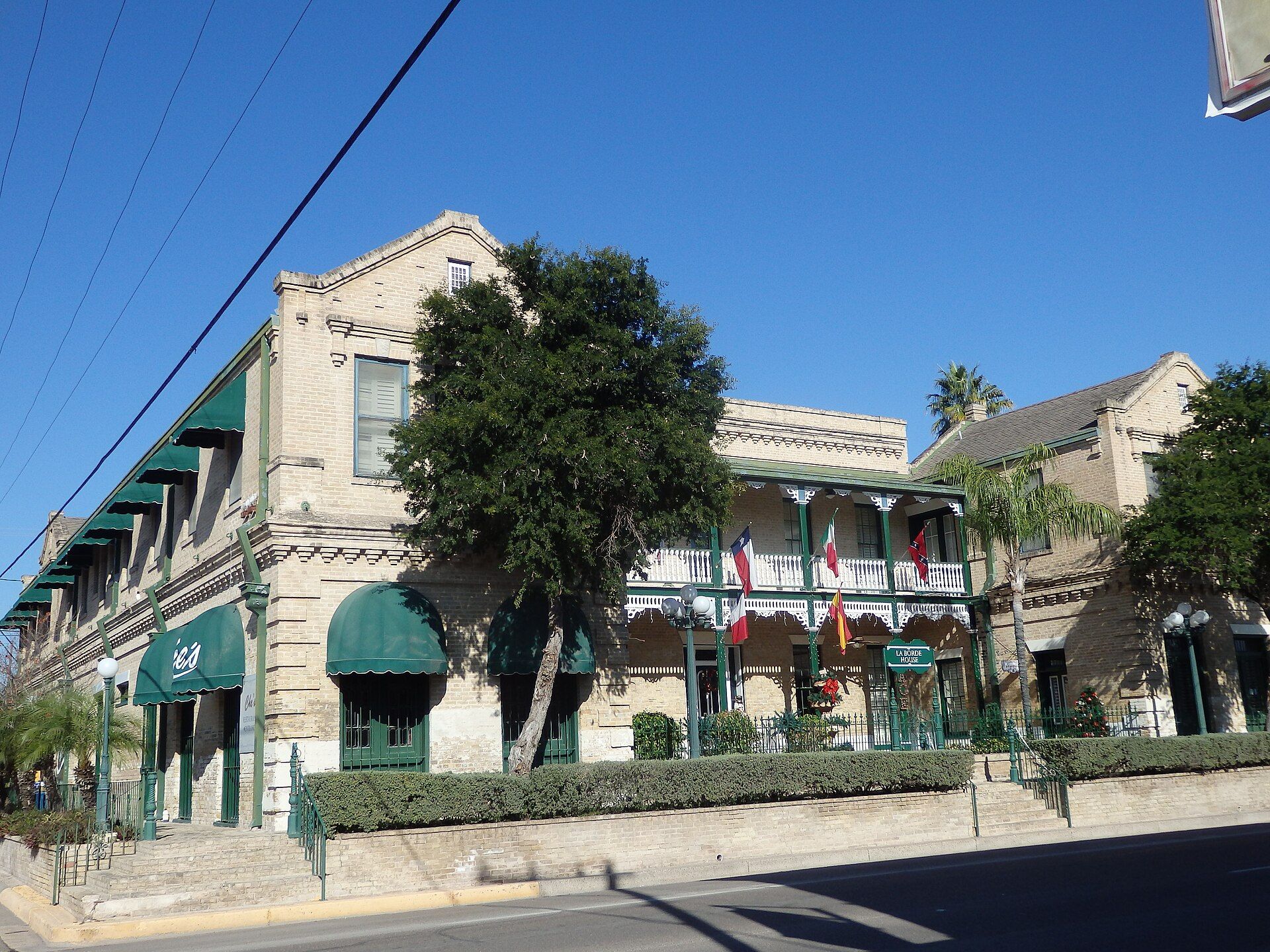
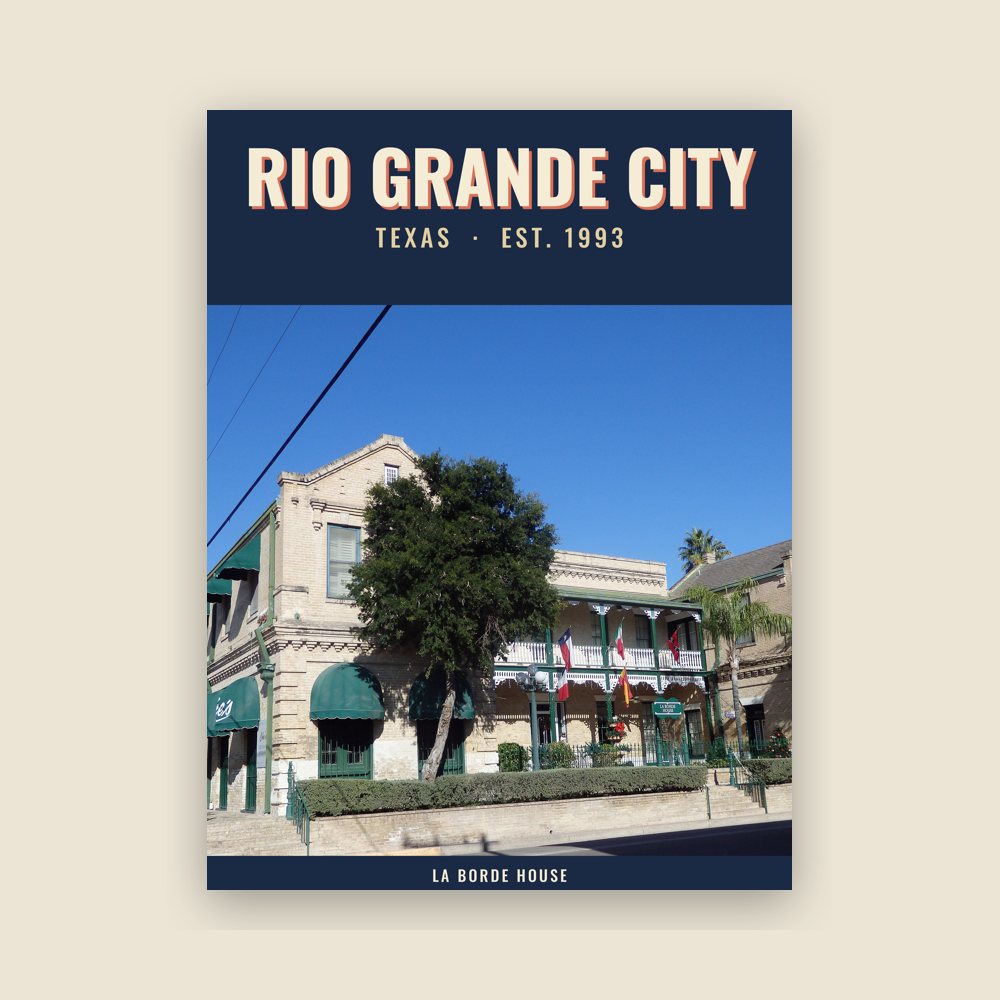
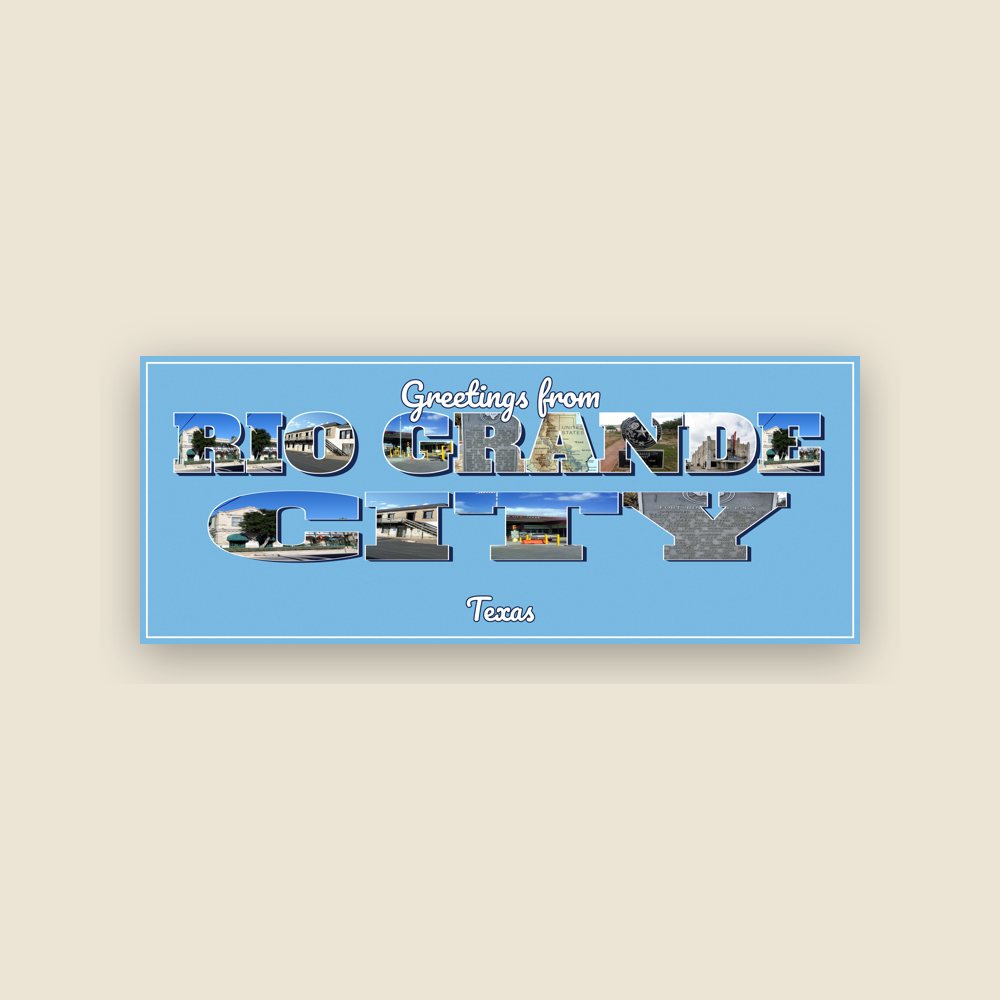
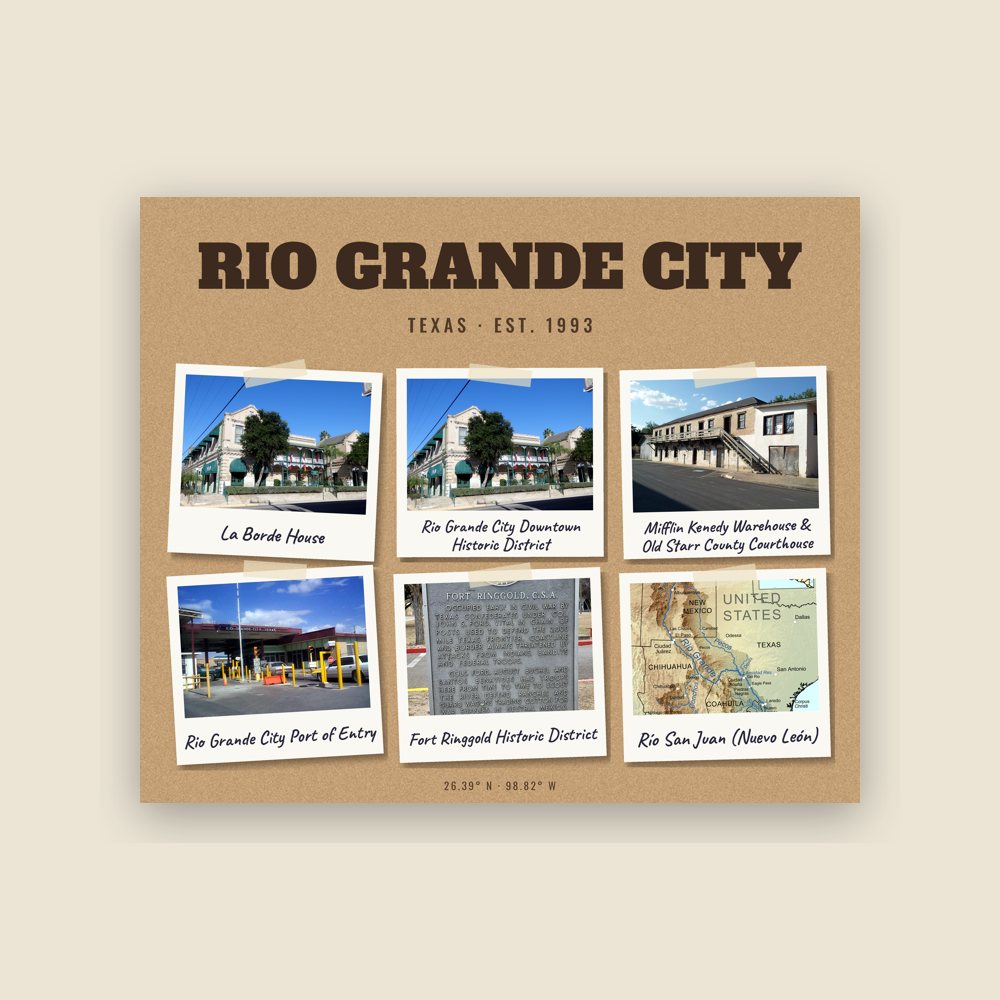
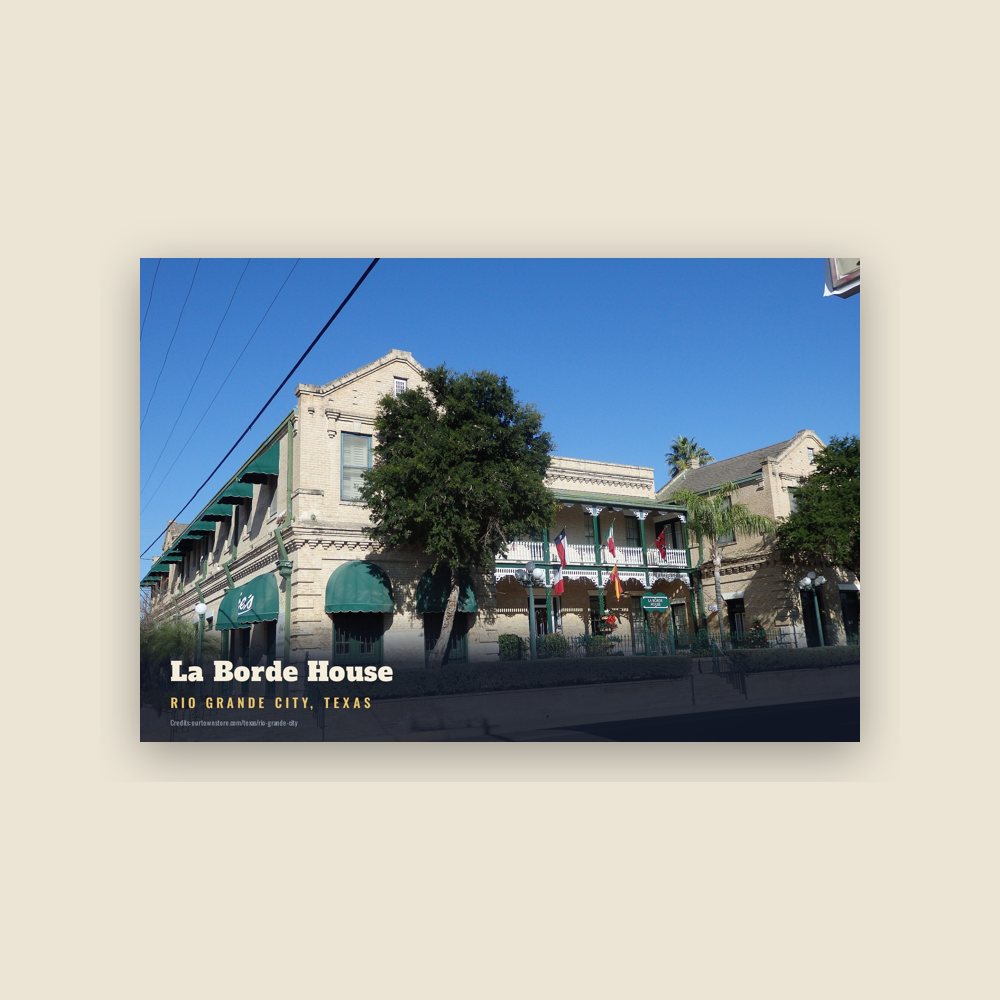
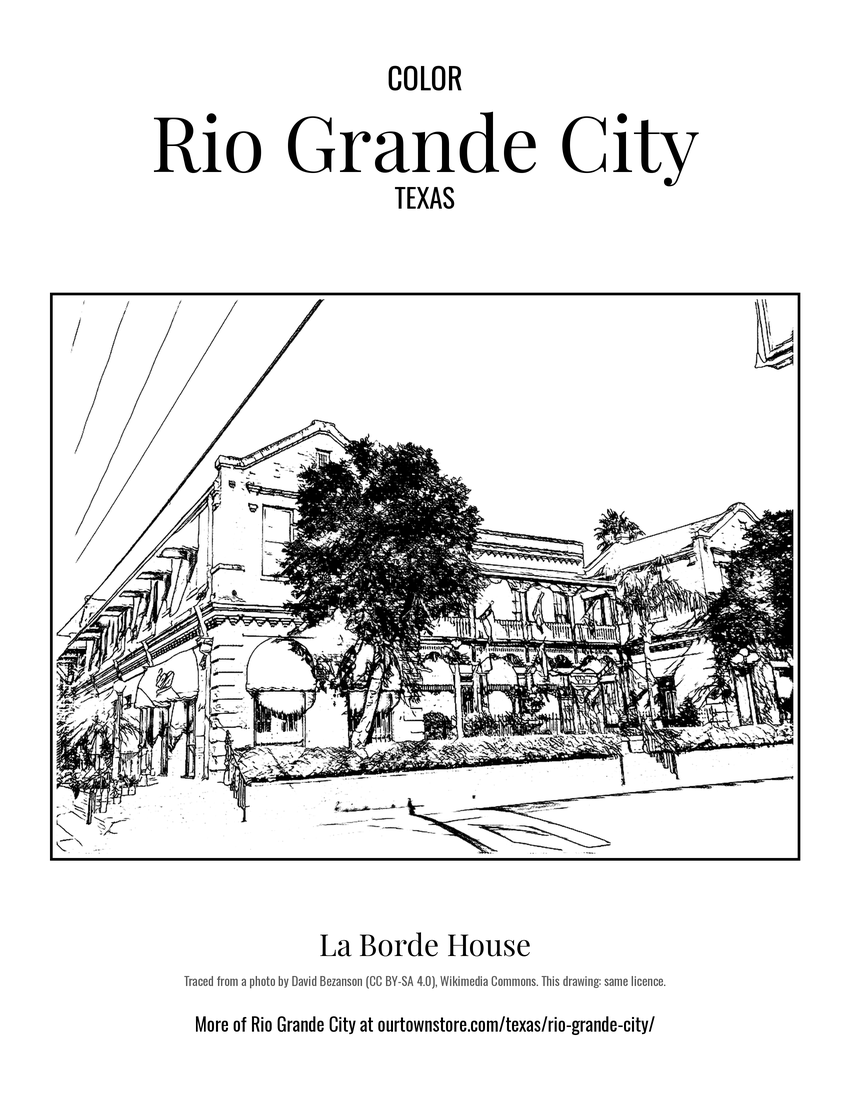 La Borde House
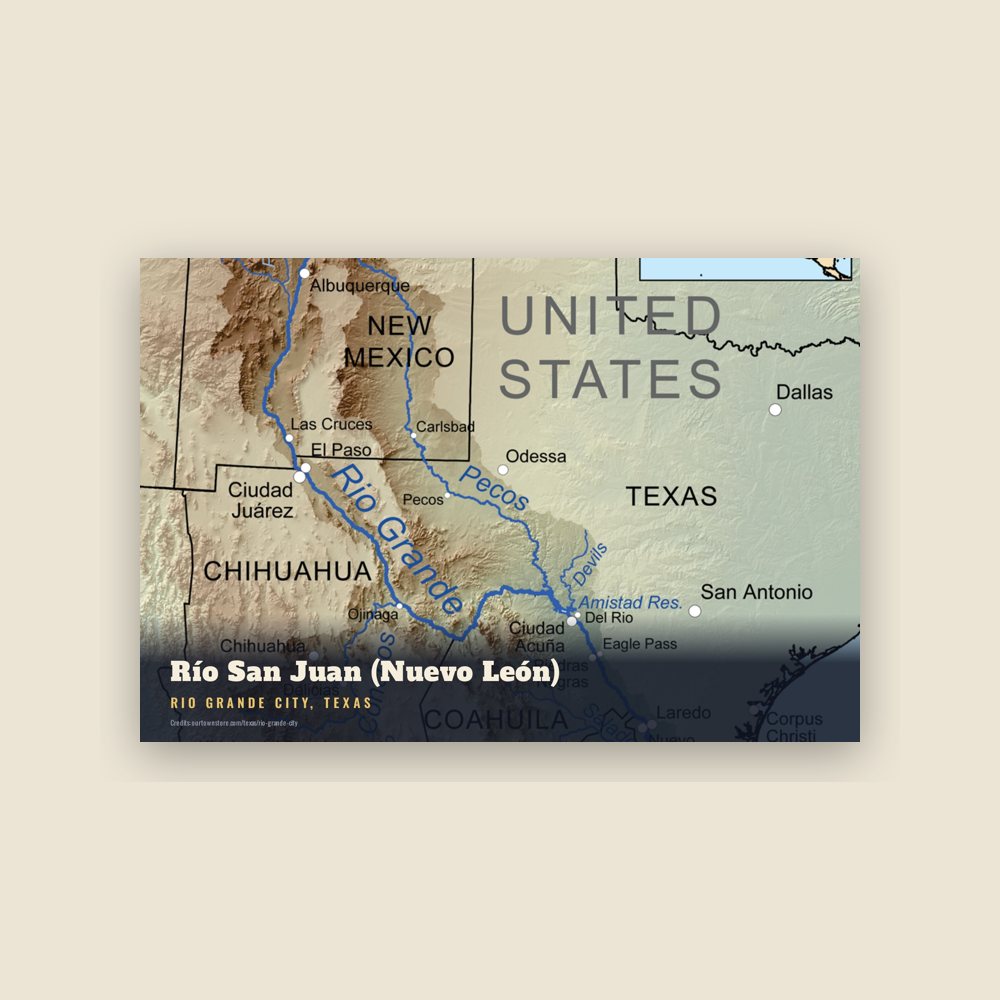
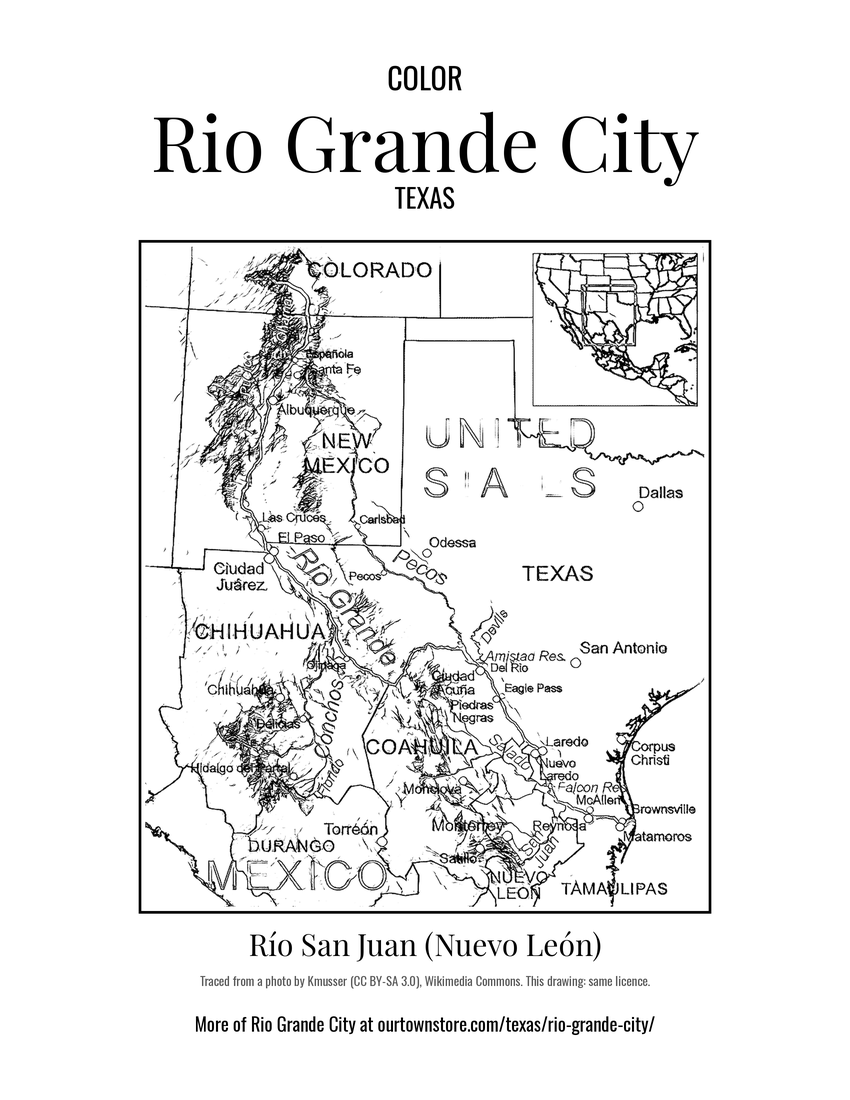 Río San Juan (Nuevo León)
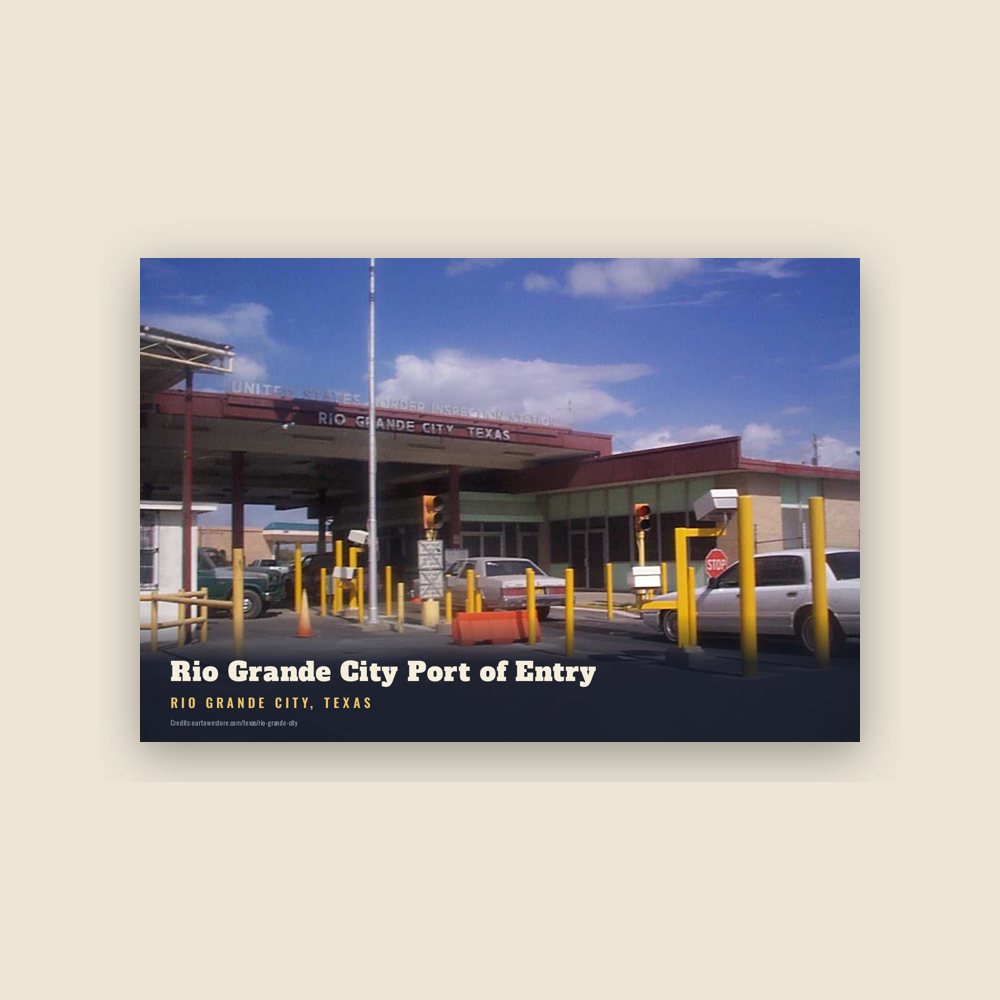
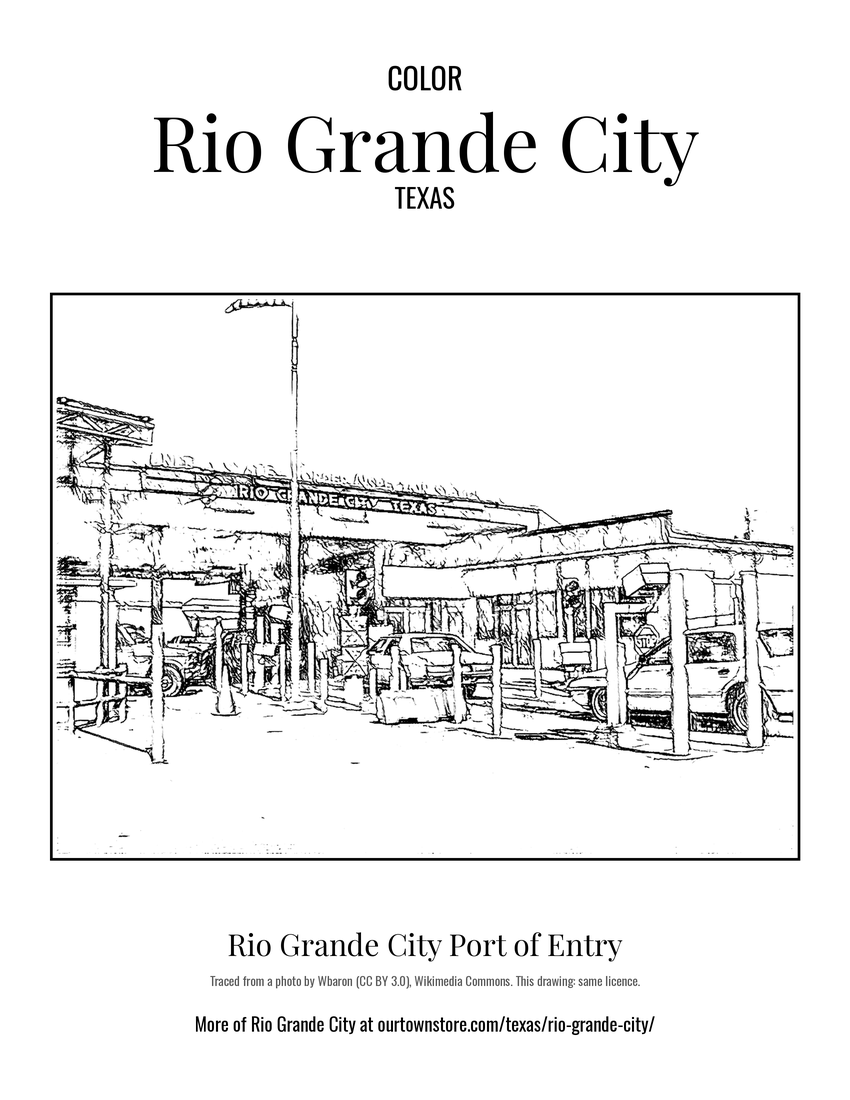 Rio Grande City Port of Entry
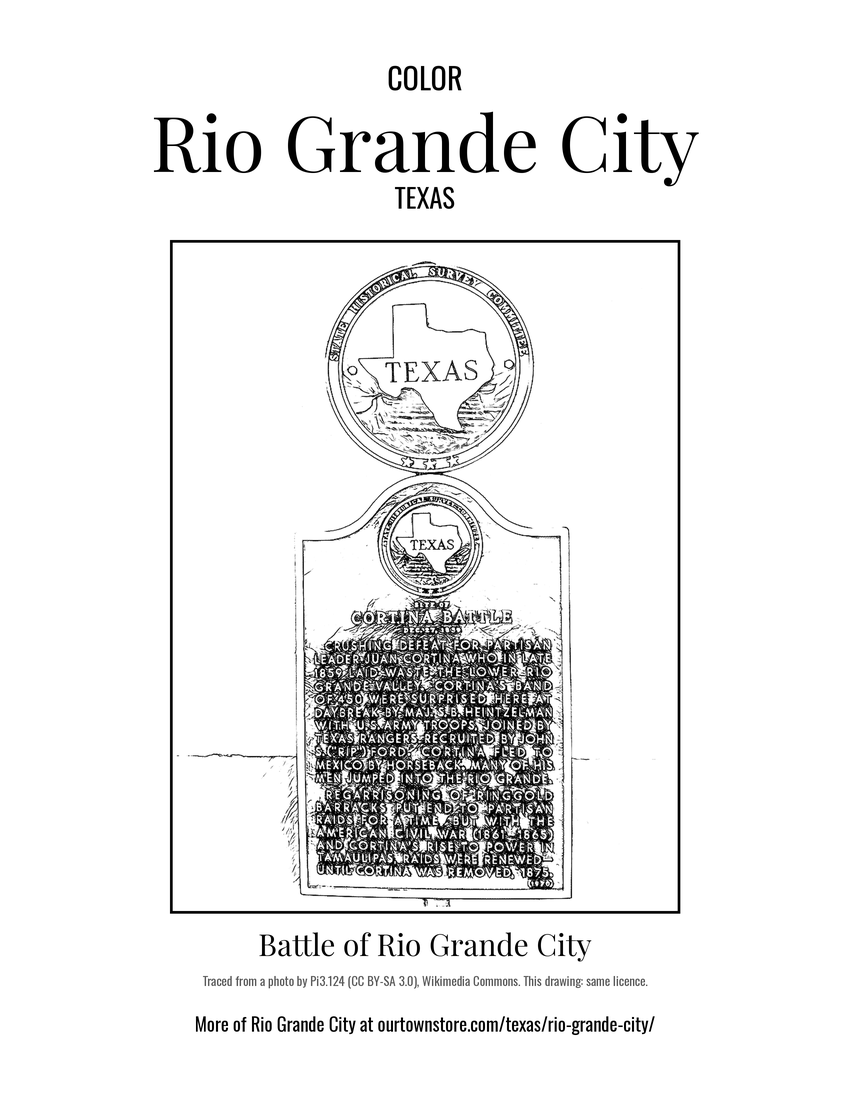 Battle of Rio Grande City