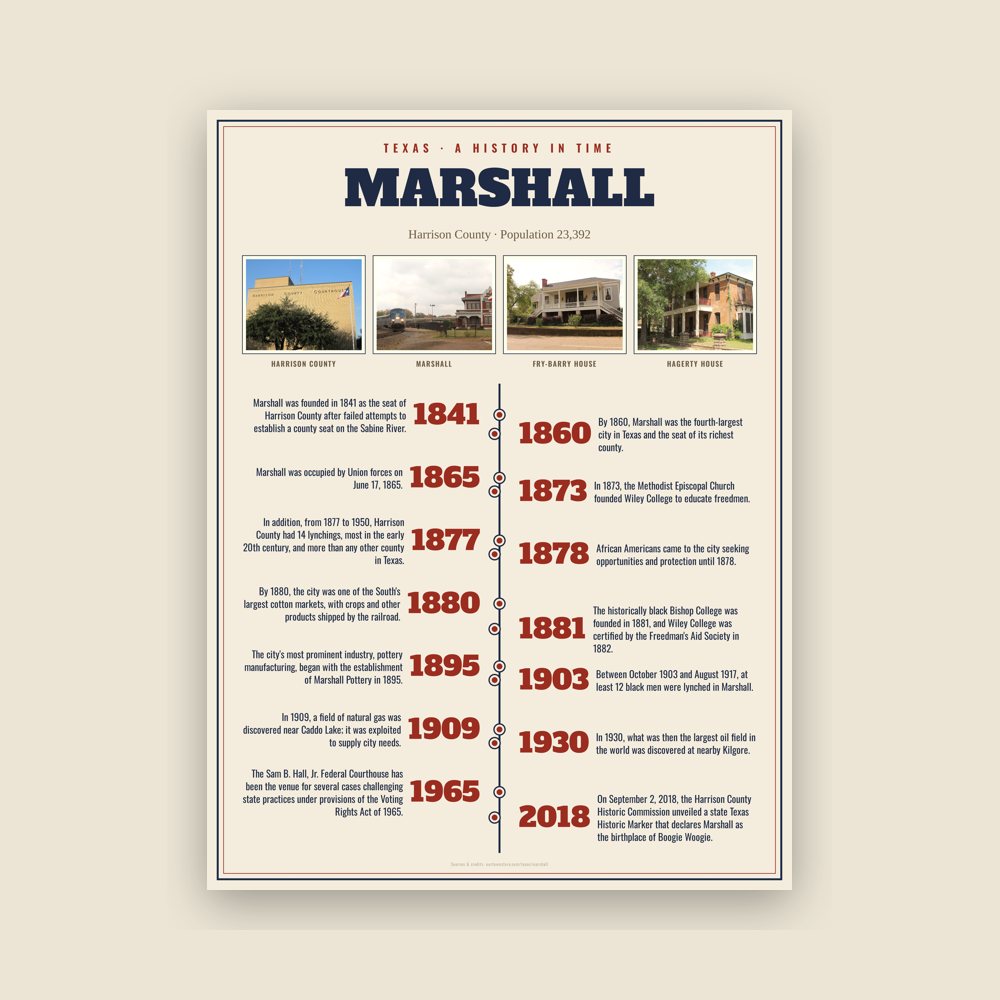
Marshall was founded in 1841 as the seat of Harrison County after failed attempts to establish a county seat on the Sabine River. It was incorporated in 1843. The Republic of Texas chose the land donated for the seat by Peter Whetstone and Isaac Van Zandt after Whetstone proved that the hilly location had a good water source.
Marshall quickly became a major city in the state because of its position as a gateway to Texas; it was on the route of several major stagecoach lines. Later, one of the first railroad lines constructed into Texas ran through it.
The founding of several colleges, including a number of seminaries, teaching colleges, and incipient universities, earned Marshall the nickname "the Athens of Texas", in reference to the ancient Greek city-state. The city's growing importance was confirmed when Marshall was linked by a telegraph line to New Orleans; it was the first city in Texas to have a telegraph service.
By 1860, Marshall was the fourth-largest city in Texas and the seat of its richest county. Developing the land for cotton plantations, county planters held more slaves here than in any other county in the state.
When Governor Sam Houston refused to take an oath of allegiance to the Confederate States of America, Marshall's Edward Clark was sworn in as governor. Pendleton Murrah, Texas's third Confederate governor, was also from Marshall.
Marshall became a major Confederate supply depot and manufacturer of gunpowder for the Confederate Army. It hosted three conferences of Trans-Mississippi and Indian Territory leaders.
The exiled Confederate government of Missouri made Marshall its temporary capital. The city took the nickname of the "City of Seven Flags". This was a nod to the flag of Missouri in addition to the six flags of the varying nations and republics that have flown over the city.
Also during the Civil War, after the fall of Vicksburg, Marshall became the seat of Confederate civil authority and headquarters of the Trans-Mississippi Postal Department. It may have been the target of a failed Union advance that was rebuffed at Mansfield, Louisiana.
Toward the end of the Civil War, the Confederate government shipped $9.0 million in treasury notes and $3.0 million in postage stamps to Marshall. It may have intended Marshall as the destination of a government preparing to flee from advancing armies.
Read the full history
Reconstruction and the railroad era (1865–1895)
Marshall was occupied by Union forces on June 17, 1865. During Reconstruction, the city was home to an office of the Freedmen's Bureau and was the base for federal troops in the region. In 1873, the Methodist Episcopal Church founded Wiley College to educate freedmen. African Americans came to the city seeking opportunities and protection until 1878.
Although freedmen comprised the majority of voters in the county and supported the Republican Party, establishing a biracial government, in the post-Reconstruction era, the White Citizens Party, led by former Confederate General Walter P. Lane and his brother George, took control of the city and county governments by fraud and intimidation at elections. Their militia ran Unionists, Republicans, and many African Americans out of town. The Lanes ultimately declared Marshall and Harrison County "redeemed" from Union and African-American control.
Despite this, the African-American community continued to progress. The historically black Bishop College was founded in 1881, and Wiley College was certified by the Freedman's Aid Society in 1882.
Marshall's "Railroad Era" began in the early 1870s. Harrison County citizens voted to offer a $300,000 bond subsidy, and the City of Marshall offered to donate land north of the downtown to the Texas and Pacific Railway if the company established a center in Marshall. T&P President Jay Gould accepted the incentive, locating the T&P's workshops and general offices for Texas in Marshall. The city immediately had a population explosion from workers attracted to the potential for new jobs there.
By 1880, the city was one of the South's largest cotton markets, with crops and other products shipped by the railroad. The city's prosperity attracted new businesses: J. Weisman and Co. opened there as Texas's first department store. When a light bulb was installed in the Texas and Pacific Depot, Marshall became the first city in Texas with electricity. During this period of wealth, many of the city's now-historic homes were constructed. The city's most prominent industry, pottery manufacturing, began with the establishment of Marshall Pottery in 1895.
Despite the prosperity of the railroad era, some city residents struggled with poverty. Blacks were severely discriminated against under Jim Crow laws and customs. At the turn of the 20th century, the Democratic-dominated state legislature passed segregation laws and disenfranchised most blacks and Hispanics, as did all the states of the former Confederacy in this period. These minorities were essentially excluded from the political system for more than 60 years. Unable to vote, they were also excluded from juries and suffered injustices from all-white juries. In addition, from 1877 to 1950, Harrison County had 14 lynchings, most in the early 20th century, and more than any other county in Texas.
In the rural areas of Harrison County, more interaction occurred between whites and African Americans than in the city, and whites and blacks were often neighbors, but Jim Crow rules were strongly imposed on African Americans.
Early and mid-20th century
In 1909, a field of natural gas was discovered near Caddo Lake; it was exploited to supply city needs. Under the leadership of John L. Lancaster, the Texas and Pacific Railway reached the height of its success during the first half of the 20th century. Marshall's ceramics industry expanded to the point that boosters called the city the "Pottery Capital of the World".
In 1930, what was then the largest oil field in the world was discovered at nearby Kilgore. The first student at Marshall High School to have a car was Lady Bird Johnson, a kind of progress that excited many students.
During the late 19th and early 20th centuries, children of both races were forced to accept the law of racial segregation in the state. Marshall resident George Dawson became a writer late in life when he learned to read and write at age 98. He described his childhood under segregation in his 2013 memoir Life Is So Good, written with Richard Glaubman. He said that in some instances, other blacks and he resisted the demands of Jim Crow. For instance, he rejected an employer who expected him to eat with her dogs.
As blacks were excluded from politics and tensions rose, more lynchings of black men took place, a form of extrajudicial punishment and social control. Beginning in the late 19th century, 14 black men were lynched in the county, the third-highest total in the state. Suspects were often brought to Marshall for lynching or taken from the county jail before trial and hanged in the courthouse square for maximum public effect of terrorizing the black population. Between October 1903 and August 1917, at least 12 black men were lynched in Marshall. Not all instances of lynching were documented, so there may have been others.
In the early and mid-20th century, Marshall's traditionally black colleges, Wiley and Bishop, were thriving intellectual and cultural centers. Writer Melvin B. Tolson, who was part of the Harlem Renaissance, taught at Wiley College. Painter Samuel Countee, a Texas-born student of Bishop College in the mid-1930s, exhibited at the Harmon Exhibitions in 1935–1937 and won a scholarship to study at the Boston Museum of Fine Arts. Countee had a successful career as a teacher and artist in the New York City area, where he lived for the rest of his life.
Inspired by the teachings of professors such as Tolson, students and former students of the colleges mobilized to challenge and dismantle Jim Crow laws and institutions in the 1950s and 1960s. As secretary of the Harrison County National Association for the Advancement of Colored People, Fred Lewis challenged the White Citizens Party in Harrison County, which had the oldest chapter in Texas, and the laws the party supported. This suit overturned Jim Crow in the county with the Perry v. Cyphers ruling. Heman Sweatt, a Wiley graduate, tried to enroll in the University of Texas at Austin Law School, but was denied entry because of his race. He sued and the United States Supreme Court ordered the desegregation of postgraduate studies in public universities in Texas in Sweatt v. Painter (1950). James Farmer, another Wiley graduate, became an organizer of the Freedom Rides and a founder of the Congress of Racial Equality, which was active throughout the South.
Late 20th – early 21st centuries
The civil rights movement reached into the 1960s, 1970s, and 1980s. In the 1960s, students organized the first sit-ins in Texas in the rotunda of the county courthouse on Whetstone Square. They protested continuing segregation of public schools. This practice had been declared unconstitutional in 1954 by the Supreme Court in Brown v. Board of Education. In 1970, all Marshall public schools were finally integrated.
Also in 1970, Carolyn Abney became the first woman elected to the Marshall City Commission. In 1975, nearly a decade after passage of the federal Voting Rights Act of 1965, local businessman Sam Birmingham became the first African American elected to the city commission. In the 1980s, he was elected as the city's first African-American mayor. Birmingham retired in 1989 for health reasons and was succeeded by his wife, Jean Birmingham.
Marshall's railroad industry declined during the restructuring of the industry; most trains were converted to diesel fuel, and many lines merged. Construction of the Interstate Highway System after World War II and expansion of trucking, plus the increase in airline traffic, also led to railway declines. The T&P shops closed in the 1960s, and T&P passenger service ceased in 1970. The Texas oil bust of the 1980s devastated the local economy. The city's population declined by about 1,000 between 1980 and 1990.
During the mid-20th century, the city lost many of its historic landmarks to redevelopment or neglect. For a time, people preferred "modern" structures. Other buildings were demolished because tax laws favored new construction.
By 1990, Marshall's opera house, the Missouri Capitol, the Moses Montefiore Synagogue, the original Viaduct, the Capitol Hotel, and the campus of Bishop College (including the Wyalucing plantation house) had been demolished. In the 1970s, the city began to study historic preservation efforts of nearby Jefferson. Since then, it has emphasized preservation of historic assets.
Due to newly completed construction projects, the city was one of 10 designated in 1976 as an All-America City by the National Civic League. In 1978, Taipei Mayor Lee Teng-hui and Marshall Mayor William Q. Burns signed legislation recognizing Marshall as a sister city to the much larger Taipei. During this period, Bill Moyers won an Emmy for his documentary Marshall, Texas, chronicling the city's history of race relations.
The city's economy declined from the 1960s through the 1980s, largely because of oil industry and manufacturing changes. Population declined after jobs left the area. Longview surpassed Marshall in population and economy.
In the 1980s and 1990s, the city began to concentrate on diversifying its economy. It emphasized heritage and other tourism. The city founded two new festivals, the Fire Ant Festival and the Wonderland of Lights, which joined the longstanding Stagecoach Days. The Fire Ant Festival gained national attention after being featured on television in programs such as the Oprah Winfrey Show.
The Wonderland of Lights became the most popular and one of the largest light festivals in the United States. By 2000, it had become such a prominent part of the cityscape that the lighted dome of the Old Courthouse was the city's most recognizable symbol; 2011 marked the festival's 25th anniversary.
During the 2000s, the downtown area experienced moderate economic growth, which supported restoration of significant buildings. By 2005, the Joe Weisman and Company building, the T&P Depot, the former Hotel Marshall (now known as "The Marshall"), and the former Harrison County Courthouse were either restored or under restoration.
Restaurants, boutiques, and loft apartments were developed downtown, adding to the variety of its daily life and the number of pedestrians on the streets. Some projects adapted historic structures for reuse. Many historic homes outside downtown continue to deteriorate. Some structures in moderate condition were approved for demolition, to be replaced by prefabricated or tin structures. Whetstone Square has become quite busy, with few empty buildings around it. Lack of funding and manpower has slowed movement on demolition and salvage of historic homes.
The Sam B. Hall, Jr. Federal Courthouse has been the venue for several cases challenging state practices under provisions of the Voting Rights Act of 1965. For instance, the Democratic Party challenged the 2003 redistricting by the state legislature, arguing that it diluted minority rights. Combined with two other cases, these issues were heard by the United States Supreme Court in League of United Latin American Citizens v. Perry (2006). It upheld the state's actions, with the exception of Texas's 23rd congressional district; redistricting was required that also affected neighboring districts. This had little effect on the Republican majority of Texas's congressional delegation after the 2004 elections.
An unusually high number of patent lawsuits were filed in the United States District Court for the Eastern District of Texas, which includes Marshall, Tyler, and Texarkana. TiVo sued EchoStar over digital video recorder patent rights. Marshall has a reputation for plaintiff-friendly juries for the 5% of patent lawsuits that reach trial. This has resulted in 78% plaintiff wins. The number of patent suits filed in 2002 was 32, and the number for 2006 was estimated at 234. The number of patent suits filed here were second only to the United States District Court for the Central District of California in 2009. The trend continued through 2011 in the Eastern District of Texas, which includes Marshall, with the number of patent lawsuits more than doubling from 2010.
Marshall was profiled on This American Life, as its juries' support of plaintiffs in patent suits has generated controversy.
On January 18, 2010, John Tennison, a San Antonio physician and musicologist, publicized his research that found that boogie-woogie music was first developed in the Marshall area in the early 1870s. It originated among African Americans working with the T&P Railroad and the logging industry. On May 13, 2010, the Marshall City Commission unanimously passed an ordinance declaring Marshall "the Birthplace of Boogie Woogie". On September 2, 2018, the Harrison County Historic Commission unveiled a state Texas Historic Marker that declares Marshall as the birthplace of Boogie Woogie.
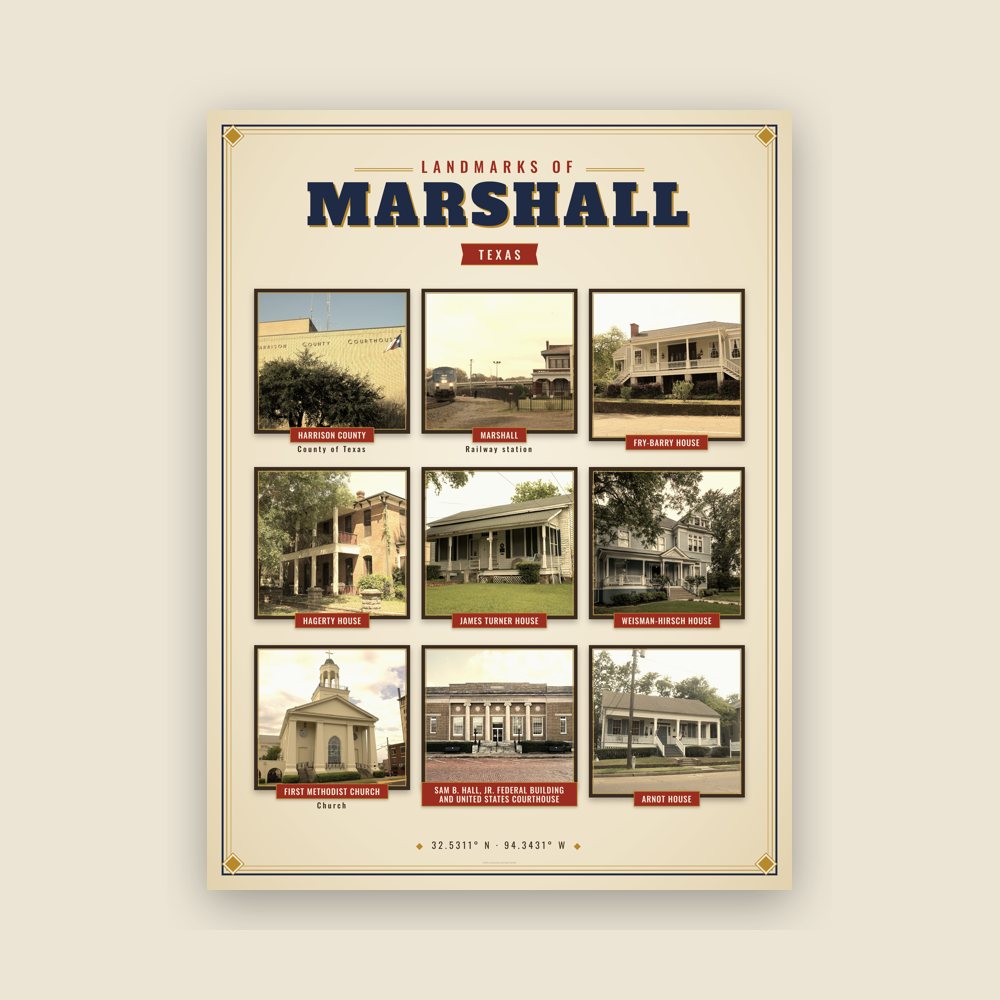
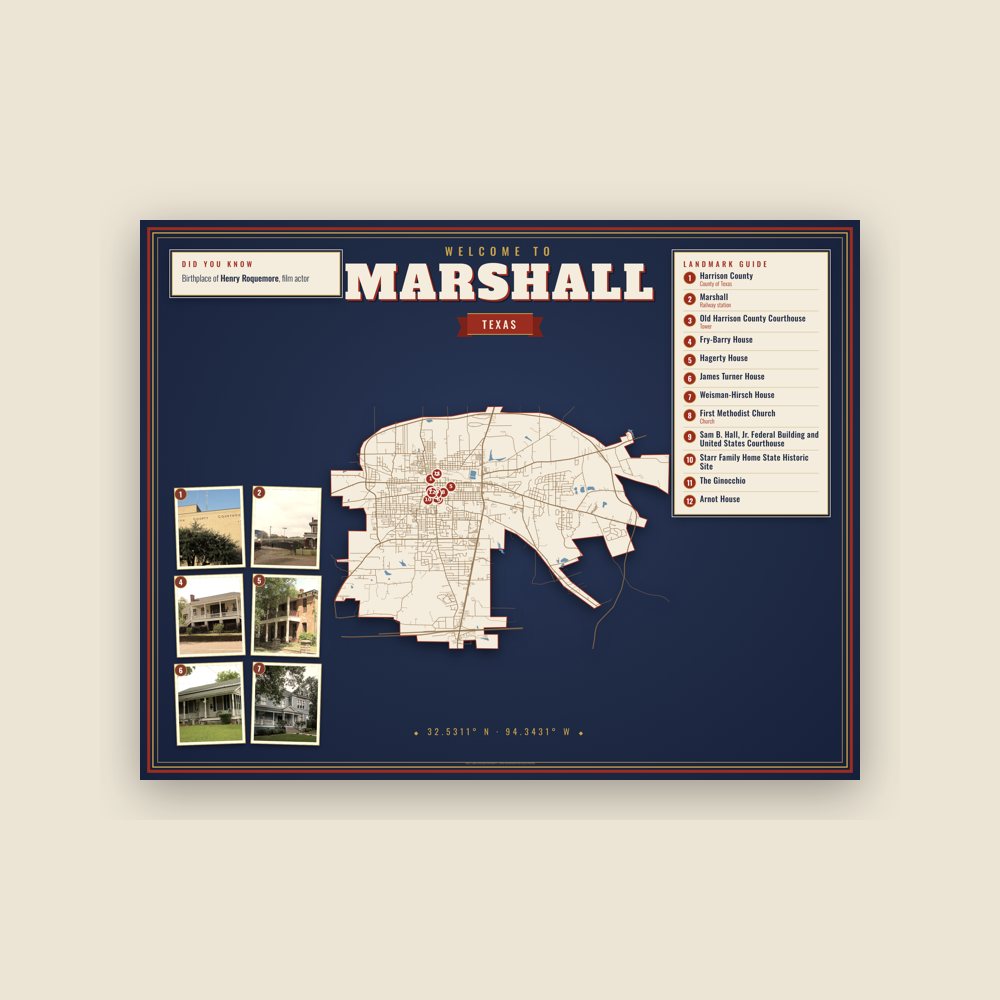




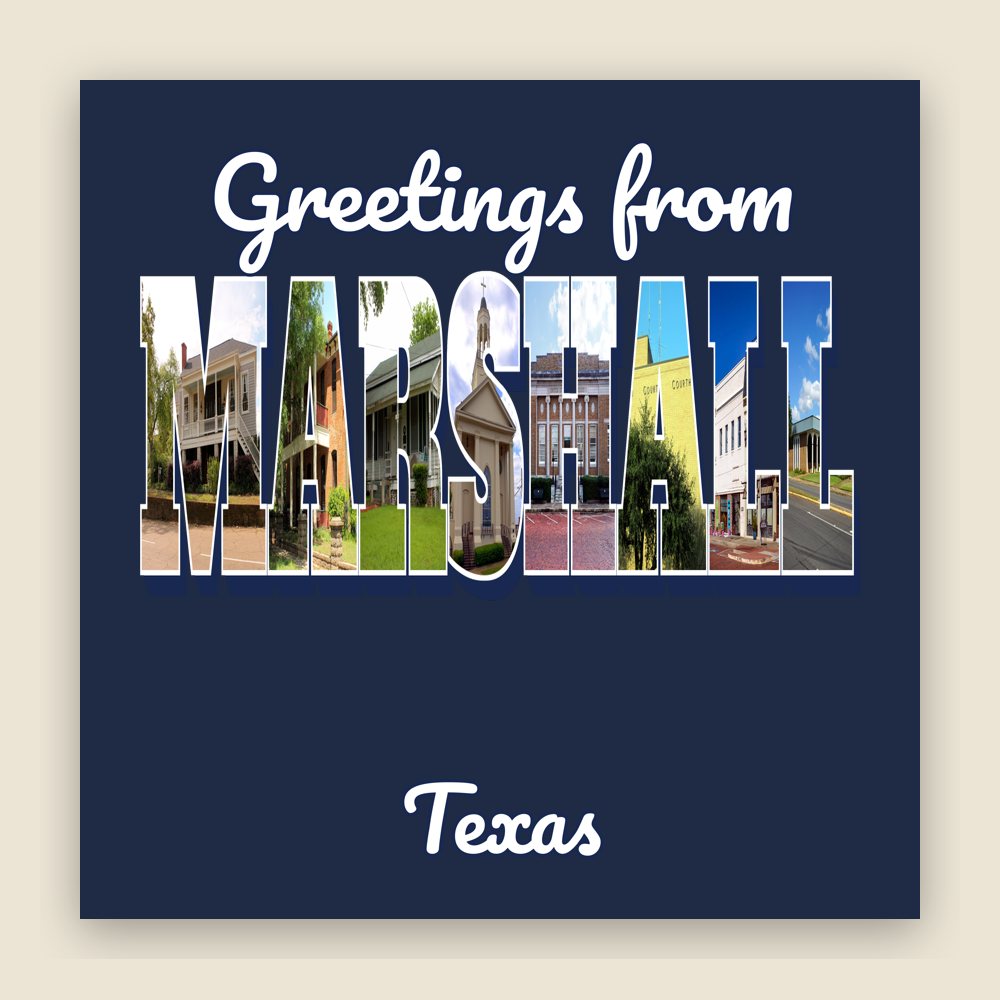
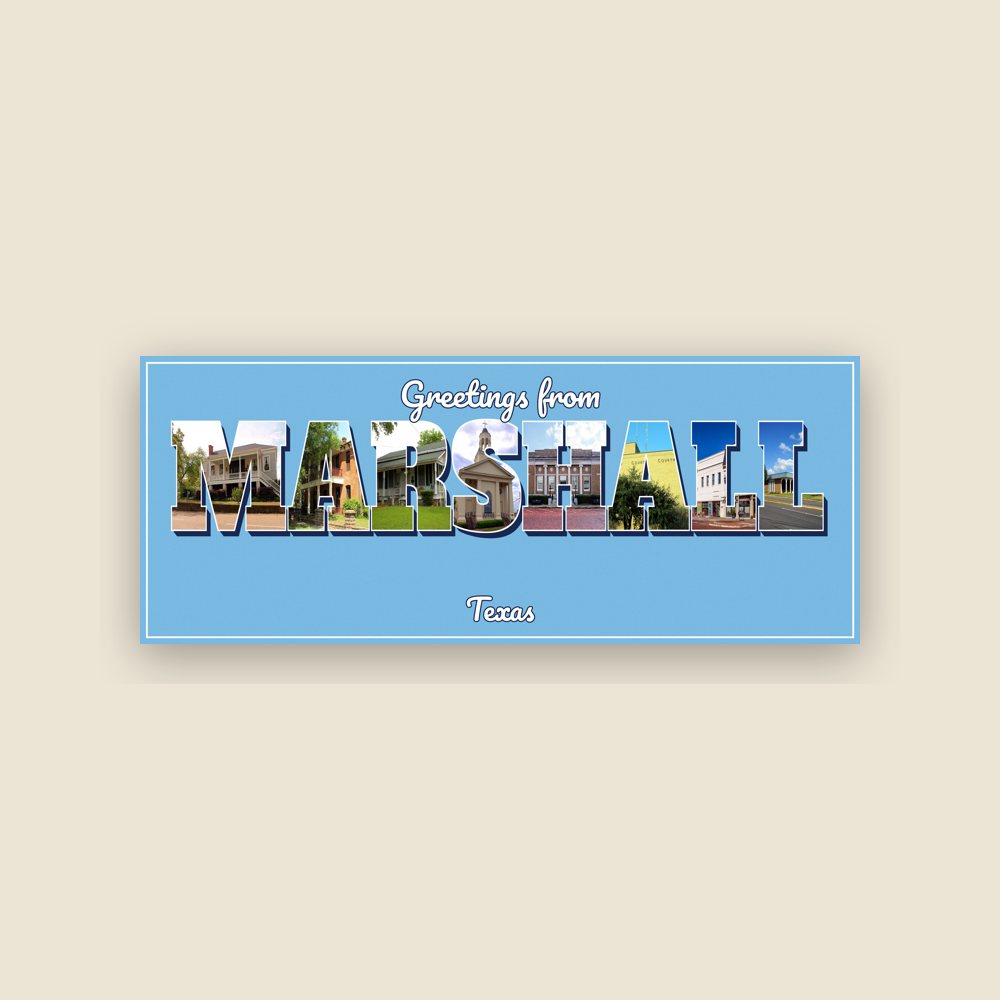


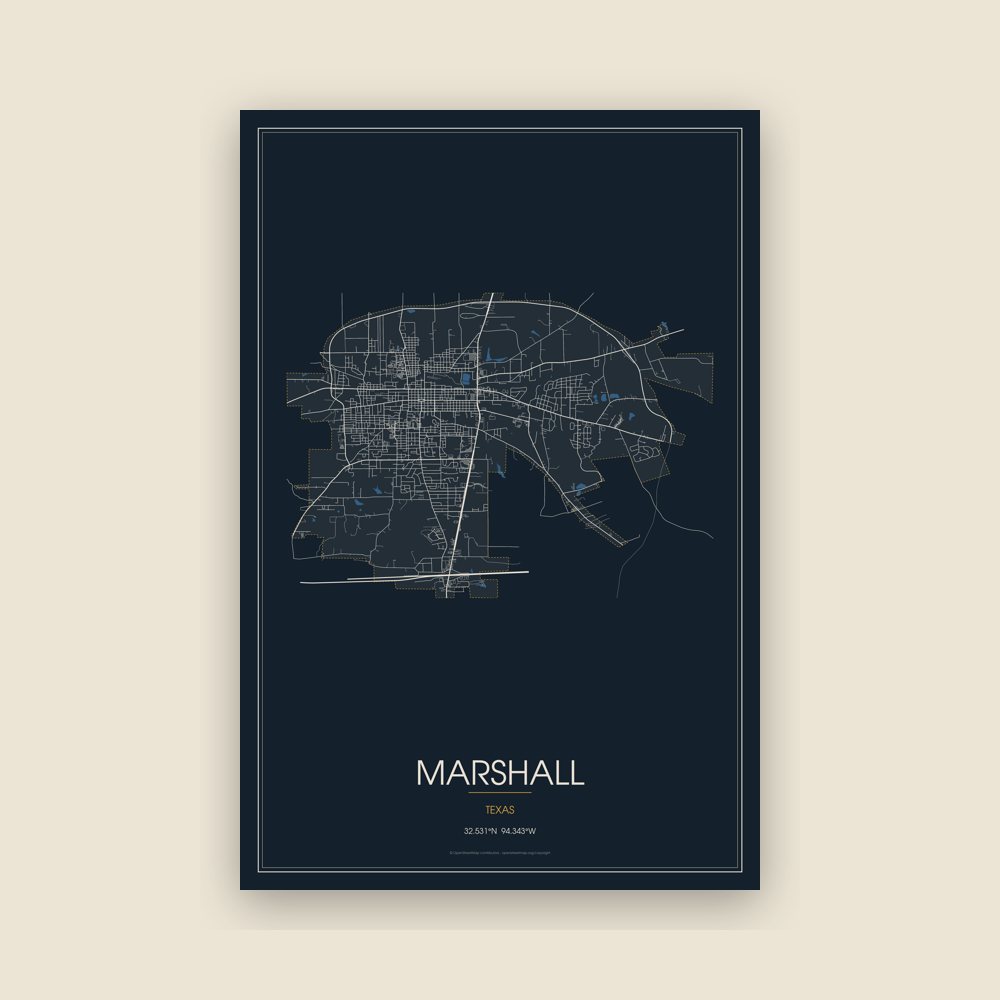
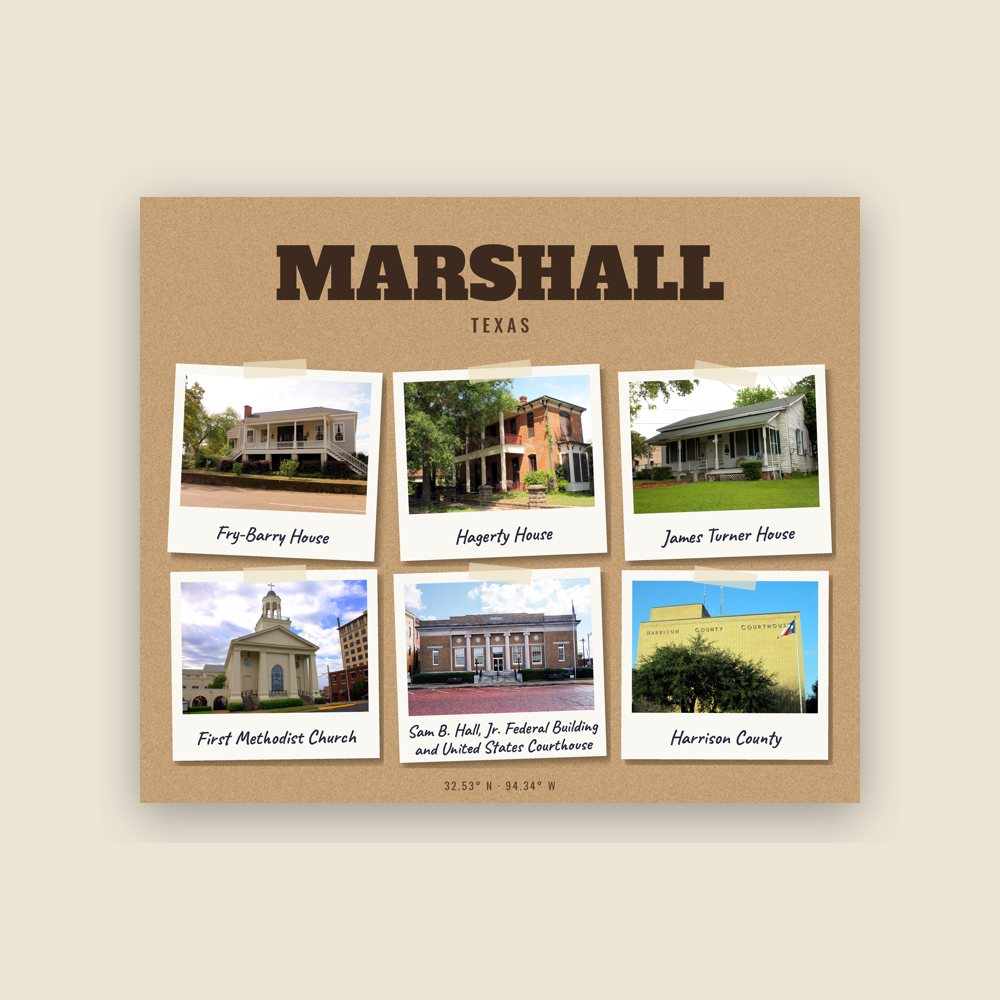
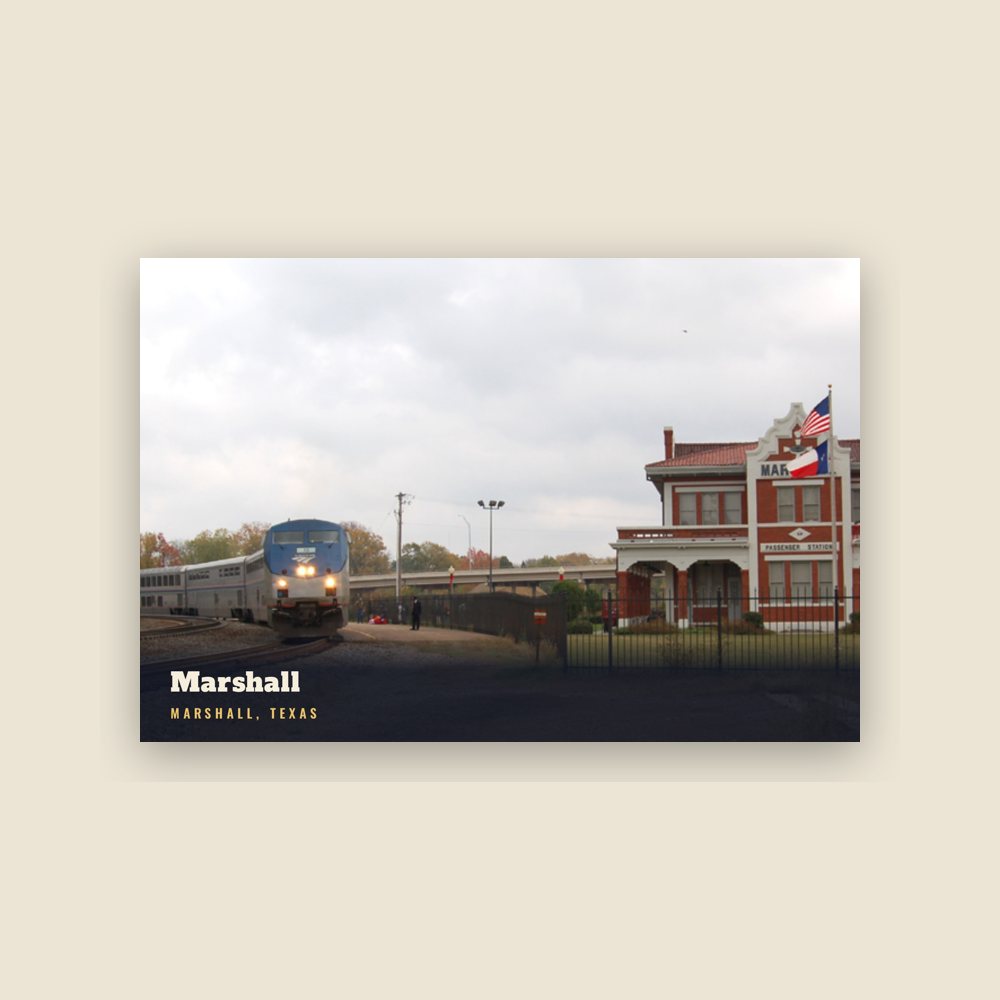
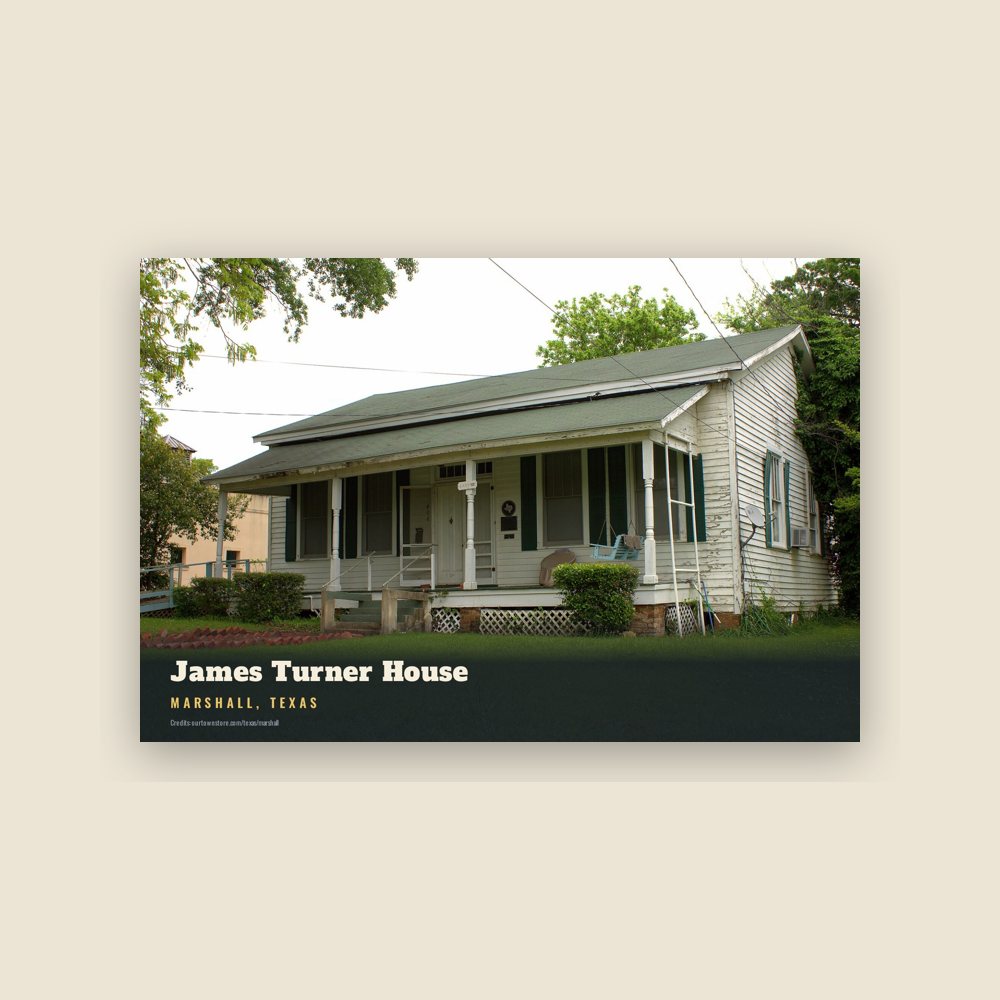
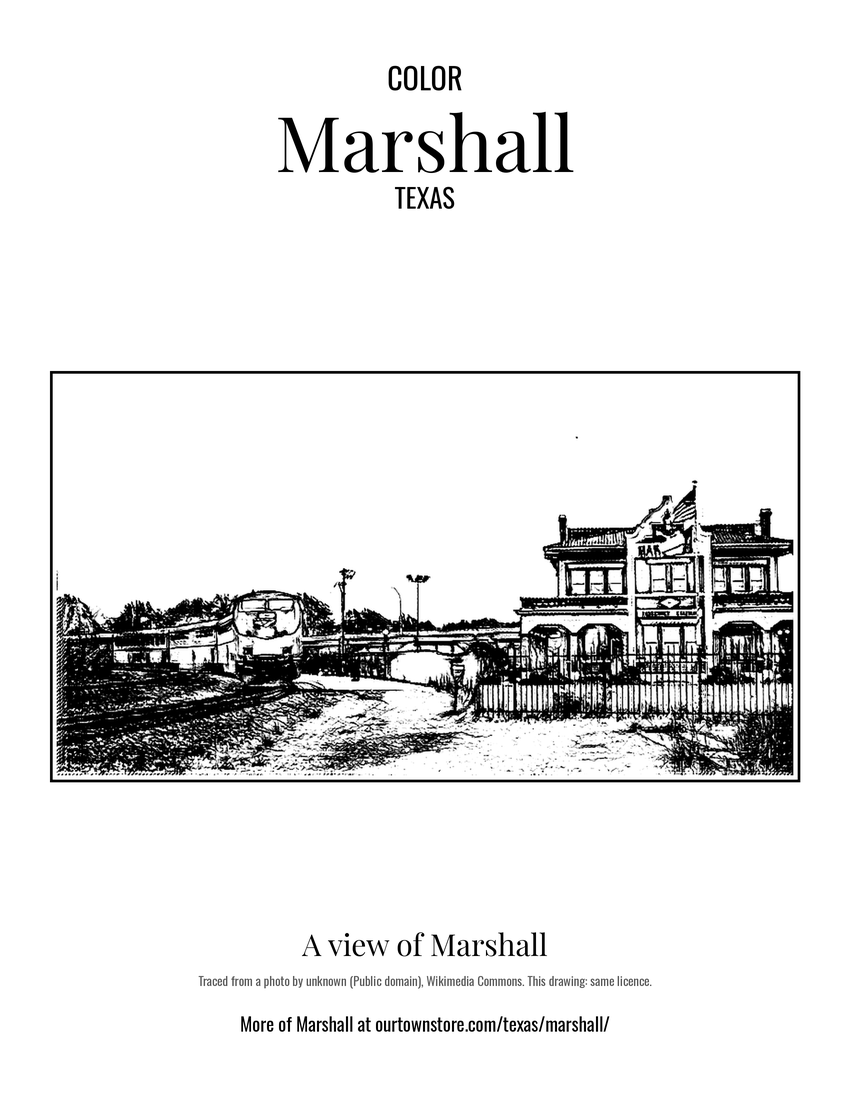 A view of Marshall
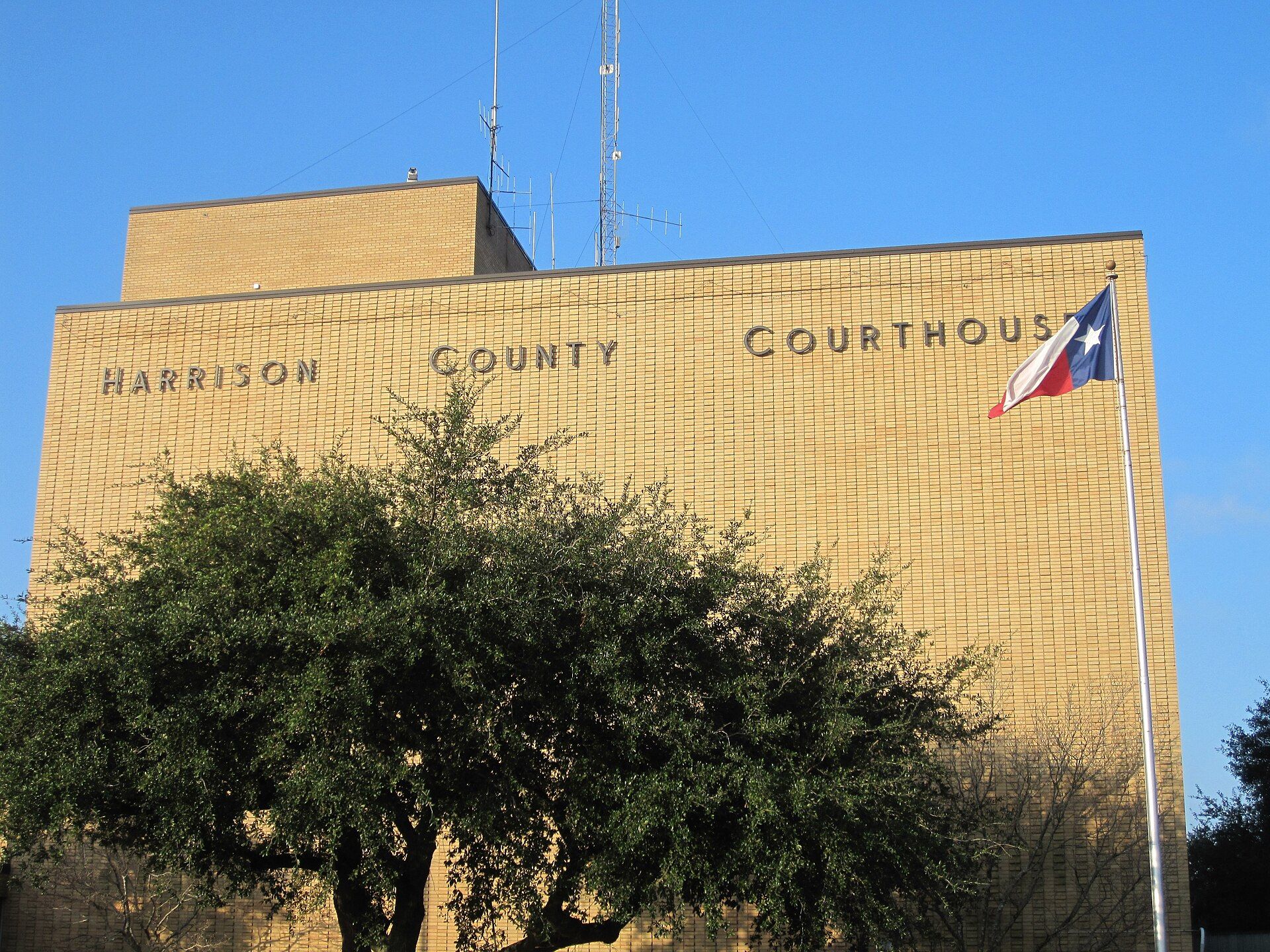
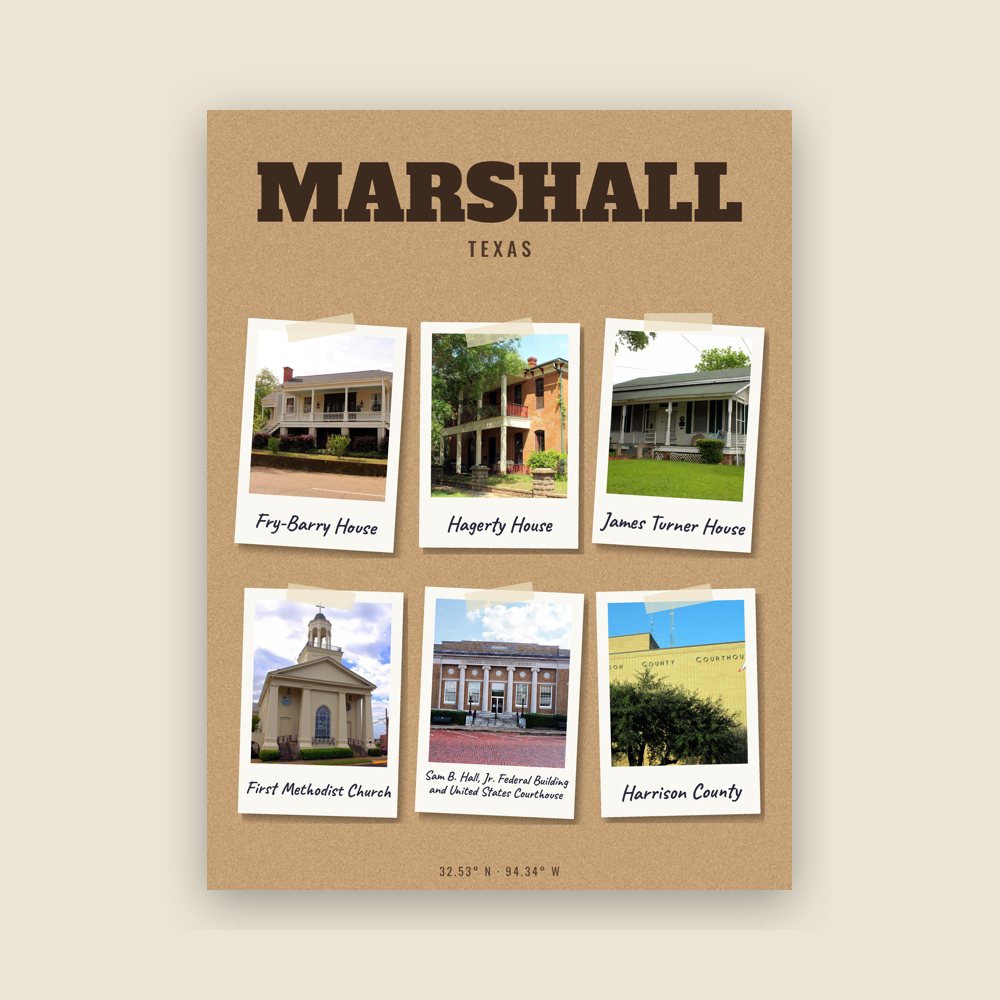
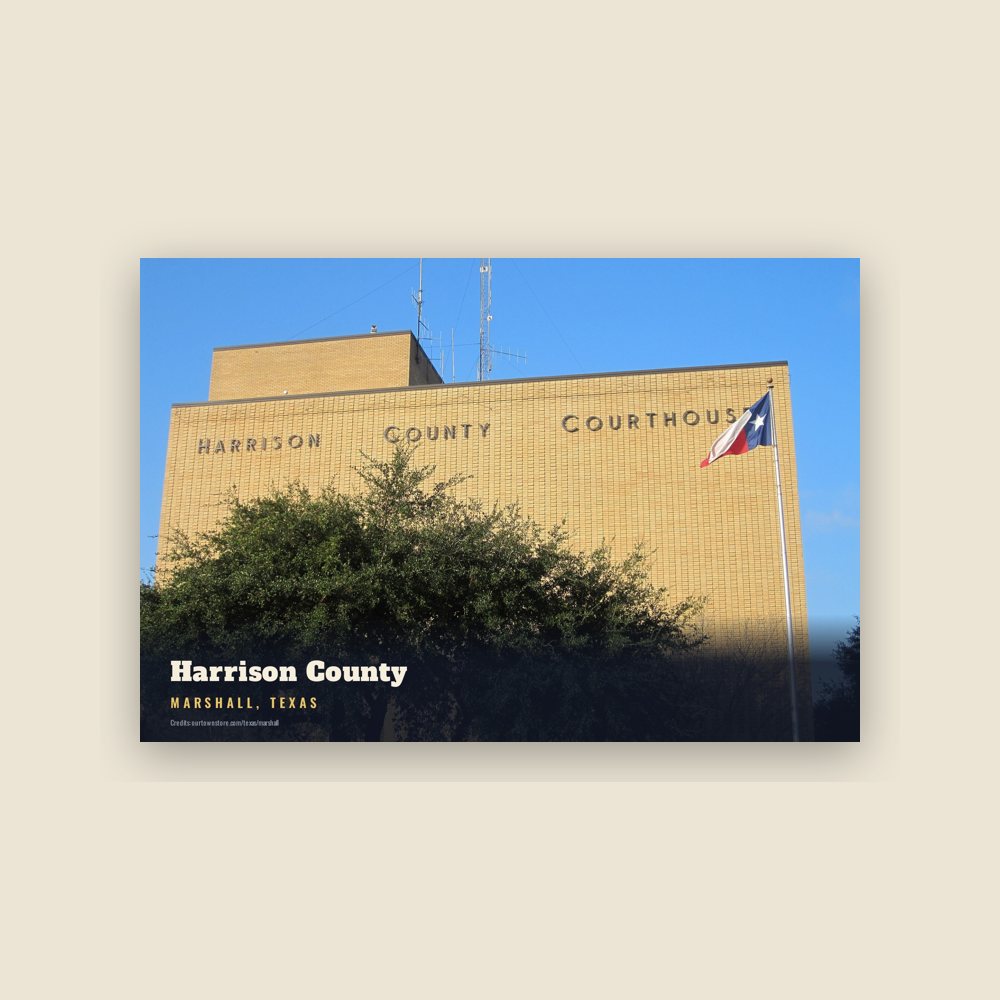
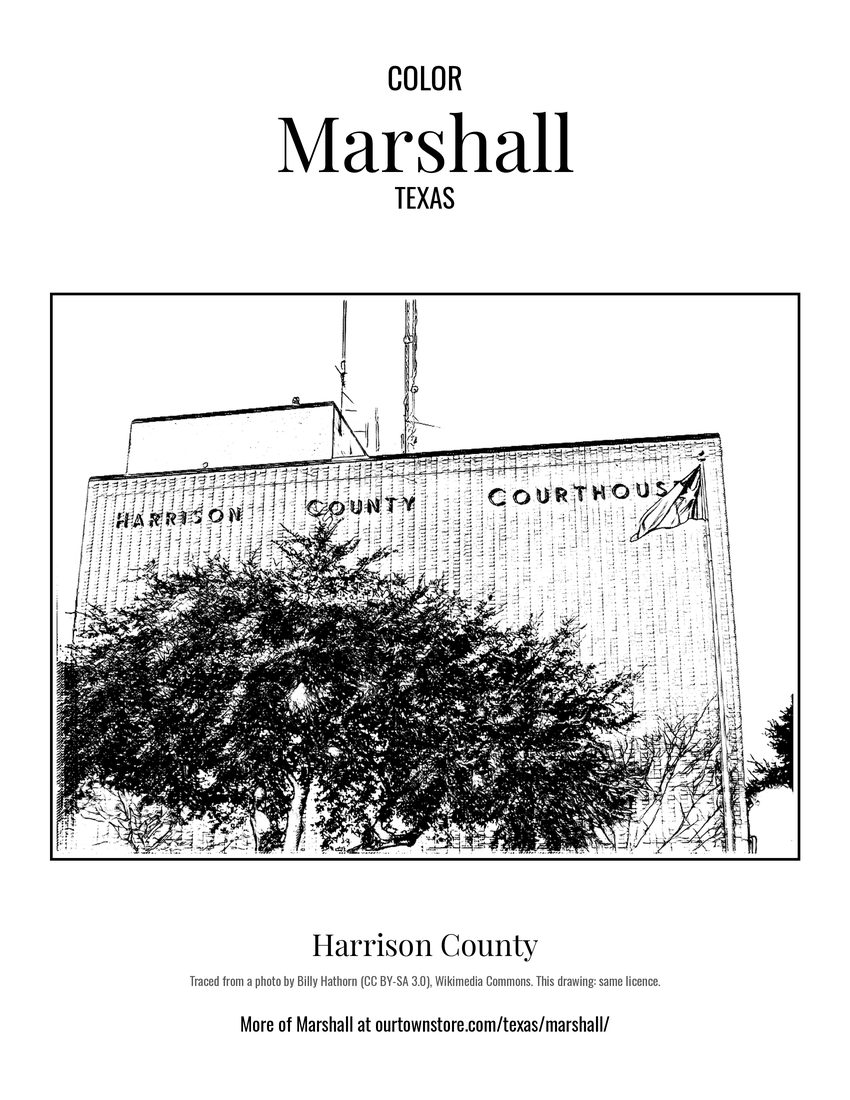 Harrison County
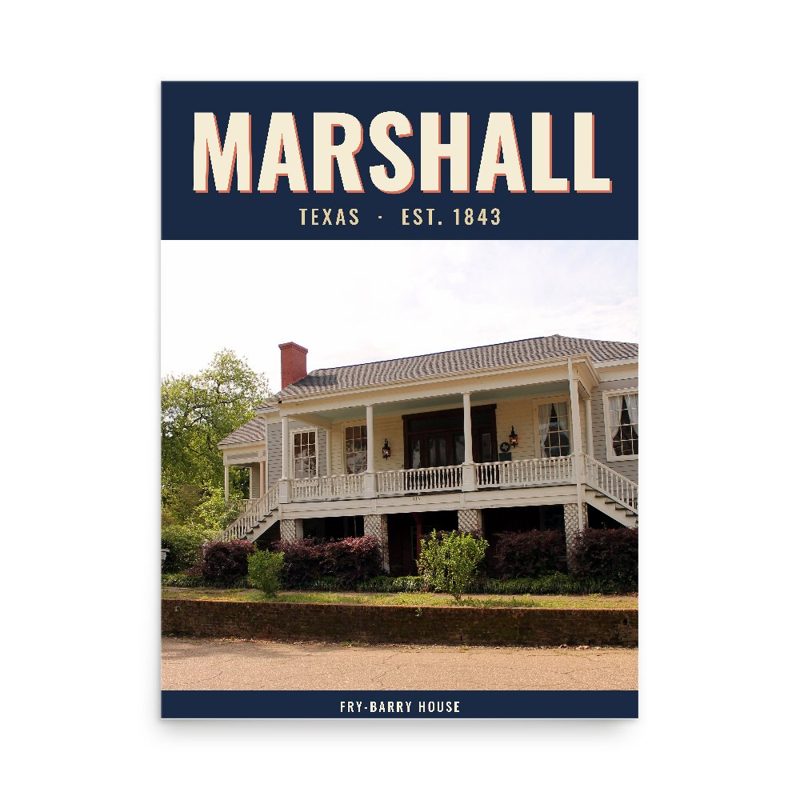
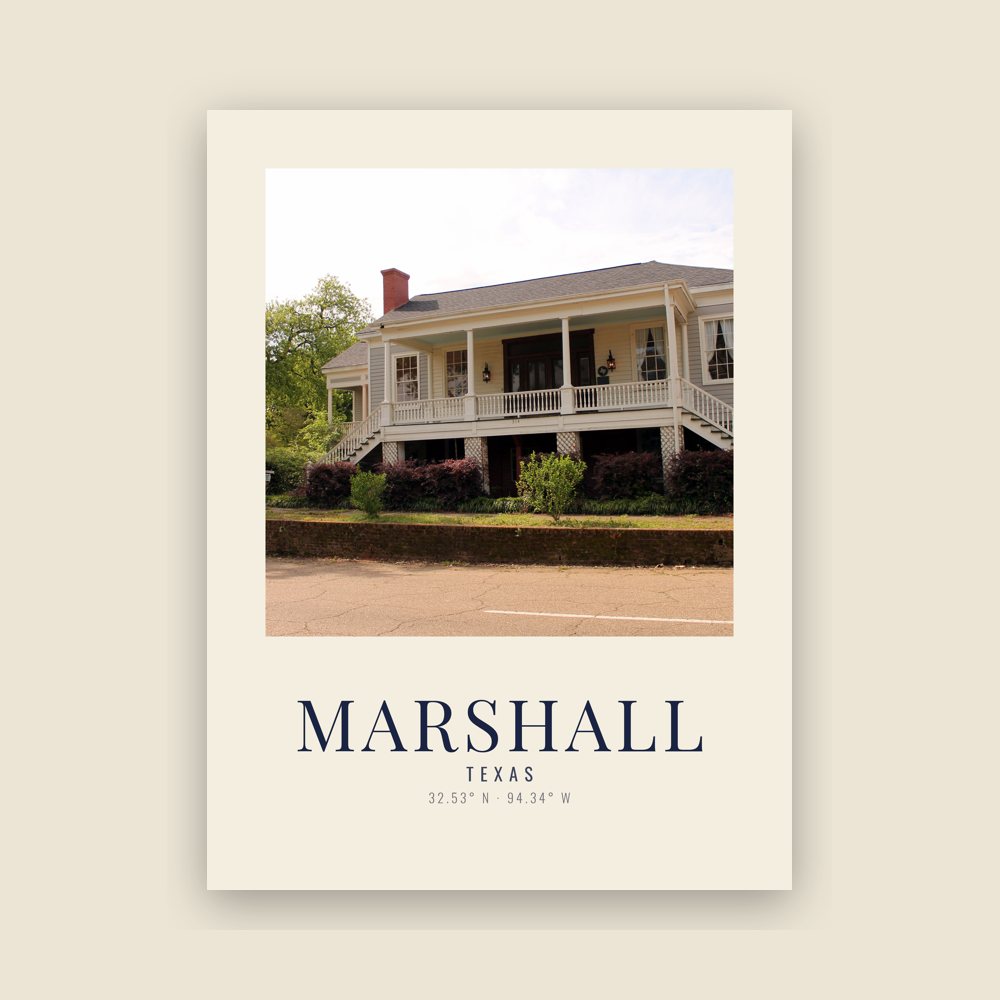
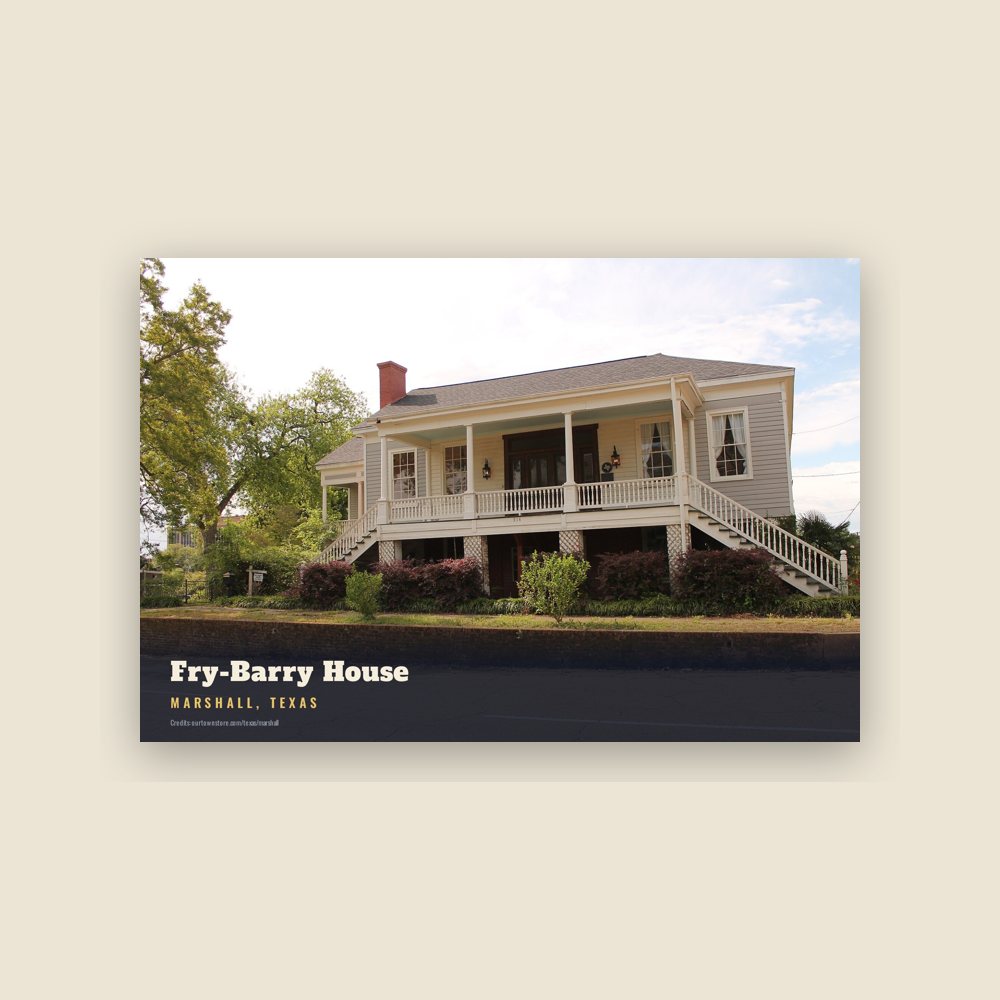
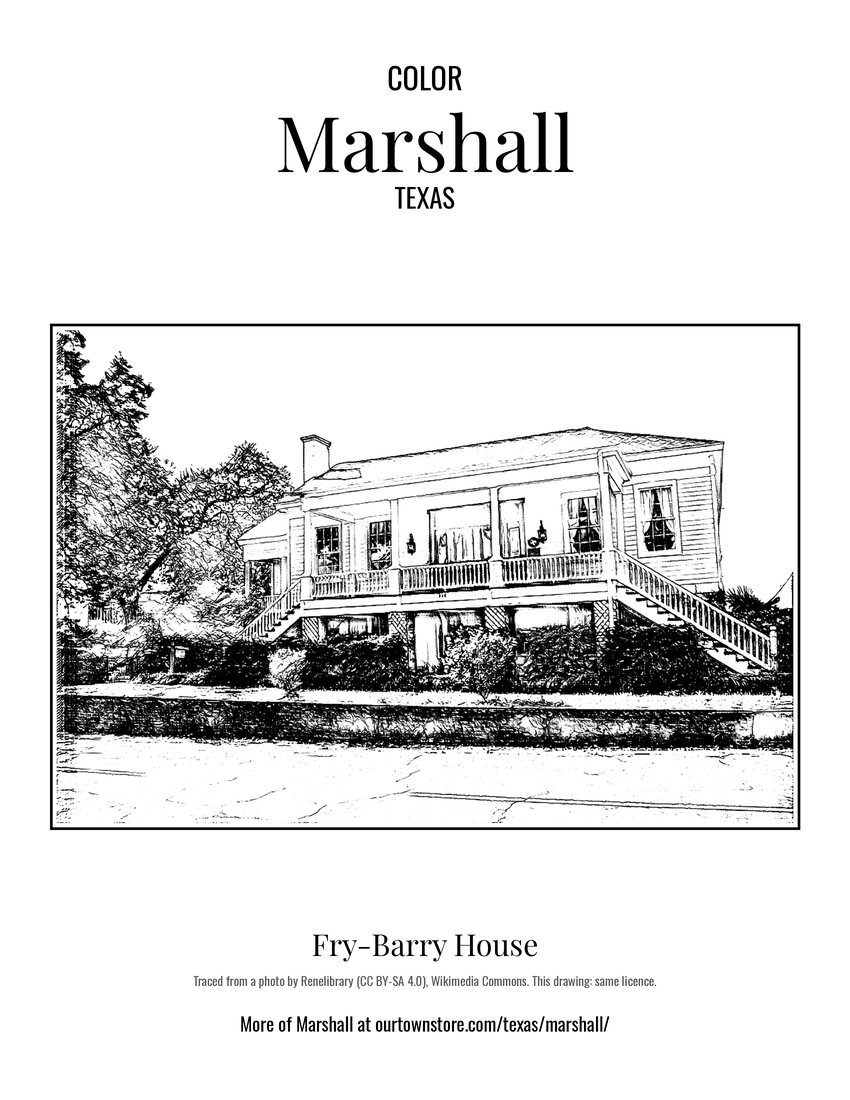 Fry-Barry House
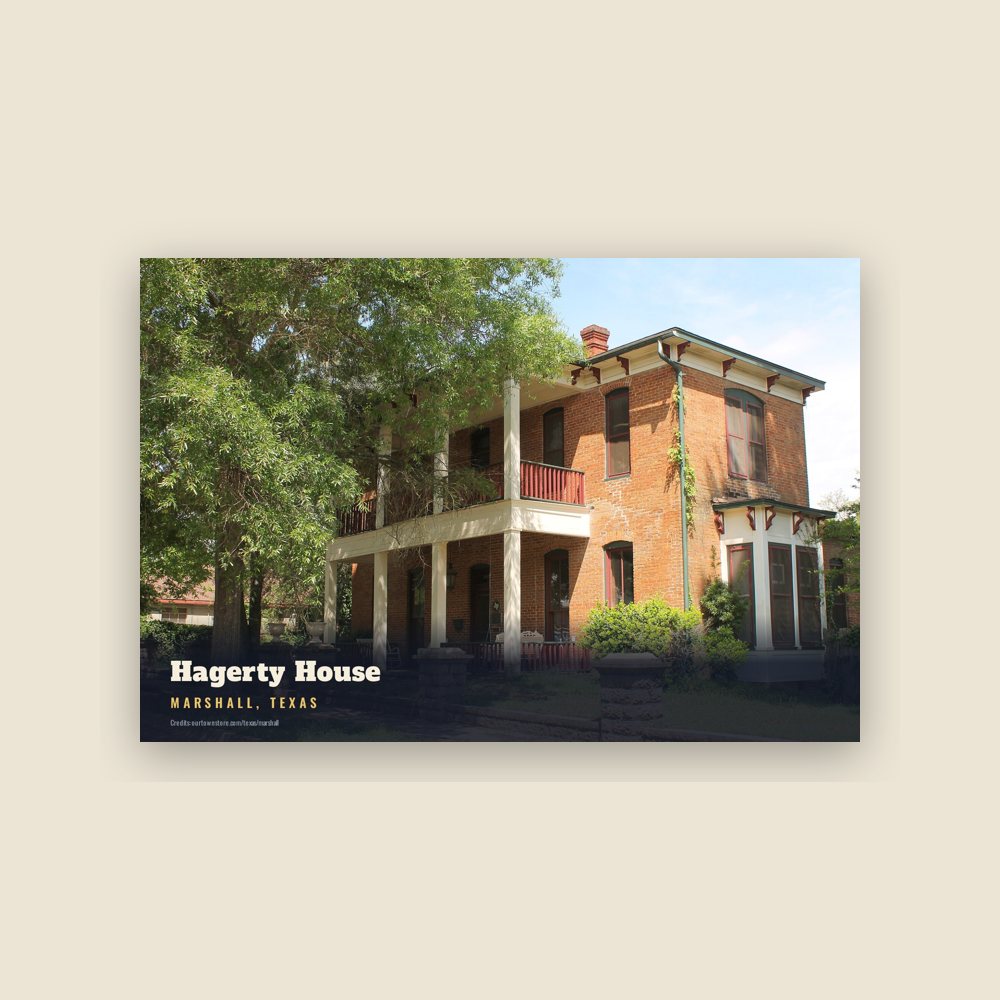
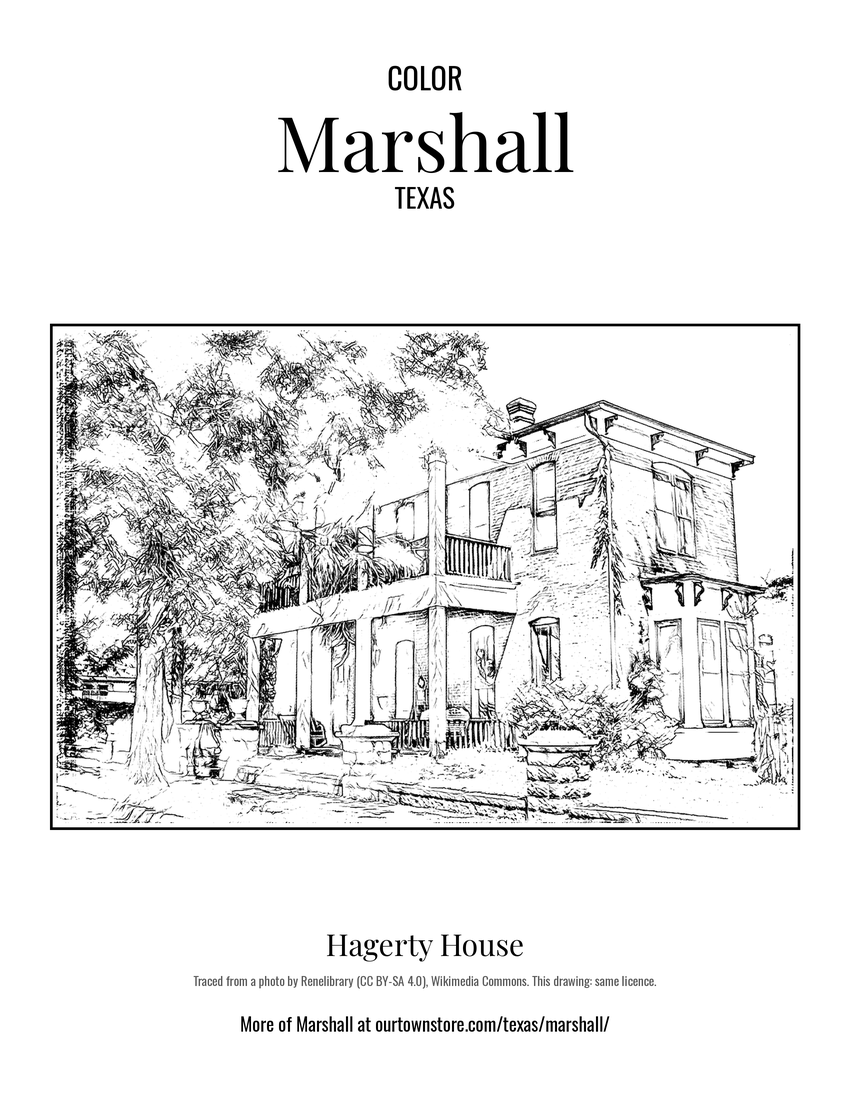 Hagerty House