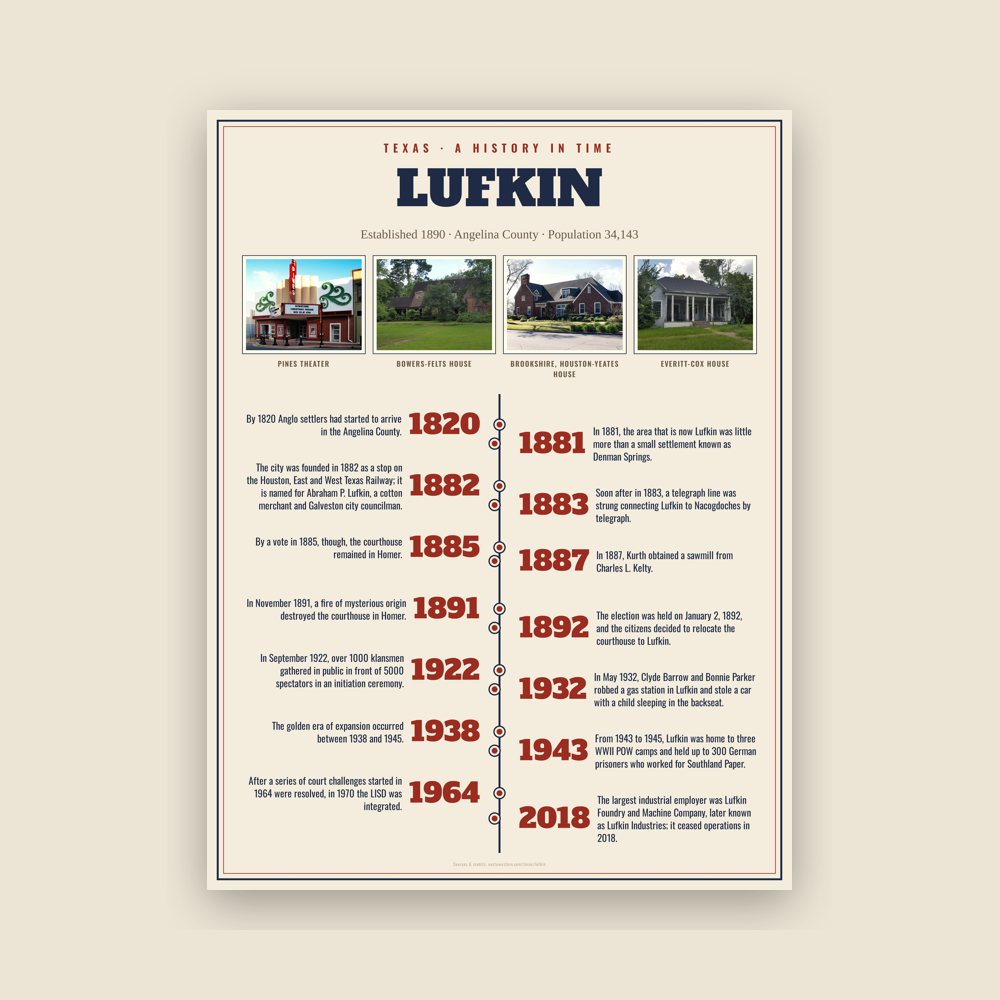
By 1820 Anglo settlers had started to arrive in the Angelina County. The Burris Family established themselves in the area. Before Lufkin was officially founded, a band of night riders allegedly lynched Jim Burris, John D. Gann, William Anglin, and another man for opposing the Confederate cause.
Read the full history
Railroad era 1882–1890
The city was founded in 1882 as a stop on the Houston, East and West Texas Railway; it is named for Abraham P. Lufkin, a cotton merchant and Galveston city councilman. Lufkin was the father-in-law of Paul Bremond, president of the railroad, which developed the town. Lufkin continued to grow because of its proximity to the railroad and its lumber industry. The history of Lufkin can be divided into three main eras, the railroad era, the timber boom, and the golden era of expansion.
The railroad era lasted between 1882 and 1890. In 1881, the area that is now Lufkin was little more than a small settlement known as Denman Springs. A railroad surveying team began to plan a route through Angelina County, with a possible route through Homer, Texas, which at the time was the county seat. According to legend, the men in the surveying team began to get rowdy in the saloon in Homer, which led to their arrest. They paid their way out the next morning, but this infuriated the chief surveyor. He ordered the team for the rail line to bypass Homer and go by Denman Springs. Conveniently, the new route went through the property of Lafayette Denman and his son, Dr. A. M. Denman, who as the legend goes, had hosted the surveying team a few days earlier. This legend is most likely not true since the prospectus in 1879 already had the railroad planned to bypass Homer and go through the future site of Lufkin.
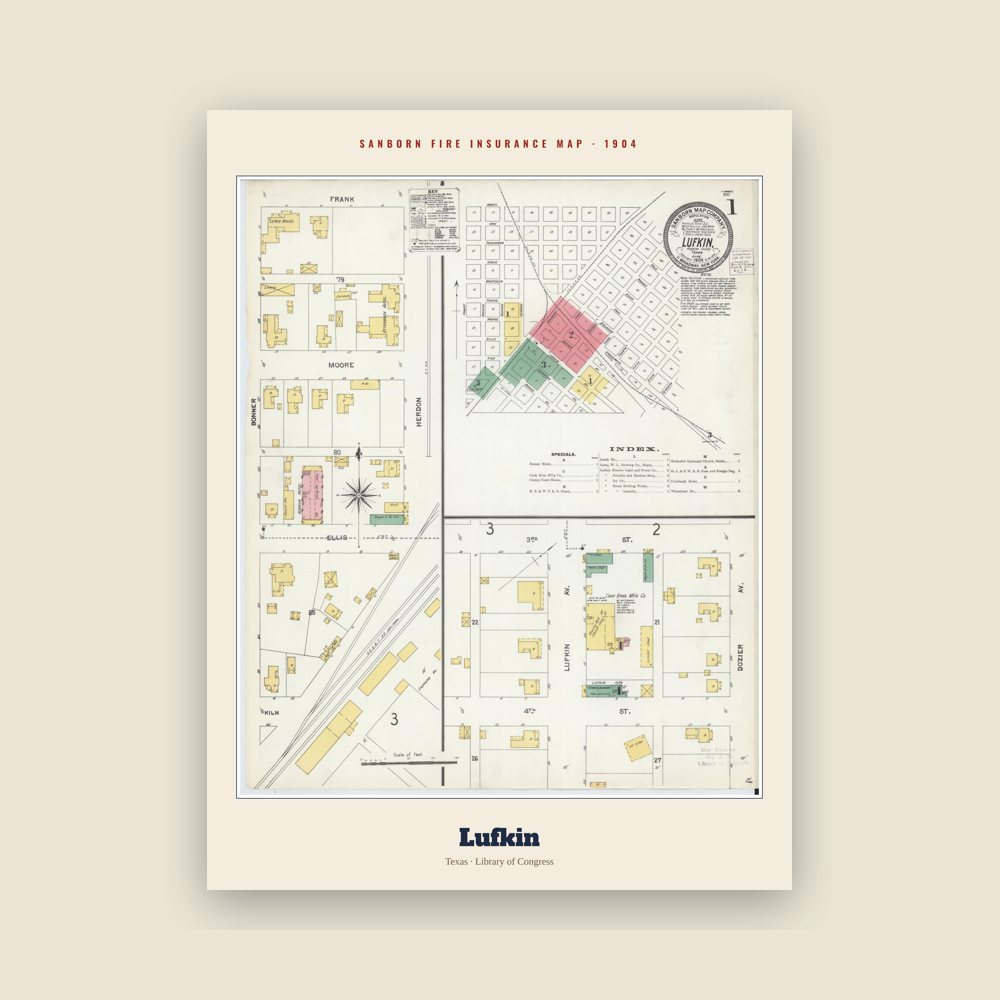
The railroad officially arrived in 1882, and the company began to advertise the sale of lots of land in Lufkin. During this time, many of the businesses and professionals from Homer began to relocate to Lufkin to be closer to the railroad. Some of the first stores in Lufkin included S. Abram's general store, Joseph Kerr's grocery and saddle shop, and W. H. Bonner's general store, all located on Cotton Square, which became the center of most economic activity in Lufkin. Behind the depot, which was on the cotton square, cotton was stored before being shipped on the railroad. The town continued to grow, and acquired a post office in 1882 with William A. Abney as postmaster. Soon after in 1883, a telegraph line was strung connecting Lufkin to Nacogdoches by telegraph. On October 15, 1890, the town was officially incorporated. The first mayor of Lufkin was J. M. Smith, who was the owner of Smith Hotel; he was elected on November 15, 1890. Even before the incorporation of Lufkin, the courthouse was sought to have been moved. By a vote in 1885, though, the courthouse remained in Homer. In November 1891, a fire of mysterious origin destroyed the courthouse in Homer. This prompted a petition from the citizens of Lufkin asking for a new election to be held to decide if the courthouse should be relocated to Lufkin. The election was held on January 2, 1892, and the citizens decided to relocate the courthouse to Lufkin.
1890s, early 1900s, and timber boom
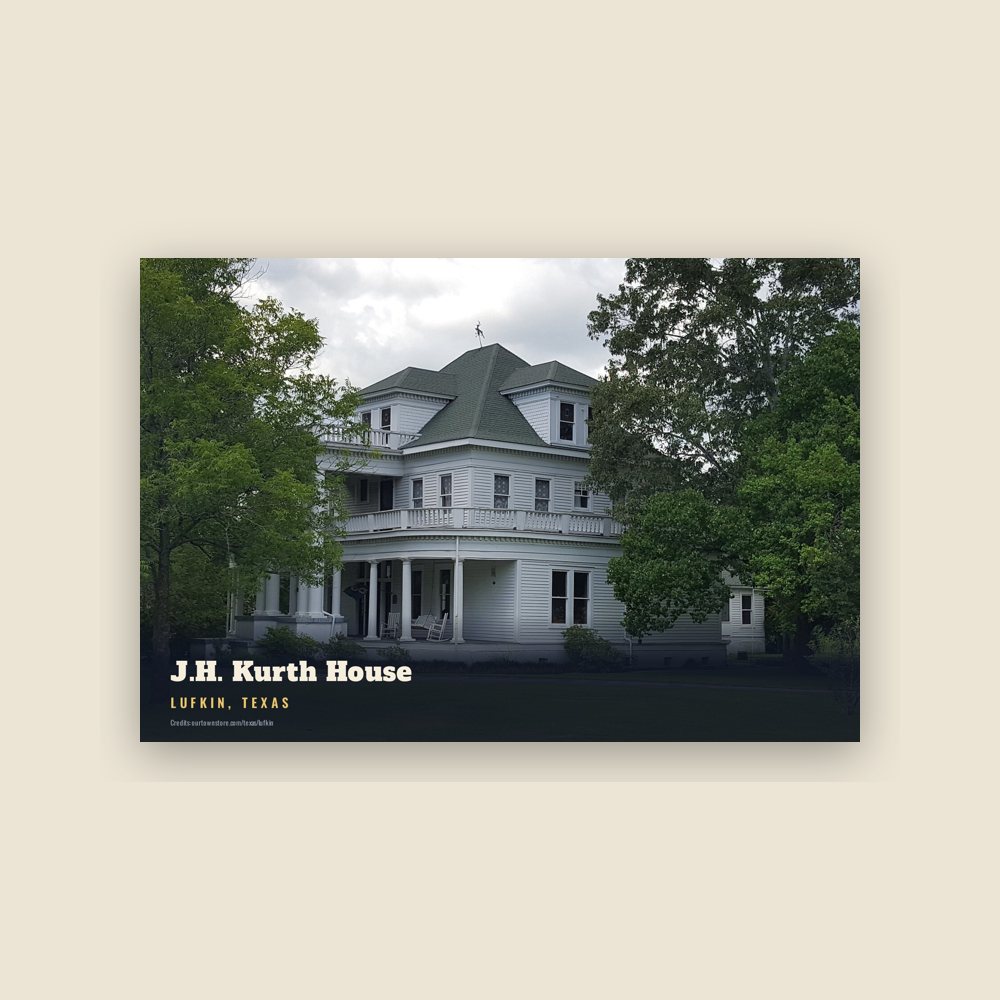
The timber boom lasted between 1890 and 1920. Three main lumbering families are recognized for much of the economic prosperity in Lufkin – the Kurths, the Hendersons, and the Wieners. Joseph H. Kurth Sr., was a German immigrant, who had operated a sawmill in Polk County, Texas. He moved to a small settlement north of Lufkin known as Keltys. In 1887, Kurth obtained a sawmill from Charles L. Kelty. He was soon joined by S. W. Henderson Sr., and Sam Wiener, both of Corrigan, Texas. In 1890, the men started the Angelina County Lumber Company. The company became the forerunner of the lumber industry in East Texas, and led to much of the economic prosperity in Lufkin. At the peak of the three families' activities, nearly a dozen sawmills and several other industries were operating.
In 1895, Walter Johnson was lynched for alleged rape, and in 1924, a mob attempted to lynch Booker T. Williams, but he escaped with the help of the local sheriff. Williams was ultimately executed by the state. By the 1920s, the Ku Klux Klan had established a Klavern in Lufkin. In September 1922, over 1000 klansmen gathered in public in front of 5000 spectators in an initiation ceremony. Large parades for the Klan were held throughout the 1920s.
In May 1932, Clyde Barrow and Bonnie Parker robbed a gas station in Lufkin and stole a car with a child sleeping in the backseat.
Golden era of expansion 1938–1945
The golden era of expansion occurred between 1938 and 1945. In the late 1930s, two of the principal industries in Lufkin, the Southland Paper Mill, later known as Abitibi Bowater Inc. which closed in 2007, and Texas Foundries opened. These companies provided much of Lufkin's industrial growth. The largest industrial employer was Lufkin Foundry and Machine Company, later known as Lufkin Industries; it ceased operations in 2018.
From 1943 to 1945, Lufkin was home to three WWII POW camps and held up to 300 German prisoners who worked for Southland Paper.
Cultural expansion and mid-to-late twentieth century
In early Lufkin history, most daily life revolved around churches, schools, and sports activities, but this began to change between 1965 and 1983, when Lufkin began a cultural expansion. Improvements included the Kurth Memorial Library, new museums, a civic center, Angelina College, a new federal building, a country club, municipal and city parks, two shopping malls, and the Lufkin Independent School District.
Before 1970, Lufkin schools were segregated with separate schools for different races. After a series of court challenges started in 1964 were resolved, in 1970 the LISD was integrated. A federal court order in place from 1970-2000 enforced integration.
Recent history
A Little League Baseball team from Lufkin, locally known as the Thundering 13, won the U.S. Championship at the 2017 Little League World Series in Williamsport, Pennsylvania. There have been many community tributes to the team.
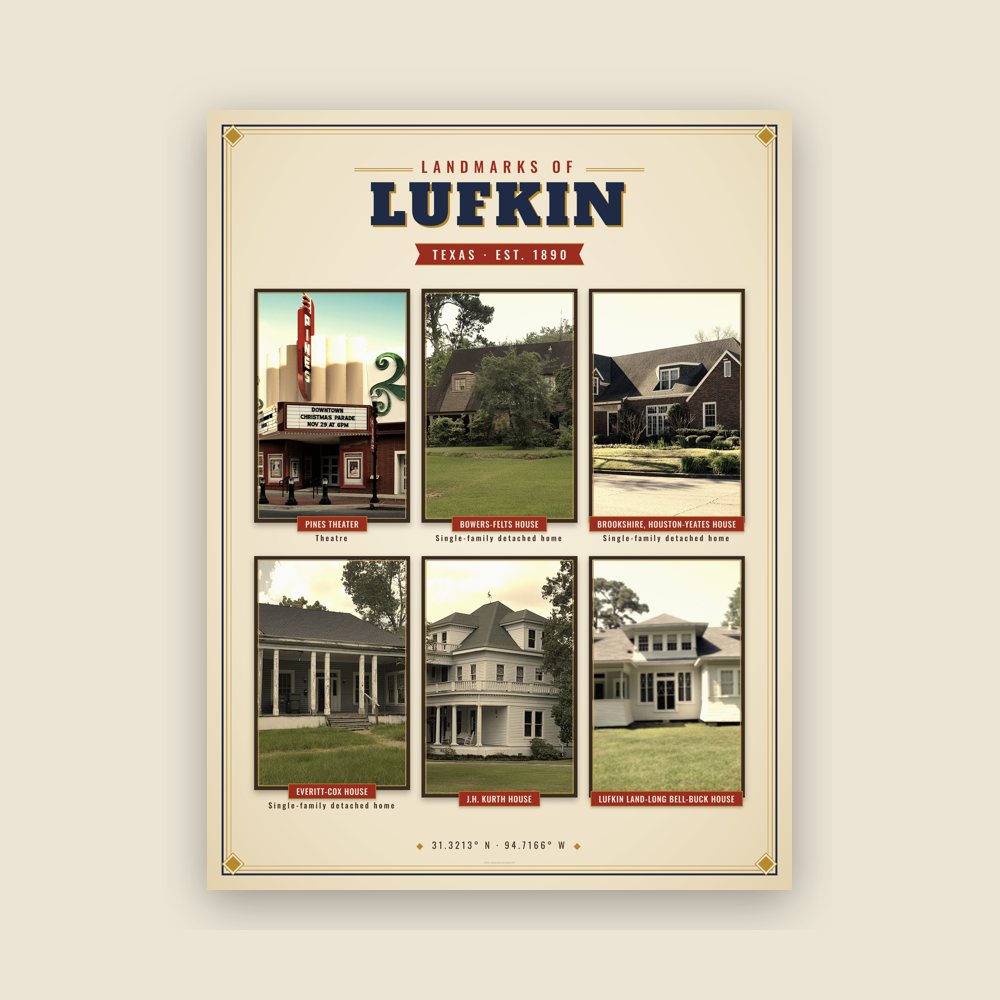



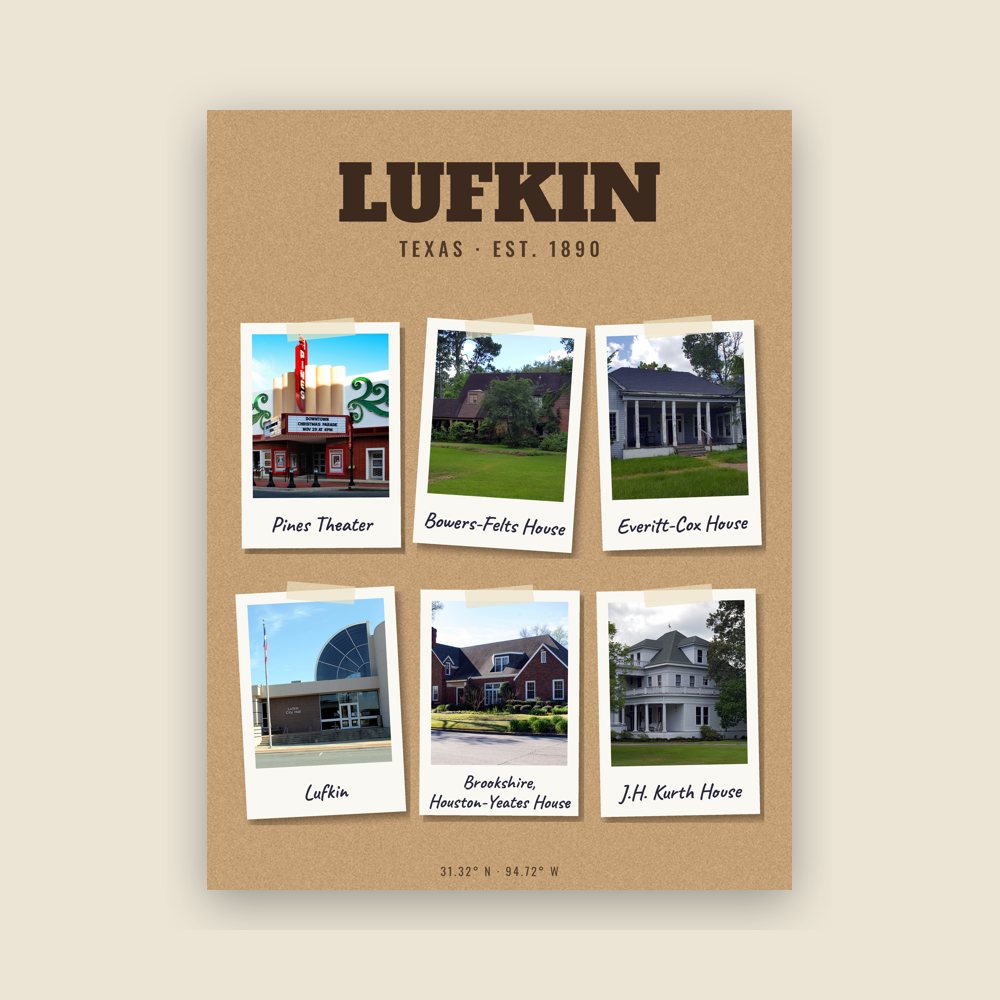
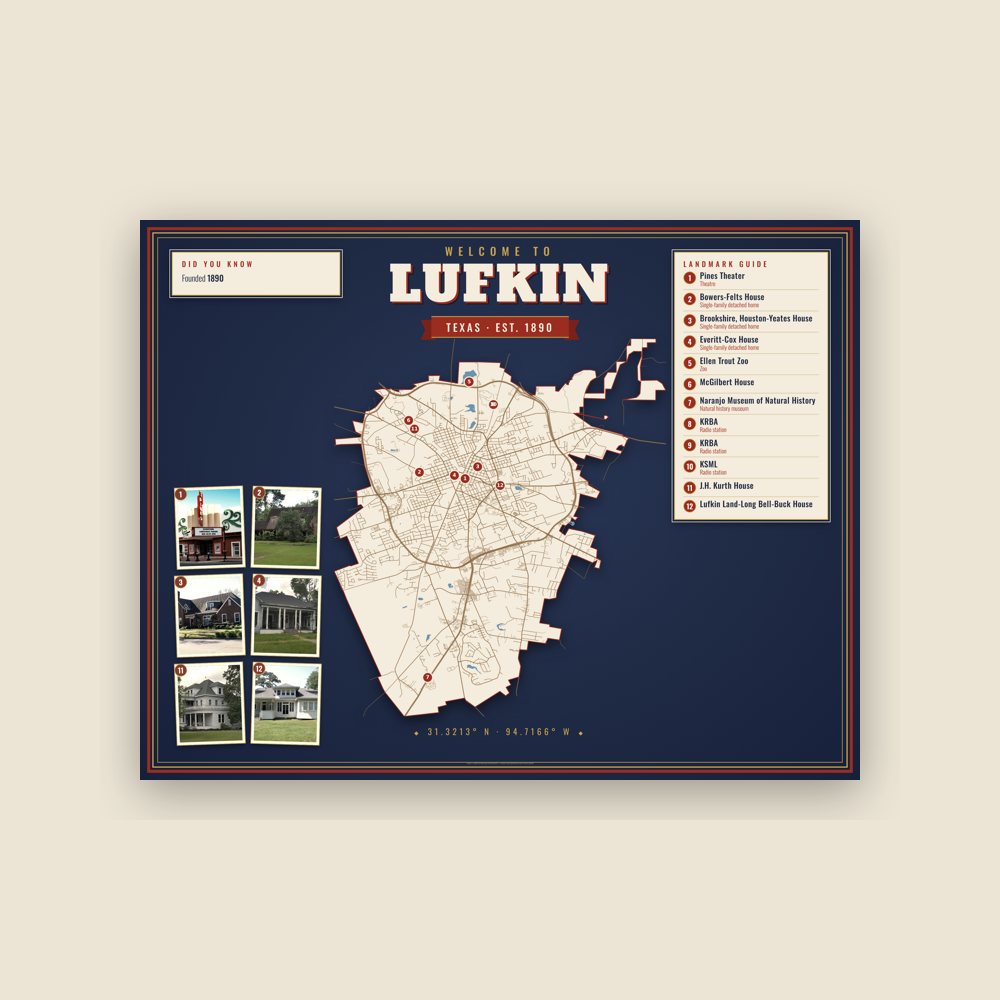





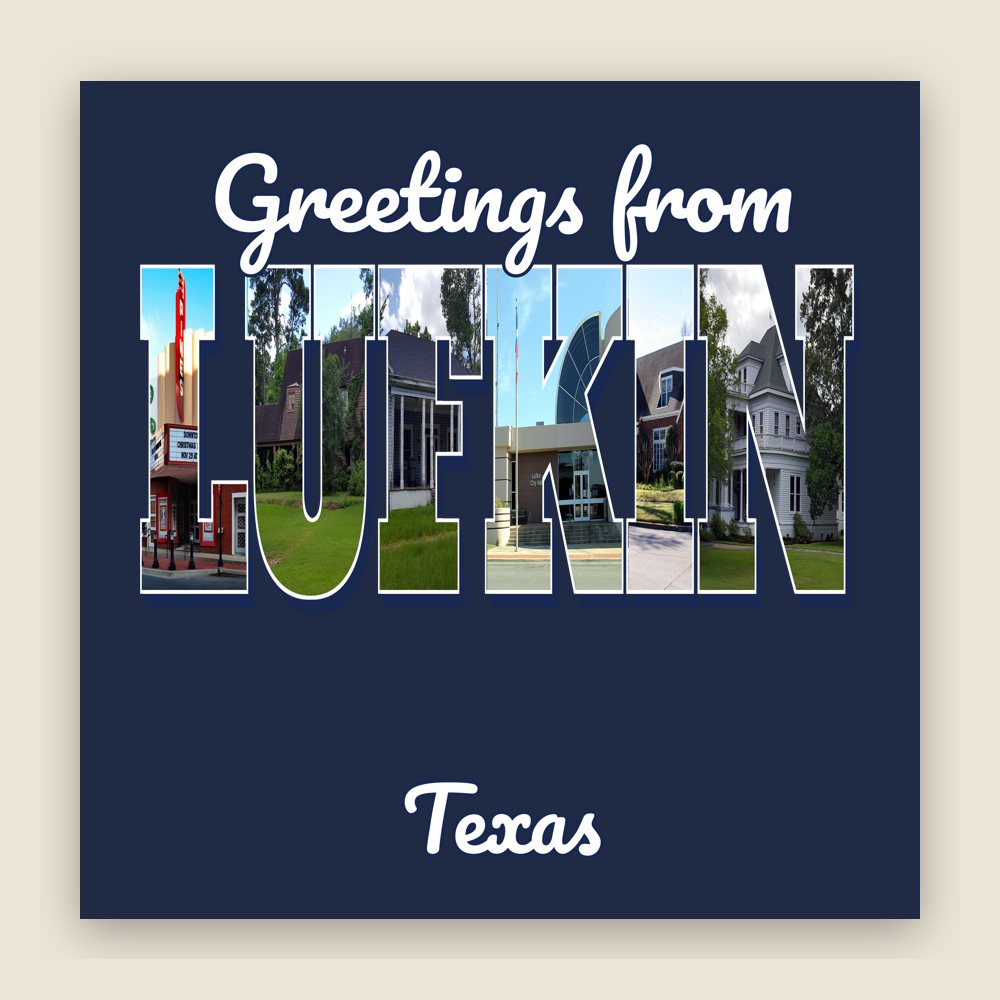







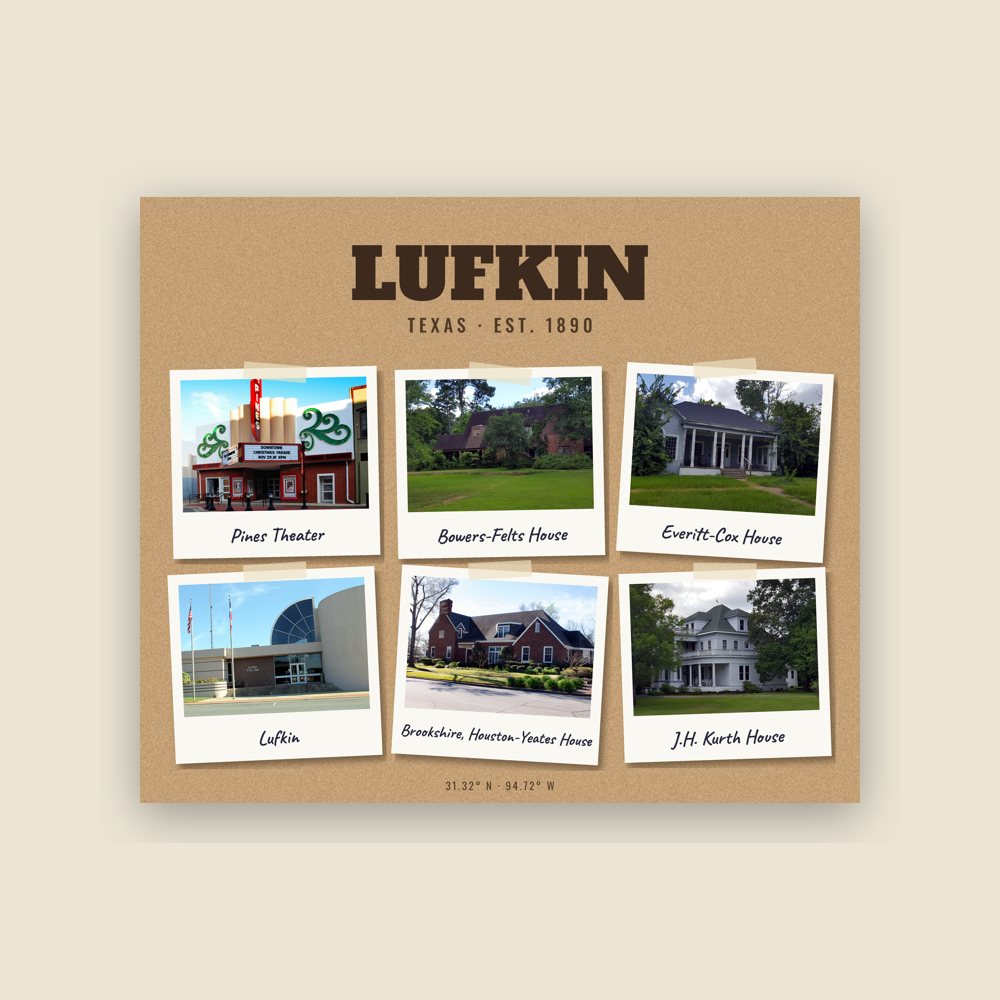




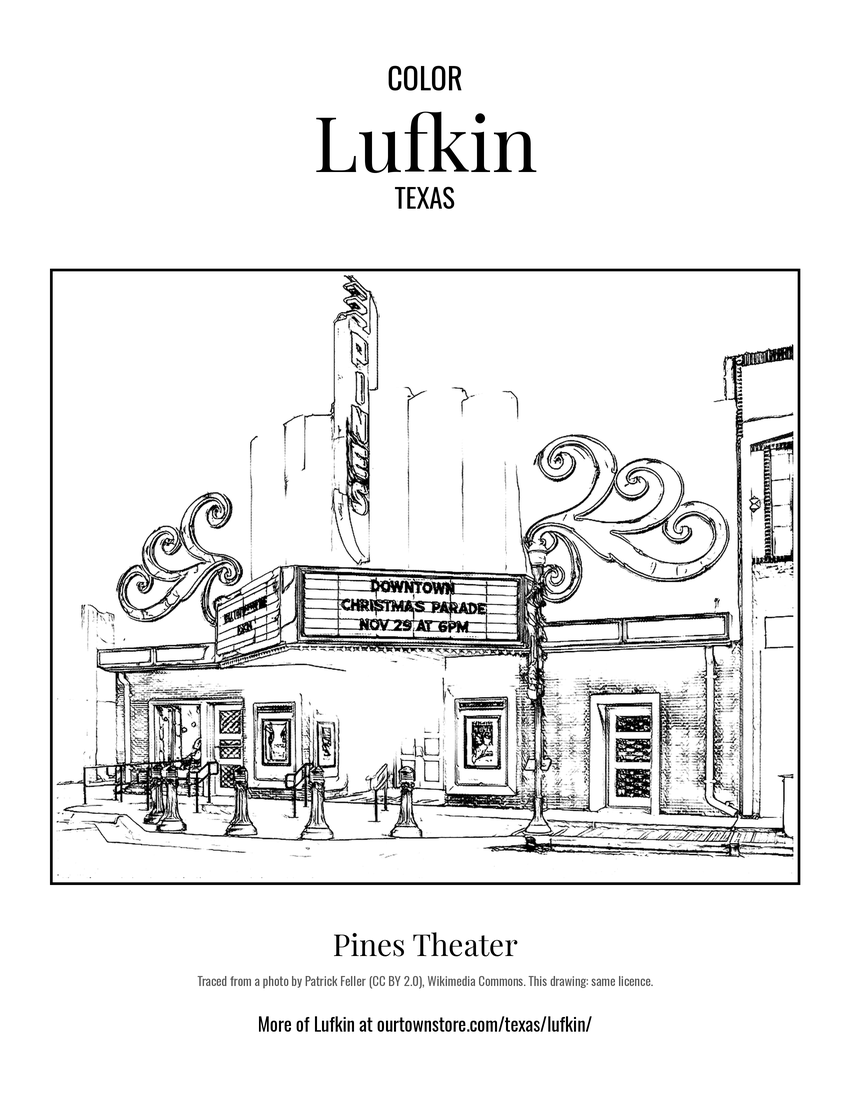 Pines Theater
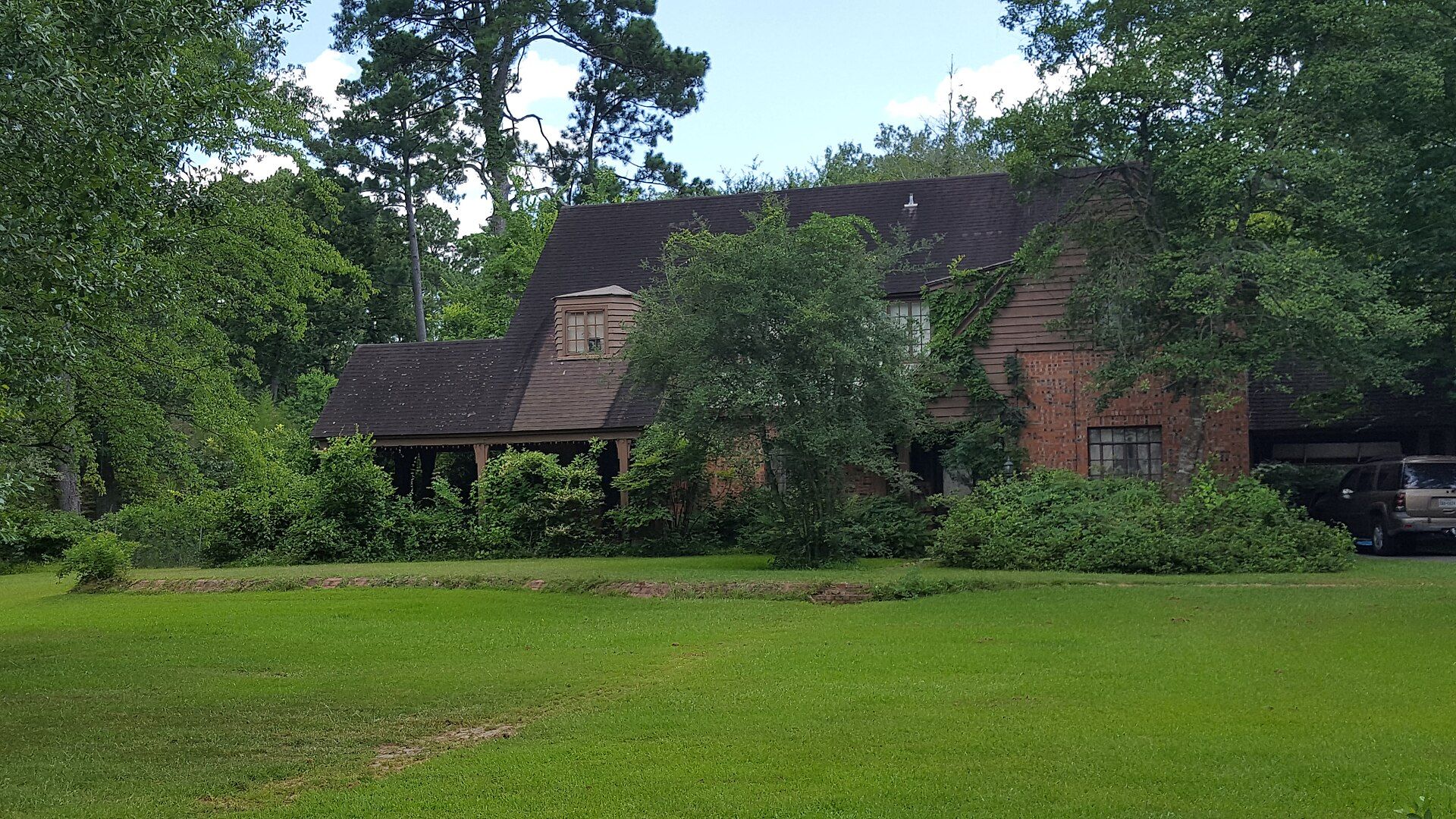
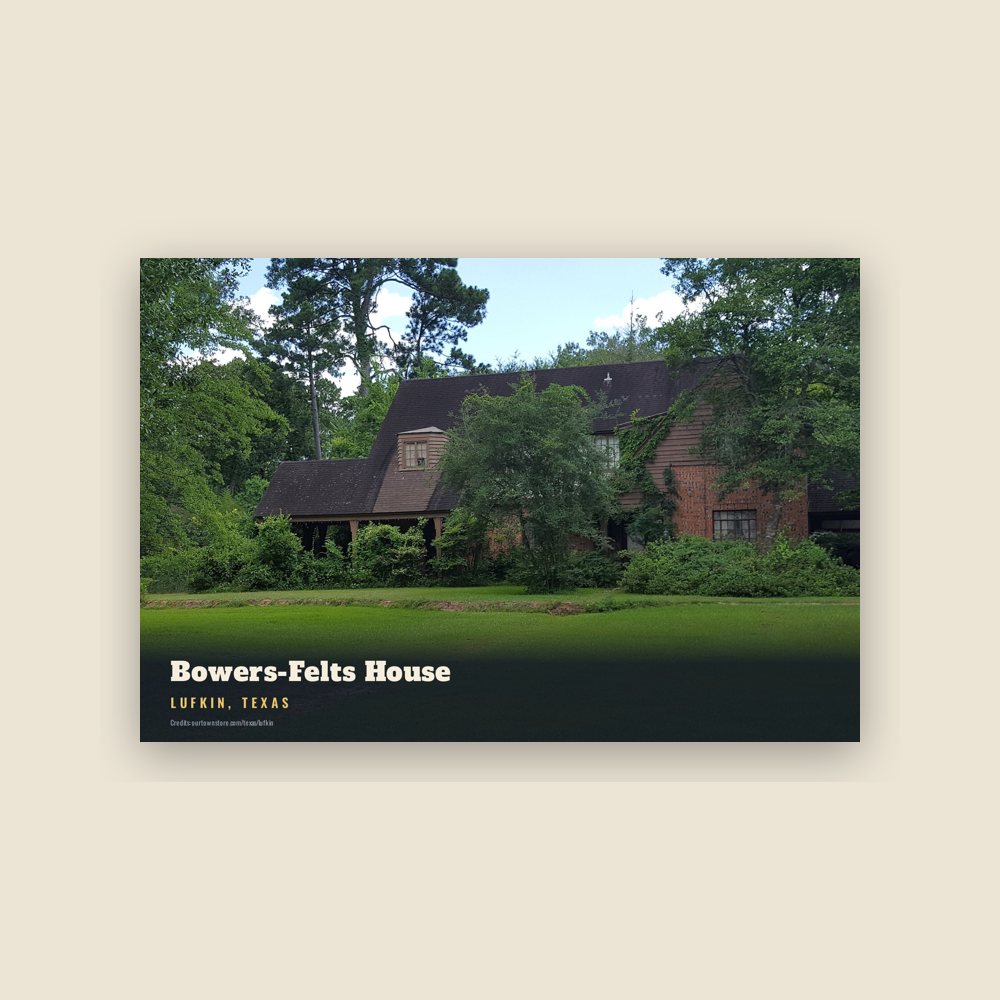
 Bowers-Felts House
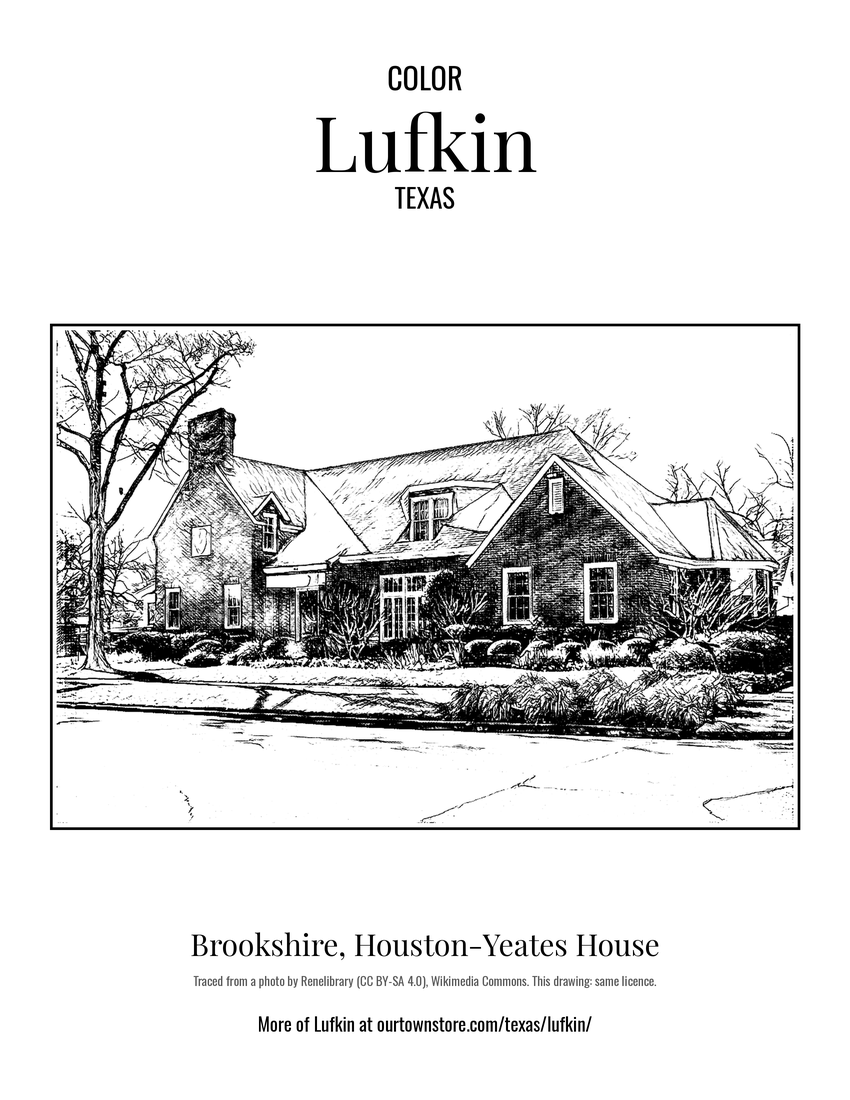 Brookshire, Houston-Yeates House
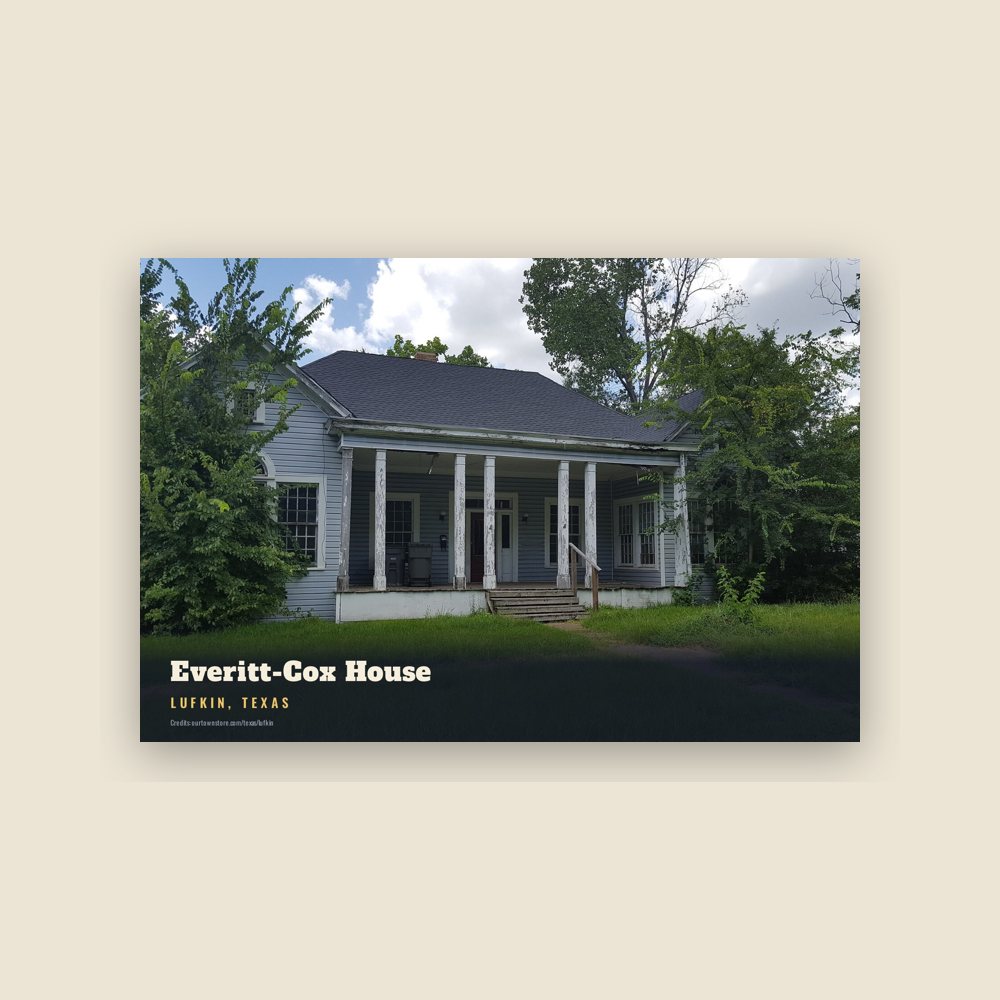
 Everitt-Cox House