A short history of Grand Saline
Grand Saline's first settlers were the ancient Caddo and Cherokee Indian tribes, who discovered and made use of a large salt prairie south of the town. The Native Americans used evaporated salt, from the brine stream that flows over the flats, as a commodity they traded for other needed goods. In the mid-19th century, the tribes moved southeast, having been forced out of the area by Mirabeau B. Lamar, second president of the Republic of Texas, and by general anti-Indian sentiment. Only a few years after the Indians left the salt prairie behind, a new group of settlers arrived. A settler named John Jordan and other newcomers brought their families and set up a primitive salt works. The community named Jordan's Saline quickly became the center of Van Zandt County and was, for a while, the county seat.
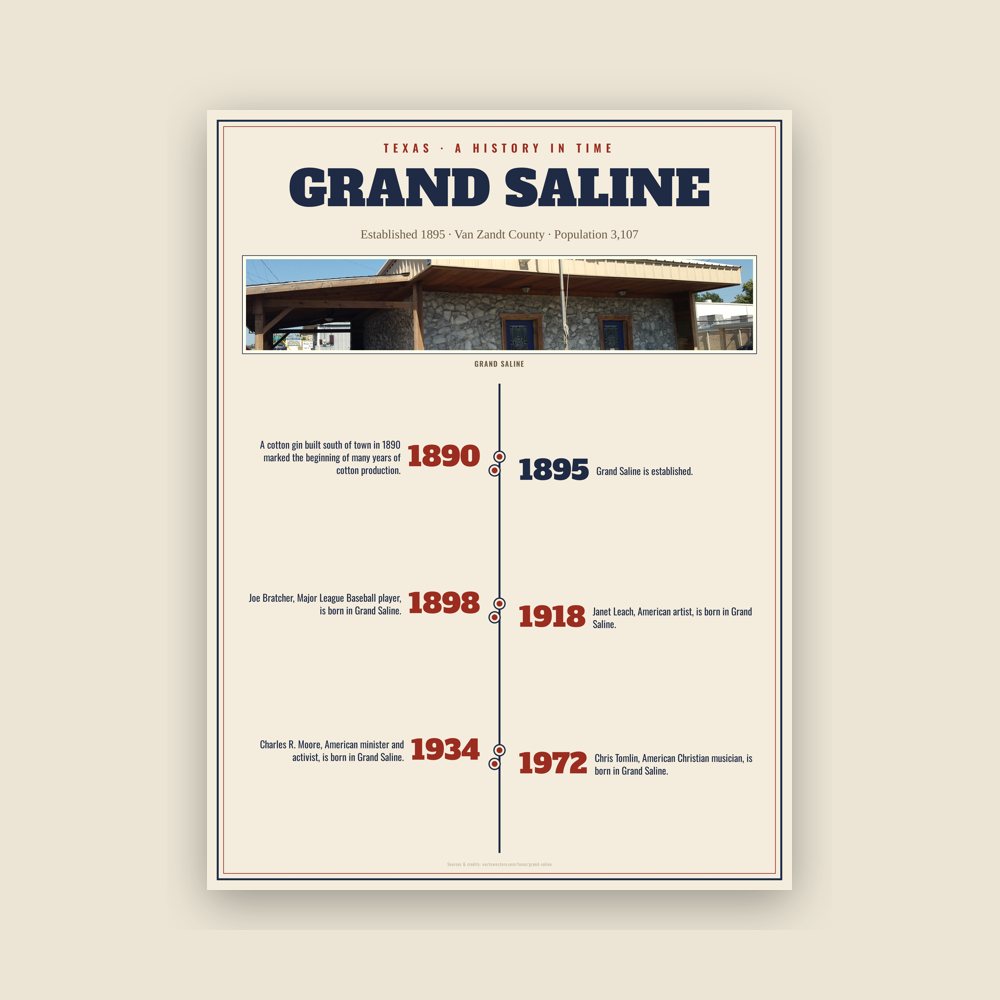
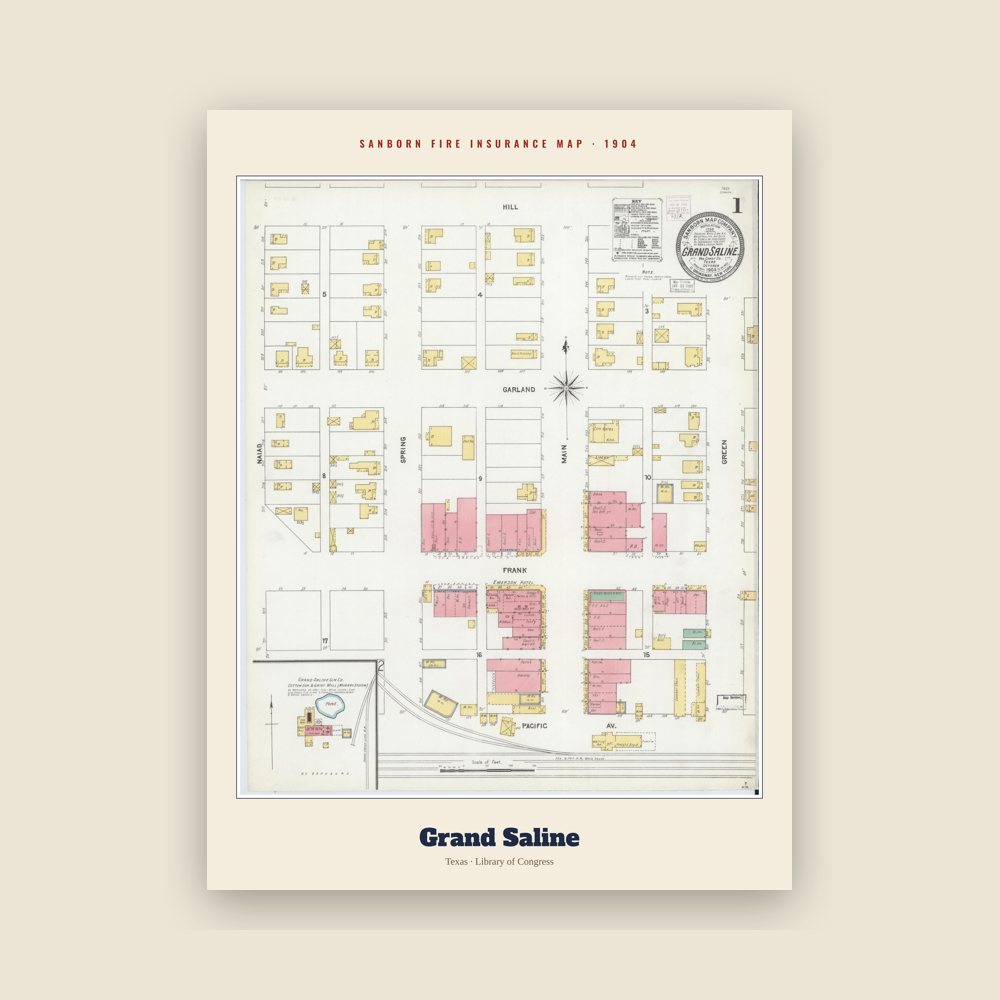
The salt produced here was used in the process of tanning leather and preserving foodstuffs. Following the American Civil War, the Texas and Pacific Railroad was extended from Marshall to Dallas. A parcel of land was donated to the railroad, a depot was built, and the stop was named Grand Saline. The City of Grand Saline was incorporated in 1895 and the community of Jordan's Saline faded into history as its residents moved north to the bustling new city.
Numerous salt companies formerly were in Grand Saline, including the Richardson Salt works, which had drilled the first salt well; the Lone Star Salt Company; Kleer Salt Works, the first steam-powered salt plant; and the Grand Saline Salt Company, which later became part of the Morton Salt Company. During the late 1920s, the discovery of the nearby Van oil field brought companies that provided needed supplies. In the 1930s, Grand Saline had 12 petroleum supply companies and five lumber companies. In the Depression years, local sewing rooms made garments for the poor. During World War II, a workers' strike at Morton Salt led the town to form the Grand Saline Industrial Foundation to attract new business to town. Their efforts produced clothing manufacturers, sulfur processing, and meat packing companies. Grand Saline was also known for its Lone Star Hotel, which was for a brief time the home of Hollywood starlet Louise Fazenda, the wife of Warner Bros. executive Hal Wallis. Agriculture - farming and ranching - have long been a major part of the economic life in Grand Saline. Crops have included sweet potatoes and other truck crops. A cotton gin built south of town in 1890 marked the beginning of many years of cotton production. Poultry, livestock, dairy products, lumber, and ice production all played a role in the formation and history of the town.
Adapted (trimmed) from the Wikipedia article Grand Saline, Texas, revision 1378797423 by its contributors, licensed CC BY-SA 4.0.
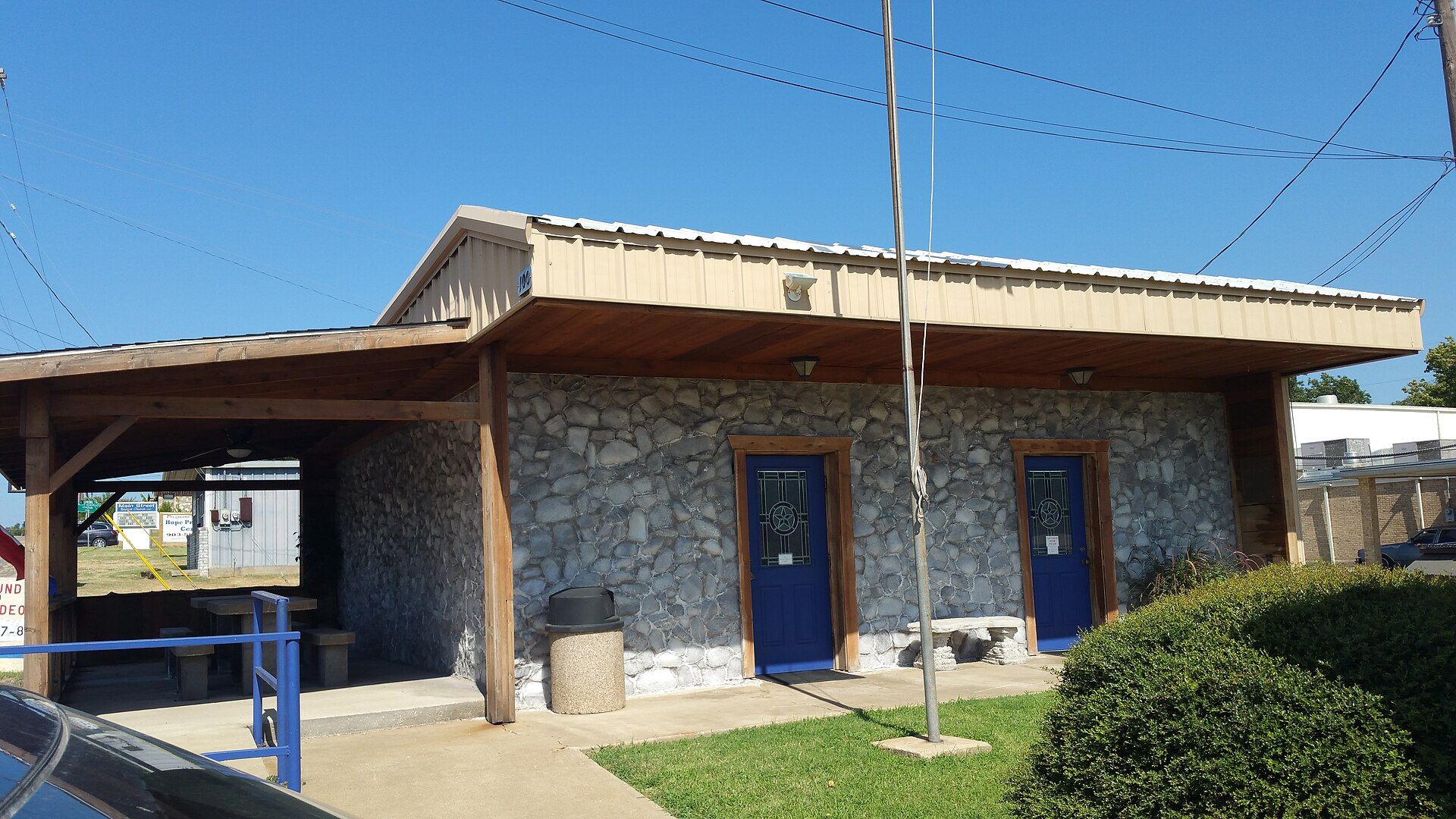
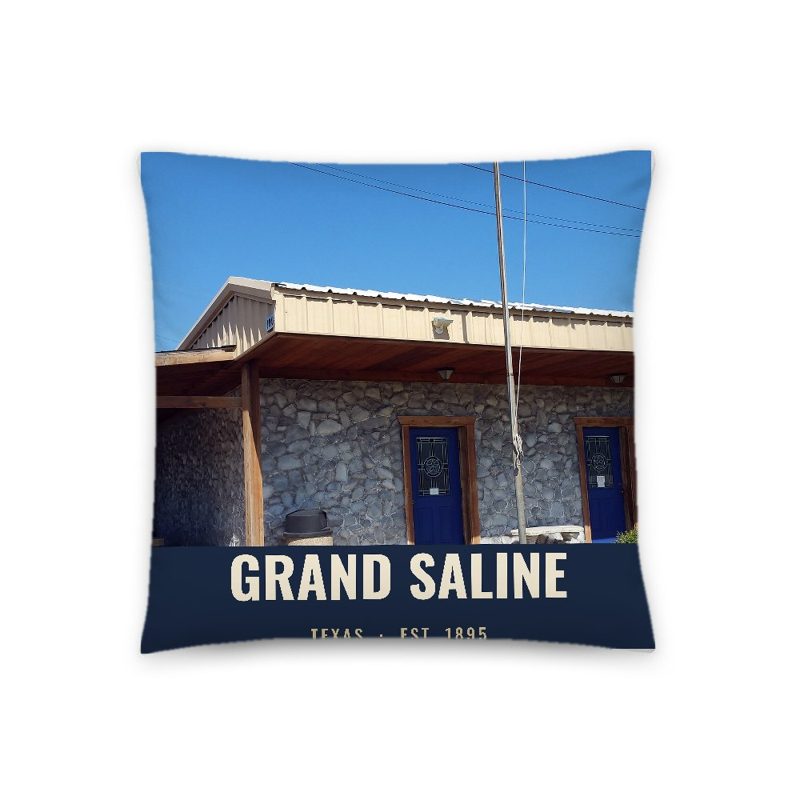
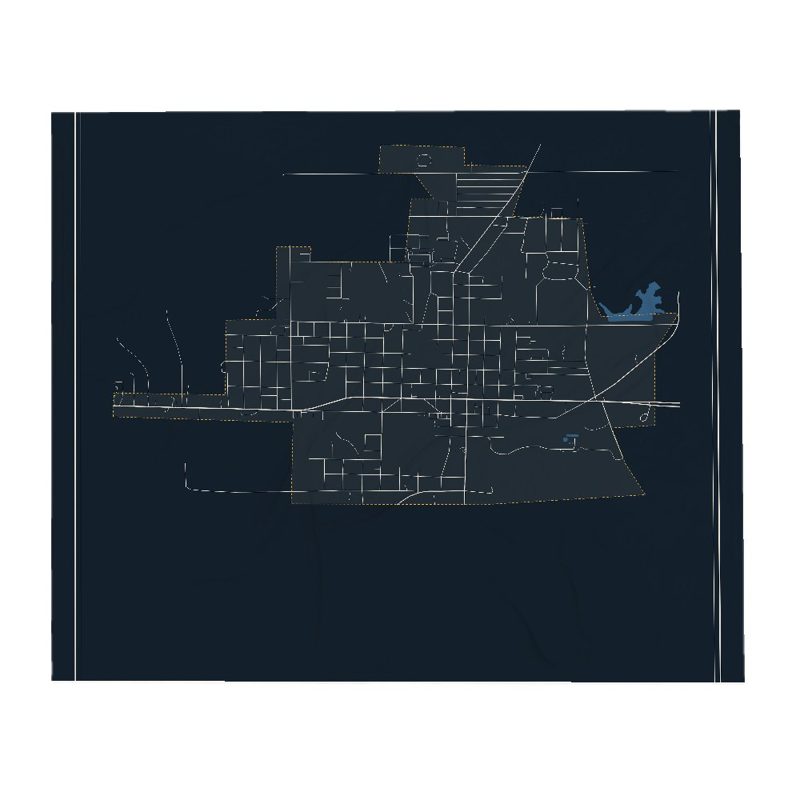
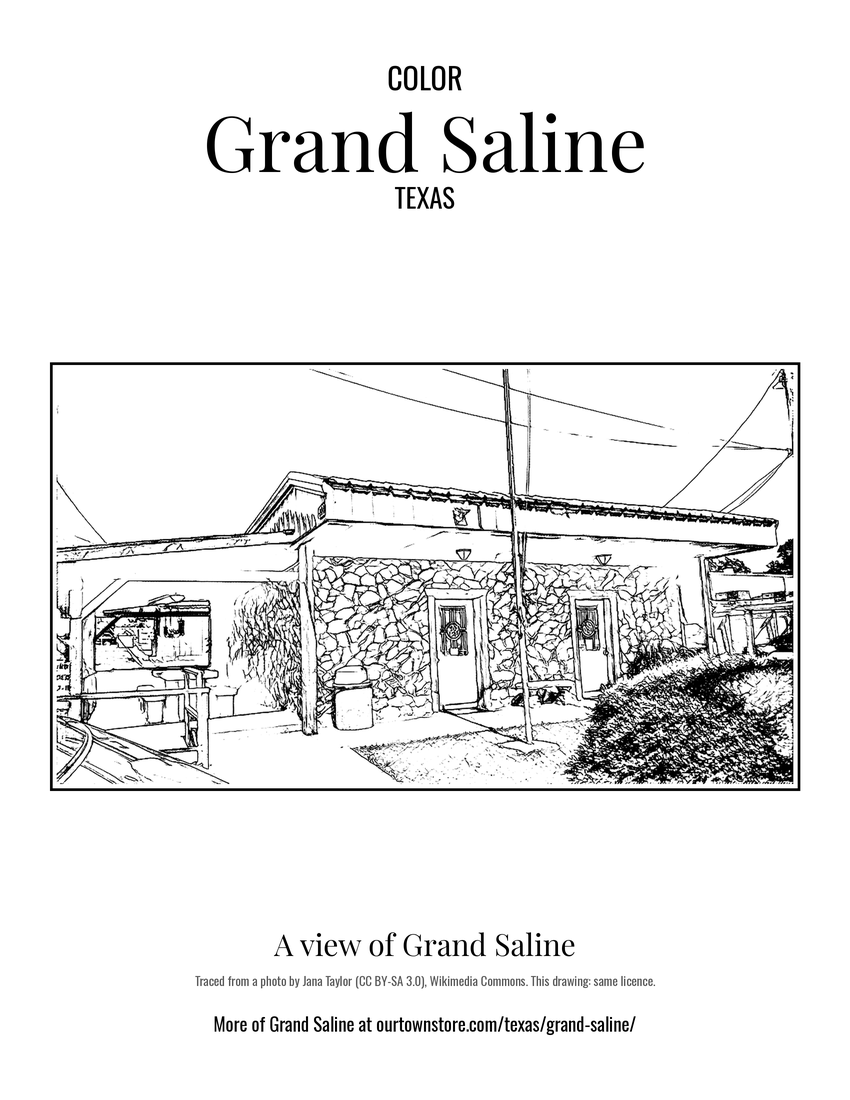 A view of Grand Saline