Since 1873
A short history of Gladewater
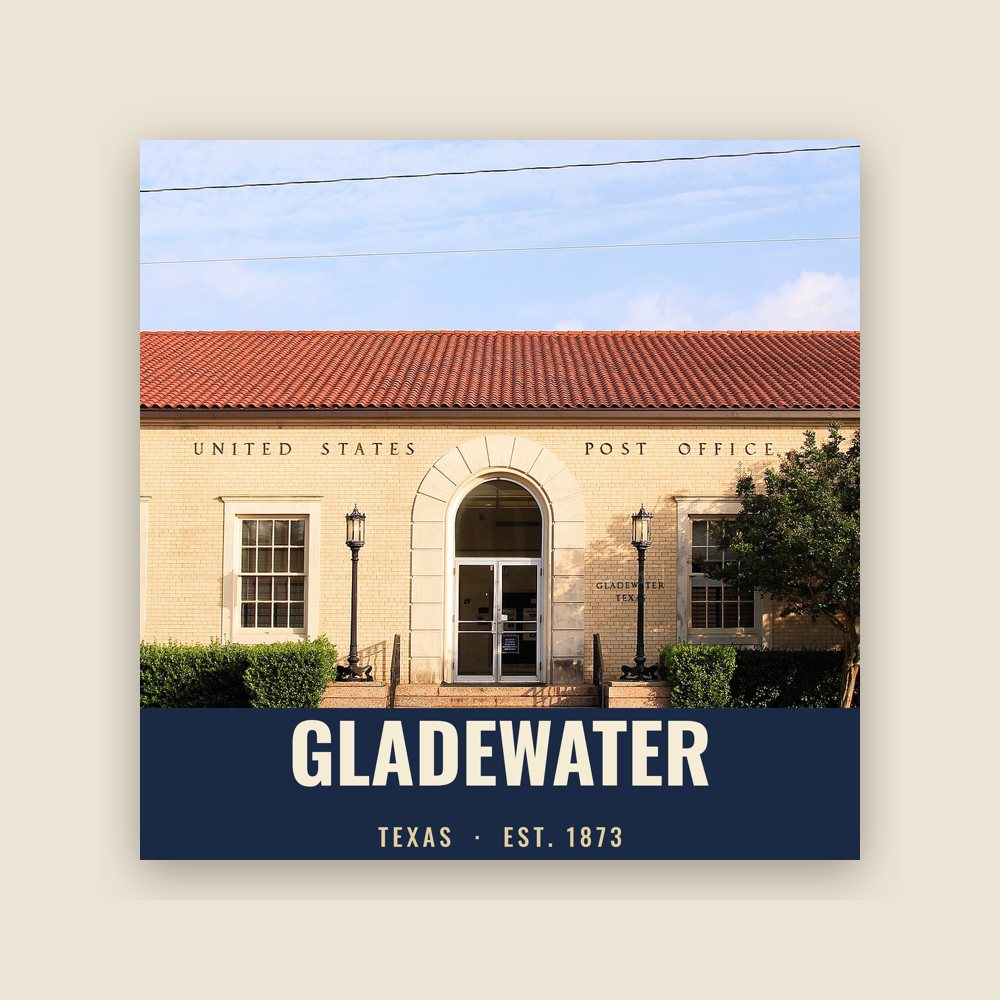
Gladewater was founded by the Texas and Pacific Railway Company in 1873 on land bought from Jarrett Dean and Anderson White. A community called St. Clair, 2 miles (3 km) to the east, moved to Gladewater when the railroad announced that the only mail stop in the area would be there; residents from Point Pleasant, also bypassed by the railroad, moved to Gladewater. The first post office at Gladewater was established on August 22, 1873. The town's name probably originated from its proximity to Glade Creek, a tributary of the Sabine River that rose in a rather barren region called the Glades.
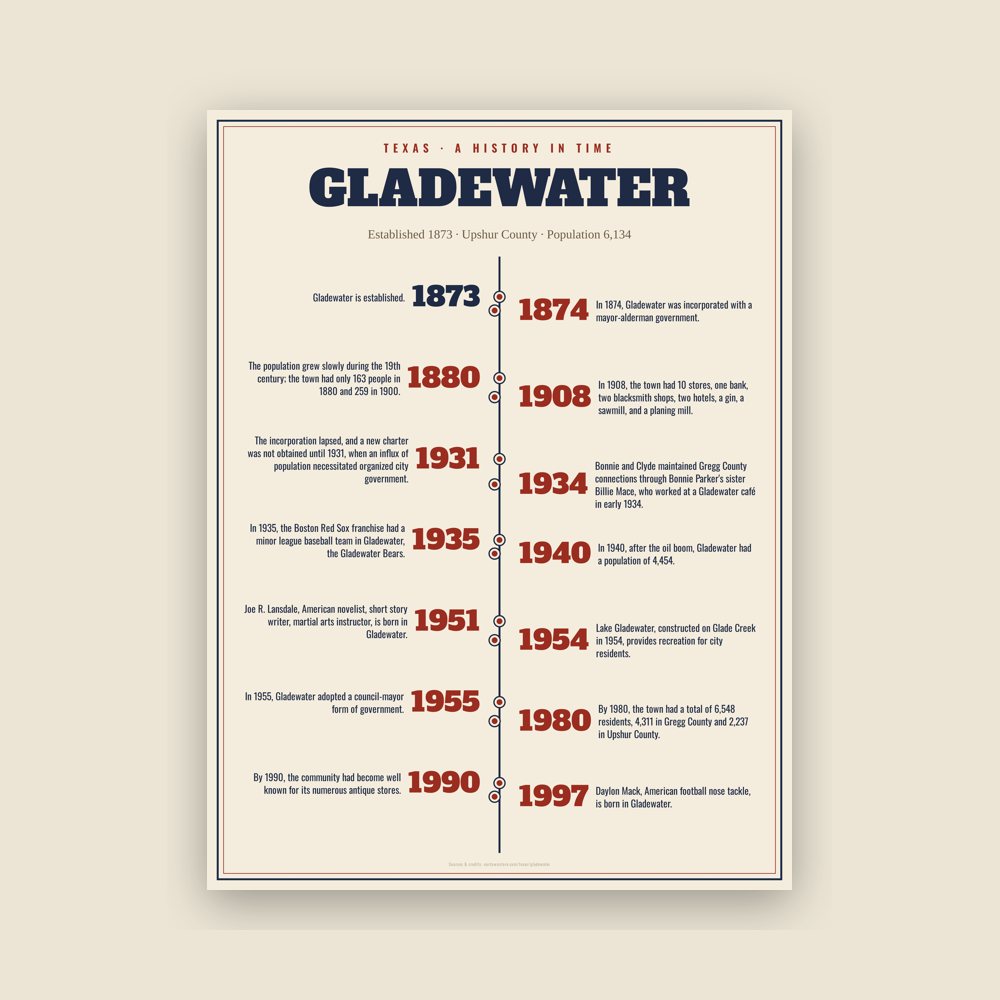
In 1874, Gladewater was incorporated with a mayor-alderman government. The incorporation lapsed, and a new charter was not obtained until 1931, when an influx of population necessitated organized city government.
Bonnie and Clyde maintained Gregg County connections through Bonnie Parker's sister Billie Mace, who worked at a Gladewater café in early 1934.
In 1955, Gladewater adopted a council-mayor form of government. The population grew slowly during the 19th century; the town had only 163 people in 1880 and 259 in 1900. In the area around Gladewater, lumbering was a major activity, although farming was also important; cotton was the major crop. In 1908, the town had 10 stores, one bank, two blacksmith shops, two hotels, a gin, a sawmill, and a planing mill. It continued to grow slowly until 1931.
On April 7, 1931, the first Gladewater oil well blew in. It was located 1 mi (1.6 km) outside town in the Sabine River bottom. Oil production led to a population increase during the 1930s from about 500 to around 8,000 people. In 1940, after the oil boom, Gladewater had a population of 4,454. Civic improvements in the 1940s included an extensive paving project and a commercial airfield. Between 1940 and 1960, the population grew to 5,742. Lake Gladewater, constructed on Glade Creek in 1954, provides recreation for city residents.
During the 1970s Gladewater moved from an oil-oriented to a more diversified economy, primarily because of depletion of oil resources in the area. The movement of salt water into the western edge of the large East Texas Oil Field affected Gladewater first. By 1980, the town had a total of 6,548 residents, 4,311 in Gregg County and 2,237 in Upshur County. The economy in the 1980s depended on the oil industry and related activities and on the manufacture of such products as furniture, clothing, paper products, and boats. The lumber and agricultural industry was still a driver for the economy, as well. By 1990, the community had become well known for its numerous antique stores. Notable annual festivals include the East Texas Gusher Days in April, the Gladewater Roundup Rodeo in June, the Arts and Crafts Festival in September, and Christmas in November.
In 1935, the Boston Red Sox franchise had a minor league baseball team in Gladewater, the Gladewater Bears. The minor league stadium has since been turned into a city park. The predominant features of the stadium are long gone, but the stadium is located near the Lee Building in Gladewater.
Adapted (trimmed) from the Wikipedia article Gladewater, Texas, revision 1378790499 by its contributors, licensed CC BY-SA 4.0.
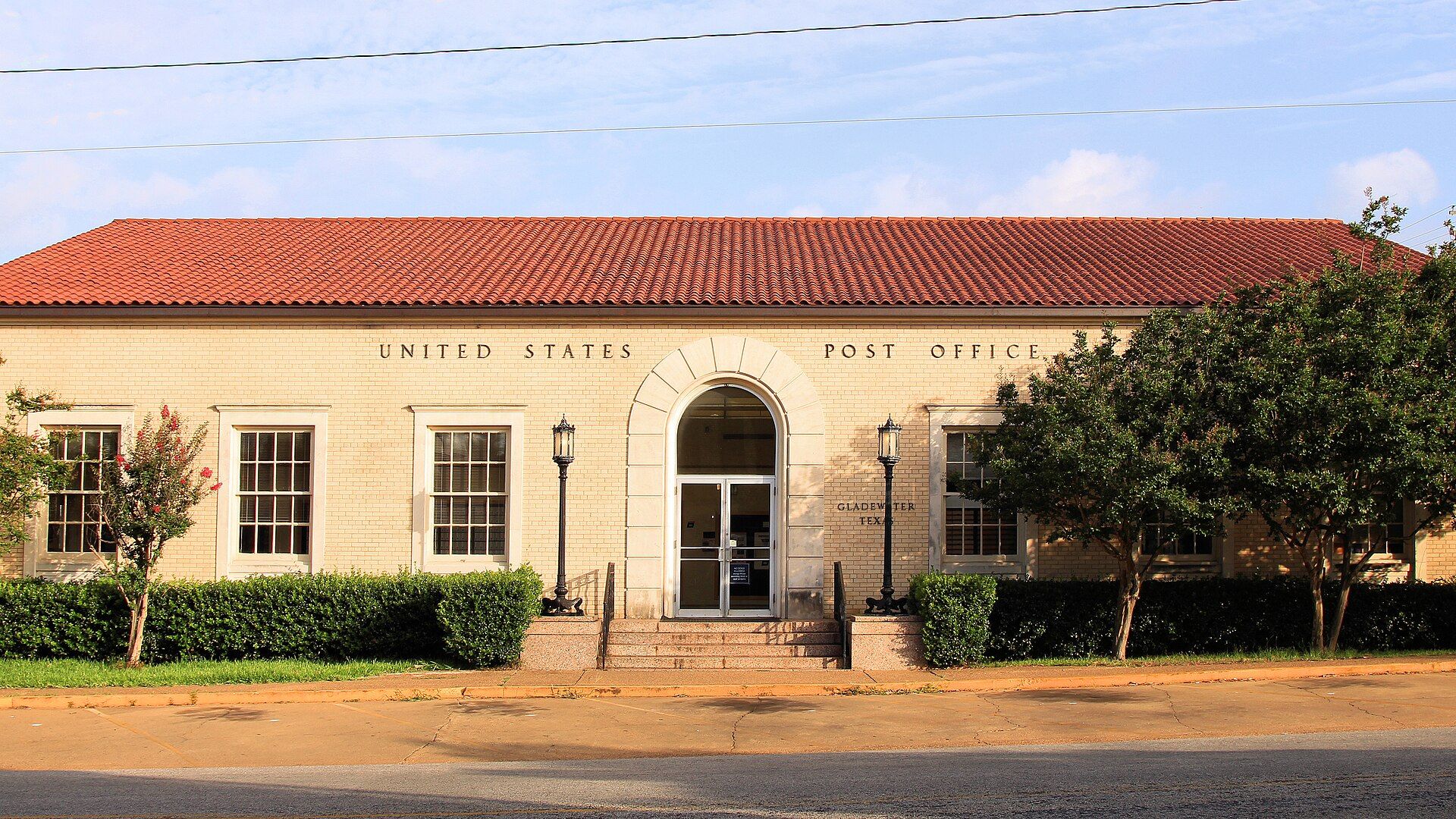
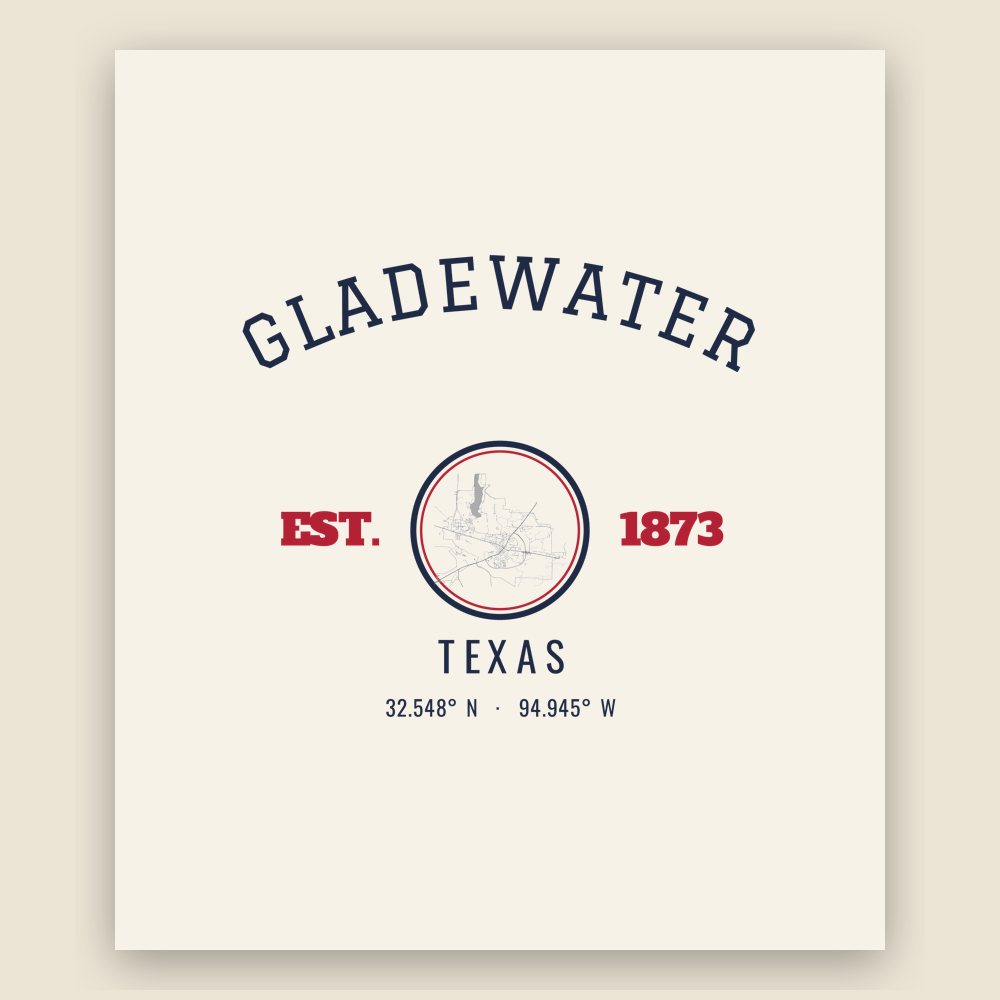
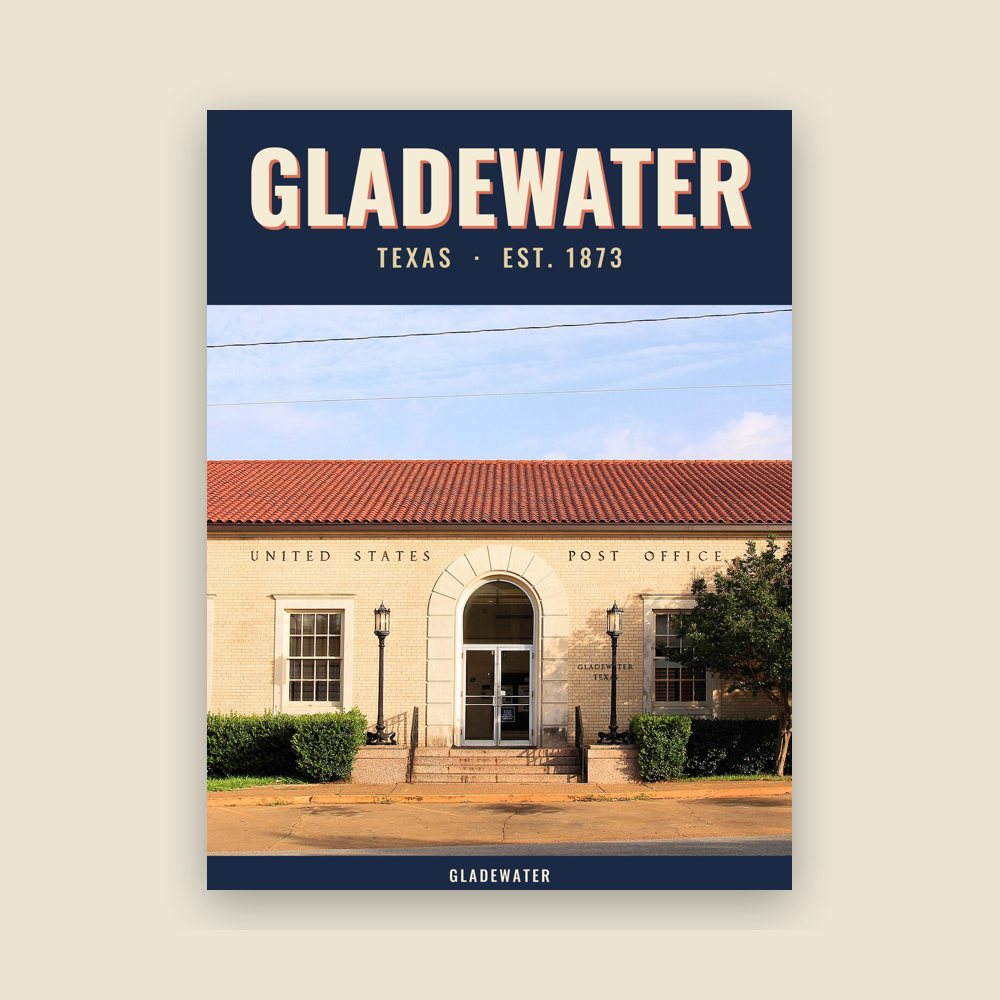
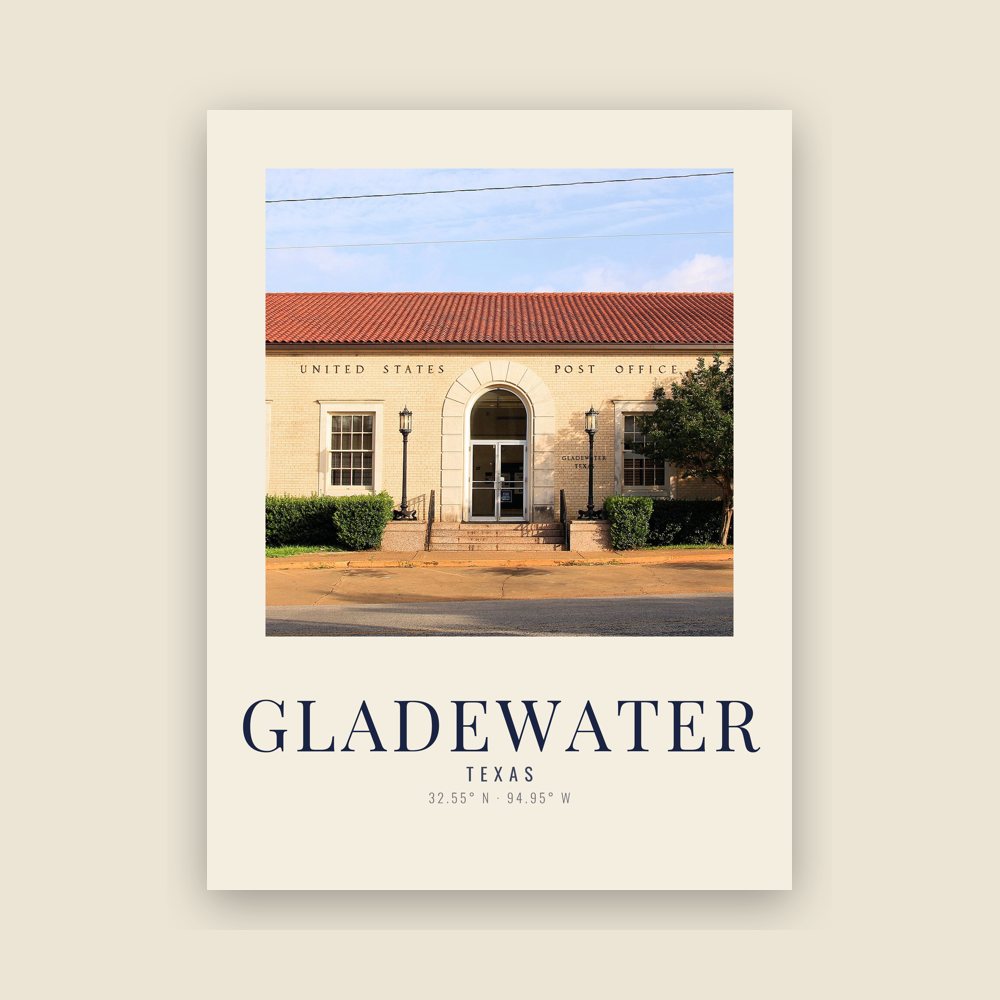
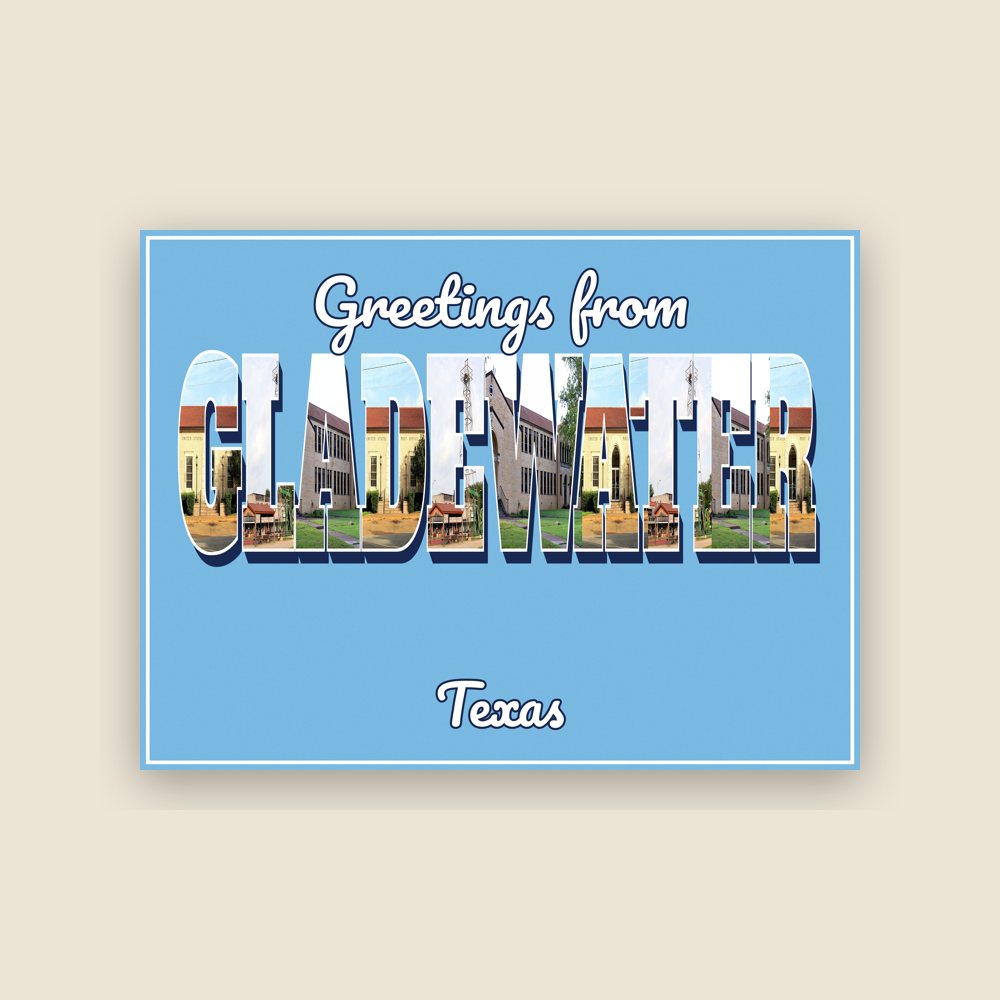
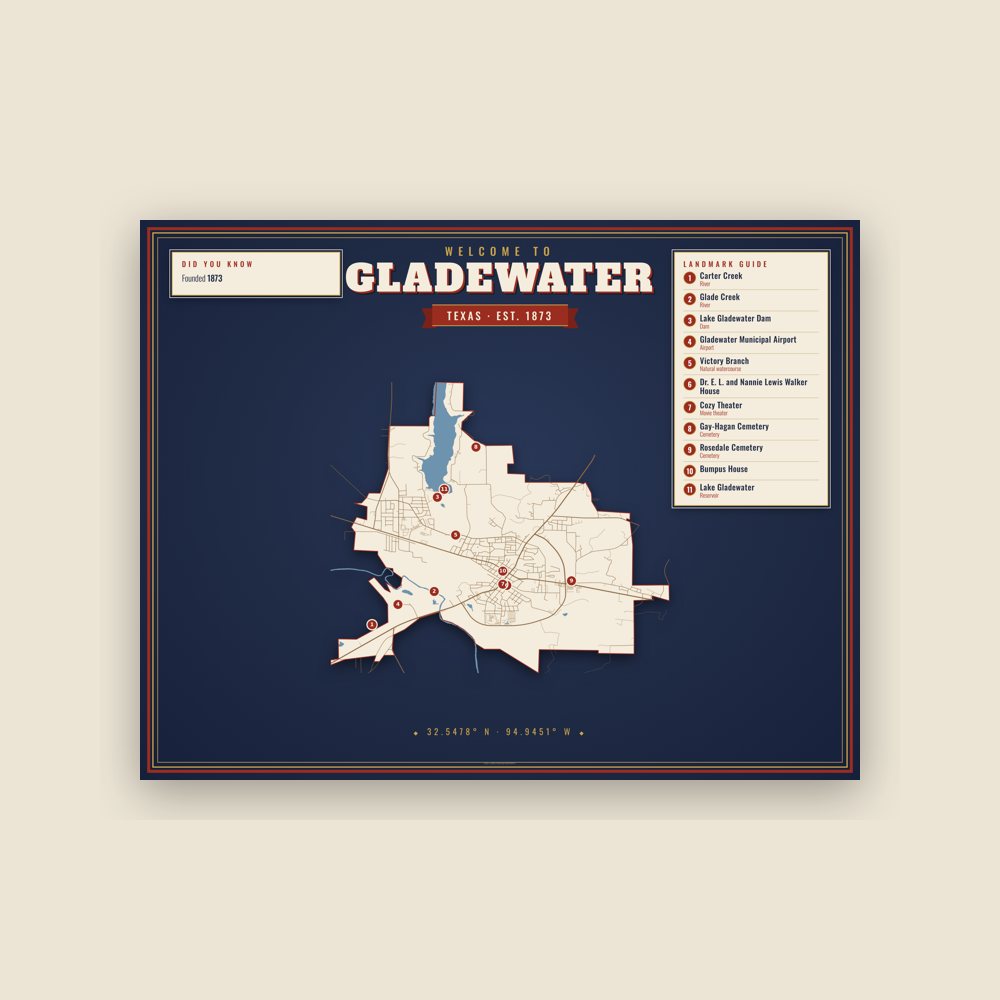
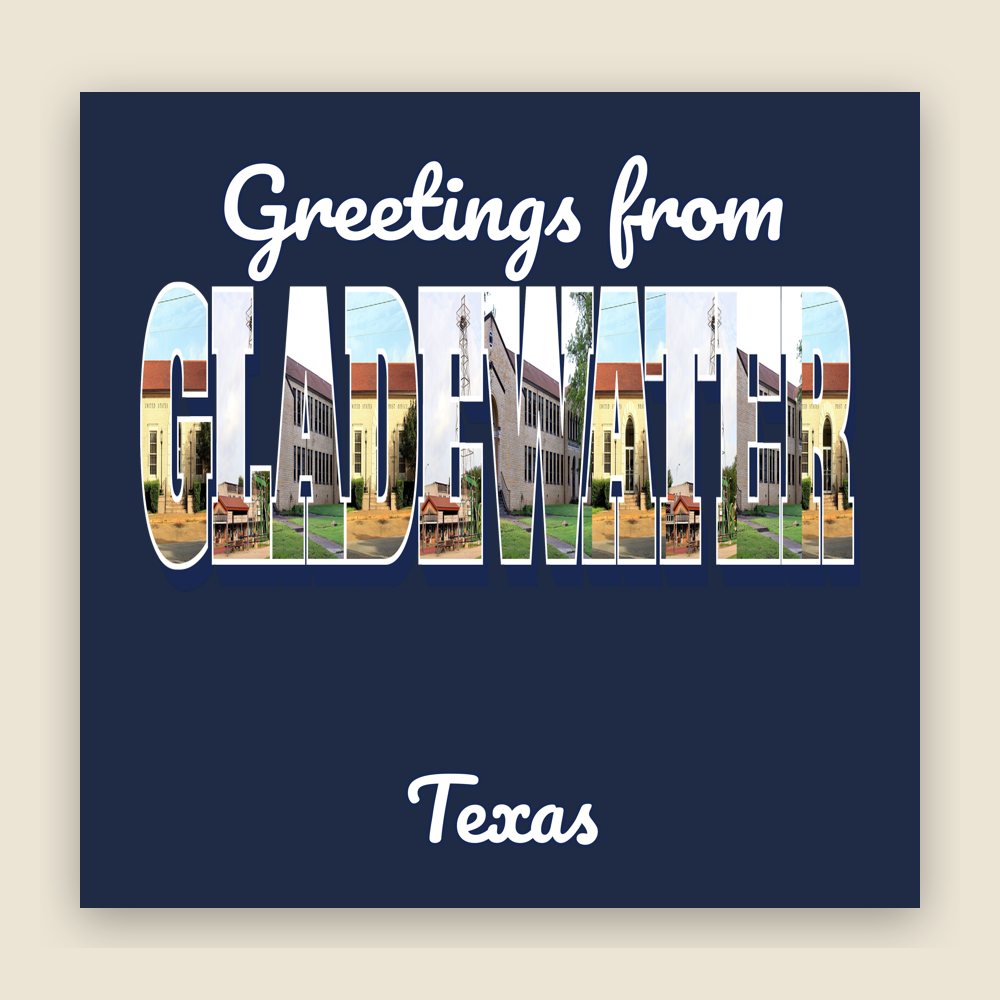
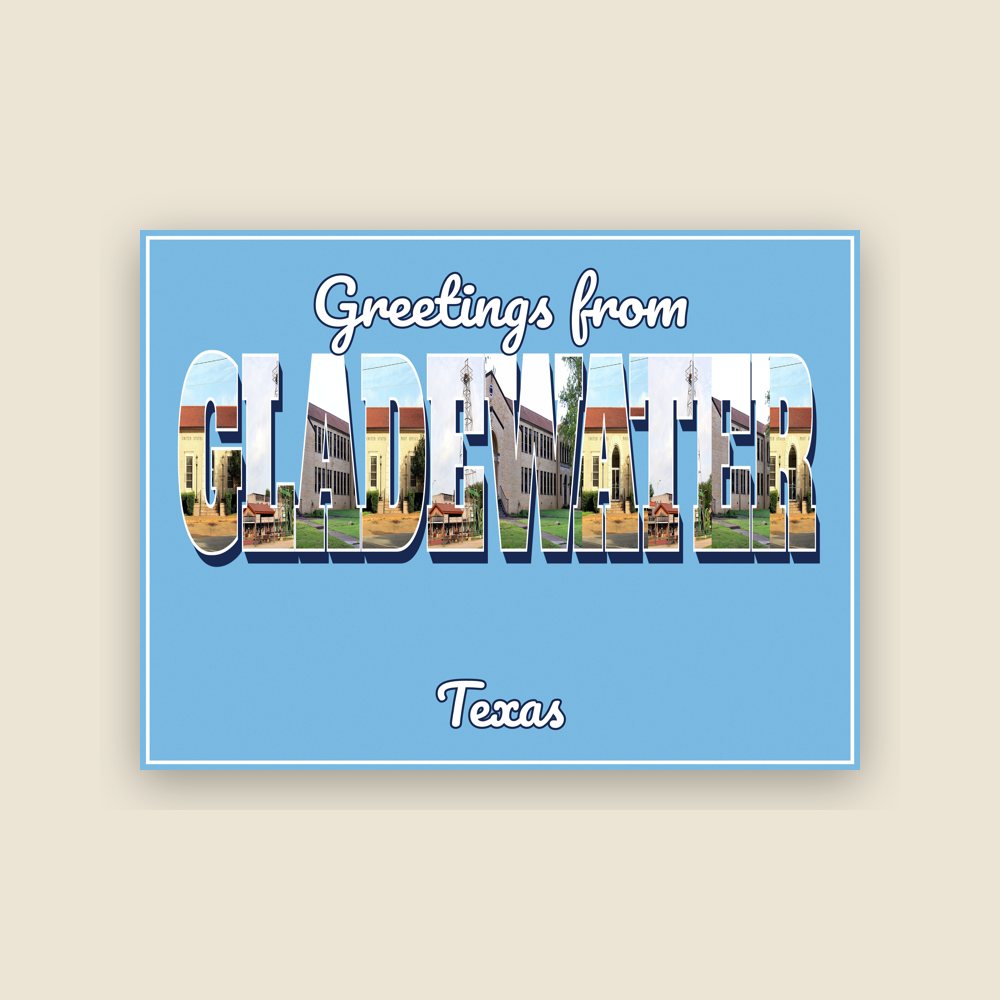
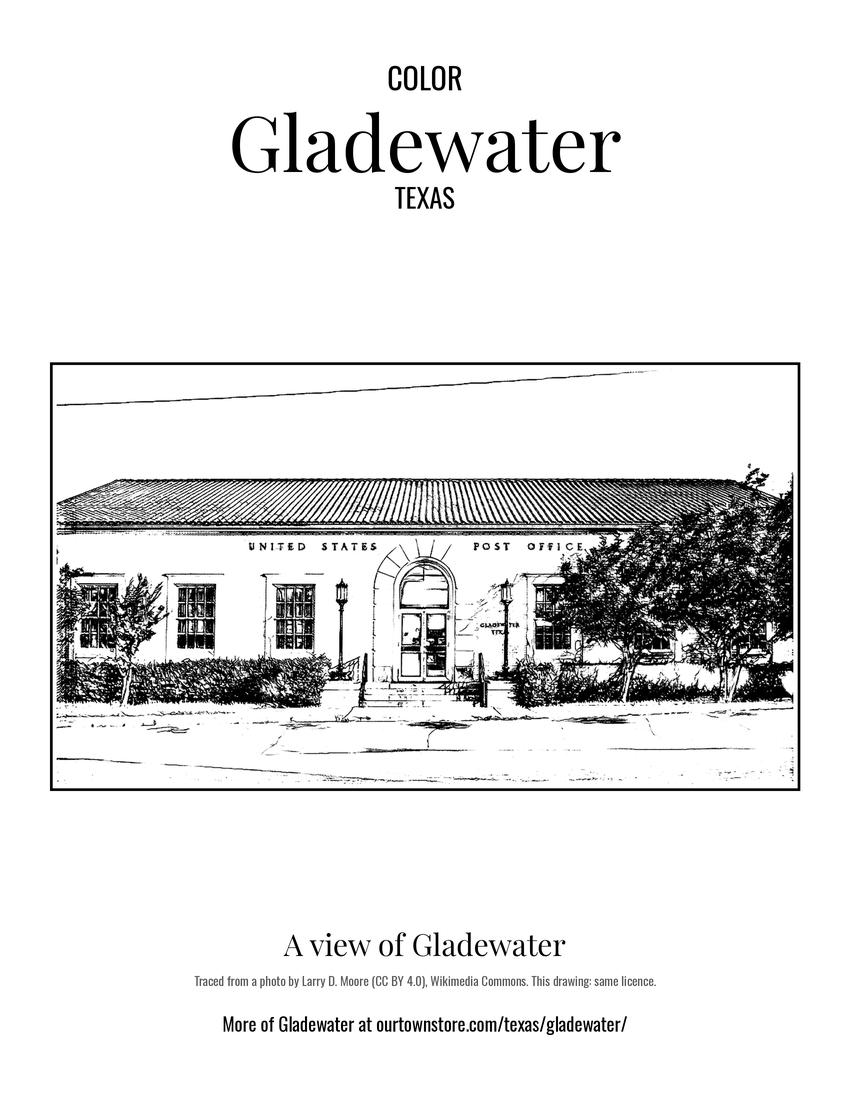 A view of Gladewater
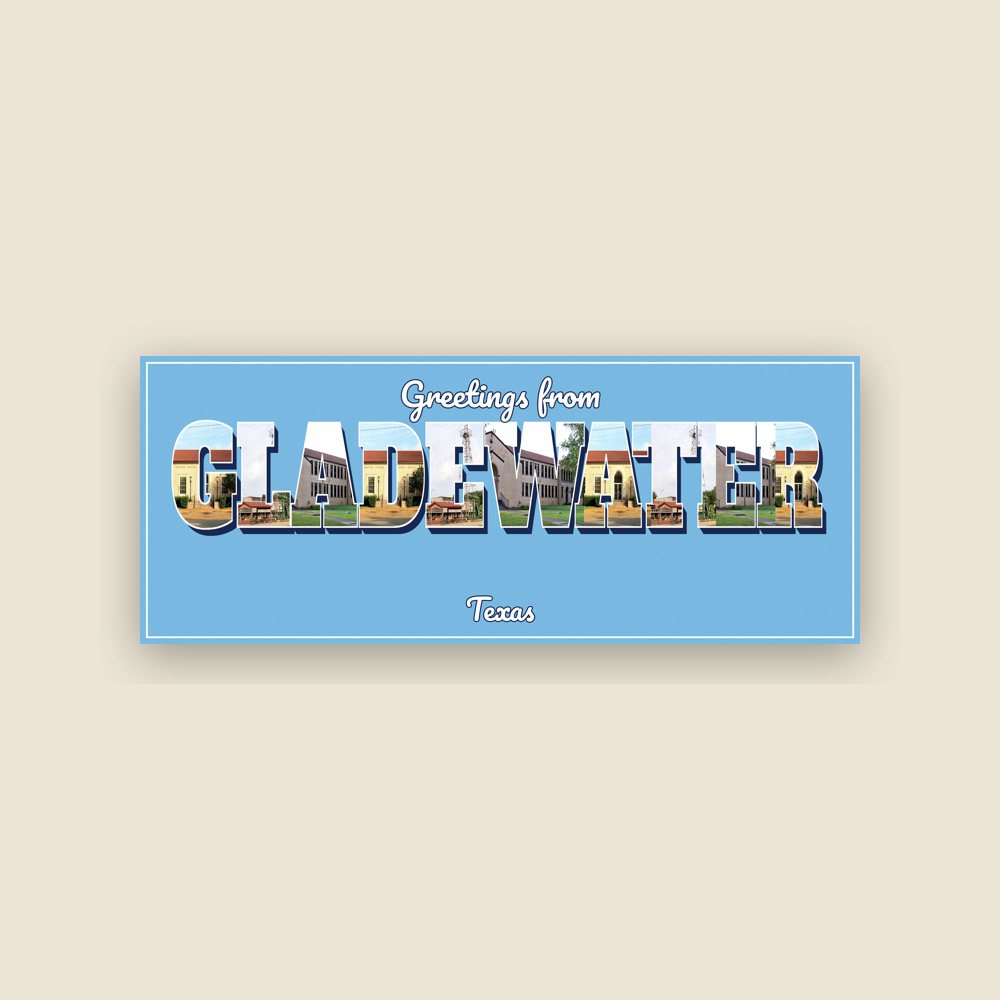
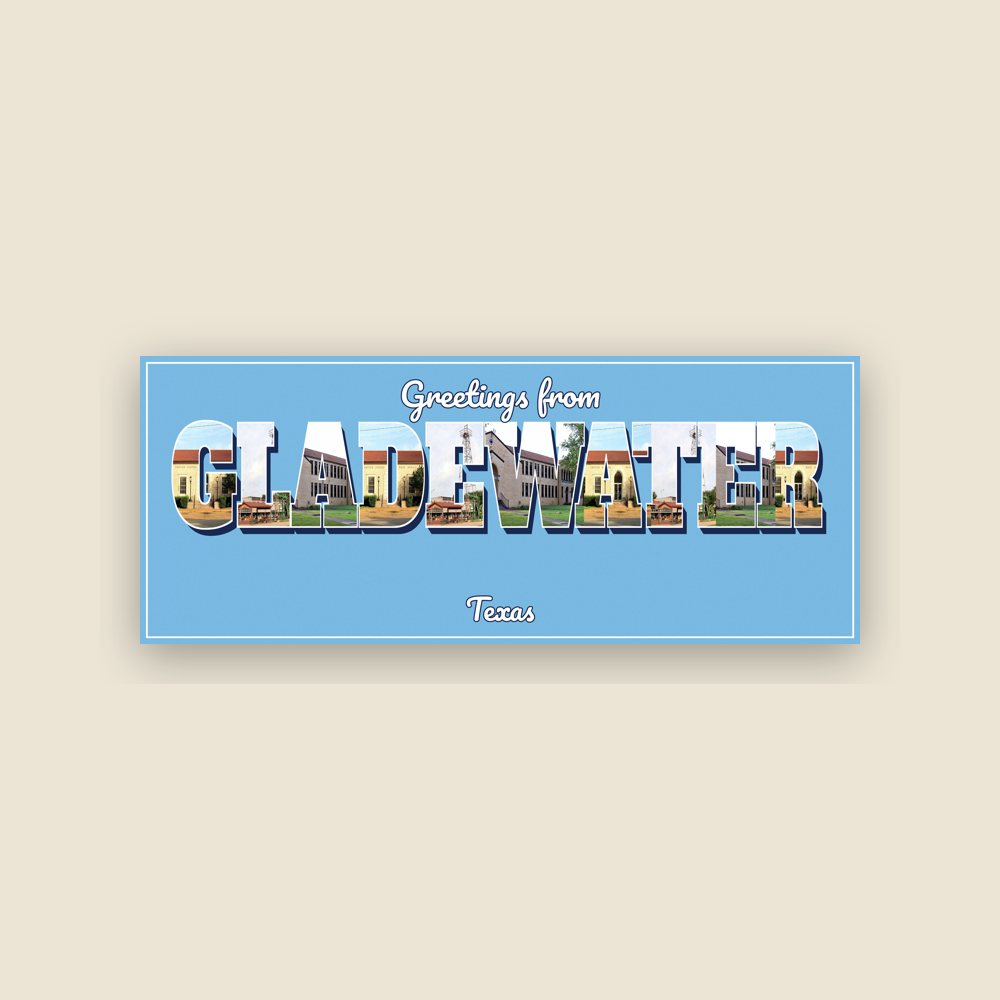
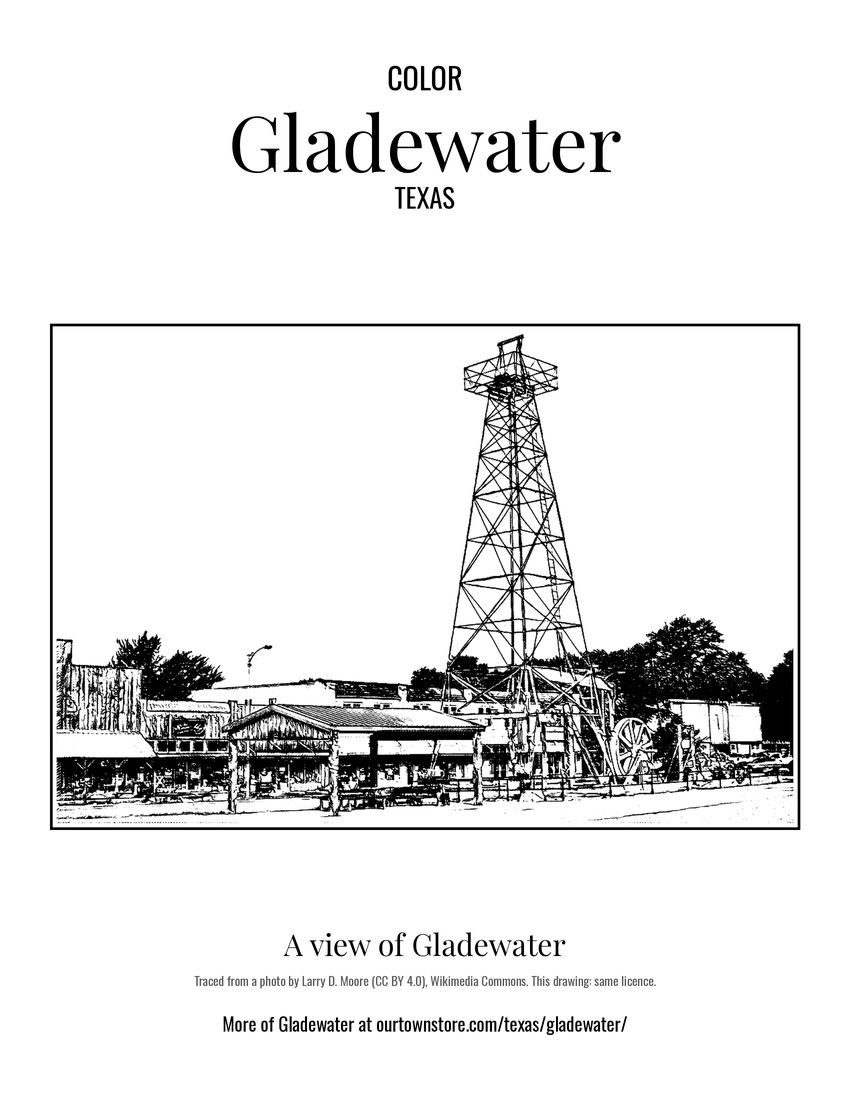 A view of Gladewater
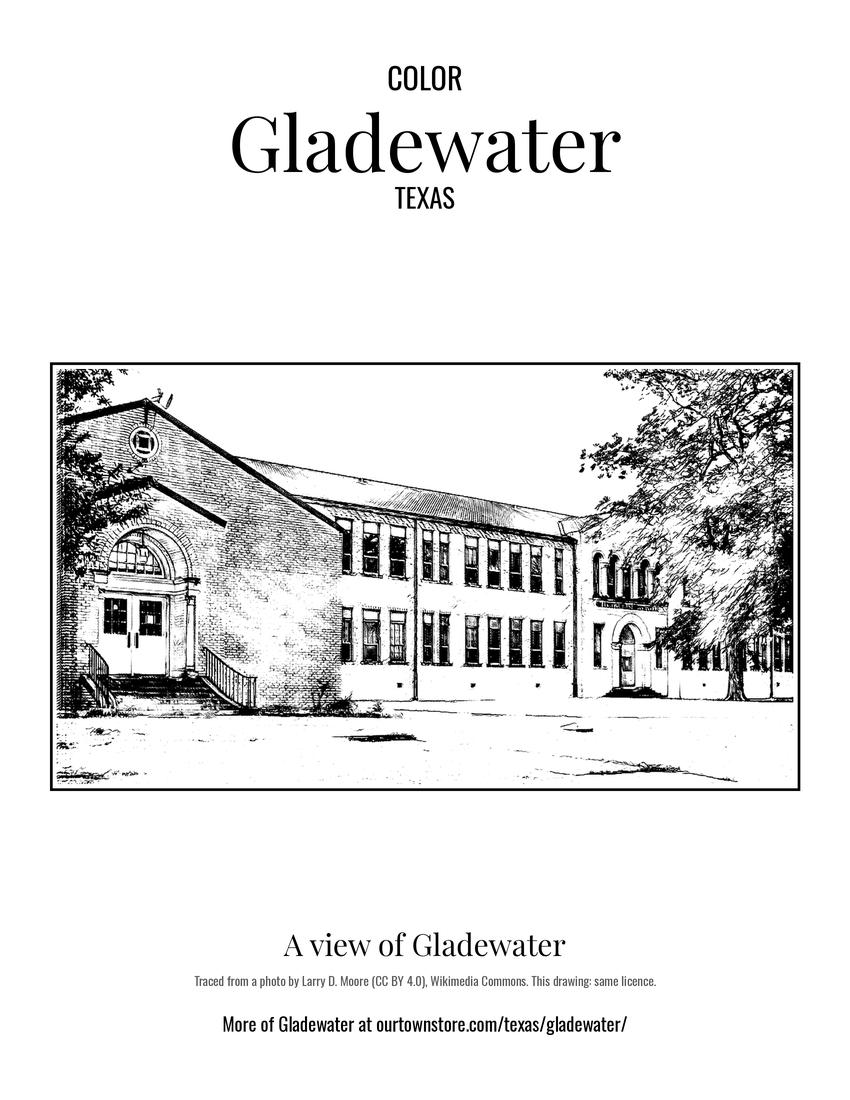 A view of Gladewater