A short history of Edinburg
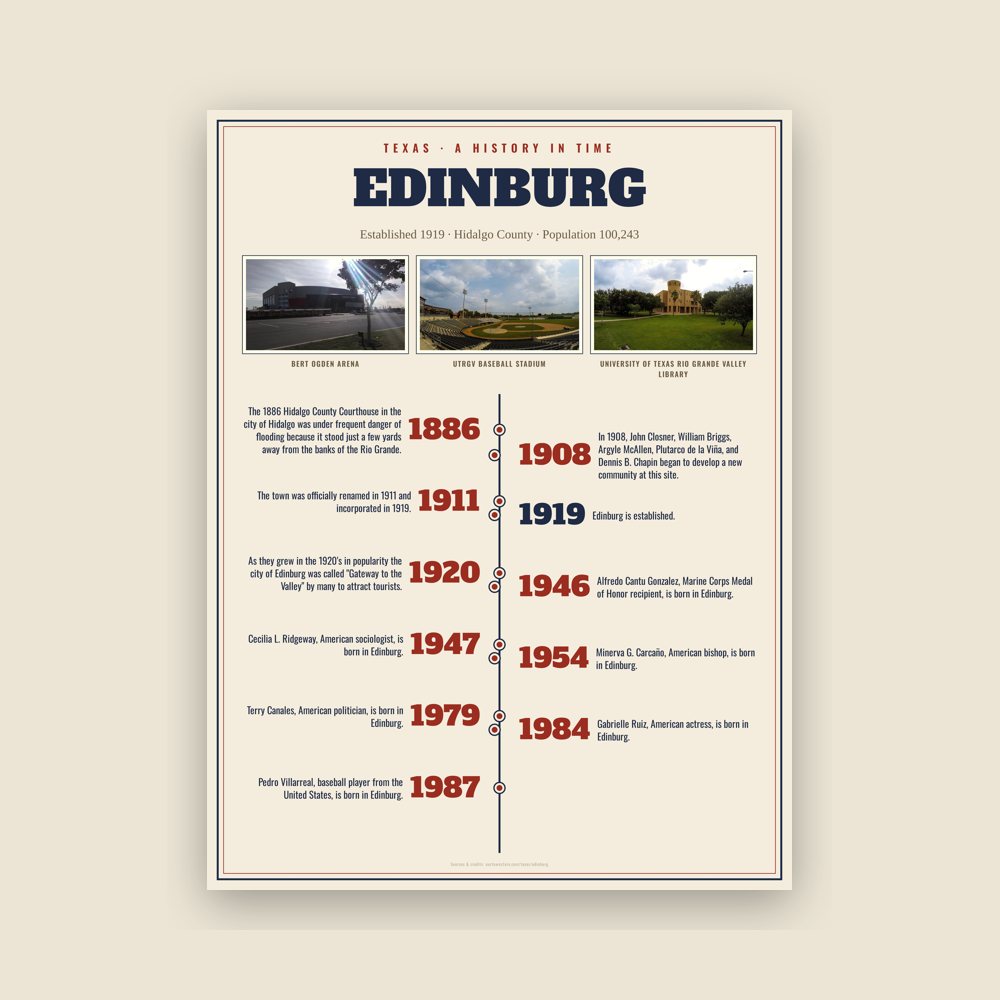
In 1908, John Closner, William Briggs, Argyle McAllen, Plutarco de la Viña, and Dennis B. Chapin began to develop a new community at this site. The town square was located at the current crossroads of U.S. Highway 281 and State Highway 107. The town was named "Chapin" in honor of one of the developers. A local myth relates that Edinburg became the county seat of Hidalgo County in a dramatic, nighttime covert operation in which the county records were removed from the previous county seat. However, historical records show more practical reasons. The 1886 Hidalgo County Courthouse in the city of Hidalgo was under frequent danger of flooding because it stood just a few yards away from the banks of the Rio Grande. Additionally, the county was over 80 miles (130 km) long at this time, and state law required that the courthouse be close to the geographic center of a county. A wood-frame courthouse was designed and built beside the Chapin courthouse square in 1908; construction on a grand courthouse within the square began in 1910 under the supervision of San Antonio builders and a partnership of San Antonio architects. When Dennis Chapin was involved in the shooting death of Oscar J. Rountree at the Dan Breen Saloon in San Antonio, the community changed its name to "Edinburg" to honor John Young, a prominent businessman who was born in Edinburgh, Scotland. The town was officially renamed in 1911 and incorporated in 1919. As they grew in the 1920's in popularity the city of Edinburg was called "Gateway to the Valley" by many to attract tourists.
Adapted (trimmed) from the Wikipedia article Edinburg, Texas, revision 1373561693 by its contributors, licensed CC BY-SA 4.0.



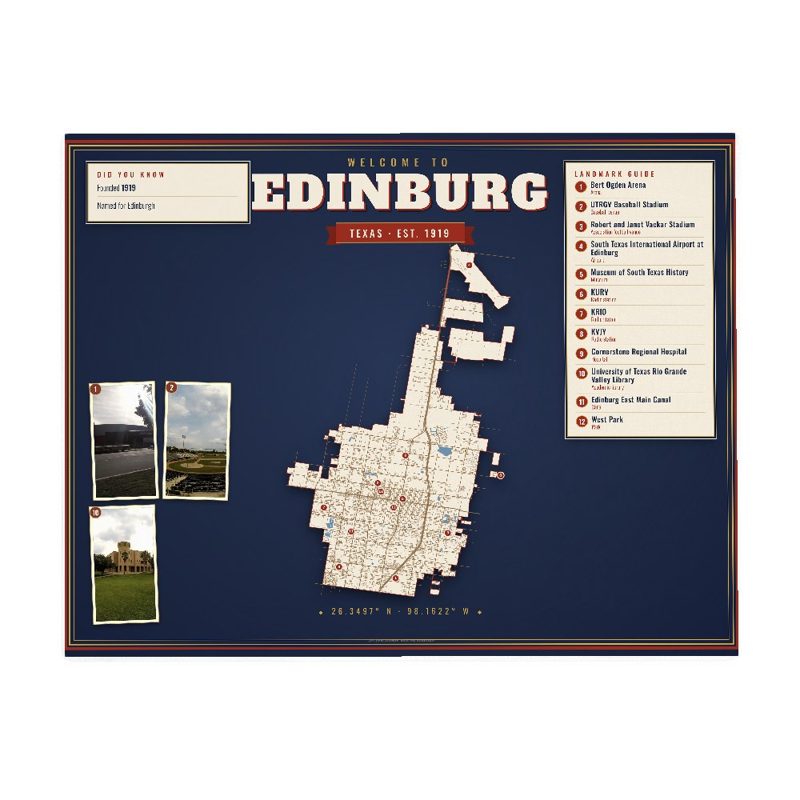













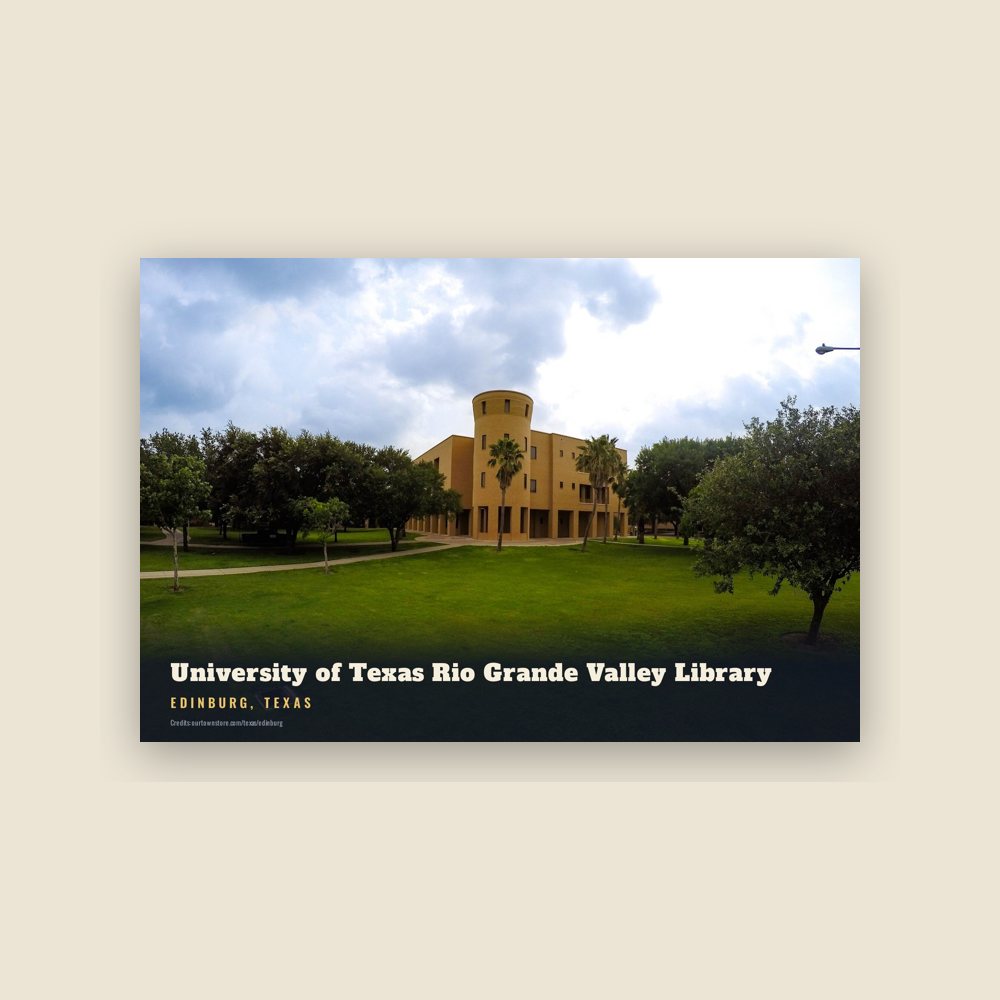
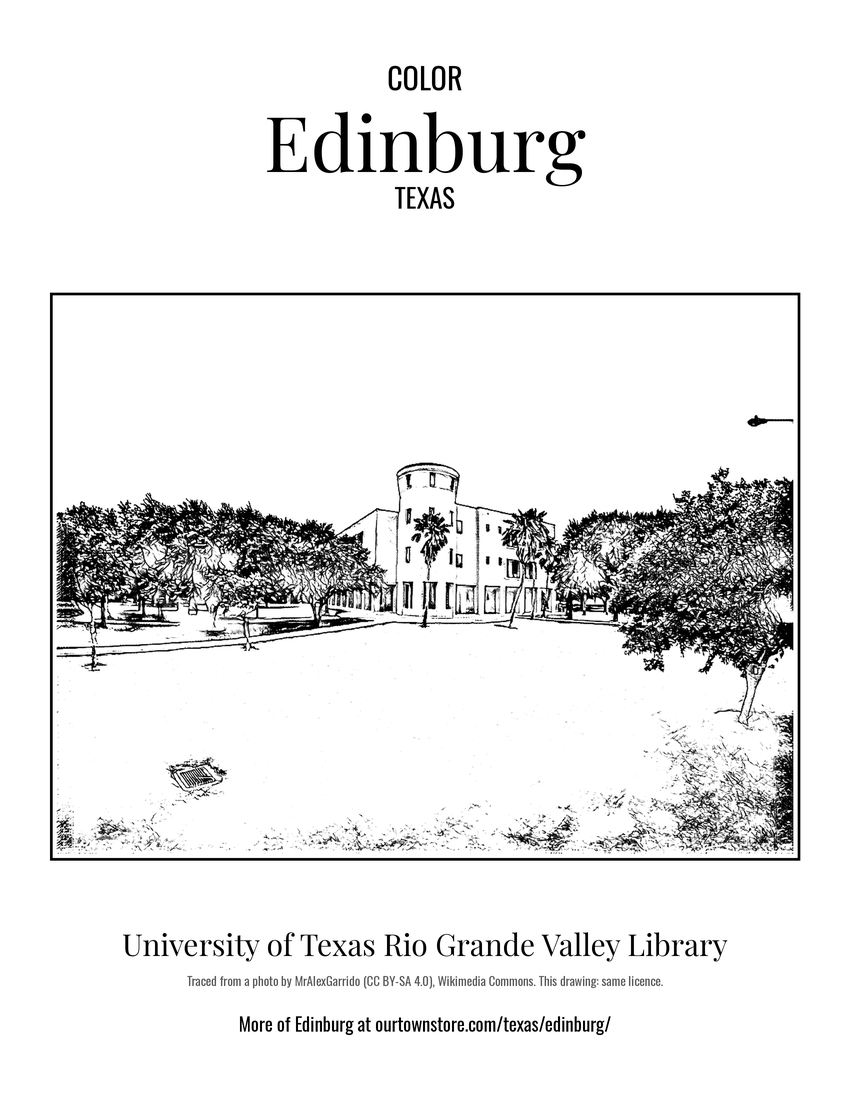 University of Texas Rio Grande Valley Library
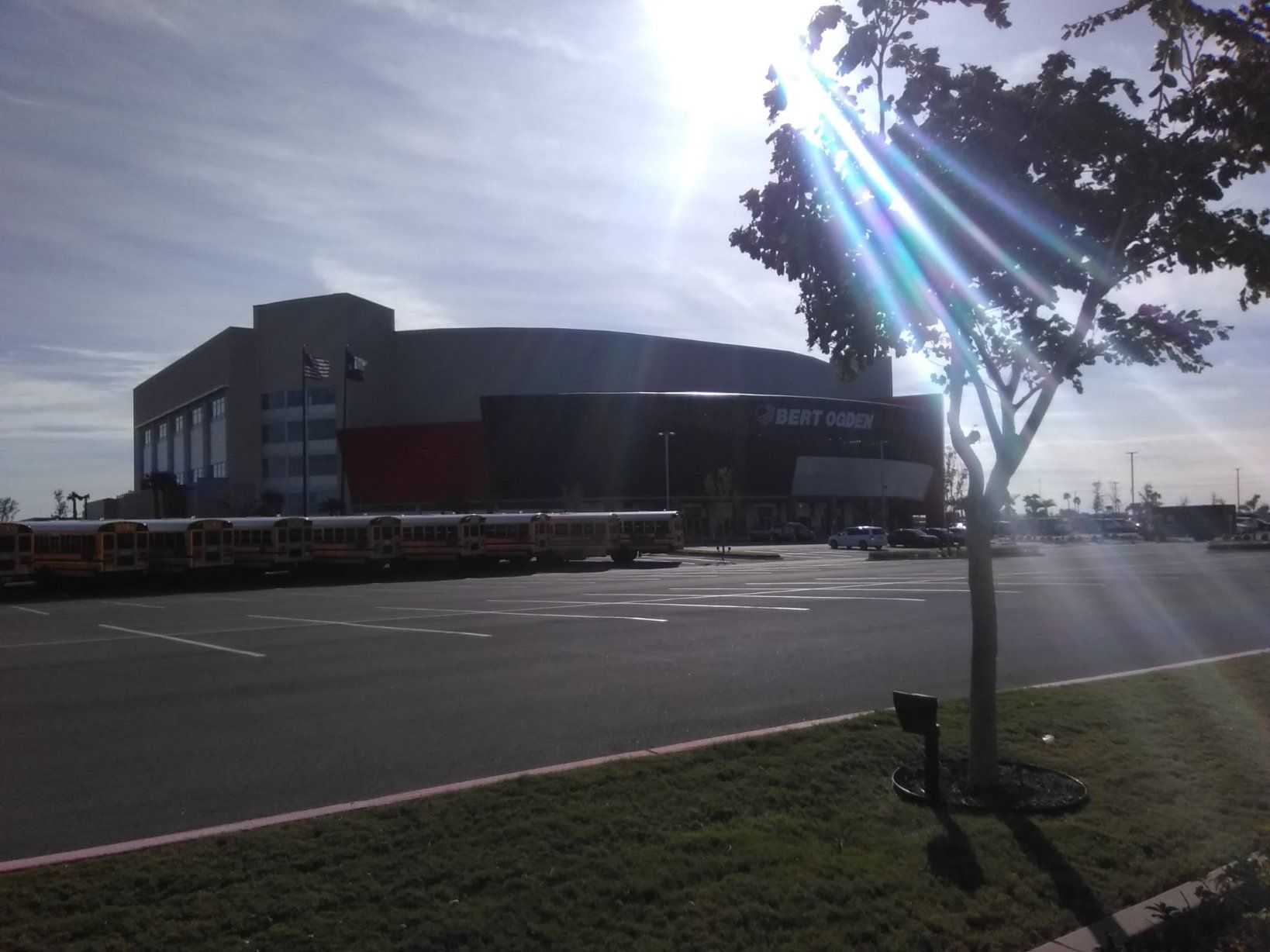
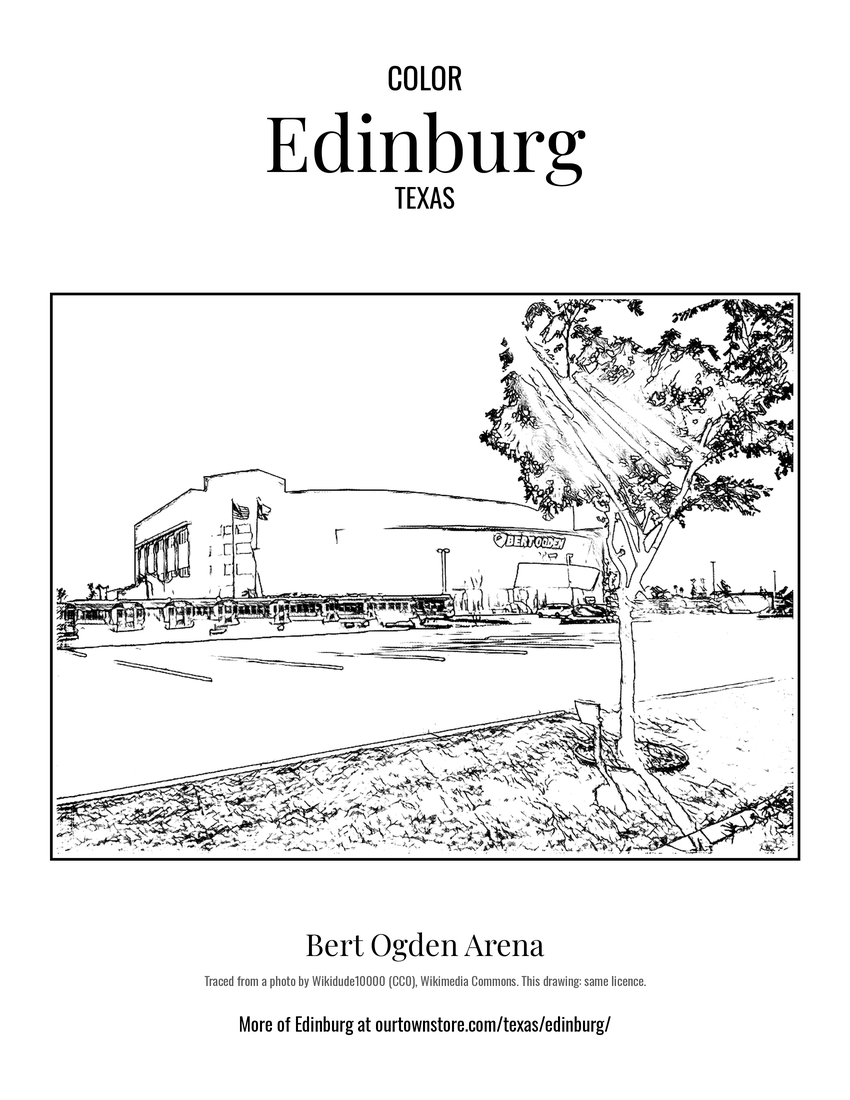 Bert Ogden Arena
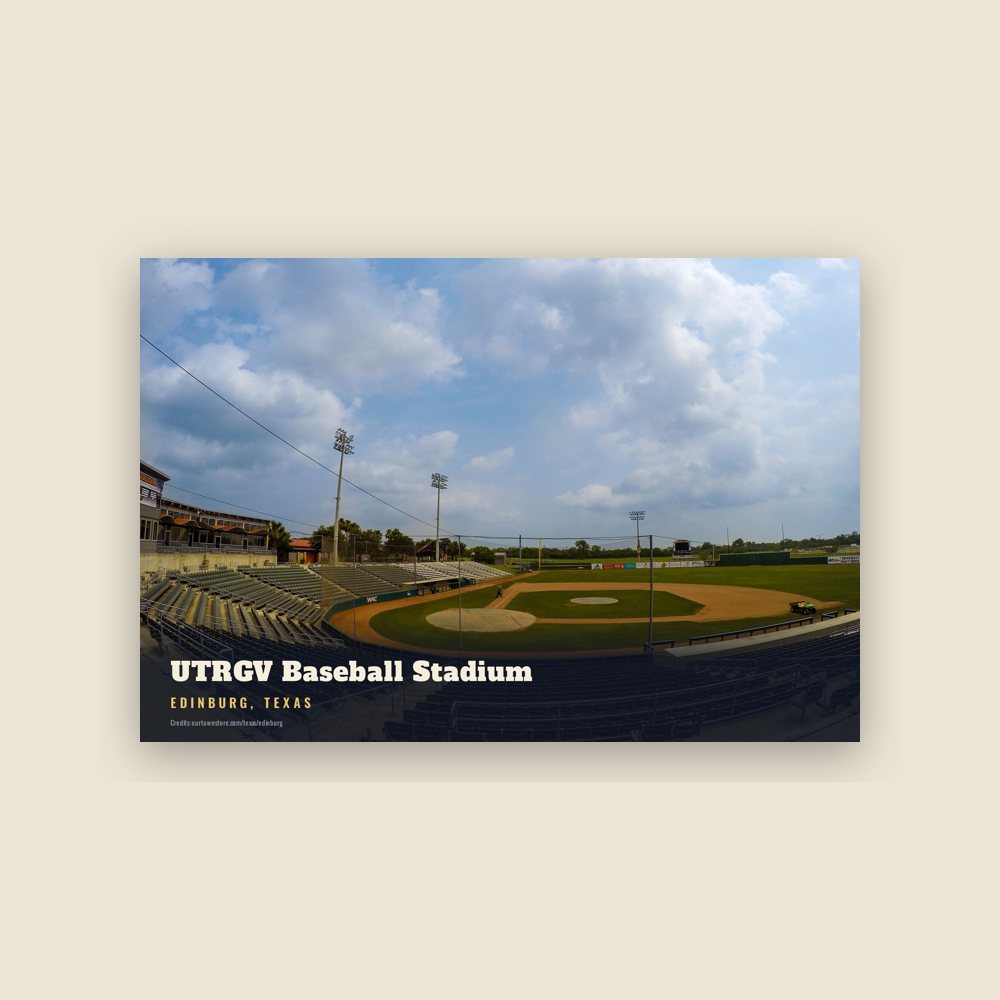
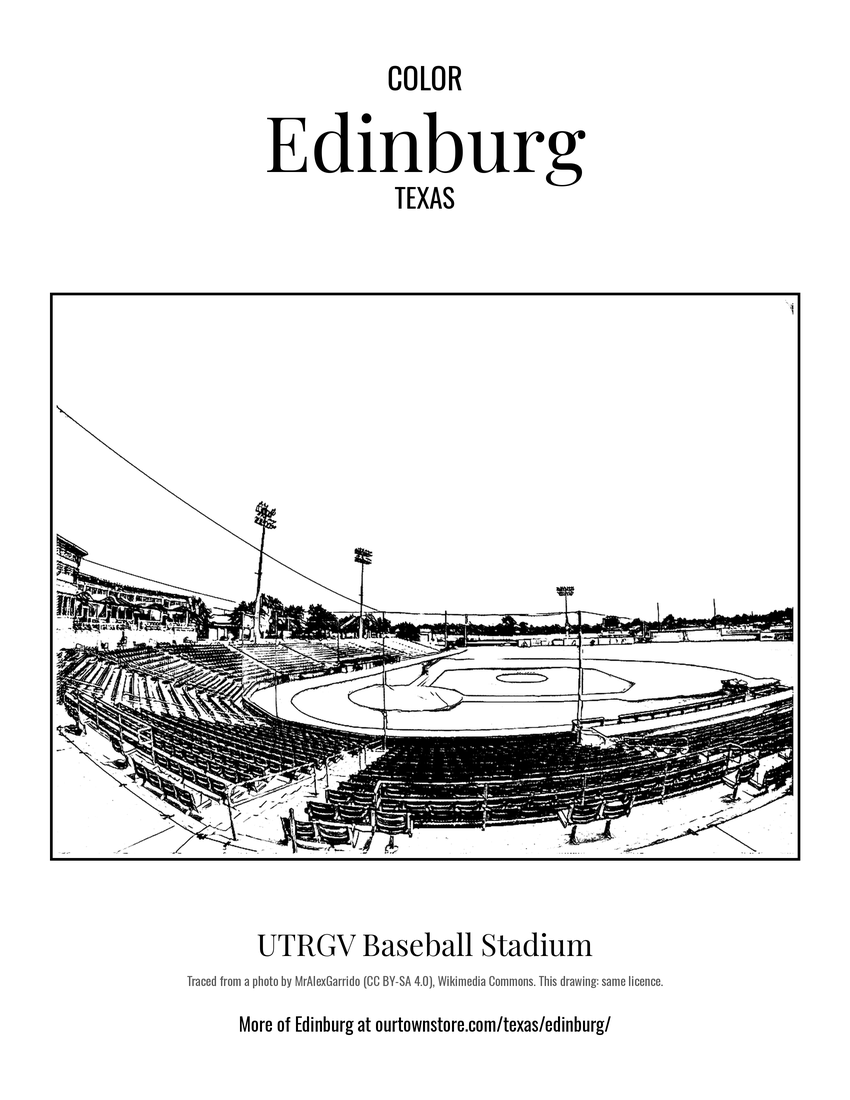 UTRGV Baseball Stadium