A short history of Corpus Christi
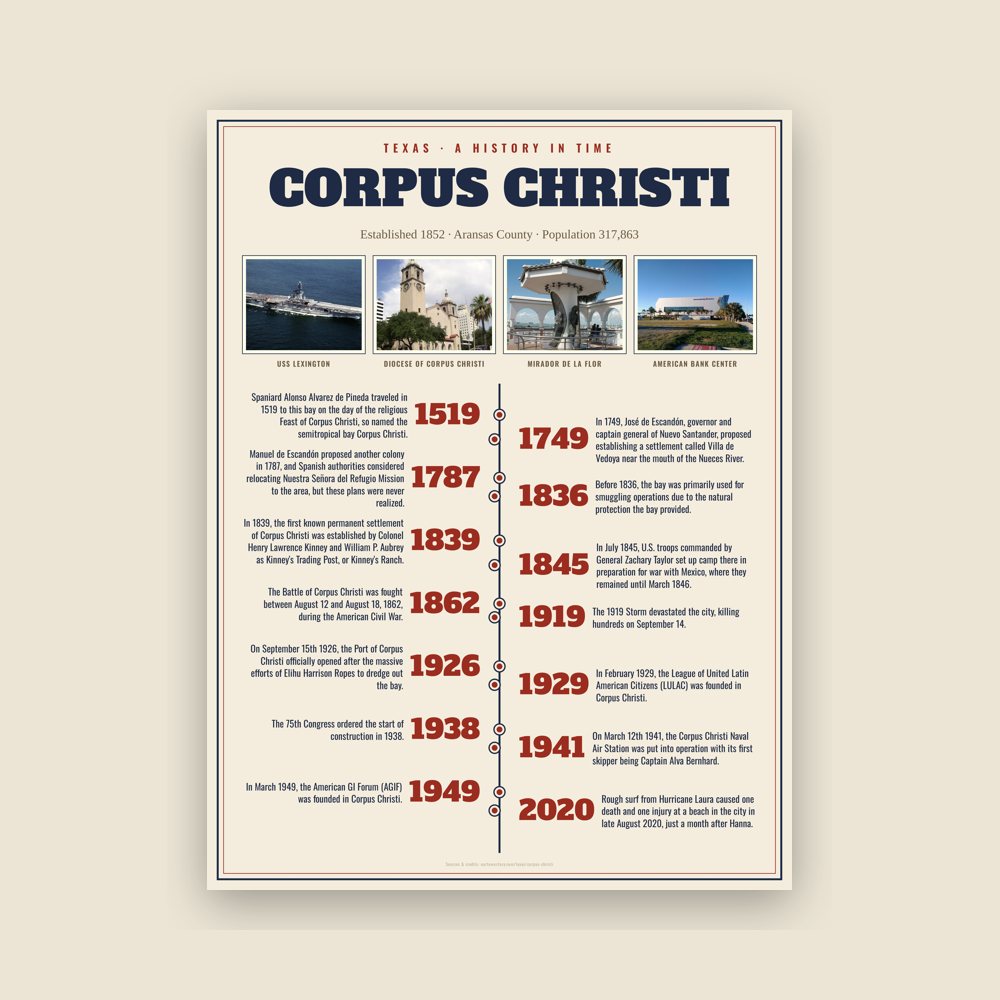
Spaniard Alonso Alvarez de Pineda traveled in 1519 to this bay on the day of the religious Feast of Corpus Christi, so named the semitropical bay Corpus Christi.
Cabeza de Vaca and his companions may have been the first Europeans to reach Corpus Christi in the 1500s, the first documented exploration of the Nueces River and Corpus Christi Bay was conducted by Joaquín de Orobio y Basterra in 1747. In 1749, José de Escandón, governor and captain general of Nuevo Santander, proposed establishing a settlement called Villa de Vedoya near the mouth of the Nueces River. He organized a colony of about 50 families to settle the head of the bay, though this was short-lived. A prolonged drought and inadequate supplies caused the effort to be abandoned before settlers reached their destination.
Additional settlement proposals followed during the late 18th century and early 19th century. Manuel de Escandón proposed another colony in 1787, and Spanish authorities considered relocating Nuestra Señora del Refugio Mission to the area, but these plans were never realized. During the 1830s, Baron Johann von Rachnitz and abolitionist Benjamin Lundy separately proposed colonies near the mouth of the Nueces River, though the effort never succeeded.
In 1839, the first known permanent settlement of Corpus Christi was established by Colonel Henry Lawrence Kinney and William P. Aubrey as Kinney's Trading Post, or Kinney's Ranch. It was a small trading post that sold supplies to a Mexican revolutionary army camped about 25 mi (40 km) west.
In July 1845, U.S. troops commanded by General Zachary Taylor set up camp there in preparation for war with Mexico, where they remained until March 1846. About a year later, the settlement was named Corpus Christi and was incorporated on September 9, 1852.
The Battle of Corpus Christi was fought between August 12 and August 18, 1862, during the American Civil War. United States Navy forces blockading Texas fought a small land and sea engagement with Confederate forces in and around Corpus Christi Bay and bombarded the city. Union forces defeated Confederate States Navy ships operating in the area, but were repulsed when they landed on the coast.
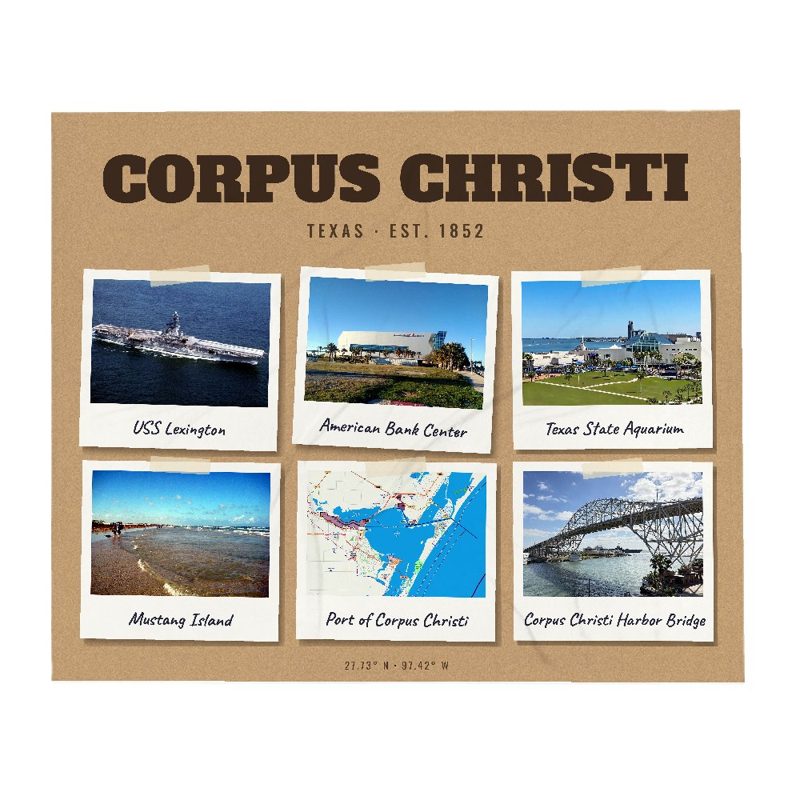
Before 1836, the bay was primarily used for smuggling operations due to the natural protection the bay provided. After the Texas Revolution, the bay started seeing use by traders. During the Civil War, the bay was under the ownership of the Confederacy. It served as a trading harbor until 1864 when the Union secured it. On September 15th 1926, the Port of Corpus Christi officially opened after the massive efforts of Elihu Harrison Ropes to dredge out the bay.
The decision to build the Naval Air Station was made due to the United States' lack of trained air pilots. The 75th Congress ordered the start of construction in 1938. On March 12th 1941, the Corpus Christi Naval Air Station was put into operation with its first skipper being Captain Alva Bernhard.
Read the full history
Civil Rights
In February 1929, the League of United Latin American Citizens (LULAC) was founded in Corpus Christi. This organization was created to battle racial discrimination against Hispanic people in the United States. Since its founding, LULAC has grown and now has a national headquarters in Washington, D.C.
In March 1949, the American GI Forum (AGIF) was founded in Corpus Christi. Currently, AGIF focuses on veteran's issues, education, and civil-rights issues. This organization was founded after concerns over the segregation of Mexican-American veterans from other veterans groups and the denial of medical services based on race by the United States Department of Veterans Affairs.
Cisneros v. Corpus Christi Independent School District (1970) was the first case to extend the U.S. Supreme Court's Brown v. the Board of Education of Topeka, Kansas decision (1954) to Mexican Americans. It recognized them as a minority group that could be and was frequently discriminated against. Such segregation and discrimination were ruled unconstitutional. Judge Woodrow Seals found that the school board consciously fostered a system that perpetuated traditional segregation. This included a system that bused Anglo students to schools out of their neighborhoods, renovated old schools in black and Mexican-American neighborhoods rather than building new ones, assigned black and Hispanic teachers to segregated schools, and limited hiring of such teachers at other schools; the school board also lacked a majority-to-minority busing system.
Natural Disasters
The 1919 Storm devastated the city, killing hundreds on September 14. Only three structures survived the storm on North Beach. To protect the city, the seawall was built. The city also suffered damage from Hurricane Celia in 1970 and Hurricane Allen in 1980, but little damage from Hurricane Ike in 2008. In 2017, the city was affected by Hurricane Harvey, then by Hurricane Hanna in 2020. Rough surf from Hurricane Laura caused one death and one injury at a beach in the city in late August 2020, just a month after Hanna.
Adapted (trimmed) from the Wikipedia article Corpus Christi, Texas, revision 1385270662 by its contributors, licensed CC BY-SA 4.0.


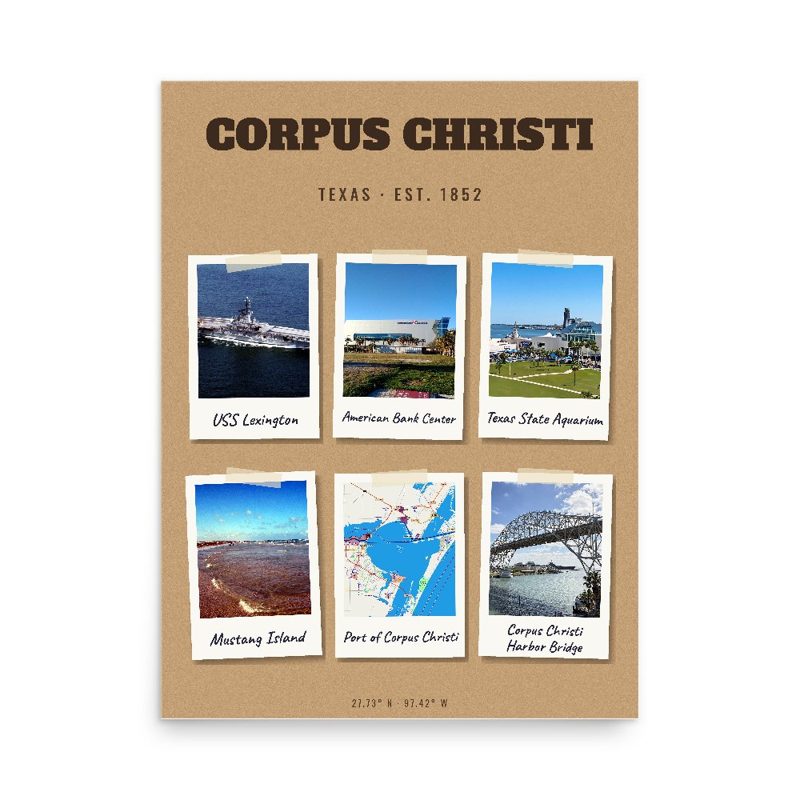


















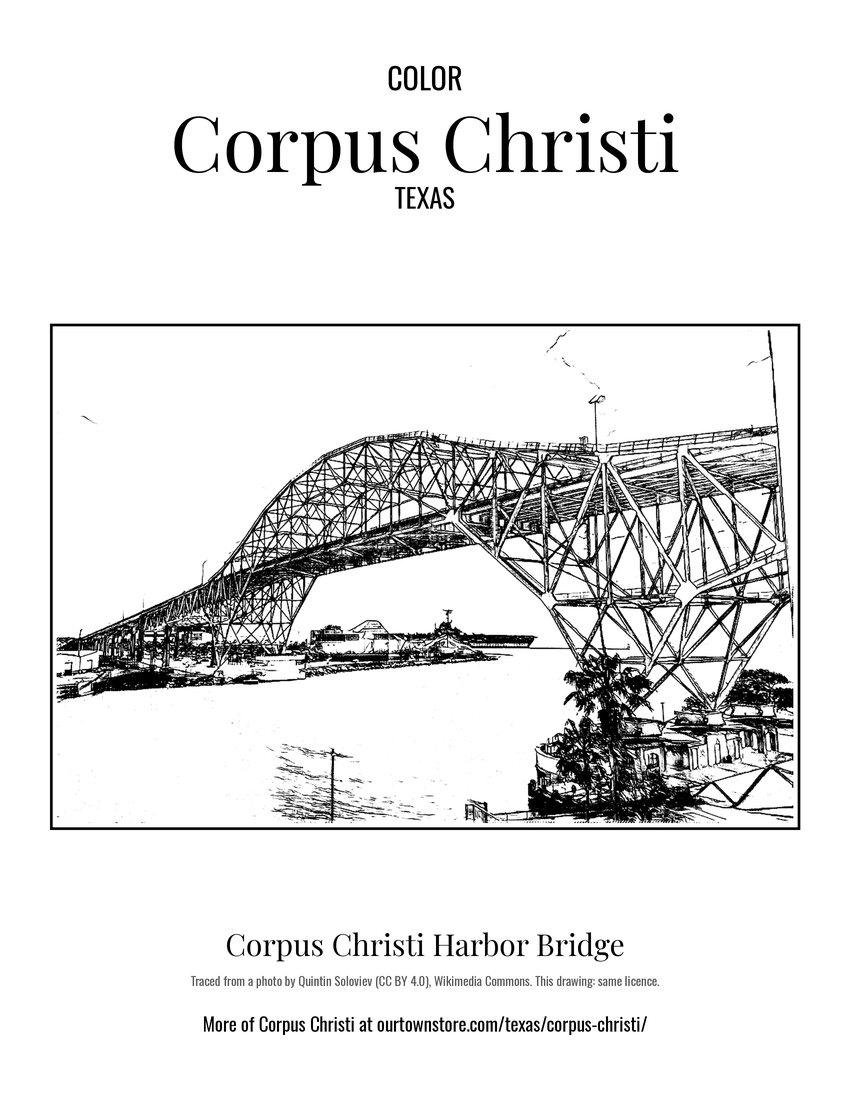 Corpus Christi Harbor Bridge
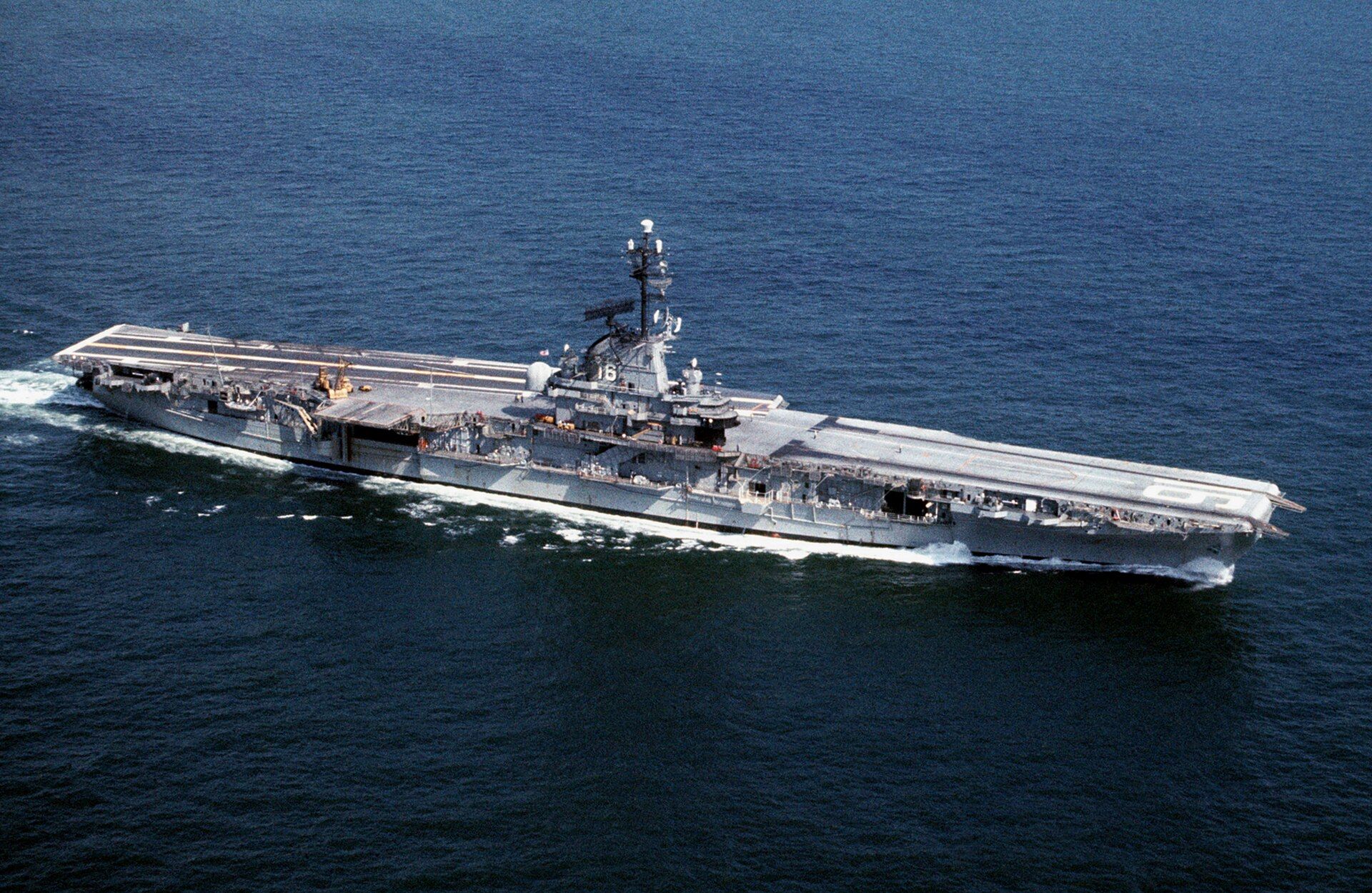
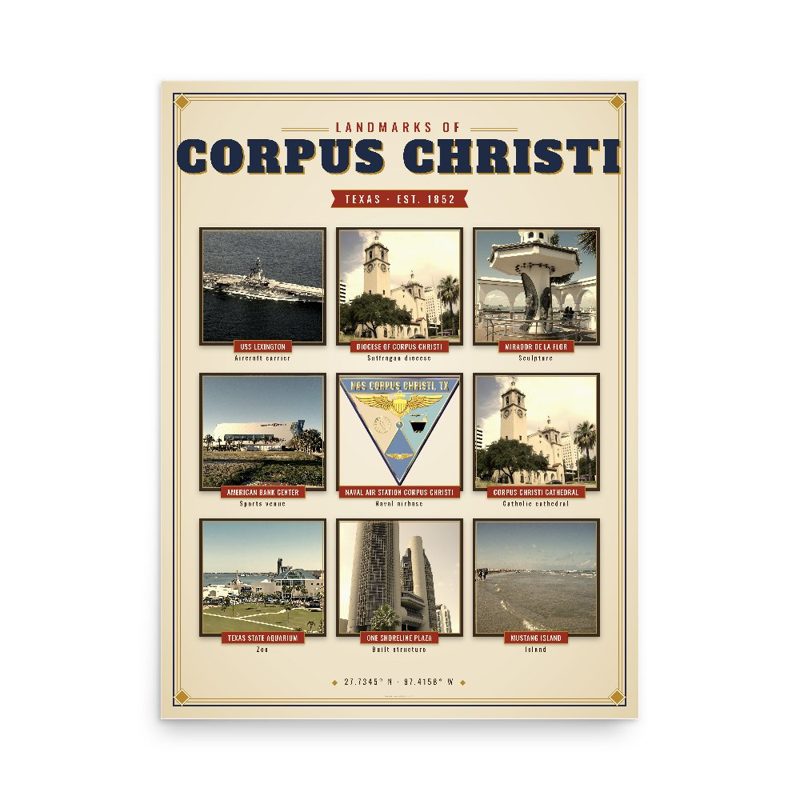
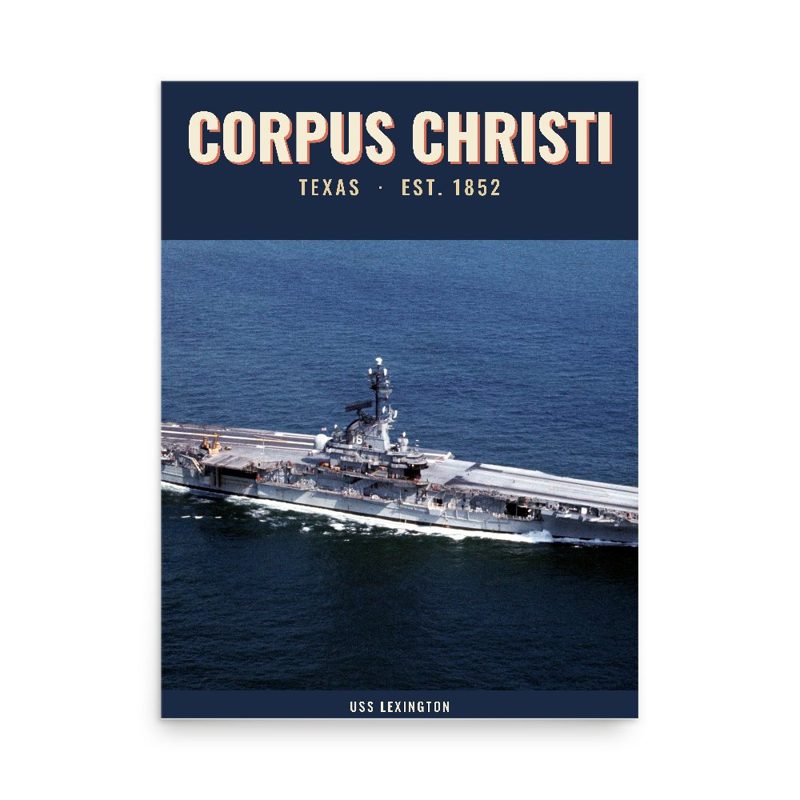
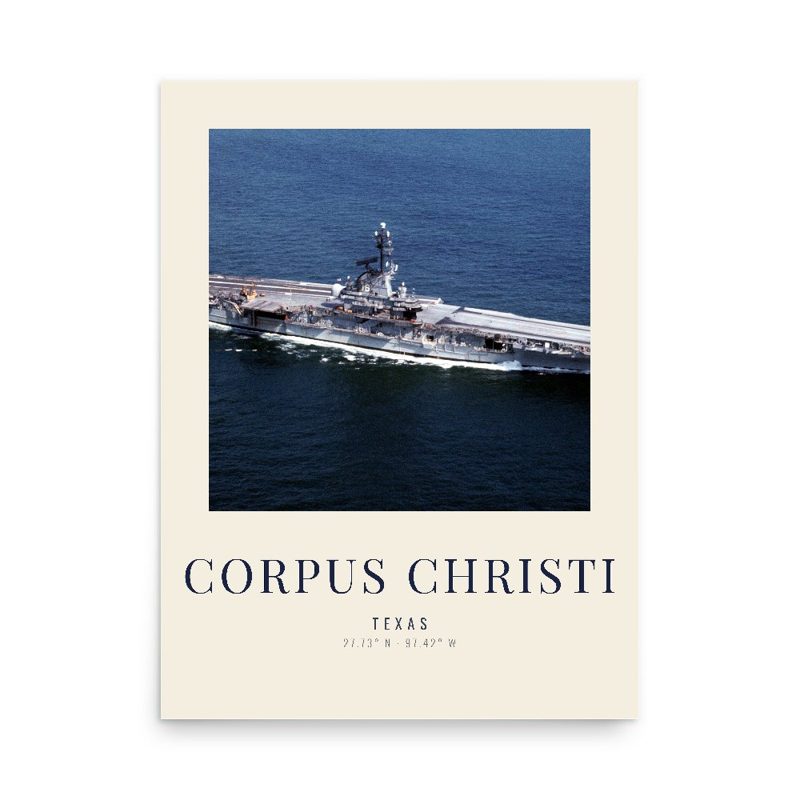
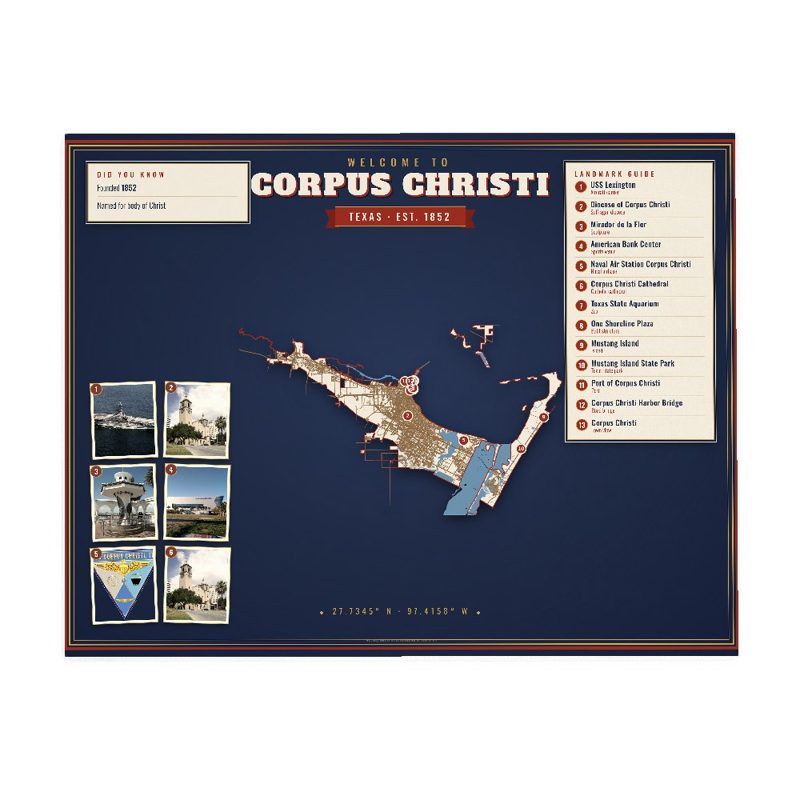
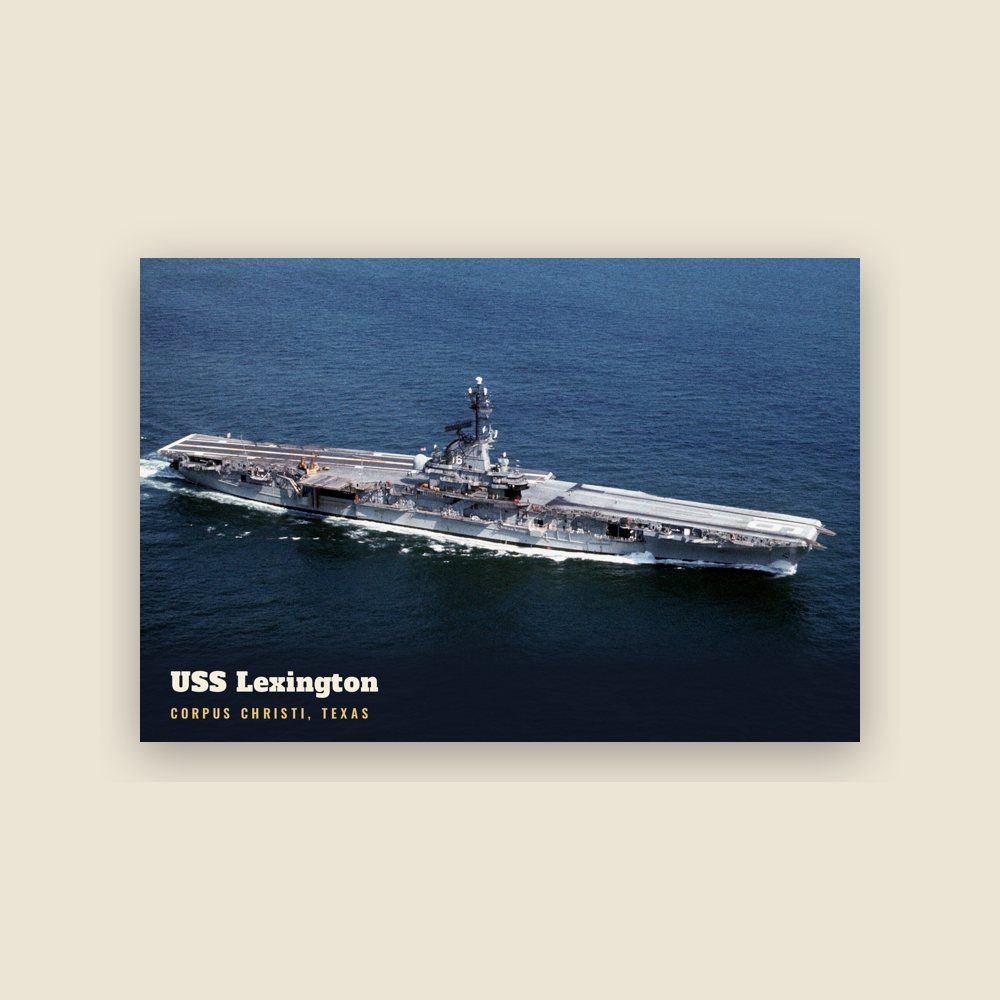
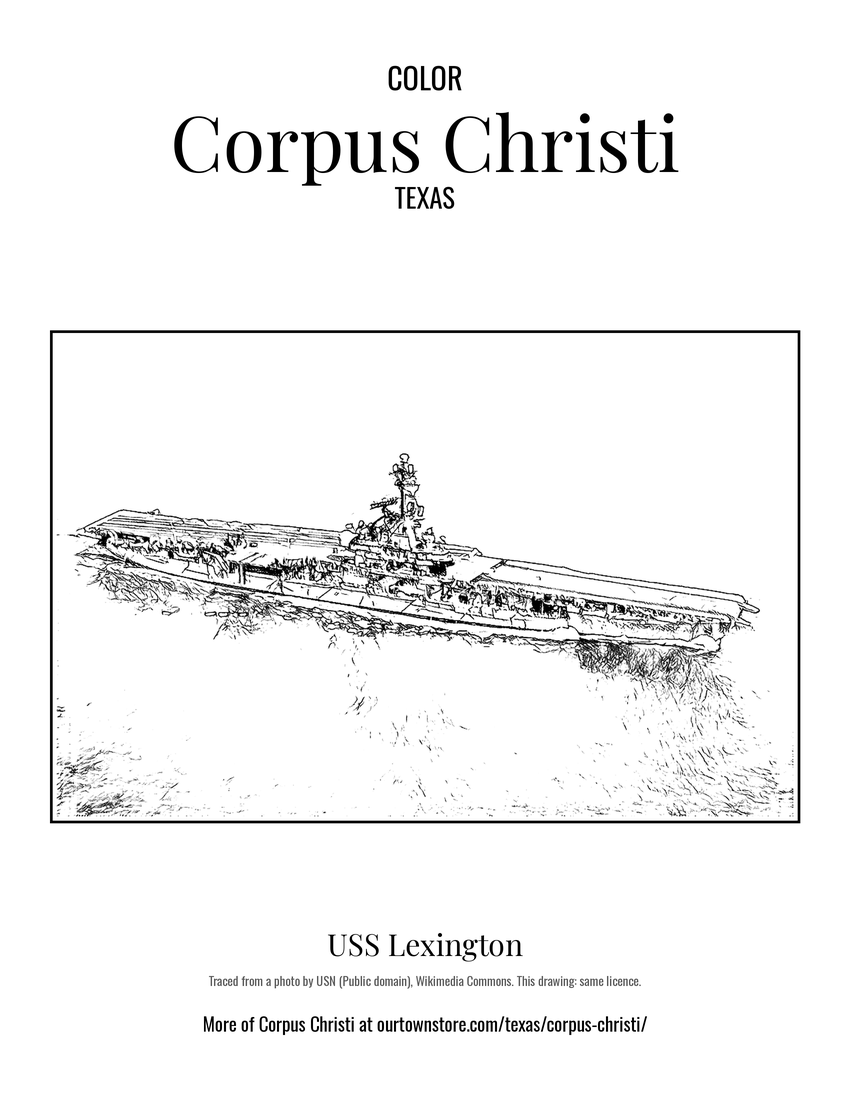 USS Lexington
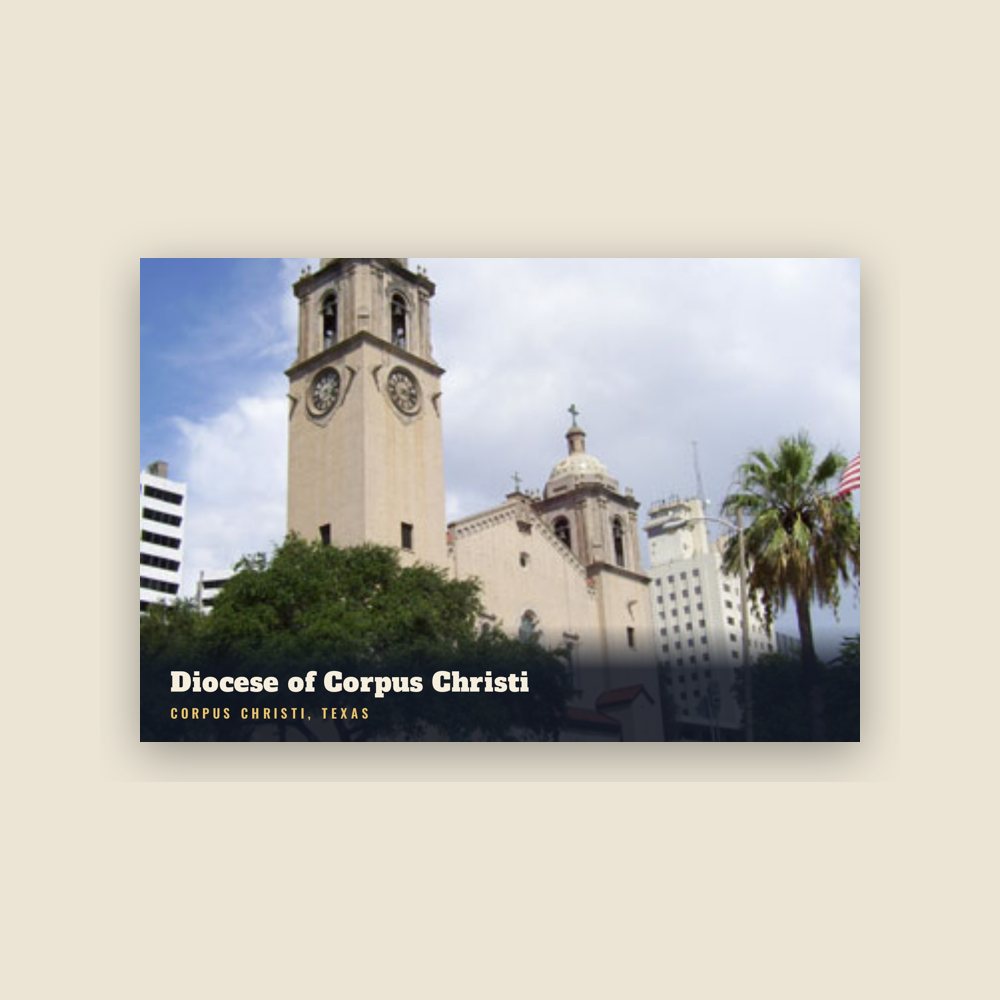
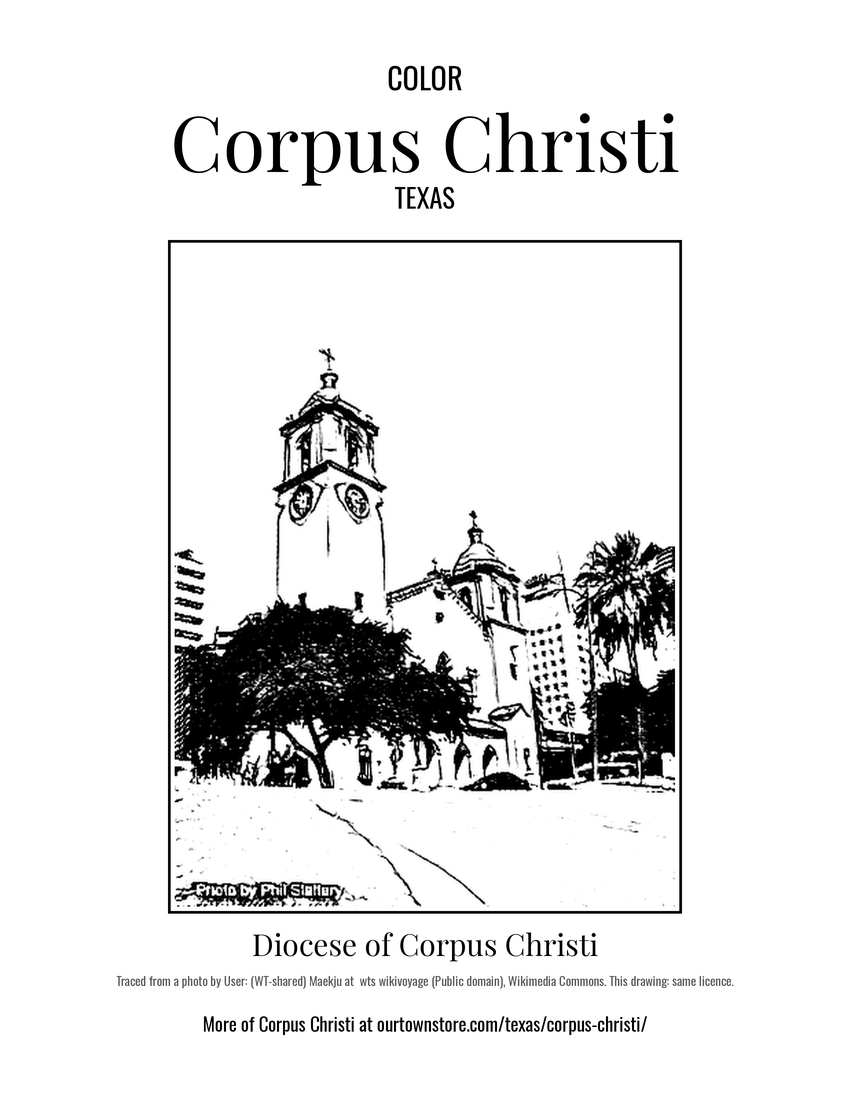 Diocese of Corpus Christi
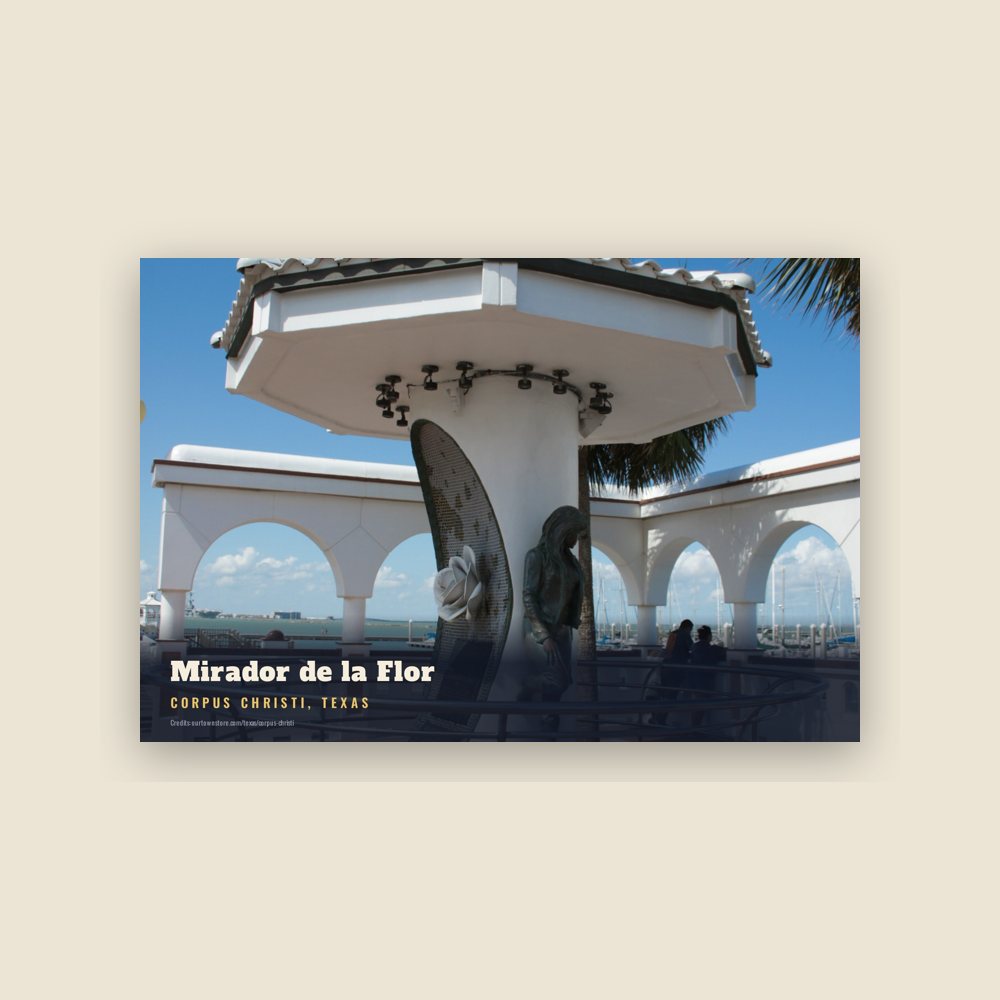
 Mirador de la Flor