A short history of Bonham
One of Texas's oldest cities, Bonham dates to 1837, when Bailey Inglish built a two-story blockhouse, named Fort Inglish, about 2 miles (3 km) from the current downtown. Inglish and other acquaintances settled there in the summer of 1837, and the settlement was named "Bois d'Arc". The Congress of the Republic of Texas named the city Bloomington in 1843, but renamed it Bonham in honor of James Butler Bonham, a defender of the Alamo. On February 2, 1848, Bonham was incorporated as a city. A 1936 statue of Bonham by Texas sculptor Allie Tennant is on the courthouse grounds.
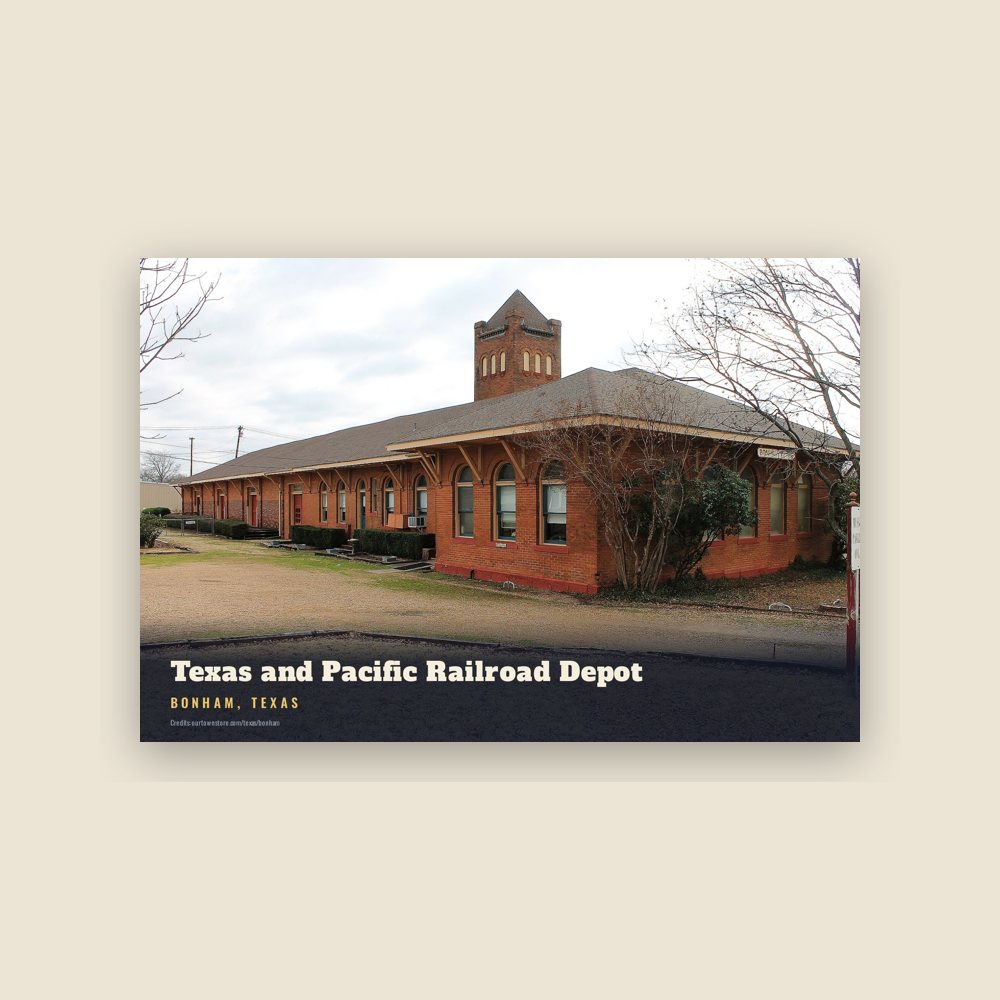
After connecting to the Texas and Pacific Railway, the city began to grow, and by 1885, the city had six churches, three colleges, two public schools, three weekly newspapers, a sawmill, two grain mills, a power plant, and about 2,300 inhabitants. In 1890, streetcars and an ice plant were added, and the Texas Power and Light Company, the area's utility provider, began service. In 1925, the city was connected to natural gas lines.
In 1898, 1911–1914, and 1921–1922, Bonham hosted minor league baseball. The Bonham Boosters and other Bonham teams played as members of the Class D Texas-Oklahoma League (1911–1914, 1921–1922) and the independent Southwestern League (1898). Bonham teams featured a different moniker each season. Baseball Hall of Fame member Kid Nichols was the manager of the 1914 Bonham Sliders.
During the Second World War, a training camp and an aviation school for the United States Army Air Forces were in the vicinity of Bonham, as was a prisoner-of-war camp for German soldiers. Parts of the camp, about 0.5 miles north of US 82, can still be visited today.
Adapted (trimmed) from the Wikipedia article Bonham, Texas, revision 1378503450 by its contributors, licensed CC BY-SA 4.0.
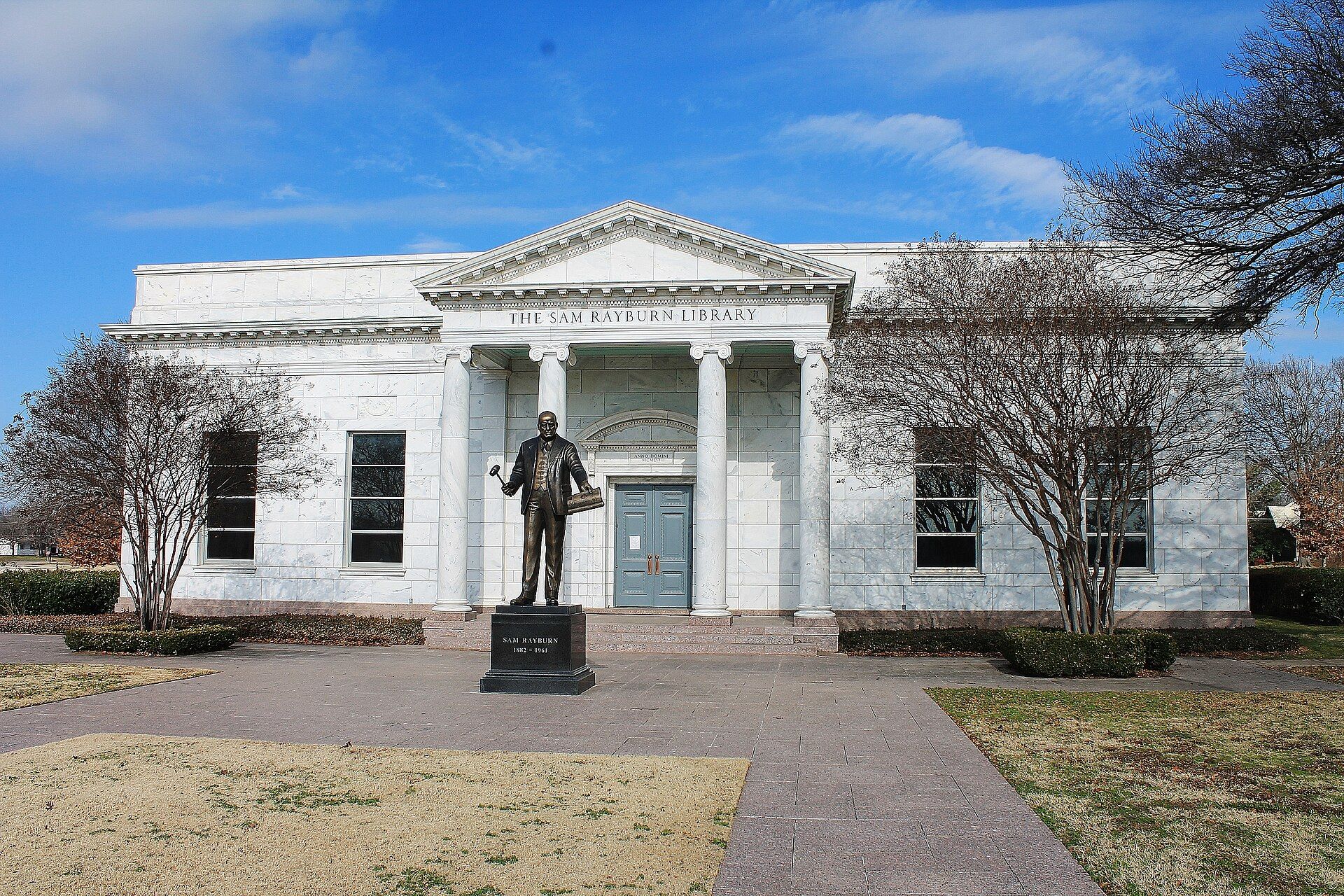
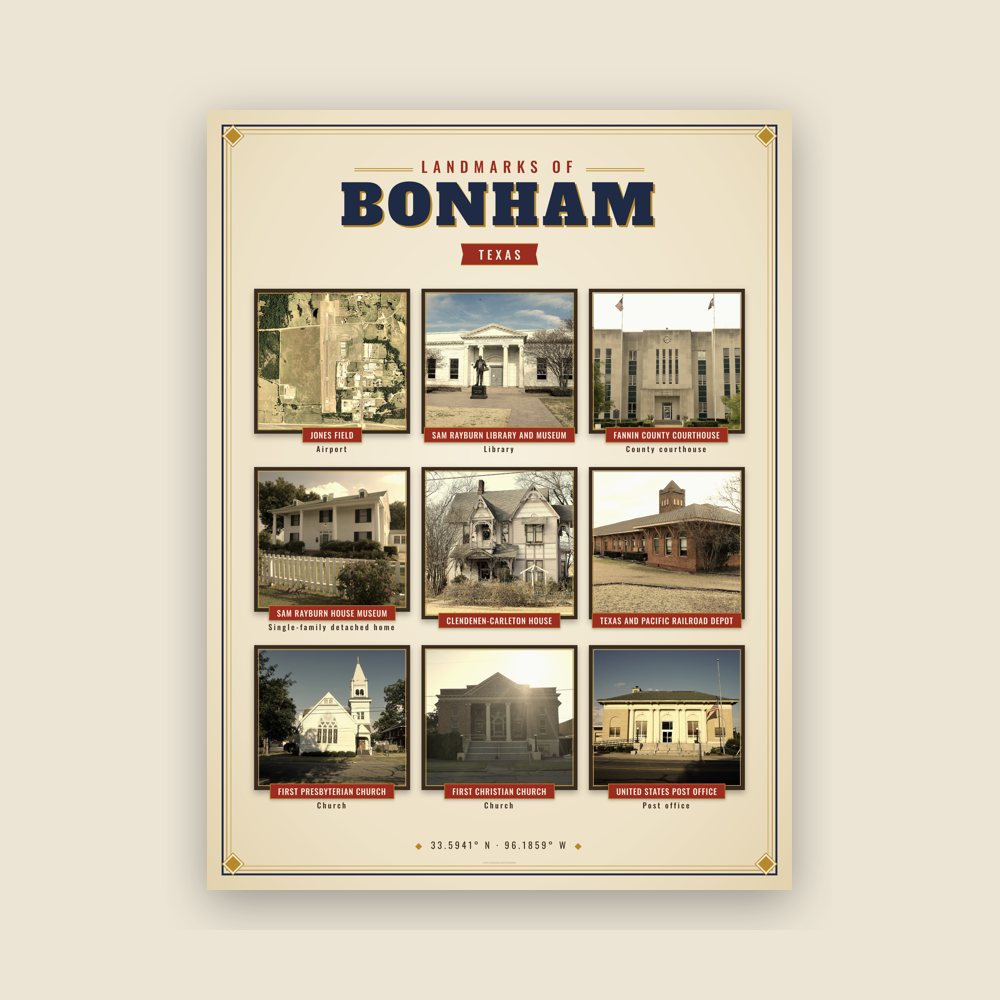
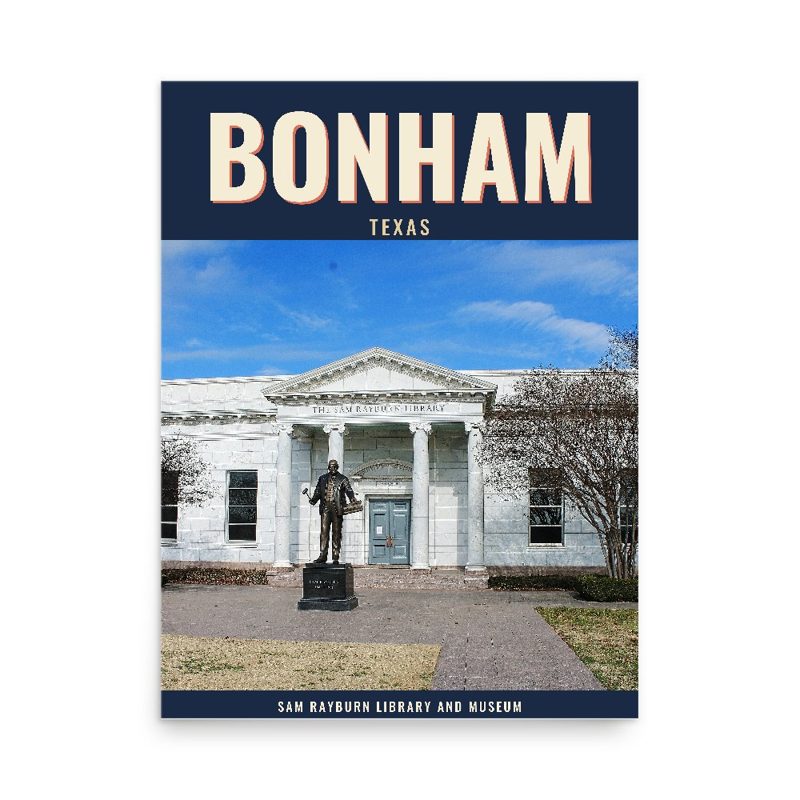
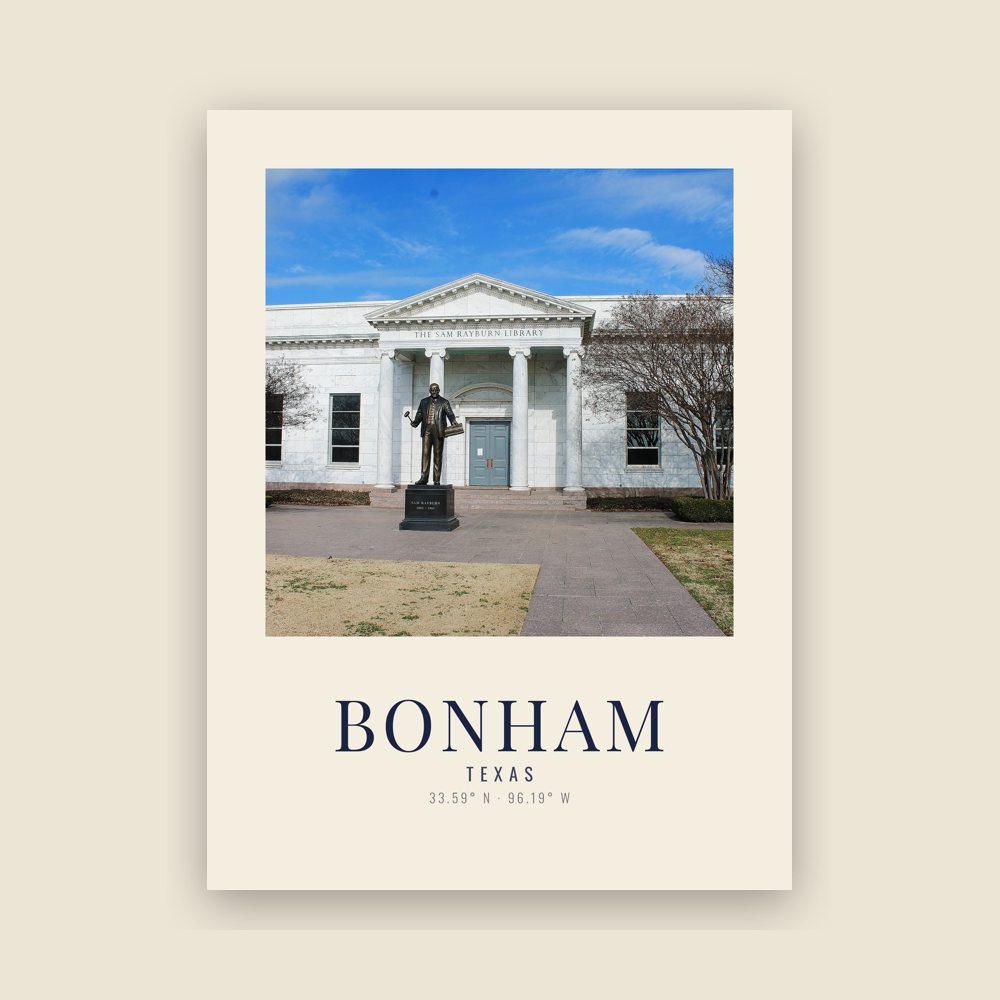
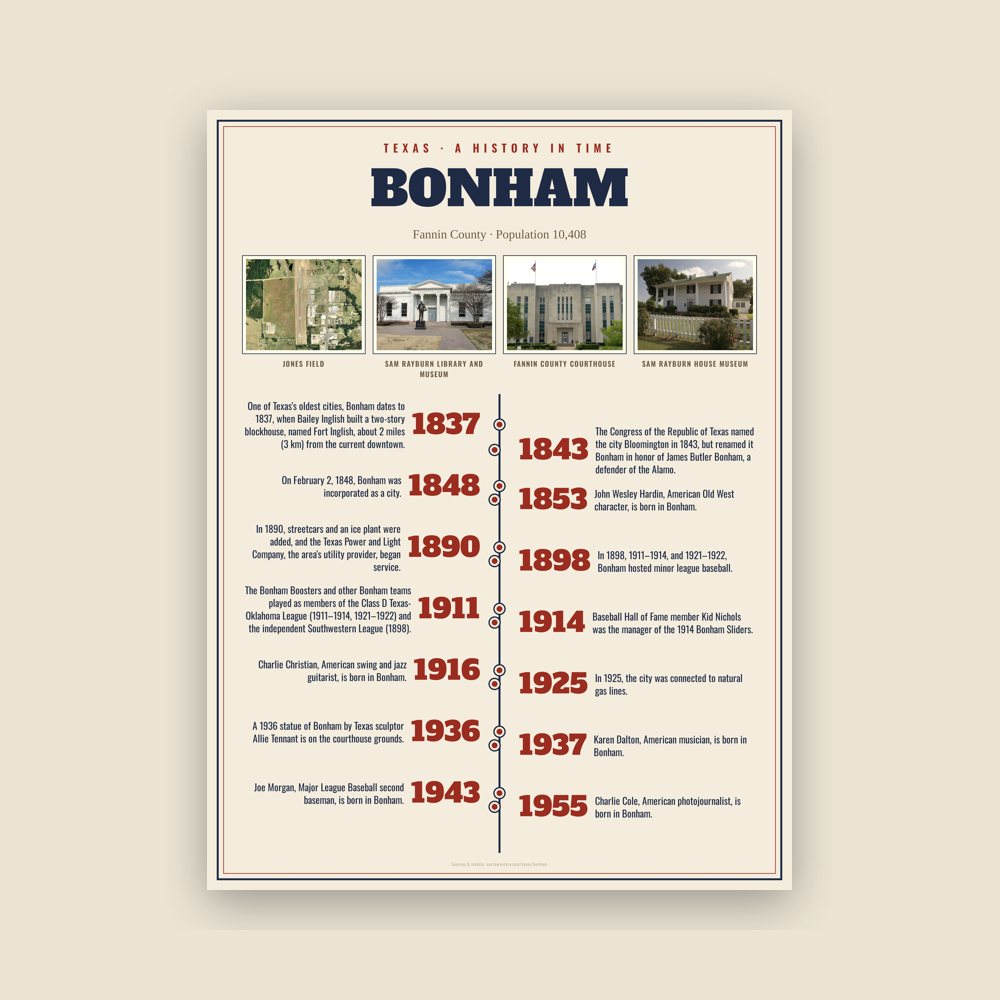
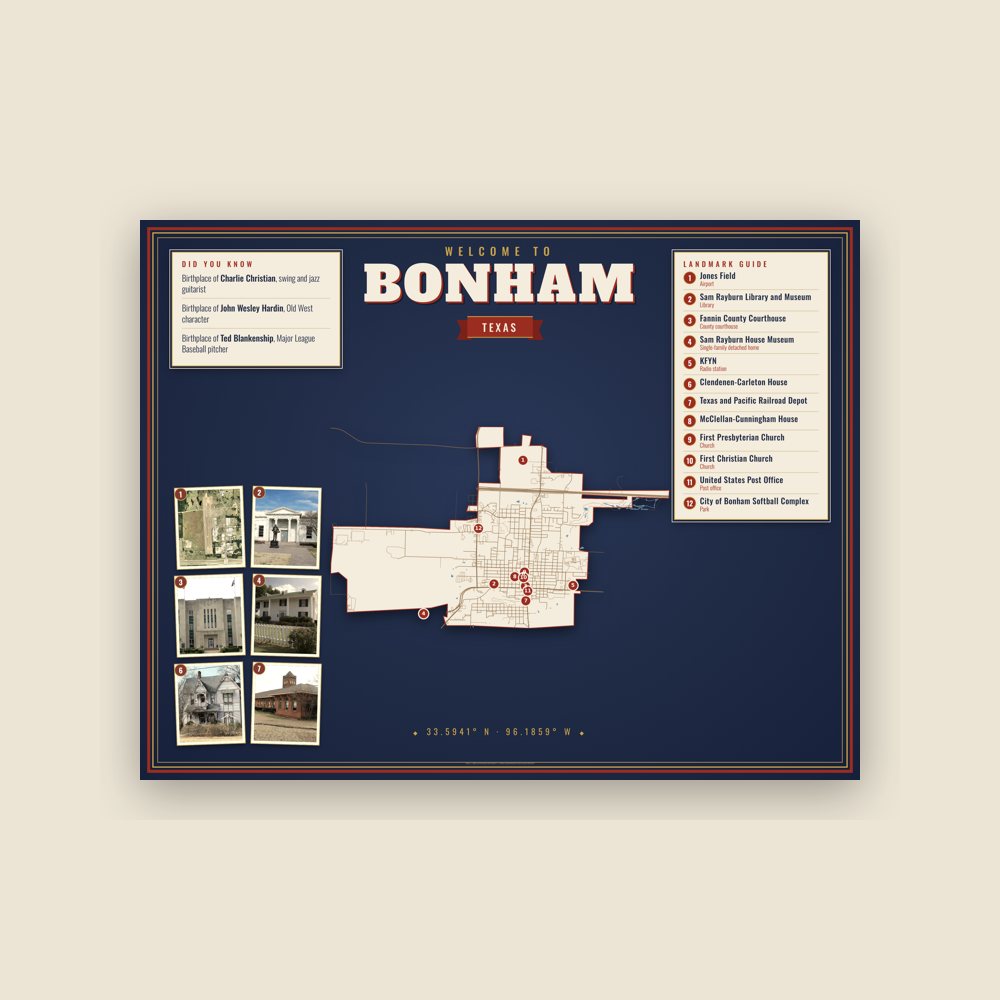




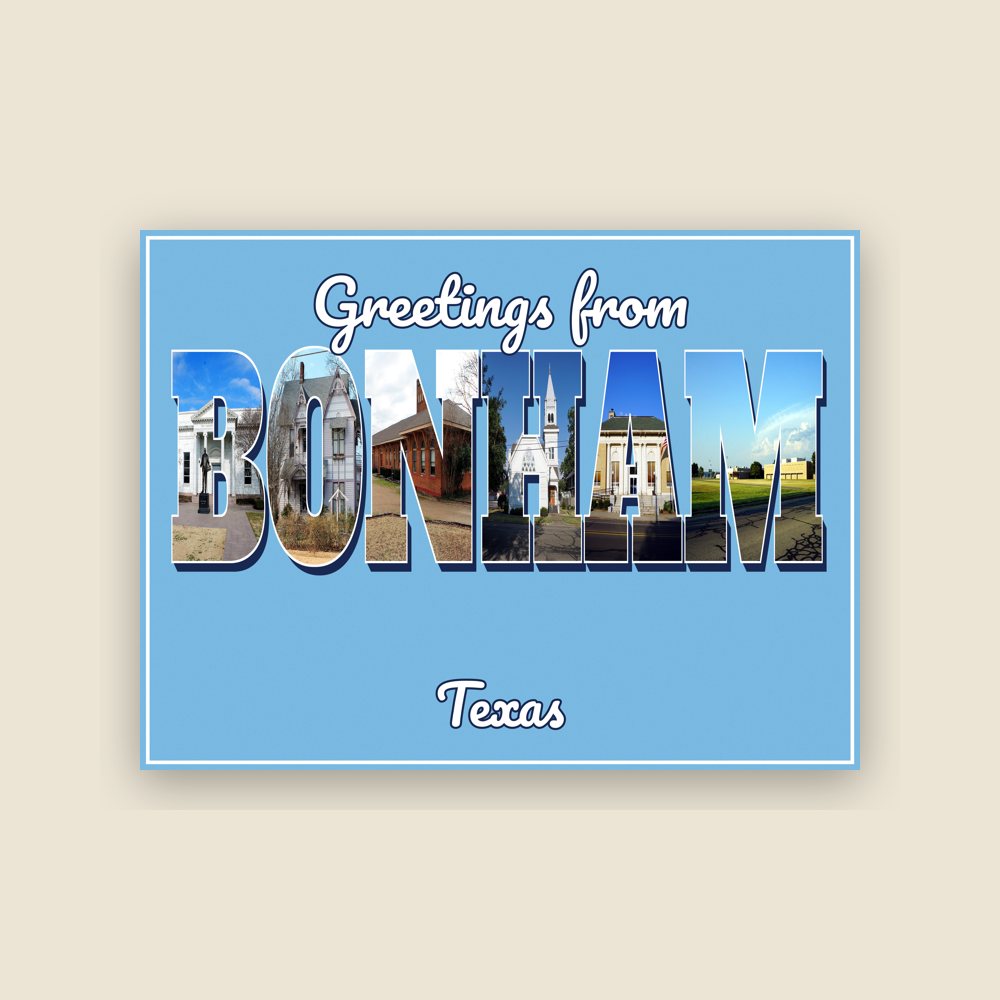
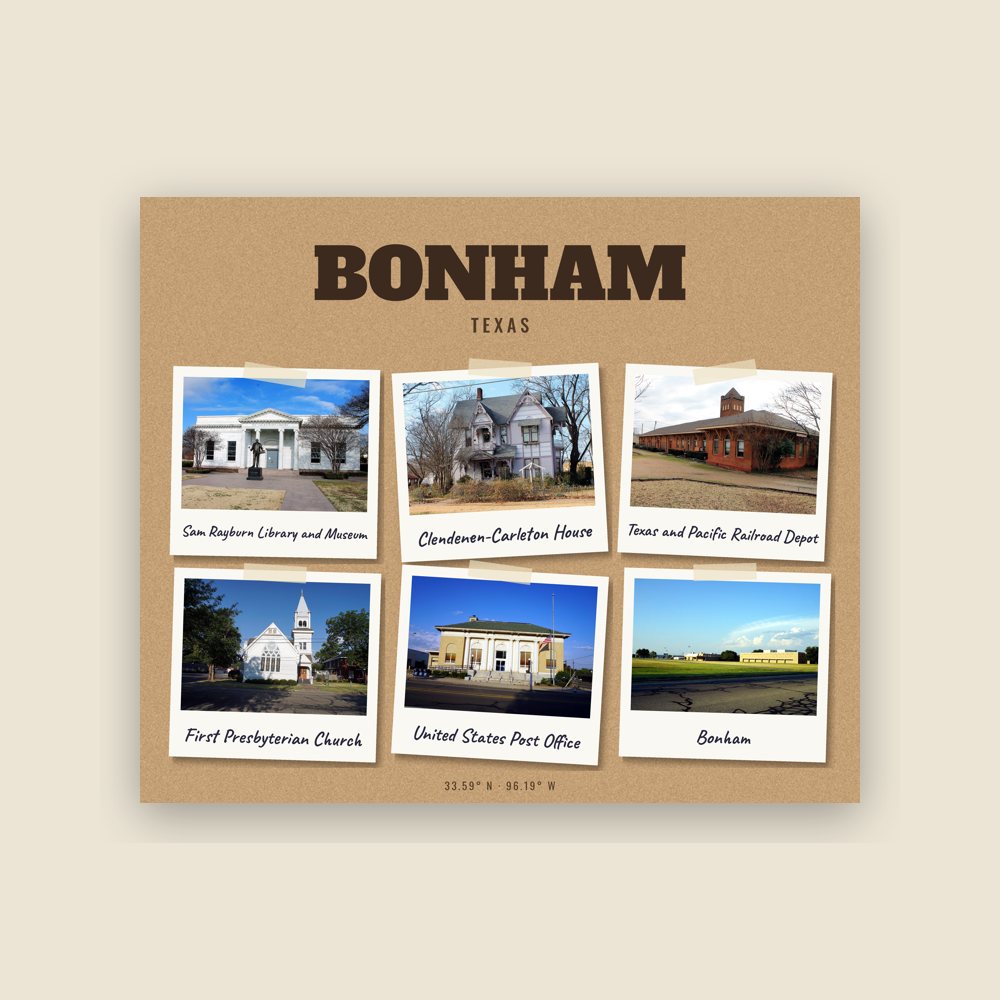
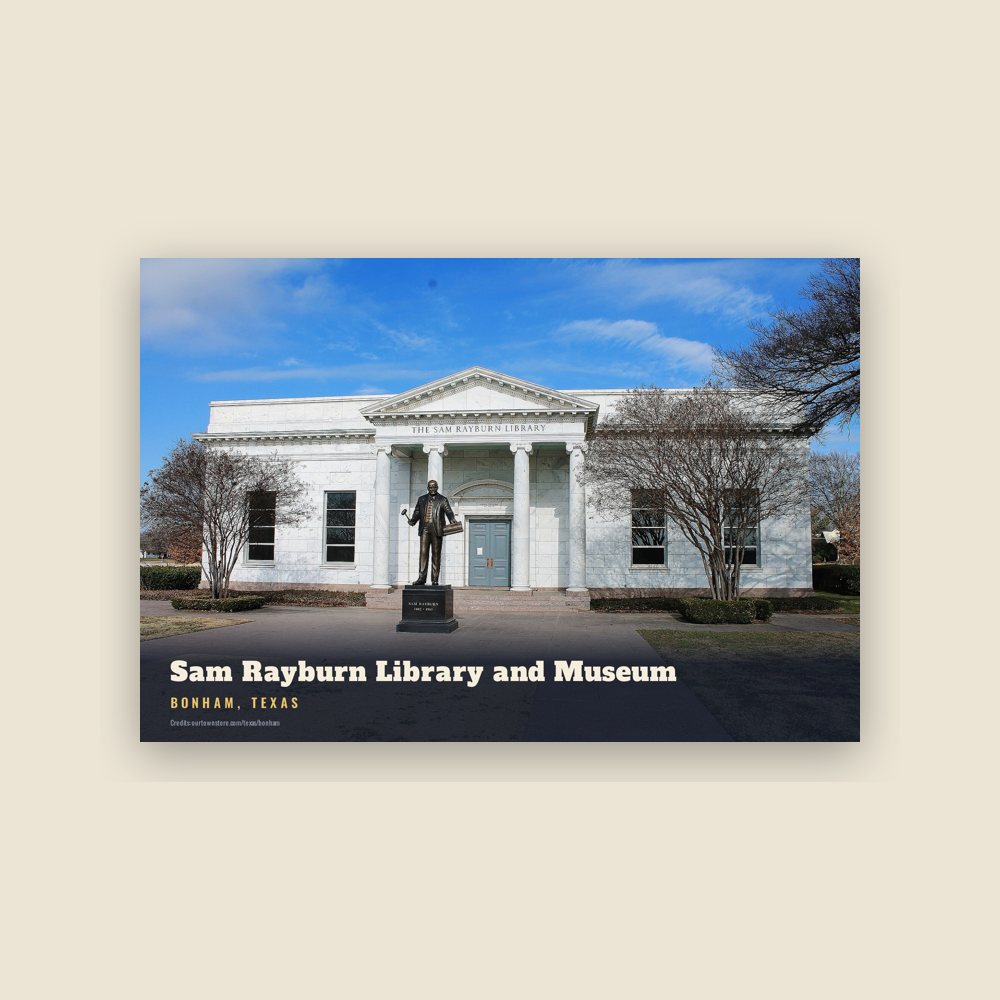
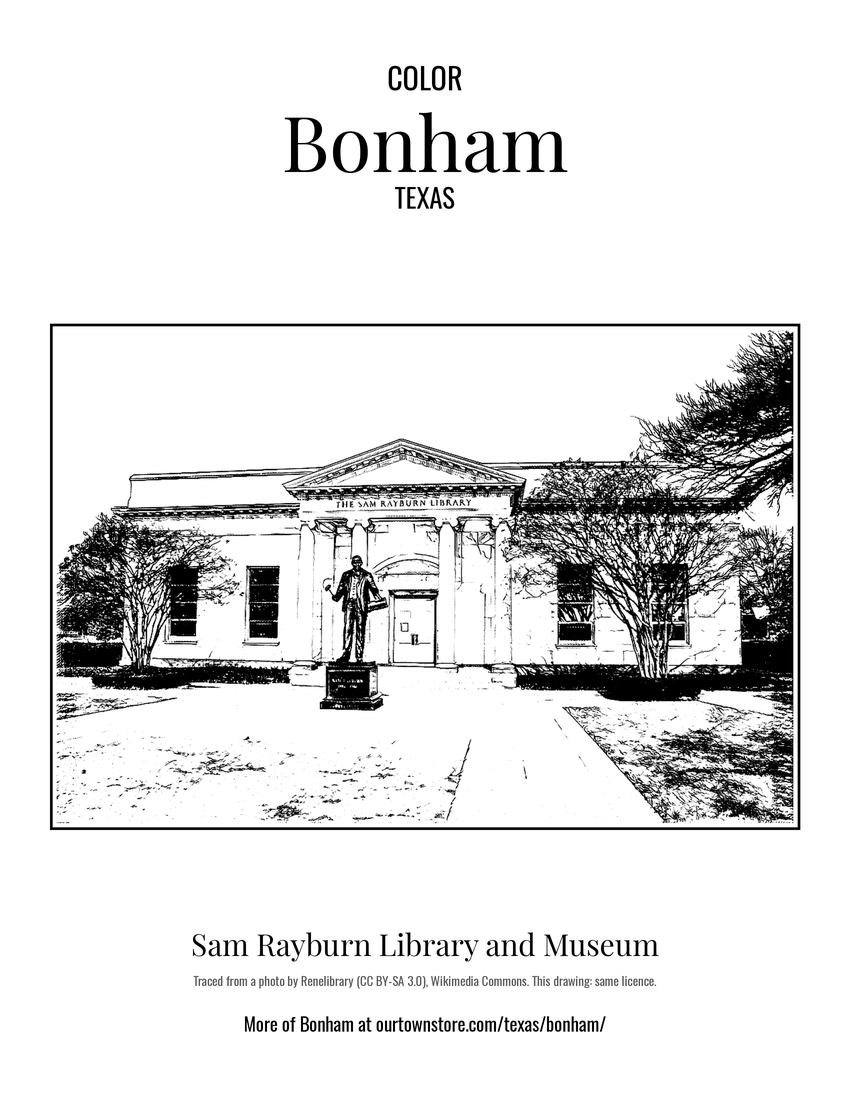 Sam Rayburn Library and Museum
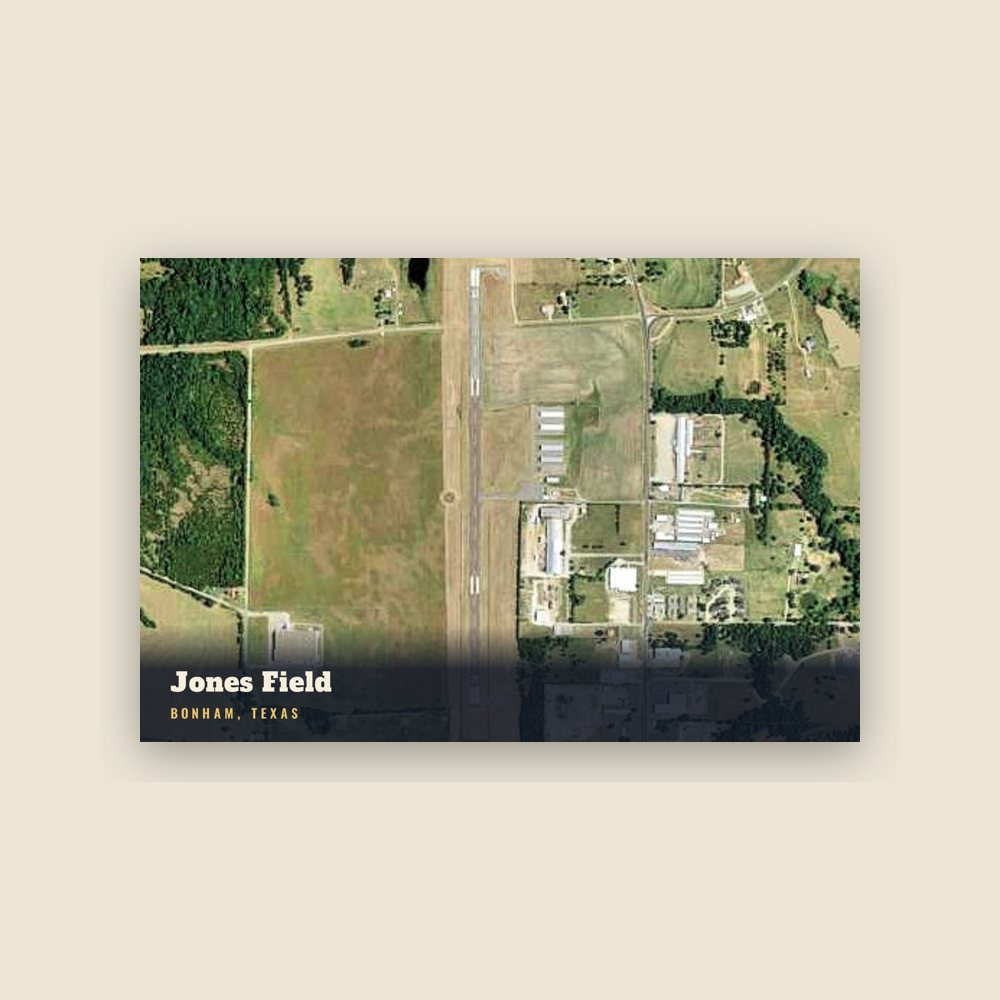
 Jones Field
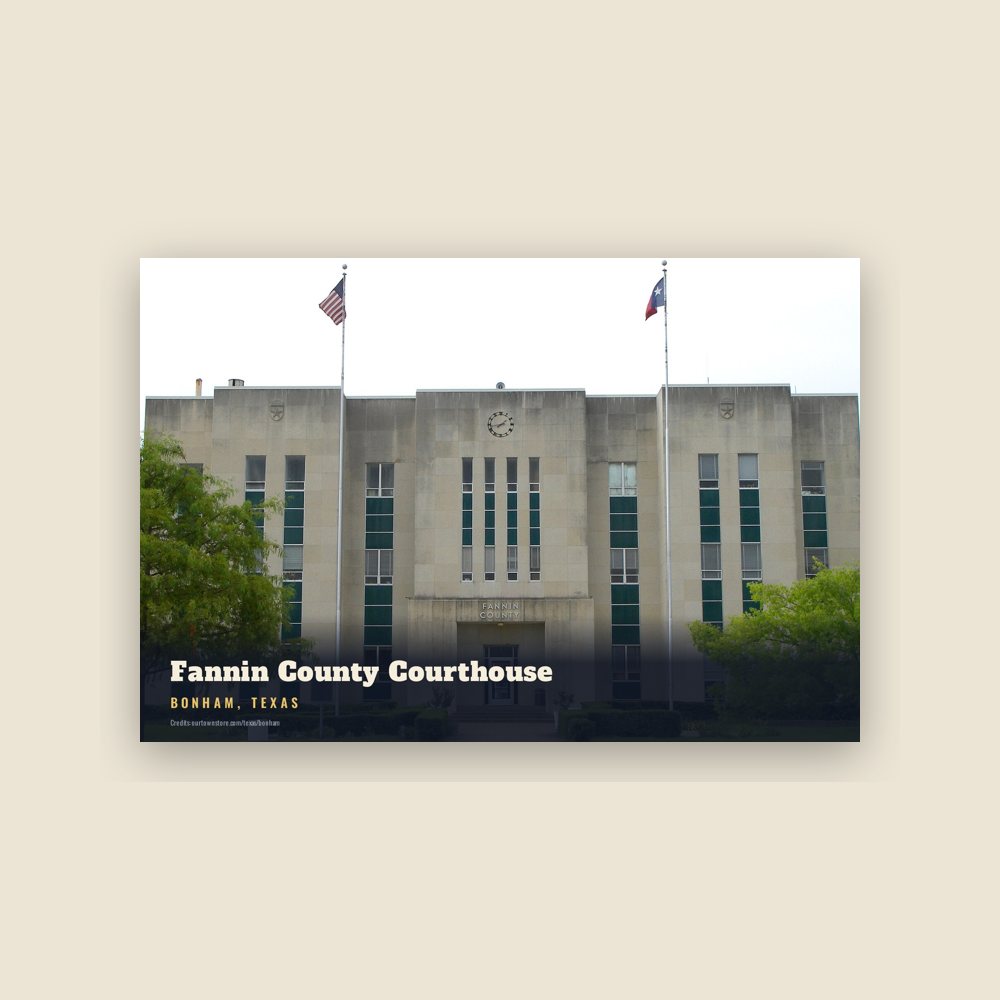
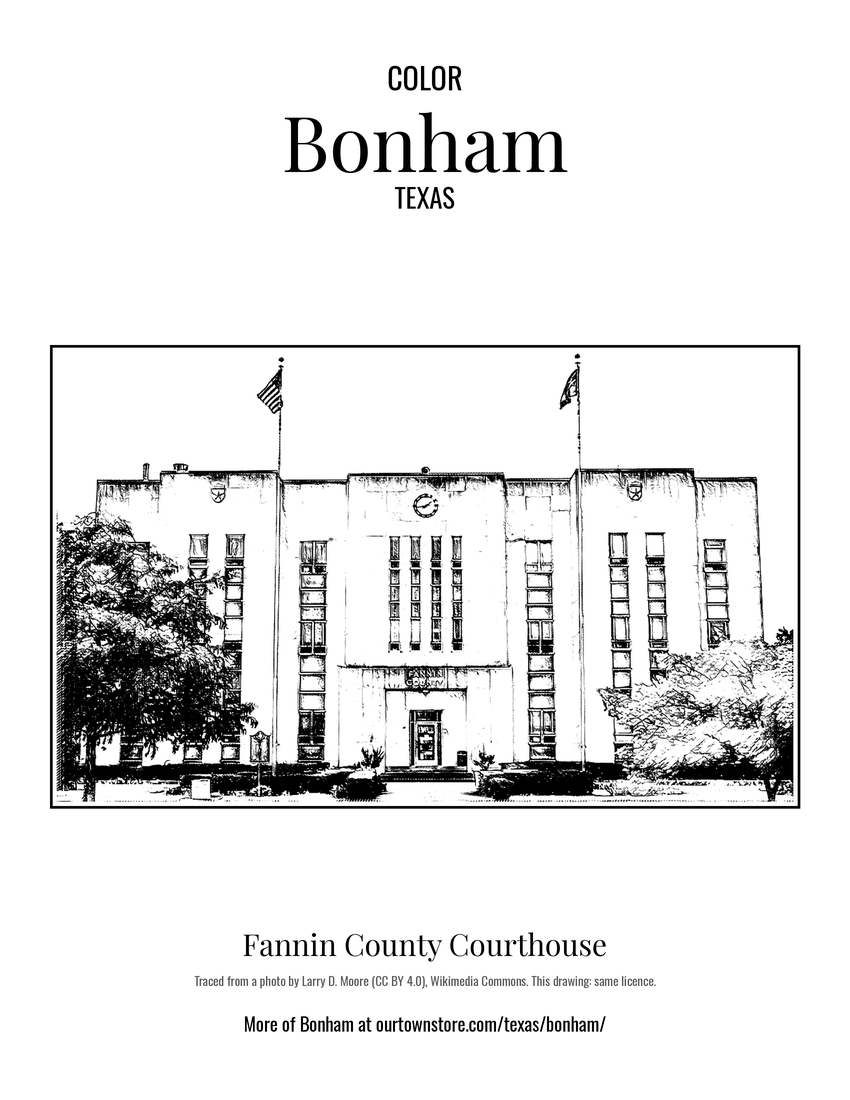 Fannin County Courthouse
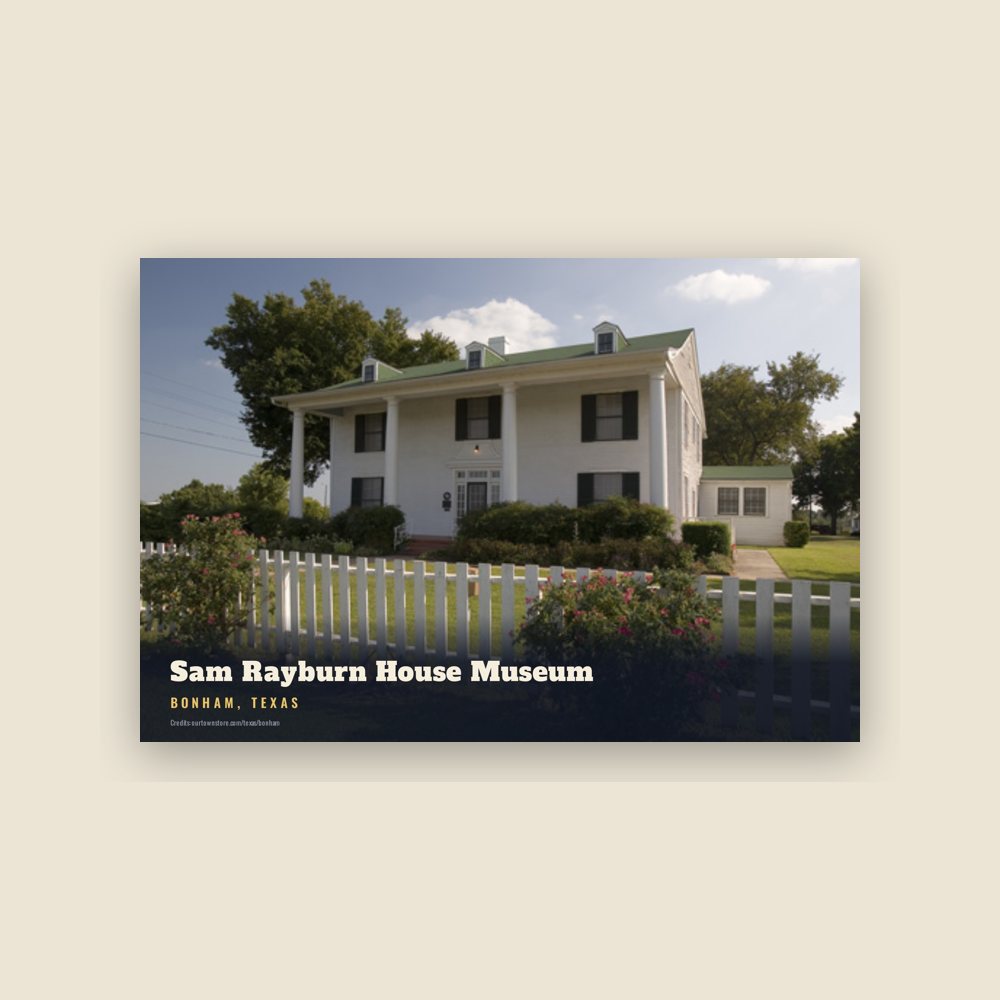
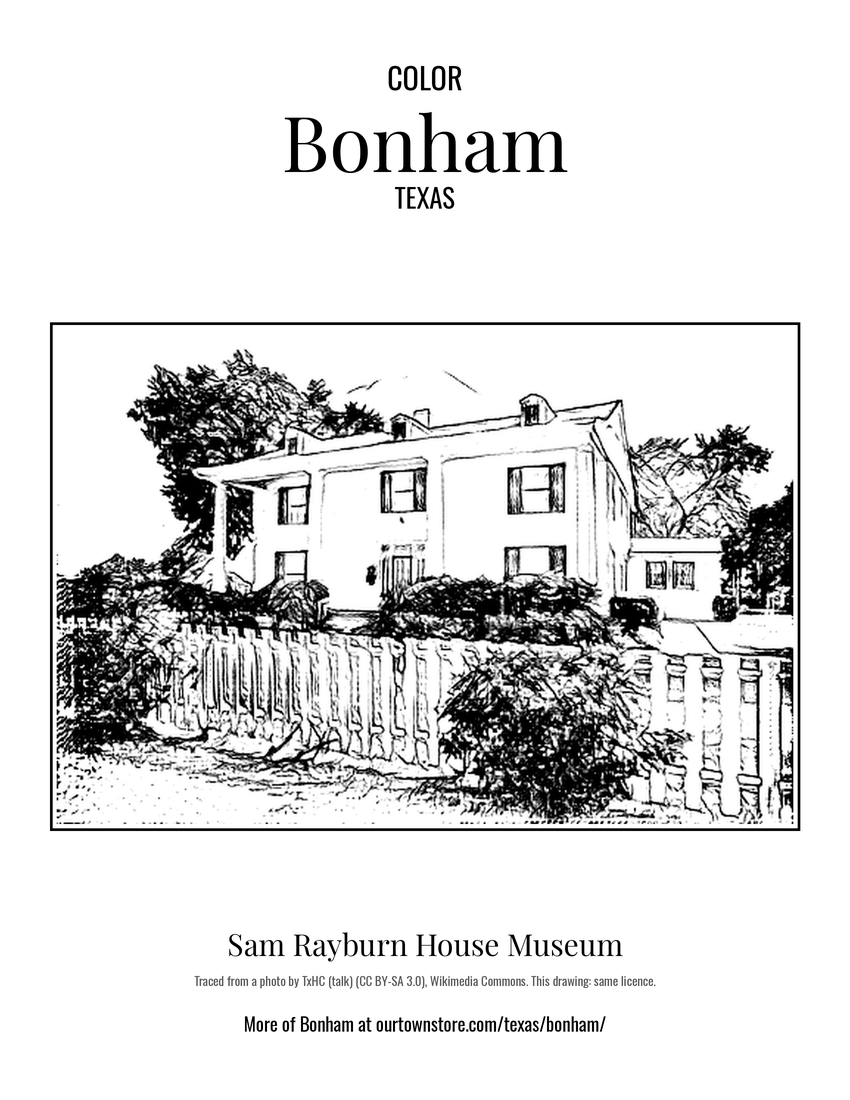 Sam Rayburn House Museum