A short history of Allen
Early history and the railroad
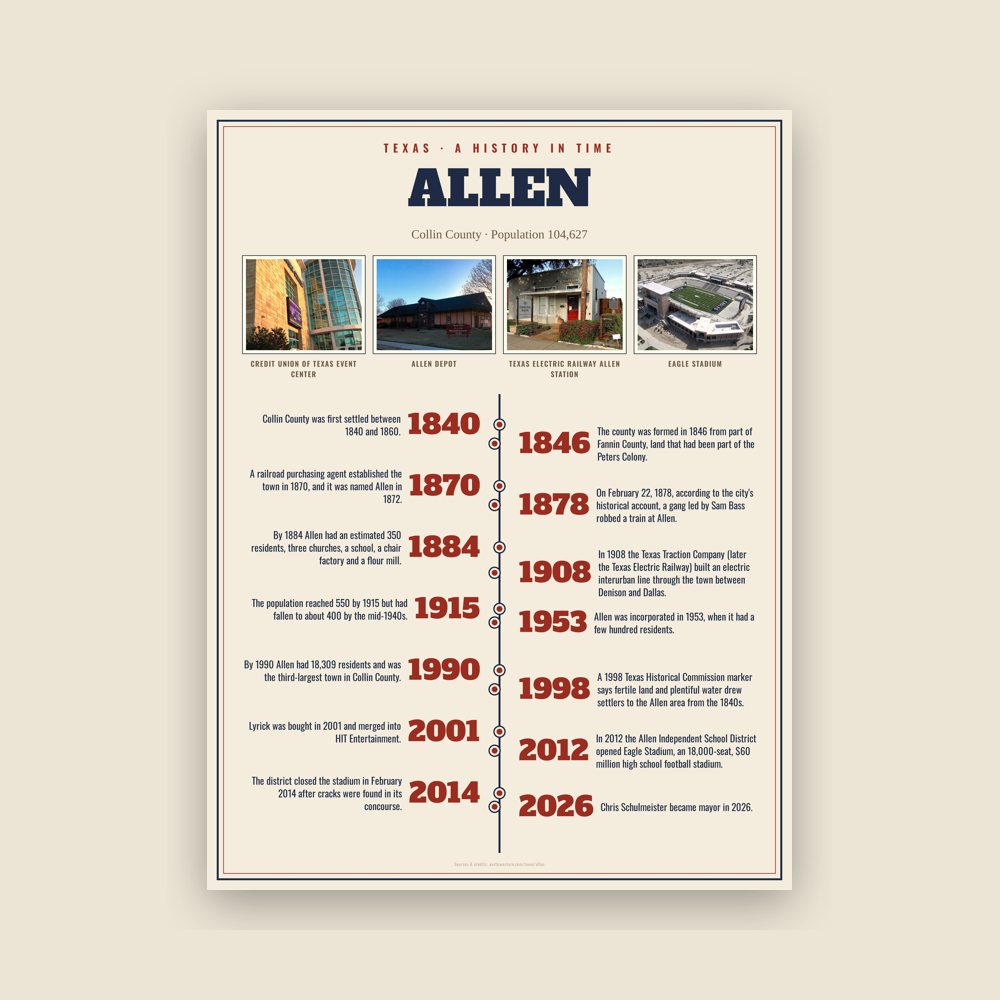
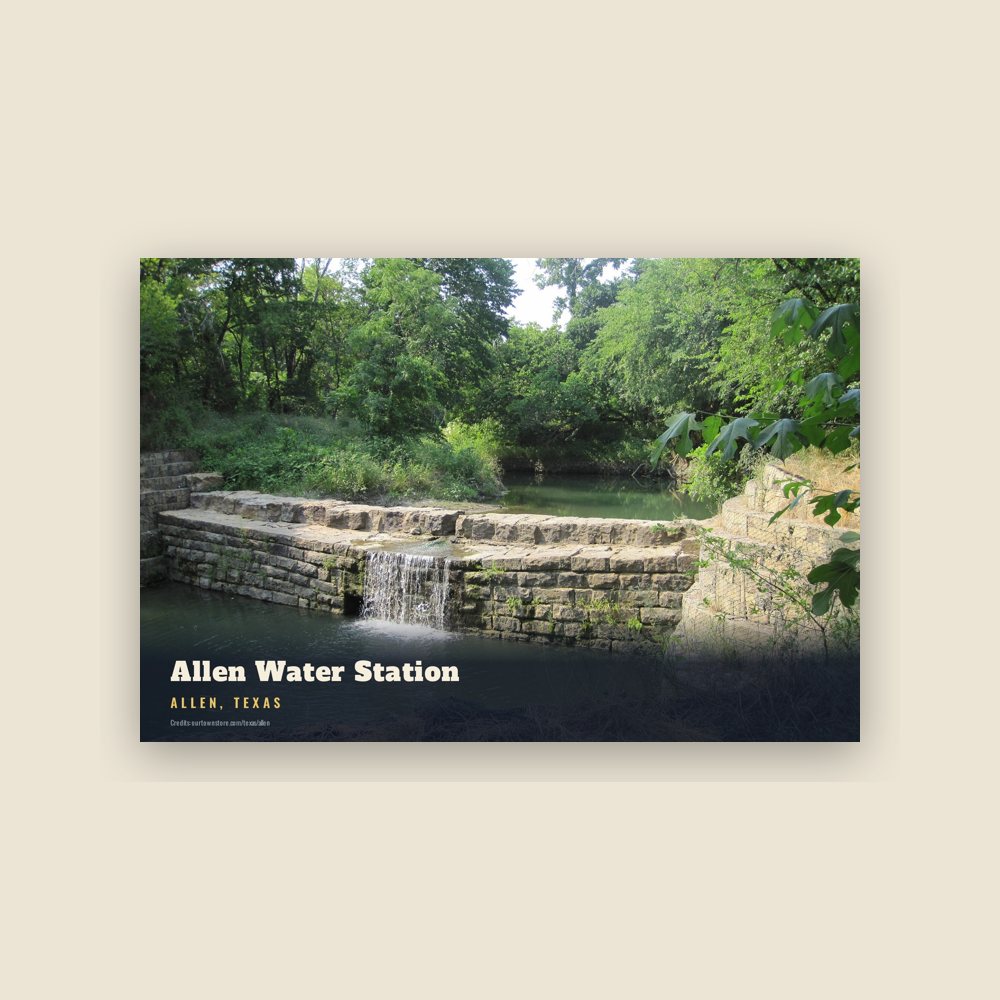
Before American settlement, the area was home to the Caddo, Comanche and other Indigenous peoples. Collin County was first settled between 1840 and 1860. The county was formed in 1846 from part of Fannin County, land that had been part of the Peters Colony. A 1998 Texas Historical Commission marker says fertile land and plentiful water drew settlers to the Allen area from the 1840s. It also says the area was well populated by 1876, when the Houston and Texas Central Railroad built a water supply stop on Cottonwood Creek.
A railroad purchasing agent established the town in 1870, and it was named Allen in 1872. A post office opened in 1876. The railroad made farming more commercial: the marker says the stop gave local farmers a commercial center, better equipment and wider markets, and the open prairie around it was divided into small family farms. On February 22, 1878, according to the city's historical account, a gang led by Sam Bass robbed a train at Allen. The Handbook of Texas says Bass "supposedly committed the first train robbery in the state" at Allen. Collin County describes it as one of the first train robberies in Texas.
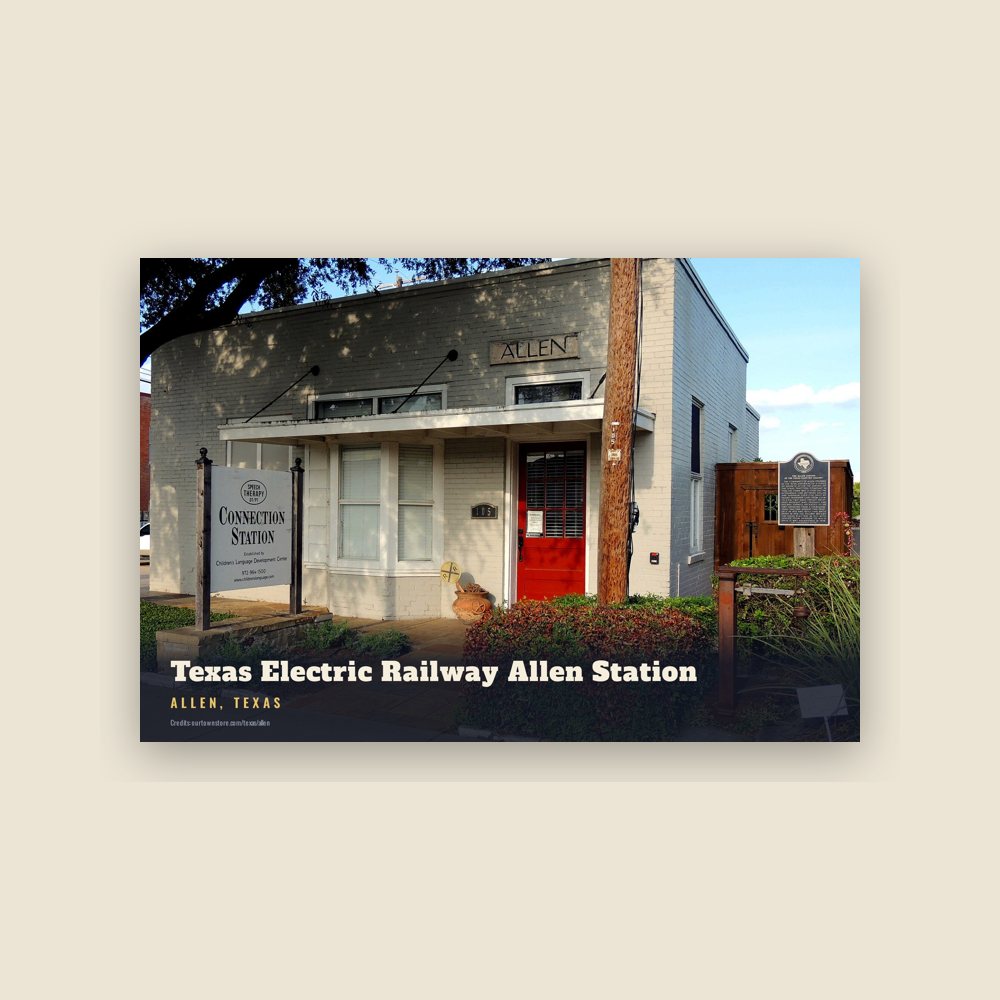
By 1884 Allen had an estimated 350 residents, three churches, a school, a chair factory and a flour mill. In 1908 the Texas Traction Company (later the Texas Electric Railway) built an electric interurban line through the town between Denison and Dallas. The population reached 550 by 1915 but had fallen to about 400 by the mid-1940s. Interurban service ended in 1948.
Read the full history
Suburban growth
Allen was incorporated in 1953, when it had a few hundred residents. It grew rapidly from the late 1960s, from 1,940 residents in 1970 to 8,314 in 1980. The Handbook of Texas attributes the growth to economic expansion in Dallas and Plano and to the construction of Dallas–Fort Worth International Airport. By 1990 Allen had 18,309 residents and was the third-largest town in Collin County. U.S. Highway 75 runs through the city.
In the late 1980s and 1990s, the Allen-based company Lyrick Studios produced the children's franchise Barney. Lyrick was bought in 2001 and merged into HIT Entertainment.
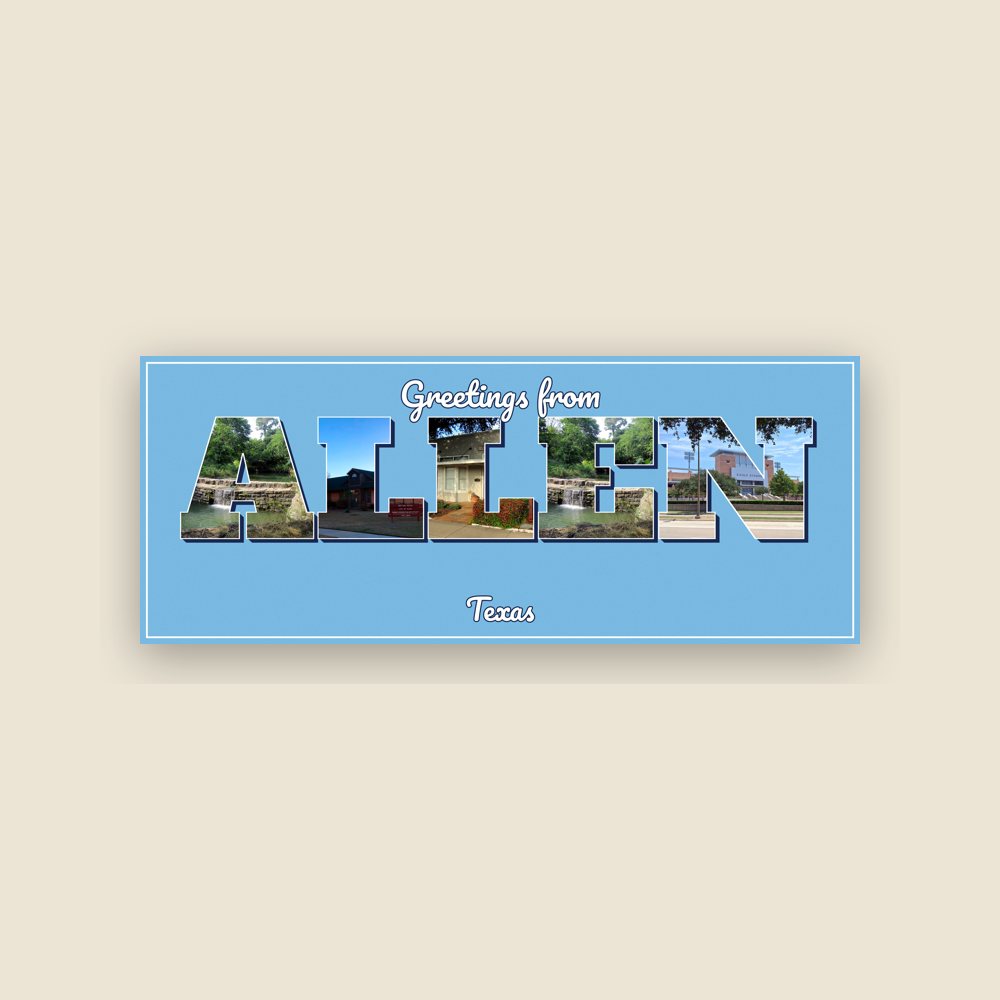
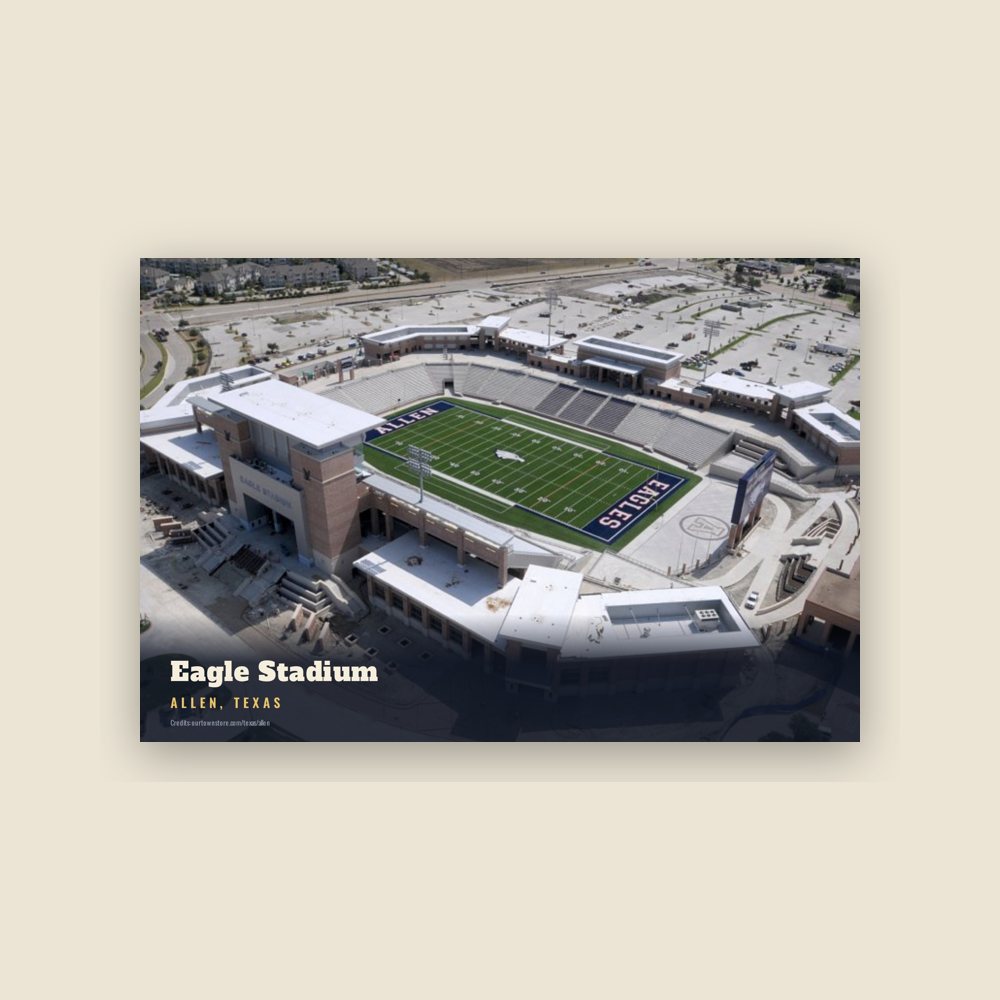
In 2012 the Allen Independent School District opened Eagle Stadium, an 18,000-seat, $60 million high school football stadium. It was paid for through a voter-approved $119 million bond package. The district closed the stadium in February 2014 after cracks were found in its concourse. An engineering firm hired by the district later found defects that were "primarily engineering failures." The architect, PBK Architects, and the builder, Pogue Construction, paid for repairs costing more than $10 million. The stadium reopened for graduation in June 2015, and football returned there in August 2015.
Recent years
Chris Schulmeister became mayor in 2026. In his campaign he said Allen had "transitioned from decades of rapid growth to a mature city" and listed downtown revitalization and aging infrastructure among his priorities. In January 2026 the city hosted the Warrior/ECHL All-Star Classic.
Adapted (trimmed) from the Wikipedia article Allen, Texas, revision 1381005212 by its contributors, licensed CC BY-SA 4.0.
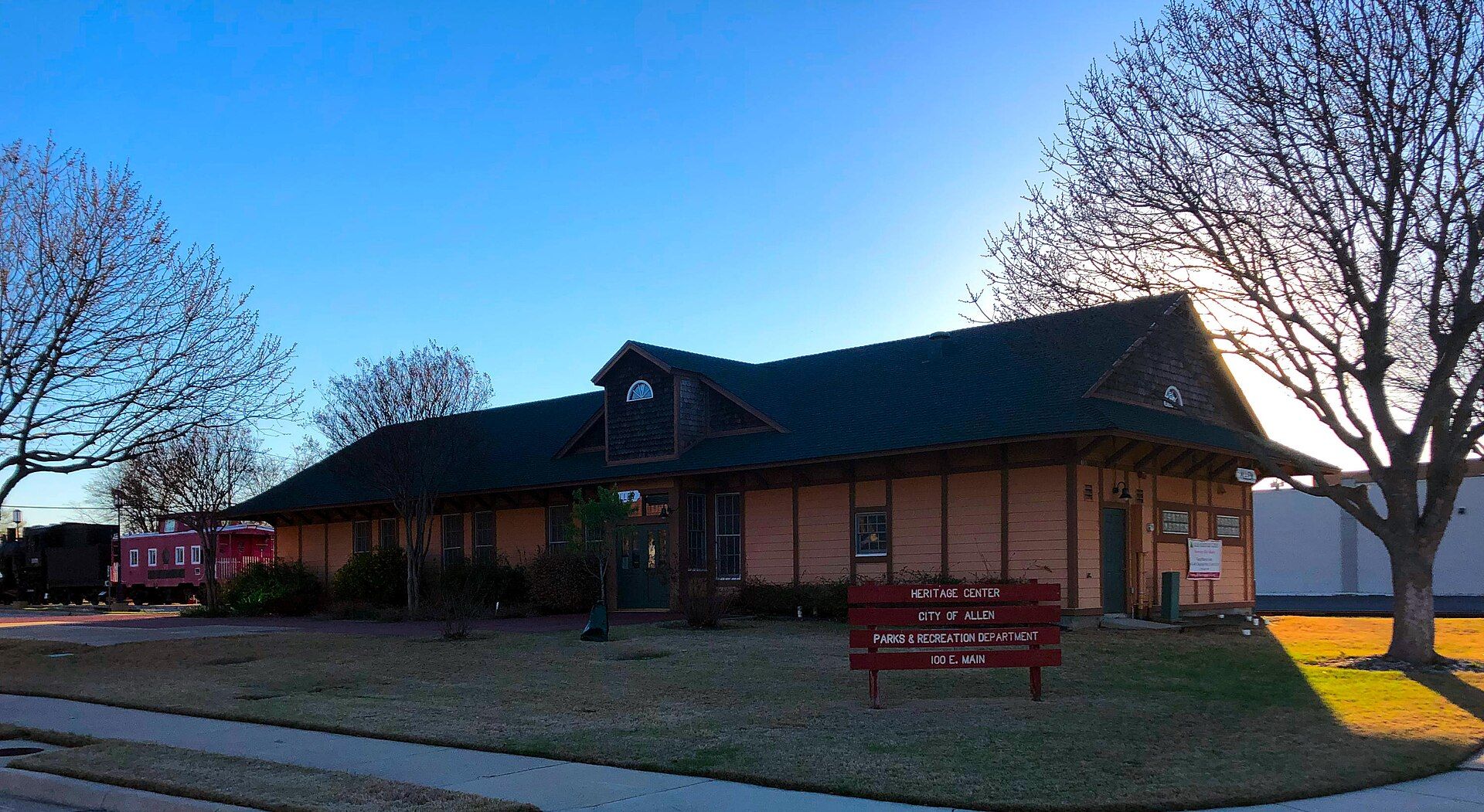

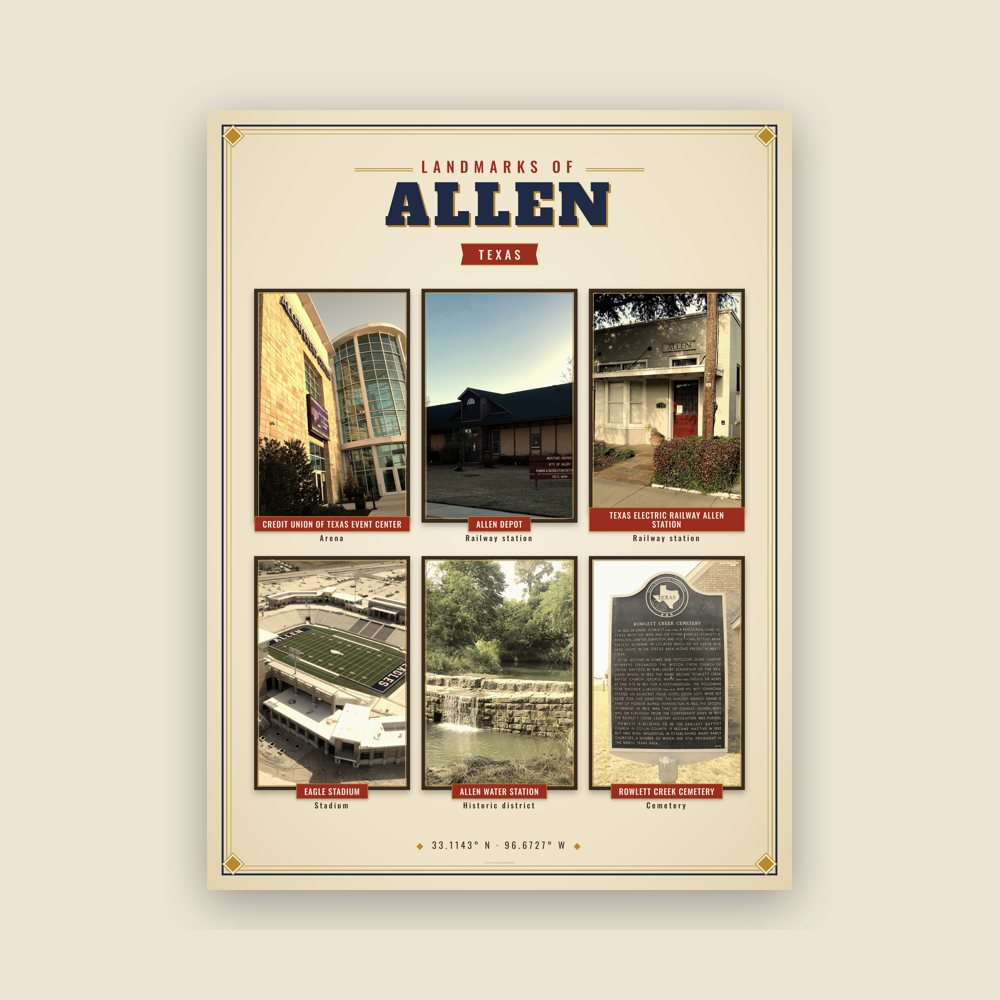


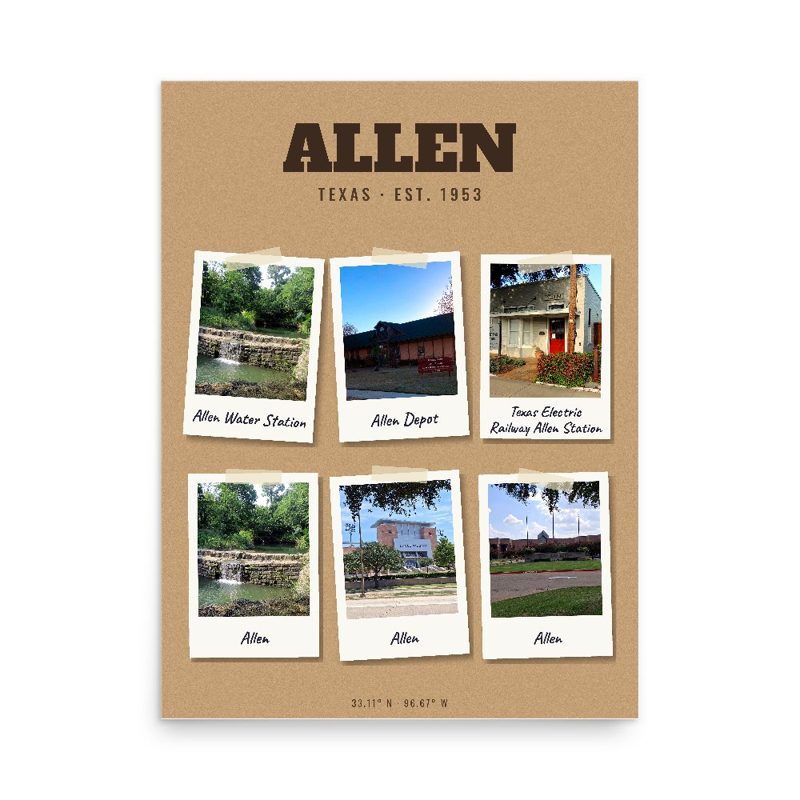
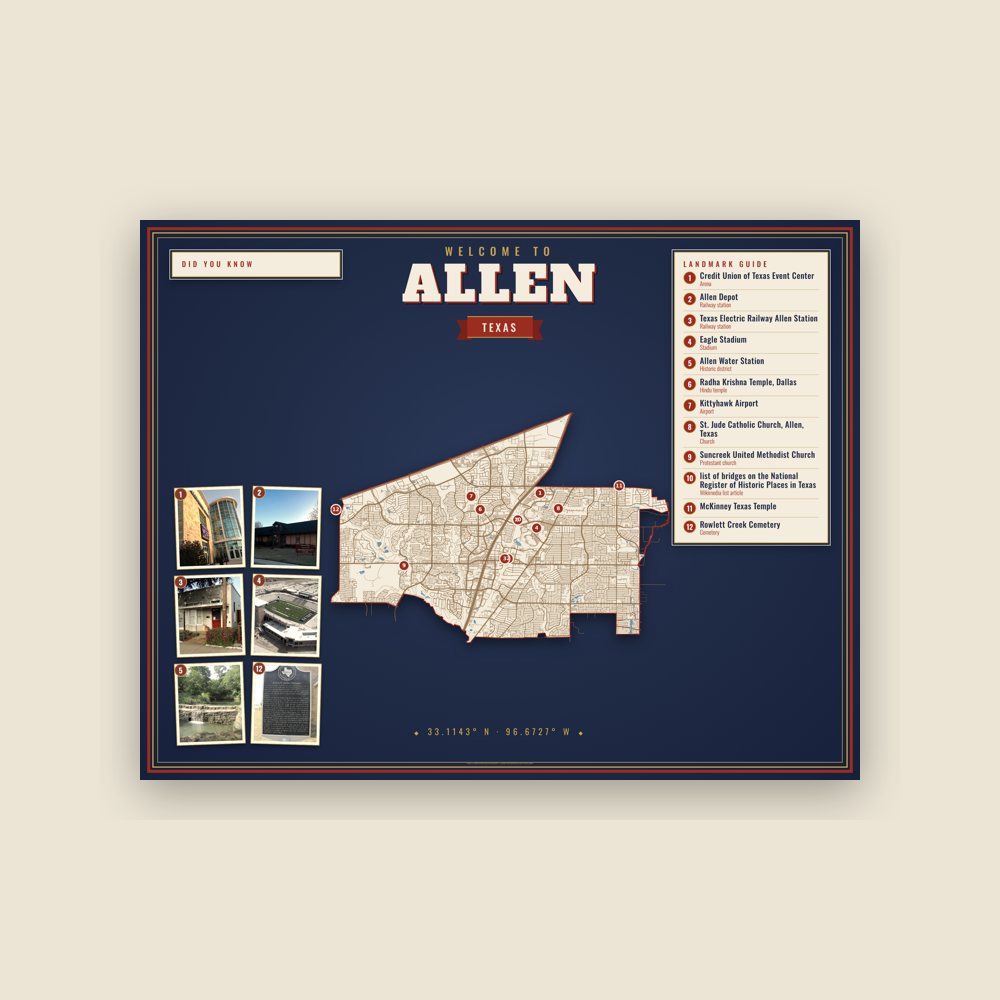




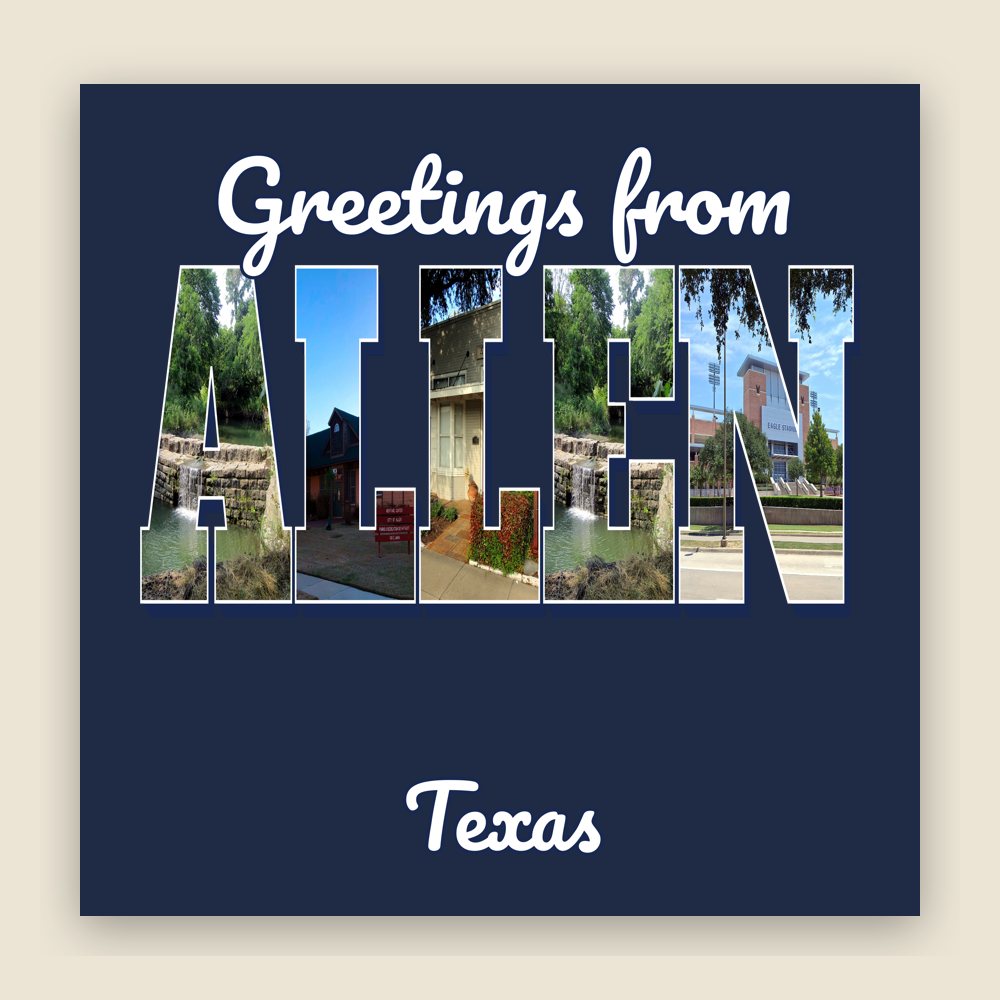
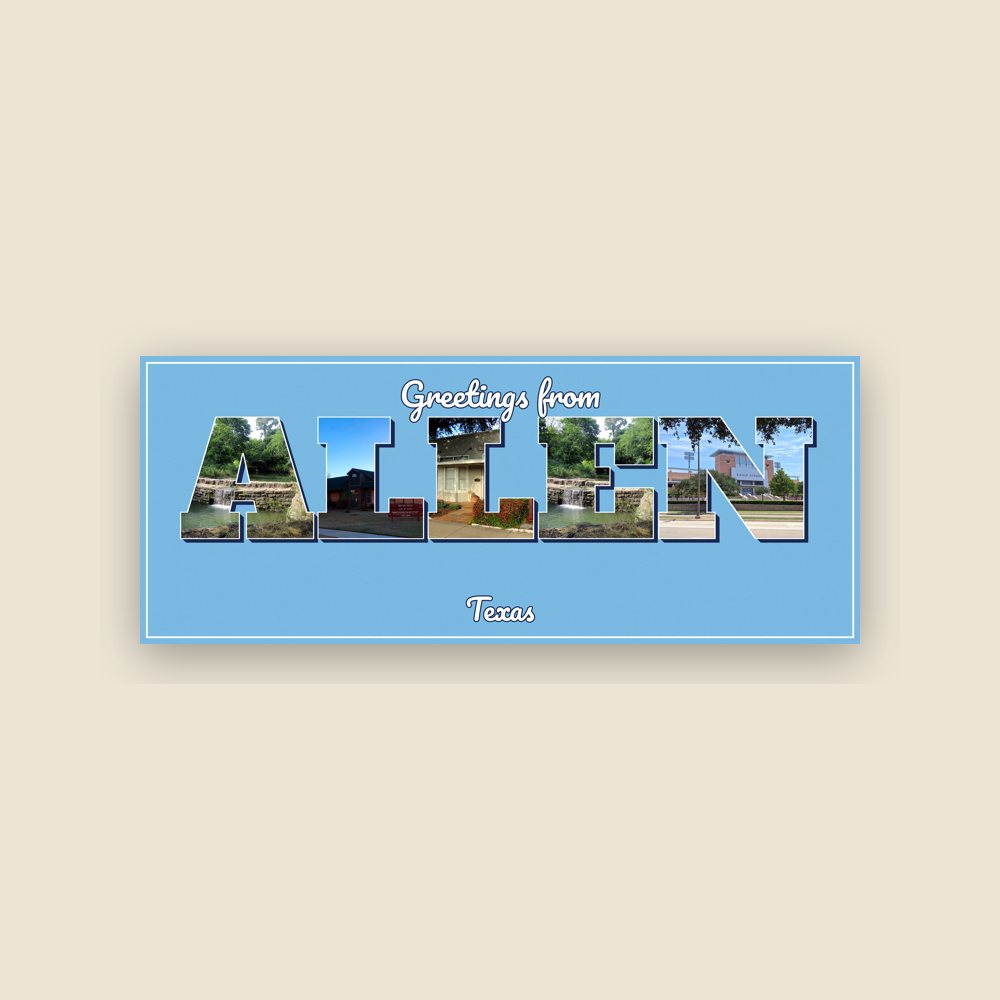




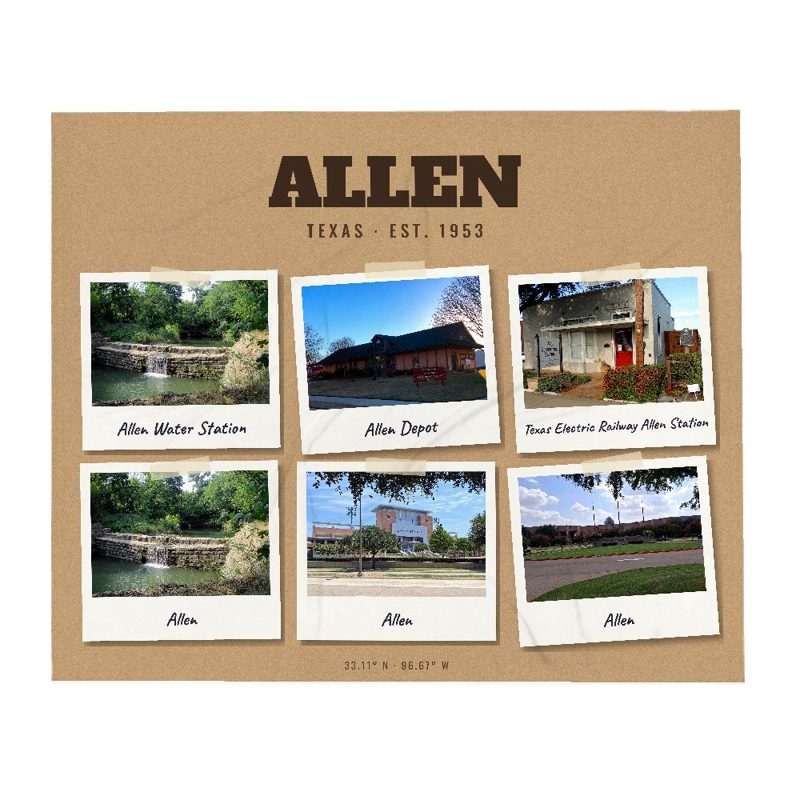

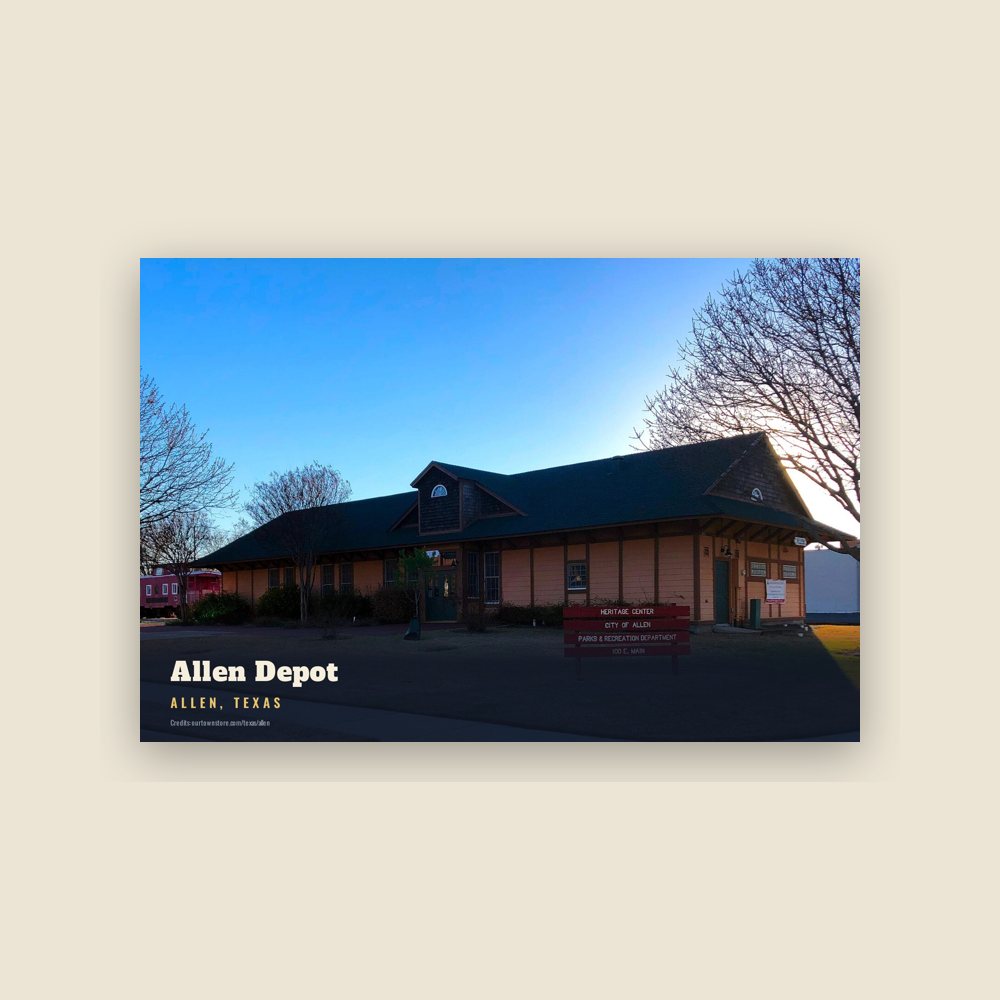
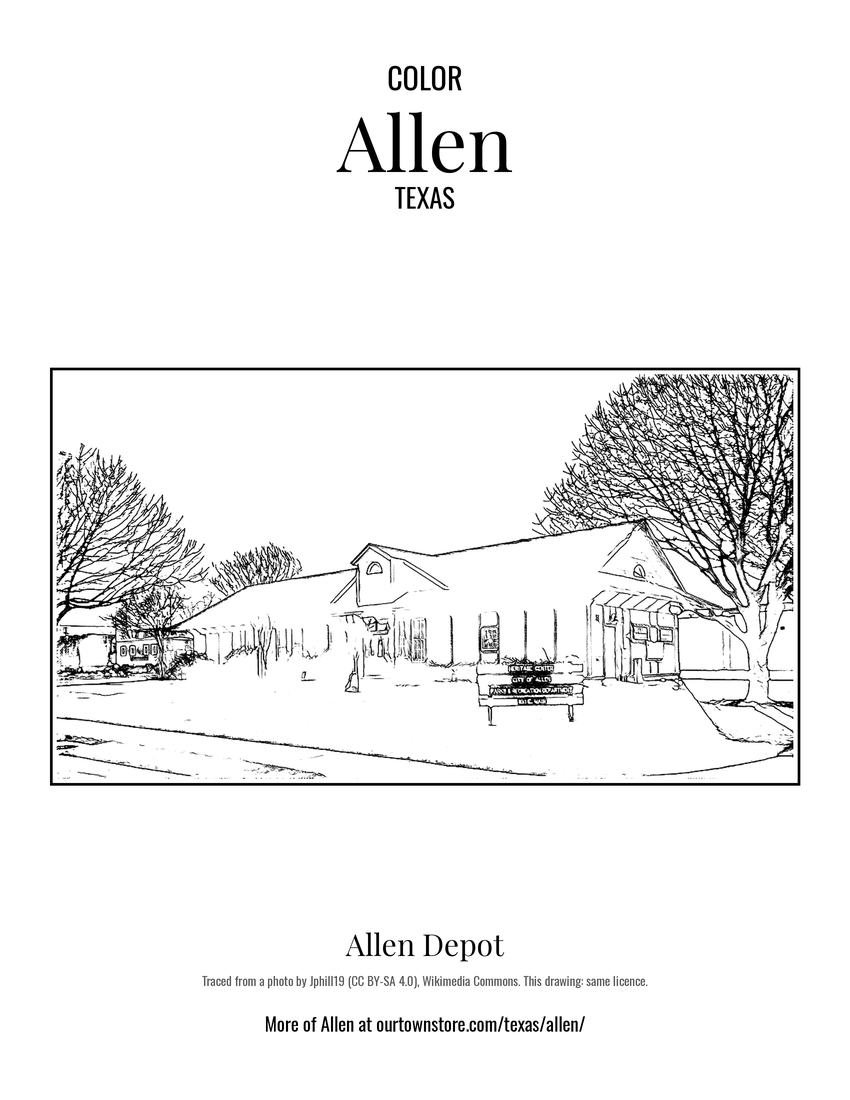 Allen Depot
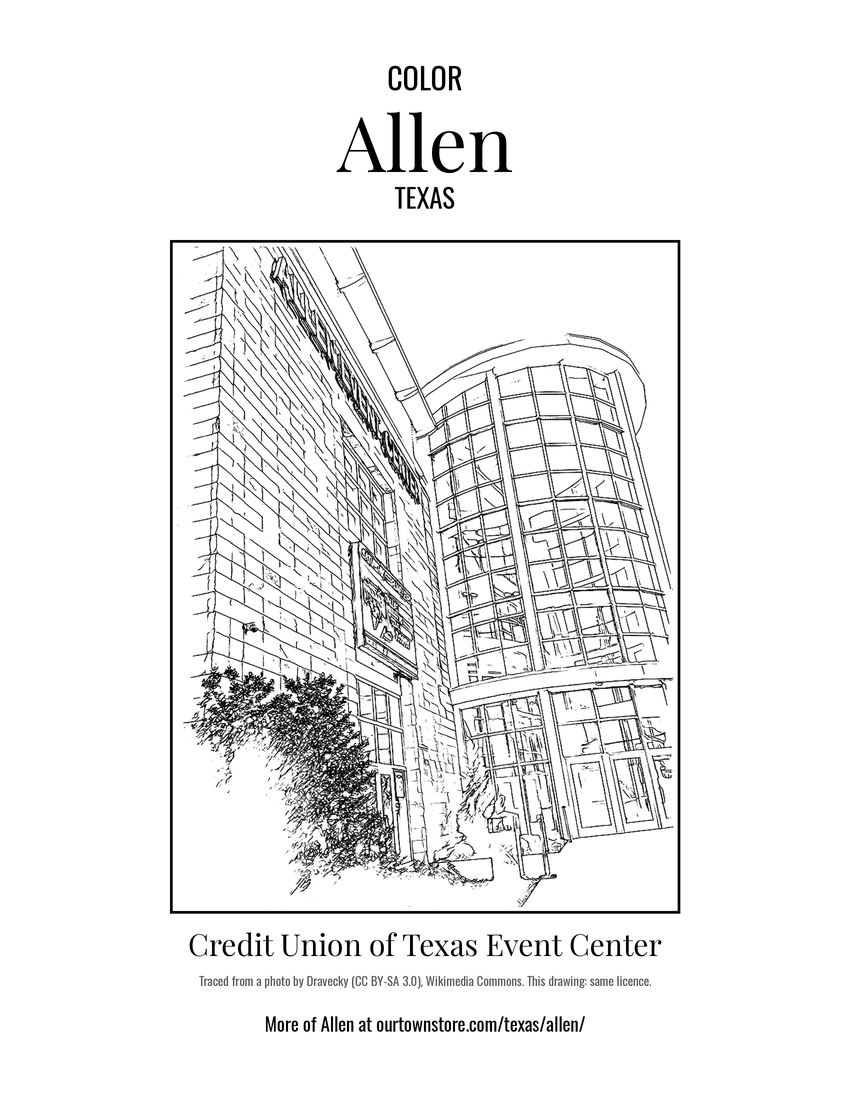 Credit Union of Texas Event Center
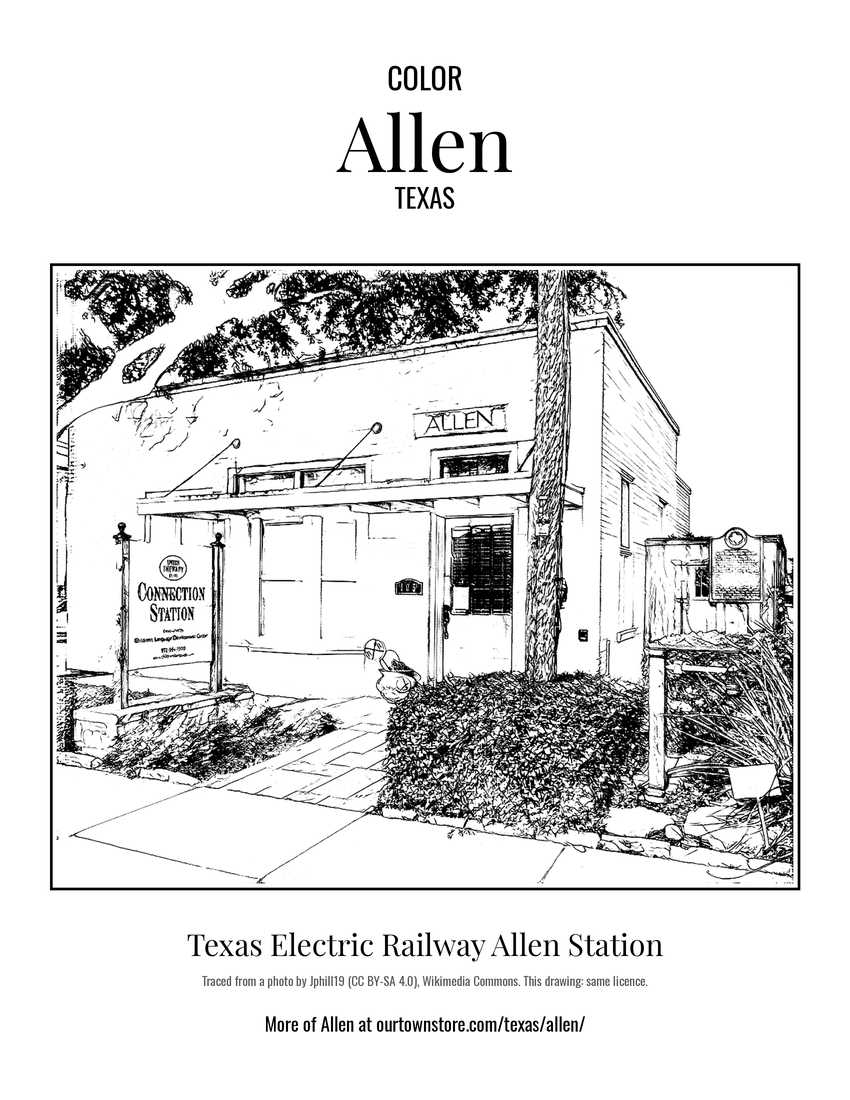 Texas Electric Railway Allen Station
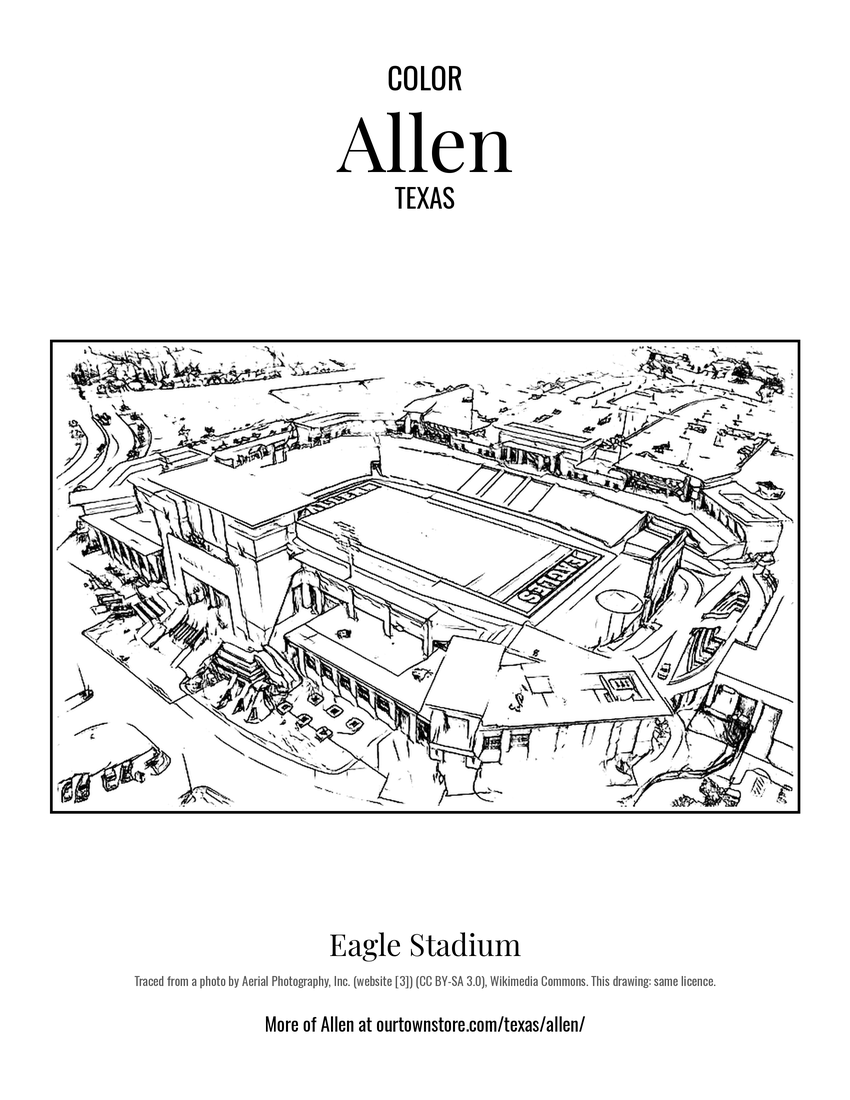 Eagle Stadium