Since 1965
A short history of Vonore
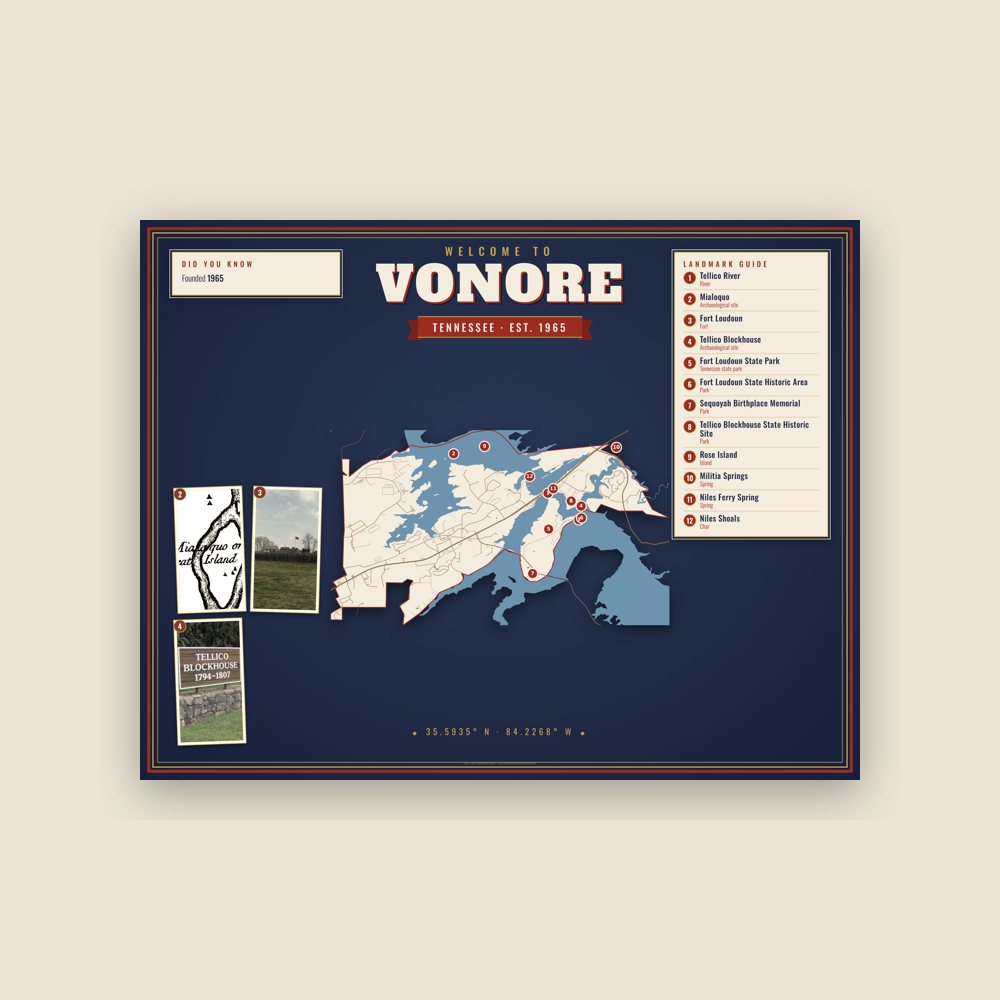
Vonore developed at the confluence of the Little Tennessee River and the Tellico River, a place of indigenous settlement for thousands of years. It was a center of numerous Cherokee towns along the rivers.
Vonore is near the center of one of the richest archaeological regions in the southeastern United States. The now-submerged Icehouse Bottom site was occupied by indigenous cultures in the region as early as 7500 B.C.
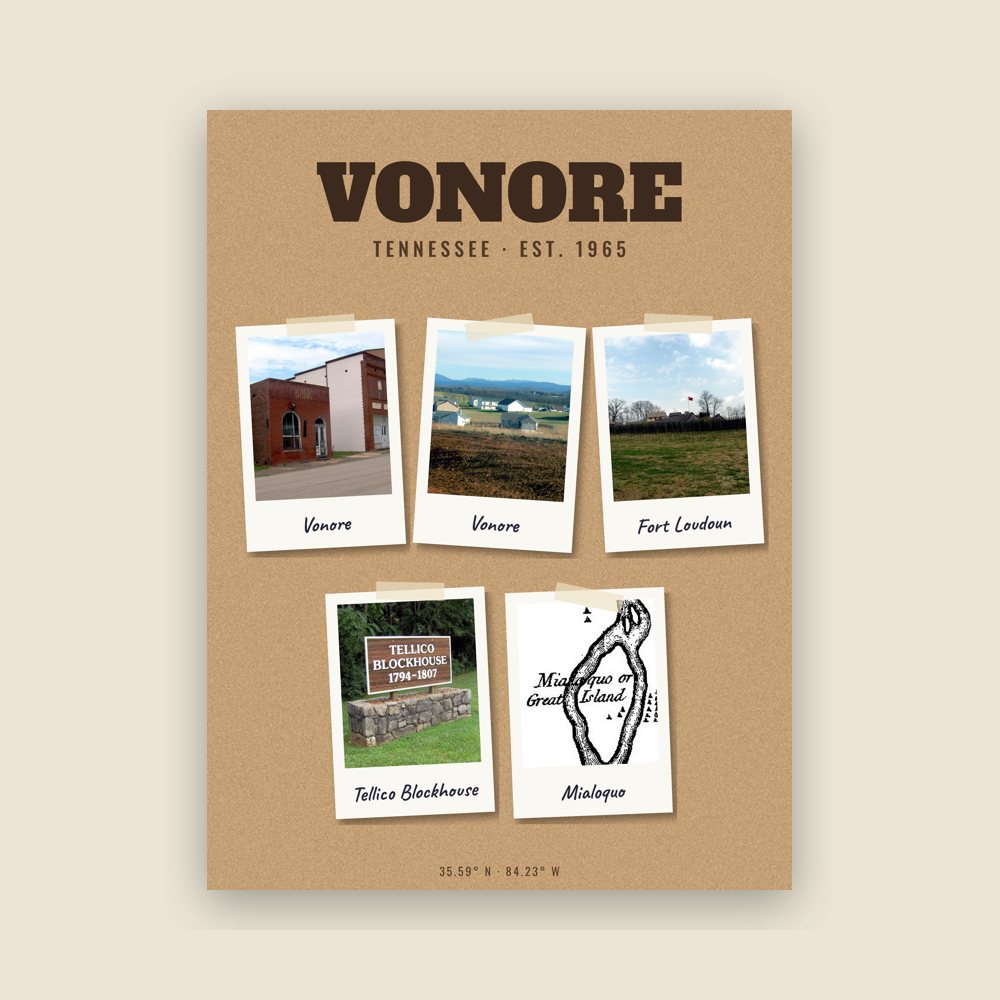
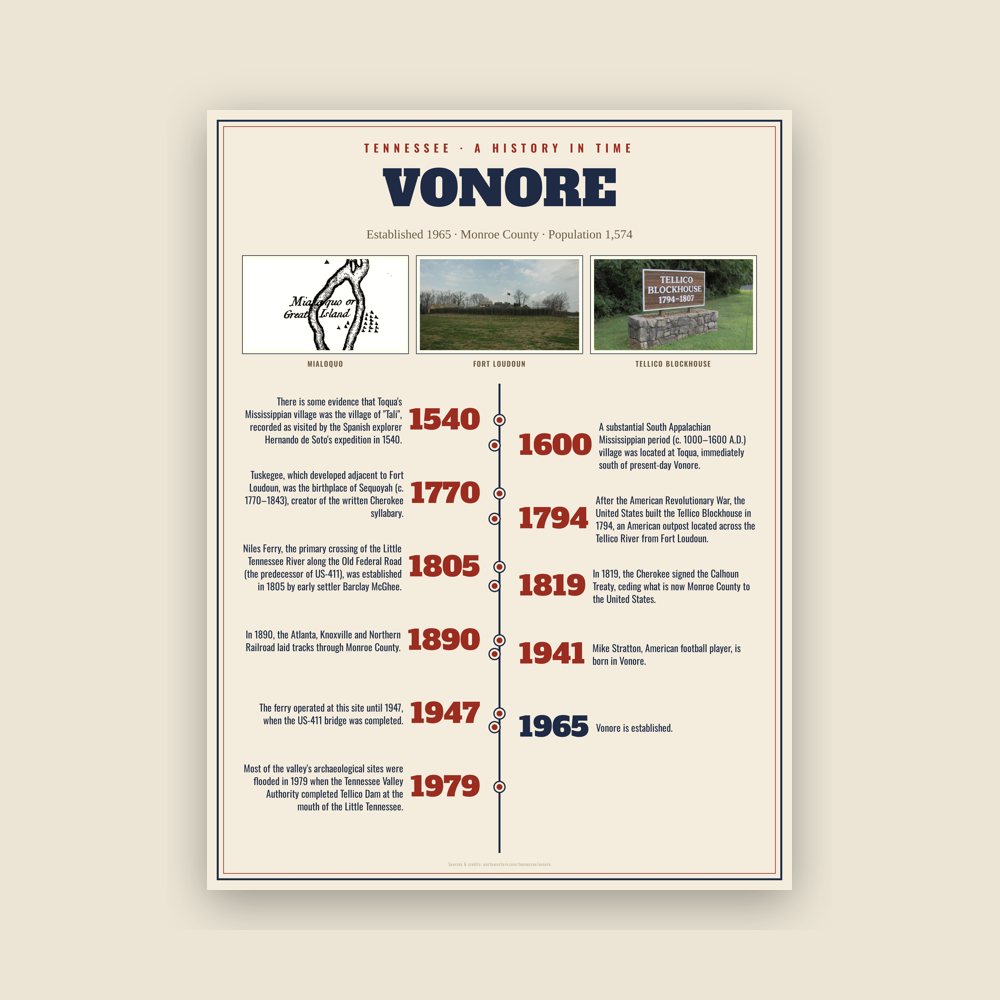
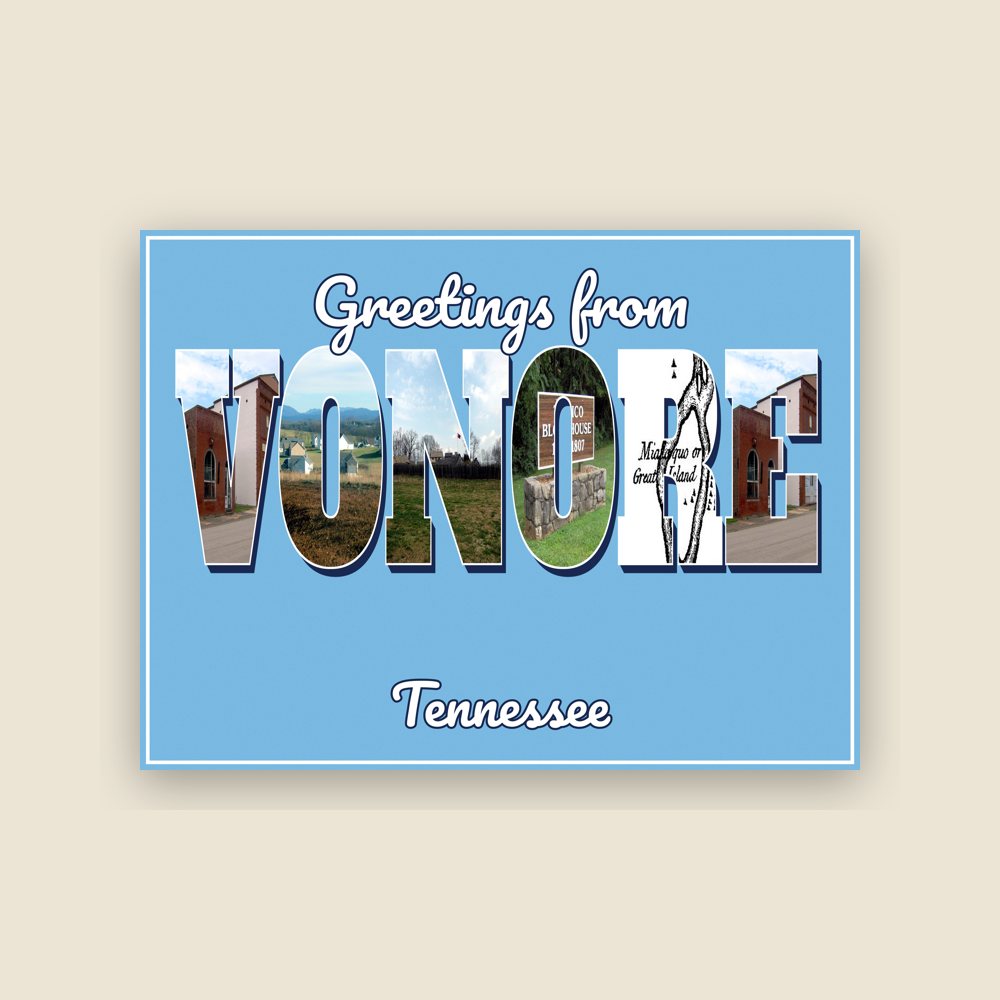
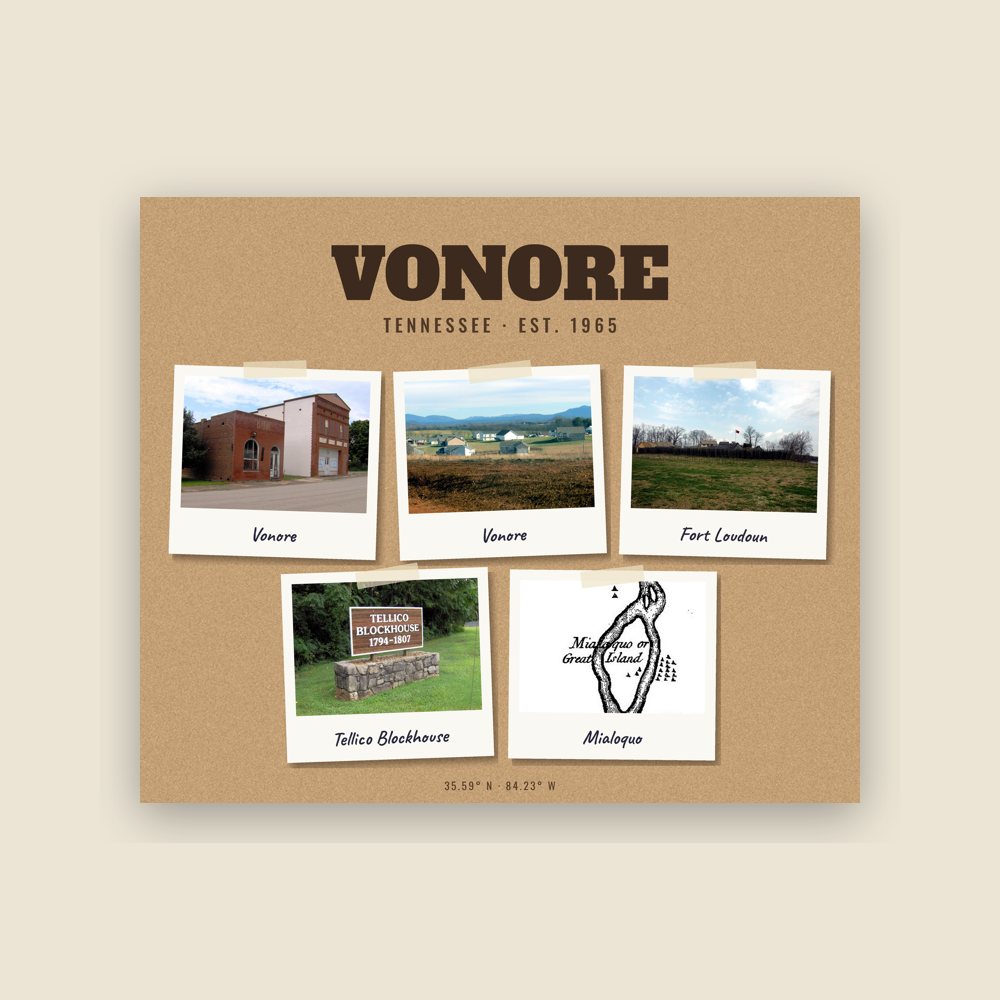
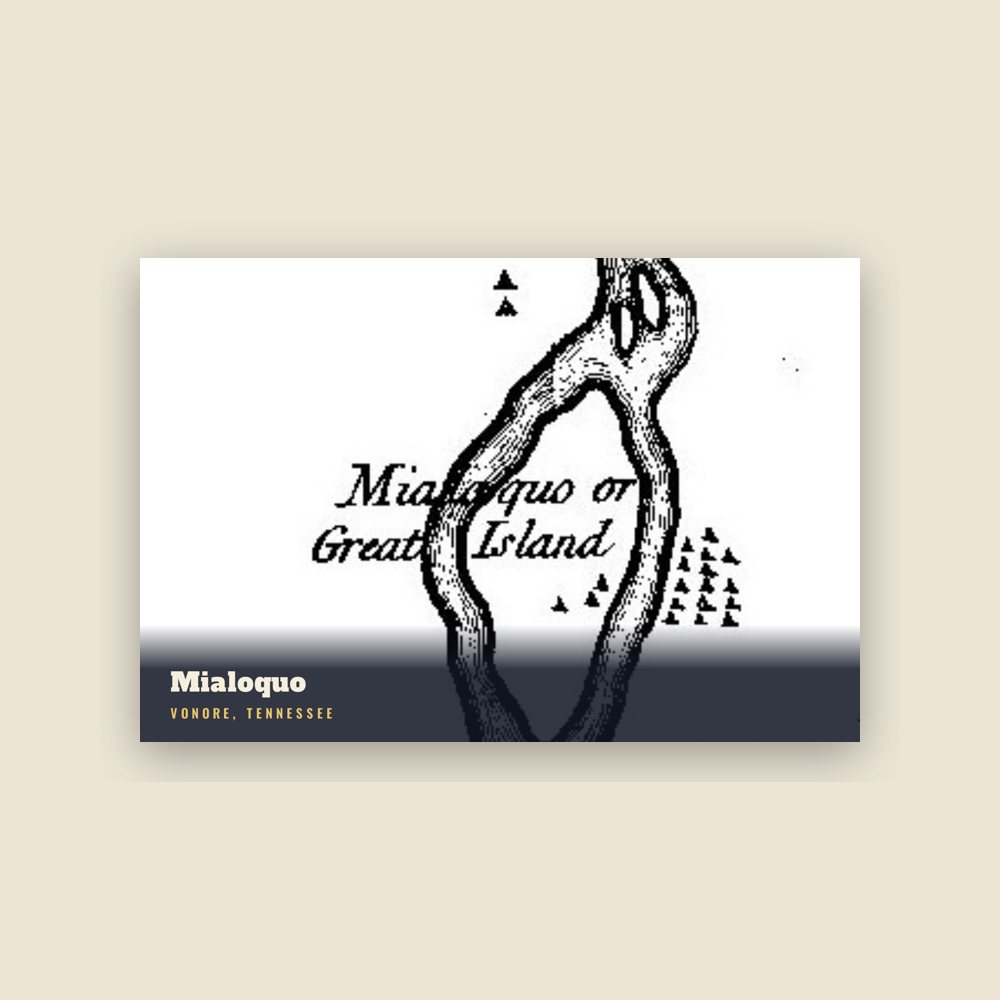
The now-submerged Rose Island was home to a significant Woodland period (c. 1000 B.C. – 1000 A.D.) settlement. Later the Cherokee had the town there known as Mialoguo. A substantial South Appalachian Mississippian period (c. 1000–1600 A.D.) village was located at Toqua, immediately south of present-day Vonore. There is some evidence that Toqua's Mississippian village was the village of "Tali", recorded as visited by the Spanish explorer Hernando de Soto's expedition in 1540. The historic Cherokee also had a town at Toqua.
This area was part of the homelands of the historic Cherokee people, which extended into western Virginia, North and South Carolina, and northeastern Georgia, long before these colonies or states were founded. By the time Euro-American explorers arrived in the area in the 18th century, the Cherokee had established several towns along the Little Tennessee. They included Tanasi, the name source for the state of Tennessee, Chilowhee, and Chota, the "mother town" of the Overhill Cherokee in the mid to late 18th century. The English traders and colonists referred to these places as the Overhill Towns, because they crossed the Appalachian Mountains from the east to reach them. Cherokee chief Dragging Canoe came from Mialoquo, which was located just north of the site of the modern US-411 bridge. Tuskegee, which developed adjacent to Fort Loudoun, was the birthplace of Sequoyah (c. 1770–1843), creator of the written Cherokee syllabary.
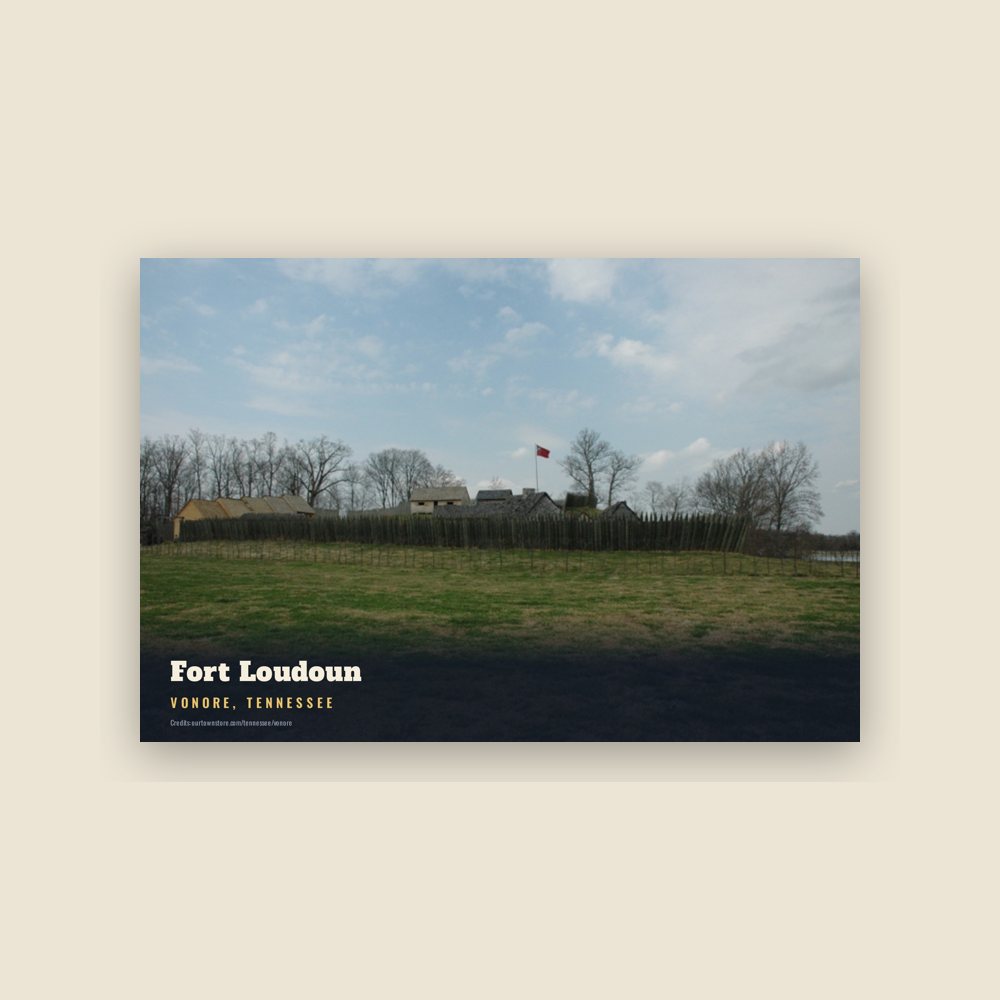
Fort Loudoun was a British colonial-era fort built in 1756 as part of their promise to the Cherokee of supporting their people, to gain an alliance against the French and Indian allies during the French and Indian War. It was one of the first major British outposts west of the Appalachian Mountains. It was garrisoned only until 1760, when the Cherokee captured it after a lengthy siege, in retaliation for the murder of Cherokee chiefs by South Carolina officials.
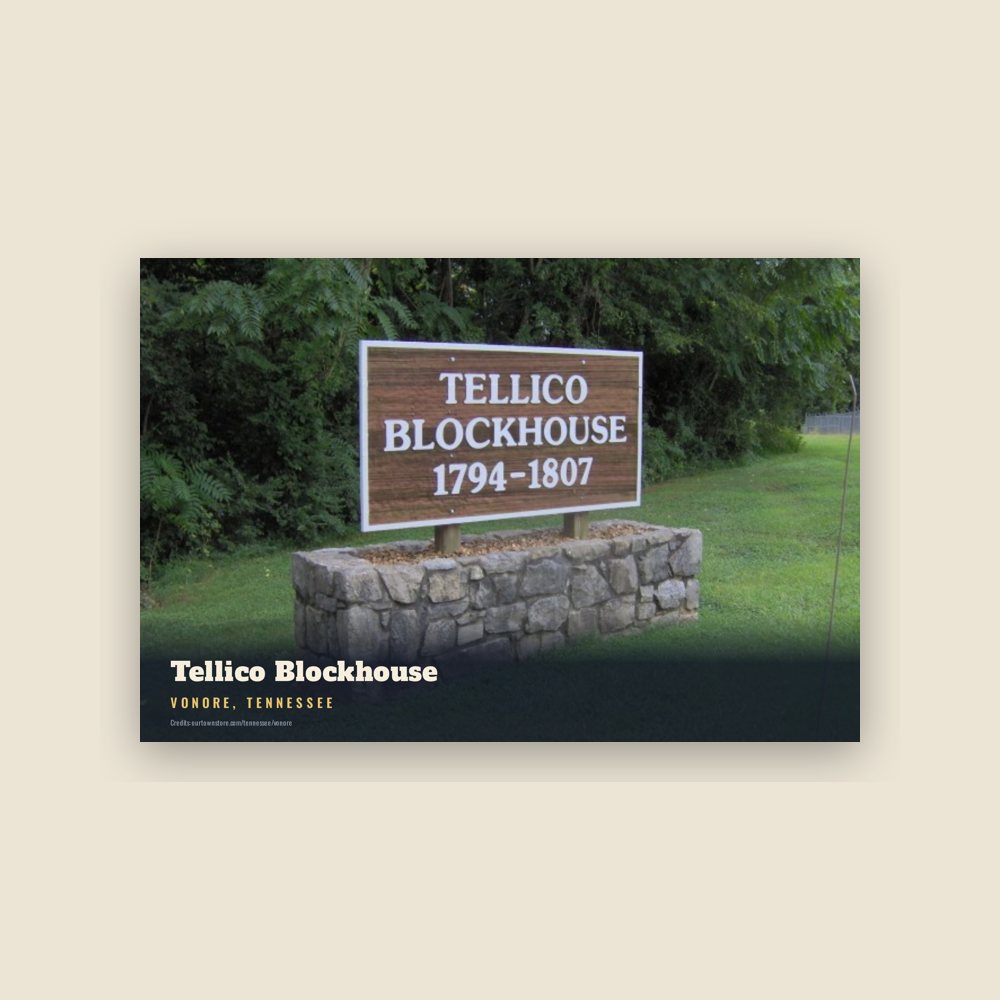
After the American Revolutionary War, the United States built the Tellico Blockhouse in 1794, an American outpost located across the Tellico River from Fort Loudoun. It was designed to hold a garrison to help keep the peace between the Cherokee and the fast-encroaching American settlers. The Tellico agent, the chief American diplomat to the Cherokee, operated out of the blockhouse and ran a trading post there for a decade. He was married to a Cherokee woman.
In 1819, the Cherokee signed the Calhoun Treaty, ceding what is now Monroe County to the United States. The county was established shortly thereafter.
Niles Ferry, the primary crossing of the Little Tennessee River along the Old Federal Road (the predecessor of US-411), was established in 1805 by early settler Barclay McGhee. He leased the rights from the US Tellico agent. The ferry operated at this site until 1947, when the US-411 bridge was completed. Barclay McGhee operated the ferry until his death in 1819. It eventually was owned by his son, John McGhee. The ferry is named for J.W.J. Niles, a son-in-law of John McGhee who assumed ownership of the ferry in the 1850s.
In 1890, the Atlanta, Knoxville and Northern Railroad laid tracks through Monroe County. A stopover known as Upton Station was established just beyond the railroad's Little Tennessee River crossing. Three years later, area doctor Walter Kennedy applied for a post office for Upton Station. When the US postal service informed him that the name of Upton Station had been taken, Kennedy chose the name "Vonore", a combination of the German word von (meaning "of") and the English word "ore", as Kennedy believed the town would become a mining town.
In the 1930s during the Great Depression, preservationists aided by Works Progress Administration (WPA) funds of President Franklin D. Roosevelt's administration reconstructed Fort Loudoun. This served as the anchor for a state historic park along the river.
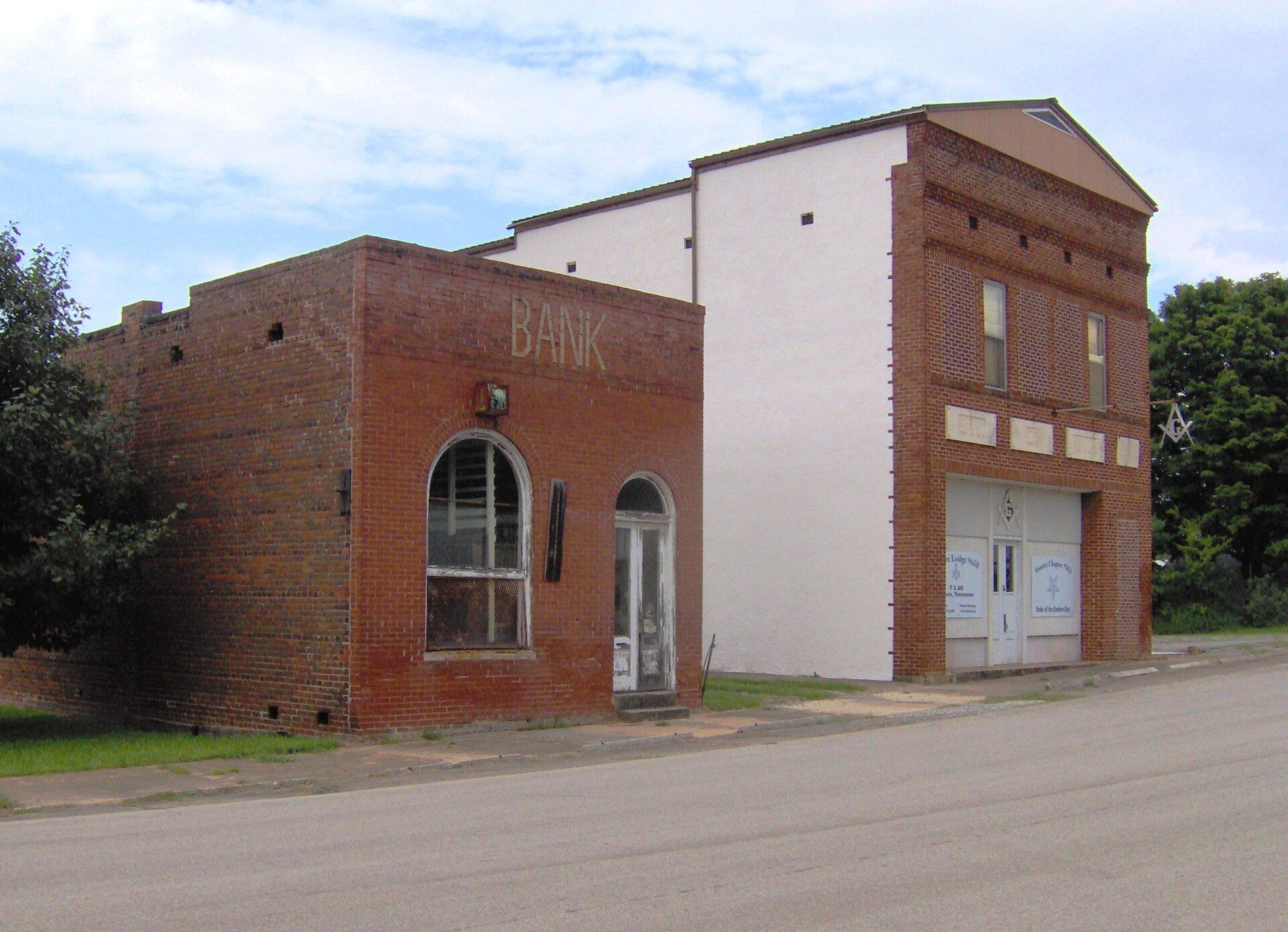
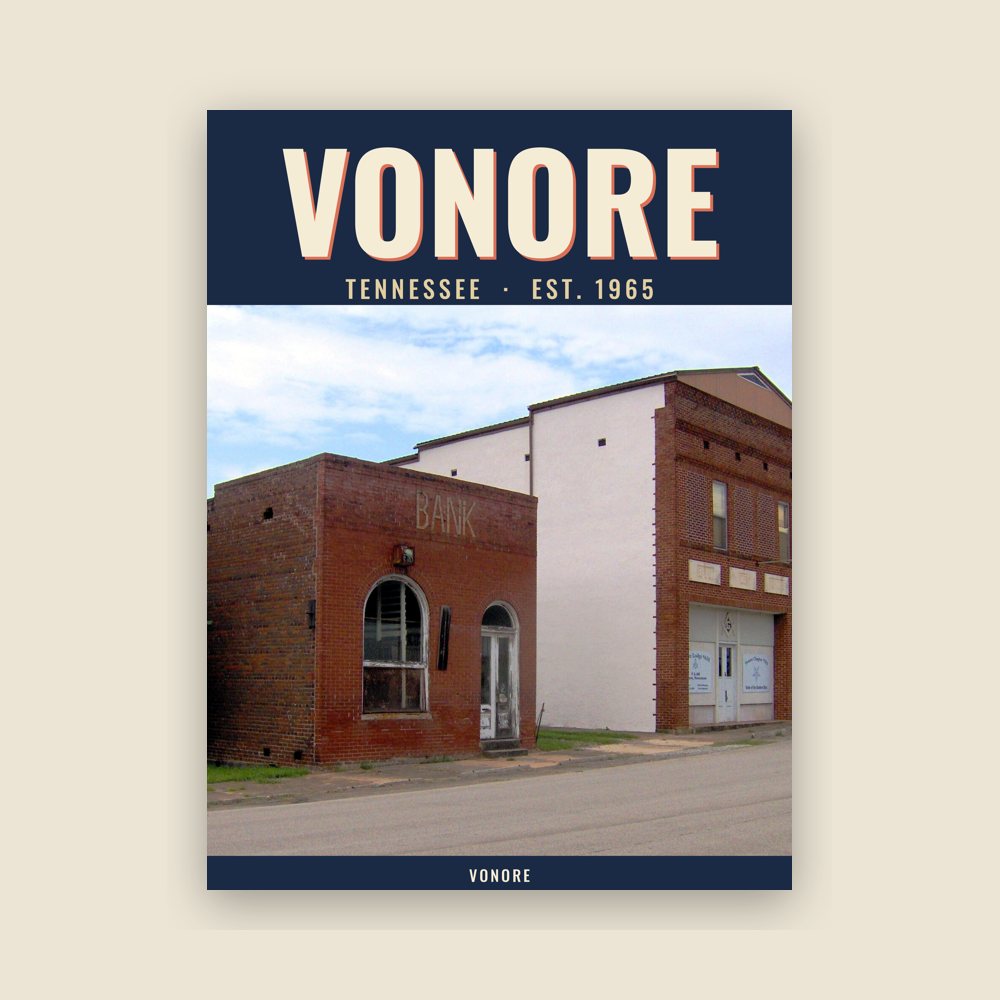
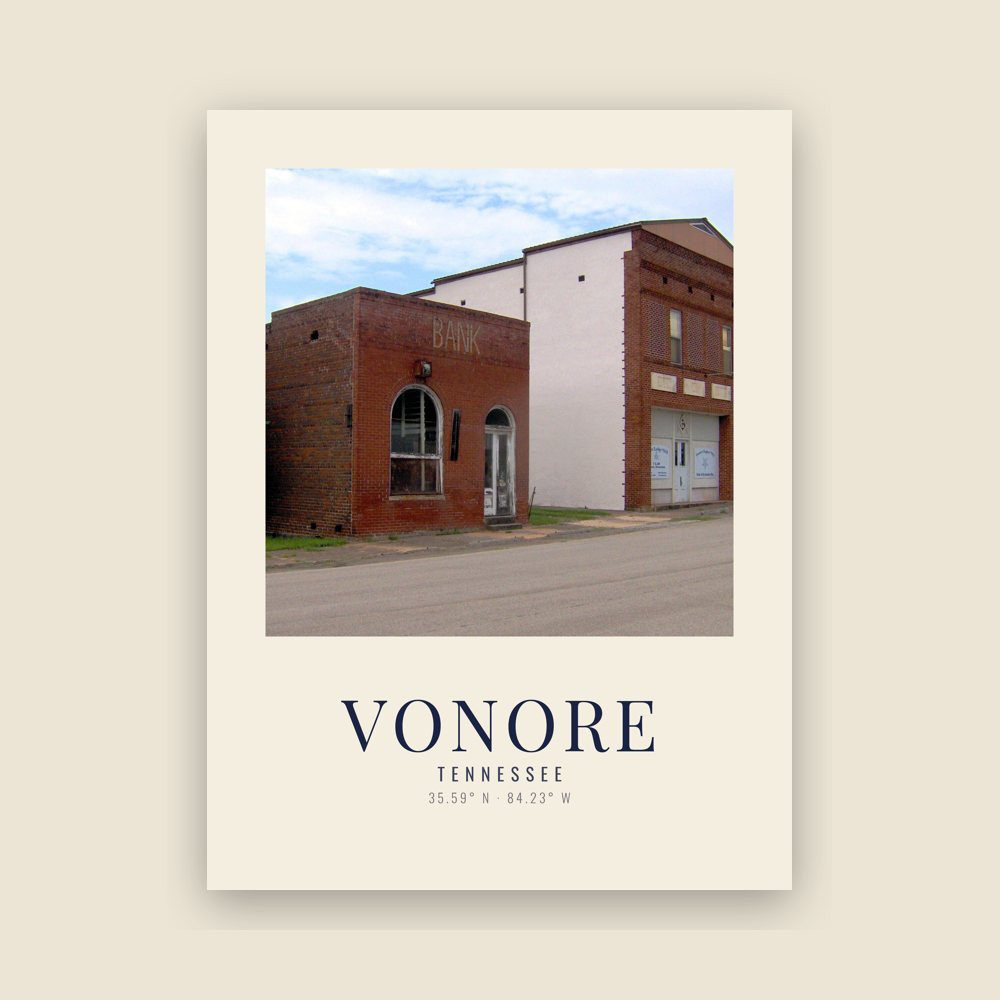
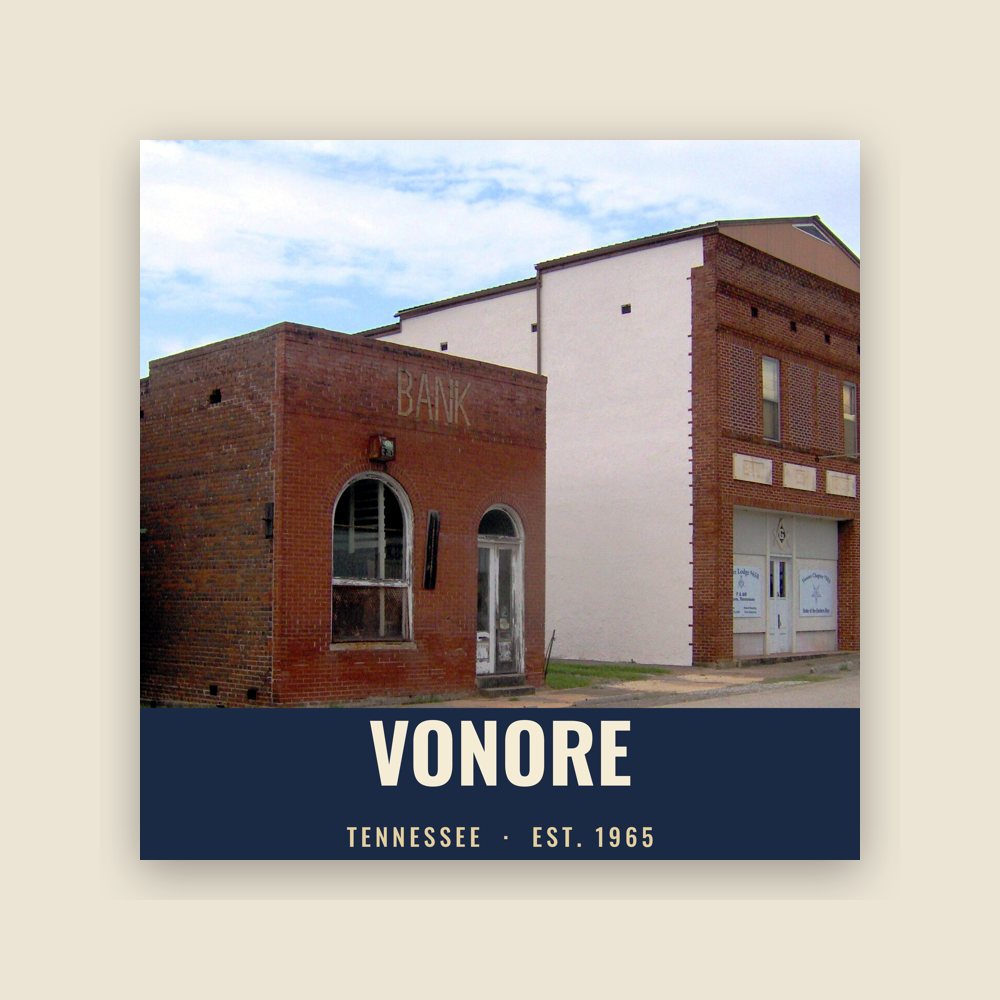
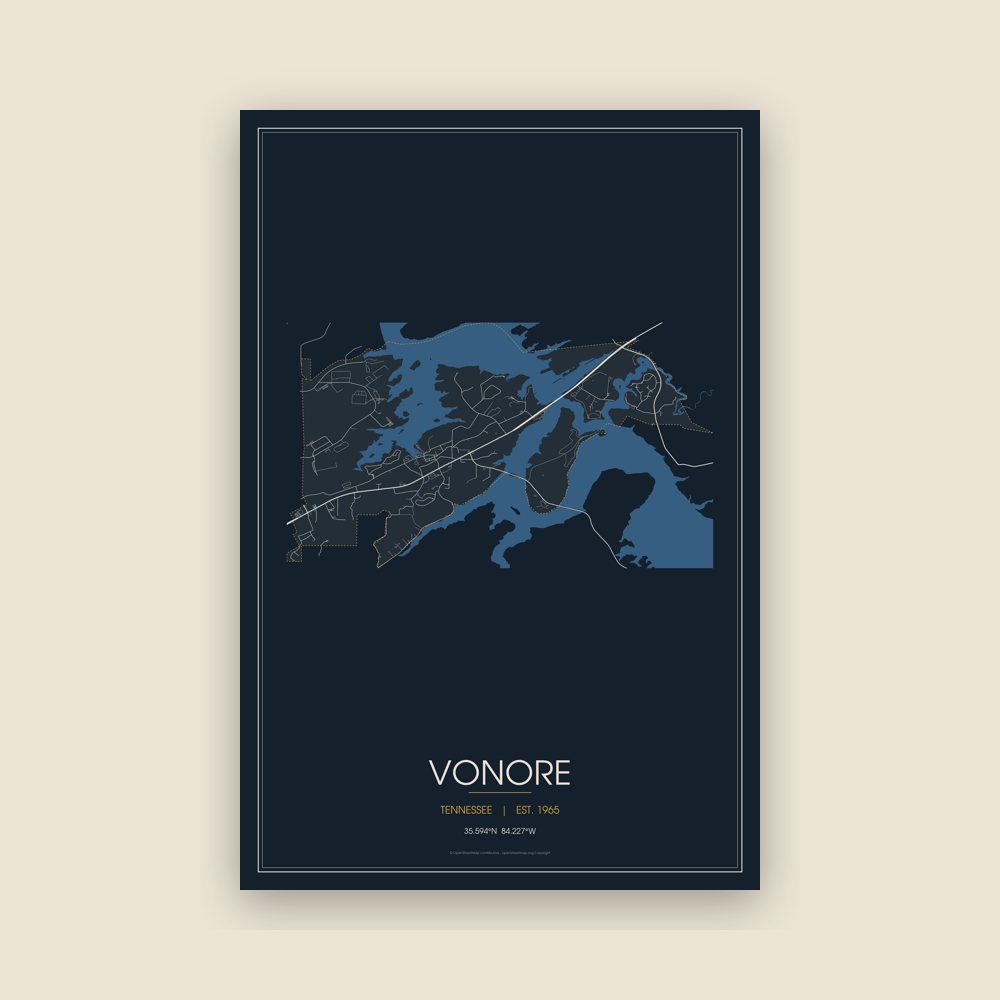
The older part of town developed along Depot and Hall streets. In the 21st century, it includes many older houses, the library, the town hall, and other municipal buildings. A more modern retail corridor, with numerous franchises, spans most of the Vonore section of US-411.
Most of the valley's archaeological sites were flooded in 1979 when the Tennessee Valley Authority completed Tellico Dam at the mouth of the Little Tennessee. Additional reconstruction of Fort Loudoun was undertaken in the 1970s and 1980s. The fort was moved above the range of the water level of the newly created reservoir.
Archaeological surveys and excavations were undertaken along the Little Tennessee River prior to flooding in order to salvage artifacts from known pre-historic and historic sites, including the Cherokee town sites of Tanasi and Chota, and the early US federal period Tellico Blockhouse.
Sites were established above the level of the flood waters, with monuments to mark these two important Cherokee town sites. The one at Chota has eight plaques: seven for the Cherokee clans and one for the nation overall.
Excavators also located the foundation of the Tellico Blockhouse. An area was raised above the water level, and posts and fill were place in order to show visitors its layout on the historic site. The Tanasi and Tellico Blockhouse sites are both now within Fort Loudoun State Park.
Adapted (trimmed) from the Wikipedia article Vonore, Tennessee, revision 1384198822 by its contributors, licensed CC BY-SA 4.0.