Since 1960
A short history of Watauga
Some of the earliest European pioneers in Tennessee settled in the vicinity of Watauga in the mid-18th century. William Bean, traditionally recognized as Tennessee's first white settler, built his cabin at the mouth of Boone Creek, 7 miles (11 km) downstream from modern Watauga, in 1769. The Watauga Association, an early frontier government, operated out of nearby Elizabethton in the 1770s.
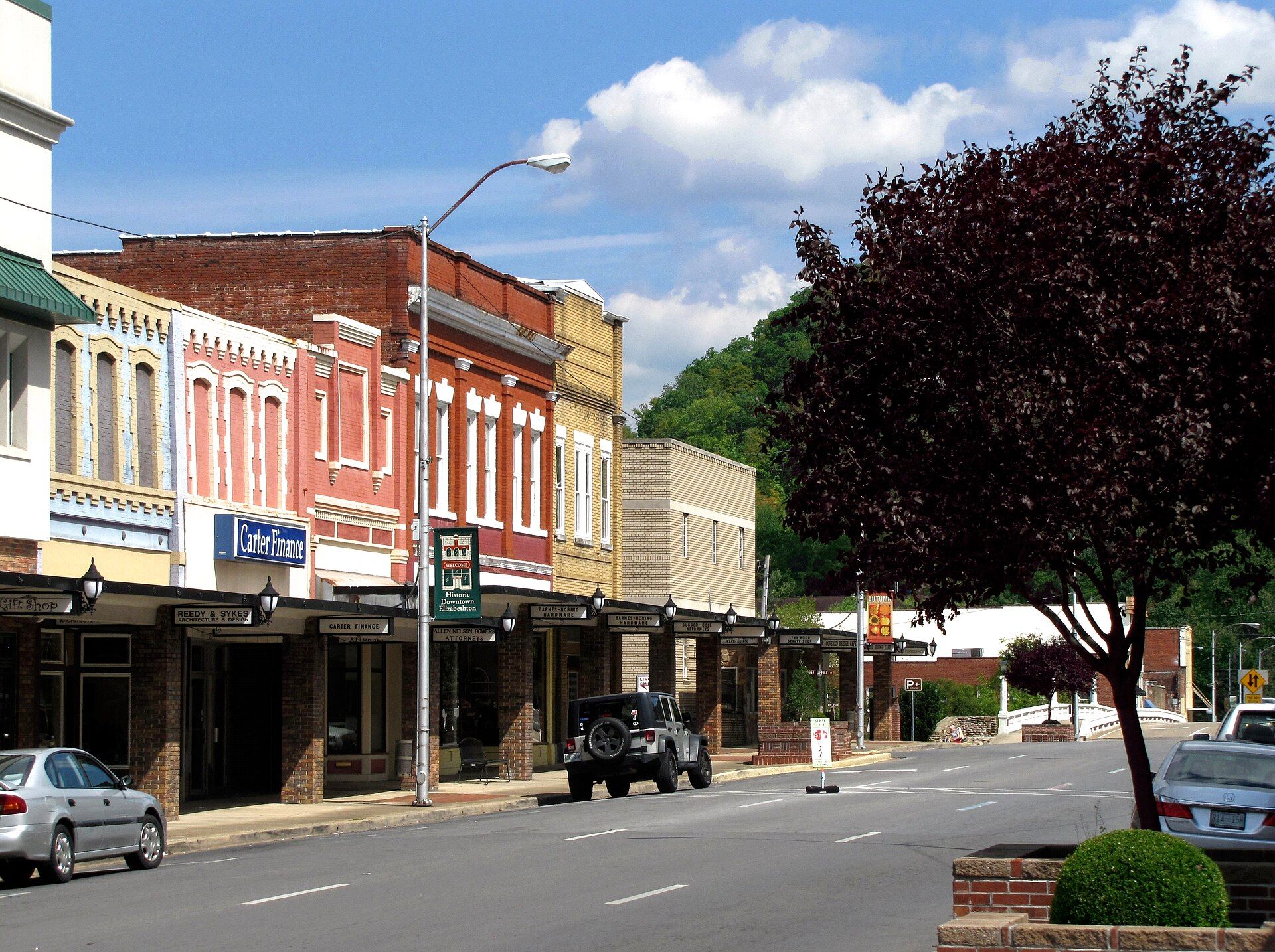
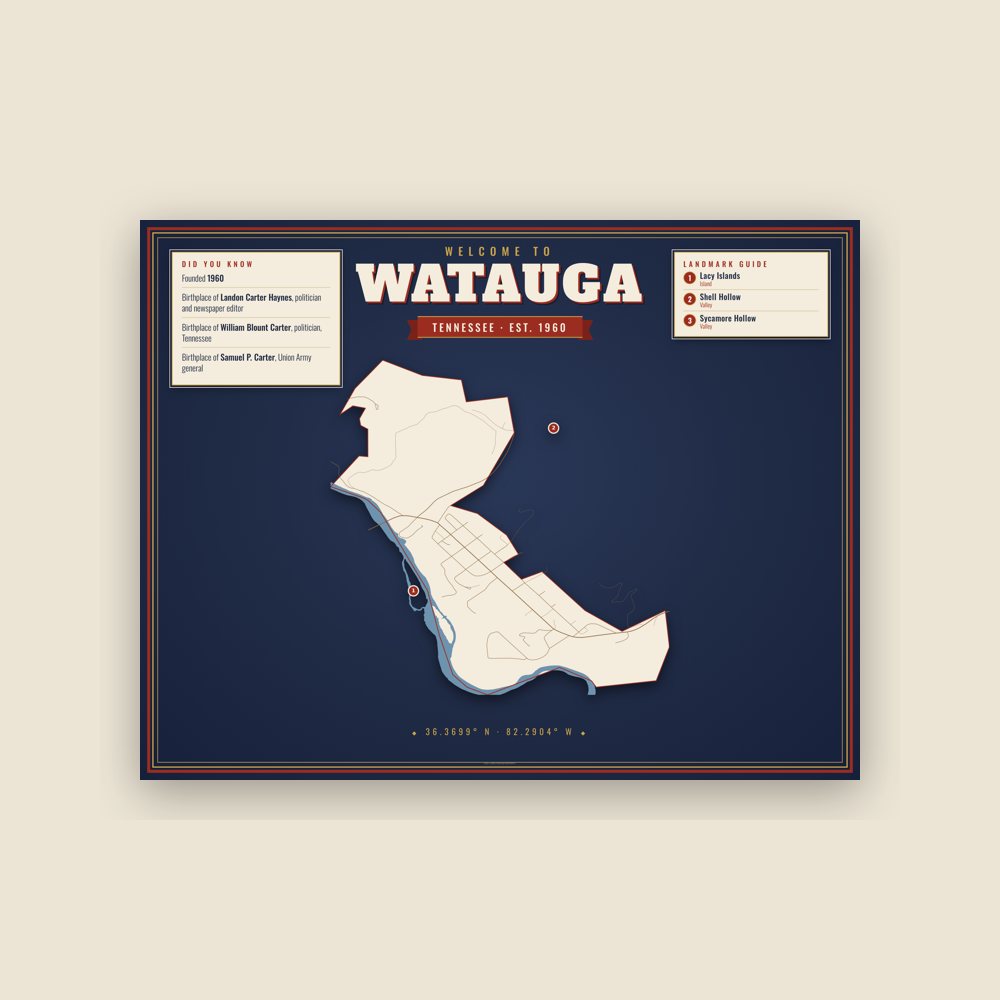
When the East Tennessee and Virginia Railroad (ET&V) was built in the 1850s, a railroad stop known as Carter's Depot, or Carter's Station, was established at what is now Watauga, where a trestle had been erected to carry the tracks across the Watauga River. Carter's Depot consisted of a water tank, several storage buildings, a telegraph office, and a post office.
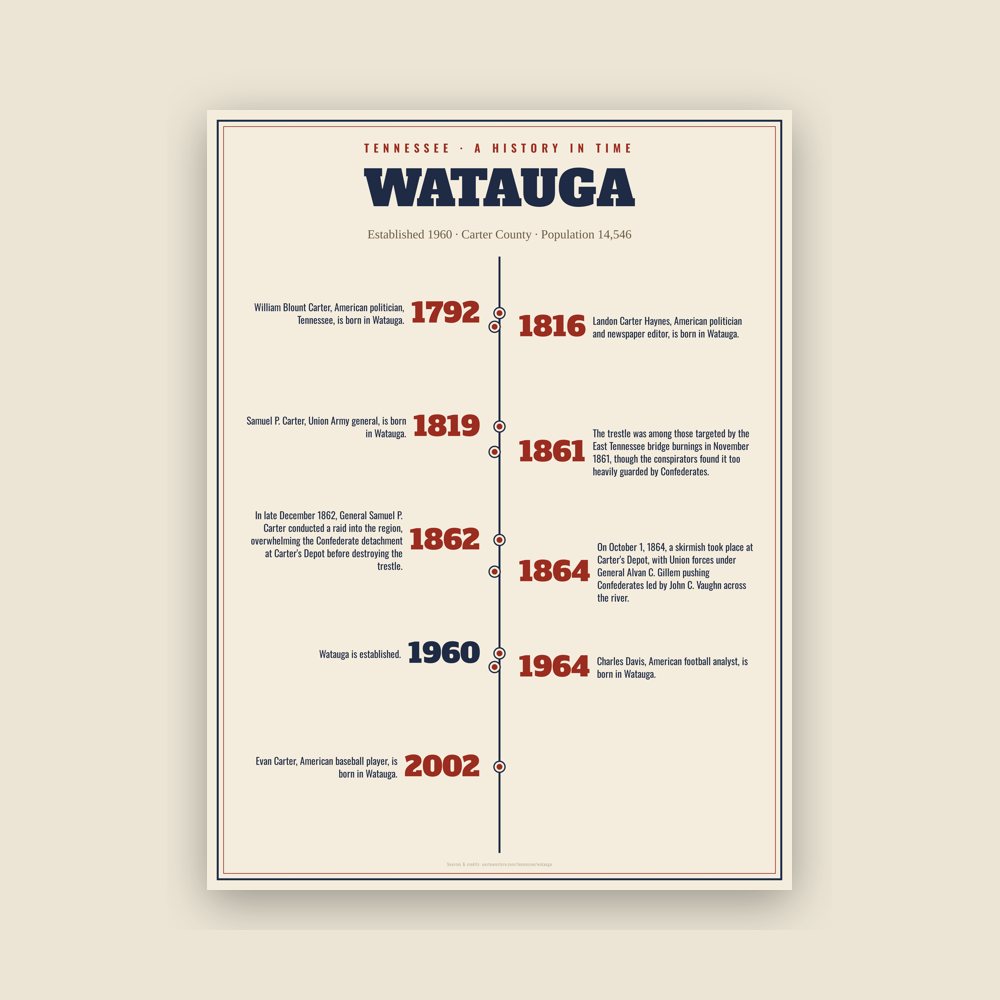
The trestle at Carter's Depot held immense strategic importance during the Civil War, as the ET&V was part of a vital supply line connecting Virginia with the rest of the South. The trestle was among those targeted by the East Tennessee bridge burnings in November 1861, though the conspirators found it too heavily guarded by Confederates. In late December 1862, General Samuel P. Carter conducted a raid into the region, overwhelming the Confederate detachment at Carter's Depot before destroying the trestle. On October 1, 1864, a skirmish took place at Carter's Depot, with Union forces under General Alvan C. Gillem pushing Confederates led by John C. Vaughn across the river.
Adapted (trimmed) from the Wikipedia article Watauga, Tennessee, revision 1375489434 by its contributors, licensed CC BY-SA 4.0.