Since 1883
A short history of Jellico
The name "Jellico" is a local alteration of "angelica", the name of an herb that grows in abundance in the surrounding mountains. The name was first applied to the mountains to the west and to the mountains' main drainage, Jellico Creek, which passes 5 miles (8 km) west of the city of Jellico and empties into the Cumberland River near Williamsburg, Kentucky.
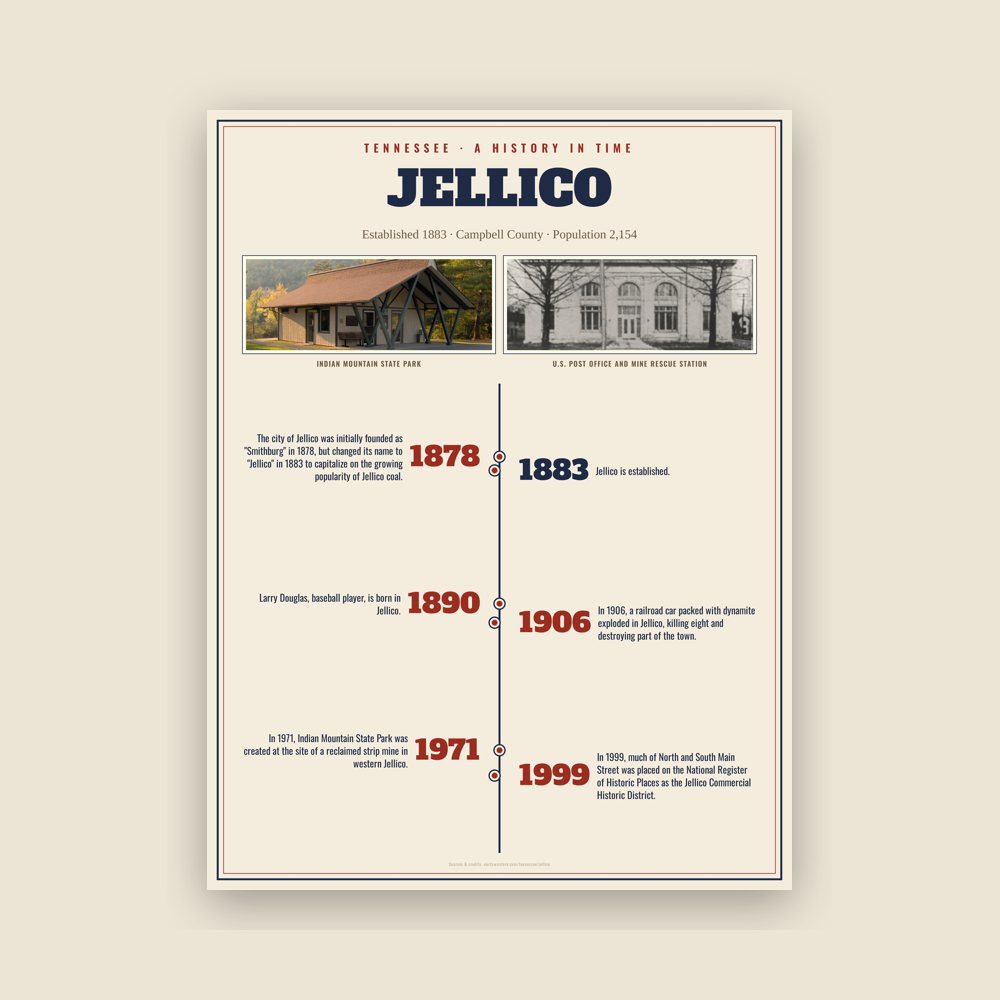
In the early 1880s, a high-quality bituminous coal vein was discovered in the Jellico Mountains, and with the completion of railroad tracks to the area in 1883, coal mines quickly sprang up throughout the area. The city of Jellico was initially founded as "Smithburg" in 1878, but changed its name to "Jellico" in 1883 to capitalize on the growing popularity of Jellico coal. The city was incorporated on March 7, 1883.
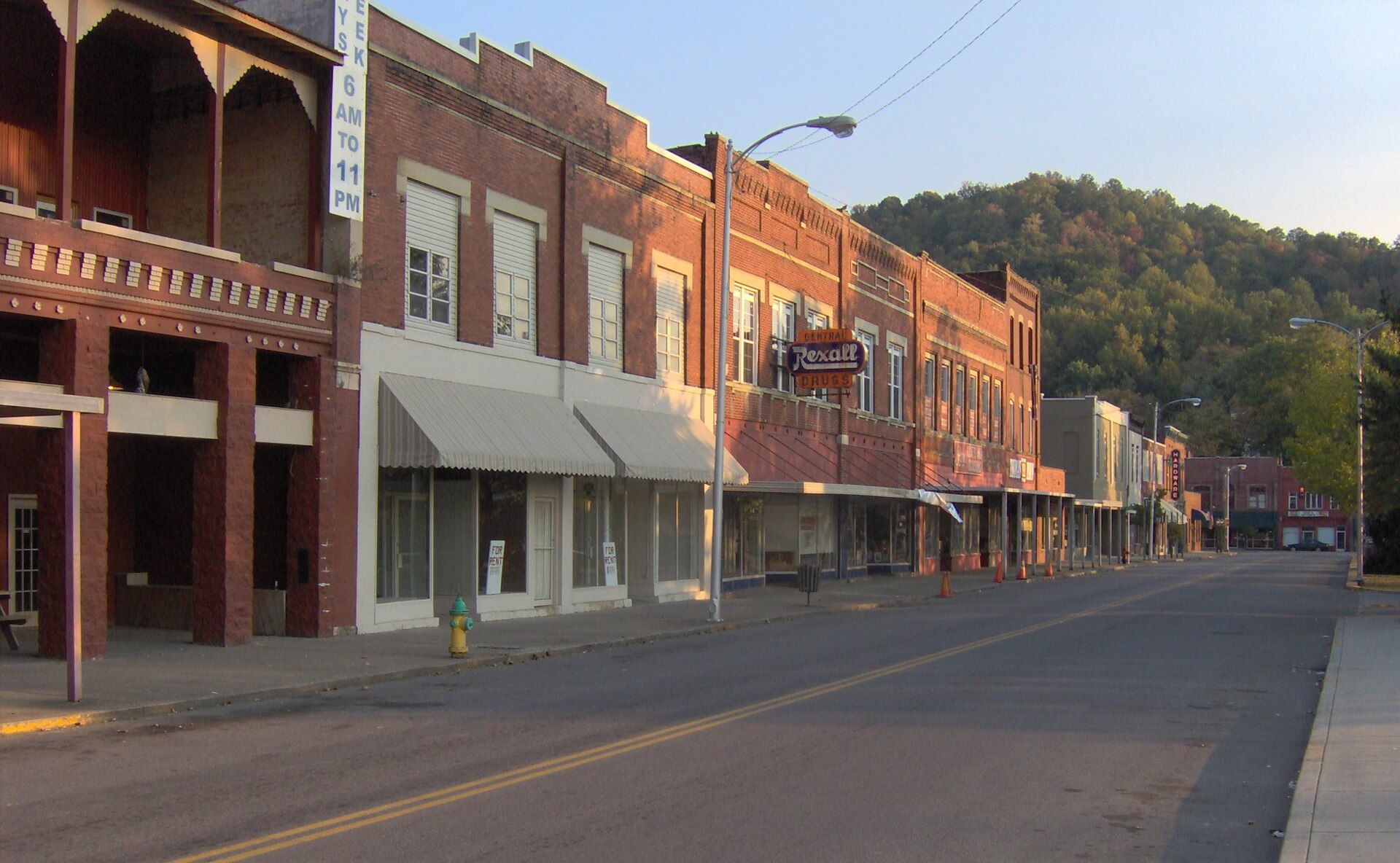
Throughout the 1890s and early 1900s, Jellico was one of the most productive coal fields in Kentucky and Tennessee. In 1906, a railroad car packed with dynamite exploded in Jellico, killing eight and destroying part of the town. The town quickly recovered, however, and many of the buildings in the Main Street area date from this period.
On July 6, 1944, at High Cliff (3 miles east of Jellico), a troop train carrying new recruits on the Louisville and Nashville Railroad derailed, causing the locomotive and four leading cars to fall 50 feet into Clear Fork; 35 people were killed and 100 more injured.
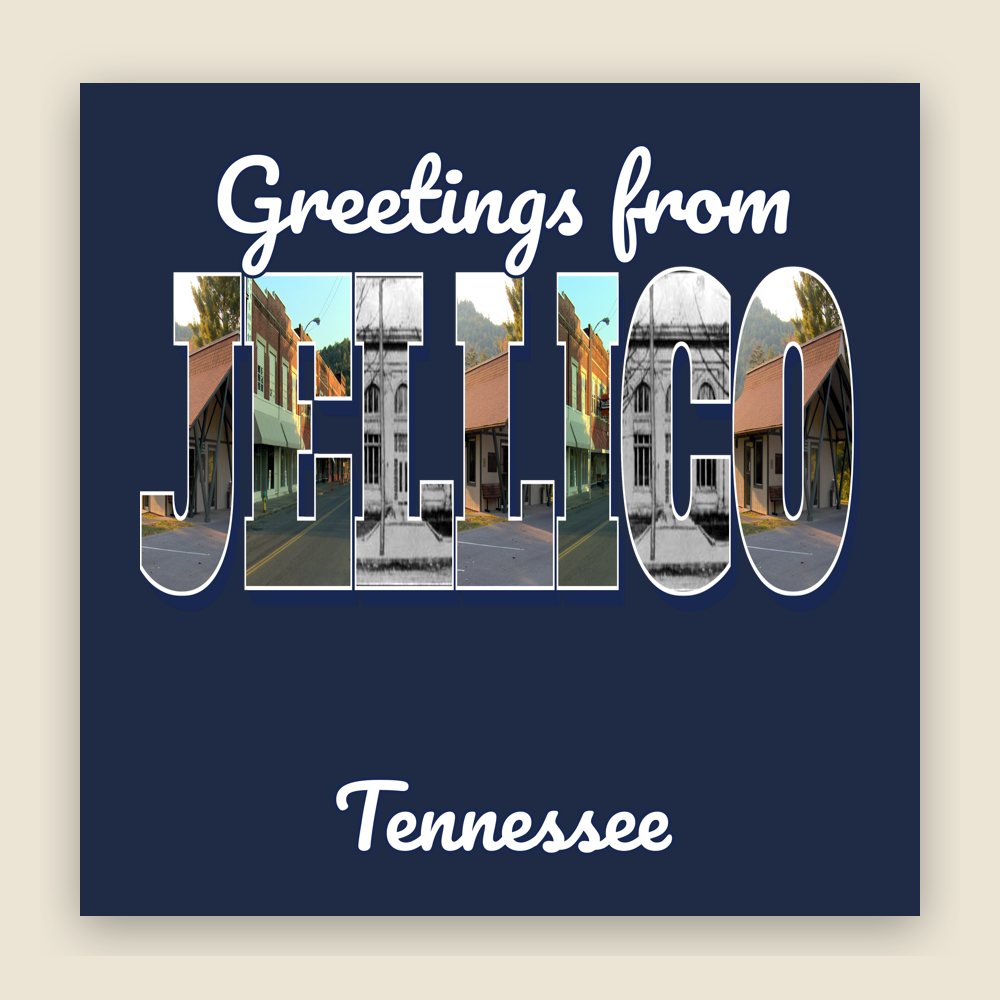
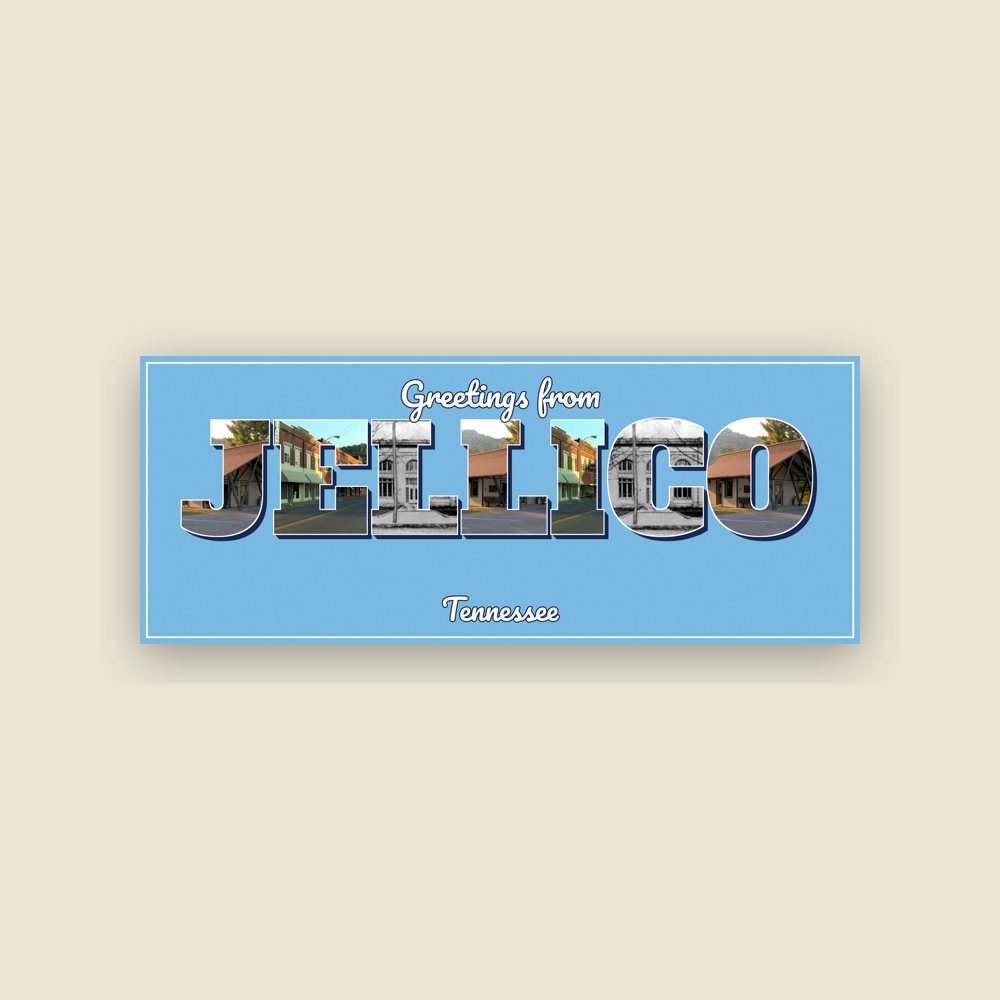
In 1971, Indian Mountain State Park was created at the site of a reclaimed strip mine in western Jellico. In 1999, much of North and South Main Street was placed on the National Register of Historic Places as the Jellico Commercial Historic District.
Adapted (trimmed) from the Wikipedia article Jellico, Tennessee, revision 1384104290 by its contributors, licensed CC BY-SA 4.0.
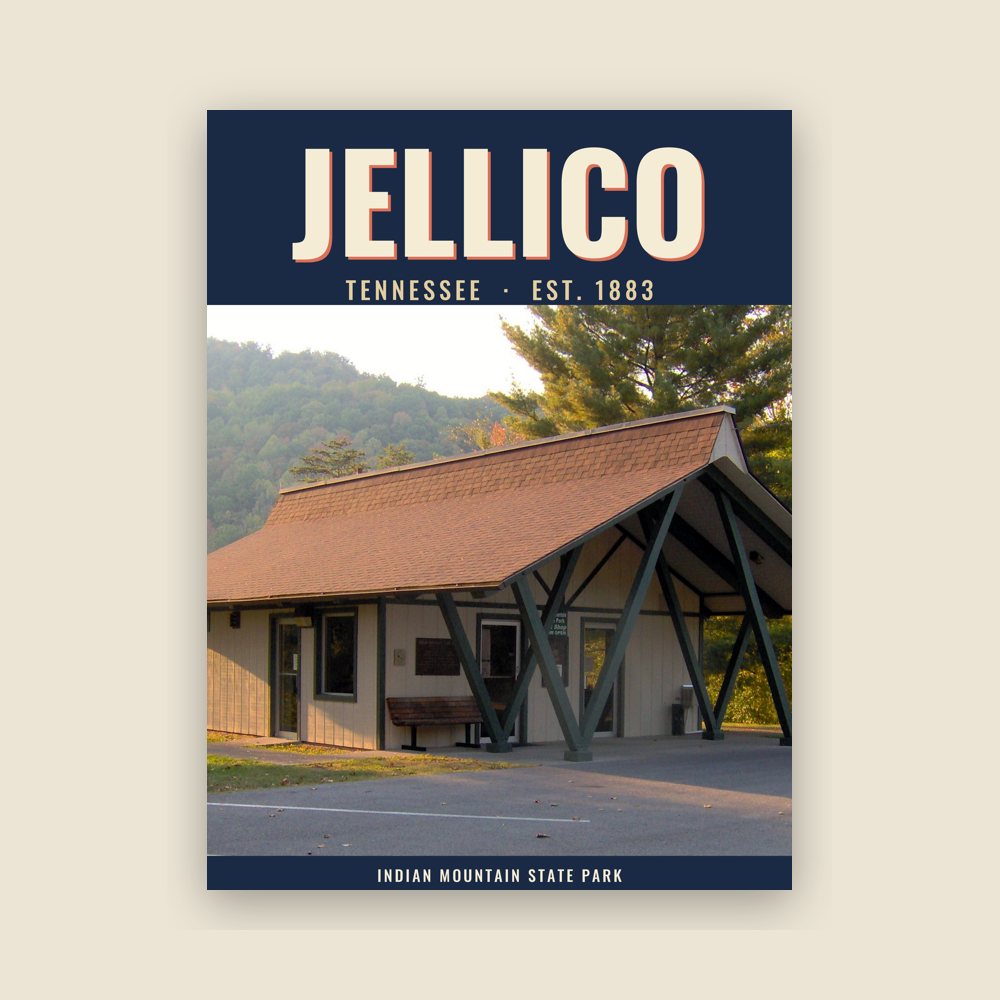
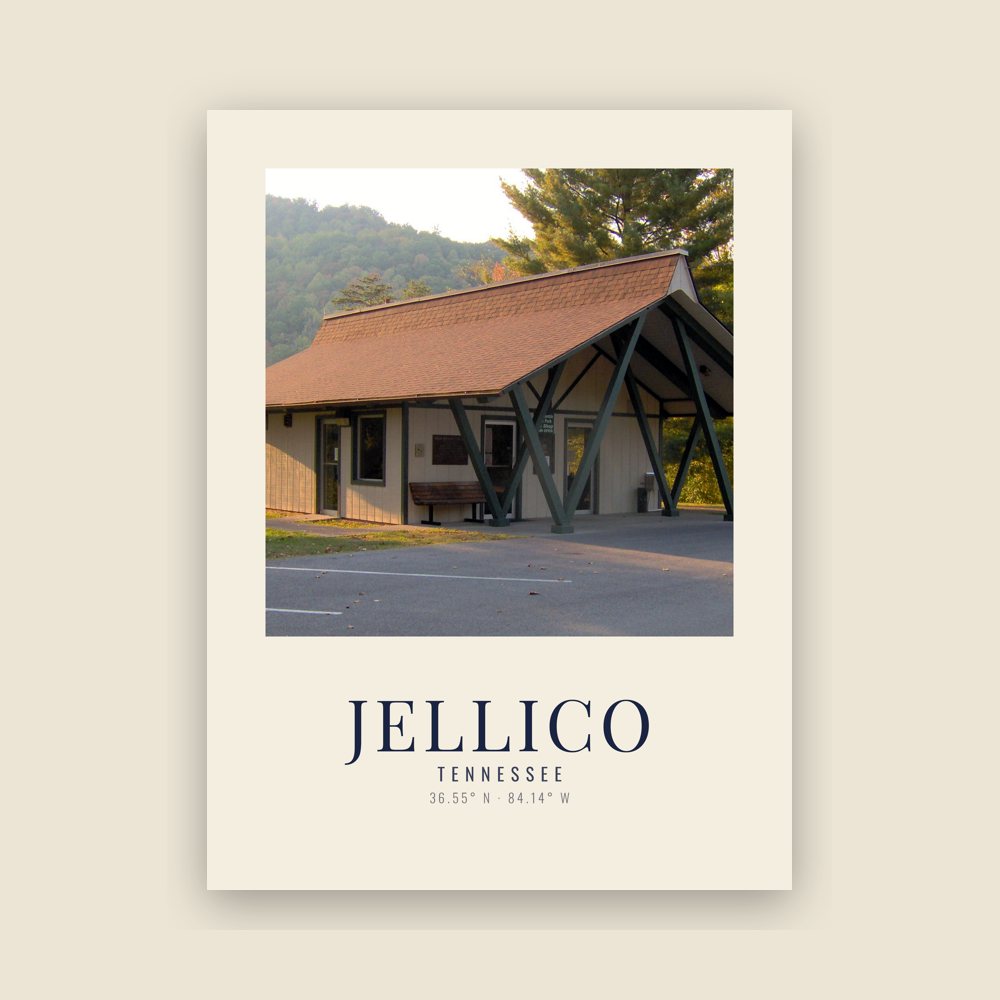
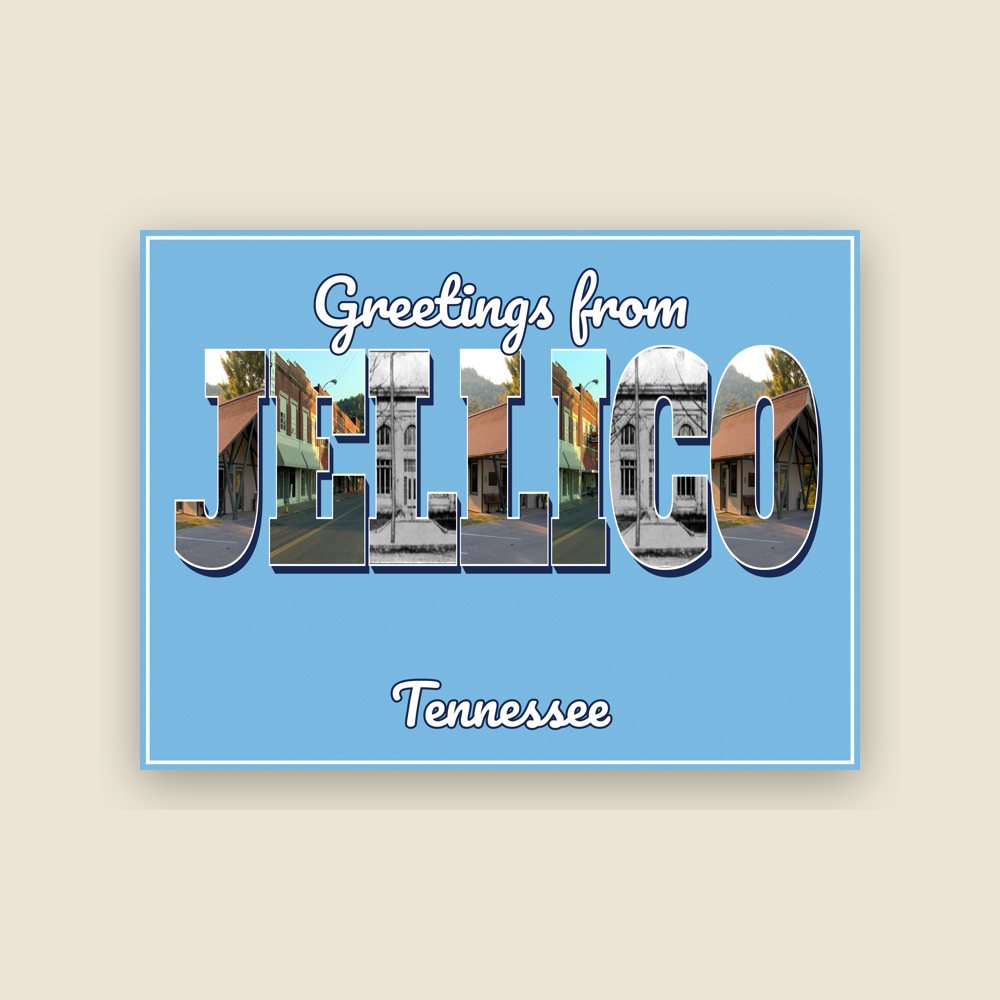
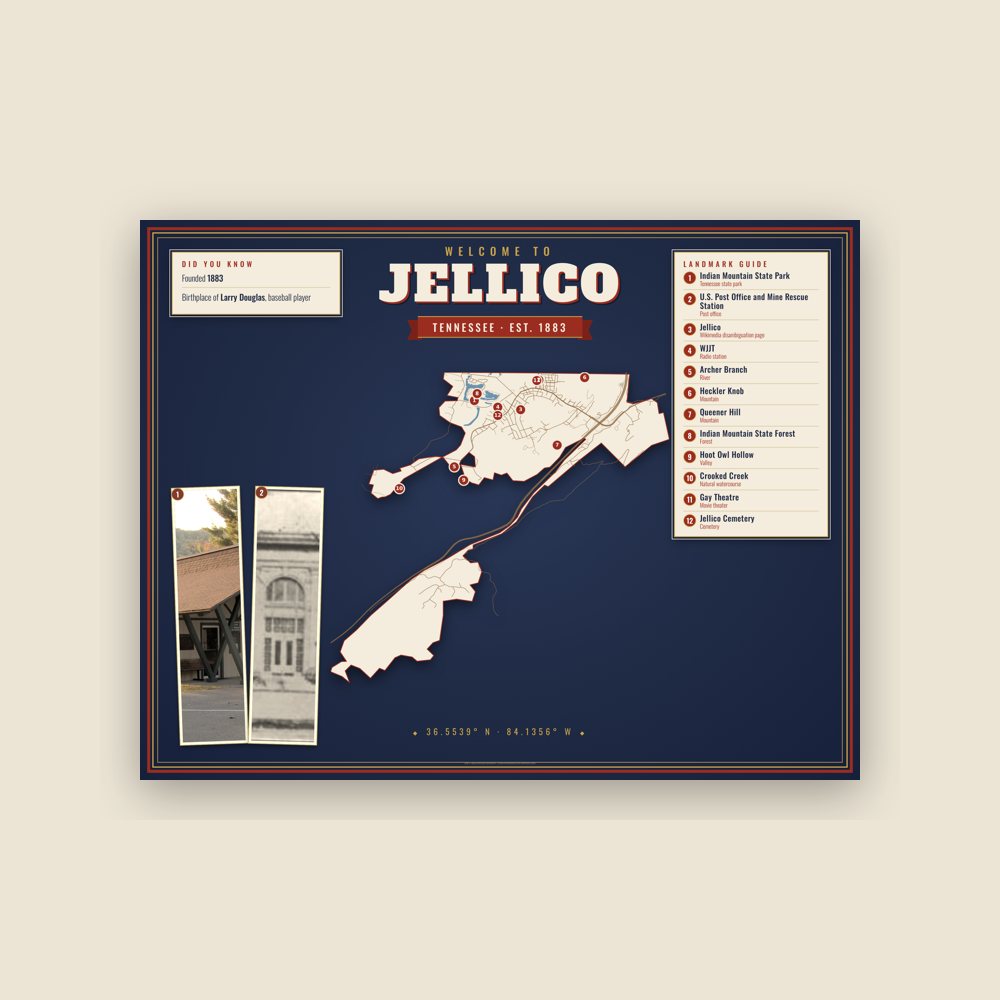
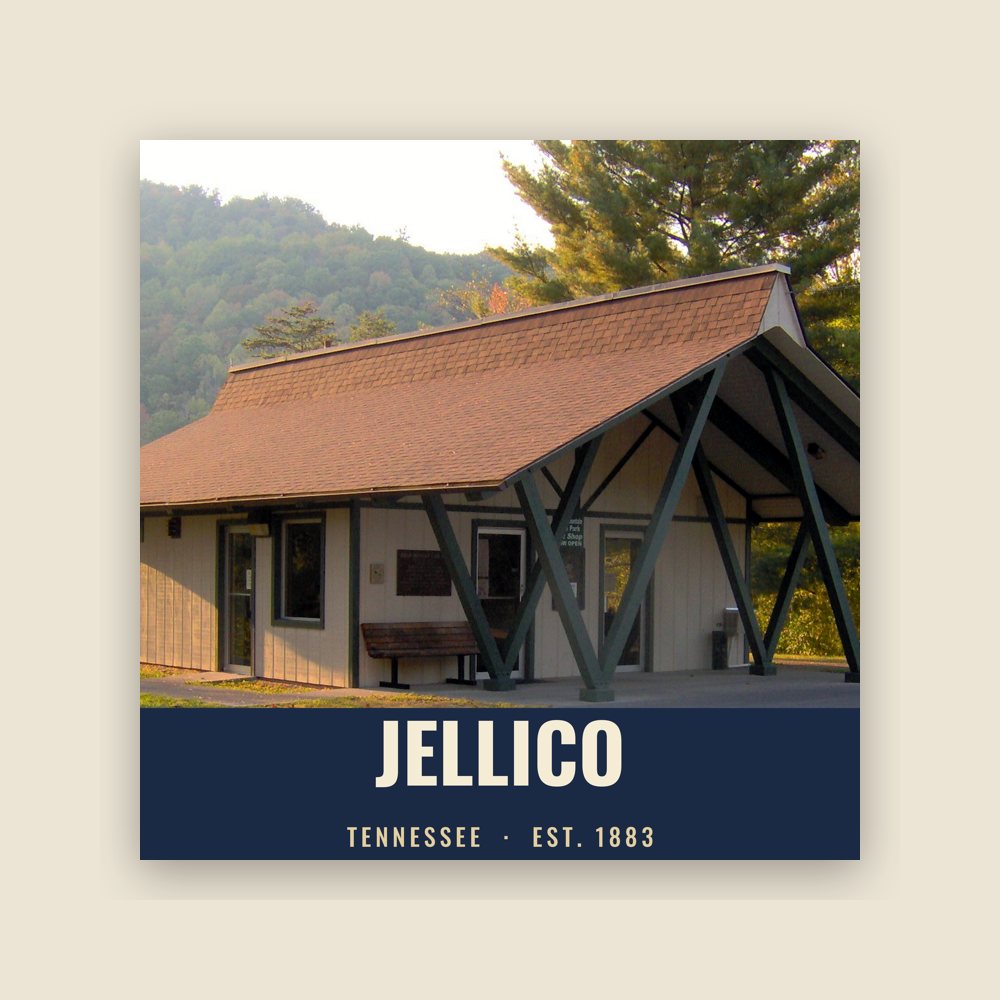
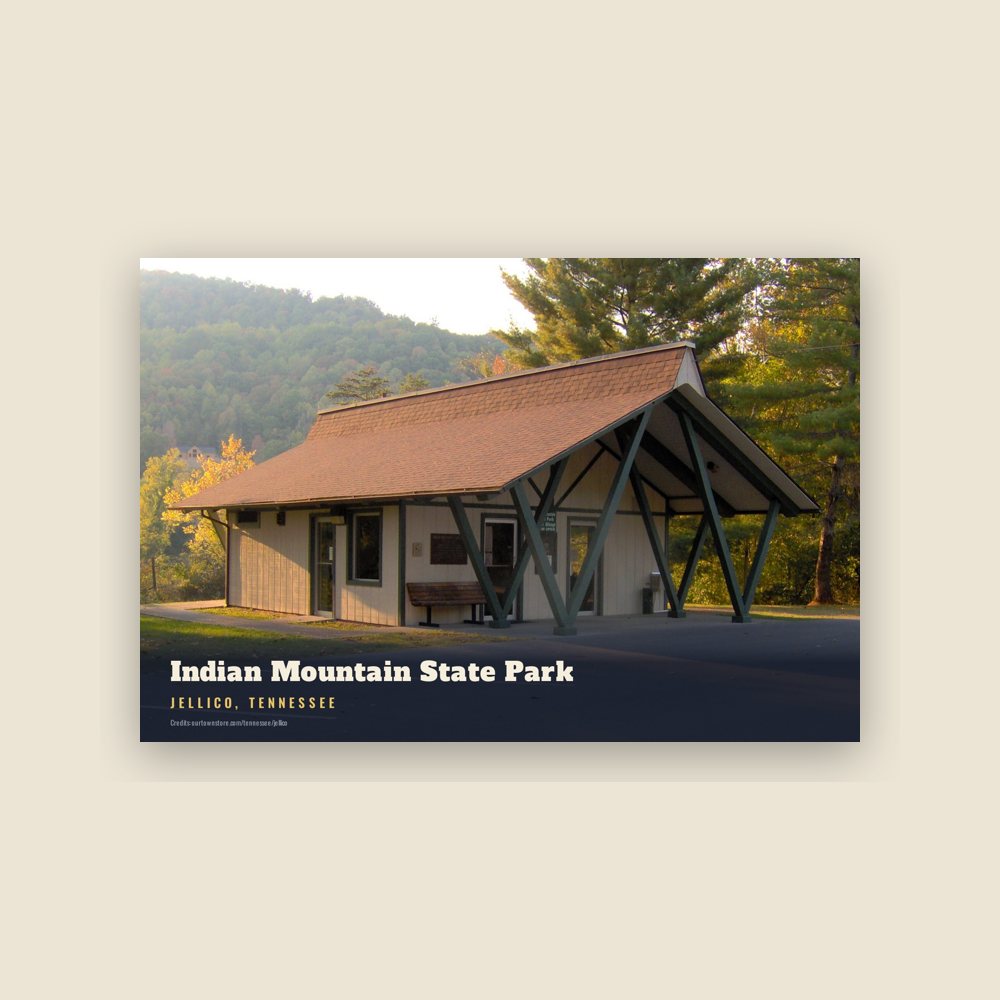
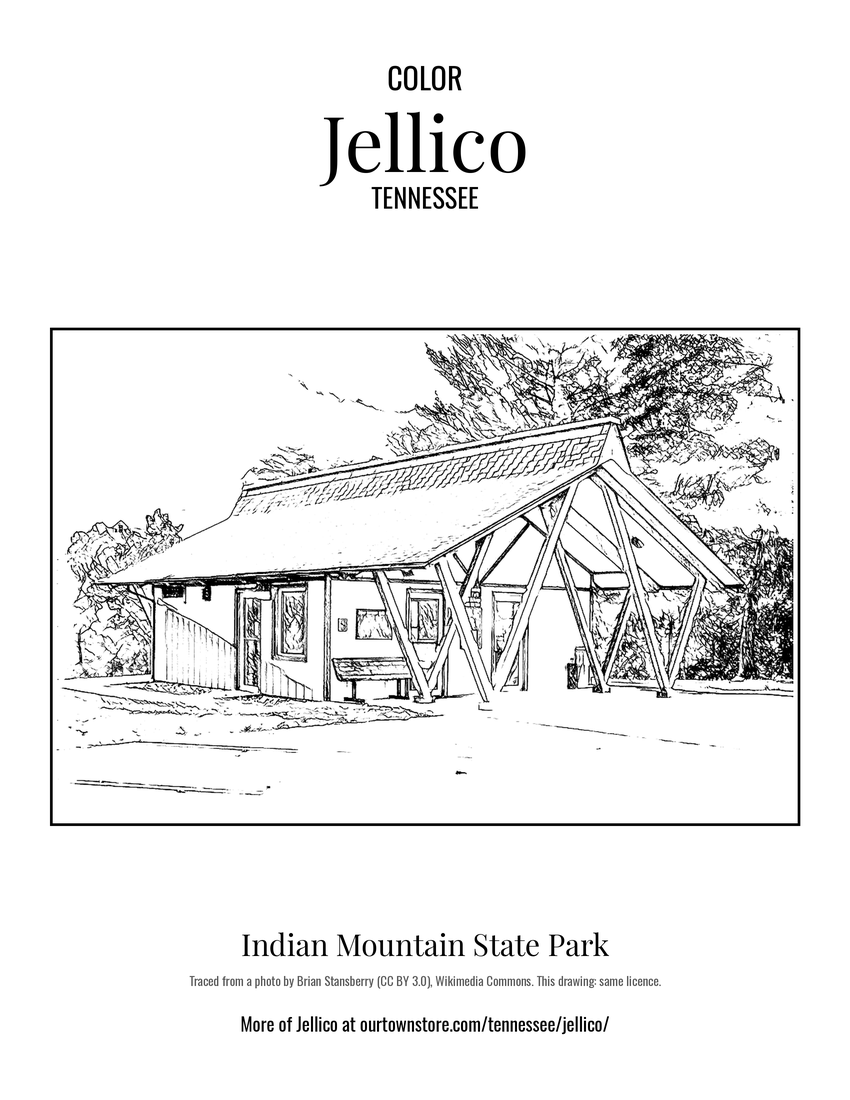 Indian Mountain State Park
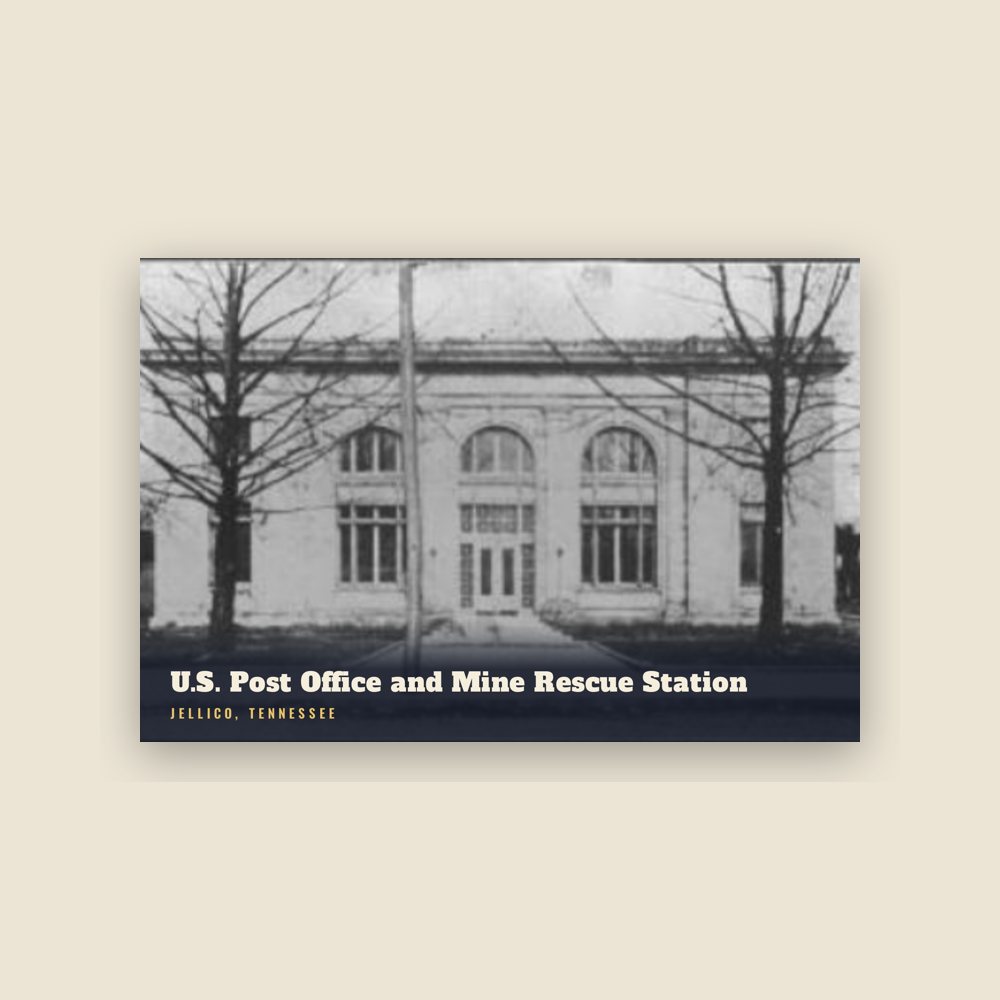
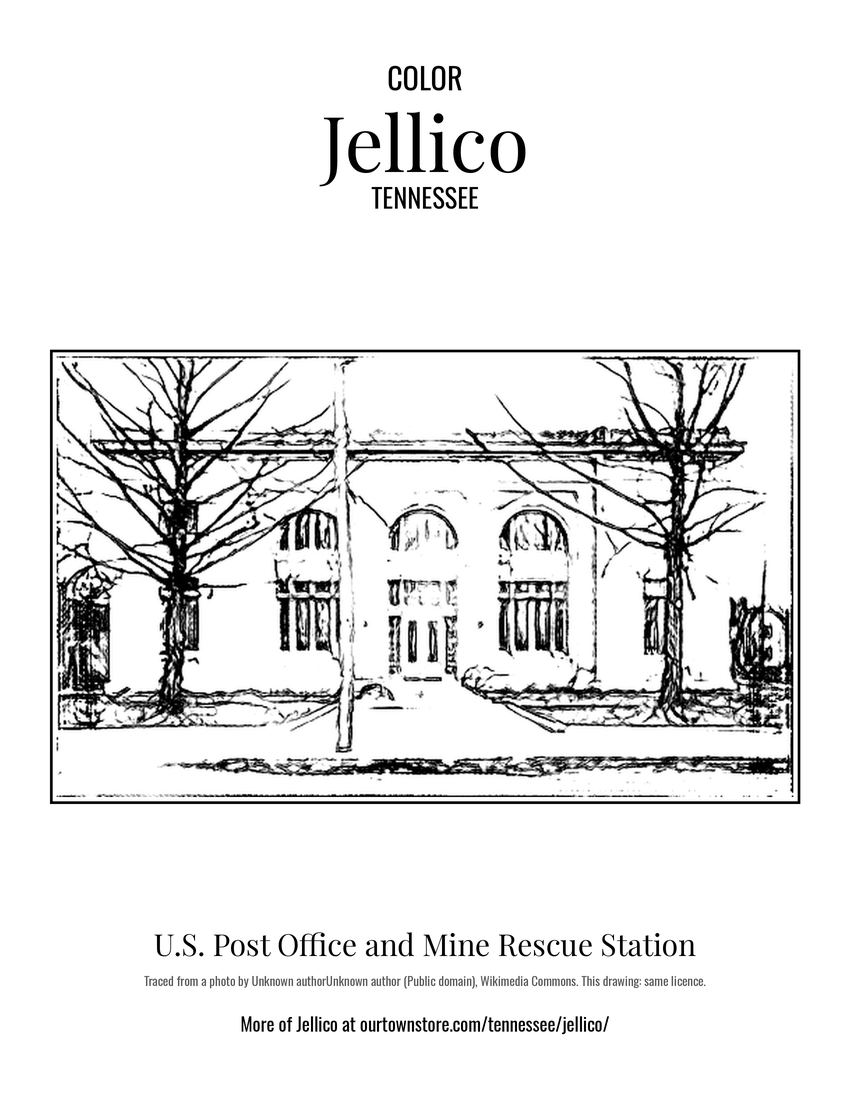 U.S. Post Office and Mine Rescue Station
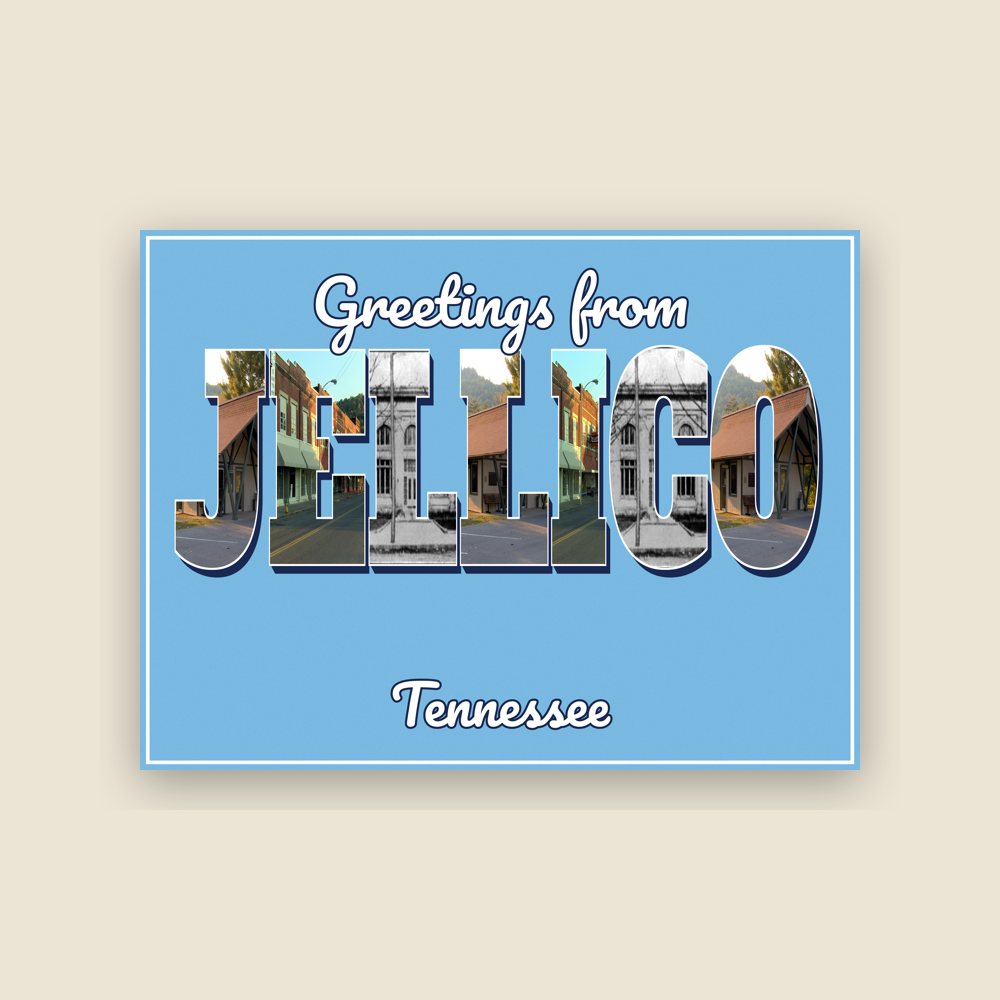
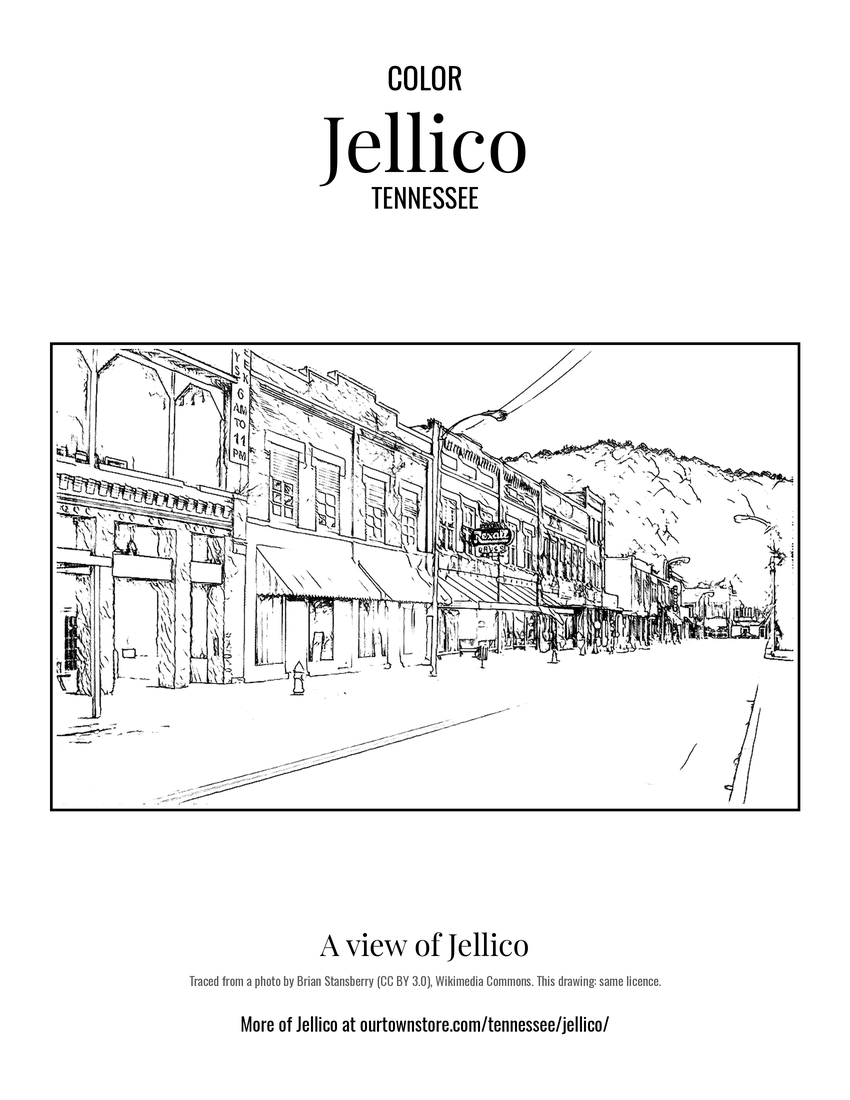 A view of Jellico