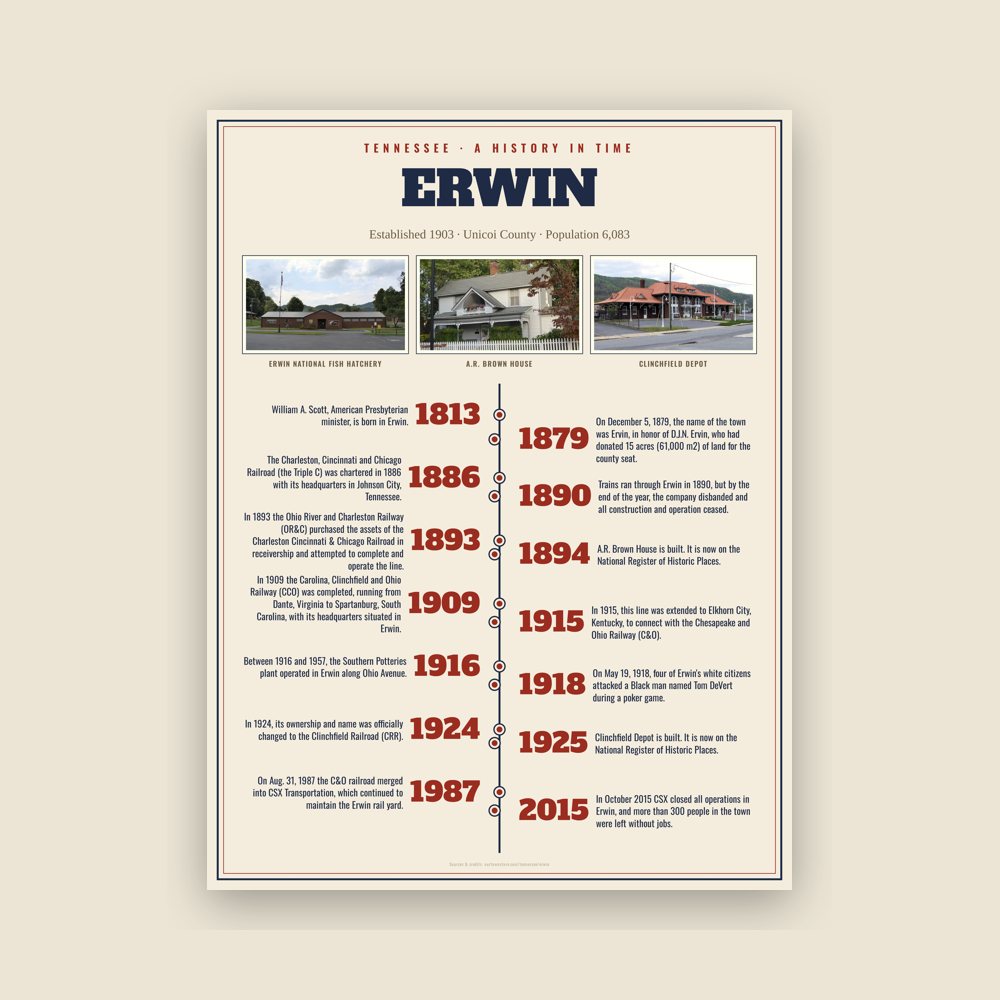
The town of Erwin received its name by a mail mishap. On December 5, 1879, the name of the town was Ervin, in honor of D.J.N. Ervin, who had donated 15 acres (61,000 m2) of land for the county seat. A typo made by post office officials caused the name to be recorded as Erwin. The mistake was never corrected.
Read the full history
Railroads
The Charleston, Cincinnati and Chicago Railroad (the Triple C) was chartered in 1886 with its headquarters in Johnson City, Tennessee. Trains ran through Erwin in 1890, but by the end of the year, the company disbanded and all construction and operation ceased.
In 1893 the Ohio River and Charleston Railway (OR&C) purchased the assets of the Charleston Cincinnati & Chicago Railroad in receivership and attempted to complete and operate the line. It too failed and was placed in receivership.
In 1909 the Carolina, Clinchfield and Ohio Railway (CCO) was completed, running from Dante, Virginia to Spartanburg, South Carolina, with its headquarters situated in Erwin. In 1915, this line was extended to Elkhorn City, Kentucky, to connect with the Chesapeake and Ohio Railway (C&O). In 1924, its ownership and name was officially changed to the Clinchfield Railroad (CRR).
On Aug. 31, 1987 the C&O railroad merged into CSX Transportation, which continued to maintain the Erwin rail yard. After acquiring 42% of Conrail in 1999, CSX became one of four major railroad systems in the nation, and Erwin continued to host the rail yard, diesel shop, and car repair facility until 2015.
Southern Potteries plant
Between 1916 and 1957, the Southern Potteries plant operated in Erwin along Ohio Avenue. The plant produced a hand-painted dishware known as Blue Ridge that became popular nationwide in the late 1930s and 1940s. Blue Ridge pieces are still popular items with collectors of antique dishware.
Rail yard closure
In October 2015 CSX closed all operations in Erwin, and more than 300 people in the town were left without jobs. Town leaders attempted to fill the void by emphasizing a new identity for Erwin as an Appalachian tourist destination. This was the year that the Elephant Art Auction festivities began.
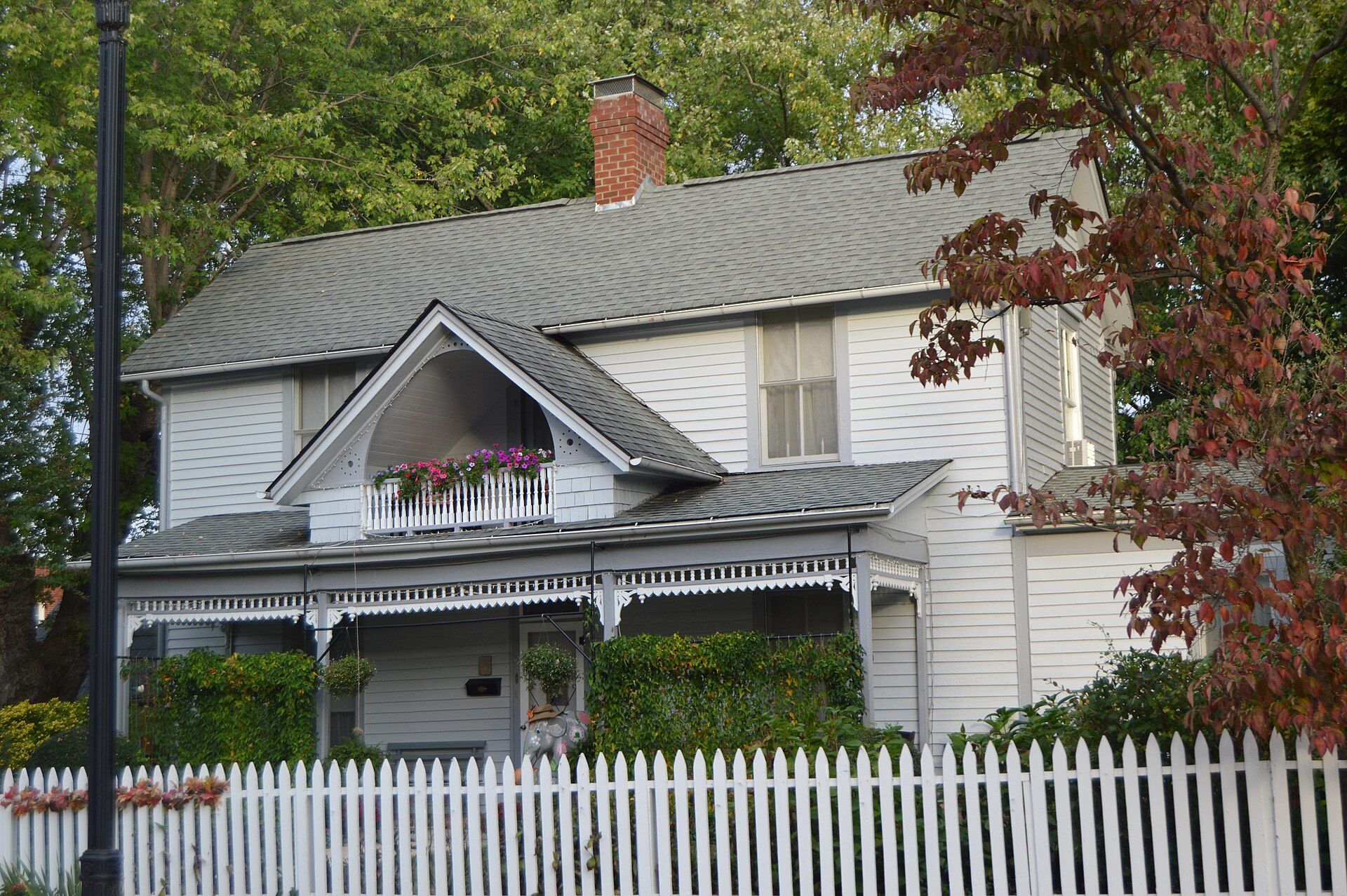
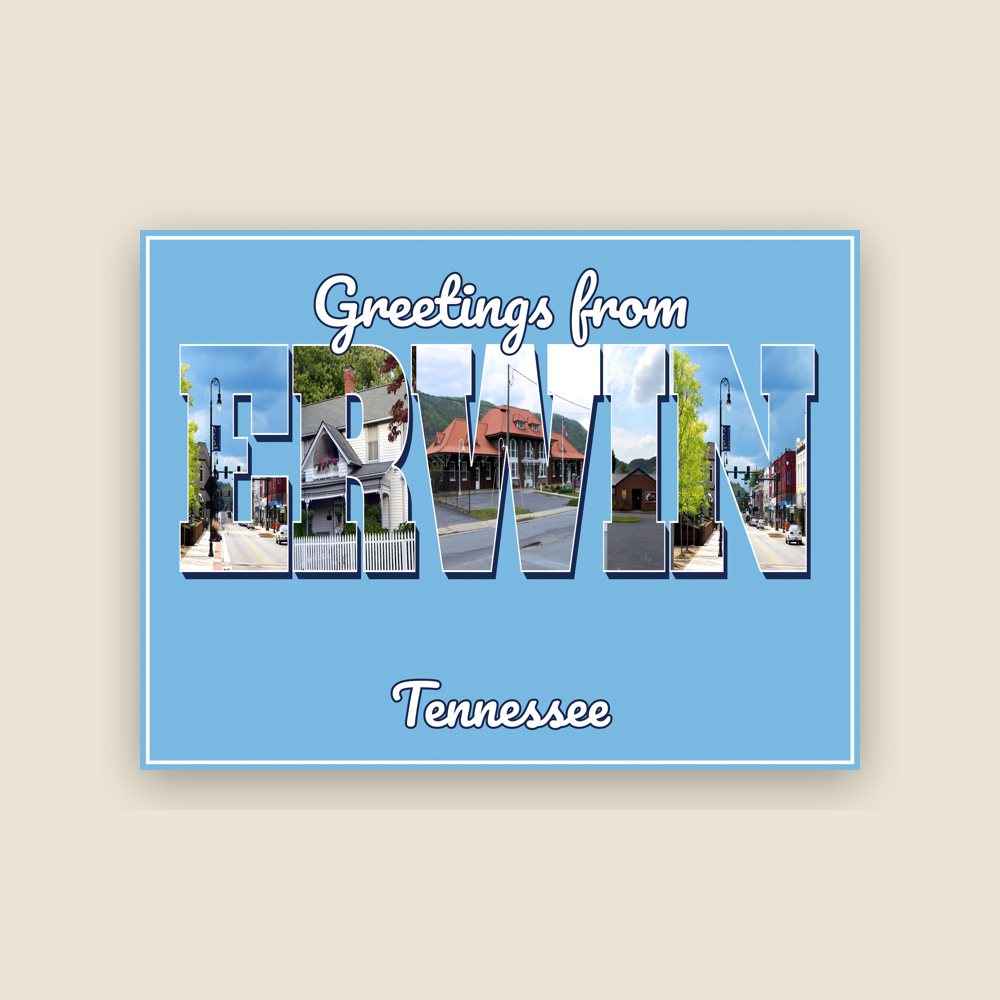
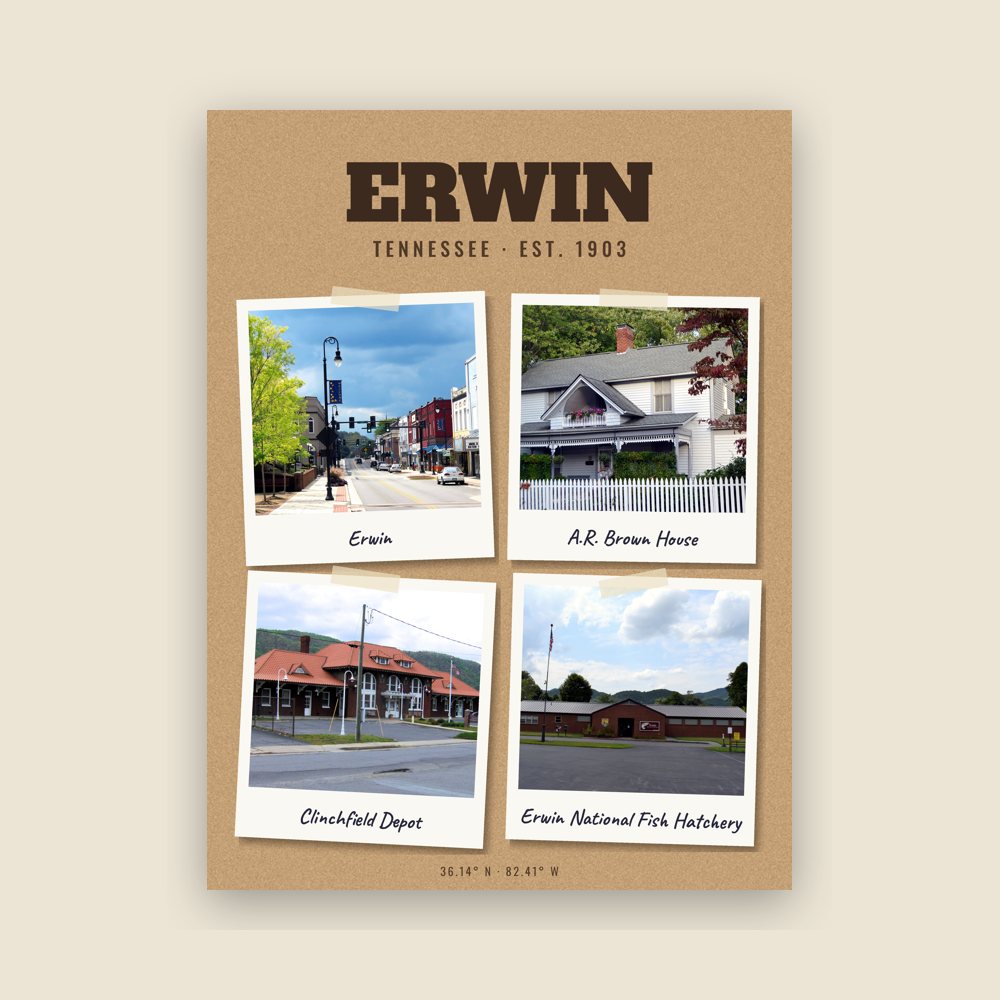
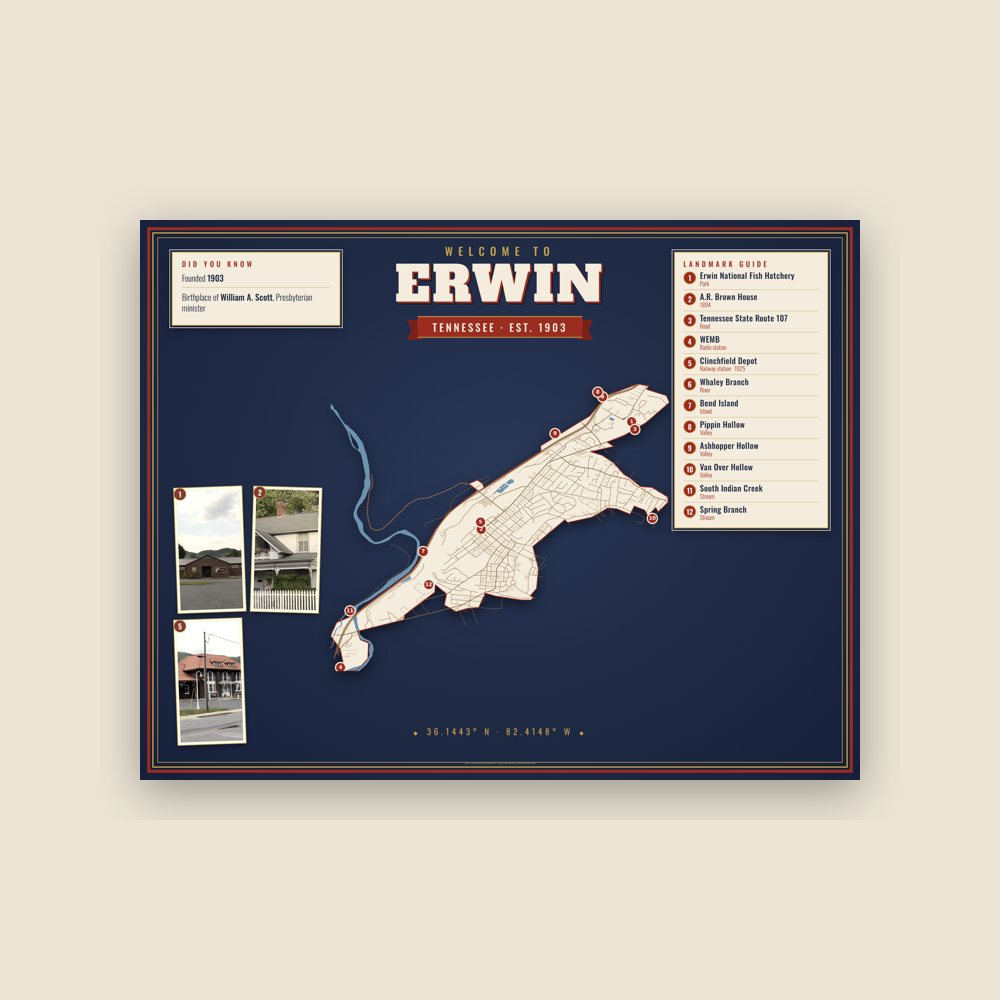
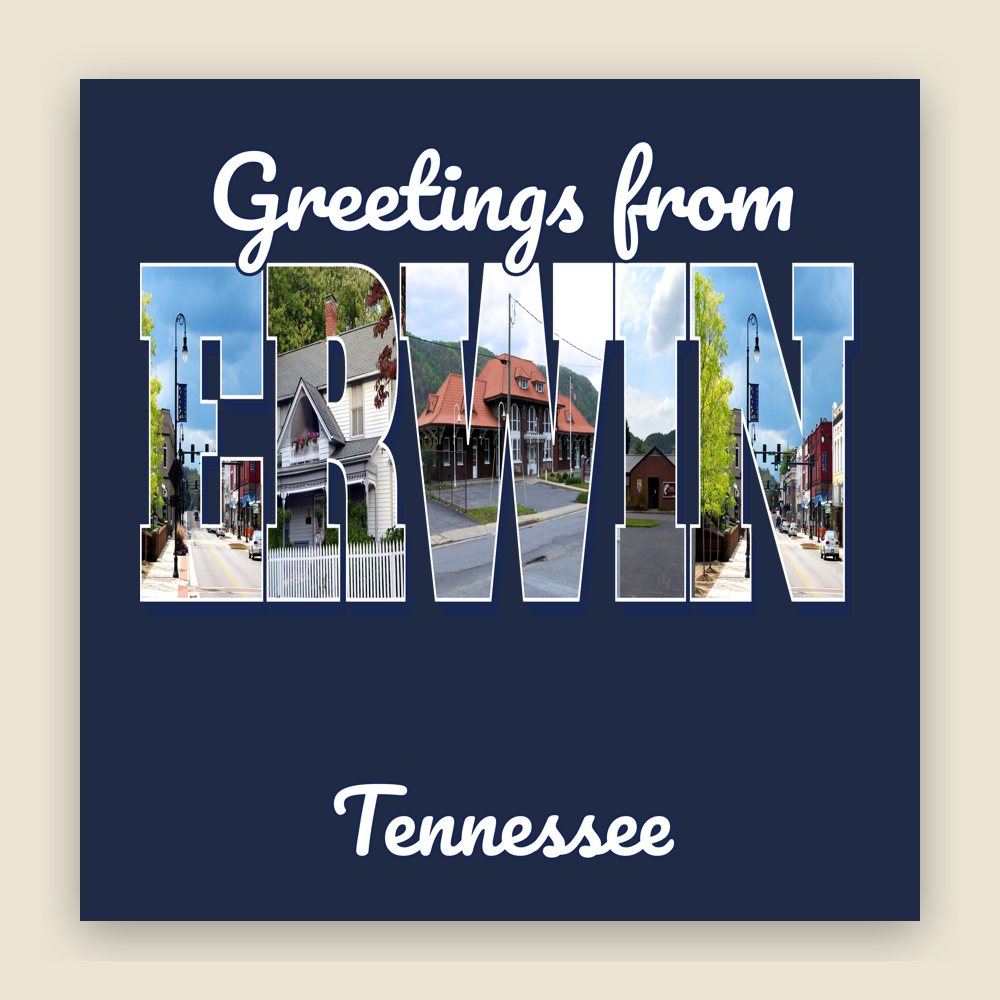
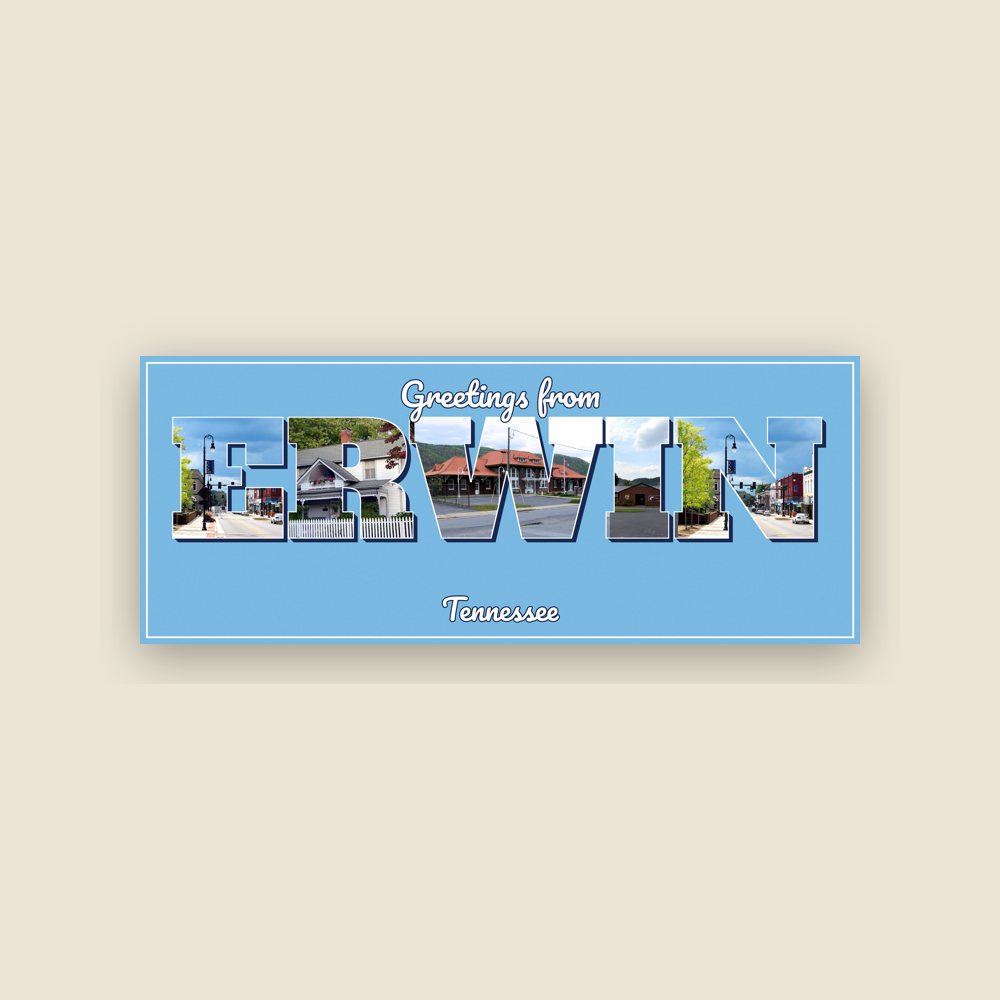
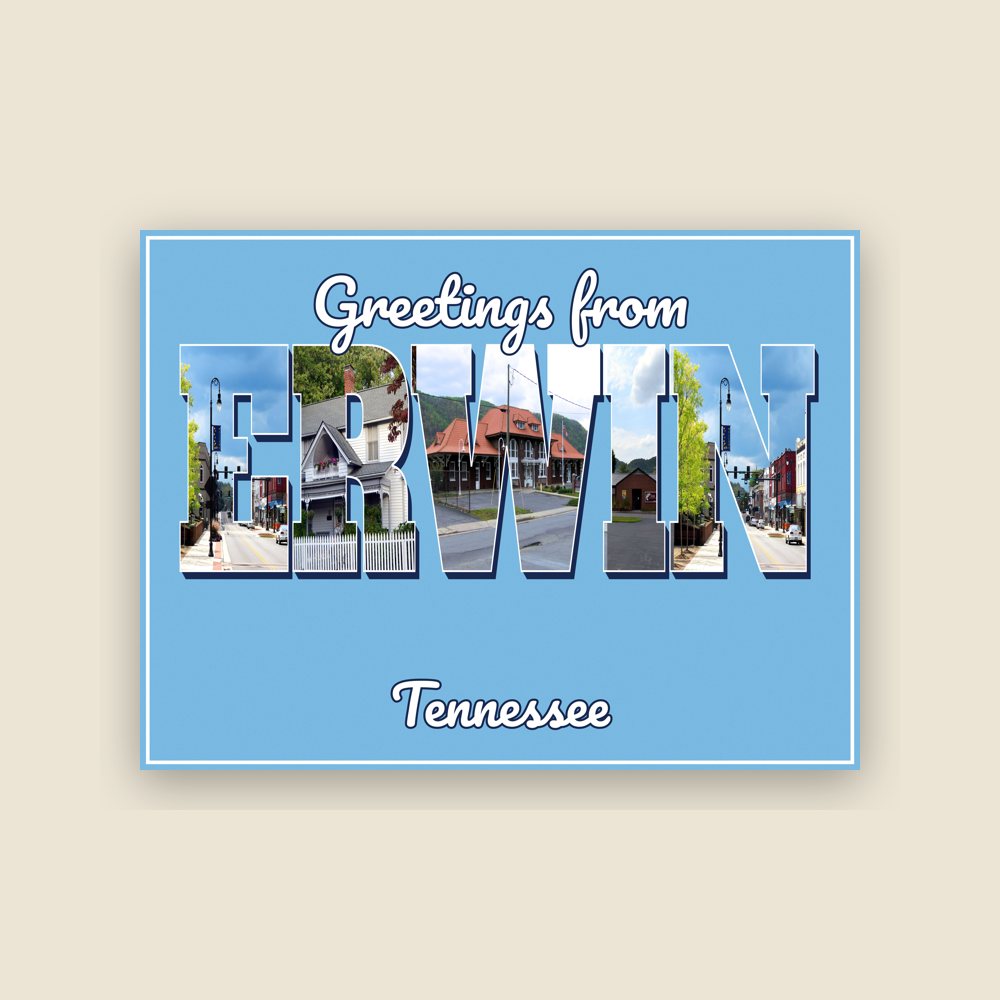
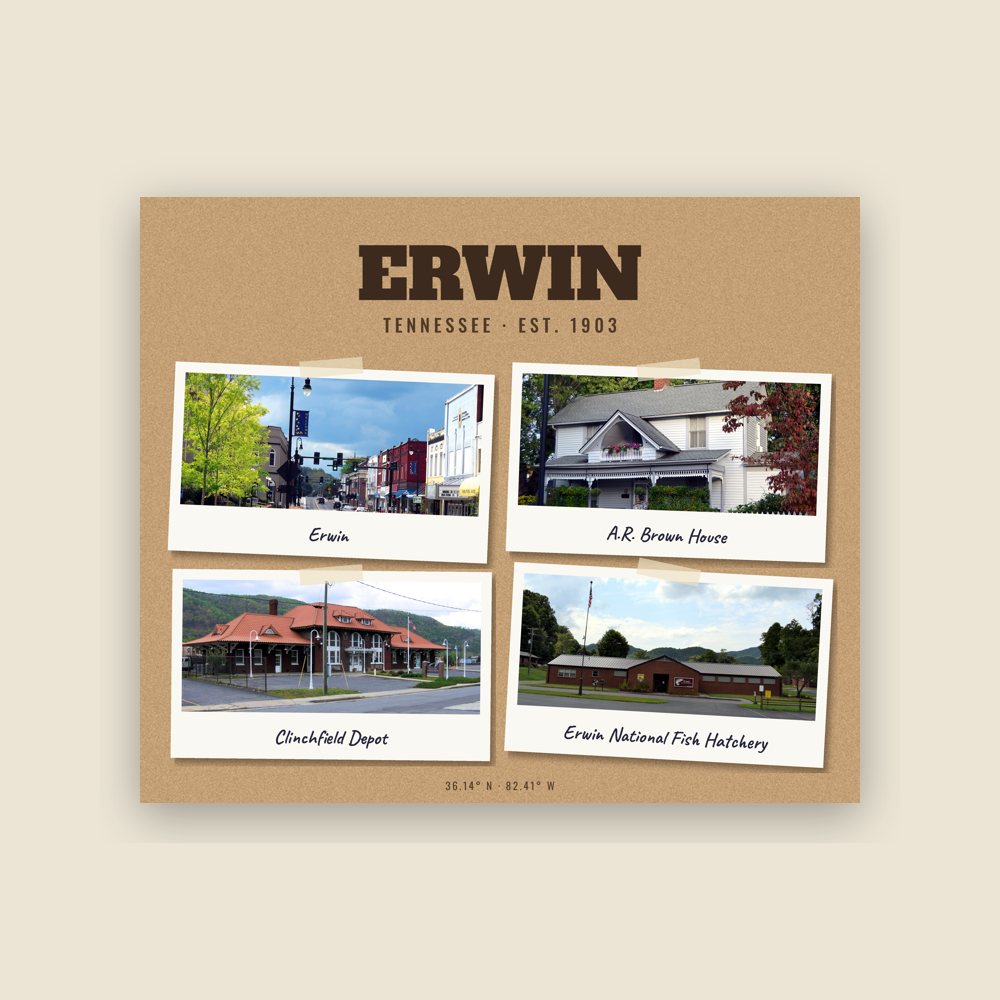
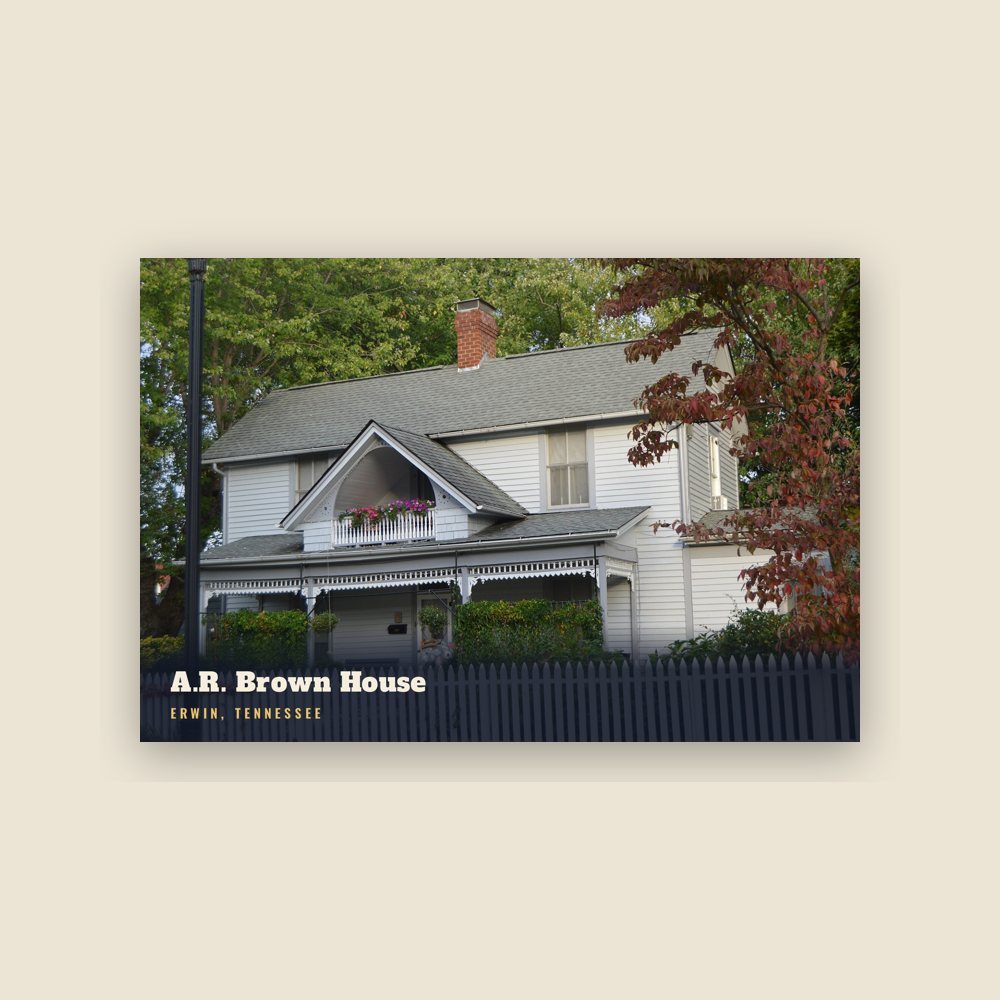
 A.R. Brown House
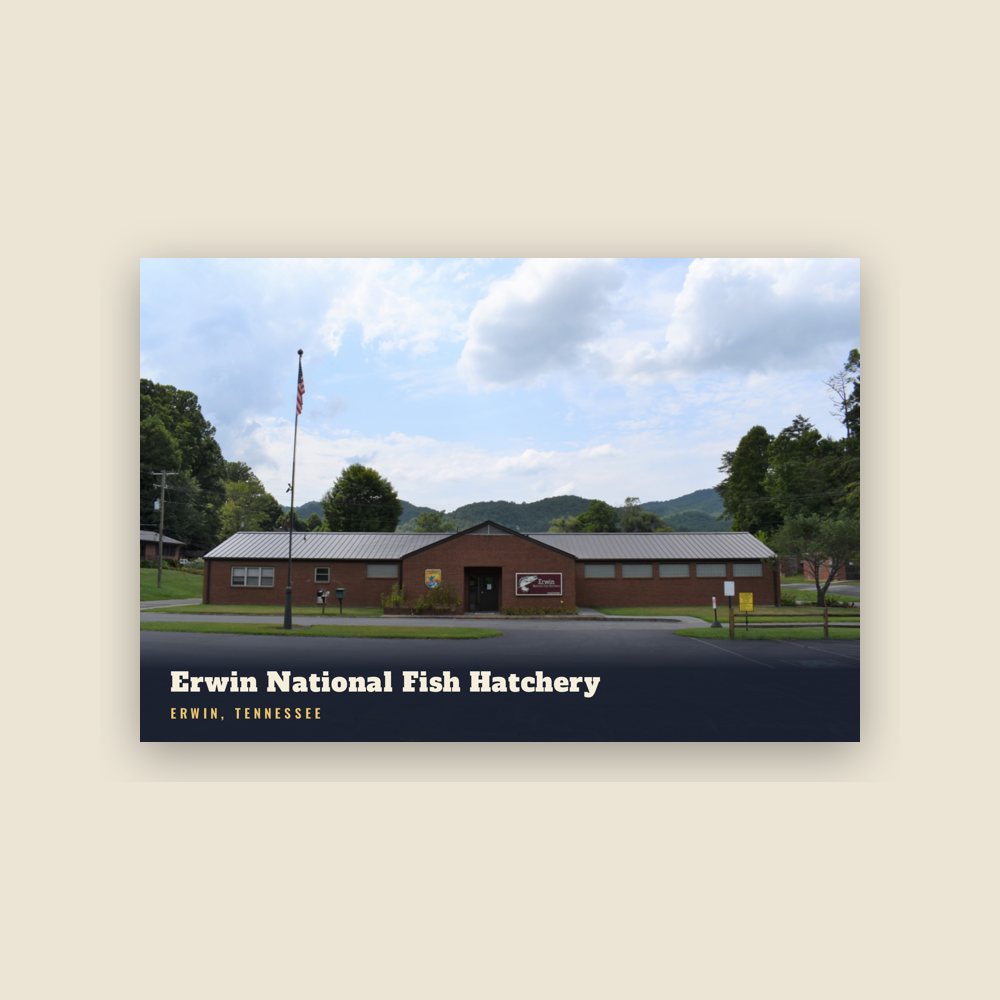
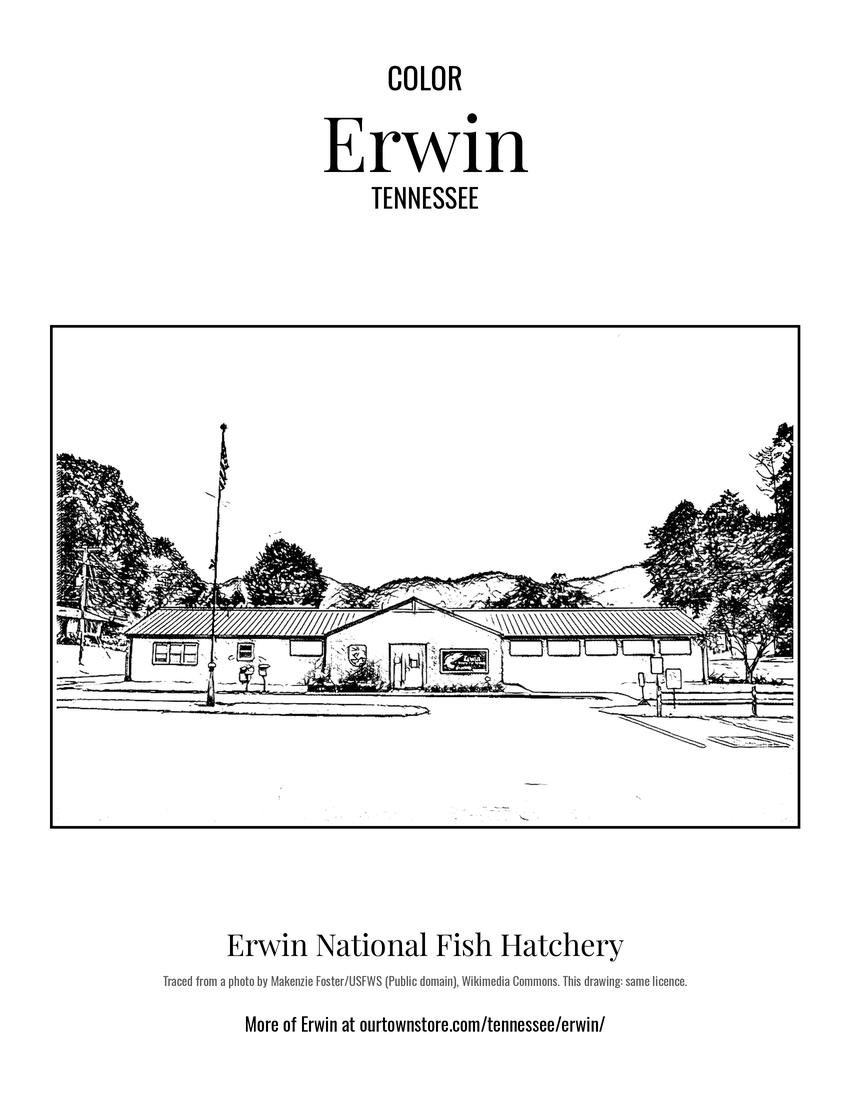 Erwin National Fish Hatchery
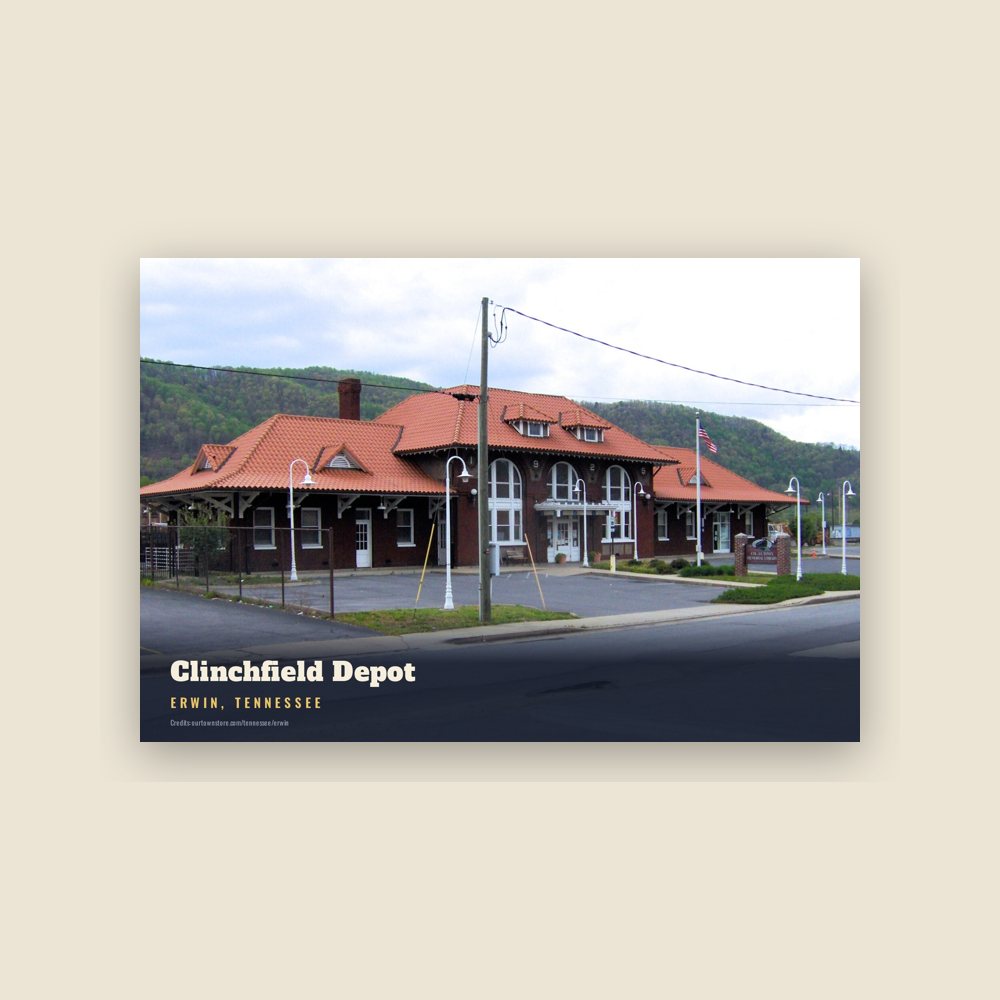
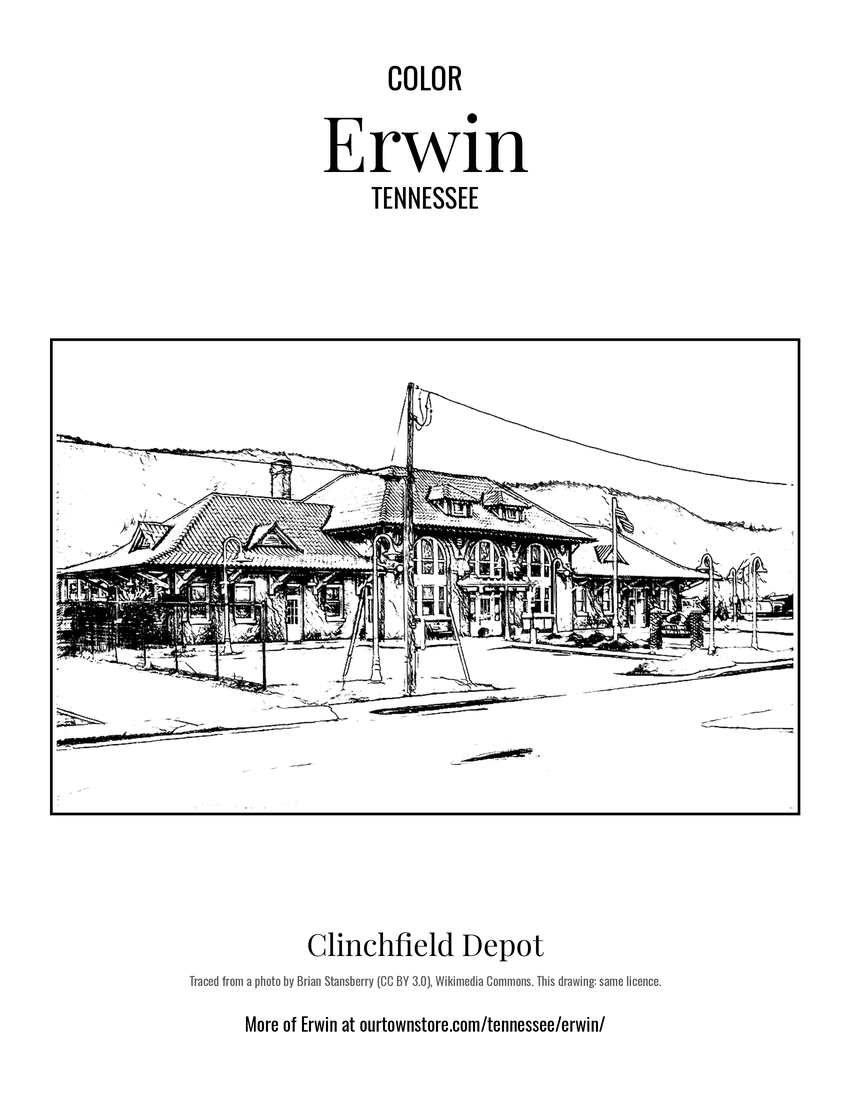 Clinchfield Depot
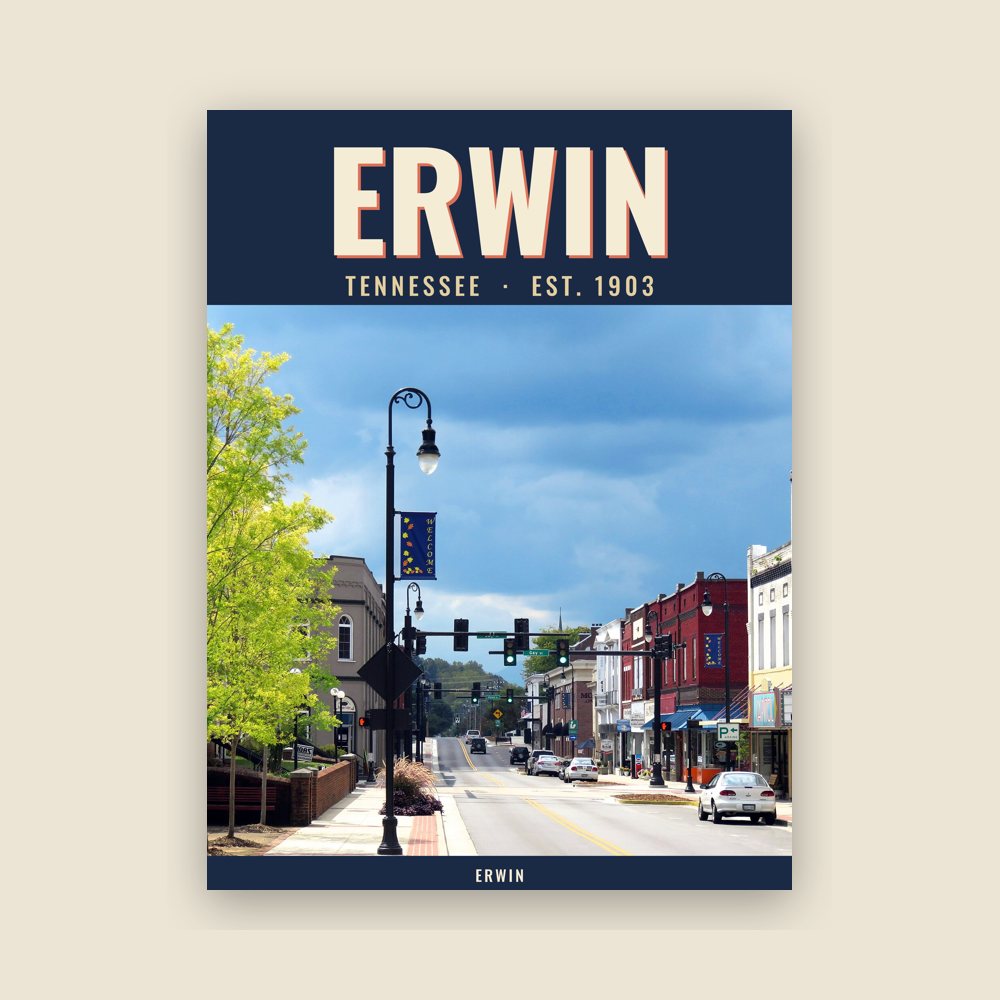
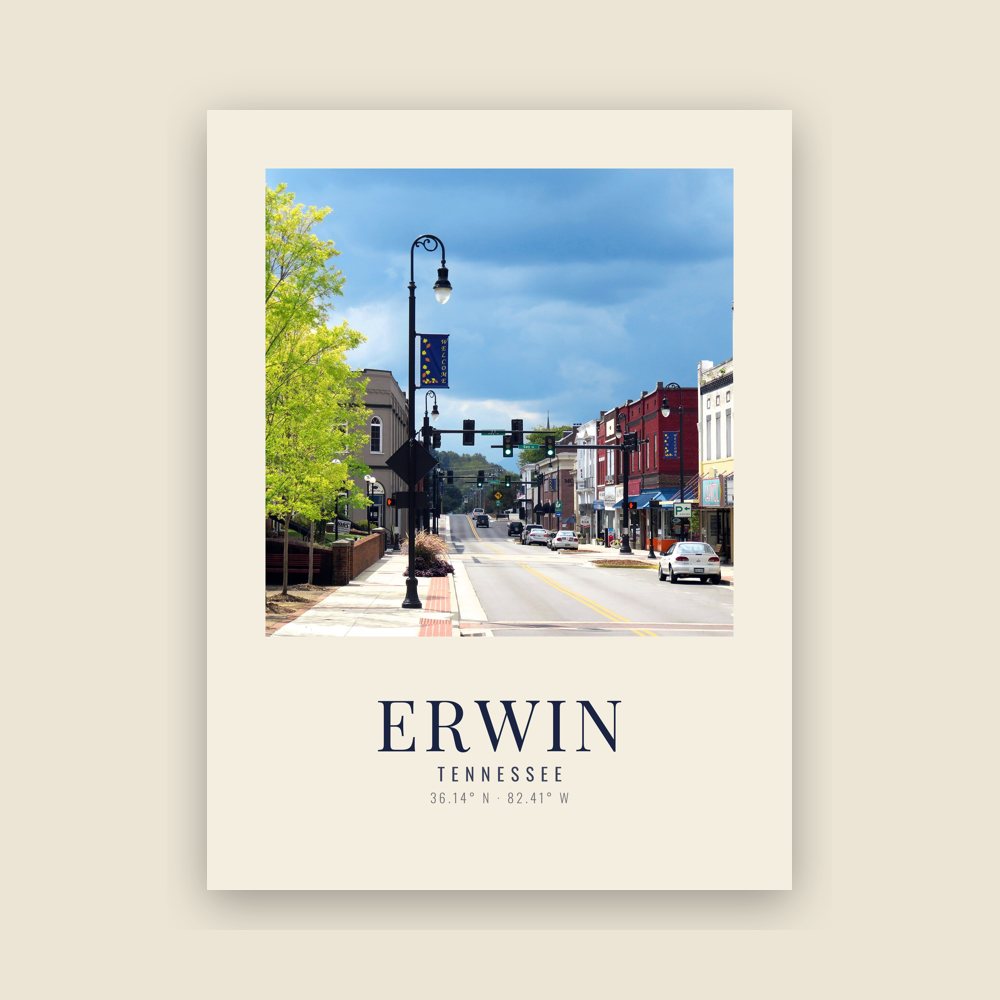
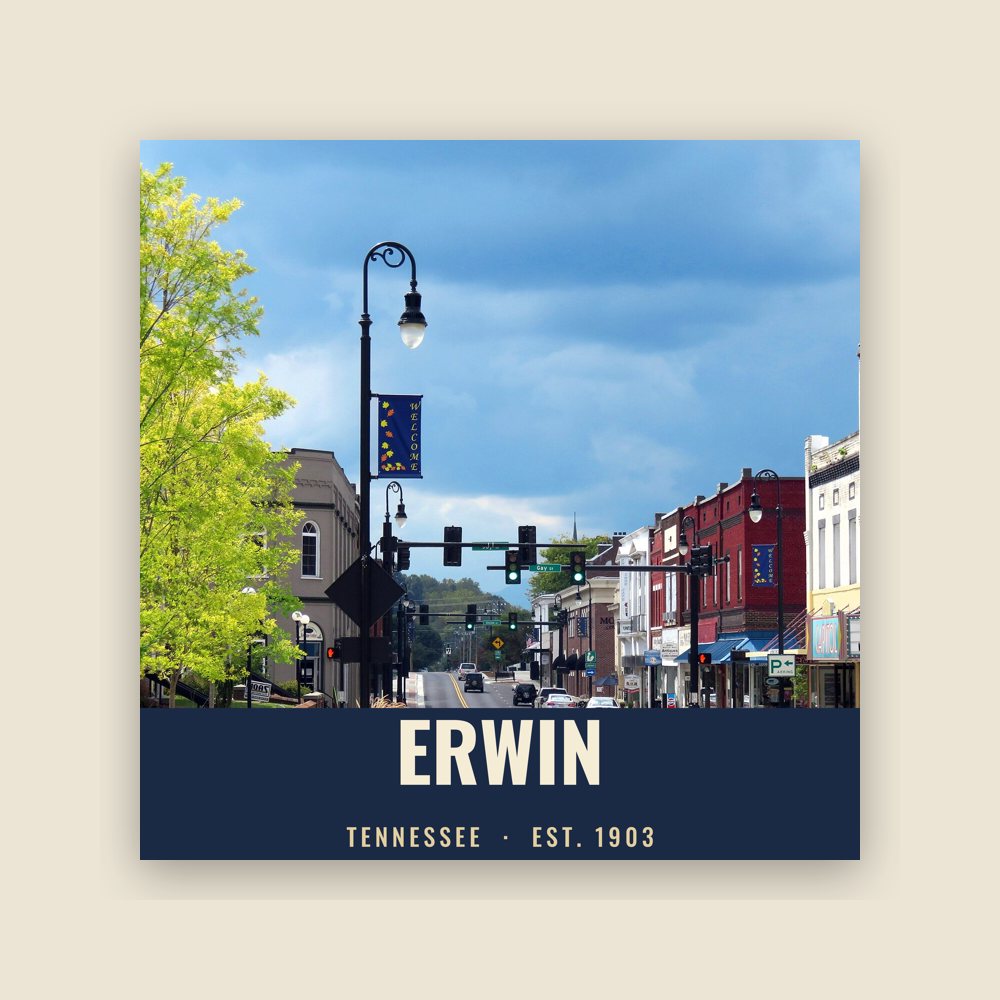
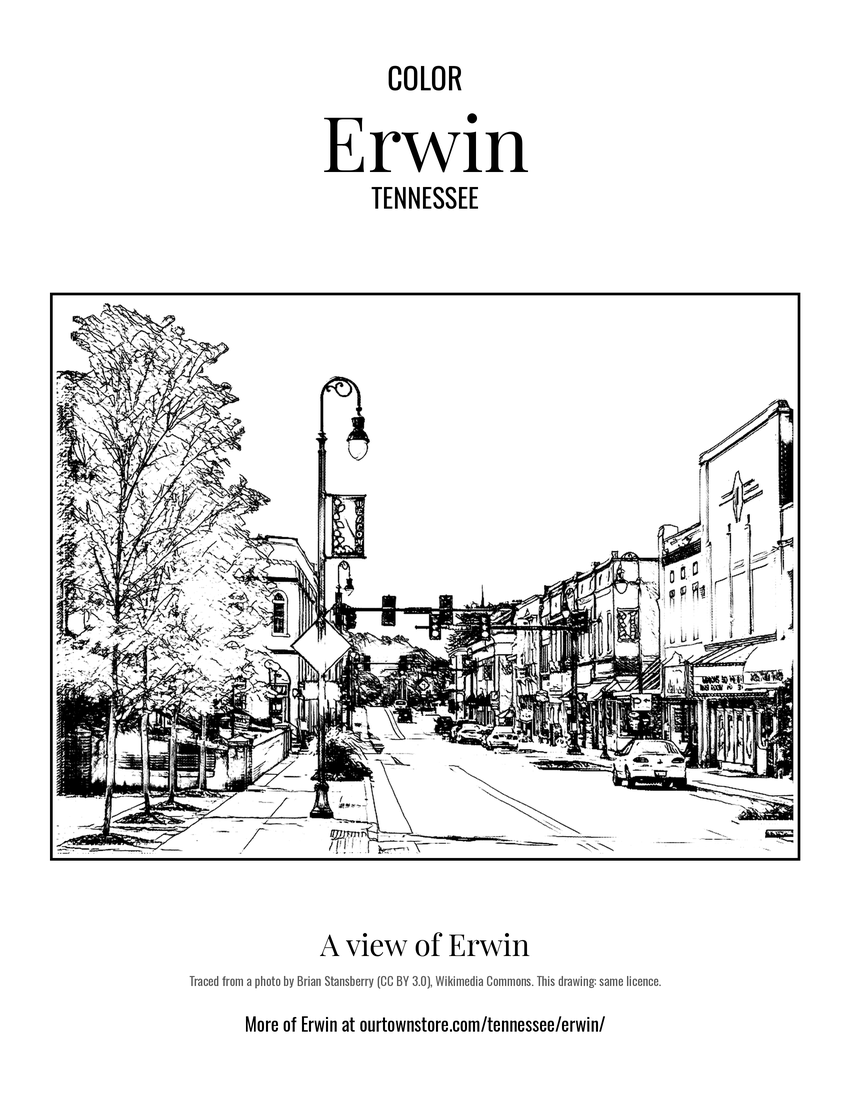 A view of Erwin