A short history of Belle Meade
The Civil War— In the Civil War, when the Union Army took control of Nashville, the mansion was pillaged and looted by soldiers who spent weeks quartered there; the owner was imprisoned. In the aftermath, the plantation recovered, but with greatly reduced capacity. Roughly half (72) enslaved persons returned as paid employees after emancipation and lived in their own homes nearby. After a financial downturn in 1893 and later the death of the owner and his heir, the estate was dismantled and sold in parcels in 1906. The property was divided into tracts that eventually would include the city of Belle Meade, Cheekwood Botanical Gardens, Percy Warner Park, Belle Meade Country Club, and various upscale residential areas.
Johnson Bransford— In 1906, the Johnson Bransford Realty Company, acquired roughly 70 acres (28 ha) of land from the Belle Meade Land Company. Over the next nine years (1906–1915), Bransford methodically assembled contiguous parcels of two areas, Belle Meade Links and Deer Park, for a new residential subdivision. Bransford did not want a traditional grid with rectangular blocks when he set out in the 1910s to develop the sites. He engaged landscape architects and city planners of national reputation— people who were familiar with Frederick Law Olmsted's models. He hired O.C. Simonds, with James Roy West as co-planner and engineer, to create a "garden suburb". It was called the Belle Meade Golf Links— platted Nov. 17, 1915.
Luke Lea— In 1910 Luke Lea, a former U.S. Senator and publisher of The Tennessean, joined Telfair Hodgson Jr. (the treasurer of Sewanee: The University of the South) and David Shepherd in purchasing the Belle Meade Company. They initiated the development of the area's principal streets, including Jackson Boulevard and Belle Meade Boulevard. The boulevard is linear, tree-lined thoroughfare was conceived as an extension of the Nashville Railway and Light Company’s West End line to the new subdivisions. In 1913, two lanes divided by a planned streetcar line were laid out, extending from Wilson Boulevard to the area now occupied by the Warner Parks, but the tracks were never built.
Initially, Lea's property sales were slow. The roads were muddy and unpaved, and there was no water line. Recognizing the marketing value of having a golf course nearby, Lea offered to donate a 144-acre (58 ha) tract along Richland Creek to the Nashville Golf and Country Club, then located at the city’s edge. In return for the land, the club agreed to relocate two miles west of its original location, construct a clubhouse and build an 18 hole golf course.
The country club's relocation in 1916 advanced the interests of both Lea and Bransford. With the golf course bordering a large portion of his project, Bransford now began calling his development "Belle Meade Golf Links" to emphasize its proximity to the course.
Adapted (trimmed) from the Wikipedia article Belle Meade, Tennessee, revision 1384236741 by its contributors, licensed CC BY-SA 4.0.
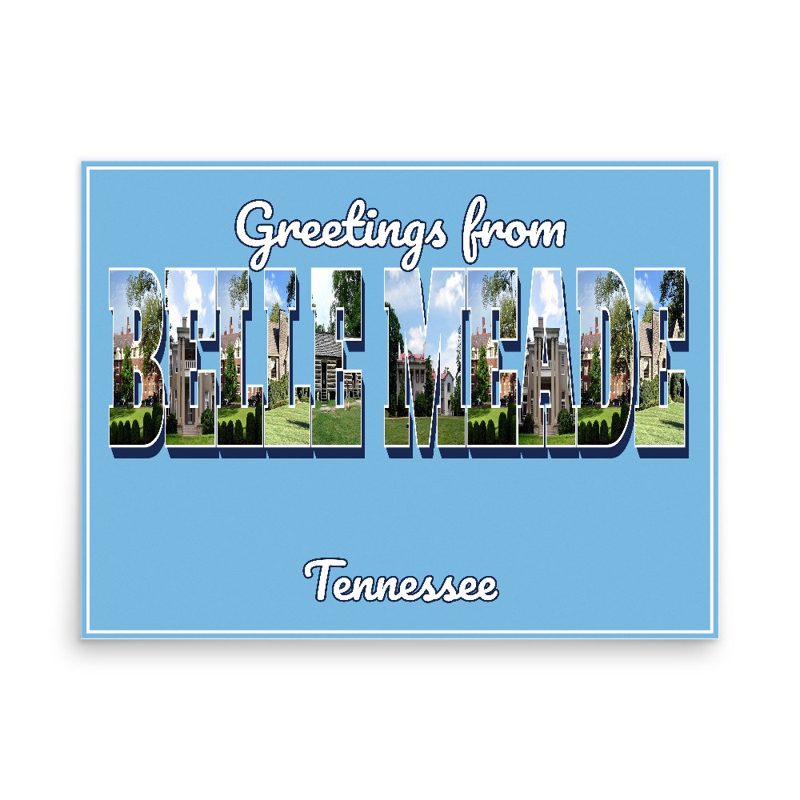
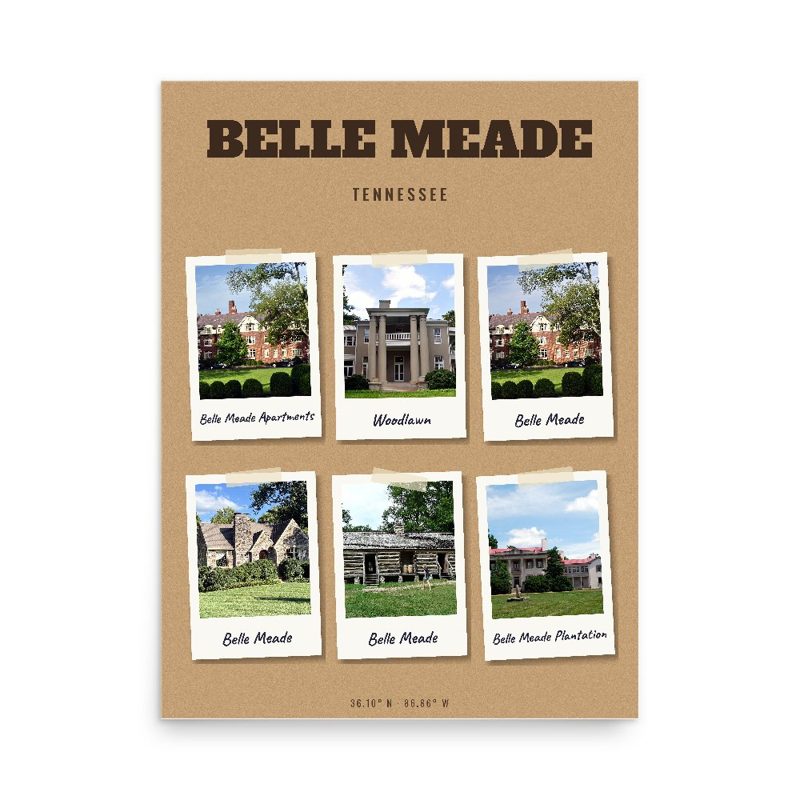
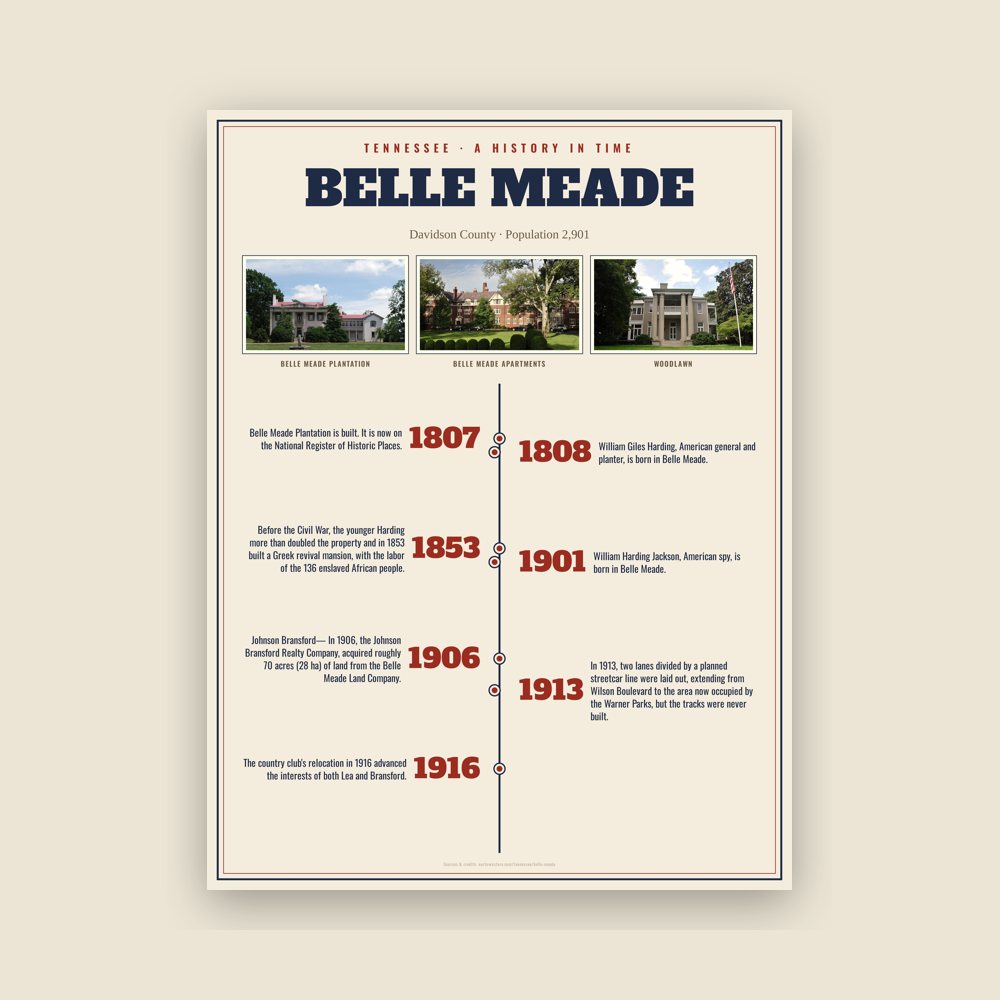
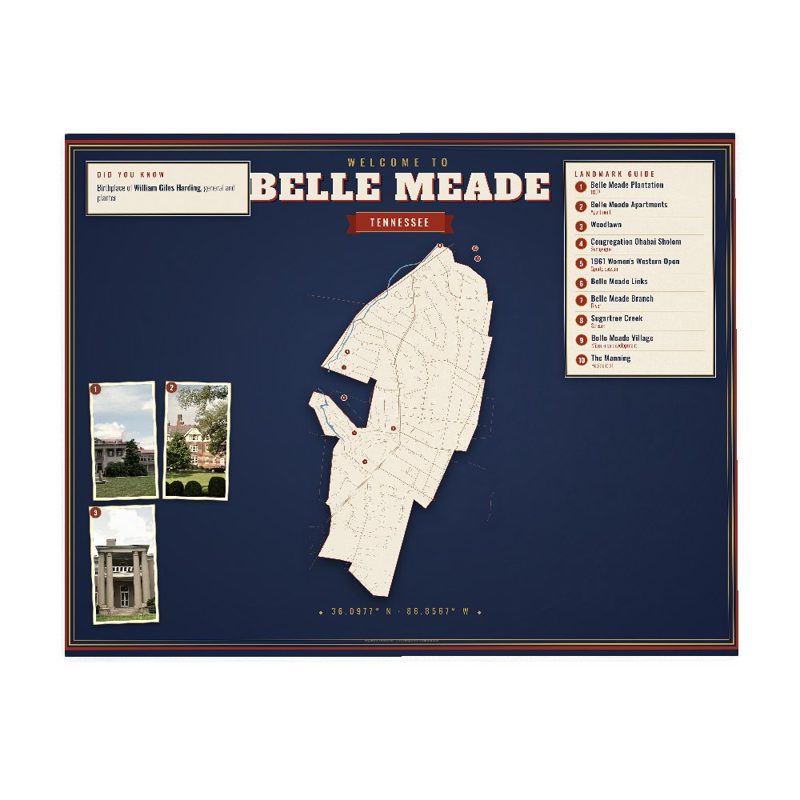







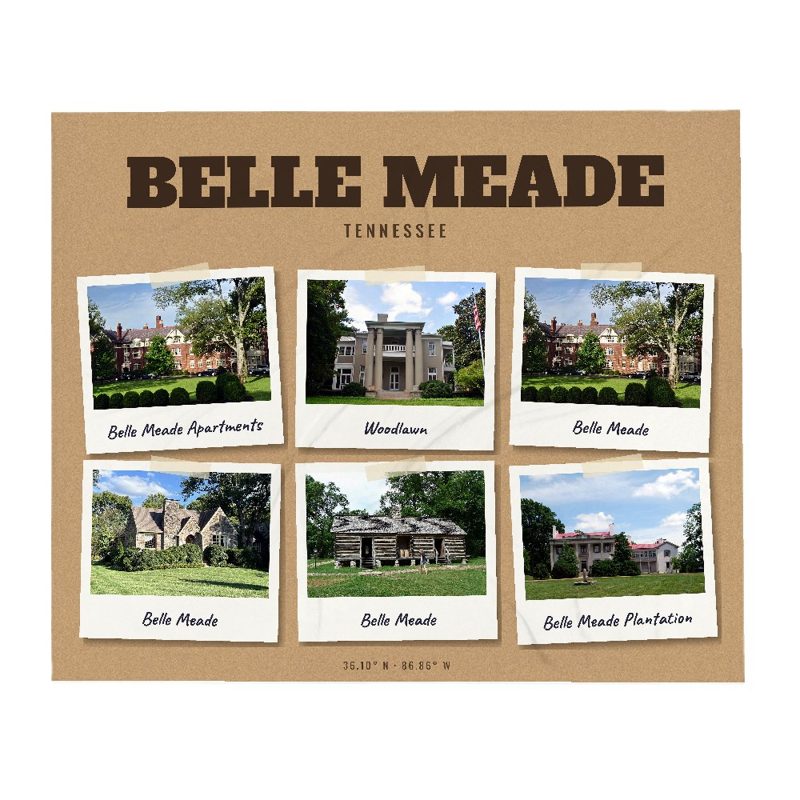

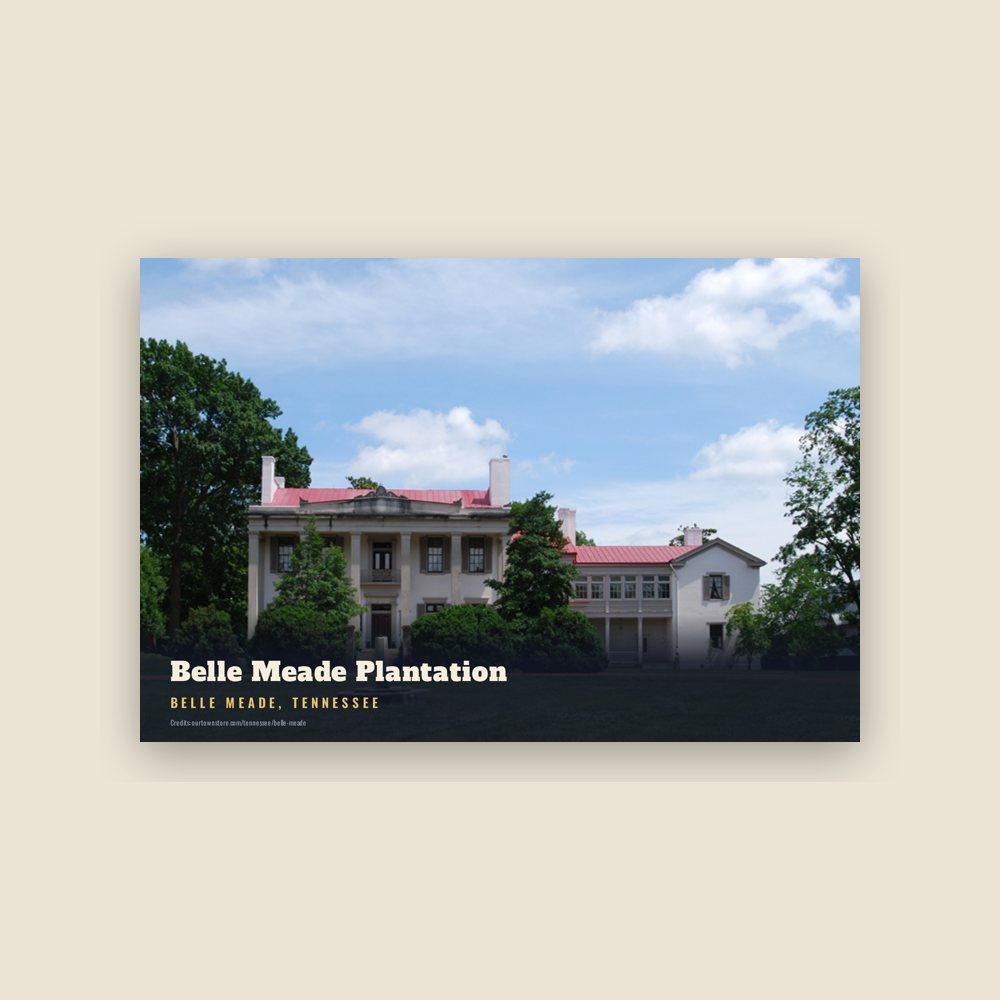
 Belle Meade Plantation
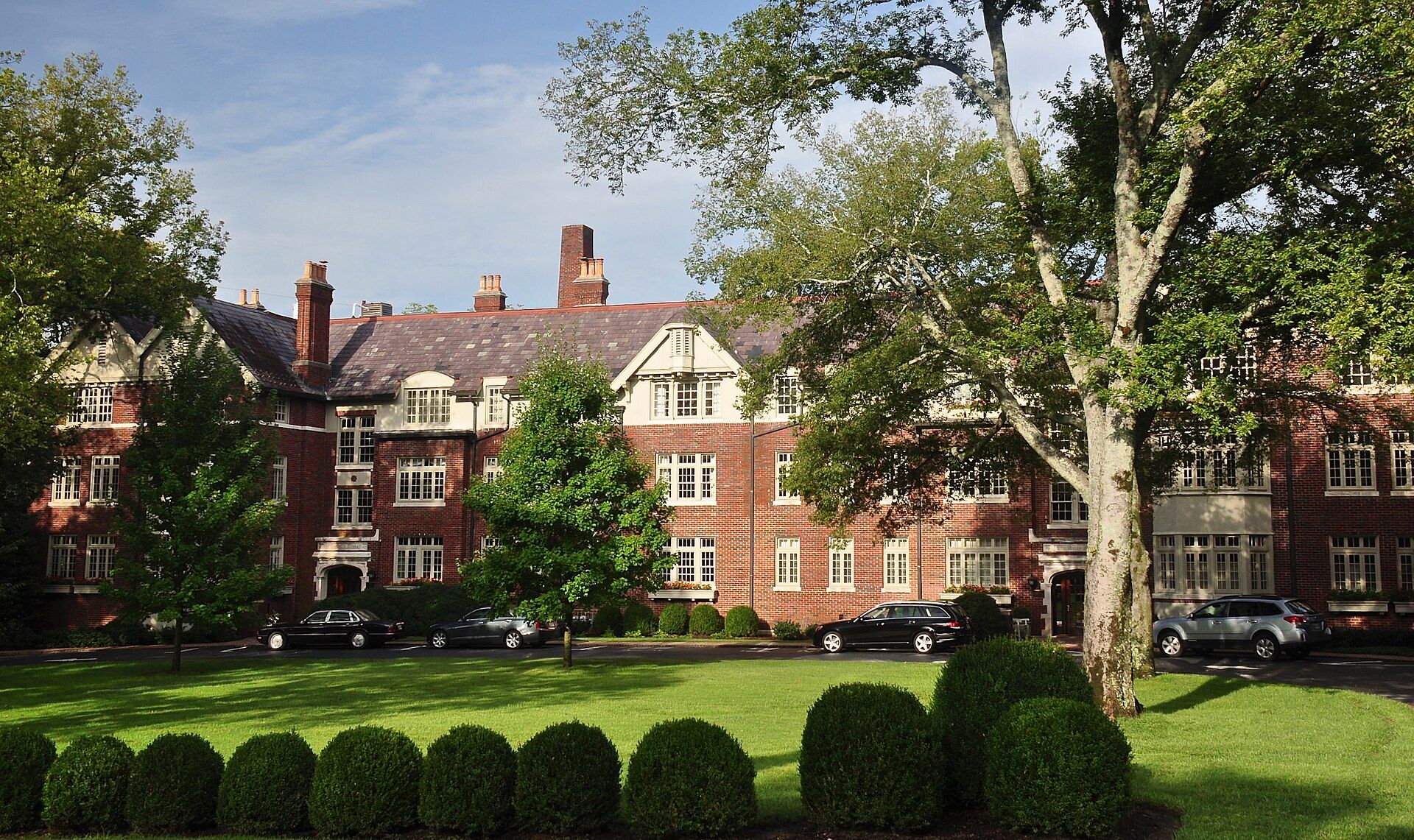
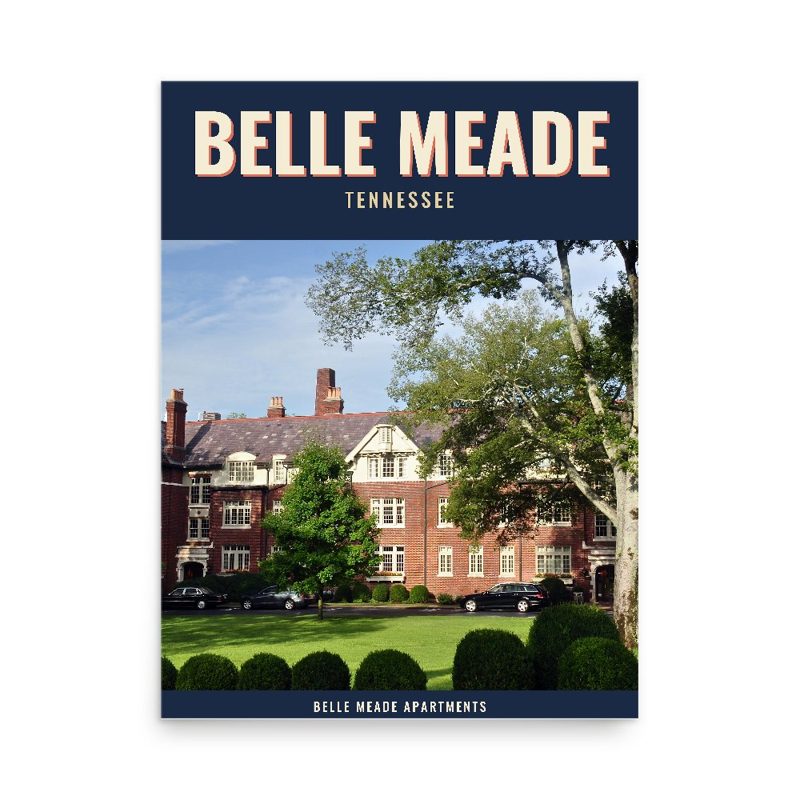
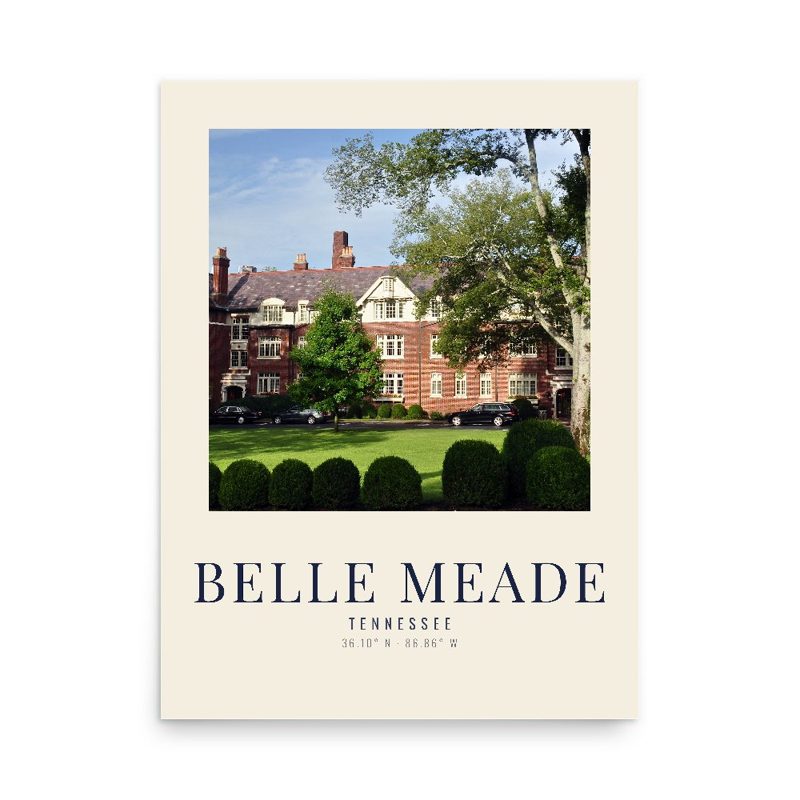
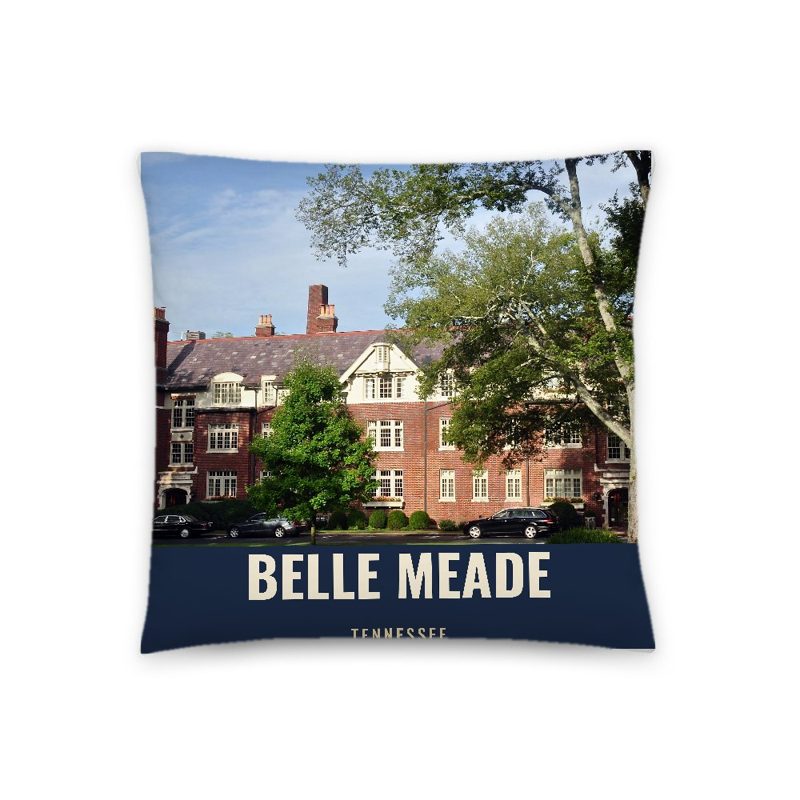
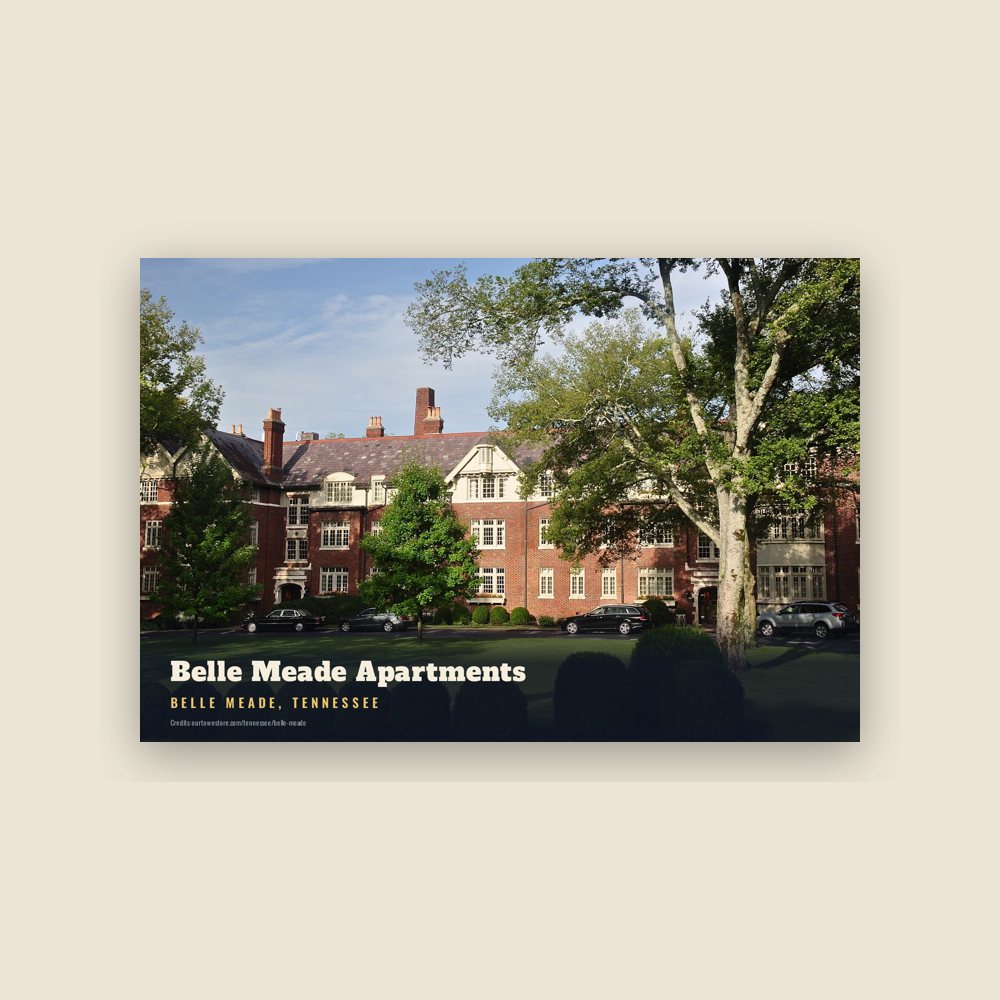
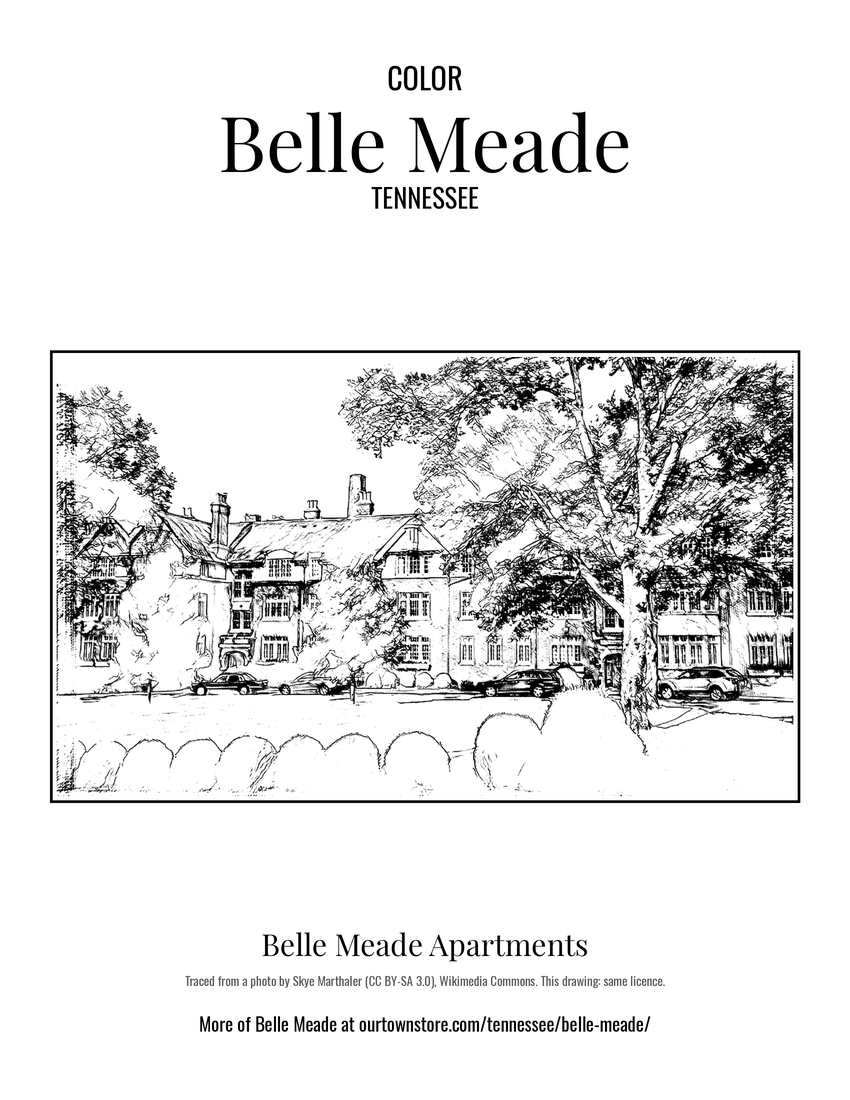 Belle Meade Apartments
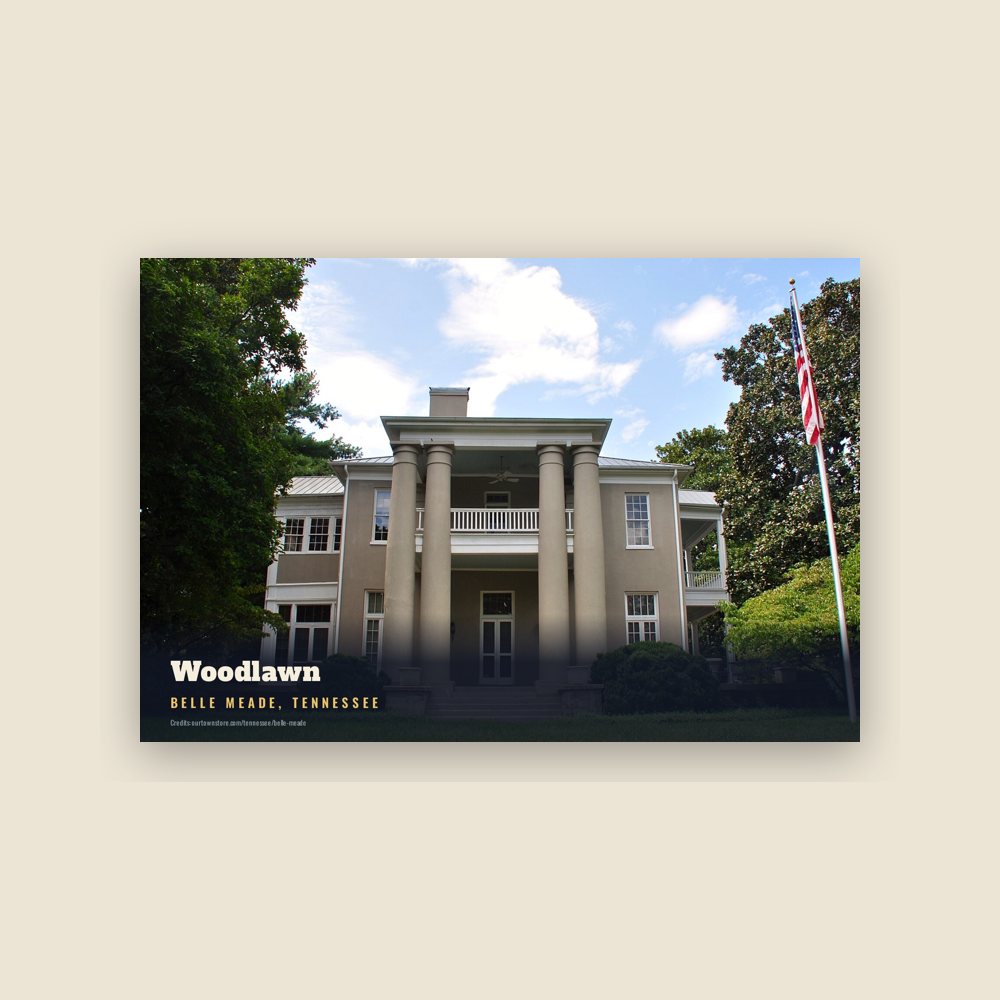
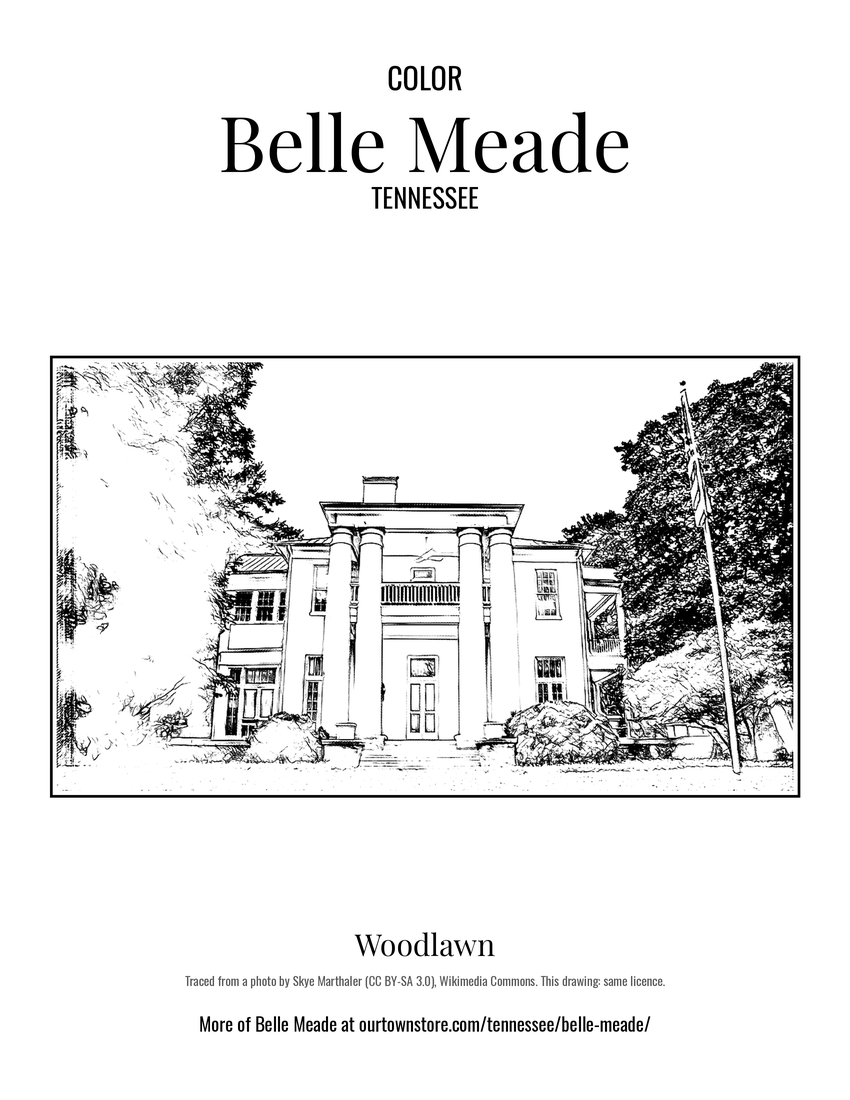 Woodlawn
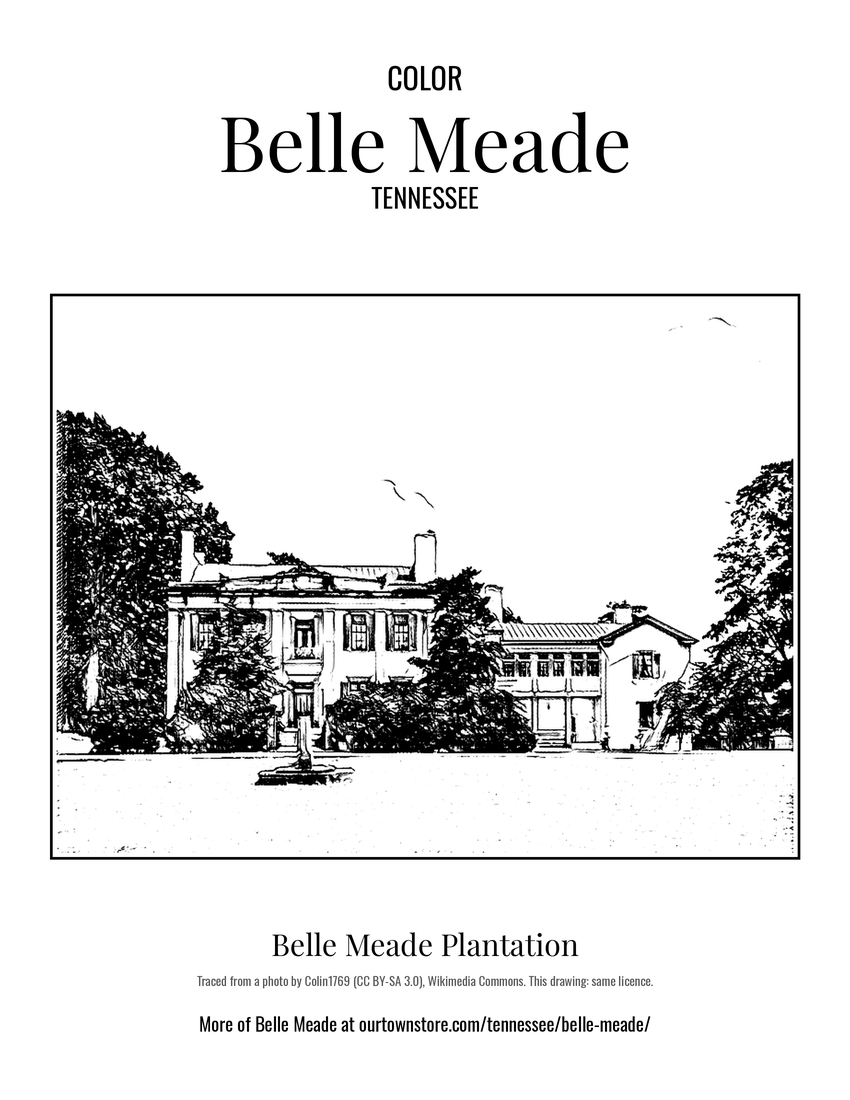
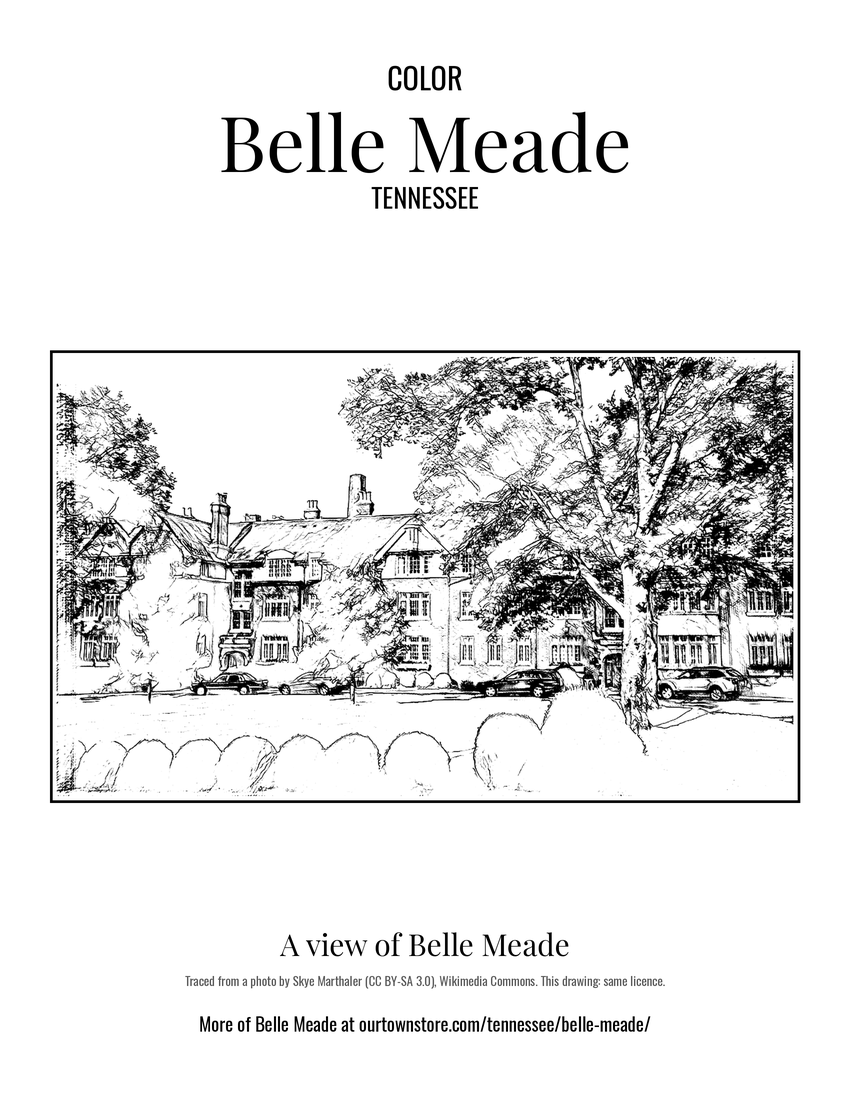 A view of Belle Meade