The area was originally known as Salt Lick Creek due to a salt lick that was located approximately four miles northwest of current day Red Boiling Springs. The salt lick attracted animals, American Indians, and other people. Among the people who came to hunt the animal trails was Daniel Boone, who reportedly carved his name and the year 1775 into a beech tree in a nearby community.
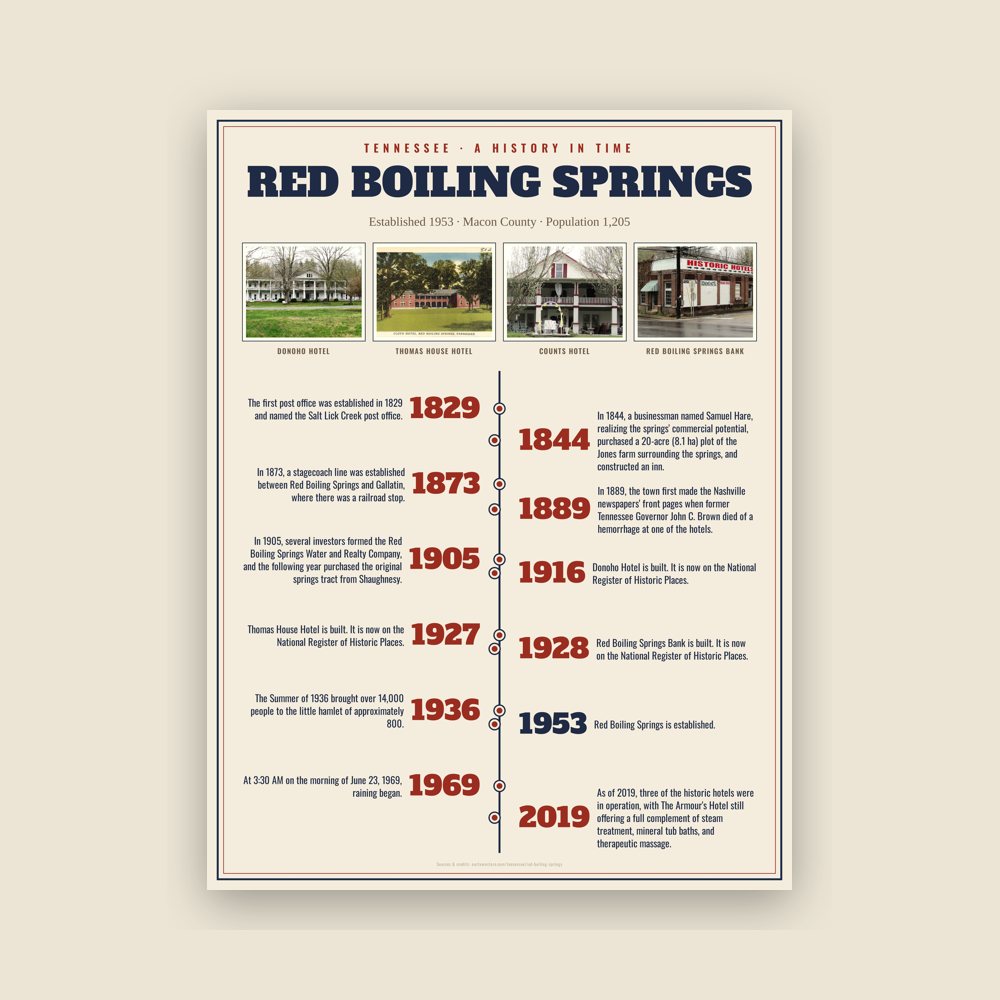
The area was first surveyed, and land grants were first awarded in the mid-1780s. The first post office was established in 1829 and named the Salt Lick Creek post office. In 1847, the post office was renamed "Red Boiling Springs." Sometime in the 1830s, a farmer named Jesse Jones noticed red-colored sulphur water bubbling up from springs on his farm. In 1844, a businessman named Samuel Hare, realizing the springs' commercial potential, purchased a 20-acre (8.1 ha) plot of the Jones farm surrounding the springs, and constructed an inn. The inn's remote location and the region's poor roads likely doomed the venture, and the inn was gone by the 1870s.
Aunt Sooky's Salve was a widely distributed product that was manufactured in Red Boiling Springs under the supervision of 'Aunt' Sooky Goad, who also claimed to be the original discoverer of the benefits of the Red Boiling Springs water. Early in life, she had dropsy and claimed to be cured by drinking the sulphur water. In 1914, a Nashville man wrote an article stating that Shepherd Kiby (Kirby), the brother of Goad, discovered that washing his eyes with the spring water reduced eye irritation, but Goad's use of the water seems to have preceded that of Kirby.
Read the full history
Tourist attraction
In 1873, a stagecoach line was established between Red Boiling Springs and Gallatin, where there was a railroad stop. This likely led to renewed commercial interest in the springs, and by 1876, a general store owner named James Bennett had purchased the springs tract and had built a hotel. Bennett's hotel consisted of a row of log cabins flanking a central frame dining hall. In the late 1870s, Nashville newspapers first started mentioning Bennett's hotel and its guests' activities, as it was vogue during the Gilded Age for newspapers to report on daily happenings at upper class and upper-middle class resorts.
The 1880s saw a boom in the development of mineral springs resorts as "summer getaways," due in part to the publicity received by places such as Saratoga Springs in New York. During this decade, New York businessman James F. O. Shaugnesy purchased the Red Boiling Springs tract and began development of the area as a resort. In 1889, the town first made the Nashville newspapers' front pages when former Tennessee Governor John C. Brown died of a hemorrhage at one of the hotels. The papers emphasized that due to the isolation of the town and a lack of a telephone or telegraph, there was no way to get help. During the following decade, a railroad line was extended to Hartsville, and the railroad established a stagecoach line to Red Boiling Springs. With the continued rise in the number of visitors, two local general store owners— Zack and Clay Cloyd— opened the Cloyd Hotel during this period.
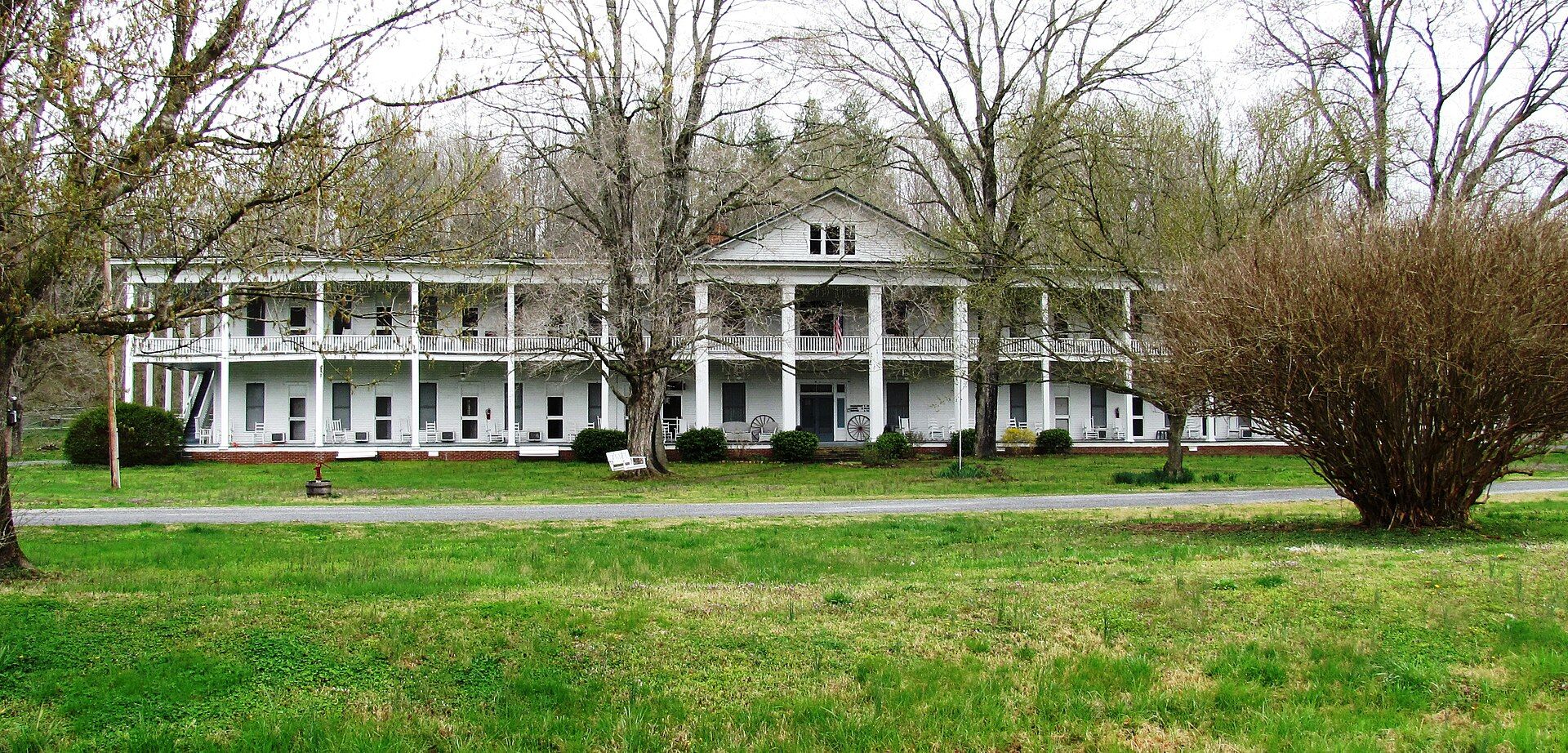
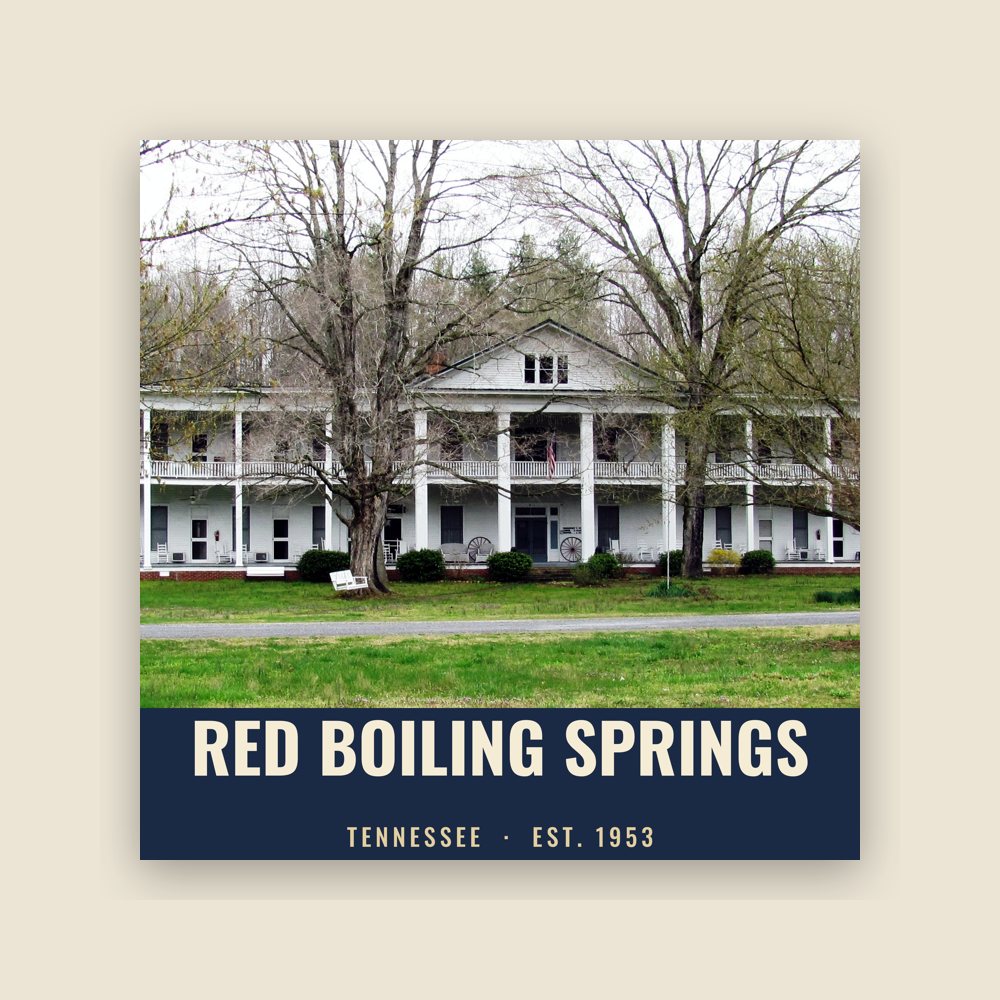
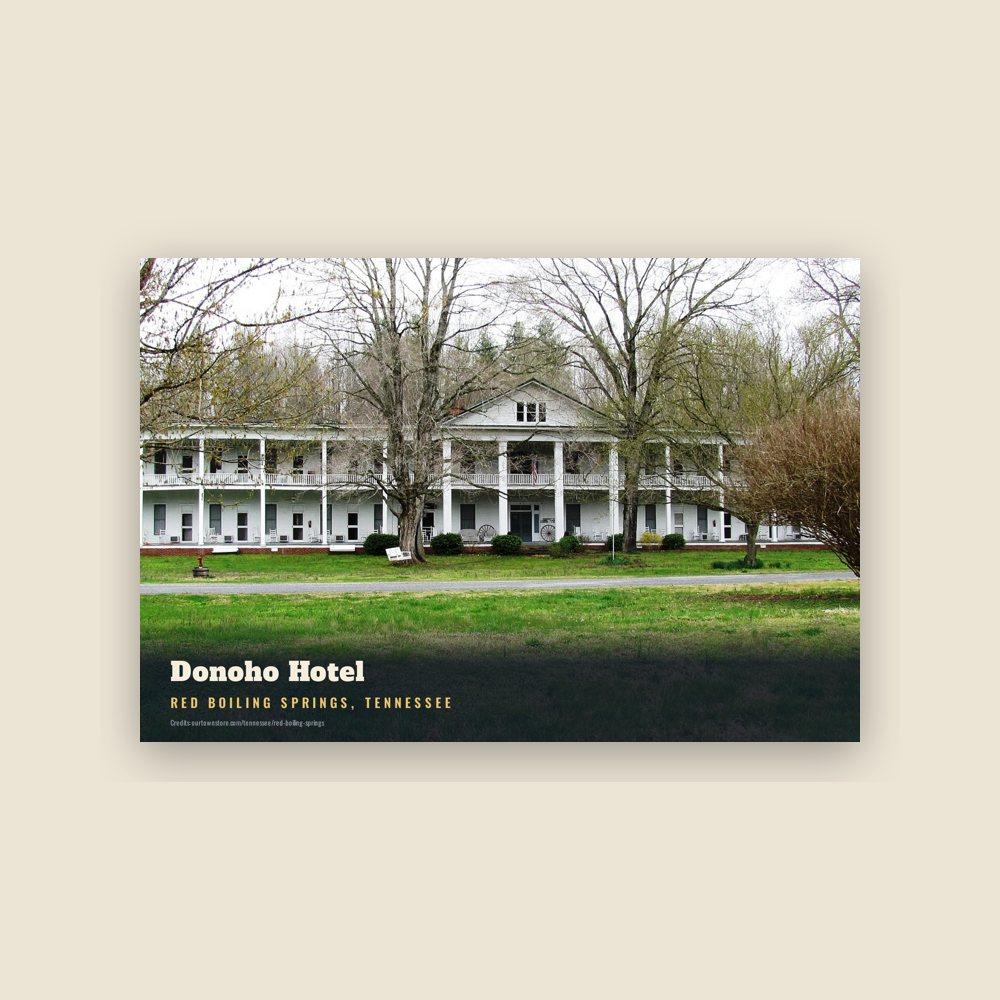
In 1905, several investors formed the Red Boiling Springs Water and Realty Company, and the following year purchased the original springs tract from Shaughnesy. By 1916, the company had replaced Shaughnesy's hotel with a lavish 64-room structure named "The Palace." During this same period, road improvements allowed the stagecoach lines to be replaced with automobile taxis, reducing the travel time from the railroad to just three hours. In 1918, there were four hotels in town— the Palace, the Cloyd, the Donoho, and the Central Hotel; a decade later, that number doubled and soon after, over a dozen hotels and at least that many boarding houses had been erected to take advantage of tourism. The hotels all followed a similar design plan— two stories with elegant verandas spanning the facade and interiors containing large dining halls and 50 to 60 rooms (some later doubled or tripled their roomspace with annexes).
While most mineral water resorts fell out of favor as medical science began to question the healing properties of mineral springs, Red Boiling Springs persisted, reaching its peak in the 1920s and 1930s. The resort was visited by many famous personages in the first half of the 20th century. The hotel registers included the names of judges, lawyers, heads of business and industry, famous musicians and singers, and politicians, among them Jo Byrns; Al Gore, Sr.; Nathan Bachman; Secretary of State Cordell Hull, who sent a beautiful French tapestry that hung in the main lobby of the Donoho Hotel; and most notably President Woodrow Wilson. Although the Great Depression destroyed many Americans' disposable incomes and hence budget for travel, Red Boiling Springs still had large numbers of visitors. The Summer of 1936 brought over 14,000 people to the little hamlet of approximately 800.
The mineral springs and daily life in the resort period
Almost uniquely, five different types of mineral waters are found at Red Boiling Springs. These springs are "mineralized" by their contact with exposed black shale, from which iron sulfate is dissolved into the waters. Some were named for the color they would turn a silver coin; two, dubbed "Red" and "Black", were from springs which were capped off and then piped throughout the town to a series of wells with manually operated pumps on both public and private property. Along with iron and sulphur, Red and Black waters both contained relatively high amounts of calcium and magnesium. The flavor of the "Red" water was only somewhat sulfurous and seemed to be at least slightly agreeable to many; the "Black" was very-strongly flavored, off-putting to the novice, and an acquired taste (at best) for most. "White" was used only to cure dyspepsia. "Freestone" water contained none of the trace minerals that brought the crowds to the springs but it was by far the most palatable. The most mineralized water, known as "Double and Twist," was named for the effect it had on the person drinking it. "Double and Twist" was advertised as the "only water of its kind in the United States."
"Taking the waters" at Red Boiling Springs generally consisted of more than merely ingesting them; steam and tub baths featuring the waters and their alleged therapeutic properties were often featured. The bathhouses followed the hydrotherapy regimen developed by John Harvey Kellogg at his Battle Creek Sanitarium in Michigan, which was very popular at the time. The various waters contained several minerals but sulfur was predominant, giving the waters the scent (and some would say, the flavor) of rotten eggs. There were medical doctors on hand to prescribe which treatments would work for a particular ailment. The mineral waters, either from ingesting them or bathing in them, were touted as cures for diseases such as dyspepsia, hydropsy, diabetes, rheumatism, neuralgia, kidney stones, gonorrhea, and various eye and skin diseases. An advertising brochure claimed "sickness among the year 'round residents is practically an unknown thing."
As the resort grew, it became the stopping point for minstrel shows, circuses and other entertainments to a far greater degree than typical for towns of its small size. The town boasted a number of "diversions": bowling alleys, tennis courts, shuffle board, croquet, a ballroom, swimming pools, a small golf course, theatre, and an amusement park. The hotels also provided picnics and barbecues. Dancing was the most popular nighttime activity, and many of the hotels had their own orchestras for nightly ballroom dances. String bands also frequented the town, playing mostly at the many taverns scattered around the town's periphery.
Decline
Several factors contributed to the town's decline as a major resort. One was a general loss of confidence and interest in the purportedly curative powers of mineral waters by Americans as the 20th century progressed. A new highway system made it easier for people to travel, but it also meant they could travel to other places as well, such as the state parks that were opening. Those who had promoted tourism and the mineral resorts had retired or died and the next generation was not as interested. Some of the hotels had been left in the hands of managers that did not reinvest the profits in the upkeep of the buildings. A number of the hotels burned and were not rebuilt. The townspeople were hesitant to support tourism. The area's general remoteness began to work against it; this was greatly aggravated by World War II and the resultant gasoline rationing. Tourism focus shifted within Tennessee to more highly developed areas such as the Great Smoky Mountains National Park.
By the time the postwar period had arrived, most of the hotels had closed and the area was a shell of its former self. There was a slight rebirth during the 1950s. The town was incorporated on April 27, 1953. A booster club was formed, two of the hotels were restored and new attractions were added. A drive-in billed as the only one of its kind in Middle Tennessee outside of Nashville joined the local theatre. By the early '60s only five hotels remained, then, by the end of the decade, it was back down to three. One of the hotels was lost to a fire and a nursing home bearing the name of the original hotel was later erected on the cleared site.
Present day
At the beginning of the 21st century, a large water bottling plant was built on the outskirts of town by Nestlé, where water is bottled from Bennet Hill Springs, a source of Freestone water. The plant removes all the natural minerals from the water by reverse osmosis and later adds a specific mixture of minerals to give it a consistent taste.
The old hand pumps that stood on public land were made inoperable because of liability issues that could occur. The hand pumps can still be seen on private property around town, and some people still believe in the curative powers of the mineral waters. As of 2019, three of the historic hotels were in operation, with The Armour's Hotel still offering a full complement of steam treatment, mineral tub baths, and therapeutic massage.
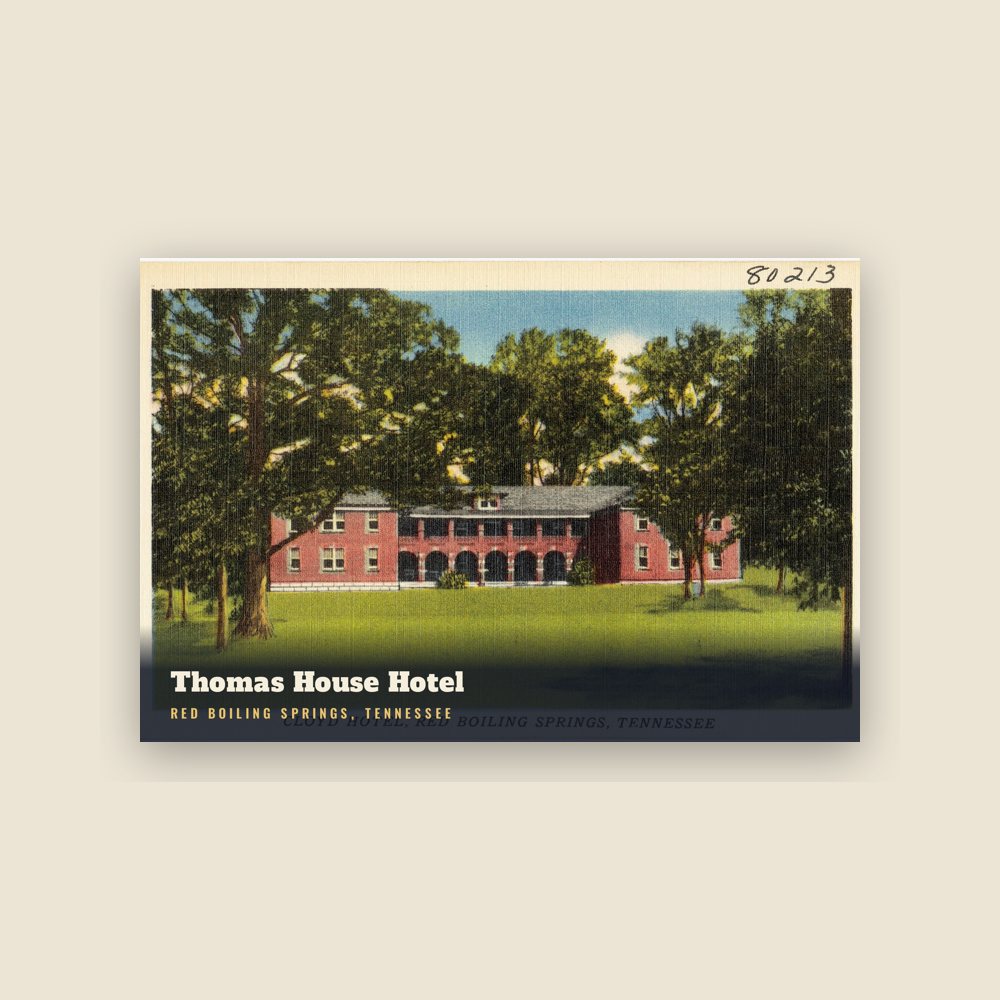
One of the surviving hotels has undergone several name changes and two fires, the first fire in the 1920s completely destroyed the structure, but it was rebuilt; the second fire in the 1990s destroyed one wing, which was also rebuilt. Names it has operated under include the Cloyd Hotel, and it is currently known as The Thomas House. The hotel gained notoriety in the early half of the 2010s when it became the subject of the popular SyFy channel television program Ghost Hunters. Monthly "ghost hunts" have since remained a popular tourist attraction for the town.
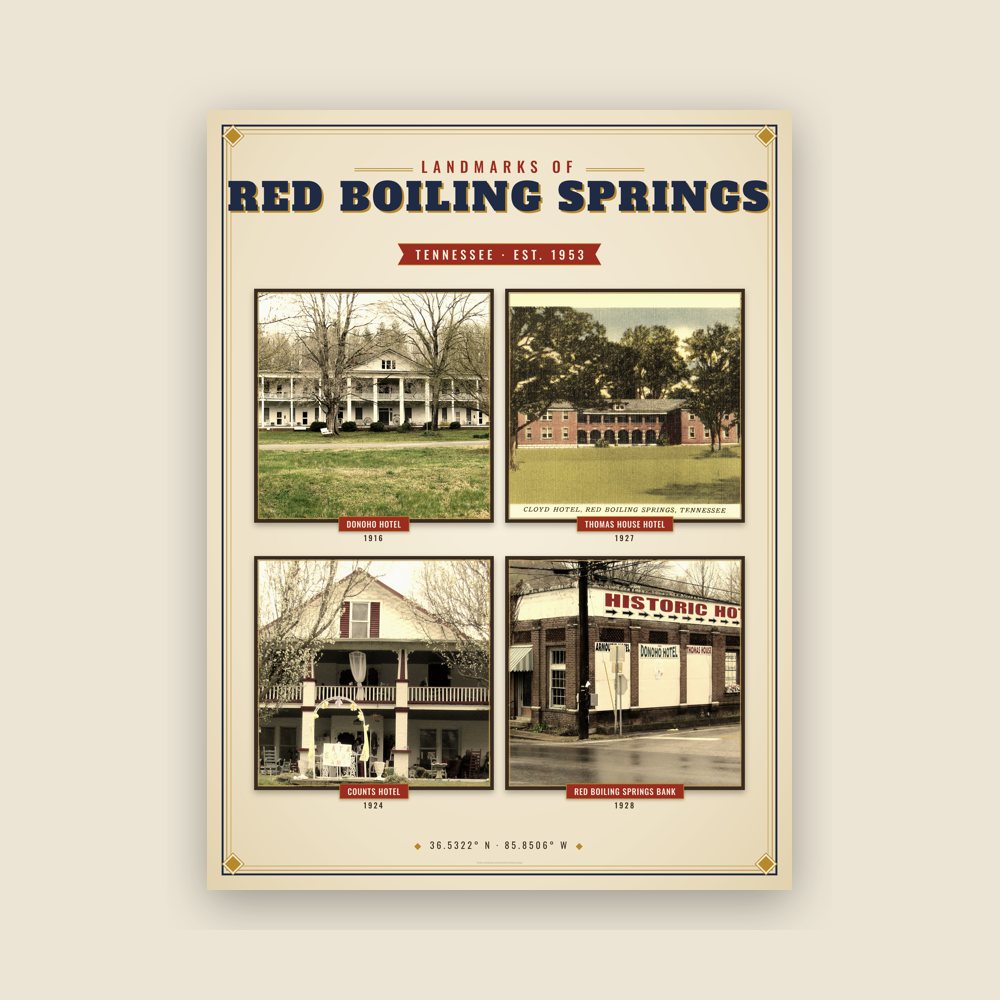

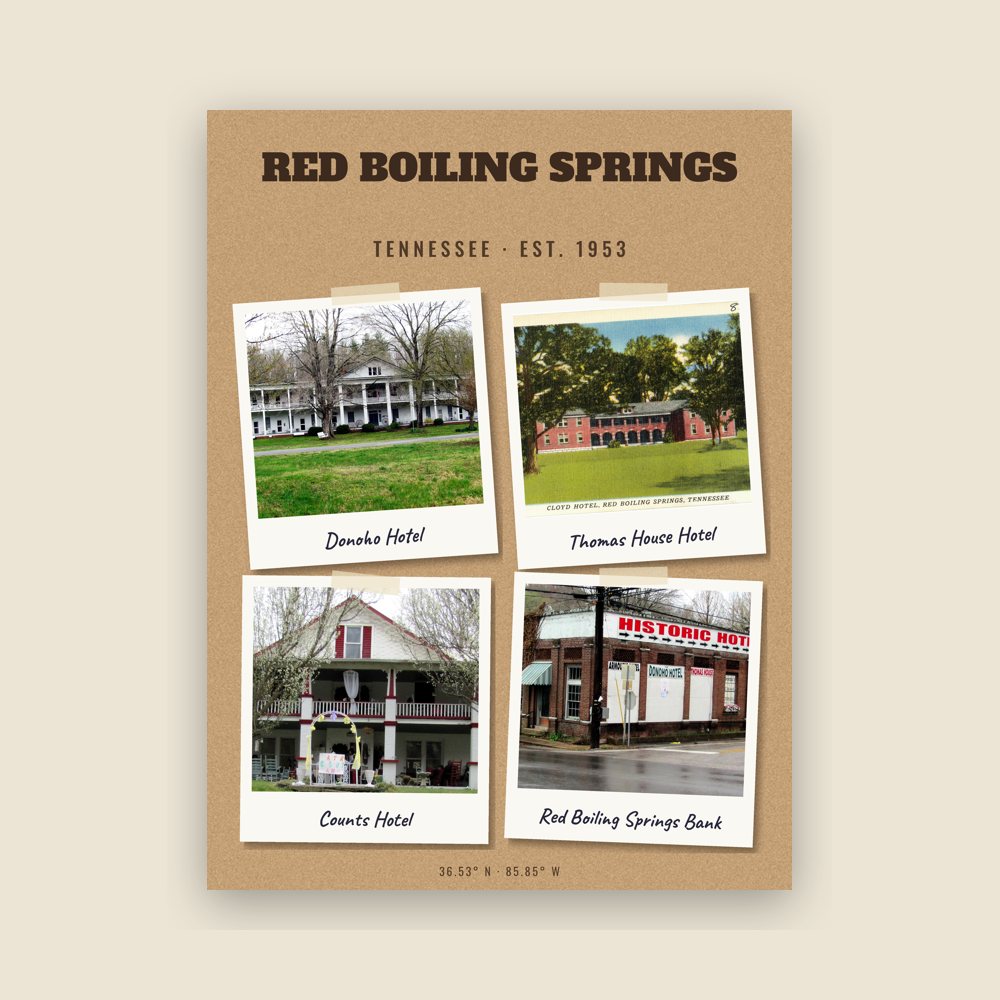
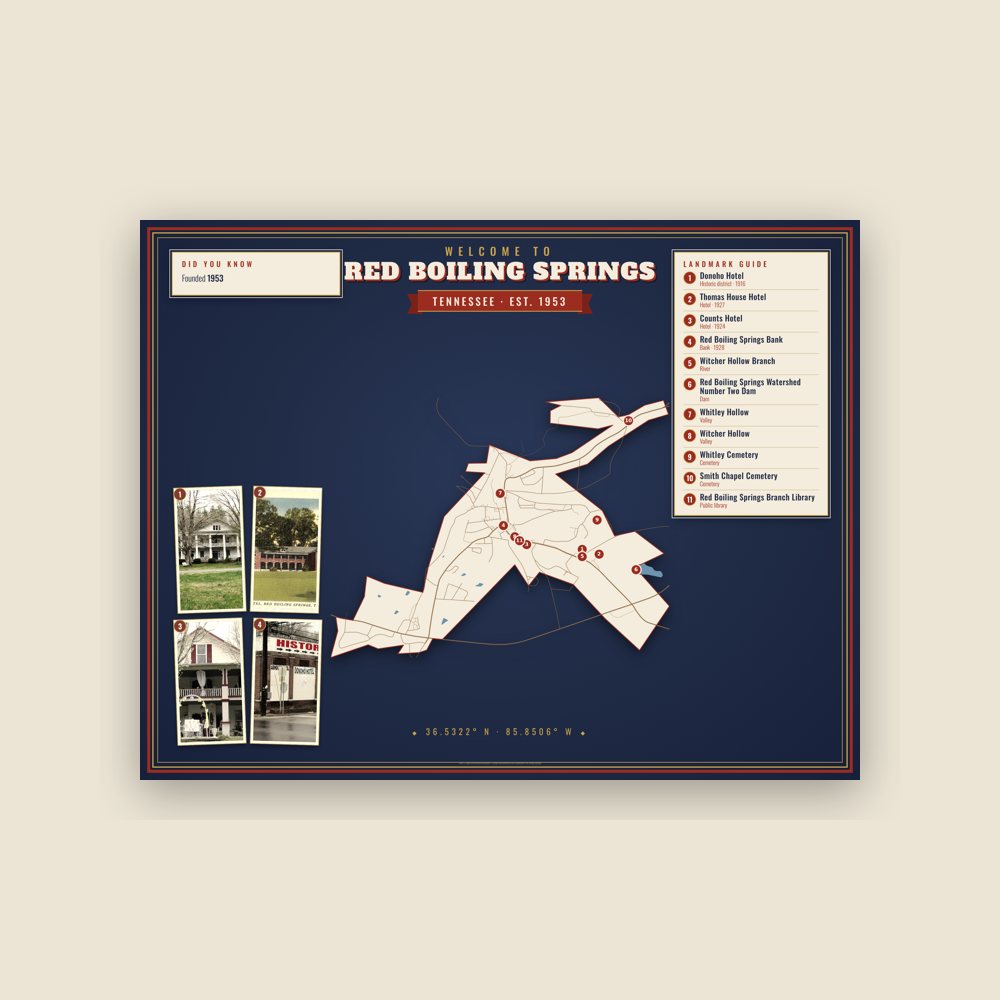


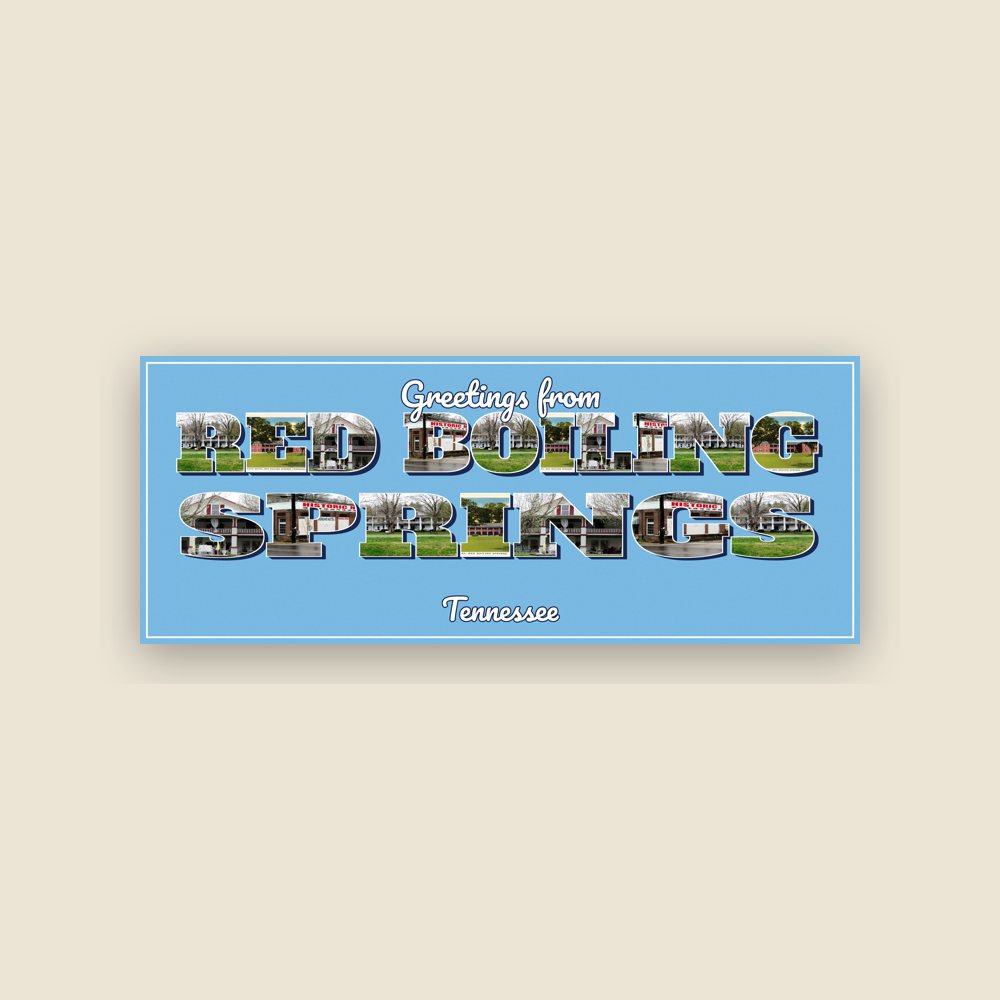

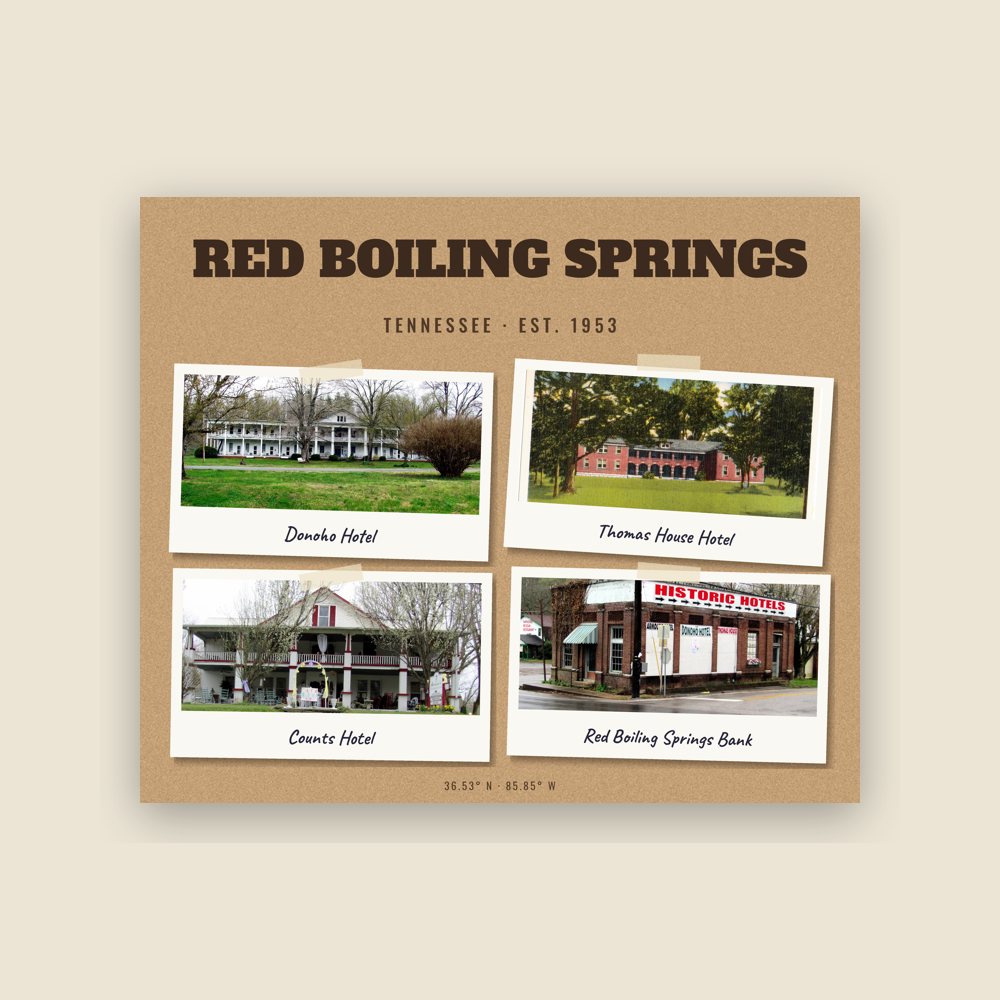
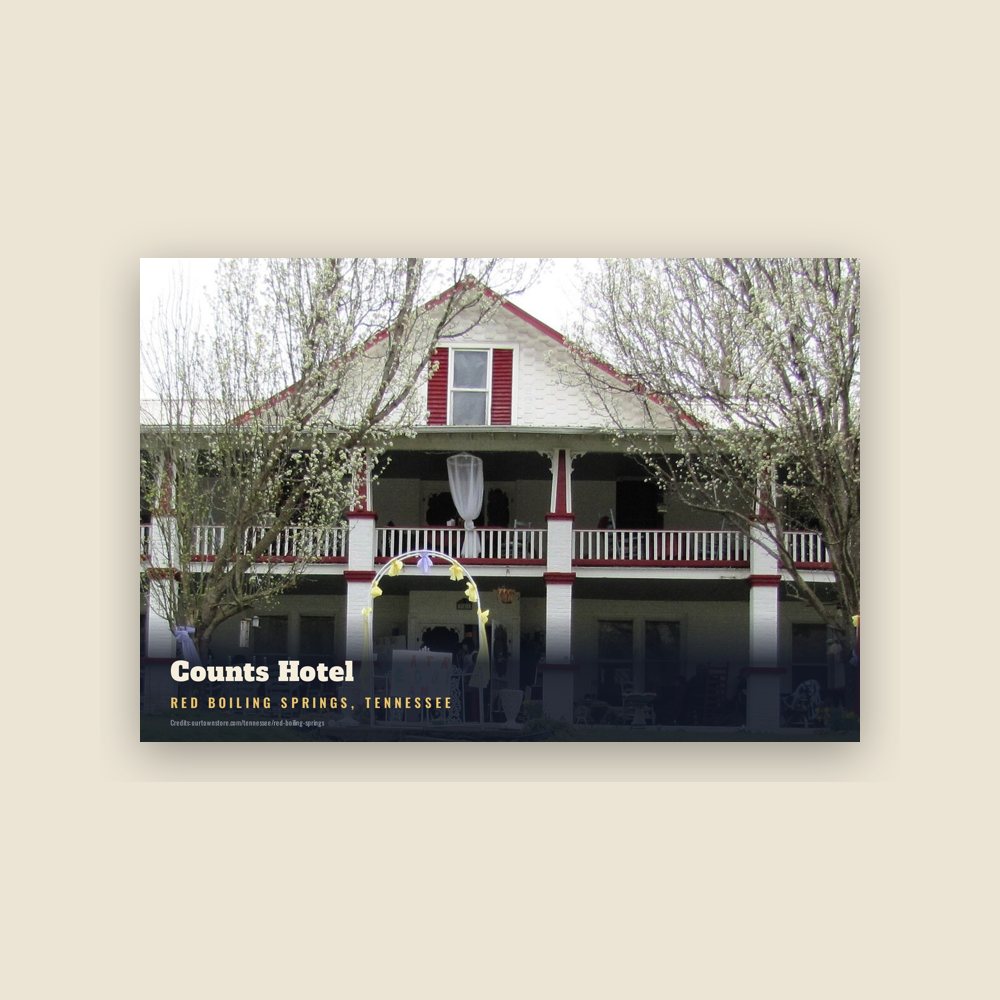
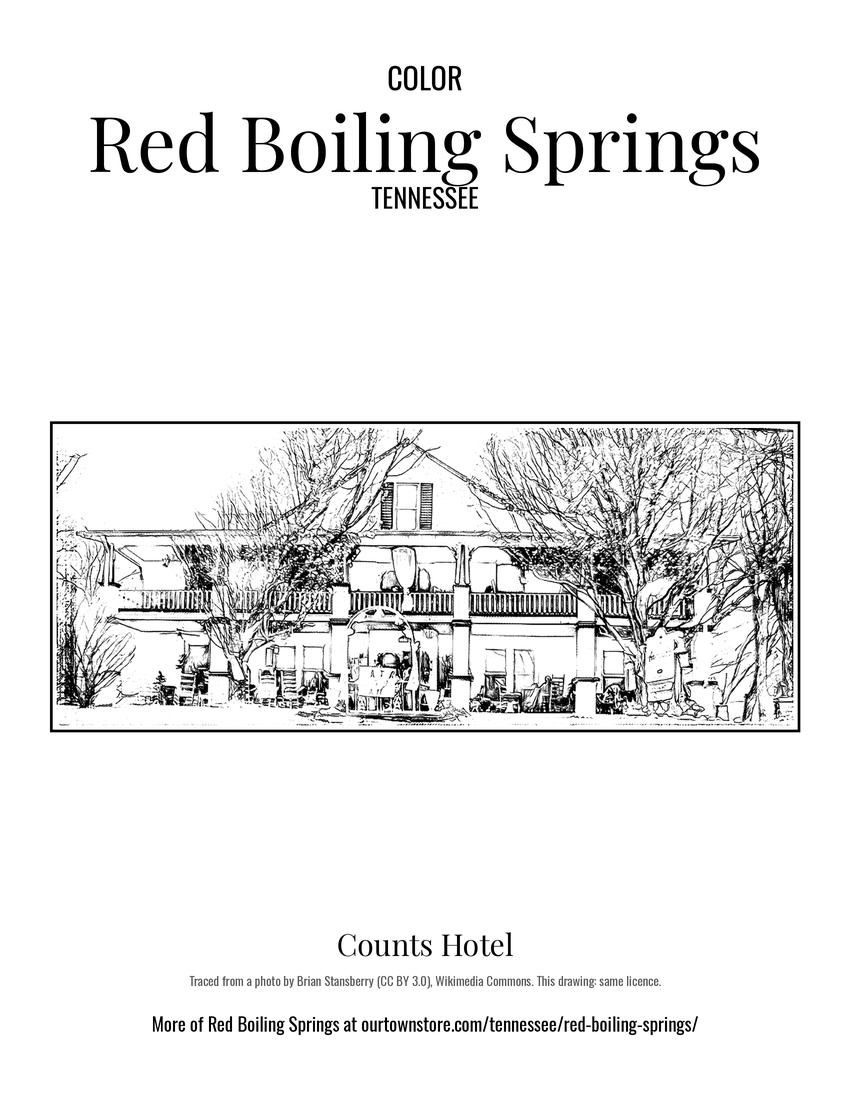 Counts Hotel
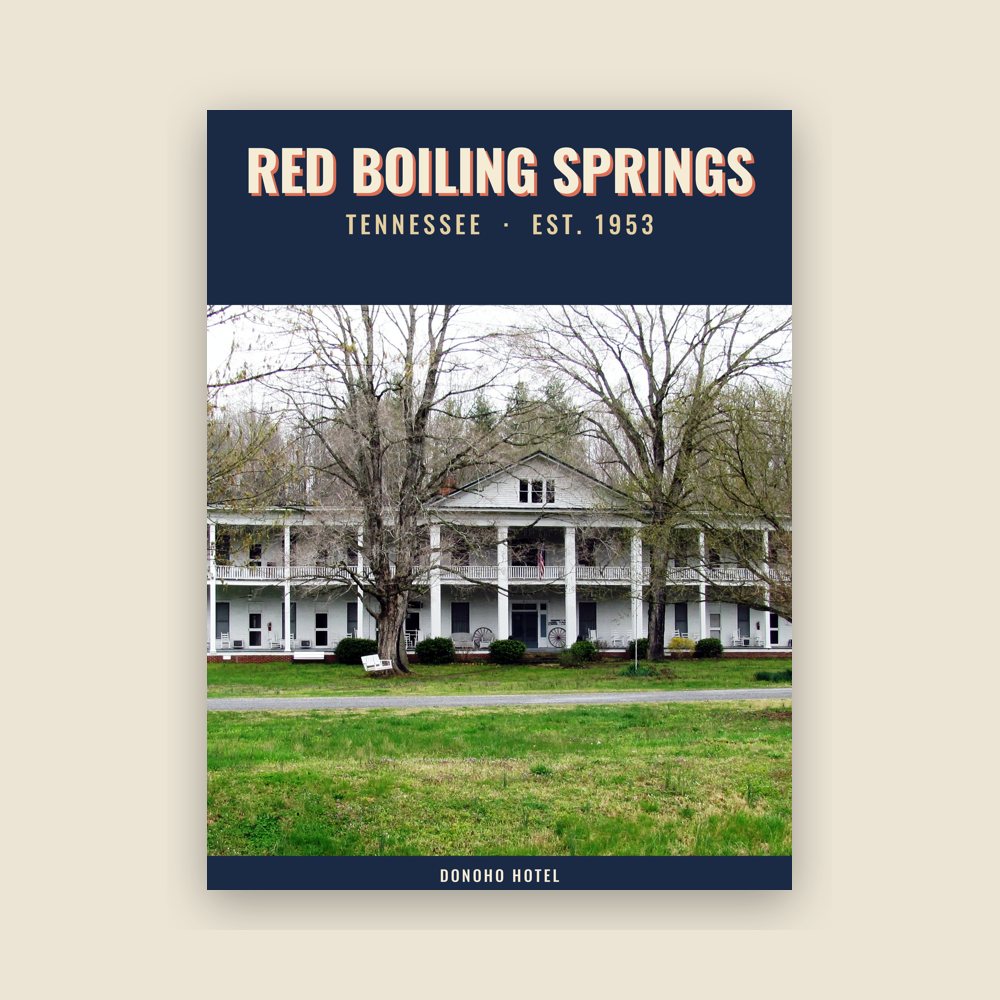
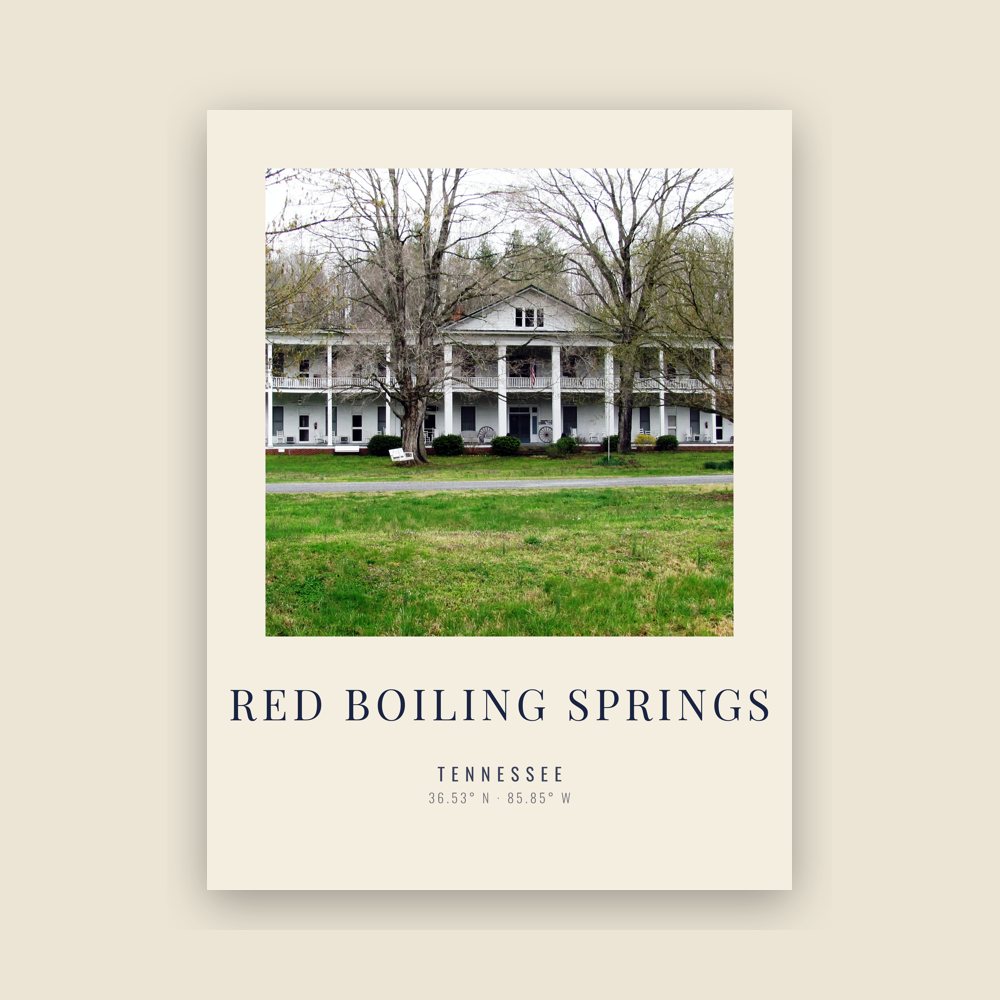
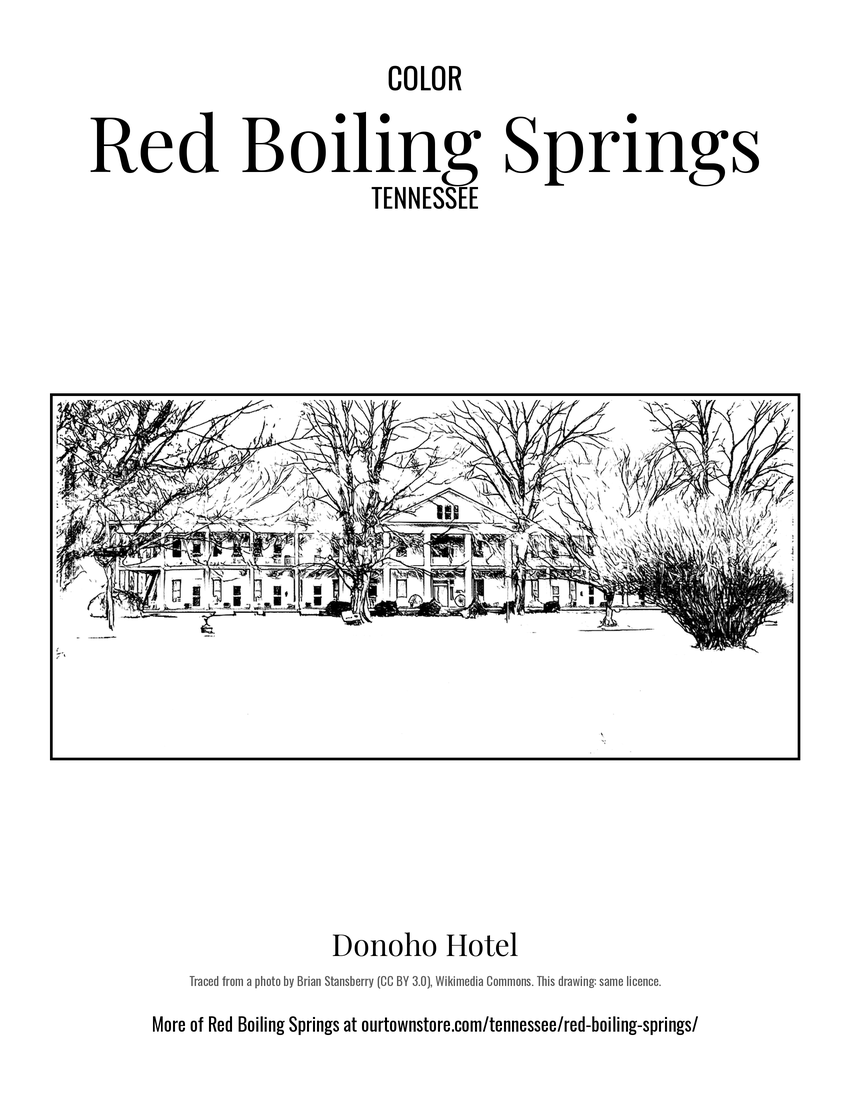 Donoho Hotel
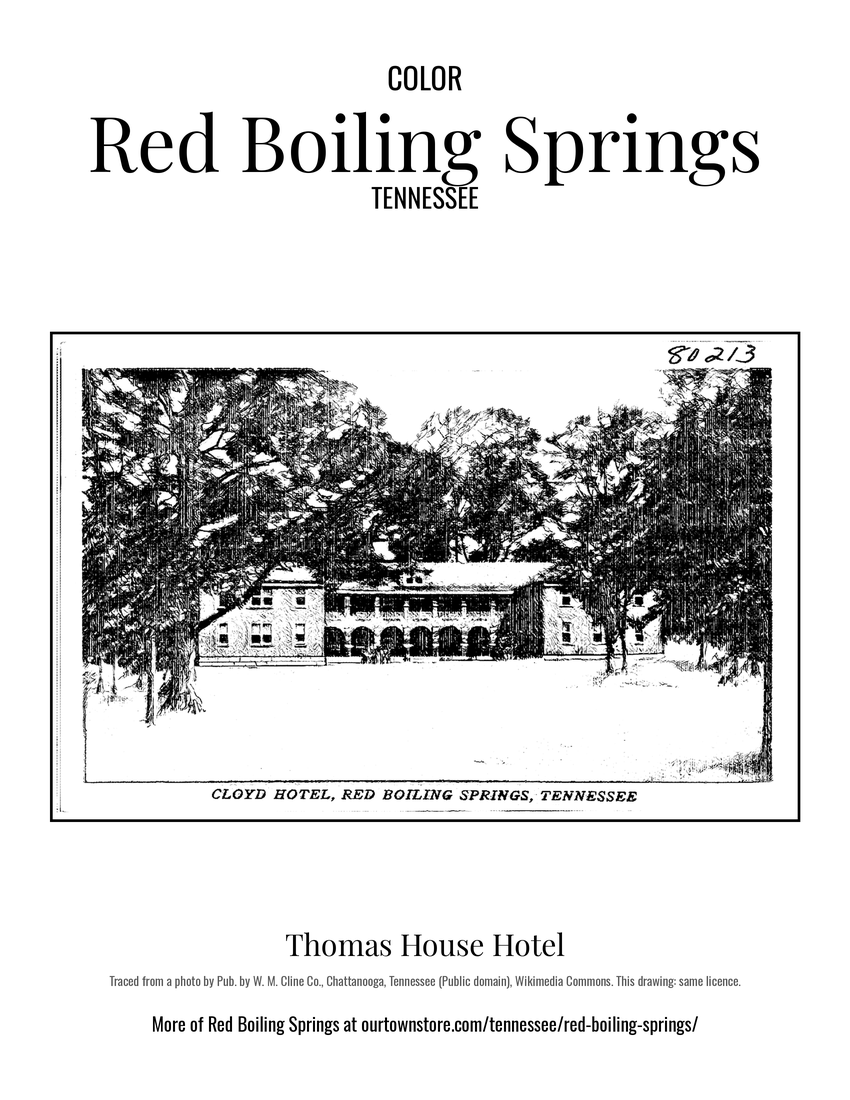 Thomas House Hotel
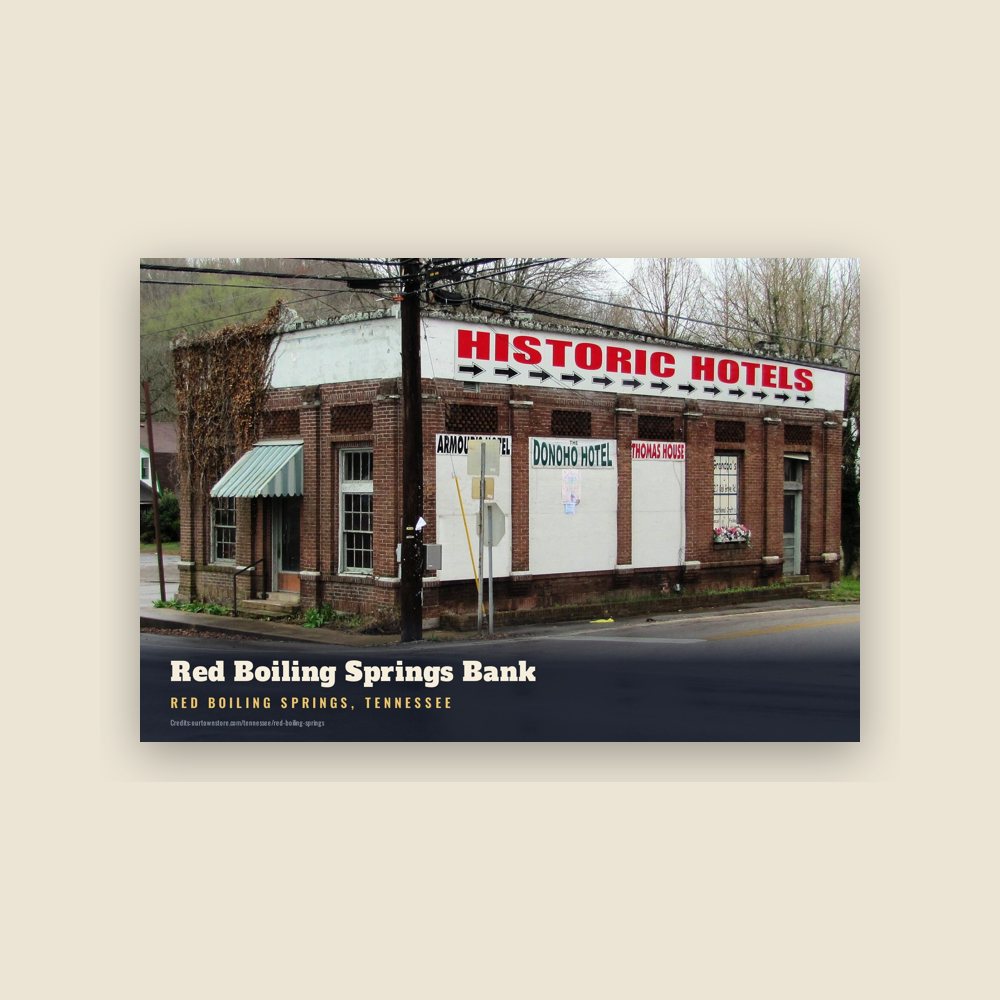
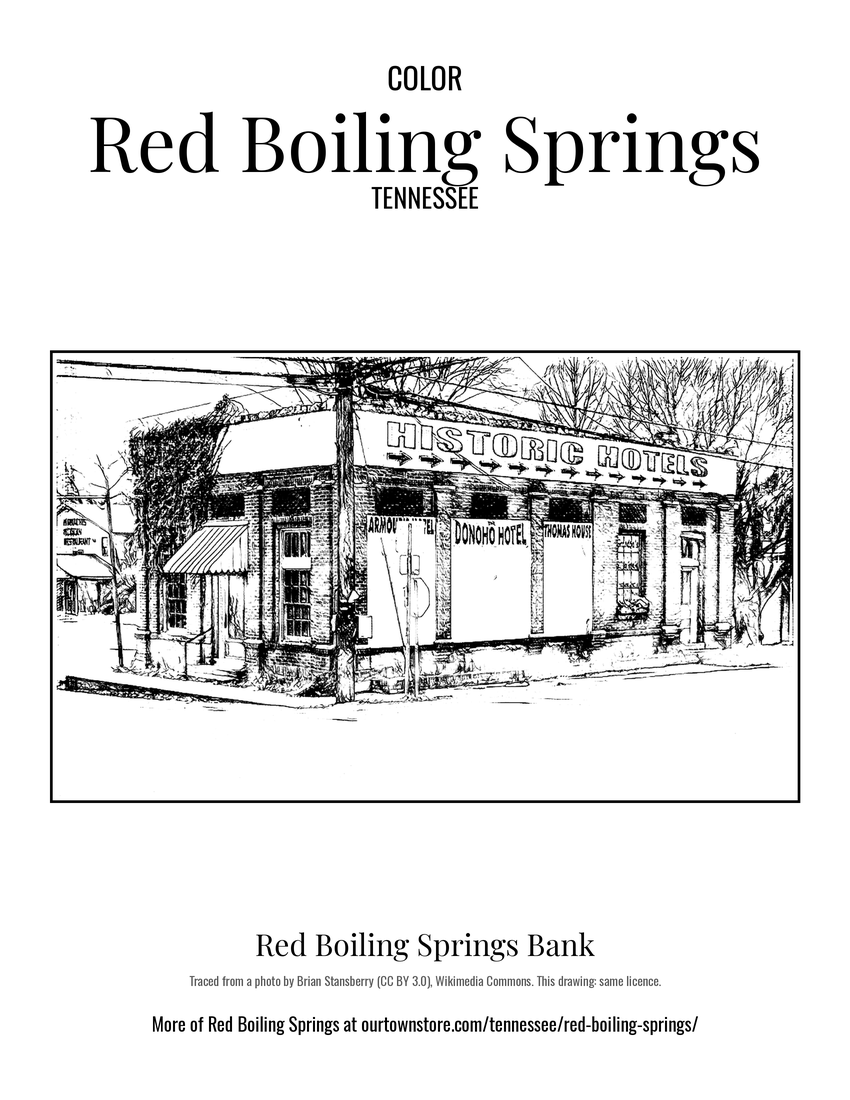 Red Boiling Springs Bank