A short history of Rapid City
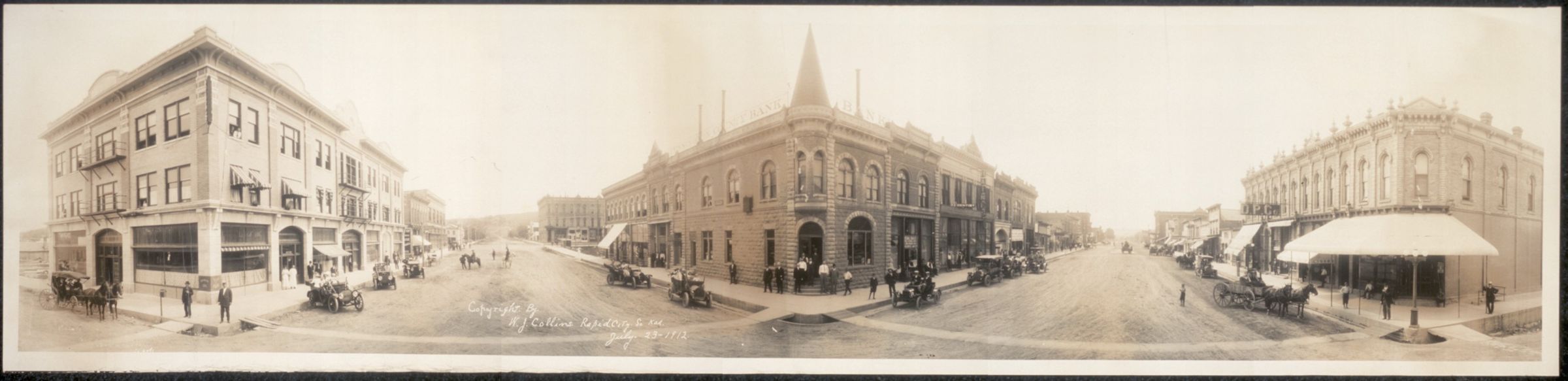
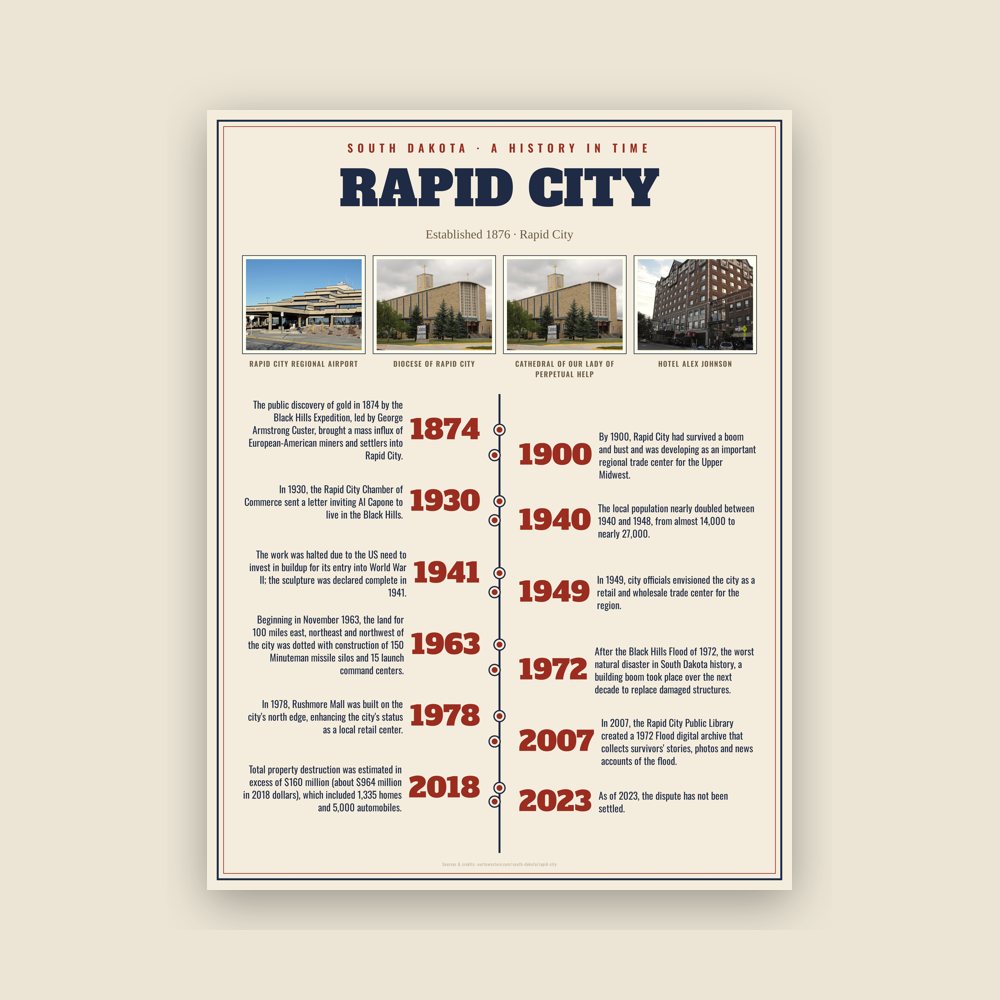
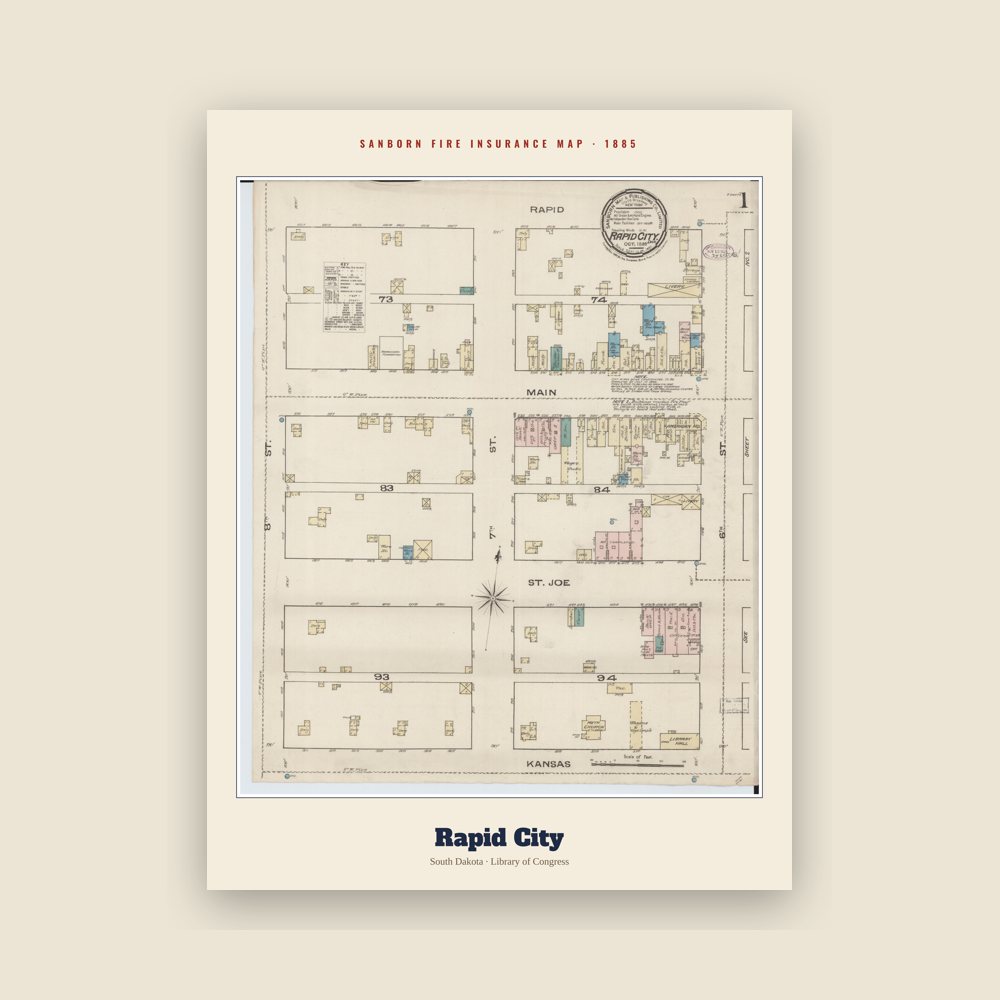
The public discovery of gold in 1874 by the Black Hills Expedition, led by George Armstrong Custer, brought a mass influx of European-American miners and settlers into Rapid City. A group of unsuccessful miners founded Rapid City in 1876, trying to create other chances; they promoted their new city as the "Gateway to the Black Hills"; it was originally known as Hay Camp. The "Gateway" nickname is shared by neighboring Box Elder. In February 1876, John Richard Brennan and Samuel Scott, with a small group of men, laid out Rapid City. It was eventually named for the spring-fed Rapid Creek that flows through it.
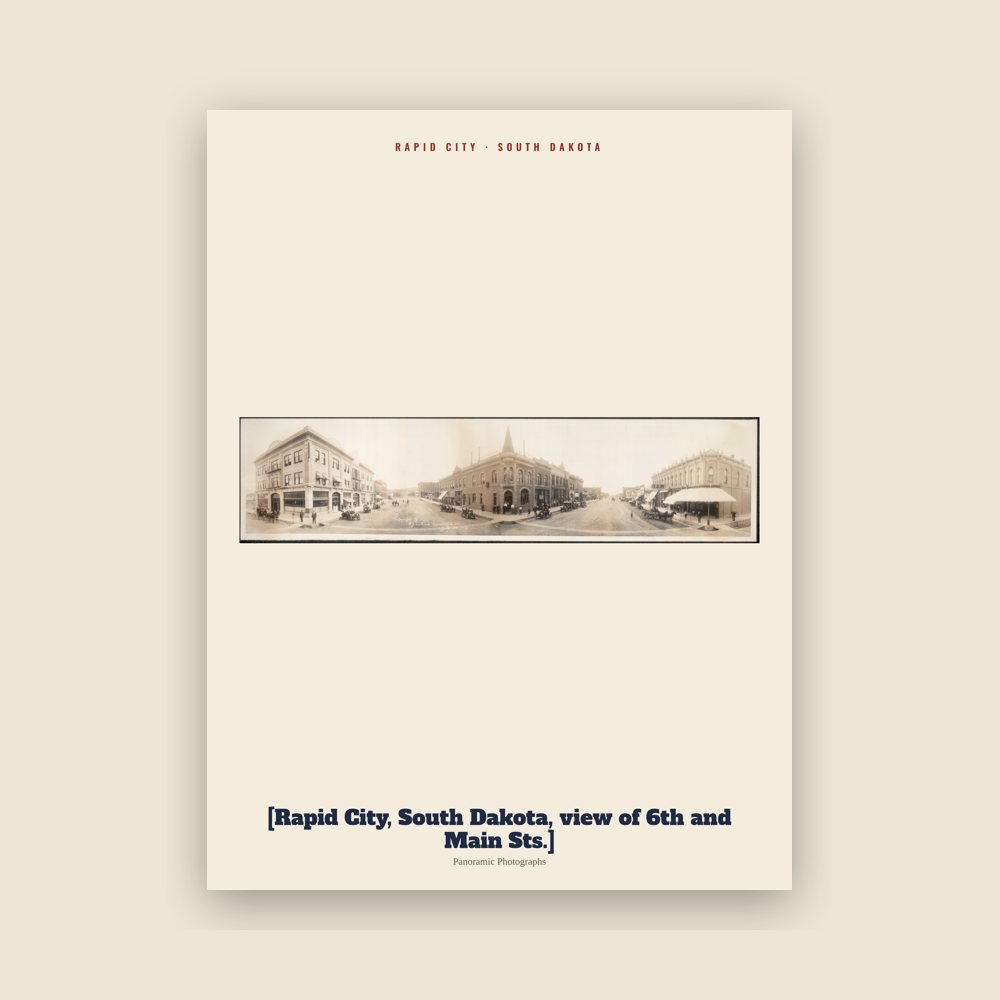
The land speculators measured off a square mile and designated the six blocks in the center as a business section. Committees were appointed to recruit prospective merchants and their families to locate in the settlement. Such merchants soon began selling supplies to miners and pioneers. The city's location on the edge of the Plains and Hills and its large river valley made it a natural hub for the railroads that were constructed in the late 1880s from both the south and east. By 1900, Rapid City had survived a boom and bust and was developing as an important regional trade center for the Upper Midwest.
The Black Hills had become popular in the late 1890s, but Rapid City became a more important destination in the 20th century. Local entrepreneurs promoted the sights, the availability of the automobile for individual transportation, and construction of improved roadways after World War I led to many more tourists to this area, including President Calvin Coolidge and the First Lady in summer 1927. Coolidge announced that he would not seek reelection in 1928 from his summer office in Rapid City. Gutzon Borglum, already a noted sculptor, began work on Mount Rushmore in 1927, and his son, Lincoln Borglum, continued the work after Gutzon's death in 1941. The work was halted due to the US need to invest in buildup for its entry into World War II; the sculpture was declared complete in 1941. However, Dinosaur Park, which was built in part to attract eventual Mount Rushmore tourists, is acknowledged for being the public attraction which began Rapid City's transformation into a major tourist destination. Dinosaur Park was initially built and opened in 1936, with overall construction being completed in 1938. Although tourism had sustained the city throughout the Great Depression of the 1930s, gasoline rationing during World War II decimated such travel. But investments in the defense industry and other war-related growth stimulated the placement of new military installations in the area, bringing more businesses and residents.
In 1930, the Rapid City Chamber of Commerce sent a letter inviting Al Capone to live in the Black Hills. South Dakota's governor did not support the idea, and Capone declined.
In the 1940s Rapid City benefited greatly from the opening of Rapid City Army Air Base, later Ellsworth Air Force Base, an Army Air Corps training base. The local population nearly doubled between 1940 and 1948, from almost 14,000 to nearly 27,000. Military families and civilian personnel soon took every available living space in town, and mobile home parks proliferated. Rapid City businesses profited from the military payroll.
During the Cold War, the government constructed missile installations in the area: a series of Nike Air Defense sites were constructed around Ellsworth in the 1950s. In the early 1960s three Titan missile launch sites were constructed; these contained a total of nine Titan I missiles in Rapid City's general vicinity. Beginning in November 1963, the land for 100 miles east, northeast and northwest of the city was dotted with construction of 150 Minuteman missile silos and 15 launch command centers. They were all deactivated in the early 1990s.
In 1949, city officials envisioned the city as a retail and wholesale trade center for the region. They developed a plan for growth that focused on a civic center, more downtown parking, new schools, and paved streets. A construction boom continued into the 1950s. Growth slowed in the 1960s.
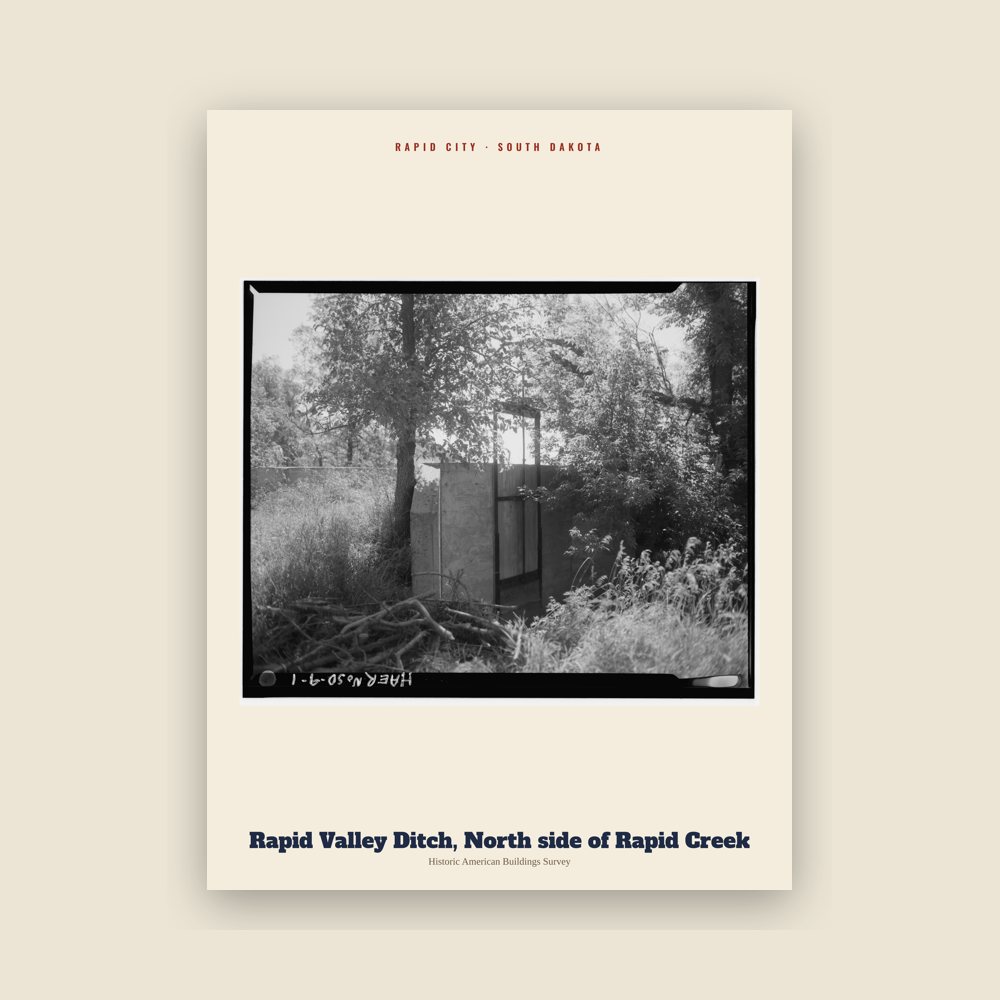
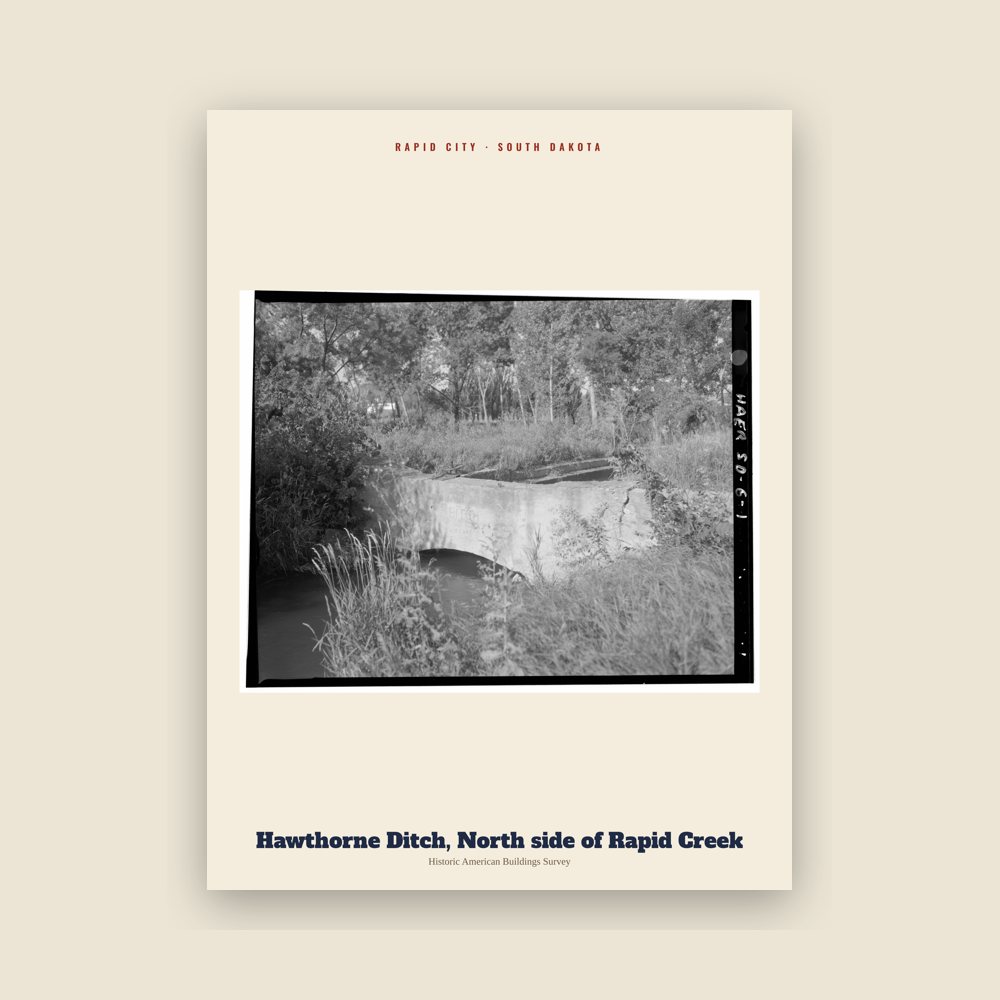
After the Black Hills Flood of 1972, the worst natural disaster in South Dakota history, a building boom took place over the next decade to replace damaged structures. On June 9, 1972, heavy rains caused massive flash flooding along Rapid Creek through the city, killing 238 people and destroying more than $100 million in property. In response to this devastation, Rapid City received an outpouring of private donations and millions of dollars in federal aid. It was able to complete a major part of its 1949 plan: clearing the area along the Rapid Creek and making the floodplain a public park. In other areas, new homes and businesses were constructed to replace those that had been destroyed. Rushmore Plaza Civic Center and a new Central High School were built in part of the area that was cleared. The high school opened in 1978, with the graduating class that year attending classes in both the original school (housed in what is now Rapid City High School and community theater) and the new one.
The rebuilding generated construction and related jobs that partly insulated Rapid City from the drop in automotive tourism caused by the 1974 Oil Embargo, but tourism was depressed for most of a decade. In 1978, Rushmore Mall was built on the city's north edge, enhancing the city's status as a local retail center.
In 1980, the Supreme Court of the United States ruled in United States v. Sioux Nation of Indians that the federal government had not justly compensated the Sioux people for the Black Hills when it unilaterally broke a treaty guaranteeing the Black Hills to them. As a result, the federal government offered a financial settlement, but the Lakota Sioux declined on the principle that the theft of their land should not be validated. They still demand the return of the land. The settlement funds accrue interest. This land includes Rapid City, by far the largest modern settlement in the Black Hills. As of 2023, the dispute has not been settled.
In the 1980s, tourism increased again as the city hosted the annual Sturgis Motorcycle Rally; another decline occurred in the late 1990s. Fears that Ellsworth AFB would be closed under the BRAC review and base closure process in the 1990s and 2000s led to attempts to expand other sectors of the economy. Growth continued and the city expanded significantly during this period.
Today, Rapid City is South Dakota's primary city for tourism and recreation. With the federal government's approval of a Deep Underground Science and Engineering Laboratory at the Homestake Mine site in nearby Lead, Rapid City is primed for advancements in technology, medicine, and scientific research.
Adapted (trimmed) from the Wikipedia article Rapid City, South Dakota, revision 1382130752 by its contributors, licensed CC BY-SA 4.0.
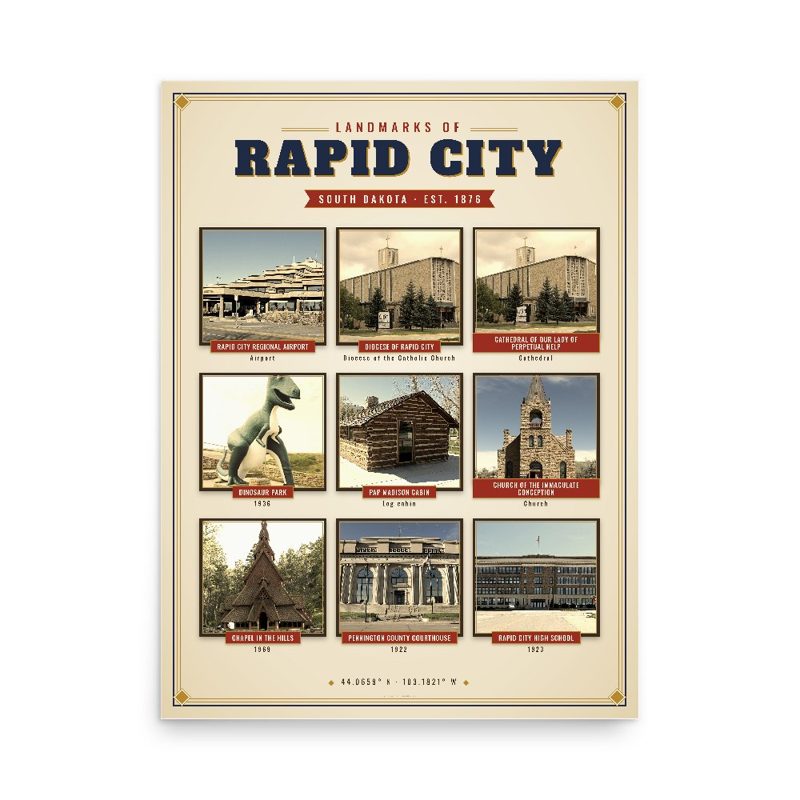
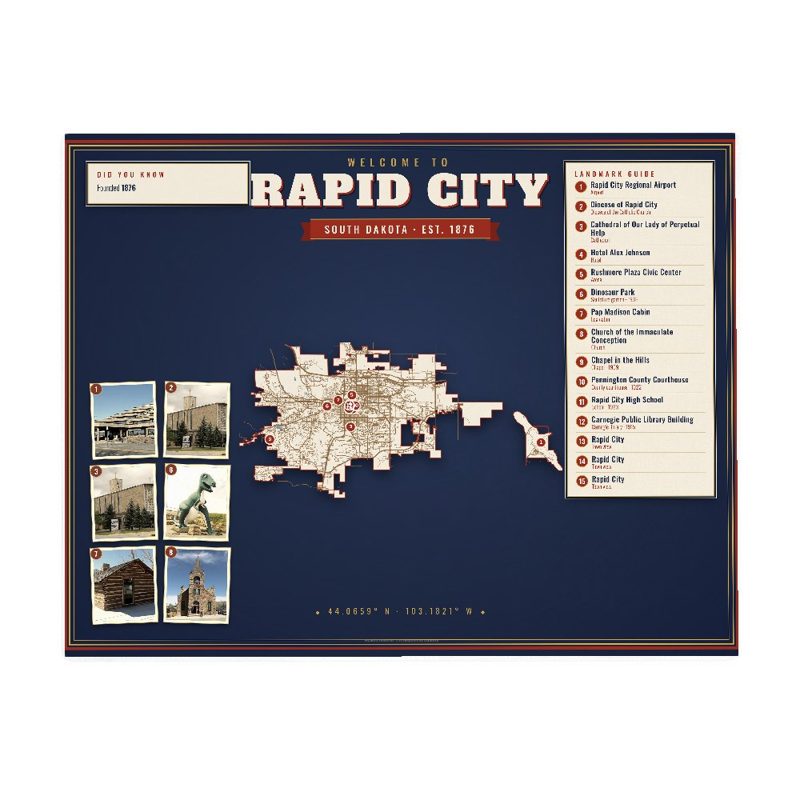
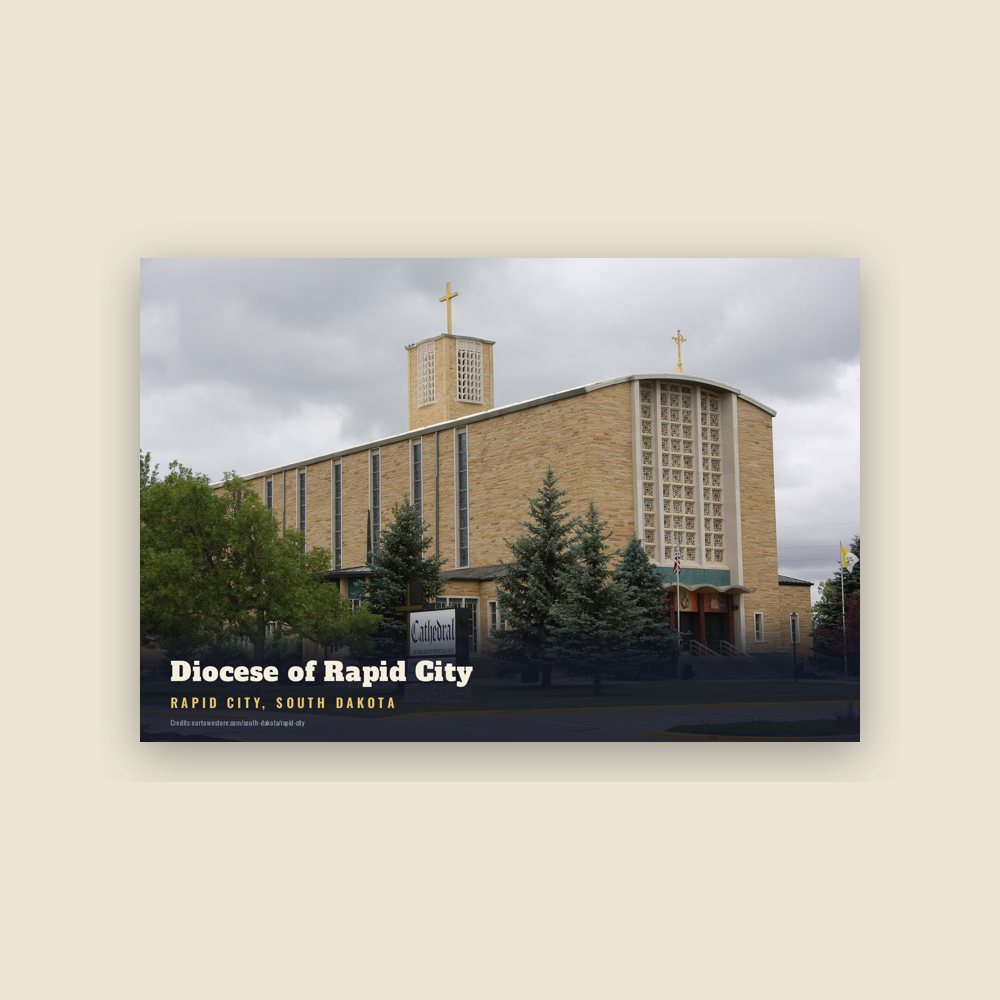
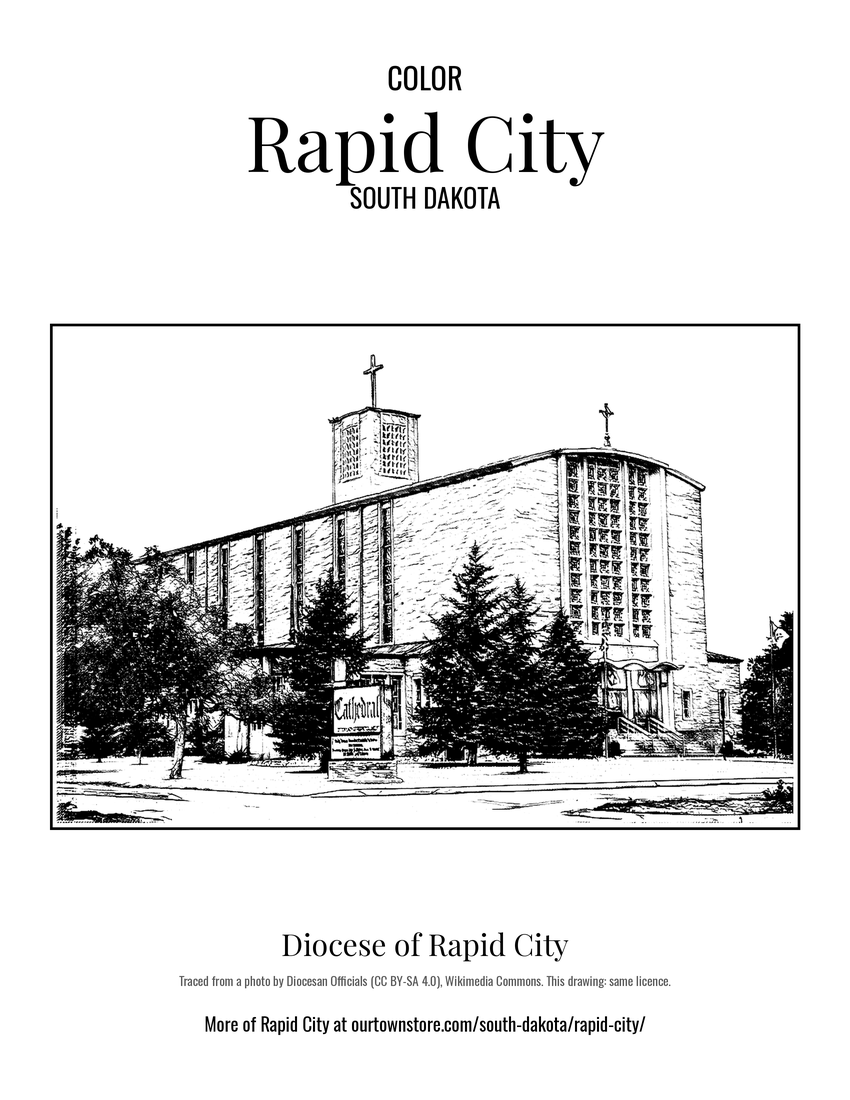 Diocese of Rapid City
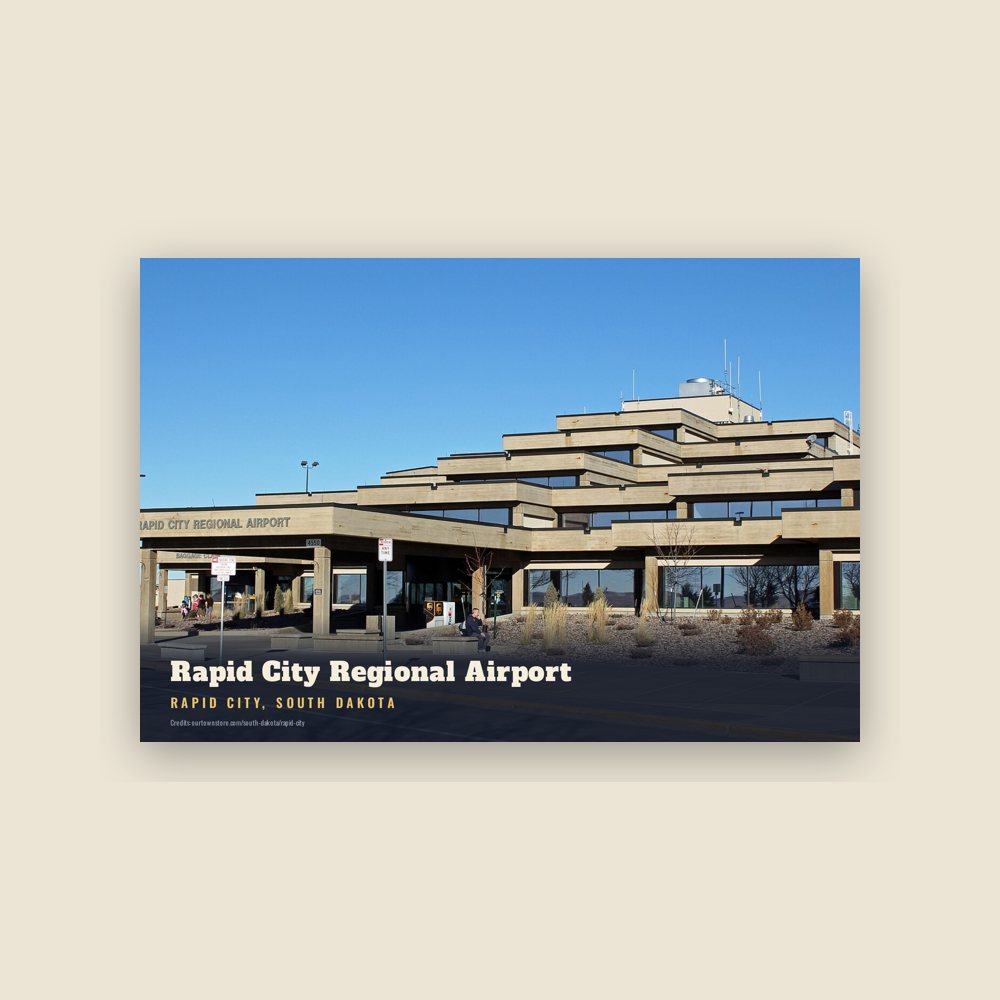
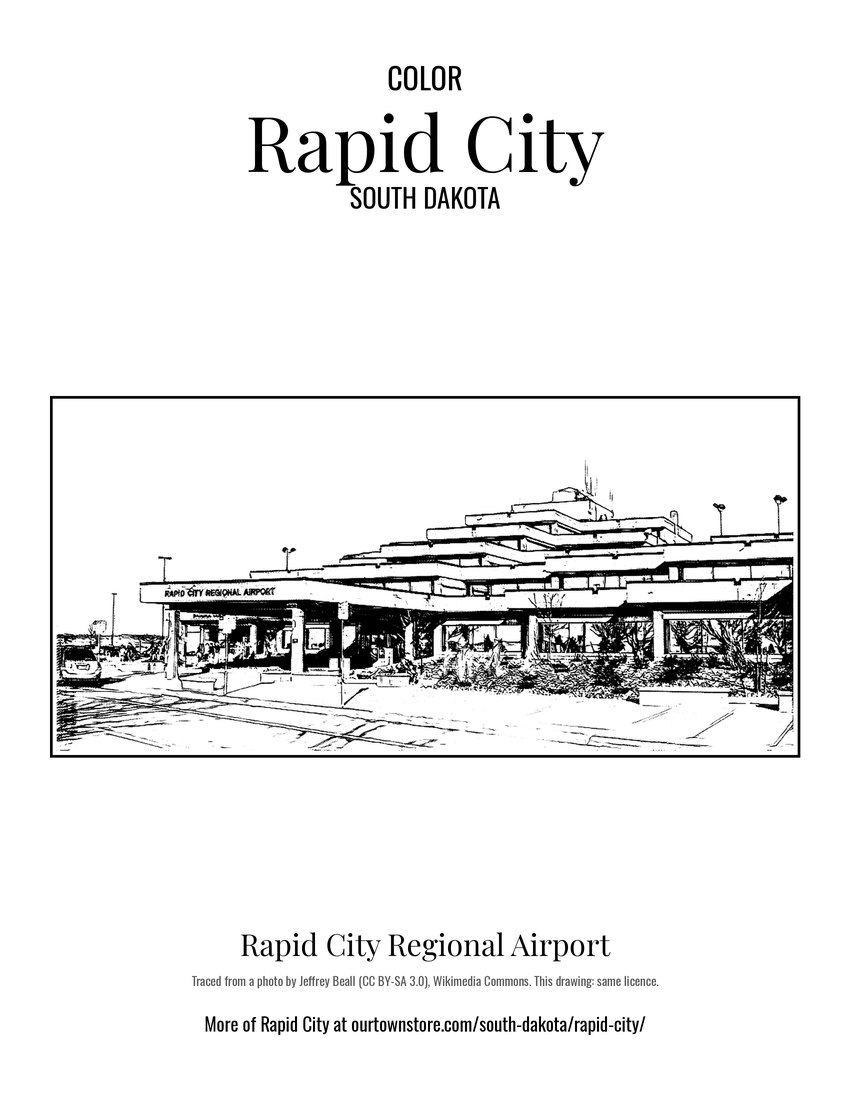 Rapid City Regional Airport
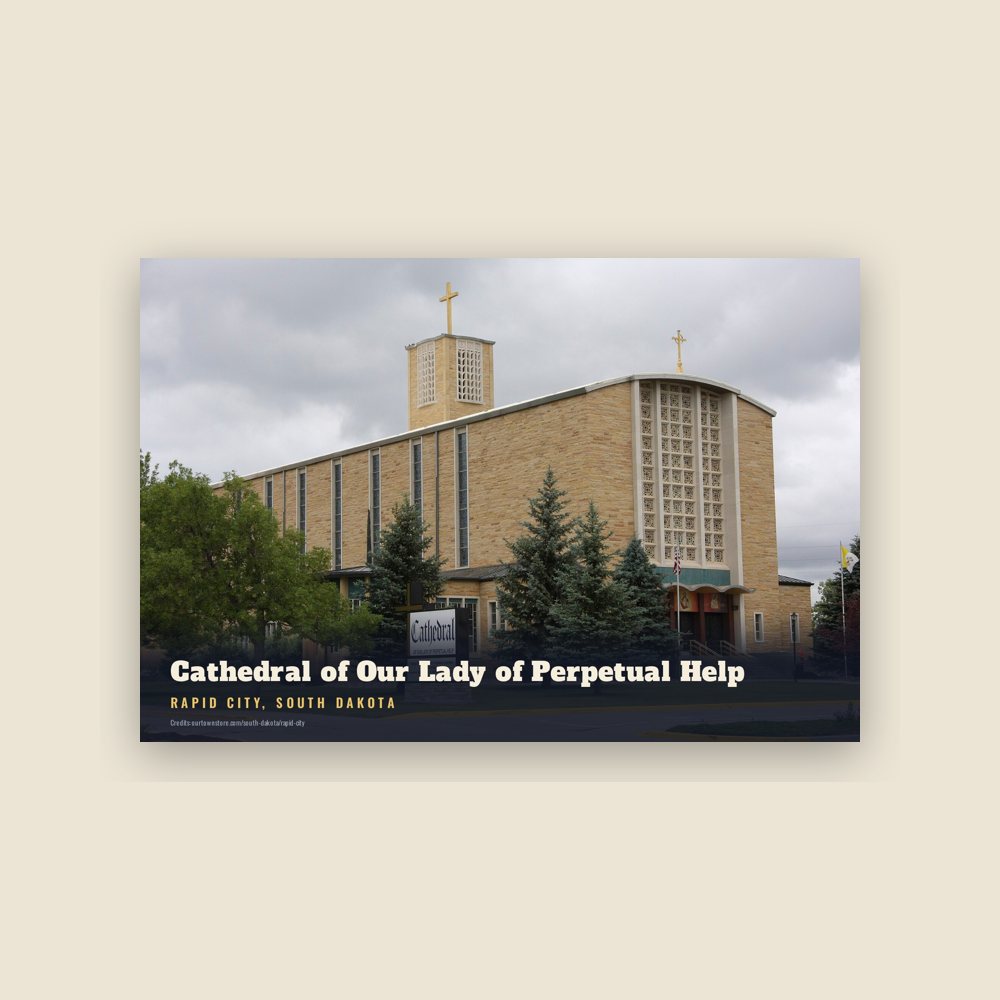
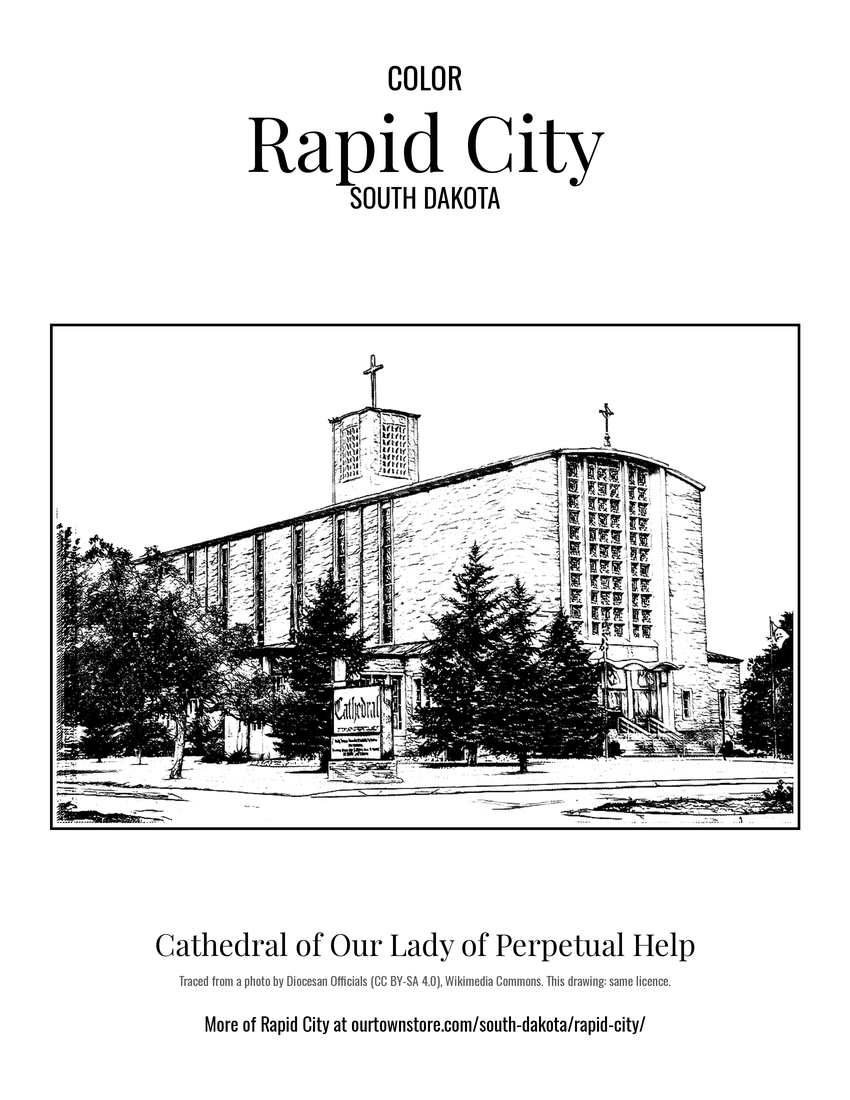 Cathedral of Our Lady of Perpetual Help
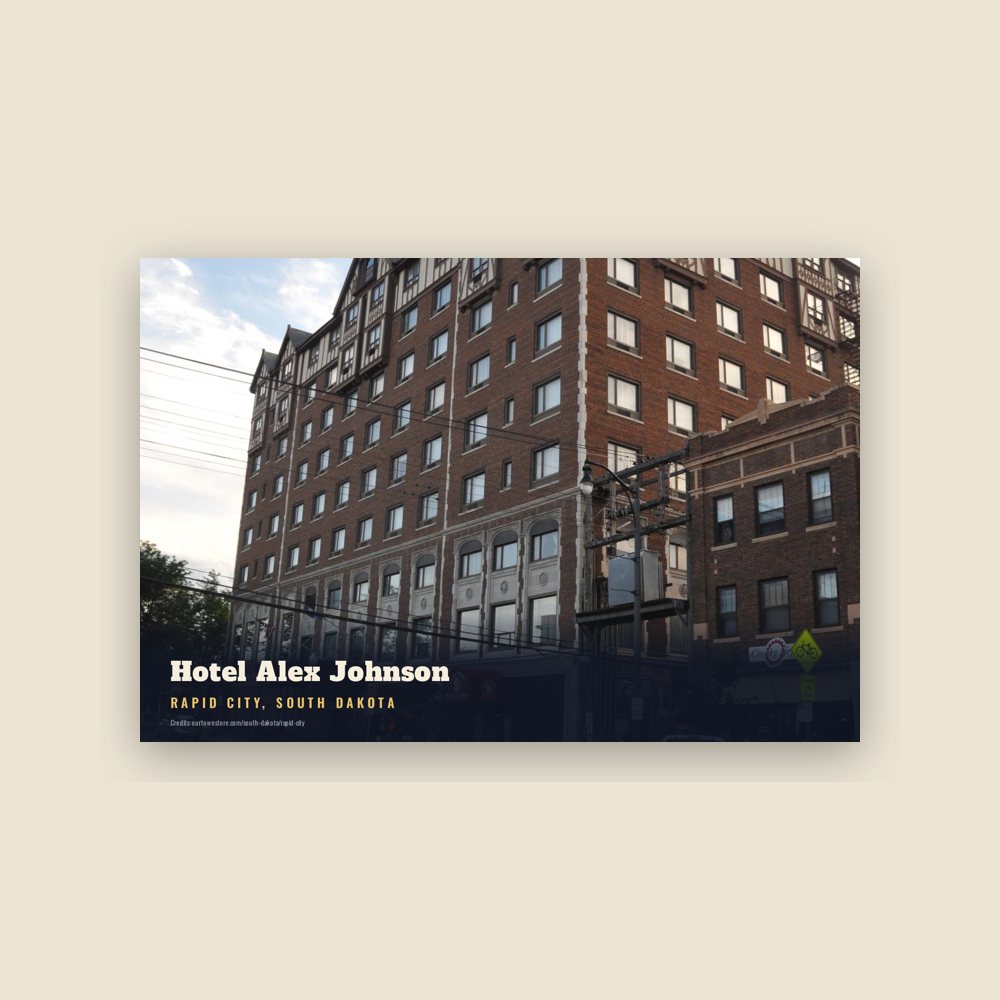
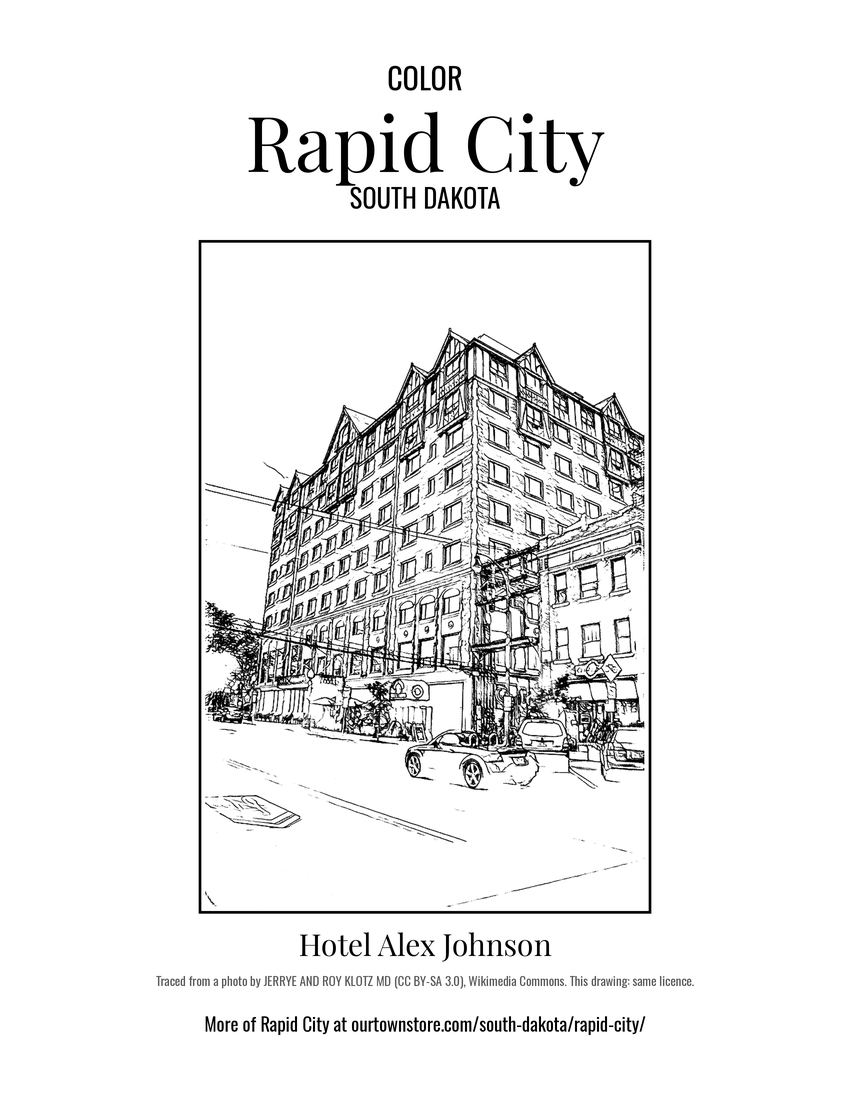 Hotel Alex Johnson