A short history of MONCKS CORNER
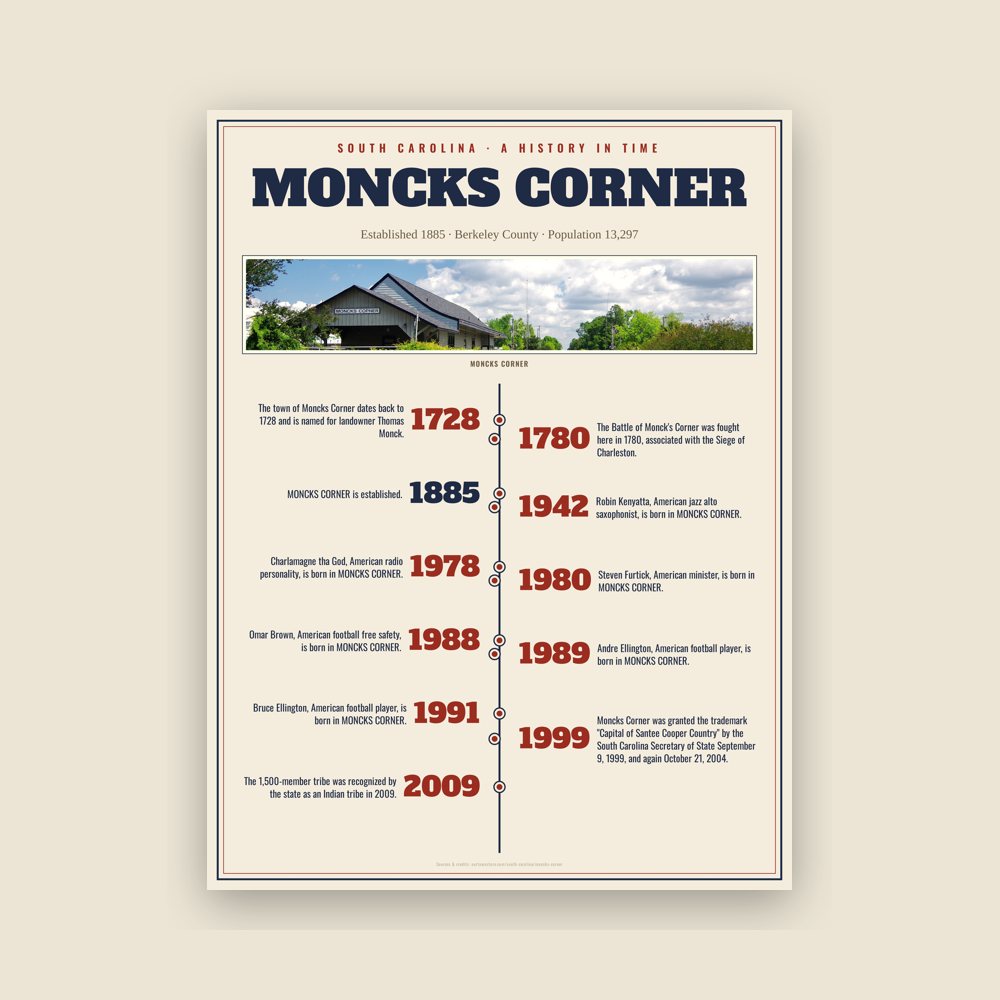
The area in which Moncks Corner lies was historically occupied by the Edisto people, a sub-tribe of the Cusabo. Descendants of the Edisto form part of the Wassamasaw Tribe of Varnertown Indians, a community located between Moncks Corner and Summerville. The 1,500-member tribe was recognized by the state as an Indian tribe in 2009.
During the colonial era, Moncks Corner became a major settlement area of French Protestant Huguenots, who came to South Carolina between 1684 and 1688 as refugees due to religious persecution in France. Many family surnames in Berkeley and adjacent counties are of French origin. The Huguenots soon began to intermarry with the English colonists.
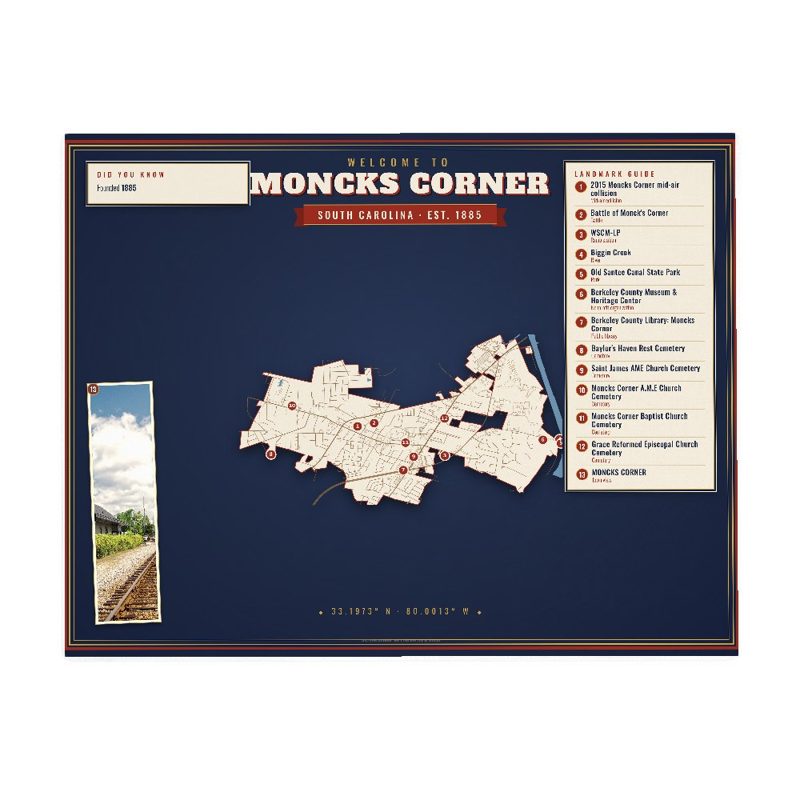
The town of Moncks Corner dates back to 1728 and is named for landowner Thomas Monck. The town began as a trading post with a few taverns and stores. The Battle of Monck's Corner was fought here in 1780, associated with the Siege of Charleston.
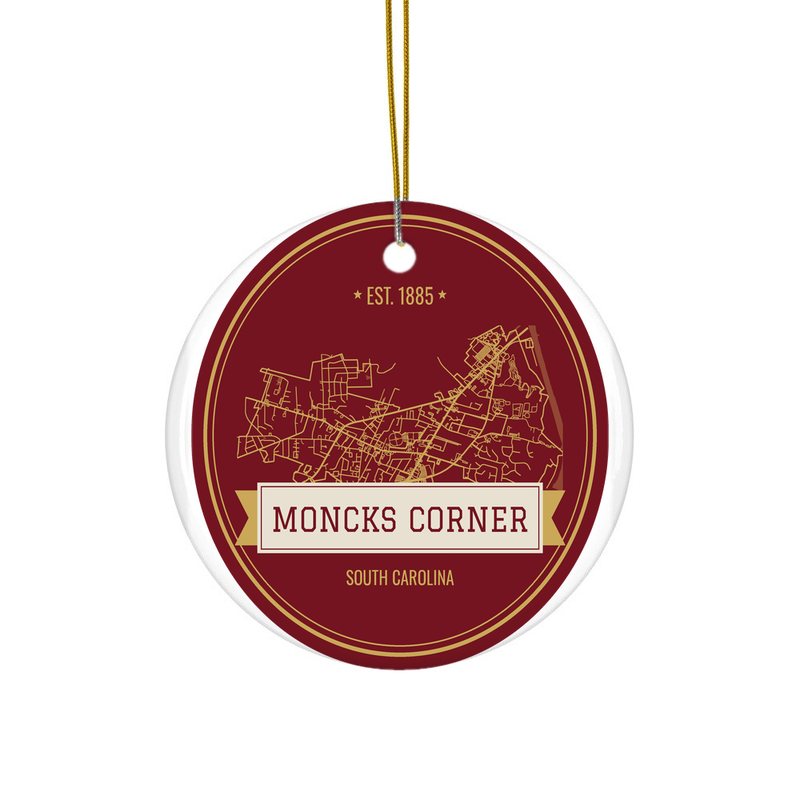
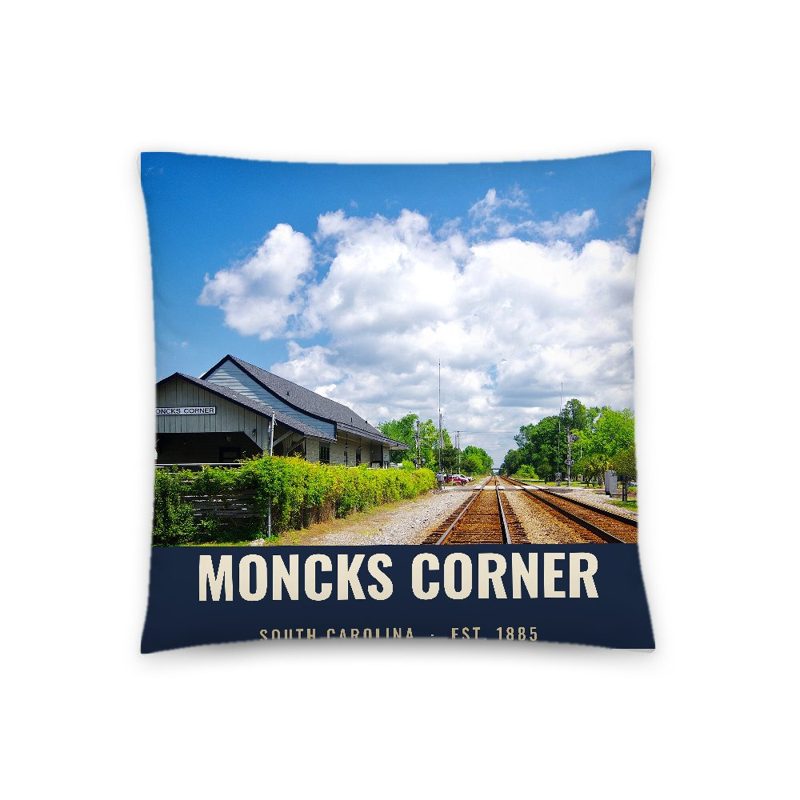
The Northeastern Railroad, which ran between Charleston, South Carolina, and Siler City, North Carolina, laid its tracks in 1856, and the train depot became the center of the new town of Moncks Corner. The town of Moncks Corner was chartered on December 26, 1885, and incorporated December 15, 1909.
Moncks Corner was granted the trademark "Capital of Santee Cooper Country" by the South Carolina Secretary of State September 9, 1999, and again October 21, 2004. The trademark is a symbol of its abundant outdoor activities, such as horseback riding, hiking, water sports, boating and freshwater fishing. Moncks Corner is also the home of Santee Cooper's corporate office complex.
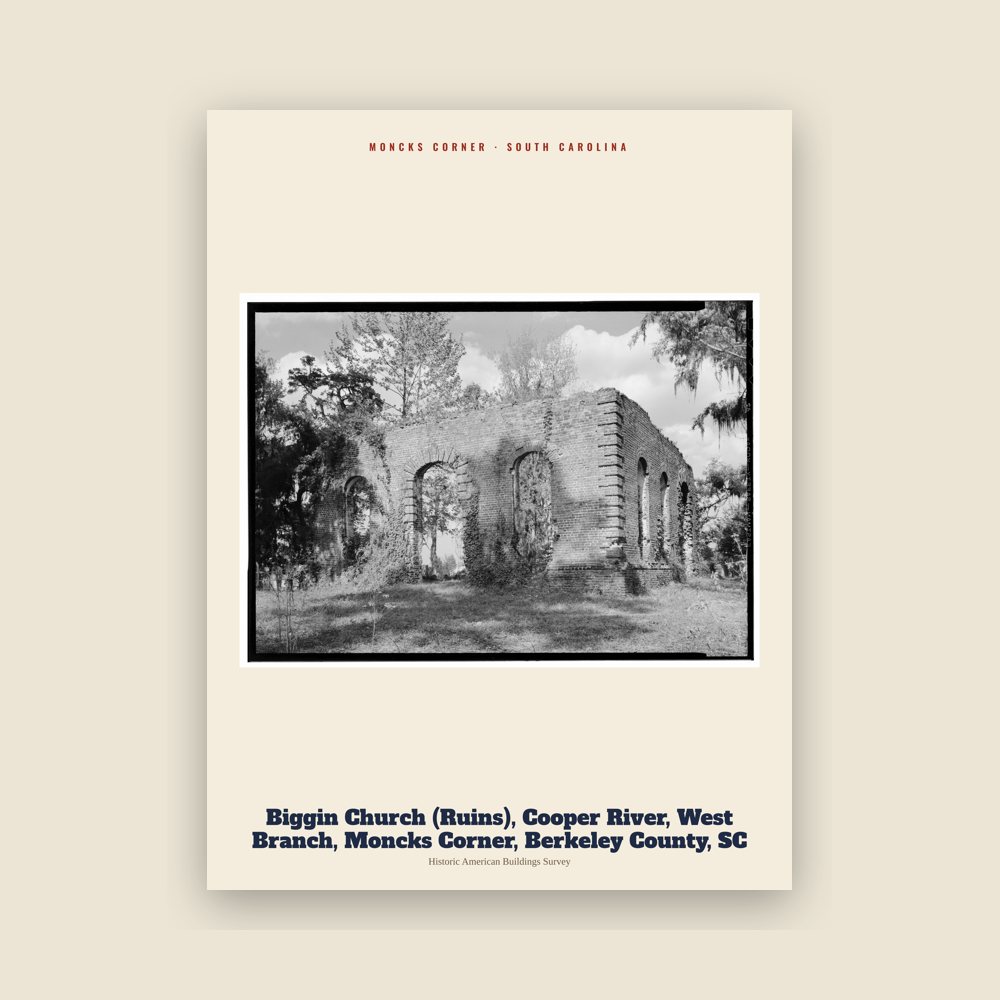
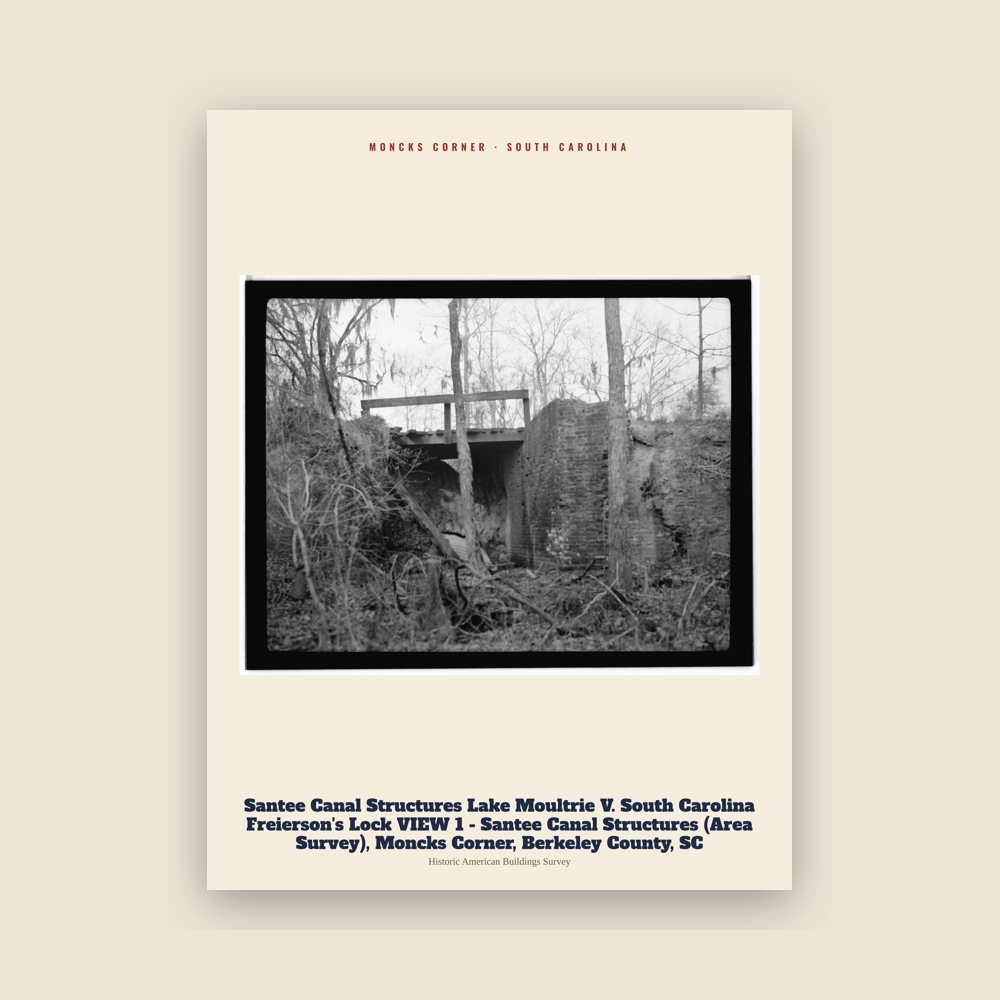
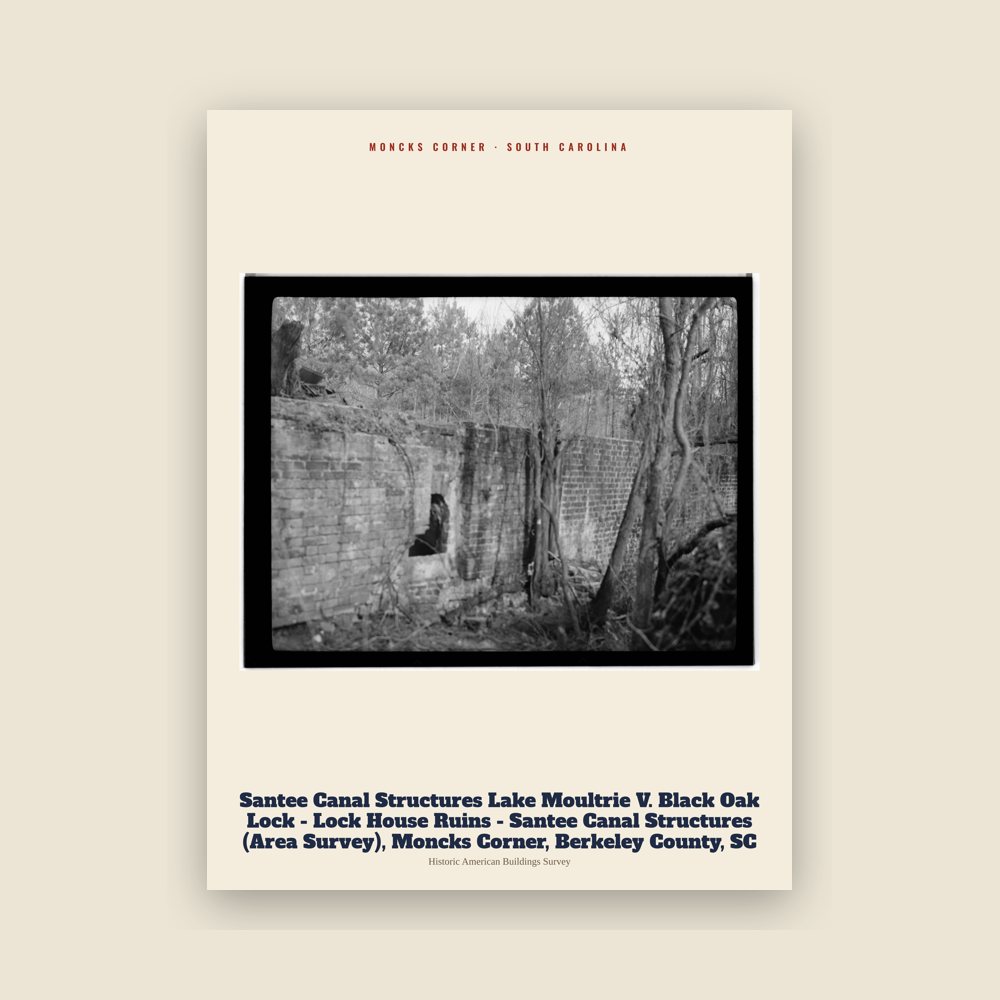
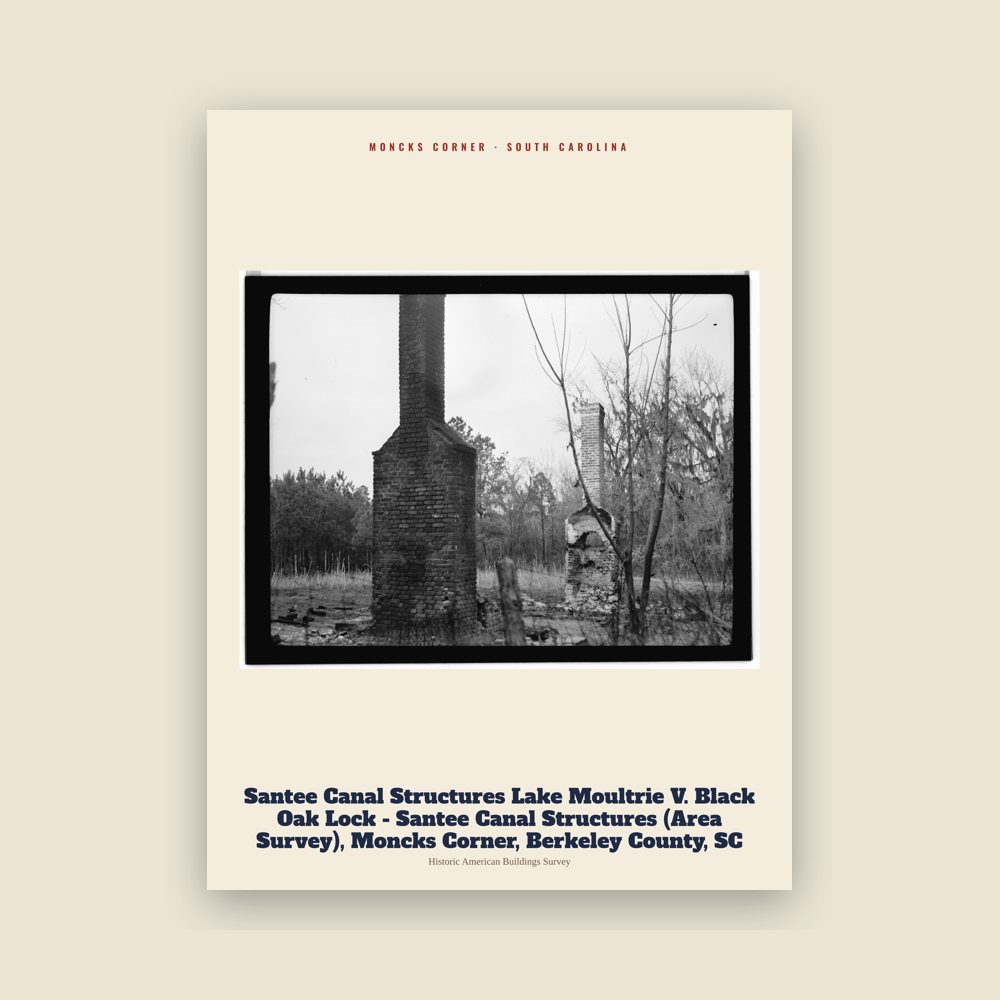
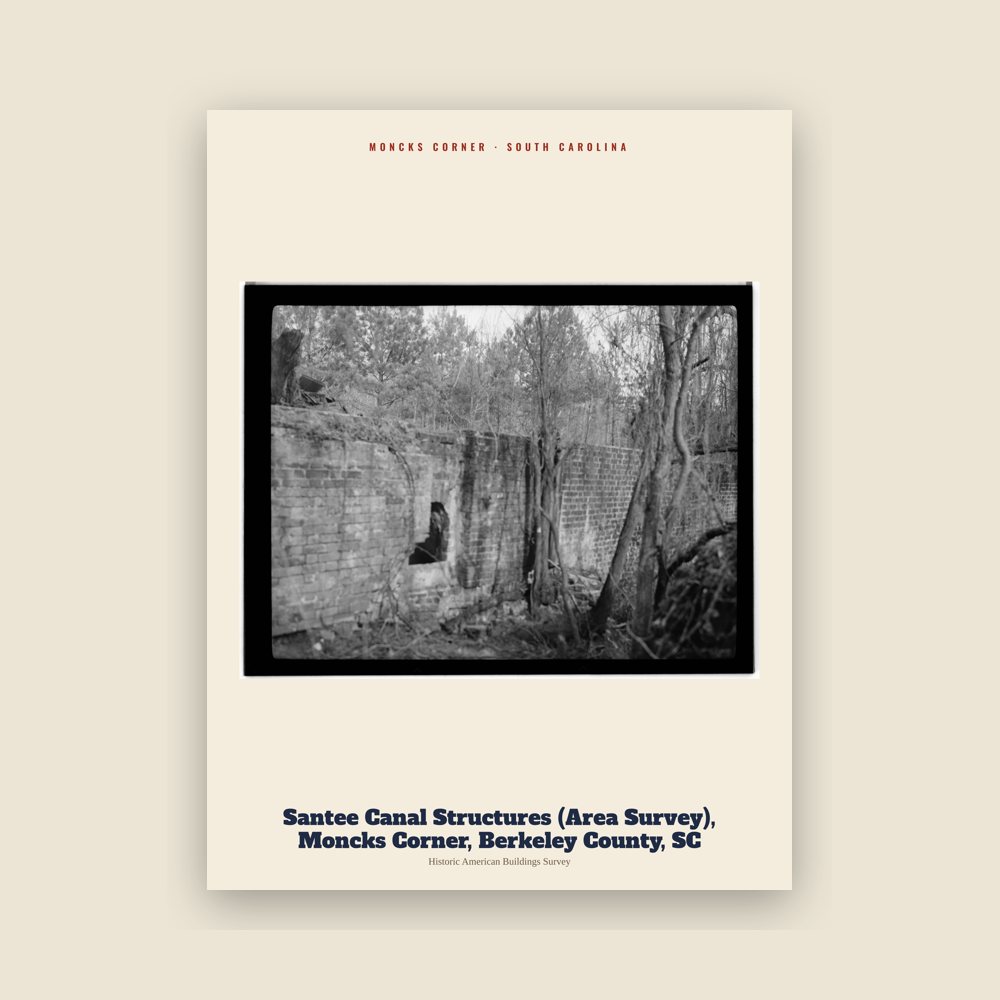
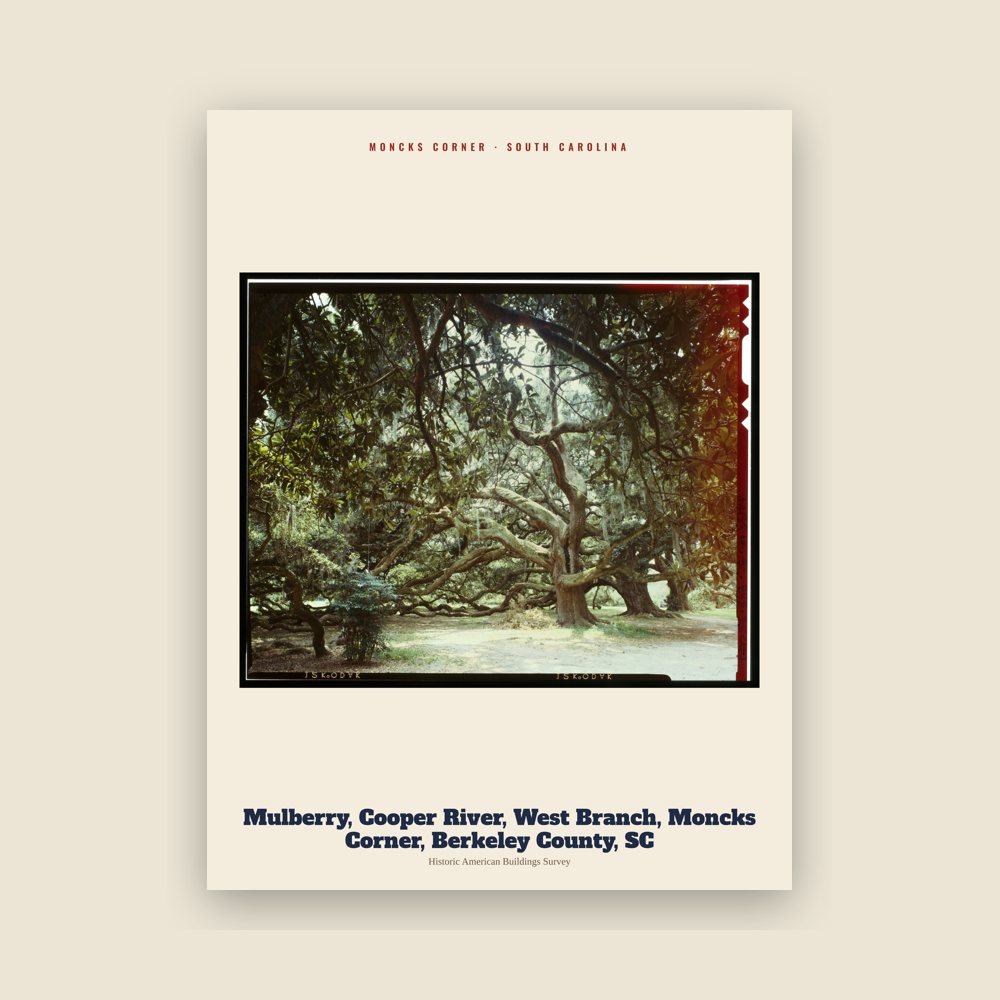
The Biggin Church Ruins, Cooper River Historic District, Lewisfield Plantation, Mulberry Plantation, Santee Canal, and Strawberry Chapel and Childsbury Town Site are listed on the National Register of Historic Places.
Adapted (trimmed) from the Wikipedia article MONCKS CORNER, South Carolina, revision 1378580480 by its contributors, licensed CC BY-SA 4.0.
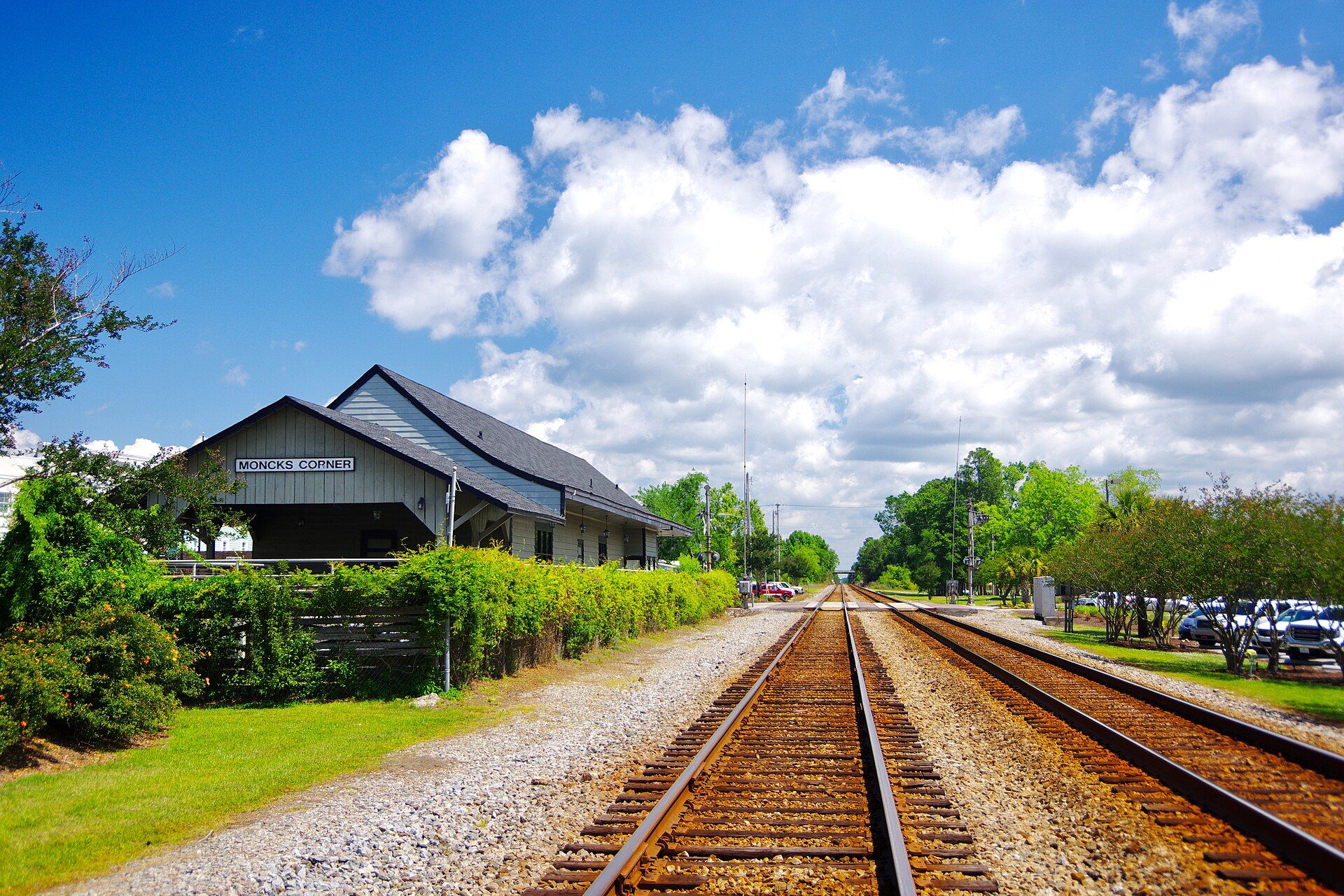
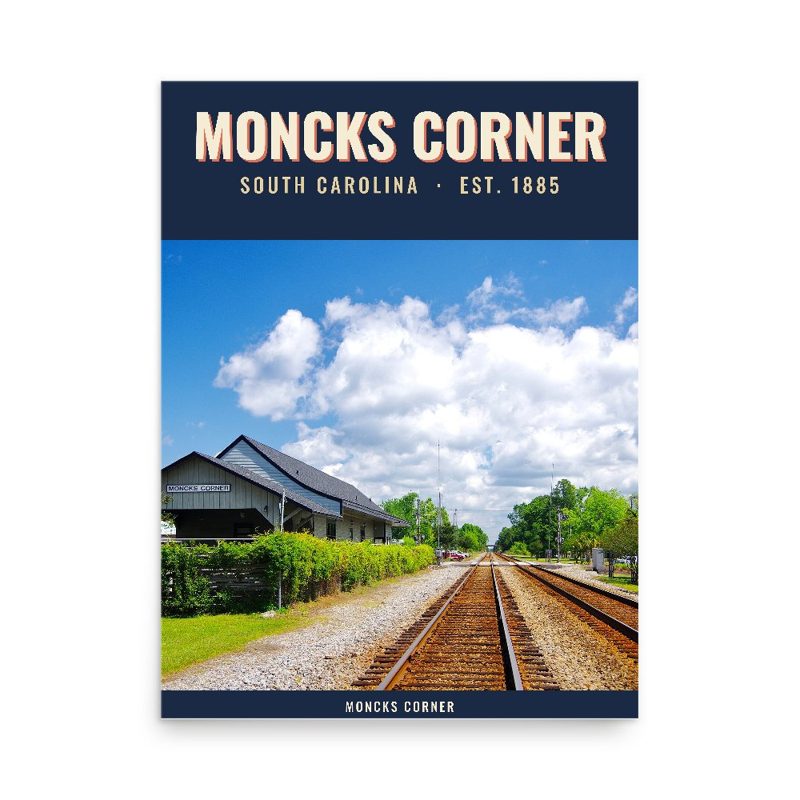
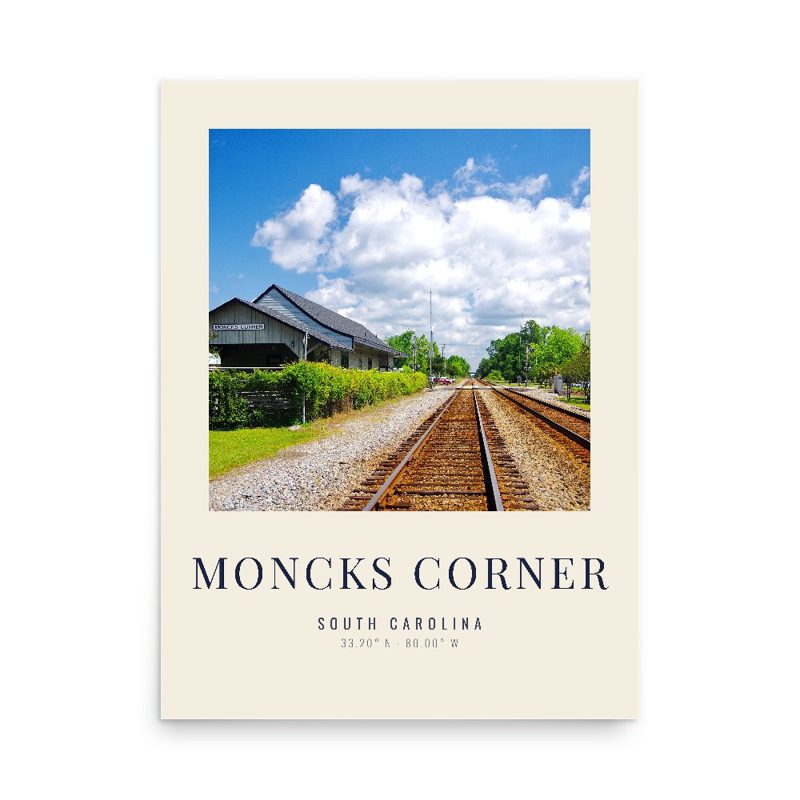

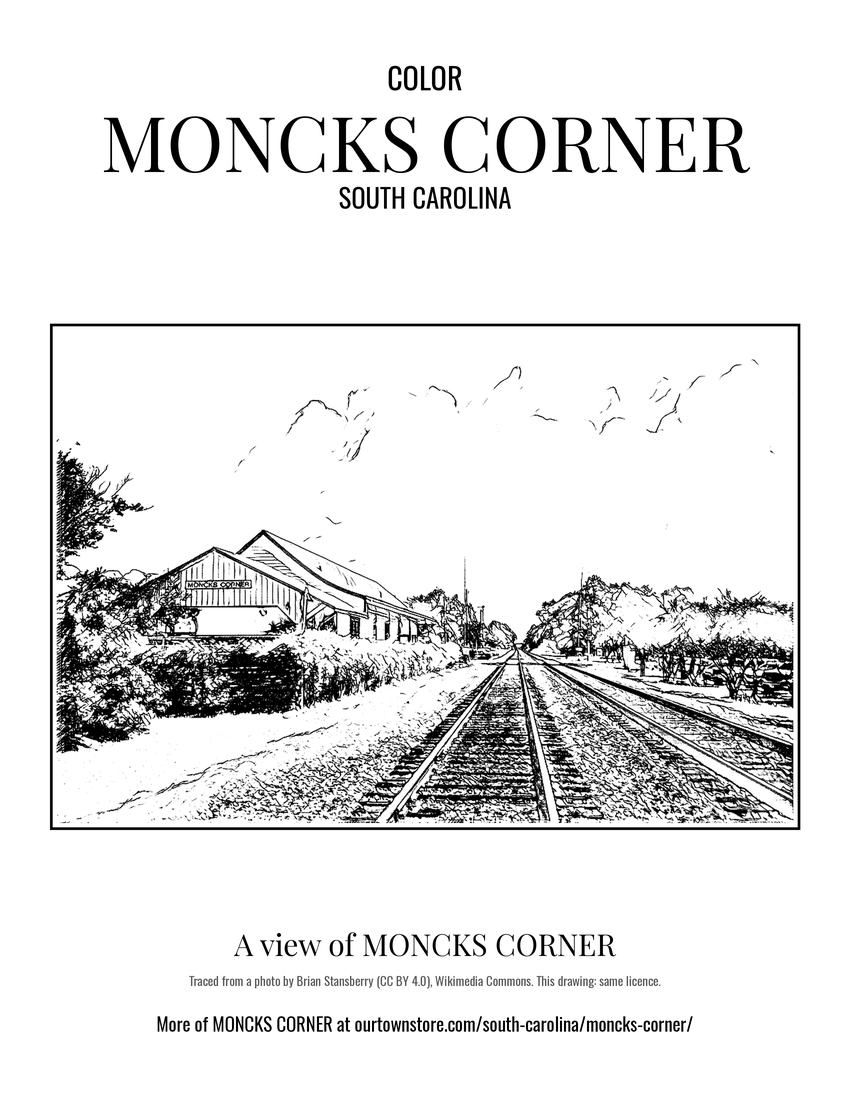 A view of MONCKS CORNER