A short history of Uniontown
10 miles (16 km) southeast of Uniontown is Fort Necessity, built by George Washington during the French and Indian War (part of the international Seven Years' War) as well as the site of the Battle of Jumonville Glen, where the North American branch of the war began.
Uniontown lies within the foothills of the Allegheny Mountains at an elevation of 999 feet (304 meters) above sea level. The city rests at the base of Chestnut Ridge, the westernmost ridge of the Appalachian Mountains.
Founded in 1776, Uniontown was known as "the Town of Union" by Henry Beeson, a Quaker born in Virginia in 1743 who had settled in the area in 1768, buying tracts of land and running a sawmill. On July 4 (coincidentally, the same day the United States Declaration of Independence was adopted), Beeson published a plat of quarter-acre plots near his mill to be allocated by lottery on July 20 to purchasers prepared to build houses on them.
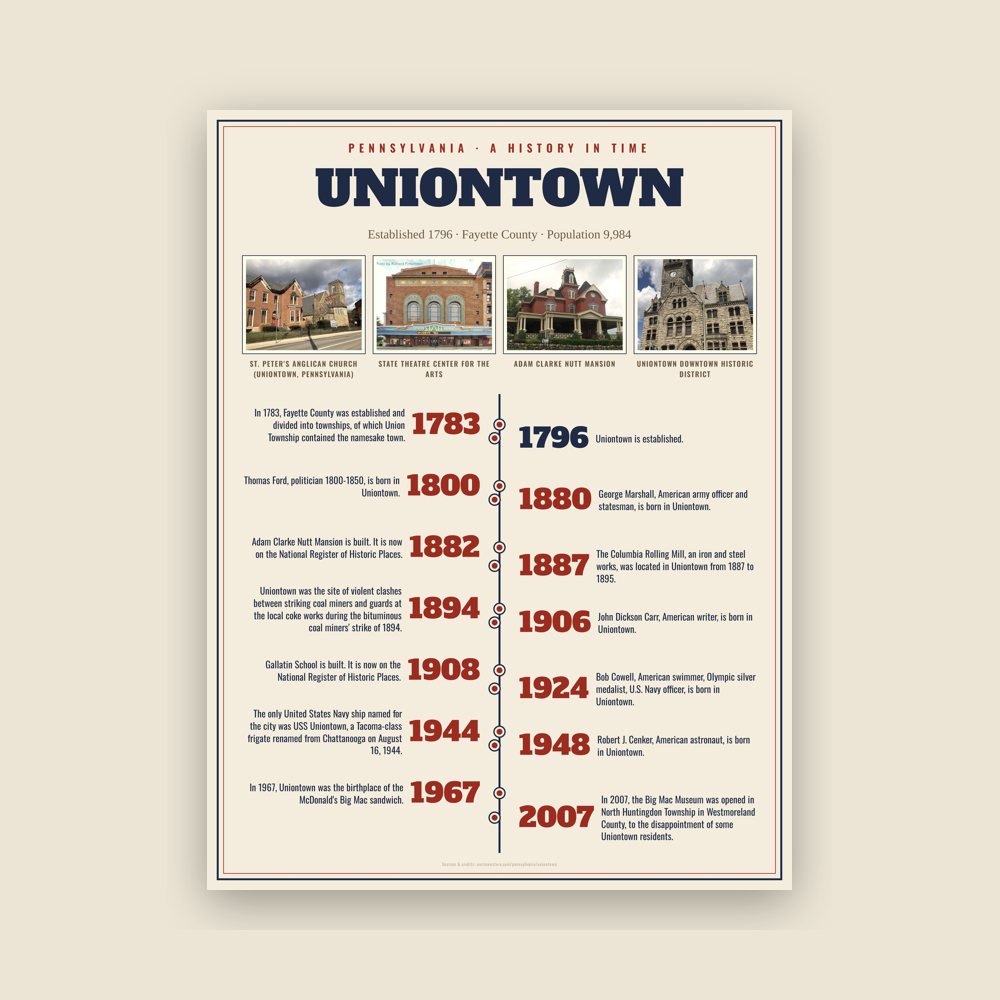
In early years, the town was sometimes unofficially called "Beesonstown", though not by Beeson. In 1783, Fayette County was established and divided into townships, of which Union Township contained the namesake town. The town was incorporated as a borough in 1796 under the name Uniontown and separated from Union Township, which was split in 1851 into the North Union and South Union townships.
The National Road, also known as the Cumberland Road, was routed through Uniontown in the early 19th century, and the town grew along with the road (now US 40). Uniontown's role in the Underground Railroad in the antebellum years is commemorated by a marker on the corner of East Main Street and Baker Alley. Residents helped slaves escape from the South to freedom.
In the late nineteenth century, the town grew based on the development of coal mines and the steel industry. Uniontown was the site of violent clashes between striking coal miners and guards at the local coke works during the bituminous coal miners' strike of 1894. Fifteen guards armed with carbines and machine guns held off an attack by 1,500 strikers, killing five and wounding eight.
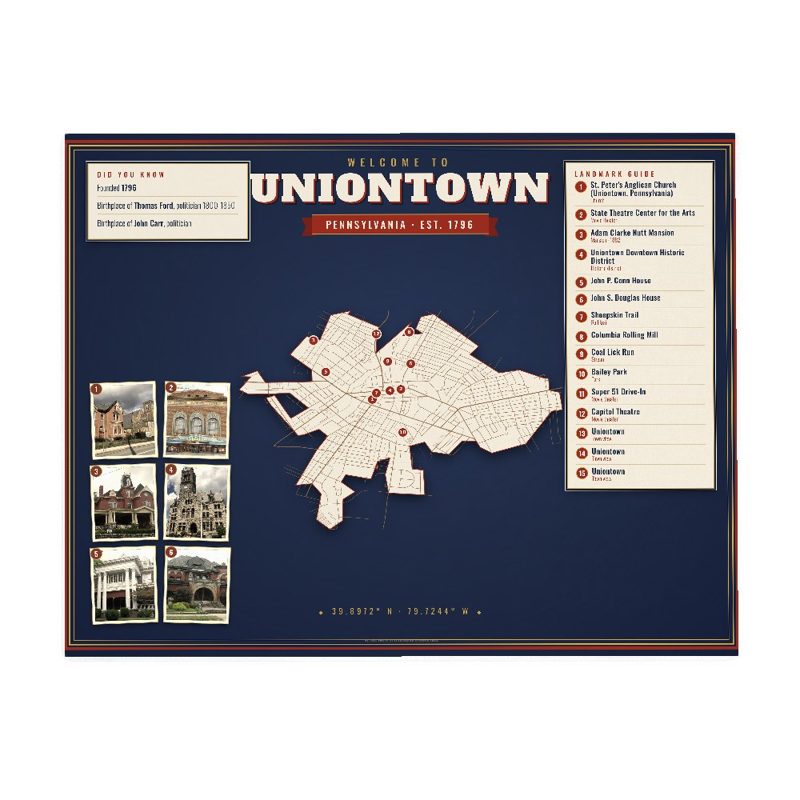
The Columbia Rolling Mill, an iron and steel works, was located in Uniontown from 1887 to 1895. The mill was the town's top industry at that time. During the Coal Boom of the early part of the 20th century, Uniontown was home to at least 13 millionaires, the most (per capita) of any city in the United States. "Coal barons" and Carl Laemmle, the president of Universal Films, sponsored the famous Uniontown Speedway board track from 1916 to 1922. It was a mile-and-a-quarter raceway.
As with most of Western Pennsylvania, Uniontown's economy waned during the region's deindustrialization in the late 20th century, when the steel industry restructured and many jobs went elsewhere, including offshore. This decline continued into the 21st century, and the population is about half its 1940 peak.
The only United States Navy ship named for the city was USS Uniontown, a Tacoma-class frigate renamed from Chattanooga on August 16, 1944.
In 1967, Uniontown was the birthplace of the McDonald's Big Mac sandwich. In 2007, the Big Mac Museum was opened in North Huntingdon Township in Westmoreland County, to the disappointment of some Uniontown residents. According to a McDonald's spokesperson, the decision was based on logistics and access, but Uniontown residents complained in an article that was published in The Herald-Standard.
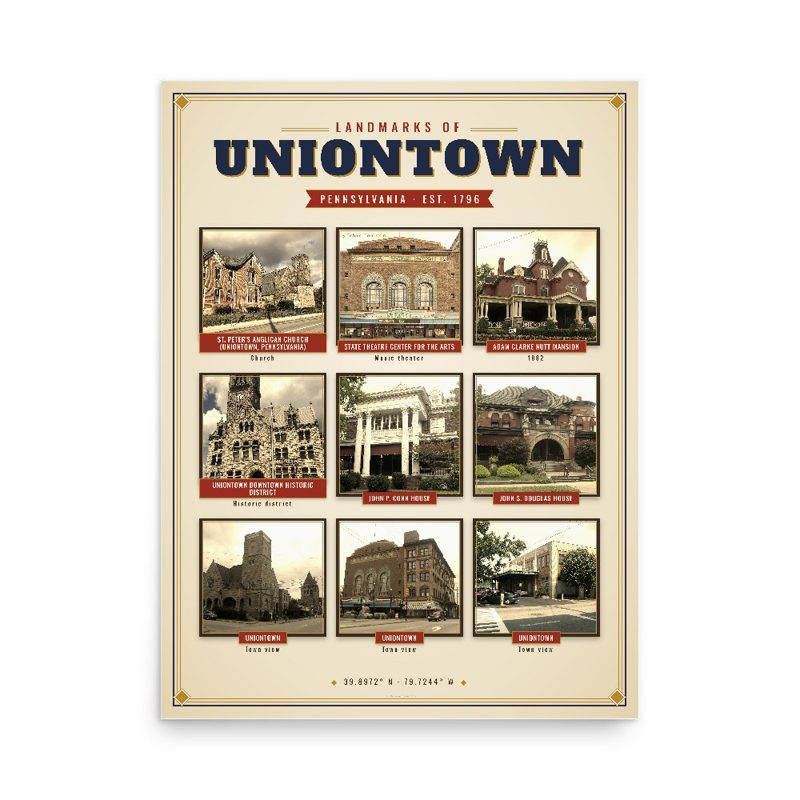
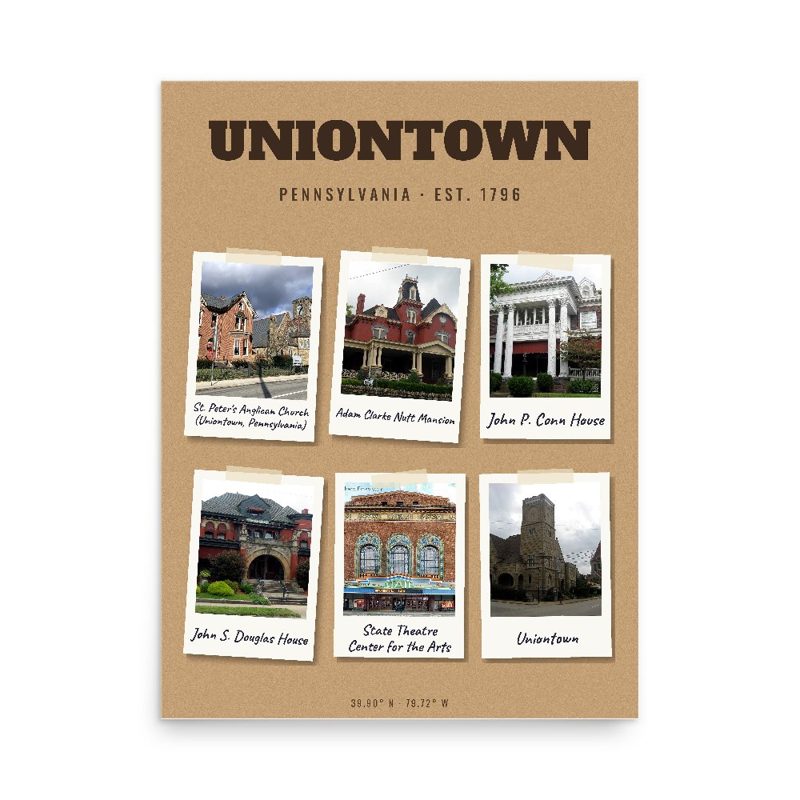
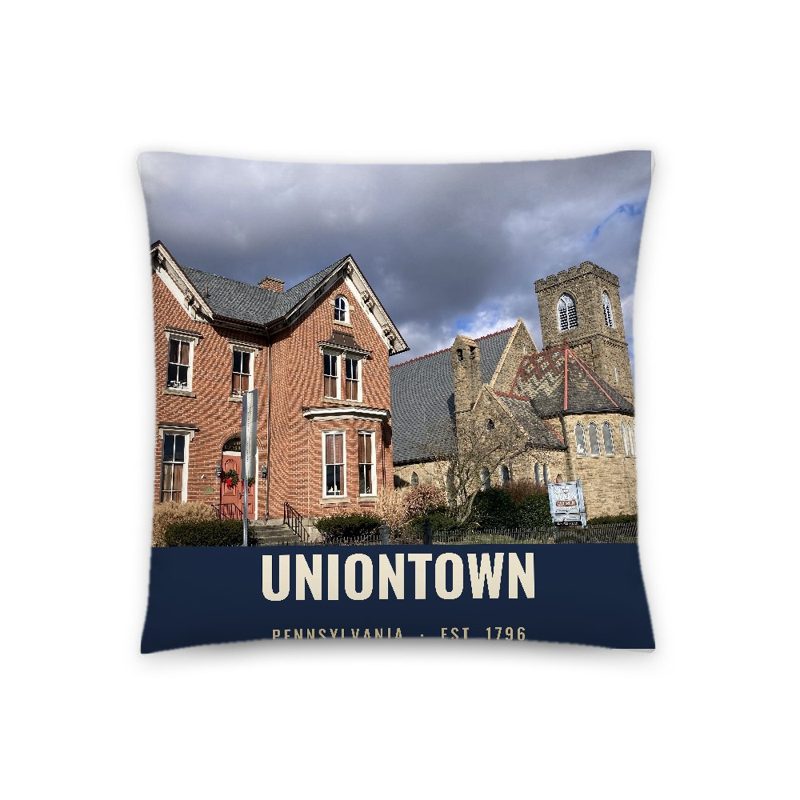
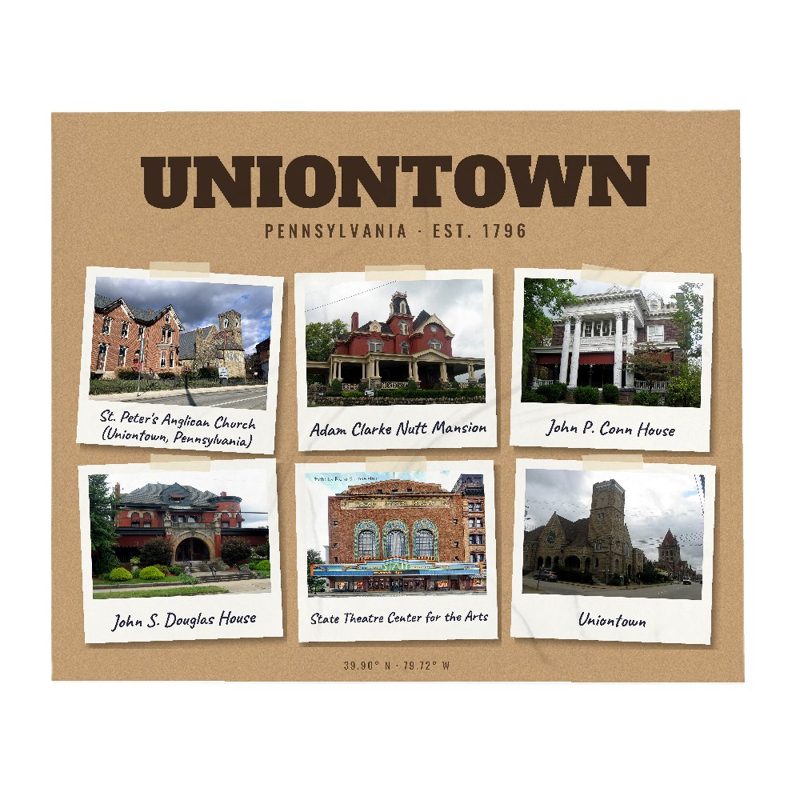
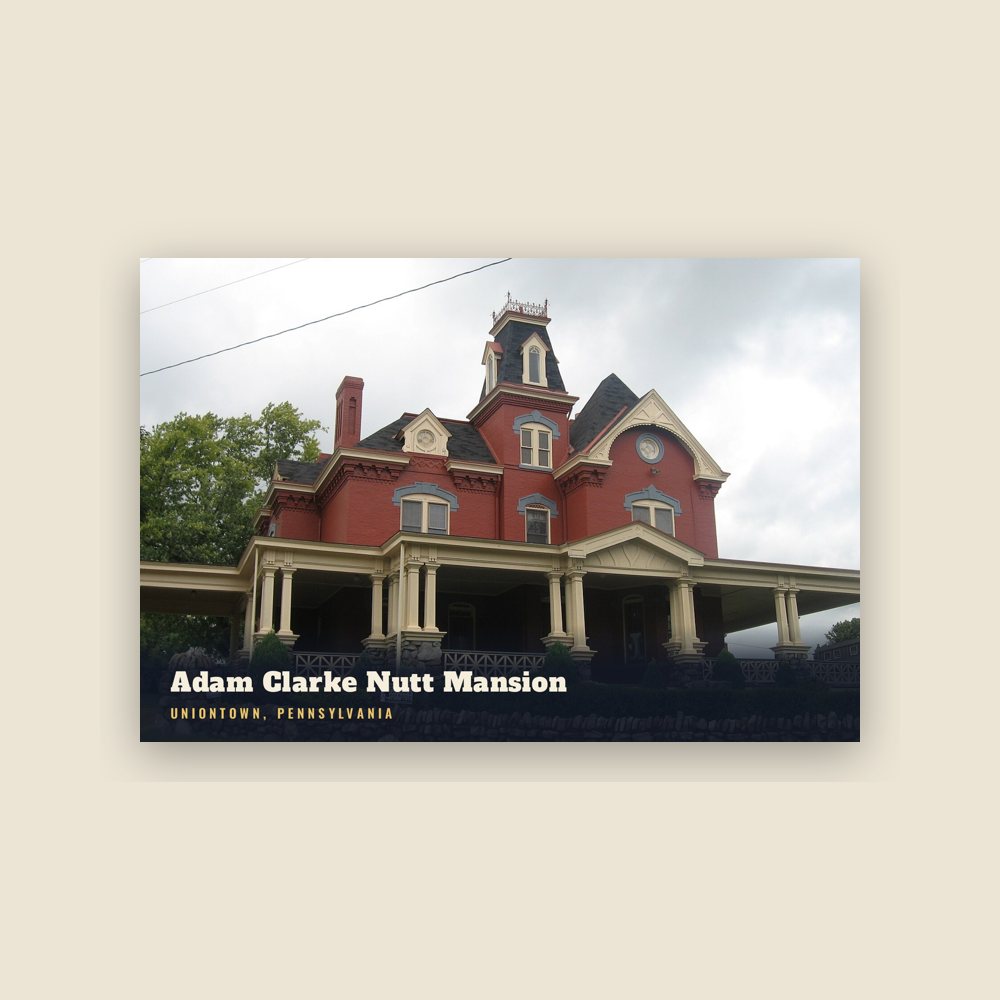
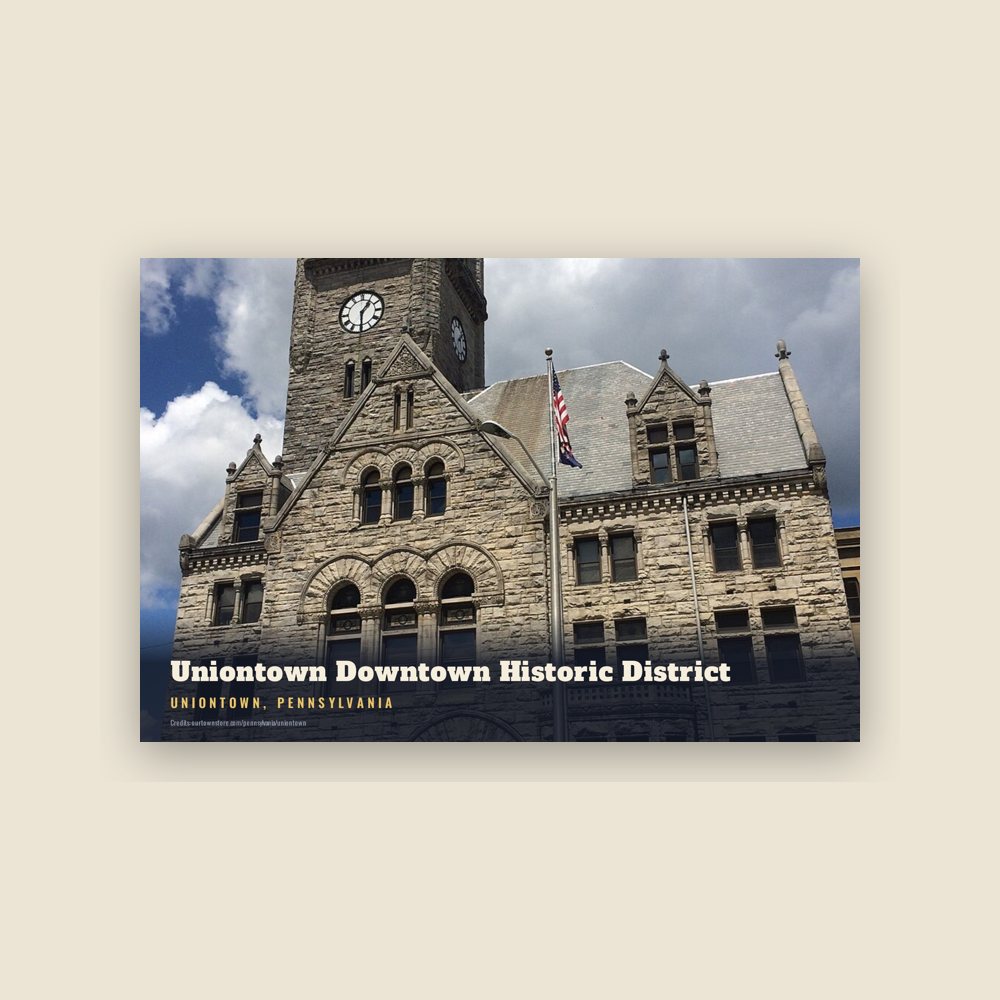
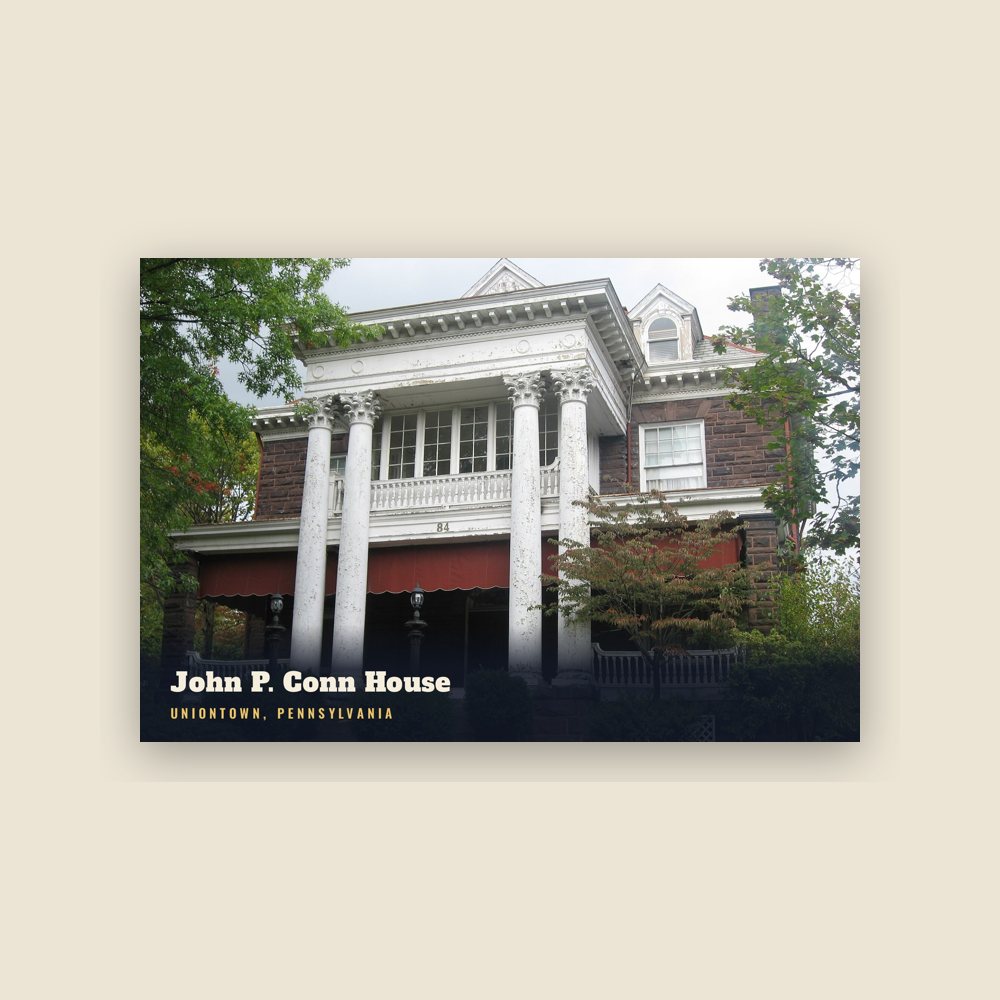
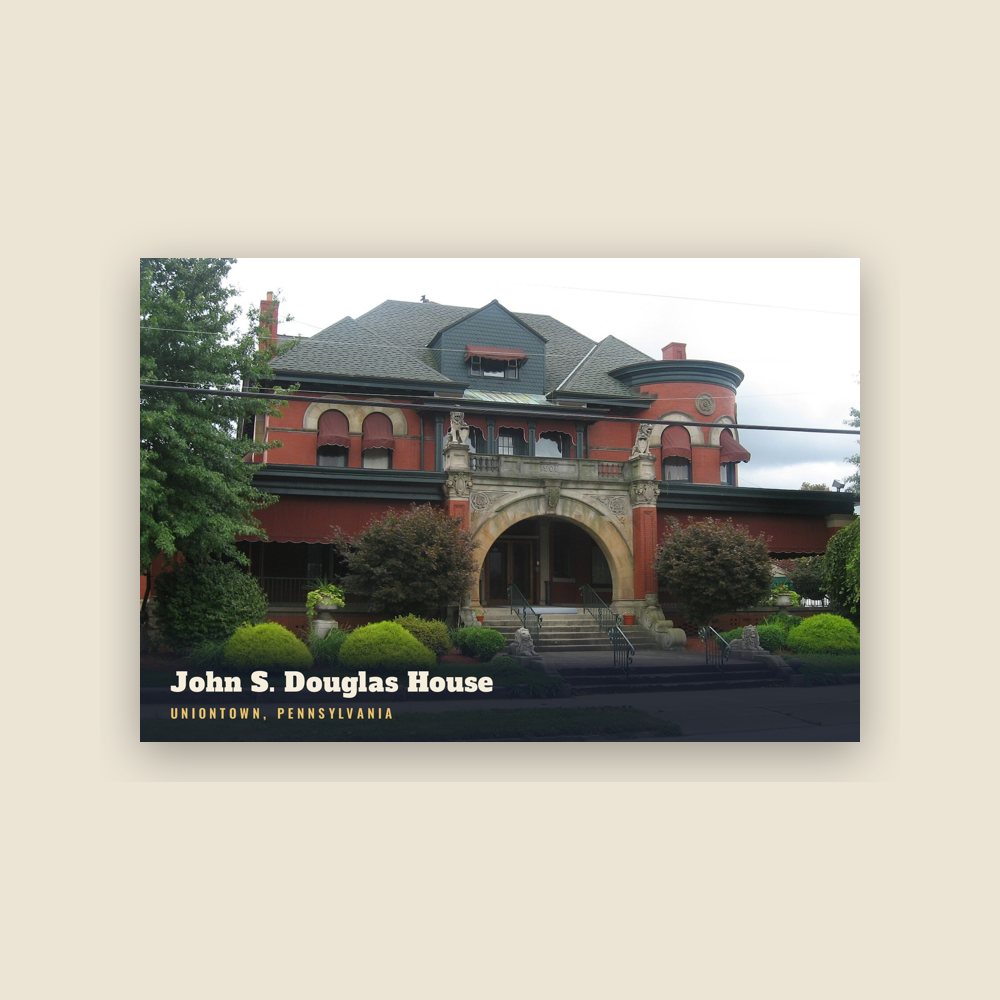
The Uniontown Downtown Historic District, Gallatin School, John S. Douglas House, John P. Conn House, and Adam Clarke Nutt Mansion are listed on the National Register of Historic Places.
Adapted (trimmed) from the Wikipedia article Uniontown, Pennsylvania, revision 1377146446 by its contributors, licensed CC BY-SA 4.0.