Since 1828
A short history of Mount Pleasant
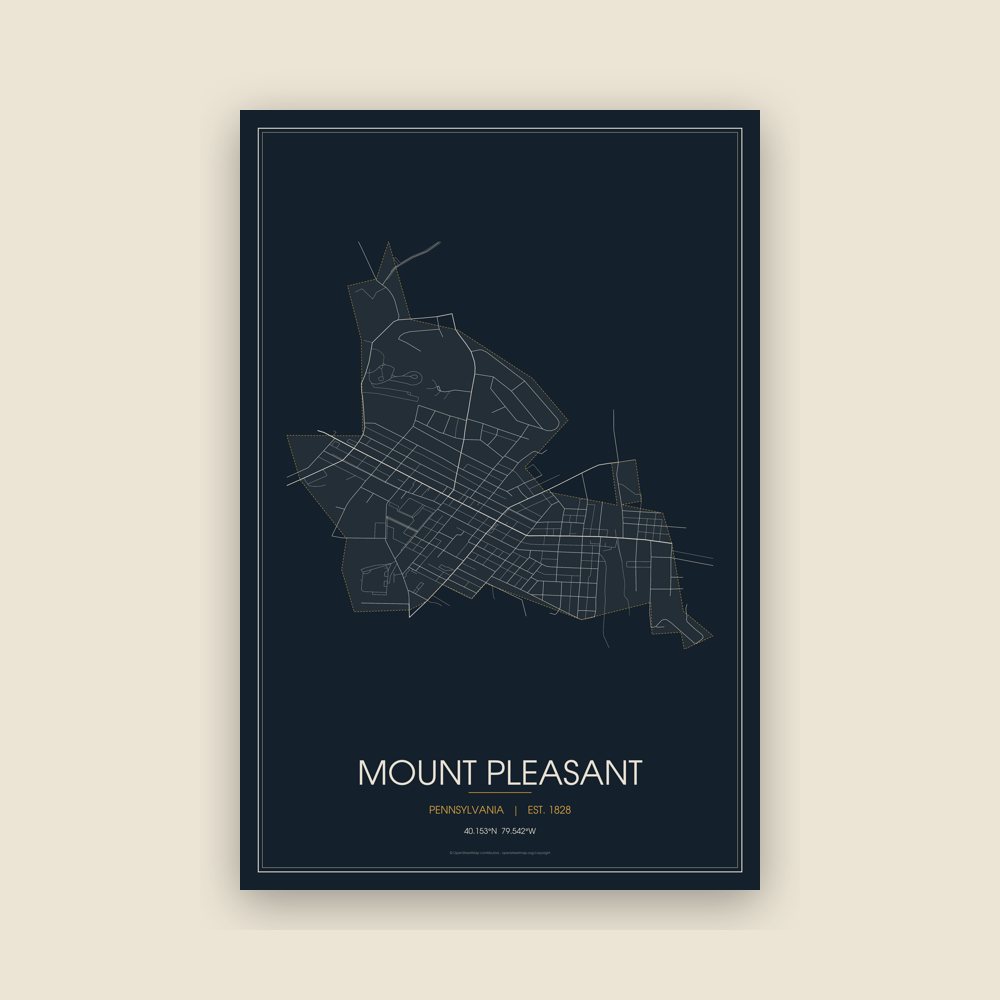
Mount Pleasant borough is located at what was originally the junction of two Native American paths. With the coming of Europeans, those two paths—now known as Pennsylvania Routes 31 (east/west) and 819 (north/south)—became key access roads to the western wilderness and more populated areas in the east. The crossroads attracted settlers who established businesses to serve travelers passing through.
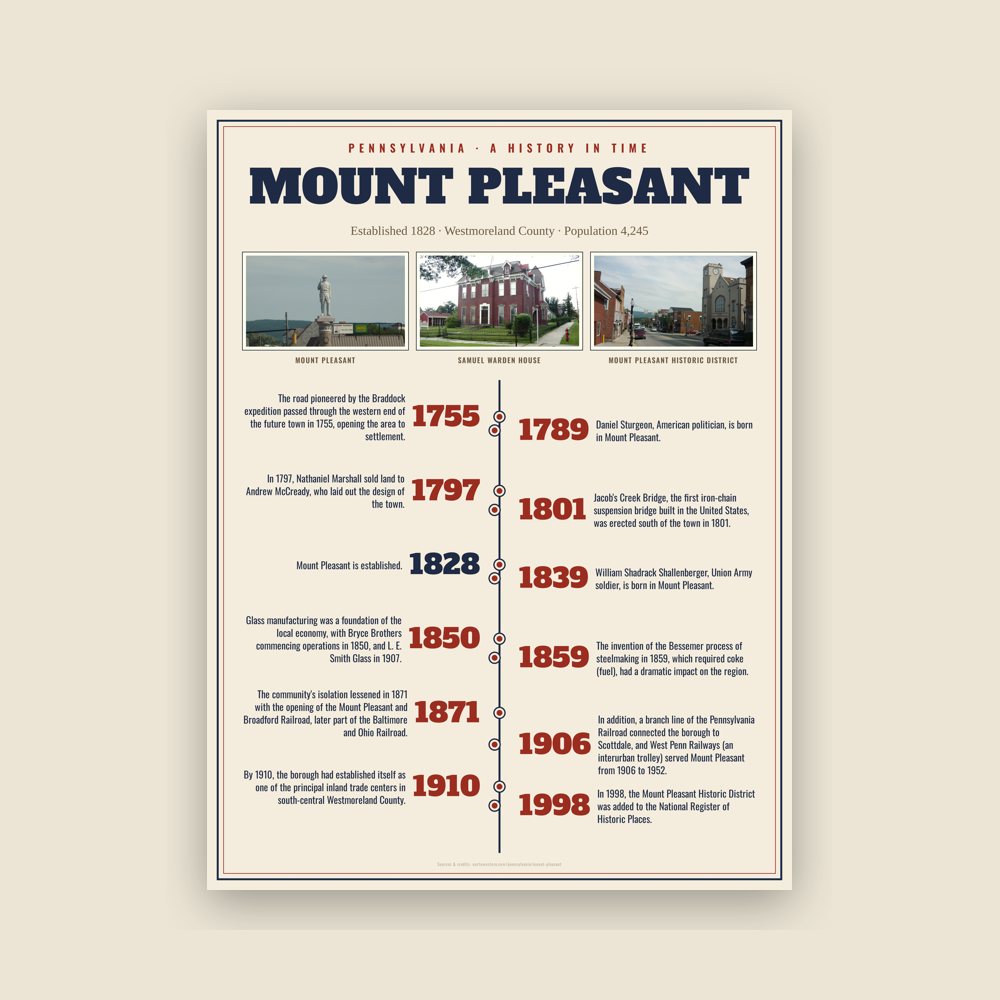
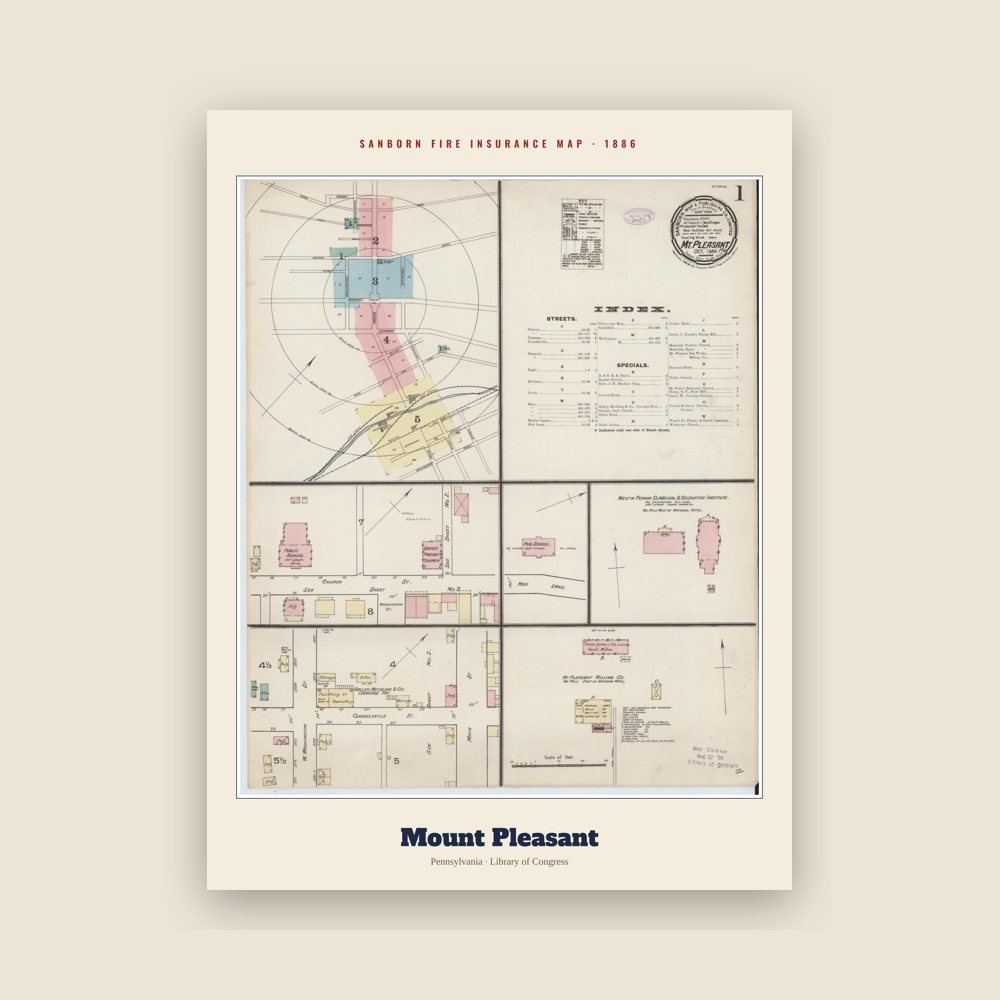
The year of Mount Pleasant's first non-Native American Indian resident is not known. The road pioneered by the Braddock expedition passed through the western end of the future town in 1755, opening the area to settlement. One source states that at the time of the American Revolutionary War, there was a settlement of "not more than a half dozen houses." In 1793 Michael Smith was licensed to operate an inn, which would have served traffic on Glades Road (sometimes spelled Glade Road), now Route 31. In 1797, Nathaniel Marshall sold land to Andrew McCready, who laid out the design of the town.
Jacob's Creek Bridge, the first iron-chain suspension bridge built in the United States, was erected south of the town in 1801. It was demolished in 1833.
Unfortunately, no pre-1800 structures remain within the borough limits. The borough's three oldest existing buildings all date from approximately 1812: The Shupe House at 201 Main Street, Hitchman House at 355 Main Street, and the Rupert Building at 642-644 Main Street.
Glass manufacturing was a foundation of the local economy, with Bryce Brothers commencing operations in 1850, and L. E. Smith Glass in 1907. The invention of the Bessemer process of steelmaking in 1859, which required coke (fuel), had a dramatic impact on the region. The town prospered as coal deposits were developed, from which coke was made. However, the lives of coal miners in the outlying "patch towns" (company-owned mining towns) were arduous, and labor-management disputes became frequent. The strike in Morewood, west of Mount Pleasant borough, was the most violent of the area's strikes, in which nine miners were killed by sheriff's deputies on April 3, 1891.
Mount Pleasant was disadvantaged when the main lines of the railroads bypassed the community in the 1850s. The community's isolation lessened in 1871 with the opening of the Mount Pleasant and Broadford Railroad, later part of the Baltimore and Ohio Railroad. In addition, a branch line of the Pennsylvania Railroad connected the borough to Scottdale, and West Penn Railways (an interurban trolley) served Mount Pleasant from 1906 to 1952.
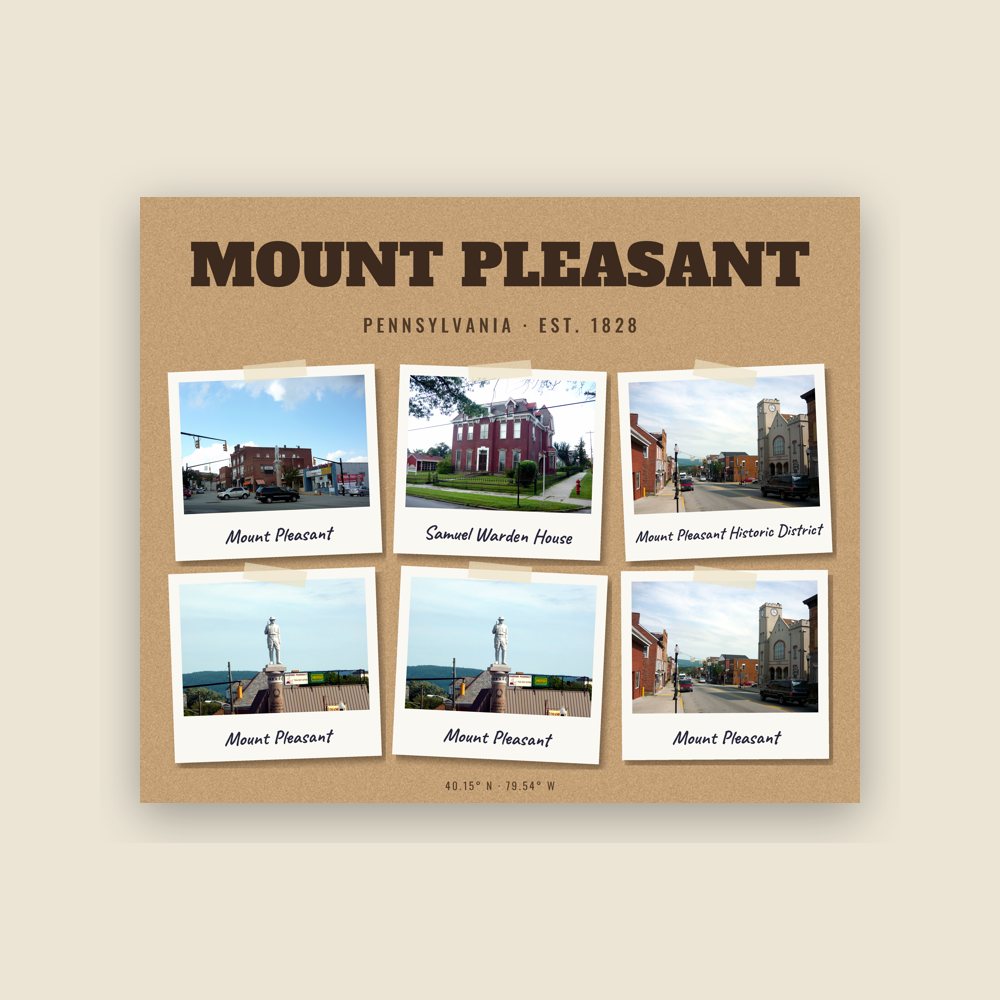
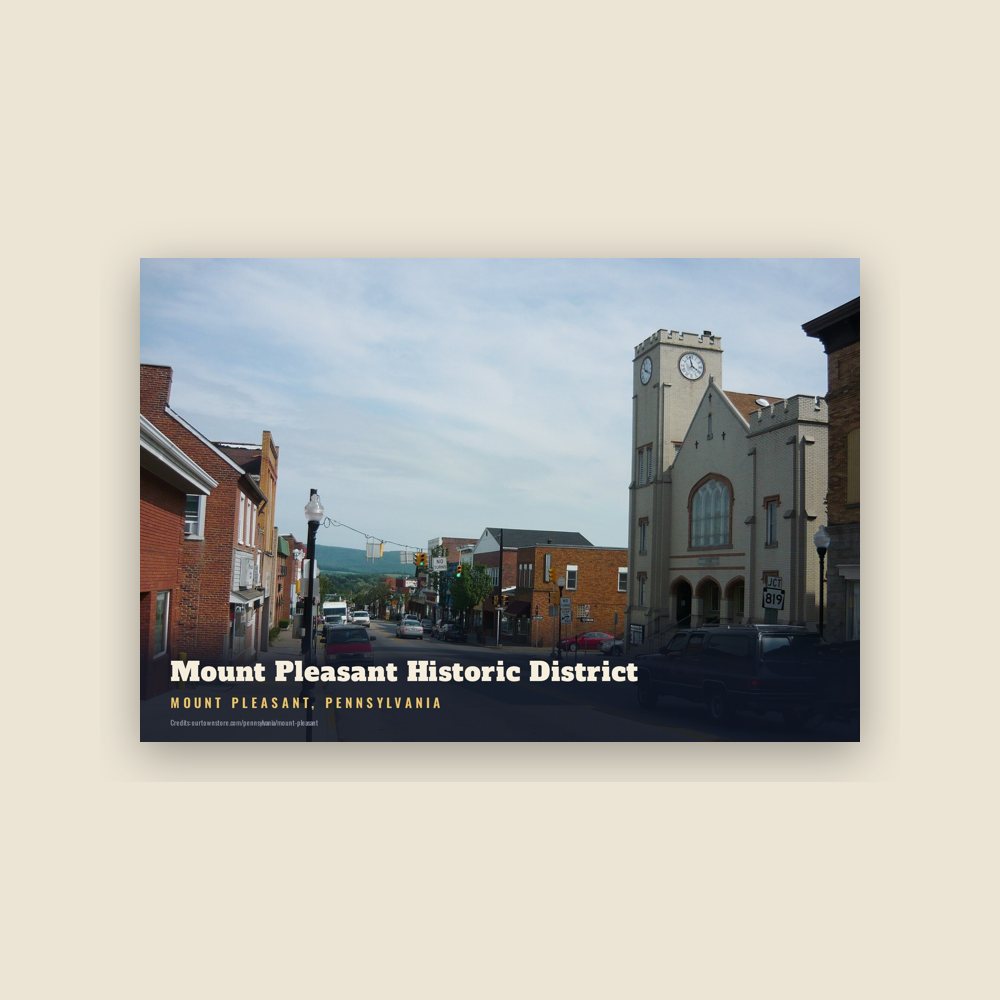
The Borough of Mount Pleasant has three listings on the National Register of Historic Places: the Samuel Warden House (1886) at 200 South Church Street, the demolished Mount Pleasant Armory, and the Mount Pleasant Historic District, which encompasses the oldest parts of the borough.
By the early twentieth century, Mount Pleasant had become one of Westmoreland County’s most prosperous industrial boroughs. The local economy was anchored by glass manufacturing, coal extraction, coke production, rail transport, and regional commerce. The borough’s strategic location along transportation corridors allowed it to serve as a commercial hub for surrounding mining settlements and rural farming communities. By 1910, the borough had established itself as one of the principal inland trade centers in south-central Westmoreland County. The eventual closure of L. E. Smith Glass Company in 2004 had roots in industrial pressures that accelerated during these decades, including foreign competition and declining domestic demand for traditional pressed glass manufacturing.
Historic preservation efforts began gaining momentum in the late twentieth century as residents sought to protect the borough’s nineteenth- and early twentieth-century architecture. In 1998, the Mount Pleasant Historic District was added to the National Register of Historic Places. Community festivals and Main Street programming sought to preserve local identity amid broader regional economic restructuring. Historic homes such as the Samuel Warden House remained focal points of cultural preservation efforts.
Adapted (trimmed) from the Wikipedia article Mount Pleasant, Pennsylvania, revision 1376844362 by its contributors, licensed CC BY-SA 4.0.
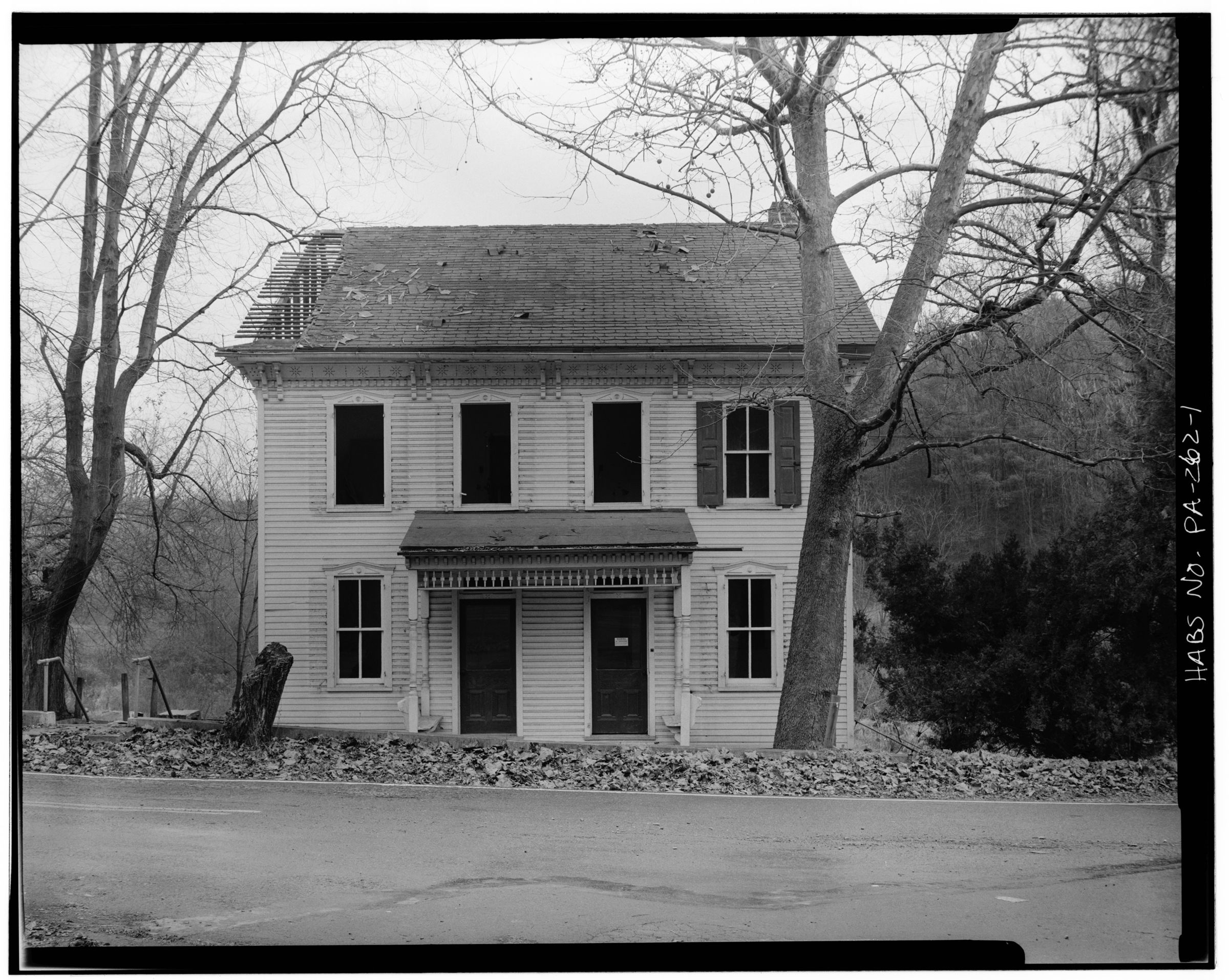

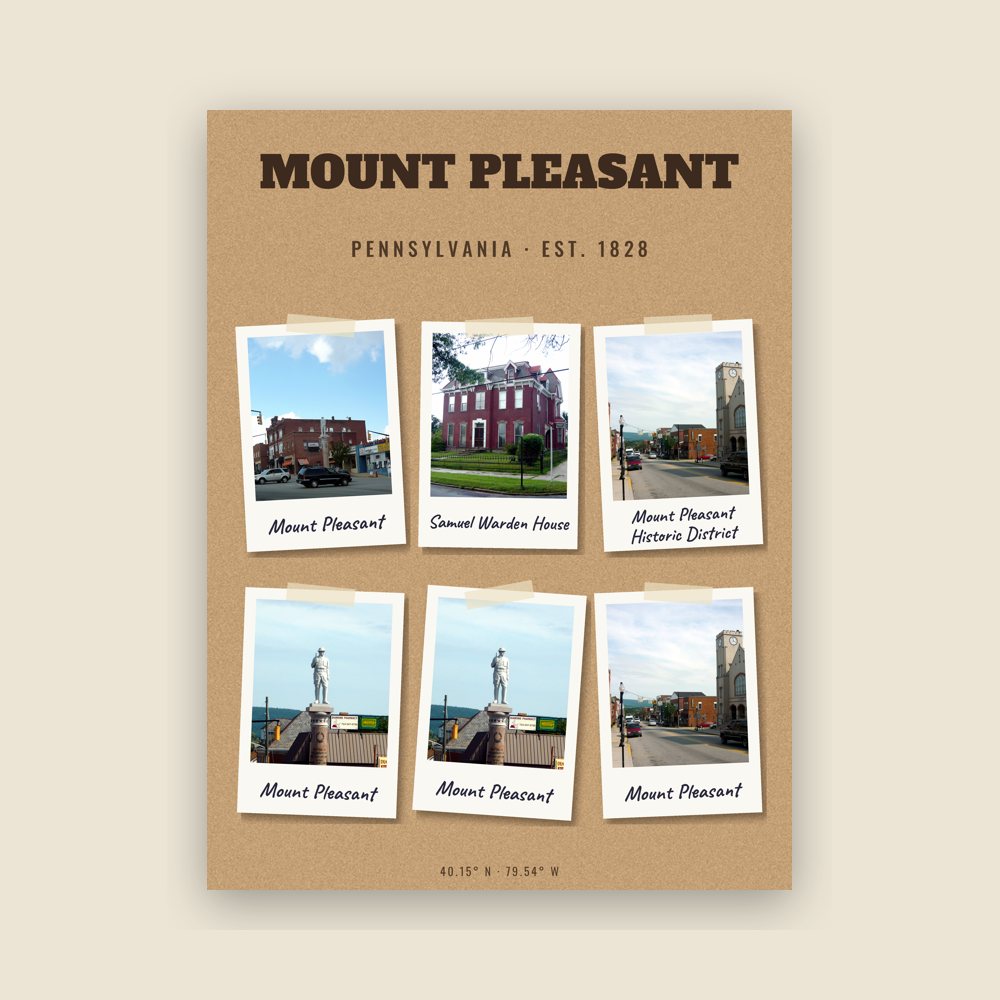
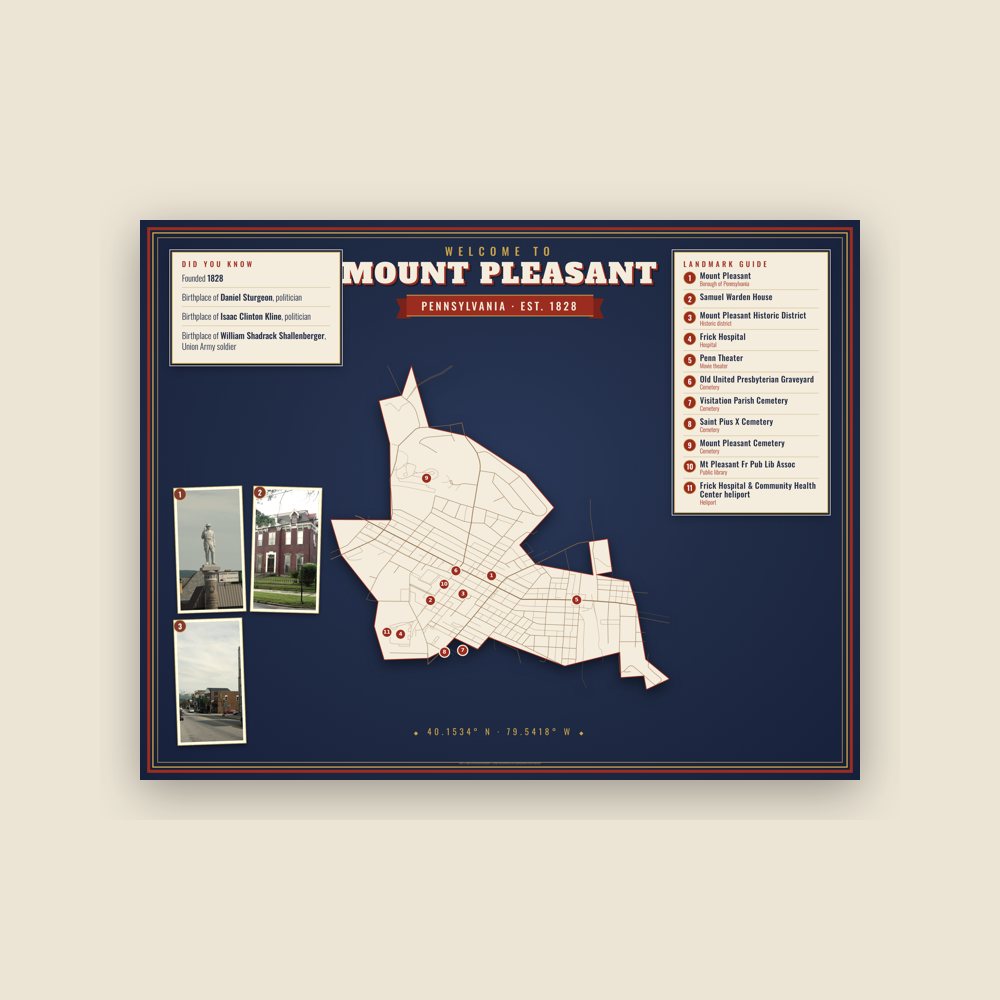


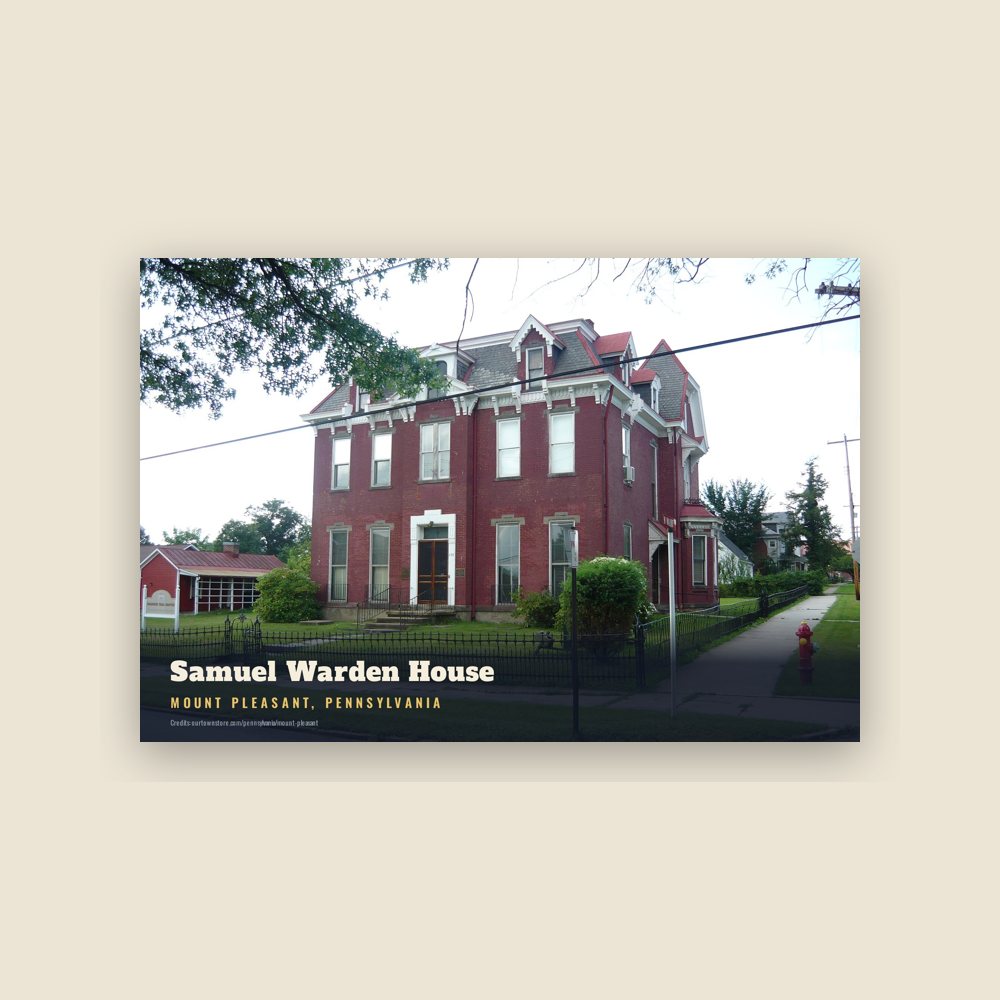
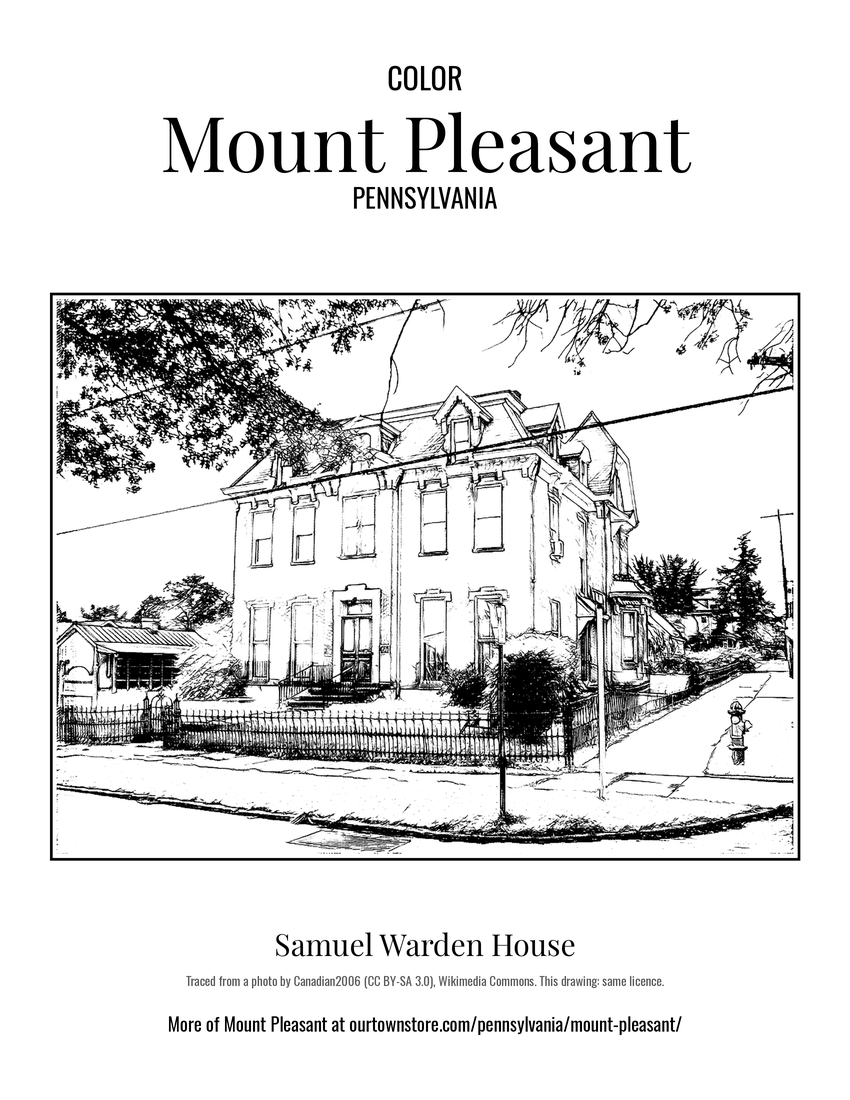 Samuel Warden House
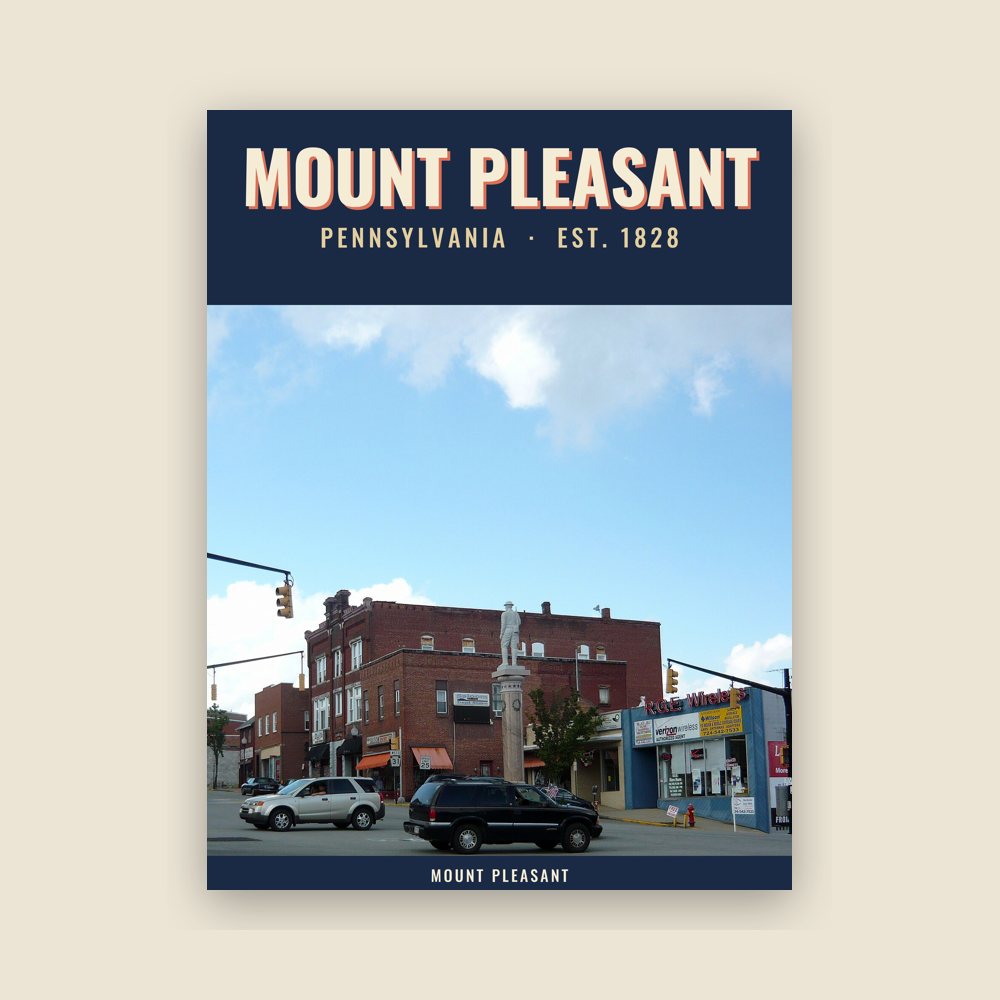
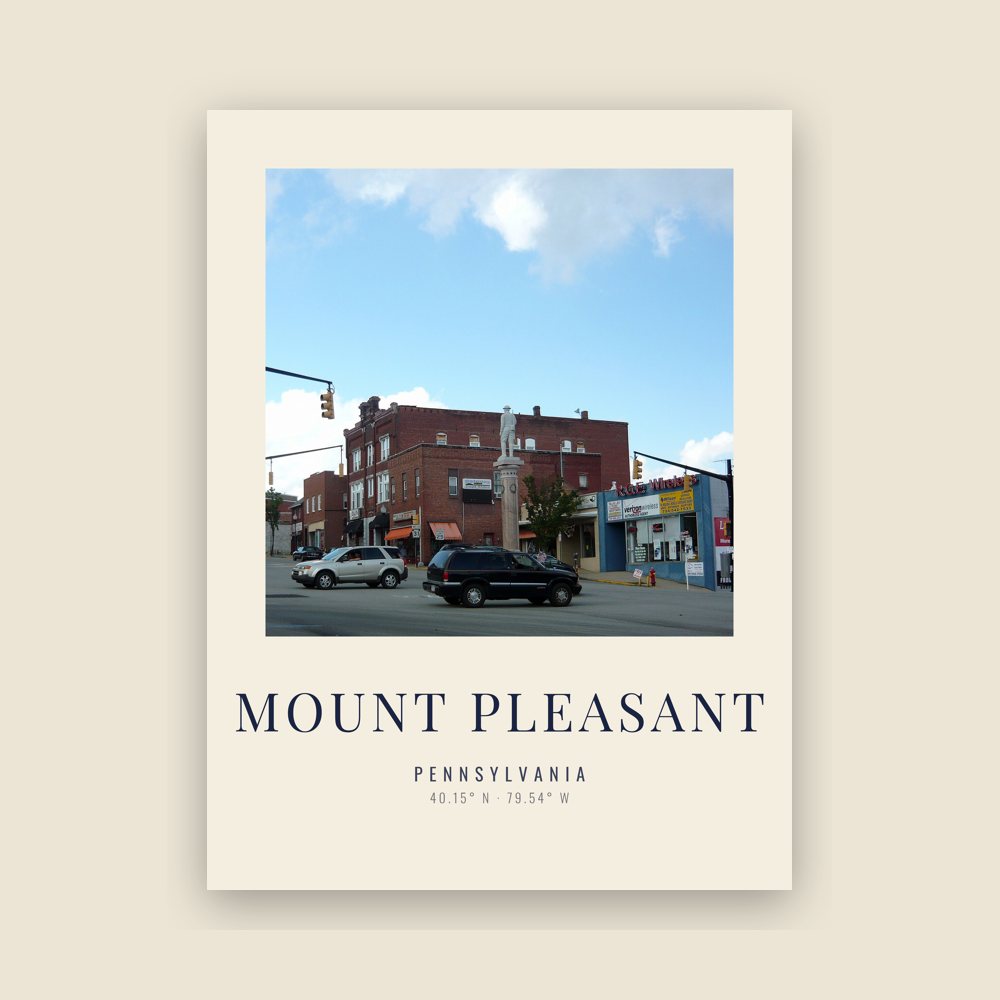
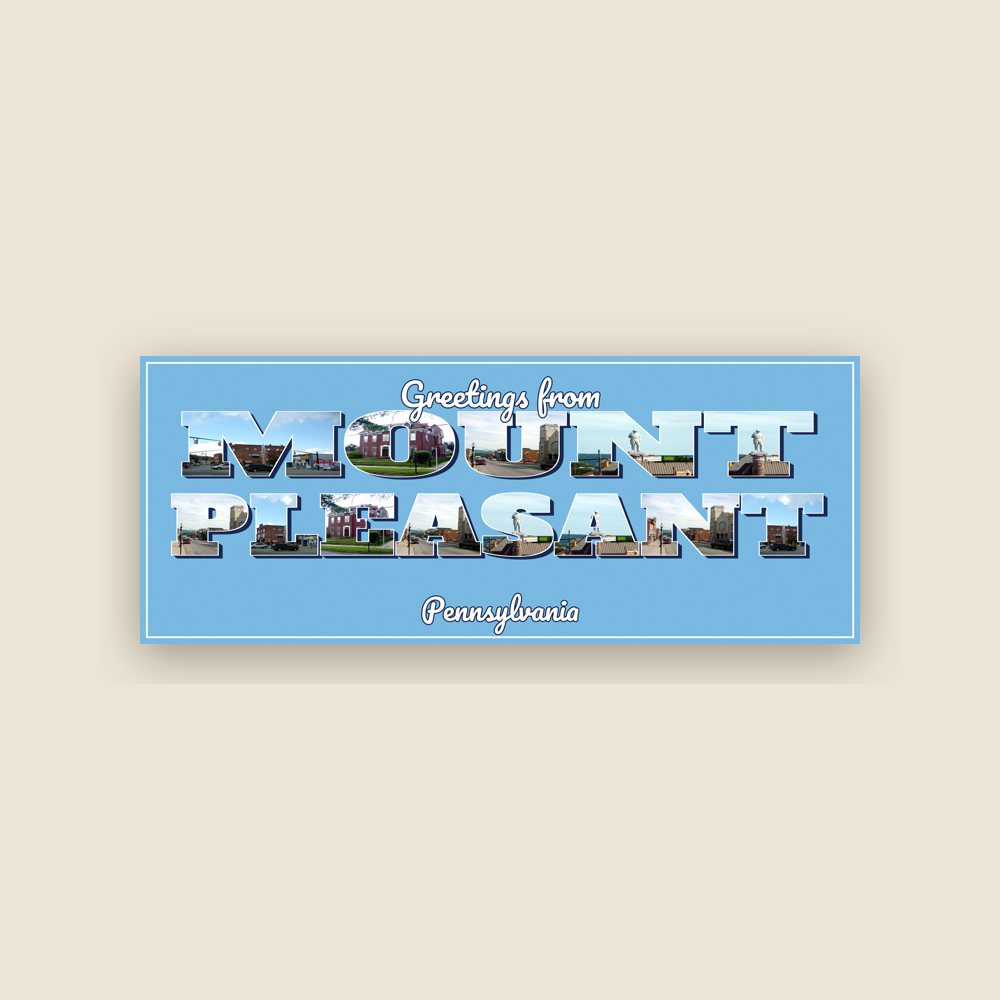
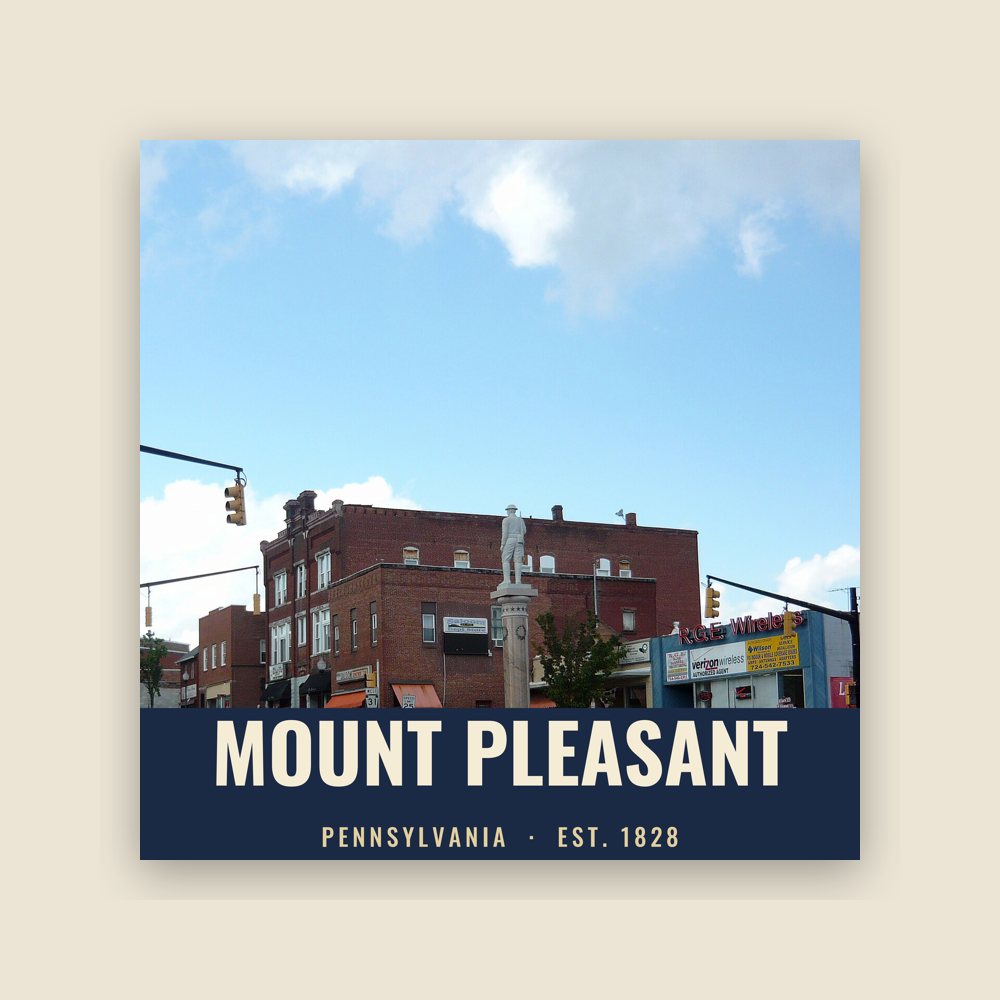
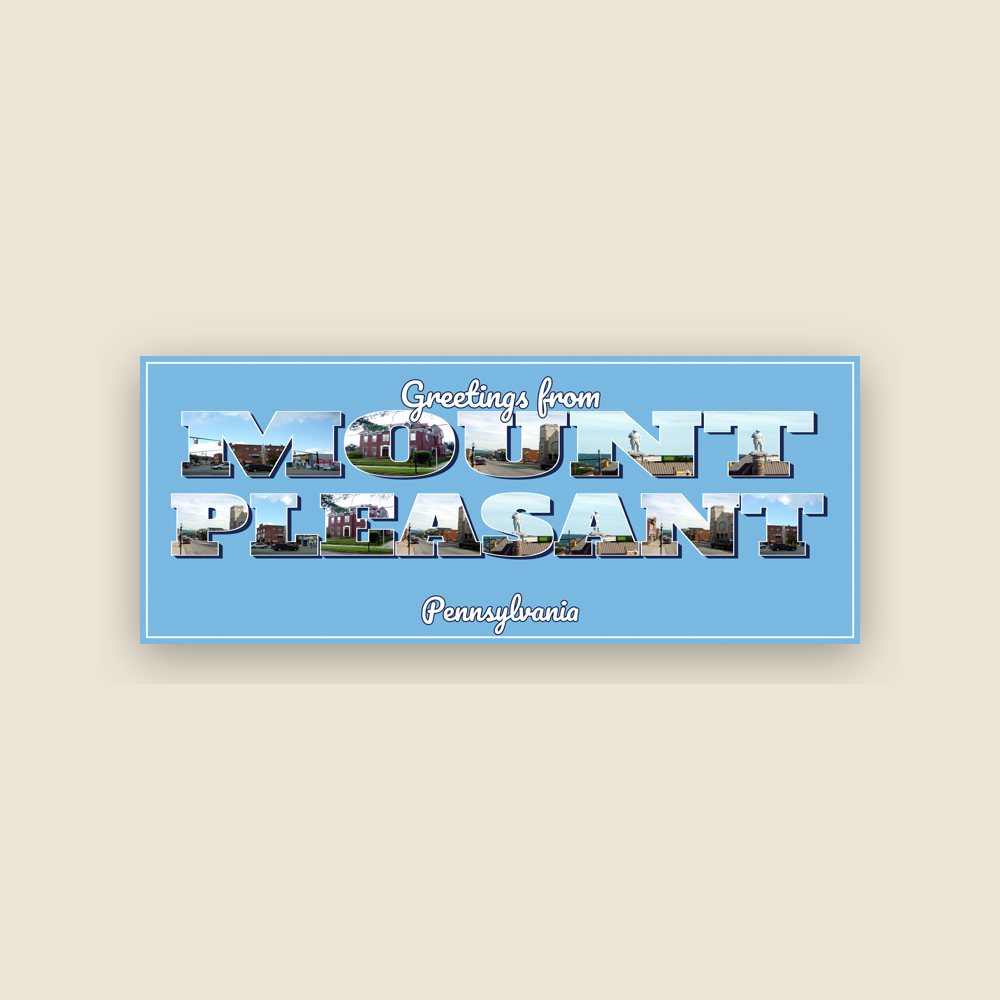
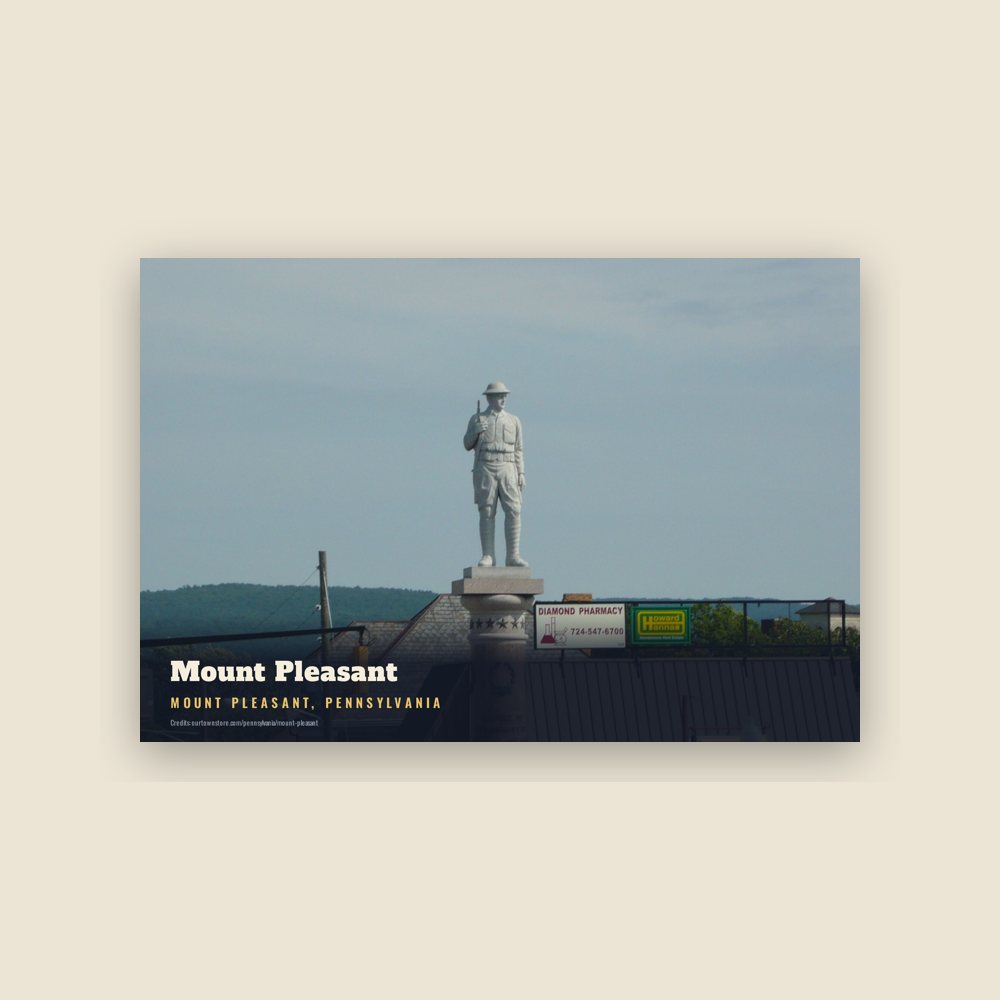
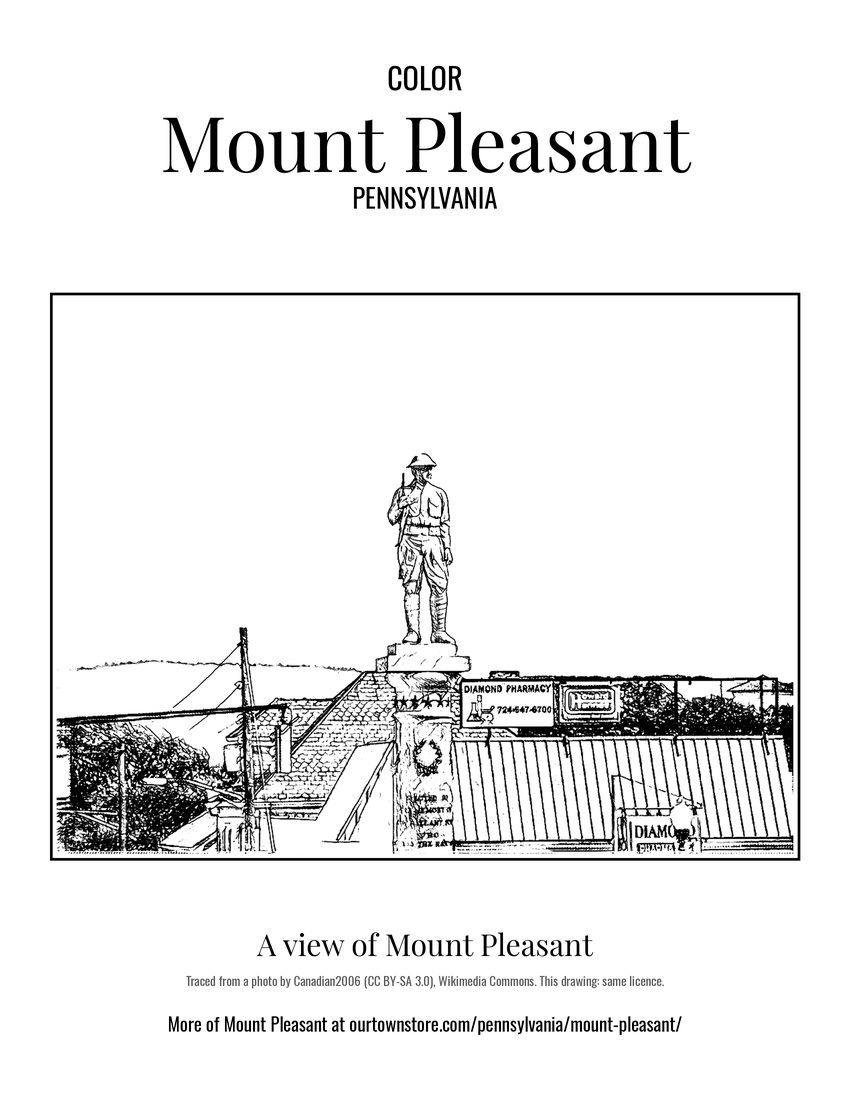 A view of Mount Pleasant
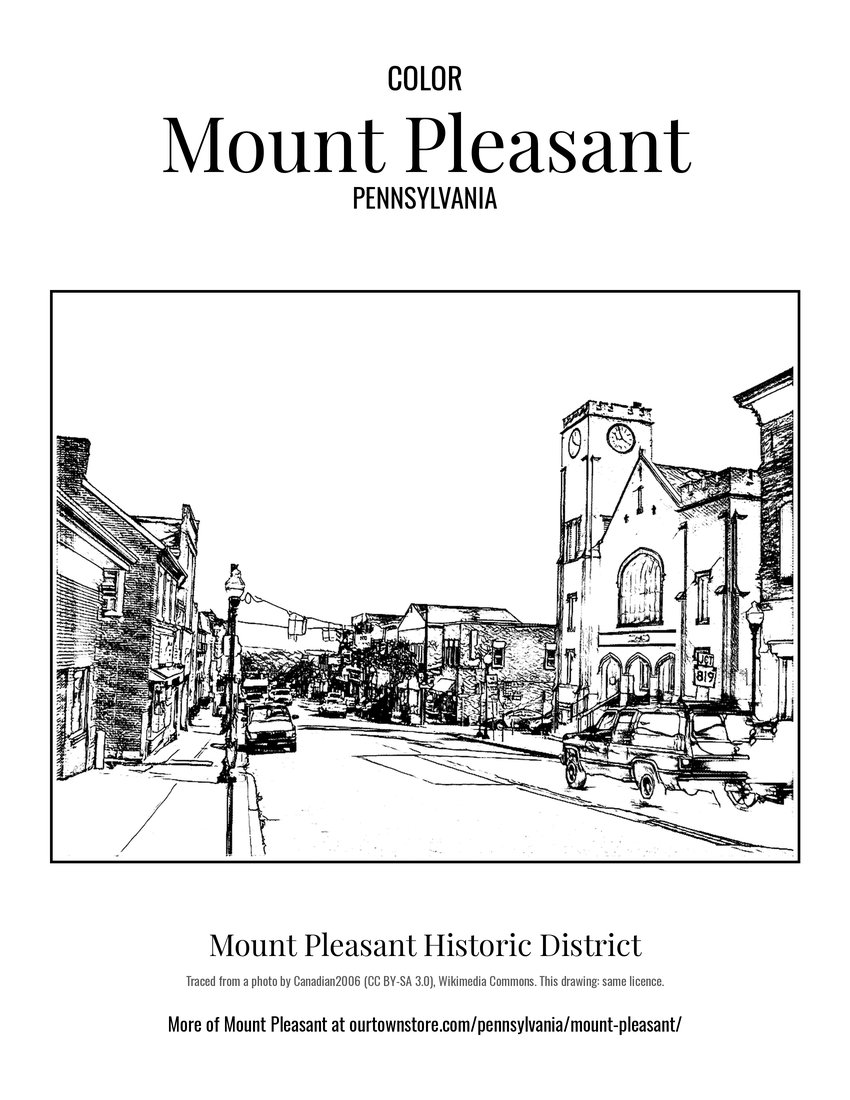 Mount Pleasant Historic District
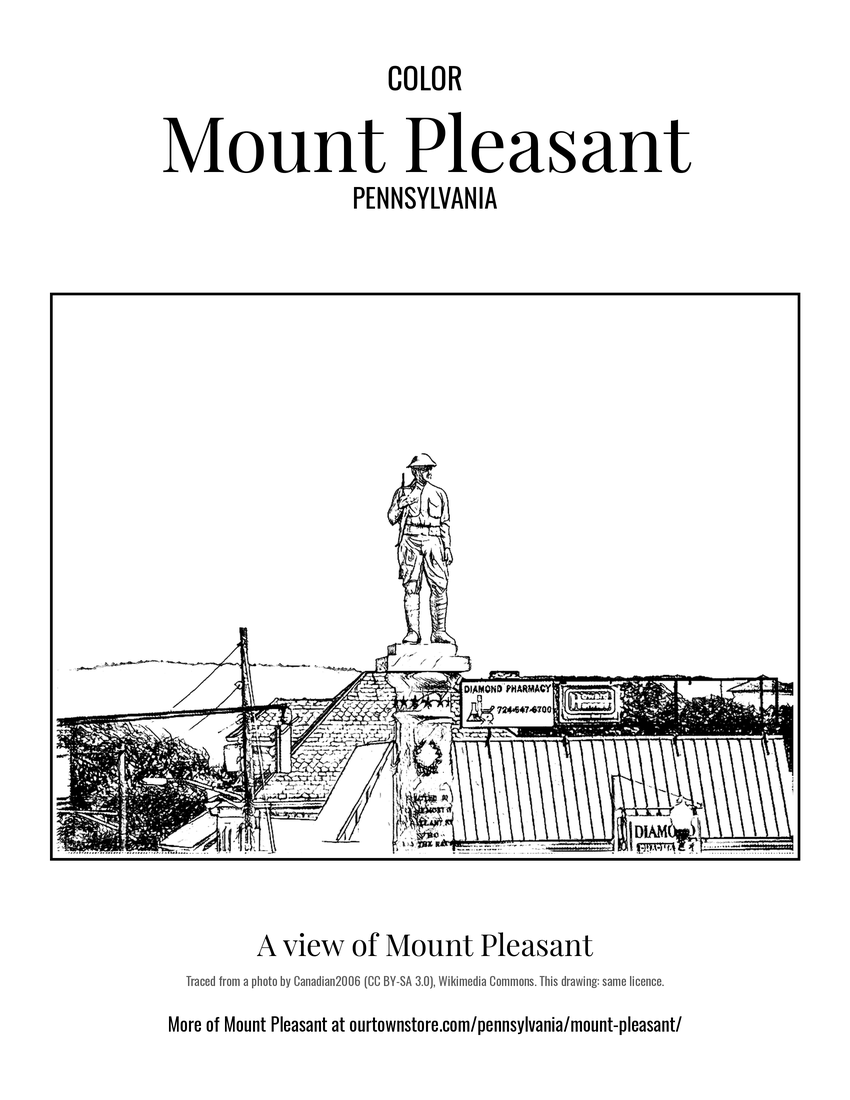 A view of Mount Pleasant