Since 1882
A short history of Luzerne
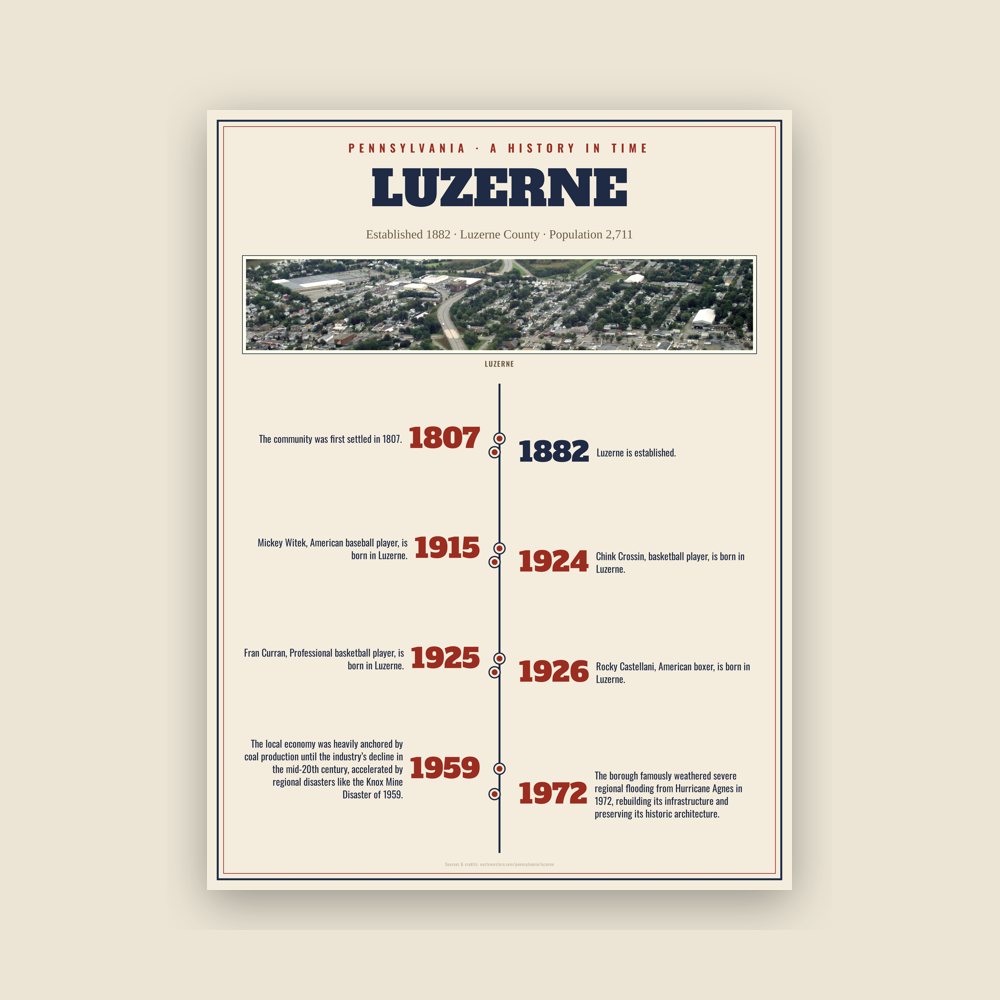
The community was first settled in 1807. Luzerne Borough was originally known as "Hartseph Hollow" (or Hartseph) in the late 18th century, named after early settler Zachariah Hartseph. The area developed rapidly around Toby Creek, where safely utilizing water power allowed early pioneers to establish essential gristmills and sawmills. Formally incorporated as a borough in 1882, the municipality changed its name to Luzerne to align with the county, which had been named in honor of the Chevalier de la Luzerne, a French minister to the United States during the Revolutionary War.
The borough’s trajectory shifted dramatically in the 19th and early 20th centuries with the boom of the anthracite coal mining industry. Luzerne became a bustling commercial hub for miners and their families, hosting thriving downtown businesses along Main Street, rail lines, and nearby collieries like the Harry E. Enterprise. The local economy was heavily anchored by coal production until the industry’s decline in the mid-20th century, accelerated by regional disasters like the Knox Mine Disaster of 1959.
In the modern era, Luzerne successfully transitioned from an industrial coal town into a residential community. The borough famously weathered severe regional flooding from Hurricane Agnes in 1972, rebuilding its infrastructure and preserving its historic architecture. Today, Luzerne is known for its walkable downtown shopping district and antique stores.
Adapted (trimmed) from the Wikipedia article Luzerne, Pennsylvania, revision 1378746028 by its contributors, licensed CC BY-SA 4.0.
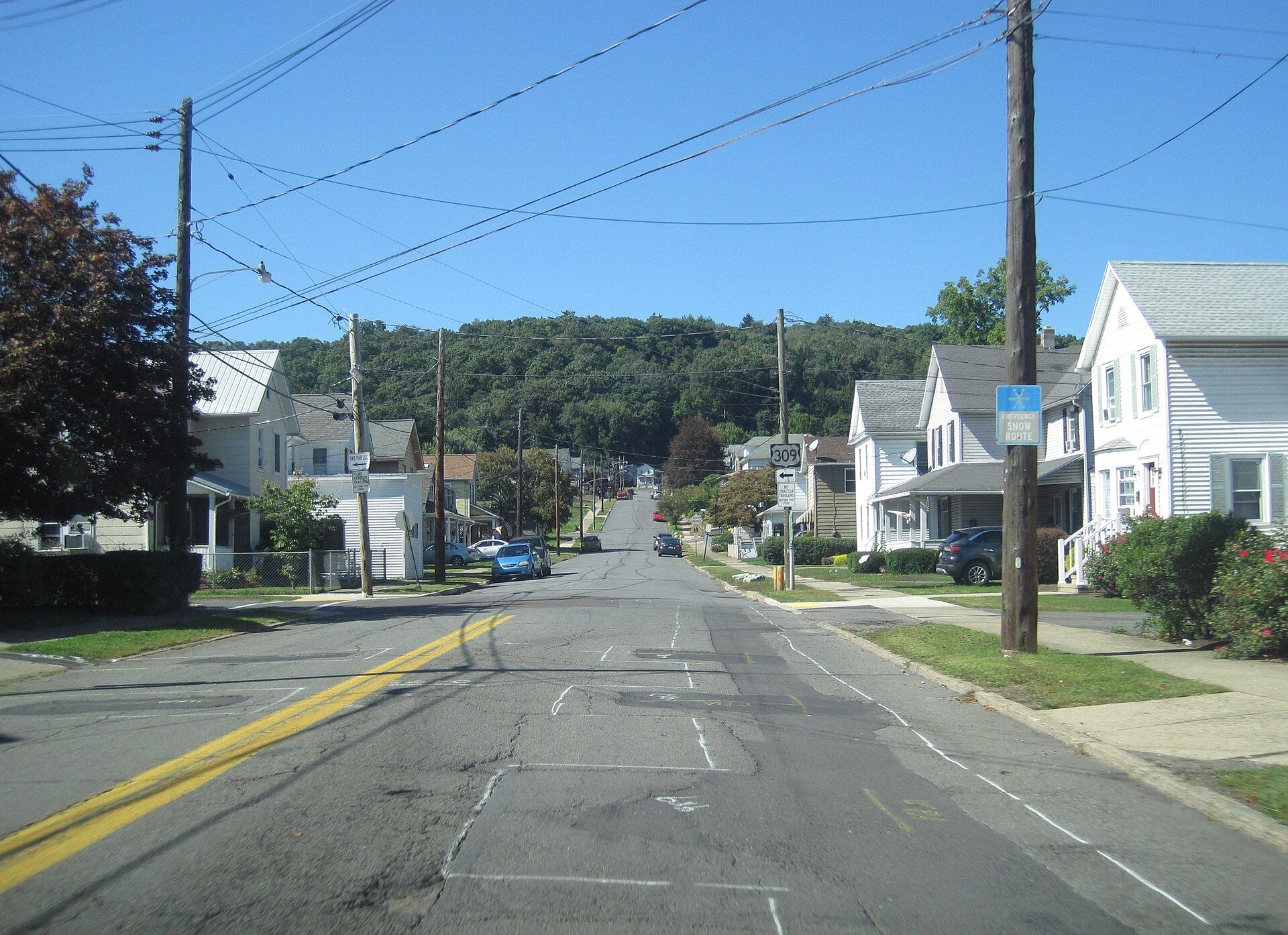



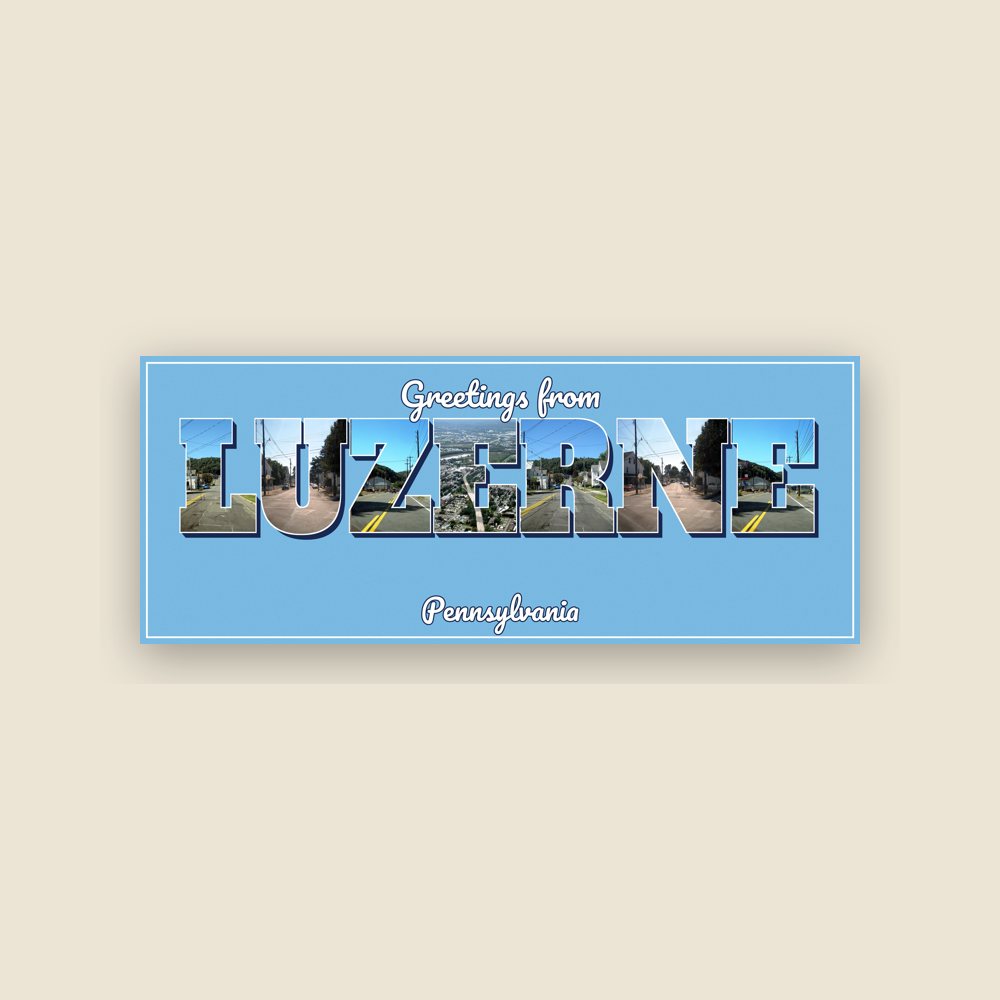
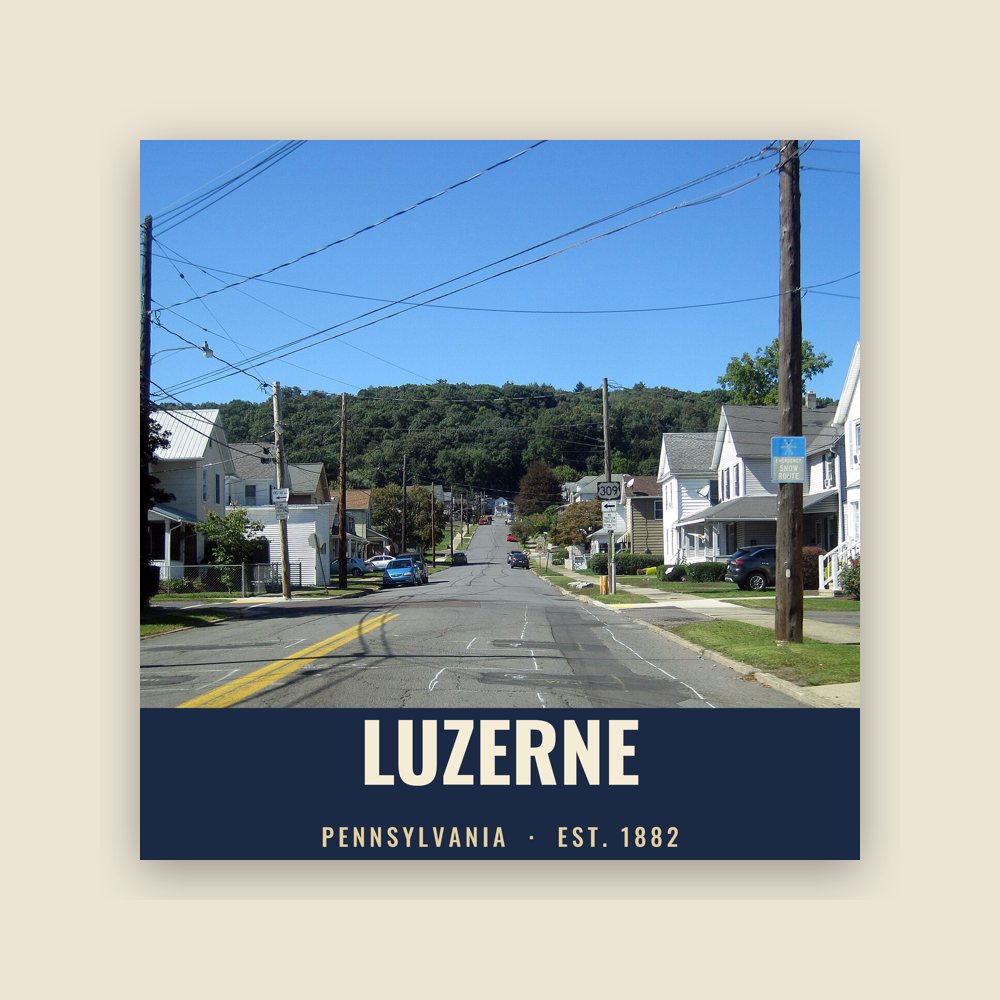
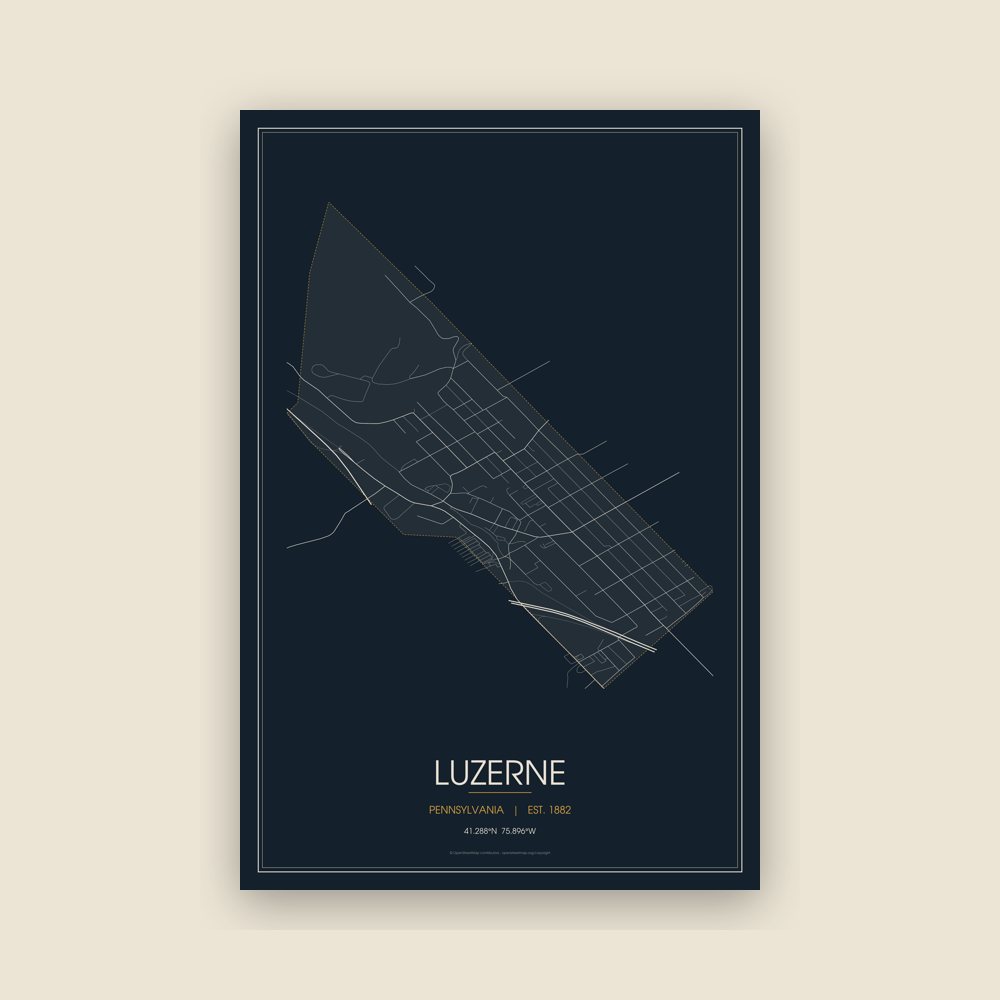
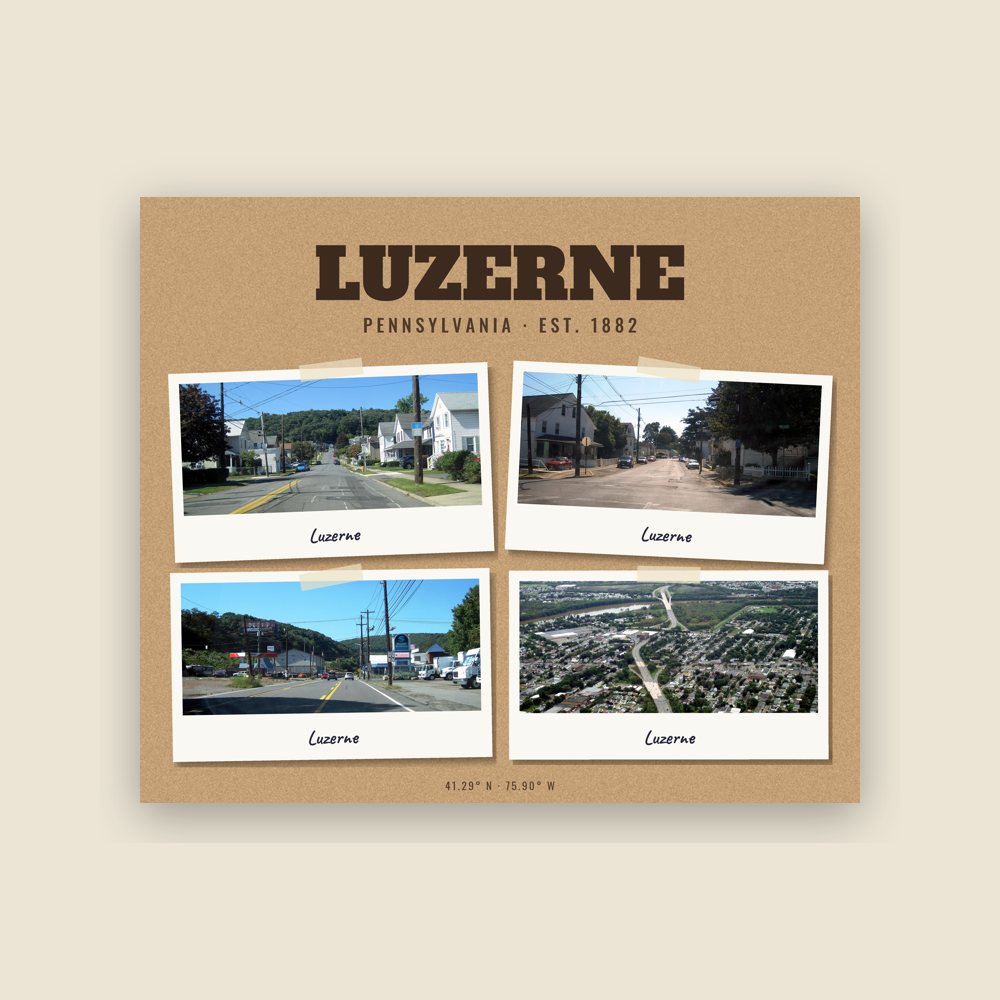
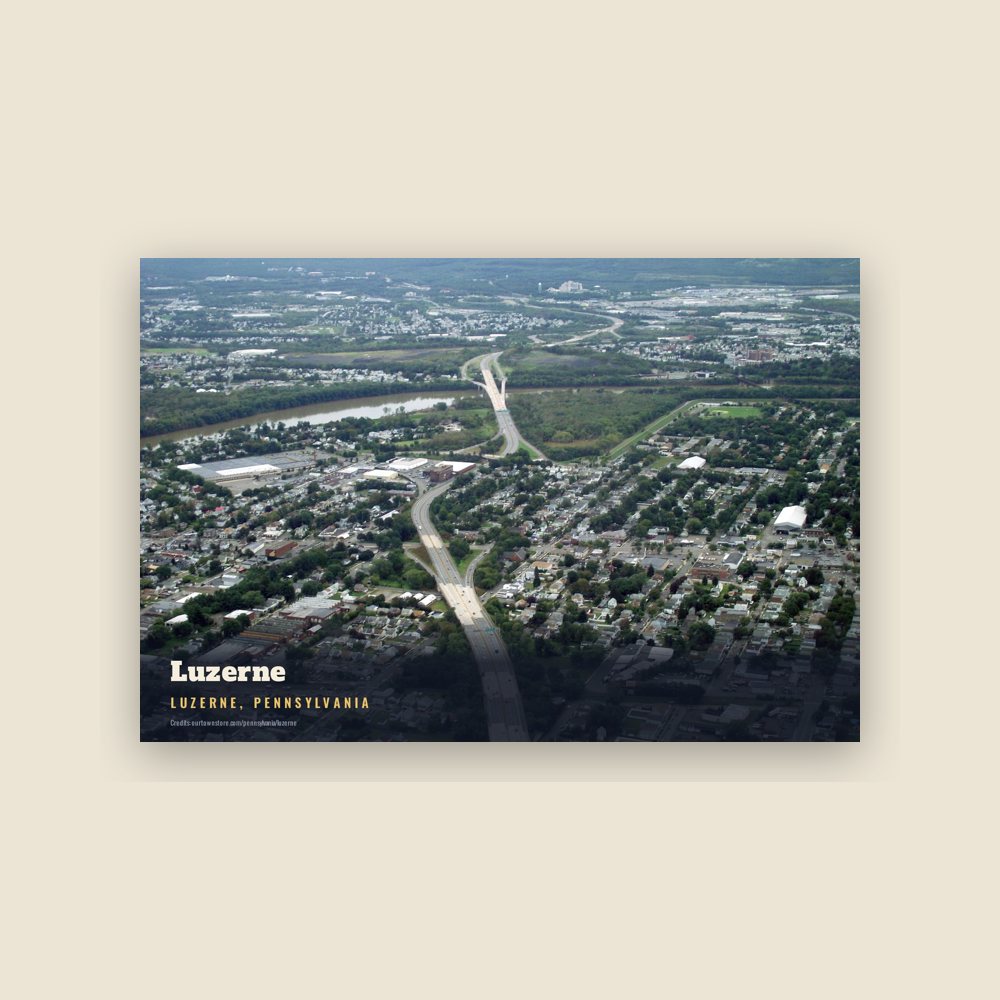
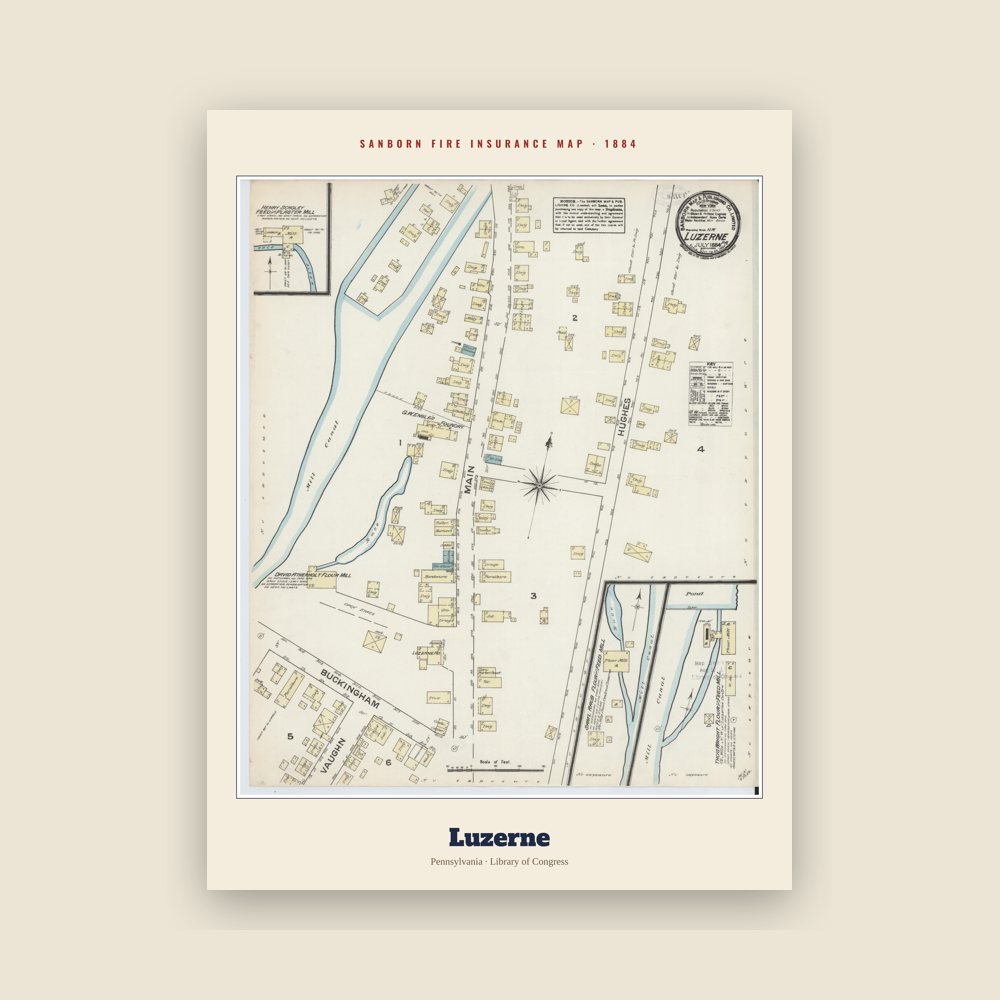
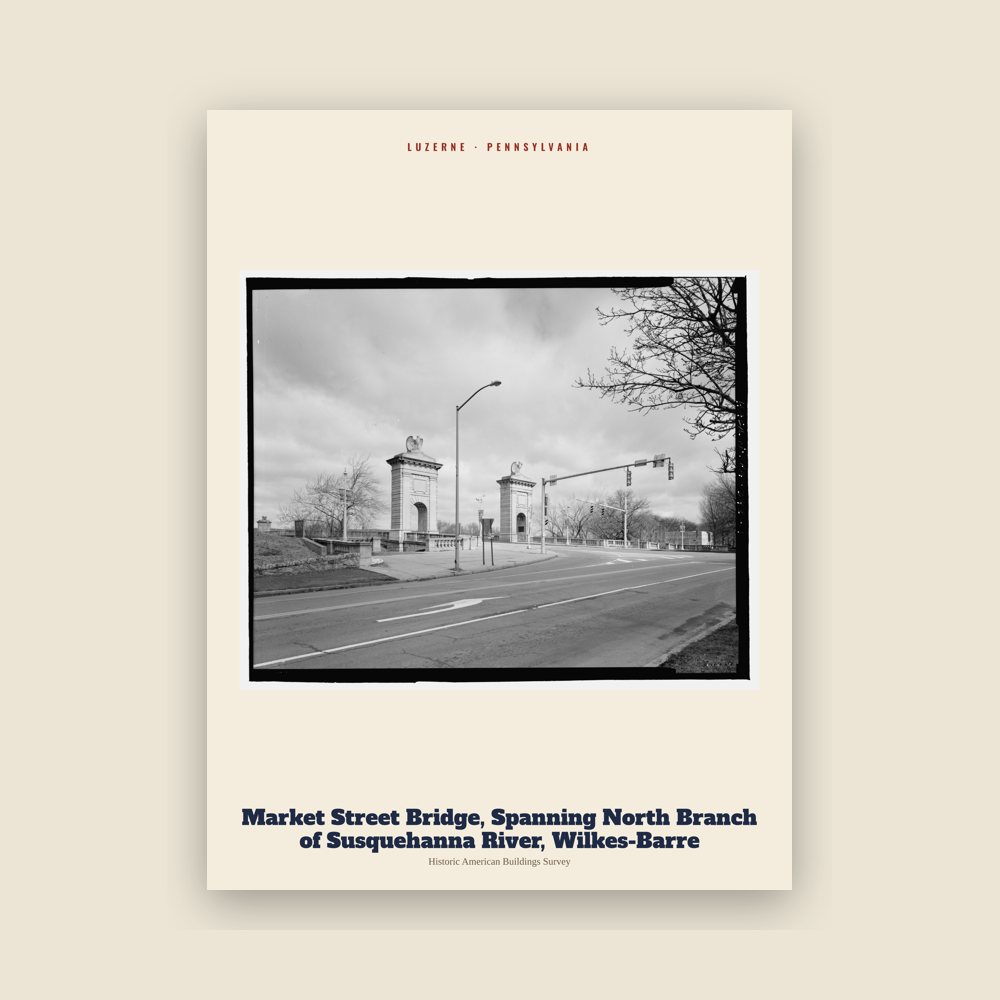
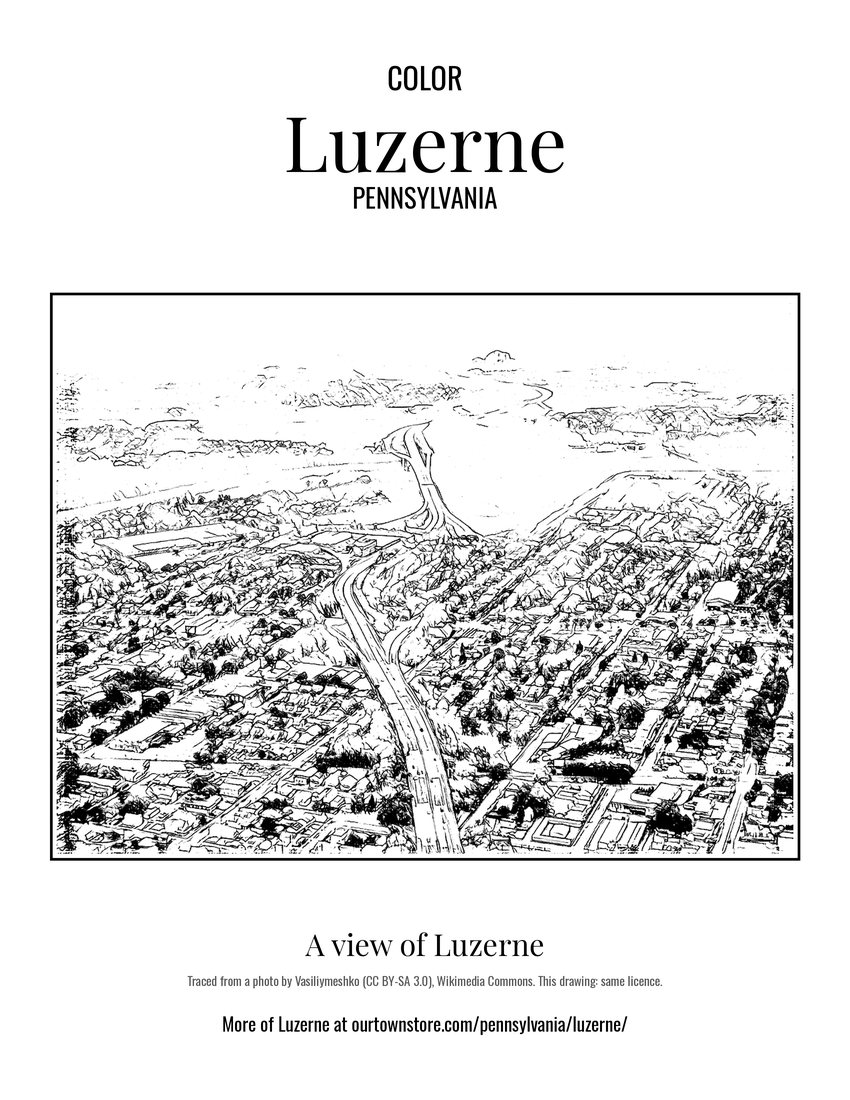 A view of Luzerne
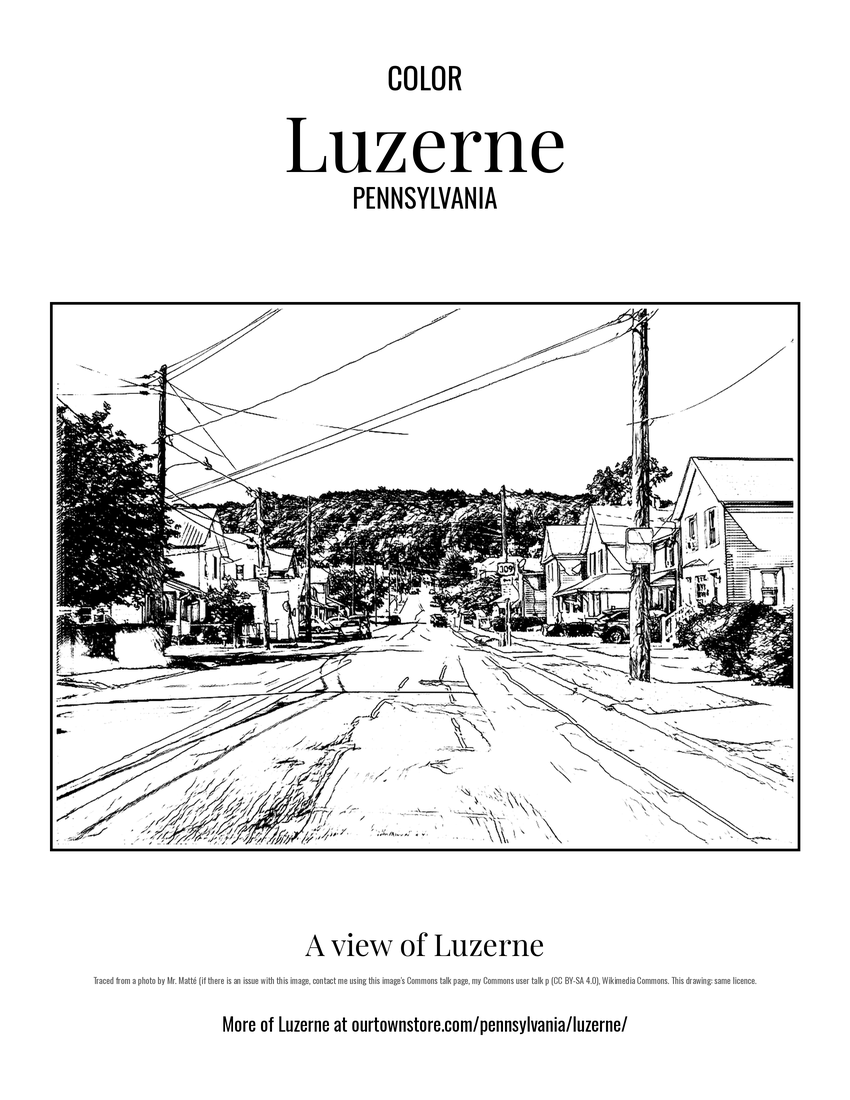 A view of Luzerne
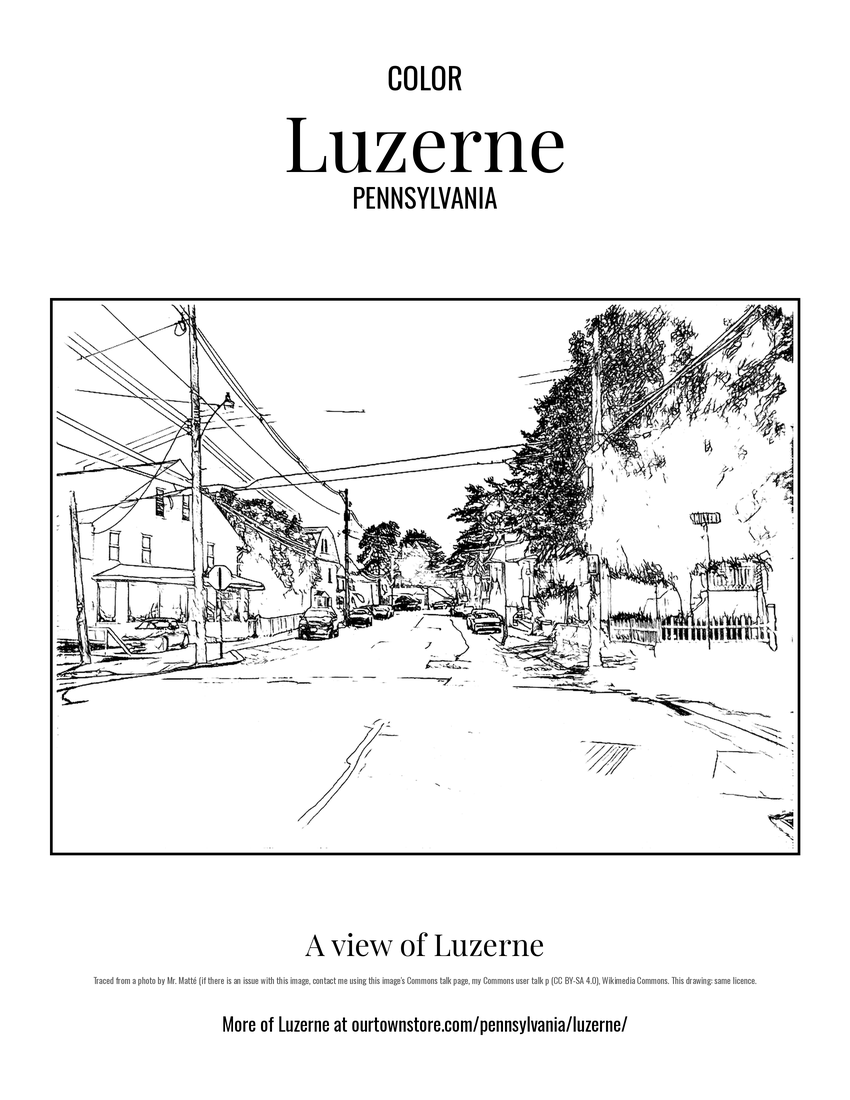 A view of Luzerne
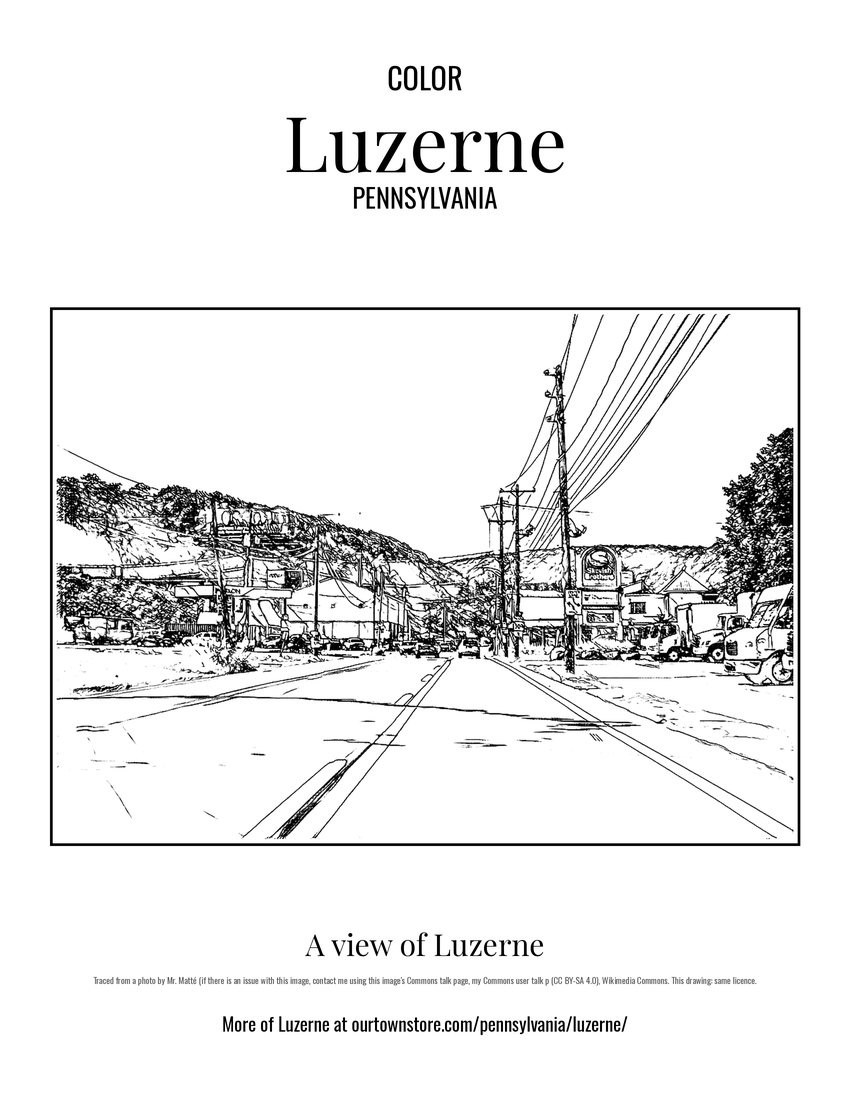 A view of Luzerne