Since 1851
A short history of Reading
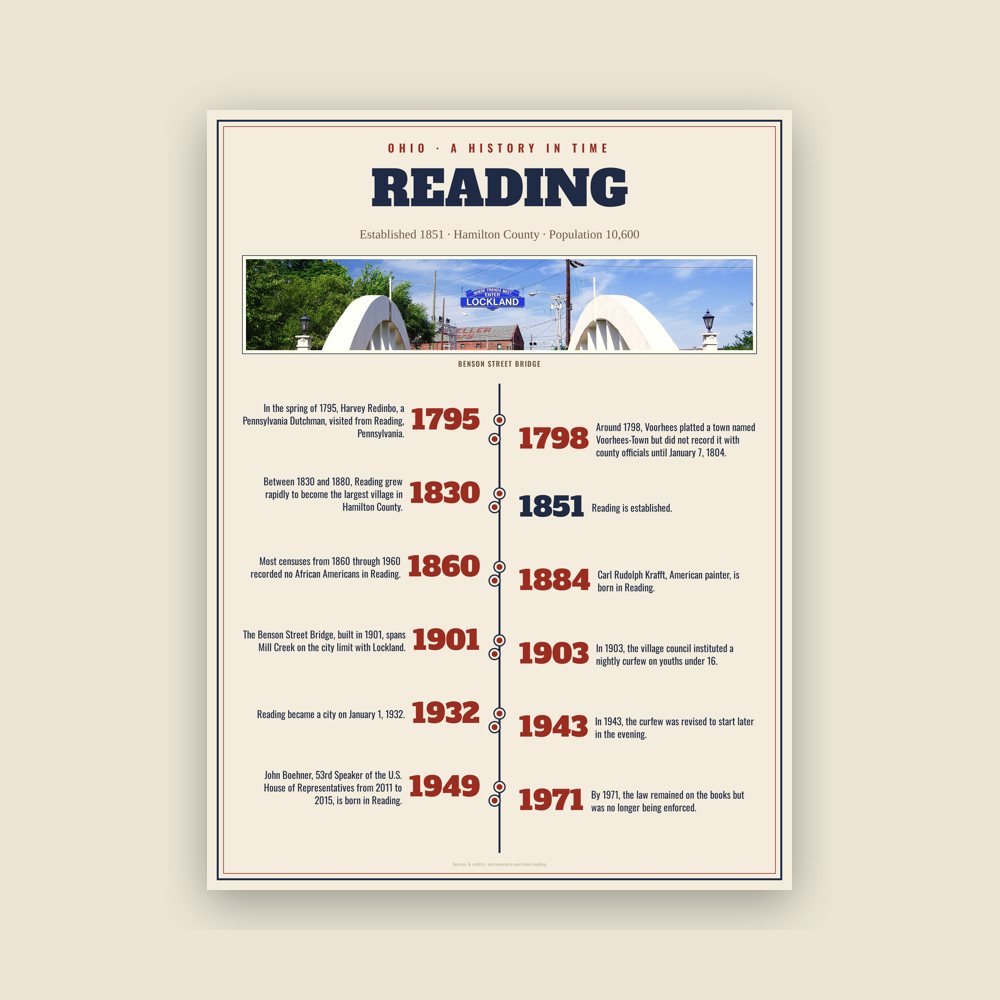
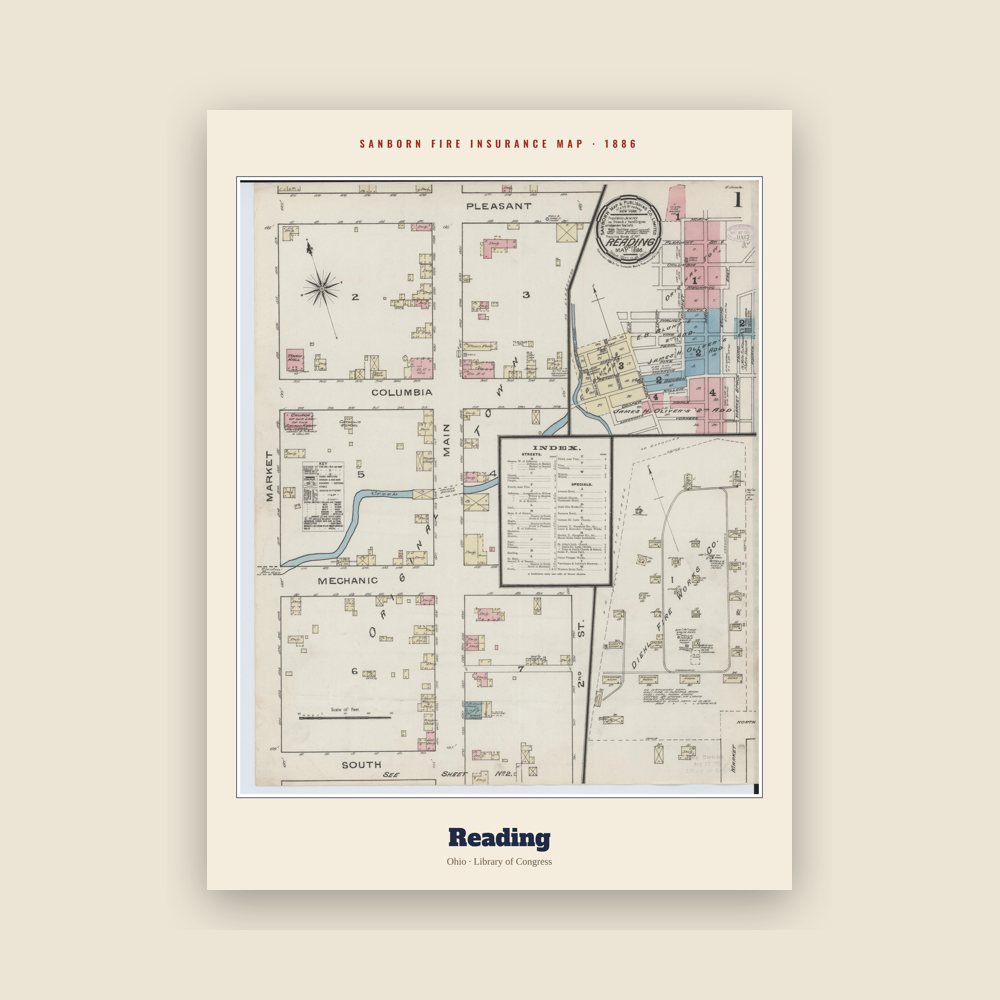
In 1794, Abraham Voorhees moved his family from Somerset County, New Jersey, building a large double log cabin along the west bank of the Millcreek in Sycamore Township, in present-day Lockland. In the spring of 1795, Harvey Redinbo, a Pennsylvania Dutchman, visited from Reading, Pennsylvania. Pleased with the land that Voorhees had acquired, Redinbo purchased his own land, in the area of Hunt Road and Columbia Avenue. Around 1798, Voorhees platted a town named Voorhees-Town but did not record it with county officials until January 7, 1804. By then, Redinbo had convinced him to rename the town to Reading, after Redinbo's hometown.
Between 1830 and 1880, Reading grew rapidly to become the largest village in Hamilton County. It was incorporated as a village on March 24, 1851. The village's major industry was clothing manufacturing.
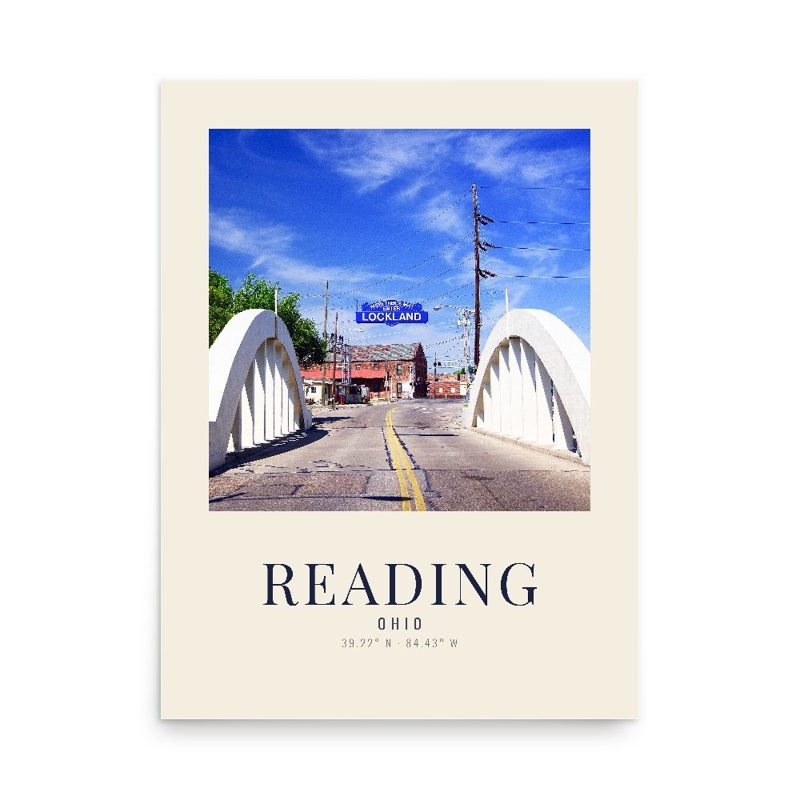
The Benson Street Bridge, built in 1901, spans Mill Creek on the city limit with Lockland. It was the second concrete rainbow arch bridge and the first in Ohio.
As of 1912, Reading was a sundown town. African Americans were prohibited from living within the city or remaining there after dark. Most censuses from 1860 through 1960 recorded no African Americans in Reading.
In 1903, the village council instituted a nightly curfew on youths under 16. A bell atop the town hall rang at the start of the curfew. In 1943, the curfew was revised to start later in the evening. By 1971, the law remained on the books but was no longer being enforced.
Reading became a city on January 1, 1932. It withdrew from Sycamore Township on May 19, 1943, forming a paper township named "Reading Township".
Adapted (trimmed) from the Wikipedia article Reading, Ohio, revision 1378579615 by its contributors, licensed CC BY-SA 4.0.
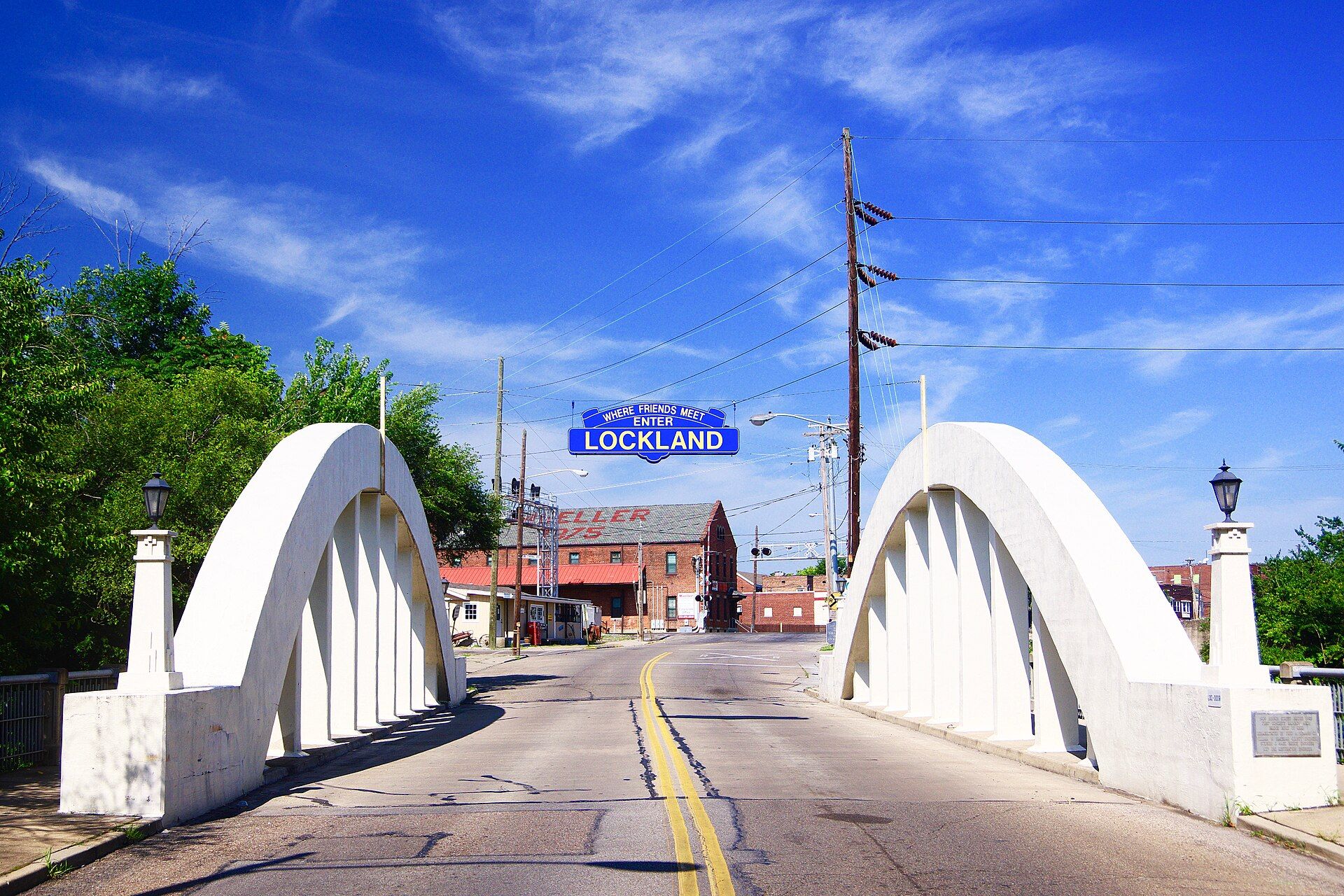
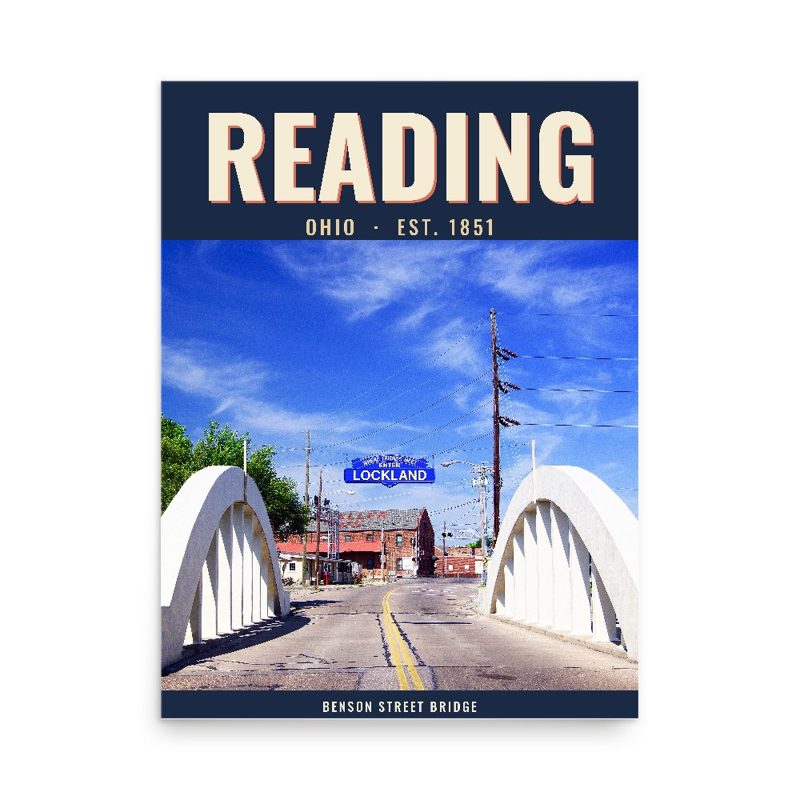
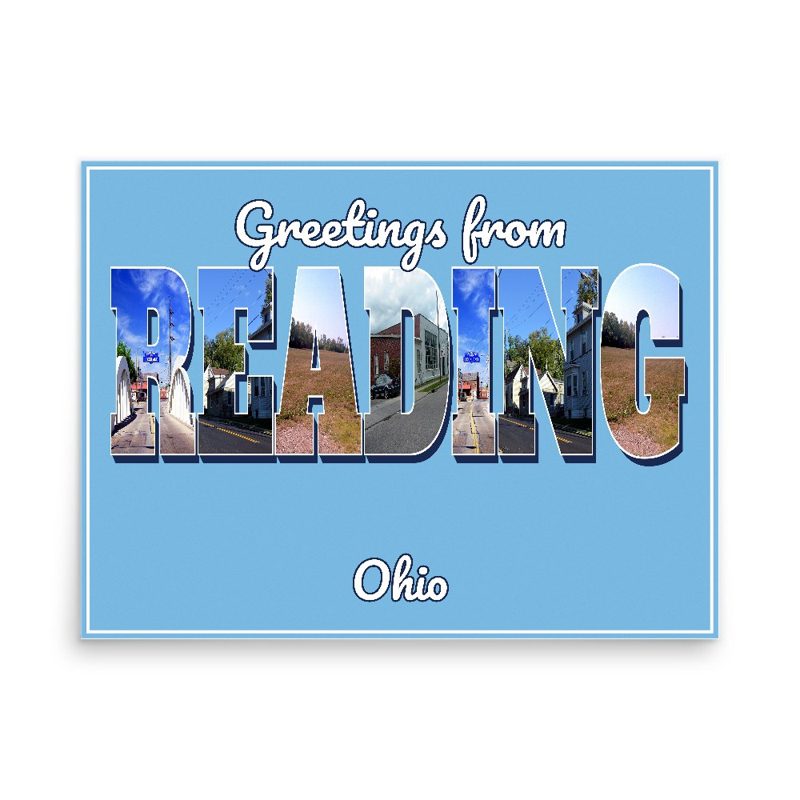
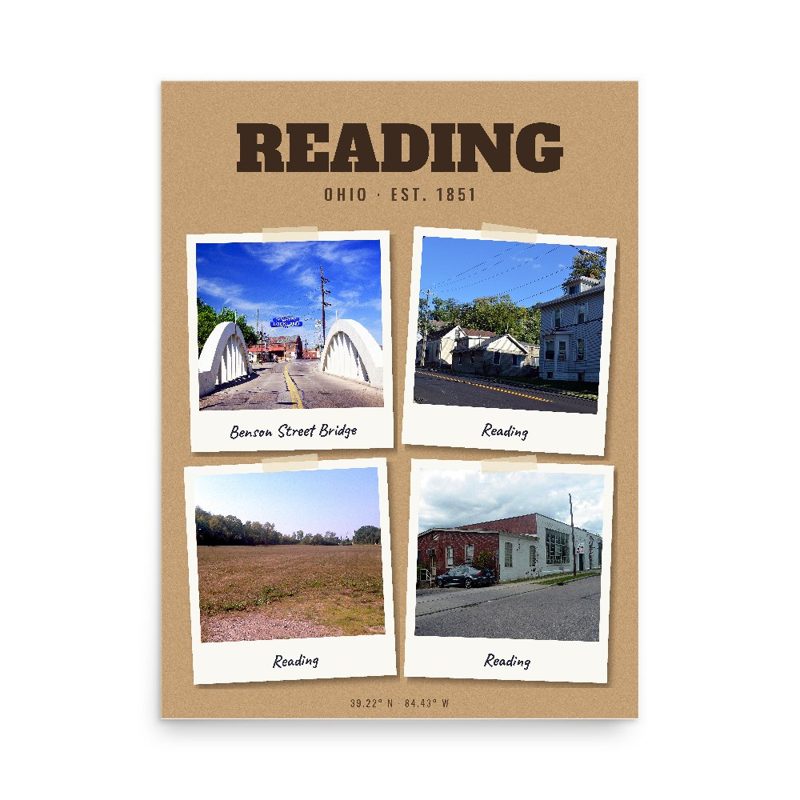
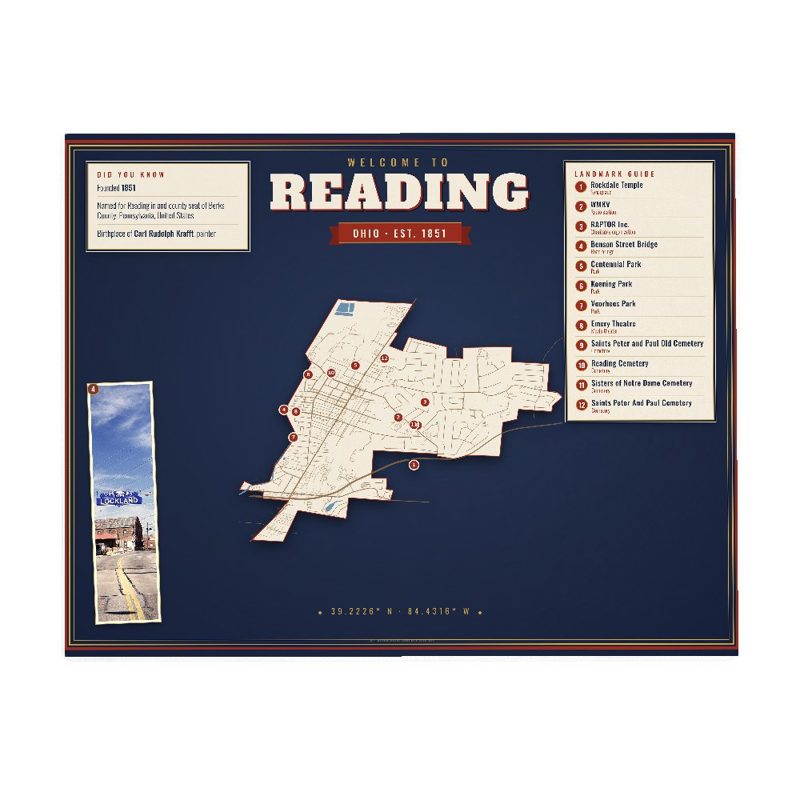



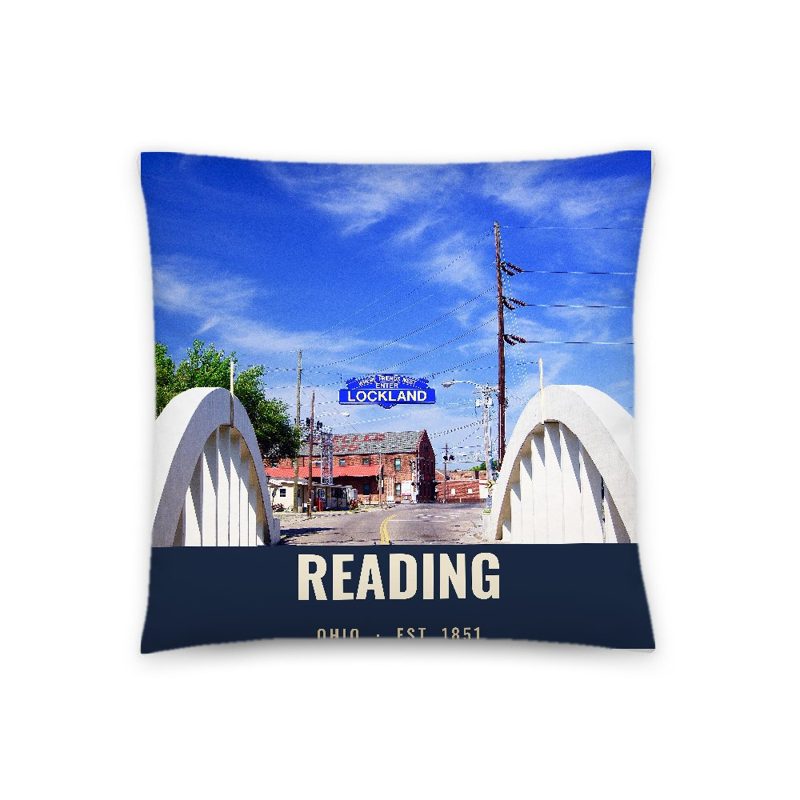


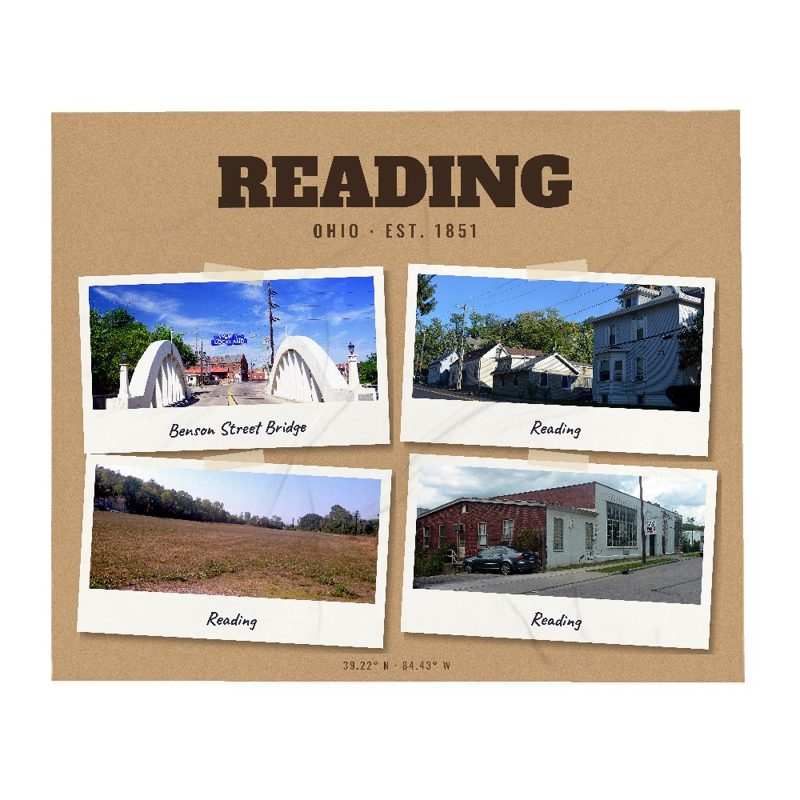
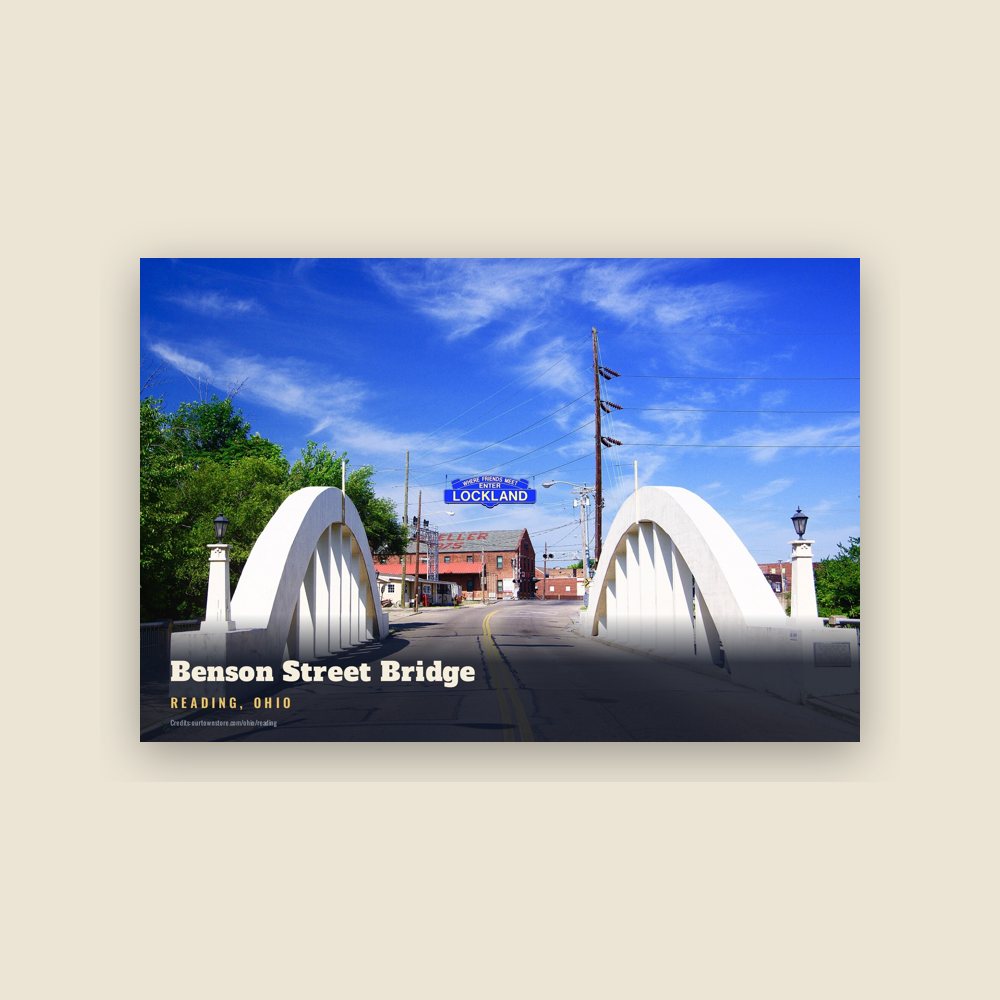
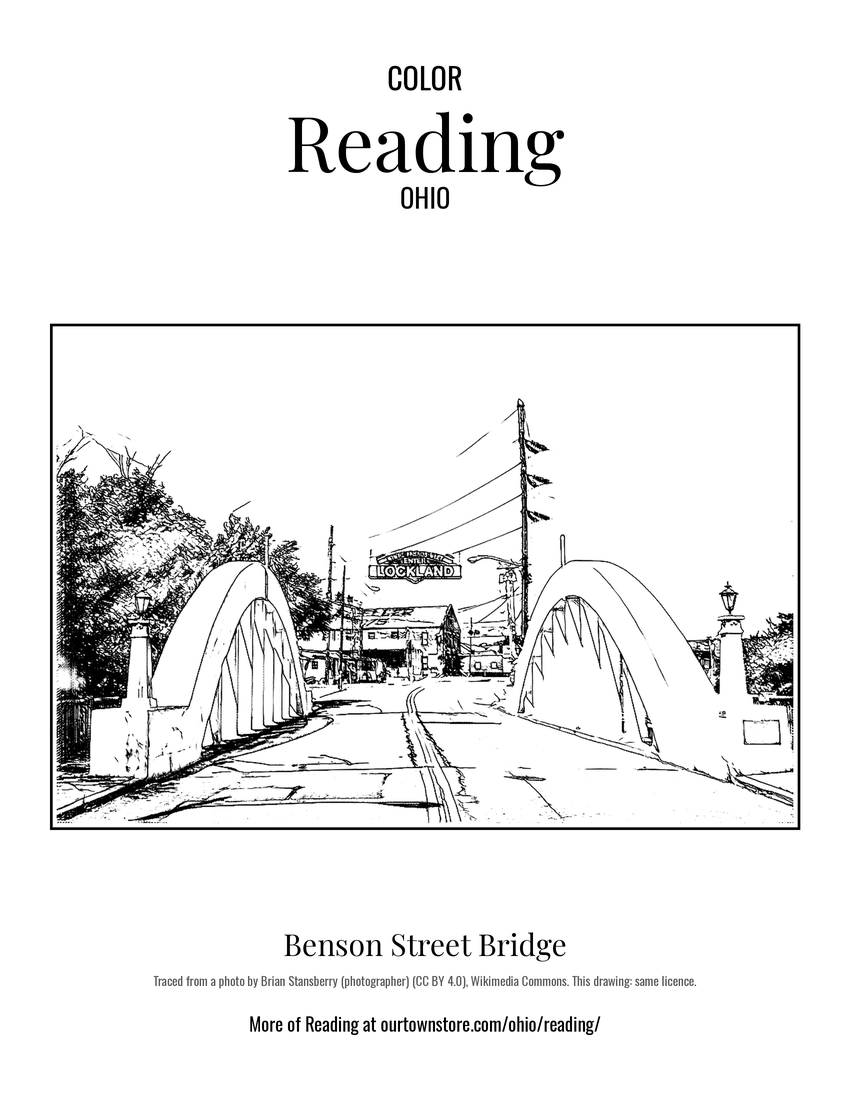 Benson Street Bridge
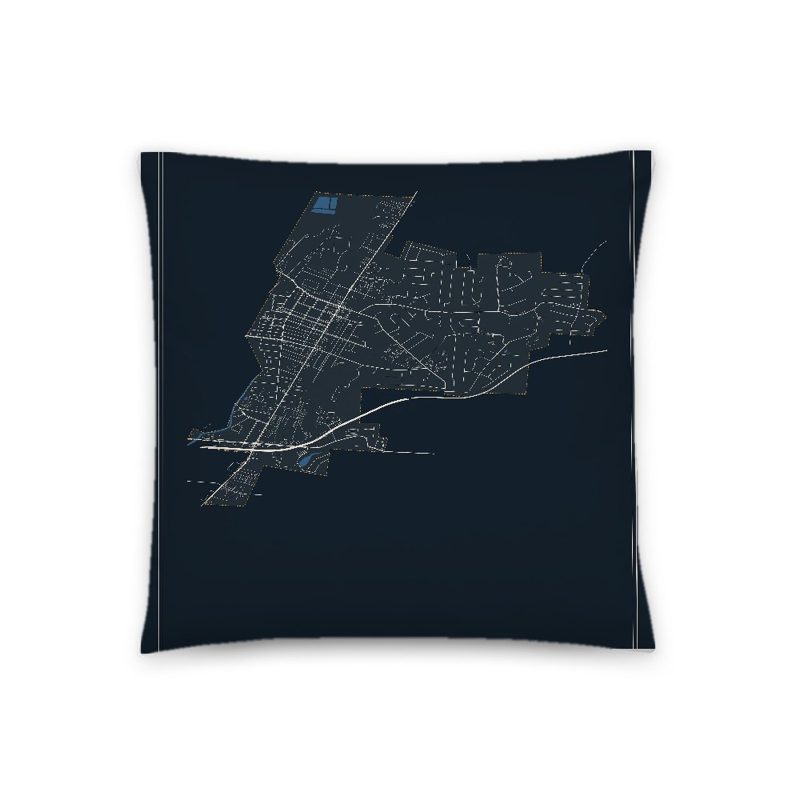
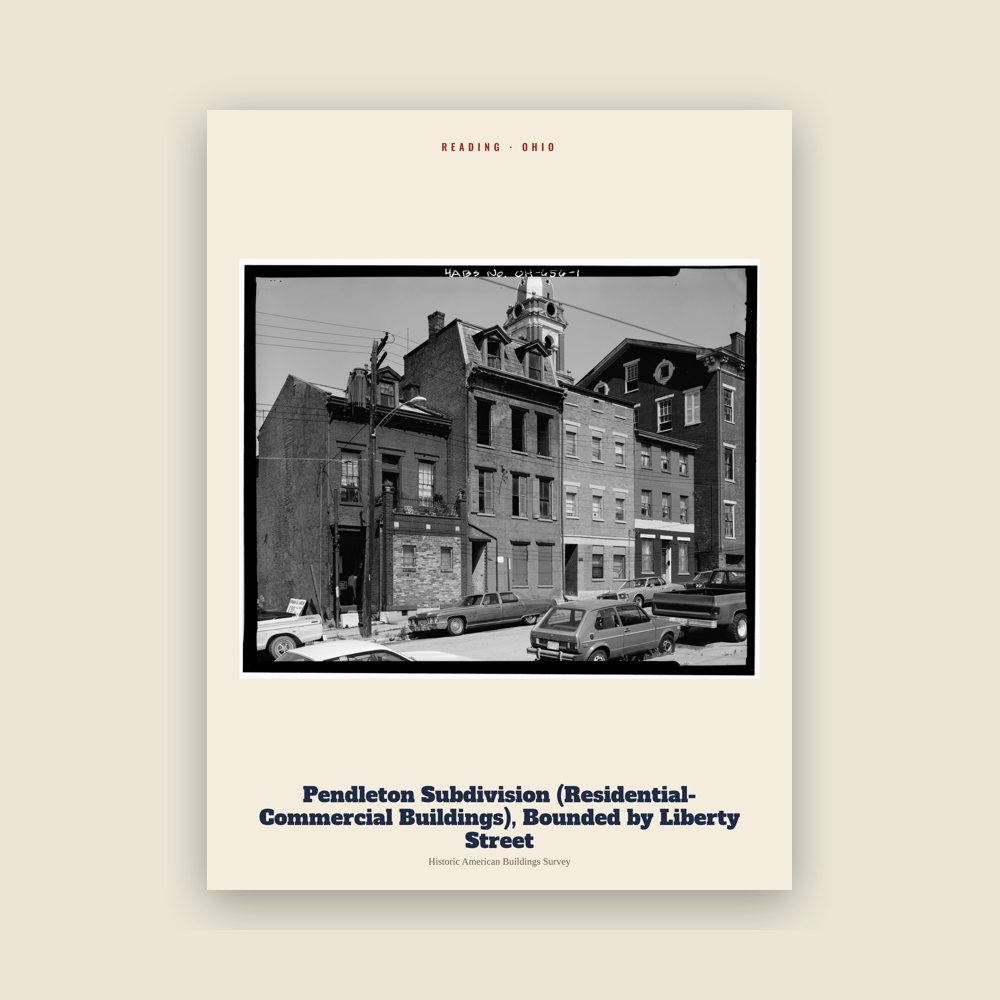
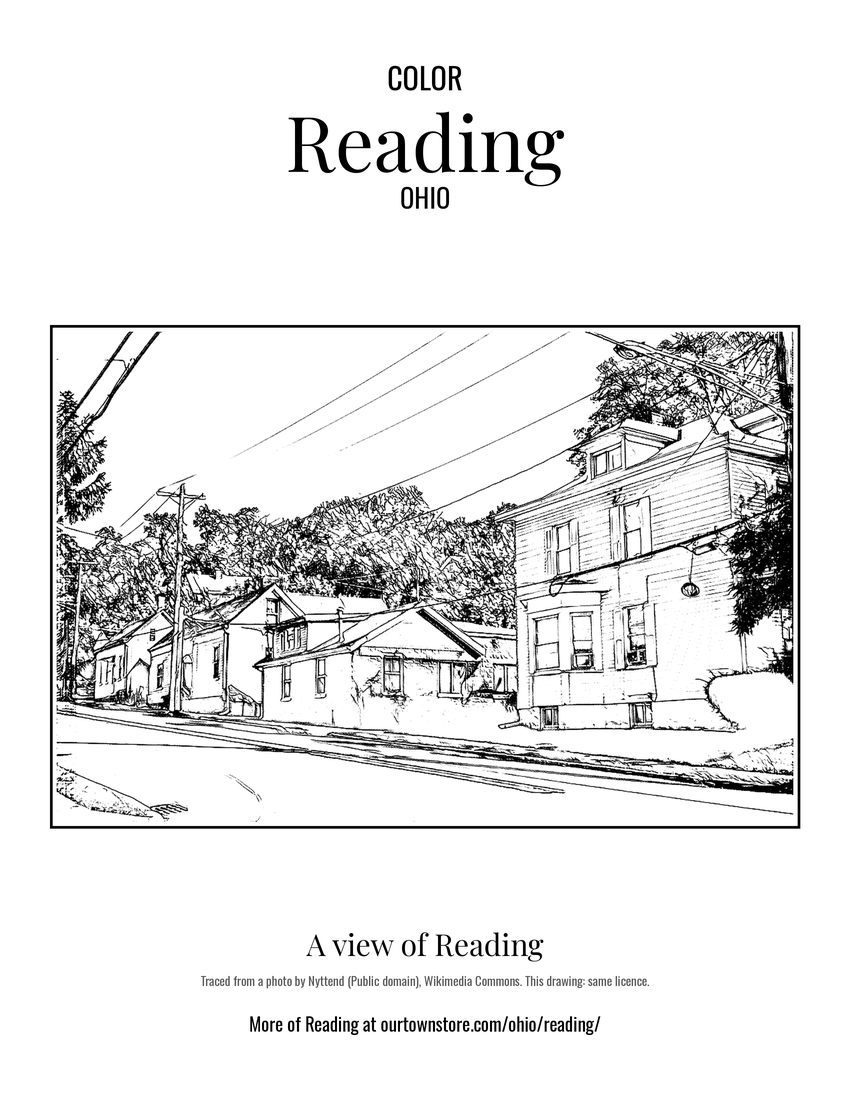 A view of Reading
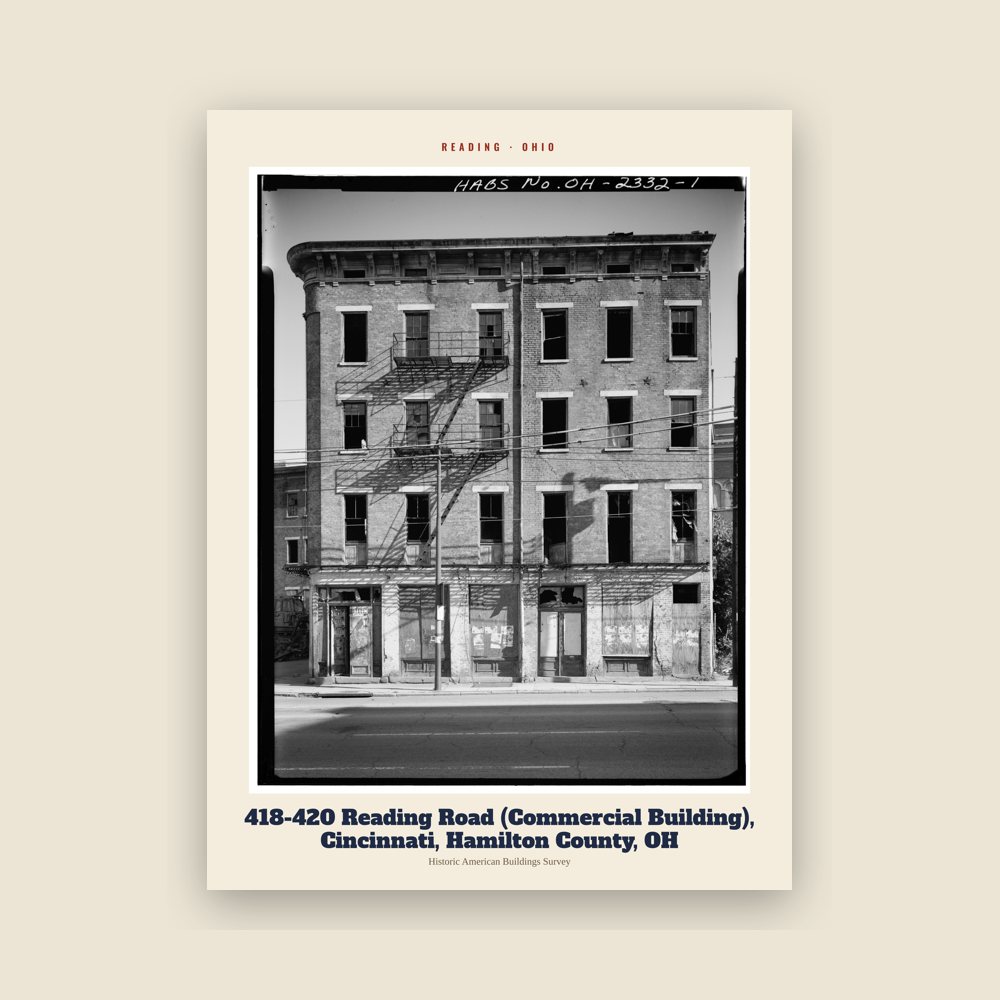
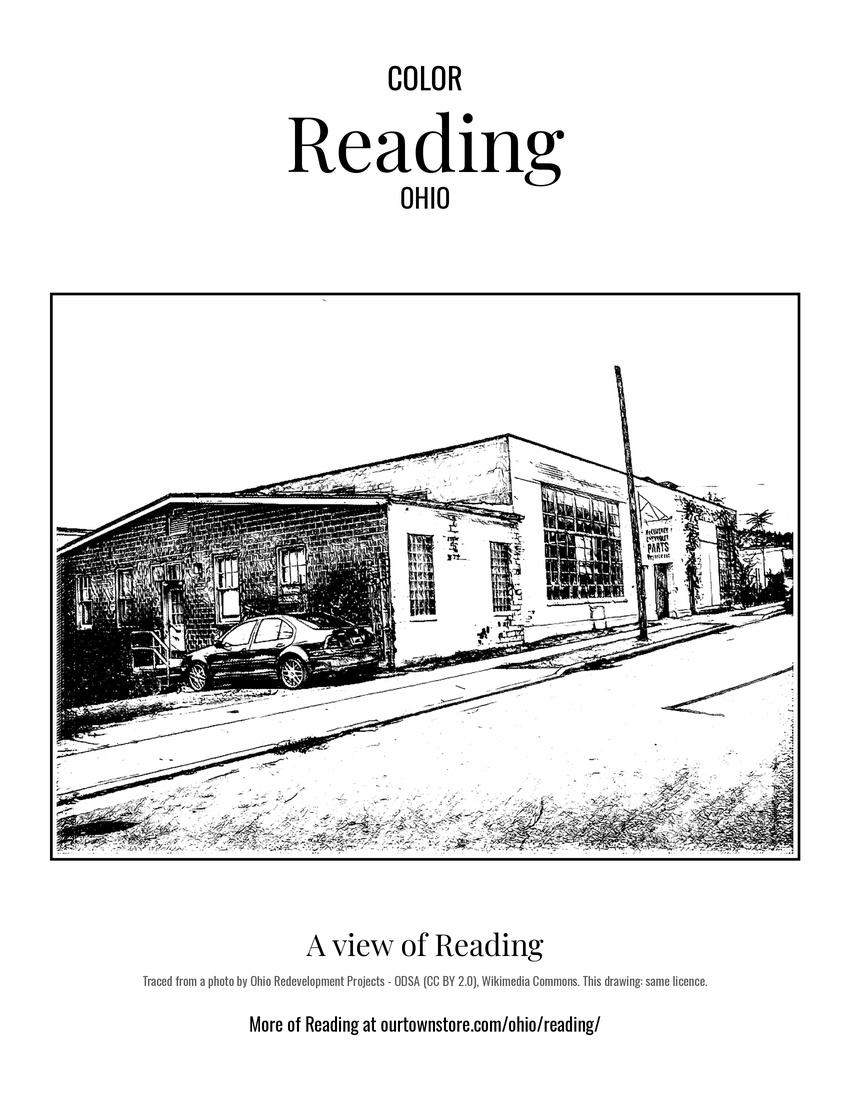 A view of Reading
 A view of Reading