Since 1849
A short history of Lockland
The birth of the town, and its name, are related to the first set of lock gates on the Miami and Erie Canal north of Cincinnati. The canal served as a major transportation route linking commerce from as far as New Orleans to New York City. Industry was attracted to the western Ohio area by the idea of connecting Lake Erie to the Ohio River.
Lockland provided an abundance of water power with its 15-foot (4.6 m) difference in water levels, allowing for a water-powered gristmill. A large reservoir pond allowed boats to dock for repairs or layover.
A proliferation of railways during the latter part of the nineteenth century across the area gradually reduced the waterway's usefulness, and the canal operation was officially halted in 1929. The canal sat still for a few years during the thirties. The Mill Creek Expressway reused some portions of the canal's right-of-way as well as the Wright-Lockland Highway. The National Interstate and Defense Highways Act of 1956 created today's interstate system, including Interstate 75 along the Mill Creek Expressway.
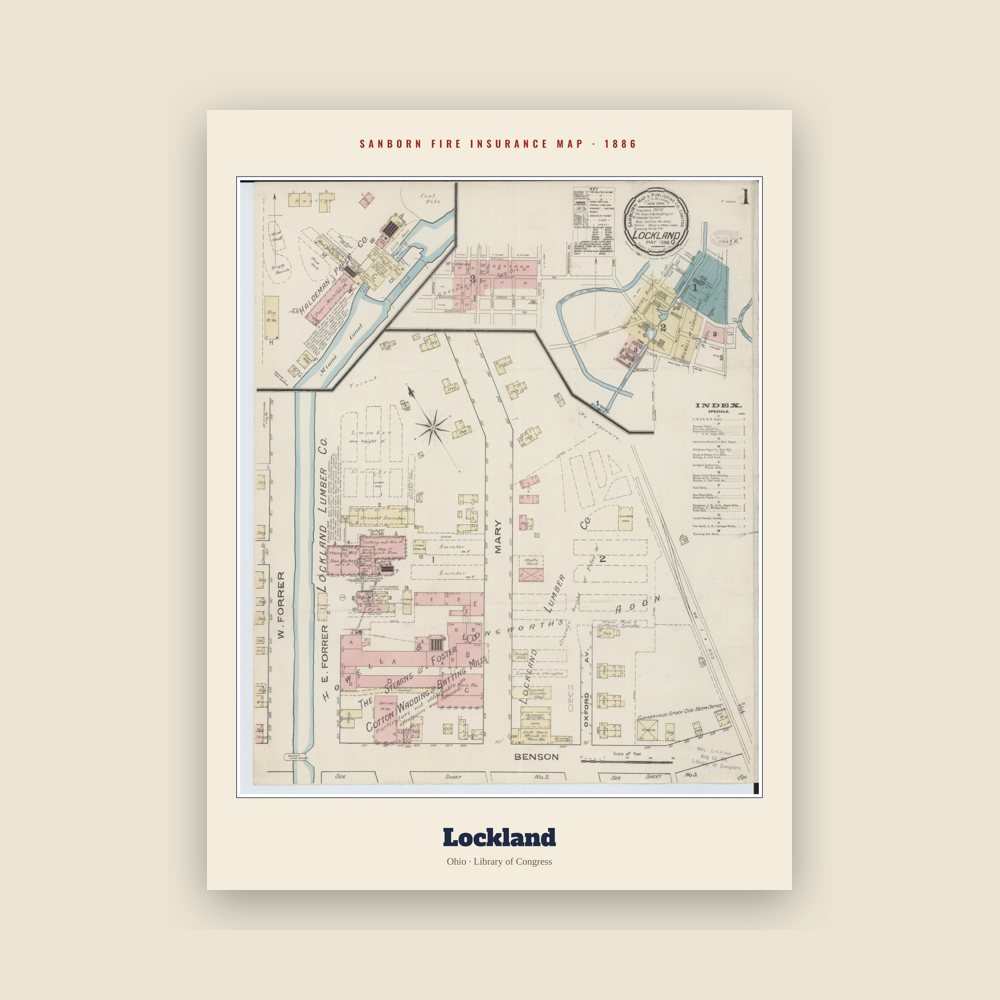
Lockland was home to the Stearns and Foster Mattress company, which was founded in Cincinnati in 1846 and moved to Lockland in 1880. The original factory and office building still stand in the downtown area of the village. However, after a fire in 2004 the two factory buildings, which sit on approximately 18 acres (73,000 m2), began to be demolished. By 2015 demolition was complete, including removal of the smokestack on March 26.
The town was home to a refugee resettlement program, primarily drawing from Mauritania in 2024, with roughly 2,000–3,500 moving to the town in that time. Flow from the country slowed in 2025 with the tightening of asylum requirements under the Trump administration. 130 from the town were deported back to Mauritania.
Adapted (trimmed) from the Wikipedia article Lockland, Ohio, revision 1374532244 by its contributors, licensed CC BY-SA 4.0.
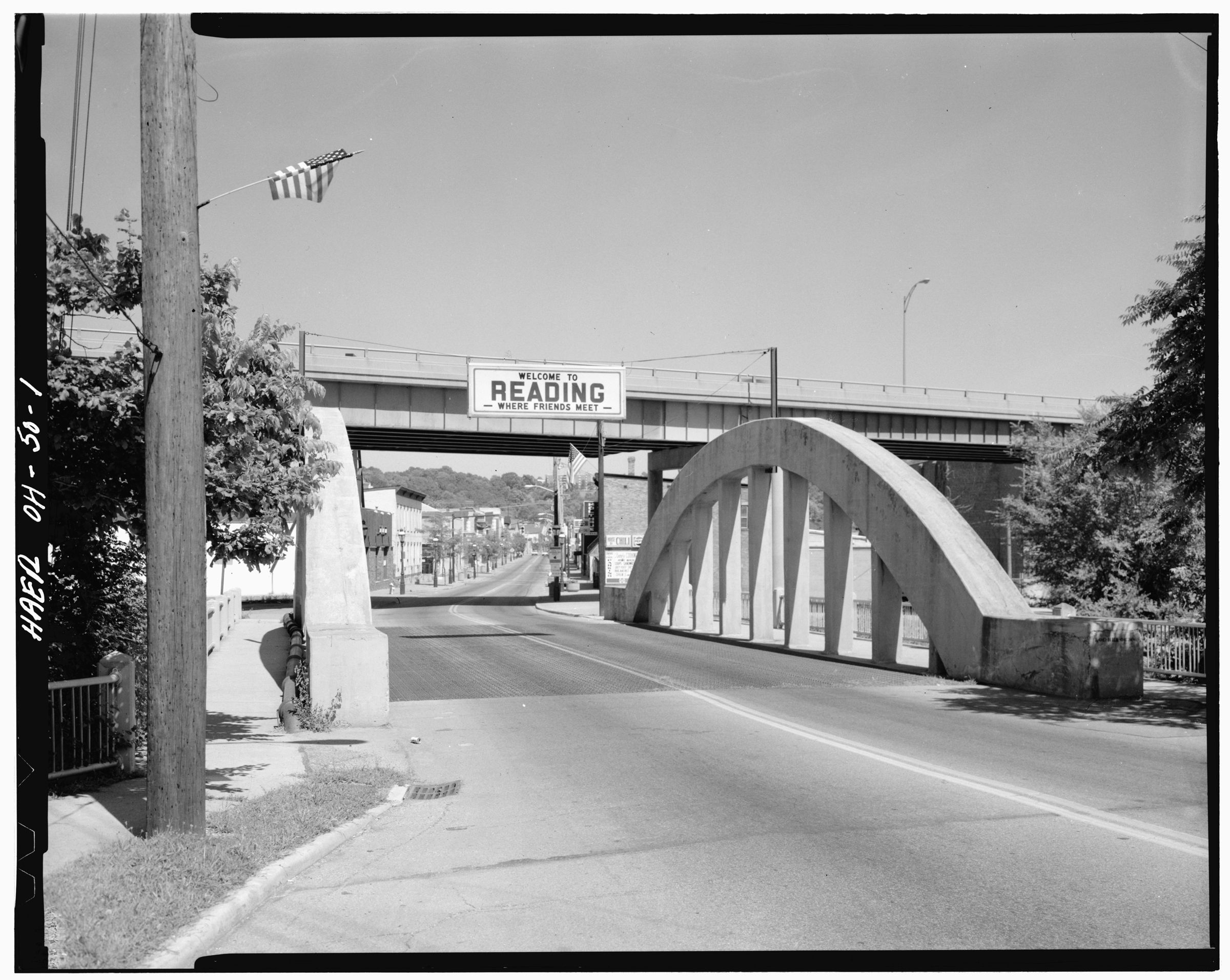
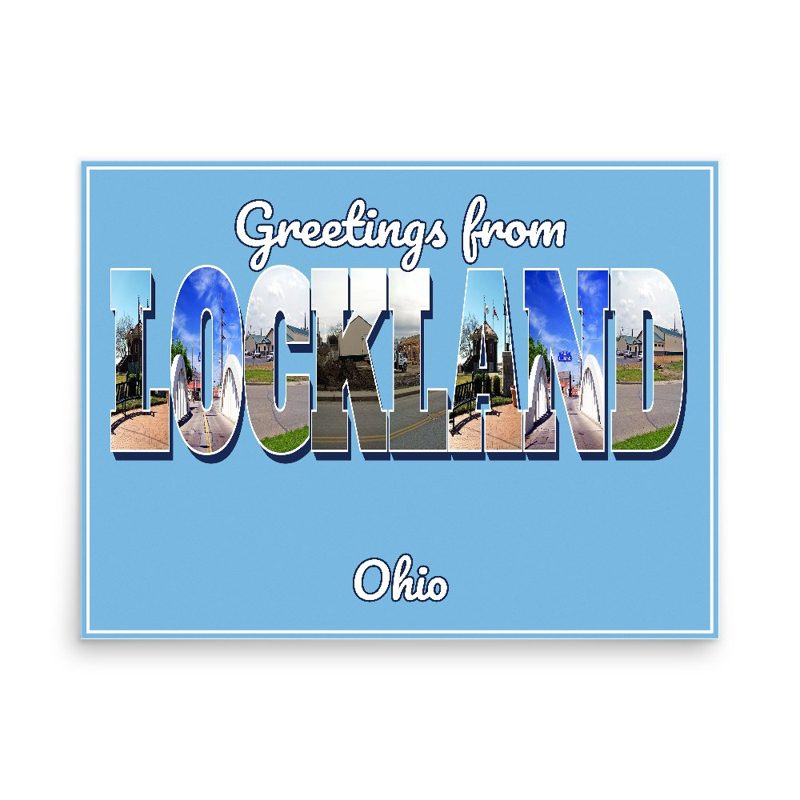
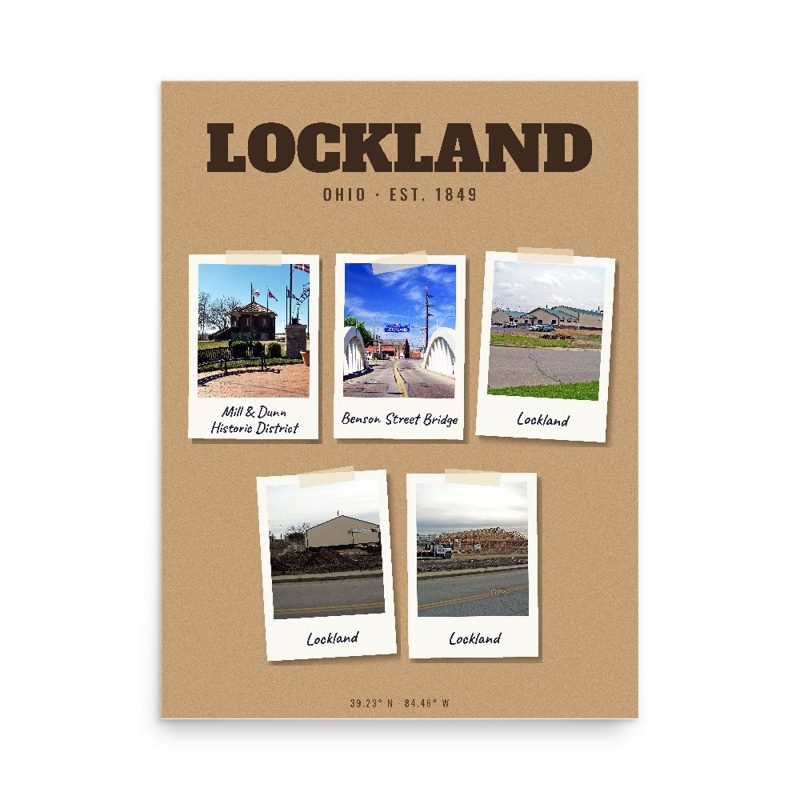
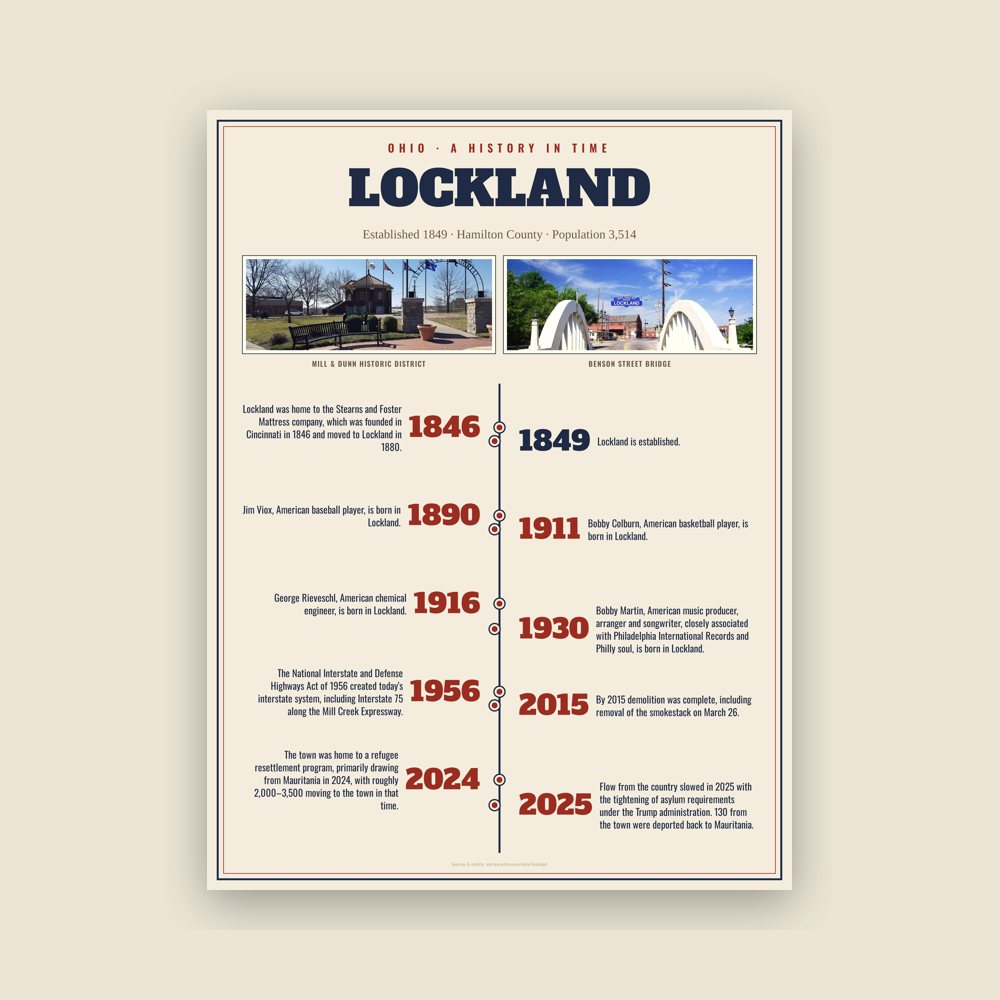
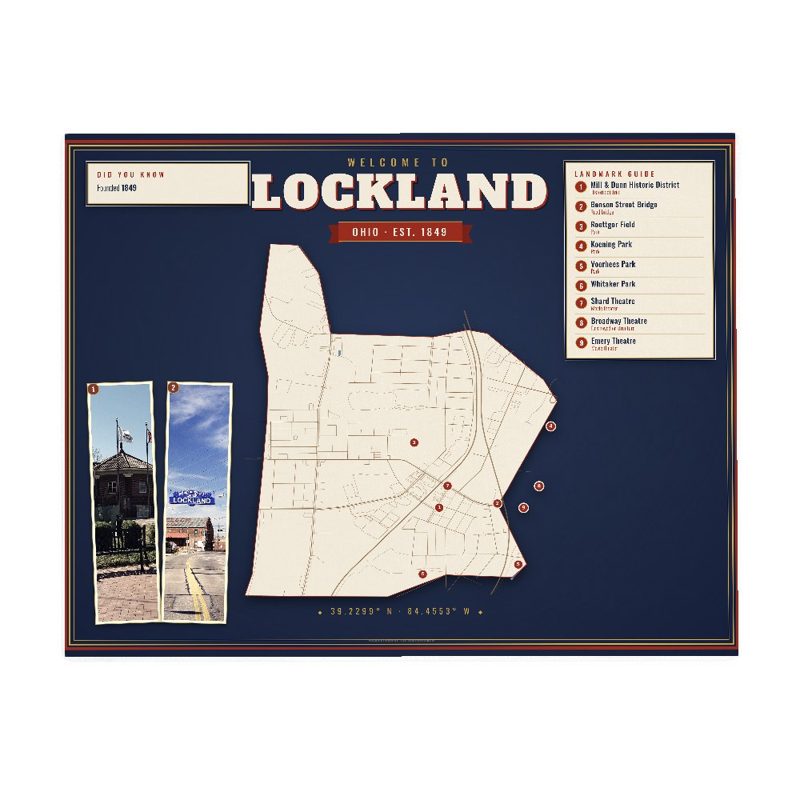
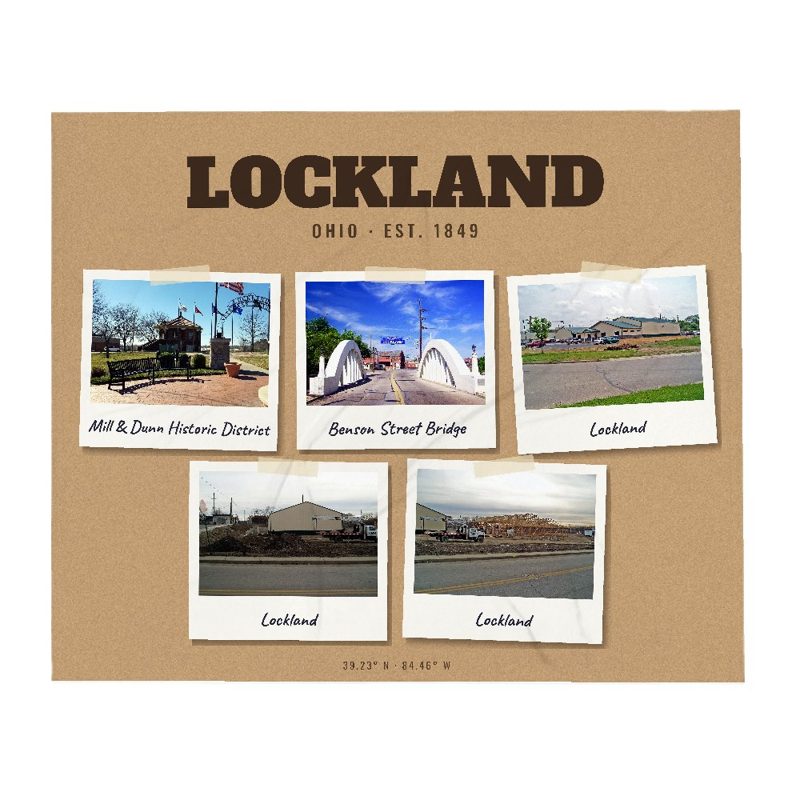
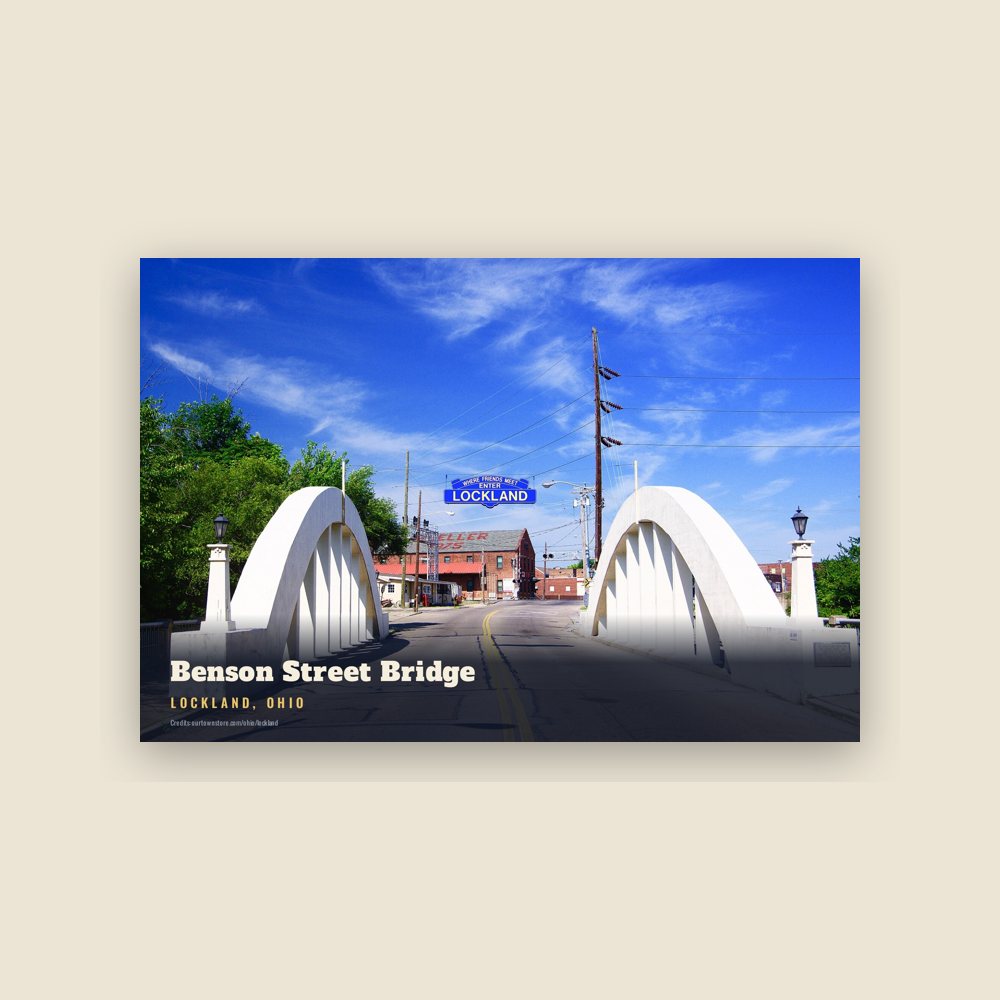
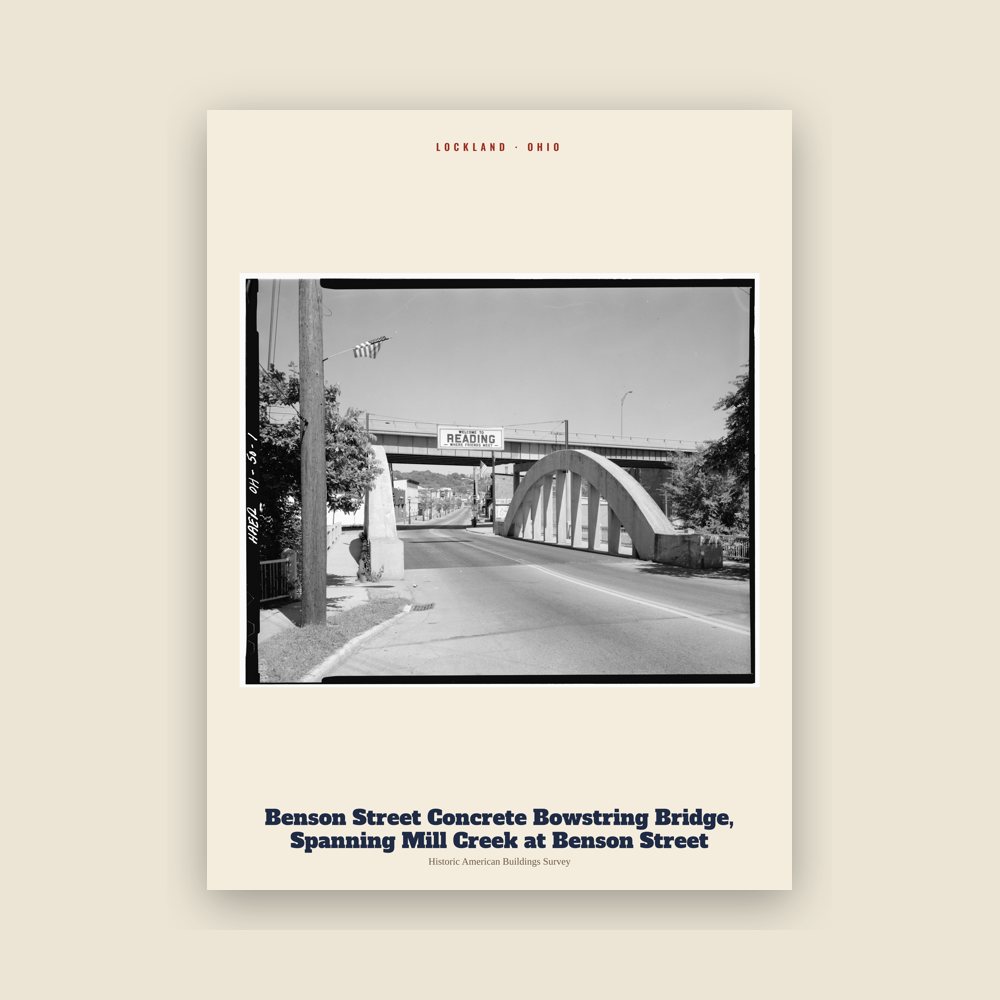
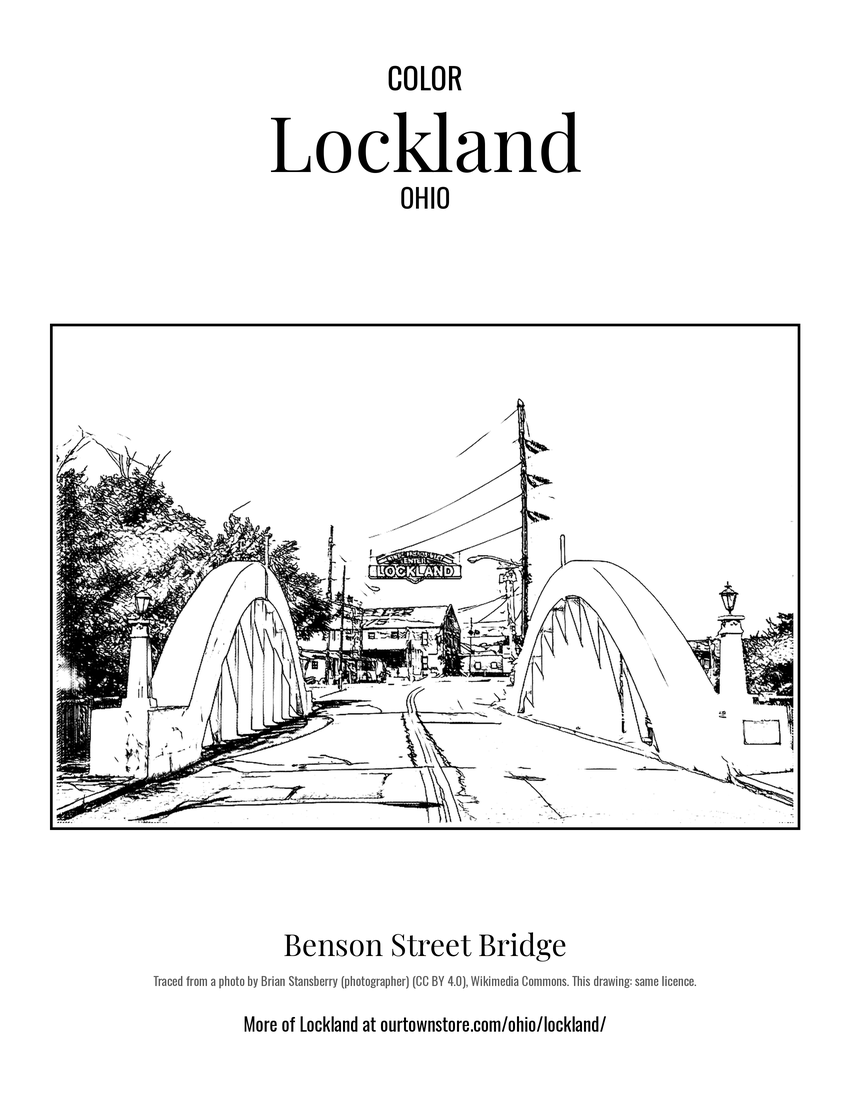 Benson Street Bridge
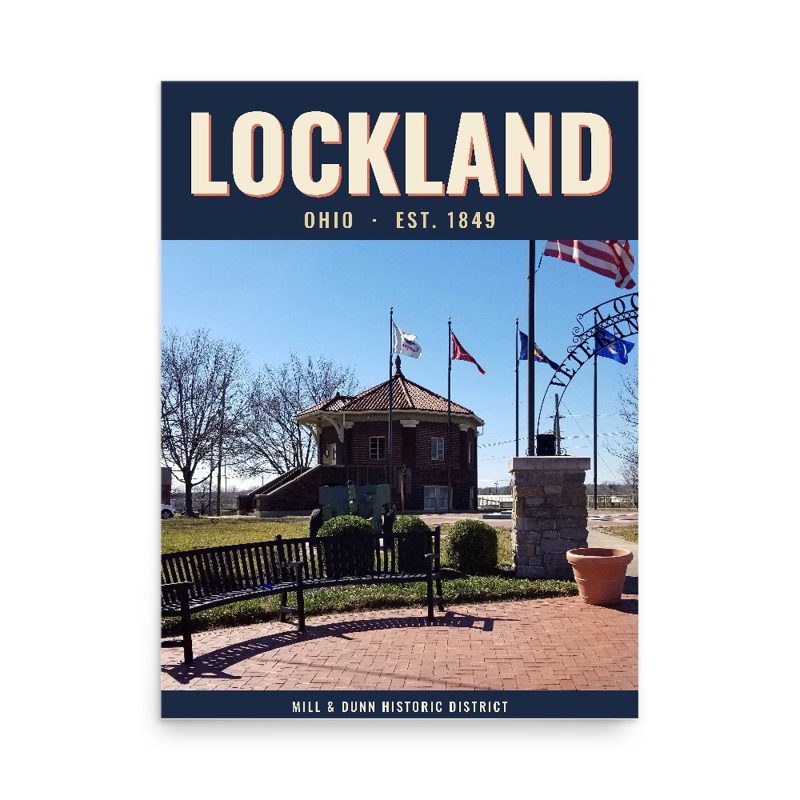
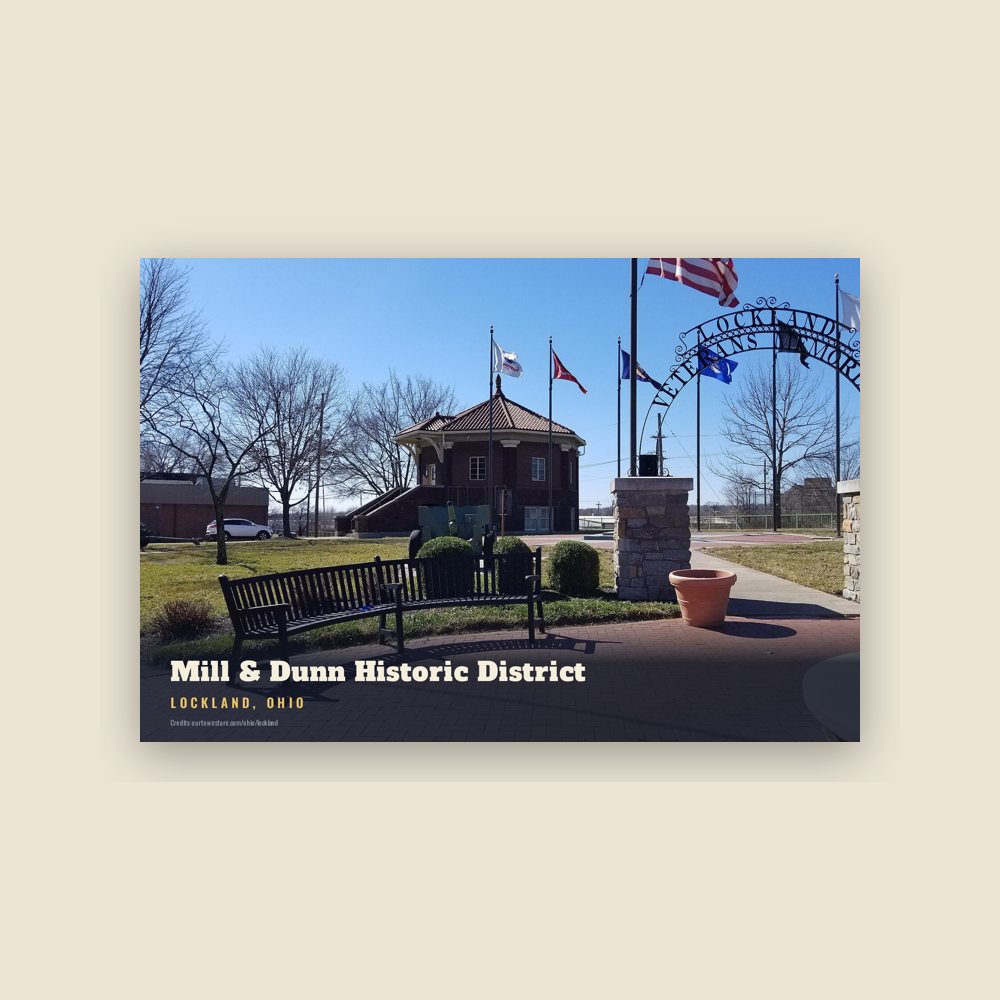
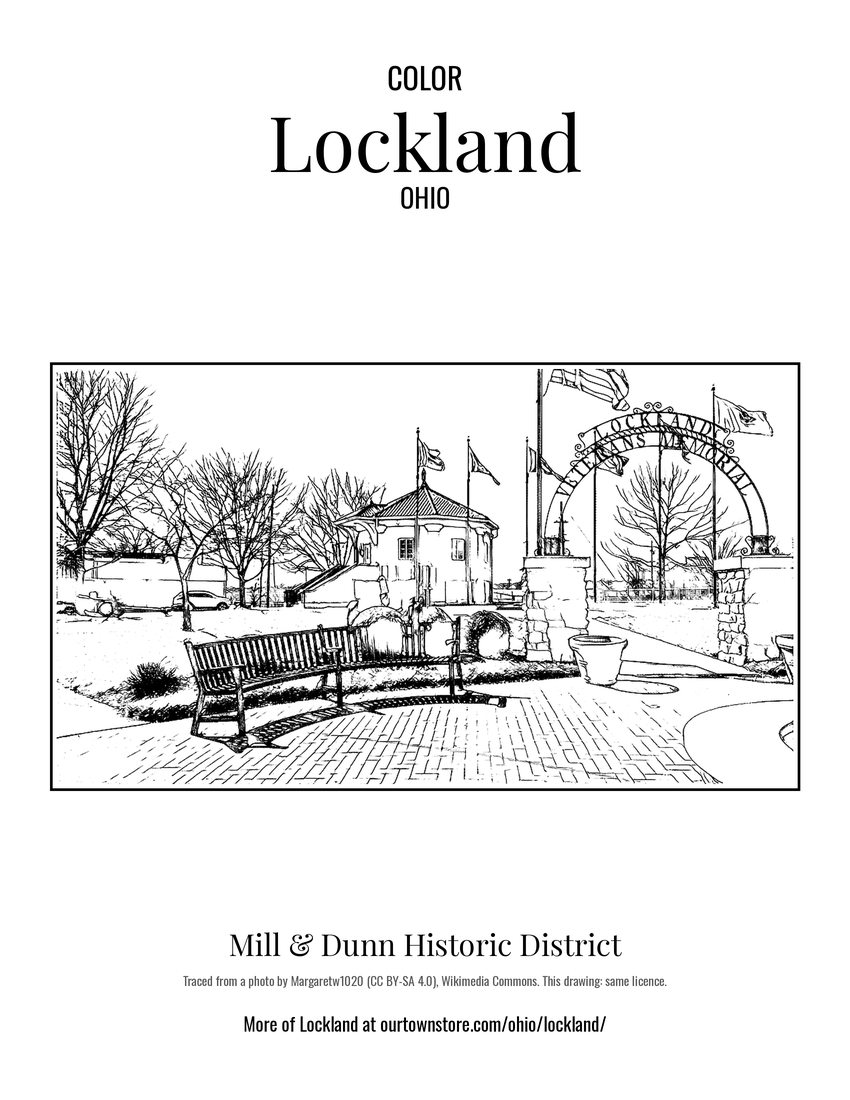 Mill & Dunn Historic District
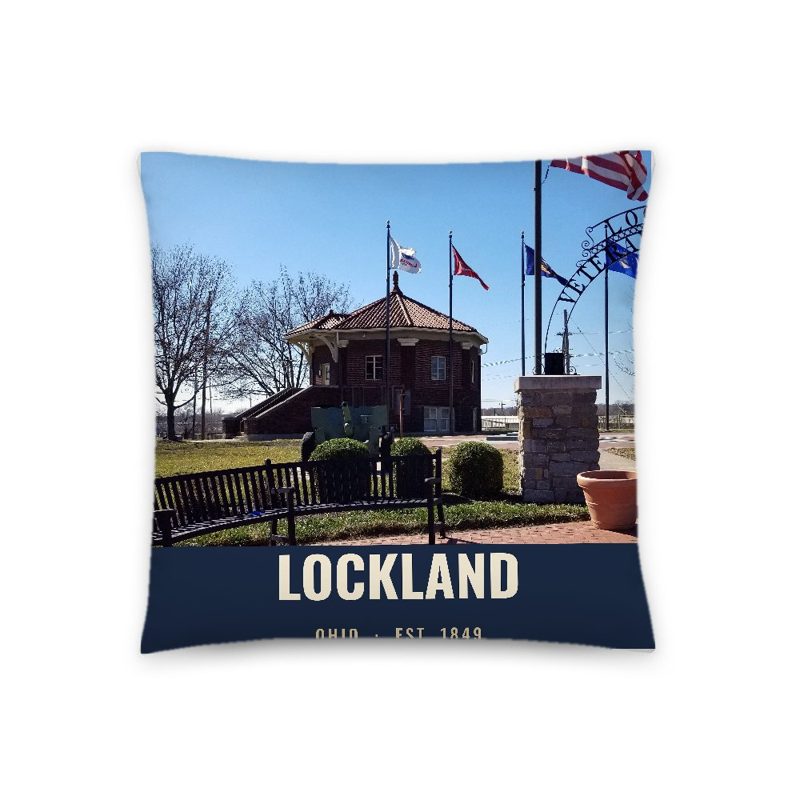
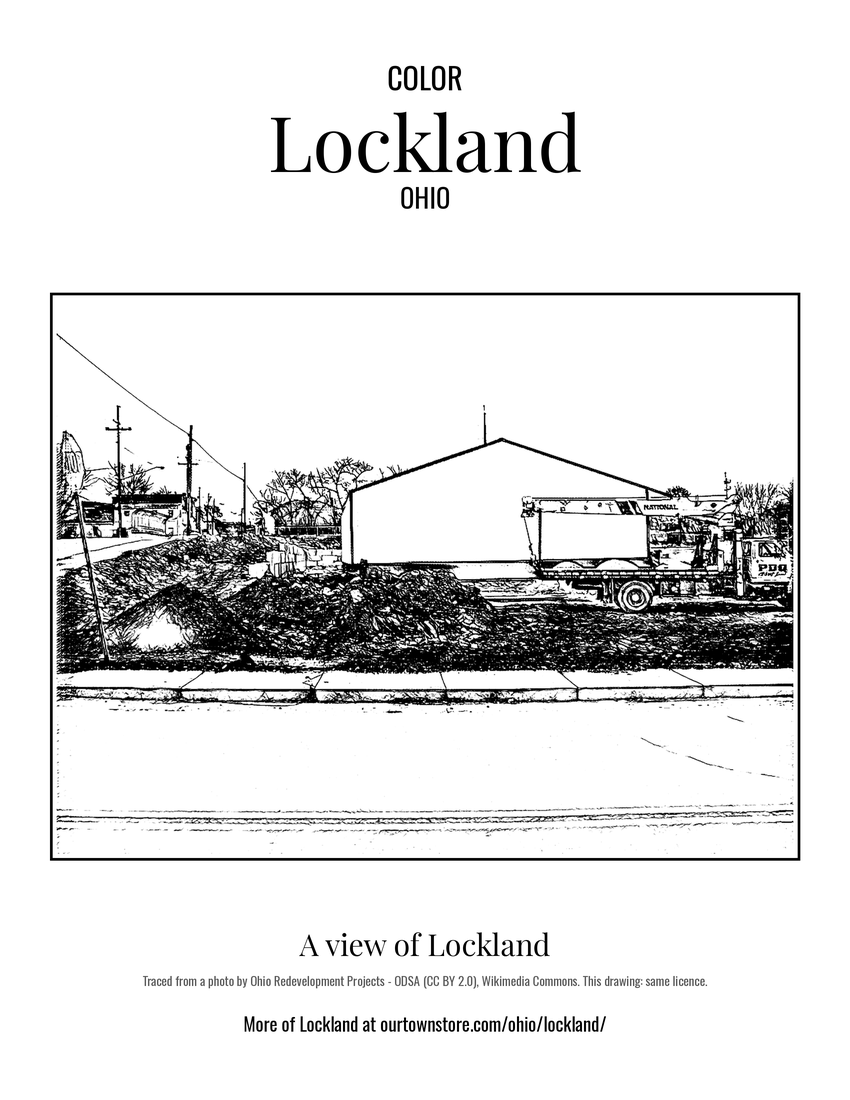 A view of Lockland
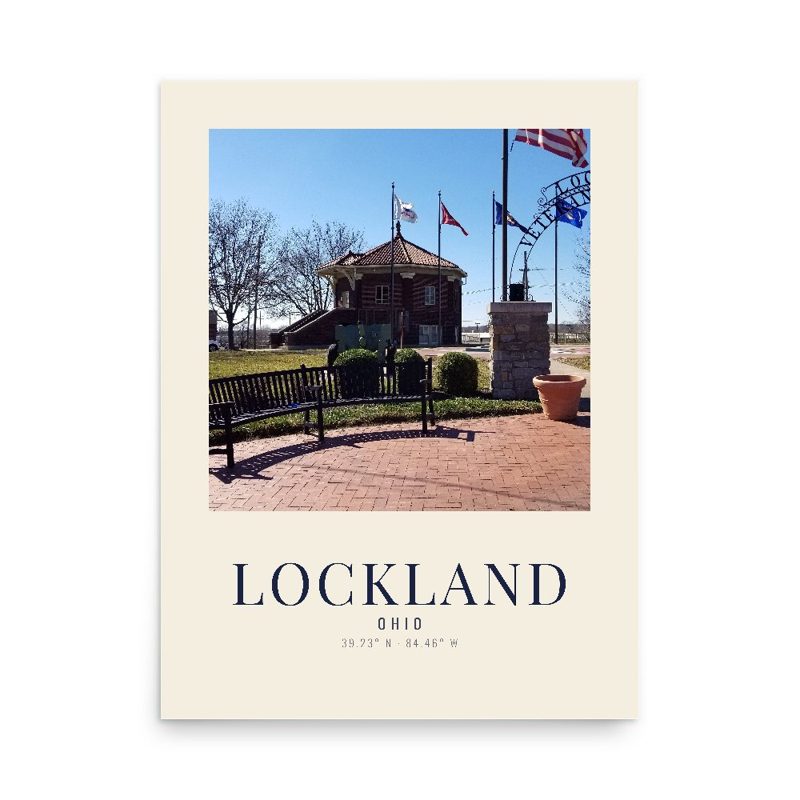
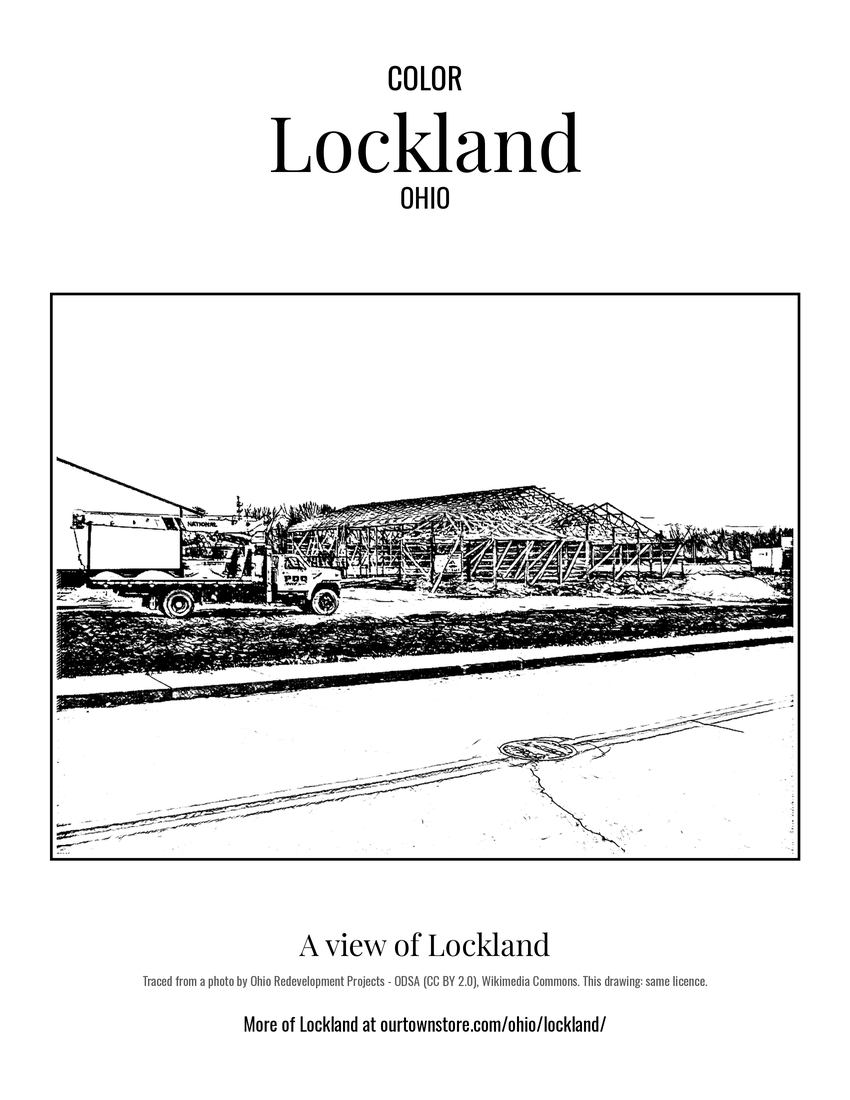 A view of Lockland