Since 1866
A short history of Grove City
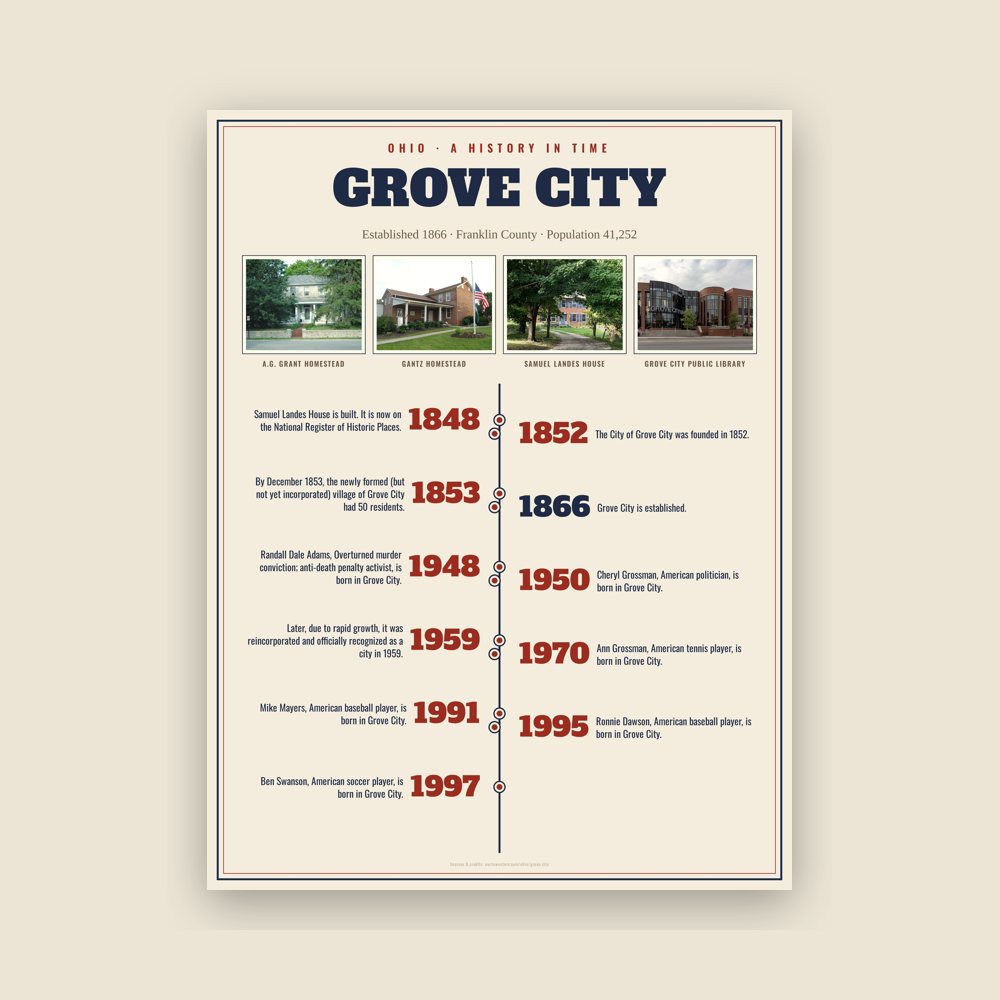
The City of Grove City was founded in 1852. It was first incorporated as a village on March 5, 1866. Later, due to rapid growth, it was reincorporated and officially recognized as a city in 1959.
Until the mid-19th century, the area that is now Grove City was a wilderness filled with oak, beech, maple, walnut, dogwood and other trees. The area's first European settler, Hugh Grant, operated a gristmill in Pittsburgh and transported excess goods down the Ohio River for sale, returning to Pittsburgh on foot. On one of these trips, he passed through the Scioto Valley region and in 1803, purchased the land that would become Grove City and returned with his wife Catharine to start a new life.
Grove City's official founder, William F. Breck, bought 15.25 acres of the farm owned by Hugh Grant Jr., son of the first settler in Jackson Township, then added 300 more acres intended for farming. Breck's original plan changed when he realized the potential for growth since Harrisburg Turnpike passed through the area to the state capital, Columbus. Breck envisioned a new village complete with a school, church, stores, blacksmith and carpenter shops. Breck formed a commission with George Weygandt, William Sibray and Jeremiah Smith and platted the village on the east side of Broadway in 1852.
By December 1853, the newly formed (but not yet incorporated) village of Grove City had 50 residents. The town founders named the village for the remaining groves of trees left standing after their initial clearing.
Adapted (trimmed) from the Wikipedia article Grove City, Ohio, revision 1378799902 by its contributors, licensed CC BY-SA 4.0.
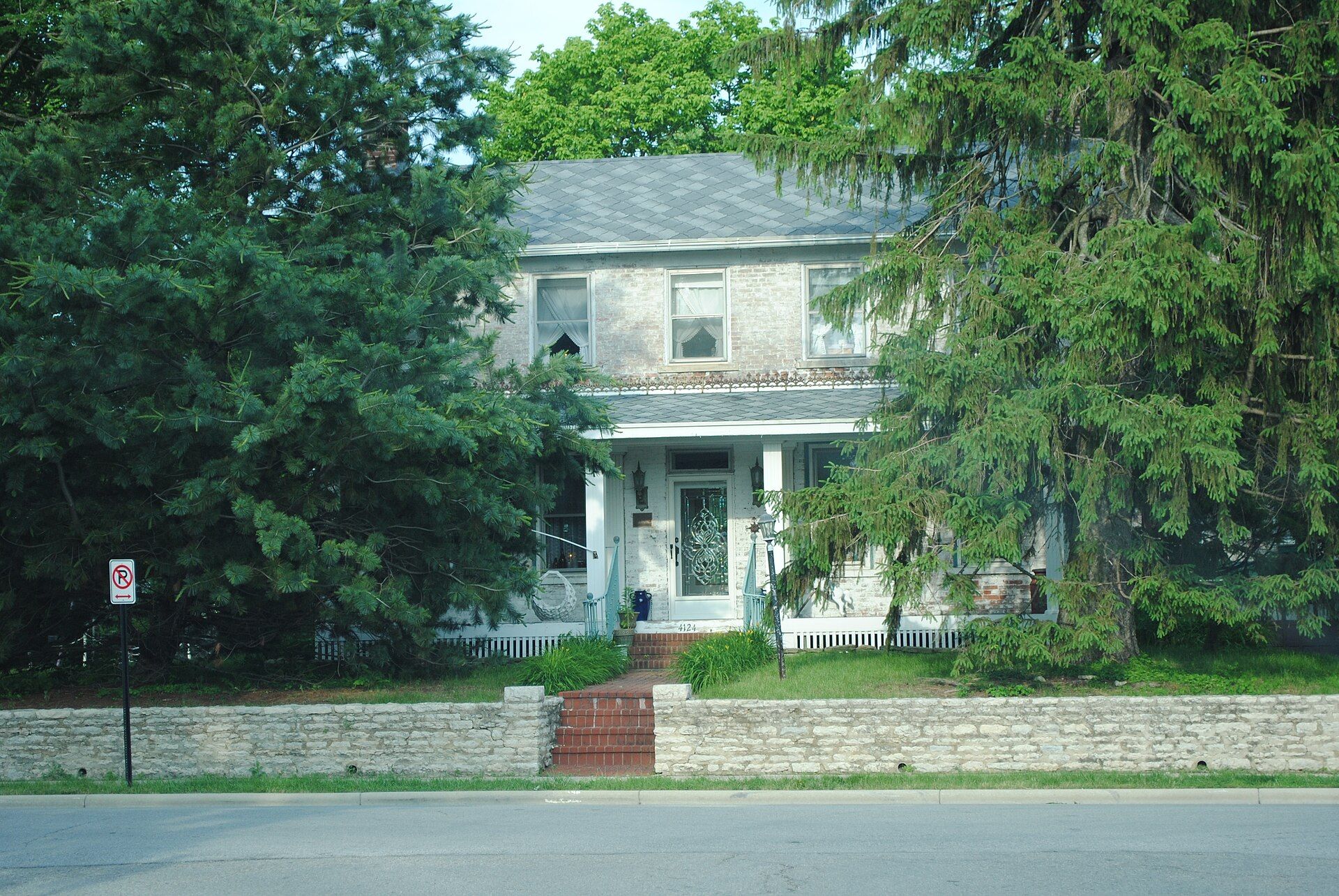

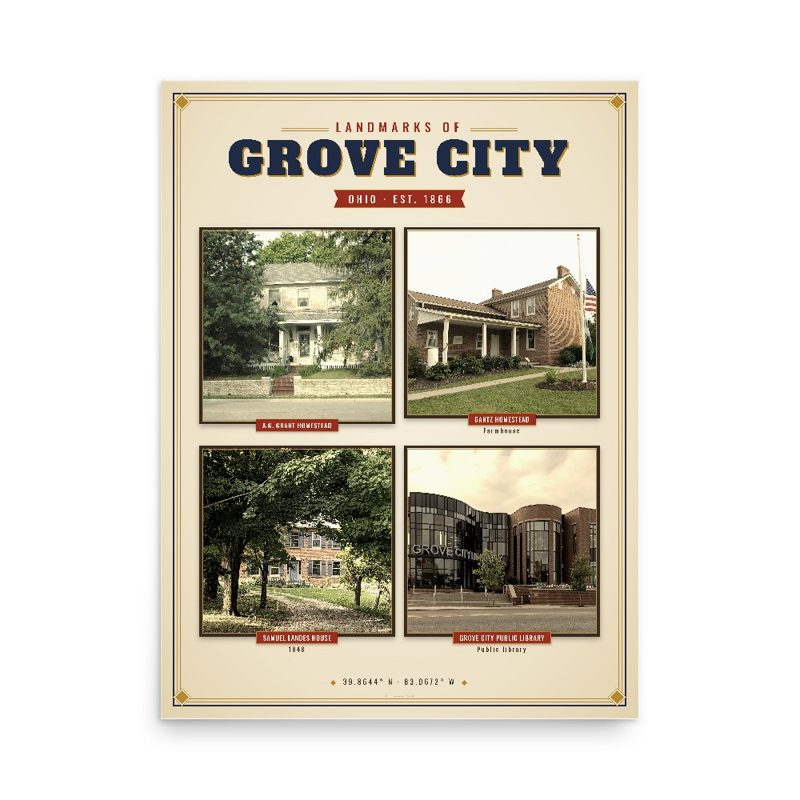
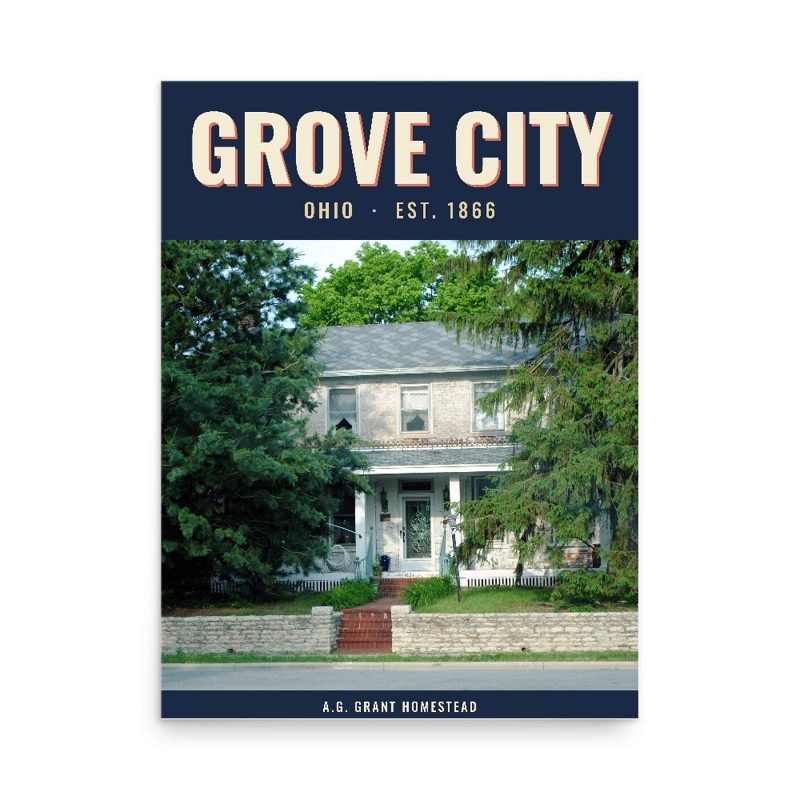
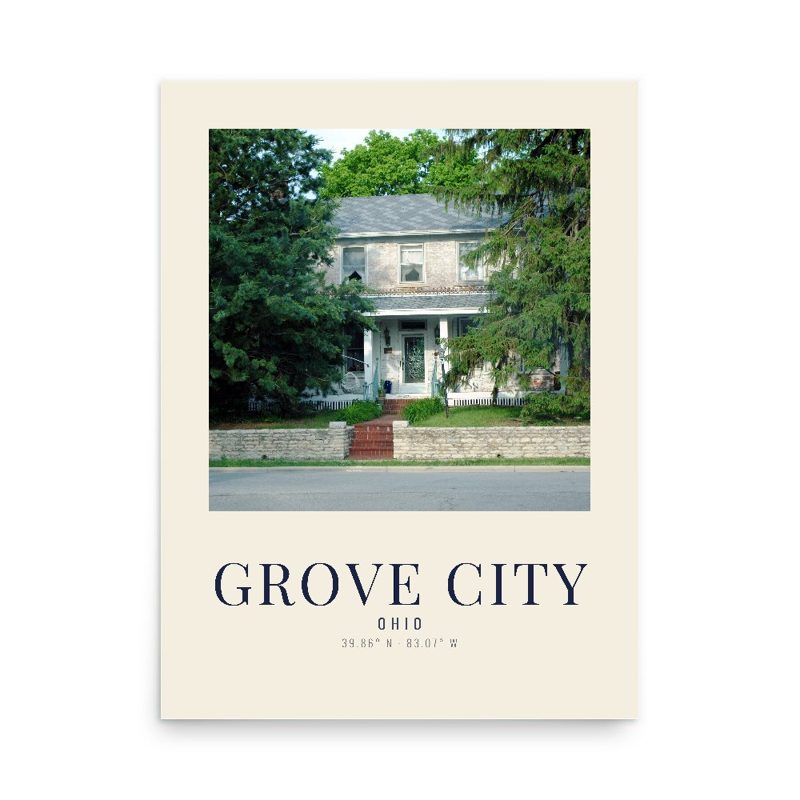

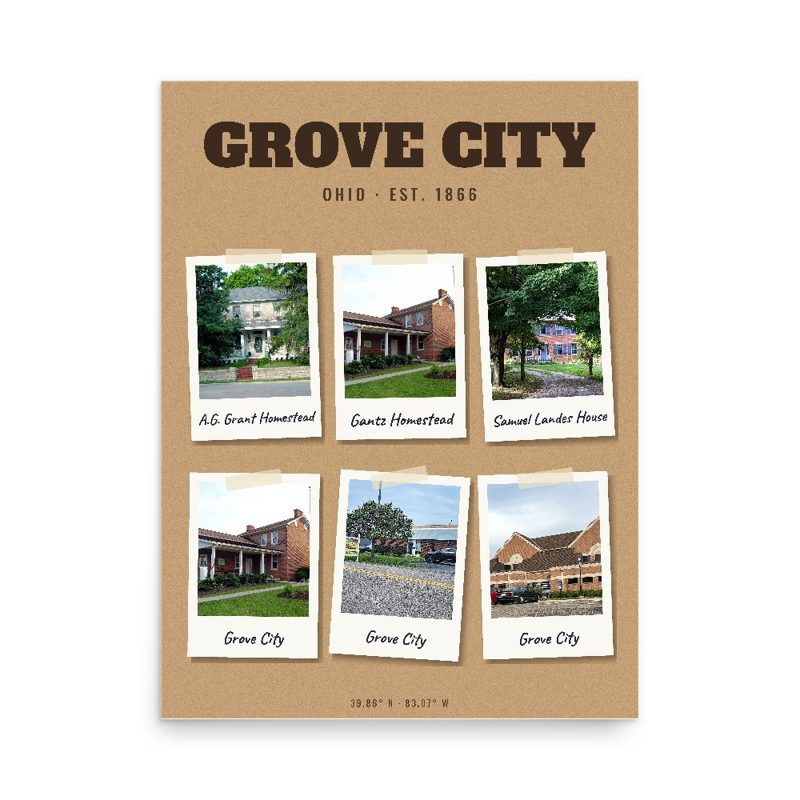
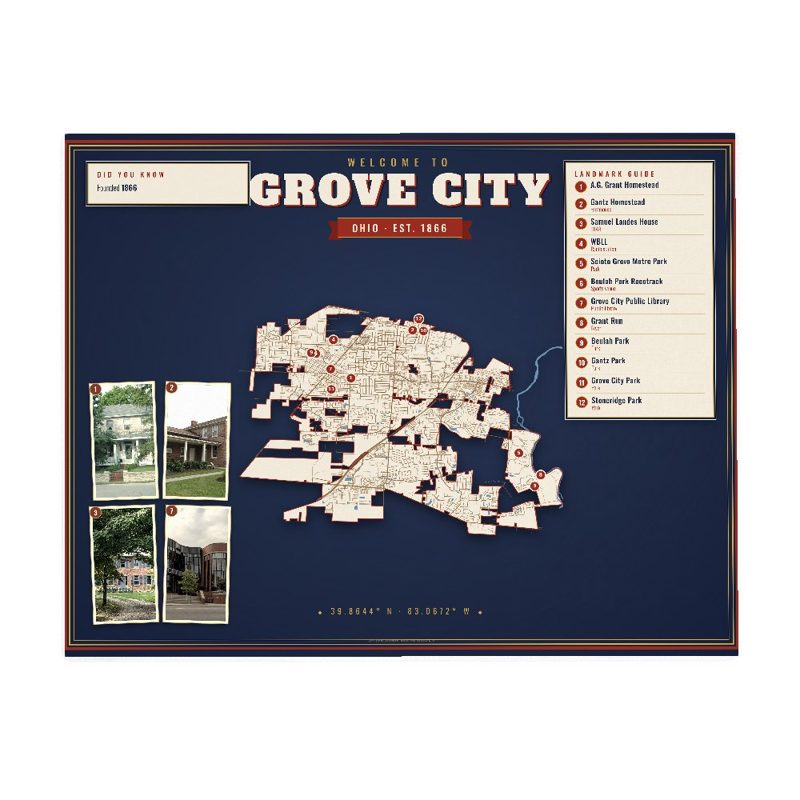















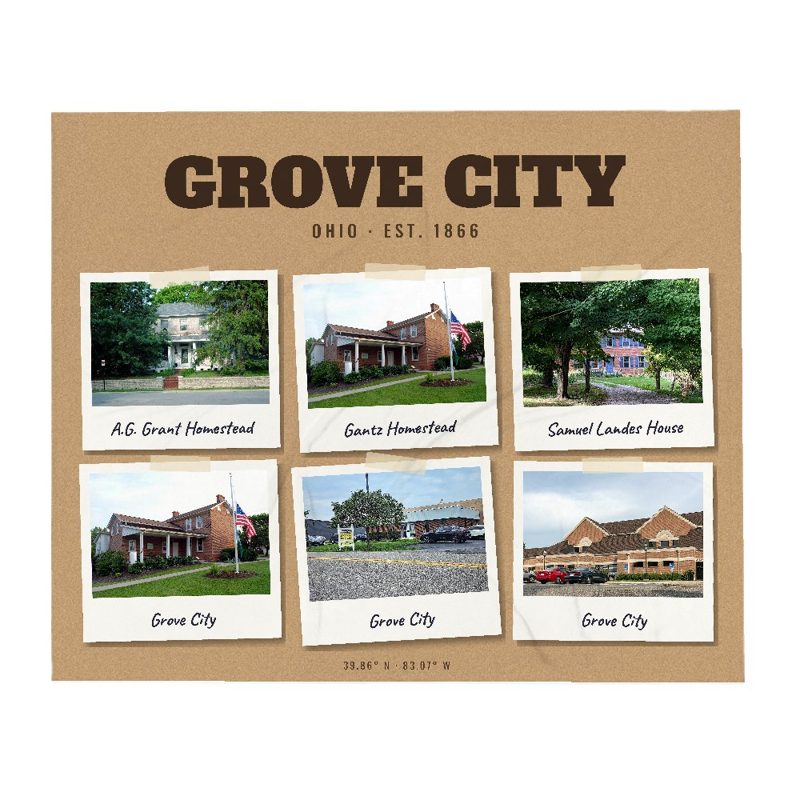

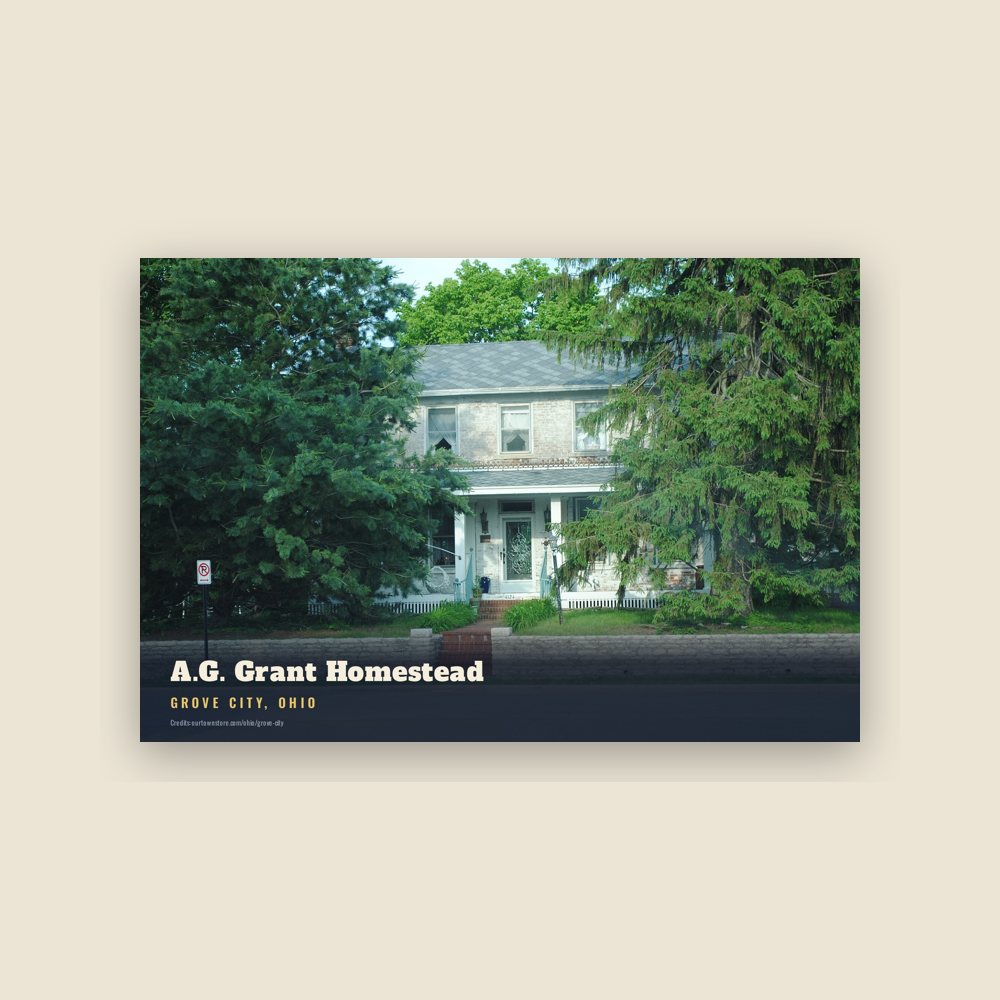

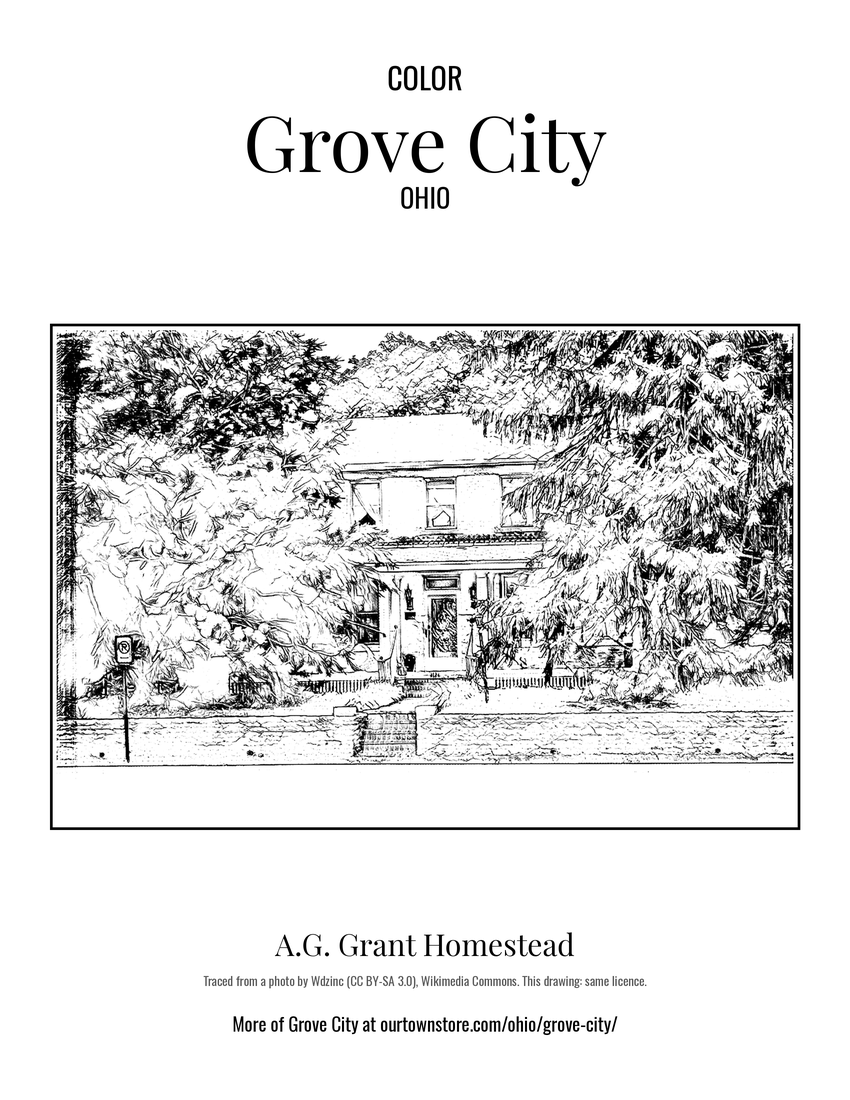 A.G. Grant Homestead
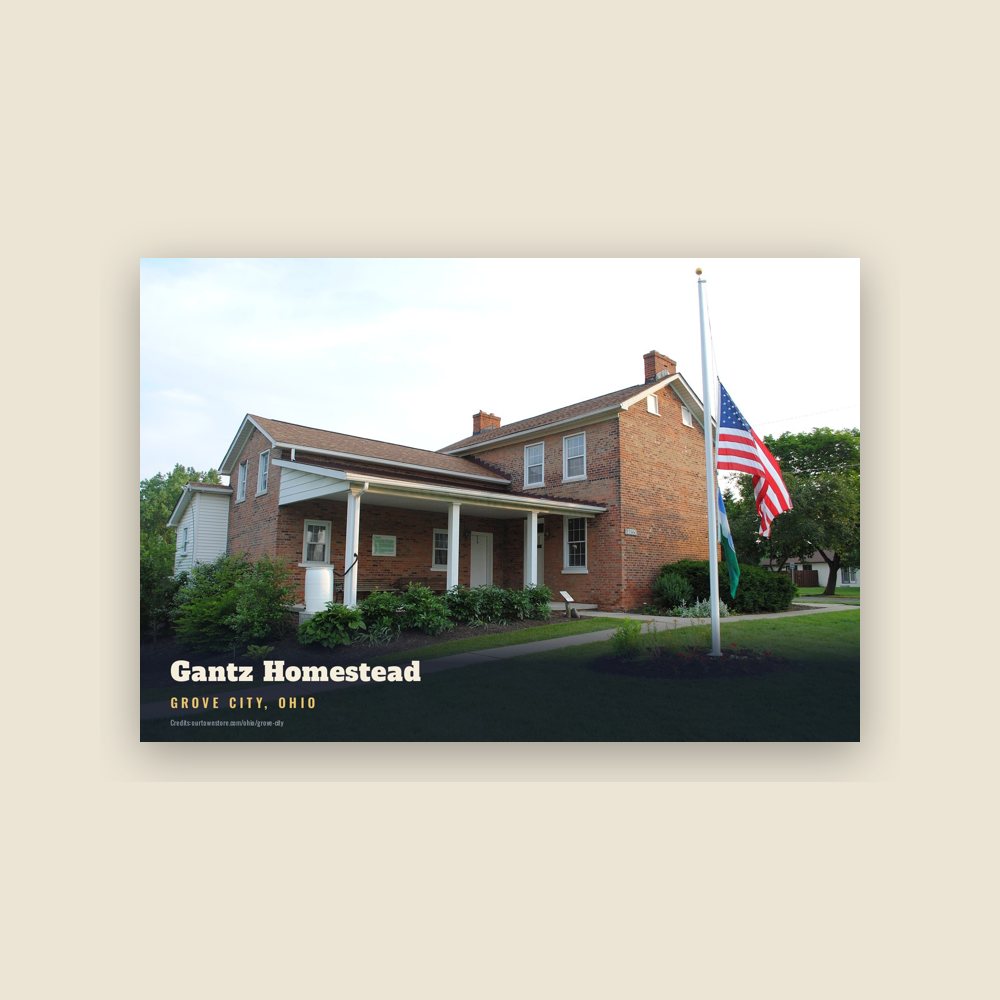
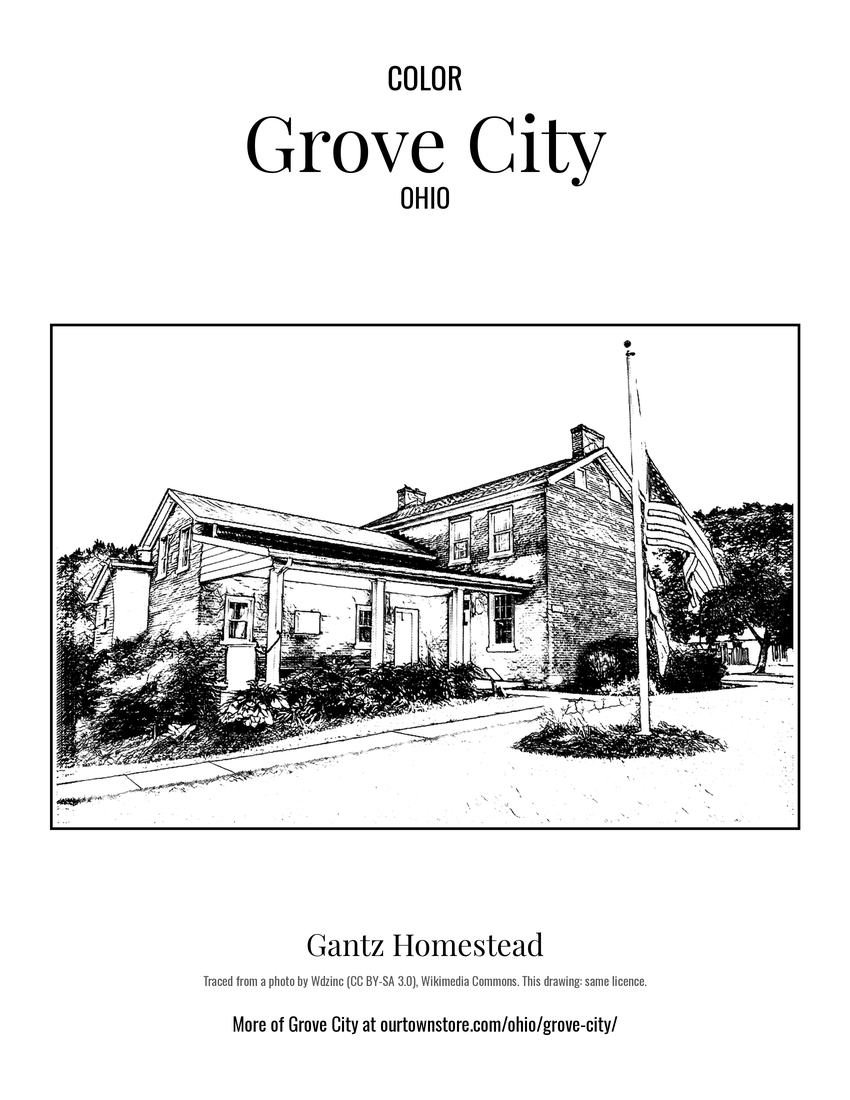 Gantz Homestead
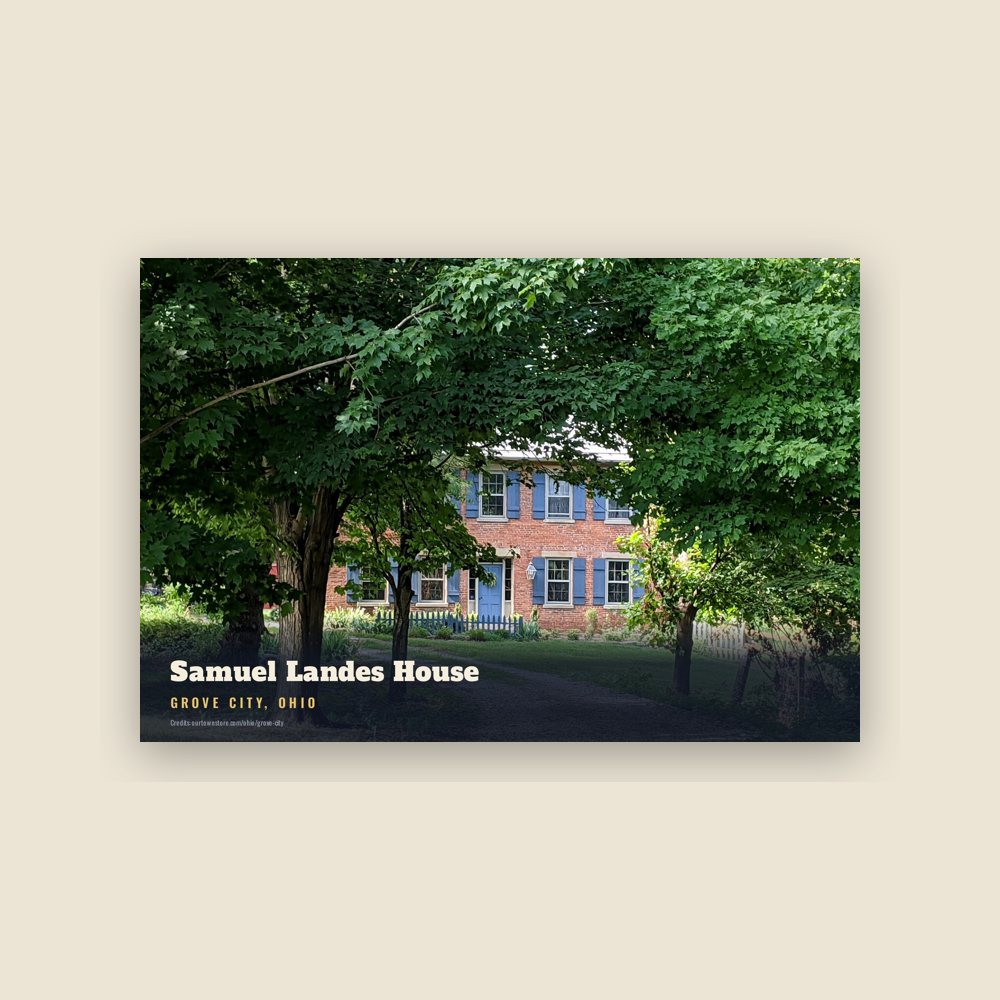
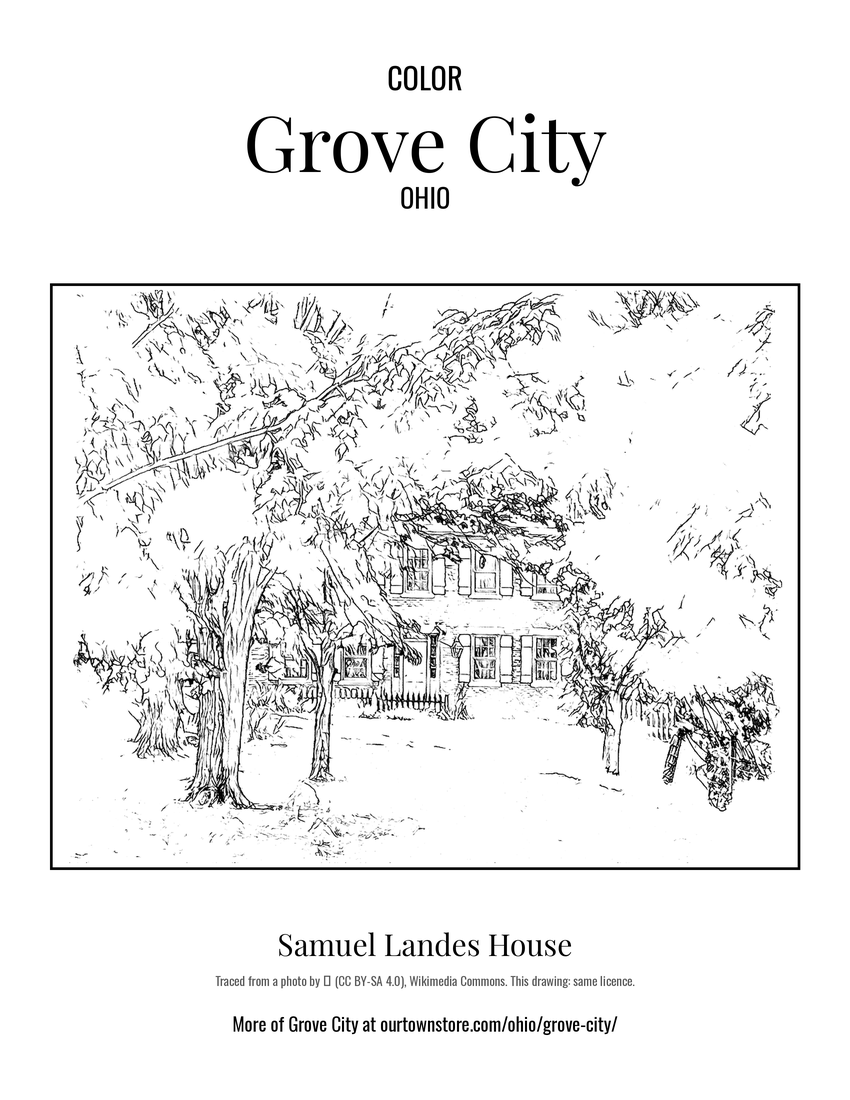 Samuel Landes House
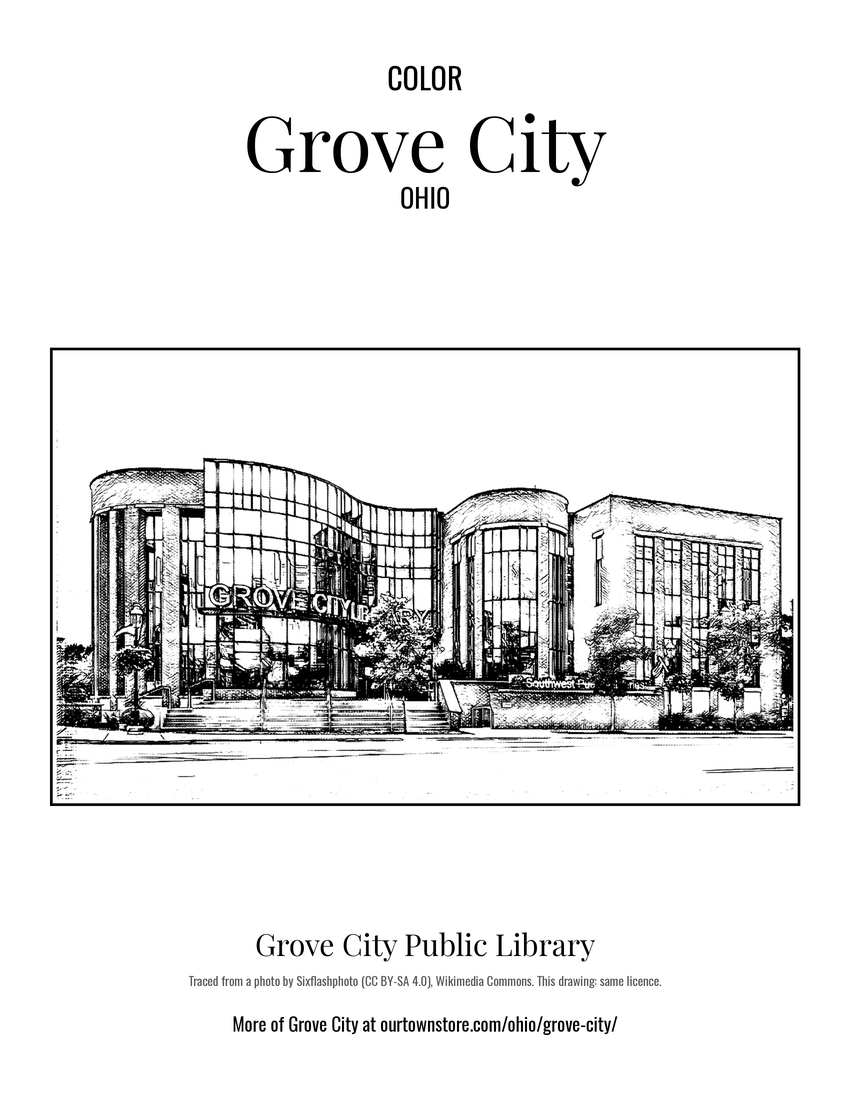 Grove City Public Library