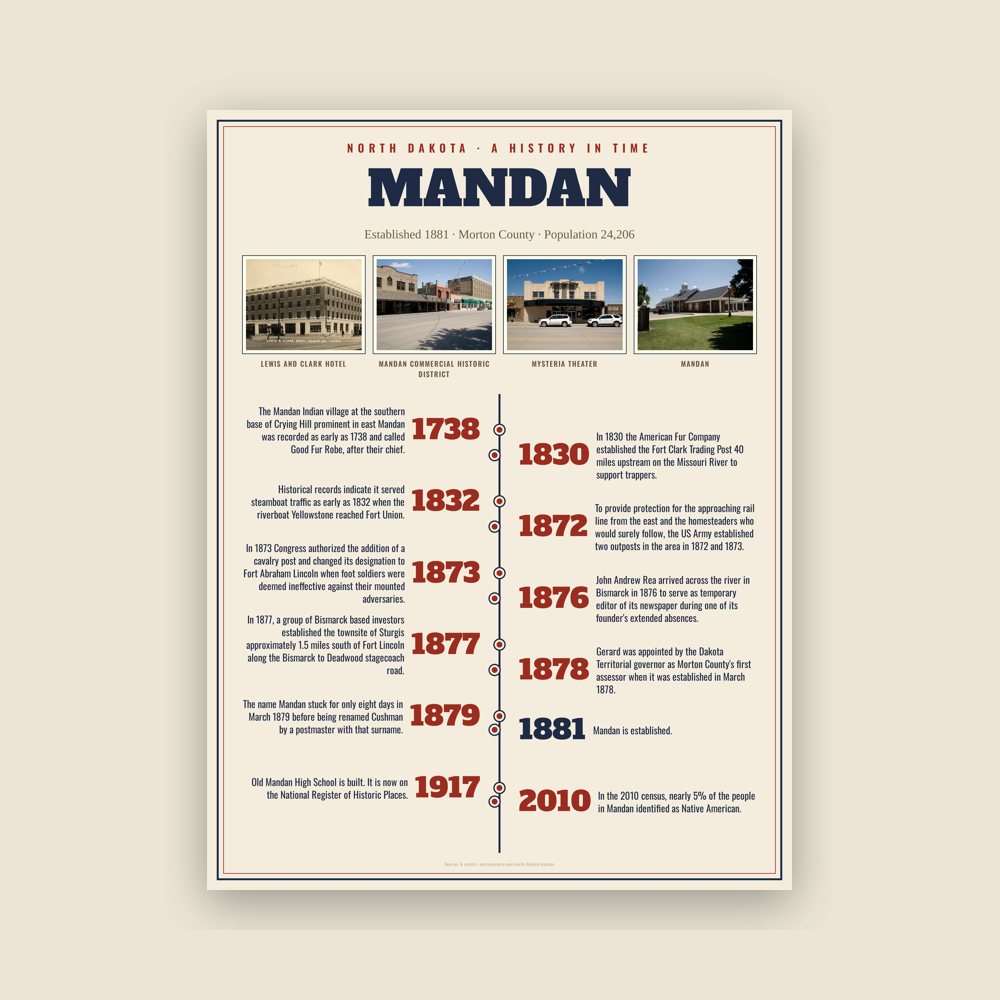
The city was named after the historic indigenous Mandan of the area. The Mandan are now part of the Three Affiliated Tribes of the Fort Berthold Reservation, spanning the upper Missouri River in the western part of the state. Their people also live in cities of the state and other areas. In the 2010 census, nearly 5% of the people in Mandan identified as Native American.
The Mandan Indian village at the southern base of Crying Hill prominent in east Mandan was recorded as early as 1738 and called Good Fur Robe, after their chief. The settlement was also recorded as Crying Hill and Two Face Stone, after their corresponding geographic features. It was one of six Mandan villages on the west riverbank between the Knife and Cannonball Rivers.
The credit for the city's incorporated name is a point of debate. John Andrew Rea arrived across the river in Bismarck in 1876 to serve as temporary editor of its newspaper during one of its founder's extended absences. Rea subsequently served as the register in the governmental land office in the territorial capital of Bismarck for eight years starting in June 1880. Rea claimed he and Northern Pacific Railroad engineer Thomas L. Rosser created the name. He wrote to the St. Paul Pioneer Press, which published and popularized the name that remains in use today. But the more generally accepted story credits the city's name to Frederic Gerard. Gerard had married Helena Catherine, an Arikara/Ree woman when he ran the Fort Berthold trading post. Gerard was appointed by the Dakota Territorial governor as Morton County's first assessor when it was established in March 1878. He was one of the first three men elected as a Morton County Commissioner in November 1878.
Read the full history
Early history
While Native Americans had long established settlements in the area along the river, the first white explorer was Frenchman Sieure de la Verendyre, whose expedition arrived in 1738. Not until the early 1800s did Euro-American frontiersmen come to the area with any regularity, the Lewis and Clark Expedition in 1804 and 1806, George Catlin in 1832, and Prince Maximilian and Karl Bodmer in 1834 being the most notable. In 1830 the American Fur Company established the Fort Clark Trading Post 40 miles upstream on the Missouri River to support trappers. To provide protection for the approaching rail line from the east and the homesteaders who would surely follow, the US Army established two outposts in the area in 1872 and 1873. Fort Greeley (later renamed Fort Hancock) was founded first on the river's east side. On the west side, an infantry post, Fort McKeen, was constructed on bluffs above the confluence of Heart and Missouri Rivers. In 1873 Congress authorized the addition of a cavalry post and changed its designation to Fort Abraham Lincoln when foot soldiers were deemed ineffective against their mounted adversaries.
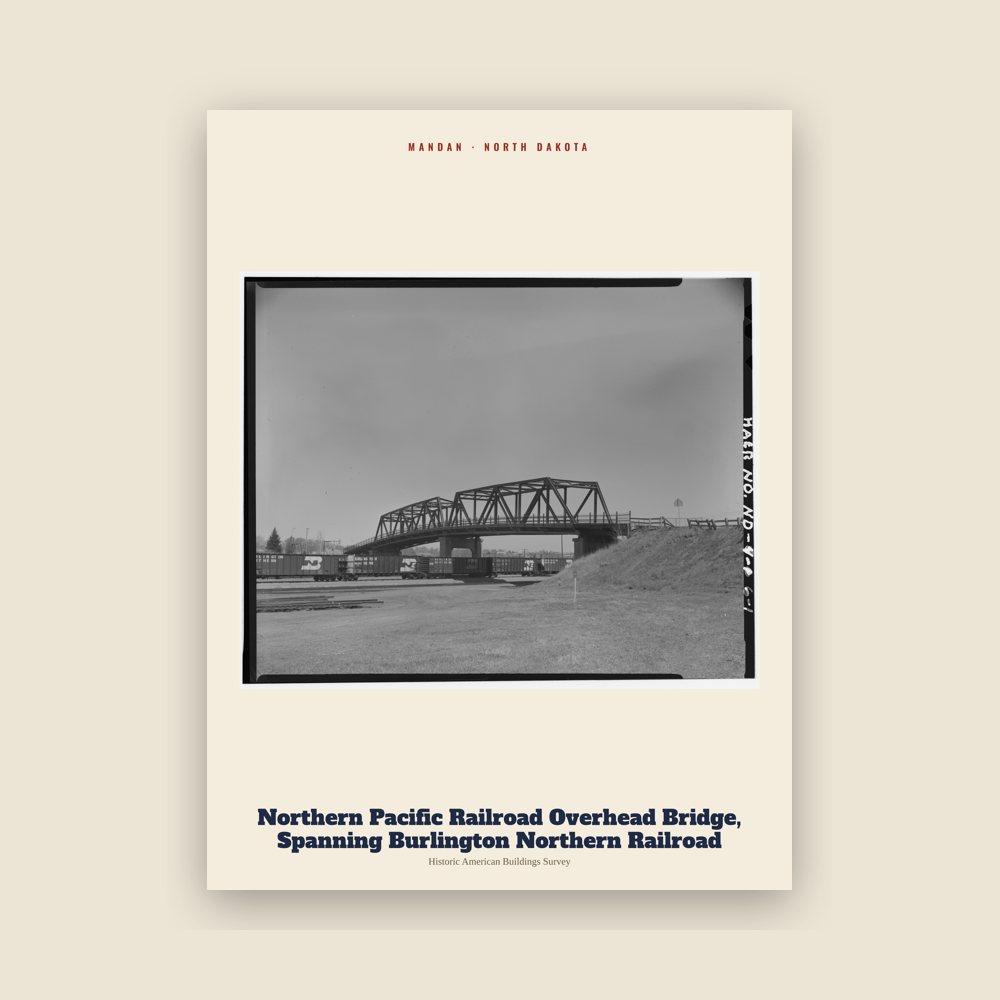
When the Northern Pacific Railroad announced a pending river crossing in 1872, land speculators rushed to establish claims at probable locations for the inevitable city to be established on the west side of the crossing. The Lincoln Townsite Company claimed the "even" section 28 of land adjacent to the west border of the "odd" section 27 of land claimed by the railroad and platted in March 1879 as "Mandan Proper." Investors moved quickly within contacts in the Territorial Legislature and Governor's office to have "Lincoln" designated as Morton County Seat. However, no significant development would occur there for decades.
But construction of the bridge across the Missouri River was postponed. While the 1873 financial panic is most frequently cited for the delay, difficulties with maintaining track integrity in west Minnesota delayed governmental acceptance of those segments of line and the corresponding award of federal subsidies.
Once its final location was announced, about five miles north of Fort Abraham Lincoln, a work camp appeared on the west riverbank in December 1878, complete with its own post office. The settlement also served as the construction staging area for men and materials for the westward expansion of the rail line.
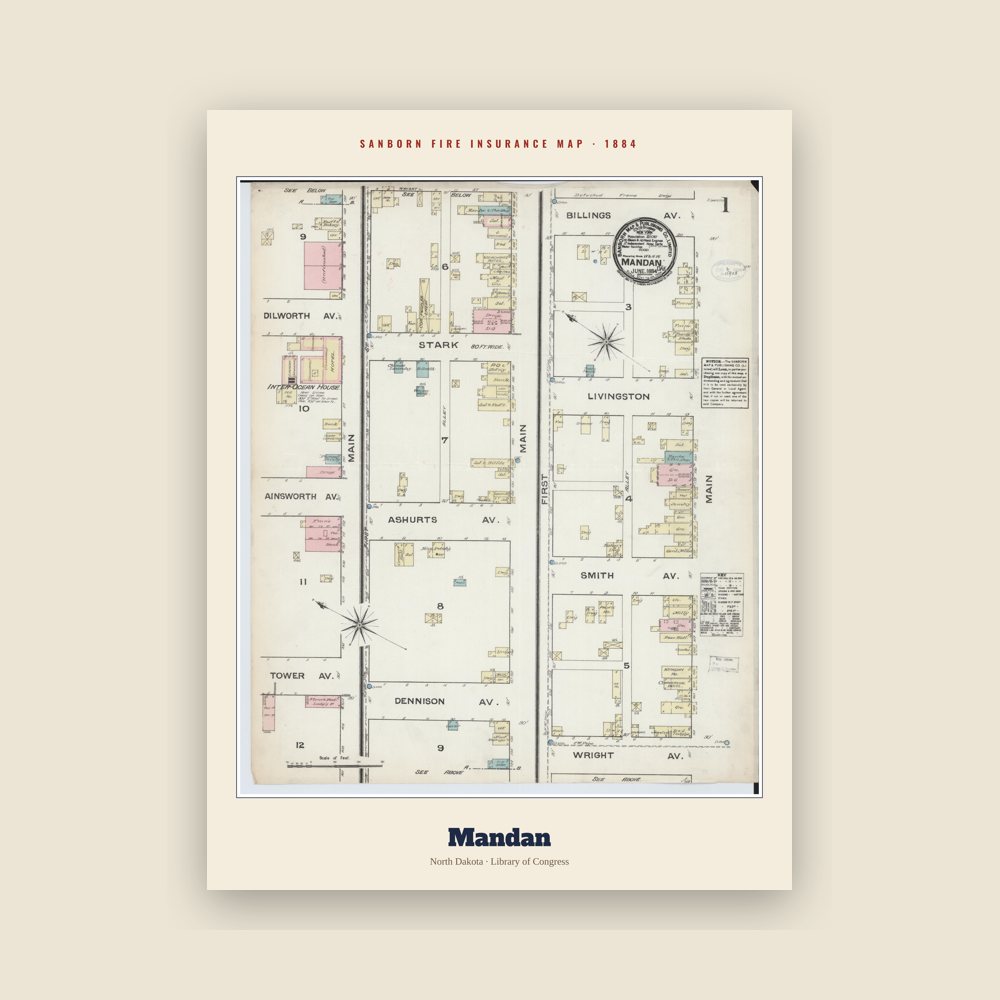
On March 3, 1879, the post office was moved from the west bank of the Missouri River to the railroad's city site within blocks of Mandan's first railroad depot and freight building at Main Street and Stark Avenue (today's Collins Avenue) once the City provided an appropriate building. Four city names coincided exactly with four postmasters. The original railroad work camp's post office in 1878 was known as Morton. The name Mandan stuck for only eight days in March 1879 before being renamed Cushman by a postmaster with that surname. In September 1879, the post office returned to its designation of Mandan.
The City of Mandan was formally incorporated on February 24, 1881, and was named for the Mantani Indians, or "people of the bank." Mandan became the county seat for the replatted Morton County after the North Dakota legislature restored the prior county boundaries in 1881 after Burleigh County's land grab in 1879. The city of Lincoln had been county seat from 1878 to 1879.
Upon completion of the railroad to Montana in 1881, Fort Abraham Lincoln had fulfilled its primary purpose and gradually declined until it was deactivated in 1892 formally abandoned in 1893. The site was later transferred to the ND State Parks and Recreation Department and today is operated as Fort Abraham Lincoln State Park.
Transportation development
In the earliest days of Euro-American settlement, the main commercial transportation route was the Missouri River. Even after the rail arrived in the 1870s, the river remained the main north–south route until the mid-1930s' development of the national highway system. Steamboats used coal for fuel and the mine at Sims seven miles west of Mandan was a major source of lignite coal. If unavailable, steamboat crews bought wood from farmers along the river. Bellows Landing, the site of today's R M Hesket Power Station, was a refueling station with an icehouse. Historical records indicate it served steamboat traffic as early as 1832 when the riverboat Yellowstone reached Fort Union. Regular steamboat service on the Missouri began in 1860. Bellows Landing was renamed Rock Haven when the US government took over the operation in the late 1870s. The Army Corps of Engineers made extensive riverside improvements, including adding dry-dock and boat repair facilities. It supported the supply ships for the US Army's frontier forts and was considered the best landing on the river. Unlike most river harbors, the area was permanent and safe even during spring river ice breakup. It ceased operations in 1934.
Recent history
As part of the Bismarck-Mandan MSA, the area has repeatedly been ranked in the top 5 on both the Forbes list of "Best Small Places for Business and Careers" and the Milken Institutes' "Best Small Cities" list. The sister cities have also been included in CNN Money's list of the top 100 places to live.
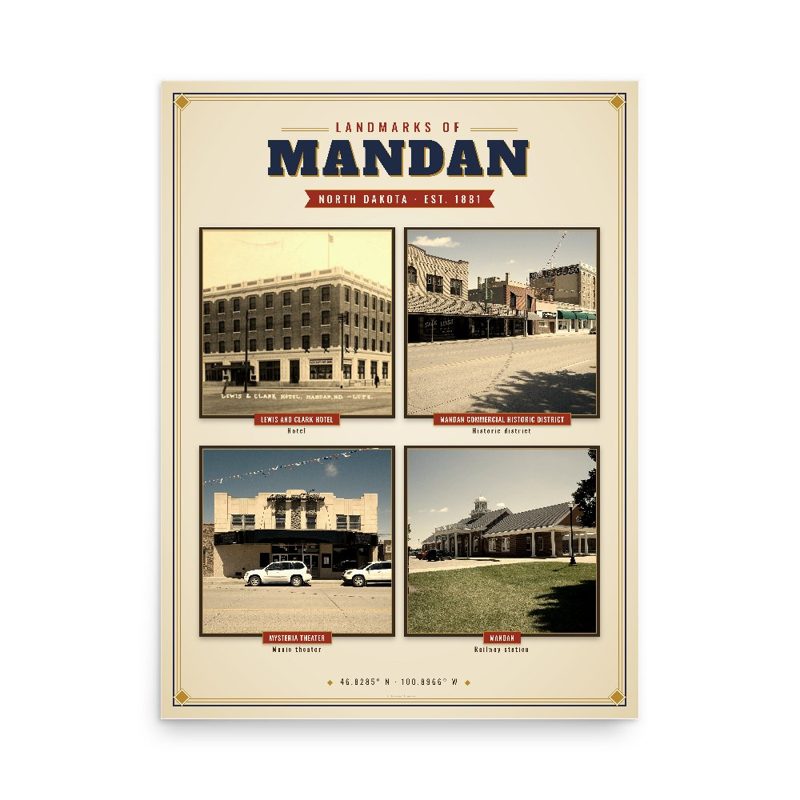
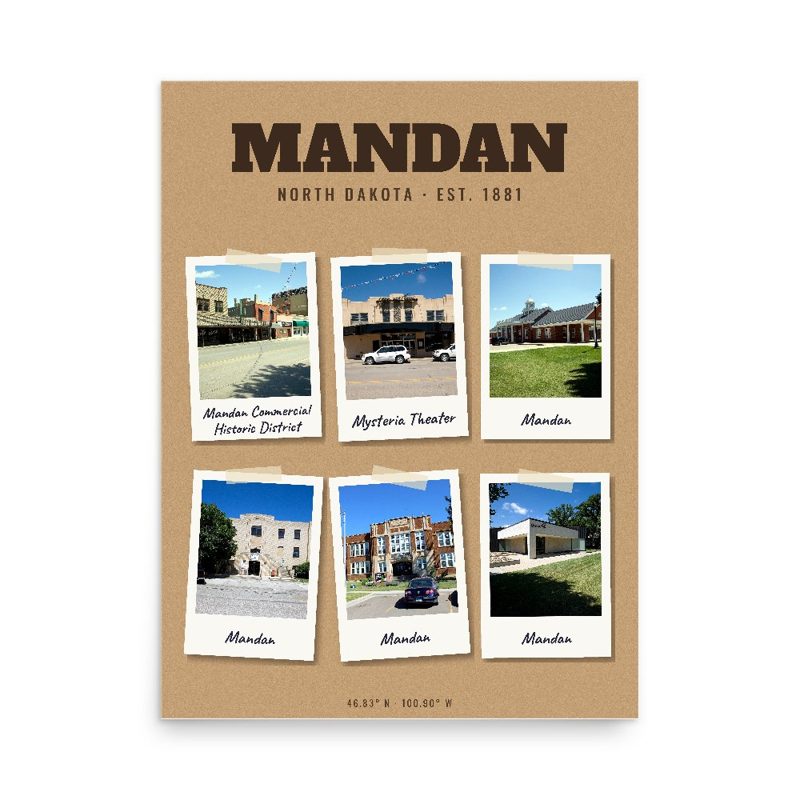
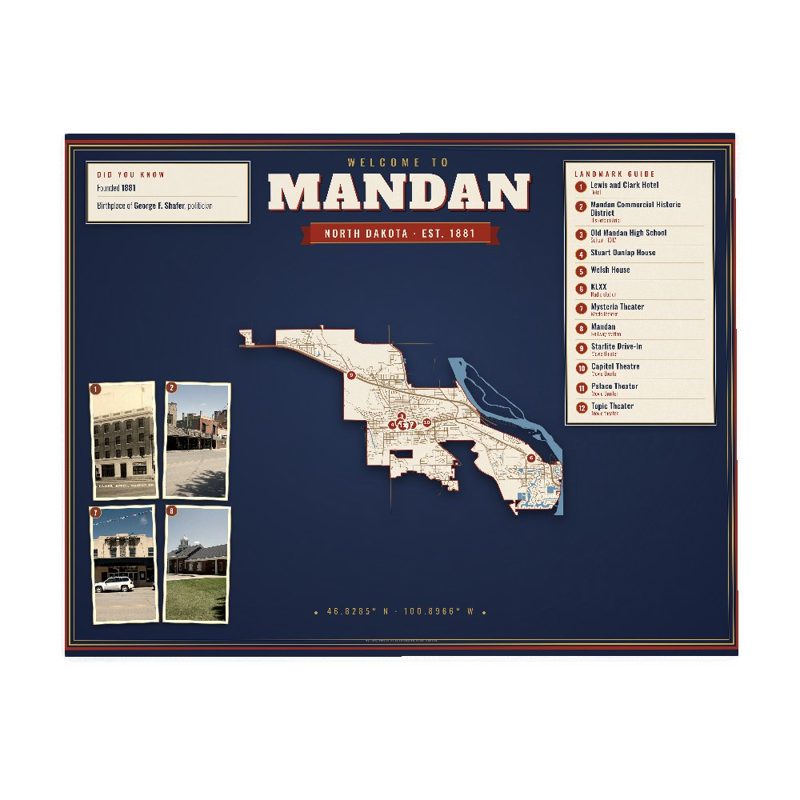




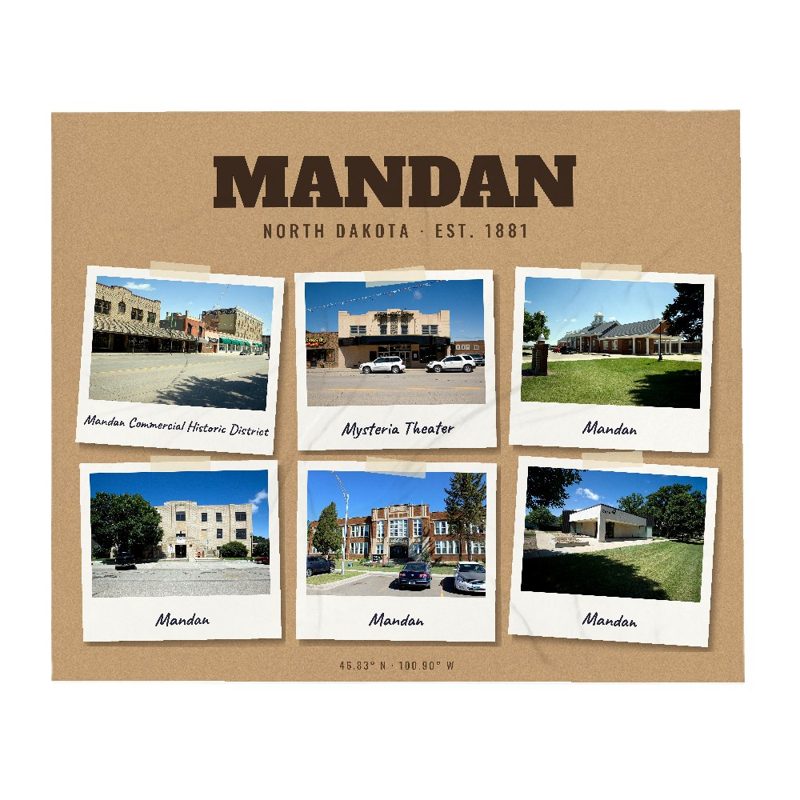
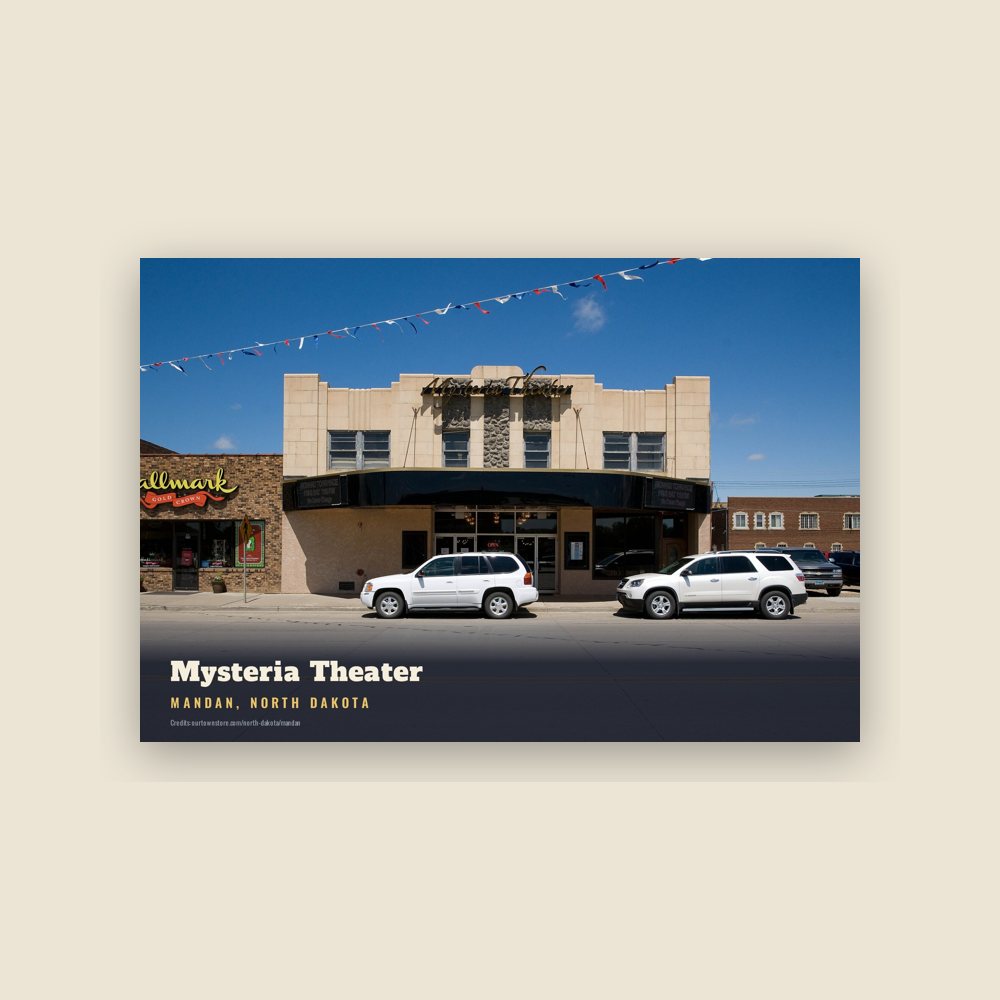
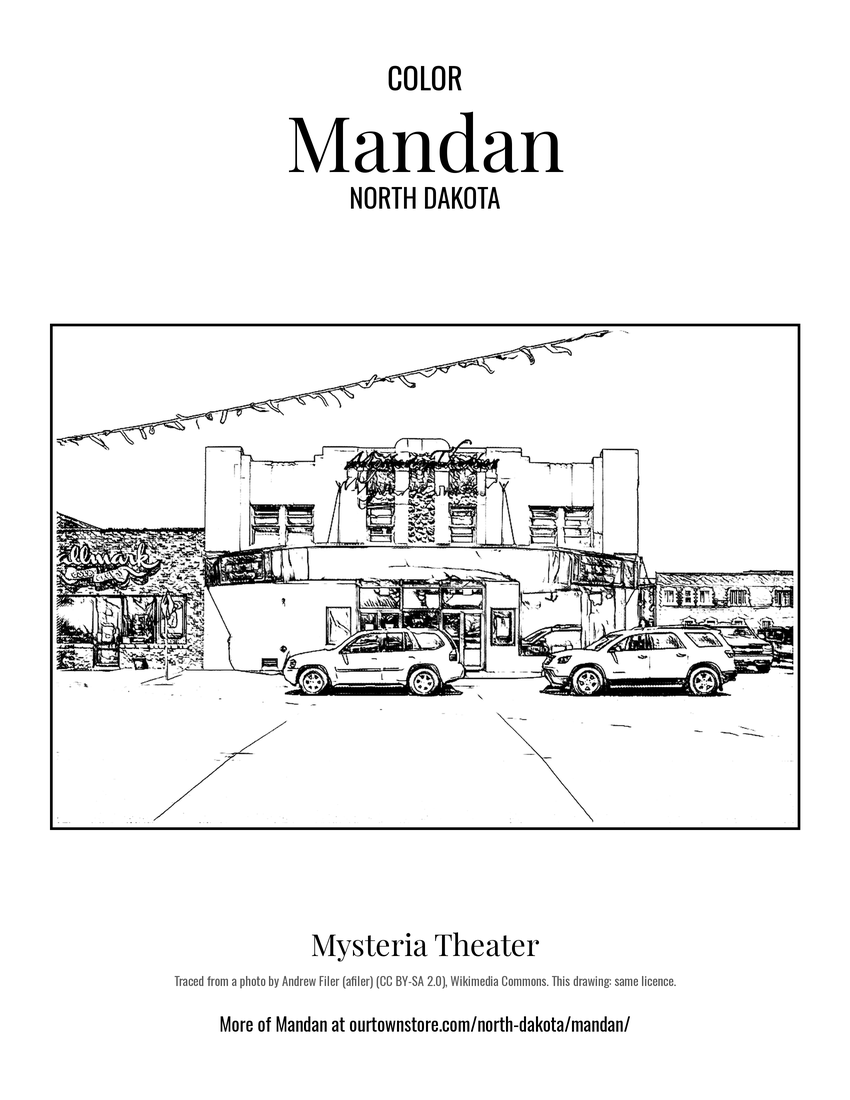 Mysteria Theater
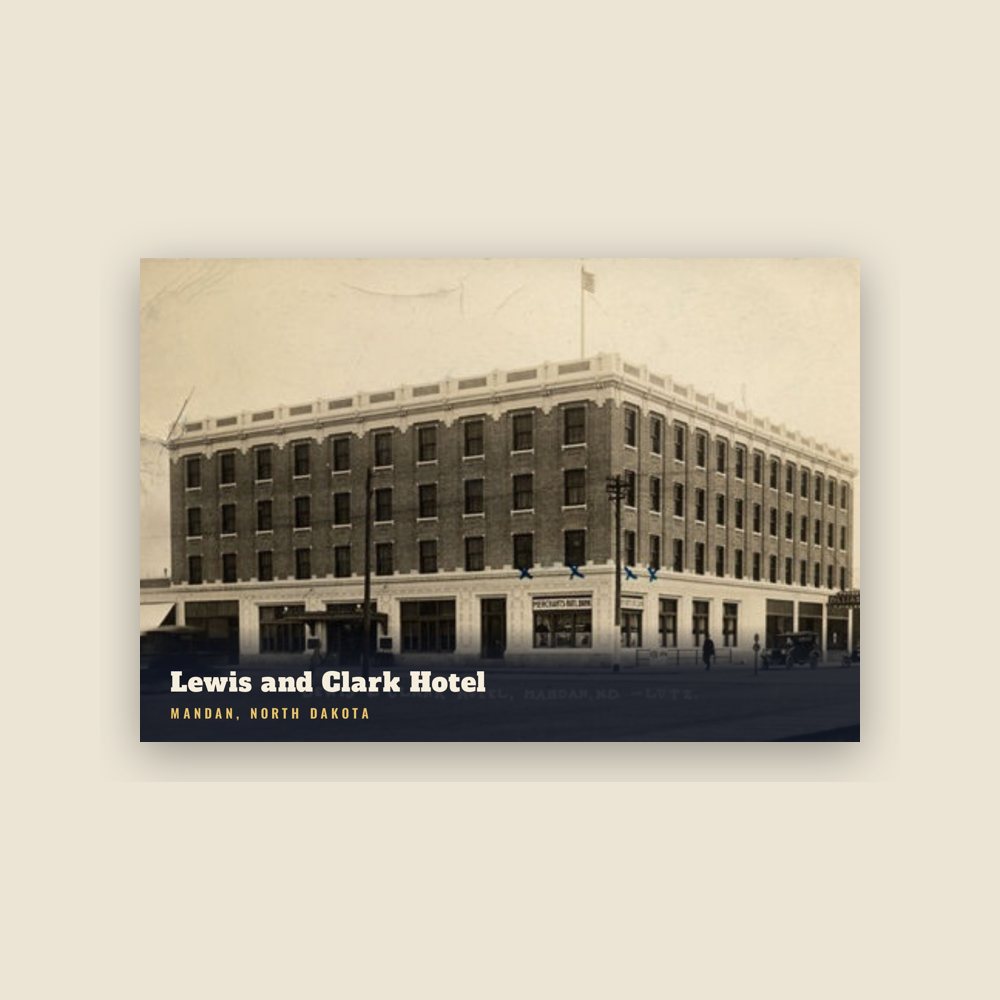
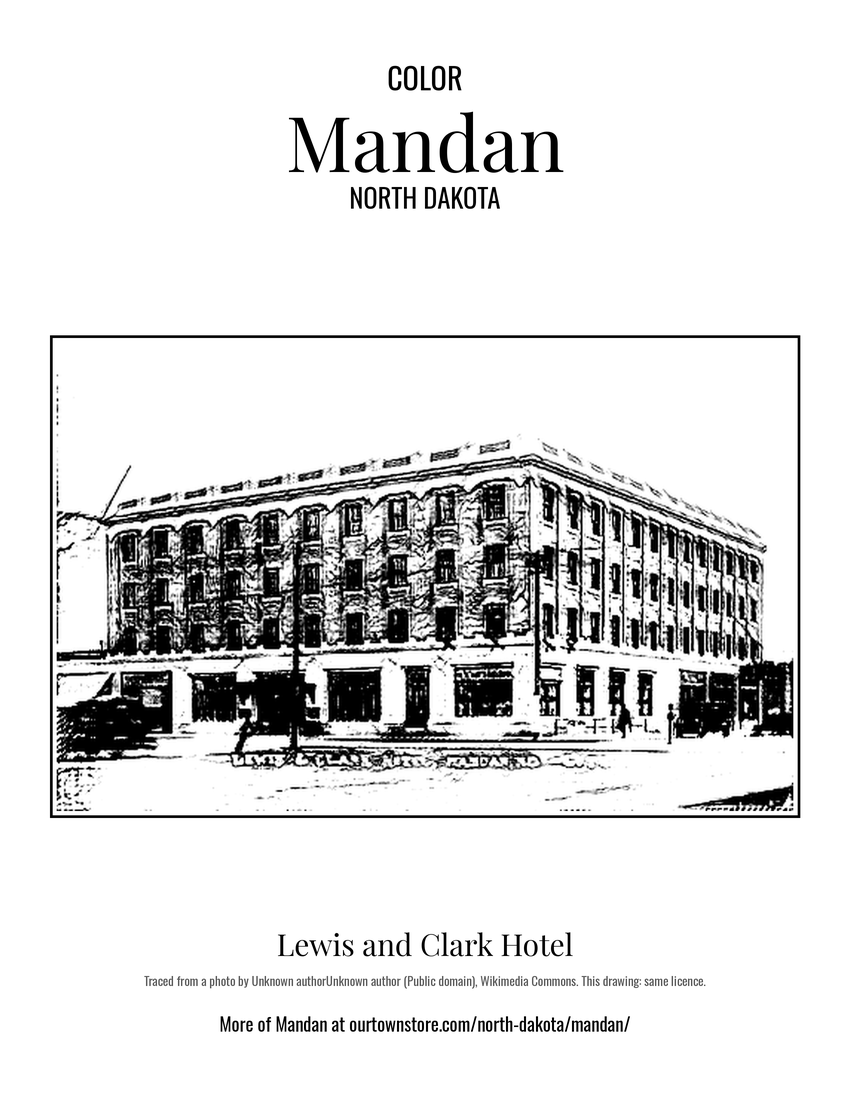 Lewis and Clark Hotel
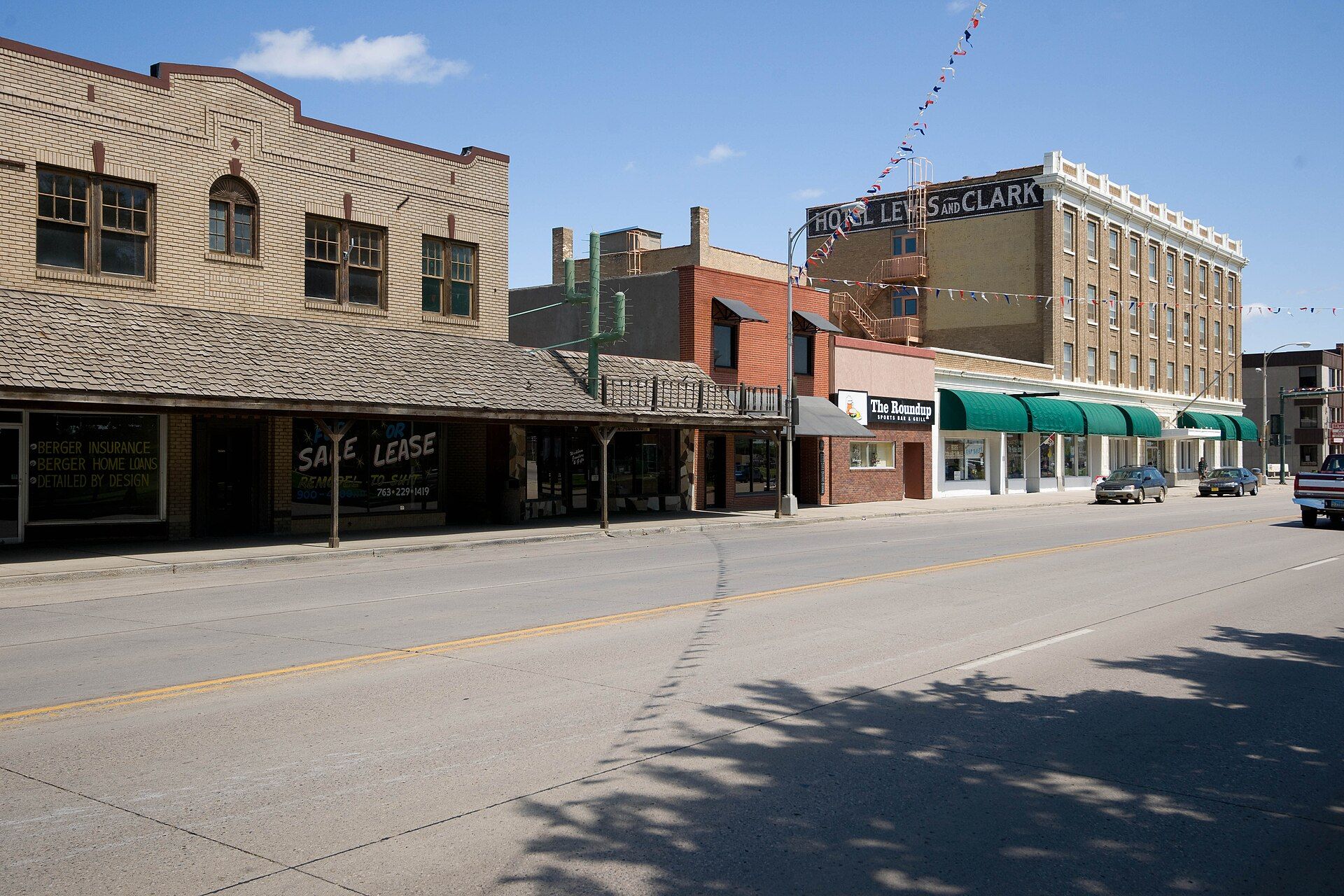
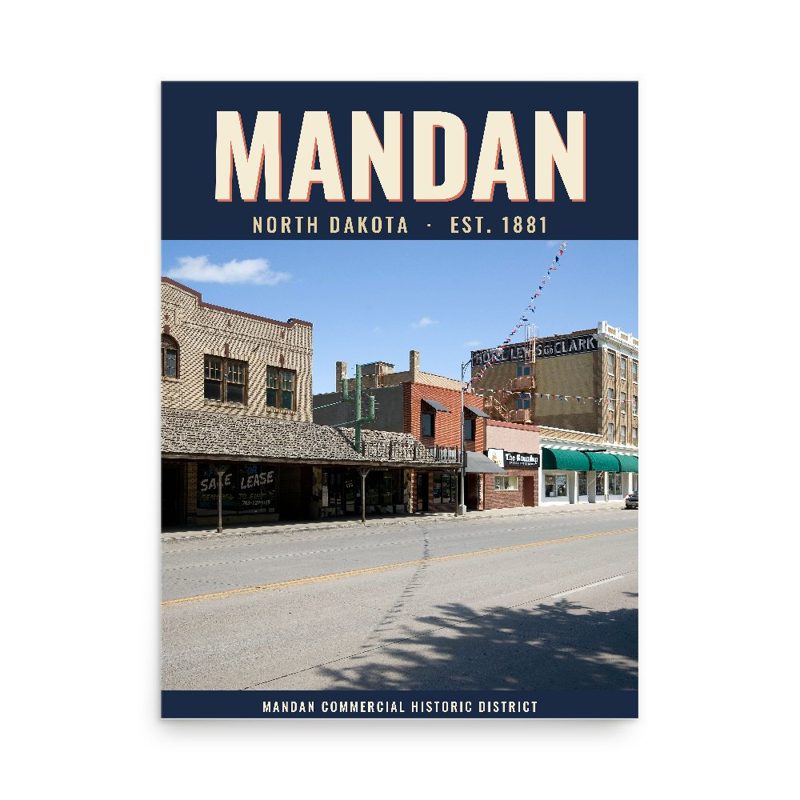
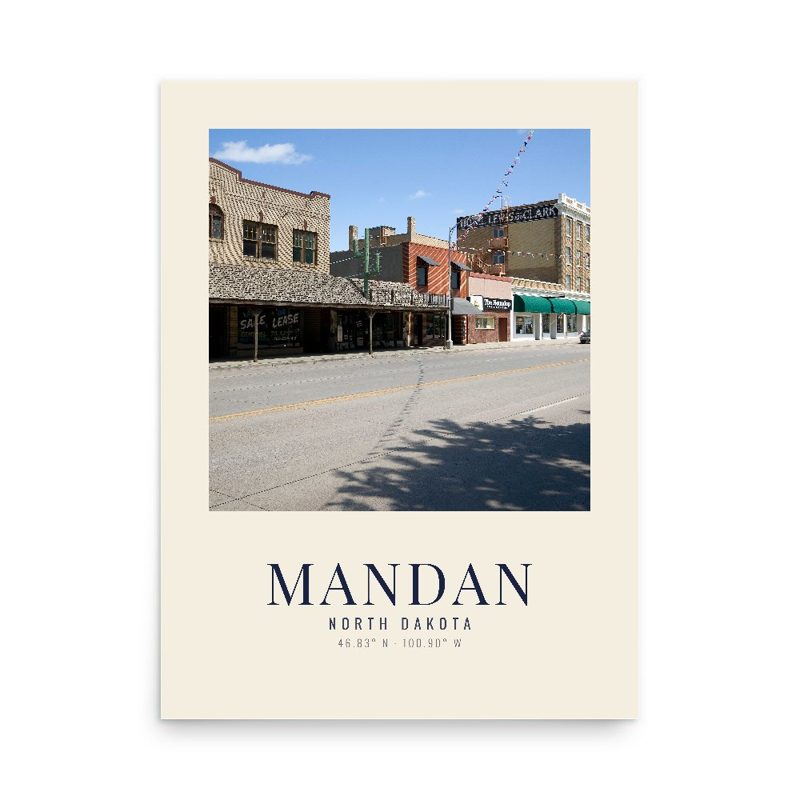
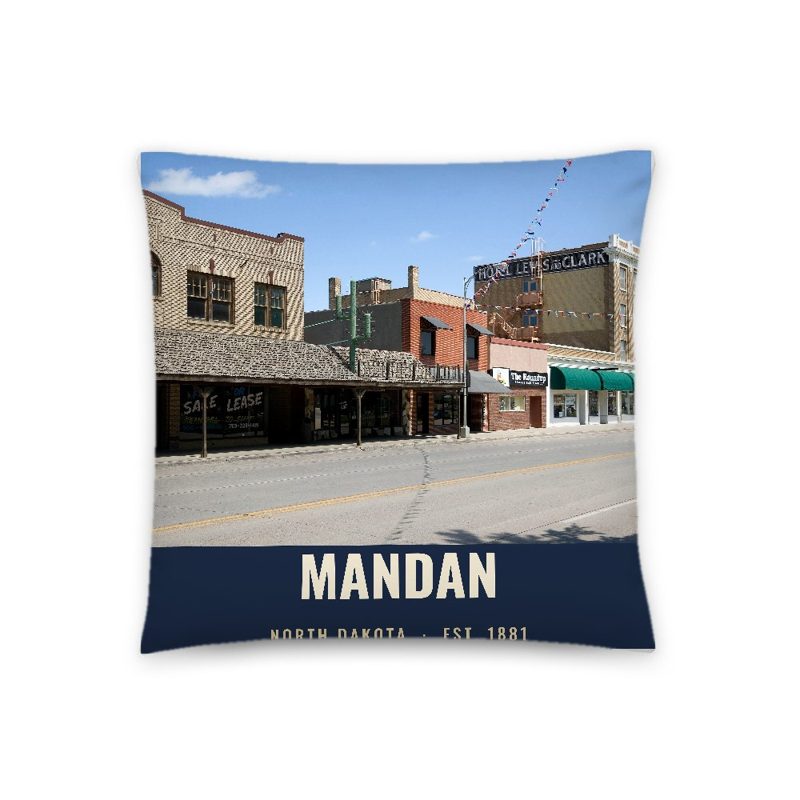
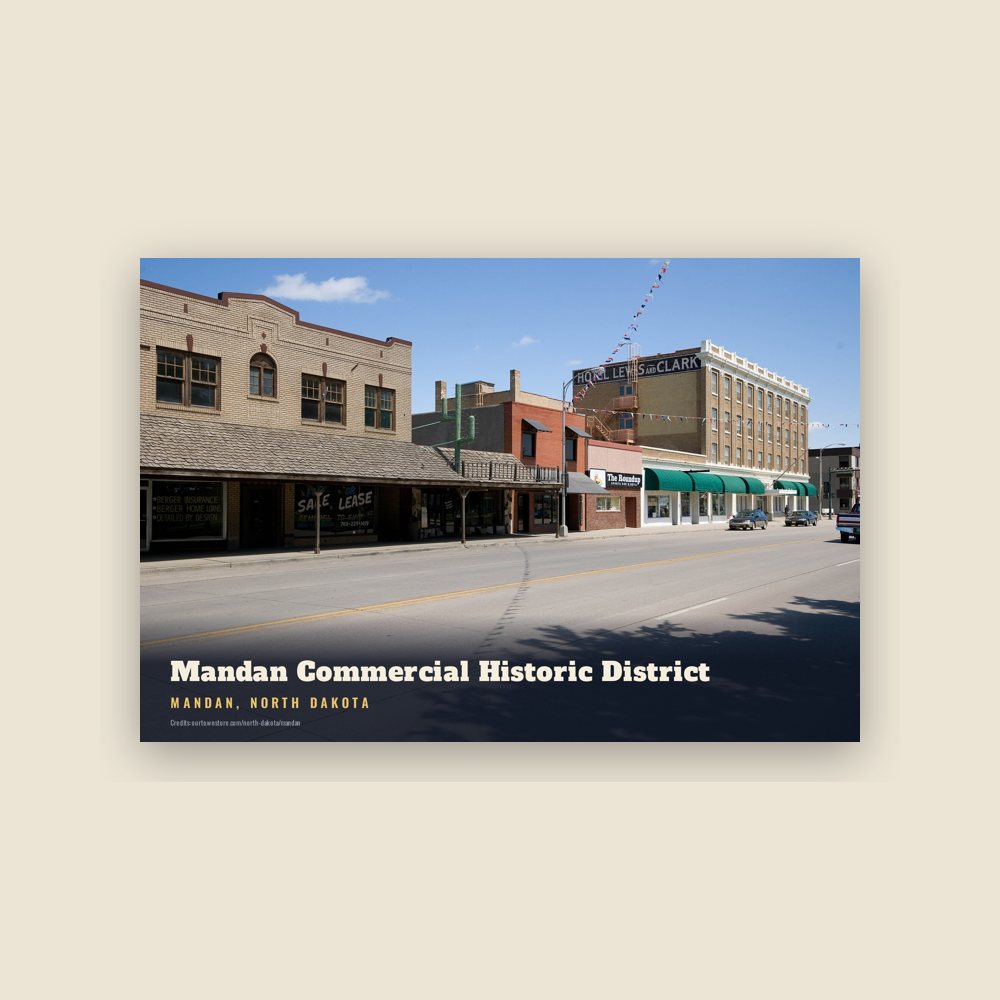
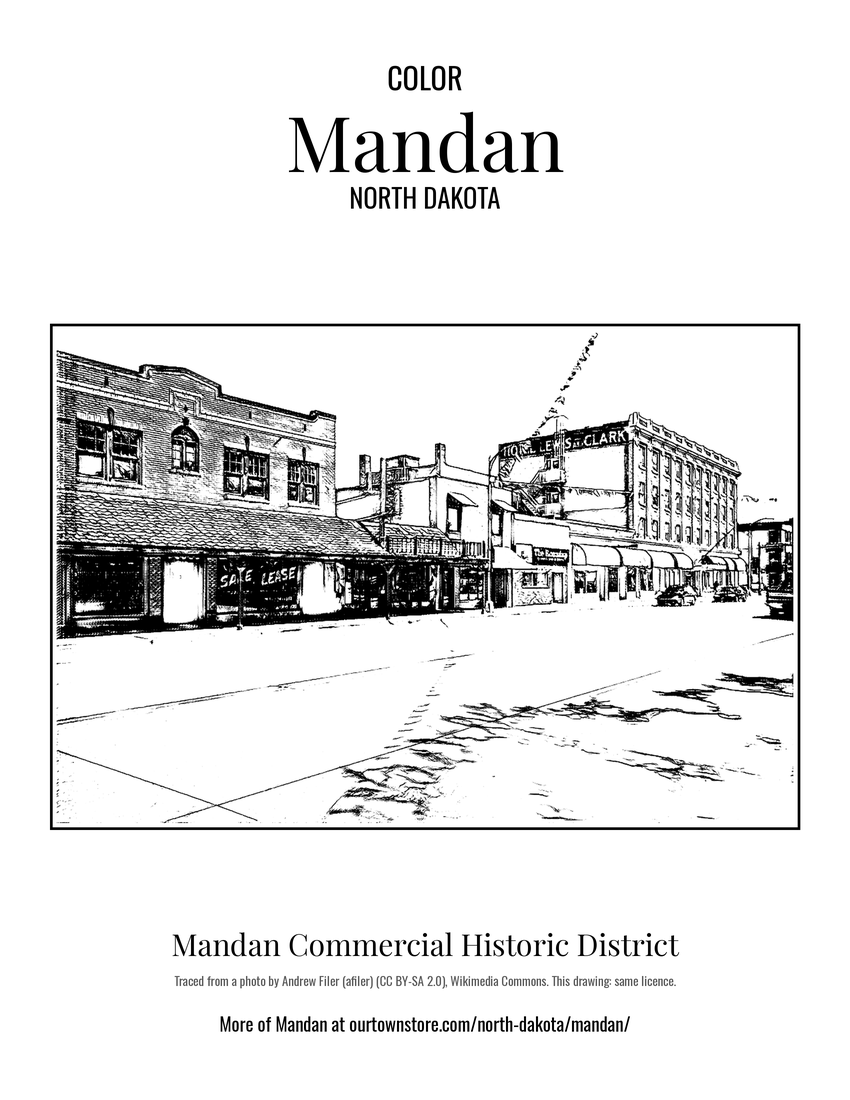 Mandan Commercial Historic District
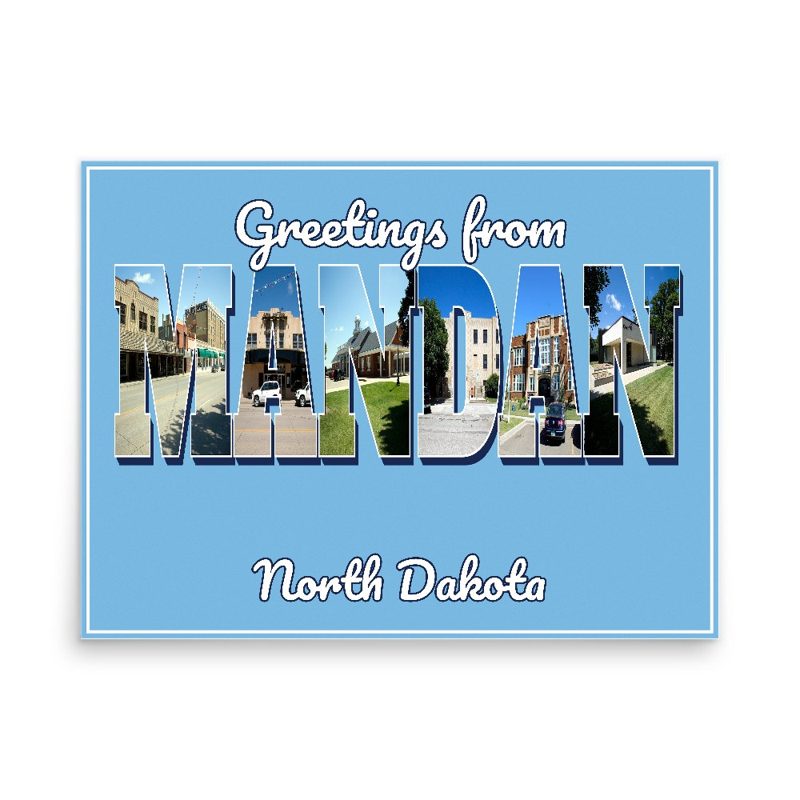
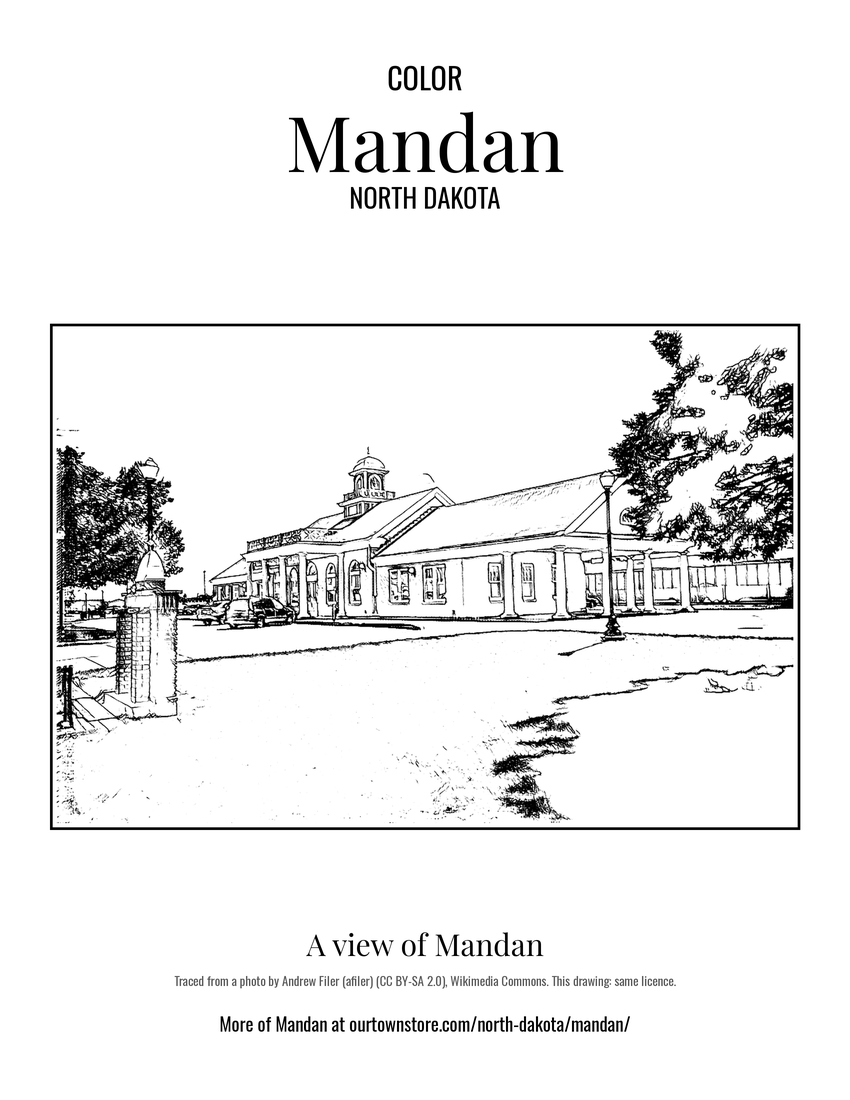 A view of Mandan